
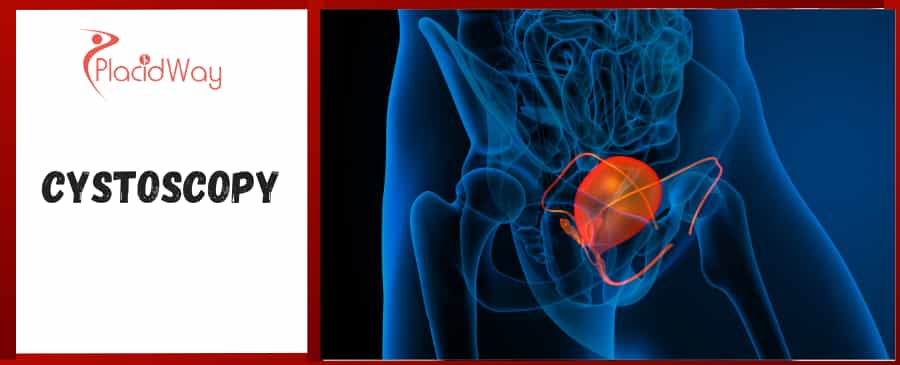
Unveiling Bladder Health: Your Guide to Cystoscopy & Treatment Abroad
Navigating persistent bladder or urinary issues can be uncomfortable and concerning. When symptoms like recurring infections, blood in urine, or chronic bladder pain arise, a cystoscopy can be a crucial diagnostic tool. Often described as a "window into your bladder," this procedure allows specialists to visually inspect the urinary tract, helping to pinpoint the exact cause of your discomfort and guide effective treatment.
For many, particularly those seeking high-quality care at a more affordable price, exploring options for cystoscopy abroad has become a viable and attractive solution. This comprehensive guide aims to demystify the cystoscopy procedure, address common concerns like "is a cystoscopy painful?" or "what can a cystoscopy detect?", and illuminate why medical tourism might be the right path for your bladder health journey.
What symptoms might suggest you need a cystoscopy?
Your urinary system is vital, and any persistent disturbance can significantly impact your quality of life. A cystoscopy is typically recommended when less invasive tests haven't provided clear answers, or when specific symptoms point directly to a need for direct visual inspection. Common symptoms that often lead to a cystoscopy include:
- Blood in urine (hematuria): This is one of the most common and concerning symptoms, whether visible (gross hematuria) or microscopic.
- Frequent or urgent urination: Needing to urinate often, especially at night, or having a sudden, strong urge to urinate that's hard to control.
- Painful urination (dysuria): A burning sensation or discomfort during urination, which can indicate infection or inflammation.
- Recurrent urinary tract infections (UTIs): If you experience frequent UTIs that don't respond well to standard treatment, a cystoscopy can help identify structural issues or irritants.
- Chronic pelvic pain: Unexplained pain in the lower abdomen, often attributed to bladder or urethral issues like interstitial cystitis.
- Difficulty emptying your bladder: A feeling of incomplete emptying or a weak urine stream.
- Bladder control problems: Urge incontinence or stress incontinence that might have an underlying physical cause.
These symptoms, especially if persistent, warrant a thorough investigation to ensure timely diagnosis and appropriate treatment.
What common causes and risk factors lead to bladder issues requiring a cystoscopy?
Understanding the potential causes and risk factors can help you and your doctor narrow down possibilities. A cystoscopy provides direct visualization, which is often superior to imaging for identifying mucosal changes. Conditions commonly investigated include:
- Bladder infections (UTIs): While often diagnosed with urine tests, recurrent or complicated UTIs might signal an underlying structural problem best seen with a cystoscope.
- Bladder stones: Mineral deposits that form in the bladder, causing pain, blood in urine, and urinary flow obstruction.
- Bladder polyps or tumors: Abnormal growths on the bladder lining. A cystoscopy is crucial for detecting these, especially in cases of suspected bladder cancer.
- Interstitial cystitis (painful bladder syndrome): A chronic condition causing bladder pressure, bladder pain, and sometimes pelvic pain. Cystoscopy can reveal specific inflammation patterns.
- Urethral strictures: Narrowing of the urethra, which can obstruct urine flow.
- Enlarged prostate (Benign Prostatic Hyperplasia - BPH): In men, an enlarged prostate can press on the urethra, causing urinary symptoms that a cystoscopy can help evaluate.
- Foreign bodies: Sometimes, medical devices (like stents) or even objects can be found in the bladder.
Risk factors like age, smoking, exposure to certain chemicals, and a history of radiation therapy can increase the likelihood of developing some bladder conditions.
What exactly is a cystoscopy procedure and how is it performed?
A cystoscopy is a minimally invasive procedure, usually performed in an outpatient setting. Here’s what generally happens:
- Preparation: You may be asked to empty your bladder before the procedure. A local anesthetic gel is often applied to the urethra to numb the area and make the insertion more comfortable. For some, sedation or general anesthesia might be used, especially for rigid cystoscopy or if additional procedures like biopsies are planned.
- Insertion: The doctor gently inserts the cystoscope into your urethra. There are two main types:
- Flexible cystoscope: This is thinner and more commonly used for diagnostic purposes. It's often performed with only local anesthesia.
- Rigid cystoscope: This is a straight, stiff tube, usually used when biopsies, removal of stones, or other therapeutic interventions are needed, often requiring sedation or general anesthesia.
- Examination: Once the scope is in the bladder, sterile water or saline is used to fill the bladder, allowing the doctor a clearer view of the bladder wall. The doctor examines the lining for any abnormalities, such as inflammation, stones, tumors, or bleeding.
- Intervention (if needed): If anything suspicious is found, the doctor can use tiny instruments passed through the cystoscope to take tissue samples (biopsies) or remove small stones.
- Completion: After the examination, the cystoscope is carefully removed. The entire procedure typically takes between 5 to 20 minutes, depending on whether any interventions are performed.
Many patients wonder, "is a cystoscopy painful?" Most report a feeling of pressure or discomfort rather than sharp pain, especially with flexible cystoscopy and local anesthetic. The experience varies from person to person.
Who is eligible for a cystoscopy and are there alternatives?
Cystoscopy is generally safe for most adults. However, there are some situations where it might be delayed or alternative methods might be preferred:
- Acute urinary tract infection: Doctors usually treat the infection first before performing a cystoscopy to avoid spreading bacteria or exacerbating inflammation.
- Recent urinary tract surgery: Depending on the type of surgery, a waiting period might be necessary for healing.
- Severe urethral trauma: In cases of recent injury, the urethra might be too sensitive or damaged for scope insertion.
Your doctor will evaluate your overall health and specific symptoms to determine if a cystoscopy is the best course of action. If you're wondering, "what are the alternatives to cystoscopy?", consider these options:
- Urine tests: For diagnosing infections or detecting microscopic blood.
- Imaging studies: Such as ultrasound, CT scans, or MRIs of the urinary tract can identify larger masses, stones, or structural abnormalities in the kidneys or bladder.
- Urodynamic studies: To assess bladder function and urine flow dynamics, particularly for incontinence or voiding difficulties.
While these alternatives provide valuable information, none offer the direct visual examination of the bladder lining that a cystoscopy does, making it indispensable for specific diagnoses like early bladder cancer or interstitial cystitis.
What is the typical recovery time and what should you expect post-procedure?
The recovery from a cystoscopy is generally swift, especially for a diagnostic procedure done with local anesthesia. Here's what you can typically expect:
- Immediate Post-Procedure: You might feel a mild burning sensation when you urinate, and you might see a small amount of blood in your urine for a day or two. This is normal.
- Discomfort: Some discomfort in the lower abdomen or bladder area is common. Over-the-counter pain relievers (like ibuprofen or acetaminophen) can help manage this.
- Increased Urination: You might feel the need to urinate more frequently for a short period. Drinking plenty of water can help flush out your bladder, reduce irritation, and minimize the risk of infection.
- Activity: Most people can return to their normal daily activities within 24 hours. Avoid strenuous activity or heavy lifting for a day or two, especially if you had biopsies taken.
When to Contact Your Doctor: While minor discomfort is normal, you should contact your doctor if you experience:
- Severe pain that doesn't improve with medication.
- Heavy bleeding or blood clots in your urine.
- Inability to urinate.
- Signs of infection, such as fever, chills, or worsening pain.
Following your doctor's post-procedure instructions, including taking any prescribed antibiotics, is crucial for a smooth recovery.
What are the potential risks and side effects of a cystoscopy?
Like any medical procedure, cystoscopy carries some potential risks and side effects, though serious complications are rare. Understanding these can help you make an informed decision:
- Urinary Tract Infection (UTI): This is the most common complication. Bacteria can be introduced into the urinary tract during the procedure. Symptoms include fever, chills, increased pain during urination, and cloudy urine. Your doctor may prescribe antibiotics before or after the procedure to prevent this.
- Bleeding: Some light bleeding or pink-tinged urine is normal for a day or two. Significant or prolonged bleeding is uncommon.
- Pain and Discomfort: Mild burning or discomfort during urination and lower abdominal pain are expected, but severe or persistent pain is not.
- Urethral Injury: In rare cases, the urethra can be injured during scope insertion, leading to pain or difficulty urinating.
- Bladder Perforation: Extremely rare, this involves a tear in the bladder wall, which would require immediate medical attention and possibly surgery.
- Reaction to Anesthesia: If general anesthesia or sedation is used, there are standard risks associated with these medications.
Your healthcare provider will discuss these risks with you and take precautions to minimize them. It's important to report any unusual or worsening symptoms after your cystoscopy.
How much does a cystoscopy cost worldwide?
The price of a cystoscopy can be a major factor for many patients. Costs fluctuate widely based on geographical location, the healthcare system, the type of facility (hospital vs. outpatient clinic), the type of anesthesia used, and whether additional procedures like biopsies are included. Here's a general comparison to illustrate the potential savings when considering treatment abroad:
| Country | Estimated Cost (USD) | Notes |
|---|---|---|
| United States | $1,500 - $5,000+ | Highly variable based on insurance, facility, and region. Often includes facility fees, physician fees, and anesthesia. |
| United Kingdom | $1,000 - $3,000 | Private sector costs. NHS covers for residents. |
| India | $500 - $1,500 | Known for advanced medical facilities and highly competitive pricing. |
| Mexico | $800 - $2,000 | Popular for US patients due to proximity and cost-effectiveness. |
| Turkey | $700 - $1,800 | Emerging medical tourism hub with modern facilities. |
| Thailand | $600 - $1,600 | Combines quality care with attractive travel opportunities. |
Note: These are estimated costs and can vary. Always get a personalized quote. Costs typically include the procedure, doctor's fees, and basic facility charges, but may not include travel, accommodation, or extensive follow-up.
Why consider a cystoscopy abroad for better value and care?
The allure of medical tourism extends beyond just lower prices. For procedures like a cystoscopy, patients often find compelling reasons to look internationally:
- Significant Cost Savings: As seen in the table above, the difference in cost for the same procedure can be substantial, making high-quality care accessible to more people.
- Access to Specialized Care and Technology: Many medical tourism destinations boast state-of-the-art facilities and highly trained specialists, often using the latest diagnostic equipment.
- Reduced Wait Times: In countries with long public healthcare waiting lists, traveling abroad can mean getting a diagnosis and treatment much faster.
- Privacy and Anonymity: Some patients prefer to undergo medical procedures away from their home country for greater privacy.
- Opportunity for a "Medication": Combining your procedure with a travel experience can reduce stress and aid recovery, transforming a medical necessity into a more positive experience.
- Comprehensive Packages: Many international clinics and facilitators offer all-inclusive packages that cover the procedure, accommodation, local transport, and even a recovery stay.
For those asking, "how to ensure safety and quality abroad?", reputable medical tourism facilitators like PlacidWay partner only with accredited hospitals and experienced specialists, providing peace of mind.
Which countries offer the best value and quality for cystoscopy procedures?
When selecting a destination for your cystoscopy, consider countries known for their robust medical infrastructure, internationally accredited hospitals, and expertise in urology. Here are some of the leading choices:
- India: A global leader in medical tourism, offering highly advanced hospitals, English-speaking staff, and world-class urologists at a fraction of Western costs.
- Mexico: Especially popular with North American patients due to its proximity. Mexico provides excellent, accredited facilities with experienced doctors.
- Thailand: Known for its exceptional hospitality and modern hospitals, Thailand offers a blend of high-quality care and a relaxing recovery environment.
- Turkey: An emerging hub with state-of-the-art hospitals, particularly in Istanbul, offering competitive pricing and highly qualified medical professionals.
- South Korea: Renowned for its technological advancements and precision in medical procedures, South Korea provides cutting-edge diagnostics and treatment.
- Malaysia: Offers a strong healthcare system, highly skilled doctors, and a welcoming environment for international patients.
When making your choice, look for hospitals with international accreditations (like JCI), patient reviews, and transparent pricing. PlacidWay assists in connecting patients with reputable clinics in these top destinations.
What should you expect when traveling for a cystoscopy and how can you prepare?
Embarking on a medical journey abroad requires careful planning, but with the right support, it can be a seamless experience. Here’s what you can expect and how to prepare:
- Initial Consultation: You'll likely have virtual consultations with the overseas urologist to discuss your symptoms, review your medical history, and determine the exact course of action. This is the time to ask "how do I prepare for a cystoscopy?"
- Travel Arrangements: Your medical tourism facilitator (like PlacidWay) can help with booking flights, securing accommodation near the clinic, and arranging local transportation.
- Visa and Documentation: Ensure you have a valid passport and any necessary visas for your chosen destination. You'll also need to bring all relevant medical records.
- On-Site Care: Upon arrival, you'll have an in-person consultation, pre-procedure tests, the cystoscopy itself, and follow-up appointments. Many clinics offer English-speaking staff or translation services.
- Recovery and Follow-up: Depending on the procedure, you might stay a few days for recovery. Your doctor will provide detailed post-procedure instructions, including any medication and signs to watch for. Remote follow-ups can often be arranged after you return home.
Ensuring Safety and Quality Abroad: To feel confident in your choice:
- Choose internationally accredited hospitals (e.g., JCI - Joint Commission International).
- Verify the qualifications and experience of the urologist.
- Read patient testimonials and reviews.
- Utilize a reputable medical tourism agency that vets its partner clinics rigorously.
By taking these steps, you can significantly enhance the safety and quality of your medical journey abroad.
What are patient success stories from abroad?
While specific individual patient stories are always unique, the collective experience of those who travel abroad for a cystoscopy paints a picture of hope and satisfaction. Patients frequently share positive accounts of their experiences, which often include:
- Accurate and Timely Diagnosis: Many recount finally getting a clear diagnosis after months or years of uncertainty at home, thanks to the swift access to specialized diagnostic tools abroad.
- Effective Treatment and Relief: Patients suffering from chronic conditions like interstitial cystitis or recurrent UTIs find significant relief after interventions or precise diagnoses made during their international cystoscopy.
- Exceptional Patient Care: A common theme is the high level of personalized attention and compassionate care received from medical staff and doctors, often described as more thorough and attentive than what they're used to.
- Stress-Free Experience: With medical tourism facilitators handling logistics, many patients report a surprisingly smooth and less stressful experience, allowing them to focus solely on their health.
- Financial Relief: The substantial cost savings are a consistent highlight, enabling patients to afford necessary procedures that might have been financially out of reach in their home countries.
- Combining Health with Exploration: Many appreciative patients talk about the added benefit of experiencing a new culture, which contributed positively to their overall well-being and recovery.
These collective "success stories" underscore the growing confidence in international healthcare and demonstrate how medical tourism can be a viable and beneficial option for various medical procedures, including crucial diagnostic tools like cystoscopy.
Take the Next Step with PlacidWay
Ready to explore treatment options abroad? Discover top clinics, compare prices, and get a free quote tailored to your needs with PlacidWay.
Urology Abroad | Best Urology Center


.jpg)

.jpg)

Share this listing