


See the World Clearly - Your Guide to Eye Care Abroad
Your vision is precious, but the cost of maintaining it can often be daunting. From routine check-ups to sight-restoring surgeries, eye care expenses can quickly add up, leaving many to wonder if there's a more affordable solution. What if you could receive world-class eye treatment, performed by internationally accredited specialists using the latest technology, all while saving up to 70% on costs? This isn't a far-fetched dream; it's the reality of eye care medical tourism.
Traveling for medical procedures, once a niche concept, has become a mainstream solution for millions seeking quality and affordability. Eye care is at the forefront of this movement. Countries like Turkey, Mexico, India, and Thailand have emerged as global hubs for ophthalmology, offering state-of-the-art facilities that rival, and sometimes surpass, those in Western nations. Whether you're considering LASIK to finally ditch your glasses, need cataract surgery to restore clarity, or are seeking advanced treatment for glaucoma, looking abroad opens up a world of possibilities. This guide will walk you through everything you need to know about pursuing eye care overseas, from choosing the right procedure to ensuring a safe and successful journey.
Why is Eye Care Cheaper in Other Countries?
The significant price difference often raises questions about quality, but the savings are not due to cutting corners. The primary drivers behind the lower costs are economic factors. Countries popular for medical tourism typically have a lower cost of living, which translates into reduced operational expenses for hospitals and clinics. This includes everything from staff salaries and administrative costs to facility maintenance.
Furthermore, governments in many of these destinations actively support their medical tourism sectors, providing subsidies and incentives that help keep prices competitive. Malpractice insurance costs, which are a major expense for surgeons in countries like the United States, are also substantially lower elsewhere. This combination of factors allows international clinics to invest in the same high-end technology and attract top talent while offering procedures at a price point that is much more accessible for patients worldwide.
Which Countries are Best for Eye Care Medical Tourism?
Several countries have carved out a reputation for excellence in ophthalmology. Each destination offers unique advantages, making it important to choose one that aligns with your specific needs.
- Turkey: A global leader in eye surgery, particularly LASIK and lens replacement. Turkish clinics are famous for their all-inclusive packages, JCI-accredited hospitals, and use of the latest German and American technology.
- Mexico: Its proximity to the United States makes it a convenient option for North American patients. Cities like Tijuana and Cancun have highly modern facilities offering a range of procedures from vision correction to complex retinal surgery at competitive prices.
- India: Renowned for its large pool of highly skilled, English-speaking surgeons and incredibly affordable treatment options. Major hospital chains in cities like Delhi and Mumbai are equipped with cutting-edge diagnostic and surgical technology.
- Thailand: Combines first-rate medical care with a world-class tourism experience. Hospitals in Bangkok are known for their luxurious, patient-centric approach and expertise in cataract and implantable lens surgeries.
What Are the Common Types of Eye Care Procedures Abroad?
International eye clinics offer a comprehensive range of treatments, from routine vision correction to complex surgical interventions. Understanding the main types can help you identify what you might need.
- Laser Vision Correction: This is the most popular category.
- LASIK (Laser-Assisted In Situ Keratomileusis): Involves creating a thin flap in the cornea to reshape the underlying tissue, correcting refractive errors. It's known for its quick recovery time.
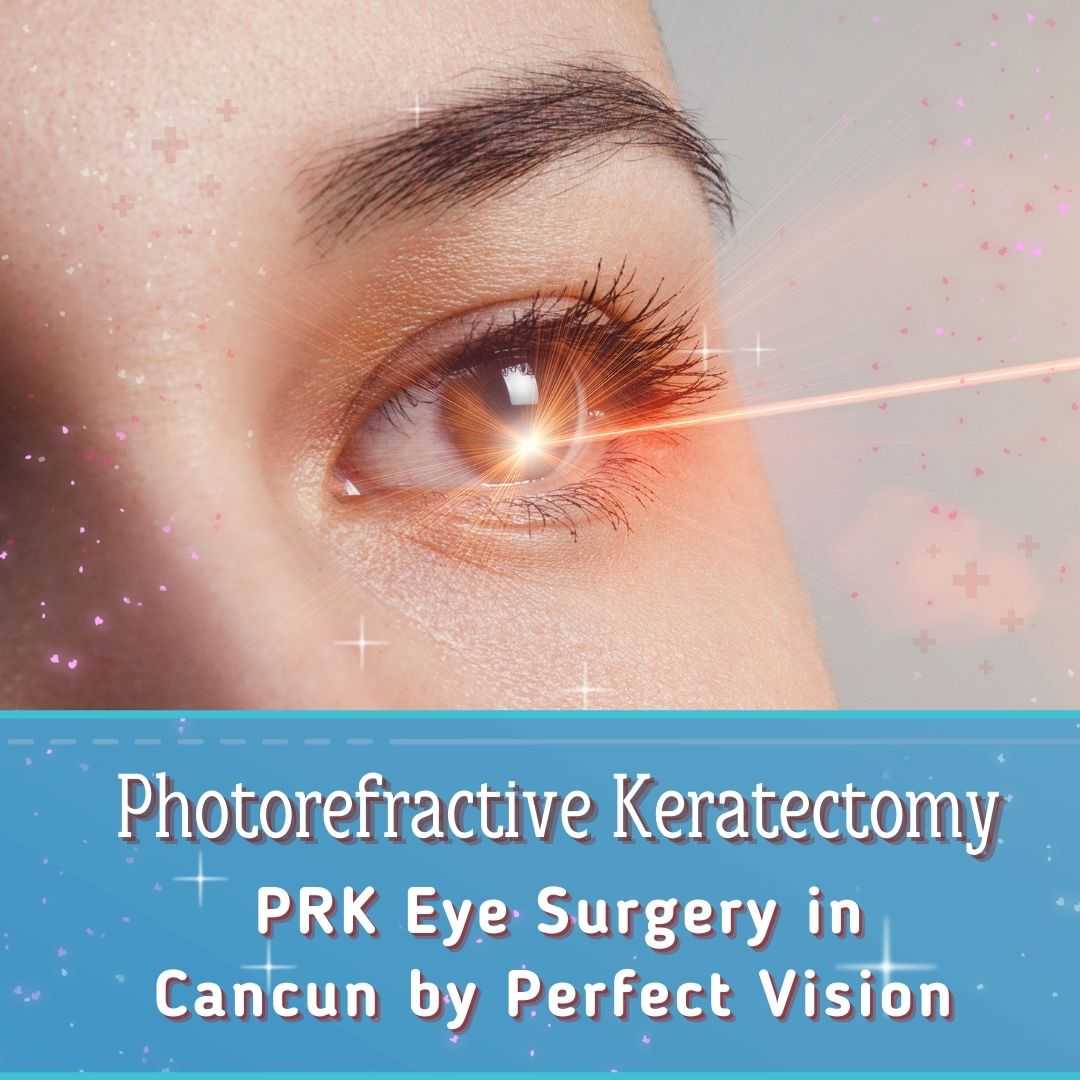
- PRK (Photorefractive Keratectomy): An alternative for those with thin corneas. Instead of a flap, the outer layer of the cornea is removed before the laser reshapes the eye. The recovery is longer but the outcome is just as effective.
- SMILE (Small Incision Lenticule Extraction): A minimally invasive technique where the laser creates a small, lens-shaped piece of tissue (lenticule) within the cornea, which is then removed through a tiny incision.
- Cataract Surgery: This procedure removes the eye's cloudy natural lens and replaces it with a clear artificial one, called an intraocular lens (IOL). Medical tourists can often access advanced multifocal or toric IOLs for less than the cost of a standard lens back home.
- Glaucoma Treatment: This includes various procedures to reduce pressure inside the eye, such as laser therapy (trabeculoplasty) or surgery to create a new drainage channel (trabeculectomy).
- Corneal Transplant: A surgical procedure to replace a damaged or diseased cornea with donated corneal tissue.
Who Is a Good Candidate for Vision Correction Surgery?
While the desire to see without glasses is strong, not everyone is a suitable candidate for laser vision correction. Reputable clinics will perform a thorough evaluation to ensure your eligibility. Key qualifying factors include:
- Stable Vision: Your prescription should not have changed significantly in the last 12-24 months. This indicates that your eyes have matured and the results of the surgery will be long-lasting.
- Good Eye Health: You must be free from any eye diseases that could affect healing, such as uncontrolled glaucoma, severe cataracts, or corneal disease. Chronic dry eye may also be a disqualifying factor.
- Adequate Corneal Thickness: Procedures like LASIK require a certain corneal thickness to create the flap safely. If your corneas are too thin, your surgeon might recommend an alternative like PRK.
- General Health: Uncontrolled autoimmune diseases or diabetes can impair healing, so your overall health will be considered. It's also not recommended for women who are pregnant or nursing.
How Much Can I Save on Eye Surgery Abroad?
The cost savings are often the primary motivator for medical tourism. The price difference can be dramatic, allowing patients to afford higher-quality lenses or more advanced technology than they could at home. Here is a general cost comparison for popular procedures. Please note these are estimates and can vary.
| Procedure | Cost in USA (per eye) | Average Cost Abroad (per eye) | Potential Savings |
|---|---|---|---|
| LASIK Surgery | $2,200 - $3,500 | $700 (Turkey) - $1,200 (Mexico) | 50% - 75% |
| Cataract Surgery (Advanced Lens) | $4,000 - $7,000 | $1,500 (India) - $2,500 (Thailand) | 40% - 65% |
| Corneal Transplant | $13,000 - $25,000 | $4,000 (India) - $8,000 (South Korea) | 60% - 70% |
How Do I Choose a Safe and Reputable Eye Clinic Abroad?
Choosing the right clinic is the most critical step in your medical tourism journey. To ensure your safety and a successful outcome, focus on these areas:
- Accreditation and Certifications: Look for internationally recognized accreditations, such as from the Joint Commission International (JCI) or ISO. This indicates the clinic adheres to the highest global standards of patient care and safety.
- Surgeon Credentials: Investigate the qualifications of the ophthalmologist. Where did they train? Are they a member of international ophthalmology societies? How many procedures of the type you want have they performed? A reputable surgeon will have this information readily available.
- Technology and Equipment: Ask what kind of laser and diagnostic equipment the clinic uses. Modern technology, such as femtosecond lasers and wavefront mapping, leads to better precision and safer outcomes. Ensure their equipment is from well-known manufacturers.
- Patient Testimonials: Look for unfiltered reviews and testimonials from previous international patients. These can provide invaluable insight into the actual patient experience, from communication to final results.
What is the Recovery Process Like After Eye Surgery?
Your recovery period is a crucial part of the process and will influence how long you need to stay in the destination country. For LASIK, the initial recovery is remarkably fast. You'll need to rest your eyes for the first day, but many patients can resume normal activities like reading and screen use within a day or two. You will be prescribed eye drops to prevent infection and inflammation.
For more invasive procedures like cataract surgery or a corneal transplant, the recovery is more involved. You will need to wear a protective shield over your eye, especially while sleeping, and avoid strenuous activities, bending, or lifting for several weeks. Follow-up appointments are essential to monitor healing and eye pressure. Your surgeon will give you a detailed timeline and a list of do's and don'ts to follow for a smooth recovery.
How Long Should I Stay Abroad for My Procedure?
The recommended length of stay is designed to ensure your safety and the stability of your results before you undertake a long flight. Flying too soon after eye surgery can pose risks due to changes in cabin pressure and dry air.
- For LASIK/PRK: A typical trip is around 5 to 7 days. This includes a pre-operative assessment, the surgery day, and at least two post-operative check-ups (usually one day and one week after the procedure).
- For Cataract Surgery: Plan for a longer stay of 10 to 14 days. This allows the surgeon to monitor your eye pressure and ensure the intraocular lens is positioned correctly.
Your clinic will provide a specific itinerary. It's always wise to add an extra day or two as a buffer in case of any unexpected delays in your recovery.
What's Included in an Eye Care Medical Tourism Package?
To simplify the experience for international patients, many top clinics offer comprehensive packages. This "all-inclusive" approach provides transparency in pricing and takes the stress out of planning. While packages vary, a typical one will cover:
- Medical Costs: The core surgery, including the surgeon's fee, use of the operating room, and all necessary medical supplies.
- Consultations: All pre-operative examinations and post-operative follow-up appointments at the clinic.
- Logistics: Airport pickup and drop-off, and transportation between your hotel and the clinic for appointments.
- Accommodation: A stay at a partner hotel, often chosen for its proximity to the clinic and comfort.
- Support: A personal translator or patient host to guide you through the process.
Always clarify exactly what is and isn't included. Flights, meals, and tourism activities are typically not part of the package.
How Do I Handle Follow-Up Care After Returning Home?
Continuity of care is a valid concern for any medical tourist. Before you leave, your international clinic should provide you with a complete file of your medical records, including details of the procedure performed, measurements taken, and post-operative instructions. You have several options for follow-up care:
Many patients establish a relationship with a local optometrist before they travel, informing them of their plans. The local professional can then take over routine check-ups once you return. Additionally, your surgeon abroad will typically remain available for remote consultations via email or video call to answer any questions that may arise. Medical tourism facilitators like PlacidWay can also help coordinate this co-management of care, ensuring a seamless transition.
What Are the Signs I Might Need Professional Eye Care?
It's important not to ignore changes in your vision. While some changes are a natural part of aging, others can signal an underlying condition that requires treatment. Be proactive if you experience:
- Gradual Blurring of Vision: This could be a simple change in your refractive error, but it's also a classic symptom of cataracts.
- Difficulty Seeing at Night: If driving at night or navigating in dim light becomes challenging, it could be a sign of cataracts or other retinal issues.
- Loss of Peripheral Vision: Tunnel vision is a hallmark sign of glaucoma, a serious condition that can lead to irreversible blindness if not treated.
- Distorted Vision: If straight lines appear wavy, it could indicate a problem with your macula, such as age-related macular degeneration (AMD).
Regular eye exams are the best way to catch these issues early. If you're experiencing any of these symptoms, a comprehensive evaluation is the first step toward finding the right treatment.
What Are the Potential Risks of Getting Eye Surgery Overseas?
Any surgery, regardless of location, carries some level of risk. The potential complications for eye surgery—such as infection, inflammation, dry eyes, or under/over-correction—are the same whether you have it at home or abroad. The key is how these risks are managed.
The primary additional risk associated with medical tourism is the distance from your surgeon during the long-term recovery phase. This is why choosing a clinic with a strong communication protocol and a clear plan for post-operative care is vital. By working with a reputable facilitator and selecting a JCI-accredited facility, you are choosing a provider that has proven its ability to mitigate risks and manage complications to a global standard, ensuring your safety is the top priority.
Take the Next Step with PlacidWay
Ready to see the world with perfect clarity at an affordable cost? Your journey to better vision is just a click away. Explore top-rated international eye clinics, compare prices, and get a free, personalized quote for your procedure with PlacidWay. Let us help you plan a seamless and sight-restoring medical travel experience. Start your journey today!


.jpg)
.png)
.png)
.png)

Share this listing