
What treatment


1+ Top Rated Clinics for Stem Cell Treatment for Autism in Petaling Jaya, Malaysia
Trusted Medical Tourism Platform Since 2007
What are the best clinics for stem cell treatment for autism in Petaling Jaya, Malaysia?
The leading facility for this specialized care is Live Stem Cell Asia, located in Petaling Jaya, Malaysia. This premier clinic focuses on advanced regenerative therapies, utilizing highly viable mesenchymal stem cells (MSCs) to help reduce neuroinflammation and promote neural repair in patients with autism spectrum disorder.
Live Stem Cell Asia emphasizes a patient-centric approach, providing comprehensive pre-treatment neurological assessments and integrated post-treatment support. While customized autism protocols vary based on individual needs, baseline regenerative stem cell therapies at this facility start at $9,500 USD.

 100.00% Patient Recommend
Live Stem Cell Asia - Premier Stem Cell Clinic in Malaysia


Overview
Discover advanced stem cell Malaysia treatments at Live Stem Cell Asia, Petaling Jaya. Experience personalized care and innovative regenerative solutions.
Read more details

 100.00% Patient Recommend
FirstCell Malaysia
Overview
FirstCell specialize on cell-based medicine and treatments especially via MSC and NKC to enhance wellness and for targeted treatment modules. We are committed in delivering excellent treatment.
Read more details
Merkel Clinic
Overview
Merkel Clinic is a leading stem cell therapy center, specializing in innovative treatments for various medical conditions using cutting-edge regenerative medicine techniques.
Read more details
Longevity Clinic by Medkos
Overview
Discover personalized longevity programs, stem cell therapy, NK cell therapy, and metabolic optimization at Longevity Clinic Malaysia.
Read more detailsDiscover your treatment options with a free, no-obligation quote!
Get your quote now!
ZELL-V Wellness Hub - Preventive & Regenerative Medicine Malaysia
Overview
ZELL-V Wellness Hub located in Kuala Lumpur, Malaysia. We offers German & Swiss advanced regenerative medicine, cellular therapy, and wellness programs for health, longevity and vitality.
Read more detailsWhich are the best clinics for Stem Cell Treatment for Autism in Petaling Jaya, Malaysia?
For Stem Cell Treatment for Autism in Malaysia, several reputable clinics offer advanced regenerative therapies. Live Stem Cell Asia in Petaling Jaya is a key option, providing personalized care. Other notable centers in the broader Klang Valley area, including Kuala Lumpur and Shah Alam, are Dr. Ebenezer Abel Paul - Stem Cells in Malaysia, FirstCell Malaysia, Klinik Setia Gemilang, and Merkel Clinic. These facilities specialize in cutting-edge stem cell applications for various neurological conditions, focusing on patient safety and innovative approaches.
When considering a clinic for Stem Cell Treatment for Autism in Malaysia, Live Stem Cell Asia in Petaling Jaya stands out as a dedicated facility. They emphasize personalized treatment plans tailored to individual patient needs, utilizing advanced regenerative solutions. It's crucial to research each clinic's specific protocols, patient testimonials, and physician expertise in regenerative medicine.
- Live Stem Cell Asia: Located in Petaling Jaya, this clinic focuses on advanced stem cell therapies with a commitment to patient-centric care.
- Dr. Ebenezer Abel Paul - Stem Cells in Malaysia: Situated in Kuala Lumpur, this center provides various stem cell treatments, contributing to the region's growing regenerative medicine landscape.
- FirstCell Malaysia: Also in Kuala Lumpur, FirstCell specializes in cell-based medicine, including MSC and NKC therapies for overall wellness and targeted conditions.
- Klinik Setia Gemilang: Found in Shah Alam, this clinic offers stem cell therapy as part of its broader focus on orthopedic treatments and anti-aging solutions.
- Merkel Clinic: Located in Kuala Lumpur, Merkel Clinic is recognized for its innovative stem cell treatments across different medical conditions, employing advanced regenerative techniques.
What factors should I consider when choosing a stem cell clinic for autism in Malaysia?
When selecting a stem cell clinic for autism in Malaysia, prioritize factors like the clinic's specialization in neurological disorders, the type and source of stem cells used, and the medical team's experience. Verification of safety protocols, accreditation status, and a transparent treatment plan are also vital for making an informed decision. Always look for facilities with strong patient support systems and ethical practices.
Choosing the right clinic for autism stem cell therapy involves thorough research. Here's a breakdown of key considerations:
- Specialization and Experience: Look for clinics that specifically highlight their expertise in neurological conditions and autism spectrum disorder treatment using stem cells. An experienced medical team is crucial for optimal outcomes.
- Stem Cell Source and Type: Inquire about the types of stem cells utilized (e.g., mesenchymal stem cells, umbilical cord blood stem cells) and their source. Understand the science behind their chosen methods.
- Safety and Regulatory Compliance: Verify if the clinic adheres to national and international medical safety standards. Ask about their protocols for cell processing, administration, and patient monitoring.
- Accreditation and Licensing: Ensure the clinic is properly licensed and accredited by relevant health authorities in Malaysia. This provides a baseline assurance of quality and legitimate operation.
- Treatment Approach: A comprehensive approach often includes detailed diagnostic evaluations, personalized treatment plans, and integration with other supportive therapies (e.g., occupational therapy, behavioral therapy).
How do clinics in Malaysia assess patients for Stem Cell Treatment for Autism?
Malaysian clinics offering stem cell therapy for autism typically conduct a comprehensive evaluation. This involves reviewing the patient's medical history, prior diagnoses, and developmental assessments. Advanced diagnostic tools like imaging, genetic testing, and metabolic screenings are often used to tailor the treatment plan and determine eligibility, ensuring a precise approach for each individual.
A thorough pre-treatment assessment is fundamental to ensure the suitability and safety of stem cell therapy for individuals with autism. Clinics typically follow a multi-step evaluation process:
- Detailed Medical History: This includes the patient's full medical records, previous diagnoses, current medications, and any co-occurring conditions.
- Neurological and Developmental Assessments: Specialized tests are performed to evaluate the patient's current neurological function, cognitive abilities, communication skills, and behavioral patterns. These assessments help establish a baseline and identify specific areas for potential improvement.
- Laboratory Investigations: Blood tests, genetic screening, and metabolic panels may be conducted to identify underlying biological factors contributing to autism and to rule out other conditions.
- Imaging Studies: MRI or other brain imaging techniques might be used to examine brain structure and identify any abnormalities that could influence treatment outcomes.
- Consultation with Specialists: A team of experts, including neurologists, developmental pediatricians, and regenerative medicine specialists, reviews the assessment findings to formulate an individualized treatment plan.
What post-treatment care and support do clinics offer after stem cell autism therapy in Malaysia?
After stem cell treatment for autism, clinics in Malaysia emphasize integrated post-treatment care. This typically involves structured follow-up appointments, monitoring of progress, and recommendations for ongoing supportive therapies like occupational, speech, or behavioral therapy. Nutritional guidance and lifestyle adjustments are also often provided to enhance recovery and sustain the potential benefits of the regenerative treatment.
The success of stem cell therapy often depends on comprehensive post-treatment care. Malaysian clinics focus on a holistic recovery process:
- Follow-up Appointments: Regular check-ups are scheduled to monitor the patient's response to the therapy, assess developmental milestones, and track any changes in behavior or communication.
- Rehabilitation Programs: Many clinics integrate stem cell therapy with other established interventions for autism, such as applied behavior analysis (ABA), occupational therapy, speech therapy, and physical therapy. These continue after the stem cell infusions.
- Nutritional and Lifestyle Guidance: Patients and their families often receive advice on diet, supplements, and lifestyle modifications to support overall health and optimize the body's healing environment.
- Patient and Family Education: Clinics provide education on how to best support the patient at home and implement strategies that reinforce therapeutic gains.
- Communication and Support: Ongoing communication channels are maintained between the clinic and the family to address any concerns and provide continuous support during the recovery journey.
Are there specialized facilities for children with autism at stem cell clinics in Malaysia?
Many specialized stem cell clinics in Malaysia are increasingly incorporating child-friendly environments and services to cater to patients with autism. These facilities often feature calming spaces, sensory-friendly amenities, and staff trained in pediatric care and autism-specific communication techniques. The aim is to make the treatment experience as comfortable and stress-free as possible for children and their families during their regenerative therapy journey.
Recognizing the unique needs of children with autism, reputable stem cell clinics strive to create supportive environments:
- Sensory-Friendly Spaces: Clinics often design waiting areas and treatment rooms with muted colors, reduced lighting, and minimal noise to prevent sensory overload.
- Trained Staff: Healthcare professionals, including nurses and therapists, receive specialized training in communicating with and managing children on the autism spectrum, ensuring a compassionate and patient approach.
- Play Areas and Distraction Tools: Some facilities offer dedicated play areas with appropriate toys or provide distraction tools during procedures to help children feel more at ease.
- Comfort and Privacy: Efforts are made to ensure a high level of comfort and privacy for children and their accompanying family members throughout their visit.
- Parental Involvement: Parents are often encouraged to be actively involved in the treatment process, providing familiarity and emotional support to the child.
What types of stem cells are commonly used in Malaysian clinics for autism treatment?
Malaysian clinics for autism treatment commonly use Mesenchymal Stem Cells (MSCs), primarily derived from umbilical cord blood or tissue, or adipose tissue. MSCs are favored for their immunomodulatory properties and ability to promote neural repair and reduce inflammation. These cells are carefully processed and administered via various methods like intravenous infusions or intrathecal injections, depending on the specific patient protocol.
The choice of stem cell type is a critical aspect of autism treatment, and clinics in Malaysia often focus on specific cell lines:
- Mesenchymal Stem Cells (MSCs): These are the most widely studied and used type of stem cells for neurological conditions like autism. They are known for their ability to:
- Reduce Inflammation: MSCs can modulate the immune system, helping to calm neuroinflammation often observed in individuals with autism.
- Promote Neural Repair: They release growth factors that support the survival and regeneration of nerve cells.
- Improve Blood Flow: MSCs can enhance angiogenesis, leading to better circulation in the brain.
- Sources of MSCs:
- Umbilical Cord Blood/Tissue: Often preferred due to their youthful vitality, high proliferation rate, and lower immunogenicity.
- Adipose (Fat) Tissue: Easily harvested from the patient's own body, providing a readily available source of MSCs.
- Natural Killer Cells (NKC): Some clinics, like FirstCell Malaysia, also incorporate NKC therapies, which are part of the immune system and are being explored for their potential benefits in specific autism protocols.
How do Malaysian clinics ensure patient safety during stem cell autism therapy?
Patient safety is paramount in Malaysian stem cell clinics for autism. They adhere to strict regulatory guidelines for cell processing, quality control, and administration. Clinics typically employ highly trained medical staff, conduct thorough pre-screening to assess patient suitability, and maintain vigilant monitoring during and after treatment. They also ensure the use of sterile facilities and protocols to minimize risks of infection or adverse reactions.
Ensuring patient safety is a cornerstone of ethical medical practice, especially in emerging therapies like stem cell treatment for autism. Clinics in Malaysia implement several measures:
- Rigorous Screening: Every potential patient undergoes extensive medical evaluations, including blood tests, imaging, and a review of their health history, to determine eligibility and identify any contraindications.
- Certified Laboratories: Stem cells are processed in state-of-the-art laboratories that meet international standards for sterility and quality control, ensuring the cells are pure and viable.
- Experienced Medical Teams: Procedures are performed by qualified regenerative medicine specialists, neurologists, and support staff with expertise in stem cell administration and patient care.
- Strict Protocols: Adherence to established clinical protocols for cell preparation, dosage, and administration routes (e.g., intravenous, intrathecal) minimizes risks.
- Continuous Monitoring: Patients are closely monitored during the stem cell infusion and for a period afterward to detect and manage any potential side effects or allergic reactions promptly.
- Post-Treatment Follow-up: Regular follow-up ensures long-term safety monitoring and assessment of treatment efficacy.
What is the typical duration of a stem cell treatment program for autism in Malaysia?
The typical duration for a stem cell treatment program for autism in Malaysian clinics can vary, but generally, it involves a multi-day protocol for cell administration, usually spanning 2-5 days. This initial phase is often followed by a series of follow-up visits or booster treatments over several months to a year, depending on the patient's individual response and the clinic's specific treatment plan.
Stem cell treatment for autism is not a one-time event but rather a process that may involve multiple phases:
- Initial Treatment Phase: This typically involves the administration of stem cells over a concentrated period. For instance, some clinics offer programs ranging from 2 to 5 consecutive days where the patient receives infusions or injections.
- Recovery and Observation: After the initial treatment, there's a period of recovery and observation where the medical team monitors the patient's immediate response and ensures stability before discharge.
- Follow-up and Booster Treatments: Many patients benefit from additional rounds of stem cell therapy, often called "booster" treatments. These are usually scheduled several months apart (e.g., every 3-6 months) to maintain and enhance the therapeutic effects.
- Individualized Plans: It's important to note that the exact duration and number of sessions are highly individualized. They depend on factors such as the patient's age, severity of autism, overall health, and their response to the initial treatment.
- Integrated Therapies: The stem cell treatment itself is often part of a broader, ongoing therapy plan that includes behavioral, speech, and occupational therapies, which continue long after the stem cell infusions.
Do clinics in Petaling Jaya, Malaysia, offer comprehensive diagnostic services for autism spectrum disorder before stem cell treatment?
Yes, leading stem cell clinics in Petaling Jaya and wider Malaysia typically offer comprehensive diagnostic services for autism spectrum disorder (ASD) prior to stem cell treatment. This rigorous evaluation ensures an accurate diagnosis, helps identify co-occurring conditions, and allows the medical team to precisely tailor the stem cell therapy to the individual's specific neurological and developmental needs, optimizing potential outcomes.
Before embarking on any stem cell treatment for autism, a thorough and accurate diagnosis is critical. Clinics in Petaling Jaya, Malaysia, generally provide or require comprehensive diagnostic services:
- Diagnostic Confirmation: While many patients arrive with a prior ASD diagnosis, clinics often conduct their own assessments to confirm the diagnosis and understand its specific presentation in the individual.
- Developmental Assessments: These evaluations help map the patient's developmental profile, including communication, social interaction, and cognitive skills, to identify key areas that could benefit from stem cell intervention.
- Medical and Neurological Evaluations: Beyond the autism diagnosis, these services look for any underlying medical or neurological conditions that might impact the safety or efficacy of stem cell therapy.
- Advanced Imaging: Techniques like MRI or functional MRI might be used to examine brain structure and function, providing insights into potential targets for regenerative treatment.
- Genetic and Metabolic Testing: Some clinics offer these tests to uncover genetic predispositions or metabolic imbalances that could be linked to the patient's autism and inform a more personalized treatment strategy.
- Multidisciplinary Team Assessment: A team approach involving neurologists, geneticists, developmental pediatricians, and regenerative medicine specialists ensures a holistic understanding of the patient's condition.
What support services are available for families at autism stem cell clinics in Malaysia?
Families at autism stem cell clinics in Malaysia often receive extensive support beyond direct treatment. This includes patient education sessions, counseling services, and guidance on integrating complementary therapies post-treatment. Many clinics also facilitate logistical support for international patients, such as accommodation and local transportation assistance, ensuring a holistic and stress-free experience during their child's healing journey.
Recognizing that autism affects the entire family, reputable stem cell clinics in Malaysia offer a range of support services to ensure a well-rounded and supportive experience:
- Patient Education: Detailed information about autism, stem cell therapy, potential outcomes, and realistic expectations is provided to families. This empowers them to make informed decisions and actively participate in the treatment process.
- Counseling and Psychological Support: Navigating autism can be challenging for families. Some clinics offer access to counselors or support groups to help parents and caregivers cope with the emotional aspects of the journey.
- Guidance on Complementary Therapies: Clinics often advise on integrating additional therapies, such as behavioral interventions (e.g., ABA), speech therapy, occupational therapy, and nutritional plans, to maximize the benefits of stem cell treatment.
- Logistical Assistance: For families traveling from outside Petaling Jaya or internationally, clinics may provide assistance with travel arrangements, accommodation, local transportation, and translation services.
- Dedicated Case Management: Many centers assign a case manager or patient coordinator to guide families through every step, from initial inquiry to post-treatment follow-up, ensuring seamless communication and care coordination.
How PlacidWay helps individuals access Stem Cell Treatment for Autism in Petaling Jaya, Malaysia?
PlacidWay provides detailed, up-to-date information about Stem Cell Treatment for Autism, including benefits, risks, and expected outcomes, empowering you with knowledge. We help users compare treatment options in various clinics in Petaling Jaya and across Malaysia, ensuring you find affordable options without compromising on quality. PlacidWay assists users in finding trusted, accredited clinics and medical professionals specializing in Stem Cell Treatment for Autism in Petaling Jaya, Malaysia. We offer one-on-one consultations to help users make informed decisions about their treatment, ensuring their specific needs are met. PlacidWay ensures continued support after the treatment, including follow-up care and recovery assistance, for a seamless healthcare journey. Ready to get Stem Cell Treatment for Autism in Petaling Jaya, Malaysia? Contact us today for a personalized consultation.List of Best Stem Cell Treatment for Autism Clinics in Malaysia
Unlock the Best Stem Cell Therapy Packages Just for You
Discover the ultimate Stem Cell Therapy packages designed to meet your health and wellness goals. Choose the perfect fit for your journey.

Price starting from $16,200
Stem Cell Therapy for Brain or Neurological Disorders Package in Kuala Lumpur, Malaysia by Merkel Clinic
Merkel Clinic
- Stem Cell Therapy
Kuala Lumpur, Malaysia

Price starting from $9,850
Autism Stem Cell Therapy Program in Bangkok, Thailand by EDNA Wellness
EDNA Wellness - Surgeon-Led Stem Cell Clinic in Bangkok Thailand
- Stem Cell Therapy
Bangkok, Thailand
Price starting from $16,000
Stem Cell Treatment for Autism Package - Malaysia
Dr. Ebenezer Abel Paul - Stem Cells in Malaysia
- Stem Cell Therapy
Dubai, UAE

Price starting from $16,500
2-Week Stem Cell Therapy for Autism in Kuala Lumpur, Malaysia by FirstCell
FirstCell Malaysia
- Stem Cell Therapy
Kuala Lumpur, Malaysia
Transformative Stem Cell Therapy Experiences: Dive into Procedure Insights
Discover the power of Stem Cell Therapy through compelling patient experiences. Uncover detailed insights into procedures, recovery journeys, and life-changing results.
Price starting from $9,850
Stem Cell Therapy for Autism in Thailand
- Stem Cell Treatment for Autism, Stem Cell Therapy
Thailand

Price starting from $9,800
Stem Cell for Spinal Cord Injury in Kuala Lumpur, Malaysia
- Stem Cell Treatment for Spinal Cord Injury, Stem Cell Therapy
Kuala Lumpur, Malaysia

Price starting from $17,000
Stem Cell Therapy for Autism in China
- Stem Cell Treatment for Autism, Stem Cell Therapy
China

Price starting from $16,500
Stem Cell Therapy for Autism in Kuala Lumpur, Malaysia
- Stem Cell Treatment for Autism, Stem Cell Therapy
Kuala Lumpur, Malaysia
Explore Stem Cell Therapy: Stories, Testimonials, and Procedures
Watch in-depth videos covering everything from Stem Cell Therapy success stories to detailed procedure explanations. Learn what to expect and hear from real patients.

The Future of Medical Tourism: How PlacidWay is Innovating Patient Acquisition for Regenerative Medicine and Orthopedic Clinics
Stem Cell Therapy
PlacidWay Medical Tourism
Malaysia

Going Beyond Medical Tourism: How PlacidWay's Cutting-Edge Technology is Transforming Healthcare Marketing and CRM for Clinics Globally
Stem Cell Therapy
PlacidWay Medical Tourism
Malaysia
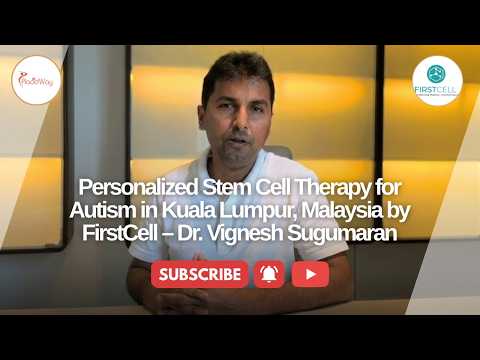
Personalized Stem Cell Therapy for Autism in Kuala Lumpur, Malaysia by FirstCell – Dr. Vignesh Sugumaran
Stem Cell Therapy
FirstCell Malaysia
Malaysia
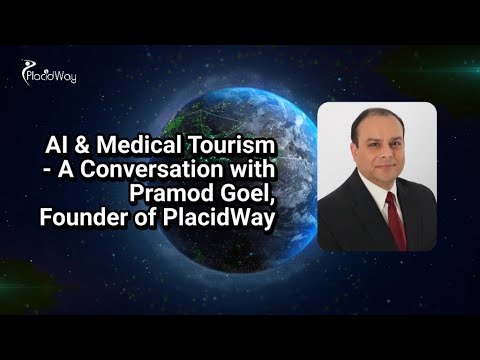
Pramod Goel, CEO of PlacidWay Medical Tourism Interview: How AI is Transforming Patient Journeys
Stem Cell Therapy
PlacidWay Medical Tourism
Malaysia
Learn More with These Stem Cell Therapy Articles
Take a look at these interesting articles, stories and research that will help you learn more about Stem Cell Therapy.
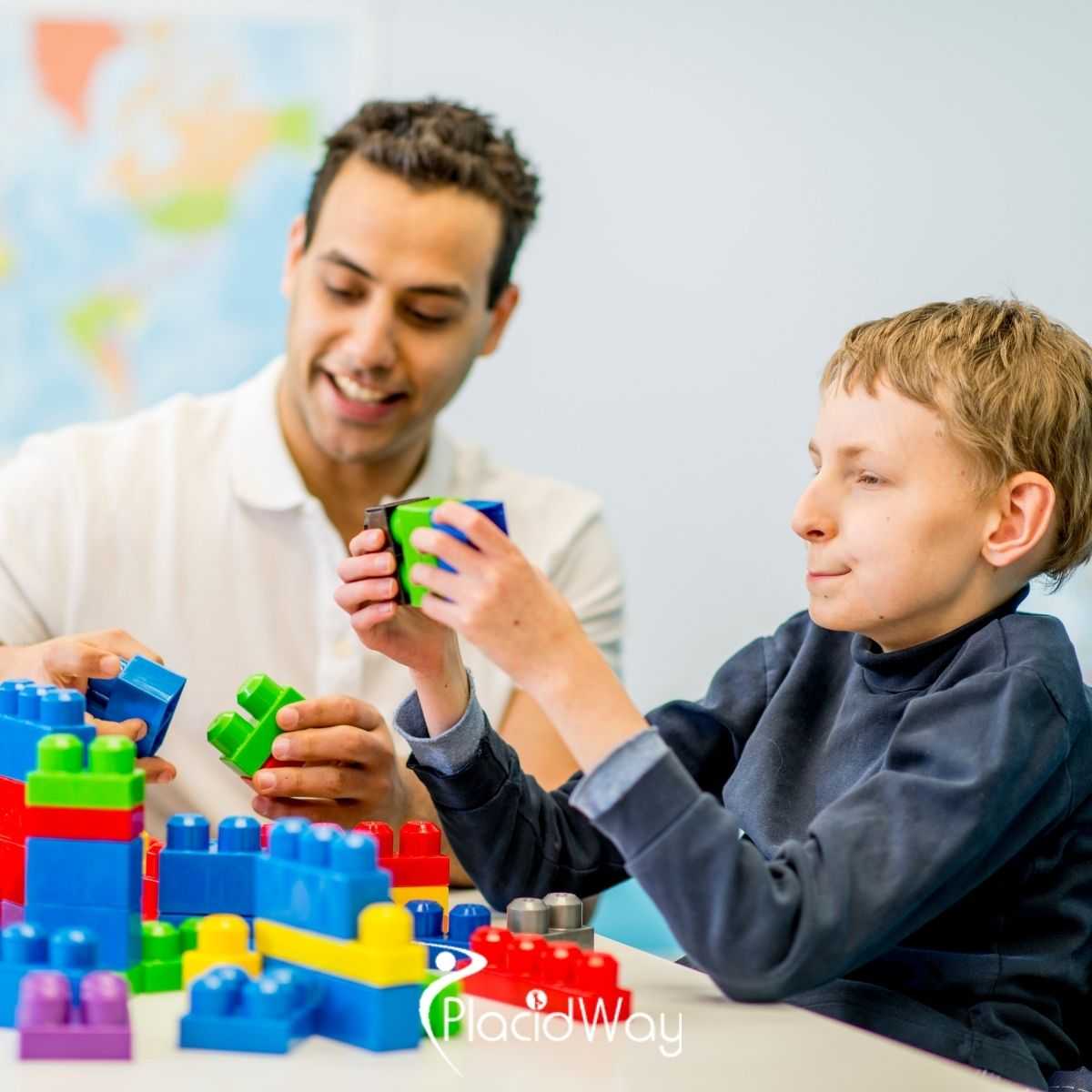
Evaluating Stem Cell Therapy for Autism in India: Costs, Safety, and Hospital Certifications
PlacidWay India Medical Tourism
- Stem Cell Therapy
India

Evaluating Stem Cell Therapy for Autism in Bangkok, Thailand: Safety, Costs, and Clinical Expectations
PlacidWay Thailand Medical Tourism
- Stem Cell Therapy
Thailand

Biological Hope: Why Kuala Lumpur is the 2026 Epicenter for Global Families Seeking Ethical UC-MSC Protocols for Autism Management
PlacidWay Medical Tourism
- Stem Cell Therapy
Malaysia

Exploring Stem Cell Therapy for Autism in Kuala Lumpur: Treatment Considerations
PlacidWay Medical Tourism
- Stem Cell Therapy
Malaysia
Stem Cell Therapy Solutions Near You: Explore Top Medical Centers
Discover how Stem Cell Therapy is transforming lives at leading medical centers in Petaling Jaya, Malaysia. Dive into center profile, specialties, doctors, reviews, etc. and explore the best options tailored to your needs in this region.

Live Stem Cell Asia - Premier Stem Cell Clinic in Malaysia
Petaling Jaya, Malaysia
FirstCell Malaysia
Kuala Lumpur, Malaysia
Merkel Clinic
Kuala Lumpur, Malaysia








bjhfjv
Read More