


.png)
Contents
Lung Cancer Treatment in Mexico: A Holistic Path to Hope
For many patients facing a lung cancer diagnosis, the standard path of chemotherapy, radiation, and surgery can feel limiting, especially when dealing with advanced stages or severe side effects. Mexico has emerged as a global sanctuary for **Integrative Oncology**, offering a compassionate and scientifically grounded middle ground. Here, just south of the U.S. border, specialized clinics provide alternative and complementary therapies that are often unavailable or restricted in the United States and Canada due to regulatory differences.
Choosing Mexico for alternative lung cancer treatment means accessing a "whole-body" approach. Rather than focusing solely on attacking the tumor, physicians here aim to rebuild the body's immune system to fight the cancer naturally. Protocols often combine advanced non-toxic therapies—such as High-Dose Vitamin C, Ozone Therapy, Hyperthermia, and Dendritic Cell Therapy—with rigorous nutritional support and detoxification. The goal is not just survival, but a thriving quality of life during and after treatment.
Medical tourism for cancer in Mexico is sophisticated. The clinics in Tijuana and Baja California are staffed by licensed M.D.s and oncologists who have dedicated their careers to integrative medicine. They often work in concert with your home oncologist or provide a standalone path for those seeking natural alternatives. These facilities offer a serene, hospital-meets-retreat environment where emotional healing is prioritized alongside physical treatment.
If you are seeking options that minimize toxicity while maximizing immune response, Mexico’s integrative cancer centers offer a beacon of hope and a personalized path forward.
Did You Know?
Mexico allows for the legal administration of several immunotherapies and metabolic treatments that are still in clinical trial phases in the U.S. This regulatory environment allows patients "Right to Try" access to promising biological treatments like GcMAF and peptide therapy without waiting years for FDA approval.
Key Insights at a Glance
Treatment plans combine the best of conventional medicine (low-dose chemo) with natural therapies.
Therapies prioritize killing cancer cells without destroying healthy cells or the immune system.
Doctors spend hours, not minutes, with patients to tailor protocols to their specific genetics.
A core philosophy is reactivating the patient's own immune defenses to recognize and fight tumors.
Pain management and energy preservation are treated as vital components of the cure.
Alternative treatments in Mexico cost a fraction of out-of-pocket holistic care in the US.
The "Gerson" Legacy
Baja California has historically been the home of the Gerson Therapy, a famous nutritional cancer treatment based on organic juices and detoxification. While modern clinics have evolved to include high-tech immunotherapy, this legacy of "food as medicine" remains a cornerstone of the region's healing philosophy.
Alternative Packages for Lung Cancer Treatment Mexico
Finding the right clinic is crucial for effective integrative care. We have curated a list of top-rated holistic oncology centers in Mexico that offer comprehensive all-inclusive packages. These bundles typically include your medical consultations, all IV therapies (Vitamin C, Ozone, etc.), specialized meal plans, detoxification protocols, and often accommodation within the clinic or at a nearby partner hotel. Browse the options to find a program that aligns with your specific stage and type of lung cancer.
Note: Most packages are designed as 3-week intensive programs to "reset" the body's immune system.

Price starting from $18,995
Alternative Lung Cancer Treatment Package in Tijuana, Mexico by Immunity Therapy Center
Alternative Cancer Treatment by ITC - Immunity Therapy Center
- Cancer Treatment
Tijuana, Mexico
Cost of Lung Cancer Treatment in Mexico
Alternative cancer treatments are generally not covered by standard insurance, making cost a significant factor. The table below provides a transparent breakdown of average costs for 3-week and 6-week intensive programs in Mexico. While these are out-of-pocket expenses, they are significantly lower than attempting to piece together similar holistic therapies in the U.S., where a single IV infusion can cost hundreds of dollars. Use this data to plan your medical investment.
Tip: Always ask if the quoted price includes the specialized "home program" supplements you will need after leaving the clinic.
Lung Cancer Centers Cost Comparison in Mexico
| Provider | Procedure | Price |
|---|---|---|
| Alternative Cancer Treatment by ITC - Immunity Therapy Center | Lung Cancer, Cancer Treatment | $18995 |
Lung Cancer Cost Comparison in Mexico
| Country | Procedure | Price |
|---|---|---|
| United States | Lung Cancer, Cancer Treatment | $30000 |
Top 5 Alternative Lung Cancer Treatment Clinics in Mexico
Your health depends on the expertise of the facility. We have selected a list of premier integrative oncology centers in Mexico, primarily located in the Tijuana/Playas region. These clinics are vetted for their medical licensing, use of advanced technology (like hyperthermia machines), and their experienced medical staff who are trained in both conventional and alternative modalities. Explore the profiles below to learn more about their unique treatment philosophies.
Safety First: Look for clinics that are licensed by COFEPRIS (Mexico's health authority) specifically for medical treatments.
Alternative Cancer Treatment by ITC - Immunity Therapy Center
Tijuana, Mexico

Limphocare by Limphocite - Immunotherapy for Cancer in Mexico
Tijuana, Mexico

Infuzone - Premium Infusion Center
Mexico City, Mexico
Watch Informative Video about Alternative Lung Cancer Treatment in Mexico
Hearing directly from survivors and patients currently in treatment can offer invaluable hope and insight. The video testimonials featured below showcase real stories from individuals fighting lung cancer in Mexico. Watch these videos to hear about their quality of life improvements, tumor reduction successes, and the compassionate care they received from the medical teams.
Insight: Patient stories often highlight the emotional support and "family atmosphere" found in Mexican clinics.
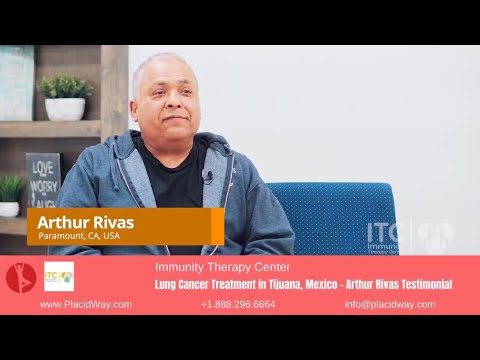

Alternative Lung Cancer Treatment in Mexico Stories from Real Patients
Patient reviews provide an honest look at the reality of the treatment experience. In this section, you will find verified reviews from patients and their families who have traveled to Mexico for care. Read through their feedback regarding the cleanliness of the facilities, the effectiveness of the pain management protocols, and the overall integrity of the clinic staff.
Review Tip: Pay attention to reviews that discuss the "aftercare" support once the patient returns home.

Alternative Lung Cancer Treatment in Mexico FAQs
How much do Alternative Lung Cancer Treatments Costs in Mexico?
For many individuals facing a lung cancer diagnosis, the search for effective and affordable treatment options often extends beyond their home country. Mexico has emerged as a popular destination for those seeking alternative lung cancer treatments, offering a blend of innovative therapies and significantly lower costs compared to countries like the United States. This guide aims to shed light on the financial aspects of these treatments, answering common questions and providing a clear overview of what to expect. How much do alternative lung cancer treatments in Mexico cost? "The cost of alternative lung cancer treatments in Mexico generally ranges from $15,000 to $30,000 for comprehensive programs, offering significant savings compared to treatments in the U.S. which can exceed $100,000." Patients considering alternative therapies in Mexico can expect a wide range of costs, depending on the clinic, the specific treatments included, and the duration of the program. Many centers offer all-inclusive packages that cover diagnostic tests, various therapies, consultations, and even lodging. These comprehensive plans aim to provide a holistic approach to care, addressing not only the cancer itself but also the patient's overall well-being. The affordability in Mexico is a major draw, allowing access to treatments that might be financially out of reach elsewhere. What factors influence the cost of alternative lung cancer treatments in Mexico? "Several factors influence the cost of alternative lung cancer treatments in Mexico, including the type of therapies offered, the duration of the program, the reputation and facilities of the clinic, and whether it's an inpatient or outpatient program." The specific combination of alternative lung cancer treatments plays a significant role in the overall cost. For example, a program heavily focused on advanced immunotherapies or stem cell treatments might be more expensive than one emphasizing detoxification and nutritional support. The length of stay, typically ranging from a few weeks to several months, also impacts the price, as longer programs involve more intensive care and accommodation. Renowned clinics with state-of-the-art facilities and highly experienced medical teams may have higher fees, reflecting their expertise and resources. Additionally, inpatient programs, which include 24/7 medical supervision and accommodation, are generally more costly than outpatient options where patients arrange their own lodging. Are there different pricing structures for inpatient vs. outpatient programs for lung cancer in Mexico? "Yes, there are distinct pricing structures for inpatient and outpatient alternative lung cancer treatment programs in Mexico. Outpatient programs typically cost less, as they do not include accommodation or around-the-clock nursing care." Many clinics in Mexico offer both inpatient and outpatient options for lung cancer alternative treatments. An outpatient program allows patients to receive daily therapies at the clinic while staying in nearby hotels or apartments, with costs generally ranging from $18,995 to $30,000 for a typical three-week program. In contrast, inpatient programs, which often include 24/7 nursing support, full diagnostic testing, room, and meals, can cost around $30,000 for a similar three-week period. The choice between these programs depends on the patient's medical needs, personal preferences, and budget. What specific alternative therapies are often included in lung cancer treatment packages in Mexico? "Alternative lung cancer treatment packages in Mexico often include a variety of therapies such as hyperthermia therapy, oxygen therapies (like hyperbaric oxygen and ozone therapy), high-dose vitamin C IVs, metabolic therapies (e.g., Gerson Therapy), immunotherapy, and detoxification protocols." Mexican clinics specializing in alternative lung cancer treatments aim to provide a multi-faceted approach. Hyperthermia therapy, which involves heating cancer cells to make them more vulnerable, is a common inclusion. Oxygen therapies, like hyperbaric oxygen therapy (HBOT) or ozone therapy, are often used to increase oxygen levels in the body, believed to inhibit cancer growth and support healing. High-dose intravenous (IV) vitamin C, believed to have anti-cancer properties and support the immune system, is another popular component. Metabolic therapies, such as the Gerson Therapy, focus on strict organic diets and detoxification to cleanse the body. Some clinics also incorporate experimental immunotherapies, stem cell therapy, and various detoxification regimens. How do the costs of alternative lung cancer treatments in Mexico compare to conventional treatments in the U.S.? "The costs of alternative lung cancer treatments in Mexico are significantly lower than conventional treatments in the U.S. While a comprehensive alternative program in Mexico might range from $15,000 to $30,000, conventional cancer care in the U.S. can easily exceed $100,000, and often reaches $150,000 to $400,000." This vast price difference is a primary reason many patients look to Mexico for their lung cancer treatment. Factors contributing to the higher costs in the U.S. include expensive prescription drugs, high hospital overheads, and insurance complexities. In Mexico, lower operational costs, a different regulatory environment, and a focus on personalized, less invasive therapies can lead to substantial savings without necessarily compromising the quality of care. Are diagnostic tests included in the cost of alternative lung cancer treatments in Mexico? "Many comprehensive alternative lung cancer treatment programs in Mexico include initial diagnostic tests and regular lab work in their overall cost, but additional specialized scans like extra CT scans might incur separate fees." When considering a program for alternative lung cancer treatments in Mexico, it's important to clarify what diagnostic tests are covered. Most reputable clinics will include an initial set of diagnostics, such as blood tests, basic imaging, and consultations, as part of their package price. This helps in tailoring the treatment plan to the individual patient's needs. However, if additional advanced imaging (like multiple CT scans or PET scans) or specialized lab work is required during the course of treatment, these might be billed separately. Always get a detailed breakdown of what is and isn't included. Does health insurance cover alternative lung cancer treatments in Mexico? "Most alternative lung cancer treatments in Mexico are generally not covered by standard health insurance policies, especially those from the U.S. or Canada, meaning patients typically pay out-of-pocket." While some private international health insurance plans might offer limited coverage for certain medical procedures abroad, alternative lung cancer treatments often fall outside the scope of traditional insurance. This is primarily because many alternative therapies are considered "experimental" or "unproven" by conventional medical standards in some countries. Patients usually need to be prepared to cover the full cost of treatment themselves. Some clinics in Mexico might offer payment plans or financing options, and many patients turn to crowdfunding or medical loans to fund their care. What is the typical duration of alternative lung cancer treatment programs in Mexico? "The typical duration for alternative lung cancer treatment programs in Mexico varies, but many comprehensive programs last between 3 to 6 weeks, depending on the individual patient's condition and the intensity of the therapies." The length of an alternative lung cancer treatment program is highly individualized. A patient with an earlier stage of lung cancer or those seeking complementary care might undergo a shorter program. Conversely, individuals with more advanced lung cancer or those requiring extensive detoxification and immune support may need a longer duration, sometimes extending beyond six weeks. The medical team at the chosen clinic will assess the patient's specific needs and recommend an appropriate length of stay to achieve the best possible outcomes. Can I get a personalized quote for lung cancer alternative treatments in Mexico? "Yes, most reputable clinics offering alternative lung cancer treatments in Mexico provide personalized quotes after a thorough review of the patient's medical records, which often involves an initial consultation." To get an accurate estimate for lung cancer alternative treatments, clinics typically require a comprehensive medical history, including diagnostic reports, previous treatment summaries, and current health status. This allows their medical team to assess the patient's case, recommend a tailored treatment plan, and provide a detailed breakdown of the associated costs. It's advisable to communicate openly with the clinics about your specific needs and financial considerations to ensure transparency. What are the payment options for alternative lung cancer treatments in Mexico? "Payment options for alternative lung cancer treatments in Mexico primarily involve out-of-pocket payment via wire transfers, credit cards, or cash, with some clinics offering installment plans or assistance with crowdfunding efforts." Given that insurance coverage is typically limited or non-existent for alternative lung cancer treatments in Mexico, patients generally pay directly for their care. Clinics usually accept major credit cards and wire transfers. For larger sums, cash payments might also be an option, though it's always wise to confirm payment methods beforehand. Some centers understand the financial burden and may work with patients to set up payment plans or provide documentation to support personal fundraising initiatives. Are follow-up consultations included in the cost of lung cancer alternative treatments? "Many comprehensive alternative lung cancer treatment packages in Mexico include initial follow-up consultations, often spanning several months after the in-clinic treatment, to monitor progress and provide ongoing guidance." The inclusion of follow-up care can vary between clinics. Reputable centers offering alternative lung cancer treatments understand the importance of continued support and monitoring. They may offer a set number of post-treatment consultations, often conducted remotely via video calls, to assess the patient's recovery, adjust any home-based protocols, and answer questions. It's crucial to clarify the extent of follow-up care provided as part of the overall cost. What are the benefits of seeking alternative lung cancer treatments in Mexico? "Seeking alternative lung cancer treatments in Mexico offers several benefits, including significantly lower costs, access to a wider range of innovative and holistic therapies, personalized patient-focused care, and a quicker start to treatment without long waiting lists." Beyond the considerable cost savings, Mexico is attractive for lung cancer patients due to its more flexible medical regulations, which allow for a broader spectrum of alternative and integrative therapies not always readily available or approved in other countries. Clinics often pride themselves on providing highly personalized care, with a focus on treating the whole person, not just the disease. The ability to access treatment without lengthy waiting periods is another major advantage for individuals seeking immediate intervention for their lung cancer. How do I choose a reputable clinic for alternative lung cancer treatment in Mexico? "Choosing a reputable clinic for alternative lung cancer treatment in Mexico involves thorough research, checking for international accreditations, reading patient testimonials, inquiring about doctor qualifications and experience, and understanding the transparency of their pricing and treatment protocols." When selecting a clinic for alternative lung cancer treatments, it's essential to be diligent. Look for centers that are accredited by recognized international organizations, which often indicates adherence to certain quality and safety standards. Patient testimonials and reviews can offer insights into the experiences of others. Verify the qualifications and experience of the doctors and medical staff. A transparent clinic will openly discuss their treatment protocols, explain the scientific basis for their therapies, and provide clear, itemized pricing. Don't hesitate to ask detailed questions about their approach to lung cancer. Are there any hidden costs associated with alternative lung cancer treatments in Mexico? "While many clinics aim for transparency, potential hidden costs for alternative lung cancer treatments in Mexico can include additional specialized diagnostic tests not initially covered, unexpected extended stays, or the need for specific medications or supplements not included in the primary package." To avoid unexpected expenses, it's vital to have a detailed discussion with the clinic about what their comprehensive package explicitly includes. Ask about potential extra charges for unforeseen circumstances, such as complications requiring additional medical attention, or if specific medications or nutritional supplements are required beyond the initial treatment plan for lung cancer. Clarify whether post-treatment medications or long-term follow-up care are part of the initial cost or will incur separate fees. Can family members accompany the patient during alternative lung cancer treatment in Mexico? "Yes, family members are generally welcome to accompany patients during alternative lung cancer treatment in Mexico, and many clinics and nearby accommodations are accustomed to supporting accompanying loved ones." Having a support system is invaluable during lung cancer treatment, and most Mexican clinics are accommodating of family members. While inpatient programs may have restrictions on overnight stays in the patient's room, they often provide comfortable waiting areas. For outpatient programs, family members can stay with the patient in local hotels or apartments, providing emotional support and assisting with daily needs. It’s always a good idea to confirm any specific policies or services for accompanying family members with the chosen clinic. For those considering alternative lung cancer treatments and exploring options in Mexico, PlacidWay can help connect you with reputable clinics and provide guidance on understanding treatment plans and associated costs. Explore PlacidWay to find solutions tailored to your healthcare journey.
What alternative cancer treatments are available for lung cancer in Mexico?
Seeking alternative cancer treatments for lung cancer can be a path many individuals explore, especially when conventional options have been exhausted or when a more holistic approach is desired. Mexico has emerged as a significant destination for such treatments, offering a variety of therapies often not widely available or approved in other countries. These clinics typically focus on integrative medicine, combining elements of conventional care with complementary and alternative therapies to address the disease and support overall well-being. This guide aims to answer common questions about alternative lung cancer treatments in Mexico, providing detailed, helpful information for those considering these options. What are the most common alternative lung cancer treatments offered in Mexico? "The most common alternative lung cancer treatments offered in Mexico include immunotherapy (such as dendritic cell therapy and NK cell therapy), hyperthermia, metabolic therapy, high-dose intravenous (IV) vitamins (like Vitamin C), and regenerative medicine (such as stem cell therapy)." Mexico's clinics specialize in a range of therapies that diverge from standard oncology protocols. Immunotherapy is a prominent offering, with treatments like dendritic cell therapy aiming to reprogram the body's immune system to identify and attack cancer cells, and Natural Killer (NK) cell therapy which leverages a type of white blood cell for direct tumor targeting. Hyperthermia, which involves exposing the body or specific tumors to high temperatures, is believed by some to weaken cancer cells and make them more susceptible to other treatments. Metabolic therapy focuses on altering the body's internal environment to inhibit cancer growth, often through specialized diets, detoxification, and nutritional supplements. Additionally, high-dose intravenous (IV) vitamins, particularly Vitamin C, are frequently administered, as some believe they can exert anti-cancer effects and improve overall health. Regenerative medicine, including stem cell therapy, is also utilized to help repair damaged tissues and enhance the body's natural healing processes, often alongside other treatments. These diverse approaches aim to offer patients a broader spectrum of choices for their lung cancer journey. Is immunotherapy for lung cancer in Mexico different from conventional immunotherapy? "Yes, immunotherapy for lung cancer in Mexico often includes experimental approaches, such as dendritic cell therapy and NK cell therapy, which may not be FDA-approved or widely available in countries like the U.S. compared to conventional immunotherapies like checkpoint inhibitors." While conventional immunotherapy, such as PD-1/PD-L1 inhibitors, is a standard treatment for lung cancer globally, clinics in Mexico may offer a wider array of immunotherapies that are still considered experimental or have not received regulatory approval in other regions. Dendritic cell therapy, for instance, involves taking a patient's own dendritic cells, exposing them to tumor markers, and then reintroducing them to stimulate a targeted immune response against the cancer. Natural Killer (NK) cell therapy involves enhancing or infusing NK cells to directly destroy cancer cells. These treatments are often part of a more comprehensive, personalized protocol designed to boost the patient's natural defenses against the disease, often with a focus on minimizing the side effects associated with traditional treatments. What is metabolic therapy for lung cancer and how does it work? "Metabolic therapy for lung cancer focuses on disrupting the cancer cells' metabolism, often through specific diets, detoxification protocols, and targeted nutritional supplements, to slow or stop tumor growth." Metabolic therapy operates on the principle that cancer cells have altered metabolic pathways, making them vulnerable to specific dietary and nutritional interventions. The aim is to create an internal environment that is less hospitable for cancer cell proliferation while supporting the health of normal cells. This can involve strict organic diets, such as the Gerson Therapy, which emphasizes large quantities of organic juices, specific nutritional supplements, and detoxification procedures like coffee enemas. The goal is to correct perceived nutritional deficiencies, reduce toxicity, and enhance the body's natural healing mechanisms. Proponents believe that by altering the cellular environment, particularly through managing glucose and oxygen levels, cancer cell growth can be hindered. Can high-dose Vitamin C IV therapy help with lung cancer? "High-dose Vitamin C IV therapy is administered as an alternative treatment for lung cancer in Mexico, with proponents suggesting it can have selective cytotoxic effects on cancer cells and improve overall patient well-being, though scientific evidence is still evolving." High-dose intravenous Vitamin C therapy is a common alternative treatment offered in Mexico for various cancers, including lung cancer. The theory behind its use is that at very high concentrations, Vitamin C can act as a pro-oxidant, generating hydrogen peroxide that selectively damages and kills cancer cells, while healthy cells remain unaffected due to their ability to neutralize hydrogen peroxide. Beyond its potential direct anti-cancer effects, high-dose Vitamin C is also believed to boost the immune system, reduce inflammation, improve quality of life, and alleviate side effects from conventional treatments. It is typically administered as part of a broader integrative treatment plan, not as a standalone cure. What is hyperthermia therapy for lung cancer and is it safe? "Hyperthermia therapy for lung cancer involves heating the tumor area or the entire body to high temperatures to weaken or destroy cancer cells, and w Hyperthermia therapy uses heat to damage and kill cancer cells, potentially making them more sensitive to radiation and chemotherapy. In the context of lung cancer, localized hyperthermia might target specific tumor sites, while whole-body hyperthermia aims to raise the body's core temperature. The principle is that cancer cells are more vulnerable to heat than healthy cells. When cancer cells are heated, their proteins and structures can be damaged, leading to cell death. While it is often used as a complementary therapy alongside other treatments, the safety and efficacy depend heavily on the specific technique, the equipment used, and the expertise of the medical team. Common side effects, if any, are usually mild and temporary, such as discomfort, skin burns in the treated area, or fatigue. Are stem cell therapies offered for lung cancer in Mexico? "Yes, stem cell therapies are offered in Mexico for lung cancer, primarily as a regenerative medicine approach to support tissue repair, modulate the immune system, and enhance the body's healing capacity, rather than as a direct cancer-killing treatment." In Mexico, stem cell therapy for lung cancer falls under the umbrella of regenerative medicine. The focus is typically on using the patient's own (autologous) stem cells, often mesenchymal stem cells (MSCs) derived from bone marrow or adipose tissue, to help regenerate damaged lung tissue, reduce inflammation, and improve overall immune function. It's important to understand that these therapies are generally not presented as a direct cure for lung cancer, but rather as a supportive treatment aimed at improving the patient's overall health, mitigating treatment side effects, and enhancing the body's natural ability to recover. Clinics often combine stem cell therapy with other alternative treatments to provide a comprehensive approach to patient care. What is the cost of alternative lung cancer treatments in Mexico? "The cost of alternative lung cancer treatments in Mexico can vary widely, typically ranging from $15,000 to $60,000 USD or more for comprehensive packages, depending on the specific therapies included, duration of treatment, and the clinic." The cost of alternative lung cancer treatments in Mexico is highly variable due to the personalized nature of the protocols and the array of therapies available. Factors influencing the cost include the specific types of immunotherapy, metabolic therapies, IV vitamin treatments, hyperthermia sessions, and stem cell therapies chosen, as well as the length of the treatment program. Many clinics offer comprehensive packages that might cover multiple therapies, consultations, diagnostics, and even accommodation. Patients should expect to pay out-of-pocket, as most alternative cancer treatments in Mexico are not covered by standard health insurance plans from other countries. It is crucial to get a detailed breakdown of all costs upfront from any clinic. How long do alternative lung cancer treatment programs in Mexico typically last? "Alternative lung cancer treatment programs in Mexico typically last from 2 to 4 weeks for the initial intensive phase, with some comprehensive programs extending for 3 to 6 weeks, often followed by at-home supportive therapies." The duration of alternative lung cancer treatment programs in Mexico is tailored to individual patient needs and the complexity of their lung cancer. An initial intensive phase usually spans two to four weeks, during which patients receive daily treatments and close monitoring. For more advanced cases or those requiring a broader range of therapies, programs might extend up to six weeks. Many clinics also provide patients with at-home protocols and follow-up plans, including remote consultations and supplies for supportive therapies, to continue their healing journey after returning home. What should I consider before choosing an alternative lung cancer clinic in Mexico? "Before choosing an alternative lung cancer clinic in Mexico, it's crucial to consider the clinic's accreditation and experience, the scientific basis and transparency of their alternative treatments, patient testimonials, the total cost, and the comprehensive nature of their integrative care." When exploring alternative lung cancer treatment options in Mexico, careful consideration is essential. First, research the clinic's background, medical team's qualifications, and any international accreditations. While many therapies may be considered "alternative," reputable clinics should still adhere to high standards of medical care and safety. Ask for detailed information on the specific alternative treatments offered, their purported mechanisms of action, and any supporting research or patient outcomes they can provide. Transparency regarding treatment plans, costs, and potential side effects is paramount. Reading patient testimonials and, if possible, speaking with former patients can offer valuable insights. Finally, assess if the clinic offers a truly integrative approach that considers the whole person, including nutritional, emotional, and spiritual support, alongside their medical protocols for lung cancer. Are alternative lung cancer treatments in Mexico covered by insurance? "Generally, alternative lung cancer treatments in Mexico are not covered by conventional health insurance plans from countries like the U.S. or Canada, meaning patients typically pay out-of-pocket for these therapies." The vast majority of alternative cancer treatments offered in Mexico are not recognized as standard care by major health insurance providers in the U.S., Canada, or Europe. This means that patients considering these options should be prepared to cover the costs themselves. While some clinics might offer payment plans or financing options, it is rare for insurance to provide reimbursement for these therapies. It is always advisable to thoroughly review your insurance policy and communicate directly with your insurance provider to understand any potential coverage limitations before committing to alternative lung cancer treatment in Mexico. What is the difference between alternative and integrative cancer treatment for lung cancer? "Alternative cancer treatment for lung cancer refers to therapies used instead of conventional medical treatments, whereas integrative cancer treatment for lung cancer involves using complementary therapies alongside conventional treatments to support well-being and potentially improve outcomes." The terms "alternative" and "integrative" are often used interchangeably, but there's a key distinction. Alternative cancer treatments are typically sought as a primary or sole approach, replacing standard conventional therapies like chemotherapy, radiation, or surgery for lung cancer. These treatments may have limited scientific evidence supporting their efficacy as standalone cures. In contrast, integrative cancer treatment for lung cancer emphasizes a holistic approach where complementary therapies (such as acupuncture, nutrition, mind-body practices, and certain IV therapies) are used in conjunction with conventional medical treatments. The goal of integrative care is to manage symptoms, reduce side effects, improve quality of life, and enhance the patient's overall resilience during and after conventional treatment, while recognizing the value of scientifically proven medical interventions. Many clinics in Mexico promote an integrative approach, aiming to combine the best of both worlds. Do clinics in Mexico offer follow-up care for lung cancer patients after alternative treatment? "Many alternative lung cancer treatment clinics in Mexico offer some form of follow-up care, often including at-home supportive therapies, remote consultations, and guidance on continued wellness, although the extent of this care varies by clinic." Reputable clinics providing alternative lung cancer treatments in Mexico understand the importance of continuity of care. While the intensive phase of treatment is typically conducted onsite, many will provide patients with detailed instructions for at-home supportive therapies, such as specific dietary plans, supplements, or lifestyle recommendations. Remote consultations via phone or video calls are also common, allowing patients to stay in touch with their medical team for guidance and to report on their progress. The aim is to support the patient's long-term health and well-being after they return home. It is crucial to clarify the specifics of follow-up care arrangements before starting any treatment program. Are there any specific dietary recommendations for lung cancer patients undergoing alternative treatment in Mexico? "Yes, alternative lung cancer treatment protocols in Mexico often include specific dietary recommendations, emphasizing organic, plant-based diets, detoxification protocols, and specialized nutritional plans to support the body's natural healing and alter the cellular environment." Diet plays a significant role in many alternative and integrative cancer treatment philosophies in Mexico, particularly within metabolic therapy approaches. Common dietary recommendations for lung cancer patients often involve a shift towards organic, whole-food, plant-based diets rich in fruits, vegetables, and whole grains, while limiting or eliminating processed foods, refined sugars, and animal products. Specific diets like the Gerson Therapy are sometimes utilized, which are very restrictive and focus on high intake of fresh juices and detoxification. The underlying belief is that nutrition can influence the body's internal environment, making it less conducive to cancer growth and supporting immune function. These dietary changes are typically designed to complement other therapies and support overall wellness for individuals with lung cancer. What is the success rate of alternative lung cancer treatments in Mexico? "The success rates of alternative lung cancer treatments in Mexico are difficult to quantify definitively as clinical data and rigorous, peer-reviewed studies are ofte While many individuals seek alternative lung cancer treatments in Mexico with hopes of improved outcomes, it is challenging to provide universally accepted success rates. Clinics often present anecdotal evidence or internal statistics, but these may not meet the same rigorous standards of randomized controlled trials typically used to evaluate conventional therapies. The effectiveness of alternative treatments can vary greatly depending on the individual patient, the stage and type of their lung cancer, their overall health, and the specific combination of therapies received. Patients should approach claims of success with a discerning eye and focus on clinics that prioritize patient safety, transparent reporting, and realistic expectations regarding potential benefits. How do alternative treatments for lung cancer in Mexico aim to improve quality of life? "Alternative treatments for lung cancer in Mexico aim to improve quality of life by focusing on reducing treatment side effects, managing symptoms, boosting overall well-being, and providing emotional and spiritual support." Beyond directly targeting cancer cells, a significant focus of alternative and integrative cancer treatments in Mexico for lung cancer is to enhance the patient's quality of life. This is achieved through various means: using less aggressive, non-toxic, or low-toxicity therapies to minimize the harsh side effects often associated with conventional treatments; incorporating symptom management techniques like acupuncture, massage, and nutritional support to alleviate pain, fatigue, and nausea; and emphasizing holistic well-being through practices like meditation, counseling, and spiritual support. The goal is to not only address the physical aspects of the disease but also to nurture the patient's mental, emotional, and spiritual health, enabling them to live more comfortably and with greater resilience during their lung cancer journey. Can alternative treatments in Mexico be combined with conventional lung cancer therapies? "Many clinics in Mexico that offer alternative cancer treatments for lung cancer often promote an integrative approach, meaning they can be combined with conventional therapies to provide comprehensive care and support." The distinction between "alternative" and "integrative" is important here. While some alternative treatments are offered as standalone options, many reputable clinics in Mexico advocate for an integrative approach for lung cancer. This means their therapies are designed to complement and work synergistically with conventional treatments like chemotherapy, radiation, targeted therapy, or surgery, rather than replacing them entirely. The aim is to enhance the effectiveness of conventional treatments, reduce their side effects, and improve the patient's overall health and ability to withstand aggressive therapies. Patients considering this path should ensure open communication between all their healthcare providers, both in Mexico and their home country, to ensure a coordinated and safe lung cancer treatment plan. PlacidWay is here to help you navigate your healthcare journey and explore various treatment options, including those for lung cancer.
What are the options for lung cancer treatment in Mexico?
Top JCI-accredited hospitals in Mexico offer a full range of modern lung cancer treatments, including minimally invasive surgery (VATS), precision radiotherapy (IMRT/SBRT), chemotherapy, targeted therapy, and immunotherapy, aligning with U.S. standards of care. Receiving a lung cancer diagnosis is an overwhelming experience, and the first priority is to find the best and most effective treatment options available. For many patients in the United States and Canada, the high cost of oncology care can add a significant financial burden to an already stressful time. This has led many to explore the world-class, affordable lung cancer treatment in Mexico. The country's premier private hospitals have invested heavily in creating comprehensive cancer centers that rival the best in the world, offering the same advanced technologies and U.S.-trained specialists. The question of what "options" are available is a critical one. It's essential to know that at a top-tier Mexican hospital, you are not choosing from a limited menu of second-rate therapies. You are accessing the full, modern spectrum of care. This guide, current for September 2025, will provide a detailed overview of the advanced surgical, radiation, and medical oncology options available in Mexico. We will explain the importance of choosing a JCI-accredited hospital and empower you with the knowledge to find a center of excellence for your specific needs. The Gold Standard for Safety: Why JCI Accreditation is Non-Negotiable Joint Commission International (JCI) accreditation is the global gold standard for hospital safety and quality. For cancer care, choosing a JCI-accredited hospital in Mexico is the patient's single most reliable guarantee that the facility meets the same rigorous safety standards as leading U.S. hospitals. Before exploring the specific treatment options, it's crucial to establish the foundation of safety. A JCI-accredited hospital has voluntarily undergone a demanding, multi-year process to prove it meets over 1,000 standards of patient care. This ensures the hospital has: A multidisciplinary team of board-certified specialists. Strict protocols for surgical safety, anesthesia care, and infection control. Advanced diagnostic and treatment technology that is properly maintained. A full suite of emergency services, including an ICU. A dedicated international patient department to ensure seamless communication and care. Any search for cancer treatment in Mexico should begin and end with JCI-accredited facilities. Surgical Options: From Minimally Invasive to Complex Procedures Top thoracic surgeons in Mexico are highly skilled in the latest minimally invasive techniques, such as Video-Assisted Thoracoscopic Surgery (VATS), which allows for tumor removal through small incisions, leading to a faster and less painful recovery. Surgery is a primary treatment for early-stage lung cancer. The best hospitals in Mexico offer a range of advanced surgical options. VATS (Video-Assisted Thoracoscopic Surgery): This is the modern standard of care for many lung cancer surgeries. Instead of a large open-chest incision, the surgeon operates through a few small ports using a tiny camera and specialized instruments. The benefits are significant: less pain, a shorter hospital stay, and a quicker return to normal activities. Lobectomy: The most common surgery for lung cancer, involving the removal of the entire lobe of the lung where the tumor is located. This can be performed via VATS or, for more complex cases, a traditional open approach (thoracotomy). Segmentectomy or Wedge Resection: For smaller, very early-stage tumors, these lung-sparing surgeries remove only the tumor and a small margin of surrounding tissue, preserving more of the patient's lung function. These procedures are performed by board-certified thoracic surgeons who often have training and experience from top institutions in the United States. Advanced Radiotherapy: Precision Targeting of Tumors Leading cancer centers in Mexico are equipped with the latest generation of linear accelerators, allowing them to offer highly precise radiation treatments like IMRT and SBRT. These technologies maximize the dose to the tumor while minimizing damage to healthy lung and heart tissue. Radiation therapy is a critical component of treatment for many lung cancer patients. Modern technology has revolutionized its precision and effectiveness. Top Mexican hospitals offer: IMRT (Intensity-Modulated Radiation Therapy): This advanced technique uses sophisticated software and computer-controlled beams to shape the radiation dose to the precise three-dimensional contour of the tumor. SBRT (Stereotactic Body Radiation Therapy): Also known by brand names like CyberKnife or TrueBeam, SBRT is a powerful option that delivers very high, ablative doses of radiation to a tumor in just 1 to 5 treatment sessions. It is a non-invasive alternative to surgery for some patients with early-stage lung cancer. Access to this modern technology is a key reason patients choose Mexico's premier cancer centers. Medical Oncology: Access to Modern Drug Therapies The best hospitals in Mexico provide a full spectrum of medical oncology options beyond traditional chemotherapy. This includes access to the latest targeted therapy drugs and the same major immunotherapy agents (like Keytruda and Opdivo) used in the United States. The drug treatment landscape for lung cancer has been transformed in the last decade. A top cancer center in Mexico will provide a comprehensive range of these modern therapies. Chemotherapy: The long-standing foundation of treatment for many patients. Targeted Therapy: For non-small cell lung cancer patients whose tumors have specific genetic mutations (like EGFR, ALK, ROS1), leading Mexican hospitals can perform the necessary molecular testing and provide the targeted drugs that block the cancer's growth signals. Immunotherapy: This revolutionary treatment uses drugs that unleash the power of the patient's own immune system to fight the cancer. The same major immunotherapy drugs that are the standard of care in the U.S. are available at premier cancer centers in Mexico. Which Mexican Cities are Hubs for World-Class Oncology? The primary centers for advanced oncology care are the major medical hubs of Monterrey, Mexico City, Guadalajara, and Tijuana. These cities have the highest concentration of JCI-accredited hospitals and internationally-trained oncology specialists. While good hospitals exist throughout the country, your search should focus on these four cities, which are the epicenters of medical tourism for complex care. Monterrey is particularly renowned for its prestigious, U.S.-partnered hospital systems. Mexico City offers the widest selection of specialists. Tijuana and Guadalajara are also home to multiple accredited, state-of-the-art hospitals that are highly experienced in providing care to international patients. A lung cancer diagnosis requires exploring every option for the best possible care. Placidway is a global leader in medical access, connecting patients with a network of JCI-accredited international hospitals and world-class cancer centers in Mexico and beyond.
Highly Qualified Oncologists in Mexico for Lung Cancer Treatment
Effective alternative treatment requires a deep understanding of human physiology. We have compiled a list of top specialists in Mexico, including functional medicine doctors, immunologists, and oncologists. These profiles highlight their educational background, years of experience in integrative medicine, and their specific approach to treating lung cancer.
Credentials: Many leading doctors in this field hold medical degrees from Mexican universities and have completed fellowships in the US or Europe.


Why Choose Alternative Lung Cancer Treatment in Mexico?
Access to Advanced Immunotherapy
The primary driver is access. Mexico allows for the use of cutting-edge biological therapies—such as Dendritic Cell vaccines, NK Cell therapy, and specific peptide treatments—that are often stuck in bureaucratic approval processes elsewhere.
This gives patients with advanced lung cancer a "Right to Try" promising options that work with the immune system rather than just suppressing it.
Cost-Effective Holistic Care
Integrative cancer care is labor-intensive and expensive. In the U.S., a comprehensive program involving daily IVs, hyperthermia, and organic nutrition could cost upwards of $60,000 per month.
In Mexico, similar programs cost a fraction of that (often $18,000 - $30,000 for 3 weeks), inclusive of housing and meals. This makes high-quality holistic care accessible to middle-income families who cannot afford U.S. prices.
A Culture of Compassion
Beyond the science, patients consistently cite the "human element." Mexican culture emphasizes warmth and personal connection. Doctors in these clinics often spend an hour or more with patients daily, listening to fears and explaining treatments.
This stark contrast to the rushed appointments in overworked public health systems provides a psychological boost that is an essential part of the healing process.
Get FREE Consultation for Alternative Lung Cancer Treatment in Mexico at PlacidWay!
Navigating the world of alternative cancer treatment can be overwhelming. PlacidWay serves as your trusted guide, connecting you with verified, safe, and compassionate integrative oncology centers in Mexico.
Clinic Verification
We rigorously screen our partner clinics to ensure they are licensed by Mexican health authorities and staffed by credentialed medical professionals.
Medical Review
We facilitate the submission of your medical records to top specialists for a preliminary review, helping you determine candidacy before you travel.
Customized Quotes
We provide transparent, all-inclusive price quotes for 3-week or 6-week programs, ensuring you understand the full financial commitment upfront.
Direct Doctor Access
We help arrange initial phone or video consultations, allowing you to speak directly with the oncologist to discuss your specific condition and treatment plan.
Logistics Support
From explaining the border crossing process to coordinating clinic transport, we help make your journey to Mexico as stress-free as possible.
Patient Advocacy
We provide access to real survivor stories and reviews, offering you a realistic perspective on what to expect during your treatment.
Discover a new path to healing. Contact PlacidWay today to receive a free, personalized consultation and explore your options for alternative lung cancer treatment in Mexico.
Get Your Free Personalized Quote.png)




.png)
.png)
.png)
.png)


.png)
.png)










Share this listing