
Say Good Bye to Hair loss In Mexico

In recent years, the "Turkish model" of hair restoration has gained massive global popularity due to its combination of advanced extraction techniques, high graft volumes, and comprehensive travel packages. However, for patients based in North America, a long-haul flight to Istanbul is not always practical. This has led to the rise of a Turkish hair transplant in Mexico, where clinics emulate this successful model—sometimes even employing Turkish surgeons or training local doctors in the exact same protocols.
If you are exploring your options, understanding the pricing, techniques, and logistics of medical tourism in Mexico is a crucial first step. This guide covers what you need to know about costs, what packages include, patient suitability, and how to evaluate potential clinics responsibly.
Key Takeaways
- Estimated prices range from $3,000 to $5,000, which is generally more affordable than US prices but higher than traveling to Turkey.
- The term "Turkish hair transplant" usually refers to the all-inclusive business model and the high-volume FUE/techniques popularized in Istanbul.
- Packages often cover local transfers, hotel stays, the procedure, and post-operative medications.
- Outcomes rely heavily on the surgeon's skill, making it vital to choose a qualified doctor rather than a clinic run solely by technicians.
- Patients should anticipate a 12 to 18-month timeline to see final, mature results.
1. What exactly is a Turkish hair transplant in Mexico?
When people refer to a "Turkish hair transplant," they are rarely talking about a specific anatomical medical procedure unique to Turkey. Instead, they are referring to a specific operational model. Turkey revolutionized the hair transplant industry by offering large sessions of FUE (extracting individual hair follicles) at a fixed package price, rather than charging per graft as is common in the United States and Canada.
Many facilities in popular Mexican destinations have adopted this exact framework. Some are actual branches of successful Istanbul clinics that have expanded to North America to capture the US and Canadian markets. Others are local clinics that have hired Turkish medical teams or trained their staff in the high-density implantation protocols popular overseas.
The goal is to provide North American patients with the same level of convenience, fixed pricing, and specialized technique without requiring a 12-hour flight across the Atlantic.
2. What factors influence the Turkish hair transplant cost in Mexico?
While packages are often advertised at a flat rate, several variables can alter your final quoted price. One of the biggest differentiators is who actually performs the surgery. A Turkish hair transplant clinic in Mexico that relies heavily on technicians to perform the extractions and incisions will often charge less than a clinic where a board-certified doctor performs or closely supervises every step.
Other cost factors include:
- Technique: Hair Transplant often costs slightly more than standard FUE because it is more time-consuming and requires specialized Choi implanter pens.
- Location: Clinics in border cities like Tijuana or resort towns like Cancun may have different pricing structures based on local real estate and operating costs.
- Package tier: Basic packages might put you in a standard 3-star hotel, while VIP packages could include 5-star resorts, private nursing, and extended stays.
- Extent of hair loss: While many clinics offer "maximum grafts for one price," patients requiring massive restoration over two consecutive days will pay more.
3. What does an all-inclusive hair transplant package usually cover?
The appeal of these packages is the reduction of logistical stress. When a patient arrives at the airport, a clinic representative is usually there to pick them up, transport them to a pre-arranged hotel, and shuttle them to and from the clinic for consultations, surgery, and follow-up washes.
A standard package often includes:
- Medical services: Surgeon consultation, hairline design, blood work, local anesthesia, the FUE/procedure, and a post-op checkup.
- Logistics: 2 to 3 nights in a partnered hotel and all ground transfers between the airport, hotel, and clinic.
- Aftercare kit: Specialized shampoos, lotions, neck pillows, and a few days' worth of pain relief and antibiotic medication.
It is important to note that airfare is almost never included in these packages. You will need to book and pay for your flights separately.
4. How do Mexico prices compare to traveling directly to Turkey or staying in the US?
To understand the financial landscape, it helps to look at average estimates across different regions. In the United States or Canada, hair transplants are frequently priced per graft (e.g., $4 to $8 per graft). A standard 3,000-graft session could easily cost between $12,000 and $20,000.
If you travel to Istanbul, the average all-inclusive package might range from $2,000 to $3,500. However, round-trip flights from North America can exceed $1,000, and the journey can take 12 to 15 hours each way, which adds physical strain during recovery.
| Location | Estimated Package Cost | Travel Time (from US) |
|---|---|---|
| United States | $12,000 - $20,000 | Local / Domestic |
| Mexico (Turkish Model) | $3,000 - $5,000 | 2 - 5 hours |
| Turkey | $2,000 - $3,500 | 10 - 15+ hours |
For many North Americans, the extra $1,000 spent on the procedure in Mexico is viewed as a worthwhile trade-off for staying in a similar time zone and having a much shorter flight home post-surgery.
5. Which hair restoration techniques are used in these procedures?
The days of the traditional "strip method" (FUT), which leaves a linear scar across the back of the head, are largely behind most modern medical tourism clinics. Today, techniques focus on minimizing visible scarring and improving healing times.
- FUE (Follicular Unit Extraction): The surgical team extracts individual hair follicles using a specialized micro-punch tool. Once extracted, the surgeon makes tiny incisions (channels) in the recipient area, and the follicles are carefully placed into these channels using forceps. FUE is excellent for covering large areas of baldness.
- (Hair Transplant): A variation of FUE where the creation of the channel and the implantation of the graft happen simultaneously using a tool called a Choi implanter pen. This can sometimes allow for denser packing and often reduces the time the follicle spends outside the body, but it is typically best suited for smaller areas or adding density between existing hairs.
6. Am I a suitable candidate for this type of hair transplant?
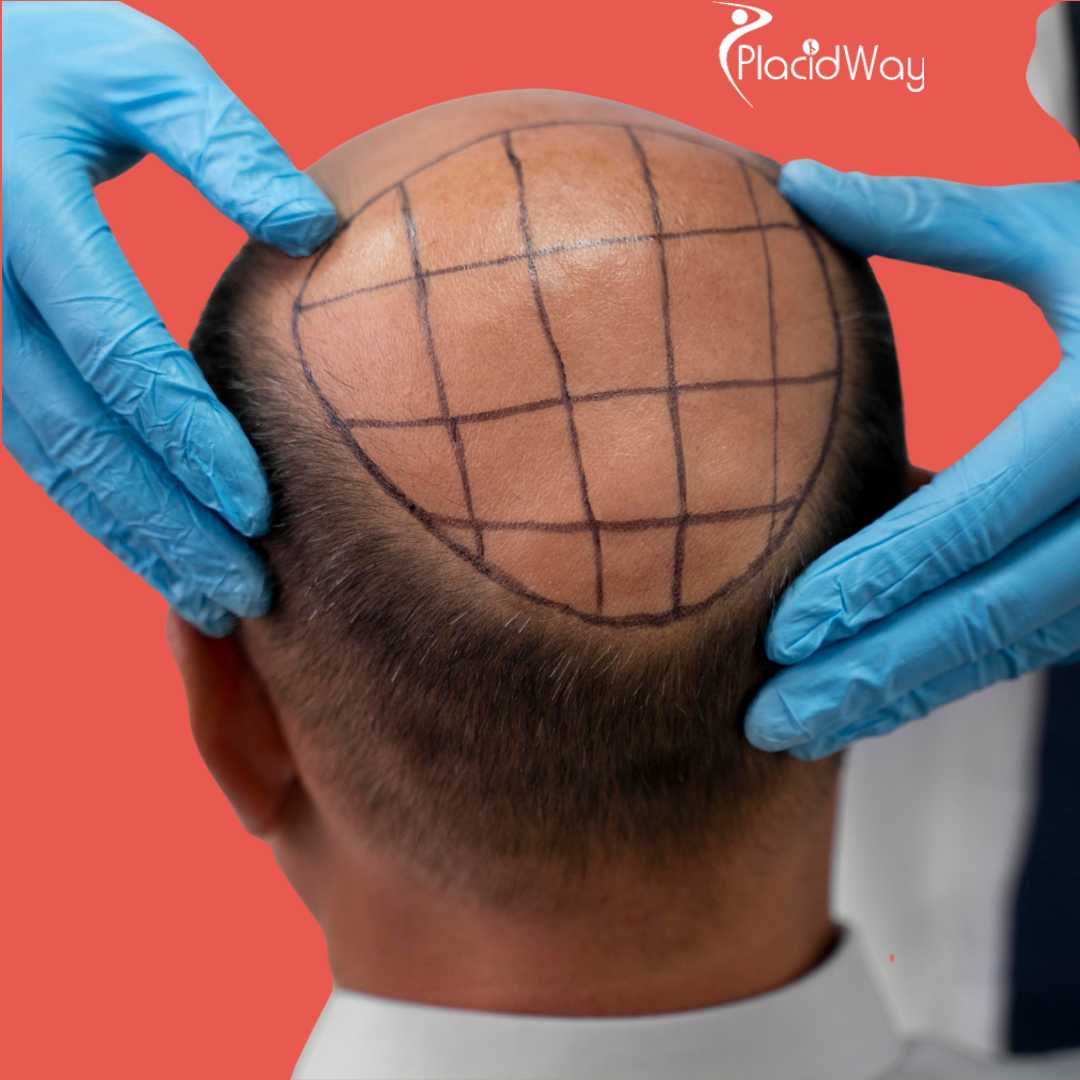
Not everyone experiencing hair loss is a good candidate for surgery. During a virtual consultation, you will usually be asked to send clear photos of your hairline, the top of your head, and the back and sides of your head (the donor zone).
A reputable clinic will evaluate whether your donor area is dense enough to yield the required grafts without looking overly thinned out. Patients with diffuse unpatterned alopecia (DUPA), where hair is thinning evenly all over the head, are typically not good candidates because the donor hair is also weak and prone to falling out.
Furthermore, age plays a role. Young patients (under 25) whose hair loss is still rapidly progressing may be advised to wait or stabilize their hair loss with medication (like Finasteride or Minoxidil) before undergoing surgery, to prevent an unnatural "island" of transplanted hair as native hair continues to recede.
7. What are the potential risks and complications?
All surgical procedures carry some degree of risk, and medical tourism adds the complexity of recovering away from your treating physician. Common side effects include temporary swelling of the forehead, mild bleeding, and itching during the healing phase.
More severe complications are often linked to poorly regulated clinics. One major concern in the high-volume clinic model is overharvesting. This occurs when unqualified technicians extract too many grafts from the back of the head, leaving the area looking moth-eaten or permanently bald. Another risk is poor hairline design, where hair is placed in straight, unnatural lines or at incorrect angles, requiring costly corrective surgery later.
To minimize these risks, it is essential to consult with an appropriately qualified healthcare professional and choose a vetted clinic where a doctor oversees the procedure.
8. How long is the typical recovery period?
Patience is crucial when undergoing a hair restoration procedure. The recovery process happens in distinct phases:
- Days 1-7: The scalp will be red, swollen, and covered in tiny scabs. You must sleep with your head elevated and avoid touching or bumping your grafts.
- Days 10-14: The scabs usually wash off completely. The recipient area may still look slightly pink, but it begins to look like a short buzz cut.
- Months 1-3: You will likely experience "shock loss," where the newly transplanted hairs shed. This is a normal part of the hair growth cycle responding to trauma, and the follicles remain safe beneath the skin.
- Months 4-6: New, fine hairs begin to emerge.
- Months 12-18: The hair thickens, matures, and achieves its final density and texture.
9. How do I choose a safe and qualified clinic?
Because the "Turkish model" has proven so lucrative, many facilities open to capitalize on the demand. When evaluating a Turkish hair transplant in Mexico, patient safety and factual accuracy should override slick marketing materials.
Ask prospective clinics detailed questions: Who exactly is extracting the grafts and making the incisions? What are the doctor's credentials? Do they perform multiple surgeries a day, or do they focus on one patient at a time? Many experts recommend seeking surgeons affiliated with recognized professional organizations, such as the International Society of Hair Restoration Surgery (ISHRS), which advocates for physician-led procedures.
10. Will I need follow-up care after returning home?
While the initial healing happens quickly, ongoing care is required. Your clinic should provide clear instructions on how to wash your hair, when you can resume exercise, and what signs of infection to watch out for. If a complication arises once you are back home, you must consult a local healthcare provider immediately.
Additionally, a hair transplant does not stop the progression of native hair loss. Many doctors recommend complementary therapies—such as topical Minoxidil, oral Finasteride, or PRP (Platelet-Rich Plasma) treatments—to preserve the non-transplanted hair over the coming decades. Discussing a long-term medical plan with a local dermatologist is a wise step for maintaining your results.
Why Choose PlacidWay for Medical Tourism in Mexico?
Planning international healthcare can be complex. PlacidWay serves as a global medical tourism platform designed to help patients navigate their treatment options abroad. Here is how PlacidWay can assist your research:
- Broad Network: Connects patients with a wide variety of international clinics and medical providers.
- Transparent Estimates: Provides access to pricing estimates to help you plan your medical travel budget.
- Informational Resources: Offers guides and medical tourism articles regarding procedures, destinations, and logistics.
- Facility Comparisons: Allows users to compare different clinics, their stated credentials, and available services in one place.
- Multilingual Support: Assists in overcoming language barriers by facilitating communication between patients and international facilities.
Frequently Asked Questions
Is a hair transplant painful?
The procedure is performed under local anesthesia, so you should not feel pain during the surgery. You may experience some discomfort during the initial anesthetic injections and mild soreness for a few days after.
Can I wear a hat after the procedure?
Most surgeons advise against wearing standard tight hats for at least 10 to 14 days to avoid dislodging newly placed grafts. Your clinic may provide a loose-fitting medical cap for the first few days.
Will the transplanted hair look natural?
When performed by a skilled surgeon who understands natural hairline design and hair growth angles, the results can look very natural. The outcome depends heavily on the provider's expertise.
How many grafts can safely be extracted in one session?
A safe extraction limit typically ranges from 3,000 to 4,000 grafts per session, depending on the density of your donor area. Extracting too many grafts at once can lead to a depleted, patchy donor zone.
What is shock loss?
Shock loss is a temporary shedding of native or newly transplanted hair caused by the trauma of surgery. It usually occurs a few weeks after the procedure, and hair typically regrows within a few months.
Can women get this type of hair transplant?
Yes, women can undergo FUE or hair transplants if they suffer from specific types of hair loss, such as female pattern hair loss or traction alopecia, and have a sufficient donor area.
Are beard or body hair grafts an option?
In cases where scalp donor hair is insufficient, some specialized surgeons use beard or chest hair to supplement density, though the texture and growth cycle of these hairs differ from scalp hair.
How soon can I wash my hair?
Clinics usually provide specific washing instructions starting 24 to 48 hours after the procedure. This involves gently pouring a specific mixture over the head without rubbing or using direct water pressure.
Do I need to shave my head for FUE?
Standard FUE usually requires shaving the donor area, and often the recipient area, to facilitate extraction and placement. Some clinics offer partially shaven or unshaven FUE for smaller procedures.
What if I experience complications after flying home?
You should maintain contact with your treating clinic through virtual follow-ups. If you suspect an infection or severe complication, you must seek immediate care from a local physician or dermatologist.
Explore Your Hair Restoration Options
Gather more information, compare facilities, and request details about your treatment options abroad.
Request Treatment InformationReferences
- Patient Information and Safety - International Society of Hair Restoration Surgery (ISHRS)
- Hair Transplantation - StatPearls, National Center for Biotechnology Information (NCBI)
- Medical Tourism Travel Health Guidelines - Centers for Disease Control and Prevention (CDC)
- Hair Transplants: What to Expect - American Academy of Dermatology (AAD)
- Health and Travel Advice - World Health Organization (WHO)
- Complications in Hair Transplantation - Journal of Cutaneous and Aesthetic Surgery























Share this listing