
What treatment


20+ Key FAQs on Hair Transplantation in Mexico
Questions About Hair Transplantation in Mexico? Start Here
Trusted Medical Tourism Platform Since 2007

What is the Average Price of Hair Transplant in Cancun, Mexico?
The average price of a hair transplant in Cancun, Mexico, typically ranges from $2,500 to $4,500. This cost depends heavily on the number of grafts required, the specific extraction technique utilized, and the individual facility's standard of care. For many individuals dealing with hair loss, restoring a natural-looking hairline is a deeply personal goal. As surgical techniques have advanced, traveling abroad for treatment has become an increasingly popular option. Opting for a hair transplant in Cancun, Mexico allows patients to combine medical care with a geographically accessible destination, particularly for North American travelers. Key Takeaways The hair transplant cost in Cancun, Mexico is often more accessible than in the US or Canada, varying mainly by graft count. Follicular Unit Extraction (FUE) is the most widely performed technique due to its minimal scarring profile. Eligibility depends on having a sufficient donor area and overall good health, which must be assessed by a professional. Patients must plan for adequate recovery time locally before flying home to minimize the risk of complications. Careful research into facility accreditation and medical credentials is vital for patient safety and optimal results. What factors influence the total cost of a hair restoration procedure? The final cost of your procedure is primarily driven by the number of grafts needed to cover the thinning areas. Additionally, the surgeon's expertise, the chosen extraction technique, and the facility's amenities play significant roles in pricing. When evaluating the financial aspects of restoring your hair, it is helpful to understand how estimates are calculated. Many providers price their procedures per graft. Therefore, a patient requiring mild density restoration at the hairline will naturally face a lower total expense than someone needing extensive coverage across the entire crown and frontal scalp. The specific technique also impacts the bottom line. Traditional methods might carry different price points compared to advanced variations like Direct Hair Implantation (DHI) or robotic-assisted extraction, which require specialized equipment and longer time in the operating room. Furthermore, a highly credentialed medical team operating within a well-equipped hair transplant clinic in Cancun, Mexico may charge slightly more to account for advanced safety protocols and modern technology. Keep in mind that when budgeting for treatment abroad, you must also factor in travel expenses, accommodation, local transportation, and potentially the cost of prescribed post-operative medications. These indirect expenses can add up and should be carefully planned for alongside the medical quotation. Am I a suitable candidate for a hair transplant? Ideal candidates are individuals with stabilized hair loss and a healthy, dense donor area at the back or sides of the scalp. You must undergo a thorough medical evaluation to ensure you do not have underlying conditions that could impede healing. Hair transplantation is not universally suitable for everyone experiencing hair thinning. The procedure relies on redistributing existing hair, meaning you must possess a sufficient supply of healthy, DHT-resistant hair follicles (the donor area) to cover the balding spots (the recipient area). Patients with widespread, diffuse thinning or conditions like alopecia areata may not be eligible, as transplanted hair could also be susceptible to falling out. Your general health is equally important. Conditions such as uncontrolled diabetes, autoimmune disorders, or bleeding anomalies can increase surgical risks and affect graft survival. A reputable provider will review your medical history, current medications, and family history of hair loss to determine if surgery is appropriate for you. Additionally, age is a consideration. While young adults in their early twenties might seek treatment, many specialists advise waiting until the pattern of baldness has become more predictable. Proceeding too early can result in an unnatural appearance as native hair continues to recede behind the transplanted area. How does FUE compare to other hair transplant techniques? Follicular Unit Extraction (FUE) involves removing individual hair follicles one by one, leaving tiny dot-like scars, whereas the older Follicular Unit Transplantation (FUT) method removes a strip of scalp, resulting in a linear scar. The FUE technique has largely become the standard of care for medical tourists seeking restoration. By using a micro-punch tool to extract individual follicular units, this method avoids the need for stitches and the long linear scar associated with the strip method (FUT). This allows patients the flexibility to wear their hair very short in the future without noticeable scarring. Another variation frequently discussed is Direct Hair Implantation (DHI). While DHI is technically a subset of FUE regarding how the hair is extracted, it differs in the implantation phase. Instead of making pre-made incisions in the recipient area, a specialized pen-like tool is used to implant the follicle directly. This can sometimes allow for denser packing but typically takes longer to perform. FUT may still be recommended in specific cases where maximizing the graft yield from a small donor area is necessary. Your physician will recommend the most appropriate technique based on your scalp laxity, hair characteristics, and restoration goals. What should I expect during the recovery process? Recovery involves initial swelling, scabbing around the grafts, and a required period of rest. Most patients can return to non-strenuous work within a week, though careful adherence to post-operative instructions is critical for graft survival. First few days: Mild swelling of the forehead and around the eyes is common. The donor and recipient areas will form tiny crusts or scabs. Sleeping posture: Patients typically need to sleep with their head elevated at a 45-degree angle for the first several nights to reduce swelling and avoid dislodging grafts. Washing protocol: Clinics will provide specific instructions on how to gently wash the scalp using specialized shampoos to keep the area clean without damaging new follicles. Activity restrictions: Heavy lifting, intense exercise, and excessive sweating must be avoided for at least two to three weeks to prevent spikes in blood pressure that could cause bleeding. Sun exposure: Direct sunlight on the healing scalp can cause permanent hyperpigmentation and damage delicate grafts; wearing an approved, loose-fitting hat when outdoors is generally required. Are hair transplants performed in Cancun safe? Procedures can be safely performed when executed by licensed, experienced medical professionals in accredited facilities. However, all surgical interventions carry inherent risks that must be carefully managed. The safety of medical tourism in Cancun, Mexico depends entirely on the due diligence of the patient and the standards of the chosen facility. Mexico regulates its healthcare facilities, but the quality of care can vary between providers. It is essential to seek out teams led by credentialed physicians rather than relying on facilities where unlicensed technicians perform the bulk of the surgical work. A safe clinical environment will prioritize rigorous sterilization protocols, conduct comprehensive pre-operative health screenings, and maintain emergency equipment on site. During your consultation, do not hesitate to ask about the facility's infection rates and how they handle unexpected medical events during surgery. Furthermore, traveling post-surgery introduces unique variables. Proper planning ensures you remain in the city long enough for the critical early healing phase, allowing the medical team to evaluate your progress and clear you for air travel before you return home. Expert Insight: Reputable professional organizations, such as the International Society of Hair Restoration Surgery (ISHRS), strongly advocate that only licensed physicians should make incisions or extract follicles, cautioning against clinics that heavily delegate surgical steps to unlicensed assistants. How many grafts will I typically need for noticeable results? The number of grafts varies wildly based on individual hair loss, ranging from 1,000 grafts for minor hairline adjustments to upwards of 4,000 grafts for extensive crown and frontal coverage. A "graft" or follicular unit is a naturally occurring cluster of one to four hairs. Because hair loss patterns (often measured by the Norwood scale for men or the Ludwig scale for women) are highly individual, the required number of grafts cannot be accurately guessed without a professional assessment. During a consultation, the physician maps out the recipient area and calculates the density required to achieve a natural look. If the balding area is large, attempting to place too many grafts in a single session can compromise the blood supply to the scalp, leading to poor growth or tissue damage. In such extensive cases, a staged approach over multiple sessions months apart may be medically recommended. It is also crucial to preserve the donor area. Over-harvesting follicles from the back of the head can result in a patchy, moth-eaten appearance. A conservative, well-planned strategy respects the finite nature of donor hair, keeping options open should further hair loss occur naturally as you age. What questions should I ask before choosing a facility? Patient advocacy starts with asking direct questions about the surgeon’s qualifications, the exact nature of their involvement in the surgery, and the protocol for handling post-operative complications. Who exactly will be performing the extractions and creating the recipient sites? (Ensure it is a physician, not just a technician). What are the professional credentials and affiliations of the medical team? Can I see authentic before-and-after photos of patients with a hair loss pattern similar to mine? What is included in the provided estimate for the procedure, and are there any anticipated extra costs for medications or garments? What local follow-up care is required before I am cleared to fly home? How does the facility handle long-distance follow-up and address complications if they occur once I have left the country? How long do the results of a hair transplant last? Transplanted hair follicles are generally resistant to the hormone that causes male pattern baldness, meaning the transplanted hair often remains long-term. However, native hair surrounding the transplant may continue to thin over time. The science behind hair transplantation relies on "donor dominance." Follicles taken from the safe donor zone at the back of the head maintain their genetic resistance to dihydrotestosterone (DHT) even after they are relocated to the balding areas. Consequently, these newly placed hairs are likely to continue growing for decades. However, surgery does not cure the underlying genetic predisposition to hair loss. Your existing, native hair in the frontal or crown regions remains susceptible to thinning. If this native hair falls out while the transplanted hair remains, you could be left with an unnatural pattern or isolated islands of hair. To mitigate this risk, medical professionals often recommend ongoing medical therapy alongside surgery. Medications like finasteride or minoxidil may be prescribed to help stabilize existing hair loss. Patients should thoroughly discuss the long-term commitment to hair loss management with their doctor before undergoing surgical restoration. What are the potential risks and complications? While often considered safe for eligible patients, hair restoration surgery carries risks such as infection, significant bleeding, noticeable scarring, uneven growth, and temporary loss of native hair. Like any surgical intervention breaking the skin barrier, there is a risk of infection. Strict adherence to post-operative hygiene protocols usually mitigates this, but patients must remain vigilant for signs of excessive redness, warmth, or unusual discharge. Scarring is also inevitable; while FUE scars are typically tiny and easily concealed by short hair, improper technique can lead to visible hypopigmentation or donor area depletion. A common, albeit usually temporary, complication is "shock loss." This condition occurs when trauma to the scalp causes native hairs—and sometimes newly transplanted hairs—to shed in the weeks following surgery. In most cases, the hair regrows within a few months, but it can be highly distressing for patients who are not forewarned. There is also the aesthetic risk of poor graft placement. If follicles are implanted at the wrong angle or depth, the hairline can look pluggy or unnatural. In rare instances, poor blood supply or severe infection can lead to graft failure or tissue necrosis. Immediate medical attention is necessary if severe pain or skin discoloration occurs. How should I prepare for my procedure abroad? Preparation involves adjusting lifestyle habits, managing current medications under a doctor's guidance, organizing travel logistics to allow for a low-stress recovery, and setting realistic expectations. In the weeks leading up to your procedure, you will likely be advised to avoid blood-thinning medications and supplements, such as aspirin, ibuprofen, and certain vitamins (like Vitamin E or fish oil), as they can increase bleeding during surgery. Never stop prescribed medications without direct clearance from your primary care physician. Lifestyle modifications are also critical. Smoking severely impairs blood flow to the scalp and can drastically reduce the survival rate of transplanted grafts; quitting smoking weeks before and after the procedure is strongly recommended. Alcohol consumption should also be halted prior to surgery to minimize swelling and bleeding risks. From a logistical standpoint, ensure your travel itinerary allows for at least three to five days of rest in Mexico after the surgery. Wear a button-down shirt on the day of the procedure to avoid pulling clothing over your sensitive scalp, and pack an airline-approved neck pillow to help you sleep upright in your hotel room. Why Choose PlacidWay for Medical Tourism? Navigating healthcare options in another country requires access to clear, verifiable information. PlacidWay serves as a global medical tourism resource, helping individuals explore cross-border healthcare opportunities. Here are some ways PlacidWay assists patients: Information Access: Provides detailed profiles of medical facilities and practitioner credentials to help you conduct independent research. Transparent Estimates: Facilitates direct communication with international providers so patients can request and compare customized price quotes. Global Network: Connects users with a wide array of accredited centers across multiple specialties and global destinations. Educational Resources: Offers articles, guides, and patient resources regarding treatments, risks, and international healthcare standards. Multilingual Communication: Helps bridge the language gap by facilitating initial inquiries between international patients and local medical coordinators. Frequently Asked Questions Is a hair transplant painful? Hair transplants are typically performed under local anesthesia, which numbs the scalp during the procedure. While the initial injections may cause mild discomfort, patients generally report feeling little to no pain during the surgery itself. Mild soreness may occur during the first few days of recovery. Can women get hair transplants in Cancun? Yes, women who experience certain types of hair thinning or patterned baldness may be candidates for hair restoration. A thorough evaluation by a qualified medical professional is necessary to determine if a transplant is an appropriate treatment for a female patient's specific type of hair loss. How soon can I fly after the procedure? Most physicians recommend waiting at least three to five days before flying home. The changes in cabin pressure do not typically harm the grafts, but the initial days are crucial for proper healing and managing any post-operative swelling or discomfort. Will my transplanted hair look natural? When performed by skilled practitioners using modern techniques like FUE, transplanted hair can grow to mimic natural hair patterns. The natural appearance depends heavily on the surgeon's ability to carefully angle and place the follicular units along the hairline. Can I swim in the ocean or pool after treatment? Patients are generally advised to avoid swimming in oceans, pools, or hot tubs for at least three to four weeks after surgery. Exposure to chlorine or ocean bacteria during the early healing phase can increase the risk of infection and negatively impact the survival of new grafts. Do medical staff in Cancun clinics speak English? Because the region is a major destination for international patients, many facilities employ bilingual staff and physicians who communicate effectively in English. It is always wise to confirm language accommodations during your initial virtual consultation. Will I need to shave my head for the surgery? Shaving the donor and recipient areas is often required for the FUE method to allow for precise extraction and implantation. Some facilities offer partially shaven or unshaven FUE for suitable candidates, though this can make the procedure longer and more complex. How long does the actual surgery take? Depending on the number of grafts required, the procedure typically takes between four and eight hours. Extensive cases may sometimes be divided over two consecutive days to ensure patient comfort and optimal graft survival. What happens if I experience complications back home? Patients should establish a follow-up plan with their provider before leaving Mexico. If complications arise upon returning home, you should contact your performing surgeon for guidance and seek immediate in-person evaluation from a local healthcare provider or dermatologist. Are there age limits for getting a hair transplant? While there is no strict upper age limit provided the patient is in good health, most surgeons advise against operating on very young patients (under 25). Hair loss patterns often remain unpredictable in younger individuals, which can complicate long-term surgical planning. Explore Your Restorative Options Compare medical facilities and request educational information about treatment possibilities in Cancun to help you make an informed health decision. Request Treatment Information Medical Disclaimer: The information provided in this article is for educational purposes only and does not constitute medical advice, diagnosis, or treatment planning. Procedure outcomes, recovery times, and costs vary significantly based on individual patient characteristics. Always consult a qualified, licensed healthcare professional to discuss whether a specific medical procedure is appropriate for your individual health profile. References Patient Resources on Hair Restoration Safety – International Society of Hair Restoration Surgery (ISHRS) Hair Transplants: What to Expect – American Academy of Dermatology (AAD) Hair Transplantation: Basic Overview – National Center for Biotechnology Information (NCBI) Hair Transplant Procedure Details – Mayo Clinic Medical Tourism Guidelines – Centers for Disease Control and Prevention (CDC) Complications in Hair Transplantation – Journal of Cutaneous and Aesthetic Surgery (NCBI)...
Read more details

What Should Patients Know Before Choosing Hair Transplant Surgery in Mexico?
Before choosing hair transplant surgery in Mexico, patients should know that they can save up to 70% on costs, access experienced surgeons using advanced FUE/DHI techniques, and must research clinic accreditations to ensure safety and quality results. Losing your hair can be a tough experience, impacting self-confidence and how you see yourself. If you’ve been researching solutions, you’ve likely noticed the steep price tag attached to hair restoration in the US or Canada. This is why hair transplant surgery in Mexico has become such a popular alternative. But before you book a flight, it is essential to understand exactly what you are signing up for. The main thing you need to know is that Mexico offers world-class medical care at a fraction of the cost, but doing your homework on the right clinic is non-negotiable. Thousands of patients cross the border every year, drawn not just by the savings, but by the high standard of work performed by Mexican specialists. These surgeons often use the exact same technology—or even newer equipment—than what you would find at a local clinic back home. Whether you are looking at Tijuana for its convenience or Cancun to mix recovery with relaxation, the options are vast. However, traveling for surgery requires planning. You need to consider travel logistics, recovery time away from home, and how to verify the credentials of a doctor in a foreign country. In this guide, we will break down everything you need to know, answering the most common questions about safety, costs, and techniques to help you make an informed decision about restoring your hair in Mexico. Is hair transplant surgery in Mexico safe? “Yes, hair transplant surgery in Mexico is safe when you choose a certified clinic, as many surgeons are board-certified and follow international hygiene and safety protocols similar to those in the US.” Safety is the number one concern for anyone traveling for medical procedures. The short answer is yes, hair transplant surgery in Mexico is safe, provided you choose a reputable facility. Mexico has a robust medical tourism industry that caters to international patients, meaning top clinics maintain rigorous standards to protect their reputation and their patients' health. Many leading clinics in cities like Tijuana, Mexico City, and Guadalajara operate in modern hospitals or specialized surgical centers that adhere to US-equivalent sanitation and safety regulations. These facilities are often inspected by local health authorities and international organizations. However, "cheap" doesn't always mean safe. It is crucial to avoid "black market" clinics that operate out of non-medical facilities or private homes. Always ensure the clinic you choose has visible accreditation and positive, verifiable reviews from past international patients. Legitimate clinics prioritize patient safety above all else, using sterile equipment and following proper surgical protocols. How much does a hair transplant cost in Mexico compared to the US? “A hair transplant in Mexico typically costs between $2,500 and $4,500, whereas the same procedure in the US can range from $10,000 to $20,000, offering savings of roughly 70%.” The cost difference is the primary driver for medical tourism. In the United States, hair transplants are often priced "per graft," which can quickly add up to an exorbitant amount. In Mexico, clinics typically offer all-inclusive packages based on the number of grafts you need, or even unlimited graft packages, making the pricing transparent and predictable. Here is a breakdown of the average costs you can expect: Procedure / Item Cost in Mexico (Avg) Cost in USA/Canada (Avg) FUE Transplant (2,000 Grafts) $2,300 - $3,000 $8,000 - $12,000 FUE Transplant (3,000+ Grafts) $3,200 - $4,500 $12,000 - $18,000 DHI Technique (Per Graft) $1.50 - $2.50 $6.00 - $10.00 Consultation Free (usually) $100 - $200 It is important to note that these Mexican prices often cover more than just the surgery. They frequently include airport transfers, hotel accommodation for a few nights, medication, and post-op care kits. This "medical vacation" model ensures you don't have unexpected expenses upon arrival. Why is hair transplant surgery cheaper in Mexico? “Hair transplants are cheaper in Mexico due to the lower cost of living, reduced labor costs, and lower insurance/malpractice fees for doctors, not because of lower quality.” A common misconception is that lower cost equates to lower quality. In reality, the price difference is largely economic. The cost of living in Mexico is significantly lower than in the US or Europe. This means that overhead costs for running a clinic—such as rent, utilities, and staff salaries—are much lower. Additionally, medical education in Mexico is often subsidized by the government, meaning doctors graduate with less debt than their US counterparts. This allows them to charge more reasonable fees for their services. Malpractice insurance, which is a massive expense for US doctors, is also much more affordable in Mexico. These savings are passed directly to the patient. You aren't paying for an inferior product; you are paying a fair price in a different economic market. The equipment, tools (like sapphire blades or implanter pens), and techniques used are globally standardized. What techniques are used for hair transplants in Mexico? “Mexican clinics primarily use the FUE (Follicular Unit Extraction) and DHI (Direct Hair Implantation) techniques, which are modern, minimally invasive methods that leave no linear scarring.” Gone are the days of the old "plug" look or the invasive strip method (FUT) being the only options. Top Mexican clinics exclusively use modern, minimally invasive techniques. The most popular is FUE (Follicular Unit Extraction). This involves extracting individual hair follicles from the donor area (usually the back of the head) and implanting them into the thinning areas. It leaves tiny dot scars that are virtually undetectable. Another advanced technique widely available is DHI (Direct Hair Implantation). In DHI, the surgeon uses a specialized tool called a Choi Implanter Pen to extract and implant the follicle almost simultaneously. This reduces the time the follicle spends outside the body, potentially increasing survival rates, and allows for higher density packing. Some clinics also offer Sapphire FUE, which uses blades made from sapphire gemstone rather than steel. These blades are sharper and create smaller channels, leading to less tissue damage, faster healing, and a more natural direction for hair growth. How do I choose the right hair transplant clinic in Mexico? “Choose the right clinic by checking for before-and-after photos, verifying surgeon credentials with international boards like ISHRS, and reading authentic patient reviews on independent platforms.” Selecting the right clinic is the most critical step in your journey. Don't just go for the cheapest option. Start by looking at before-and-after photos. Look for results that resemble your hair type and loss pattern. High-quality photos taken in good lighting from multiple angles are a sign of transparency. Next, research the surgeon. Are they a member of the ISHRS (International Society of Hair Restoration Surgery) or other reputable medical boards? Membership in these organizations shows a commitment to staying updated with the latest industry standards. You should also verify if the surgeon will be performing the procedure themselves or if technicians will be doing the bulk of the work. Finally, read reviews on third-party websites. Look for detailed accounts of the patient experience, from the initial consultation to the post-op follow-up. If a clinic has a high volume of positive feedback from international patients, it’s a strong indicator of reliability and quality service. What qualifications do Mexican hair transplant surgeons have? “Top Mexican hair transplant surgeons are highly qualified, often holding board certifications in plastic surgery or dermatology and having completed specialized training in hair restoration abroad.” Mexican surgeons are often highly educated and skilled. Many have completed their general medical training in top Mexican universities and then pursued specialized training abroad in countries like the US, Spain, or Turkey to master hair restoration techniques. This global exposure ensures they are proficient in the latest methods. You should look for doctors who are board-certified in dermatology or plastic surgery. While hair transplantation is cosmetic, it is still a medical procedure that requires a deep understanding of skin and tissue. A qualified surgeon will understand how to design a hairline that suits your facial structure and age, ensuring a natural look. Don't hesitate to ask for their CV or certifications during your consultation. Reputable doctors are proud of their training and will happily share their credentials to put your mind at ease. Does the hair transplant package include accommodation? “Most hair transplant packages in Mexico are all-inclusive, covering 2-3 nights of hotel accommodation, airport transfers, and sometimes even local transportation to and from the clinic.” One of the biggest perks of medical tourism in Mexico is the all-inclusive package. To make the experience stress-free for foreign patients, clinics often bundle the logistics with the medical procedure. Typically, this includes a stay at a 4 or 5-star hotel near the clinic for the duration of your treatment (usually 2 to 3 nights). These packages also frequently cover ground transportation. A private driver will pick you up from the airport (or the border crossing if you are entering Tijuana from San Diego) and take you to your hotel and all your medical appointments. This removes the anxiety of navigating a new city or speaking a foreign language to taxi drivers. Be sure to ask specifically what is included in your quote. While flights are rarely included, having your hotel and local travel sorted means you can focus entirely on your preparation and recovery. What is the recovery time for a hair transplant in Mexico? “Recovery takes about 7-10 days for the donor and recipient areas to heal visibly, though you can usually return to non-strenuous work within 3-4 days after the surgery.” Recovery from an FUE hair transplant is relatively quick. Immediately after the surgery, you will have some redness and scabbing in the recipient area, and the donor area will be tender. Most patients feel well enough to go out and about within a day or two, but cosmetically, you might want to wait a bit longer before returning to social activities. The scalps usually fall off within 7 to 10 days. By the two-week mark, it is often hard to tell that any surgery took place, apart from the short haircut. However, you must avoid strenuous exercise, heavy lifting, and swimming for at least a month to ensure the grafts anchor securely. If you work from home, you can likely return to work after 2 or 3 days. If your job requires physical labor or wearing a hard hat, you will need to plan for at least two weeks off. Your Mexican surgeon will provide a detailed post-op plan to speed up your healing. Is it safe to travel to Mexico for surgery alone? “Yes, traveling alone is generally safe as clinics provide transportation and support, but bringing a companion can be helpful for emotional support and assistance during the first 24 hours.” Many patients travel to Mexico solo for their hair transplants without any issues. Because the clinics often handle transfers and accommodation, you are essentially in a "medical bubble" where you are guided from point A to point B. Cities like Tijuana (specifically the medical district) and Cancun are well-patrolled and accustomed to tourists. However, having a friend or family member with you can be beneficial. They can help with luggage, grab food, and keep you company while you rest in the hotel. The first night after surgery, you might be tired and have a bandage on your head, so having an extra pair of hands is nice, though not strictly necessary. If you do travel alone, make sure to stay in the recommended hotel and avoid venturing into unknown areas at night, just as you would in any major city. Using the clinic's driver ensures you stay safe during your commute. Do Mexican hair transplant clinics speak English? “Yes, reputable clinics catering to international patients have fluent English-speaking surgeons and staff to ensure clear communication throughout the consultation and procedure.” Communication is key to a successful medical outcome. Fortunately, top hair transplant clinics in Mexico are built around the American and Canadian market. You will find that the surgeons, patient coordinators, and nursing staff speak fluent English. This eliminates the language barrier and ensures you can clearly explain your goals and understand their instructions. Before you book, you will likely have a video consultation or phone call. Use this opportunity to gauge their language skills. If you struggle to understand them or feel they don't understand you, it might be a red flag. Clear communication ensures there are no misunderstandings about the hairline design or graft count. In popular medical tourism hubs like Tijuana, English is spoken almost everywhere, from the clinic to the hotel and local restaurants, making the entire trip convenient for English speakers. What happens if the hair transplant fails? “Reputable clinics offer a guarantee policy where they will perform a touch-up procedure for free or at a reduced cost if the transplanted grafts fail to grow as expected.” While hair transplant success rates are very high (typically over 90-95% graft survival), there is always a small risk that the hair may not grow as dense as expected. Before you commit, you must ask the clinic about their guarantee policy. Most reputable clinics stand by their work. A standard written guarantee usually states that if a certain percentage of the grafts do not grow, the clinic will perform a correction or touch-up surgery free of charge, provided you followed all post-operative instructions. You would likely still have to pay for your travel, but the medical part would be covered. Having this conversation beforehand gives you leverage and peace of mind. It also shows that the clinic is confident in their results. Make sure to get this policy in writing before your procedure. Are the results of a hair transplant in Mexico permanent? “Yes, the transplanted hair is permanent because it is taken from the genetically resistant donor area, meaning it will grow for a lifetime, though non-transplanted hair may still thin.” One of the best things about a hair transplant is that it is a permanent solution. The hair follicles used for the transplant are taken from the back and sides of the head, which are areas genetically resistant to Dihydrotestosterone (DHT), the hormone responsible for male pattern baldness. When these follicles are moved to the top of the head, they retain this genetic resistance. This means the transplanted hair will continue to grow for the rest of your life. However, it is important to remember that your native hair (the hair that was already on top of your head) can still thin out over time if you are prone to hair loss. This is why many doctors recommend continuing treatments like finasteride or minoxidil to preserve your existing hair. A good surgeon will plan your transplant with future hair loss in mind, ensuring the design looks natural even as you age. What pre-op instructions should I follow before flying to Mexico? “Patients should stop smoking, avoid alcohol and blood-thinning medications for at least a week before surgery, and arrange for comfortable button-down shirts to wear post-op.” Preparation starts weeks before you board the plane. Your clinic will provide a detailed list, but there are some universal rules. You generally need to stop taking blood thinners (like aspirin or ibuprofen) and certain vitamins about 7 to 10 days before surgery to reduce bleeding. Smoking and alcohol are big no-nos. Smoking constricts blood vessels and can severely impact blood flow to the scalp, which is vital for the new grafts to survive. You will likely be asked to stop smoking at least a week (preferably two) before and after the procedure. Alcohol should be avoided for a few days prior as well. Pack smart: bring button-down shirts or hoodies with zippers. You won't be able to pull a t-shirt over your head for the first few days without risking dislodging the new grafts. Comfortable, loose clothing is essential for your recovery period in the hotel. Can women get hair transplants in Mexico? “Yes, many clinics in Mexico specialize in female hair transplants, offering techniques like unshaven FUE to treat thinning hair or traction alopecia without shaving the entire head.” Hair loss isn't just a male issue, and Mexican clinics are well-equipped to treat women. Female hair loss often presents differently, usually as diffuse thinning rather than a receding hairline. Because of this, the approach needs to be more specialized. Many clinics offer unshaven FUE or "long hair FUE" for women. This allows the surgeon to extract grafts from a small shaved window in the back of the head that is easily hidden by the remaining long hair. This means you can return to your daily life without anyone knowing you had surgery. Women can also benefit from eyebrow transplants or hairline lowering procedures in Mexico, which are popular cosmetic enhancements performed with the same high-precision techniques. What is the best city in Mexico for hair transplants? “Tijuana is the most popular hub due to its proximity to the US border, but Cancun and Mexico City are also top choices offering excellent clinics and direct flight connections.” Tijuana is arguably the capital of medical tourism in Mexico, especially for patients from the West Coast of the US. Its proximity to San Diego allows patients to fly into California and simply cross the border, often with clinic-provided transport. It has a high concentration of experienced clinics and competitive pricing. Cancun is a fantastic option for those on the East Coast or Europe who want to combine their procedure with a vacation. While you can't swim immediately after surgery, relaxing by the beach is a great way to recover. Mexico City and Guadalajara are also excellent choices, offering world-class hospitals and highly specialized surgeons in a more urban setting. The "best" city depends on your travel preferences and where your chosen surgeon is located. All these major hubs have international airports and infrastructure built to support medical tourists. Looking for a trusted hair transplant clinic in Mexico? Don't leave your results to chance. Compare certified clinics, check surgeon credentials, and get a free quote for your transformation today....
Read more details
What is the Average Price of Hair Transplant in Tijuana, Mexico?
Hair loss is an issue that impacts millions of people worldwide, leading to frustration, reduced confidence, and even emotional stress. If you’re one of the many individuals looking for a long-term solution, hair transplant surgery can be a game-changer. Over the years, Tijuana, Mexico, has become a hotspot for medical tourism, especially for hair restoration procedures, thanks to its affordability and high-quality services. In this comprehensive guide, we’ll dive deep into everything you need to know about hair transplants in Tijuana, from average costs and types of procedures to key factors you should consider before making your decision. What is a Hair Transplant? A hair transplant is a surgical procedure that relocates hair follicles from areas of dense hair growth (usually the back or sides of the scalp) to areas experiencing thinning or baldness. It’s a proven, effective way to restore hair permanently, with natural-looking results. There are two primary types of hair transplant procedures: Follicular Unit Extraction (FUE): This technique involves harvesting individual hair follicles from the donor area and transplanting them into the recipient area. It’s minimally invasive and results in little to no scarring. FUE is ideal for those looking for quicker recovery times. Follicular Unit Transplantation (FUT): Also known as the "strip method," FUT involves removing a strip of skin from the donor area, dividing it into grafts, and transplanting those into the bald area. This method allows for more grafts to be transplanted in one session but may leave a linear scar on the donor area. Why Choose Tijuana for a Hair Transplant? Tijuana has rapidly gained popularity among medical tourists for a variety of reasons. Here’s why many individuals are heading to this Mexican city for hair restoration procedures: Affordability: Hair transplant procedures in Tijuana are considerably more affordable than in the United States, Canada, or Europe. Patients can save as much as 65% on their treatment costs while still receiving world-class care. Proximity to the U.S.: Located just across the U.S.-Mexico border, Tijuana is an easily accessible destination, especially for American patients. With many patients traveling from California and neighboring states, the city offers convenience without the need for long-haul flights. Experienced Surgeons: Tijuana is home to highly skilled surgeons who are experts in modern hair transplant techniques, such as FUE and FUT. Many of these professionals have trained internationally and have years of experience performing successful procedures. State-of-the-Art Facilities: Clinics in Tijuana often use cutting-edge equipment and adhere to international standards of hygiene and patient care. Medical Tourism Perks: Many clinics cater to international patients, offering comprehensive packages that may include transportation, accommodation, and post-operative care. Average Cost of Hair Transplant in Tijuana One of the main reasons patients choose Tijuana for hair transplants is the cost advantage. On average, hair transplant procedures in Tijuana cost between $2,800 to $3,500. Cost Breakdown by Number of Grafts: 1. Direct Hair Implantation (DHI) $3,500 2. Follicular Unit Extraction (FUE) $2,800 3. Follicular Unit Transplantation (FUT) $3,000 Why is it so affordable? Lower operational costs in Mexico, including rent and wages, contribute to the reduced price. Tijuana’s competitive healthcare market also drives clinics to maintain affordable prices without compromising quality. Key Factors That Influence Hair Transplant Costs While the average cost provides a baseline, there are several factors that can influence the final price of your hair transplant: Number of Grafts Needed: The number of grafts required depends on the extent of your hair loss and the area that needs to be covered. Larger areas of baldness will require more grafts, resulting in higher costs. Chosen Technique: FUE is typically more expensive than FUT because it is more time-intensive and requires advanced technology. Clinic and Surgeon Reputation: Clinics with highly skilled surgeons and years of experience often charge premium rates. However, their expertise can ensure better results. Additional Services: Some clinics include perks like transportation, accommodation, pre-op consultations, and post-op follow-ups in their package price. Benefits of Choosing Tijuana for Hair Transplants If you’re still on the fence about whether to choose Tijuana, here are the key benefits of undergoing hair restoration surgery in this vibrant city: Significant Cost Savings: Hair transplants in Tijuana cost a fraction of the price compared to the United States, making the procedure accessible to more patients. Convenience and Accessibility: With Tijuana being a short drive or flight away for U.S. residents, travel costs are minimal. Natural and Permanent Results: Tijuana’s clinics specialize in producing results that look natural, blending seamlessly with your existing hair. Advanced Technology: Clinics are equipped with cutting-edge technology to ensure precision and safety during the procedure. Comprehensive Care Packages: Many clinics offer all-inclusive packages that cover accommodations, meals, and airport transfers, making the experience stress-free for international patients. What to Expect During a Hair Transplant Procedure in Tijuana A typical hair transplant procedure involves the following steps: Consultation: During this initial phase, the surgeon examines your scalp, discusses your medical history, and determines the best approach for your needs. Preparation: The donor and recipient areas are cleaned, and local anesthesia is administered to minimize discomfort. Harvesting Hair Follicles: Depending on the chosen technique, hair follicles are either individually extracted (FUE) or taken from a strip of scalp (FUT). Transplantation: The harvested grafts are carefully implanted into the recipient area, following a natural hairline design. Recovery: Patients are given post-operative instructions to ensure proper healing. Most can resume normal activities within a few days. Recovery Timeline and Expected Results The recovery process after a hair transplant is relatively straightforward. Here’s a general timeline: Day 1-3: Swelling and redness are common but subside quickly. Rest is recommended. Day 4-7: Scabs begin to form and naturally fall off as the area heals. Week 2-3: Some transplanted hair may shed—this is normal and part of the hair growth cycle. Month 3-6: New hair growth becomes visible. Month 9-12: Full results are achieved, with natural, thick hair growth in the transplanted area. Things to Consider Before Choosing a Clinic in Tijuana When selecting a clinic in Tijuana, it’s important to do your homework. Here’s what you should focus on: Clinic Accreditation: Ensure the clinic meets international safety and hygiene standards. Surgeon Credentials: Verify that the surgeon is certified and has significant experience in hair transplant procedures. Patient Reviews: Look for before-and-after photos and testimonials from previous patients. Packages and Inclusions: Check if the clinic offers all-inclusive packages that cover consultations, aftercare, and accommodations. Frequently Asked Questions About Hair Transplants in Tijuana 1. Is a hair transplant in Tijuana safe? Yes, many clinics in Tijuana follow international safety protocols and employ skilled surgeons with years of experience. 2. Will the results look natural? Absolutely. When performed by a qualified surgeon, the transplanted hair will blend seamlessly with your existing hair, creating natural-looking results. 3. How long does the procedure take? Depending on the number of grafts, the procedure may take between 6 to 8 hours. 4. What is the recovery time? Most patients can resume non-strenuous activities within 3 to 5 days. Full recovery and visible hair growth occur over several months. 5. Are there risks involved? As with any surgery, there are potential risks, including infection, scarring, or uneven hair growth. However, these risks are minimal when choosing an experienced surgeon. 6. How much does it cost? The cost of a hair transplant in Tijuana ranges from 2,800 to $3,500 USD, depending on the number of grafts and the technique used. Take the First Step Toward Restoring Your Confidence A hair transplant in Tijuana offers an affordable, effective, and life-changing solution to hair loss. With experienced surgeons, state-of-the-art facilities, and significant cost savings, it’s no wonder this city has become a top destination for hair restoration. If you’re ready to regain your confidence with a fuller head of hair, don’t wait. Contact PlacidWay today to learn more about your options, find trusted clinics, and take the first step toward achieving your hair restoration goals! ...
Read more detailsShare with AI
Share this page with AI assistants to get summaries and insights


Unlock the Best Hair Transplantation Packages Just for You
Discover the ultimate Hair Transplantation packages designed to meet your health and wellness goals. Choose the perfect fit for your journey.

Price starting from $2,500
Hair Transplant in Mexico
PlacidWay Latin America Medical Tourism
- Hair Transplantation
Cancun, Mexico
-in-Guadalajara,-Mexico.png)
Price starting from $2,500
Excellent Hair Transplant Surgery (FUE) in Guadalajara, Mexico
PlacidWay Medical Tourism Guadalajara Mexico
- Hair Transplantation
Guadalajara, Mexico
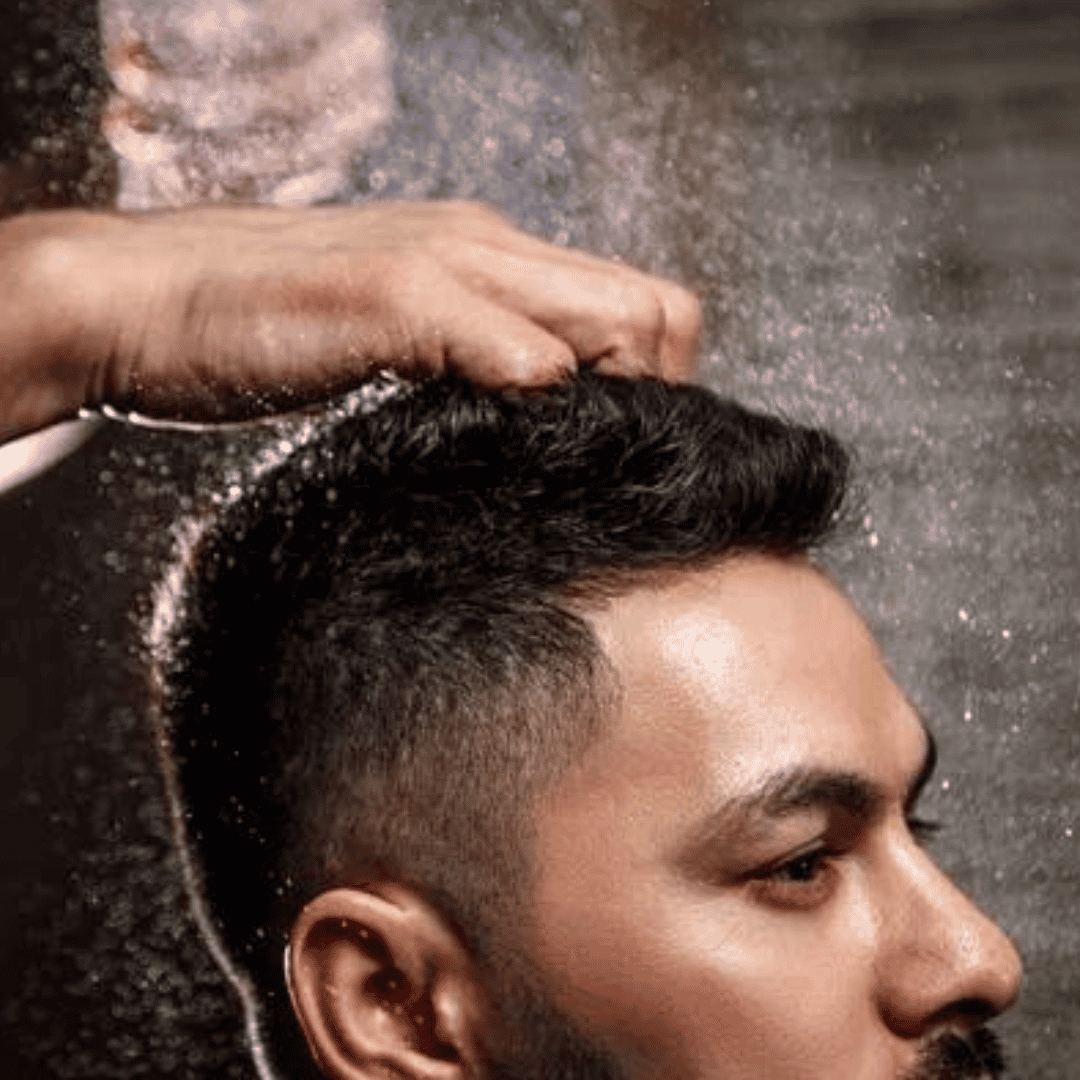
Price starting from $2
Hair Transplant Mexico at Baja Surgery Center Los Algodones
Sani Medical Center in Los Algodones, Mexico
- Hair Transplantation
Los Algodones,Cancun, Mexico

Price starting from $2,500
Effective Hair Transplant in Mexico at Affordable Packages
PlacidWay Mexico Medical Tourism
- Hair Transplantation
Tijuana,Mexicali, Mexico
Hair Transplantation Solutions Near You: Explore Top Medical Centers
Discover how Hair Transplantation is transforming lives at leading medical centers in , Mexico. Dive into center profile, specialties, doctors, reviews, etc. and explore the best options tailored to your needs in this region.
.png)
Dr. Marco Antonio Gutierrez Lamadrid
Mexicali, Mexico
Cancun Plastic Surgery Center by Dr. Víctor Sámano
Cancun,Playa Del Carmen, Mexico

Hair in 1 Day - Hair Transplant Clinic in Guadalajara
Monterrey,Guadalajara,Mexico City,Queretaro, Mexico
Dr. Pedro Literas
Cabo San Lucas, Mexico
Transformative Hair Transplantation Experiences: Dive into Procedure Insights
Discover the power of Hair Transplantation through compelling patient experiences. Uncover detailed insights into procedures, recovery journeys, and life-changing results.
.png)

.png)
Price starting from $2,000
The Guide to Choosing Hair Transplant in Mexico
- Hair Transplantation
Mexico

Price starting from $2,000
Hair Transplant in Istanbul, Turkey
- Hair Transplantation
Istanbul, Turkey
Explore Hair Transplantation: Stories, Testimonials, and Procedures
Watch in-depth videos covering everything from Hair Transplantation success stories to detailed procedure explanations. Learn what to expect and hear from real patients.

PlacidWay: Leading Mexico's Worldwide Medical Tourism for 17 Years
Hair Transplantation
PlacidWay Mexico Medical Tourism
Mexico

PlacidWay & Booking.com: A Seamless Journey for Medical Tourists
Hair Transplantation
PlacidWay Medical Tourism
Mexico

PlacidWay Goes Global: 150 New Providers Join Our Network!
Hair Transplantation
PlacidWay Medical Tourism
Mexico

How PlacidWay Simplifies the Digital Marketplace for Patients and Providers
Hair Transplantation
PlacidWay Medical Tourism
Mexico
Learn More with These Hair Transplantation Articles
Take a look at these interesting articles, stories and research that will help you learn more about Hair Transplantation.

Guide to Best Hair Transplant in Tijuana, Mexico
PlacidWay Mexico Medical Tourism
- Hair Transplantation
Mexico


Why Should You Choose Hair Transplant in Guadalajara, Mexico?
PlacidWay Mexico Medical Tourism
- Hair Transplantation
Mexico

Things to Know About Hair Transplant in Merida, Mexico
PlacidWay Mexico Medical Tourism
- Hair Transplantation
Mexico







