
What treatment


20+ Most Frequently Asked Questions About Gynecology Treatment
Find Clear and Concise Answers to Common Questions About Gynecology Treatment
Trusted Medical Tourism Platform Since 2007
.png)
Can US Women Travel to Mexico for an Ovarian Cyst Removal and Recover Safely?
Yes. US women can absolutely travel to Mexico for an ovarian cyst removal and recover safely. By choosing board-certified gynecologists at accredited Mexican hospitals, patients receive the same top-tier laparoscopic surgery as in the US, while saving 60% to 75% on total out-of-pocket costs. If you are reading this, you are probably exhausted. Living with a symptomatic ovarian cyst means navigating sharp pelvic pain, unpredictable bloating, and constant anxiety about whether it will rupture. But for many American women, the physical pain is only half the battle. The financial pain of the US healthcare system is what keeps you awake at night. Perhaps your doctor recommended surgery, but your health insurance denied the coverage, deeming it "not medically necessary yet." Or maybe you have a towering high-deductible plan, and the hospital just quoted you $15,000 out-of-pocket. That is enough to make anyone feel trapped. You want relief, but you do not want to drain your family's savings to get it. You have likely started researching alternative options, leading you to a very important question: Can US women travel to Mexico for an ovarian cyst removal and recover safely? It is completely normal to feel hesitant. You are considering crossing a border for a medical procedure, and you want honest, reassuring answers, not just a sales pitch. In this comprehensive guide, we will walk you through exactly what to expect, how the costs compare, and how to ensure your safety every step of the way. Quick Facts: Ovarian Cyst Surgery in Mexico vs US Average Out-of-Pocket Cost (US) $10,000 - $25,000 (Without insurance) Average Cost (Mexico) $2,500 - $4,500 (All-inclusive) Surgical Success Rate 98%+ in both countries at top hospitals Recovery Time in Destination Recover at home (US) vs 5-7 days in hotel (Mexico) Complication Rate Under 3% (Rare in both countries) What Is a Laparoscopic Cystectomy? An ovarian cyst removal (cystectomy) is a minimally invasive surgery to remove a painful or large cyst while leaving the healthy ovary intact. It uses tiny incisions and a camera, ensuring a fast recovery with minimal scarring. When you hear the word "surgery," it is easy to picture a massive abdominal incision and weeks stuck in a hospital bed. Fortunately, modern gynecology is far more advanced. Most ovarian cyst removals in Mexico are performed laparoscopically. This means it is minimally invasive. Here is a step-by-step breakdown of how the procedure works in plain English: Anesthesia: You are placed under general anesthesia by a certified anesthesiologist, so you will be completely asleep and feel zero pain. Tiny Incisions: The surgeon makes 3 to 4 tiny incisions (each about the size of a keyhole) in your abdomen. Camera Insertion: A laparoscope (a thin tube with a high-definition camera and light) is inserted, broadcasting a clear, magnified view of your ovaries onto a monitor. Cyst Removal: Using specialized micro-instruments, the surgeon carefully separates the cyst from your ovary and removes it. The goal is always to preserve your healthy ovarian tissue. Pathology & Closing: The removed cyst is sent to a lab to ensure it is benign, and your tiny incisions are closed with dissolving stitches or surgical glue. The primary benefit of this laparoscopic approach over traditional "open" surgery (laparotomy) is a drastically shorter recovery time, significantly less pain, and barely noticeable scars. By preserving your ovary, your hormone levels remain stable. Why Consider Getting Gynecological Care as an American in Mexico? Beyond saving thousands of dollars, traveling to Mexico allows you to skip long US waitlists, recover in a peaceful, resort-like environment, and receive highly personalized, unhurried care from world-class gynecologists. Why are thousands of American women packing their bags for medical tourism gynecology in Mexico? It is not just about the price tag it is about the overall quality of the experience. Unbeatable Cost Savings: You can pay for your flights, a luxurious recovery hotel, the surgery, and a companion's travel, and still spend less than a standard US deductible. Zero Wait Times: In the US or Canada, non-emergency gynecological surgeries can be delayed for months. In Mexico, you can often schedule your procedure within a few weeks, stopping your pain sooner. Modern, Private Facilities: Mexico’s medical tourism hospitals are built to cater to international patients. They feature private, hotel-like rooms, state-of-the-art operating theaters, and top-tier sanitation protocols. Personalized Attention: Unlike the US system where doctors are forced to rush through 10-minute appointments, Mexican specialists take their time. They sit with you, answer every question, and treat you like a human being, not a chart number. A Peaceful Recovery: Instead of recovering amidst the stress of daily chores at home, you get to recover in a beautiful destination with room service, concierge care, and total privacy. How Much Does Ovarian Cyst Removal Cost in Mexico? A laparoscopic cystectomy in Mexico averages $3,500 total. In the US, the same uninsured procedure averages $15,000. You save around 75% on the surgery itself. Let us look at the actual numbers. The prices below represent the total out-of-pocket costs for a patient without insurance (or one stuck paying entirely out of a high-deductible plan). Procedure / Service United States Cost Mexico Cost Estimated Savings Specialist Consultation $250 - $500 $40 - $80 80% Pelvic Ultrasound / MRI $400 - $1,500 $100 - $300 75% Laparoscopic Surgery (Total) $10,000 - $25,000 $2,500 - $4,500 60-75% Hospital Stay (1 Night) $3,000 - $5,000 Included in surgery package 100% Pathology (Lab Testing) $500 - $1,200 $150 - $300 70% Why is there such a massive price gap? It is crucial to understand that cheaper does not mean lower quality. The savings stem from Mexico's drastically lower cost of living, reduced malpractice insurance overhead, and lower administrative costs. The surgical instruments, anesthesia, and medical monitors are identical to what you find in American hospitals. You are simply paying the true cost of care, free from the hyper-inflated US medical billing system. Is It Safe to Get Ovarian Cyst Surgery Abroad in Mexico? Yes. Top medical tourism hospitals in Mexico hold strict international accreditations. Surgeons undergo rigorous training, and the infection and complication rates match or beat those in the United States. It is the most natural reaction in the world to worry about safety. You might picture a dusty, outdated clinic, but that stereotype is decades out of date. Today's private medical hubs in Mexico are stunning, ultra-modern facilities that cater specifically to US and Canadian patients. Quality Metric US Hospitals Mexican Private Hospitals Notes Accreditation JCAHO JCI & CSG Global standards are strictly enforced Surgeon Credentials Board-certified Board-certified (often intl. trained) Many Mexican surgeons complete US fellowships Equipment Standards FDA-approved FDA & CE-approved Identical laparoscopic technologies used Infection Rates Around 1-3% Around 1-3% Private Mexican hospitals heavily prioritize sanitation To ensure a safe experience, here is what you should verify: Hospital Certifications: Look for the Joint Commission International (JCI) gold seal or the Consejo de Salubridad General (CSG), Mexico's highest national healthcare standard. Surgeon Experience: Choose a specialist with thousands of successful laparoscopic procedures under their belt. Pathology Protocols: Verify that all removed tissue is sent to a certified lab to rule out any malignancies. Anesthesia Safety: Ensure a dedicated, board-certified anesthesiologist is present throughout your entire surgery. If you stick to reputable, vetted hospitals, the quality of care will rival and often exceed what you are used to back home. What to Expect After Ovarian Cyst Removal in Mexico: Timeline Plan for a 5 to 7 day trip. You will have surgery on day two, rest in the hospital for 1 night, recover in a hotel for 3 to 4 days, and fly home on day six or seven. One of the biggest advantages of laparoscopic surgery is the speed of recovery. However, since you are traveling, you need to factor in safe healing time before boarding an airplane. Here is your typical journey: Day 1: Arrival & Pre-Op. You arrive in Mexico, check into your hotel, and meet with your surgeon for bloodwork, a pelvic ultrasound, and a final consultation. Day 2: Surgery Day. You are admitted to the hospital. The procedure takes about 1 to 2 hours. You will wake up in a private recovery room and typically stay overnight for monitoring. Days 3-5: Hotel Recovery. You are discharged to your hotel. You will feel sore, tired, and bloated (due to the gas used to expand your abdomen during surgery). You will spend these days resting, watching TV, and taking short walks to promote blood flow. Day 6: Follow-Up & Clearance. Your surgeon will examine your incisions, remove any non-dissolving stitches, review the pathology report, and clear you for travel. Day 7: Journey Home. You fly or drive back to the US safely. Crucial considerations for your trip: Travel Companion: You cannot drive or lift heavy bags after abdominal surgery. Bring a friend or partner to assist you. Tissue Healing vs. Other Surgeries: Unlike dental medical tourism that involves bone grafting and months of waiting before the final result, gynecological soft-tissue healing is immediate. Once the cyst is gone, the internal healing begins right away. Language Barriers: Reputable medical tourism hospitals have bilingual staff. All your medical records will be provided in English. At-Home Follow-up: Schedule a 2-week post-op checkup with your local US gynecologist before you even leave for Mexico. Travel Insurance: Purchase specialized medical travel insurance. It costs around $100-$200 and covers unexpected delays or rare complications. Are You a Candidate for Surgery in Mexico? Ideal candidates have diagnosed, benign ovarian cysts causing chronic pain, have high US deductibles, and are healthy enough for travel and general anesthesia. Medical tourism is an amazing tool, but it is not the right choice for every medical situation. Let us look at who benefits the most. You are likely a great candidate if you: Have a confirmed diagnosis of an ovarian cyst (endometrioma, dermoid cyst, or large simple cyst). Experience chronic pelvic pain, bloating, or painful intercourse that disrupts your life. Have been told your cyst is highly likely to be benign (non-cancerous). Face a high insurance deductible or lack health insurance altogether. Are in generally good health and cleared for general anesthesia. Have a valid passport and the ability to take a week off work. You may need to reconsider (or stay in the US) if you have: Suspected Malignancy: If your US doctor strongly suspects ovarian cancer, complex oncology care should usually be managed near your home for long-term treatment. An Acute Emergency: If your cyst ruptures or causes ovarian torsion (twisting), this is an extreme emergency. Go to your nearest US emergency room immediately; do not attempt to travel. Severe Comorbidities: Uncontrolled diabetes or severe heart disease can make traveling post-surgery too risky. Morbid Obesity: Very high BMI can complicate laparoscopic entry and anesthesia. Your surgeon will require your medical history to approve you. No Travel Companion: While possible, doing this entirely alone is incredibly difficult when managing luggage post-op. If you match the "great candidate" profile, your next step is simply sending your US ultrasound report to a Mexican specialist for a free virtual evaluation. Frequently Asked Questions You probably still have a few lingering worries. We have compiled the most common questions women ask when researching traveling to Mexico for surgery. How much does ovarian cyst removal cost in Mexico? Ovarian cyst surgery in Mexico typically costs between $2,500 and $4,500. This is a 60% to 75% savings compared to the US, where the same uninsured or high-deductible procedure can range from $10,000 to $25,000. This fee usually includes the surgeon, anesthesia, hospital stay, and basic pathology. Is it safe to get ovarian cyst surgery abroad in Mexico? Yes, it is very safe when you choose a JCI-accredited or nationally certified private hospital. Mexico’s top healthcare facilities use the same modern laparoscopic equipment and follow the same strict hygiene protocols as US hospitals. Your safety depends entirely on choosing vetted, board-certified providers. What is the recovery time for laparoscopic cystectomy? Initial recovery takes about 1 to 2 weeks. You will typically stay in Mexico for 5 to 7 days before you are cleared to fly home. Full internal healing takes about 4 to 6 weeks. Most women return to desk jobs within 10 to 14 days and resume heavy exercise after 6 weeks. What are the common complications of this surgery? Complications are rare (less than 3%) but can include infection, bleeding, or damage to surrounding organs like the bladder. Board-certified gynecological surgeons in Mexico are highly trained to mitigate these exact risks, mirroring the safety statistics found in the US. Will removing my cyst cause early menopause or bone loss? No. A cystectomy removes only the cyst, leaving your healthy ovary intact. This preserves your estrogen production, which protects your heart and prevents bone loss (osteoporosis). Even if one whole ovary must be removed, the remaining ovary usually produces enough hormones to prevent early menopause and preserve bone density. Which Mexican cities are best for gynecological surgery? Tijuana, Cancun, Monterrey, and Guadalajara are premier destinations. Tijuana offers easy border access and free airport shuttles from San Diego. Cancun provides a peaceful, resort-like environment for a stress-free recovery, which many women prefer when healing from pelvic pain. Will my US gynecologist do follow-up care? Yes. Before traveling, schedule a post-op appointment with your local US doctor for 2 to 3 weeks after your surgery. Bring your translated surgical notes, discharge papers, and pathology reports from Mexico so your US doctor can seamlessly take over your routine care. How do I verify a clinic or hospital in Mexico is legitimate? Look for hospitals with JCI (Joint Commission International) or CSG (Consejo de Salubridad General) accreditation. Ensure your surgeon is board-certified in gynecology, ask for their professional license number (Cédula Profesional), and confirm they operate in a fully equipped hospital, not a small strip-mall clinic. Is it safe to travel to Mexico for surgery alone? While medical tourism hubs are secure and offer concierge transportation from the airport to your bed, it is highly recommended to bring a companion. You will be recovering from general anesthesia and abdominal incisions, making it painful and dangerous to lift suitcases or navigate airports solo. How many trips to Mexico will I need? You only need one trip. You will arrive, have your pre-op consultation, undergo surgery, recover for about 5 to 7 days in a nearby hotel, and then fly home once your surgeon examines you and officially clears you for travel. Can I finance my surgery in Mexico? Yes. Many patients use medical tourism financing companies, personal bank loans, or low-interest credit cards. Because the total cost in Mexico ($2,500-$4,500) is thousands of dollars less than a typical US deductible, many women find they are able to easily pay out-of-pocket or quickly pay off a small loan. Ready to Live Pain-Free? You have done the research. You know it is safe, affordable, and highly effective. You do not have to live with the pain or let US healthcare costs hold you hostage any longer. Request a free, private consultation today. Get My Free Quote No obligation. No pressure. Just honest answers from certified specialists. References American College of Obstetricians and Gynecologists (ACOG). "Ovarian Cysts: FAQ." Mayo Clinic. "Ovarian Cysts - Diagnosis and Treatment." Joint Commission International. "JCI Accredited Organizations." PlacidWay Medical Tourism. "Affordable Gynecology Treatments in Mexico" Medical Disclaimer Important: This article is for informational purposes only and does not constitute medical advice. Consult a licensed gynecologist or primary care physician before undergoing any surgical procedure. Individual results, recovery times, and candidacy vary based on personal health profiles. Seek immediate medical attention at an emergency room if you experience sudden, severe abdominal pain, vomiting, or fever, as these are red-flag symptoms of a potentially ruptured cyst or ovarian torsion....
Read more details

.png)
Is It Safe for US Women To Get Fibroid Removal Surgery in Tijuana, Mexico?
Yes, it is remarkably safe. Fibroid removal surgery (myomectomy) in Tijuana boasts a 95-98% success rate, identical to US hospitals. Performed by board-certified gynecologists in accredited facilities, patients typically save 60% to 70% on costs while receiving world-class, compassionate care. Living with uterine fibroids is utterly exhausting. You know the reality all too well: the debilitating cramps that dictate your schedule, the heavy bleeding that leaves you profoundly anemic, and the sudden urge to use the restroom every hour. Perhaps you are dealing with a bloated, distended abdomen that makes you look pregnant when you are not, inviting unwanted questions and silent tears. It is a physical and emotional toll that drains the joy out of daily life. When you finally ask your US doctor for a solution, the financial reality hits hard. Even with insurance, high deductibles and out-of-network fees can leave you staring at a $10,000 to $20,000 bill. For many women, that price tag forces them to suffer in silence. As you search for alternatives, you stumble upon medical tourism and a burning question emerges: Is it safe for US women to get fibroid removal surgery in Tijuana, Mexico? You might feel hesitant, and that is completely valid. Trusting your body to a foreign healthcare system is a massive leap of faith. You want reassurance, honest facts, and a clear understanding of the risks and rewards. This guide is written specifically for you. I will walk you through exactly what to expect, comparing costs, quality, and recovery, so you can make an empowered decision about reclaiming your health and your life. Quick Facts: Fibroid Removal (US vs. Tijuana) Average Cost (US) $15,000 - $40,000 Average Cost (Tijuana) $4,000 - $7,000 Clinical Success Rate 95% - 98% (Both Countries) Typical Recovery Time 2-4 weeks (laparoscopic), 4-6 weeks (open) Complication Rate 2% - 5% (Rare in both countries) What Exactly Is Fibroid Removal Surgery? Fibroid removal, medically known as a myomectomy, is a surgical procedure to remove non-cancerous uterine tumors while leaving your uterus fully intact. It preserves your ability to have children and relieves heavy bleeding and pelvic pain. A myomectomy is the gold standard for women who want to eliminate their fibroid symptoms but refuse to undergo a hysterectomy (full removal of the uterus). Depending on the size, number, and location of your fibroids, the surgeon will choose one of three main approaches. Here is step-by-step how the procedure works: Anesthesia & Preparation: You are placed under general anesthesia so you will feel absolutely no pain and sleep through the 2-to-4 hour procedure. Incision and Access: Laparoscopic: The surgeon makes 3 to 4 tiny "keyhole" incisions in your abdomen, using a camera and small tools. Abdominal (Open): A horizontal incision is made along the bikini line (similar to a C-section) for very large fibroids. Hysteroscopic: No incisions are made; tools are passed through the vagina and cervix (only for fibroids inside the uterine cavity). Extraction: The surgeon carefully cuts the fibroids away from the healthy uterine muscle and removes them from your body. Uterine Reconstruction: The remaining uterine tissue is meticulously stitched back together to ensure it is strong enough to support a future pregnancy. Closure and Healing: Incisions are closed with dissolvable stitches or surgical glue, and you are moved to recovery. The beauty of a myomectomy is that it specifically targets the the tumors while preserving your feminine anatomy, your natural hormones, and your fertility. Why Choose Fibroid Removal in Tijuana? Women choose Tijuana to access elite surgical care at 60-70% lower prices, avoiding wait times and preserving their uterus when US doctors might push for a more drastic hysterectomy. Uterine Preservation: Many US doctors quickly recommend a hysterectomy because it is a simpler, faster surgery for them. Top surgeons in Mexico are highly skilled in complex myomectomies, fighting to save your uterus. Zero Wait Times: In the US or Canada, non-emergency surgeries can take 6 to 12 months to schedule. In Tijuana, you can often book your surgery within 3 to 4 weeks, ending your suffering faster. Holistic Health & Convenience: Tijuana facilities are accustomed to medical tourists. They pick you up at the San Diego airport, drive you to the hospital, and coordinate your recovery hotel—meaning less stress for you. No Insurance Battles: You will not spend hours on the phone arguing with insurance companies about pre-authorizations or surprise out-of-network anesthesiologist bills. The quoted price is the final price. Luxurious Recovery: Instead of being rushed out of a US hospital hours after surgery, Mexican packages often include several days in a private hospital suite, followed by nursing care in a high-end recovery boutique. How Much Does a Myomectomy Cost in Tijuana? You will save up to 70% on your fibroid surgery. A comprehensive package in Tijuana costs around $4,000 to $7,000. That same procedure in the United States runs $15,000 to $40,000 out-of-pocket. Let's look at the financial reality. In the US, medical billing is incredibly fragmented. You pay the hospital facility fee, the surgeon fee, the anesthesiologist, and pathology separately. In Mexico, medical tourism clinics offer "all-inclusive" packages that cover everything. Procedure Type United States Price Tijuana Price Savings % Laparoscopic Myomectomy $20,000 - $40,000 $5,000 - $7,000 65% - 75% Open Abdominal Myomectomy $15,000 - $30,000 $4,500 - $6,500 65% - 70% Hysteroscopic Myomectomy $10,000 - $20,000 $3,000 - $4,500 60% - 70% Hysterectomy (Alternative) $15,000 - $35,000 $4,500 - $6,000 65% - 75% Pre-Op Consult & Scans $1,000 - $3,000 Often Included 100% Why is healthcare so much cheaper in Mexico? The steep discount has absolutely nothing to do with subpar medical materials. Surgeons in Mexico use the exact same surgical mesh, sutures, and laparoscopic cameras (like Stryker or Karl Storz) as US doctors. The massive savings come from macroeconomics. Labor costs for nurses and support staff are much lower. Administrative overhead is drastically reduced because they don't employ armies of medical coders. Most importantly, Mexican doctors pay pennies on the dollar for malpractice insurance compared to the crippling premiums US doctors face. How Safe Is a Myomectomy in Tijuana for International Patients? Yes, it is highly safe for you to choose a certified facility in Tijuana. The success and complication rates match US standards precisely. Safety is the anchor of your decision. It is natural to picture outdated clinics when thinking of cross-border medicine, but the reality of modern medical tourism in Tijuana is the exact opposite. Top-tier hospitals in Tijuana look like luxury US facilities and adhere to the strictest global medical protocols. Quality Metric United States Tijuana, Mexico Notes Hospital Accreditation JCAHO Standard JCI & CSG Standards Both strictly regulate cleanliness & safety Surgeon Qualifications ACOG Board Certified FEMEGO Board Certified Many MX doctors have US/EU fellowships Infection Rates 1% - 3% 1% - 3% Identical outcomes in premium facilities Anesthesia Safety Certified Anesthesiologist Certified Anesthesiologist Continuous vitals monitoring in both Surgical Tools FDA Approved FDA & CE Approved Global supply chains mean identical tools Here is how top clinics in Tijuana protect you: Elite Surgeons: You are not getting a medical student. You are assigned a Chief Surgeon with decades of experience performing complex gynecological surgeries. Comprehensive Screening: Before you even touch a scalpel, doctors run extensive blood panels, EKGs, and ultrasounds to ensure your heart and body can handle anesthesia safely. Strict Sterilization: Hospitals catering to international patients follow ISO and Joint Commission International (JCI) protocols, meaning their air filtration and instrument sterilization rival top US hospitals. Language Is No Barrier: Miscommunication is a massive safety risk. That is why medical tourism hospitals employ fully bilingual doctors and 24/7 English-speaking nursing staff. Your greatest protection is performing due diligence. As long as you bypass "back-alley" clinics and book through verified, accredited hospital networks, you are incredibly safe. What to Expect During Fibroid Removal in Mexico: A Typical Timeline Expect to spend 7 to 10 days in Tijuana. You will fly into San Diego, have surgery the next day, spend 1-2 nights in the hospital, and recover in a comfortable hotel for a week before flying home. The logistics of traveling for surgery are much smoother than most people imagine. Here is the phase-by-phase timeline of your medical journey: Arrival & Pre-Op (Day 1): Fly into San Diego Airport (SAN). A driver picks you up and crosses the border directly to the clinic. You undergo bloodwork, an EKG, and a final ultrasound, then meet your surgeon face-to-face. Surgery Day (Day 2): You check into the hospital. The surgery takes 2 to 4 hours. You wake up in a private recovery suite where nurses monitor your pain levels closely. Hospital Recovery (Days 3-4): For an open myomectomy, you remain in the hospital for 2 nights. For laparoscopic, usually 1 night. Nurses manage your pain medication and help you take your first post-surgery walk. Hotel Recovery (Days 5-9): You are transferred to a local medical recovery hotel. You will rest, watch TV, and eat room service. Your surgical team will check on your incisions. Clearance & Departure (Day 10): The surgeon performs a final check-up, removes any necessary drains, hands you your medical files (translated to English), and clears you to fly. A driver takes you back to San Diego. Crucial Considerations Before You Pack: Travel Companion: While some brave women travel solo, having a friend or spouse with you for the first 3 days is incredibly helpful for carrying luggage and assisting you out of bed. Post-Op Pain Management: You will be sent home with a detailed prescription plan, including antibiotics and pain relievers (like Ketorolac or Ibuprofen), easily filled at a Mexican pharmacy before crossing the border. Follow-Up Care: You will need a US gynecologist to perform a 6-week post-op check. Make sure to establish this relationship before you travel. Bone Loss Mitigation: In the US, doctors often prescribe Lupron for 3-6 months to shrink fibroids before surgery, which causes temporary bone loss and menopause symptoms. By traveling to Mexico, you can often bypass this wait time and have the tumors removed surgically right away, protecting your bone density. Who Is the Ideal Candidate for Fibroid Surgery in Mexico? The ideal candidate is an otherwise healthy woman suffering from symptomatic fibroids who wishes to preserve her uterus and save money, without severe underlying health conditions that make travel dangerous. Surgery is not a one-size-fits-all solution. Your safety depends heavily on your current health profile. You are likely a great candidate if you have: Diagnosed uterine fibroids causing pain, heavy bleeding, or fertility issues. A strong desire to keep your uterus (avoiding hysterectomy). Good overall cardiovascular health to withstand general anesthesia. The ability to take 2 to 4 weeks off work for proper recovery. A BMI under 35 (higher BMIs may require specialized evaluation). A valid passport and the ability to travel comfortably. You may need to reconsider or seek highly specialized care if you have: Suspicion of Uterine Cancer: If your biopsy suggests malignancy, you need an oncology team, not a standard medical tourism package. Severe Uncontrolled Anemia: If your hemoglobin is dangerously low from fibroid bleeding, you may require blood transfusions and stabilization before flying. Massive Fibroids: Tumors mimicking a 20+ week pregnancy can be operated on, but usually require a larger open incision and a longer stay. Severe Heart or Lung Disease: Pre-existing conditions that make anesthesia highly risky must be managed locally. Uncontrolled Diabetes: High blood sugar dramatically impedes wound healing and increases infection risk. Pregnancy: Surgery is rarely performed during an active pregnancy due to the risk of miscarriage. If you fit the good candidate profile, the next step is simple. Gather your recent pelvic ultrasound or MRI reports, and request a free evaluation from a board-certified Mexican gynecologist to confirm your eligibility. Frequently Asked Questions It is totally normal to have a dozen questions running through your head right now. Below, we address the most common concerns women have regarding cost, quality comparison, recovery, solo travel safety, and clinical verification. How much does fibroid removal surgery cost in Tijuana, Mexico? A myomectomy in Tijuana costs between $4,000 and $7,000 depending on the surgical method. In the US, the same procedure ranges from $15,000 to $40,000 without insurance coverage. The Mexican fee generally includes hospital stays, surgeon fees, and anesthesia. How does the quality of surgery compare between the US and Mexico? The quality is highly comparable. Top hospitals in Tijuana are internationally accredited, use modern laparoscopic equipment, and employ board-certified gynecological surgeons with international training. The difference is the price of labor, not the quality of medicine. What is the typical recovery time for a myomectomy? Laparoscopic removal requires 2 to 4 weeks of recovery. An open abdominal myomectomy takes 4 to 6 weeks. You will typically stay in Mexico for 7 to 10 days before flying home, and must avoid lifting anything over 10 pounds for a full month. What are the potential complications of fibroid removal? Complications are rare (2-5%) but can include excessive bleeding, infection, or damage to surrounding organs. Board-certified surgeons take strict precautions to minimize these risks, including administering preventative antibiotics and using advanced bleeding control techniques. Can medications for fibroids cause bone loss before surgery? Yes. US doctors often prescribe GnRH agonists (like Lupron) to shrink fibroids before surgery, which can cause temporary bone loss. Mexican clinics often provide faster surgical timelines, minimizing the need for prolonged hormone therapy and protecting your skeletal health. Which are the best locations in Mexico for gynecology procedures? Tijuana is the premier destination due to its immediate proximity to the US border, world-class hospitals, and bilingual medical staff catering specifically to American patients. Cancun and Monterrey are also excellent, reputable hubs for women's health surgeries. Will my US gynecologist provide follow-up care? Yes, most US doctors will provide routine follow-up care. Reputable clinics in Tijuana provide all surgical notes and imaging in English to ensure a smooth transition back home. It is best to notify your local doctor of your plans before you travel. How do I verify a Mexican clinic or surgeon is reputable? Look for Joint Commission International (JCI) accreditation, verify the surgeon's board certification with the Mexican Council of Gynecology and Obstetrics, and read independent patient reviews. Reputable clinics are always transparent about their credentials and complication rates. Is solo travel safety a concern when getting surgery in Tijuana? While thousands travel safely alone, having a companion is highly recommended for major surgery to assist you with luggage, medications, and emotional support during the first 48 hours. If you must go alone, clinics offer VIP nursing care to ensure you are never unattended. How many trips to Mexico will I need to make? You typically only need one trip. You will arrive 1-2 days before surgery for consultations, have the procedure, and stay 5-7 days in a recovery hotel before being cleared to travel home. All follow-up can be done via telehealth and with your local US doctor. Can I get financing for my surgery abroad? Yes. While US health insurance rarely covers international care, there are specialized medical tourism financing companies. However, because costs are 60-70% lower, many patients successfully pay out-of-pocket using savings or low-interest personal credit lines. Take the First Step Toward a Pain-Free Life You have done the research. You know that top-tier, safe fibroid removal is within your reach without plunging into medical debt. Stop living in pain and let us help you find the right specialist. Get My Free Quote No obligation. No pressure. Just clear answers and pricing from verified specialists. References American College of Obstetricians and Gynecologists (ACOG). "Uterine Fibroids: Treatment and Surgery." Mayo Clinic. "Myomectomy: Risks, Preparation, and Recovery." PlacidWay Medical Tourism. "Cost and Safety of Gynecological Surgery in Mexico." Medical Disclaimer Important: This article is for informational purposes only and is not intended to serve as professional medical advice, diagnosis, or treatment. Always consult with a licensed physician or gynecologist before undergoing any surgical procedure. Individual results and recovery times will vary. If you experience severe bleeding, sudden pelvic pain, high fever, or difficulty breathing after surgery, seek immediate medical attention....
Read more details.png)
Can Kuwaiti Women Get Uterine Fibroid Surgery in Turkey at a Lower Cost Than in Kuwait?
Yes, Kuwaiti women can get uterine fibroid surgery in Turkey at a lower cost than in Kuwait, typically saving 50% to 70%. While a myomectomy in Kuwait might cost $8,000 to $15,000, the exact same procedure in Turkey averages $3,500 to $6,000, utilizing world-class, internationally accredited hospitals and highly specialized gynecological surgeons. Living with uterine fibroids can feel like your body has turned against you. The unpredictable heavy bleeding, the exhausting pelvic pressure, the bloating that makes your clothes feel incredibly uncomfortable as it affects every single part of your daily life. If you are a woman in Kuwait dealing with these overwhelming symptoms, you know the frustration. You might be facing long wait times for specialized care in the public sector, or staring down exorbitant price tags in private hospitals that your insurance may not fully cover. You just want your life, your energy, and your comfort back. You have likely been researching your options, leading you to ask: Can Kuwaiti women get uterine fibroid surgery in Turkey at a lower cost than in Kuwait? The answer is a resounding yes. I understand that the idea of traveling abroad for a major medical procedure can feel incredibly intimidating. You might be worrying about the safety of the hospitals, the standard of care, or whether the savings are truly worth taking a flight. In this comprehensive guide, I promise to give you honest, straightforward facts. We will compare fibroid removal cost Turkey vs Kuwait, examine quality metrics, and walk through exactly what you can expect so you can confidently make the right decision for your health and your wallet. Quick Facts: Uterine Fibroid Surgery in Kuwait vs. Turkey Average Cost in Kuwait (Private) $8,000 - $15,000 Average Cost in Turkey $3,500 - $6,000 Success Rate 95% - 98% (Identical in both countries) Average Recovery Time 1-3 nights in hospital; 2-6 weeks full healing Complication Rate 1% - 3% (Extremely rare) What Exactly Is Uterine Fibroid Surgery and How Does It Work? Uterine fibroid surgery is a medical procedure to remove non-cancerous tumors from your uterus. A myomectomy removes only the fibroids and preserves your fertility. A hysterectomy removes the entire uterus, ensuring fibroids can never return. Uterine fibroids (leiomyomas) are muscular tumors that grow in the wall of the uterus. While they are almost always benign (not cancerous), they can cause sheer misery. When medications are no longer enough, surgery becomes the best path to reclaim your quality of life. Here is step-by-step how an affordable myomectomy in Turkey typically unfolds: Anesthesia administration: You are placed under general anesthesia so you will be completely asleep and pain-free during the procedure. Surgical access: Depending on the size and location of your fibroids, the surgeon will make incisions. This could be laparoscopic (several tiny keyhole incisions using a camera), robotic (highly precise robotic arms controlled by the surgeon), or open (a larger bikini-line incision for very large fibroids). Fibroid extraction: The surgeon meticulously isolates the fibroids from the healthy uterine muscle tissue and extracts them from your body. Uterine reconstruction: The uterine muscle is carefully sutured back together. This step is critical for women who wish to preserve their fertility for future pregnancies. Recovery: You are moved to a post-operative recovery room where medical staff monitor your vital signs as you gently wake up. Choosing surgery over alternative management—like taking high doses of hormones or relying on heavy pain medication—offers a definitive solution. Medications only mask the symptoms or temporarily shrink the fibroids. Surgery physically removes the root cause of your pain and bleeding. Why Choose Turkey for Uterine Fibroid Surgery? Turkey combines elite medical technology and internationally trained surgeons with comprehensive VIP care packages, all at prices 50-70% lower than private healthcare facilities in Kuwait. If you are looking for high-quality fibroid surgery Turkey offers distinct advantages that are hard to ignore. Here is why thousands of women make this journey every year: Massive Cost Savings: You pay a fraction of the price without compromising on safety or the quality of medical devices used. Advanced Technology: Turkish hospitals are heavily invested in state-of-the-art equipment, including the Da Vinci Robotic Surgical System, which allows for incredibly precise, minimally invasive fibroid removal. Zero Wait Times: In Kuwait's public system, you might wait months for a non-emergency surgery. In Turkey, your surgery is scheduled around your convenience, often within weeks. VIP Medical Tourism Infrastructure: You aren't just booking a surgery; you are booking a fully managed experience. Clinics provide airport transfers, luxury hotel accommodations, and dedicated Arabic- or English-speaking patient coordinators. Privacy and Discretion: Traveling abroad allows you to undergo surgery and recover in complete privacy, away from the social obligations of your community at home. Unmatched Expertise: Turkish gynecological surgeons perform hundreds of these specific procedures annually. Their high volume of complex cases means they have seen and successfully treated fibroids of all sizes and placements. How Much Does Uterine Fibroid Surgery Cost in Turkey Compared to Kuwait? You can expect to save between 50% and 70% overall. A laparoscopic myomectomy that costs up to $15,000 in a Kuwaiti private hospital will cost around $4,500 in Turkey. Let us look closely at the numbers. When you are paying out of pocket, clarity is essential. Here is a breakdown of what different uterine fibroid treatments cost on average. Procedure Type Price in Kuwait Price in Turkey Estimated Savings Open Myomectomy (Abdominal) $8,000 - $12,000 $3,500 - $4,500 55% - 65% Laparoscopic Myomectomy $10,000 - $15,000 $4,000 - $5,500 60% - 65% Robotic Myomectomy $15,000 - $20,000+ $6,000 - $8,000 60% - 70% Laparoscopic Hysterectomy $12,000 - $16,000 $4,500 - $6,000 60% - 65% Uterine Artery Embolization (UAE) $7,000 - $10,000 $3,000 - $4,500 55% - 60% Why is the price difference so massive? It is completely normal to wonder if a lower price means lower quality. It doesn't. The cost difference is heavily driven by basic economics. The cost of living, labor wages, facility overhead, and favorable exchange rates in Turkey drastically reduce the overall price of healthcare. The surgical tools, sutures, and anesthesia medications are exact matches for what is used in Kuwait or the US—you are simply not paying the massive markup on the hospital room and the surgeon's time. Is it Safe for Kuwaiti Women to Get Fibroid Surgery in Turkey? Yes. Top medical tourism hospitals in Turkey hold the exact same Joint Commission International (JCI) accreditations as the finest private hospitals in Kuwait. The safety protocols are rigorous and internationally recognized. It is entirely normal to feel anxious about having a surgical procedure away from your home country. Your safety should always be the absolute priority. Fortunately, when you choose the right facility, the standard of care in Turkey rivals the best healthcare systems globally. Quality Metric Kuwaiti Private Care Turkish Medical Tourism Notes Hospital Accreditation JCI / Local Standards JCI / ISO / TEMOS Turkey has over 30 JCI hospitals Surgeon Qualifications Board Certified Board Certified (Often EU/US trained) High volume of international patients Surgical Technology Laparoscopic / Robotic Laparoscopic / Robotic Identical modern equipment Infection Rate < 2% < 2% Strict sterilization protocols Here is what you need to know about safety: Global Standards: Look for hospitals with JCI accreditation. This is the gold standard of global health care, evaluating everything from patient safety to the sterility of surgical instruments. Language Support: Medical miscommunication is dangerous. Top Turkish hospitals provide dedicated patient coordinators who speak fluent Arabic and English, ensuring you fully understand your doctors. Pre-Operative Care: Before you ever enter the operating room, you will undergo rigorous blood tests, EKGs, and ultrasounds/MRIs to ensure you are healthy enough for anesthesia. Specialized Expertise: Surgeons catering to medical tourists are often the top specialists in their field, frequently publishing research and staying current with global best practices in fertility preservation. The key to a safe experience is doing your homework. Never choose a clinic solely based on the cheapest price tag. By choosing an internationally accredited provider, you ensure you are in incredibly safe, capable hands. What is the Timeline for Uterine Fibroid Treatment in Turkey? Plan for a total stay of 7 to 10 days in Turkey. This allows ample time for comprehensive pre-op tests, the surgical procedure, a 1-3 day hospital recovery, and final clearance before you fly home to Kuwait. Understanding the timeline helps alleviate anxiety. Here is exactly how your journey will unfold: Remote Consultation (At home in Kuwait): You will share your medical history, pelvic ultrasounds, and MRI results with the Turkish medical team to determine your surgical plan and receive a firm price quote. Arrival & Pre-Op Testing (Days 1-2): You arrive in Turkey, check into your hotel, and visit the hospital for comprehensive blood work, imaging, and an in-person consultation with your surgeon and anesthesiologist. Surgery & Hospital Stay (Days 3-5): The surgery takes place. You will spend 1 to 3 nights recovering in a private, comfortable hospital room with 24/7 nursing care. Hotel Recovery (Days 6-8): You are discharged to recover comfortably in your hotel. Your patient coordinator will check on you, and you will focus on resting and taking short, gentle walks. Final Check-Up & Flight Home (Days 9-10): Your surgeon removes any necessary stitches, performs a final ultrasound, hands over your complete medical file in English, and clears you to fly safely back to Kuwait. Important considerations for your trip: Travel Time: The flight from Kuwait to Istanbul is roughly 3.5 to 4 hours, which is highly manageable even during early recovery. Companion: It is highly recommended to bring a family member or friend to assist you in the days immediately following surgery. Follow-Up Care: Have a local gynecologist in Kuwait lined up for your 6-week post-op check. Medication & Bone Loss: If you have experienced temporary bone density loss from taking GnRH agonists like Lupron to shrink your fibroids before surgery, your surgeon will evaluate this during pre-op testing to ensure your body is ready for surgical recovery. Who is the Ideal Candidate for Affordable Myomectomy in Turkey? Ideal candidates are women experiencing life-disrupting symptoms from confirmed fibroids who are healthy enough for travel and general anesthesia. Not every woman needs surgery for fibroids, and not everyone is a candidate for medical tourism. You need to be honest about your health status before booking a flight. You are likely a great candidate if you have: Confirmed uterine fibroids causing severe pain, heavy bleeding, or pressure. Tried conservative medical management (like hormones) without success. Fibroids that are interfering with your fertility or causing recurrent miscarriages. Good overall cardiovascular and respiratory health. A clear understanding of the recovery process and a realistic timeline. The ability to take 2 to 4 weeks off work to properly heal. You may need to reconsider traveling abroad if you have: Severe, Unstabilized Anemia: If your fibroids have caused critical blood loss, your hemoglobin levels must be stabilized before you can safely fly or undergo anesthesia. Suspected Malignancy: If there is any suspicion of uterine cancer, you should seek immediate, continuous care at home in Kuwait. Complex Comorbidities: Uncontrolled diabetes, severe heart disease, or blood clotting disorders make surgery and flying high-risk. Inability to Fly: Deep Vein Thrombosis (DVT) risks increase with surgery and flying. Your doctor must clear you for air travel. No Support System: Recovering alone in a hotel in a foreign country is physically and emotionally taxing. Urgent/Emergency Symptoms: Sudden, agonizing pain requires immediate emergency room care locally, not a scheduled flight abroad. If you check the boxes as a good candidate, your very next step should be gathering your recent pelvic ultrasound or MRI reports so a specialist can evaluate them. Frequently Asked Questions It is normal to have a multitude of questions before committing to medical travel. We have compiled the most common concerns Kuwaiti women have regarding cost, safety, follow-up care, and the overall experience of traveling to Turkey for fibroid removal. How much does uterine fibroid surgery cost in Turkey compared to Kuwait? Uterine fibroid surgery in Turkey costs between $3,500 and $6,000 depending on the technique used. In Kuwait, private hospitals typically charge between $8,000 and $15,000. This represents a massive savings of 50% to 70%, even when factoring in flights and accommodation. Are hospitals in Turkey as safe as private hospitals in Kuwait? Yes, Turkey is home to dozens of JCI-accredited hospitals that maintain the exact same strict international safety, sterilization, and quality standards as top-tier private hospitals in Kuwait and the United States. What is the recovery time for a myomectomy? Your hospital stay is usually 1 to 3 days. Laparoscopic recovery takes roughly 2 to 4 weeks before you feel normal again, while an open abdominal myomectomy requires 4 to 6 weeks before you can return to strenuous activities or exercise. What happens if I experience complications after returning to Kuwait? Before you leave Turkey, you will receive a comprehensive medical file in English detailing your procedure. In the rare event of a complication (which occurs in only 1-3% of cases), your local gynecologist in Kuwait or a public hospital can easily follow up using these detailed surgical records. Can I get fibroid surgery if I have bone loss from taking Lupron? Yes. Many women take GnRH agonists like Lupron to shrink fibroids prior to surgery, which can cause temporary bone mineral density loss. Surgeons in Turkey are highly experienced with this medical history and will evaluate your bone density and overall health during your pre-operative assessment to ensure safe surgery. Which Turkish cities are best for medical tourism fibroid surgery? Istanbul, Ankara, and Antalya are the premier destinations. Istanbul offers the highest concentration of JCI-accredited hospitals, comprehensive VIP medical tourism infrastructure, and highly experienced gynecological surgeons. Will my gynecologist in Kuwait do follow-up care? Yes, most private and public gynecologists in Kuwait will perform routine post-operative ultrasounds and check-ups. It is highly recommended to inform your local doctor of your plans before traveling so they are prepared to seamlessly resume your care upon your return. How do I know if a Turkish hospital or clinic is verified and reputable? Look for facilities with Joint Commission International (JCI) accreditation, ISO certifications, and surgeons who are board-certified. Verifiable patient reviews and international memberships, such as with the European Society of Gynaecological Oncology (ESGO), are also strong indicators of quality. Is it safe for a Kuwaiti woman to travel to Turkey for surgery alone? Yes, Turkey is a very safe and welcoming destination for Kuwaiti medical tourists. Comprehensive medical packages include direct airport transfers, a dedicated female patient coordinator, and translators, ensuring you are never truly navigating the process alone. However, bringing a companion is still optimal for emotional support. How many trips to Turkey will I need for fibroid removal? You only need one trip. The entire process—from the initial in-person consultation and rigorous pre-op testing to the surgery and post-op flight clearance—takes approximately 7 to 10 continuous days in the country. Can I finance uterine fibroid surgery in Turkey? While international financing can be complex, the fact that costs are 50-70% lower means many Kuwaiti patients can pay out of pocket using savings or credit cards. This avoids the need for the massive medical loans often required for private care at home. Will my uterus be preserved for future pregnancy? If you desire future pregnancies, surgeons will perform a myomectomy rather than a hysterectomy. Turkish specialists are renowned for utilizing advanced robotic and laparoscopic techniques that prioritize fertility preservation and carefully rebuild the uterine wall. Ready to Reclaim Your Health and Comfort? You have done the research. You know the numbers. You understand that safe, affordable care is within reach. The only thing left is taking the first step toward a life free from fibroid pain. Request a free, confidential consultation today and get a personalized treatment plan with exact pricing. Get My Free Quote No obligation. No pressure. Just honest answers from medical experts. References American College of Obstetricians and Gynecologists. "Uterine Fibroids FAQs." Joint Commission International. "JCI Accredited Organizations in Turkey." National Institutes of Health. "Surgical Management of Uterine Fibroids." PlacidWay Medical Tourism. "Uterine Fibroid Surgery Cost and Options in Turkey" Medical Disclaimer Important: This article is for informational purposes only and is not medical advice. Consult a licensed gynecologist or surgeon before undergoing any surgical procedure. Individual results, recovery times, and eligibility vary. Seek immediate medical attention if you experience severe pelvic pain, uncontrolled heavy bleeding, high fever, or shortness of breath....
Read more detailsDiscover your treatment options with a free, no-obligation quote!
Get your quote now!.png)
How Much Does a Laparoscopic Hysterectomy Cost in Mexico for American Patients?
In 2026, the complete package costs between $4,500 and $6,500. This price generally includes surgeon fees, anesthesia, operating room use, and a 1-to-2-night hospital stay, saving you 70% to 80% compared to the $15,000 to $35,000+ you would pay out-of-pocket in the United States. Living with severe pelvic pain, relentless endometriosis, massive fibroids, or uncontrollable bleeding is exhausting enough. You spend days curled up with heating pads, canceling plans, and feeling like your body has betrayed you. When your doctor finally suggests uterus removal as the best path to reclaim your life, you feel a brief wave of relief—until you see the estimated medical bill. Add the anxiety of navigating high deductibles, insurance denials, and the broken US healthcare system, and that relief quickly turns to panic. A standard minimally invasive gynecological procedure in the United States can easily cost $20,000 to $35,000 out-of-pocket if your insurance deems it "elective" or if you have a sky-high deductible. For many women, that financial burden is impossible. So, you start exploring healthcare abroad. You wonder, exactly how much does a laparoscopic hysterectomy cost in Mexico for American patients in 2026? More importantly, is it safe to have major surgery in another country? Will you be cared for? Will you regret it? I understand those fears perfectly. This guide is written to give you honest, thoroughly researched, and compassionate answers so you can make the best choice for your health and your wallet. Quick Facts: Hysterectomy in the US vs. Mexico Average Cost (US) $15,000 - $35,000+ Average Cost (Mexico) $4,500 - $6,500 Typical Hospital Stay (US) Same-day discharge or 1 night Typical Hospital Stay (Mexico) 1 to 2 nights (included in package) Success & Safety Rate Over 95% (nearly identical in both) What Exactly Is a Laparoscopic Hysterectomy and How Does It Work? A laparoscopic hysterectomy is a minimally invasive surgery to remove the uterus. Instead of one large abdominal cut, the surgeon makes 3 to 4 tiny incisions, uses a lighted camera, and removes the uterus in pieces or through the vagina. It means less pain and faster healing. If you picture a hysterectomy and imagine a massive scar across your stomach and weeks stuck in bed, you are thinking of a traditional open abdominal surgery. Medical technology has moved far beyond that. Laparoscopic surgery is the modern, gold-standard approach. Here is step-by-step how your surgical team will perform the procedure: Anesthesia: You are placed under general anesthesia, meaning you are completely asleep and feeling no pain. Tiny Incisions: The surgeon makes 3 or 4 small incisions (about half an inch each) in your abdomen, usually near the belly button and hip bones. Inflation and Visualization: Harmless carbon dioxide gas is pumped into your abdomen to create space. A laparoscope (a thin tube with a high-definition camera) is inserted, broadcasting a magnified view of your pelvic organs onto a surgical monitor. Detachment: Using specialized, tiny surgical instruments, the surgeon carefully cuts the uterus away from the surrounding ligaments, blood vessels, and fallopian tubes. Removal: The uterus is removed either through the vagina (laparoscopically assisted vaginal hysterectomy) or divided into smaller pieces and removed through the tiny abdominal incisions. The incisions are then closed with dissolvable stitches or surgical glue. The beauty of this method is the minimal trauma to your abdominal wall. It drastically reduces post-operative pain and significantly cuts down your recovery timeline. Why Choose a Laparoscopic Hysterectomy Over Alternative Methods? Laparoscopic methods offer a 2-to-4-week faster recovery than open surgery, leave almost invisible scars, carry a much lower risk of infection, and cause significantly less post-op pain. When you sit down for your consultation, your doctor might mention a few ways to remove the uterus. Here is why the laparoscopic route is overwhelmingly preferred for eligible patients: Dramatically shorter recovery: While an open abdominal procedure requires 6 to 8 weeks of strict downtime, laparoscopic patients are often back to normal, non-strenuous daily activities within 2 to 4 weeks. Minimal scarring: You are left with three or four tiny marks that often fade into near invisibility, rather than a 5-to-7-inch horizontal or vertical scar. Lower risk of infection: Because your abdominal cavity is not fully opened and exposed to the air, the chance of developing surgical site infections drops significantly. Less time in the hospital: Open surgery often requires 3 to 4 days in a hospital bed. Laparoscopic patients usually stay 1 night, or sometimes just 2 nights in Mexico for precautionary observation. Less bleeding and pain: Smaller incisions mean less tissue trauma, which translates directly to less blood loss during surgery and lower requirements for strong narcotic pain medications afterward. Cost Comparison: How Much Does Gynecological Surgery Abroad Save You? You can save between $10,000 and $30,000 on gynecological surgery. A laparoscopic hysterectomy averages $5,500 in Mexico compared to $25,000 in the US—a massive 78% savings for the exact same medical procedure. Cost is the driving factor for medical tourism. If you do not have comprehensive health insurance, or if your insurance company refuses to cover the procedure until you have exhausted years of failed, expensive alternative therapies, the out-of-pocket costs in America are crippling. Let us look at the projected 2026 financial realities. Procedure Type Home Country Price (US) Destination Price (Mexico) Savings % Laparoscopic Hysterectomy $20,000 - $35,000 $4,500 - $6,500 75% - 80% Vaginal Hysterectomy $15,000 - $25,000 $4,000 - $5,500 70% - 75% Abdominal Hysterectomy $25,000 - $40,000+ $5,000 - $7,000 75% - 82% Robotic-Assisted Hysterectomy $35,000 - $55,000+ $8,000 - $12,000 75% - 78% Myomectomy (Fibroid Removal) $15,000 - $25,000 $3,500 - $5,500 70% - 78% Why is there such a massive gap in pricing? It is entirely about overhead and administrative bloat, not the quality of your care. In the US, hospitals pass the costs of massive administrative staff, predatory insurance negotiations, malpractice insurance premiums, and high real estate costs directly to the patient. In Mexico, the cost of living, labor costs, and administrative burdens are vastly lower. The medical supplies the anesthesia, the mesh, the sutures, the laparoscopic cameras cost virtually the same in both countries. You are simply no longer paying the US system's bloated markup. Are Hospitals in Mexico Safe for a Hysterectomy? Yes, absolutely. By choosing a hospital accredited by the JCI (Joint Commission International) or CSG (General Health Council of Mexico), you are guaranteeing the facility meets or exceeds strict US hospital standards for safety, hygiene, and surgical outcomes. This is the hardest part for most women to overcome. You are trusting a foreign hospital with your internal organs. It feels incredibly vulnerable. Let us strip away the stigma and look at the objective facts comparing quality metrics between top-tier private Mexican hospitals and standard US hospitals. Quality Metric Home Country (US) Destination (Mexico) Notes Surgical Equipment Karl Storz, Stryker, Olympus Karl Storz, Stryker, Olympus Private Mexican hospitals use the exact same imported US/German equipment. Hospital Accreditation Joint Commission (JCAHO) JCI / CSG Certified JCI is the global gold standard for hospital safety. Infection Rates Low (approx. 1-3%) Low (approx. 1-3%) Identical sterilization protocols are enforced. Surgeon Training Board Certified (ABOG) Board Certified (Mexican Council), often US Fellowships Top tourism surgeons undergo rigorous international training. Nursing Ratios Often 1 nurse to 4-6 patients Often 1 nurse to 1-2 patients Lower labor costs mean more attentive post-op care. To ensure you have a safe and positive experience, pay attention to these details: Verify the Hospital: Only look at private hospitals that cater to medical tourists. Public healthcare in Mexico is not designed for international patients. Look for the JCI (Joint Commission International) seal. Review the Doctor's Credentials: Ensure your surgeon is a board-certified gynecologist. Many leading doctors in Mexico attended medical school locally but completed fellowships in the US or Europe. Look for Transparency: Reputable coordinators will happily share the surgeon's CV, hospital photos, and connect you with past US patients. Language is rarely an issue: Private hospitals catering to Americans employ bilingual doctors, nurses, and dedicated patient coordinators to guide you. The key to medical tourism success is simply vetting your provider properly something you should do whether your surgery is happening in Ohio or Cancun. What is the Recovery Timeline for a Hysterectomy in Mexico? Expect a 10 to 14-day total trip. You will spend 1-2 nights in the hospital, recover for 7-10 days at a comfortable local hotel, and then fly home. Full internal healing takes about 4 to 6 weeks. A medical trip is a little different than surgery at home. You need to plan your logistics carefully so you heal safely before boarding a plane. Phase 1: Pre-Op & Surgery (Days 1-3): You will arrive in Mexico, undergo pre-surgery bloodwork, meet your surgeon in person, and have the procedure. You will spend 1 to 2 nights recovering in a private hospital suite under 24/7 nursing care. Phase 2: Local Recovery (Days 4-10): You will be discharged to a comfortable local hotel. Your patient coordinator will organize transport. During this week, you rest, take short walks to prevent blood clots, and have a final post-op checkup where your doctor clears you to fly. Phase 3: Traveling Home (Day 11-14): You board your flight. You must arrange for a wheelchair at the airport—you cannot carry luggage or walk long distances yet. Phase 4: Final Healing (Weeks 3-6): Back home, you slowly return to work (if a desk job) and normal life. No heavy lifting, no intense exercise, and nothing in the vagina for at least 6 weeks. Crucial Considerations for Your Trip: Bring a Companion: Do not do this alone. You need someone to lift your suitcase, get you water, and provide emotional support during those first vulnerable days. Secure US Follow-up: Talk to your local primary care doctor or gynecologist before you leave. Ensure they are willing to see you for a standard 4-week post-op check. Travel Comfort: Pack loose, soft dresses or sweatpants with zero restrictive waistbands. Your abdomen will be swollen and tender. Surgical Menopause: If your ovaries are removed, ask your Mexican surgeon about initiating hormone replacement therapy (HRT) before you travel home. Who is a Good Candidate for a Laparoscopic Hysterectomy Abroad? Ideal candidates have benign conditions like fibroids or endometriosis, possess all medical records (ultrasounds, biopsies), are in good general health, and have realistic expectations about traveling post-surgery. Medical tourism is an amazing tool, but it is not the right fit for every single patient. Your safety has to come first. You are likely a great candidate if you: Suffer from severe endometriosis, adenomyosis, or persistent pelvic pain. Have benign (non-cancerous) uterine fibroids causing heavy bleeding. Have exhausted conservative treatments (IUDs, birth control, ablations) with no relief. Have a BMI (Body Mass Index) under 35-40 (criteria vary by surgeon, but severe obesity increases anesthesia risks). Have a flexible schedule that allows you to stay in Mexico for up to 14 days. Have gathered your recent pelvic ultrasounds and pap smear results for the foreign surgeon to review. You may need to reconsider traveling abroad if you: Have active, invasive gynecologic cancer: Oncology care requires complex, long-term team management and immediate interventions that are difficult to coordinate across borders. Have an extremely enlarged uterus: If your uterus is the size of a 5-month pregnancy or larger due to massive fibroids, a laparoscopic approach might not be physically possible, requiring open surgery instead. Have severe cardiopulmonary issues: Heart disease or severe lung conditions make general anesthesia riskier, meaning you should stay close to your home support system. Have multiple previous abdominal surgeries: Extensive scar tissue (adhesions) can make laparoscopic entry dangerous. Lack a support person to travel with you: Recovering from major organ removal alone in a hotel room is mentally and physically daunting. If you check the boxes for a great candidate, your next step is to request a virtual consultation. Send your ultrasounds to a reputable medical tourism coordinator and let a board-certified Mexican surgeon evaluate your specific case. Frequently Asked Questions When you are preparing to cross borders for a major life-improving surgery, it is natural to have a barrage of questions. We have compiled the most common concerns American patients have regarding the cost, logistics, and realities of a hysterectomy in Mexico. How much does a laparoscopic hysterectomy cost in Mexico for American patients in 2026? In 2026, a laparoscopic hysterectomy in Mexico costs between $4,500 and $6,500. This is a complete package that typically includes the surgeon's fees, anesthesia, a 1-to-2-night hospital stay, and basic pre-op testing, saving you 70% to 80% compared to US prices. Are hospitals in Mexico safe for a hysterectomy? Yes, when you choose JCI-accredited or CSG-certified hospitals. These facilities follow the exact same international safety and sterilization protocols as US hospitals, using identical laparoscopic equipment from brands like Karl Storz and Stryker. What is the recovery time for a laparoscopic hysterectomy in Mexico? You will stay in the hospital for 1 to 2 nights. Most patients need to rest at a local Mexican hotel for 7 to 10 days before their surgeon clears them to fly home. Full internal healing and return to normal vigorous activity takes 4 to 6 weeks. What happens if I experience complications after returning home? Severe complications are rare (under 5%). However, before traveling, you should secure a local gynecologist or primary care doctor in the US willing to handle routine post-op checks. Your Mexican surgeon will provide all operative reports translated into English to ensure a smooth transition of care. Will I go into menopause after my hysterectomy in Mexico? Only if your ovaries are removed (an oophorectomy) along with your uterus. If you keep your ovaries, you will not experience surgical menopause, though your periods will stop. This is a crucial discussion to have during your consultation to decide if hormone therapy will be needed. Which Mexican cities are best for gynecological surgery? Tijuana, Cancun, Monterrey, and Guadalajara are top destinations. Tijuana and Monterrey are favored for their immediate proximity to the US border, while Cancun offers a highly developed medical tourism infrastructure with direct flights from most major US airports. How do I verify the credentials of a Mexican gynecological surgeon? Look for surgeons who are board-certified by the Mexican Council of Gynecology and Obstetrics. Many top surgeons also hold memberships with the American College of Obstetricians and Gynecologists (ACOG) and have completed fellowships or specialized training in the US or Europe. Is it safe to travel to Mexico for a hysterectomy alone? While some women do travel alone, it is highly recommended to bring a companion. You will be restricted from lifting anything over 10 pounds and may feel fatigued or groggy during the first few days of recovery. Having someone to carry luggage and help you is vital. How many trips to Mexico will I need for this surgery? You only need one trip. You will typically arrive 1 to 2 days before surgery for pre-op bloodwork and a final in-person consultation, have the surgery, stay for a 7-to-10-day recovery period, and then fly home. The total trip duration is usually 10 to 14 days. Can I use my US health insurance for a hysterectomy in Mexico? Standard US health insurance typically does not cover planned surgeries abroad. Some employer-sponsored medical tourism policies might, but most patients pay entirely out-of-pocket. Because the costs are so low, paying cash in Mexico is often cheaper than meeting a high US deductible. Are financing options available for medical tourism in Mexico? Yes, several specialized medical tourism financing companies offer personal loans for treatments abroad. Additionally, many patients use medical credit cards, personal savings, or home equity. Some larger Mexican hospital networks also accept direct payment plans for international patients. Ready to Reclaim Your Quality of Life? You have done the research. You know the costs and you understand the safety protocols. The only thing left is taking the first step toward a life without pelvic pain. Request a free consultation today and get a personalized treatment plan with exact pricing from board-certified specialists. Get My Free Quote No obligation. No pressure. Just honest answers from real medical professionals. References American College of Obstetricians and Gynecologists (ACOG). "Hysterectomy FAQ." PlacidWay Medical Tourism. "Hysterectomy Surgery in Mexico: A Comprehensive Guide." Medical Disclaimer Important: This article is for informational and educational purposes only and does not constitute medical advice. You should always consult a licensed gynecologist or surgeon before making decisions about undergoing a hysterectomy or any medical procedure. Individual results, recovery times, and eligibility vary. Seek immediate medical attention if you experience severe abdominal pain, heavy bleeding, high fever, or shortness of breath after surgery....
Read more details.png)
Is Laparoscopic Hysterectomy in Turkey Safe and Affordable for Women From the UK?
Yes. For women from the UK, a laparoscopic hysterectomy in Turkey is both highly safe and significantly more affordable. The procedure costs roughly £3,500 to £5,500 in internationally accredited Turkish hospitals, compared to £10,000 to £15,000 in UK private clinics. Turkish facilities boast success rates of over 98%, utilizing the exact same state-of-the-art keyhole technology found in elite British healthcare facilities. If you are suffering from severe endometriosis, massive fibroids, or debilitating pelvic pain, you already know the heavy toll it takes on your daily life. The cancelled plans, the constant exhaustion, and the emotional drain of living your life around your symptoms. You have likely made the difficult decision that a hysterectomy is the right path forward to reclaim your health. But right now, you are facing a terrifying reality: the NHS waiting lists for non-urgent gynecological surgeries are currently stretching anywhere from 12 to 18 months in many parts of the UK. Waiting that long while in constant pain feels impossible. So, you look into going private in the UK, only to be quoted upwards of £12,000. For most women, that number is a complete roadblock. It is exactly at this point of frustration that many women ask: Is laparoscopic hysterectomy in Turkey safe and affordable for women from the UK? You might feel hesitant about traveling abroad for such a major, intimate surgery. You wonder if the care will be hygienic, if the doctors are truly qualified, and what happens when you fly home. This guide was written specifically for you. We are going to walk through the exact costs, safety standards, and honest realities of getting your uterus removal surgery abroad, treating you with the empathy and transparency you deserve. Quick Facts: Laparoscopic Hysterectomy UK vs Turkey Average Private Cost (UK) £10,000 - £15,000 Average Private Cost (Turkey) £3,500 - £5,500 Typical NHS Waiting Time 12 to 18+ months Waiting Time in Turkey 2 to 4 weeks Severe Complication Rate Under 2% (Comparable in both countries) What Is a Laparoscopic Hysterectomy? A laparoscopic hysterectomy is a minimally invasive surgery to remove the uterus using a tiny camera and specialized instruments inserted through 3-4 small incisions in the abdomen, rather than one large cut. This leads to significantly less pain and a faster recovery. Unlike a traditional "open" abdominal hysterectomy which involves a large horizontal or vertical incision across your stomach a laparoscopic hysterectomy is commonly known as "keyhole surgery." It is highly advanced, minimally invasive, and much gentler on your body. Here is step-by-step how the procedure works: Anesthesia: You are placed under general anesthesia, meaning you are completely asleep and feel no pain. Small Incisions: The surgeon makes 3 to 4 tiny incisions (about half an inch each) in your abdomen, usually including one in the belly button. The Laparoscope: A laparoscope (a thin, lighted tube with a high-definition camera) is inserted. This projects a magnified 3D view of your pelvic organs onto a monitor. Organ Removal: Using specialized micro-instruments, the surgeon carefully detaches the uterus from its ligaments and blood vessels. Depending on your condition, the cervix, fallopian tubes, and ovaries may also be removed. Extraction and Closure: The uterus is safely removed, often through the vagina (laparoscopically assisted vaginal hysterectomy) or in small pieces. The tiny abdominal incisions are then closed with dissolvable stitches or surgical glue. Because the abdominal muscles are not sliced open, the trauma to your body is vastly reduced. This is the gold standard for gynecological surgery today. Why Choose Turkey for Gynecological Surgery? Women choose Turkey because it offers immediate access to world-class, JCI-accredited hospitals and highly experienced surgeons for 50-65% less than UK private healthcare, allowing them to bypass year-long NHS waiting lists. You might be asking yourself if flying thousands of miles for surgery is truly worth it. When you look at the benefits compared to your options at home, the decision often becomes clear. Zero waiting times: On the NHS, you could wait over a year just for the surgical date while your condition worsens. In Turkey, you can schedule your surgery within a matter of weeks, exactly when it suits you. Financial accessibility: The cost of laparoscopic hysterectomy UK vs Turkey heavily favors medical tourism. You save thousands of pounds while still receiving VIP, private healthcare. Minimally invasive focus: Top Turkish hospitals heavily invest in advanced laparoscopy and Da Vinci robotic surgery systems, meaning less scarring and less pain compared to older methods. Comprehensive care packages: You aren't just paying for the surgery. Your package usually includes VIP airport transfers, a personal English-speaking coordinator, all pre-op testing, and premium hotel accommodation for your recovery. Recovery environment: Instead of recovering in a crowded, noisy ward in the UK, you recover in a private, luxurious hospital room, followed by rest in a beautiful 4- or 5-star hotel in a warm climate. Cost of Laparoscopic Hysterectomy UK vs Turkey You can expect to save between 50% and 65% by traveling to Turkey. Even when you factor in the cost of flights for you and a companion, the total expense is dramatically lower than private UK healthcare. Let's look at the financial reality. When you get a quote from a UK private hospital, that number often does not include the initial consultation fees, blood tests, or anesthesiologist fees. Medical packages in Turkey are usually "all-inclusive," preventing nasty surprise bills. Procedure / Service Private UK Price Turkey Price Savings % Total Laparoscopic Hysterectomy £10,000 - £12,500 £3,500 - £4,500 60% - 65% Hysterectomy with Oophorectomy (Ovaries) £11,500 - £14,000 £4,000 - £5,200 60% - 65% Pre-op Scans & Blood Tests £500 - £800 Included in package 100% Hospital Stay (2-3 nights) £1,000 - £2,000 Included in package 100% Why is there such a massive price gap? It is completely normal to worry that "cheaper means lower quality," but in medical tourism, that is a myth. The surgical tools, laparoscopic cameras, and medications used in Turkey are the exact same international brands used in the NHS. The price difference is solely due to Turkey's lower cost of living, lower labor costs, and government subsidies aimed at promoting the country as a global medical hub. Is it safe to travel to Turkey for a hysterectomy? Yes. If you choose an accredited hospital, the safety standards, hygiene protocols, and surgical success rates are on par with, or even exceed, standard UK care. Your health is the absolute top priority. It is the most important question you will ask. Surrendering control in a foreign country is daunting. You want absolute assurance that you are not taking a reckless risk with your body. Quality Metric UK Hospitals Accredited Turkish Hospitals Notes Surgical Standards CQC Regulated JCI / ISO Accredited JCI is the highest global gold standard Infection Rates 1% - 3% 1% - 3% Statistically identical infection risks Surgeon Training RCOG certified Turkish Medical Board, often US/EU trained Many Turkish surgeons study internationally Technology Laparoscopic / Robotic Laparoscopic / Robotic Same equipment brands used Here is what guarantees your safety when you travel: JCI Accreditation: The Joint Commission International is the toughest hospital auditing body in the world. Hospitals in Turkey that hold this are regularly subjected to rigorous inspections covering everything from sterilization to anesthesia safety. High Volume of Surgeries: Top surgeons in Turkish medical tourism hubs perform laparoscopic procedures daily. High-volume surgeons consistently have better outcomes and lower complication rates than those who perform the surgery infrequently. Thorough Pre-Op Testing: You will not be rushed into the operating theater. Upon arrival, you will undergo ECGs, comprehensive blood panels, lung x-rays, and pelvic ultrasounds to ensure you are fit for surgery. Language and Communication: Reputable hospitals employ fluent English-speaking patient coordinators who stay by your side during every consultation, ensuring nothing is lost in translation. By doing your research, checking credentials, and opting for premium hospital packages rather than looking for the absolute "cheapest" deal, you eliminate the vast majority of risks associated with medical tourism. How long to stay in Turkey after laparoscopic hysterectomy? You will need to stay in Turkey for 7 to 10 days total. This covers your pre-op tests, the surgery, 2-3 nights in the hospital, and 4-5 days of hotel recovery before you are cleared to fly back to the UK. The timeline for this journey is highly structured to prioritize your safety and smooth recovery. Day 1 (Arrival & Testing): You land in Turkey, are picked up by your VIP transfer, and taken to the hospital for your initial consultation, blood work, and imaging. Day 2 (Surgery): You are admitted to your private room. The surgery takes roughly 1.5 to 3 hours. You wake up in recovery and rest under 24/7 nursing care. Days 3-4 (Hospital Recovery): Your medical team monitors your vitals, manages your pain, and helps you stand up and take light walks to prevent blood clots. Once you are passing gas and comfortably mobile, you are discharged. Days 5-8 (Hotel Recovery): You move to your partnered hotel to rest. You will return to the clinic for a final check-up and dressing change. Day 9-10 (Return Home): You are given your fit-to-fly certificate, your translated medical notes, and you fly back to the UK. Crucial Considerations for Your Trip: Travel Support: Book "assistance" at the airport. You should not be lifting suitcases or standing in long security queues immediately after abdominal surgery. Insurance: Standard travel insurance does NOT cover medical tourism. You must purchase specialist medical complications insurance (e.g., Medical Travel Shield) before flying. Bone health and hormones: Unlike dental medical tourism, which focuses on bone grafting, a hysterectomy doesn't require this. However, if your ovaries are removed, you lose estrogen, which rapidly increases the risk of bone loss (osteoporosis). Your doctor will discuss an HRT plan to protect your bones. Follow-up Care: When you return to the UK, hand your translated medical records to your NHS GP. They will manage your ongoing care, including removing any non-dissolvable stitches if necessary. Who is an Ideal Candidate for Surgery Abroad? The ideal candidate is a woman suffering from non-cancerous uterine conditions like fibroids or endometriosis, who is in generally good health, able to travel, and exhausted by NHS wait times. Medical tourism is an amazing solution, but it is not the right fit for absolutely everyone. You need to be physically capable of handling a flight shortly after surgery. You are likely a great candidate if you have: Debilitating fibroids, adenomyosis, or severe endometriosis. Heavy, unmanageable menstrual bleeding. Good overall cardiovascular and pulmonary health. A clear diagnosis from your UK gynecologist confirming a hysterectomy is necessary. A BMI within the safe range for general anesthesia (usually under 35-40, depending on the hospital). The ability to take 4 to 6 weeks off work for total recovery. You may need to reconsider or seek domestic care if you have: Suspected or confirmed advanced gynecological cancer: Cancer treatments require complex oncology teams and long-term domestic follow-up. Severe obesity or heart disease: High-risk anesthesia cases are safer treated close to home in the UK. Previous extensive abdominal surgeries: Dense scar tissue can make a laparoscopic approach dangerous, potentially requiring an open surgery. A phobia of flying: The anxiety of travel combined with surgical recovery may be too overwhelming. No support system at home: You will need someone to help with lifting, cleaning, and cooking during your first two weeks back in the UK. A lack of specialist insurance: Never travel for surgery without medical complication coverage. If you check the right boxes, the next step is reaching out for a free, no-obligation medical assessment via a video consultation. Frequently Asked Questions We know you have a lot of questions. Deciding to have your uterus removed abroad is a major life event. We have compiled the most common, pressing questions asked by UK women regarding cost, quality, and the realities of traveling to Turkey for this procedure. How much does a laparoscopic hysterectomy cost in Turkey compared to the UK? A laparoscopic hysterectomy in Turkey typically costs between £3,500 and £5,500. In the UK, private treatment for the same procedure costs between £10,000 and £15,000. This represents a savings of 50% to 65% for UK patients, even after factoring in flights and accommodation. Are hospitals in Turkey safe and comparable in quality to UK hospitals? Yes, private hospitals in Turkey catering to medical tourists often hold Joint Commission International (JCI) accreditation, meaning they meet rigorous global safety standards. They use the same modern laparoscopic and robotic technology found in top private UK facilities, with comparable success and low infection rates. What is the recovery time for a laparoscopic hysterectomy? Initial recovery takes about 2 to 4 weeks, compared to 6 to 8 weeks for an open abdominal hysterectomy. You will typically stay in the Turkish hospital for 2 to 3 nights, rest in a hotel for another 4 to 5 days, and can fly back to the UK within 7 to 10 days post-surgery. What happens if there are complications with my surgery in Turkey? While severe complications are rare (under 2%), reputable Turkish hospitals provide extended care if issues arise during your stay. Once back in the UK, emergency complications are covered by the NHS. It is highly recommended to purchase specialist medical tourism insurance to cover any unexpected medical or travel costs. Will I experience bone loss after my hysterectomy? A hysterectomy alone does not cause bone loss. However, if your ovaries are also removed (an oophorectomy), you will enter surgical menopause, which can lead to rapid bone density loss and osteoporosis. Your surgical team will discuss Hormone Replacement Therapy (HRT) to protect your bones. Which Turkish locations are best for gynecological medical tourism? Istanbul, Antalya, and Izmir are the top destinations for UK women seeking gynecological surgery. Istanbul offers the highest concentration of JCI-accredited mega-hospitals and direct UK flights, while Antalya provides a more relaxed, resort-like environment for your post-operative recovery. Will my NHS GP provide follow-up care when I return to the UK? Yes, NHS GPs will generally provide routine post-operative care, such as checking your incisions and prescribing HRT, as long as you bring your translated surgical notes and discharge papers from Turkey. It is best to inform your GP of your plans before you travel. How do I know if a Turkish hospital or clinic is verified and reputable? Look for facilities with Joint Commission International (JCI) accreditation or ISO certification. Verify the surgeon's credentials, ensuring they are registered with the Turkish Medical Association and have specific fellowship training in advanced laparoscopic or robotic gynecological surgery. Is it safe for a woman to travel to Turkey alone for surgery? Yes, thousands of women travel solo to Turkey for medical procedures safely. Premium medical tourism packages include airport meet-and-greets, private transfers, an English-speaking patient coordinator, and nursing care. However, bringing a companion for emotional and physical support during the first 48 hours is strongly encouraged. How many trips to Turkey will I need for this procedure? You will only need one trip to Turkey. The comprehensive process—including pre-operative consultations, blood tests, scans, the surgery itself, and post-operative recovery—is completed in a single stay lasting approximately 7 to 10 days. Can I finance my hysterectomy in Turkey? While UK-based medical finance companies typically do not cover overseas treatment, many patients use personal bank loans, 0% interest credit cards, or health savings to cover the cost. Because the total price is up to 65% lower than UK private care, it is often much easier to self-fund. Ready to Take Back Control of Your Life? You have done the research. You know that waiting another 12 months in pain is not your only option. You know it is safe and affordable. Take the next step towards a pain-free life by getting a personalized treatment plan and exact pricing. Get My Free Quote No obligation. No pressure. Just honest answers. References Joint Commission International (JCI). "JCI-Accredited Organizations in Turkey." PlacidWay Medical Tourism. "Cost and Guide to Hysterectomy Surgery Abroad." Medical Disclaimer Important: This article is for informational purposes only and is not medical advice. Consult a licensed gynecologist or surgeon before undergoing any surgical procedure to determine if it is medically appropriate for you. Individual recovery times and results vary. Seek immediate medical attention if you experience severe abdominal pain, heavy bleeding, high fever, or shortness of breath after your surgery....
Read more details.png)
What Gynecological Procedures Can US Women Get in Mexico Without Insurance?
US women can access nearly all major gynecological treatments abroad. The most common self-pay procedures include hysterectomies, fibroid removal (myomectomy), endometriosis excision, ovarian cystectomy, and tubal ligation or reversal. These life-changing surgeries cost 60% to 80% less than uninsured cash prices in the United States. Living with chronic pelvic pain, debilitating endometriosis, or heavy bleeding from fibroids is utterly exhausting. But dealing with these issues while completely lacking health insuranceor having a high-deductible plan that refuses to cover "elective" surgery is terrifying. You shouldn't have to choose between living in physical agony and draining your life savings just to get basic women's healthcare. Yet, every day, thousands of US women are handed surgical estimates of $20,000 to $40,000 for procedures they desperately need to reclaim their lives. If you're reading this, you are likely looking for a lifeline. You might have heard whispers in online support groups about women traveling south of the border for affordable gynecology in Mexico. It feels like a massive leap of faith, and it is completely normal to feel anxious, skeptical, or overwhelmed. You might be asking yourself: Is this really safe? Am I crazy for considering this? This comprehensive guide is here to give you honest, straightforward answers. We are going to walk through exactly what gynecological procedures can US women get in Mexico without insurance, what the recovery looks like, and how you can take control of your reproductive health without the crushing financial debt. Quick Facts: Gynecology in Mexico vs. United States Cash-pay gynecological procedures in Mexico average between $3,500 and $7,500 total, compared to $15,000 to $35,000+ in the US. Board-certified Mexican surgeons use the same laparoscopic equipment, maintaining an identical 95-98% surgical success rate. Average Cost of Hysterectomy (US Uninsured) $15,000 - $35,000+ Cost of Hysterectomy in Mexico Without Insurance $4,500 - $7,500 Average Savings on Procedures 60% - 80% Surgical Success Rate (Minimally Invasive) 95% - 98% (Identical in both countries) In-Country Recovery Stay Required 7 - 14 days before flying home What Is Gynecological Medical Tourism and How Does It Work? Gynecological medical tourism is the process of traveling abroad to receive necessary reproductive healthcare. You consult with a surgeon virtually, fly down for your pre-op labs and surgery, recover in a comfortable hotel, and get final medical clearance before heading home. When we talk about women's health procedures Mexico offers, we are referring to the exact same surgical interventions you would receive at a local US hospital, performed by highly specialized OBGYNs. The only difference is the geographical location and the dramatically lower self-pay price tag. If you are considering out-of-pocket surgery in Mexico, here is how the process is seamlessly structured for international patients: Virtual Consultation: You securely share your US medical records, ultrasound results, or MRI scans with a board-certified Mexican gynecologist. They review your case and outline a tailored surgical plan via video call. Arrival & Pre-Op: You fly to the destination city (like Tijuana, Cancun, or Guadalajara). The clinic often arranges transportation. The day before surgery, you undergo comprehensive pre-operative lab tests and an in-person surgical consultation. The Surgery: Procedures are typically performed laparoscopically (using tiny incisions and a camera) or robotically, minimizing trauma. You will stay in a private hospital room for 1 to 2 nights with 24/7 nursing care. Hotel Recovery & Clearance: You are discharged to a local hotel. Over the next 5 to 10 days, you rest while the medical team checks on you. Once you receive your final post-op evaluation and fit-to-fly clearance, you head home. This process allows women to access critical treatments—like self-pay fibroid removal surgery Mexico or a low cost tubal ligation Mexico—without enduring years on a waiting list or taking on a second mortgage. It provides a dignified, private, and highly controlled medical experience. Why Consider Traveling to Mexico for Endometriosis Surgery or Other Care? Beyond saving up to 80%, benefits include avoiding US insurance red tape, immediate scheduling with no wait times, high-end private hospital rooms, and highly personalized surgeon attention that feels less rushed than typical US healthcare. Choosing gynecological surgery abroad isn't just about the money, though the financial relief is life-changing. There are several profound benefits to stepping outside the US healthcare system for your reproductive care: Financial Freedom: The most obvious benefit. You avoid medical bankruptcy and hidden US hospital fees. The price you are quoted in Mexico is typically a complete package. Zero Insurance Red Tape: If you've fought with insurance over what is "medically necessary," you know the frustration. When you are a self-pay patient, you and your doctor make the decisions—not an insurance adjuster sitting at a desk. Advanced Minimally Invasive Options: Top clinics in Mexico utilize state-of-the-art laparoscopic and 3D imaging technology. This means smaller scars, less pain, and faster return to normal function compared to outdated open-abdominal surgeries. Immediate Availability: In the US or Canada, waiting lists for non-emergency endometriosis excision or fibroid removal can stretch for 6 to 12 months. In Mexico, you can often schedule your procedure within 3 to 4 weeks. Personalized Attention: Many US patients report feeling like a "number" at home. Medical tourism hospitals are designed to cater to you. Surgeons spend extensive time answering your questions, and nursing ratios are often much better. Cost Comparison: US Uninsured Prices vs. Mexico You can expect to save 60-80% on total medical costs. A self-pay myomectomy that costs $20,000+ in the US averages $4,500 in Mexico. These packages usually include hospital fees, surgeon fees, and anesthesia. Let's look at the real numbers. In the US, hospital billing is notoriously opaque. You might get a quote for the surgeon, only to receive surprise bills for the anesthesiologist, the operating room time, and the overnight stay. Mexican clinics operate on transparent, all-inclusive package pricing for self-pay gynecologist Mexico visits. Gynecological Procedure US Cash Price (Approx.) Mexico Package Price Estimated Savings Hysterectomy (Laparoscopic) $15,000 - $35,000 $4,500 - $7,500 70-80% Myomectomy (Fibroid Removal) $15,000 - $30,000 $4,000 - $6,500 70-80% Endometriosis Excision $12,000 - $25,000 $4,000 - $7,000 65-75% Ovarian Cystectomy $10,000 - $20,000 $3,500 - $5,500 65-75% Tubal Ligation $5,000 - $9,000 $2,500 - $3,500 50-60% Tubal Reversal $8,000 - $15,000 $3,500 - $4,500 55-70% Why is healthcare so much cheaper in Mexico? It is crucial to understand that cheaper does not mean lower quality. The dramatic price difference is tied to macroeconomic factors. The cost of living in Mexico is lower, meaning physician salaries and nursing wages are lower. Furthermore, medical malpractice insurance overhead is a fraction of what it costs in the US, and administrative bureaucracy is vastly reduced. You are saving on labor and overhead, not on the sterility of the operating room or the quality of the surgical instruments. Is Safe Gynecological Care in Mexico for US Citizens Really Possible? Yes. Top-tier Mexican hospitals hold international accreditations (like JCI) and enforce the same strict hygiene protocols as US facilities. Infection rates are statistically similar to the US, resting safely below 2%. Safety is the number one concern, and rightly so. You are putting your body in someone else's hands. The fear of "botched" surgery abroad is heavily publicized by US media, but those horror stories almost always stem from unaccredited clinics offering budget cosmetic surgeries, not board-certified OBGYNs operating in private, multi-specialty hospitals. Safety Metric US Hospitals Top Mexican Hospitals What It Means For You Accreditation JCAHO JCI or CSG Both enforce rigorous global safety, hygiene, and emergency protocols. Surgical Equipment FDA-approved FDA-approved Mexican surgeons use the exact same Karl Storz or Stryker laparoscopic tools. Infection Rate 1-2% 1-2% Standard sterilization practices yield identical post-op infection rates. Physician Training US Board Certified Mexican Board + Int'l Fellowships Top doctors train globally, frequently completing fellowships in the US or Europe. To ensure you are receiving high-quality reproductive care abroad, keep these safety pillars in mind: Verify credentials: Look for doctors certified by the Mexican Council of Gynecology and Obstetrics. Many are also active members of the American College of Obstetricians and Gynecologists (ACOG). Insist on private hospitals: Do not get major surgery in a strip-mall clinic. You want a full-service hospital with an intensive care unit (ICU) and a blood bank on-site, just in case. Ask about volume: Choose a surgeon who performs your specific procedure (like laparoscopy) multiple times a week. Repetition builds mastery. Check for language barriers: Ensure the medical tourism facilitation team provides fluent English-speaking coordinators and that your primary surgeon speaks English to avoid crucial miscommunications. When you take these steps, safe gynecological care in Mexico for US citizens is not a gamble—it is a strategic, empowering healthcare choice. What Is the Timeline for Gynecological Surgery Abroad? Expect to dedicate 7 to 14 days for the entire trip. The first 1-2 days are for pre-op, 1-2 days are spent in the hospital for surgery, and the remaining 5-10 days are strictly for hotel recovery before flying. You cannot fly in on a Tuesday, have a hysterectomy on a Wednesday, and fly home on a Thursday. Major pelvic surgery requires strict post-operative monitoring to prevent blood clots and ensure you are healing properly. Here is the standard timeline you should prepare for: Phase 1: Planning (2-4 Weeks Prior) - Submit medical records, complete video consultations, pay deposits, and organize your passport and flights. Phase 2: Arrival & Pre-Op (Days 1-2) - Arrive in Mexico, check into your hotel. Attend the clinic for blood panels, EKGs, and a final in-person consultation with your anesthesiologist and surgeon. Phase 3: Surgery (Days 3-4) - The procedure takes 1 to 3 hours. You will wake up in a private recovery room where you will stay for 1 to 2 nights under nursing care to manage pain and ensure stable vitals. Phase 4: Monitored Recovery (Days 5-10) - You are discharged to your hotel. You will rest, take prescribed medications, and take short, gentle walks to promote circulation. The medical team will check your incisions. Phase 5: Medical Clearance & Return (Day 10+) - Once your surgeon verifies you are healing without complications, you receive a "fit to fly" certificate and travel home to continue your 4 to 8-week total recovery. Important Travel Considerations: Bring a companion: You will not be able to lift anything over 10 pounds. A friend or partner is essential for carrying luggage and assisting you in the hotel. Post-op comfort: Pack loose-fitting dresses, a supportive abdominal binder, and slip-on shoes. Local follow-up: Schedule an appointment with your local US OBGYN for 2 to 3 weeks after you return to ensure your internal healing is progressing. Are You a Good Candidate for Out-of-Pocket Surgery in Mexico? Ideal candidates are uninsured or underinsured women with documented gynecological conditions who are in otherwise stable health and can commit to a 7-14 day international trip for recovery. While medical tourism is a fantastic solution for many, it is not the right fit for every medical situation. Here is a clear breakdown of who benefits most. You are likely a great candidate if you: Have a definitive diagnosis (like fibroids, adenomyosis, or endometriosis) from a US doctor. Are facing uninsured costs over $10,000 in the US. Are in generally good cardiovascular and respiratory health. Can take 2 to 4 weeks off work for total recovery (including the Mexico stay). Have a passport and are comfortable traveling. Have a supportive companion willing to travel with you. You may need to reconsider or seek specialized care if you: Have suspected or confirmed gynecological cancer: Oncology requires long-term, multi-disciplinary care (chemo/radiation) that is difficult to manage across borders. Have severe co-morbidities: Uncontrolled diabetes, severe heart disease, or a history of dangerous blood clots make international surgery too risky. Are dealing with a medical emergency: A ruptured ectopic pregnancy or twisted ovarian cyst requires immediate local ER care, not a planned trip to Mexico. Cannot afford the time off: Rushing your return flight post-surgery dramatically increases the risk of deep vein thrombosis (DVT). Are significantly obese (BMI > 40): High BMI increases anesthesia risks and may disqualify you from minimally invasive laparoscopic options. If you meet the criteria, the next step is reaching out for a free, no-obligation medical review to see exactly what your options are. Frequently Asked Questions It is natural to have a lot of specific questions when planning healthcare abroad. Below, we cover the most pressing concerns regarding cost, safety, procedure types, and recovery to help you make an informed decision. What gynecological procedures can US women get in Mexico without insurance? US women can get almost any gynecological procedure in Mexico without insurance, including hysterectomies, fibroid removal (myomectomy), endometriosis excision, ovarian cyst removal, tubal ligation, and tubal reversal. Procedures are heavily discounted for self-pay patients, utilizing the same advanced laparoscopic techniques found in the US. How much is the cost of hysterectomy in Mexico without insurance? The cost of a hysterectomy in Mexico without insurance ranges from $4,500 to $7,500 depending on the surgical method (laparoscopic vs. abdominal) and the complexity of your case. In the US, the same uninsured procedure easily costs $15,000 to $30,000. This package in Mexico usually covers the surgeon, hospital stay, and anesthesia. Is safe gynecological care in Mexico for US citizens guaranteed? Yes, safe gynecological care in Mexico for US citizens is highly achievable when you choose accredited hospitals and board-certified surgeons. Success rates for procedures like laparoscopic hysterectomies in top Mexican facilities match the US rate of 95 to 98 percent. Guaranteeing safety requires thorough research to avoid unaccredited discount clinics. What is the recovery time for out-of-pocket surgery in Mexico? Recovery depends on the procedure. Minimally invasive surgeries require a 3 to 5 day stay in Mexico before flying home. Full internal recovery takes 2 to 4 weeks for laparoscopic procedures and up to 6 to 8 weeks for open abdominal surgeries. You should plan for a total of 7 to 14 days out of the country. Will I need to make multiple trips for self-pay fibroid removal surgery Mexico? No, most patients only need one trip lasting 7 to 10 days. Pre-operative consultations are done virtually from your home. You will arrive 1 to 2 days before surgery for physical lab work, undergo the procedure, and stay in your hotel for follow-up clearance before flying home, completing everything in one journey. What happens if there are complications after traveling to Mexico for endometriosis surgery? Most immediate complications are caught during your mandated post-op stay in Mexico. If you return home and experience issues, reputable clinics provide your medical records translated into English, so your local US doctor or urgent care can seamlessly manage any rare, late-stage complications. How do I verify a self-pay gynecologist Mexico? Look for board certification from the Mexican Council of Gynecology and Obstetrics, international affiliations (like ACOG), and hospital accreditations (JCI or CSG). Always verify they specialize in your specific procedure with a track record of treating international patients, and ask to see verified patient testimonials. Is it safe to travel alone for affordable gynecology in Mexico? While many women travel solo, it is highly recommended to bring a companion for major surgeries like a hysterectomy or myomectomy. You will need help navigating the hotel, managing your luggage, and moving around during the first 48 hours post-surgery when you are restricted from lifting anything heavy. Can I get a low cost tubal ligation Mexico if I have previous scar tissue? Yes, but you must disclose your full medical history, including previous abdominal surgeries, C-sections, or pelvic infections, during your virtual consultation. Your surgeon will evaluate your records to determine if a laparoscopic approach is still safe or if an alternative method is required due to adhesions. Do US doctors provide follow-up care for gynecological surgery abroad? Yes, US doctors routinely provide post-operative checkups. Before traveling, inform your local OBGYN of your plans. Bring translated surgical reports, lab results, and discharge summaries from your Mexican surgeon so your home doctor has a complete, accurate record of your procedure for future care. How many days should I plan to stay in Mexico? Plan for 7 to 14 days total, depending on the invasiveness of your surgery. This includes 1 day for pre-op testing, 1 to 2 days in the hospital for surgery, and 5 to 10 days recovering in a nearby hotel until your surgeon clears you as safe to fly home. How do I finance women's health procedures Mexico? Because costs are 60 to 80 percent lower, many women pay out-of-pocket using personal savings, credit cards, or care credit equivalents. Additionally, some specialized medical tourism financing companies offer personal loans for cross-border treatments if an upfront cash payment is not an option for you. Ready to Reclaim Your Health and Your Life? You have done the research. You know it is safe, affordable, and accessible. You don't have to keep suffering just because the US healthcare system failed you. Take the next step today and find out exactly what your options are. Get My Free Quote No obligation. No pressure. Just honest answers and transparent pricing. References Mayo Clinic. "Myomectomy: What You Can Expect." PlacidWay Medical Tourism. "Cost of Gynecology Treatments in Mexico" Medical Disclaimer Important: This article is for informational and educational purposes only and does not constitute medical advice. Gynecological surgery involves inherent risks. You must consult a licensed physician or specialist before undergoing any surgical procedure. Individual results, recovery times, and eligibility vary based on medical history. Seek immediate emergency medical attention if you experience severe pain, heavy bleeding, fever, or shortness of breath following any procedure....
Read more details.png)
How Much Can Canadian Women Save by Getting a Hysterectomy in Mexico Instead of Canada?
By choosing private care in Mexico, Canadian women pay between $4,500 and $8,000. When compared to spending $15,000 to $25,000 for private surgery in North America, this creates a savings of 60% to 70%, while completely eliminating the 6 to 18-month Canadian healthcare waitlist. If you are living with debilitating pelvic pain, heavy bleeding, endometriosis, or massive fibroids, you know exactly how exhausting it is just to get through the day. You are likely organizing your entire life around your symptoms, canceling plans, managing chronic pain, and feeling like your body is holding you hostage. What is worse? The Canadian healthcare system has told you that relief is coming but you just have to wait. And wait. And wait. When you are triaged as "non-urgent" because you do not have cancer, wait times for hysterectomy in Canada can stretch from 6 to 18 months, or even longer in some provinces. That is a year and a half of putting your life on hold. You start exploring private options, only to realize that crossing the border to the US or using private Canadian clinics can cost upwards of $20,000. It feels incredibly unfair. But you do have another option, and that is why you are here. This guide will walk you through exactly how an affordable hysterectomy abroad can help you reclaim your health, your finances, and your life safely and confidently. Quick Facts: Hysterectomy in Canada vs. Mexico Public Wait Time (Canada) 6 to 18+ months Private Wait Time (Mexico) 1 to 3 weeks Private Cost (North America) $15,000 - $25,000+ Private Cost (Mexico) $4,500 - $8,000 Success Rate 98%+ in both countries Medical Facility Quality Top international JCI/CSG accredited Average Recovery Away From Home 7 to 10 days before flying Complication Rate 1% - 3% (similar in both regions) What Is a Hysterectomy and How Is It Performed? A hysterectomy is the surgical removal of a woman's uterus, effectively ending menstruation and the ability to become pregnant. It is used to treat severe fibroids, endometriosis, prolapse, and heavy bleeding. A hysterectomy is a major gynecological surgery that removes the uterus. Depending on your specific health needs, the surgeon might also remove the cervix, ovaries, or fallopian tubes. Modern medicine has evolved, meaning you no longer always need a massive abdominal incision to get this done. Here are the common steps and methods for the procedure: Anesthesia Administration: You are placed under general anesthesia, ensuring you are completely asleep and feel no pain. Surgical Access (The Approach): The surgeon accesses your uterus using one of three main methods. Laparoscopic (several tiny incisions in the belly using a camera), Vaginal (removal through the birth canal with no external scars), or Abdominal (a traditional horizontal incision, usually required for very large fibroids). Detachment: The surgeon carefully separates the uterus from the upper vagina, fallopian tubes, ovaries, and surrounding blood vessels. Removal and Closure: The uterus is removed. The vaginal cuff (the top of the vagina) is stitched closed with dissolvable sutures, and external incisions are closed and bandaged. When you choose a modern approach like a laparoscopic hysterectomy, the benefits over an open abdominal surgery are massive: you experience less postoperative pain, smaller scars, and a much faster return to your normal life. Why Choose Mexico for a Hysterectomy Over Canada? By choosing Mexico, you bypass months of waiting in pain, save thousands of dollars compared to private North American clinics, and receive personalized, VIP-level care in modern, internationally accredited hospitals. It is totally normal to feel conflicted about leaving your home country for a medical procedure. But when you look at what medical tourism Mexico hysterectomy offers, the decision becomes much clearer. Immediate Relief (No Waitlists): The biggest benefit. Instead of waiting 12 months in the public system, you can schedule your surgery in Mexico within a few weeks. You get your life back immediately. Affordable Private Care: Paying out-of-pocket in Canada or the US is financially devastating. Mexico offers the exact same high-quality private surgery for a fraction of the cost. Top-Tier Surgeons: Many Mexican gynecologists catering to international patients have studied in the US or Europe, and are board-certified in advanced laparoscopic techniques. VIP Hospital Experience: Private hospitals in Mexico look more like luxury hotels. You get private rooms, English-speaking dedicated nurses, and exceptional one-on-one attention something that is rare in overwhelmed public systems. Convenience and Concierge Service: Medical tourism packages often include airport pickups, hotel arrangements, and a dedicated coordinator who handles everything. You just focus on healing. Private Hysterectomy Cost Canada vs. Mexico You can expect a staggering savings of up to 70%. A standard laparoscopic procedure that might cost $20,000 privately in North America is typically around $5,500 in Mexico. While Canadian public healthcare covers the surgery eventually, the cost of waiting lost wages, expensive pain medications, and lost quality of life is high. If you look into private clinics in Canada (where permitted) or cross into the United States, the prices skyrocket. Here is a realistic look at the numbers. Procedure Type Private Cost (US/Canada) Cost in Mexico Estimated Savings Vaginal Hysterectomy $15,000 - $18,000 $4,500 - $5,500 65% - 70% Laparoscopic Hysterectomy $18,000 - $25,000 $5,000 - $6,500 65% - 70% Abdominal Hysterectomy $16,000 - $22,000 $4,500 - $6,000 65% - 70% Robotic-Assisted Hysterectomy $30,000 - $45,000 $8,000 - $11,000 70% - 75% Pre-Op Consult & Tests $1,000 - $2,500 Included in most packages N/A So, why is there such a massive difference in price? It is entirely about economics, not a reduction in medical quality. The cost of living in Mexico is much lower. Administrative costs, real estate, malpractice insurance, and labor costs for nurses and support staff are a fraction of what they are in Canada or the US. You are paying the true cost of medical care, minus the inflated North American healthcare overhead. Is It Safe to Get a Hysterectomy in Mexico? Yes, it is extremely safe. When you visit a reputable, accredited private hospital in Mexico, the success rates, sterilization standards, and surgical equipment are virtually identical to what you would find in a top-tier Canadian hospital. This is the biggest hurdle for most women. The fear of the unknown. "What if something goes wrong in a foreign country?" It is a valid fear, but let us look at the reality of private Mexican healthcare compared to the Canadian system. Quality Metric Canada Mexico (Private Care) Notes Surgical Equipment Modern, standard Modern, standard Use same global medical brands (Stryker, Medtronic) Hospital Accreditation Accreditation Canada CSG & JCI Accreditation JCI is the highest global standard for hospitals Surgeon Certification Royal College of Physicians Mexican Council of Gynecology Many Mexican surgeons hold US board memberships Infection Rate 1-3% 1-3% Identical sterilization protocols are followed Here is why you can feel secure in your decision: Strict Hospital Standards: Look for clinics accredited by the Joint Commission International (JCI) or the Mexican General Health Council (CSG). These organizations audit hospitals on hundreds of safety protocols, from anesthesia safety to sanitation. Comprehensive Pre-Op Testing: Before any surgery happens, your medical team will run blood work, perform an EKG, and do imaging to ensure you are healthy enough for surgery. They do not cut corners. ICU Capability: Reputable medical tourism hospitals are full-service facilities. If an extremely rare complication occurs, they have blood banks, Intensive Care Units, and specialists on site. Personalized Attention: Because you are a private, paying patient, the nurse-to-patient ratio is often better than in an understaffed Canadian public hospital. You will be closely monitored every step of the way. What Is the Process for Getting a Hysterectomy Abroad and the Recovery Timeline? Expect to spend 10 to 14 days total in Mexico. The process involves a pre-op day, surgery, 1-2 nights in the hospital, and a week of resting at a nearby hotel before you are cleared to fly home. Traveling for surgery requires a slightly different approach than driving to your local hospital. Here is a realistic timeline of your hysterectomy recovery timeline in Mexico: Phase 1: Pre-Surgery (Days 1-2): You fly into your destination city. A private driver picks you up. You will attend a consultation with your gynecological surgeon, undergo blood tests, chest X-rays, and an EKG to ensure you are clear for surgery. Phase 2: Surgery & Hospitalization (Days 3-4): Surgery takes 1.5 to 3 hours. You will wake up in a private hospital room where you will stay for 1 to 2 nights. Nurses manage your pain, monitor your vitals, and help you take your first post-op walk. Phase 3: Hotel Recovery (Days 5-12): You are discharged to a comfortable nearby hotel. You will spend this week resting, watching TV, and taking short, gentle walks to prevent blood clots. Your doctor will likely do a check-up at the clinic around Day 8 or 9. Phase 4: Flying Home (Day 12-14): Once your doctor clears you, you fly back to Canada. You must arrange for wheelchair assistance at the airport—no heavy luggage lifting allowed! Crucial considerations for your trip: Travel Companion: Bring your partner, a family member, or a friend. You will need someone to carry bags, fetch water, and provide emotional support. Follow-up Care: Ensure you leave Mexico with a complete medical file translated into English. Take this to your local Canadian GP for your 6-week post-op check. Patience: Internal healing takes 6 to 8 weeks. Do not rush back to the gym or start lifting groceries just because your tiny laparoscopic scars look healed on the outside. Who Is a Good Candidate for a Hysterectomy in Mexico? The ideal candidate is suffering from benign (non-cancerous) conditions like fibroids or endometriosis, is in generally good health, and is completely done having children. Not everyone should jump on a plane for surgery. It is important to know if your specific medical profile fits the criteria for safe medical tourism. You are likely a great candidate if you have: Severe, life-disrupting endometriosis or adenomyosis. Uterine fibroids causing pain, bulk symptoms, or heavy bleeding. Uterine prolapse that affects your daily function. Been told you need surgery in Canada but are facing an unreasonable waitlist. A generally healthy medical background (controlled blood pressure, healthy heart). Made the firm decision that you do not want future pregnancies. You may need to reconsider if you have: Gynecological Cancer: If you have an active cancer diagnosis (ovarian, cervical, or uterine cancer), you require a multi-disciplinary oncology team and long-term follow-up care that is best managed locally in Canada. Severe Heart or Lung Disease: High-risk anesthesia patients are safer staying close to home. A High BMI: Some clinics have Body Mass Index limits for laparoscopic surgery due to anesthesia safety. You will need to disclose this during your virtual consultation. No Support System: Traveling entirely alone for major abdominal surgery is highly discouraged without hiring a professional medical chaperone. Inability to Take Time Off: You still need 4 to 6 weeks off work to heal, regardless of where the surgery is performed. If you match the "good candidate" profile, your next best step is to schedule a virtual consultation. A quick review of your Canadian medical records and ultrasounds will confirm your eligibility. Frequently Asked Questions It is natural to have dozens of questions before making a medical decision. Here are the most common questions women ask when researching an affordable hysterectomy abroad. How much can Canadian women save by getting a hysterectomy in Mexico instead of Canada? By opting for private surgery in Mexico, Canadian women typically pay $4,500 to $8,000. Compared to paying $15,000 to $25,000 out-of-pocket at a private North American clinic, this represents a savings of 60% to 70%, while completely bypassing the 6 to 18-month public healthcare wait times. Why do Canadian women go to Mexico for a hysterectomy? The primary reason is the severe wait times for hysterectomy in Canada, which can range from 6 to 18 months for non-cancerous conditions. Mexico offers immediate access to private, world-class care, allowing women to resolve chronic pain and heavy bleeding without the agonizing wait. Is it safe to get a hysterectomy in Mexico? Yes, it is highly safe when choosing accredited private hospitals and board-certified gynecological surgeons. Mexico's top medical tourism facilities adhere to international standards, boasting complication rates of 1% to 3%, which are nearly identical to Canadian hospitals. What is the hysterectomy recovery timeline in Mexico? You will typically spend 1 to 2 nights in the hospital, followed by 7 to 10 days recovering in a nearby hotel before it is safe to fly home. Full internal healing takes 4 to 6 weeks, during which you should avoid heavy lifting and strenuous activities. What type of hysterectomy is most common in Mexico? Laparoscopic and vaginal hysterectomies are the most common and preferred methods due to smaller incisions, less pain, and faster recovery. Robotic-assisted procedures are also widely available at top-tier facilities. Will my Canadian provincial health insurance (OHIP, MSP, etc.) cover surgery in Mexico? Generally, provincial healthcare systems do not reimburse elective or expedited surgeries performed abroad unless it is an approved, life-threatening emergency. You should expect to pay out-of-pocket for your affordable hysterectomy abroad. How do I handle follow-up care after returning to Canada? Your Mexican surgeon will provide a complete medical file, surgical report, and post-op instructions in English. You can take this to your family doctor or a walk-in clinic in Canada for routine checks, incision monitoring, or stitch removal if needed. Do I need to travel with a companion? While some women travel solo and utilize medical concierge services for support, it is highly recommended to bring a companion. You will have lifting restrictions and may need help navigating the airport and managing luggage on your journey home. How long will I need to take off work? For a laparoscopic or vaginal hysterectomy, plan for 2 to 4 weeks off work, particularly if your job involves physical labor. Desk jobs may only require 2 weeks off. Abdominal hysterectomies usually require 4 to 6 weeks of recovery. How do I verify the credentials of a Mexican gynecologist? Look for surgeons who are board-certified by the Mexican Council of Gynecology and Obstetrics. Many top surgeons also hold memberships in the American College of Obstetricians and Gynecologists (ACOG) and have received international training. What if complications arise during the surgery? Accredited private hospitals in Mexico are fully equipped with intensive care units (ICUs), blood banks, and multi-disciplinary medical teams to handle any unexpected surgical complications, exactly as a hospital in Canada would. Are there hidden fees in the cost of a Mexican hysterectomy? Reputable medical tourism providers offer transparent, all-inclusive packages that cover the surgeon's fee, anesthesiologist, hospital stay, and standard medications. Always ask for an itemized quote to ensure there are no surprises regarding blood work or medical clearances. You have done the research... You know the risks of waiting, and you know there is a safe, affordable path forward. Do not spend another month putting your life on hold because of a broken system. Connect with board-certified specialists today. Get My Free Quote No obligation. No pressure. References The American College of Obstetricians and Gynecologists (ACOG). "Hysterectomy FAQs." Joint Commission International. "JCI Accredited Organizations Database." Mayo Clinic. "Abdominal Hysterectomy: Risks, Preparation, and Results." PlacidWay Medical Tourism. "Hysterectomy in Mexico Cost and Comprehensive Guide." Medical Disclaimer Important: This article is for informational purposes only and is not intended as medical advice, diagnosis, or treatment. Always consult a licensed gynecologist, surgeon, or primary care provider before making any medical decisions or traveling for surgery. Individual surgical results and recovery timelines vary. Seek immediate medical attention locally if you experience severe pain, heavy bleeding, fever, or shortness of breath after returning home from a surgical procedure....
Read more detailsDiscover your treatment options with a free, no-obligation quote!
Get your quote now!.jpg)
What Is Included in an All-Inclusive Hysterectomy Package in Tijuana?
An all-inclusive hysterectomy package in Tijuana typically covers surgeon fees, anesthesia, operating room charges, pre-op testing, one to two nights of hospital stay, post-op medications, and ground transportation from the San Diego border. Key Takeaways: Hysterectomy Packages Explained Complete Medical Coverage: Packages bundle surgeon, anesthesiologist, and facility fees into one transparent price. Safety Screenings: Comprehensive blood work and cardiovascular checks are conducted prior to surgery. Inpatient Care: Expect professional nursing care during a standard two-night hospital recovery phase. Logistical Support: VIP border pickups eliminate the stress of navigating a new city. Cost Efficiency: Patients often save over sixty percent compared to un-insured domestic procedures. How much does a hysterectomy cost in Tijuana compared to the US? The hysterectomy cost in Tijuana ranges from $4,500 to $6,500, offering massive savings. In the United States, patients often pay upwards of $15,000 to $20,000 for the exact same medical procedure without insurance. The primary reason women look beyond their local borders for reproductive healthcare is the overwhelming financial burden of domestic medical bills. When evaluating the hysterectomy cost in Tijuana, patients are pleasantly surprised to find that lower prices do not equate to lower quality. The difference in price is fundamentally driven by the lower cost of living, reduced administrative overhead, and different malpractice insurance structures in Mexico. In a standard US hospital setting, every individual item from surgical gauze to overnight monitoring is billed separately, often resulting in astronomical out-of-pocket expenses for underinsured individuals. Conversely, international healthcare providers utilize bundled pricing models. This means the quote you receive encompasses the entire clinical journey, preventing financial shock after your discharge. Choosing to undergo a hysterectomy in Tijuana empowers patients to receive life-changing medical intervention without liquidating their savings. This financial accessibility allows women suffering from severe endometriosis, fibroids, or chronic pelvic pain to reclaim their health swiftly rather than languishing on waitlists or delaying care due to budget constraints. Expert Insight It is critical to request a fully itemized itinerary before paying your deposit. Transparent clinics will clearly define that the quoted price covers the operating room, surgeon fees, and anesthesia, ensuring you are not hit with surprise facility fees upon arrival. What specific pre-operative tests are included before a hysterectomy in Tijuana? Comprehensive blood panels, electrocardiograms, and sometimes chest x-rays are strictly required and included. These diagnostic tests ensure you are healthy enough for general anesthesia and the surgical procedure. Patient safety begins long before you enter the operating room. An ethical hysterectomy clinic in Tijuana will never bypass necessary health evaluations. Packages include a rigorous suite of pre-operative diagnostics usually performed the morning of your procedure or the day prior. These standard inclusions generally feature: Complete Blood Count: Checks for anemia, infection, and overall blood health to ensure you can heal properly. Coagulation Profile: Measures how quickly your blood clots, which is vital for preventing excessive bleeding during surgery. Electrocardiogram: Evaluates your heart rhythm and electrical activity to clear you for general anesthesia. Comprehensive Metabolic Panel: Assesses kidney and liver function, ensuring your body can safely process surgical medications. Gynecological Ultrasound Review: A final imaging check to map the exact size and position of the uterus and any associated fibroids or cysts. How many nights of hospital stay are covered when getting a hysterectomy in Tijuana? Most comprehensive packages include a mandatory two-night hospital stay for close monitoring. Following discharge, many programs also cover two to three nights in a partner recovery boutique. Proper post-operative observation is a cornerstone of safe international healthcare. When you undergo major abdominal or pelvic surgery, immediate medical supervision is non-negotiable. Standard packages account for a minimum of one to two nights in a private hospital suite. During this time, specialized nurses monitor your vital signs, manage your pain protocols intravenously, and assist you with your first steps out of bed. This extended hospital stay is actually a significant upgrade compared to many domestic protocols. In some domestic healthcare systems, patients are heavily encouraged to return home on the same day to free up bed space. In contrast, international health providers prioritize a paced, stress-free recovery window to ensure no immediate complications, such as internal bleeding or adverse anesthesia reactions, occur. Once your primary surgeon clears you for discharge, comprehensive packages often transition you to a designated recovery facility or a comfortable hotel nearby. This allows you to rest in a peaceful environment while remaining close to the medical center for your final follow-up evaluation before traveling back to your home country. What surgical methods are offered by a top-rated hysterectomy clinic in Tijuana? Surgeons primarily perform laparoscopic, vaginal, or open abdominal hysterectomies depending on patient anatomy. The minimally invasive laparoscopic method is highly requested due to faster recovery times. The type of surgical approach utilized directly influences your recovery speed and visible scarring. A modern hysterectomy clinic in Tijuana is equipped with advanced technology to offer minimally invasive options whenever medically appropriate. Laparoscopic surgery involves making tiny incisions in the abdomen, through which a high-definition camera and specialized instruments are inserted to detach and remove the uterus safely. Another excellent minimally invasive option is the vaginal approach, where the uterus is carefully removed through the vaginal canal, leaving absolutely no visible abdominal scars. This method is often preferred for patients dealing with prolapse issues. It generally boasts the shortest recovery period and the least amount of post-operative discomfort. However, if the patient has an extensively enlarged uterus due to massive fibroids, or if cancer is suspected, a traditional open abdominal approach may be the safest and most effective choice. Your board-certified gynecological surgeon will review your medical history and imaging files to recommend the exact surgical technique that prioritizes your safety and long-term health. Did You Know? Minimally invasive laparoscopic techniques drastically reduce the risk of post-operative hernias and surgical site infections compared to traditional large-incision abdominal surgeries. Does the package cover ground logistics for medical tourism in Tijuana? Yes, nearly all premium medical packages provide dedicated VIP shuttle services. Drivers pick you up directly from the San Diego airport or border and transport you safely to the hospital. Navigating transportation in an unfamiliar country is a major concern for patients. To eliminate this stress, elite providers of medical tourism in Tijuana include comprehensive ground logistics within their packages. From the moment you land at the San Diego International Airport or arrive at the pedestrian border crossing, a bilingual driver is waiting to greet you. These private medical shuttles are comfortable, secure, and specifically intended to transport healthcare visitors. They drive you directly from the pick-up point to your clinical consultation, hospital admission, and eventually to your recovery hotel. You do not need to worry about hailing taxis or figuring out local public transportation systems. Furthermore, when it is time to return home, these specialized drivers often utilize the medical fast-pass lane at the border crossing. This exclusive lane drastically reduces wait times, ensuring a smooth, comfortable journey back into the United States without sitting in standard traffic lines for hours while recovering from surgery. What post-operative medications and follow-up care are provided? Essential take-home medications including antibiotics, pain relievers, and anti-inflammatories are provided. Your surgical team will also conduct final follow-up consultations before clearing you to travel home. Comprehensive healing requires strict adherence to post-operative protocols. Top-tier medical packages ensure you have everything you need before leaving the facility. Your post-operative care inclusions feature: Prescription Pack: A full course of oral antibiotics to prevent infection, alongside necessary pain management medications. In-Person Checkup: A thorough physical examination by your surgical team to inspect incision sites and remove surgical drains if utilized. Dietary Guidelines: Detailed nutritional instructions outlining what foods promote digestive healing and prevent post-surgery constipation. Activity Directives: Clear rules regarding movement, lifting restrictions, and hygiene practices for bathing safely. Telehealth Access: Direct contact information for your medical coordinator to address any concerns or questions once you arrive back home. Are companion accommodations included in standard Tijuana hysterectomy packages? Most packages allow one companion to share your private hospital room and recovery hotel room at no extra daily room cost. However, their meals and personal expenses are typically handled separately. Traveling for a major medical procedure is emotionally and physically demanding, making a support system incredibly valuable. Clinics highly encourage patients to bring a trusted friend, partner, or family member to assist them during the journey. Because of this, standard patient packages usually allow a single guest to lodge in the same private suite without triggering double-occupancy fees. Hospital rooms are purposefully designed with international patients in mind. They frequently feature comfortable sleeper sofas or recliner beds so your companion can remain by your side overnight. This provides excellent peace of mind for both the patient and their loved ones back home. While the lodging aspect is covered, it is important to note the financial boundaries. The companion will be responsible for purchasing their own meals at the hospital cafeteria or local restaurants. They will also need to cover their own personal expenses and any independent transportation outside of the scheduled medical shuttles. What hidden fees should patients watch out for during a hysterectomy in Tijuana? While packages are comprehensive, patients should budget for potential pathology lab fees if tissue needs biopsy. Unforeseen extra hotel nights or specialized dietary requests might also incur additional charges. Transparency is a hallmark of excellent healthcare facilitation, but patients must still read their quotes carefully. One of the most common out-of-pocket expenses not included in a base surgical quote is pathology testing. If the surgeon removes suspicious tissue or fibroids, medical protocol requires sending these samples to an external laboratory for biopsy analysis, which bills separately. Additionally, surgical complications are rare but possible. Should you experience an adverse reaction to anesthesia or an unexpected fever, your doctor may require you to stay in the hospital for an additional night of observation. Extra nights beyond the stated package limit will result in supplementary daily facility and nursing fees. Finally, consider personal travel upgrades and incidentals. Specialized medical travel insurance, which covers complications abroad, is highly recommended but must be purchased independently. Upgrading to luxury hotel suites, ordering extensive room service, or requesting non-standard medications will also fall outside the pre-paid package boundaries. What kind of anesthesia is used during a hysterectomy in Tijuana? General anesthesia is universally utilized to ensure the patient remains completely unconscious and pain-free. A board-certified anesthesiologist administers and monitors the medication throughout the entire surgical duration. Removing the uterus is a major gynecological intervention that requires deep sedation. To ensure maximum safety and total immobility, surgeons rely on general anesthesia. This means you will be completely asleep, unaware of the procedure, and will not feel any pain while the surgical team operates. A crucial component of your all-inclusive package is the presence of a dedicated, board-certified anesthesiologist. This specialized doctor focuses entirely on your vital signs, managing your breathing, heart rate, and blood pressure continuously. They are present from the moment you drift asleep until you are safely transferred to the recovery ward. Before the surgery begins, the anesthesiologist will meet with you to review your medical history, discuss any previous reactions to sedation, and explain the intubation process. Once the procedure concludes, they will carefully reverse the medication, and specialized post-op nurses will monitor you closely as you wake up to manage any initial grogginess or nausea. Why choose PlacidWay for booking your hysterectomy package in Tijuana? PlacidWay offers an unparalleled network of vetted medical facilities and board-certified surgeons in Mexico. Our patient-first approach guarantees transparent pricing and comprehensive care without any hidden surprises. Selecting the right clinical partner in a foreign country is the most important decision of your medical journey. PlacidWay exists to remove the uncertainty from international healthcare. Here is why patients trust us to coordinate their major gynecological procedures: Verified Surgeon Credentials: We only partner with board-certified gynecological surgeons who possess proven track records of excellence and specialized training in minimally invasive techniques. Transparent Package Pricing: We advocate for honest financial communication. Our platform ensures you receive fully itemized quotes so you understand exactly what your medical investment covers. Zero Compromise on Medical Safety: Our strict vetting process mandates that partner hospitals maintain rigorous national accreditations, exceptional hygiene standards, and modern emergency response capabilities. Dedicated Patient Coordination: From initial inquiry to final discharge, our team provides continuous advocacy, bridging communication gaps and ensuring your clinical questions are answered promptly by medical professionals. Tailored Medical Matchmaking: We recognize that every medical case is unique. We match your specific diagnostic needs with clinics that specialize in your required surgical approach, whether laparoscopic, vaginal, or open abdominal. Frequently Asked Questions About Uterus Removal in Mexico How long does a laparoscopic hysterectomy take to perform? The surgical procedure typically takes between one and three hours. The exact duration depends on the complexity of your specific case, the size of the uterus, and whether additional tissues such as ovaries or fallopian tubes are being removed simultaneously. Is a passport required for medical travel to Mexico? Yes, a valid passport is mandatory for international travel between the United States and Mexico. You will need to present your passport to border control agents when crossing back into the United States after your medical procedure is complete. Can I undergo hormone replacement therapy immediately after surgery? If your ovaries are removed during the procedure, you will enter surgical menopause. Your medical team will discuss hormone replacement therapy options with you, and treatment can often begin shortly after surgery to manage sudden menopausal symptoms. What happens if I experience complications after returning home? Reputable surgeons provide remote post-operative support via telemedicine. However, for immediate physical emergencies, you should visit your local emergency room. It is highly recommended to inform your primary care physician about your overseas surgery beforehand. Will my health insurance cover any part of the surgery in Mexico? Most traditional US health insurance plans do not cover elective medical procedures performed outside the country. Patients typically pay out of pocket, though the significantly lower costs in Mexico often make this more affordable than using domestic insurance deductibles. How soon can I walk after the uterus removal procedure? Nurses will encourage you to stand up and take short walks within 24 hours of your surgery. Early mobilization is a critical step in the recovery process, as it helps prevent blood clots and stimulates bowel function. Are the medical facilities in Mexico accredited for major surgeries? Top-tier hospitals catering to international patients hold national certifications from the General Health Council of Mexico. Many facilities also strive for international accreditations, ensuring they meet rigorous global standards for hygiene, equipment, and patient safety. Do staff members speak English fluently at these facilities? Yes, facilities heavily involved in international healthcare employ bilingual doctors, nurses, and patient coordinators. Clear communication is prioritized to ensure you fully understand your diagnosis, treatment plan, and discharge instructions. Is it safe to undergo medical procedures near the border? The healthcare districts near the border are highly secure and specifically designed to accommodate international visitors safely. Medical facilities operate in safe zones, and dedicated medical shuttles ensure secure transit directly from the border to the hospital. How long must I wait before resuming normal physical activities? Patients are generally advised to avoid heavy lifting, vigorous exercise, and sexual intercourse for at least six to eight weeks. Your surgeon will provide a personalized recovery timeline based on the specific surgical technique used for your procedure. Take Control of Your Health Journey Today Stop letting high domestic medical costs delay the relief you deserve. Connect with world-class, board-certified surgeons in Mexico through PlacidWay. Get a comprehensive, no-obligation quote and start exploring fully managed, safe medical packages tailored to your health needs. Get Your Free Quote * Responses typically within 24 hours. Patient privacy strictly guaranteed....
Read more details
Why is Mexico a Popular Choice for Medical Tourism for Hysterectomy Procedures?
A hysterectomy, the surgical removal of the uterus, is a significant medical procedure that many women undergo for various health reasons, from treating chronic pain and fibroids to addressing certain types of cancer. While the decision to have a hysterectomy is a major one, so is the choice of where to have the procedure done. In recent years, Mexico has emerged as a leading destination for medical tourism, and for good reason. For women seeking a hysterectomy, Mexico offers a compelling combination of world-class medical care, significant cost savings, and the opportunity to recover in a beautiful and welcoming environment. If you're considering this procedure, you might be wondering why so many women are looking south of the border for their healthcare needs. This guide will walk you through everything you need to know about getting a hysterectomy in Mexico, from the costs and quality of care to the logistics of planning your trip. We'll explore why Mexico has become a trusted choice for this life-changing surgery, helping you make an informed decision about your health and well-being. Why is Mexico a popular choice for a hysterectomy? Mexico's popularity for hysterectomy procedures stems from its ability to offer high-quality medical services at a fraction of the cost in the United States, coupled with the presence of internationally accredited hospitals and skilled, often US-trained, surgeons. Mexico has solidified its reputation as a top destination for medical tourism for several key reasons. When it comes to a significant procedure like a hysterectomy, the country offers a unique blend of advantages that are hard to ignore. The most significant factor is, of course, the cost. Patients can save up to 70% on medical procedures in Mexico compared to the U.S., without compromising on the quality of care. This makes a hysterectomy accessible to many who might otherwise struggle to afford it. Beyond the savings, the quality of healthcare in Mexico is a major draw. Many Mexican hospitals are internationally accredited, with organizations like the Joint Commission International (JCI) ensuring they meet the same high standards as hospitals in the U.S. and Europe. These facilities are equipped with state-of-the-art technology and are staffed by highly qualified surgeons, many of whom have received training in the United States and are bilingual. The proximity to the U.S. also makes travel convenient, and the warm, hospitable culture provides a comfortable and supportive environment for recovery. How much does a hysterectomy cost in Mexico? The cost of a hysterectomy in Mexico typically ranges from $3,500 to $6,000, which is significantly lower than in the United States. The affordability of a hysterectomy in Mexico is one of its most appealing aspects. While prices can vary depending on the city, the hospital, and the specific type of procedure, the average cost is substantially lower than what you would expect to pay in the United States. This price often includes not just the surgery itself, but also the surgeon's fees, anesthesia, hospital stay, and sometimes even pre-operative tests and post-operative medications. This cost-effectiveness is not a reflection of lower quality but is due to the lower cost of living and operational expenses in Mexico. This allows hospitals and clinics to offer the same high-quality care with advanced medical technology at a much more accessible price point. For many patients, this means receiving the necessary medical treatment without the financial burden it would entail back home. What is the cost of a hysterectomy in Mexico compared to the US? A hysterectomy in Mexico can be up to 70% cheaper than in the United States, where the same procedure can cost $12,000 or more. The cost difference for a hysterectomy between Mexico and the United States is stark. In the U.S., the average cost of a hysterectomy can be quite high, often exceeding $12,000 and sometimes reaching much higher depending on the state and the hospital. This price tag can be a significant barrier for many women, even with insurance. In contrast, Mexico offers a much more affordable alternative. With prices for a hysterectomy generally falling between $3,500 and $6,000, the savings are substantial. This allows patients to access the care they need without facing a mountain of medical debt. The lower cost in Mexico is not due to a lack of quality but is a result of the country's different economic structure, which translates to lower costs for everything from medical supplies to staff salaries. Are there all-inclusive hysterectomy packages in Mexico? Yes, many hospitals and medical tourism facilitators in Mexico offer all-inclusive packages for hysterectomy procedures, which bundle together all the necessary services for a single, transparent price. To simplify the process for international patients, many healthcare providers in Mexico offer all-inclusive hysterectomy packages. These packages are designed to provide a seamless and stress-free experience, covering all aspects of the medical journey. This approach allows patients to have a clear understanding of the total cost upfront, with no hidden fees or surprises. These packages are particularly beneficial for medical tourists, as they take the guesswork out of planning and budgeting. By bundling all the necessary components of the procedure and recovery, these packages make the entire process more manageable and allow patients to focus on their health and healing. What is included in a typical hysterectomy package in Mexico? A typical hysterectomy package in Mexico often includes the surgeon's fees, anesthesia, hospital stay, pre-operative tests, post-operative medications, and ground transportation. While the specifics can vary between providers, a comprehensive hysterectomy package in Mexico generally includes: Surgeon and Anesthesiologist Fees: The cost of the medical professionals performing the surgery. Hospital Stay: Typically includes the cost of the room, nursing care, and meals during the hospital stay. Pre-operative Tests: Any necessary blood work, imaging, or consultations before the surgery. Post-operative Medications: Pain relief and any other prescribed medications for after the surgery. Ground Transportation: Often includes transportation between the airport, hotel, and hospital. Some packages may also include accommodation for a portion of the recovery period and the assistance of a bilingual patient coordinator. It's always important to review the details of any package to understand exactly what is included. How can I find the best hospitals for a hysterectomy in Mexico? To find the best hospitals for a hysterectomy in Mexico, look for facilities with international accreditations, positive patient reviews, and experienced gynecological surgeons. Choosing the right hospital is a critical step in your medical tourism journey. When searching for the best hospitals for a hysterectomy in Mexico, there are several factors to consider: Accreditation: Look for hospitals with international accreditations, such as from the Joint Commission International (JCI). This is a strong indicator of high standards of care and patient safety. Surgeon Experience: Research the qualifications and experience of the surgeons at the hospital. Many top surgeons in Mexico are members of international medical associations and have extensive experience with hysterectomy procedures. Patient Reviews: Read testimonials and reviews from previous patients to get a sense of their experiences with the hospital and its staff. Technology and Facilities: Ensure the hospital is equipped with modern medical technology and has state-of-the-art facilities. Are hospitals in Mexico safe for a hysterectomy? Yes, many hospitals in Mexico are safe for a hysterectomy, especially those that are internationally accredited and cater to medical tourists. The safety of medical procedures in Mexico is a common concern, but it's one that can be addressed with proper research. The top hospitals in Mexico adhere to rigorous safety and quality standards, often on par with those in the United States. The presence of international accreditations is a key indicator of a hospital's commitment to patient safety. Furthermore, the Mexican government has a vested interest in ensuring the safety and quality of its medical tourism sector. The Federal Commission for the Protection against Sanitary Risk (COFEPRIS) is the Mexican equivalent of the FDA, and it regulates medical facilities to ensure they meet national standards. By choosing a reputable and accredited hospital, patients can feel confident in the safety and quality of their care. What are the qualifications of surgeons performing hysterectomies in Mexico? Surgeons performing hysterectomies in Mexico are often highly qualified, with many having received training in the United States or Europe and holding board certifications. The expertise of the surgeons is a cornerstone of Mexico's medical tourism appeal. Many of the surgeons performing hysterectomies in Mexico are highly skilled and experienced professionals. It is common for these doctors to have pursued advanced training and fellowships in the United States or Europe, and many are board-certified in their respective specialties. In addition to their impressive credentials, many surgeons in Mexico are bilingual, which facilitates clear communication with international patients. They are often members of prestigious international medical organizations and are committed to staying at the forefront of their field. Before choosing a surgeon, you can typically review their qualifications, experience, and patient testimonials online. What types of hysterectomy procedures are available in Mexico? Mexico offers various types of hysterectomy procedures, including abdominal, vaginal, and laparoscopic hysterectomies, allowing for a treatment plan tailored to the patient's specific needs. Hospitals in Mexico are equipped to perform a range of hysterectomy procedures to suit the individual needs of each patient. The type of hysterectomy recommended will depend on the reason for the surgery, the size of the uterus, and the patient's overall health. The most common types of hysterectomies available include: Abdominal Hysterectomy: The uterus is removed through an incision in the abdomen. Vaginal Hysterectomy: The uterus is removed through the vagina. Laparoscopic Hysterectomy: A minimally invasive procedure where the uterus is removed through small incisions in the abdomen using a laparoscope. Robotic-Assisted Laparoscopic Hysterectomy: A more advanced form of laparoscopic surgery that uses a robotic system for enhanced precision. What is a laparoscopic hysterectomy and is it available in Mexico? A laparoscopic hysterectomy is a minimally invasive procedure to remove the uterus, and it is widely available in Mexico's modern hospitals. A laparoscopic hysterectomy is a popular choice for many women because it is less invasive than a traditional abdominal hysterectomy. This procedure involves making several small incisions in the abdomen, through which a laparoscope (a thin tube with a camera) and surgical instruments are inserted. This allows the surgeon to remove the uterus with minimal scarring and a shorter recovery time. This advanced surgical technique is readily available in many of the top hospitals in Mexico. The country's leading medical facilities have invested in the latest technology and their surgeons are highly skilled in performing minimally invasive procedures. The benefits of a laparoscopic hysterectomy include less pain, a shorter hospital stay, and a quicker return to normal activities. What is the recovery time for a hysterectomy in Mexico? The recovery time for a hysterectomy in Mexico varies depending on the type of procedure, but it is generally a few weeks for a full recovery. The recovery time for a hysterectomy will depend on the surgical approach used. For a laparoscopic or vaginal hysterectomy, the recovery is typically faster, with most women able to return to their normal activities within a few weeks. An abdominal hysterectomy requires a longer recovery period, usually around six to eight weeks. During your recovery in Mexico, you will have access to excellent post-operative care. The medical staff will provide you with detailed instructions on how to care for yourself after the surgery, including pain management and activity restrictions. Many medical tourism packages include a comfortable and relaxing environment for your initial recovery, allowing you to heal in a peaceful setting. For all your medical tourism needs, including finding the best clinics for a hysterectomy in Mexico, explore the options available through PlacidWay. They can help you connect with reputable healthcare providers and plan your medical journey with confidence....
Read more detailsShare with AI
Share this page with AI assistants to get summaries and insights


Table of Contents
- Can US Women Travel to Mexico for an Ovarian Cyst Removal and Recover Safely?
- Is It Safe for US Women To Get Fibroid Removal Surgery in Tijuana, Mexico?
- Can Kuwaiti Women Get Uterine Fibroid Surgery in Turkey at a Lower Cost Than in Kuwait?
- How Much Does a Laparoscopic Hysterectomy Cost in Mexico for American Patients?
- Is Laparoscopic Hysterectomy in Turkey Safe and Affordable for Women From the UK?
Explore Gynecology Treatment: Stories, Testimonials, and Procedures
Watch in-depth videos covering everything from Gynecology Treatment success stories to detailed procedure explanations. Learn what to expect and hear from real patients.

A Patient's Journey with Gynecology Treatment at ADATIP Hospital, Istanbul, Turkey - A Story of Compassionate Care
Gynecology Treatment
ADATIP Hospital Group
, Turkey

PlacidWay: Leading Mexico's Worldwide Medical Tourism for 17 Years
Addiction Treatment
PlacidWay Mexico Medical Tourism
Tijuana,Mexicali, Mexico

Global Expansion: Empowering Cancer Centers through PlacidWay Medical Tourism
Addiction Treatment
PlacidWay Medical Tourism
Denver, United States

Hysteroscopy in Egypt Unlocked: Costs, Benefits & Success Rate Insights
Gynecology Treatment
Dr. Mohamed El Mahdy Clinic - IVF in Egypt
Alexandria, Egypt
Unlock the Best Gynecology Treatment Packages Just for You
Discover the ultimate Gynecology Treatment packages designed to meet your health and wellness goals. Choose the perfect fit for your journey.
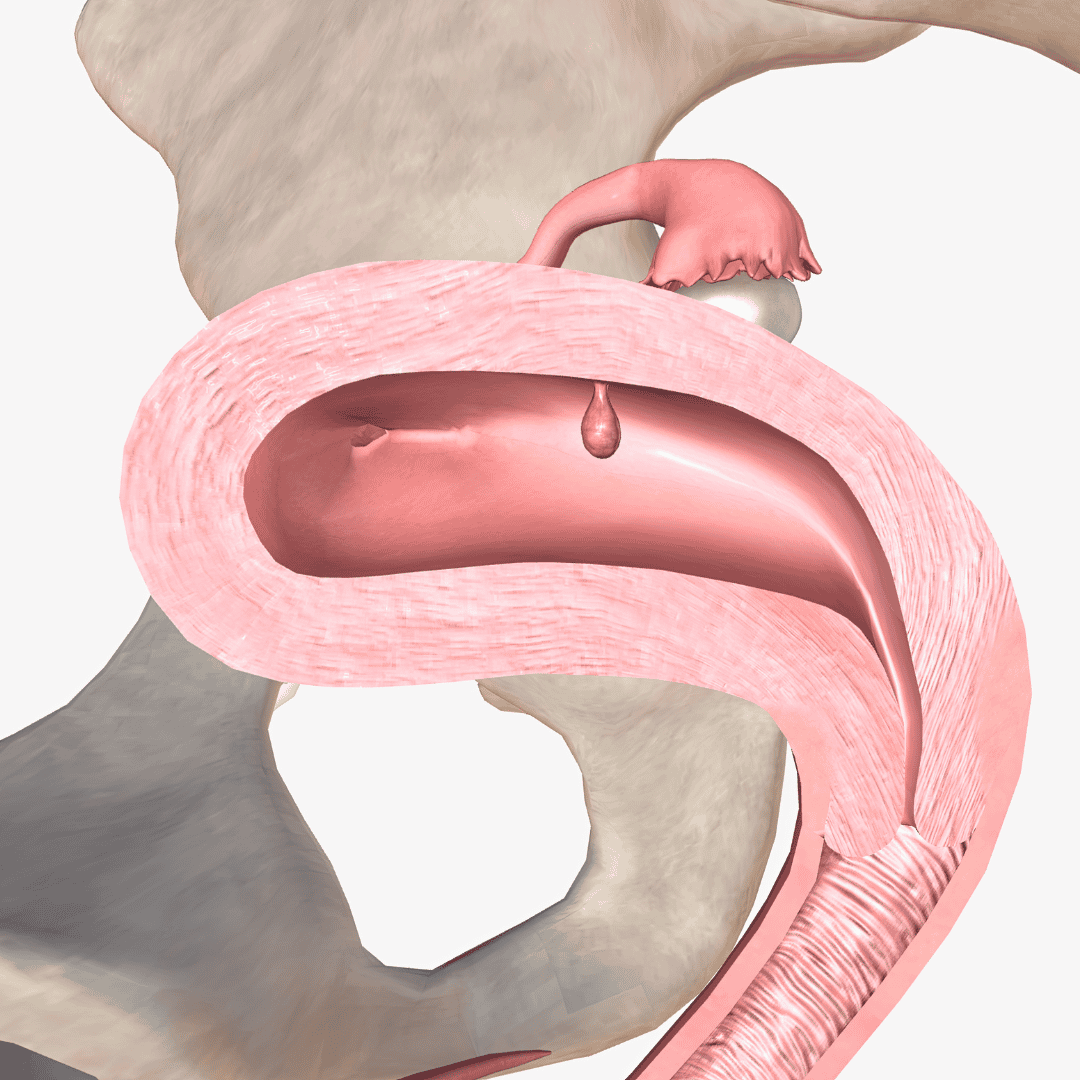
Price starting from $1,800
Top-Notch Hysteroscopy Surgery Package in Tijuana, Mexico
PlacidWay Mexico Medical Tourism
- Gynecology Treatment
Tijuana,Mexicali, Mexico

Price starting from $3,500
Effective and Affordable Tubal Ligation Reversal in Mexicali, Mexico
PlacidWay Mexico Medical Tourism
- Fertility Treatment
Tijuana,Mexicali, Mexico

Price starting from $2,500
Cheap Tubal Ligation Reversal Package in Dnipro City, Ukraine
PlacidWay Ukraine Medical Tourism
- Fertility Treatment
Kiev, Ukraine

Price starting from $4,000
Tubal Ligation Reversal Package in Cancun, Mexico by OBGYN LIFE CANCUN
OBGYN LIFE CANCUN
- Fertility Treatment
Cancun, Mexico
Transformative Gynecology Treatment Experiences: Dive into Procedure Insights
Discover the power of Gynecology Treatment through compelling patient experiences. Uncover detailed insights into procedures, recovery journeys, and life-changing results.
.png)
Price starting from $2,500
Prevent Pregnancy with Tubal Ligation in Mexico
- Tubal Ligation, Gynecology Treatment
Mexico
.png)

.png)







