
Protecting Reproductive Potential: Adenomyosis Surgery in Saudi Arabia
Discover how fertility-preserving Adenomyosis Surgery in Saudi Arabia is expanding treatment possibilities for women who wish to preserve their uterus and maintain the potential for future pregnancy. At King Faisal Specialist Hospital and Research Centre (KFSHRC), specialists applied an advanced surgical technique to remove adenomyosis-affected tissue from the uterine muscle while preserving the uterus and its inner lining, followed by reconstruction of the uterine wall. The procedure was developed to address the challenges of adenomyosis, a condition that can cause painful menstruation, heavy bleeding, pelvic discomfort, and fertility difficulties in some women. In the reported case, the patient experienced recurrent miscarriages and difficulty conceiving before undergoing surgery. Following subsequent in vitro fertilization (IVF), she became pregnant and delivered a healthy baby.

Quick Summary
- Condition Overview: Adenomyosis occurs when endometrium-like tissue grows into the muscular uterine wall, leading to heavy bleeding, pelvic pain, and potential fertility complications.
- Uterus-Preserving Surgery: Advanced adenomyomectomy removes affected tissue while carefully reconstructing the muscular uterine wall to maintain structural integrity for future pregnancy.
- Scientific Breakthrough Case: A collaborative surgical approach between King Faisal Specialist Hospital and Research Centre (KFSHRC) and the University of British Columbia enabled a patient with recurrent miscarriages to undergo successful fertility-sparing surgery, complete IVF, and deliver a healthy baby.
- Multidisciplinary Care: Patient evaluation combines high-resolution pelvic MRI, transvaginal ultrasound, and reproductive endocrinology to tailor treatment to individual reproductive goals.
- Patient Selection: Surgical fertility preservation is complex and depends on whether adenomyosis is focal or diffuse, symptoms, and medical history.
Featured Healthcare Center in Saudi Arabia
King Faisal Specialist Hospital and Research Centre (KFSHRC)
Riyadh, Saudi Arabia
Explore Hospital ProfileAccreditation & Hospital Credentials
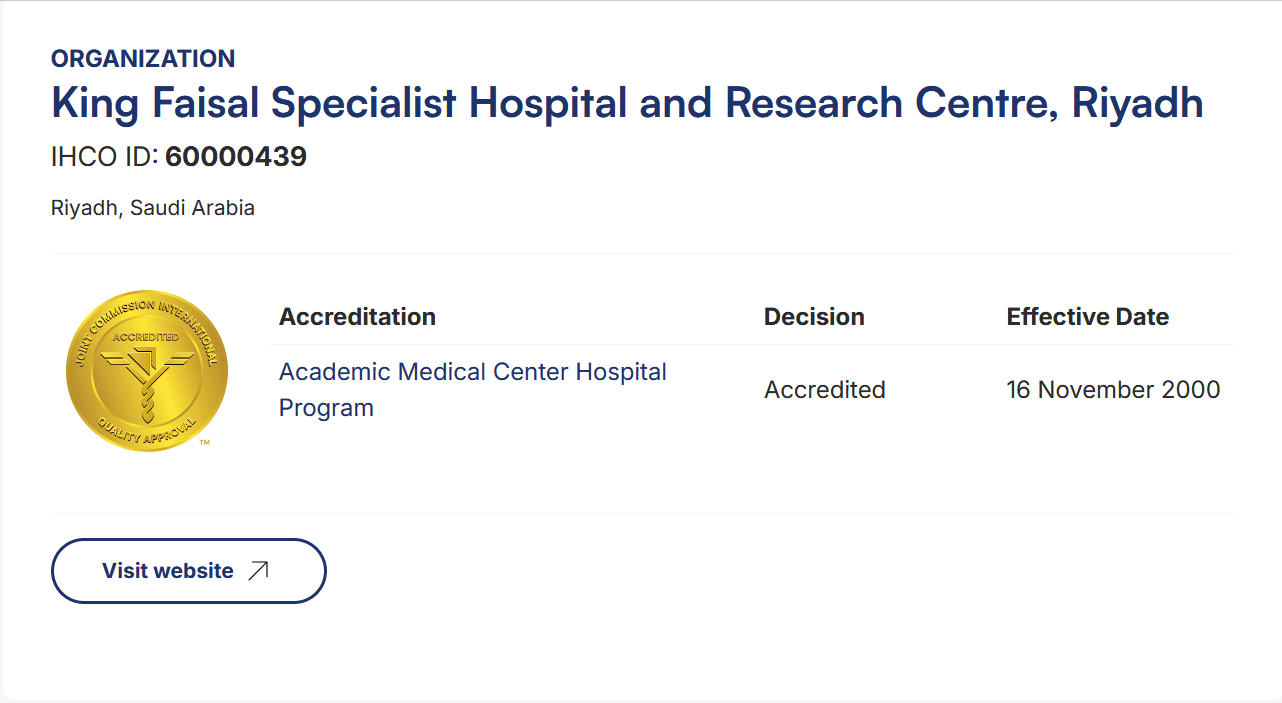
KFSHRC Saudi Arabia is a nationally authorized medical facility with specialized international healthcare accreditation. The hospital performs complex gynecological surgery in Saudi Arabia, offering research-driven reproductive and fertility-sparing procedures.
Understanding Adenomyosis and Its Impact on Women's Health
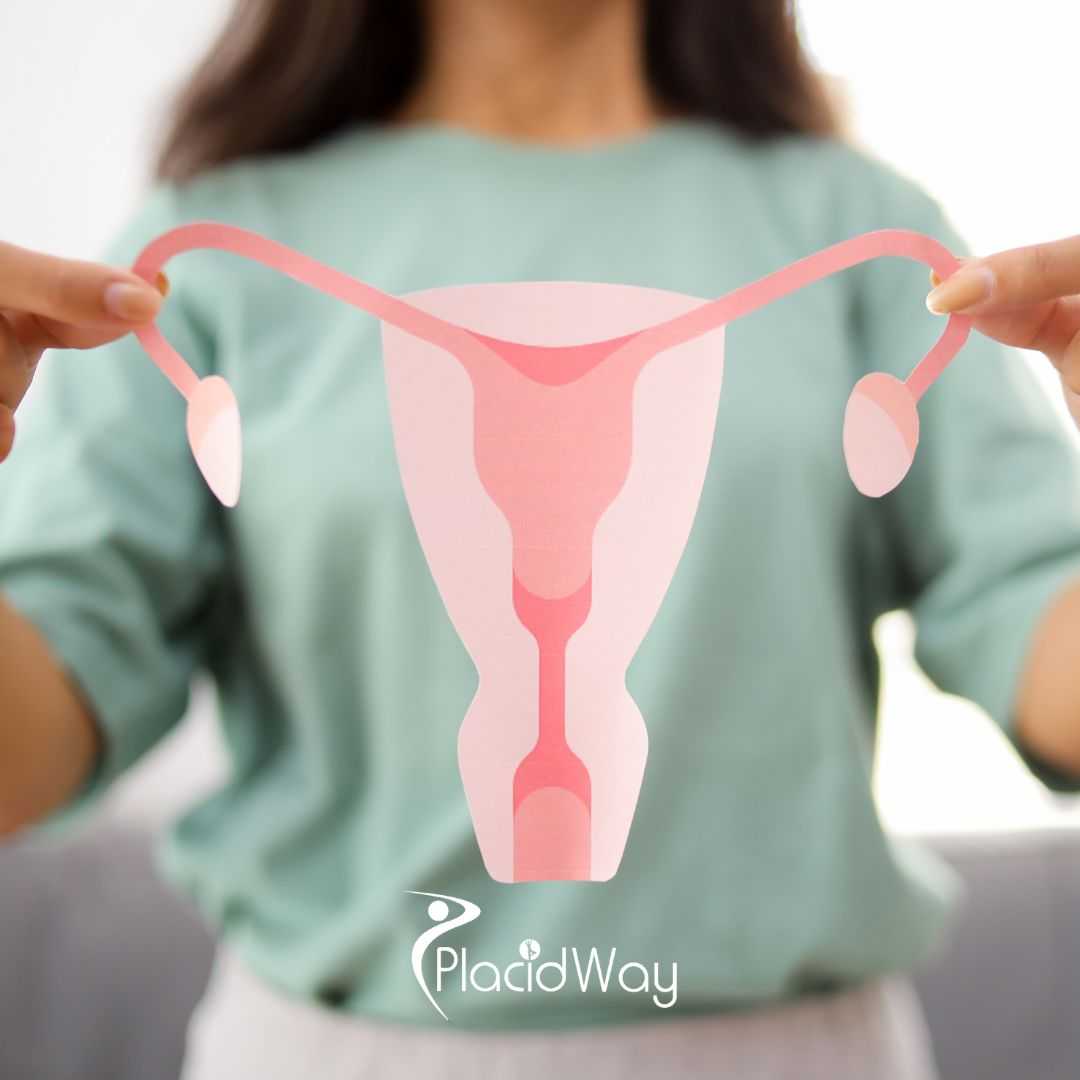
Adenomyosis is a benign gynecological condition in which tissue similar to the inner uterine lining (endometrium) grows into the thick muscular wall of the uterus (myometrium). This misplaced tissue continues to thicken, break down, and bleed during each menstrual cycle, leading to uterine enlargement, inflammation, and chronic discomfort.
While historically managed primarily through hysterectomy in women who had completed childbearing, modern developments in gynecological surgery in Saudi Arabia focus increasingly on uterus-preserving treatment in Saudi Arabia. These specialized techniques target disease removal while retaining structural integrity for women who wish to preserve their reproductive potential.
Common Symptoms of Adenomyosis and How They Affect Daily Life
Symptoms of adenomyosis vary based on whether the disease is focal (localized to specific uterine walls) or diffuse (spread throughout the myometrium). Key clinical symptoms include:
Bleeding & Pain
- Heavy or prolonged menstrual bleeding (menorrhagia)
- Severe menstrual cramps and pelvic pain (dysmenorrhea)
Pelvic Pressure & Systemic Impact
- Persistent pelvic pressure or abdominal bloating
- Fatigue associated with heavy blood loss and chronic anemia
Reproductive & Interpersonal Impact
- Pain during sexual intercourse (dyspareunia)
- Difficulty conceiving or concerns regarding fertility maintenance
Global Prevalence Estimates & Associated Gynecological Conditions
Clinical data from global health institutions indicate that adenomyosis frequently coexists with other gynecological disorders, particularly endometriosis and uterine fibroids. Below is a clinical breakdown based on peer-reviewed gynecological literature:
Estimated Clinical Co-occurrence Rates in Symptomatic Patients (%)
Source: Comparative Gynecological Data, World Health Organization & International Federation of Gynecology and Obstetrics (FIGO) Clinical Summaries.
What Causes Adenomyosis and Who May Be at Risk?
The exact cause of adenomyosis remains an active topic of biological research. Dominant theories suggest that invagination of the basal endometrium into the myometrium occurs due to trauma to the endometrial-myometrial junctional zone. Risk factors commonly associated with adenomyosis include:
- Prior uterine surgeries, including cesarean sections, dilation and curettage (D&C), or myomectomy.
- Reproductive age, with clinical diagnoses occurring most frequently between ages 30 and 50.
- Estrogen exposure, as adenomyosis growth is hormone-dependent and typically regresses after menopause.
How Adenomyosis Is Diagnosed Through Gynecological Evaluation
Accurate preoperative diagnosis is vital for planning fertility-sparing surgery in Saudi Arabia. Diagnostic pathways rely on non-invasive imaging techniques:
Transvaginal Ultrasound (TVUS)
First-line imaging evaluation used to detect asymmetrical myometrial thickening, myometrial cysts, heterotopic echogenic foci, and ill-defined junctional zones.
Pelvic Magnetic Resonance Imaging (MRI)
Provides detailed soft-tissue characterization, mapping junctional zone thickness (typically >12 mm) and differentiating focal adenomyomas from uterine fibroids.
How Adenomyosis Can Affect Fertility and Pregnancy Planning
Adenomyosis can impair fertility through several biological mechanisms: alteration of uterine peristalsis (disrupting sperm transport), altered endometrial receptivity, chronic intra-uterine inflammation, and distortion of the uterine cavity. Patients may experience difficulty conceiving naturally or suffer recurrent early pregnancy loss.
Gynecological Surgery Options for Adenomyosis
Surgical management ranges from non-invasive and organ-preserving techniques to definitive hysterectomy:
| Surgical Option | Primary Clinical Objective | Fertility Preservation Status |
|---|---|---|
| Adenomyomectomy | Excision of adenomyotic tissue with repair of the uterine wall | Preserves uterus for future conception |
| Conservative Focal Excision | Resection of well-circumscribed focal lesions (adenomyomas) | Preserves uterus and inner lining |
| Hysteroscopic Resection | Treatment of superficial endometrial/submucosal lesions | Preserves uterine wall integrity |
| Definitive Hysterectomy | Complete removal of the uterus for symptomatic relief | Definitive option (no future childbearing) |
Evaluating Candidates for Fertility-Preserving Adenomyosis Surgery
Selecting appropriate candidates for adenomyosis treatment in Saudi Arabia requires careful multidisciplinary screening. Key evaluation steps include:
1. Medical & Symptom Review
- Evaluation of menstrual severity and pain
- Detailed reproductive history and pregnancy goals
2. Anatomic & Ovarian Mapping
- High-resolution TVUS and pelvic MRI
- Assessment of ovarian reserve (AMH testing)
3. Structural Classification
- Differentiating focal vs diffuse adenomyosis
- Determining surgical boundaries and reconstruction feasibility
Key Stages of Fertility-Preserving Adenomyosis Surgery
Adenomyomectomy requires specialized surgical expertise because adenomyotic tissue lacks a clear natural capsule (unlike uterine fibroids). Key operative steps include:
- Preoperative Mapping: Utilizing MRI findings to identify excision limits while preserving healthy myometrium.
- Uterine Access & Hemostasis: Employing meticulous surgical technique and temporary vascular control to minimize blood loss.
- Targeted Excision: Carefully removing diseased muscular tissue while protecting the inner endometrial cavity.
- Reconstruction: Layered closure of the myometrium to ensure structural wall integrity required for future uterine expansion during pregnancy.
The Role of Multidisciplinary Teams in Fertility-Focused Gynecological Care
Complex uterine surgery requires collaborative medical management. Integrated care pathways bring together reproductive endocrinologists, minimally invasive gynecologic surgeons, maternal-fetal medicine specialists, and specialized radiologists to optimize patient outcomes.
Recovery and Fertility Planning After Adenomyosis Surgery
Postoperative recovery focuses on monitoring uterine healing before attempting conception:
- Clinical observation of wound healing, pain control, and menstrual symptom resolution.
- Interval imaging (TVUS or MRI) at 3 to 6 months post-surgery to confirm uterine wall integrity.
- Structured conception planning, often coordinating assisted reproductive technology (IVF) when appropriate.
- Specialized antenatal monitoring, as prior uterine wall reconstruction necessitates careful pregnancy tracking and planned cesarean delivery.
Potential Benefits, Risks, and Limitations of Uterus-Preserving Surgery
Potential Surgical Benefits
- Preservation of the uterus and reproductive potential.
- Reduction in severe menstrual pain and excessive bleeding.
- Restoration of uterine structure for subsequent fertility care.
Clinical Risks & Limitations
- Risk of incomplete tissue removal in widespread diffuse disease.
- Risk of intraoperative blood loss or scar tissue (adhesions).
- Requirement for cesarean delivery in future pregnancies due to uterine wall incisions.
Clinical Case Spotlight: Scientific Collaboration at KFSHRC
A prominent clinical achievement highlights the potential role of specialized reproductive surgery for carefully selected patients seeking fertility preservation. The procedure was conducted through a scientific collaboration between the Obstetrics and Gynecology Department at King Faisal Specialist Hospital and Research Centre (KFSHRC) and the University of British Columbia.
- Preoperative History: The patient had experienced recurrent miscarriages and difficulties conceiving prior to specialized surgical intervention.
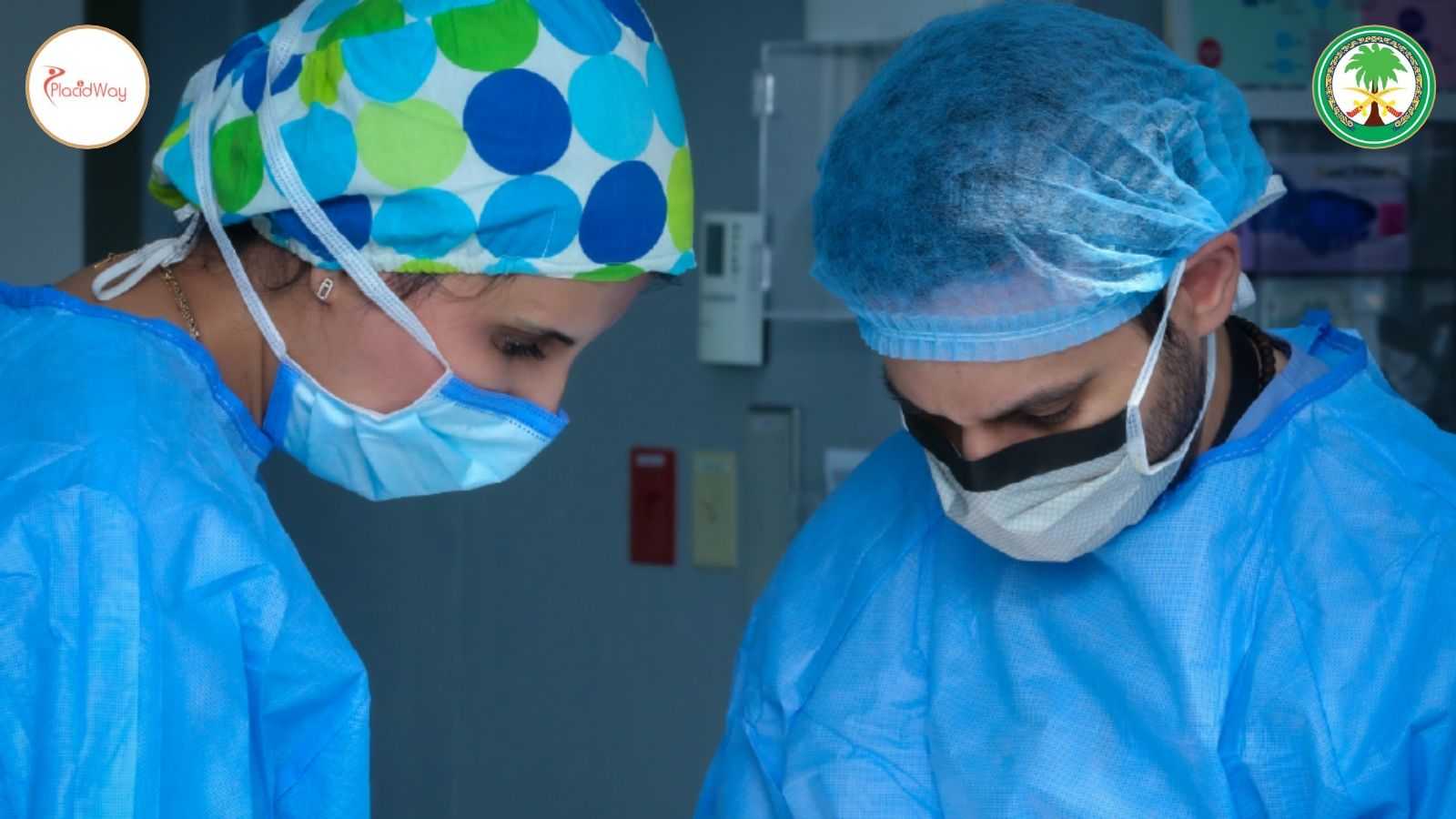
- Targeted Surgical Technique: Surgeons removed adenomyosis-affected tissue from the muscular wall of the uterus while protecting the inner uterine lining.
- Uterine Reconstruction: The surgical team carefully reconstructed the muscular uterine wall to preserve structural integrity for future pregnancy.
- Postoperative Outcome: Following surgery, the patient underwent in vitro fertilization (IVF), achieved pregnancy, and successfully delivered a healthy baby. Both mother and infant were discharged in stable condition.
Note: This complex technique is not appropriate for every patient with adenomyosis. Treatment suitability depends on individual disease extent, symptoms, reproductive goals, and comprehensive medical evaluation.
Exploring Adenomyosis Treatment and Fertility-Focused Care in Saudi Arabia
Saudi Arabia has established advanced tertiary healthcare infrastructure, with major specialized centers such as KFSHRC providing advanced care in gynecological surgery in Saudi Arabia. Facilities offer comprehensive medical support for international and regional patients, including advanced diagnostic imaging, minimally invasive surgical suites, integrated IVF centers, and international patient coordination services.
Financial & Planning Note: Treatment costs vary based on case complexity, surgical approach, hospital stay, and requirements for accompanying assisted reproductive treatments (such as IVF). Medical inquiries should be accompanied by complete medical records and recent pelvic MRI scans for individual evaluation.
Frequently Asked Questions
1. What is adenomyosis and how does it differ from endometriosis?
Adenomyosis occurs when endometrial-like tissue grows inside the muscular wall of the uterus (myometrium). Endometriosis occurs when similar tissue grows outside the uterus, such as on the ovaries, fallopian tubes, or pelvic peritoneum.
2. Can adenomyosis cause infertility or recurrent miscarriages?
Yes. Adenomyosis can alter uterine cavity shape, impair endometrial receptivity, cause inflammation, and disrupt normal muscular contractions, which may contribute to difficulty conceiving or an increased risk of early pregnancy loss.
3. What is fertility-sparing surgery for adenomyosis?
Fertility-sparing surgery (such as adenomyomectomy) involves resecting diseased myometrial tissue and reconstructing the uterine wall, allowing the patient to retain her uterus for future pregnancy, rather than undergoing a hysterectomy.
4. Is adenomyomectomy suitable for all women with adenomyosis?
No. Surgical suitability depends on whether adenomyosis is focal or diffuse, disease extent, severity of symptoms, age, and individual reproductive goals. Diffuse adenomyosis is often more challenging to treat surgically while preserving tissue.
5. How is adenomyosis accurately diagnosed before surgery?
Diagnosis is primarily made using high-resolution transvaginal ultrasound (TVUS) and pelvic magnetic resonance imaging (MRI), which map junctional zone thickness and locate diseased myometrial tissue.
6. How long must a patient wait to attempt pregnancy after adenomyoma excision?
Surgeons typically recommend waiting 3 to 6 months post-surgery to allow the reconstructed muscular uterine wall to heal fully before attempting conception or initiating IVF protocols.
7. Is a cesarean section required for pregnancy following uterine surgery?
Yes. Because deep excision of myometrial tissue and subsequent wall reconstruction create uterine incisional scars, planned cesarean delivery is usually required to prevent uterine rupture during labor.
8. Can adenomyosis return after conservative surgery?
Because microscopic cells may remain in diffuse disease, adenomyosis can recur over time. Postoperative medical therapy or prompt fertility planning is often recommended following recovery.
9. Can IVF be combined with adenomyosis surgery?
Yes. Many patients undergo surgical resection to create a favorable uterine environment before transferring embryos achieved through in vitro fertilization (IVF).
10. What services are available for international patients at major hospitals in Saudi Arabia?
Leading institutions such as KFSHRC provide medical record reviews, translation services, specialized surgical consultations, integrated IVF planning, and dedicated international coordinator support.
Explore Gynecological Options at KFSHRC
Learn more about specialized Gynecological Surgery in Saudi Arabia, uterus-preserving surgery, and fertility consultation options at King Faisal Specialist Hospital and Research Centre in Riyadh. Connect with care coordinators to review medical records and discuss individual treatment pathways.
Request Medical InformationDisclaimer: This material is provided for educational and informational purposes only and does not constitute formal medical advice, diagnosis, or treatment. Treatment choices for adenomyosis must be determined in consultation with qualified healthcare professionals based on individual clinical evaluation.
References:
- World Health Organization (WHO) — Sexual and Reproductive Health Guidelines
- International Federation of Gynecology and Obstetrics (FIGO) — Uterine Disorders & Staging
- American College of Obstetricians and Gynecologists (ACOG) — Clinical Management of Adenomyosis
- European Society of Human Reproduction and Embryology (ESHRE) — Female Fertility Guidelines
- Royal College of Obstetricians and Gynaecologists (RCOG) — Benign Gynecological Conditions
- University of British Columbia (UBC) — Academic Medical Research Collaborations
- National Institutes of Health (NIH) — National Institute of Child Health and Human Development























Share this listing