

Contents
Managing chronic pelvic conditions such as severe fibroids, endometriosis, or abnormal uterine bleeding requires highly specialized gynecological intervention and expert surgical planning. When patients experience prolonged wait times in public healthcare systems or prohibitive out-of-pocket costs at home, they frequently investigate specialized international medical hubs equipped with advanced surgical suites. That is why many women seeking definitive gynecological solutions consider Hysterectomy in Saudi Arabia. The rapid expansion of specialized women's health centers and the adoption of cutting-edge surgical technologies make the region a prominent destination for specialized healthcare procedures abroad.
A surgical intervention involving the removal of the uterus requires exceptional surgical precision, meticulous preoperative evaluation, and dedicated postoperative rehabilitation. When researching medical facilities, international patients should look beyond promotional marketing and verify institutional credentials, such as Joint Commission International (JCI) accreditation and certifications from the Saudi Central Board for Accreditation of Healthcare Institutions (CBAHI). Furthermore, patients should thoroughly evaluate the gynecological surgeon’s board certifications, fellowship credentials in minimally invasive pelvic surgery, and active professional standing. Taking a methodical approach to vetting hospitals and specialists ensures a secure and informed medical journey.
Key Takeaways
Undergoing specialized surgery away from home can introduce logistical challenges if hospital fees, diagnostic assessments, and local lodging are uncoordinated. Comprehensive medical care packages simplify this experience by bundling surgical fees, physician consultations, and initial inpatient recovery into a transparent framework. Explore the curated options below to see how structured care packages support your medical journey.

Price starting from $20,800
Robotic-Assisted Total Hysterectomy Package in Riyadh, Saudi Arabia at KFSHRC
King Faisal Specialist Hospital and Research Centre (KFSHRC) in Jeddah, Saudi Arabia
- Gynecology Treatment
Jeddah, Saudi Arabia
Financial transparency is an essential element when planning an international medical trip for a Uterine Removal Procedure in Saudi Arabia. Total expenses vary based on the specific surgical methodology selected—such as minimally invasive laparoscopy versus abdominal approaches—alongside hospital tier, length of stay, and medication requirements. Examining detailed cost breakdowns allows patients and their families to plan financial commitments clearly before departure.
Hysterectomy Treatment Centers Cost Comparison in Saudi Arabia
| Provider | Procedure | Price |
|---|---|---|
| King Faisal Specialist Hospital and Research Centre (KFSHRC) in Riyadh, Saudi Arabia | Hysterectomy Treatment, Gynecology Treatment | $20800 |
Selecting the appropriate hospital for major gynecological care requires evaluating sterile operating suites, intensive monitoring units, and dedicated women's health departments. When researching facilities for a Uterus Removal Surgery in Saudi Arabia, verify whether the center maintains advanced diagnostic imaging labs, specialized surgical instruments, and rigorous infection control measures. Reviewing institutional credentials ensures that your clinical procedure is performed within a highly secure environment.
King Faisal Specialist Hospital and Research Centre (KFSHRC) in Madinah, Saudi Arabia
Madinah, Saudi Arabia
King Faisal Specialist Hospital and Research Centre (KFSHRC) in Jeddah, Saudi Arabia
Jeddah, Saudi Arabia
King Faisal Specialist Hospital and Research Centre (KFSHRC) in Riyadh, Saudi Arabia
Riyadh, Saudi Arabia
Visualizing the clinical environment and hearing directly from surgical specialists can significantly reduce apprehension prior to admission. Video resources offer realistic walkthroughs of hospital recovery wards, consultation rooms, and diagnostic facilities. Take a moment to watch the media presentations below to gain a transparent perspective of the medical environment.

First-hand accounts from international patients who have navigated gynecological care abroad provide invaluable practical insights. Testimonials highlight details regarding nursing attentiveness, post-operative pain management, and communication with medical professionals. Reviewing these personal stories helps set realistic expectations for your own recovery process.

The clinical success of complex gynecological operations depends heavily on the technical proficiency and specialized training of the surgical team. When investigating specialists for your procedure, look for board-certified gynecologic surgeons with extensive fellowship credentials in advanced laparoscopic and robotic reconstructions. Reviewing professional background profiles ensures alignment with high clinical standards.
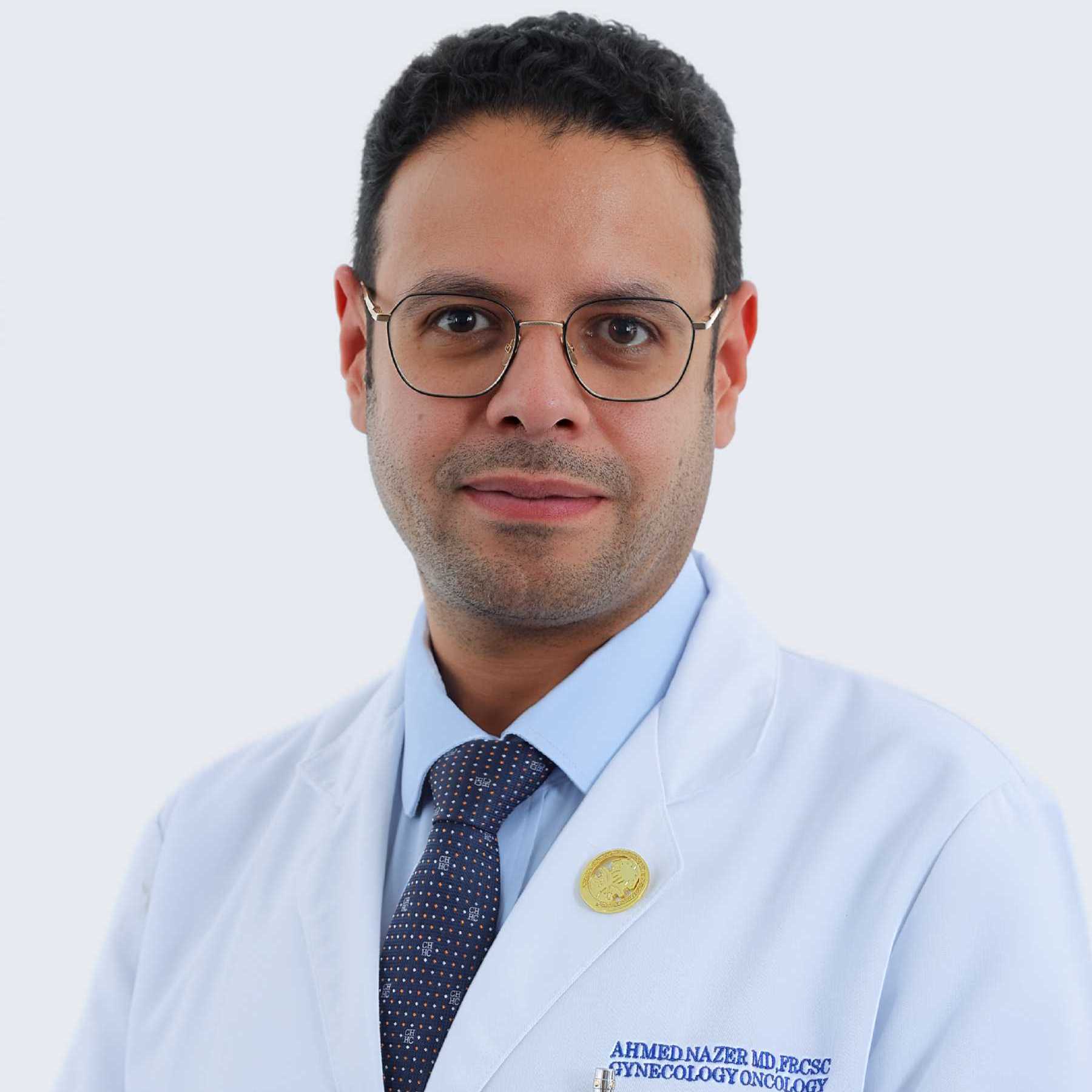
Dr. Ahmed Nazer
King Faisal Specialist Hospital & Research Center in Saudi Arabia
- Gynecologist
Riyadh, Saudi Arabia
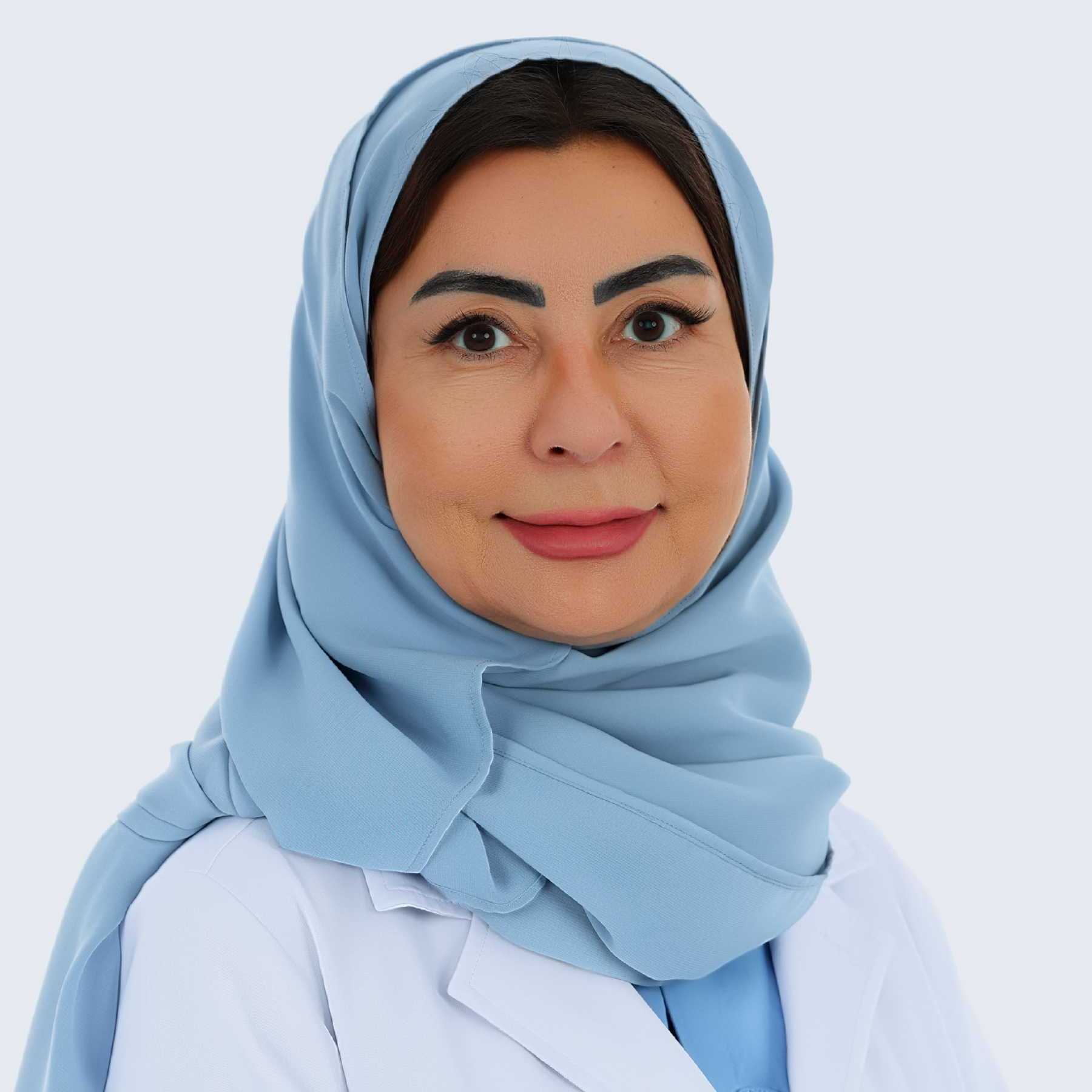
Dr. Wesam Kurdi
King Faisal Specialist Hospital & Research Center in Saudi Arabia
- Gynecologist
Riyadh, Saudi Arabia
Traveling to the Kingdom of Saudi Arabia for specialized healthcare is supported by highly developed aviation infrastructure, modern international airports, and established entry procedures. Major urban centers such as Riyadh and Jeddah serve as important destinations for international patients seeking specialized medical consultations, diagnostic services, and advanced clinical interventions.
International patients planning treatment in Saudi Arabia should coordinate with their chosen hospital before confirming travel arrangements. Important preparations include submitting relevant medical records, obtaining a preliminary assessment, requesting a written treatment estimate, verifying applicable visa and entry requirements, and confirming the schedule for consultations and follow-up care. Patients should also clarify whether interpretation services, airport transfers, and assistance with accommodation are available. Recovery requirements vary according to the treatment and individual medical condition, so travel dates and return flights should allow sufficient flexibility. Advance planning can help patients and accompanying family members manage practical arrangements while maintaining continuity of care throughout the medical journey.
Navigating specialized healthcare abroad requires careful planning, clinical verification, and personalized guidance. PlacidWay connects patients with accredited medical institutions and experienced surgical specialists to facilitate informed healthcare decisions. Ready to review your customized Uterus Removal Surgery in Saudi Arabia pathway? Contact our team to request a detailed consultation overview.References




















Share this listing