
What treatment


20+ Most Frequently Asked Questions About Orthopedic/Knee Surgery
Find Clear and Concise Answers to Common Questions About Orthopedic/Knee Surgery
Trusted Medical Tourism Platform Since 2007

Why Do Patients Choose India for Medical Tourism?
Patients flock to India for medical tourism because it offers an unparalleled blend of affordable, high-quality healthcare. With savings of up to 90%, access to internationally accredited hospitals, and world-renowned medical experts, India provides exceptional value without compromising on patient outcomes. Thinking about traveling for medical treatment? You’ve likely heard about India emerging as a global healthcare hub, and you might be wondering what all the buzz is about. For years, patients from across the globe, including the US, UK, Australia, and the Middle East, have been choosing India for their medical needs. The reason is simple and powerful: India offers a unique proposition of world-class medical treatment at prices that are a fraction of what you’d pay back home. This isn't about finding the cheapest option; it's about discovering the best value in healthcare globally. The rise of medical tourism in India is not an accident. It's the result of a concerted effort to build a healthcare ecosystem that excels in every aspect. We're talking about state-of-the-art hospitals equipped with the latest technology, many of which are accredited by prestigious international bodies like the JCI. These facilities are staffed by some of the most brilliant and highly skilled doctors and surgeons in the world, many of whom have honed their craft at leading institutions in the West. Add to this the benefit of minimal waiting times for procedures and the famous Indian hospitality, and you have a winning combination. This guide will walk you through every question you might have, providing clear, direct answers to help you understand why India might be the perfect choice for your healthcare journey. Why is India a leading destination for medical tourism? "India leads in medical tourism due to its unbeatable combination of affordability, internationally recognized quality standards, a vast pool of expert medical professionals, and immediate access to advanced treatments." India's position as a top medical tourism destination is built on several strong pillars. The most prominent is the incredible cost savings, which allows patients to access treatments that might be financially out of reach in their home countries. This affordability extends across all types of procedures, from routine dental work to highly complex organ transplants and cardiac surgeries. However, cost alone doesn't tell the whole story. The quality of care is paramount. India is home to a large number of JCI accredited hospitals, which means they adhere to the highest international standards for patient safety and clinical outcomes. These facilities invest heavily in cutting-edge technology and infrastructure, ensuring that patients receive the most advanced care available. The final piece of the puzzle is the human element: the expertise and dedication of Indian doctors, surgeons, and support staff who are committed to providing compassionate, world-class care. How significant are the cost savings for medical treatment in India? "The cost savings for medical treatment in India are exceptionally significant, with patients often saving between 60% and 90% compared to prices in the United States and other Western countries." The financial advantage of choosing India is truly remarkable and is a primary motivator for millions. These aren't minor discounts; they are life-changing reductions in cost that make essential healthcare accessible. The difference is stark across a wide range of specialties. For example, a complex cardiac procedure could be ten times cheaper in India than in the U.S., without any drop in the quality of the implants or the surgeon's expertise. This cost differential is not due to inferior quality but rather to economic factors, including lower infrastructure costs and a different salary structure. This allows Indian hospitals to pass on incredible savings to international patients. Below is a comparative table that illustrates the potential savings for some common procedures. Medical Procedure Approximate Cost in the USA (USD) Approximate Cost in India (USD) Estimated Savings Heart Bypass Surgery (CABG) $120,000 $7,000 ~94% Knee Replacement (Single) $45,000 $5,500 ~88% Hip Replacement (Single) $50,000 $6,500 ~87% Liver Transplant $500,000 $30,000 ~94% Spinal Fusion $110,000 $9,000 ~92% Does lower cost mean lower quality of care in India? "Absolutely not. The lower cost of medical care in India does not correlate with lower quality. In fact, top Indian hospitals are renowned for their high standards, with many holding international accreditations like JCI, which guarantee world-class quality and patient safety." This is perhaps the most critical question for any prospective medical tourist, and the answer is a resounding no. The affordability of healthcare in India is a function of the country's economic structure, not a reflection of its quality. The leading private hospitals in India are on par with, and sometimes exceed, the standards of top hospitals in the West. They are equipped with the same advanced diagnostic and surgical technology, from Da Vinci robotic systems to advanced imaging and radiation therapy units. Accreditation is the key seal of quality. The National Accreditation Board for Hospitals & Healthcare Providers (NABH) in India has standards recognized by the International Society for Quality in Health Care (ISQua). Furthermore, many hospitals catering to international patients actively seek and achieve Joint Commission International (JCI) accreditation, the global gold standard. This ensures that every aspect of the hospital's operation, from clinical protocols and infection control to patient rights and safety, is rigorously audited and meets the highest international benchmarks. What are the credentials of doctors and surgeons in India? "Doctors and surgeons in India are exceptionally well-qualified, with many holding degrees and fellowships from prestigious institutions in the US, UK, and Europe. They are globally respected for their vast experience and surgical skill." The expertise of its medical professionals is a cornerstone of India's healthcare reputation. The country has a highly competitive and rigorous medical education system. Many of the top surgeons and specialists have not only trained in India but have also gained extensive international experience, holding positions at leading hospitals across the world before returning to practice in India. This global exposure means they are proficient in the latest medical techniques and technologies. Furthermore, due to the high volume of patients, Indian surgeons often have a level of hands-on experience with complex procedures that is unparalleled. This combination of top-tier education, international training, and extensive practical experience ensures that patients are in incredibly capable hands. Which medical procedures is India most famous for? "India is famous for a wide array of complex medical procedures, particularly in the fields of cardiology, orthopedics (joint replacement), organ transplantation, oncology (cancer care), neurosurgery, and cosmetic surgery." While India offers excellence across the board, it has developed a particularly strong reputation in several key areas. These are specialties that require a high degree of surgical skill, advanced technology, and comprehensive post-operative care. Cardiology and Cardiac Surgery: India is a global leader in heart care, from angioplasty and stenting to complex bypass surgeries and valve replacements. Orthopedics: Knee and hip replacement surgeries are among the most sought-after procedures due to the high success rates and low costs. Organ Transplants: India has some of the world's most advanced and successful programs for liver, kidney, and heart transplants. Oncology: Patients have access to comprehensive cancer care, including advanced surgical oncology, chemotherapy, and cutting-edge radiation therapies like proton therapy. Neurosurgery: Complex brain and spine surgeries are performed by highly skilled neurosurgeons using state-of-the-art equipment. Is it safe for foreigners to undergo medical procedures in India? "Yes, it is very safe for foreigners to receive medical treatment in India, provided they choose an accredited, reputable hospital. These facilities prioritize patient safety with strict infection control protocols and dedicated services for international patients." Patient safety is the highest priority at India's top hospitals. Internationally accredited facilities follow stringent protocols that often exceed global standards for hygiene and infection control. They have dedicated quality control departments that continuously monitor practices to ensure patient safety at every step of the treatment process. Furthermore, these hospitals have specialized international patient departments designed to cater to the unique needs of foreign visitors. This includes assistance with language, dietary requirements, and creating a comfortable, stress-free environment. From the moment you arrive until your successful recovery, these teams are dedicated to ensuring your safety and well-being. How do I obtain a medical visa for India? "To obtain a medical visa for India, you must first receive an official invitation letter from a recognized Indian hospital. With this letter, you can apply online or at the nearest Indian embassy or consulate in your country." The process is designed to be straightforward for genuine patients. The most crucial document is the "medical invitation letter" from the hospital where you plan to be treated. This letter confirms your medical condition, the proposed treatment plan, and the estimated duration of your stay. Once you have this letter, you can proceed with the visa application. The hospital's international patient services team will almost always guide you through this process, providing all necessary documentation and support. The Indian government facilitates this process, recognizing the importance of medical tourism, and a medical visa (and a medical attendant visa for a companion) is typically granted without issue for legitimate cases. Will I face a language barrier in Indian hospitals? "No, you are unlikely to face a language barrier. English is the primary language of communication in all major private hospitals in India, and all doctors, surgeons, and key staff are fluent. Interpreter services for other languages are also widely available." This is a common concern that is easily addressed. English is widely and fluently spoken throughout India's professional sectors, especially in healthcare. Medical education in India is conducted in English, so all doctors are proficient. You will be able to communicate clearly and effectively with your entire medical team. For patients who are not fluent in English, top hospitals provide professional interpreter services for a wide range of languages, from Arabic and Russian to French and Spanish. This ensures that nothing is lost in translation and that you can fully understand every aspect of your care. Ready to Explore Your Healthcare Options in India? Contact PlacidWay Today!...
Read more details


How Much Does Shoulder Replacement Cost in Guadalajara, Mexico?
The shoulder replacement cost in Guadalajara, Mexico typically ranges from $8,500 to $11,500, depending on the procedure type, surgeon, hospital, implant, and package inclusions. Key Takeaways Total expenses encompass surgeon fees, operating room charges, prosthetic components, and hospital stays. Patients must plan for an extended stay of ten to fourteen days to manage initial recovery and travel clearance. Verifying hospital accreditations and surgeon credentials is essential for medical tourism safety. Continuity of care with a local rehabilitation provider back home must be established prior to departure. Surgical methods significantly impact both the overall price and the post-operative recovery experience. What factors influence the shoulder replacement cost in Guadalajara, Mexico? The financial commitment depends heavily on the chosen prosthetic design, implant brand selection, hospital tier, and the inclusion of comprehensive post-operative physical therapy support. When evaluating financial estimates for shoulder replacement in Guadalajara, you need to examine what is included in the initial quote. Comprehensive packages often cover hospital accommodation, nursing care, routine medications, and airport transfers, while specialized physical therapy or extended monitoring may incur separate charges. The choice of surgical method plays a major role in pricing. Whether you require an anatomic total shoulder replacement or a reverse total shoulder replacement affects the cost of the specialized titanium and plastic prosthetic components. It is crucial to request an itemized billing breakdown from your chosen shoulder replacement clinic in Mexico to avoid unexpected out-of-pocket costs. Additionally, regional economic factors and currency exchange fluctuations contribute to lower operational expenses compared to North American healthcare systems. However, you should prioritize clinical quality and safety protocols over seeking the lowest price point. Expense Category Estimated Cost Range Key Characteristics and Variables Total Shoulder Replacement $8,500–11,500 Implant, surgeon, hospital stay, and package inclusions may vary Reverse Shoulder Replacement Varies by provider Specialized implant and surgical approach; confirm the exact package Additional Outlays Varies Travel, accommodation, physical therapy, and other services may be separate How does medical tourism in Mexico support orthopedic joint patients? The structured ecosystem for international patients provides dedicated coordination, multilingual support, and modern clinical facilities equipped for complex orthopedic joint procedures. Participating in medical tourism in Mexico offers access to internationally accredited medical centers that feature advanced surgical suites and specialized orthopedic units. Many hospitals in Guadalajara maintain partnerships with global healthcare networks, ensuring standardized sterilization and patient safety protocols. International patient departments help navigate logistical hurdles by managing medical record translations, scheduling consultations, and organizing accommodation near the treatment center. This administrative support reduces the stress of planning major orthopedic surgery abroad. Nevertheless, you must perform independent research to verify that the chosen facility adheres to rigorous clinical standards. Reviewing institutional accreditations and speaking directly with medical coordinators helps establish transparency before departure. Expert Insight Always request written confirmation detailing whether your quoted medical package covers unexpected revisions, extended hospital stays, or emergency medication requirements. What preoperative evaluations are required before scheduling joint replacement? Comprehensive diagnostic testing is mandatory to assess bone quality, rotator cuff integrity, joint alignment, and overall physiological fitness for general anesthesia. High-resolution X-rays and MRI scans to evaluate cartilage wear, bone spurs, and rotator cuff tendon condition. Comprehensive blood panels to screen for infection status, coagulation profiles, and systemic health conditions. Cardiovascular assessments, including electrocardiograms, to ensure the heart can safely tolerate anesthesia. Endocrinology or internal medicine clearances if you manage chronic conditions like diabetes or hypertension. Detailed physical examinations by the orthopedic surgeon to measure joint range of motion and muscle strength. What are the potential risks and complications of shoulder arthroplasty? Like all major orthopedic interventions, shoulder replacement carries inherent medical risks that require careful monitoring, infection control, and strict adherence to physical therapy protocols. Infection at the surgical site or joint capsule represents a notable concern requiring prompt antibiotic treatment or secondary intervention. Blood clots, such as deep vein thrombosis, can develop during immobilization and demand adherence to preventive protocols. Other potential issues include component loosening, shoulder instability, or nerve irritation around the incision area. Physical therapy plays a vital role in preventing permanent stiffness and restoring functional strength. Selecting a highly experienced surgeon and using FDA-cleared or internationally recognized prosthetic components helps mitigate these mechanical risks. You must acknowledge that commitment to rehabilitation dictates long-term success. Did You Know? Reverse shoulder replacement alters the mechanics of the joint, allowing the deltoid muscle to take over the work of a damaged rotator cuff when lifting the arm. How should patients plan for post-surgical recovery and travel? A structured recovery timeline is vital. Medical guidelines strictly prohibit immediate air travel, requiring patients to remain near their surgical center for at least ten to fourteen days. The initial days post-surgery involve acute pain management, sling immobilization, and supervised physical therapy sessions to preserve passive joint mobility. Patients typically reside in specialized recovery hotels or apartments near the hospital during this phase. Before boarding a return flight, your operating surgeon must perform a clinical and radiographic evaluation to provide formal travel clearance. Travelers should ensure appropriate assistance is arranged for airport navigation and luggage handling. Establishing ongoing rehabilitation with a local physical therapist in your home country ensures continuous progress through the strengthening phase and reduces the likelihood of permanent stiffness. Why Choose PlacidWay? PlacidWay provides an informative platform designed to help patients research global healthcare providers and compare medical options objectively. Provider Directories Access structured databases of international hospitals and specialized orthopedic centers for independent review. Cost Comparison Review estimated pricing structures across different global regions to manage healthcare budgets responsibly. Direct Communication Connect directly with hospital representatives to ask clinical questions and request detailed treatment estimates. Accreditation Review Evaluate facility credentials and safety standards to support informed medical travel decisions. Educational Resources Explore guides detailing surgical preparation, recovery timelines, and continuity of care requirements. Frequently Asked Questions Are orthopedic surgeons in Guadalajara, Mexico board certified? Many orthopedic specialists in Guadalajara hold board certifications from the Mexican Board of Orthopedics and Traumatology and often complete international fellowships. You should always verify an individual surgeon's credentials and state license through official medical registries before scheduling treatment. Is physical therapy included in shoulder replacement packages in Mexico? Initial inpatient physical therapy during your hospital stay is typically included in standard surgical packages. However, extended outpatient rehabilitation sessions required after discharge usually require separate financial arrangements, so you must clarify this directly with your chosen healthcare provider. Can I fly home immediately after shoulder replacement surgery? Medical guidelines strictly advise against taking long flights immediately following major joint arthroplasty due to the elevated risk of deep vein thrombosis and cabin pressure discomfort. Patients generally need to remain in the destination country for ten to fourteen days before receiving formal travel clearance. What happens if complications arise after returning home from Mexico? You must establish a relationship with a local orthopedic specialist in your home country prior to traveling. Having your complete medical records translated and transferred ensures seamless continuity of care if postoperative issues arise after your return. Are English-speaking medical staff available in Guadalajara hospitals? Private medical facilities that cater to international patients usually employ English-speaking physicians, nurses, and dedicated patient coordinators. These professionals ensure clear communication regarding medical instructions, informed consent, and postoperative care. How long does the actual shoulder replacement procedure take? The surgical procedure itself generally lasts between one and two hours. Additional time is required for preoperative preparation, anesthesia administration, and immediate postoperative monitoring in the recovery unit. Do I need a medical visa to travel for orthopedic treatment in Mexico? Visa requirements depend entirely on your citizenship and current national entry regulations. Many travelers crossing into Mexico for short-term medical care use standard tourist entry documents, which should be verified well in advance of your travel dates. What is the difference between an anatomic and a reverse shoulder replacement? An anatomic replacement mimics the natural shoulder anatomy by placing a plastic cup on the socket and a metal ball on the arm bone. A reverse replacement switches these positions, placing the ball on the socket and the cup on the arm bone, which is typically used when the rotator cuff is severely damaged. What pain management protocols are utilized postoperatively? Hospitals typically employ a multimodal pain management approach, combining regional nerve blocks, oral analgesics, and intravenous medications to keep patients comfortable and facilitate early mobilization. When can a patient resume normal arm movement after surgery? Active arm movement is restricted initially to protect the healing tissues. While passive assisted movement begins early, returning to unassisted daily tasks and light lifting typically takes several weeks to months of dedicated physical therapy. Compare Treatment Options Review accredited facilities, compare estimates, and connect with medical providers to make an informed decision regarding your healthcare journey. Request Treatment Information References Total Shoulder Replacement – American Academy of Orthopaedic Surgeons Shoulder Replacement Overview – Mayo Clinic Medical Tourism Safety Guidelines – Centers for Disease Control and Prevention Patient Safety and Quality Care – World Health Organization International Healthcare Accreditation Standards – ISQua Planning for Joint Surgery Abroad – Arthritis Foundation...
Read more details
What is the cost of Knee Arthroscopic Washout Procedure in Puerto Vallarta Mexico
The estimated Knee Arthroscopic Washout Procedure cost in Puerto Vallarta Mexico typically ranges from $3,500 to $5,500. This estimate generally covers the surgeon's fees, anesthesia, and facility charges, though individual needs vary. Key Takeaways The procedure utilizes minimally invasive techniques to flush out the knee joint. Costs in Mexico are often significantly lower than the out-of-pocket prices in the United States or Canada. Medical clearance and diagnostic imaging are required before scheduling surgery abroad. Patients typically need to plan for a 7 to 10-day stay in the destination to ensure safe early recovery. Follow-up care back home is a vital part of long-term joint health and rehabilitation. Navigating joint pain can be a frustrating journey, especially when conservative treatments stop providing relief. For some patients, orthopedic specialists may suggest exploring minimally invasive surgical options. Traveling abroad for healthcare has become an increasingly popular choice for patients looking for accessible care without the high out-of-pocket expenses often found in their home countries. By exploring the Knee Arthroscopic Washout Procedure in Puerto Vallarta Mexico, patients can combine a recovery-friendly coastal environment with skilled medical attention. This comprehensive guide explores everything you need to know about this specific orthopedic intervention. From understanding the medical nuances of the surgery to evaluating financial estimates, safety considerations, and the logistics of traveling for healthcare, this information aims to help you make well-informed decisions regarding your joint health. What is a knee arthroscopic washout and who might need it? A knee arthroscopic washout is a minimally invasive surgery where a camera and sterile fluids are used to flush debris from the joint. It is primarily recommended for patients with specific mechanical joint issues or infections. During this procedure, an orthopedic surgeon creates tiny incisions around the knee. They insert an arthroscope—a thin tube equipped with a light and a high-definition camera—allowing them to visualize the internal structures of the joint on a monitor. The surgeon then pumps sterile saline solution through the area to wash out inflammatory fluids, loose cartilage fragments, or bone spurs that may be causing pain or mechanical catching. It is highly advisable to undergo a thorough medical evaluation before pursuing this treatment. Current medical guidelines often caution against using a simple washout for general, age-related osteoarthritis unless there are clear mechanical symptoms, such as the knee locking or giving way. The procedure is most successful in suitable patients dealing with sudden loose bodies in the joint, crystal arthropathies like severe gout, or as an emergency intervention for a joint infection (septic arthritis). Important Consideration: Always have an independent local orthopedist review your MRI and X-rays to confirm that a washout is the appropriate surgical path for your specific underlying diagnosis. How much does a Knee Arthroscopic Washout Procedure cost in Puerto Vallarta Mexico? Patients can typically expect to pay between $3,500 and $5,500 for a Knee Arthroscopic Washout Procedure cost in Puerto Vallarta Mexico. This represents a significant potential savings compared to standard US pricing. Healthcare costs vary dramatically across the globe. In the United States, an uninsured or underinsured patient might face hospital and surgical bills ranging from $7,000 to over $15,000 for arthroscopic knee surgery, depending on the facility and the region. By crossing the border, patients can often access the exact same technology and surgical techniques at a fraction of the price. The estimated price provided by clinics in Mexico generally bundles several key components of the surgery. Most standard quotes will include the primary surgeon's fee, the anesthesiologist's fee, the cost of operating room time, and basic surgical supplies. However, patients should always request a detailed, itemized quote during their initial consultation to ensure they understand exactly what is—and isn't—covered in the baseline price. Location Estimated Cost Range (USD) United States (Uninsured) $7,000 - $15,000+ Canada (Private/Out-of-pocket) $6,000 - $10,000+ Puerto Vallarta, Mexico $3,500 - $5,500 What factors influence the final price of the surgery? The final price you pay can fluctuate based on the specific hospital chosen, the complexity of your joint issues, and the need for additional pre-operative testing. While the baseline estimates give you a solid starting point, medical treatments are highly individualized. No two knees are identical, and surgical requirements can shift once the surgeon evaluates your imaging. Several variables will dictate your final bill: Surgical Complexity: If the surgeon discovers complex meniscus tears or extensive cartilage damage that requires repair alongside the washout, the procedure will take longer and cost more. Facility Type: Procedures performed in large, internationally accredited multi-specialty hospitals tend to cost slightly more than those done in smaller, specialized ambulatory surgical centers. Diagnostic Testing: If you arrive without recent MRI scans or require updated blood work and electrocardiograms (EKGs) for anesthesia clearance, these tests will add to the overall cost. Post-Operative Gear: Depending on the clinic's policy, you may need to purchase crutches, knee braces, or specific compression garments separately. Medications: While medications administered during the surgery are typically included, prescription painkillers and antibiotics for your hotel recovery period are usually an additional, out-of-pocket pharmacy expense. Is getting joint surgery safe for international patients in Mexico? Many private healthcare facilities in Mexico maintain strict safety standards and employ board-certified surgeons, making the procedure generally safe for carefully screened international patients. Patient safety is a natural concern when crossing international borders for medical care. The private healthcare sector in Mexico often mirrors the standards found in the United States and Canada. Many surgeons practicing in private facilities have completed fellowships or supplementary training internationally and hold active memberships in respected global medical boards. Safety heavily depends on patient diligence. You should ensure that the facility you select is well-equipped to handle emergencies, maintains stringent sterilization protocols, and is transparent about their infection rates. Accreditation by national bodies, such as the General Health Council in Mexico (CSG), indicates that a hospital complies with rigorous safety and quality-of-care guidelines. However, safety is a shared responsibility. Patients must honestly disclose their entire medical history, including all current medications, previous surgeries, and underlying health conditions like diabetes or heart disease. Omitting details to secure approval for surgery can lead to severe anesthetic complications. How should you prepare for orthopedic surgery abroad? Preparation involves organizing your medical records, securing travel logistics, and conditioning your body physically before the flight. Proper planning minimizes stress and supports smoother healing. Preparing for surgery in another country requires more logistical foresight than visiting a local hospital. Long before you board a plane, you will engage in remote consultations with your chosen surgical team. They will instruct you on how to transmit your medical records and imaging securely. From a physical standpoint, your surgeon may ask you to stop taking certain medications. Blood thinners, anti-inflammatory drugs (NSAIDs like ibuprofen), and certain herbal supplements can increase the risk of bleeding during surgery and usually must be paused days or weeks prior. If you smoke, you will be strongly advised to quit, as nicotine significantly impairs tissue healing and increases infection risk. Logistically, plan to arrive a day or two before your scheduled procedure. This buffer time allows you to settle into your accommodation, attend your in-person pre-surgical consultation, and undergo any final laboratory tests. Ensure your hotel room is easy to navigate, preferably on the ground floor or with reliable elevator access, as mobility will be limited immediately after the washout. What actually happens during the arthroscopic washout? The procedure is typically performed under regional or general anesthesia. The surgeon makes small incisions to insert a camera, then flushes the joint with sterile fluid to remove debris and loose fragments. On the day of surgery, you will meet with the anesthesiologist to discuss your sedation options. Depending on your health profile and the surgeon's preference, you may receive general anesthesia (where you are completely asleep) or regional anesthesia (like a spinal block, which numbs the lower half of your body) combined with a sedative. Once the anesthesia takes effect, the surgeon creates two or three small incisions, known as portals, around the kneecap. The joint is expanded by filling it with a clear, sterile saline solution. This fluid expansion creates room for the surgeon to navigate and provides a clear view for the arthroscopic camera. As the fluid circulates, it washes out inflammatory enzymes, microscopic cartilage wear particles, and blood. The surgeon carefully inspects the entire joint cavity, identifying and removing larger loose bodies using tiny specialized surgical instruments. After the thorough cleaning is complete, the fluid is drained, and the portals are closed with stitches or surgical tape before a protective dressing is applied. What is the typical recovery timeline for this procedure? Initial recovery involves resting the joint for several days, followed by physical therapy. Most patients can return to light desk work within a week, but full physical recovery may take four to six weeks. Arthroscopic procedures boast a much faster recovery timeline than open knee surgeries, but they still demand a dedicated rehabilitation period. Following the washout, you will likely spend a few hours in the recovery room before being discharged to your hotel. You will need a travel companion or a medical transport service to help you get back to your accommodation safely. For the first 48 to 72 hours, the primary focus is managing swelling and discomfort. You will be instructed to rest, ice the knee regularly, compress the joint with bandages, and elevate the leg above heart level (the RICE protocol). You may be provided with crutches to assist with walking and to prevent you from placing your full body weight on the healing joint too soon. Physical therapy typically begins shortly after the surgery. Gentle range-of-motion exercises are crucial to prevent the knee from becoming stiff. Most patients can transition from crutches to unassisted walking within a week or two, in suitable patients, but high-impact activities like running or heavy lifting must be avoided until cleared by a medical professional. What are the potential risks and complications? While minimally invasive, risks include infection, blood clots, persistent stiffness, and the possibility that the washout may not fully relieve your joint pain. No surgical procedure is entirely risk-free. Although the complication rate for knee arthroscopy is historically low, patients must be aware of potential adverse outcomes. Infection at the incision site or deep within the joint is a rare but serious risk that requires prompt antibiotic intervention or further surgery. Blood clots, particularly deep vein thrombosis (DVT), are a distinct concern for medical tourists. The combination of surgery, decreased mobility, and sitting in a confined space on an airplane increases DVT risk. You must adhere to your surgeon's guidelines regarding post-operative travel wait times, and you may be advised to wear compression stockings or take blood-thinning medication before your flight home. Another risk to consider is the possibility of unresolved symptoms. A washout addresses mechanical debris but does not regenerate lost cartilage or cure the underlying degenerative process of osteoarthritis. Some patients may find their pain returns after the initial post-operative period, eventually requiring more extensive interventions like a partial or total knee replacement. Why is medical tourism in Puerto Vallarta Mexico popular for orthopedics? The destination offers an appealing combination of accessible private healthcare facilities, experienced medical professionals, lower procedural costs, and a relaxing coastal environment conducive to early recovery. Puerto Vallarta has cultivated a strong reputation as a premier destination for healthcare travelers. The city boasts several modern hospitals equipped with advanced imaging technology and surgical theaters specifically designed for orthopedic and specialized procedures. Accessibility is a major driving factor. The local international airport receives frequent direct flights from major hubs across the United States and Canada, reducing the physical strain of travel for patients dealing with joint pain. The local infrastructure is highly accustomed to international visitors, with widespread English proficiency among medical professionals, hospitality staff, and local transport networks. Furthermore, the environment plays a psychological role in the healing process. Recovering from surgery in a warm, coastal setting often feels less clinical and stressful than convalescing in a typical urban hospital environment. Many hotels in the area offer amenities suited for recovering patients, such as flat walking paths, accessible rooms, and robust room service options. How do you find a reputable Knee Arthroscopic Washout Procedure clinic in Puerto Vallarta Mexico? Finding a reliable clinic involves verifying hospital accreditations, checking the surgeon's board certifications, reviewing transparent pricing, and evaluating the quality of their pre- and post-operative communication. Researching medical facilities abroad demands careful attention to detail. Start by identifying clinics or hospitals that focus specifically on orthopedics or cater largely to international patients. Look for facilities that hold domestic accreditations (like the CSG) or international markers of quality (such as the Joint Commission International, though this is less common in smaller clinics). When evaluating a surgeon, look beyond marketing materials. Ask for their medical license number (Cédula Profesional in Mexico) and verify their specialization. Surgeons who belong to respected organizations, such as the Mexican Federation of College of Orthopedics and Traumatology (FEMECOT) or international orthopedic societies, demonstrate a commitment to ongoing medical education and peer review. Expert Insight: Pay close attention to how the clinic handles your initial inquiry. A reputable provider will ask detailed questions about your medical history, request diagnostic imaging, and offer a consultation with the surgeon before making any promises about your eligibility for the procedure. Why Choose PlacidWay for Medical Tourism in Puerto Vallarta? Organizing healthcare across international borders can feel overwhelming. PlacidWay serves as a global medical tourism platform designed to help patients navigate their healthcare options abroad through a centralized system. Extensive Provider Network: PlacidWay offers access to a broad database of registered medical centers, clinics, and orthopedic specialists in Mexico. Educational Resources: The platform provides detailed articles, cost comparisons, and procedural guides to help patients research treatments before making a decision. Direct Communication Facilitation: Patients can use the platform to send inquiries, request quotes, and arrange initial consultations directly with international healthcare providers. Profile Transparency: Clinic profiles often include facility credentials, doctor qualifications, and available amenities to assist in the evaluation process. Customized Information Gathering: Patients can request specific information regarding treatment plans tailored to their unique medical needs and budget constraints. Frequently Asked Questions How long should I stay in Puerto Vallarta after knee arthroscopy? Most surgeons recommend staying in the area for 7 to 10 days post-surgery. This allows time for your initial follow-up appointment, wound evaluation, and clearance to fly home safely without an elevated risk of blood clots. Can I fly home immediately after knee washout surgery? Flying immediately after joint surgery is not recommended due to the increased risk of deep vein thrombosis (DVT). You should wait until your treating physician gives you specific medical clearance to travel by air. Will my domestic health insurance cover surgery in Mexico? Standard US or Canadian health insurance policies rarely cover planned medical procedures abroad. You will likely need to pay out-of-pocket, though some specialized medical tourism insurance policies may offer specific coverage. Do I need a passport to travel to Puerto Vallarta for surgery? Yes, international patients traveling from the United States, Canada, or other countries need a valid passport to enter Mexico by air. Ensure your passport is valid for at least six months beyond your planned date of return. Will there be a language barrier with the medical staff? Many private facilities catering to international patients in Puerto Vallarta employ bilingual doctors and nursing staff. However, it is always wise to confirm the availability of English-speaking staff or medical translators before booking. Is a knee washout an effective treatment for osteoarthritis? Current clinical guidelines generally do not recommend arthroscopic washout solely for the treatment of primary knee osteoarthritis. It is typically reserved for cases involving joint infection or mechanical issues like loose bone fragments. How painful is the recovery from a knee washout? Post-operative pain is typically moderate and manageable with prescribed oral analgesics. Because the procedure uses small incisions, discomfort is generally less severe than with traditional open knee surgery. Will I need to use crutches after the procedure? You may need crutches for a few days to a week to keep excess weight off the joint while it heals. Your orthopedic surgeon will provide a specific timeline based on the complexity of your washout. Are medical records from my home country required? Yes, your Mexican orthopedic team will need your previous medical records, imaging (like MRI or X-rays), and detailed medical history to confirm you are a suitable candidate for the procedure. What happens if I experience complications after returning home? Before traveling, you should establish a relationship with a local healthcare provider willing to handle your post-operative care. If complications arise at home, you will need to seek treatment from your local medical network. Compare Treatment Options Gather the information you need to make an informed choice about your orthopedic care abroad. Request Treatment Information References Clinical Practice Guidelines on Osteoarthritis of the Knee – American Academy of Orthopaedic Surgeons (AAOS) Knee Arthroscopy Details and Recovery – Mayo Clinic Medical Tourism Guidelines and Risks – Centers for Disease Control and Prevention (CDC) Knee Surgery Options and Alternatives – Arthritis Foundation Patient Education: Knee Arthroscopy – OrthoInfo (AAOS) Osteoarthritis Fact Sheet – World Health Organization (WHO) Medical Disclaimer: The information provided in this article is intended for general educational purposes only and should not be construed as medical advice, diagnosis, or a recommendation for any specific treatment or surgery. Outcomes, risks, and recovery times vary significantly by individual patient. Always consult with a qualified, licensed healthcare professional or orthopedic surgeon before making any decisions regarding medical travel or surgical procedures....
Read more detailsDiscover your treatment options with a free, no-obligation quote!
Get your quote now!
Who is a good candidate for Anterior Hip Replacement
If you are suffering from severe joint pain that limits your daily life, you might be exploring your orthopedic surgical options. In recent years, an increasing number of patients have started looking into an anterior hip replacement in Mexico. This specific surgical technique is highly sought after because it often allows for a faster initial recovery. However, navigating the requirements for this procedure, especially when traveling abroad, requires careful consideration. Before packing your bags or scheduling a consultation, it helps to understand exactly what makes someone a suitable candidate for this tissue-sparing surgery. A good candidate for an anterior hip replacement is typically an active individual suffering from severe hip arthritis or joint damage who wants a potentially faster recovery. Ideal candidates have a lower BMI and no major hip deformities. Key Takeaways The anterior approach is a muscle-sparing technique, but it is not anatomically suitable for every patient. Body mass index (BMI) and abdominal shape heavily influence a surgeon's ability to perform this specific approach safely. Patients with complex structural deformities or extensive prior hip surgeries often require a traditional posterior approach. Choosing to travel internationally for orthopedic care requires extensive pre-operative screening and careful travel planning. What makes the anterior approach different from traditional hip surgery? The primary difference is the location of the incision and how the surgeon accesses the joint. Instead of cutting through muscles at the back or side of the hip, the surgeon works through the natural spaces between the muscles at the front. In a traditional posterior approach, the surgeon makes an incision along the back of the hip and detaches certain muscles and tendons to access the damaged joint. While this provides excellent visibility and is a highly successful, time-tested method, it requires those cut muscles to heal post-operatively. This healing process usually comes with strict movement restrictions, known as "hip precautions," to prevent the new joint from popping out of place. With the anterior approach, the surgeon accesses the joint from the front of the leg. By gently separating the muscles rather than cutting them, the joint's primary stabilizing structures remain intact. Because the major muscles are spared, patients typically face fewer movement restrictions immediately after surgery. They can often bend over, cross their legs, and walk with greater ease in the early weeks of recovery. How does body weight and BMI affect your eligibility? Your Body Mass Index (BMI) and physical anatomy play a critical role in determining if this surgery is safe. Patients with a lower BMI and less abdominal tissue are generally the best candidates. While orthopedic surgeons evaluate patients on a case-by-case basis, body composition matters heavily in the anterior approach. Because the incision is made at the front of the hip, excessive tissue in the abdominal or thigh area can physically obstruct the surgeon's view. If a patient carries significant weight in their midsection (often referred to as an "abdominal apron"), it can fold over the incision site. This not only makes the surgical operation technically difficult but also dramatically increases the risk of post-operative infections in the skin folds. Surgeons typically prefer patients with a BMI under 35 or 40 for this specific technique. If your BMI is higher, or if your body shape poses a surgical challenge, your doctor will likely recommend a posterior or lateral approach. These traditional methods are incredibly effective and remain the safest option for patients with thicker soft tissue structures. Are age and physical activity levels important factors? Yes, your overall health, bone density, and desire to return to an active lifestyle often influence the decision. Younger, active patients are frequently drawn to the anterior approach for its accelerated initial recovery timeline. There is no strict age limit for an anterior joint replacement. Instead, surgeons look at your "physiological age" rather than your chronological age. An active, healthy 75-year-old with strong bones might be an excellent candidate, while a 55-year-old with severe osteoporosis might not be. Strong bone density is vital because the specialized instruments used in the anterior approach require maneuvering the femur (thigh bone) in ways that could risk fracturing weak bones. Additionally, patients who are highly motivated to return to physical activities—such as hiking, swimming, or cycling—often prefer this method. Since the muscles are spared, rehabilitation can sometimes begin faster. However, it is essential to remember that regardless of the surgical approach used, full internal healing still takes several months, and high-impact activities like running are generally discouraged for all joint replacement patients. What medical conditions might disqualify you from the anterior approach? Certain anatomical abnormalities, severe osteoporosis, and complex previous hip surgeries can make the anterior approach unsafe or technically impossible. Your orthopedic surgeon will conduct a thorough review of your medical history and x-rays to rule out contraindications. Common disqualifying factors include: Complex Hip Dysplasia: Severe developmental abnormalities of the hip joint that require extensive bone grafting or reshaping are usually better handled through a posterior approach, which offers a wider field of view. Severe Osteoporosis: Weak or brittle bones increase the risk of the femur fracturing during the twisting maneuvers required to place the implants from the front. Previous Hip Surgery: Existing scar tissue or retained metal hardware from previous fracture repairs can complicate an anterior entry. Muscular Deformities: Significant contractures or stiffness that prevent the leg from being properly positioned during surgery. How does the anterior hip replacement cost in Mexico compare? Patients traveling south of the border typically find that the overall cost is significantly lower than in the United States, often yielding estimated savings of 40% to 60%. In the United States, a total hip replacement can carry a hefty price tag, especially if you are uninsured, underinsured, or facing a massive deductible. Costs in the US frequently range from $30,000 to over $50,000, depending on the hospital and region. When exploring an anterior hip replacement cost in Mexico, patients typically encounter estimated package prices ranging from $12,000 to $18,000. It is important to understand that these are estimates. The final price varies based on the city (e.g., Tijuana, Cancun, or Monterrey), the specific implant brand chosen, hospital fees, and the complexity of your individual case. Lower costs are primarily due to the lower cost of living, reduced administrative overhead, and different malpractice insurance models, rather than a reduction in the quality of the prosthetic implants themselves. What should you look for in an anterior hip replacement clinic in Mexico? A suitable clinic should have experienced, board-certified orthopedic surgeons who routinely perform the anterior approach, along with the specialized surgical equipment required for this specific technique. Not all hospitals are equipped for the anterior method. The procedure often requires a specialized orthopedic operating table (sometimes known as a Hana table) that allows the surgical team to precisely position and manipulate your leg during the operation. Furthermore, surgeons often utilize intraoperative fluoroscopy (real-time x-ray imaging) to ensure the implant is placed perfectly before completing the surgery. When researching an anterior hip replacement clinic in Mexico, you should verify that the facility utilizes modern surgical technologies. Additionally, prioritize hospitals that hold recognizable accreditations (such as the Joint Commission International or national equivalents) and ensure that the medical staff is fluent in English to facilitate clear communication regarding your pre-operative and post-operative care. What does the typical recovery timeline look like? Most patients experience a faster early recovery phase, often walking with a mobility aid within 24 hours. However, full recovery and tissue healing still take several months. One of the major draws of the anterior approach is the immediate post-operative experience. Because the gluteal muscles are not detached, patients typically have an easier time achieving early mobilization. You will likely be asked to stand and take guided steps very shortly after waking up from anesthesia. Within the first two to three weeks, many patients transition from a walker to a cane, and eventually to walking unassisted. Despite this encouraging early progress, you must pace yourself. The bone still needs to grow into the new implant, and the deep tissues require time to heal. Your surgeon will prescribe a structured physical therapy regimen. It typically takes about three to six months to feel mostly "normal" again, and up to a full year to achieve the absolute maximum benefit from the joint replacement. Important Consideration: Recovery varies widely from person to person. While the anterior approach offers early advantages, studies show that at the one-year mark, patients generally have similar outcomes and function regardless of whether they had an anterior or posterior surgery. Is it safe to participate in medical tourism in Mexico for joint surgery? Medical tourism can be safe when approached with rigorous planning, thorough medical vetting, and a clear strategy for post-operative travel and aftercare. Millions of people travel globally for healthcare each year. However, engaging in medical tourism in Mexico for a major orthopedic surgery comes with unique logistical challenges. The biggest concern specific to joint replacement is the risk of Deep Vein Thrombosis (DVT), or blood clots. Flying too soon after lower extremity surgery can increase this risk due to prolonged sitting and cabin pressure changes. To mitigate these risks, international patients are typically advised to stay in the destination country for at least 10 to 14 days post-surgery. This allows the surgeon to monitor the incision, manage pain control, and clear you for travel. You will likely be prescribed blood thinners and instructed to wear compression stockings during your return journey. It is also crucial to secure a local primary care physician or orthopedist back home before you leave, ensuring you have a safety net if complications arise later. How do you prepare for travel and surgery abroad? Proper preparation requires coordinating medical records, securing travel documents, arranging a comfortable post-op recovery space at your destination, and bringing a travel companion. Preparation is the key to a smooth surgical journey. Your chosen clinic will require recent x-rays, MRI scans, and comprehensive medical records translated (if necessary) long before you board a plane. You may also need a pre-operative physical clearance from your local doctor to ensure your heart and lungs are healthy enough for anesthesia. Logistically, traveling for joint surgery means you cannot carry heavy luggage or navigate busy airports alone. It is highly recommended to travel with a reliable companion who can manage your bags, assist you with daily tasks during the initial recovery days in a hotel, and help you navigate the airport during the flight home. Additionally, ensure your passport is up to date and that you have mapped out accessible ground transportation that accommodates a patient with limited mobility. Why Choose PlacidWay for Medical Tourism in Mexico? Navigating international healthcare options can feel overwhelming. PlacidWay is a medical tourism platform designed to help patients research and connect with healthcare facilities around the world. Here are five facts about how the platform functions: 1. Extensive Directory: PlacidWay provides a directory connecting patients with numerous international healthcare providers and hospitals across Mexico. 2. Free Comparison Tool: The platform allows users to research and compare different clinics, procedures, and medical teams at no cost to the patient. 3. Cost Estimates: PlacidWay assists patients in gathering and reviewing estimated treatment costs from various international providers. 4. Multilingual Resources: The company offers medical tourism information and support resources in multiple languages. 5. Industry Experience: PlacidWay has operated in the medical tourism sector for over a decade, facilitating informational connections between patients and global medical centers. Frequently Asked Questions 1. Can I have both hips replaced at the same time using the anterior approach in Mexico? Bilateral anterior hip replacement (doing both sides at once) is possible for some highly active, healthy patients. However, it significantly increases surgical time, blood loss, and the initial physical toll on your body. Your orthopedic surgeon will evaluate your overall health to determine if this is a safe option for you. 2. Is an anterior hip replacement more painful than a posterior one? Many patients report less initial pain with the anterior approach because the surgeon works between the muscles rather than cutting them. However, pain tolerance is highly individual, and you will still experience discomfort during the initial healing and rehabilitation phases. 3. Will I need physical therapy after anterior hip surgery? Yes. While the anterior approach often allows for an accelerated initial recovery, guided physical therapy is crucial for restoring full strength, flexibility, and proper gait. A structured rehab program helps you maximize the longevity and function of your new joint. 4. How long should I stay in Mexico after my hip replacement? Most surgeons recommend staying in the destination country for 10 to 14 days following surgery. This allows your medical team to monitor your initial healing, remove sutures if necessary, and ensure you are cleared to safely manage the physical stress of a flight home. 5. Does the anterior approach have a lower risk of hip dislocation? Clinical studies often suggest the anterior approach carries a slightly lower risk of early dislocation compared to traditional methods. Because the posterior muscles and soft tissues remain intact, they continue to provide natural stability to the back of the hip joint. 6. Can I walk on the same day as my anterior hip surgery? Many patients are encouraged to stand and take a few steps with the assistance of a walker or crutches on the same day or the day after surgery. Early mobilization is a key component of modern joint replacement protocols to help prevent blood clots and stiffness. 7. What kind of anesthesia is used for anterior hip replacement? Anterior hip replacement is often performed using regional anesthesia (such as a spinal block) combined with a mild sedative to keep you relaxed and asleep. General anesthesia may also be used depending on your health history and the anesthesiologist’s recommendation. 8. Are the implants used in Mexico the same quality as those in the US? Reputable orthopedic clinics in Mexico typically use the same FDA-approved, globally recognized implant brands (such as Stryker, Zimmer Biomet, or DePuy Synthes) that are utilized by surgeons in the United States and Canada. 9. Can a previous hip surgery prevent me from getting an anterior replacement? It depends on the nature of the previous surgery. Existing scar tissue, retained hardware (like plates or screws), or altered anatomy from prior procedures can make the anterior approach too difficult or risky. Your surgeon will review your previous operative reports and x-rays to decide. 10. What happens if I experience complications after returning home? Before traveling, you should always arrange a relationship with a local primary care doctor or orthopedist who can handle post-operative checkups. If a complication such as an infection or blood clot arises after you return home, you must seek immediate care at a local hospital. Compare Treatment Options Discover more about traveling for orthopedic care, explore clinic options, and gather the information you need to make an informed decision regarding your joint health. Request Treatment Information References Total Hip Replacement – American Academy of Orthopaedic Surgeons (AAOS) Hip Replacement: About the Procedure – Mayo Clinic Hip Replacement Surgery Overview – Cleveland Clinic Hip Replacement Surgery Safety and Risks – Arthritis Foundation Medical Tourism and Safe Travel Guidelines – Centers for Disease Control and Prevention (CDC) Direct Anterior Approach vs Posterior Approach for Total Hip Arthroplasty – National Center for Biotechnology Information (NCBI) Medical Disclaimer: The content provided in this article is for educational and informational purposes only and does not constitute medical advice, diagnosis, or treatment planning. Always seek the advice of your physician or other qualified health provider with any questions you may have regarding a medical condition or eligibility for orthopedic surgery. Never disregard professional medical advice or delay in seeking it because of something you have read in this article. Outcomes, recovery times, and surgical risks vary by individual. Estimated costs and savings are generalizations and are subject to change. Always undergo a thorough medical evaluation before deciding on surgery or engaging in medical tourism....
Read more details
How Much Does a Hip Resurfacing Surgery cost in Turkey
The estimated hip resurfacing surgery cost in Turkey typically ranges from $7,500 to $11,000. This price often includes the procedure, hospital stay, surgeon fees, and basic medical tests, though final costs vary based on individual needs. Dealing with chronic joint pain can severely impact your daily life, making simple activities feel like monumental tasks. For individuals seeking alternatives to a total hip replacement, exploring hip resurfacing surgery in Turkey has become an increasingly popular option. This procedure aims to relieve pain and restore function while preserving more of the natural thigh bone. Navigating healthcare options abroad involves careful planning and thorough research. Understanding the estimated costs, identifying whether you are a safe candidate, and learning about the recovery process are all crucial steps. This guide provides comprehensive, medically responsible information to help you make informed decisions about pursuing orthopedic care overseas. Key Takeaways Estimated procedure prices range between $7,500 and $11,000, varying by treatment complexity. The surgery preserves the femoral head by capping it with metal, rather than removing it entirely. Ideal candidates are usually younger, active men with strong bone density. Metal-on-metal implants require long-term medical monitoring for potential complications like metallosis. Thorough pre-operative testing and post-operative physical therapy are essential for a safe recovery. What Exactly Is Hip Resurfacing and How Does It Differ From a Total Hip Replacement? Hip resurfacing involves trimming damaged cartilage and capping the existing femoral head with a smooth metal covering. Unlike a total hip replacement, it does not involve amputating the head of the thigh bone. The hip is a ball-and-socket joint. When arthritis or injury damages the cartilage cushioning this joint, the resulting bone-on-bone friction causes severe pain. During a traditional total hip replacement (THR), the surgeon removes the entire ball (femoral head) and a portion of the thigh bone (femur), replacing them with a stemmed implant that goes deep inside the bone canal. Hip resurfacing is often considered a bone-conserving alternative. The surgeon hollows out a small portion of the damaged socket and inserts a metal cup. Then, instead of removing the femoral head, they sculpt it and place a metal cap over it—similar to how a dentist places a crown over a damaged tooth. Because the femoral canal is left undisturbed, patients retain more of their natural anatomy. This preservation of bone is particularly appealing to younger patients who might outlive a traditional hip implant and require a complex revision surgery later in life. Having more natural bone available makes future revision procedures technically easier for the surgeon to perform. What Factors Influence the Final Cost of This Procedure? The final hip resurfacing surgery cost in Turkey depends on the complexity of your joint disease, the specific materials used, the length of your hospital stay, and the surgeon's experience level. While baseline estimates help you budget, the final invoice for medical care is rarely a flat rate. Several variables will dictate the exact price you are quoted during an evaluation: Implant Material: The cost of the specialized metal-on-metal components (typically a cobalt-chromium alloy) represents a significant portion of the surgical bill. Surgeon Expertise: Orthopedic surgeons who have extensive specialized training and a high volume of resurfacing procedures may charge higher fees for their expertise. Hospital Facilities: Accommodations, intensive care unit (ICU) availability, and the duration of inpatient monitoring influence the total hospital charges. Pre-Operative Diagnostics: Extensive imaging such as MRIs, DEXA bone density scans, and comprehensive blood panels add to the initial costs. Rehabilitation Needs: The inclusion of dedicated physical therapy sessions during your stay can increase the overall financial investment. Am I a Suitable Candidate for Hip Resurfacing? Ideal candidates are typically younger, physically active individuals under the age of 60 who possess excellent bone density and strong joint structures. Not everyone with chronic joint pain qualifies for this specific operation. Medical eligibility is strict because placing a metal cap on the existing bone requires the underlying bone to be strong enough to support it. If the bone is weak, the risk of a femoral neck fracture—a serious complication—increases significantly. Generally, surgeons prefer to perform this procedure on men because they naturally tend to have larger bones and higher bone mineral density. Women are less frequently considered ideal candidates due to smaller skeletal structures and a higher prevalence of osteoporosis as they age, which raises the risk of implant failure. Individuals with severe bone deformities, kidney disease (which affects how the body filters metal ions), or known metal allergies are usually advised against this surgery. A comprehensive evaluation by an orthopedic specialist is the only way to confirm if your anatomy safely supports a resurfacing implant. Important Consideration: Patient selection is the most critical factor for success. Pushing for a resurfacing procedure when your bone density is low can lead to early catastrophic implant failure. Always prioritize the surgical method your doctor deems safest for your specific anatomy. What Are the Potential Risks and Complications? Like all major operations, this procedure carries risks such as infection, blood clots, and nerve damage. Additionally, it presents specific risks related to metal debris and femoral neck fractures. Understanding the risks is a vital part of informed consent, especially when choosing to undergo surgery abroad. The most significant concern unique to this procedure involves the metal-on-metal (MoM) implant. As the metal ball rubs against the metal socket during daily movement, microscopic metal particles can wear off and enter the surrounding tissue and bloodstream. In some patients, this debris triggers a local inflammatory reaction known as Adverse Reaction to Metal Debris (ARMD) or metallosis. This can destroy soft tissue, loosen the implant, and cause severe pain, eventually necessitating an early revision surgery. For this reason, patients with MoM implants must undergo regular blood tests to monitor cobalt and chromium levels. Another specific complication is a fracture of the femoral neck. Because the natural bone is preserved and shaped, it can sometimes weaken and break just below the new metal cap. General surgical risks, such as deep vein thrombosis (blood clots), infection at the surgical site, and adverse reactions to anesthesia, also apply and require strict post-operative vigilance. How Long Does the Recovery Process Take? Initial hospital recovery takes 3 to 5 days, while regaining full mobility and returning to physically demanding activities usually requires 3 to 6 months of dedicated rehabilitation. Recovery is not an overnight process. Immediately following surgery, you will spend several days in the hospital where medical staff will manage your pain, monitor your vital signs, and help you stand for the first time. Early mobilization is critical to prevent blood clots and stiff joints. Once discharged from the hospital, you will likely need to use crutches or a walker for two to six weeks. This protects the joint from bearing full weight while the bone begins to bond with the implant. During this early phase, you must adhere to strict movement precautions—such as avoiding deep bending or crossing your legs—to prevent the joint from dislocating. Long-term recovery hinges entirely on your commitment to physical therapy. While many patients can return to desk jobs within a month, those with labor-intensive occupations or who wish to return to high-impact sports must wait for explicit clearance from their physician, which often takes half a year or longer. What Type of Implants and Materials Are Used? The procedure relies on metal-on-metal devices, usually forged from highly durable cobalt-chromium alloys designed to withstand the heavy loads of a younger, active patient. Unlike traditional hip replacements which often use a combination of metal, ceramic, and highly cross-linked polyethylene (plastic), resurfacing is constrained to metal components. The thin design required to cap the femoral head necessitates a material with exceptional structural strength, which currently only cobalt-chromium alloys provide in this specific form factor. These implants are precisely machined to create a highly polished surface, minimizing friction between the ball and the socket. Over the years, medical device manufacturers have refined the clearance and fluid lubrication dynamics of these implants to reduce the rate of wear. Before proceeding, it is acceptable and encouraged to ask your surgical team about the specific brand and track record of the implant they intend to use. Different devices have different clinical histories, and reputable surgeons will gladly discuss the scientific literature supporting their implant of choice. How Do I Prepare for a Major Joint Surgery Abroad? Proper preparation involves optimizing your physical health, organizing comprehensive medical records, and establishing a plan for local follow-up care in your home country. Participating in medical tourism in Turkey requires more logistical planning than having surgery at a local hospital. Before you travel, you should focus on "prehabilitation"—engaging in physician-approved exercises to strengthen your core and upper body. Stronger arms and a stable core will make using crutches and navigating your early recovery much easier. Medically, you must gather all relevant diagnostic reports. This includes high-resolution X-rays, recent MRI scans, cardiovascular evaluations, and a detailed list of your current medications. Many surgeons require you to stop taking blood thinners and anti-inflammatory medications weeks before the procedure to reduce bleeding risks. Crucially, you must secure a local orthopedic specialist willing to take over your care once you return home. Because metal-on-metal implants require ongoing blood monitoring and annual X-rays, establishing this relationship beforehand ensures you are not left without vital medical support if a late complication arises. What Happens During the Initial Consultation Phase? At a hip resurfacing surgery clinic in Turkey, the pre-operative phase involves comprehensive imaging, bone density assessments, and detailed discussions about your surgical goals. Once you arrive at the medical facility, your initial days are usually dedicated to extensive testing. Even if you brought X-rays from home, the surgical team will typically perform their own imaging to capture the joint's exact current state using their specific calibration standards. A DEXA scan is often performed to measure your bone mineral density. If the scan reveals underlying osteopenia or osteoporosis, the surgeon may determine that resurfacing is too dangerous and advise pivoting to a traditional total hip replacement. A full cardiovascular workup and blood tests are also conducted to ensure you are fit for anesthesia. During the face-to-face consultation, the surgeon will evaluate your range of motion, discuss your pain levels, and map out the surgical strategy. This is your opportunity to ask final questions regarding the expected outcomes, potential risks, and the specific rehabilitation protocol you will need to follow. What Should I Expect Regarding Post-Operative Physical Therapy? Physical therapy starts within 24 hours of surgery, focusing initially on gentle weight-bearing and progressing over months to strengthening the surrounding stabilizing muscles. Rehabilitation is not optional; it is a mandatory component of your treatment. The day after surgery, a physiotherapist will guide you through simple bedside exercises to promote blood circulation and prevent stiffness. You will learn how to safely transition from lying down to sitting, and eventually to standing with support. As you progress into the outpatient phase of recovery, therapy sessions will focus on restoring your range of motion and rebuilding the strength of your gluteal and thigh muscles. Because the joint has been altered, these muscles must learn how to properly support your new biomechanics to prevent a limp. Your therapist will assign you a regimen of daily home exercises. Compliance with this routine dictates the speed and quality of your recovery. Pushing too hard too fast can damage healing tissues, while moving too little can result in permanent joint stiffness. A balanced, professionally guided approach is essential. Are There Alternatives to Hip Resurfacing? If you are not an ideal candidate, alternatives include traditional total hip replacement, partial joint replacement, or conservative management such as injections and physical therapy. It is crucial to have a backup plan if your evaluations indicate that resurfacing is unsafe for your anatomy. The most common alternative is a Total Hip Arthroplasty (THA). Modern THA implants utilize highly durable ceramics and cross-linked plastics that offer excellent longevity and eliminate the risks associated with metal-on-metal wear debris. For patients with less severe joint damage, conservative, non-surgical management may be appropriate. This can include targeted physical therapy to strengthen the joint, weight loss to reduce mechanical stress, and corticosteroid or hyaluronic acid injections to temporarily manage pain and inflammation. Ultimately, the goal of any joint procedure is to restore a pain-free quality of life safely. Discussing all viable alternatives with an unbiased orthopedic specialist ensures that your treatment plan aligns with your long-term health and lifestyle requirements. Why Choose PlacidWay for Medical Tourism Information? Researching international healthcare requires access to clear, organized data. PlacidWay provides a global platform designed to assist patients in exploring their healthcare options abroad. Here is how the platform can support your journey: Extensive Directory: Access a broad network of international healthcare facilities and accredited providers for comprehensive comparisons. Cost Transparency: Review estimated pricing structures from various regions to help you understand global healthcare costs. Educational Resources: Utilize patient guides and informational articles to learn more about specific medical procedures and requirements. Direct Communication: Use the platform to send inquiries directly to international healthcare centers to ask questions about your specific condition. Independent Decision Making: Gather the data you need to consult with your local primary care physician and make an informed choice without pressure. Frequently Asked Questions (FAQs) Is hip resurfacing cheaper in Turkey compared to the US or UK? Yes, patients often find that prices for joint surgeries in Turkish hospitals are lower than in the US or UK. This is primarily due to differences in healthcare economics, administrative costs, and currency exchange rates, rather than a difference in the quality of the medical materials used. How long will I need to stay in Turkey after the surgery? Most surgeons recommend staying in the country for 10 to 14 days post-surgery. This allows enough time for the initial hospital recovery, removal of sutures if necessary, and a final follow-up evaluation before you are cleared to fly home safely. Can women undergo hip resurfacing surgery safely? Women can undergo the procedure, but they are often not considered ideal candidates. Because women typically have smaller femoral bones and a higher risk of osteoporosis, they face a higher rate of implant failure and femoral neck fractures compared to men. Does hip resurfacing preserve my natural bone? Yes, one of the primary differences between this procedure and a total replacement is bone preservation. The surgeon leaves the femoral head intact, reshaping it and covering it with a metal cap, which preserves more of your natural bone stock for future revisions if needed. What kind of anesthesia is used for this procedure? The procedure is typically performed under regional anesthesia (such as a spinal or epidural block) combined with sedation, or under general anesthesia. The anesthesiologist will determine the safest option based on your overall health and medical history. Will I need to use crutches after the operation? Yes, you will likely need to use crutches or a walker for the first two to six weeks after surgery. This helps reduce the weight-bearing load on your healing joint and prevents early complications like fractures around the implant. How soon can I return to sports after hip resurfacing? Return to physical activity is gradual. Light activities like swimming or stationary cycling may begin after a few months, while high-impact sports typically require six months to a year of recovery. Your surgeon must clear you before resuming strenuous activities. Are metal-on-metal implants still used in Turkey? Yes, hip resurfacing inherently relies on metal-on-metal (MoM) components. While these implants are used globally for this specific procedure, they require ongoing medical monitoring because the friction between parts can release microscopic metal ions into the bloodstream. Can the implant trigger metal allergies? In rare cases, patients may develop a localized immune response to the metal ions (often cobalt or chromium). If you have a known history of severe metal allergies, you must inform your surgical team, as this may be a contraindication for the procedure. Do I need to bring my medical records to Turkey? Yes, you should bring all relevant medical records, including recent X-rays, MRI scans, blood test results, and notes regarding your cardiovascular health. Having comprehensive records helps your international medical team tailor the surgical plan to your specific needs. Compare Treatment Options Today Gather the information you need to make educated decisions about your joint health and explore international healthcare options. Request Treatment Information References Hip Resurfacing – American Academy of Orthopaedic Surgeons (AAOS) Hip Replacement Overview – Mayo Clinic Information for Patients Who Have Metal-on-Metal Hip Implants – U.S. Food and Drug Administration (FDA) Understanding Hip Resurfacing – Arthritis Foundation Hip Replacement and Resurfacing – National Health Service (NHS) Outcomes and Complications of Hip Resurfacing Arthroplasty – National Institutes of Health (NIH) / PubMed Central Medical Disclaimer: The information provided in this article is for educational and informational purposes only and does not constitute medical advice, diagnosis, or treatment recommendations. All prices and recovery timelines are estimates and will vary by individual. Surgical outcomes are never guaranteed, and procedures like hip resurfacing carry significant risks, including implant failure and metallosis. Always consult with a qualified, independent orthopedic surgeon or healthcare professional to determine if a specific medical procedure is safe and appropriate for your unique medical history before making any travel or treatment decisions....
Read more details
What is the price for ACL reconstruction in Mexico vs the US
The estimated price for ACL reconstruction in Mexico typically ranges from $4,500 to $7,500, compared to $15,000 to $30,000 or more in the US without insurance. This means self-pay patients might save between 50% and 75% on their surgery. When you suffer an anterior cruciate ligament injury, the physical pain is often compounded by the stress of navigating high healthcare expenses. For individuals without comprehensive health insurance, or those facing high deductibles, affording the procedure locally can be incredibly challenging. If you are exploring your options for knee surgery, you might be considering ACL reconstruction in Mexico to help manage these high out-of-pocket costs. Understanding the pricing differences between these two countries requires looking beyond just the bottom line. It involves evaluating what is included in your surgical quote, how clinics operate, and the logistical realities of recovering from major joint surgery away from home. While the financial relief can be significant, patients must carefully weigh the practicalities and safety considerations of international medical travel. Key Takeaways The estimated out-of-pocket cost for ACL repair in Mexico is typically 50% to 75% lower than average US prices. Mexican clinics often bundle surgeon fees, anesthesia, and basic facility costs into a single package. Patients generally need to stay in Mexico for 7 to 14 days post-surgery to monitor for complications and minimize the risk of travel-related blood clots. Thoroughly researching the credentials, experience, and facility accreditations of your chosen provider is an essential step. Long-term success relies heavily on adhering to a strict physical therapy program once you return to the US. What factors influence the ACL reconstruction cost in Mexico? The ACL reconstruction cost in Mexico can vary based on the specific city, the type of graft used, facility fees, and the overall complexity of your knee injury. While the baseline price is generally much lower than in the United States, several variables dictate the final amount you will pay. Geographic location plays a role; clinics in highly frequented border towns or popular resort destinations may charge slightly different rates based on local demand and overhead costs. Furthermore, the experience level of the orthopedic surgeon you select can impact the surgical fees. Another major factor is the type of tissue used to rebuild the ligament. If an allograft (donor tissue) is required, the overall cost may increase due to the expense of procuring and transporting safe biological materials. Conversely, an autograft (using your own hamstring or patellar tendon) avoids this specific material fee but may require additional surgical time. If your injury involves other structures in the knee, such as a torn meniscus or damaged cartilage, addressing these simultaneous issues will also increase the overall price. What is included in a typical Mexican orthopedic surgery package? Many clinics bundle their core services to give international patients a clear idea of their total medical expenses before traveling. When you receive an estimate from a medical facility in Mexico, it often operates on a different pricing model than the itemized billing commonly seen in the US. These bundled packages are designed to reduce financial surprises, but it is highly recommended to ask for a written, detailed breakdown of what is actually covered. Surgeon and Specialist Fees: Compensation for the primary orthopedic surgeon and any assisting surgical staff. Anesthesia: Fees for the anesthesiologist and the medications used to keep you comfortable during the operation. Operating Room Costs: The use of the surgical theater, arthroscopic equipment, and basic medical supplies (like sutures and screws). Pre-operative Consultations: Initial in-person evaluations to review your MRI and finalize the surgical plan. Post-operative Medications: Basic pain relief and antibiotics provided during your immediate recovery in the clinic. Keep in mind that flights, hotel accommodations for your recovery week, meals, specialized knee braces, and extended physical therapy sessions are usually not included in the baseline medical quote. Important Consideration: Always clarify if the quoted price covers treatment for potential, immediate surgical complications. Some clinics require patients to purchase specialized medical complication insurance prior to arriving. Is it safe to have ACL surgery in Mexico? Having orthopedic surgery in Mexico can be a safe alternative when you choose an accredited facility and a properly qualified, experienced surgeon. Safety is often the primary concern for patients contemplating care abroad. Like any major surgical procedure, ACL reconstruction carries inherent risks, regardless of where it is performed. These risks include infection, adverse reactions to anesthesia, blood clots, stiffness, or graft failure. The key to mitigating these risks lies in the meticulous selection of your healthcare provider. Many Mexican orthopedic surgeons undergo rigorous training, and a significant number participate in international fellowships or hold memberships in recognized global orthopedic organizations. To prioritize your safety, you should verify the surgeon's credentials, ensuring they specialize in sports medicine or arthroscopic knee surgery. It is also beneficial to seek out facilities that maintain national certifications or international accreditations, as these organizations enforce strict standards for hygiene, patient care, and emergency protocols. How do Mexican orthopedic clinics compare to US facilities? A reputable ACL reconstruction clinic in Mexico often features modern equipment and adheres to hygiene and technology standards comparable to those found in the US. The landscape of healthcare in Mexico is diverse. While public hospitals serve the general population, the private medical sector—which largely caters to international patients—is where medical tourists typically seek treatment. Facilities dedicated to international care often invest heavily in modern arthroscopic technology, high-definition imaging equipment, and sterile operating environments. However, quality can vary significantly from one facility to another. Patients must be proactive in their research. You can often ask prospective clinics about their infection rates, the type of hardware they use for graft fixation (such as bio-absorbable screws or titanium buttons), and their protocols for post-operative care. Choosing a well-established clinic in a major medical hub is generally a more reliable strategy than selecting a facility based solely on the lowest price. What are the common graft options used for ACL repair? Surgeons typically use either an autograft (tissue taken from your own body) or an allograft (carefully screened donor tissue) to rebuild the torn ligament. Because the ACL cannot simply be stitched back together, it must be reconstructed using a substitute graft. If your surgeon recommends an autograft, they will typically harvest tissue from your patellar tendon, hamstring tendon, or quadriceps tendon. Autografts are often preferred for younger, highly active individuals because they generally carry a lower risk of re-rupture in high-demand sports. Alternatively, an allograft uses tissue from a cadaver donor. This approach reduces the surgical time and decreases initial pain because you do not have a secondary harvest site to heal from. Allografts are often recommended for older patients or those who place lower physical demands on their knees. During your consultation, your surgeon should evaluate your age, activity goals, and the anatomical structure of your knee to help you make an informed decision regarding the most appropriate graft material. How long should I stay in Mexico after ACL reconstruction? Most patients are advised to stay in Mexico for 7 to 14 days following their ACL surgery to allow for initial healing and essential follow-up care. While the surgery itself is usually performed as an outpatient procedure or with an overnight hospital stay, you cannot simply fly home the next day. The initial days following knee reconstruction are critical for managing acute pain, minimizing swelling, and monitoring the incisions for early signs of infection. More importantly, traveling long distances shortly after lower extremity surgery poses a significant risk for deep vein thrombosis (DVT), a potentially life-threatening condition where blood clots form in the legs. Remaining in the destination city allows your surgical team to perform necessary post-operative check-ups, clear you for safe travel, and provide written instructions for your transition home. Planning a longer stay also allows you time to learn how to maneuver on crutches and manage your knee brace before navigating an airport. What does the recovery process involve after returning home? The long-term success of an ACL reconstruction depends heavily on adhering to a strict physical therapy regimen for several months after returning home. Surgery is only the first step in restoring the stability of your knee. Before you travel for medical tourism in Mexico, you must arrange for post-operative care in your local community. You will need a physical therapist in the US who can begin working with you shortly after you return. Physical therapy typically focuses initially on restoring full extension and managing swelling, before progressing to strengthening exercises and, eventually, sport-specific agility drills. The timeline for full recovery is lengthy. Most patients require 6 to 9 months—and sometimes up to a year—before they are cleared to return to cutting and pivoting sports. It is essential to communicate with your Mexican surgeon and your local physical therapist so that everyone understands the specific protocols and graft type used during your procedure. Skipping physical therapy or pushing the knee too hard, too soon, can severely compromise the surgical outcome. What are the potential risks or complications of traveling for knee surgery? Like any major joint procedure, traveling for ACL surgery carries risks such as infection, graft failure, and travel-related blood clots. Beyond the standard surgical risks, medical tourism introduces unique logistical challenges. The most pressing concern is continuity of care. If a complication such as an infection or severe stiffness develops weeks or months after you return home, you will need to seek care locally. Sometimes, local physicians may be hesitant to take over care for a complex surgical case performed by an unknown provider abroad, especially if comprehensive surgical notes are unavailable. To prepare for this, you must insist on receiving full copies of your medical records, surgical reports, and post-operative instructions—translated into English if necessary—before you leave the clinic in Mexico. Additionally, consider establishing a relationship with a local primary care doctor or orthopedist who is willing to provide follow-up evaluations and remove your stitches if needed. Am I a good candidate for traveling for ACL surgery? Ideal candidates for orthopedic medical tourism are generally healthy individuals without complex underlying medical conditions that could complicate travel or recovery. Not everyone is well-suited for surgery abroad. Because you will be navigating airports, hotels, and long flights shortly after a major joint operation, you need a strong baseline level of health. Patients with conditions like severe cardiovascular disease, poorly controlled diabetes, morbid obesity, or a personal history of blood clotting disorders may face elevated risks that make international travel for surgery inadvisable. Your candidacy should be evaluated on an individual basis. Before committing to a procedure abroad, it is wise to have a consultation with your local primary care physician to discuss whether you are healthy enough to undergo anesthesia and endure the physical stresses associated with medical travel. They can provide an objective assessment of your overall surgical readiness. How do I prepare for orthopedic medical tourism in Mexico? Preparing for surgery abroad involves gathering medical records, arranging accessible travel logistics, and setting up your home for a safe recovery. Preparation is vital for a smooth experience. You will first need recent MRI scans, as surgical clinics require these images to confirm your diagnosis and plan the procedure. Next, you must consider the logistics of traveling with limited mobility. When booking flights, arranging for wheelchair assistance at the airport and securing an aisle seat with extra legroom can significantly improve your comfort. Before you depart, prepare your home for your return. Because you will be using crutches, clear walkways of tripping hazards like loose rugs. Set up a comfortable recovery area on the ground floor to avoid stairs, and arrange for a family member or friend to assist you with daily tasks like preparing meals or driving to physical therapy appointments during your first few weeks back. Why Choose PlacidWay for Medical Tourism in Mexico? Navigating international healthcare options requires thorough research. PlacidWay provides a platform to help you explore your options. Extensive Network: Provides access to a global directory of healthcare facilities and practitioners, including those in Mexico. Comparative Tools: Allows patients to view estimated pricing and compare clinic details side-by-side to make informed decisions. Educational Resources: Offers informational articles about a wide range of orthopedic procedures and medical destinations. Direct Communication: Features tools to request quotes directly from clinics and connect with international patient coordinators. Self-Guided Research: Empowers patients to conduct their own research by consolidating facility information onto one platform. Frequently Asked Questions Can I use my US health insurance for ACL surgery in Mexico? Most standard US health insurance plans do not cover elective or non-emergency surgeries outside the country. Patients traveling for this procedure usually pay out-of-pocket, though a few specialized employer networks or border-region plans may offer partial coverage. Always verify with your specific insurance provider beforehand. Do orthopedic surgeons in Mexico speak English? Many orthopedic surgeons and medical staff in major Mexican medical hubs frequently treat international patients and are fluent in English. Reputable clinics often employ bilingual staff to help ensure clear communication regarding medical history, surgical risks, and post-operative instructions. Will I need physical therapy while still in Mexico? Your initial recovery in Mexico will likely involve basic mobilization and learning how to use crutches safely. While your medical team may introduce gentle range-of-motion exercises shortly after surgery, the extensive physical therapy required for full recovery will take place over several months after you return home. How soon can I fly back to the US after knee surgery? Surgeons typically advise patients to wait 7 to 14 days before flying after ACL reconstruction. Flying too soon after lower extremity surgery can significantly increase the risk of deep vein thrombosis (DVT) or blood clots. You will need your surgeon's explicit clearance before boarding a flight. What happens if I need a revision surgery later? If a complication arises or the graft fails over time, you would either need to return to Mexico for a revision procedure or find a local US orthopedic surgeon willing to perform the revision. Revision surgeries are generally more complex, and returning abroad means incurring additional travel and treatment expenses. Are Mexican orthopedic facilities accredited? Many facilities catering to international patients hold national accreditations, such as from the General Health Council (CSG) in Mexico. Some hospitals also achieve international accreditation from organizations like the Joint Commission International (JCI). It is important to verify the specific credentials of any clinic you consider. Can I combine a meniscectomy with ACL reconstruction in Mexico? Yes, if your MRI reveals a torn meniscus alongside your ACL injury, surgeons often repair or trim the meniscus during the same arthroscopic procedure. Keep in mind that addressing multiple knee issues simultaneously may increase the total cost of the surgery and alter your post-operative recovery timeline. Do I need to bring my MRI scans from the US? Yes, providing recent MRI scans is crucial for your Mexican surgical team to evaluate your injury and determine if you are a candidate for surgery. You should bring physical copies on a disc or a secure digital file, along with the radiologist's written report, to your initial consultation. What type of anesthesia is used for ACL repair? ACL reconstruction is typically performed using either general anesthesia (where you are completely asleep) or regional anesthesia, such as a spinal block, combined with sedation. The anesthesiologist will discuss the best option for you based on your health history and the surgeon's preference. Which Mexican cities are popular for orthopedic procedures? Patients frequently travel to border cities like Tijuana for proximity to the US, as well as major metropolitan and resort areas like Monterrey, Guadalajara, and Cancun. These cities often have established infrastructure to support international patients seeking medical treatments. Compare Treatment Options Take the next step in researching your knee surgery options. Connect with medical providers to receive detailed estimates and facility information. Request Treatment Information References ACL Reconstruction – American Academy of Orthopaedic Surgeons (AAOS) ACL Reconstruction Risks and Recovery – Mayo Clinic Medical Tourism Guidelines – Centers for Disease Control and Prevention (CDC) Blood Clots and Travel (DVT) – Centers for Disease Control and Prevention (CDC) Accredited Organizations Search – Joint Commission International (JCI) Outcomes of Anterior Cruciate Ligament Reconstruction – PubMed Central Knee Surgery Standards and Guidelines – International Society of Arthroscopy, Knee Surgery and Orthopaedic Sports Medicine (ISAKOS) Medical Disclaimer: The information provided in this article is for educational and informational purposes only and does not constitute medical advice, diagnosis, or treatment planning. Prices, recovery times, and medical protocols are estimates and will vary based on individual health conditions and specific facility policies. Always consult with a qualified, board-certified healthcare professional in your local area to determine if you are a suitable candidate for orthopedic surgery and to discuss the risks associated with traveling for medical procedures....
Read more details
What is the cost of PCL reconstruction surgery in Mexico
The estimated PCL reconstruction surgery cost in Mexico generally ranges from $4,500 to $8,000. This typically includes surgeon fees, facility costs, and anesthesia, offering notable savings compared to US prices while maintaining quality care. A severe knee injury can drastically alter your daily life, restricting mobility and preventing you from participating in physical activities. If a medical professional has determined that your posterior cruciate ligament (PCL) is damaged beyond the point of natural healing, surgery may be necessary to restore joint stability. However, the high price of orthopedic procedures in the United States and Canada leads many patients to seek alternative options. By researching PCL reconstruction surgery in Mexico, you can find a pathway to specialized care that often proves more financially accessible. Key Takeaways Estimated procedures cost between $4,500 and $8,000, depending on graft type and case complexity. PCL injuries are less common than ACL tears and require a highly specific surgical technique. Rehabilitation is a lengthy process; patients must commit to 6 to 12 months of physical therapy. Traveling for orthopedic surgery requires medical clearance to fly and a specialized post-op knee brace. Local medical follow-up must be arranged in your home country before traveling abroad. What does PCL reconstruction surgery involve? PCL reconstruction replaces a severely torn posterior cruciate ligament using a healthy tissue graft, usually performed as a minimally invasive arthroscopic procedure. During the operation, an orthopedic surgeon removes the remnants of the damaged ligament. Because the PCL cannot simply be stitched back together effectively in most adults, it must be completely replaced. The surgeon drills small bone tunnels in the femur (thighbone) and tibia (shinbone) to anchor the new graft in place. These grafts are secured using specialized medical screws or fixation devices. The tissue graft can be an autograft, which is harvested from another part of your own body such as the hamstring or patellar tendon. Alternatively, the surgeon may recommend an allograft, which utilizes carefully screened tissue from a donor. The decision between graft types depends on your specific anatomy, age, athletic goals, and the surgeon's expert evaluation. The procedure is usually performed under general or regional anesthesia, ensuring you remain comfortable throughout. Why do patients choose medical tourism in Mexico for knee surgery? Patients travel across the border to access modern medical facilities, highly trained orthopedic specialists, and significantly lower self-pay prices without enduring long wait times. The rise of medical tourism in Mexico is largely driven by proximity and economic necessity. For uninsured or underinsured patients in North America, the out-of-pocket expense for joint surgery can be overwhelming. Mexican healthcare providers in well-known border towns and coastal cities often cater specifically to international patients, offering comprehensive treatment packages. Beyond affordability, many orthopedic surgeons practicing in these specialized hubs have completed fellowships or additional training in the United States, Canada, or Europe. They often utilize the same diagnostic imaging equipment and surgical hardware brands found in top-tier North American hospitals. For many patients, traveling a few hours by plane or car presents a pragmatic solution to restoring their knee function without accumulating massive medical debt. What factors influence the final cost of this procedure? The total price depends on the chosen graft material, the length of the required hospital stay, surgical facility fees, and whether concurrent knee injuries need repair. While the baseline PCL reconstruction surgery cost in Mexico is estimated between $4,500 and $8,000, your final invoice may fluctuate based on individualized medical needs. An allograft (donor tissue) often increases the price due to the costs associated with tissue banking and screening. Conversely, an autograft requires a slightly longer surgical time to harvest the patient's own tissue, which can also affect operating room fees. Additionally, serious knee trauma rarely happens in isolation. If a patient requires meniscus repair or a simultaneous anterior cruciate ligament (ACL) reconstruction, the surgical complexity increases, requiring more time, materials, and specialized expertise. Pre-operative requirements, such as updated MRI scans, bloodwork, and cardiovascular clearance, may also be billed separately. Cost Component Typical Status in Packages Notes Surgeon & Anesthesiologist Fees Usually Included Core component of most estimates. Operating Room & Hospital Stay Usually Included Often covers 1-2 nights post-op. Donor Tissue (Allograft) Varies Adds additional cost if required. Pre-Op MRI & Bloodwork Sometimes Excluded Patients often bring recent local scans. How do I choose a safe PCL reconstruction surgery clinic in Mexico? Selecting a secure facility involves verifying the surgeon's orthopedic board certifications, checking the hospital's international accreditations, and reviewing objective patient outcomes. Not every medical facility offers the same standard of care. To find a reliable PCL reconstruction surgery clinic in Mexico, you must move past promotional marketing and focus on medical credentials. Look for institutions that hold accreditations from recognized bodies, such as the Joint Commission International (JCI) or the Mexican General Health Council (CSG). These seals indicate a commitment to rigorous safety and infection control protocols. Furthermore, request details about the specific surgeon who will operate on your knee. Are they a board-certified orthopedic surgeon? Do they specialize in sports medicine and complex ligament repairs? A trustworthy provider will gladly share their educational background, surgical volumes, and their protocols for managing potential emergencies during your stay. Who is a suitable candidate for a PCL reconstruction? Ideal candidates are individuals with complete Grade III PCL tears, chronic joint instability, or those who have suffered multiple simultaneous knee ligament injuries. The posterior cruciate ligament has a better intrinsic capacity to heal than the ACL. Therefore, many partial tears (Grade I or II) can be managed non-surgically through intensive physical therapy and bracing. A medical professional will evaluate the laxity of your knee, often using specialized stress tests and MRI scans, before recommending surgery. Surgery is typically reserved for active individuals who continue to experience knee "giving way" despite months of conservative treatment, or those who have sustained massive trauma resulting in a dislocated knee. If you have severe osteoarthritis, unmanaged medical conditions like uncontrolled diabetes, or are unwilling to commit to a rigorous rehabilitation process, you may not be a suitable candidate for this operation. What are the potential risks and complications of knee ligament surgery? Like all major operations, risks include joint infection, blood clots, stiffness, nerve or blood vessel damage, and the possibility of the new graft stretching or failing. Patient safety requires understanding that no surgical procedure is entirely risk-free. Because the PCL sits near the back of the knee, it is located very close to the popliteal artery and major nerves. While injury to these structures is rare when the operation is performed by an experienced arthroscopic surgeon, it remains a serious potential complication. Post-operative risks also include deep vein thrombosis (DVT), particularly if you combine surgery with a long flight home. Patients must carefully follow their surgeon’s instructions regarding blood-thinning medications and mobility exercises. Additionally, a graft can fail to integrate with the bone or can rupture again if the knee is stressed too early during the recovery phase. Important Medical Consideration If you develop a fever, excessive swelling, severe calf pain, or sudden shortness of breath after returning home, seek immediate emergency medical care locally. Do not wait to contact your international surgeon for acute emergencies. How long is the typical recovery period after PCL reconstruction? Full rehabilitation is a slow process, typically spanning 6 to 12 months, starting with non-weight-bearing crutch use and progressing toward complex joint stabilization. Recovery from a PCL repair is often slower and more conservative than an ACL repair. In the initial weeks, the primary goal is protecting the healing graft. You will likely wear a specialized brace that locks the knee in full extension to prevent gravity and hamstring contractions from pulling on the new tissue. You will rely heavily on crutches to navigate your daily environment. As the weeks progress, controlled range-of-motion exercises are introduced. Returning to a desk job may be possible within a few weeks, provided you can elevate your leg. However, individuals with labor-intensive jobs or those wishing to return to high-impact sports must expect a timeline closer to nine months or a full year. Healing is highly individual and depends heavily on biology and therapy compliance. What type of physical therapy is required after returning home? Post-operative physical therapy involves a strict regimen aimed at safely restoring knee flexion, activating the quadriceps, and gradually retraining the muscles for balance and strength. Surgery merely provides the anatomical framework for stability; physical therapy provides the function. Before you travel for PCL reconstruction surgery in Mexico, it is vital to have a physical therapist lined up in your local community. You will need to hand over the specific post-operative protocol provided by your Mexican surgeon to your local therapist. Early therapy focuses intensely on the quadriceps muscle, which helps stabilize the knee and takes pressure off the healing PCL graft. Conversely, exercises that heavily engage the hamstrings are usually avoided in the early months, as they can pull the tibia backward and stretch the fresh graft. Consistency with both supervised sessions and at-home exercises dictates the final success of the operation. How does a PCL reconstruction differ from an ACL reconstruction? The PCL is larger, located at the back of the knee, and prevents backward movement of the shinbone, requiring a different surgical approach and a more cautious rehabilitation protocol. While both ligaments cross in the center of the knee to provide multi-directional stability, they serve opposite primary functions. The ACL prevents the shinbone from sliding too far forward, while the PCL prevents it from sliding too far backward. PCL injuries often occur from direct trauma to the front of a bent knee, such as a dashboard impact during a car accident or falling hard on a bent knee during sports. Because the PCL is naturally thicker and stronger than the ACL, its surgical reconstruction demands robust graft material and secure fixation. Furthermore, because gravity naturally pulls the shinbone backward when lying down, the healing PCL is under constant tension. This mechanical reality requires a much stricter bracing and non-weight-bearing timeline compared to the more common ACL repair. Why Choose PlacidWay for Medical Tourism in Mexico? Navigating healthcare systems in a foreign country can be intimidating, especially when dealing with complex orthopedic needs. PlacidWay acts as an educational resource and platform to help you explore your global healthcare options. By utilizing their services, you can make a more organized and informed decision regarding your orthopedic care. Extensive Network Access: PlacidWay provides access to a large directory of medical facilities and orthopedic specialists located throughout Mexico. Educational Resources: The platform offers detailed information on various procedures, helping patients understand their medical journey before committing. Direct Communication: Patients can use the service to connect directly with clinics to ask clinical questions and clarify treatment protocols. Cost Transparency: The platform helps patients request customized estimates, making it easier to compare the financial aspects of different providers. Multilingual Support Tools: PlacidWay helps bridge the communication gap between international patients and local healthcare coordinators. Frequently Asked Questions Is it safe to undergo PCL surgery in Mexico? Safety varies depending on the specific facility and surgical team. Many major Mexican cities have internationally accredited hospitals with stringent safety protocols. However, patients must conduct thorough research, verify surgeon credentials, and ensure the facility follows proper infection control measures. Will my domestic health insurance cover PCL surgery in Mexico? Most standard US or Canadian health insurance policies do not cover elective surgery performed abroad. Some specific employer-sponsored cross-border networks may offer partial coverage, but typically, medical tourists pay out-of-pocket and rely on the lower self-pay prices. How long should I stay in Mexico after PCL reconstruction? Surgeons typically advise staying in Mexico for 7 to 14 days following PCL reconstruction. This allows time for initial wound healing, closely monitored post-operative check-ups, and ensures you are stable enough to handle the stress of international travel. Can I fly home immediately after knee surgery? No. Flying immediately after major knee surgery significantly increases the risk of deep vein thrombosis (DVT) and blood clots. Your surgeon must evaluate your recovery and formally clear you for air travel, which often involves prescribing temporary blood thinners. What type of graft is commonly used for PCL surgery in Mexico? Orthopedic surgeons in Mexico use both autografts (tissue taken from your own body, like the hamstring or patellar tendon) and allografts (donor tissue). The choice depends on your anatomy, activity level, and the surgeon’s recommendation. Do orthopedic surgeons in Mexico speak English? Many orthopedic specialists practicing in popular medical tourism destinations are bilingual and trained to communicate effectively with English-speaking patients. However, you should always confirm language support or translation services with your chosen clinic before booking. What happens if my PCL graft fails after I return home? If complications such as infection or graft failure arise after returning home, you will need immediate evaluation by a local orthopedic doctor. This highlights the necessity of establishing a relationship with a local provider prior to traveling abroad. Can I get both ACL and PCL reconstructed at the same time in Mexico? Yes, if you have sustained a multi-ligament knee injury, a qualified surgeon may perform both reconstructions simultaneously. This is a highly complex procedure that carries increased risks, costs, and a significantly longer, more intensive rehabilitation period. Are the surgical materials used in Mexican clinics the same as in the US? Accredited private hospitals in Mexico typically source their surgical hardware, screws, and allografts from the same major international medical manufacturers used in the United States and Europe. You can ask the clinic for specific brand names to ensure quality. How soon can I walk after PCL reconstruction? You will not be able to walk normally right away. Most patients require crutches and a specialized knee brace locked in extension for several weeks. Gradual weight-bearing is slowly introduced according to the strict timeline set by your physical therapist and surgeon. Compare Treatment Options Connect with reputable clinics and request detailed information to make an educated decision about your orthopedic care. Request Treatment Information References Posterior Cruciate Ligament Injuries - American Academy of Orthopaedic Surgeons (AAOS) PCL Injury Diagnosis and Treatment - Mayo Clinic Medical Tourism Guidelines - Centers for Disease Control and Prevention (CDC) Clinical Outcomes of PCL Reconstruction - National Library of Medicine (PubMed) Orthopaedic and Sports Medicine Guidelines - International Society of Arthroscopy, Knee Surgery and Orthopaedic Sports Medicine (ISAKOS) Patient Safety Guidelines - World Health Organization (WHO) Medical Disclaimer: The information provided in this article is for educational and informational purposes only and does not constitute medical advice, diagnosis, or treatment planning. PCL reconstruction is a major surgical procedure with inherent risks. Costs, recovery times, and outcomes vary by individual. Always consult with a qualified, board-certified healthcare professional or orthopedic surgeon to determine if this treatment is appropriate for your specific medical condition....
Read more detailsDiscover your treatment options with a free, no-obligation quote!
Get your quote now!
Is stem cell therapy a good alternative to carpal tunnel surgery in Mexico
Stem cell therapy is an investigational treatment that may help reduce inflammation and support nerve healing in mild cases, but it is not a medically proven replacement for carpal tunnel surgery. While Mexico offers expanded access to these therapies, surgical release remains the gold standard for severe nerve compression. Finding relief for chronic wrist pain, numbness, and tingling often leads patients down a path of wrist braces, anti-inflammatory medications, and eventual surgical recommendations. Carpal tunnel release surgery is highly effective, but the prospect of surgical incisions and extended recovery times drives many to search for alternatives. Today, patients frequently inquire about stem cell therapy for carpal tunnel in Mexico as a potential non-surgical path. Regenerative medicine focuses on utilizing the body’s own healing mechanisms to repair tissues and reduce inflammation. However, distinguishing between promising scientific research and proven medical treatments can be difficult. Because the regulatory landscape for cellular therapy differs widely across borders, making an informed, medically sound decision requires looking closely at efficacy, safety, and individual suitability. Key Takeaways Carpal tunnel release surgery is the proven, standard medical treatment for moderate to severe median nerve compression. Stem cell therapy for nerve entrapment is considered investigational and is not guaranteed to cure the condition. The therapy may offer anti-inflammatory benefits for mild cases where patients wish to delay surgery. Mexico's COFEPRIS regulations allow access to certain cellular therapies not widely available or approved in other countries. Patients must undergo thorough diagnostic testing (like EMG) and consult qualified orthopedic specialists before pursuing experimental treatments. How does stem cell therapy for carpal tunnel syndrome work? The procedure involves injecting specialized cells (often mesenchymal stem cells) into the carpal tunnel area, aiming to reduce median nerve inflammation and promote localized tissue repair without surgical intervention. Carpal tunnel syndrome occurs when the median nerve, which runs from the forearm into the palm, becomes pressed or squeezed at the wrist. The carpal tunnel is a narrow, rigid passageway of ligament and bones. When irritated tendons swell, they compress the nerve, causing pain, weakness, and numbness in the hand and wrist. In regenerative medicine approaches, practitioners use stem cells derived from bone marrow, adipose (fat) tissue, or donated umbilical cord tissue. These cells are known for their immunomodulatory and anti-inflammatory properties. When injected under ultrasound guidance into the wrist, the theory is that these cells release cytokines and growth factors. This biochemical response may calm the inflamed tendons, reducing the swelling that compresses the nerve. Unlike surgery, which physically cuts the transverse carpal ligament to create more space, cellular therapy attempts to shrink the inflamed tissue within the existing space. Is regenerative medicine a proven alternative to carpal tunnel surgery? No, stem cell therapy is currently an investigational treatment and is not officially recognized by major orthopedic associations as a proven replacement or equal alternative to carpal tunnel surgery. Medical science relies on rigorous, large-scale clinical trials to establish a treatment as a "standard of care." For carpal tunnel syndrome, the standard of care includes wrist splinting, corticosteroid injections, and ultimately, carpal tunnel release surgery. Surgery boasts high success rates for permanently relieving nerve compression. While early-stage studies and small clinical trials suggest that mesenchymal stem cells can help repair peripheral nerves and reduce neuropathic pain, the data is not yet robust enough to guarantee results. Some patients report significant relief and successfully avoid surgery, while others find the injections offer only temporary help—or no help at all. Consequently, any clinic presenting stem cell injections as a guaranteed, 100% successful alternative to surgery is not adhering to medically responsible guidelines. What is the typical stem cell therapy cost in Mexico compared to surgery? The estimated stem cell therapy cost in Mexico generally ranges from $3,000 to $6,000 per treatment session, though out-of-pocket comparisons with local surgery depend heavily on a patient's insurance coverage. Because stem cell therapy is experimental, health insurance does not cover it. In the United States or Canada, paying out-of-pocket for private regenerative clinics can cost upwards of $5,000 to $10,000 per joint. In contrast, Mexican clinics often provide these therapies at a significantly lower out-of-pocket price point. However, comparing this directly to surgery can be complex. Carpal tunnel surgery is an FDA-approved, medically necessary procedure. For insured patients in the US, the out-of-pocket cost for surgery (copays and deductibles) might be lower than the cash price of traveling to Mexico for stem cells. Uninsured patients, however, may face high costs for surgery at home, prompting them to look at alternative therapies abroad. Patients should weigh the financial risk of paying for an unproven therapy that may still necessitate surgery later. Who is an ideal candidate for this non-surgical approach? Suitable candidates are generally individuals with mild to moderate carpal tunnel syndrome who want to explore conservative, investigational options before committing to a permanent surgical alteration of their wrist. Medical professionals caution against using cellular therapies for advanced cases. If a patient is experiencing severe muscle atrophy (wasting away of the muscles at the base of the thumb), constant loss of sensation, or significant loss of grip strength, delaying surgery can result in permanent nerve damage. Before considering any treatment in Mexico, patients should undergo a thorough evaluation at home, which usually includes an electromyogram (EMG) or nerve conduction study. These tests measure how well the median nerve transmits electrical signals. If the test shows mild to moderate slowing, the patient might be a candidate for regenerative trials. If the nerve damage is severe, an ethical regenerative medicine doctor will typically decline treatment and refer the patient for surgery. Important Medical Consideration Never substitute self-diagnosis for professional testing. Only a qualified physician can determine the severity of median nerve compression. Ignoring severe symptoms to pursue experimental treatments abroad can lead to irreversible loss of hand function. Are there risks associated with receiving cellular therapy in Mexico? Yes, potential risks include injection site infections, unintended nerve injury, allergic reactions, and the financial and physical risk of a treatment failing to provide the desired symptom relief. All medical procedures, including simple injections, carry inherent risks. When dealing with the narrow space of the carpal tunnel, a poorly placed injection can accidentally traumatize the median nerve, worsening symptoms. Therefore, precision is critical; reputable practitioners use ultrasound guidance to ensure exact needle placement. Additionally, medical travel introduces quality control risks. While Mexico has sophisticated, highly regulated medical facilities, it also has clinics operating with less oversight. If stem cells are not processed, stored, or administered under strict sterile protocols, severe infections can occur. It is vital to seek out clinics regulated by COFEPRIS (the Mexican equivalent of the FDA) and staffed by credentialed orthopedic or neurological specialists. How does recovery from cell therapy compare to carpal tunnel release surgery? Recovery from an injection is usually minimal, requiring only a few days of resting the wrist, whereas carpal tunnel surgery typically demands weeks of restricted activity and physical therapy to restore grip strength. The primary appeal of regenerative injections is the lack of surgical downtime. Following an injection, patients may experience mild soreness, swelling, or stiffness at the site for 48 to 72 hours. Most doctors recommend wearing a splint temporarily and avoiding heavy lifting for a few weeks, but daily activities can usually resume quickly. Carpal tunnel release surgery, whether endoscopic or open, involves cutting the ligament. Post-surgical recovery requires keeping the incision dry and clean, managing surgical pain, and gradually retraining the hand as the ligament heals over several weeks. Some patients require months to fully regain their original grip strength, which can mean significant time away from manual labor or computer-heavy jobs. How long does it take to see nerve pain relief from injections? Unlike surgery, which can relieve nerve pressure immediately, regenerative therapies rely on a gradual biological response, with some patients reporting symptomatic improvement between four and twelve weeks post-treatment. Because stem cells are intended to modulate the immune system and promote a healing environment over time, the results are rarely instantaneous. Patients might actually feel slightly worse for the first few days due to the localized inflammation triggered by the injection itself. If the therapy is effective for a particular patient, the tingling, numbness, and nighttime wrist pain may begin to taper off over several months. However, because efficacy varies wildly, patients should have a contingency plan with their primary care physician. If three to six months pass without significant improvement, a surgical consultation is usually the recommended next step. Can I combine stem cell treatments with other therapies? Yes, regenerative injections are often incorporated into a broader conservative management plan that may include ergonomic adjustments, nighttime splinting, and physical therapy to maximize potential benefits. Wrist Splinting: Wearing a brace, especially at night, keeps the wrist in a neutral position, preventing additional strain on the median nerve while the injected cells work. Physical Therapy: Specific nerve-gliding exercises can help the median nerve move more freely within the carpal tunnel. Ergonomic Changes: Modifying workspaces, using ergonomic keyboards, and taking frequent breaks are necessary to remove the root cause of repetitive strain. Note on Steroids: Physicians typically advise against combining stem cell injections with corticosteroid injections, as steroids can inhibit the cellular healing response. How do I evaluate a safe stem cell therapy clinic in Mexico? Identifying a reputable stem cell therapy clinic in Mexico requires looking beyond marketing to verify the facility's government licenses, lab standards, and the medical credentials of the treating physicians. With the rise of regenerative medicine, the market has seen an influx of "stem cell spas" that lack rigorous medical oversight. Patients must be proactive in their vetting process. Request to see the clinic’s COFEPRIS license, which is required for any facility processing and administering cellular products in Mexico. Furthermore, ask specific questions: Who is performing the injection? Are they a board-certified orthopedist or a doctor with specialized training in nerve entrapment? Where do the cells come from, and how are they screened for communicable diseases? Avoid any clinic that markets stem cells as a "magic bullet," guarantees success, or pressures you into same-day treatments without a thorough review of your medical history and diagnostic imaging. Why is medical tourism in Mexico popular for regenerative medicine? Patients engage in medical tourism in Mexico to access a broader range of cellular therapies—particularly those utilizing expanded mesenchymal stem cells—which may be restricted or prohibitively expensive in their home countries. The regulatory environments between the US FDA and Mexico's COFEPRIS differ significantly. In the United States, cultivating and expanding stem cells in a laboratory (multiplying the cell count before injection) often categorizes the treatment as a biological drug, requiring a lengthy and expensive approval process. Consequently, most US clinics can only offer "same-day" procedures using cells minimally manipulated from the patient's own body, which may yield lower cell counts. Mexico's regulations allow licensed laboratories to expand stem cells (often from ethically donated umbilical cord tissue) in a controlled environment. Medical tourists travel south seeking these higher cell-count treatments. While this offers more options, it also places the burden on the patient to distinguish between highly scientific, well-regulated clinics and opportunistic operators. Why Choose PlacidWay for Medical Tourism in Mexico? Navigating international healthcare requires reliable information. PlacidWay assists patients by providing structured resources for global medical travel. Facility Comparisons PlacidWay provides a platform where patients can compare multiple clinics side-by-side based on available treatments and facility details. Informational Transparency The platform lists credentials, accreditations, and provider backgrounds submitted by international medical centers. Direct Communication Patients can request consultations and communicate directly with healthcare providers before committing to international travel. Pricing Estimates PlacidWay offers transparent initial cost estimates provided by the clinics, helping patients plan their healthcare budgets. Patient Education The site features comprehensive articles and guides explaining procedures, typical risks, and international treatment landscapes. Frequently Asked Questions Can stem cells reverse severe median nerve damage? Current clinical evidence does not support stem cell therapy as a cure for severe median nerve damage or severe muscle wasting. In advanced cases, surgical release of the transverse carpal ligament is typically required to prevent permanent nerve damage. Is stem cell therapy for carpal tunnel FDA-approved? No. In the United States, the FDA has not approved stem cell therapy for orthopedic or nerve conditions like carpal tunnel syndrome. It is currently classified as an investigational or experimental treatment. Are the effects of regenerative injections permanent? Because stem cell therapy for nerve entrapment is relatively new, long-term data is limited. Some patients report relief lasting a year or more, while others may see symptoms return or require subsequent surgery. Results are not guaranteed to be permanent. Can I travel back home the same day as my treatment in Mexico? While the injection itself is an outpatient procedure, most medical guidelines suggest staying in the destination city for at least 24 to 48 hours. This allows the clinic to monitor you for any immediate adverse reactions or injection site complications before you fly. Will my health insurance cover stem cell therapy in Mexico? Major health insurance providers typically do not cover stem cell therapies for carpal tunnel syndrome because the treatment is considered experimental. Patients usually pay for these procedures out-of-pocket. What is the difference between PRP and stem cells for carpal tunnel? Platelet-Rich Plasma (PRP) is derived from your own blood and contains growth factors that may promote healing. Stem cells, often derived from fat, bone marrow, or umbilical cord tissue, are immature cells that clinics claim can help modulate inflammation and encourage tissue repair. How painful is the injection procedure? The procedure involves an injection directly into the wrist, which can cause temporary discomfort, pressure, or a pinching sensation. Clinics typically use a local anesthetic to numb the area, making the process highly tolerable for most patients. Does stem cell therapy work for everyone with wrist pain? No. Suitability depends on the exact cause of the wrist pain. If the pain is caused by severe median nerve compression, structural bone issues, or advanced arthritis, cellular therapy may offer little to no benefit. What happens if the stem cell treatment doesn't work? If a patient does not experience sufficient pain relief from an investigational treatment, the standard medical protocol is to re-evaluate the condition with an orthopedic specialist or neurologist, which often leads to traditional carpal tunnel release surgery. Are there age limits for receiving stem cell injections in Mexico? While there is no strict legal age limit, reputable clinics usually assess overall health rather than chronological age. Patients with active infections, certain cancers, or severe underlying health conditions are typically contraindicated for treatment. Compare Treatment Options in Mexico Explore accredited clinics, review physician credentials, and gather detailed pricing estimates to make an informed decision about your healthcare journey. Request Treatment Information References Carpal Tunnel Syndrome Diagnosis & Treatment – Mayo Clinic Carpal Tunnel Syndrome Overview – American Academy of Orthopaedic Surgeons (AAOS) FDA Warns About Stem Cell Therapies – U.S. Food and Drug Administration Medical Tourism: Travel to Another Country for Medical Care – Centers for Disease Control and Prevention (CDC) Reference Guide on Unproven Cell Therapies – International Society for Cell & Gene Therapy (ISCT) Efficacy of stem cell therapy for peripheral nerve regeneration (Study Abstract) – National Library of Medicine / PubMed Medical Disclaimer: The information provided in this article is for educational and informational purposes only and does not constitute medical advice. Stem cell therapy for carpal tunnel syndrome is considered an investigational and experimental treatment. Results, risks, and recovery times vary significantly by individual. Always consult with a qualified healthcare professional or board-certified orthopedic specialist to determine the most appropriate treatment plan for your specific condition. Medical tourism involves unique risks; thoroughly research all healthcare providers, facilities, and destination regulations before traveling for treatment....
Read more details
What are the risks of shoulder surgery in Mexico
Considering orthopedic treatment abroad requires a careful evaluation of the potential benefits alongside the medical realities. If you are exploring options for shoulder surgery in Mexico, understanding the clinical risks, logistical challenges, and necessary safety precautions is a critical first step. Every surgical procedure carries inherent risks, and combining major joint surgery with international travel introduces unique variables that require thorough preparation and consultation with qualified healthcare professionals. The risks of shoulder surgery in Mexico include standard surgical complications like infection, nerve damage, and joint stiffness, alongside travel risks such as blood clots from flying and challenges securing local follow-up care upon returning home. Key Takeaways All shoulder procedures involve general medical risks, including infection, excessive bleeding, and anesthesia reactions. Flying soon after surgery significantly increases the risk of deep vein thrombosis (DVT) and pulmonary embolism. Establishing a relationship with a local orthopedic provider for post-operative care and physical therapy before traveling is highly recommended. Verifying facility accreditation and surgeon board certification is crucial for patient safety. Language barriers and differing legal frameworks can impact medical communication and patient recourse. What are the standard medical risks of having shoulder surgery in Mexico? Any shoulder operation carries inherent medical risks, regardless of geographic location. Common complications can include surgical site infections, excessive bleeding, unintended nerve damage, and adverse reactions to anesthesia. Whether you are undergoing a rotator cuff repair, a labrum repair, or a total shoulder replacement, the biological risks of surgery remain present. Shoulder joints are complex networks of tendons, ligaments, and nerves. During surgery, nearby nerves—such as the axillary or suprascapular nerves—can occasionally be stretched or injured, potentially leading to temporary or, in rare cases, permanent weakness or numbness. Another frequent complication following orthopedic procedures is joint stiffness, commonly referred to as frozen shoulder (adhesive capsulitis). If scar tissue forms aggressively during the healing phase, it can severely restrict your range of motion. Furthermore, in procedures involving hardware—like anchors for tendon repair or metal/plastic components for joint replacement—there is always a risk of hardware failure, loosening, or rejection over time. Are there specific travel-related risks for shoulder surgery patients going to Mexico? Traveling for medical care introduces additional variables, particularly the heightened risk of developing blood clots during flights or long drives back home. Proper timing and medical clearance before travel are vital for patient safety. The combination of recent major surgery and prolonged immobility in a car or airplane creates a significant risk for deep vein thrombosis (DVT). A blood clot can form in the deep veins of the body and, if it breaks loose, travel to the lungs, causing a potentially life-threatening pulmonary embolism. Changes in cabin pressure during flights can also exacerbate post-operative swelling and discomfort in the affected shoulder. To mitigate these travel risks, surgeons typically advise patients to remain in Mexico for a designated recovery period before attempting to travel. This period often ranges from one to two weeks, depending on the complexity of the procedure. Patients may be prescribed blood thinners or advised to perform specific circulation exercises during their journey home. Category Potential Complications Surgical Risks Infection, nerve injury, bleeding, hardware failure, anesthesia reaction Recovery Risks Frozen shoulder, failed tendon healing, persistent pain Travel Risks Deep Vein Thrombosis (DVT), swelling, flight-induced fatigue How does cross-border postoperative care work for shoulder surgery in Mexico? One of the most significant risks in cross-border healthcare is a fragmented continuum of care once you return home. Managing delayed complications or routine rehabilitation requires careful coordination with a local provider. Orthopedic surgery requires extensive follow-up. You will need your surgical incisions checked, sutures removed, and your healing progress monitored through X-rays or physical exams. When you have surgery abroad, you will eventually leave your operating surgeon behind. If a minor complication arises—such as a superficial wound infection—addressing it quickly from hundreds or thousands of miles away can be difficult. Patients are highly encouraged to consult with a primary care physician or a local orthopedic specialist prior to leaving for Mexico. Securing an agreement for post-operative management ensures that if an issue develops, you have a medical professional familiar with your case ready to provide immediate, localized care. Can language barriers affect the safety of shoulder operations in Mexico? Miscommunication due to language differences can lead to misunderstandings about preoperative instructions, pain management, or recovery protocols. This risk can usually be managed by choosing facilities equipped with bilingual medical staff. Clear communication is a cornerstone of patient safety. You must be able to accurately explain your medical history, current medications, and any allergies to your surgical team. Conversely, you need to clearly understand their instructions regarding fasting before surgery, post-operative medication dosing, and physical restrictions. While many medical tourism hubs in Mexico cater heavily to international patients and employ fluent English speakers, you should never assume this is the case across all facilities. Misunderstanding how to properly wear your sling or when to take antibiotics can directly compromise your healing process. Ensuring that your surgeon, anesthesiologist, and nursing staff can communicate effectively with you is a vital safety measure. How can I verify the safety of a shoulder surgery clinic in Mexico? Assessing the safety of an international clinic involves looking for recognized accreditations, facility cleanliness, and the medical team's verifiable credentials. Patients should prioritize transparency and verifiable standards over marketing materials. Accreditation: Look for hospitals recognized by the Joint Commission International (JCI) or the Mexican General Health Council (CSG), which enforce rigorous safety and hygiene protocols. Surgeon Credentials: Verify the surgeon's specialized training. Membership in recognized bodies, such as the Mexican Federation of Orthopedics and Traumatology (FEMECOT), indicates adherence to professional standards. Emergency Infrastructure: Ensure the facility has a fully equipped Intensive Care Unit (ICU) and an onsite blood bank to handle unexpected surgical emergencies. Infection Rates: Reputable clinics track and are often willing to discuss their post-operative infection rates and hygiene protocols. Transparency: The clinic should readily provide comprehensive details about the procedure, risks, and post-operative expectations without applying pressure to book immediately. Expert Insight on Eligibility Not every patient is a suitable candidate for international travel and surgery. Individuals with poorly controlled diabetes, severe cardiovascular disease, or compromised immune systems face significantly higher risks of surgical complications and should discuss these factors extensively with their local doctor before pursuing medical tourism. What happens if I experience a complication after returning from shoulder surgery in Mexico? If complications arise after returning home, you may need to seek immediate emergency care or consult a local specialist. This can sometimes result in out-of-pocket expenses if your domestic insurance does not cover complications from unapproved international procedures. Surgical complications do not always appear immediately. A deep joint infection, for example, might manifest weeks or even months after you have returned to your home country. In an emergency scenario, local hospitals will provide necessary stabilizing care. However, routine health insurance policies often have complex stipulations regarding the treatment of complications resulting from elective surgeries performed outside of their network or abroad. Patients should thoroughly review their current health insurance policy and consider purchasing specialized medical tourism insurance. These specialized policies are designed to offer a safety net, potentially covering the costs of revision surgeries, extended hospital stays, or emergency medical evacuation if needed. Does a lower shoulder surgery cost in Mexico indicate a higher risk? Lower prices do not automatically equate to lower quality or higher medical risk, as cost differences are largely driven by lower overhead and administrative expenses. However, prices that seem unusually low compared to local averages should be approached with caution. The economics of healthcare in Mexico allow for procedures to be offered at lower estimated prices than in the US or Canada. This is due to factors such as lower real estate costs, reduced administrative burdens, and different malpractice insurance environments. When treatment is performed in an accredited hospital by a qualified specialist, the medical risk may be comparable to domestic care. That being said, financial estimates that severely undercut the standard market rate in Mexico can be a red flag. Drastically reduced costs might indicate compromised safety standards, the use of outdated surgical equipment, or the utilization of non-FDA-equivalent orthopedic hardware. Patients should prioritize quality and safety verifications over finding the absolute cheapest option available. What are the risks of inadequate physical therapy after Mexican shoulder procedures? Failing to complete a proper physical therapy program significantly increases the risk of a stiff shoulder and poor functional recovery. Since rehabilitation happens over several months, patients must arrange rigorous therapy locally. Orthopedic surgeons often state that the surgery itself is only half of the recovery process; the other half is intensive physical therapy. Because you will only be in Mexico for the initial healing phase, the burden of continuing rehabilitation falls entirely on your routine back home. Without guided, consistent physical therapy, you risk permanent loss of motion, muscle atrophy, and failure to regain joint strength. It is essential to return home with detailed post-operative rehabilitation protocols from your Mexican surgeon and to have a local physical therapist ready to implement that plan. How do differing regulations impact medical tourism in Mexico for orthopedic patients? Medical regulations and malpractice laws in Mexico differ substantially from those in the US or Canada, which can impact your legal recourse in the event of an adverse outcome. Patients must understand these differences before consenting to treatment. In the United States and Canada, rigorous malpractice laws provide avenues for financial compensation if surgical negligence occurs. The legal system in Mexico operates differently, and pursuing cross-border medical malpractice claims is notoriously complex, expensive, and often yields different results than patients might expect domestically. Because legal recourse may be limited, the emphasis must shift entirely to preventative safety measures. Thoroughly vetting the hospital, verifying the surgeon's history, understanding the surgical consent forms, and ensuring open lines of communication are the most effective ways to protect yourself when engaging in international healthcare. Why Choose PlacidWay for Medical Tourism in Mexico? Navigating international healthcare options requires careful research. PlacidWay serves as an informational resource to help patients explore treatment possibilities globally. Global Network PlacidWay connects patients with a wide directory of healthcare providers and medical facilities across Mexico and the globe. Provider Profiles The platform provides detailed profiles that display clinic accreditations, available treatments, and physician qualifications for review. Treatment Quotes Patients can use a centralized portal to request initial treatment plans and pricing estimates directly from international clinics. Option Comparison The directory allows users to compare different facilities, destinations, and estimated costs side-by-side to inform their decisions. Educational Resources PlacidWay shares articles, guides, and resources designed to educate patients on the realities and logistics of medical tourism. Frequently Asked Questions Is it safe to have orthopedic shoulder surgery in Mexico? Safety depends heavily on your overall health, the specific procedure, and the facility you choose. While many accredited hospitals in Mexico maintain strict safety protocols, every surgery carries inherent risks that must be carefully evaluated by a qualified medical professional. How long should I stay in Mexico after shoulder surgery? Most orthopedic surgeons recommend staying in Mexico for at least 7 to 14 days after a major shoulder procedure. This allows the medical team to monitor your initial healing, remove sutures, and clear you for travel before you fly. Can I fly immediately after a shoulder replacement in Mexico? No, flying immediately after joint surgery is strongly discouraged. Changes in cabin pressure and prolonged sitting significantly increase the risk of deep vein thrombosis (DVT) and pulmonary embolism. You must wait for medical clearance before flying. Will my home doctor treat me if something goes wrong after surgery in Mexico? Emergency rooms and local doctors will treat acute medical emergencies. However, finding an orthopedic specialist willing to take over long-term routine follow-up or revise another surgeon's work can sometimes be challenging, so you should establish this care before you travel. What is the most common complication of shoulder surgery? One of the most frequent complications is a stiff or "frozen" shoulder (adhesive capsulitis). This occurs when scar tissue forms around the joint, highlighting the critical importance of rigorous physical therapy during your recovery. Are Mexican hospitals equipped for surgical emergencies? Major, internationally accredited private hospitals in Mexico are typically equipped with intensive care units (ICUs) and emergency response teams. Smaller clinics may not have these facilities, making facility selection a critical safety step. Do Mexican orthopedic surgeons have similar training to US doctors? Many orthopedic surgeons in Mexico undergo rigorous training, and some hold international certifications or have completed fellowships abroad. However, credentials vary widely, requiring patients to verify board certification and experience independently. What should I pack for my shoulder surgery recovery in Mexico? Pack loose-fitting, button-up shirts, slip-on shoes, and a comfortable sling if recommended by your surgeon. Since you will have limited arm mobility, clothing that is easy to put on with one hand is essential. Does medical tourism insurance cover shoulder complications? Standard travel insurance typically excludes complications arising from planned medical procedures. However, specialized medical tourism insurance policies are available and can often help cover emergency interventions or extended stays due to complications. Can a shoulder infection develop months after returning from Mexico? Yes, while rare, deep joint infections or hardware infections can occasionally present months or even years after the initial surgery. Patients must remain vigilant for signs of pain, swelling, or fever and seek immediate medical evaluation if they occur. Explore Your Orthopedic Options Gather information, review verified provider credentials, and request details to help you make an educated decision about your healthcare journey. Request Treatment Information References Shoulder Joint Replacement – American Academy of Orthopaedic Surgeons (AAOS) Medical Tourism Safety and Travel Risks – Centers for Disease Control and Prevention (CDC) International Patient Safety Goals – Joint Commission International (JCI) Patient Safety Fact Sheet – World Health Organization (WHO) Frozen Shoulder (Adhesive Capsulitis) – Mayo Clinic Quality and Safety in Healthcare – International Society for Quality in Health Care (ISQua) Rotator Cuff Tears: Surgical Treatment Options – AAOS Medical Disclaimer: The information provided in this article is for educational and informational purposes only and does not constitute medical advice, diagnosis, or treatment planning. Surgical outcomes, risks, and suitability vary by individual based on medical history, anatomy, and lifestyle. Always consult with a qualified, board-certified physician or orthopedic specialist regarding your specific condition before making decisions about surgery or medical travel....
Read more details
What is the best hospital for hip replacement in Istanbul
Because medical needs vary, there is no single best hospital for a hip replacement in Istanbul. The ideal facility for you should have international accreditations like JCI, board-certified orthopedic surgeons, and a proven safety record. Finding the right facility for orthopedic surgery is a major decision that requires careful research. When looking into hip replacement in Istanbul, patients often want to know which hospital is considered the "best." However, excellence in healthcare is highly individualized. A hospital that perfectly suits one person's complex medical needs might not be the exact right fit for someone else looking for a standard procedure. Instead of searching for a single name, it is much more helpful to understand the criteria that make a hospital equipped to handle major joint replacements safely and effectively. Evaluating accreditations, technology, surgical approaches, and patient safety protocols will guide you toward making an informed choice for your care. Key Takeaways No single hospital is "the best" for everyone; look for facilities with international safety accreditations like JCI. Consult with a local primary care physician to confirm you are medically cleared for surgery and international travel. Flying shortly after joint surgery increases the risk of deep vein thrombosis (DVT), requiring strict adherence to medical travel guidelines. Long-term success depends heavily on continuing physical therapy with a local provider once you return home. Obtain detailed estimates and ask questions about what is and isn't included in the surgical fee. How do I choose the right hospital for orthopedic surgery in Turkey? Selecting a high-quality facility requires checking for international accreditations, verifying the surgeon's experience with joint replacements, and reviewing their infection control protocols. Evaluating an overseas medical facility means looking beyond marketing materials. You should focus on objective indicators of quality. Hospitals that routinely perform major orthopedic surgeries often dedicate entire floors or specialized wards to joint replacements, which helps reduce the risk of hospital-acquired infections. It is also crucial to inquire about the specific surgeon who will perform your operation. A highly rated hospital is only as good as the medical team providing your care. Ask about the surgeon's board certifications, their annual volume of hip replacement procedures, and their experience handling complex cases or revisions. Furthermore, strong communication is vital for your safety. Ensure that the facility has dedicated, fluent English-speaking staff or professional medical interpreters available 24/7. Understanding your pre-operative instructions, surgical risks, and post-operative care plan is essential for a safe experience. What accreditations indicate a top hospital for joint replacement? Look for hospitals holding Joint Commission International (JCI) accreditation or similar global standards, which indicate strict adherence to patient safety and quality of care. Accreditation acts as an independent verification that a hospital meets rigorous medical and administrative standards. In the context of international healthcare, Joint Commission International (JCI) is one of the most recognized bodies. JCI evaluates facilities on hundreds of metrics, including patient assessment, surgical care, anesthesia administration, and infection prevention. In addition to international organizations, facilities must be licensed by the Turkish Ministry of Health, which conducts its own regular inspections. Some hospitals also carry ISO (International Organization for Standardization) certifications for healthcare quality management systems. While accreditation does not guarantee a perfect outcome, it demonstrates that the hospital has invested in systems designed to minimize errors and manage emergencies effectively. When researching options, you can usually verify a hospital's current status directly on the accrediting organization's official website. What is the average hip replacement cost in Istanbul? The price of orthopedic surgery in Turkey typically ranges from $7,000 to $12,000, though this varies based on the implant type, surgical technique, and facility fees. Pricing for medical procedures is a primary reason many patients look abroad. The hip replacement cost in Istanbul is often noticeably lower than in North America or Western Europe due to differences in the cost of living, administrative overhead, and localized healthcare economics. However, it is important to remember that these figures are estimates. Your final costs can fluctuate depending on several factors: Implant Material: Premium implants made of advanced ceramics or specialized metals often cost more than standard materials. Surgical Technique: Robotic-assisted surgery typically carries a higher fee due to the advanced technology involved. Hospital Stay: Extended time in the hospital or intensive care unit, if medically necessary, will increase the overall bill. Pre-operative Testing: Extensive blood panels, MRIs, and cardiovascular evaluations add to the total cost. Always ask for a detailed, itemized estimate before traveling. Clarify whether the quote covers anesthesia, medications, hospital meals, immediate physical therapy sessions, and post-operative consultations. What advanced techniques do a top hip replacement clinic in Istanbul offer? Leading clinics often utilize minimally invasive surgical techniques and robotic-assisted joint replacement to help improve implant precision and potentially reduce recovery times. Orthopedic surgery has advanced significantly over the last decade. A reputable hip replacement clinic in Istanbul will typically offer modern approaches tailored to the patient's anatomy and condition. One common choice is the surgical approach—whether the surgeon accesses the hip joint from the back (posterior), side (lateral), or front (anterior). The anterior approach is often discussed because it allows the surgeon to work between the muscles rather than detaching them from the bone. In suitable patients, this may lead to a lower risk of dislocation and a slightly faster early recovery phase. However, not every patient is a candidate for the anterior approach, and a surgeon's experience with a particular method is usually more important than the method itself. Surgical Technique Key Characteristics Considerations Traditional / Posterior Provides excellent visibility of the joint; widely practiced by most surgeons. Requires cutting through some muscle; may have stricter early movement precautions. Minimally Invasive / Anterior Accesses the joint between muscle fibers without detaching them. May offer a faster initial recovery, but technically demanding for the surgeon. Robotic-Assisted Uses 3D mapping and a robotic arm to assist the surgeon with precise implant placement. Can help optimize joint alignment, though it often increases the procedure cost. Am I a safe candidate for traveling to get a hip replacement? Not everyone is medically cleared to travel for major surgery; you need a thorough evaluation by your local doctor to ensure your heart, lungs, and overall health can handle the procedure and flight. Patient safety must always be the priority when considering medical procedures abroad. Hip replacement is a major orthopedic surgery that places stress on the cardiovascular and respiratory systems. Before making any plans, you must consult with your primary care physician or a local specialist. Certain pre-existing conditions may disqualify you from safely traveling for surgery. These include, but are not limited to, severe heart disease, uncontrolled diabetes, a history of deep vein thrombosis (DVT) or blood clotting disorders, and severe obesity (high BMI). Having a high BMI can complicate anesthesia administration and increase the risk of post-operative infections. Your local doctor will help you understand your specific risk profile. If they determine that traveling for surgery poses too high a risk, it is critical to heed their medical advice and seek treatment options closer to home. How long do I need to stay in Turkey for a hip replacement? Patients generally need to remain in the country for 10 to 14 days following surgery to allow for initial physical therapy, follow-up evaluations, and medical clearance to fly. A successful hip replacement involves much more than just the time spent in the operating room. You cannot simply have surgery and fly home the next day. The recovery timeline requires dedication and patience. Typically, patients spend between 3 to 5 days in the hospital itself. During this time, nurses manage pain medication, monitor vital signs, and watch for early signs of infection. Physical therapists will also visit your room to help you stand and begin walking with assistance. After discharge from the hospital, you will need to recover in a local hotel or recovery apartment for at least another 7 to 10 days. You must be available for follow-up appointments so the surgeon can inspect the incision site, remove sutures or staples if necessary, and officially clear you for the physical stress of an international flight. What are the risks of flying after orthopedic surgery? Flying shortly after orthopedic surgery increases the risk of deep vein thrombosis (DVT) and pulmonary embolism, making strict adherence to your surgeon's travel timeline essential. One of the most serious considerations for international medical patients is the risk of blood clots. Surgery on the lower extremities inherently increases the risk of deep vein thrombosis (DVT). Combining this with the prolonged immobility and cabin pressure changes of a long flight compounds the danger significantly. A DVT is a blood clot that forms in a deep vein, usually in the leg. If a part of this clot breaks off and travels to the lungs, it causes a pulmonary embolism, which is a life-threatening medical emergency. To mitigate these risks, your surgeon will establish strict guidelines. Preventative measures often include: Prescribing blood-thinning medications (anticoagulants) for several weeks. Wearing properly fitted compression stockings. Waiting the recommended number of days before boarding an airplane. Performing specific leg exercises and taking short walks up the aircraft aisle during the flight home. What should I expect during the recovery process abroad and at home? You will begin basic mobility exercises in the hospital, but long-term rehabilitation must be arranged with a physical therapist in your home country once you return. Physical therapy is just as important to your final outcome as the surgery itself. In Istanbul, your initial physical therapy will focus on basic independence: getting out of bed safely, walking with an assistive device, and navigating a few stairs. Once you are cleared to travel and return home, the heavy lifting of recovery begins. You must have a plan in place with a local physical therapist before you ever leave for Turkey. Continuous, guided rehabilitation over the following weeks and months is what helps restore muscle strength, improve range of motion, and normalize your walking gait. Additionally, you must establish a relationship with a local primary care physician or orthopedic specialist who can handle routine follow-ups, monitor your progress, and assist you if any delayed complications—such as delayed infection or implant issues—arise after you arrive home. Why is medical tourism in Istanbul popular for orthopedic procedures? Istanbul combines modern healthcare infrastructure, highly trained medical professionals, and competitive pricing, making it a frequent choice for international patients seeking joint care. The growth of medical tourism in Istanbul is largely driven by substantial investments in the country's healthcare infrastructure. Over the past two decades, many large hospital groups have built facilities that mirror or exceed the technological standards found in Western hospitals. Many orthopedic specialists practicing in these major hospitals have completed part of their medical training or fellowships in Europe or the United States. This international exposure often means they are familiar with global standards of care and the latest surgical methodologies. However, popularity should not override personal diligence. While many patients have successful experiences, medical travel always carries inherent challenges, such as navigating a foreign healthcare system, dealing with being far from your support network during recovery, and managing the logistics of international travel while healing. Why Choose PlacidWay for Medical Tourism in Turkey? Researching overseas medical care can be overwhelming. PlacidWay acts as an informational resource to help patients explore healthcare options globally. Here are five facts about using PlacidWay: Informational Access: PlacidWay provides detailed profiles on various medical facilities, allowing you to review their accreditations and services. Global Network: The platform connects patients with healthcare providers across multiple countries, including specialized orthopedic centers in Turkey. Provider Comparisons: You can review and compare different hospitals, techniques, and estimated pricing structures in one place. Direct Communication: PlacidWay facilitates initial contact, allowing you to ask direct medical questions to the clinics before making any commitments. Educational Focus: The platform offers resources and guides to help patients understand the realities, requirements, and responsibilities of medical travel. Frequently Asked Questions Can I get a bilateral hip replacement in Istanbul? Yes, some facilities offer simultaneous bilateral hip replacements for patients who need both hips replaced. However, this is a more complex procedure with a longer recovery time and higher physical demand on the body. Your surgeon and an anesthesiologist must carefully evaluate your cardiovascular health to determine if you are a safe candidate. What types of hip implants are used in Turkish hospitals? Reputable hospitals in Turkey generally use globally recognized implant brands approved by international regulatory bodies. These often include combinations of titanium, specialized ceramics, and highly cross-linked polyethylene designed for durability and improved range of motion. Is a visa required for medical travel to Turkey? Visa requirements depend on your nationality. Many international visitors can easily obtain an e-Visa online before their trip, while others may be exempt for short stays. You should check the official Turkish Ministry of Foreign Affairs website for the specific requirements applicable to your passport. How soon can I walk after my hip replacement? Most patients are encouraged to stand and take a few steps with the assistance of a walker or crutches either on the day of surgery or the following day. Early mobilization is a key component of recovery that helps promote blood flow and reduces the risk of blood clots. Will my local health insurance cover surgery in Istanbul? Standard domestic health insurance plans rarely cover elective procedures performed overseas. You will likely need to pay out-of-pocket or use a specialized medical travel insurance policy if you have one. Always verify your coverage details directly with your insurance provider. How do hospitals in Istanbul handle post-op complications? Quality hospitals have intensive care units, 24/7 on-call specialists, and emergency protocols to manage immediate post-operative complications. If complications arise after you return home, you will need to seek immediate care from a local physician or emergency department. Are language barriers a problem in Turkish orthopedic clinics? Major hospitals that frequently treat international patients usually employ English-speaking medical staff and dedicated patient coordinators. Many facilities also offer in-house translation services for a variety of languages to help ensure clear communication regarding your care. What is the difference between total and partial hip replacement? A total hip replacement replaces both the ball of the femur and the socket of the pelvis with artificial components. A partial hip replacement replaces only the ball of the femur. Partial replacements are most commonly performed for certain types of hip fractures rather than for severe arthritis. How do I transfer my medical records to a surgeon in Istanbul? You can usually share your medical history, recent X-rays, MRI scans, and blood work via secure digital portals provided by the hospital. High-quality imaging is necessary so the orthopedic team can properly assess your joint damage before you decide to travel. When can I resume driving after returning home? Patients are typically advised to avoid driving for 4 to 6 weeks following surgery. You must be completely off narcotic pain medications, have regained normal muscle control, and receive clearance from your local healthcare provider before getting back behind the wheel. Compare Treatment Options Gather the information you need to make an informed decision about your orthopedic care. Review facility profiles and request details directly from clinics. Request Treatment Information References Patient Safety – World Health Organization (WHO) Accreditation Standards – Joint Commission International (JCI) Total Hip Replacement – American Academy of Orthopaedic Surgeons (AAOS) Medical Tourism Guidelines – Centers for Disease Control and Prevention (CDC) Deep Vein Thrombosis and Pulmonary Embolism – CDC Yellow Book Healthcare Quality Standards – The International Society for Quality in Health Care (ISQua) Medical Disclaimer: The information provided in this article is for educational and informational purposes only and does not constitute medical advice, diagnosis, or treatment recommendations. Orthopedic surgery and international medical travel carry inherent physical and logistical risks. Outcomes, recovery times, and costs vary significantly by individual. Always consult with a qualified, board-certified healthcare professional in your home country to evaluate your specific medical condition and determine if you are a suitable candidate for surgery and air travel....
Read more details
Are there medical tourism packages in Cancun Mexico for hip surgery
Yes, there are specialized medical tourism packages for hip surgery in Cancun Mexico. These structured packages generally bundle the surgical procedure, hospital stay, specialized surgeon fees, and immediate post-operative medical care for international patients. Many patients dealing with chronic joint pain or advanced arthritis look across borders for accessible orthopedic care. Exploring hip surgery in Cancun Mexico has become increasingly common for North American patients seeking timely interventions without the extended wait times or high out-of-pocket expenses frequently encountered at home. By bundling various medical services together, clinics in this region aim to streamline the process for international visitors. However, undergoing major orthopedic surgery abroad requires thorough research and careful planning. Traveling for a joint replacement involves much more than booking a flight; it requires a deep understanding of the medical risks, the necessity of pre-operative clearance, and the complexities of coordinating aftercare once you return home. In this guide, we will explore how these medical packages work, what they typically include, and how to navigate the process safely. Key Takeaways Medical tourism packages typically bundle surgical fees, anesthesia, standard implants, and hospital accommodation. Post-operative recovery in the destination country usually requires a 10 to 14-day stay to minimize the risks of flying. Patients must arrange their own long-term physical therapy in their home country for successful rehabilitation. Medical clearance from a local physician is a mandatory step before traveling abroad for major orthopedic procedures. Outcomes, risks, and recovery times vary significantly depending on the patient's overall health and the specific procedure. 1. What types of hip surgeries are available in Cancun? Orthopedic surgeons in Cancun offer several distinct hip procedures, primarily total hip replacement (arthroplasty), partial hip replacement, and in some cases, hip arthroscopy. The specific procedure recommended will depend entirely on the patient's diagnosis, the extent of joint deterioration, and an evaluation by a qualified orthopedic specialist. Total hip replacement involves removing the damaged bone and cartilage and replacing it with prosthetic components. This is typically indicated for patients with severe osteoarthritis or rheumatoid arthritis that has not responded to conservative treatments like medication or physical therapy. For individuals with isolated damage—often resulting from a specific type of fracture rather than widespread arthritis—a partial hip replacement might be considered. In this procedure, only the femoral head (the ball of the joint) is replaced, leaving the natural socket intact. Minimally invasive techniques, such as hip arthroscopy, may also be available for diagnosing or treating early-stage impingements, though this is less common in typical joint replacement packages. 2. How much does a hip procedure cost compared to the US or Canada? The estimated hip surgery cost in Cancun Mexico generally ranges between $12,000 and $17,000, which is often considerably lower than uninsured or out-of-pocket costs in North America. Pricing for complex orthopedic procedures varies significantly based on several factors. The exact cost will depend on the chosen hospital, the experience level of the surgeon, the number of days required for inpatient recovery, and the specific brand or material of the prosthetic implant used. Advanced materials like ceramic-on-ceramic may carry a different price point than traditional metal-on-polyethylene components. While the initial price tag is lower, patients must budget for comprehensive costs. These estimated figures rarely include airfare, extended hotel stays for the required recovery period, companion travel expenses, or the crucial physical therapy sessions needed upon returning home. It is important to request a detailed breakdown of all inclusions and exclusions before committing to any treatment plan. 3. What is typically included in an orthopedic medical tourism package? A standard package generally covers the primary surgeon's fees, anesthesia, operating room charges, the standard medical implant, and a predefined number of nights in the hospital. Medical packages are designed to give international patients a clear idea of their financial commitment upfront. Common inclusions feature pre-operative consultations with the surgeon (often done initially via video call and finalized in person), routine pre-surgical blood tests and X-rays performed upon arrival, the surgical procedure itself, and initial post-operative medications administered during the hospital stay. However, patients should carefully review what is excluded. Packages typically do not cover treatment for unforeseen complications, extended ICU stays if required, specialized medications for pre-existing conditions, or the cost of medical evacuation if a severe emergency arises. Understanding the financial boundaries of your package is vital for safe and stress-free planning. Important Consideration: Always ask clinics for a written policy on how they handle and bill for surgical complications. Complications, though statistically low in routine replacements, can happen to anyone and may require additional resources not covered by a standard package. 4. How do I select a qualified facility for my procedure? Choosing a reliable hip surgery clinic in Cancun Mexico requires verifying hospital accreditations, checking the surgeon's specialized credentials, and evaluating the facility’s infection control standards. Safety and medical accuracy should be the primary drivers of your decision. Start by looking for hospitals that hold recognized accreditations. The Joint Commission International (JCI) or the Mexican General Health Council (Consejo de Salubridad General - CSG) are two notable accrediting bodies that evaluate hospitals based on strict international standards for patient safety and care quality. Furthermore, investigate the specific surgeon who will perform the operation. Look for board certification from recognized medical boards, such as the Mexican Council of Orthopedics and Traumatology. It can also be beneficial to inquire about the surgeon's specific volume of hip replacement procedures, as higher volume is often associated with more consistent surgical outcomes. 5. How long should I plan to stay in Cancun for recovery? Patients are typically advised to remain in the destination for 10 to 14 days following hip surgery to allow for initial healing, physical therapy initiation, and vital medical clearance before flying. After a joint replacement, patients usually spend 2 to 4 nights in the hospital for close monitoring, pain management, and early mobilization. Once discharged from the hospital, you are not immediately ready to board an airplane. The remaining days are typically spent in a nearby hotel or recovery facility that can accommodate patients with limited mobility. This extended stay is a critical safety measure. Flying too soon after major lower-extremity surgery significantly increases the risk of deep vein thrombosis (DVT) and pulmonary embolism. The surgical team will need to evaluate your incision site, monitor your early physical therapy progress, and ensure you are medically stable to endure the physical stress of air travel. 6. What are the potential risks and complications? Major orthopedic procedures carry inherent risks, including surgical site infections, blood clots, nerve damage, and the distinct challenges of coordinating seamless follow-up care across international borders. Like any major operation, a hip replacement is not without risk. Potential complications include dislocation of the new joint, differences in leg length, and adverse reactions to anesthesia. While medical facilities use stringent protocols to minimize these risks, they cannot be entirely eliminated. Your personal medical history, weight, and existing health conditions (such as diabetes or heart disease) can influence your individual risk profile. Traveling adds another layer of complexity. The long period of immobility associated with flying increases the risk of blood clots. Additionally, if an infection develops weeks after returning home, local doctors may face challenges determining the exact surgical techniques or implant specifics used abroad, which makes comprehensive medical record keeping essential. 7. How does medical tourism work for orthopedic procedures? Engaging in medical tourism in Cancun Mexico involves careful coordination between the patient, their local healthcare provider, and the international medical facility. The process generally begins with remote consultations. Patients send their medical history, recent X-rays, and MRI reports to the clinic in Cancun via secure channels. The orthopedic team reviews these documents to determine if the patient is a suitable candidate for the procedure. Not everyone is an ideal candidate for surgery abroad; individuals with severe comorbidities may be advised to seek treatment locally. If accepted, the patient coordinates their travel schedule with the clinic's availability. Upon arrival, the initial days are usually dedicated to in-person consultations, extensive pre-operative testing, and final surgical planning. Patients must approach this process acknowledging that the final decision to proceed with surgery only happens after the in-person medical evaluation confirms it is safe to do so. 8. How should I prepare for my surgery and travel? Preparation requires obtaining medical clearance from your local primary care doctor, managing current medications, and organizing your home environment for your eventual return. Local Consultation: Discuss your plans with your primary care physician to assess your fitness for travel and major surgery. Medication Management: You may need to stop taking certain medications, such as blood thinners or specific anti-inflammatory drugs, weeks before the procedure. Home Preparation: Before leaving, arrange your home to avoid stairs, secure loose rugs, and set up a comfortable recovery space on the ground floor. Documentation: Ensure your passport is valid and carry physical and digital copies of all your medical records and imaging. Support System: Arrange for someone to travel with you if possible, and ensure you have support at home for daily tasks during the first few weeks of recovery. Expert Insight: Always request a comprehensive, translated surgical report and detailed implant specifications (often provided as physical stickers from the implant packaging) before leaving the hospital. Your local doctor will need these details. 9. How do I prepare for traveling home after a hip replacement? Returning home requires strict adherence to the surgeon’s travel guidelines, which often include using mobility aids, taking prescribed blood thinners, and requesting wheelchair assistance at the airport. Navigating an airport soon after a joint replacement is physically demanding. You must contact your airline in advance to arrange for wheelchair assistance from the check-in counter directly to the boarding gate. Depending on the length of your flight, you should request an aisle seat to allow you to stretch your leg and stand up periodically, which is vital for maintaining blood circulation. Your surgical team may prescribe specific blood-thinning medications or require you to wear medical-grade compression stockings during your journey. Follow these instructions precisely. Ensure you carry all your medications in your carry-on luggage, along with a doctor’s note explaining that you have a new metal implant, which will likely set off airport security scanners. 10. Will I need physical therapy after returning home? Yes, comprehensive physical therapy in your home country is essential for restoring joint strength, improving mobility, and ensuring the long-term success of the hip replacement. The surgery itself is only the first step in the treatment process. While the clinic in Cancun will initiate basic mobilization and show you initial exercises, the bulk of your rehabilitation will happen over the following months at home. Failure to commit to a structured physical therapy regimen can result in stiffness, reduced range of motion, and a longer overall recovery time. Before you travel for surgery, it is highly recommended to secure appointments with a local physical therapist. This ensures that once you return, you can transition smoothly into outpatient care without long waiting periods. Make sure your local therapist understands the specifics of your procedure, as different surgical approaches (such as anterior versus posterior hip replacement) require different post-operative precautions. Why Choose PlacidWay for Medical Tourism Information? Navigating international healthcare options can be complex. PlacidWay serves as an informational resource for patients exploring treatments abroad. Here is how PlacidWay assists in the research process: Global Provider Network PlacidWay provides access to directories of medical facilities and providers across numerous countries, allowing patients to review various international options. Informational Resources Patients can access educational materials regarding various medical procedures, helping them understand what to discuss with their local physicians. Transparent Estimates The platform allows users to request and compare preliminary cost estimates from different international clinics for specific medical procedures. Provider Profiles Patients can review facility details, accreditations, and available specialties to help them conduct their own due diligence. Standardized Communication PlacidWay offers a centralized platform that helps facilitate initial communication between patients and international medical teams. Frequently Asked Questions Is it safe to fly after having hip surgery in Cancun? Flying shortly after hip surgery increases the risk of deep vein thrombosis (DVT) or blood clots. Surgeons typically require patients to wait 10 to 14 days and receive medical clearance before boarding a flight. You may also be advised to take blood thinners or wear compression stockings during your journey home. What type of implants are used for hip replacements in Mexico? Reputable orthopedic facilities in Cancun typically use FDA-approved or internationally recognized implants from major global medical manufacturers. Materials often include titanium, ceramic, or advanced medical-grade plastics, selected based on the patient's specific anatomy and lifestyle. Can I get a partial hip replacement instead of a total one? Partial hip replacements are an option for some patients, particularly if the damage is isolated to the femoral head rather than the socket. However, this is a medical decision that an orthopedic surgeon must make after reviewing your X-rays and MRI scans. Will my local health insurance cover complications from surgery abroad? Standard domestic health insurance plans rarely cover complications arising from elective medical tourism procedures. Patients are encouraged to consider specialized medical tourism insurance that specifically covers unforeseen complications or extended stays abroad. Do hospitals in Cancun have English-speaking medical staff? Yes, facilities that regularly cater to international patients usually employ English-speaking surgeons, patient coordinators, and nurses to ensure clear communication regarding medical consents, treatment plans, and recovery instructions. What medical tests are required before traveling for hip surgery? Patients generally need a comprehensive medical clearance from their local doctor. This usually includes recent blood panels, an EKG, chest X-rays, and specific imaging of the hip joint. These results must be sent to the surgical team in Cancun well before your travel date. How soon after surgery will I begin walking? Under modern orthopedic protocols, physical therapists often help patients stand and take a few steps with a walker within 24 hours after surgery. Early mobilization is a key strategy for preventing blood clots and improving joint function. What happens if I experience pain or swelling after returning home? If you experience sudden pain, severe swelling, redness, or fever after returning home, you should immediately seek care at a local emergency room or from your primary care provider, as these can be signs of infection or a blood clot. Can a companion stay with me in the hospital? Many private hospitals in Cancun offer private patient suites equipped with a sleeper sofa or extra bed to accommodate one companion. Policies vary by facility, so it is important to confirm this when reviewing your package. How long do modern hip implants typically last? While individual results vary based on age, activity level, and weight, studies suggest that most modern hip implants can function well for 15 to 20 years, and sometimes longer, before potentially requiring revision surgery. Compare Treatment Options Explore detailed facility profiles, review potential estimated costs, and gather the information you need to discuss your orthopedic options with your local healthcare provider. Request Treatment Information References Medical Tourism Guidelines – Centers for Disease Control and Prevention (CDC) Total Hip Replacement Information – American Academy of Orthopaedic Surgeons (AAOS) JCI-Accredited Organizations Directory – Joint Commission International Surgical Safety and Care – World Health Organization (WHO) Deep Vein Thrombosis (DVT) and Travel – Centers for Disease Control and Prevention (CDC) Board Certification Standards – Mexican Council of Orthopedics and Traumatology (Consejo Mexicano de Ortopedia y Traumatología) Medical Disclaimer: The information provided in this article is for educational and informational purposes only and does not constitute medical advice, diagnosis, or treatment recommendations. Orthopedic outcomes, risks, and recovery times vary significantly by individual patient. Always consult with a qualified local healthcare provider before making any decisions regarding major surgery or medical travel. Pricing figures are estimates and subject to change based on specific medical needs and facility policies....
Read more details
Which hospitals in Istanbul Turkey specialize in complex hip revision surgeries
Istanbul features numerous internationally accredited medical centers that specialize in joint replacement surgeries. To find the right facility for complex hip revisions, patients should look for high-volume orthopedic departments that offer board-certified surgeons and comprehensive intensive care support. When an initial hip replacement fails due to infection, implant loosening, bone loss, or instability, a secondary procedure—known as a revision—becomes necessary. Finding a facility equipped to handle complex hip revision surgery in Istanbul, Turkey requires careful research. Because this procedure is significantly more challenging than a primary replacement, it requires advanced surgical skills, specialized imaging, and access to a wide variety of revision implants and bone grafts. Key Takeaways Look for hospitals in Istanbul holding major international accreditations, such as JCI (Joint Commission International). Complex revisions require specialized equipment, including modular implants and bone-grafting capabilities. Orthopedic surgeons handling these cases should have specific fellowship training or high-volume experience in revision arthroplasty. Recovery in the country will take longer than a standard primary replacement, typically requiring an extended stay of several weeks before safe air travel. A multidisciplinary team, including infectious disease specialists, is critical if your previous joint failed due to infection. What makes an orthopedic clinic qualified for complex revisions? A highly qualified complex hip revision clinic in Turkey typically holds international accreditations, employs high-volume joint specialists, and maintains dedicated infection-control protocols. Not every hospital that performs primary hip replacements is fully equipped for complex revisions. Revision surgery often involves navigating altered anatomy, dense scar tissue, and significant bone loss. A facility prepared for these challenges usually has a dedicated arthroplasty department rather than a general orthopedic ward. When evaluating clinics, look for indicators of institutional capability. These include access to 3D surgical planning software, on-site blood banks (as revisions often involve more blood loss), and comprehensive intensive care units (ICUs) for postoperative monitoring. Furthermore, qualified hospitals maintain an inventory of specialized revision implants, such as long stems and augments, which allow the surgeon to reconstruct the joint even when healthy bone is scarce. Why do patients consider medical tourism for joint replacements? Patients often engage in medical tourism in Turkey to access timely specialized orthopedic care, well-equipped private hospitals, and experienced multidisciplinary medical teams. In many regions around the world, patients face extensive waiting lists for complex orthopedic surgeries, or they find that specialized revision care is difficult to access locally. Istanbul has developed a robust infrastructure to support international patients, combining modern healthcare facilities with dedicated patient coordinators who assist with communication and logistics. Many private hospitals in the city have invested heavily in their orthopedic departments, attracting surgeons who have trained or completed fellowships internationally. This creates an environment where complex cases can often be assessed and scheduled efficiently. However, traveling for major surgery introduces unique challenges, and patients must carefully weigh the benefits of accessibility against the risks of long-distance travel during recovery. What exactly happens during a complex hip revision? During the procedure, a surgeon carefully removes the old, failing implants and bone cement, assesses the remaining healthy bone, and inserts specialized new components to restore joint function. A complex revision is usually highly individualized based on why the original implant failed. The surgery typically involves a traditional open approach, as the surgeon needs clear visibility to safely extract the old components without causing further fractures. Removing old bone cement can be particularly tedious and requires specialized tools. Once the old hardware is removed, the surgeon evaluates the remaining bone in the pelvis (acetabulum) and the thigh bone (femur). If the bone is severely compromised, the surgeon will rebuild the foundation before placing the new joint. The new implants used in revision surgery are often larger and longer than primary implants, designed to anchor deep into the remaining strong bone. How do hospitals handle severe bone loss during surgery? Specialized centers manage severe bone loss using bone grafts, porous metal augments, or custom-made implants to rebuild the pelvic socket and femur. Bone loss (osteolysis) is one of the most significant challenges in revision surgery. It can be caused by the body's reaction to wear particles from the old implant, by infection, or by mechanical loosening over time. To ensure the new implant remains stable, the surgeon must restore the structural integrity of the joint. Bone Grafts: Surgeons may use allografts (bone from a donor bank) or autografts (bone from the patient) to fill voids. Metal Augments: Highly porous metal wedges and blocks can be screwed into the pelvis to replace missing bone. Custom Implants: In extremely complex cases, particularly where the pelvis is severely deformed, surgeons may use 3D-printed custom implants designed specifically for the patient's unique anatomy. What technologies are used in Istanbul for hip revisions? Many advanced facilities in Istanbul utilize 3D preoperative planning, computer-assisted navigation, and fluoroscopy to increase the precision of implant placement. Because the normal anatomical landmarks are often obscured by previous surgery, technology plays a vital role in complex revisions. Surgeons often rely on advanced imaging techniques, such as CT scans with metal artifact reduction, to understand the extent of bone loss before the operation begins. During the surgery, some facilities use computer-assisted navigation systems. These act like a GPS for the surgical instruments, helping the surgeon confirm leg length, offset, and the precise angle of the new socket. While robotic arms are frequently used for primary replacements, their application in complex revisions is still evolving, though advanced mapping software remains standard practice in top orthopedic departments. Important Consideration: Not all technologies are suitable for every patient. Your surgeon will determine the most appropriate surgical tools based on your specific joint anatomy and the reason for the revision. What are the potential risks of a secondary hip replacement? Revision surgeries carry a higher risk profile than primary replacements, including increased risks of infection, joint dislocation, blood clots, and nerve damage. Patient safety requires an honest understanding of the risks involved. A complex hip revision is a major intervention. Because the surrounding muscles and tissues have been operated on previously, they may not support the new joint as strongly, making postoperative dislocation a notable concern. Patients are often placed under strict movement precautions during early recovery to prevent this. Other significant risks include deep vein thrombosis (DVT) or pulmonary embolism, surgical site infections, unequal leg lengths, and damage to surrounding nerves or blood vessels. If a patient is undergoing a two-stage revision due to a severe joint infection, the process requires prolonged antibiotic therapy and two separate surgeries months apart, increasing the overall physiological strain on the body. How long is the expected recovery time in Turkey? Patients typically spend 4 to 7 days in the hospital, followed by an additional 2 to 3 weeks recovering locally in Istanbul before they are medically cleared to fly. Recovery from a complex revision is generally slower and more challenging than a primary hip replacement. During the hospital stay, the focus is on pain management, monitoring for immediate complications, and initiating gentle physical therapy. Physical therapists will teach you how to safely get in and out of bed, use mobility aids like crutches or a walker, and manage stairs. After discharge, international patients are strongly advised to stay in the city near their medical team. This allows for necessary follow-up appointments, wound checks, and the removal of sutures or staples. Rushing a flight home increases the risk of serious complications, particularly blood clots, due to prolonged sitting and cabin pressure changes. What factors influence the estimated cost of this procedure? The complex hip revision cost in Turkey varies widely based on the specialized implants required, the need for bone grafts, the duration of hospital stay, and the surgeon's expertise. It is difficult to provide a single standard price for revision surgery because no two cases are identical. While medical care in Turkey is often more financially accessible compared to North America or parts of Western Europe, a complex revision is significantly more expensive than a primary joint replacement. Factors that drive the final estimate include: Implant Hardware: Modular revision stems, specialized porous cups, and metal augments are costly components. Surgical Complexity: Longer operative times require more anesthesia and operating room resources. Infection Management: Revisions involving infections require antibiotic spacers and potentially prolonged hospital stays. Pre-operative Testing: Extensive imaging and cardiac clearance add to the total cost. How do I plan for safe travel back home? Safe travel requires strict adherence to your surgeon's flight clearance timing, the use of blood-thinning medications, and arranging wheelchair assistance at all airports. Traveling internationally after major orthopedic surgery requires meticulous preparation. Your surgical team will likely prescribe a regimen of DVT prophylaxis—typically blood-thinning medication or injections—to minimize the risk of clots during your flight. You may also be instructed to wear compression stockings. When booking your return flight, opt for an aisle seat or an upgraded class that allows you to extend your leg fully. You must arrange for wheelchair assistance well in advance, as navigating large international airports on crutches shortly after a revision surgery is exhausting and unsafe. Upon returning home, you must have a local orthopedic specialist or primary care provider ready to take over your physical therapy and long-term monitoring. How can I verify an orthopedic surgeon's credentials in Istanbul? You can verify credentials by checking memberships with organizations like the Turkish Society of Orthopaedics and Traumatology, the European Board of Orthopaedics, and verifying specific fellowship training. Selecting the right surgeon is arguably the most critical decision in this process. Because revision arthroplasty is a distinct subspecialty, general orthopedic experience is not enough. You should ask potential surgeons directly about their specific case volume regarding complex hip revisions. Look for providers who have completed dedicated fellowships in adult joint reconstruction. Furthermore, active participation in international medical societies, such as the American Academy of Orthopaedic Surgeons (AAOS) or the European Hip Society, often indicates a commitment to staying current with global best practices and surgical standards. Do not hesitate to request comprehensive bios, details of their training, and an explanation of their approach to managing complications. Why Choose PlacidWay for Medical Tourism in Turkey? Navigating international healthcare options can be overwhelming, especially for complex orthopedic needs. PlacidWay acts as an informational platform to help patients explore global medical opportunities. Access to Information: PlacidWay provides detailed profiles of internationally accredited hospitals and specialized orthopedic centers in Istanbul. Provider Profiles: The platform allows you to review the educational backgrounds, credentials, and specialties of various medical professionals. Direct Communication: PlacidWay facilitates initial inquiries, allowing patients to ask direct questions to clinic representatives. Comparative Research: Patients can explore multiple facilities in Turkey to compare approaches, facility amenities, and available technologies. Educational Resources: The platform provides general guidance on the medical tourism process, helping patients understand what to expect when traveling for care. Frequently Asked Questions Is a hip revision surgery more painful than the first replacement? Because it is a more extensive operation involving scar tissue and bone alterations, revision surgery can involve a more challenging recovery. However, modern pain management protocols often keep postoperative discomfort manageable. Can a hip revision be performed using minimally invasive techniques? Typically, complex revisions require a traditional open approach to safely remove old hardware and assess bone damage. Minimally invasive techniques are usually reserved for straightforward primary replacements. How long do revision hip implants typically last? While individual results vary based on age, activity level, and bone quality, many revision implants function well for 10 to 15 years or longer in suitable patients. Do orthopedic departments in Istanbul have English-speaking staff? Yes, major hospitals catering to international patients typically employ English-speaking doctors, nurses, and dedicated patient coordinators to assist with communication. What happens if I develop an infection after returning home? You must seek immediate medical attention from a local orthopedic surgeon or emergency department. It is crucial to have a plan for local follow-up care before you travel abroad. Am I too old to undergo a complex hip revision? Age alone is rarely an absolute barrier. Eligibility depends more on your overall health, cardiovascular fitness, bone density, and ability to participate in physical therapy. How soon can I walk after a revision procedure? Depending on the complexity of the reconstruction and the stability of the new implants, physical therapists often help patients stand or take assisted steps within 24 to 48 hours of surgery. Will I need a blood transfusion during the operation? Revision surgeries generally involve more blood loss than primary procedures. Your surgical team may prepare for this possibility, and blood transfusions are sometimes required. Can a failed metal-on-metal hip be revised in Turkey? Yes. Experienced orthopedic surgeons in Istanbul frequently manage failed metal-on-metal implants, which often involves removing the hardware, cleaning damaged tissue, and placing new components. What type of physical therapy is provided in the hospital? In-patient therapy usually focuses on early mobilization, safe joint movement, gait training with a walker or crutches, and exercises to prevent blood clots. Compare Treatment Options in Istanbul Explore accredited medical centers and learn more about your options for complex joint revision care. Request Treatment Information Medical Disclaimer: The information provided in this article is for educational purposes only and does not constitute medical advice, diagnosis, or treatment planning. Complex hip revision surgery is a major medical procedure carrying significant risks, and suitability varies by individual. Always consult directly with a qualified, board-certified healthcare professional regarding your specific medical condition and prior to traveling for medical care. References Joint Revision Surgery – American Academy of Orthopaedic Surgeons (AAOS) Hip Replacement Overview & Revisions – Mayo Clinic Hip Replacement Surgery Health Topic – National Institute of Arthritis and Musculoskeletal and Skin Diseases (NIAMS) Medical Tourism Travel Health Guidelines – Centers for Disease Control and Prevention (CDC) JCI Accredited Organizations Directory – Joint Commission International Complications in Revision Total Hip Arthroplasty – National Center for Biotechnology Information (NCBI)...
Read more details
Where Can I Consult An Orthopedic Doctor Online?
You can consult an orthopedic doctor online through telehealth platforms, international medical tourism portals, and hospital telemedicine systems that offer virtual assessments and remote second opinions. Finding out exactly where to consult an orthopedic doctor online has become much simpler as digital healthcare expands. Whether you are dealing with persistent knee pain, seeking advice on a chronic spinal issue, or looking for a second opinion before committing to surgery, telemedicine bridges the gap between you and specialized care. Orthopedic telemedicine clinics offer virtual assessments that can guide your next steps without the need for immediate travel. Many patients use these digital platforms to connect with specialists far beyond their local area. In fact, medical tourism facilitators frequently utilize online consultations to introduce patients to international surgeons. This early connection allows you to explore global treatment options, share your medical history, and decide if traveling for orthopedic care fits your personal health goals. Key Takeaways Virtual orthopedic consultations are available through specialized telehealth apps, private hospital networks, and global healthcare portals. You can often share digital X-rays and MRI scans securely before your appointment for the doctor to review. Online visits are ideal for initial assessments, second opinions, and post-operative follow-ups. Severe trauma, sudden loss of mobility, or open fractures require immediate in-person emergency care. International virtual consultations help patients plan out-of-country orthopedic surgeries safely and effectively. What types of orthopedic conditions can be evaluated online? An online orthopedic doctor can often assess mobility issues, chronic joint pain, suspected sports injuries, and your overall postoperative recovery progress. While a computer screen cannot replace a hands-on physical exam, visual assessments provide a surprising amount of diagnostic value. Specialists can observe your range of motion, watch your gait as you walk across the room, and listen closely to your description of pain patterns. Conditions that develop gradually, such as osteoarthritis, tendinitis, or carpal tunnel syndrome, are particularly well-suited for preliminary virtual evaluations. Doctors also frequently use telemedicine to triage acute sports injuries like sprains or strains. By guiding you through specific movements on camera, the specialist can often determine whether you need conservative management, like rest and ice, or if you should seek local imaging. This immediate guidance can save you from an unnecessary trip to an urgent care facility. Finally, virtual visits serve as an excellent tool for chronic disease management. If you are living with long-term back pain or managing a degenerative joint condition, routine online check-ins allow your doctor to adjust conservative treatments, monitor symptom progression, and discuss whether the time has come to consider surgical intervention. How does an online orthopedic consultation work? A virtual orthopedic consultation involves a secure video call where the specialist reviews your medical history, discusses your symptoms, and performs a guided visual physical examination. Intake and History: You will usually fill out digital forms detailing your current symptoms, past surgeries, and any medications you take. Pre-appointment Uploads: If you have them, you will upload previous clinical notes and digital imaging files to a secure portal. The Video Call: The doctor connects with you via a compliant, secure video link to discuss your concerns. Visual Assessment: The specialist may ask you to point to the pain, perform specific movements, or walk so they can evaluate your joint mechanics. Discussion of Findings: The doctor explains what they observe and discusses potential diagnoses based on the limited virtual exam. Action Plan: You leave the appointment with a set of recommendations, which might include resting, attending local physical therapy, or proceeding with an in-person intervention. Did You Know? Many orthopedic surgeons report that visual observation and a detailed patient history provide the majority of the information needed to formulate an initial diagnostic plan, even before a physical examination takes place. Can I get an MRI or X-ray read during a virtual visit? Yes, most modern telehealth platforms allow you to securely upload digital imaging files like X-rays and MRIs before your appointment for the specialist to review. A major advantage of digital healthcare is the ability to share complex medical files across long distances. When you arrange your appointment, the clinic will usually provide instructions on how to send your imaging. This often involves compressing the files from a CD provided by your local imaging center and uploading them to a secure cloud-based system. During the consultation, the orthopedic specialist can share their screen with you. This interactive process allows them to point out specific anatomical structures, highlight areas of concern such as cartilage wear or bone spurs, and explain exactly what the images reveal. Seeing the images alongside an expert explanation helps you better understand your condition. Keep in mind that the doctor relies on the quality of the images provided. If an X-ray is outdated or an MRI lacks the necessary clarity, the specialist may recommend that you obtain new, higher-resolution imaging locally before they can confidently suggest a definitive treatment plan. When is a telehealth orthopedic appointment not appropriate? Virtual consultations are typically not suitable for severe trauma, open fractures, sudden inability to bear weight, or conditions requiring immediate hands-on intervention. Telemedicine has distinct limitations. Because the doctor cannot physically touch the affected area, they cannot palpate for specific points of tenderness, perform stability tests that require applied resistance, or check your physical reflexes with specialized instruments. Therefore, certain situations require an immediate visit to a local emergency room or urgent care center. If you experience a severe fall resulting in visible joint deformity, uncontrollable swelling, or acute numbness running down a limb, you should not wait for an online appointment. These symptoms suggest a potential fracture, dislocation, or severe nerve compression that needs rapid, on-site medical attention to prevent permanent damage. Additionally, if you suspect an infection—indicated by a hot, red, highly swollen joint accompanied by a fever—you need immediate in-person care. Infections in the joints or bones can escalate quickly and require immediate fluid extraction, laboratory testing, and physical intervention that cannot be managed through a computer screen. Feature Online Consultation In-Person Visit Physical Exam Visual and guided movement only Hands-on palpation and resistance testing Imaging Review Yes, via secure upload Yes, with immediate on-site X-rays often available Best Used For Second opinions, chronic pain management, follow-ups Acute trauma, final surgical clearance, injections How can international networks facilitate online consultations? Global healthcare portals connect you with specialized orthopedic surgeons worldwide, allowing you to discuss international treatment options without leaving your home. If you are considering traveling abroad for joint replacement or specialized spine surgery, the process almost always begins with a digital meeting. Medical tourism networks facilitate these connections by matching your specific clinical needs with hospitals and specialists located in countries known for high-quality orthopedic care. During these international virtual visits, the surgeon evaluates your case to determine if you are a suitable candidate for the procedure you want. They will discuss your overall health, the logistics of traveling after surgery, and what the rehabilitation process will look like. This helps ensure that by the time you book a flight, both you and your surgical team are fully aligned on the treatment plan. Additionally, these platforms often provide assistance with language translation, helping bridge any communication gaps during the video call. Understanding the online orthopedic consultation cost and treatment estimates upfront allows you to make informed financial decisions before committing to overseas medical travel. What should I prepare before my virtual orthopedic appointment? You should gather your complete medical records, digital imaging files, a list of current medications, and specific details about your pain levels and mobility limitations. Summarize Your Symptoms: Write down exactly when your pain started, what activities make it worse, and what remedies provide relief. Gather Medical History: Compile a list of past surgeries, chronic health conditions, and any relevant family medical history. Organize Imaging: Ensure that all recent X-rays, MRIs, or CT scans have been uploaded successfully prior to the start time. Dress Appropriately: Wear loose, comfortable clothing that allows you to easily expose the affected joint for the visual examination. Prepare Questions: Write down your main concerns so you do not forget to ask them during the consultation. Set Up Your Space: Find a well-lit, quiet room with enough space to walk or move around if the doctor asks to see your gait. Can an online orthopedic doctor prescribe physical therapy? Telemedicine providers can often recommend specific physical therapy exercises and provide digital referrals or prescriptions for rehabilitation services in your local area. Conservative management is usually the first step in treating orthopedic issues, and physical therapy plays a central role. During your virtual visit, the specialist can assess your limitations and write an electronic prescription for physical therapy. You can then take this digital referral to a local clinic to begin your rehabilitation program under the guidance of a hands-on therapist. In some cases, the online platform itself may offer virtual physical therapy sessions. Guided by video, a remote therapist can walk you through mobility exercises, monitor your form, and adjust your routine as you gain strength. This is particularly useful for patients who live in rural areas with limited access to nearby rehabilitation centers. However, communication between your online orthopedic doctor and your local physical therapist is crucial. Ensure that your remote specialist provides detailed clinical notes that you can share with your local team, ensuring everyone involved in your care understands the treatment goals and any movement restrictions you may have. Important Consideration: Always verify that an electronic prescription or referral written by an out-of-state or international doctor will be accepted by your local physical therapy clinic and covered by your insurance provider. How do online second opinions for orthopedic surgery work? A virtual second opinion allows an independent specialist to review your diagnosis and proposed surgical plan to confirm if the recommended procedure is truly the most appropriate option. Before undergoing major procedures like spinal fusion or a total knee replacement, seeking a second opinion is a wise step. Telehealth makes this process highly efficient. Instead of traveling to another hospital, you simply transfer your medical file and imaging to a remote specialist. They review the data independently and then discuss their findings with you over a video call. The online specialist may agree completely with your original doctor, providing you with peace of mind as you move forward. Alternatively, they might suggest a less invasive approach, highlight alternative surgical techniques, or point out factors in your medical history that warrant a delay in surgery. This fresh perspective can significantly influence your treatment trajectory. When seeking a remote second opinion, it helps to consult a doctor who sub-specializes in your specific condition. For example, if you need a complex shoulder reconstruction, a medical tourism platform can connect you specifically with an internationally recognized shoulder specialist, rather than a general orthopedic surgeon, ensuring you receive highly focused expertise. What technology do I need for a successful online medical consultation? You typically need a computer or smartphone with a reliable internet connection, a functional webcam, a microphone, and a well-lit space for the visual examination. Stable Internet: A strong Wi-Fi or wired connection prevents lagging or freezing, which can disrupt the visual assessment. A Quality Device: A laptop, tablet, or modern smartphone works well, but larger screens make it easier to see shared X-ray images. Working Audio/Video: Test your microphone and webcam before the appointment to ensure the doctor can hear and see you clearly. The Right Software: Download any required telehealth applications or secure meeting software specified by the clinic ahead of time. Adequate Lighting: Sit facing a window or a bright light source so the doctor can clearly see the joint or area of concern. Device Positioning: Prop your device up securely so your hands are free to manipulate your joints or demonstrate movements. What happens if the online doctor determines I need surgery? If surgery is recommended, the specialist will explain the procedure, and you can arrange either local care or coordinate international travel for treatment. If your virtual consultation concludes that conservative methods are exhausted, the specialist will walk you through the surgical options. They will explain the mechanics of the procedure, outline the expected recovery timeline, and discuss the inherent risks and potential complications associated with the surgery. This information allows you to weigh the benefits against the downtime required. If you used a telehealth service within your local healthcare system, the provider will usually refer you to an affiliated hospital to schedule preoperative testing. You will still need to complete in-person blood work, cardiovascular clearance, and possibly updated physical imaging before the actual surgery date. If you consulted an international specialist through a medical travel platform, the next step involves logistical planning. The provider's coordination team will help you plan your travel itinerary, secure medical visas if necessary, and arrange local accommodations for your recovery period. They will also emphasize the importance of arranging local orthopedic follow-up care in your home country to monitor your healing once you return. Why Choose PlacidWay for Global Orthopedic Connections Navigating the options for international orthopedic care can be complex. PlacidWay serves as an educational resource and facilitation platform to help you explore your choices globally. Extensive Directory: PlacidWay provides access to a broad database of international clinics and hospitals offering specialized orthopedic care. Virtual Coordination: The platform facilitates initial online consultations between patients and overseas orthopedic surgeons to discuss treatment viability. Informational Transparency: Patients can review facility accreditations and provider profiles to help them make informed healthcare decisions. Treatment Comparisons: The portal allows users to compare different healthcare destinations based on available technologies and estimated treatment costs. Patient-Focused Resources: PlacidWay offers articles, guides, and checklists to help patients understand the logistics and considerations of medical tourism. Frequently Asked Questions Are online orthopedic consultations covered by insurance? Many health insurance providers now cover telehealth visits, but coverage depends on your specific policy and location. Always verify with your insurance carrier before booking an appointment, especially if consulting an international specialist. Can a virtual doctor diagnose a torn meniscus? An online specialist can evaluate your symptoms, review your medical history, and look at MRI results to identify a suspected meniscus tear. However, a definitive diagnosis often requires physical manipulation of the knee or localized imaging. Is my medical data safe during an online consultation? Reputable telehealth platforms use encrypted, secure networks designed to protect your personal health information. You should always ensure the service you choose complies with standard healthcare privacy regulations in their operating region. How long does a typical telehealth orthopedic appointment last? Most initial online orthopedic evaluations last between 15 and 30 minutes. Complex second opinions or detailed reviews of extensive surgical histories may take longer, depending on the provider. Can I get a prescription for pain medication online? Telehealth doctors can sometimes prescribe non-narcotic pain relievers or anti-inflammatory medications. However, strict regulations typically prevent the online prescribing of controlled substances or heavy pain medications without an in-person visit. Do I need a referral to book a virtual orthopedic visit? This depends largely on your healthcare network and insurance requirements. Many private telehealth platforms and medical tourism facilitators allow you to book directly without a primary care referral. Can I consult a pediatric orthopedic specialist online? Yes, many platforms offer access to pediatric specialists. During these visits, a parent or guardian must be present to help facilitate the physical assessment and communicate the child's symptoms. What happens if the video connection fails during my appointment? If technical difficulties occur, providers usually have a backup protocol. They may transition to a standard phone call or allow you to reschedule the video portion at no additional charge. Can an online specialist clear me to return to sports? While an online doctor can review your progress and imaging, final clearance for high-impact sports often requires an in-person functional assessment to safely test joint stability and strength. How soon can I usually get an online appointment? Virtual appointments are typically available much faster than in-person visits. Depending on the platform and the specialist's schedule, you can often secure a consultation within a few days or sometimes even on the same day. Explore Your Global Orthopedic Options Connect with international specialists and request information about online consultations and treatment pathways. Request Treatment Information References Telehealth in Orthopaedic Surgery – American Academy of Orthopaedic Surgeons (AAOS) Digital Health Strategy – World Health Organization (WHO) Telehealth Guidance and Information – Centers for Disease Control and Prevention (CDC) Telehealth: Technology meets health care – Mayo Clinic The Role of Telemedicine in Orthopedic Surgery – National Institutes of Health (NIH) Telemedicine for Orthopaedic Patients – OrthoInfo by AAOS Medical Disclaimer: The information provided in this article is for educational purposes only and does not constitute professional medical advice, diagnosis, or treatment. Outcomes, risks, and recovery times vary significantly by individual. A virtual consultation cannot entirely replace an in-person physical examination. Always seek the advice of an appropriately qualified healthcare professional regarding any medical condition or before making decisions about orthopedic surgery, travel for medical care, or physical therapy....
Read more details
Which are the JCI accredited hospitals for hip replacement in Bangalore India?
While privacy and medical marketing guidelines restrict promoting specific names, Bangalore features multiple JCI-accredited medical centers for joint surgery. Patients can identify these facilities by checking the official Joint Commission International directory for currently accredited organizations in the city. Navigating international healthcare options requires careful research, particularly for major orthopedic procedures like a total hip arthroplasty. Many international patients look toward hip replacement in India due to the advanced medical infrastructure available in major metropolitan hubs. Bangalore, often recognized as India's technology and medical capital, hosts several hospitals that have achieved Joint Commission International (JCI) accreditation. This distinction indicates that a facility has undergone rigorous evaluation and adheres to stringent global standards for patient safety and clinical care. Key Takeaways JCI accreditation is an internationally recognized standard reflecting strict adherence to patient safety and healthcare quality. Bangalore offers several medical facilities that meet these global criteria for complex orthopedic procedures. Patients must plan for an extended stay in the country to ensure safe initial recovery before flying home. Individual medical evaluation is required to determine surgical suitability, as outcomes and risks vary by patient. Connecting with international patient departments can help clarify treatment protocols and logistical requirements. What does JCI accreditation mean for your hip replacement in India? JCI accreditation signifies that a hospital voluntarily submits to rigorous, continuous auditing by an independent global organization to ensure adherence to strict patient safety and clinical quality standards. When seeking medical care abroad, understanding the quality of the facility is paramount. The Joint Commission International is one of the most recognized credentialing bodies in global healthcare. Hospitals that achieve this status must demonstrate compliance with hundreds of measurable criteria designed to protect patients and improve clinical outcomes. For an orthopedic procedure like a hip replacement, this accreditation impacts several critical areas of your care. It dictates how the operating rooms are sterilized, how anesthesia is administered and monitored, and how post-operative pain management is handled. The standards also cover facility management, ensuring that emergency protocols and life-safety systems are routinely tested and maintained. Furthermore, JCI surveyors assess the credentials of the medical staff. They verify that the surgeons, anesthesiologists, and nurses have the appropriate qualifications, continuous training, and licensing to perform their specific roles safely. While accreditation does not eliminate surgical risks, it provides a measurable baseline of systemic quality control. Why do international patients choose Bangalore for joint surgery? Bangalore combines advanced medical infrastructure with a high concentration of experienced orthopedic specialists, while maintaining a strong ecosystem for international patient support. Over the past two decades, Bangalore has developed into a major destination for specialized healthcare. The city's status as a global technology hub has spurred significant investment in modern medical facilities, allowing hospitals to integrate advanced diagnostic imaging, robotic surgical assistants, and computerized navigation systems into their orthopedic departments. Beyond the technology, Bangalore attracts medical travelers due to its human resources. The city hosts numerous medical colleges and research institutions, creating an environment where healthcare professionals are often involved in ongoing academic and clinical advancements. Many orthopedic surgeons practicing in these accredited facilities have undergone fellowship training internationally and are accustomed to treating complex joint revisions and severe osteoarthritis cases. Additionally, the widespread proficiency in English across Bangalore's healthcare sector greatly reduces communication barriers. Clear communication between the patient and the surgical team is essential for obtaining informed consent, explaining post-operative care instructions, and managing expectations effectively. Did You Know? Many JCI-accredited hospitals in Bangalore have dedicated "International Patient Centers" designed specifically to help foreign visitors navigate medical visas, language translation, and communication with the medical team. How can you verify a hospital's JCI accreditation status? Patients can independently verify accreditation by searching the official Joint Commission International online directory, which lists all current organizations holding active status. Because marketing materials can sometimes be outdated or misleading, patients should always verify hospital credentials independently. JCI maintains a public database on their official website (World Hospital Search) where users can filter accredited facilities by country and city. When verifying a facility in Bangalore, keep the following steps in mind: Check the expiration date: Accreditation is typically granted for a three-year cycle. Ensure the hospital's status is currently active. Look for specific programs: Some hospitals have general hospital accreditation, while others may also have specific Clinical Care Program Certification (CCPC) for joint replacement. Cross-reference local bodies: Many top facilities also carry NABH (National Accreditation Board for Hospitals) certification, which is India's equivalent national standard. Avoid relying solely on third-party brokers: Always confirm the credential at the source rather than depending exclusively on a travel facilitator's claim. What should you expect regarding hip replacement cost in India? The hip replacement cost in India is typically estimated between $5,000 and $8,000, varying widely based on the implant material, surgical technique, and hospital chosen. Financial considerations are often a primary driver for medical travel. While precise quotes require a tailored medical evaluation, the overall expenses associated with joint replacement in Bangalore are generally lower than those in North America or Western Europe. This difference is primarily due to the lower cost of labor, administration, and hospital overhead in the region. However, patients should carefully review what is included in any financial estimate provided by a facility. A comprehensive breakdown should detail the surgeon's fees, anesthesiology, operating room time, the cost of the specific prosthetic implant, hospital room charges for a specified number of days, and routine in-hospital medications. It is crucial to recognize that base estimates rarely cover unexpected complications, extended hospital stays, outpatient physical therapy, or travel and accommodation expenses. When comparing options, explicitly ask hospitals which brand and type of implant (e.g., ceramic-on-ceramic, metal-on-polyethylene) is included in the quoted price, as premium implants naturally increase the total expense. How do JCI standards improve patient safety during joint replacement? Accreditation standards enforce strict protocols for medication safety, infection control, and correct-site surgery, which are vital for reducing the risk of surgical complications. Patient safety in the operating room does not happen by accident; it requires systematic adherence to established protocols. In JCI-accredited facilities, orthopedic teams must follow strict guidelines designed to prevent medical errors. One of the most critical aspects of these protocols is the implementation of the surgical safety checklist, which ensures the correct patient, correct procedure, and correct surgical site are verified multiple times before the first incision is made. Infection control is another major focus, particularly critical in joint replacement where an infected implant can lead to severe complications, revision surgery, or loss of mobility. Accredited hospitals must demonstrate robust sterilization procedures for surgical instruments, manage operating room air quality effectively, and appropriately administer prophylactic antibiotics. Additionally, these standards mandate comprehensive medication management. This reduces the risk of adverse drug interactions or dosing errors regarding pain management medications and the blood thinners often required after orthopedic surgery to prevent deep vein thrombosis. What surgical techniques are offered at a top hip replacement clinic in India? A highly equipped hip replacement clinic in India may offer traditional, minimally invasive, or robotic-assisted surgical techniques depending on the patient's anatomical needs. Orthopedic surgery has evolved significantly, and accredited facilities in Bangalore often integrate modern surgical approaches. The choice of technique depends heavily on the patient's bone density, body mass index, and the specific pathology of the hip joint. A thorough pre-operative assessment by the orthopedic surgeon dictates the most appropriate path forward. Surgical Approach Description General Considerations Traditional (Posterior/Lateral) The surgeon accesses the joint from the back or side, requiring some muscle detachment. Provides excellent visibility of the joint; often preferred for complex cases or revisions. Minimally Invasive (Anterior) The joint is accessed from the front, allowing the surgeon to work between muscles without detaching them. May offer a faster initial recovery and less post-operative pain, but requires specialized training. Robotic-Assisted Uses a robotic arm guided by CT scans to assist the surgeon in placing the implant. Can enhance the precision of implant alignment, potentially improving longevity and joint function. Patients should discuss the benefits and risks of each approach with their healthcare provider. It is important to remember that the surgeon's experience and skill with a specific technique are often more critical to a successful outcome than the technology itself. How long is the typical recovery period after hip replacement surgery? While patients often stand within a day of surgery, initial recovery typically takes 4 to 6 weeks, with full strength and joint function requiring several months of rehabilitation. Recovery from joint arthroplasty is a phased process that requires active patient participation. In modern orthopedic care, physical therapy usually begins almost immediately. Patients are often encouraged to sit up, stand, and take a few steps with a walker within 24 hours of the operation, which helps promote blood circulation and joint mobility. The hospital stay in Bangalore generally lasts between 3 to 5 days, depending on how quickly you meet discharge criteria, such as managing pain with oral medication and demonstrating the ability to navigate stairs safely. After hospital discharge, patients must continue dedicated physical therapy exercises designed to strengthen the muscles surrounding the new joint and improve range of motion. Most individuals can return to light, sedentary activities within a few weeks. However, high-impact activities are typically discouraged long-term to protect the lifespan of the prosthetic implant. Adherence to your surgeon's specific rehabilitation guidelines is crucial for achieving an optimal functional outcome. What factors determine if you are a good candidate for this procedure? Suitability is usually based on the severity of joint pain, functional impairment, overall medical health, and whether non-surgical interventions have failed to provide relief. Hip replacement is considered a major surgical intervention and is rarely the first line of treatment. An orthopedic specialist will thoroughly evaluate your medical history and current condition before recommending surgery. Ideal candidates are typically those who experience severe joint pain that interferes with daily activities like walking, dressing, or sleeping. Before qualifying for surgery, patients usually trial conservative treatments, which may include physical therapy, weight management, anti-inflammatory medications, or corticosteroid injections. If these measures no longer alleviate the symptoms of conditions like osteoarthritis, rheumatoid arthritis, or avascular necrosis, surgery may be considered. However, contraindications exist. Individuals with active infections, severe cardiovascular disease, advanced neurological conditions, or morbid obesity may face significantly higher surgical risks. An individualized medical clearance process involving blood tests, electrocardiograms (ECGs), and sometimes specialist consultations is essential to ensure a patient is fit for anesthesia and the physical stress of surgery. How does medical tourism in India work for orthopedic procedures? Engaging in medical tourism in India requires careful coordination of medical visas, remote consultations, travel logistics, and securing appropriate accommodations for the recovery period. Planning an international medical journey involves multiple moving parts. The process usually begins with remote consultations, where you share your medical records, X-rays, and MRI scans with the hospital's orthopedic team in Bangalore. Based on these images, the surgeons can provide a preliminary assessment and treatment plan, though final confirmation always requires an in-person physical examination. Once a tentative plan is established, you must apply for an Indian Medical Visa. To do so, you will need a formal visa invitation letter from the receiving hospital. It is highly recommended to travel with a companion who can assist you during the immediate post-operative phase, as your mobility will be restricted. Important Consideration: DVT and Travel Long-haul flights significantly increase the risk of Deep Vein Thrombosis (blood clots). Patients must follow their surgeon's advice regarding when it is medically safe to fly, which often means remaining in the destination country for several weeks post-surgery. What should you plan for aftercare before returning home? Patients must plan to stay locally in Bangalore for follow-up appointments, suture removal, and initial physical therapy to ensure the joint is stable before enduring a long flight. After discharge from the hospital, your care journey continues. You will need to transition to a comfortable, accessible hotel or service apartment in Bangalore. During this time, you will attend scheduled outpatient appointments so your surgeon can monitor the incision site for signs of infection and assess early joint function. Physical therapy is a vital component of this phase. Many international patients arrange for a local physical therapist to visit their accommodation daily to guide them through essential strengthening and mobility exercises. This local recovery period is crucial not only for physical rehabilitation but also for mitigating the risks associated with air travel. Before you are cleared to fly, ensure you collect all your medical documents, including surgical notes, implant identification cards, and clearance letters for airport security, as metal implants will trigger metal detectors. Most importantly, you must establish a connection with a local healthcare provider in your home country who can oversee your long-term recovery and step in if any delayed complications arise. Why Choose PlacidWay for Medical Tourism in Bangalore? Navigating the complexities of international healthcare can be challenging. PlacidWay provides informational resources to help patients explore their global medical options carefully. Facility Information: PlacidWay offers access to details regarding internationally accredited hospitals, including those with JCI recognition in Bangalore. Provider Connections: The platform helps connect patients directly with healthcare providers and orthopedic specialists to begin the remote consultation process. Cost Transparency: Patients can request and compare cost estimates for various medical procedures across multiple global destinations. Educational Resources: PlacidWay provides comprehensive guides on understanding medical procedures, preparing for surgery, and managing the logistics of healthcare abroad. Global Network: The platform features a broad directory of medical facilities, allowing individuals to research options that best fit their specific healthcare needs. Frequently Asked Questions Is hip replacement in Bangalore safe for international patients? Hip replacement surgery carries inherent risks regardless of location. However, choosing a JCI-accredited facility in Bangalore helps ensure the hospital follows rigorous global protocols for infection control, surgical safety, and patient monitoring, which may help mitigate these risks. How long must I stay in Bangalore after hip replacement surgery? Patients are typically advised to stay in the city for 2 to 4 weeks after hospital discharge. This extended period allows surgeons to monitor the initial healing process, remove stitches, and ensure you are stable enough to withstand the risks associated with long-haul flights, such as deep vein thrombosis. Are the implants used in India the same quality as those in North America or Europe? Yes, accredited hospitals in Bangalore typically use FDA-approved or CE-marked implants sourced from major global medical device manufacturers. The materials and designs are often identical to those used by surgeons in Western countries. What is the difference between JCI and NABH accreditation? JCI (Joint Commission International) is a globally recognized accreditation focusing on international healthcare standards. NABH (National Accreditation Board for Hospitals & Healthcare Providers) is India's domestic accreditation body. Many top-tier hospitals in Bangalore hold both accreditations. Can I fly immediately after being discharged from the hospital? No. Flying immediately after major orthopedic surgery significantly increases the risk of blood clots and pulmonary embolism. You must wait for medical clearance from your operating surgeon, which usually takes several weeks. Do hospitals in Bangalore provide English-speaking staff? Yes. English is widely spoken in Bangalore, particularly in the medical sector. JCI-accredited hospitals typically have fluent English-speaking doctors, nurses, and international patient coordinators to facilitate clear communication. What happens if I experience a complication after returning home? Before leaving India, you should obtain all your medical records and surgical notes. If a complication arises at home, you will need to seek immediate care from a local orthopedic specialist or emergency department. It is crucial to have a plan for local follow-up care established before you travel. Are bilateral (both hips) replacements done during the same trip? In suitable candidates, bilateral hip replacement can sometimes be performed in a single surgery or staged a few days apart during the same trip. However, this increases the physical toll and risks, so it requires rigorous medical evaluation by your surgeon to determine if you are healthy enough for this approach. How do I arrange a medical visa for orthopedic surgery in India? Patients traveling for surgery must apply for an Indian Medical Visa. To obtain this, you will need an official invitation or visa assistance letter from the recognized Indian hospital where your procedure is scheduled. Will my domestic health insurance cover surgery in Bangalore? Most domestic health insurance plans do not cover elective treatments performed internationally. You will likely need to pay out-of-pocket, though some specialized medical travel insurance policies or progressive employer health plans may offer partial coverage or reimbursement. Compare Treatment Options Connect with accredited medical facilities and evaluate your healthcare options for orthopedic procedures. Request Treatment Information References Joint Commission International (JCI) – Accredited Organizations Directory American Academy of Orthopaedic Surgeons (AAOS) – Total Hip Replacement Centers for Disease Control and Prevention (CDC) – Medical Tourism World Health Organization (WHO) – Patient Safety National Institute of Arthritis and Musculoskeletal and Skin Diseases (NIAMS) – Hip Replacement Surgery National Institutes of Health (NIH) / PubMed – Deep Vein Thrombosis and Air Travel After Surgery Medical Disclaimer: The information provided in this article is for educational and informational purposes only and does not constitute medical advice. Treatment outcomes, recovery times, and risks vary by individual patient and procedure. Always consult with a qualified, board-certified healthcare professional for a personalized medical evaluation before making any decisions regarding surgery, treatment plans, or medical travel. Never disregard professional medical advice or delay seeking it because of something you have read in this article....
Read more details
Is PCL reconstruction in Mexico as good as in the US?
When performed by board-certified surgeons at internationally accredited facilities, PCL reconstruction in Mexico can be comparable to US standards. Outcomes depend heavily on careful provider selection, modern surgical techniques, and rigorous post-operative physical therapy. Deciding where to undergo knee surgery is a major health decision. If you have suffered a posterior cruciate ligament (PCL) injury, you already know that the recovery path requires time, effort, and expert medical care. Many uninsured or underinsured patients look across the border, wondering if PCL reconstruction in Mexico offers the same level of safety and surgical skill found in the United States. The short answer is that high-quality orthopedic care is available in both countries. Mexico has developed a robust infrastructure for international patients, with private hospitals matching the technology and hygiene protocols of American facilities. However, orthopedic outcomes are rarely about geography alone. The success of a PCL repair relies on the specific surgeon’s experience, the facility's adherence to safety guidelines, and your commitment to rehabilitation once you return home. Key Takeaways Surgical standards at internationally accredited Mexican hospitals often align with US protocols. Surgeon qualifications, including specialized fellowships and board certifications, matter more than the facility's location. Both autograft (your tissue) and allograft (donor tissue) options are utilized, though availability varies by clinic. Post-operative travel carries specific risks like blood clots, requiring an extended stay before flying home. Domestic physical therapy is critical for long-term knee stability and function. How do surgical standards for PCL repair in Mexico compare to the US? Private hospitals in Mexico that cater to international patients often follow the same surgical safety, sterilization, and operational protocols as modern US facilities. When assessing medical quality, accreditation is a primary indicator. Many major hospitals in Mexico maintain Joint Commission International (JCI) accreditation or certification from the General Health Council (CSG) of Mexico. These rigorous standards ensure that the operating theaters, infection control practices, and patient monitoring systems match international benchmarks. During a PCL reconstruction, the surgical environment must be meticulously sterile to prevent joint infections. Hospitals specializing in international orthopedic care invest heavily in advanced arthroscopic equipment, high-definition monitors, and modern anesthesia protocols. The surgical steps—removing the damaged ligament, preparing the bone tunnels, and securing the new graft—are performed using similar, if not identical, techniques to those taught and practiced in the US. Are orthopedic surgeons in Mexico qualified for complex knee surgeries? Yes, many orthopedic surgeons in Mexico are highly qualified, with specialized training in sports medicine and arthroscopy, often completing fellowships in North America or Europe. A PCL tear is less common than an ACL tear and often requires a higher level of surgical precision. In Mexico, reputable specialists hold board certification from the Mexican Council of Orthopedics and Traumatology (CMOT). Furthermore, it is common for specialists focusing on joint preservation and reconstruction to hold active memberships in organizations like the American Academy of Orthopaedic Surgeons (AAOS) or the International Society of Arthroscopy, Knee Surgery and Orthopaedic Sports Medicine (ISAKOS). To ensure you receive care comparable to the US, you should ask prospective surgeons about their specific experience with PCL reconstructions. Because the posterior cruciate ligament is complex to access and tension correctly, choosing a surgeon who performs these procedures frequently is far more vital than simply choosing a prestigious hospital. What types of grafts are used for PCL surgery in Mexico versus the US? Both countries utilize autografts (your own tissue) and allografts (donor tissue) for PCL repair, though you must confirm allograft availability with your chosen Mexican clinic in advance. The PCL is a large, thick ligament. When reconstructing it, surgeons need a substantial graft. In the United States, allografts (such as an Achilles tendon from a donor) are frequently used because they reduce surgical trauma to the patient and provide a thick, robust tissue source. Autografts, typically taken from your hamstring or quadriceps tendon, are also widely used and have excellent integration rates. In Mexico, autografts are the standard and are readily available since they use your own tissue. Allografts are also used, but because of differing tissue bank regulations, donor tissue is sometimes imported from US FDA-approved tissue banks. If your surgical plan requires an allograft, verify with the clinic that they have reliable access to high-quality donor tissue and ask about the source of their implants. Is hospital infrastructure in Mexico equipped for advanced orthopedics? Major medical centers in popular Mexican destinations feature dedicated orthopedic wards, advanced MRI capabilities, and modern surgical theaters comparable to US institutions. Proper treatment for a PCL injury requires accurate imaging. Advanced diagnostic tools, specifically high-resolution MRI machines, are standard in Mexico's top private hospitals. This allows surgeons to accurately assess not only the PCL but also any concurrent damage to the meniscus, cartilage, or other ligaments, which is common in knee trauma. Additionally, the fixation devices used during surgery—such as bio-absorbable screws, titanium buttons, and surgical sutures—are typically manufactured by the same global medical companies that supply US hospitals. When consulting with a facility, you can inquire about the specific brands of surgical hardware they utilize to ensure they meet international safety standards. How does the PCL reconstruction cost in Mexico compare to the United States? Patients often find that knee ligament surgeries in Mexico cost significantly less than the out-of-pocket cash prices required by hospitals in the United States. The primary driver of medical tourism in Mexico is the difference in healthcare pricing. In the US, complex orthopedic surgeries involve steep fees for the surgical facility, anesthesiologist, primary surgeon, and surgical implants. For the uninsured or those with high deductibles, this can become financially burdensome. The lower estimated costs in Mexico are not a result of compromised medical standards. Instead, they reflect a lower cost of living, reduced administrative overhead, lower malpractice insurance premiums for doctors, and systemic differences in how healthcare is priced. Most packages designed for international patients consolidate the hospital stay, surgical fees, imaging, and anesthesia into one transparent price, avoiding the fragmented billing often experienced in the American healthcare system. How do I choose a reliable PCL reconstruction clinic in Mexico? Choosing a reliable facility requires verifying hospital accreditations, checking the surgeon’s specialized credentials, and ensuring clear communication protocols are in place. Not all clinics are equipped for complex sports medicine procedures. To ensure your safety and the quality of your care, you must conduct thorough independent research. Look for hospitals that have distinct orthopedic departments rather than general outpatient surgery centers. During your initial consultation, evaluate the communication. Do the surgeon and medical staff speak fluent English, or is a dedicated medical translator provided? Clear communication is vital for giving informed consent, understanding the risks, and learning your post-operative care instructions. Additionally, a trustworthy clinic will require a comprehensive review of your medical history, current medications, and existing MRI scans before confirming you are a suitable candidate for surgery. Important Consideration: Always request a pre-surgical consultation via video call. This allows you to speak directly with the orthopedic surgeon, discuss your specific injury grade, and assess their approach to your recovery plan. What is the typical recovery timeline if I travel to Mexico for knee surgery? PCL recovery is a lengthy process that requires immediate post-operative rest in Mexico, followed by several months of gradual physical therapy back home. Surgery is only the first step in restoring knee function. The immediate recovery phase requires closely monitoring the surgical incisions and managing pain. For the first few weeks, your knee will typically be immobilized in a specialized brace locked in full extension to protect the healing graft. You will likely rely on crutches and have strict weight-bearing restrictions. While the initial hospital stay is usually brief (1 to 2 nights), patients cannot immediately return to full activity. The biological integration of the graft takes months. Light daily activities may resume within weeks, but a return to strenuous work or sports typically takes 9 to 12 months, assuming there are no complications and physical therapy is strictly followed. What are the potential risks of traveling for PCL reconstruction? Combining major joint surgery with international travel introduces specific risks, most notably the increased threat of Deep Vein Thrombosis (DVT) from flying. All surgeries carry inherent risks, including infection, nerve or blood vessel damage, graft failure, and joint stiffness. However, traveling as a medical patient adds another layer of complexity. Long periods of immobility in a car or airplane shortly after lower limb surgery drastically elevate the risk of blood clots in the legs, which can be life-threatening if they travel to the lungs. To mitigate these risks, surgeons generally require international patients to remain in Mexico for an extended period—often 10 to 14 days—before flying home. During this time, the surgeon will monitor your recovery, remove sutures if necessary, and ensure you are stable for travel. You will likely be advised to wear compression stockings, perform specific ankle exercises, and possibly take prescribed blood-thinning medication during your journey back to the US. How do I arrange physical therapy after returning home from Mexico? A successful PCL reconstruction relies entirely on continuity of care; you must secure a local physical therapist in the US prior to leaving for your surgery. PCL rehabilitation is delicate. If the knee is flexed too much or too early, it can stretch and permanently damage the newly implanted graft. Therefore, rehabilitation must follow a strict, phased protocol. Before you leave Mexico, your surgical team should provide a detailed, written rehabilitation protocol outlining weight-bearing rules, range-of-motion limits, and bracing requirements. It is your responsibility to hand this protocol over to a licensed physical therapist in the United States. Attempting to rehabilitate a reconstructed PCL without professional guidance frequently leads to graft failure or chronic knee instability. Furthermore, establishing a relationship with a local orthopedic specialist is strongly advised in case you experience pain, swelling, or complications once you are back home. Why Choose PlacidWay for Medical Tourism in Mexico? Navigating international healthcare options can be complex. PlacidWay serves as a global medical tourism resource, providing information to help patients research their healthcare choices abroad. Extensive Provider Network: PlacidWay provides access to directories of medical centers and orthopedic facilities throughout Mexico. Educational Resources: The platform offers articles and guides detailing various orthopedic procedures and what patients can expect. Facility Information: Patients can review facility profiles, read about hospital accreditations, and view available medical technologies. Direct Connection: PlacidWay helps connect patients directly with clinics to request estimates and schedule virtual consultations. Global Reach: While popular in Mexico, the platform covers healthcare destinations worldwide, allowing patients to compare regional medical options. Frequently Asked Questions (FAQs) Does PCL reconstruction in Mexico include pre-surgical imaging? Yes. Accurate diagnosis and surgical planning for a posterior cruciate ligament tear require recent MRI scans. Most orthopedic clinics in Mexico will either request your current MRI from home or perform new imaging upon your arrival. Can I get a revision PCL surgery done in a Mexican clinic? Many experienced orthopedic surgeons in Mexico perform revision surgeries for failed previous ligament reconstructions. However, revision surgery is more complex, requires specific expertise, and may necessitate specific graft materials like allografts, which should be discussed in advance. Do orthopedic clinics in Mexico offer English-speaking staff? Facilities catering to international patients usually employ bilingual surgeons, nurses, and patient coordinators to ensure clear communication regarding medical history, surgical consent, and post-operative instructions. What is the success rate of PCL reconstruction surgeries? PCL reconstruction is generally successful in restoring knee stability, but outcomes depend on the severity of the initial injury, surgical technique, and strict adherence to a long-term physical therapy program. Results vary by individual. Are medical devices and implants used in Mexico FDA-approved? Reputable private hospitals in Mexico typically use surgical instruments, fixation devices, and screws manufactured by major global orthopedic brands, many of which carry US FDA or European CE marks. Is it safe to fly soon after a knee ligament reconstruction? Flying immediately after lower extremity surgery increases the risk of deep vein thrombosis (DVT). Surgeons typically recommend waiting 10 to 14 days before flying, alongside using compression stockings and sometimes prescribing blood thinners. Will my US health insurance cover PCL surgery in Mexico? Most standard US health insurance plans do not cover elective surgeries performed abroad. Some specific employer-sponsored medical travel networks might, but patients generally pay out-of-pocket. How do I verify a Mexican orthopedic surgeon's credentials? You can verify credentials by checking for certification from the Mexican Council of Orthopedics and Traumatology (CMOT) and looking for international memberships, such as the American Academy of Orthopaedic Surgeons (AAOS). What happens if I experience complications after returning to the US? If complications like infection or blood clots arise after returning home, you must seek immediate care from a local physician or emergency room. This is why having a transition of care plan with a local orthopedic specialist is vital. Do I need a companion to travel with me for knee surgery in Mexico? Traveling with a companion is highly recommended. After a PCL reconstruction, your mobility will be significantly limited by a brace and crutches, making assistance with luggage, transportation, and daily tasks necessary during your return trip. Compare Treatment Options Discover educational resources and research accredited orthopedic facilities for your PCL reconstruction. Request Treatment Information References Posterior Cruciate Ligament Injuries - American Academy of Orthopaedic Surgeons (AAOS) PCL Injury: Symptoms & Causes - Mayo Clinic Medical Tourism Guidelines - Centers for Disease Control and Prevention (CDC) Posterior Cruciate Ligament Reconstruction: Current Concepts - National Center for Biotechnology Information (NCBI) Graft Selection in Posterior Cruciate Ligament Reconstruction - National Center for Biotechnology Information (NCBI) International Hospital Standards - Joint Commission International (JCI) Medical Disclaimer: The information provided in this article is for educational and informational purposes only and does not constitute medical advice, diagnosis, or treatment planning. PCL reconstruction carries risks, and patient outcomes vary based on individual health conditions and adherence to physical therapy. Always consult with a qualified healthcare professional or board-certified orthopedic surgeon to determine if surgery is appropriate for your specific injury....
Read more details
What Makes Turkey a Top Destination for Medical Tourism Spine Surgery?
Turkey attracts patients for spine surgery in Turkey due to its high concentration of internationally accredited hospitals, experienced multidisciplinary neurological and orthopedic teams, and treatment costs that are often lower than those in Western healthcare systems. Key Takeaways The country offers various procedures, including spinal fusion, microdiscectomy, and artificial disc replacement. Cost estimates are generally lower than in North America or Western Europe, though final prices depend on surgical complexity. International patients must carefully evaluate facility accreditations and surgeon credentials before traveling. A post-operative stay of 10 to 21 days is typically required before a patient is cleared to fly home. Arranging local follow-up care in your home country is a necessary step before undergoing surgery abroad. What types of spine surgery are commonly performed in Turkey? Surgeons in Turkey routinely perform a wide range of procedures, including spinal fusion, laminectomy, microdiscectomy, and artificial disc replacement, to address varying neurological and musculoskeletal conditions. Medical facilities in the region are equipped to handle both common and complex spinal issues. Herniated discs, spinal stenosis, scoliosis, and degenerative disc disease are among the most frequently treated conditions. Depending on the patient's specific diagnosis, medical history, and anatomical needs, a surgeon may recommend a decompression procedure, a stabilization procedure, or a combination of both. Minimally invasive techniques are frequently utilized for procedures like microdiscectomy, which can sometimes result in smaller incisions and less muscle disruption. However, minimally invasive approaches are not appropriate for all patients or conditions. Complex deformities or severe instability often require traditional open surgery to ensure proper visualization and secure placement of spinal hardware. How much does spine surgery cost in Turkey compared to other countries? The estimated spine surgery cost in Turkey typically ranges from $7,000 to $15,000, depending heavily on the procedure type, the duration of hospital stay, and the cost of any implanted hardware. This estimated range is often lower than the out-of-pocket expenses patients might face in the United States, the United Kingdom, or Canada. The difference in pricing primarily stems from lower operational costs, regional economic factors, and government incentives aimed at supporting medical tourism infrastructure. When reviewing financial estimates, patients must ask exactly what is included. A comprehensive quote usually covers the surgeon's fee, anesthesia, operating room charges, standard hardware, and the inpatient hospital stay. However, travel, accommodation for recovery outside the hospital, extended physical therapy, and unforeseen medical complications can increase the overall financial commitment. Patients should never make medical decisions based solely on cost. How do I evaluate a spine surgery clinic in Turkey for safety and quality? To evaluate a spine surgery clinic in Turkey, look for facilities with international accreditations like the Joint Commission International (JCI) and surgeons with specialized board certifications. Accreditation by recognized international bodies indicates that a hospital adheres to strict standards regarding patient safety, infection control, and facility management. It is a critical baseline for assessing any medical facility abroad. Additionally, patients should verify that the hospital has a dedicated intensive care unit (ICU) capable of handling neurological or cardiovascular complications should they arise. Evaluating the surgeon is equally important. Look for specialists who focus primarily on spine surgery, whether their background is in neurosurgery or orthopedic surgery. You can request information about their education, fellowship training, and the volume of similar procedures they perform annually. Transparent clinics will openly provide this information and encourage you to ask detailed questions during a consultation. What is the typical recovery timeline after spinal surgery abroad? Initial hospital recovery takes 3 to 7 days, but full bone healing and functional recovery can take anywhere from a few weeks for minor procedures to over a year for complex fusions. Recovery timelines vary drastically based on the specific procedure, the patient's age, and their overall health prior to surgery. For instance, a patient undergoing a lumbar microdiscectomy may feel significant relief from nerve pain shortly after waking up and might return to light activities within a few weeks. Conversely, spinal fusion requires the bones to physically grow together. This biological process cannot be rushed and often takes several months. During this time, patients must adhere strictly to physical restrictions, such as avoiding bending, lifting, or twisting. Recovery Phase Estimated Timeframe General Expectations Inpatient Care 3 - 7 days Pain management, assisted walking, incision monitoring. Initial Outpatient Recovery 2 - 6 weeks Gradual increase in walking, strict movement restrictions. Long-Term Healing 3 - 12+ months Bone fusion takes place; physical therapy helps rebuild strength. Are there specific medical conditions that might prevent me from having spine surgery? Conditions such as severe osteoporosis, active infections, uncontrolled diabetes, and severe cardiovascular disease may disqualify a patient from undergoing major spinal procedures due to elevated surgical risks. Before traveling for surgery, patients must undergo a rigorous medical clearance process. A surgeon will evaluate imaging (like MRIs and X-rays) alongside blood work and medical history. Poor bone density, for instance, makes it difficult for surgical screws to anchor securely in the vertebrae, severely compromising the potential for a successful spinal fusion. Uncontrolled diabetes or compromised immune systems significantly increase the risk of post-operative infections and delayed wound healing. If a patient is deemed too high-risk, a responsible surgeon will decline to operate and may suggest conservative treatments such as physical therapy or pain management injections instead. What are the potential risks and complications associated with spinal procedures? All spine surgeries carry inherent risks, including surgical site infection, blood clots, nerve damage, dural tears, failure of the bones to fuse, and adverse reactions to general anesthesia. No surgery is completely risk-free, and spine surgery is particularly complex due to the proximity to the spinal cord and major nerves. Nerve damage can lead to persistent pain, numbness, or in rare cases, varying degrees of paralysis. Another notable risk specific to spinal fusion is pseudoarthrosis, a condition where the bones fail to fuse properly, which may necessitate a secondary surgery. Patients traveling abroad face additional risks related to immobility during long flights, which increases the likelihood of deep vein thrombosis (DVT). Discussing these risks thoroughly with both your prospective surgeon in Turkey and your primary care physician at home is essential for making an informed medical decision. How long should I plan to stay in Turkey for post-operative care? Most surgeons advise international spine patients to remain in Turkey for a minimum of 10 to 21 days after surgery to monitor for early complications and ensure it is safe to fly. This extended stay is crucial for patient safety. The first week is typically spent transitioning from inpatient hospital care to hotel recovery. During the second week, patients usually attend follow-up appointments to check incision healing, remove sutures, and review post-operative X-rays. Medical clearance is required before boarding an airplane. Air travel involves prolonged sitting and cabin pressure changes, which can exacerbate swelling and increase DVT risks. Rushing the journey home to save on hotel costs can severely compromise the outcome of the surgery and patient health. What should I do for follow-up care once I return home? Before leaving Turkey, obtain complete copies of your medical records and arrange to be seen by a local orthopedic surgeon or neurologist, as well as a physical therapist, in your home country. Spine surgery requires long-term monitoring. Even if the surgical wounds have healed, the internal healing process—especially in cases of fusion—needs to be tracked via periodic X-rays over several months. You must establish a relationship with a local healthcare provider who is willing to take over your post-operative care. If you experience signs of infection (such as fever or severe redness at the incision site), sudden loss of bowel or bladder control, or worsening neurological symptoms after returning home, you must seek emergency medical attention locally rather than attempting to return to your surgical facility abroad. How does medical tourism in Turkey accommodate international spine patients? Medical tourism in Turkey supports international patients through dedicated hospital departments that provide medical interpreters, coordinate appointments, and facilitate the transfer of digital health records. Many major hospitals have established specific protocols to handle the influx of patients seeking specialized care. These international patient departments serve as the main point of contact, helping bridge the gap between foreign patients and the medical staff. They often assist with scheduling pre-operative imaging, laboratory tests, and surgical consultations in a condensed timeframe. Language barriers are mitigated by providing trained medical translators who ensure that complex medical instructions, surgical risks, and consent forms are fully understood. This infrastructure helps streamline the administrative process, allowing the patient to focus on pre-operative preparation and post-operative recovery. Why Choose PlacidWay for Medical Tourism? PlacidWay is a health and wellness platform that assists patients in exploring healthcare options globally. Here is how the platform functions: Global Network Access: Facilitates connections with accredited healthcare facilities and specialists around the world. Provider Transparency: Provides access to detailed hospital profiles, surgeon credentials, and facility accreditations to aid patient research. Cost Comparisons: Allows patients to view and compare estimated treatment costs across different countries and regions. Multilingual Support: Offers a patient coordination team that can communicate in multiple languages to streamline inquiries. Record Transfer Assistance: Supports patients in organizing and securely transferring their medical records and imaging to prospective medical teams. Frequently Asked Questions Is spine surgery in Turkey safe? Safety depends on patient suitability and facility standards. While many Turkish hospitals hold international accreditations like JCI, all surgical procedures carry inherent risks that must be discussed with a qualified professional. Can I fly immediately after having spinal surgery in Turkey? No. Flying immediately after major surgery increases the risk of deep vein thrombosis (DVT) and pulmonary embolism. Surgeons typically require international patients to wait 10 to 21 days before flying. Do Turkish hospitals offer minimally invasive spine surgery? Many major hospitals in Turkey are equipped to perform minimally invasive spine surgery. However, not all patients or spinal conditions are suitable candidates for minimally invasive techniques. Are the spine implants used in Turkey internationally approved? Reputable facilities typically use CE-marked or FDA-approved spinal hardware. Patients should always ask their prospective clinic to confirm the manufacturer and certification of any implants being used. What language do doctors in Turkey speak? Many spine surgeons and medical staff who work frequently with international patients speak English. Hospitals also routinely provide dedicated translators for multiple languages. Will my home health insurance cover spine surgery in Turkey? Most standard domestic health insurance policies do not cover planned medical treatment abroad. You will likely need to pay out-of-pocket, though some specialized international medical policies might offer coverage. How do I share my MRI results with a surgeon in Turkey? Hospitals usually provide a secure digital portal or encrypted email service where you can upload your MRI, CT scans, and medical history for a preliminary remote evaluation. What happens if I develop a complication after returning home? If you experience complications such as infection, severe pain, or neurological changes at home, you must seek immediate care at a local emergency room or consult a local spine specialist. Is physical therapy included in Turkish spine surgery packages? Initial inpatient physical therapy during your hospital stay is usually included. Extended outpatient physical therapy is often billed separately and usually continues once you return to your home country. Do I need to bring a companion with me to Turkey? Traveling with a companion is highly recommended. Spine surgery temporarily restricts mobility, making it difficult to handle luggage, navigate airports, and manage daily personal care without assistance. Compare Treatment Options Gather the information you need to make an informed decision about your healthcare journey. Request educational resources and treatment information from accredited facilities. Request Treatment Information References Spinal Fusion - Mayo Clinic Laminectomy - Cleveland Clinic Medical Tourism - World Health Organization (WHO) Medical Tourism Safety - Centers for Disease Control and Prevention (CDC) Minimally Invasive Spine Surgery - American Academy of Orthopaedic Surgeons (AAOS) Deep Vein Thrombosis & Pulmonary Embolism During Travel - Centers for Disease Control and Prevention (CDC) Medical Disclaimer: The information provided in this article is for educational and informational purposes only and does not constitute medical advice. Spine surgery involves significant risks, and outcomes vary based on individual medical history and conditions. Never disregard professional medical advice or delay in seeking it because of something you have read here. Always consult with a qualified healthcare provider regarding your eligibility, surgical options, and personal health risks....
Read more details
How much does Hip Resurfacing Surgery cost in Tijuana Mexico?
The estimated hip resurfacing surgery cost in Tijuana Mexico typically ranges from $9,500 to $13,500. This generally includes surgeon fees, anesthesia, and the implant. Final prices vary based on individual medical needs and specific clinic protocols. Living with severe hip pain can significantly limit your quality of life, making everyday activities difficult and preventing you from enjoying the physical pursuits you love. For patients seeking to preserve their bone structure rather than undergo a complete joint replacement, hip resurfacing surgery in Tijuana Mexico has emerged as a widely discussed option. This orthopedic procedure is often considered by younger, highly active individuals who wish to maintain their mobility. Understanding the financial aspects, medical requirements, and logistical planning of undergoing treatment abroad is essential for making an informed decision. This guide explores the estimated hip resurfacing surgery cost in Tijuana Mexico, detailing what you should know about the procedure itself, the recovery process, and how to approach medical travel safely. Key Takeaways The procedure typically costs between $9,500 and $13,500 in Tijuana, depending on clinical factors and materials. Ideal candidates are often younger, active males with strong bone density and severe hip arthritis. Hip resurfacing preserves the femoral neck, unlike a standard total hip replacement. You must plan for substantial post-operative rehabilitation and arrange for a local physical therapist in your home country. Careful vetting of medical facilities and board-certified orthopedic surgeons is crucial for your safety. What is hip resurfacing surgery and how does it differ from total hip replacement? Hip resurfacing preserves more of your natural bone by capping the femoral head with a metal covering, whereas a total hip replacement involves completely removing the femoral head and inserting a stem into the thigh bone. During a traditional total hip replacement, the surgeon completely removes the damaged head of the thigh bone (femur) and replaces it with a prosthetic ball attached to a stem that goes down into the bone canal. In contrast, hip resurfacing is a bone-conserving procedure. The surgeon shapes the damaged femoral head and places a smooth metal cap over it, much like a dentist placing a crown over a tooth. Because the femoral neck is preserved, the natural anatomy of the hip is maintained more closely than in a total replacement. This often translates to a lower risk of hip dislocation and a more natural feeling joint during movement. It also makes any future revision surgeries easier, as there is more native bone left to work with should a total hip replacement become necessary later in life. However, the procedure is technically demanding and requires a highly skilled orthopedic surgeon. It relies on a metal-on-metal articulation (the ball and the socket are both made of metal), which carries specific risks that require careful patient selection and long-term monitoring. What factors influence the hip resurfacing surgery cost in Tijuana Mexico? The total cost of your procedure can fluctuate based on the specific implant material required, the operating surgeon's expertise, hospital facility fees, and the extent of preoperative testing needed. While the estimated price bracket is generally between $9,500 and $13,500, a variety of individual components make up the final bill you will receive from a medical facility. When requesting a quote, it is vital to ask for a line-item breakdown so you know exactly what is included in the package. Typical inclusions are the operating room time, the anesthesiologist’s fee, the primary surgeon's fee, and the physical implant device. Several variables can push the cost toward the higher end of the spectrum: Pre-operative evaluations: Comprehensive blood panels, cardiovascular screenings, and advanced imaging (like MRI or CT scans) to assess bone quality. Hospital stay duration: The number of nights you remain in the surgical center for immediate post-operative monitoring. Medications: Post-operative pain management, blood thinners to prevent clots, and antibiotics. Physical therapy: Initial inpatient physical therapy sessions to help you stand and walk before discharge. It is also important to budget for indirect expenses. Travel to and from the border, accommodation in a local hotel before and after the hospital stay, meals, and the cost of traveling with a companion are rarely included in the medical quote. Who is typically a suitable candidate for this orthopedic procedure? Ideal candidates are often younger, active individuals with strong bone density who suffer from severe hip osteoarthritis but wish to maintain a demanding level of physical activity. Hip resurfacing is not suitable for everyone. Orthopedic surgeons have strict criteria for candidacy to minimize the risk of complications. Because the femoral neck is preserved, it must be strong enough to support the metal cap. Patients with osteoporosis, osteopenia, or poor bone quality are generally advised against this procedure due to a high risk of fracturing the femoral neck after surgery. Statistically, the procedure has the highest success rates in larger-framed males under the age of 60. Women and patients with smaller bone structures are often directed toward total hip replacements, as smaller metal implants have been associated with higher failure rates and complications. Additionally, patients with severe kidney disease or known metal allergies are typically contraindicated for hip resurfacing. Because the implant consists of metal-on-metal components, tiny metal ions are released into the bloodstream over time. Healthy kidneys can usually filter these out, but compromised kidneys may struggle, leading to adverse health effects. Important Consideration: Always have a thorough medical evaluation by a qualified orthopedic specialist in your home country before deciding on surgery. They can assess your bone density and joint structure to determine if you are anatomically suited for resurfacing. What should I expect during the recovery process in Tijuana? Initial recovery usually involves a short hospital stay followed by several weeks of physical therapy and restricted weight-bearing activities using crutches or a walker. Immediately following surgery, you will likely spend 1 to 3 days in the medical facility. Pain management is a primary focus during this time. You will be encouraged to stand and take a few steps with assistance, often on the same day as or the day after your operation. Early mobilization is vital for preventing blood clots and lung complications. Your orthopedic team will provide specific guidelines regarding how much weight you can put on your operative leg. Unlike total hip replacements, where patients often bear full weight quickly, hip resurfacing may require a period of partial weight-bearing using crutches to protect the femoral neck while it heals and integrates with the implant. Returning to normal activities takes time and dedication to physical therapy. Most patients can return to desk work within a few weeks and resume driving once they are no longer taking narcotic pain medications and have regained sufficient reflex speed. High-impact sports or heavy physical labor may require several months of rehabilitation, and your surgeon will need to clear you before you engage in these activities. Are there risks or complications associated with this procedure? Like any major joint surgery, risks include infection, blood clots, nerve damage, and specifically for resurfacing, the potential for femoral neck fractures or metal ion sensitivity. All surgical interventions carry baseline risks, particularly related to anesthesia, bleeding, and infection. To mitigate blood clot risks, patients are typically prescribed blood thinners and instructed to wear compression stockings. Antibiotics are administered around the time of surgery to minimize infection risks. Hip resurfacing carries unique complications due to its design. The most notable is the risk of a femoral neck fracture. Because the neck of the bone is retained and must bear weight, it can crack if the bone is too weak or if it is subjected to premature stress during recovery. If a fracture occurs, the patient will almost certainly require a revision to a total hip replacement. Another specific risk is metallosis. The friction between the metal ball and socket can shed microscopic cobalt and chromium particles into the surrounding tissue and bloodstream. While many patients tolerate this without issue, some develop an adverse local tissue reaction (ALTR) causing pain, swelling, and localized tissue damage. Due to this risk, patients require regular follow-ups and occasional blood tests to monitor metal ion levels. How do I choose a safe hip resurfacing surgery clinic in Tijuana Mexico? Finding a safe clinic involves verifying the facility's accreditations, checking the orthopedic surgeon's board certifications, and reviewing standardized infection and procedural success rates. When looking for a hip resurfacing surgery clinic in Tijuana Mexico, prioritizing safety and quality over price is essential. You should seek out facilities that hold recognized national or international accreditations, such as the Joint Commission International (JCI) or Mexico's Consejo de Salubridad General (CSG). These accreditations indicate that the hospital adheres to strict protocols for hygiene, patient care, and emergency management. The experience of the surgeon is arguably the most critical factor. Hip resurfacing is a highly specialized procedure that is less common than total hip replacement. You should inquire specifically about how many resurfacing procedures the surgeon performs annually. Ask to see their board certifications in orthopedics and inquire if they have completed specialized fellowship training in adult joint reconstruction. Furthermore, an ethical and safe clinic will be transparent about their screening process. They should require comprehensive medical records, X-rays, and potentially require a consultation before confirming that you are an appropriate candidate for the surgery. What are the advantages of medical tourism in Tijuana Mexico for orthopedic care? Patients often travel to Tijuana for orthopedic care due to the combination of significantly lower procedural costs, geographic proximity to the US border, and access to modern medical facilities. Medical tourism in Tijuana Mexico has grown substantially, particularly for North American patients seeking relief from joint pain. The primary driver is cost; procedures in Mexico can often be accessed for a fraction of the price found in the United States, allowing self-paying or underinsured patients to afford necessary treatments without overwhelming debt. Geographic convenience is another major factor. Located just across the border from San Diego, California, Tijuana is easily accessible via a short drive or flight. Many patients fly into San Diego International Airport and cross the border via dedicated medical lanes, reducing travel stress compared to flying overseas. Additionally, many facilities catering to international patients invest heavily in modern medical technology and bilingual staff. This helps bridge the communication gap, ensuring that patients understand their diagnoses, treatment plans, and discharge instructions clearly. What happens during the preoperative consultation and evaluation? A thorough preoperative evaluation involves imaging tests like X-rays or MRIs, blood work, and a comprehensive review of your medical history to ensure you can safely undergo anesthesia. Before any surgery is finalized, a rigorous evaluation process must take place. This often begins remotely, where you will be asked to send recent pelvic X-rays and medical files to the clinic in Mexico for an initial assessment. If the surgeon believes you might be a candidate, a formal in-person consultation is scheduled upon your arrival. The in-person evaluation typically includes: Physical examination: Assessing your hip's range of motion, strength, and pain levels. Cardiac clearance: An EKG and potentially a consultation with a cardiologist to ensure your heart can withstand the stress of surgery. Laboratory tests: Comprehensive blood panels to check kidney function, liver function, and to rule out active infections. Anesthesia consultation: Discussing your medical history, allergies, and the type of anesthesia to be used. If any red flags are discovered during this evaluation, a responsible medical team will cancel or postpone the procedure until the issues are resolved. How should I manage postoperative follow-up care after returning home? You must establish a relationship with a local healthcare provider and physical therapist before you travel to ensure a safe, monitored recovery and prompt care if complications arise. Surgery is only the first step in treating hip osteoarthritis; rehabilitation dictates the final outcome. When pursuing medical care abroad, continuity of care is the biggest challenge. You will need a doctor back home who is willing to remove sutures or staples, order routine post-operative X-rays, and monitor your progress. Physical therapy is non-negotiable. You should book appointments with a local physical therapist before you even leave for Mexico. They will guide you through progressive exercises to rebuild muscle strength and restore joint mobility, following the protocol provided by your operating surgeon. Furthermore, you must have a plan for managing potential emergencies. If you develop a high fever, sudden severe pain, redness around the incision, or shortness of breath after returning home, you must seek immediate care at a local emergency room, rather than attempting to return to the clinic abroad. Why Choose PlacidWay for Medical Tourism Information? Navigating the complex landscape of international healthcare requires access to reliable, structured information. PlacidWay serves as a resource for patients exploring medical travel options. Extensive Directory: Connects patients with a wide network of healthcare providers and medical facilities globally. Informational Transparency: Provides access to clinic profiles, available treatments, and doctor credentials to aid your research. Educational Resources: Offers detailed articles and guides regarding various orthopedic and medical procedures. Cost Comparisons: Allows patients to compare estimated treatment prices across different regions and countries. Direct Communication: Facilitates initial contact and inquiries between patients and international medical centers. Frequently Asked Questions Is hip resurfacing safer than total hip replacement? Neither procedure is universally safer; they carry different risk profiles. While resurfacing preserves more bone, it introduces the risk of metal ion sensitivity (metallosis) and femoral neck fracture, which are not typical risks in a standard total hip replacement. How long does a hip resurfacing implant typically last? While outcomes vary by patient and activity level, many hip resurfacing implants can function well for 10 to 15 years or more. However, patients may eventually require a revision to a total hip replacement if the implant wears out or complications develop. Will I trigger airport security metal detectors after this surgery? Yes, it is highly likely that the metal implant used in hip resurfacing will trigger airport security metal detectors and body scanners. You can inform security personnel about your implant, and they may perform a secondary screening. Can women safely undergo hip resurfacing surgery? Women can undergo the procedure, but they are less frequently considered ideal candidates. This is because women typically have smaller femoral head sizes and are at a higher risk for lower bone density, which can increase the chance of post-operative fractures. Are metal-on-metal implants still used in Tijuana? Yes, metal-on-metal implants are the standard material used globally for hip resurfacing because they allow for the thin, durable capping of the bone. Because of this, patients require careful screening and routine blood tests to monitor metal ion levels. How soon can I fly home after hip surgery in Tijuana? Most surgeons advise waiting at least 7 to 10 days before taking a flight to reduce the risk of deep vein thrombosis (blood clots). Your orthopedic team will provide specific clearance based on your individual recovery progress. What if I need physical therapy after returning home? Physical therapy is an essential part of the recovery process. You should arrange to continue physical therapy with a local provider in your home country before you travel to Mexico to ensure a smooth transition of care. Does US health insurance cover hip resurfacing in Mexico? Typically, US health insurance plans and Medicare do not cover elective medical procedures performed outside the United States. Patients usually pay for medical tourism treatments out of pocket. What kind of anesthesia is used for this procedure? Hip resurfacing is usually performed under general anesthesia (where you are completely unconscious) or regional anesthesia (such as an epidural or spinal block) combined with a sedative to keep you relaxed. Can I drive myself back across the border after surgery? No. You will be recovering from major orthopedic surgery, likely taking prescription pain medication, and experiencing limited mobility. You must arrange for a companion or a medical transport service to drive you home safely. Explore Your Medical Options Take the next step in your healthcare journey by gathering more information about available orthopedic procedures, clinics, and estimated costs. Request Treatment Information References Hip Resurfacing - American Academy of Orthopaedic Surgeons (AAOS) Hip Resurfacing Devices - U.S. Food and Drug Administration (FDA) Medical Tourism: Travel to Another Country for Medical Care - Centers for Disease Control and Prevention (CDC) Hip Replacement Surgery (including resurfacing information) - National Institute of Arthritis and Musculoskeletal and Skin Diseases (NIAMS) Hip Surgery Options - Arthritis Foundation Hip Resurfacing Overview - Hospital for Special Surgery (HSS) Medical Disclaimer: The information provided in this article is for educational and informational purposes only and does not constitute medical advice. Treatment outcomes, recovery times, and candidacy vary from person to person. Never disregard professional medical advice or delay seeking it because of something you have read here. Always consult with a qualified, board-certified physician or orthopedic surgeon to determine if a specific procedure is appropriate for your individual medical condition....
Read more details
What are the benefits of choosing orthopedic surgery in Mexico?
The primary benefits of choosing orthopedic surgery in Mexico include significant cost savings compared to US prices, access to experienced bilingual surgeons, shorter wait times, and modern facilities catering to international patients. Joint pain, severe arthritis, and musculoskeletal injuries can severely diminish your quality of life. For many patients in the United States and Canada, accessing timely and affordable joint replacement or spinal procedures is a challenge. Seeking orthopedic surgery in Mexico has become an increasingly viable option for those looking to bypass long waitlists and manage high healthcare costs without sacrificing the quality of medical technology. Choosing to travel across borders for medical care requires careful consideration of facility standards, surgeon qualifications, and post-operative logistics. By understanding the complete scope of treatment—from initial consultation to at-home rehabilitation—you can make an informed decision regarding your orthopedic health. Key Takeaways Patients can often find substantial savings on joint replacements and spinal surgeries compared to out-of-pocket prices in the US. Many Mexican facilities utilize the same FDA-approved prosthetic materials and diagnostic imaging equipment found in North America. Properly planning your post-operative recovery, including local physical therapy upon returning home, is crucial for long-term success. Thoroughly evaluating a provider's credentials, hospital accreditations, and infection control protocols is a vital step before booking. Traveling by air shortly after joint surgery carries elevated risks of blood clots, necessitating an extended recovery stay before flying. How much does orthopedic surgery cost in Mexico compared to the US or Canada? Patients often experience cost savings ranging from 40% to 60% on major joint procedures in Mexico. These savings stem from a lower cost of living, reduced administrative overhead, and different malpractice insurance structures. When evaluating the orthopedic surgery cost in Mexico, it helps to understand what is typically included in a treatment package. Unlike the fragmented billing systems common in the US—where the hospital, anesthesiologist, surgeon, and physical therapist invoice separately—many international facilities bundle these fees together. This transparent approach allows patients to budget more accurately for their medical journey. Estimates for a total knee or hip replacement in Mexico usually cover the surgeon's fee, operating room time, anesthesia, the prosthetic implant itself, and a brief hospital stay. However, patients must also factor in the costs of travel, lodging during the extended recovery period, meals, and potential companions. Orthopedic Procedure Estimated US Cost (Uninsured) Estimated Mexico Cost Total Knee Replacement $35,000 – $50,000+ $10,000 – $14,000 Total Hip Replacement $39,000 – $55,000+ $11,000 – $15,000 Rotator Cuff Repair $15,000 – $25,000 $5,500 – $8,000 Anterior Cruciate Ligament (ACL) Reconstruction $20,000 – $30,000 $6,000 – $9,000 Note: The figures above are general estimates. Actual prices vary by individual clinic, the specific brand of prosthetic used, the complexity of your condition, and currency exchange rates. What are the most common orthopedic procedures performed in Mexico? The most frequently performed operations for international patients include knee arthroplasty, hip replacement, ACL reconstruction, arthroscopic shoulder surgery, and various spinal fusions or decompressions. As the population ages and desires to maintain an active lifestyle, the demand for joint restoration has surged. Surgeons operating out of a modern orthopedic surgery clinic in Mexico routinely manage complex cases of osteoarthritis, rheumatoid arthritis, and sports-related injuries. Knee and Hip Arthroplasty: These major joint replacements involve removing damaged cartilage and bone, then inserting metal, plastic, or ceramic prostheses to restore pain-free movement. Arthroscopic Procedures: Minimally invasive techniques are frequently used to repair torn menisci, reconstruct ligaments in the knee, or fix rotator cuff tears in the shoulder. These usually involve smaller incisions and shorter hospital stays. Spinal Surgery: For patients suffering from severe chronic back pain, herniated discs, or spinal stenosis, procedures like laminectomies, discectomies, and spinal fusions are commonly sought. Revision Surgeries: Some facilities specialize in replacing older or failed implants, though these procedures are technically demanding and carry higher risks than primary replacements. How do I know if I am a suitable candidate for orthopedic surgery abroad? Candidacy depends on your overall medical health, the severity of your joint degradation, your body mass index (BMI), and your ability to safely tolerate both anesthesia and international travel. Not everyone is an ideal candidate for traveling abroad for major surgery. Before considering treatment, you should undergo a comprehensive evaluation with your primary care physician or local orthopedic specialist. They can assess your cardiovascular fitness, blood sugar control if you have diabetes, and lung function. Patients with severe uncontrolled hypertension, advanced heart disease, a history of deep vein thrombosis (DVT), or active infections may be advised against undergoing elective surgery, especially when it involves flying. Furthermore, elevated BMI can increase the risk of surgical complications, delayed wound healing, and prosthetic joint infection. A responsible foreign surgeon will review your comprehensive medical records, recent X-rays, and MRI scans before agreeing to accept your case. Important Consideration: Never hide pre-existing medical conditions or medications from an overseas surgical team. Full transparency is vital for your safety during anesthesia and recovery. What safety standards do orthopedic facilities in Mexico follow? Many reputable facilities catering to international patients adhere to strict national guidelines set by the General Health Council (CSG) in Mexico, and some hold international accreditations such as Joint Commission International (JCI). Safety is often the primary concern for individuals exploring medical tourism in Mexico. Assessing the quality of a facility involves looking beyond marketing materials and examining verifiable credentials. High-quality clinics invest heavily in maintaining sterile operating environments equipped with laminar airflow systems to reduce the risk of surgical site infections, which are particularly catastrophic in joint replacement surgery. When evaluating a clinic, patients should inquire about the surgeon's specific training. Many leading orthopedic surgeons in major Mexican cities have completed fellowships in the United States, Canada, or Europe. Additionally, you can ask prospective clinics for data regarding their infection rates, readmission rates, and emergency protocols. Facilities accustomed to treating international patients typically have dedicated intensive care units (ICUs) on-site or immediate access to them should an unexpected emergency arise. How should I prepare for traveling to Mexico for joint surgery? Preparation involves optimizing your health before the procedure, securing necessary travel documents, pre-arranging post-operative physical therapy back home, and adjusting your current medications under medical supervision. Thorough preparation is critical to a positive outcome. Weeks before your scheduled departure, you may be instructed to stop taking certain medications that increase bleeding risks, such as NSAIDs (ibuprofen, naproxen), aspirin, or specific herbal supplements. If you smoke, quitting well in advance is highly recommended, as nicotine severely impedes wound healing and increases the risk of bone non-union. Logistical Planning: Ensure your passport is valid for at least six months past your travel dates. Plan to bring comfortable, loose-fitting clothing that accommodates bandages, swelling, and reduced mobility. Home Preparation: Before you leave, prepare your living space for your return. Remove trip hazards like loose rugs, set up a sleeping area on the ground floor if stairs will be difficult, and install grab bars in the bathroom. Pre-operative Strengthening: Engaging in gentle, approved "pre-hab" exercises to strengthen the muscles around the affected joint can sometimes accelerate post-operative recovery. What is the typical recovery process like after orthopedic surgery in Mexico? Initial recovery involves a hospital stay of one to four days, followed by a mandatory extended stay in a local hotel or recovery center for 10 to 14 days to monitor healing before being cleared to travel. Immediately following surgery, pain management is a top priority. Depending on the procedure, medical teams typically employ nerve blocks, epidurals, or oral medications to keep you comfortable. For joint replacements, early mobilization is standard practice. Physical therapists will likely have you stand or take a few steps with a walker within 24 hours of the operation to promote blood circulation and prevent joint stiffness. After discharge from the hospital, you cannot immediately fly or drive long distances. Instead, you will recover in nearby accommodations. During this period, you will attend follow-up appointments where the surgeon will assess the incision site, check for signs of infection, and potentially remove staples or sutures. You will also begin early-stage rehabilitation exercises, learning how to safely transition from a bed to a chair and navigate flat surfaces. What are the potential risks and complications of joint procedures? All major surgeries carry inherent risks, including blood clots, surgical site infections, implant loosening or dislocation, nerve and blood vessel damage, and adverse reactions to anesthesia. No medical procedure is entirely risk-free, and orthopedic surgeries are complex interventions. One of the most serious complications is deep vein thrombosis (DVT), a blood clot that can form in the leg veins. If a clot breaks loose and travels to the lungs (pulmonary embolism), it can be life-threatening. This is why patients are frequently prescribed blood-thinning medications and compression stockings post-surgery, and why flying too soon after surgery is strictly contraindicated. Infection is another major concern. While infection rates in top-tier facilities are generally low, if a prosthetic joint becomes infected, it may require prolonged intravenous antibiotics or even additional surgeries to remove and eventually replace the implant. Other risks specific to the musculoskeletal system include uneven leg lengths after hip surgery, persistent stiffness, and chronic pain. Discussing these specific risks with your chosen surgeon and understanding their protocols for managing emergencies is an essential part of the decision-making process. How is post-operative care and physical therapy handled when returning home? The success of orthopedic surgery relies heavily on committed physical therapy. Patients must secure a local physical therapist before traveling to ensure seamless continuity of care upon their return. Surgery is only the first phase of orthopedic recovery. Restoring strength, range of motion, and function requires months of dedicated rehabilitation. Because your overseas surgical team will not be present to guide your long-term recovery, establishing a relationship with a local physical therapist in your hometown beforehand is critical. Your surgeon in Mexico should provide a detailed operative report, post-operative X-rays, and a recommended rehabilitation protocol. You must give these documents to your local therapist and your primary care doctor. If you develop a fever, unusual swelling, excessive redness around the incision, or sudden pain after returning home, you must seek immediate attention from a local emergency department or physician. Which Mexican cities are popular destinations for orthopedic care? Border cities like Tijuana and Mexicali offer easy land access, while major metropolitan areas and resort destinations like Monterrey, Guadalajara, and Cancun provide specialized facilities accessible by direct international flights. Geography plays a significant role in where patients choose to receive care. Patients residing in the southwestern United States often prefer driving across the border to clinics in Tijuana, Nogales, or Mexicali. The proximity allows them to cross by car, avoiding the physical stress and clot risks associated with commercial air travel, especially during the return journey. Conversely, patients traveling from further away often select well-connected urban hubs like Monterrey and Guadalajara, known for their modern medical infrastructure and large teaching hospitals. Resort cities like Cancun and Puerto Vallarta are also equipped with modern healthcare facilities tailored to medical tourists. While recovering near a beach may sound appealing, patients must remember that orthopedic recovery involves significant rest, wound care, and physical therapy—not swimming or typical vacation activities. Why Choose PlacidWay for Medical Tourism in Mexico? PlacidWay is an informational platform that assists patients in exploring international healthcare options. Utilizing their network provides several practical benefits: Comprehensive Facility Directory: PlacidWay offers an extensive database of clinics and hospitals offering orthopedic procedures across various Mexican cities. Provider Credentials: The platform lists available accreditations, surgeon certifications, and medical facility backgrounds to assist in your research. Estimate Comparisons: Patients can request and compare cost estimates from multiple facilities to better understand market pricing. Educational Resources: PlacidWay provides articles, patient guides, and FAQs regarding specific orthopedic procedures and destinations. Multilingual Connections: The platform helps connect English-speaking patients with bilingual medical teams and patient coordinators at the destination clinics. Frequently Asked Questions Does Medicare or US insurance cover orthopedic surgery in Mexico? US domestic health insurance, including standard Medicare, typically does not cover planned medical procedures performed outside the United States. You will likely need to pay out of pocket, though some specialized employer self-funded plans may have cross-border provisions. Do I need a passport or visa for medical treatment in Mexico? Yes, citizens of the United States and Canada must present a valid passport to enter Mexico and return home. A tourist visa, granted upon arrival for stays up to 180 days, is usually sufficient for patients undergoing medical procedures. Can I fly immediately after knee or hip replacement surgery? Flying immediately after major joint replacement is not recommended due to an increased risk of deep vein thrombosis (blood clots). Most orthopedic surgeons advise waiting at least 10 to 14 days before taking a commercial flight. What happens if I experience a complication after returning home? If a complication arises after returning home, you must seek immediate care from a local healthcare provider or emergency room. It is vital to bring all operative notes and surgical records back with you so your local doctor understands the specifics of your procedure. How long do orthopedic implants typically last? Modern orthopedic implants for hips and knees often last 15 to 20 years, depending on your activity level, weight, and adherence to physical therapy. Younger or more active patients may eventually require a revision surgery. Are materials used in Mexican orthopedic clinics the same as in the US? Many established facilities in Mexico use the exact same FDA-approved prosthetics and surgical hardware from major global manufacturers (such as Zimmer Biomet or Stryker) that are utilized in the United States and Canada. How long should I stay in Mexico after orthopedic surgery? Patients are generally advised to remain in the destination city for 10 to 14 days after discharge from the hospital. This allows the surgeon to monitor early healing, remove sutures, and clear you for travel. Can I undergo physical therapy at the orthopedic surgery clinic in Mexico? Yes, many modern clinics have integrated rehabilitation centers where you can begin your early physical therapy sessions during your recovery stay. However, you will need to continue therapy with a local provider once you return home. Are there age limits for orthopedic surgery in Mexico? There is no strict upper age limit, but older adults face higher surgical risks. Surgeons evaluate eligibility based on physiological age, cardiovascular health, bone density, and overall medical history rather than chronological age alone. How do I transport my medical records to Mexico? You can send digital copies of your MRI scans, X-rays, and medical history via secure, encrypted email or file-sharing portals before your trip. Always bring physical copies or a CD containing your imaging with you on the day of travel. Explore Your Orthopedic Options Gather more information about facilities, compare estimated costs, and request educational details about joint surgery options tailored to your needs. Request Treatment Information References Medical Tourism: Travel for Medical Care – Centers for Disease Control and Prevention (CDC) Total Joint Replacement – American Academy of Orthopaedic Surgeons (AAOS) Safe Surgery Saves Lives – World Health Organization (WHO) About International Accreditation – Joint Commission International (JCI) Preparing for Joint Surgery – Arthritis Foundation Patient Outcomes and Safety in Medical Tourism – National Center for Biotechnology Information (NCBI) Medical Disclaimer: The information provided in this article is for educational and informational purposes only and does not constitute professional medical advice, diagnosis, or treatment recommendations. Orthopedic surgeries, including joint replacements and spinal procedures, carry significant risks and potential complications. Outcomes, recovery periods, and treatment suitability vary widely among individuals based on their unique medical history and physical condition. Prices listed are rough estimates and subject to change. Always consult with a qualified local healthcare professional before making any decisions regarding your health or traveling abroad for medical care. If you experience complications after returning home from surgery abroad, seek immediate emergency medical evaluation....
Read more details
What Makes India Medical Tourism Attractive for Orthopedic Procedures?
India attracts international patients for orthopedic care by offering lower treatment costs, highly experienced surgeons, and internationally accredited hospitals often equipped with advanced robotic and minimally invasive surgical technologies. When considering major joint or spine surgery, finding high-quality care at a reasonable price can be challenging. In recent years, orthopedic procedures in India have become a major draw for international patients. Combining internationally trained specialists with modern hospital infrastructure, India has established itself as a leading destination for orthopedic care. Traveling abroad for medical care involves careful planning. Whether you are looking for a knee replacement, spinal fusion, or sports injury repair, understanding how medical tourism in India works is essential. This guide covers what you can expect regarding the quality of care, estimated costs, recovery requirements, and important safety considerations for your journey. Key Takeaways Cost estimates for orthopedic surgeries in India are often significantly lower than in Western healthcare systems. Many private hospitals catering to international patients hold Joint Commission International (JCI) accreditation. Advanced surgical technologies, including robotic-assisted joint replacements, are available at specialized centers. International patients must plan for an extended stay of 2 to 6 weeks to accommodate post-operative rehabilitation and safe flying. Proper medical clearance is vital before taking a long flight home to minimize the risk of deep vein thrombosis (DVT). 1. Which orthopedic surgeries are most requested by international patients? International patients frequently travel to India for major joint replacements, complex spinal surgeries, and sports medicine interventions due to the high availability of specialized orthopedic care. Orthopedics is a vast field, and the facilities in India cater to a wide variety of musculoskeletal conditions. Among the most common reasons patients travel are knee and hip arthroplasty (joint replacement). These surgeries are routine in major Indian metropolitan hospitals, where high surgical volumes often contribute to the deep experience levels of the operating teams. Spinal surgeries, including laminectomy, spinal fusion, and disc replacement, also draw many medical tourists. Because these procedures require immense precision, patients often seek out hospitals in India that feature neuro-navigation systems and continuous intraoperative nerve monitoring. Additionally, younger patients and athletes often visit for sports medicine procedures. Anterior cruciate ligament (ACL) reconstruction, rotator cuff repair, and arthroscopic meniscus surgeries are widely available. These minimally invasive procedures typically offer a shorter initial hospital stay, though physical therapy remains a crucial component of full recovery. 2. What is the typical orthopedic procedures cost in India? The orthopedic procedures cost in India is often estimated to be substantially lower than in North America or Europe, though final expenses vary based on the specific surgery, implant choice, and length of stay. Cost is frequently the primary motivator for medical travel. Many patients find that the financial burden of surgery in their home country—even with insurance deductibles—can exceed the total cost of traveling to India for the same procedure. The savings stem from lower administrative costs, lower living wages, and competitive pricing among private healthcare providers. It is important to remember that prices are only estimates. The total cost will fluctuate depending on several factors. For instance, in joint replacements, patients usually have the option to choose implants manufactured by top global companies (which hold US FDA or European CE marks). While these high-quality implants cost more than local alternatives, they are often preferred by international patients for their track record of longevity. Important Consideration: When reviewing cost estimates, ask clinics for itemized quotes. Ensure you understand what is included—such as hospital stays, operating room fees, anesthesia, surgeon fees, physical therapy sessions, and meals—and what might be billed separately as an extra charge. 3. Are Indian hospitals equipped with modern orthopedic technology? Many leading hospitals in major Indian cities utilize advanced surgical technologies, including robotic-assisted joint replacement systems and computer-navigated surgical platforms. A common misconception about traveling abroad for healthcare is that the technology might be outdated. In reality, the private hospital sector in India invests heavily in modern medical infrastructure to attract international patients and remain globally competitive. Robotic-assisted surgery is increasingly common for knee and hip replacements. These systems allow surgeons to plan the surgery using 3D models of the patient's anatomy, which can potentially lead to more precise implant placement and better alignment. While outcomes always vary by patient, these tools aim to minimize trauma to surrounding tissues. Furthermore, modern imaging techniques, advanced specialized operating theaters with laminar airflow (to reduce infection risks), and minimally invasive arthroscopic equipment are standard features in hospitals that routinely manage medical tourists. 4. How can I find a reliable orthopedic procedures clinic in India? To evaluate an orthopedic procedures clinic in India, prioritize facilities that hold recognized international or national accreditations, and verify their experience with international patient protocols. Choosing the right facility is arguably the most critical step in your medical tourism journey. Accreditation by organizations like the Joint Commission International (JCI) or India's National Accreditation Board for Hospitals & Healthcare Providers (NABH) is a strong indicator that a hospital follows rigorous safety, hygiene, and patient care standards. When researching hospitals, look beyond marketing materials. Ask prospective clinics about their surgical volumes for your specific procedure, their typical infection rates, and their nurse-to-patient ratios. A reputable clinic will be transparent with this data. It is also helpful to choose clinics that have dedicated international patient departments. These teams assist with language translation, medical visa paperwork, airport transfers, and coordinating care between your local doctor and your Indian surgical team, making the logistical side of medical tourism much more manageable. 5. What credentials should I look for in Indian orthopedic surgeons? Look for orthopedic surgeons who are board-certified in India, have completed specialized fellowships, and hold memberships in recognized international orthopedic societies. The expertise of your surgeon is vital to a safe procedure. India has a rigorous medical education system, but for complex orthopedic procedures, you want a specialist who has dedicated their career to your specific joint or spinal issue. Many top orthopedic surgeons in India have spent years training or completing fellowships in the US, the UK, or Germany. Fellowship Training: Indicates advanced, hands-on training in a subspecialty, such as adult reconstructive surgery or spine surgery. International Memberships: Memberships in bodies like the American Academy of Orthopaedic Surgeons (AAOS) or the International Society of Orthopaedic Surgery and Traumatology (SICOT) demonstrate a commitment to global medical standards. Surgical Volume: Surgeons who perform hundreds of specific procedures annually often have better clinical outcomes and lower complication rates. Always request an initial virtual consultation. This allows you to ask the surgeon directly about their experience, their approach to the surgery, and what alternatives to surgery might exist for your condition. 6. How long should I plan to stay in India for recovery? Patients typically need to plan a stay of two to six weeks in India, allowing enough time for initial hospital recovery, local physical therapy, and medical clearance before flying. Orthopedic surgery requires a significant commitment to post-operative recovery. Unlike minor procedures, joint replacements or spine surgeries require you to stay near your surgical team during the early stages of healing. You cannot simply have surgery and fly home a few days later. Stage of Journey Estimated Duration Purpose Pre-Operative 2 - 4 Days In-person consultations, blood work, imaging, and surgical planning. Hospital Stay 3 - 7 Days Surgery, acute pain management, and first steps of mobilization. Local Hotel Recovery 10 - 21 Days Daily physical therapy, suture removal, and monitoring for infections. These timeframes are estimates and will vary based on your age, overall health, and the complexity of the procedure. Your surgeon will dictate your specific timeline. 7. Are there risks associated with long-distance travel after orthopedic surgery? Yes, combining major orthopedic surgery with a long-haul flight significantly increases the risk of deep vein thrombosis (DVT) and pulmonary embolism, making strict adherence to travel guidelines essential. Patient safety must always be the top priority. Long periods of immobility on an airplane naturally slow blood circulation in the legs. When this is combined with the body's natural inflammatory response to recent joint or bone surgery, the risk of developing dangerous blood clots rises. To mitigate these risks, surgeons generally will not clear you to fly until a specific period has passed—often a minimum of two to four weeks. Additionally, they may prescribe blood-thinning medications and require you to wear compression stockings during your flight home. During the flight, it is advisable to request an aisle seat, drink plenty of water, and get up to walk the cabin frequently. You should discuss your complete travel itinerary with your surgical team before booking your return ticket. 8. How is post-operative physical therapy handled? Major hospitals in India incorporate daily physical therapy into your initial recovery plan, providing dedicated physiotherapists to help you safely regain mobility before you leave the country. The success of an orthopedic procedure relies heavily on rehabilitation. Surgery repairs the mechanical issue, but physical therapy restores strength, flexibility, and function. In India, physiotherapy usually begins within 24 hours of surgery, starting with gentle movements in your hospital bed. Once discharged to your hotel or local accommodation, you will likely participate in daily outpatient therapy sessions. Many hospitals catering to international patients offer package deals that include transportation between your hotel and the rehabilitation center. Before you return home, your Indian medical team will provide a detailed physical therapy protocol. You must present this protocol to a local physiotherapist in your home country to ensure a smooth transition of care and continued progress. 9. How do I manage long-term follow-up care back home? Local follow-up care is mandatory after returning home to monitor the implant, assess bone healing, and address any potential delayed complications. Medical tourism does not end when your flight lands back home. You will require periodic check-ups with a local orthopedic specialist. It is highly recommended to arrange this local follow-up care before you depart for India. Some local doctors may hesitate to take on patients operated on abroad, so establishing this relationship early is crucial. Before leaving the Indian hospital, ensure you collect copies of all medical records. This should include surgical reports, a detailed log of the implants used (including serial numbers), pre- and post-operative X-rays or MRI scans, and discharge summaries. Since English is widely used in Indian medical documentation, translation is rarely an issue for patients returning to English-speaking countries. If you experience severe pain, swelling, fever, or drainage from the surgical site after returning home, you must seek immediate attention from a local emergency department or healthcare provider. Why Choose PlacidWay for Medical Tourism in India? Navigating international healthcare options requires reliable information. PlacidWay acts as a medical tourism portal to assist patients in gathering facts and comparing options. Provides a platform to compare estimated costs for various orthopedic procedures across multiple clinics in India. Connects patients with healthcare facilities that hold international accreditations such as JCI. Offers access to detailed clinic profiles, allowing patients to review surgeon credentials and facility infrastructure. Facilitates initial communication between international patients and foreign medical teams for preliminary consultations. Supplies educational resources to help patients understand the logistics and considerations of seeking healthcare abroad. Frequently Asked Questions Is it safe to undergo orthopedic surgery in India? Safety varies depending on the facility and your individual health. Choosing hospitals with JCI or NABH accreditation and strictly following your surgeon's pre- and post-operative advice can help mitigate risks. Do doctors in India speak English? Yes, English is widely spoken in the Indian medical sector. Most orthopedic surgeons and medical staff at hospitals catering to international patients are highly proficient in English. What type of joint implants are used in India? Major hospitals typically utilize internationally recognized, FDA-approved or CE-marked implants from leading global medical device manufacturers. Can I get a medical visa for orthopedic treatment in India? Yes, the Indian government offers specific e-Medical Visas for international patients traveling for healthcare purposes, which generally streamline the entry process. What happens if I experience complications after returning home? If complications arise after you return home, you must seek immediate care from a local healthcare provider or emergency department. It is essential to carry all your translated medical records from India. Will my domestic health insurance cover orthopedic surgery in India? Most standard domestic health insurance policies do not cover international medical tourism. However, some specialized global health policies or specific employer plans might offer partial coverage. How soon can I fly after a knee replacement in India? Patients are typically advised to wait 2 to 4 weeks before flying after major joint surgery. You must obtain a 'fit-to-fly' medical clearance from your surgeon to help prevent blood clots. Do I need any vaccinations before traveling to India for surgery? Yes, it is recommended to consult a travel medicine specialist and refer to CDC guidelines for appropriate vaccinations based on the region of India you are visiting. Can I bring a companion with me? Yes, Indian medical visas usually allow up to two medical attendants to accompany the patient under a Medical Attendant Visa. Are minimally invasive orthopedic procedures available? Yes, arthroscopy, minimally invasive spine surgeries, and muscle-sparing joint replacements are commonly offered at specialized orthopedic centers in India. Compare Treatment Options Discover more about accredited orthopedic facilities in India and request detailed information to help you make an informed decision. Request Treatment Information References Medical Tourism: Travel to Another Country for Medical Care – Centers for Disease Control and Prevention (CDC) Medical Travel Q&A – World Health Organization (WHO) JCI-Accredited Organizations Directory – Joint Commission International Total Knee Replacement Overview – American Academy of Orthopaedic Surgeons (AAOS) e-Medical Visa Requirements – Government of India Deep Vein Thrombosis & Pulmonary Embolism For Travelers – CDC International Society of Orthopaedic Surgery and Traumatology (SICOT) Medical Disclaimer: The information provided in this article is for educational and informational purposes only and does not constitute medical advice. Treatment outcomes, risks, recovery times, and eligibility vary significantly among individuals. Always consult with a qualified local healthcare professional before making any medical decisions or choosing to travel abroad for surgery. Information regarding pricing, travel regulations, and facility accreditations is subject to change....
Read more details
How long is recovery for spinal surgery in Mexico?
Recovery for spinal surgery in Mexico typically takes 3 to 12 months, depending on the specific procedure. Patients usually stay in Mexico for 7 to 14 days post-op before flying home, with initial healing taking 4 to 6 weeks. Choosing to undergo spinal surgery in Mexico requires careful planning, especially when it comes to understanding what happens after you leave the operating room. Recovery from any back operation is a gradual process that demands patience, adherence to medical advice, and structured rehabilitation. Because you are traveling internationally for care, your healing journey is divided into distinct phases: immediate post-operative care in the hospital, a brief recovery period at a local hotel, and the long-term rehabilitation that continues once you return home. Understanding this timeline can help you prepare mentally, physically, and logistically for the road ahead. Key Takeaways Initial hospital stays usually last between 1 and 4 days, depending on surgical complexity. Patients typically need to remain in the destination country for 7 to 14 days for follow-up and clearance to fly. Early walking is encouraged, but strenuous activities, bending, and heavy lifting are restricted for months. Physical therapy is a crucial component of recovery and should be continued in your home country. Securing a local physician for long-term monitoring is essential before traveling abroad. What factors influence spinal surgery recovery time? Recovery time is primarily influenced by the type of procedure performed, whether it was minimally invasive, and the patient’s overall health and age. Not all spine surgeries are created equal, and the timeline for healing varies significantly based on what needs to be addressed. For instance, a minimally invasive microdiscectomy—often used to relieve pressure on a nerve—may allow a patient to return to light activities within a few weeks. The incisions are smaller, and there is less disruption to the surrounding muscles and tissues. Conversely, a spinal fusion involves joining two or more vertebrae together using bone grafts and hardware. Because the body needs time to grow new bone and solidify the fusion, this biological process can take anywhere from three months to over a year to fully mature. During this time, patients must adhere to strict activity modifications to prevent hardware failure or non-union. Your baseline health also plays a massive role. Patients who engage in prehabilitation (exercise and physical conditioning prior to surgery), do not smoke, and manage underlying conditions like diabetes tend to heal faster and experience fewer complications. What is the typical timeline for returning home after spine surgery in Mexico? International patients usually stay in Mexico for 7 to 14 days after their operation before they are medically cleared to board an airplane. The first few days of this timeline are spent in the hospital under close observation. Nurses and doctors will monitor your vital signs, manage your pain with intravenous or oral medications, and ensure you can perform basic movements. Depending on the complexity of the operation, this hospital stay lasts between 1 and 4 days. Once discharged, you will transition to a local hotel or recovery facility. You are not ready to fly home immediately. The subsequent 5 to 10 days are critical for monitoring early signs of infection, managing acute pain, and attending one or two follow-up appointments with your surgical team. During the final clearance appointment, the surgeon will check your incisions, potentially remove any drains or non-dissolvable stitches, and assess your readiness for travel. Attempting to fly before receiving official clearance can increase the risk of deep vein thrombosis (DVT) or cause unnecessary strain on your healing back. How soon can I walk or resume normal activities after the procedure? Walking often begins within 24 hours of surgery, but returning to strenuous activities or heavy labor may take up to 6 months or more. Early mobilization is a standard practice in modern orthopedic and neurological care. Nurses or physical therapists will likely assist you out of bed on the day of or the day after your surgery. Short, frequent walks help prevent blood clots, improve circulation, and stimulate bowel function, which is often slowed down by anesthesia and pain medications. However, "normal activities" are reintroduced very slowly. Patients are universally advised to follow the "BLT" restrictions for several weeks or months: No Bending, No Lifting (usually nothing over 5-10 pounds), and No Twisting. Returning to a desk job might be possible in 4 to 6 weeks, while jobs requiring physical labor could require 3 to 6 months of leave. Driving is strictly off-limits until you are no longer taking narcotic pain medications and have regained the reflex speeds necessary to safely operate a vehicle. What does post-operative care look like for international patients? Post-operative care involves immediate hospital monitoring, transitional care at a local hotel, and a clear handover to your medical providers back home. Continuity of care is one of the most critical aspects of traveling abroad for healthcare. While you are in the destination country, the surgical team manages your pain control, wound care, and early physical therapy. They will provide you with specific instructions regarding how to keep the incision clean and dry. Before you depart, your team should provide you with a comprehensive discharge packet. This packet typically includes: Detailed operative reports (often available in English). Imaging results from before and after the surgery. A list of medications administered and those prescribed for home use. Specific guidelines for your physical therapist. Contact information for the international patient coordinator. Important Consideration: Do not wait until you return to find a local doctor. It is highly recommended to speak with your primary care physician or a local spine specialist before you travel, ensuring they are willing to take over your routine post-operative monitoring and remove sutures if necessary. Will I need physical therapy after returning from Mexico? Yes, physical therapy is almost always necessary to strengthen the core muscles, improve flexibility, and support the healing spine. Surgery corrects the structural issue, but physical therapy restores function. Without proper rehabilitation, patients may develop stiff tissues, weak supporting muscles, or altered gaits that can lead to pain in other areas of the back or legs. Depending on the procedure, formal outpatient physical therapy typically begins 4 to 6 weeks post-operation, once the initial surgical inflammation has subsided. Your therapist will focus on core strengthening exercises, stretching, and postural training. This phase of recovery can last anywhere from 2 to 6 months. Adhering strictly to your therapist's routine—both in the clinic and through home exercises—is essential for achieving the best possible outcome. What are the signs of complications I should watch for during recovery? Patients must be vigilant for signs of infection, blood clots, or nerve complications, and seek immediate emergency care if they occur. While severe complications are not the norm, spinal surgery is a major medical intervention, and risks exist regardless of where the procedure is performed. Because you will be recovering away from your original surgeon, knowing the red flags is vital. You should seek immediate medical attention locally if you experience: A fever higher than 101°F (38.3°C) or chills. Increasing redness, swelling, warmth, or foul-smelling drainage from the incision site. Sudden shortness of breath or chest pain (potential signs of a pulmonary embolism). New or worsening numbness, weakness, or tingling in your arms or legs. Loss of bowel or bladder control, which is a medical emergency requiring immediate intervention. How does traveling affect the healing process after back surgery? Traveling can cause temporary discomfort, stiffness, and an increased risk of blood clots, requiring specific precautions during the journey home. The journey back home is often the most physically challenging part of the medical travel experience. Sitting in a confined airplane seat restricts blood flow to the lower extremities, which elevates the risk of deep vein thrombosis (DVT). Additionally, the vibration and limited mobility can cause muscle spasms and back stiffness. To mitigate these risks, patients are generally advised to wear medical-grade compression socks and stay highly hydrated throughout the flight. It is crucial to get up and walk the aisle every hour to keep blood circulating. Many patients also request wheelchair assistance at the airport to avoid long periods of standing in security and immigration lines, and to ensure they do not carry any heavy luggage, which is strictly prohibited during the recovery phase. How much does the procedure usually cost, and does it impact recovery options? The spinal surgery cost in Mexico is generally a fraction of the price in the US, which often allows patients to allocate more funds toward quality post-operative rehabilitation. Depending on the complexity, a spine procedure that might pose a significant financial burden in North America is often available at a much lower estimate south of the border. This difference in price relates to the lower cost of living and administration, not necessarily the quality of the materials used. Because the initial spinal surgery cost in Mexico is lower, some patients find they have greater financial flexibility during their recovery. For example, they may be able to afford an extended stay in a comfortable hotel prior to flying home, hire a temporary home health aide upon their return, or invest in extensive outpatient physical therapy that their domestic insurance might otherwise cap or refuse to cover. How do I prepare my home for recovery before traveling for surgery? Pre-arranging your living space to eliminate bending and reaching, as well as securing a caregiver, sets the foundation for a safe recovery. Because you will be arriving home with limited mobility and strict movement restrictions, you must set up your environment before you leave for your procedure. You will likely be fatigued from travel and unable to unpack, cook, or clean for yourself immediately. Consider the following preparations: Move frequently used items (plates, clothes, toiletries) to waist level so you do not have to bend down or reach high. Remove loose rugs and electrical cords to minimize tripping hazards. Install grab bars in the shower and consider purchasing a shower chair. Stock the freezer with pre-made, healthy meals. Arrange for someone to help with laundry, pet care, and grocery shopping for at least the first month. What should I look for when choosing a facility for my procedure? A reputable spinal surgery clinic in Mexico should have appropriate accreditations, experienced specialists, and transparent protocols for international patient care. Your recovery relies heavily on the quality of surgical care you receive. When researching facilities, look beyond marketing materials. Focus on hospitals or clinics that hold recognized accreditations, such as those from the Joint Commission International (JCI) or the Mexican General Health Council (CSG), which indicate a baseline adherence to safety and hygiene protocols. Evaluate the surgeons' credentials carefully. Ideally, they should be board-certified neurosurgeons or orthopedic spine specialists with specific, documented experience in the exact procedure you need. Furthermore, a facility equipped for international patients should have transparent communication channels, dedicated English-speaking coordinators, and clear protocols for handling potential medical emergencies. Why Choose PlacidWay for Medical Tourism in Mexico? Navigating the options for cross-border healthcare can be overwhelming. PlacidWay serves as a resource for patients looking to research and compare international medical options. Here are several facts about using the platform: Global Network Access: PlacidWay provides access to a large directory of healthcare providers and clinics globally. Comparative Tools: The platform allows patients to review and compare different medical centers and the procedures they offer. Multilingual Support: Customer support teams are available to assist patients in multiple languages during their research phase. Direct Connections: Patients can use the system to connect directly with international medical centers for initial consultations and information gathering. Educational Resources: PlacidWay offers informational content designed to help international patients understand the basics of receiving care abroad. Frequently Asked Questions Is it safe to fly soon after having spine surgery? Flying is typically permitted once your surgeon clears you, usually 7 to 14 days after the procedure. However, sitting in a pressurized cabin increases the risk of deep vein thrombosis (DVT). Patients are often advised to wear compression stockings, stay hydrated, and walk the aisles frequently during the flight. Will I need a medical escort to fly home from Mexico? Most patients do not require a dedicated medical escort to fly home, provided they have been medically cleared for commercial travel and are traveling with a capable companion. However, for complex surgeries or patients with mobility issues, a medical escort can provide added safety and assistance. How long does pain typically last after the operation? Acute surgical pain usually peaks within the first few days and begins to subside significantly by week two or three. Mild to moderate discomfort, muscle spasms, or aches can persist for several weeks or months as tissues heal and nerves recover. Can I drive myself home from the airport after returning? No. You should not drive yourself home from the airport. Patients who have recently undergone spinal surgery and may still be taking prescription pain medications or experiencing reduced mobility are not safe to drive. Arrange for a friend, family member, or transportation service to drive you. When can I return to an office job? Patients with sedentary office jobs can often return to work within 4 to 6 weeks, depending on the extent of the surgery and their pain levels. It is highly recommended to start part-time or request ergonomic accommodations, such as a standing desk, to avoid prolonged sitting. Does medical tourism in Mexico include post-op rehabilitation? While your initial hospital stay includes early mobilization and basic physical therapy, long-term rehabilitation usually takes place in your home country. Some international patients choose to extend their stay in Mexico to complete a few weeks of intensive outpatient physical therapy before flying home. What happens if I experience a complication after returning home? If you experience complications such as high fever, sudden neurological deficits, or signs of infection after returning home, you must seek immediate care at a local emergency department. It is vital to establish a relationship with a local primary care physician or spine specialist before traveling. Can I undergo physical therapy at my local clinic? Yes. In fact, it is expected that you will continue physical therapy locally. You should bring your operative report, discharge summary, and physical therapy protocols from your surgical team in Mexico to share with your local physical therapist. Do Mexican hospitals provide medical records in English? Many facilities that frequently treat international patients will provide medical records, operative notes, and imaging reports in English upon request. It is important to confirm this with the facility beforehand and ensure you have all physical and digital copies before leaving the country. How soon can I take a shower after my procedure? You can typically shower once your incision has begun to heal and your surgeon provides clearance, which is often within 3 to 5 days if waterproof dressings are used. You must avoid submerging the incision in baths, pools, or hot tubs until it is completely healed, which may take several weeks. Compare Treatment Options Explore international healthcare facilities and request information to help you make an educated decision about your care. Request Treatment Information References Travel and Health Guidelines – World Health Organization (WHO) Deep Vein Thrombosis & Pulmonary Embolism During Travel – Centers for Disease Control and Prevention (CDC) Spinal Fusion Recovery and Risks – Mayo Clinic Spine Surgery Recovery Guidelines – American Academy of Orthopaedic Surgeons (AAOS) Surgical Options and Post-Operative Expectations – North American Spine Society (NASS) Patient Safety and Hospital Accreditation – Joint Commission International (JCI) Medical Disclaimer: The information provided in this article is for educational purposes only and does not constitute medical advice, diagnosis, or treatment recommendations. Recovery timelines, costs, risks, and suitability for surgery vary significantly by individual. Always consult with a qualified, board-certified healthcare professional to discuss your specific medical condition, treatment options, and whether traveling for medical care is safe and appropriate for you....
Read more detailsTable of Contents
- Why Do Patients Choose India for Medical Tourism?
- How Much Does Shoulder Replacement Cost in Guadalajara, Mexico?
- What is the cost of Knee Arthroscopic Washout Procedure in Puerto Vallarta Mexico
- Who is a good candidate for Anterior Hip Replacement
- How Much Does a Hip Resurfacing Surgery cost in Turkey
- What is the price for ACL reconstruction in Mexico vs the US
Unlock the Best Orthopedic Knee Surgery Packages Just for You
Discover the ultimate Orthopedic Knee Surgery packages designed to meet your health and wellness goals. Choose the perfect fit for your journey.

Price starting from $29,600
Knee Arthroscopy Surgery Package in Riyadh, Saudi Arabia at KFSHRC
King Faisal Specialist Hospital and Research Centre (KFSHRC) in Jeddah, Saudi Arabia
- Orthopedic/Knee Surgery
Jeddah, Saudi Arabia

Price starting from $4,000
Knee Arthroscopy Package in Puerto Vallarta, Mexico by VMC Hospital
Hospital Vallarta Medical Center in Puerto Vallarta, Mexico
- Orthopedic/Knee Surgery
Puerto Vallarta, Mexico
Price starting from $6,500
Disc Removal Surgery Package in Istanbul, Turkey by Bayindir Healthcare Group
ACIBADEM Bayındır Hospital
- Orthopedic/Knee Surgery
Istanbul,Ankara, Turkey

Price starting from $3,800
Orthopedic Surgery Packages
Liv Bona Dea Hospital in Baku, Azerbaijan
- Orthopedic/Knee Surgery
Baku, Azerbaijan
Orthopedic Knee Surgery Solutions Near You: Explore Top Medical Centers
Discover how Orthopedic Knee Surgery is transforming lives at leading medical centers in , . Dive into center profile, specialties, doctors, reviews, etc. and explore the best options tailored to your needs in this region.

King Faisal Specialist Hospital and Research Centre (KFSHRC) in Riyadh, Saudi Arabia
Riyadh, Saudi Arabia

Turan Turan Robotic Surgery Center and Orthopedic Clinic in Turkey
Istanbul,Bursa, Turkey

Hospital Vallarta Medical Center in Puerto Vallarta, Mexico
Puerto Vallarta, Mexico

Biruni Hospital in Istanbul Turkey
Istanbul, Turkey
Transformative Orthopedic Knee Surgery Experiences: Dive into Procedure Insights
Discover the power of Orthopedic Knee Surgery through compelling patient experiences. Uncover detailed insights into procedures, recovery journeys, and life-changing results.

Price starting from $16,398
Hip Replacement in Saudi Arabia
- Hip Replacement Surgery Partial or Total,Orthopedic/Knee Surgery
Saudi Arabia

Price starting from $12,499
Hip Replacement Surgery in Ensenada, Mexico
- Hip Replacement Surgery Partial or Total,Orthopedic/Knee Surgery
Ensenada, Mexico

Price starting from $9,900
Shoulder Arthroplasty in Bursa, Turkey
- Total Shoulder Replacement Arthroplasty,Orthopedic/Knee Surgery
Bursa, Turkey

Price starting from $13,000
Knee Replacement in Puerto Vallarta, Mexico
- Knee Replacement Total or Partial,Orthopedic/Knee Surgery
Puerto Vallarta, Mexico
Explore Orthopedic Knee Surgery: Stories, Testimonials, and Procedures
Watch in-depth videos covering everything from Orthopedic Knee Surgery success stories to detailed procedure explanations. Learn what to expect and hear from real patients.
Maureen's Patient Journey: Hip Replacement in Turkey by Turan Turan Health Group After Comparing 7 Countries
Turan Turan Robotic Surgery Center and Orthopedic Clinic in Turkey
Dra. Brenda Delángel Performs Knee Surgery at NewCity Medical Plaza
MEDICAL PLAZA Multidisciplinary Clinic
Mexico
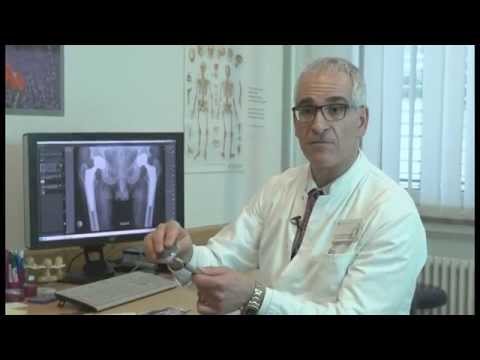
Joint Replacement Surgery in Germany: Understanding Endoprosthetic Treatment
Asklepios Kliniken Hamburg - Multispecialty Hospital in Germany
Germany

Computer-Navigated Joint Replacement in Hamburg, Germany: How the Procedure Works
Asklepios Kliniken Hamburg - Multispecialty Hospital in Germany
Germany
Learn More with These Orthopedic Knee Surgery Articles
Take a look at these interesting articles, stories and research that will help you learn more about Orthopedic Knee Surgery.

Rotator Cuff Repair in Puerto Vallarta, Mexico: Questions Patients Should Ask Before Treatment
PlacidWay Mexico Medical Tourism
- Orthopedic/Knee Surgery
Mexico

Orthopedic Surgery in Mexico: What a U.S. Patient Wishes She Knew
PlacidWay Mexico Medical Tourism
- Orthopedic/Knee Surgery
Mexico

Hip Replacement in Turkey - 12-Day Recovery Route for UK Patients
PlacidWay Medical Tourism
- Orthopedic/Knee Surgery
Turkey
Limb Lengthening Surgery in Turkey - The Patients' Choice Shortlist of Five Cities for UK Patients
PlacidWay Medical Tourism
- Orthopedic/Knee Surgery
Turkey








