
What treatment


20+ Most Frequently Asked Questions About Dentistry
Find Clear and Concise Answers to Common Questions About Dentistry
Trusted Medical Tourism Platform Since 2007

How Much Do Veneers Cost in Egypt?
The veneers cost in Egypt typically ranges from $150 to $350 per tooth depending on the material chosen. Composite resin options are highly affordable, while premium porcelain or E-max veneers cost slightly more but offer superior durability. Key Takeaways Estimates range from $150 for basic composite materials to $350 for advanced porcelain aesthetics. E-max and porcelain are highly requested due to their stain resistance and highly natural appearance. Pursuing medical tourism in Egypt may allow patients to reduce treatment expenses significantly. Total financial outlays fluctuate based on clinic geographic location and the number of teeth requiring treatment. Patients must always verify international dentist credentials before undergoing cosmetic procedures abroad. What are the different types of veneers available for patients? Patients seeking veneers in Egypt can select from several internationally recognized materials. Options typically include composite resin, traditional porcelain, and advanced E-max ceramics. Composite resin acts as a highly cost effective option for patients wanting immediate results. These restorations are usually applied directly to the natural tooth surface in a single clinical visit. While they are highly convenient and easy to repair if damaged, composite materials are slightly porous and may stain more easily over time from dietary habits. Traditional porcelain is widely utilized across leading international clinics for its exceptional stain resistance and impressive durability. Fabricated meticulously in a specialized dental laboratory, porcelain shells resist chipping effectively. They provide a highly natural appearance that mimics the light reflecting properties of natural healthy enamel. E-max restorations are meticulously crafted from high strength lithium disilicate ceramic, known for superior light translucency. Any reputable veneers clinic in Egypt will likely offer E-max as the preferred choice for central incisors where cosmetic appeal and seamless blending are absolutely paramount to a successful smile makeover. What factors directly influence the veneers cost in Egypt? The final price is determined by the selected restorative material, the complexity of the individual dental case, diagnostic requirements, and the geographic location of the treating facility. The primary driver of the total expense is the specific type of material chosen by the patient and provider. Basic composite options sit at the lower end of the pricing spectrum. Advanced ceramics like porcelain or E-max command higher prices due to the specialized CAD CAM milling equipment and premium imported raw materials required for fabrication. Additional preparatory clinical procedures frequently impact the total estimated expense. If a patient requires treatment for active gum disease, cavity fillings, or minor orthodontic adjustments prior to placing the aesthetic shells, these necessary medical interventions will inevitably increase the overall out of pocket expense. Clinic location and the treating provider level of aesthetic expertise play a significant role in pricing variations. Facilities located in major tourist hubs or upscale neighborhoods in Cairo may charge slightly higher fees compared to regional clinics. These centrally located clinics often invest heavily in advanced technology and staff to serve international travelers smoothly. Expert Insight Many patients opt for treating only the most visible six to eight upper teeth to manage costs effectively while still achieving a dramatically improved and brightened smile profile. How does the pricing compare to dental care in North America and Europe? Patients participating in medical tourism in Egypt can often reduce their dental expenses by up to 70 percent compared to private aesthetic clinics in the United States or the United Kingdom. In the United States and the United Kingdom, a single porcelain shell typically costs between $900 and $2500, explicitly excluding the price of initial consultations, diagnostic imaging, and temporary covers. These high domestic costs frequently present a financial barrier for patients needing a full smile makeover involving six to ten teeth. Conversely, the prices found overseas provide a much lower entry point without necessarily compromising on the quality of raw materials. Many reputable international clinics import FDA cleared or internationally recognized aesthetic dental systems directly from Germany or the USA to ensure high standards of care and reliable longevity. The significant price disparity is largely due to lower local labor costs, reduced administrative clinic overhead, and fundamentally different healthcare economic structures within the region. This allows substantial operational savings to be passed directly to the consumer seeking cosmetic enhancements. Material Type Estimated Cost (USA/UK) Estimated Cost (Egypt) Composite Resin $400 - $800 $100 - $200 Traditional Porcelain $900 - $2,500 $200 - $350 E-max (Lithium Disilicate) $1,200 - $2,500+ $250 - $450 Are porcelain veneers a reliable choice for long term cosmetic results? Porcelain is widely documented in clinical literature as one of the most durable and reliable cosmetic materials available today. It offers excellent long term structural integrity for suitable candidates. Porcelain boasts incredible resilience against daily wear, meaning it can readily withstand normal biting forces when placed correctly on healthy front teeth. Unlike composite resin, high quality porcelain is highly resistant to surface scratching and staining from coffee, tea, or tobacco, which contributes to a very favorable survival rate over a decade. Additionally, the ceramic material is highly biocompatible. This means the human body generally accepts porcelain without adverse immunological reactions. It does not cause chronic gum inflammation when the margins are crafted perfectly, promoting healthier surrounding gum tissue and a much more comfortable aesthetic fit. While highly reliable, patients must understand that long term results vary based on individual habits. Individuals suffering from severe bruxism may still chip or fracture the delicate ceramic material if the restorations are not properly protected by a custom fitted nightguard during sleep. What should international patients expect during their dental procedure? The cosmetic process typically involves a thorough clinical assessment, conservative reshaping of the affected teeth, taking digital impressions, and the final permanent cementation over two appointments. The journey begins with a comprehensive consultation with the chosen aesthetic dental specialist. The dentist will take detailed X rays to evaluate the roots and surrounding bone health to ensure a solid foundation. Following medical clearance, the dentist administers local anesthesia to ensure patient comfort during the physical preparation phase. Next, the teeth are carefully prepared by removing a fraction of a millimeter of enamel from the front surface to make adequate room for the new restoration. Once prepared, the dentist takes an accurate impression using digital intraoral scanners for high precision. Temporary acrylic covers are usually placed to protect the sensitive exposed teeth. During the final visit, the temporary covers are gently removed. The dentist checks the color, shape, and fit of the newly fabricated permanent ceramic shells against the natural dentition. Micro adjustments are made to ensure a proper and comfortable bite alignment before securely bonding them into place using highly specialized dental cement. Did You Know? Some modern clinics offer minimal prep or no prep ceramic options that require little to no removal of natural enamel, though these specific solutions are only suitable for patients with perfectly aligned teeth. Is pursuing medical tourism in Egypt safe for cosmetic dentistry? Receiving dental care abroad can be a safe alternative when patients diligently research clinic accreditations, verify local licensing, and fully understand cross border logistical requirements. Verify Credentials: Ask for documented proof of the dentist professional degrees, specialty cosmetic training, and active registration with national Egyptian dental syndicates. Assess Sterilization Protocols: Inquire directly about the facility hygiene practices and adherence to international infection control guidelines regarding single use instruments. Understand the Materials: Request written documentation regarding the exact brand and origin of the restorative ceramic materials being used for your smile makeover. Plan for Complications: Understand that all medical procedures carry inherent biological risks and have a proactive plan for local follow up care upon returning home. Overcome Language Barriers: Ensure clear communication is possible through clinics that specifically employ English speaking staff to handle international patient consultations. How long do cosmetic dental restorations typically last? While no dental prosthetic is considered permanently invincible, high quality porcelain restorations generally survive between 10 and 15 years with proper daily care and maintenance. The overall lifespan of a cosmetic restoration heavily depends on the daily wear and tear it endures in the mouth. Patients who consistently maintain excellent oral hygiene, attend regular professional cleanings, and avoid detrimental chewing habits can maximize the longevity of their financial investment. Behaviors such as aggressively chewing ice, biting fingernails, or using teeth to open plastic packaging can dramatically shorten a restoration lifespan. These forceful actions cause microscopic fractures in the ceramic material that eventually lead to visible chipping or complete debonding from the tooth surface. It is absolutely vital for individuals returning from an international treatment trip to establish ongoing care with a local domestic dentist. Routine clinical exams are necessary to ensure the underlying tooth structure remains healthy and completely free from secondary decay over the ensuing years. What are the potential risks of getting cosmetic dental work abroad? Common risks include temporary tooth sensitivity, mild gum irritation, loosening of the bonding cement over time, or the potential need for future replacements. It is perfectly normal to experience mild sensitivity to extreme hot and cold temperatures immediately following the enamel preparation procedure. However, if severe pulsating pain persists or worsens over several weeks, it may indicate underlying nerve inflammation requiring further endodontic evaluation and potential root canal therapy. Secondary decay represents a highly significant long term risk. If the precise margin where the ceramic restoration meets the natural tooth is not kept meticulously clean through flossing, harmful bacteria can infiltrate underneath. This causes the underlying natural tooth to decay unnoticed until catastrophic structural failure occurs. Furthermore, restorations can occasionally become loose or debond entirely due to a gradual breakdown of the dental cement or a slightly improper initial fit. Should this stressful event happen, the patient must seek immediate local domestic assistance to recement the delicate shell and prevent damage to the exposed dentin. Important Consideration Once natural enamel is removed to place traditional porcelain shells, the process is irreversible. You will always require a covering on those teeth for the rest of your life to protect them from decay and sensitivity. How should patients care for their newly restored smile? Maintaining restored teeth requires the same diligent oral hygiene routine as natural teeth. This includes twice daily brushing, precise flossing, and avoiding excessively hard foods. Brush your teeth comprehensively at least twice a day utilizing a soft bristled toothbrush and non abrasive fluoride toothpaste to prevent scratching the polished surface. Floss daily while paying highly specific attention to the critical area around the gumline to prevent periodontal inflammation and margin decay. Limit regular consumption of heavily staining substances like black coffee, red wine, and tobacco to maintain the surrounding natural teeth color matching. Discuss custom nightguards with your local dentist if you clench or grind your teeth while sleeping to protect your new dental work from excessive biting force. Schedule bi annual professional dental cleanings and comprehensive checkups to allow early detection of any cement degradation or tissue issues. Why Choose PlacidWay for your international healthcare journey? PlacidWay provides comprehensive resources and structured information to help patients evaluate global healthcare options. This platform empowers individuals to make well informed decisions independently. Provider Directories: Offer access to extensive profiles of international healthcare providers detailing their facilities and listed clinical specialties. Cost Transparency: Allows users to review estimated baseline pricing models across multiple geographic locations to better understand potential medical expenses. Educational Resources: Provide deeply informative articles and dedicated patient guides that clearly explain various medical procedures and material options. Direct Communication: Features utilize patient centered platforms designed to facilitate direct inquiries and initial digital consultations with potential clinics. Data Driven Decisions: Supported by a strict organizational commitment to providing factual non pressuring information designed to firmly support autonomous patient choices. Frequently Asked Questions Does the procedure for placing veneers hurt? The procedure is typically performed under local anesthesia during the preparation phase, meaning patients generally feel little to no pain. Some mild tooth sensitivity may occur for a few days after the anesthesia completely wears off. How many visits are typically required for a full smile makeover? Most traditional porcelain procedures require at least two visits spaced a few days apart. The first visit involves preparing the teeth and taking impressions, while the second involves bonding the final restorations. Composite resin can often be done in a single visit. Can I get veneers if I have active gum disease or cavities? Dentists heavily require all active periodontal issues and decay to be fully treated before placing cosmetic restorations. Placing shells over unhealthy teeth can severely compromise the fit and lead to rapid structural failure. What is the difference between composite resin and porcelain materials? Composite resin is more affordable and can be applied in one visit, but it is prone to staining and chipping over time. Porcelain is fabricated in a lab, resists stains exceptionally well, and offers a much longer lifespan and natural translucency. Will my natural teeth need to be shaved down significantly? Preparation is usually conservative. Dentists typically remove only a tiny fraction of a millimeter of enamel from the front surface to ensure the new ceramic shells do not look bulky and bond securely to the underlying tooth structure. How soon can I eat normally after the final placement? Patients are generally advised to wait an hour or until the local anesthesia completely wears off to avoid accidentally biting their tissue. While you can eat most normal foods, it is best to avoid biting directly into extremely hard items like raw carrots or apples with the front teeth. Do international clinics use recognizable dental brands for cosmetic work? Reputable facilities frequently utilize globally recognized materials from Switzerland, Germany, and the United States. Patients should always request documentation about the specific brand of porcelain or ceramic being used during their consultation. What happens if a ceramic shell chips or falls off? If a restoration chips or debonds, patients must save the piece if possible and contact a local dentist immediately. Porcelain usually cannot be repaired easily with resin and may require a complete replacement of the affected unit. Are there English speaking cosmetic dentists available in major cities? Yes, many specialized professionals catering to international patients in major cities like Cairo and Alexandria speak English fluently, which helps facilitate clear communication regarding aesthetic goals and treatment limitations. How long is the recovery time after the preparation appointment? Recovery time is minimal, though patients may experience slight temperature sensitivity while wearing temporary covers. Normal daily activities can typically be resumed almost immediately after leaving the clinic. Ready to Compare Cosmetic Dental Options? Explore international clinics, review estimated costs, and gather the factual information you need to make an informed decision regarding your global aesthetic dental care. Request Treatment Information References Oral Health: A Window to Your Overall Health – Mayo Clinic Dental Veneers: Procedure, Cost & Types – Cleveland Clinic Dental Veneers: Cost, Procedure, vs. Crown, and More – WebMD What to Know Before You Get Dental Veneers – Healthline Veneers – American Dental Association (MouthHealthy) Survival rates of porcelain laminate veneers – National Library of Medicine (PubMed)...
Read more details


How Much Do Dental Implants Cost in Seoul? A Guide to South Korea Dental Costs
The estimated cost of a single dental implant in Seoul typically ranges from $900 to $1,500. This price usually includes the implant post, abutment, and standard crown, though complex cases requiring bone grafting or extractions may incur additional fees. Key Takeaways Cost estimates for single implants range between $900 and $1,500, varying by clinic and material choice. Pre-surgical procedures like 3D imaging, bone grafting, and tooth extractions are usually billed separately. South Korea boasts advanced dental infrastructure, utilizing internationally recognized and FDA-cleared implant systems. Patients must verify clinical credentials through the appropriate South Korean medical and dental registries before booking. Successful medical tourism requires planning for adequate healing time and securing local follow-up care in your home country. What is the average dental implant cost in South Korea? The average dental implant cost in South Korea spans from $900 to $1,500 per tooth. This initial estimate typically covers the foundational components of the implant process. When reviewing estimates for dental procedures, it is important to clearly distinguish the price of the titanium implant post from the comprehensive total. A complete functional implant requires three main parts: the surgical post (fixture), the connector (abutment), and the visible artificial tooth (crown). Some clinics provide packaged pricing, while others itemize these components. Patients should also budget for essential diagnostic steps. Advanced 3D CBCT scans, panoramic X-rays, and initial consultations are necessary for accurate surgical planning. Depending on the facility, these imaging costs may be included in a promotion or billed separately during the first visit. Finally, not all patients have adequate bone density to support an implant immediately. If the jawbone has deteriorated due to prolonged tooth loss, procedures such as bone grafting or sinus lifts will be required. These surgical additions increase both the overall financial investment and the timeline of the treatment. Procedure Type Estimated Cost Range (USD) Notes Single Implant (Complete) $900 - $1,500 Includes post, abutment, and standard crown. Bone Grafting (Per site) $300 - $800 Required if jawbone density is insufficient. Sinus Lift $500 - $1,200 Often needed for upper back teeth implants. Tooth Extraction $50 - $200 Varies if surgical or simple extraction. Why is medical tourism in South Korea popular for dental implants? Medical tourism in South Korea attracts patients due to the country's stringent healthcare standards, high concentration of experienced specialists, and utilization of innovative clinical technology. Technological Integration: Many facilities are equipped with digital dentistry tools, including CAD/CAM milling machines and 3D oral scanners, which can streamline the creation of custom prosthetics. Specialized Training: Oral surgeons and prosthodontists in South Korea undergo rigorous education, and many pursue continuing education internationally to master complex restorative techniques. Local Manufacturing: South Korea is a hub for dental implant manufacturing. Brands like Osstem and Dentium are produced domestically, allowing local clinics to source high-quality materials at reduced logistical costs. Hygiene Standards: Accredited dental centers adhere strictly to sterilization and cross-contamination protocols, ensuring environments that prioritize patient safety. Comprehensive Care Models: Clinics often consolidate specialists (such as periodontists and oral surgeons) under one roof, reducing the need for patients to travel between different facilities for distinct stages of treatment. Did You Know? South Korea is one of the world's leading manufacturers of dental implants. Because of this robust domestic industry, patients can often access highly researched, internationally recognized implant systems directly in Seoul at very competitive price points. How can I find a reliable dental implant clinic in Seoul? Selecting a trustworthy dental implant clinic in Seoul requires verifying the dentist's credentials through official medical registries and evaluating the facility's experience with international patients. Before committing to a procedure, prospective patients must prioritize verifying the professional standing of their chosen dentist. In South Korea, legitimate practitioners must be licensed by the Ministry of Health and Welfare. Patients are encouraged to request evidence of specialty training in implantology or oral surgery, rather than relying solely on general dentistry licenses. Communication is another critical factor. Dental implant procedures involve complex medical terminology and nuanced consent forms. It is vital to select a clinic that provides fluent English-speaking staff or certified medical interpreters. This ensures that treatment plans, risk factors, and aftercare instructions are fully understood by the patient. Lastly, review the clinic's transparency regarding pricing and complication protocols. A reputable clinic will provide a comprehensive, itemized estimate prior to travel and clearly explain how they handle potential surgical complications or hardware failures. What types of dental implants in Seoul are commonly used by dentists? Practitioners utilizing dental implants in Seoul offer a variety of FDA-cleared or internationally recognized systems, including both premium imported brands and high-quality domestic options. Domestic Market Leaders: Brands such as Osstem, Dentium, and MegaGen are engineered in South Korea and heavily utilized globally. They often present a cost-effective solution without compromising on clinical research or structural integrity. Imported Premium Brands: Clinics also offer widely recognized international systems like Straumann (Switzerland) and Nobel Biocare (Sweden/Switzerland). These may carry a higher price tag due to import costs and extensive long-term global data. Material Choices: The majority of implant posts are crafted from biocompatible titanium alloys, known for their high success rates in osseointegration. Zirconia (ceramic) implants may be available for suitable patients with metal sensitivities. Restorative Crown Options: The final aesthetic outcome relies on the crown material. Zirconia and porcelain-fused-to-metal (PFM) are the most common choices, with zirconia favored for its durability and natural appearance. Custom vs. Stock Abutments: Advanced clinics may offer custom-milled abutments tailored to the patient's specific gum contour, which can improve the final aesthetic and functional result compared to pre-manufactured stock abutments. Which additional procedures affect the cost of dental implants in South Korea? Beyond the implant itself, the total cost can be affected by preparatory surgeries such as bone grafting, sinus lifts, complex extractions, and the type of anesthesia administered. Successful implant placement requires sufficient jawbone volume and density. If a patient has been missing teeth for an extended period, bone resorption may have occurred. In these instances, a bone grafting procedure is necessary to build a solid foundation, adding both cost and healing time to the treatment plan. When implants are needed in the upper back jaw, the maxillary sinus cavity may be too close to the gum line. A sinus lift is a specialized grafting procedure designed to gently elevate the sinus membrane and place bone graft material, safely creating enough space for the titanium post. Additionally, if a damaged or decayed tooth is still present, an extraction must be performed. Depending on whether it is a simple extraction or a complex surgical removal, fees will vary. Finally, while local anesthesia is standard, patients requesting IV sedation to manage anxiety should expect an additional charge for the anesthesiologist's services. Important Consideration Implant survival rates vary by patient and are influenced heavily by lifestyle factors such as smoking, uncontrolled diabetes, and oral hygiene. Medical facilities cannot guarantee permanent success, and maintaining realistic expectations regarding the healing process is vital. How long does the dental implant procedure in Seoul typically take? A standard dental implant procedure is typically completed in two main phases spread over several months, requiring either two separate international trips or an extended stay. Phase 1 (Surgical Placement): The first visit involves diagnostics, extractions (if necessary), and the surgical insertion of the titanium implant into the jawbone. This trip generally requires a stay of 5 to 7 days to allow for initial monitoring and suture removal. The Healing Period: After placement, a biological process called osseointegration must occur, where the bone fuses with the implant. This typically takes 3 to 6 months, during which the patient returns home. Phase 2 (Restoration): Once healed, the patient returns for the second trip. The abutment and custom-made crown are attached to the secure implant. This phase usually requires a stay of 7 to 10 days while the dental lab fabricates the permanent prosthetics. One-Day Implants: In highly specific, clinically suitable cases, some clinics offer immediate-load implants. However, this is not appropriate for all patients and carries a different risk profile that must be discussed with the surgeon. Travel Buffer: It is always advised to add a few extra days to your itinerary to accommodate unforeseen adjustments or localized swelling before flying. What are the risks of traveling for dental implants in South Korea? Traveling for dental surgery introduces variables such as post-operative flight restrictions, the potential need for emergency local aftercare, and language barriers in complex medical situations. Any surgical procedure carries inherent medical risks, including infection, nerve damage, or sinus complications. When undergoing treatment abroad, patients face the added challenge of managing these potential complications once they return home. If an implant fails to integrate or an infection develops weeks later, flying back to Seoul may not be feasible. Furthermore, air travel immediately following oral surgery—particularly if a sinus lift was involved—can be dangerous. Changes in cabin pressure can cause severe discomfort or damage to the surgical site. Dentists generally mandate a waiting period of several days before permitting patients to fly. Patients must proactively arrange a contingency plan. This involves communicating with a local dentist in your home country who is willing to take on maintenance, adjustments, or emergency interventions for dental work originally performed overseas. Do providers of dental implants in Seoul offer treatment warranties? While absolute medical guarantees do not exist, many clinics in Seoul offer conditional replacement policies or warranties covering material defects for a specified number of years. Material vs. Medical Policies: Warranties generally cover structural failures of the implant fixture or the crown (e.g., a cracked prosthetic). They rarely cover biological failures caused by poor oral hygiene or the development of new medical conditions. Conditions of Validity: To maintain these warranties, clinics typically require patients to undergo professional cleanings and check-ups at least once or twice a year. Proof of these visits from a local dentist is often mandatory. Logistical Constraints: If a warranty claim is validated, the clinic may provide replacement materials free of charge. However, the patient is almost always responsible for the costs associated with flights, accommodation, and sometimes the clinical labor fees to fix the issue. Brand Passports: Many clinics provide an "Implant Passport" containing the exact specifications, brand, and serial number of the implant. This document is essential for receiving appropriate care from local dentists in the future. Read the Fine Print: Never assume a procedure is fully guaranteed. Always request warranty terms in writing and in English before agreeing to the treatment plan. Why Choose PlacidWay to Compare Dental Implant Options in South Korea? PlacidWay assists patients in exploring diverse international healthcare options by connecting them with recognized medical providers, allowing for informed comparisons without aggressive pressure. Comprehensive Provider Profiles: Patients can review detailed information about various clinics, including dentist credentials, facility accreditations, and patient reviews. Transparent Estimate Comparisons: Access clear pricing structures to help distinguish between base implant costs and potential additional surgical fees. Educational Resources: Utilize patient guides to better understand procedures, required recovery times, and essential travel-health considerations. Direct Clinic Communication: Facilitate questions directly with the chosen clinic to discuss customized treatment plans and verify material availability. Informed Decision Making: Take your time to review all available clinical data and estimates to ensure you make a choice that aligns with your medical needs and budget. Frequently Asked Questions (FAQs) Are dental implants in Seoul painful? Dental implant surgery is typically performed under local anesthesia or conscious sedation, meaning patients usually feel pressure rather than pain during the procedure. Post-operative discomfort, swelling, and mild bruising may occur but are generally manageable with over-the-counter or prescribed pain relievers. Can I get full mouth dental implants in South Korea? Yes, many specialized clinics in South Korea offer full mouth restorations, such as All-on-4 or All-on-6 procedures. Suitable candidates are determined through comprehensive 3D imaging and clinical evaluation to assess bone density and overall oral health. How long do dental implants in Seoul typically last? While implant posts are designed to be long-lasting and can function for many years, their longevity heavily depends on excellent oral hygiene, regular dental check-ups, and individual health factors. Crowns and prosthetics attached to the implants may require replacement due to normal wear and tear over time. Is it safe to travel for medical tourism in South Korea? Traveling for medical procedures generally carries some risks, but South Korea has a highly regulated healthcare system. Patient safety can be enhanced by choosing properly credentialed providers, understanding potential complications, and ensuring adequate time for recovery before flying. Do specialists at a dental implant clinic in Seoul speak English? Many clinics catering to international patients employ English-speaking dentists or provide dedicated in-house translation services. It is essential to confirm the availability of fluent communication before booking to ensure you fully understand your treatment plan. What is the difference between domestic and imported dental implants in South Korea? Domestic brands like Osstem and Dentium are highly respected and widely used in South Korea, often at a lower cost than imported brands like Straumann or Nobel Biocare. Both domestic and international options can offer successful outcomes when placed by experienced professionals. Can I fly immediately after getting dental implants in Seoul? Flying immediately after oral surgery is typically discouraged due to the risks of pressure changes affecting sinus cavities, especially if a sinus lift was performed. Most dentists recommend waiting a few days to a week before air travel, depending on the complexity of the surgery. How do patients pay for the dental implant cost in South Korea? Most major clinics accept international credit cards, wire transfers, and cash in local currency. It is important to clarify payment terms, currency exchange rates, and any potential international transaction fees with the clinic beforehand. Do I need a visa for dental implants in South Korea? Visa requirements depend on your citizenship. Many Western countries have visa-waiver agreements allowing short-term visits for tourism or medical purposes, but patients must check current entry requirements and the K-ETA (Korea Electronic Travel Authorization) guidelines prior to travel. What happens if I need aftercare for dental implants in Seoul after returning home? It is critical to establish a relationship with a local dentist in your home country before traveling. If adjustments, maintenance, or complication management are required after returning, a local professional will need to step in to provide ongoing care. Ready to Explore Your Dental Options? Compare trusted clinics, review cost estimates, and discover if medical tourism for dental implants in Seoul aligns with your healthcare needs. Request Treatment Information Disclaimer: The information provided in this article is for educational purposes only and should not replace professional medical advice. Prices are estimates and vary by clinic, case complexity, and materials. Always consult with a qualified healthcare provider before undergoing any medical procedure. References Success Rates of Dental Implants – National Center for Biotechnology Information (NCBI) Medical Tourism Guidelines and Risks – Centers for Disease Control and Prevention (CDC) Dental Implants Overview – American Dental Association (ADA) Dental Implants: What You Should Know – U.S. Food and Drug Administration (FDA) Dental Implant Surgery Risks and Details – Mayo Clinic Tooth Loss and Replacement Information – National Institute of Dental and Craniofacial Research (NIDCR) Patient Safety Guidelines – World Health Organization (WHO)...
Read more details
What I Wish I Knew Before Dental Implants in Egypt?
Before getting dental implants in Egypt, patients wish they knew the base price ($400-$800) often covers only the titanium post. Abutments, crowns, bone grafts, 3D imaging, and local travel logistics will increase the final out-of-pocket expense. Key Takeaways Advertised prices typically represent a single phase of a multi-stage procedure. Verifying dentist registration with the Egyptian Dental Syndicate is a crucial safety step. Most traditional implant treatments require at least two separate international trips. Patients must account for flights, extended stays, and travel insurance in their total budget. Establishing a relationship with a local domestic dentist is vital for long-term maintenance. What is the actual dental implants cost in Egypt compared to total expenses? The advertised price often represents just the surgical placement of the titanium fixture. The total clinical cost includes the post, the connecting abutment, the ceramic crown, and necessary surgical preparations. One of the most common misunderstandings surrounding the dental implants cost in Egypt is the distinction between a single component and the fully restored tooth. While a clinic might advertise an implant for $500, this fee usually covers the titanium screw that goes into the jawbone. It does not account for the abutment (the connector piece) or the final customized ceramic crown. Furthermore, preoperative requirements can heavily influence the final bill. Patients may require 3D Cone Beam Computed Tomography (CBCT) scans for accurate surgical planning, complex tooth extractions, or treatment for existing periodontal disease. These diagnostic and preparatory steps are typically billed as separate line items on a treatment plan. To avoid financial surprises, patients should always request a comprehensive, itemized treatment estimate before traveling. This estimate should clearly break down the cost of the implant system, the surgical fees, the prosthetic components, temporary crowns, and all associated clinic facility charges. How do I verify a dental implant clinic in Egypt before booking? You must verify the treating dentist's official registration with the Egyptian Dental Syndicate and confirm that the facility complies with strict Ministry of Health and Population regulations. Choosing a reputable dental implant clinic in Egypt requires looking beyond polished marketing materials and modern website designs. Patients should prioritize official credential verification. Ask the clinic for the specific name of the oral surgeon or periodontist performing the procedure, and check their qualifications and specialization degrees. In addition to basic licensing, inquire about the clinic's standard operating procedures for complex surgeries. A trustworthy facility will be highly transparent regarding their sterilization protocols, the use of modern autoclaves, and their protocols for managing potential surgical complications in international patients. It is also highly advisable to verify the brand of the restorative materials being used. Reputable providers exclusively utilize FDA-cleared or internationally recognized implant systems (such as those from Switzerland, Germany, or the USA). Patients should request an implant passport or physical certificate post-surgery to maintain a record of the exact components placed in their mouth. Important Consideration Do not rely solely on online reviews or professional association memberships as proof of clinical competence. Always confirm government-issued licenses and specialized training in implantology. What are the hidden costs of medical tourism in Egypt for dentistry? Beyond the clinical fees, patients must accurately budget for specialized travel insurance, multiple round-trip flights, extended hotel accommodations, and necessary post-operative medications. When participating in medical tourism in Egypt, the clinical quote is only one part of the financial equation. Because standard implant procedures require healing time for the jawbone, patients must typically account for at least two separate trips. This means purchasing flights and booking hotels twice, which can quickly narrow the savings gap compared to domestic care. Travel arrangements must also include buffer days. Oral surgery can sometimes result in prolonged swelling or minor complications that require a follow-up visit before flying home. Booking a tight itinerary that requires flying the morning after a major procedure is strongly discouraged by dental professionals. Additionally, standard travel insurance often excludes complications arising from elective medical treatments sought abroad. Patients should look into specialized medical tourism insurance policies that can help cover unforeseen expenses if extended care or emergency medical intervention becomes necessary during their stay. How long does the complete process for dental implants in Egypt take? The traditional restorative process requires two distinct visits spaced three to six months apart to allow the jawbone to heal and biological fusion to occur successfully. Phase one involves the surgical placement of the titanium post. Patients should plan to be in the country for 5 to 7 days. This timeline allows for initial consultations, 3D imaging, the surgery itself, and a crucial post-operative check-up to ensure the surgical site is closing and healing appropriately before boarding an airplane. After returning home, the patient undergoes a healing phase known as osseointegration, which typically lasts three to six months. During this period, the surrounding bone grows into the micro-threads of the implant, creating a robust, immovable foundation. Only after successful integration can the final phase begin. Phase two requires a return trip to Egypt to take final impressions, place the abutment, and cement the customized ceramic crown. This second trip generally requires another 5 to 10 days, depending on the clinic's access to on-site dental laboratories and CAD/CAM milling technology. What materials are commonly used for implants in Egypt? Reputable facilities utilize globally recognized titanium alloys for the surgical post, topped with highly durable materials like Zirconia or E-max ceramic for the visible prosthetic crown. Titanium remains the gold standard in modern implantology due to its exceptional biocompatibility. The human body rarely rejects medical-grade titanium, and it possesses the unique ability to fuse securely with living bone tissue. Some clinics also offer zirconia-based posts for patients with specific metal allergies, though titanium is far more common. For the visible tooth portion (the crown), Zirconia is heavily favored for its incredible flexural strength, making it ideal for molars that endure intense chewing forces. E-max (lithium disilicate), known for superior light translucency, is frequently chosen for restoring highly visible front teeth to achieve maximum aesthetic realism. Patients must discuss material options during their virtual or in-person consultations. Understanding exactly what materials are being placed in your body ensures you are receiving care that aligns with international standards rather than inferior, generic alternatives. Is the bone grafting procedure always necessary before an implant? Bone grafting is not universally required, but it is necessary if 3D diagnostics reveal insufficient jawbone density or volume to securely anchor the titanium fixture. When a natural tooth is lost or extracted, the underlying jawbone begins to resorb (shrink) rapidly due to a lack of chewing stimulation. If a tooth has been missing for several years, or if severe periodontal disease has damaged the bone, there may not be enough structural integrity left to support an implant. During the initial consultation, dentists utilize CBCT scans to measure bone volume precisely. If a deficiency is found, a bone graft (using synthetic, animal, or human donor material) is packed into the site to rebuild the foundation. In the upper jaw, a similar procedure known as a sinus lift may be required to prevent the implant from piercing the sinus cavity. If a substantial bone graft is needed, it can significantly alter the treatment timeline. The grafted site may need several months to solidify and generate new bone cells before the area is stable enough to withstand the surgical placement of a heavy titanium screw. Expert Insight Many patients traveling for dental care wish they had known about the potential need for bone grafting beforehand, as it can delay the final smile restoration by 4 to 6 months and add unexpected surgical costs. What are the risks and potential complications of traveling for implants? Clinical risks include site infection, nerve damage, and biological implant failure. The primary logistical risk involves managing a sudden dental emergency after returning to your home country. As with any oral surgery, there are inherent biological risks. Infections at the surgical site, while mitigated by sterile environments and antibiotics, can still occur. Additionally, improper placement can lead to localized nerve damage, causing temporary or permanent numbness in the chin, lips, or gums. Implant failure—where the bone fails to fuse with the titanium post—can happen due to poor patient health, uncontrolled diabetes, or smoking. If a failure occurs, the implant must typically be surgically removed, the area cleaned and grafted, and the entire process restarted after several months of healing. The most significant challenge for patients seeking dental implants in Egypt is continuity of care. If complications arise weeks after returning home, local dentists may be hesitant to intervene in a complex case initiated abroad. Establishing an agreement with a local domestic provider willing to assist with maintenance or emergencies is a critical pre-travel step. How should I plan my recovery and aftercare while in Egypt? Patients must plan for at least 48 to 72 hours of dedicated rest following the surgical placement, avoiding strenuous physical activities, heavy lifting, and intense heat exposure. While many patients combine medical treatments with a holiday, oral surgery recovery must take precedence. In the days following the procedure, patients may experience localized swelling, bruising, and mild to moderate discomfort. Adhering strictly to prescribed pain management and antibiotic schedules is non-negotiable for safe healing. Dietary modifications are crucial. Patients must stick to a soft food diet (like yogurt, soups, and mashed vegetables) to avoid placing undue pressure on the sensitive surgical sites. Drinking through a straw should be avoided entirely, as the suction can dislodge blood clots and cause a painful condition known as dry socket. Furthermore, smoking and alcohol consumption severely restrict blood flow and impede the body's natural healing mechanisms. Dentists require patients to abstain from smoking for several weeks prior to and following the surgery to minimize the high risk of implant failure associated with tobacco use. Why Choose PlacidWay for Your Dental Journey? PlacidWay provides a structured platform to research international clinics, compare pricing estimates, and gather factual information to support autonomous, well-informed healthcare decisions. Provider Directories: Access detailed profiles outlining clinic technologies, facility standards, and listed clinical specialties across multiple regions. Cost Transparency: Review baseline pricing estimates to better understand potential financial outlays before committing to an international trip. Educational Resources: Read comprehensive guides detailing complex medical procedures, material options, and expected recovery timelines. Direct Communication: Connect directly with international facilities for initial inquiries, allowing you to ask specific clinical questions upfront. Data-Driven Decisions: Rely on factual, non-pressuring information to evaluate your healthcare choices independently and securely. Frequently Asked Questions How painful is the dental implant surgery? Procedures are performed under local anesthesia. Patients typically feel pressure but not sharp pain during the placement. Post-operative discomfort and swelling are normal and are managed with prescribed medications. Can I get my teeth extracted and implants placed on the same day? Immediate placement is possible for suitable candidates with excellent bone density and no active infection. However, many clinical cases require a dedicated healing period after extraction before placing the post. Are there English-speaking dentists in major Egyptian cities? Yes, many dental specialists catering to international patients in major cities like Cairo and Alexandria are fluent in English, facilitating clear communication of complex medical information. What happens if my implant fails after I return home? While uncommon, implant failure can happen. Patients must secure a local domestic dentist for follow-up care and understand that resolving failures usually requires surgical removal and allowing the jaw to heal. Do I need a visa to enter Egypt for medical treatment? Travel document requirements depend strictly on your citizenship. Many nationalities can obtain a tourist visa upon arrival, but patients must verify rules with their local consulate before booking flights. How soon can I fly after oral surgery? Dentists generally recommend waiting at least 48 to 72 hours after implant placement before flying to minimize the risk of increased bleeding and sinus discomfort caused by cabin pressure changes. Can smokers receive dental implants successfully? Smoking significantly increases the risk of implant failure, poor osseointegration, and severe infection. Dentists heavily advise quitting weeks before surgery and throughout the entire multi-month healing phase. Do international clinics offer warranties on their implants? Some clinics provide limited warranties on physical materials, such as replacing a fractured crown. However, biological failures due to patient health, smoking, or poor hygiene are typically not covered. What is osseointegration? Osseointegration is the critical biological process where the jawbone's living cells grow around and permanently fuse with the titanium implant surface, providing a stable foundation over several months. Are the dental tools properly sterilized abroad? Reputable facilities adhere to strict international sterilization protocols, including the use of modern autoclaves and single-use disposables. Patients should always ask about hygiene practices during their initial consultations. Ready to Compare Dental Implant Options? Explore international clinics, review estimated costs, and gather the factual information you need to make an informed decision regarding your global dental care. Request Treatment Information References Dental Implant Surgery – Mayo Clinic Dental Implants: Procedure & Recovery – Cleveland Clinic Dental Implants: What You Should Know – U.S. Food and Drug Administration (FDA) Dental Implants: Purpose, Procedure, Risks, and Care – WebMD Implants – American Dental Association (MouthHealthy) Osseointegration and Dental Implants – National Library of Medicine (PubMed) Travelers' Health: Egypt – Centers for Disease Control and Prevention (CDC)...
Read more detailsDiscover your treatment options with a free, no-obligation quote!
Get your quote now!
What I Wish I Knew Before Wisdom Teeth Removal in Mexico?
Before undergoing wisdom teeth removal in Mexico, know that costs typically range from $100 to $300 per tooth depending on complexity. You must verify your dentist's Cédula Profesional, plan for a few days of local recovery, and clearly understand post-operative care needs before traveling back home. Key Takeaways for Your Dental Journey Always verify the dentist professional license through the national registry. Understand the difference between per-tooth pricing and total procedure costs including imaging. Schedule at least three to five days for initial recovery before flying or long drives. Confirm the types of anesthesia available and their associated safety protocols. Request a fully itemized treatment plan to avoid unexpected out-of-pocket expenses. What should I expect during wisdom teeth removal in Mexico? Patients can expect a comprehensive consultation, appropriate localized or general sedation, and the surgical extraction of the molars. The clinical process typically takes one to two hours to complete safely. The first step toward wisdom teeth removal in Mexico involves a thorough evaluation where the oral surgeon examines your mouth and takes panoramic x-rays or 3D scans. These diagnostic images help the dental team determine the exact position of the molars, their root structures, and their proximity to sensitive facial nerves. Accurate imaging is an essential component for planning a safe and effective extraction strategy. Once the surgical plan is established and reviewed with you, the dental team will administer the agreed-upon anesthesia. Depending on the complexity of your specific case and your personal comfort level, this may range from local numbing injections to intravenous sedation. The primary goal of the clinical staff is to ensure you remain completely comfortable and pain-free throughout the entire surgical procedure. After the teeth are successfully extracted, the surgical sites are carefully cleaned and often closed with dissolvable stitches. The clinical team will monitor your vital signs briefly in a recovery room before releasing you. You will receive detailed aftercare instructions, prescription medications for pain and inflammation management, and specific dietary guidelines to follow during your initial healing phase. How much does wisdom teeth removal cost in Mexico? Patients generally pay between $100 and $300 per tooth depending on impaction severity. Total expenses may increase if specialized sedation, complex bone removal, or extensive diagnostic imaging is required. Understanding the wisdom teeth removal cost in Mexico requires looking at the procedure as a multi-step process rather than a single flat fee. A simple extraction of a fully erupted tooth sits at the lower end of the pricing spectrum. Conversely, a completely bony impacted tooth requires a more complex surgical approach, which understandably increases the required clinical time and overall cost. Extraction Type Estimated Cost (Per Tooth) Typical Anesthesia Needs Simple Erupted $100 - $150 Local Numbing Soft Tissue Impaction $150 - $200 Local or Light Sedation Partial Bony Impaction $200 - $250 Conscious Sedation Complete Bony Impaction $250 - $350 IV Sedation recommended It is important to request an itemized bill before agreeing to treatment. While the per-tooth extraction fee may be low, additional charges for panoramic x-rays, facility fees, medication, and specialized anesthesiologists can impact your final budget. A transparent clinic will gladly provide a comprehensive quote outlining all expected costs. Did You Know? According to dental health statistics, up to eighty-five percent of adults will eventually need to have at least one wisdom tooth removed due to crowding, impaction, or localized infection. Early evaluation can prevent more complex surgical needs later in life. How do I find a safe wisdom teeth removal clinic in Mexico? Identifying a secure facility requires checking the state registry for the dentist professional license and verifying specialized surgical training. Ensuring the clinic follows international hygiene protocols is equally vital. Selecting a secure wisdom teeth removal clinic in Mexico starts with official credential verification. The most critical step is asking for the dentist Cédula Profesional, which is the federal registration number proving they have graduated from an accredited dental school. You can cross-reference this number online through the Secretariat of Public Education portal to ensure their credentials remain valid and active. In addition to basic licensing, look for practitioners who possess specialized training in oral and maxillofacial surgery. Because extracting impacted molars involves navigating near major nerves and sinus cavities, a specialist is typically better equipped to handle surgical complexities and potential complications than a general dentist. You should ask about their specific experience treating complex impactions. Finally, carefully review the clinic infrastructure and safety protocols. A reliable facility should utilize modern sterilization equipment like autoclaves, maintain a clean environment, and transparently share their emergency response protocols. Requesting virtual tours or speaking directly with the clinical staff can help you assess their professional standards before booking your appointment. Is medical tourism in Mexico safe for dental procedures? Traveling abroad for dental care can be reasonably secure when patients conduct comprehensive research, choose officially certified professionals, and strictly follow international medical travel guidelines. The landscape of medical tourism in Mexico has evolved significantly, with many border cities and resort destinations developing robust healthcare infrastructures catering specifically to international patients. However, safety is heavily dependent on the patient taking an active role in vetting their chosen providers. Assuming all clinics offer equivalent quality is a dangerous misconception. To ensure a safe journey, patients must prioritize cross-border travel logistics alongside their clinical research. This includes verifying entry requirements, planning safe transportation routes, and choosing accommodations near the dental clinic. Staying close to your provider minimizes physical stress during your initial recovery and allows for easy access in case you require immediate follow-up care. Furthermore, safety extends beyond the surgical chair. Patients must honestly disclose their full medical history, current medications, and any underlying health conditions to their international dentist. Proper pre-operative screening is essential for determining the safest anesthesia approach and reducing the likelihood of adverse systemic reactions during the procedure. Important Consideration Never plan to travel long distances immediately after oral surgery. Changes in altitude during flights or physical exertion from carrying luggage can dislodge blood clots and lead to a painful dry socket. Plan a dedicated rest period locally before heading home. What are the different types of wisdom teeth impactions? Dentists classify impactions based on how the tooth is trapped in the jawbone and gums. The specific type of impaction directly dictates the surgical approach and complexity of the extraction. Soft Tissue Impaction: The tooth has pushed through the jawbone but remains completely or partially covered by gum tissue, creating a pocket where bacteria can easily gather. Partial Bony Impaction: A portion of the tooth has erupted, but part of the crown remains submerged beneath the surrounding jawbone, requiring minor bone removal. Complete Bony Impaction: The tooth is entirely encased within the jawbone. This requires a more invasive surgical approach to section the tooth and remove surrounding bone structure. Mesial Impaction: The most common orientation where the tooth is angled forward toward the front of the mouth, pushing against the adjacent second molar. Distal Impaction: The tooth is angled backward toward the rear of the mouth, complicating the extraction angle for the surgeon. Horizontal Impaction: The tooth is lying completely sideways under the gums, growing at a perpendicular angle to the rest of the teeth. What does the recovery process look like after extraction? Initial recovery usually takes three to five days, while deep tissue healing requires several weeks. Patients must rest extensively, consume soft foods, and maintain strict oral hygiene protocols. The first twenty-four to forty-eight hours following surgery are the most critical for proper blood clot formation. During this phase, you can expect moderate swelling, minor bleeding, and manageable discomfort. Applying ice packs to the side of your face in twenty-minute intervals and keeping your head elevated on pillows can significantly reduce initial facial swelling. Dietary adjustments are mandatory during the first week of recovery. You must consume exclusively soft, cool, or room-temperature foods like yogurt, applesauce, and blended soups. Avoiding straws is absolutely critical, as the suction motion can prematurely dislodge the newly formed blood clot, leading to delayed healing and intense pain. Maintaining oral hygiene while protecting the surgical site requires a gentle approach. Your dentist will typically instruct you to avoid vigorous rinsing or brushing near the extraction areas for the first few days. Eventually, you will transition to gently rinsing with warm saltwater to keep the surgical sockets clean and free of food debris as the gum tissue knits together. What potential complications should I be aware of? While typically safe, surgical extractions carry inherent risks like dry socket, localized infection, temporary nerve damage, or prolonged bleeding. Close adherence to aftercare instructions minimizes these hazards. Alveolar Osteitis (Dry Socket): Occurs when the protective blood clot fails to form or is dislodged, exposing underlying bone and nerves to air and food particles. Post-Surgical Infection: Bacterial buildup in the extraction site can lead to localized infection, typically characterized by increasing pain, fever, and persistent bad breath. Paresthesia: Proximity of lower molars to the inferior alveolar nerve can result in temporary or, rarely, persistent numbness in the lower lip, tongue, or chin following surgery. Sinus Communication: Extracting upper molars can sometimes create a tiny opening between the mouth and the sinus cavity, requiring specific healing protocols or minor surgical closure. Trismus: Patients may experience temporary stiffness or restricted jaw opening due to muscle inflammation surrounding the surgical area. What questions should I ask my Mexican dentist before surgery? You should inquire about their specific experience with complex extractions, clinical sterilization methods, emergency protocols, and exact cost breakdowns to ensure clear communication and avoid surprises. Initiating a detailed dialogue during your initial consultation is crucial for establishing trust. Begin by asking the dentist how many extraction procedures they perform weekly and whether they hold specialized credentials in maxillofacial surgery. Requesting to see before and after x-rays of similar complex cases can provide insight into their clinical capabilities. You must also discuss the specifics of the procedure itself. Ask exactly what type of anesthesia will be used, who will be administering it, and what monitoring equipment is available in the surgical suite. It is also important to understand their protocol for managing post-operative emergencies, particularly if you experience complications after hours while recovering in your hotel. Finally, demand complete financial transparency. Ask the clinic administration to provide a written breakdown detailing the cost of the surgery, diagnostic imaging, facility fees, and required medications. Clarifying whether follow-up appointments are included in the initial quote will help you accurately plan your medical travel budget without hidden financial burdens. Why Choose PlacidWay for comparing dental treatment options? PlacidWay provides a comprehensive directory platform designed to help patients research international healthcare providers and compare transparent facility profiles prior to making medical decisions. Access to detailed provider profiles outlining clinic credentials, available technologies, and specialized dental services. Ability to compare estimated treatment pricing structures across multiple geographic locations to suit different budgets. Extensive educational resources explaining various dental procedures, expected recovery times, and potential surgical risks. Direct communication pathways facilitating initial questions and requests for customized treatment plans from foreign clinics. Verified patient reviews and testimonials designed to help individuals gauge the treatment experiences of previous international patients. Frequently Asked Questions (FAQs) How long should I stay in Mexico after wisdom teeth removal? Patients typically need to stay in the country for at least three to five days following the extraction. This timeframe allows the initial swelling to subside and gives your dentist an opportunity to conduct a follow-up examination to ensure proper healing has begun before you travel. Can I fly immediately after having my wisdom teeth extracted? Flying immediately after oral surgery is generally discouraged due to cabin pressure changes, which may increase bleeding or dislodge the blood clot forming in the socket. Dentists usually recommend waiting at least forty-eight to seventy-two hours before taking a flight. Do Mexican dentists use the same anesthesia as in the US? Yes, reputable clinics across the border utilize the same types of anesthetics, including local numbing agents, nitrous oxide, and intravenous sedation. It is important to discuss your medical history and sedation preferences during your initial consultation to determine the safest option for your specific case. What happens if I get a dry socket while in Mexico? If you experience severe, radiating pain a few days after surgery, you may have developed a dry socket. You should contact your treating clinic immediately so they can clean the site and apply a medicated dressing to alleviate the pain and protect the exposed bone. Are dental x-rays included in the extraction cost? Diagnostic imaging is sometimes billed separately from the surgical extraction fee. You should always ask the clinic for a comprehensive, itemized treatment plan beforehand so you understand exactly whether panoramic x-rays or 3D cone beam scans are included in the initial quote. Can I get all four wisdom teeth removed at once in Mexico? Many patients opt to have all four third molars extracted in a single session to minimize overall recovery time and reduce the number of trips required. Your dentist will evaluate your general health and the impaction levels to determine if a single-session extraction is appropriate for you. What kind of pain medication will I receive after surgery? Your oral surgeon will typically prescribe a combination of anti-inflammatory medications and specialized pain relievers to manage post-operative discomfort. They may also prescribe prophylactic antibiotics if there is an elevated risk of infection due to the complexity of the extraction. Do clinics in border towns speak English? Facilities catering to international patients usually employ bilingual staff and dentists who are fluent in English. Clear communication is a priority for these providers, ensuring that patients fully understand their diagnosis, treatment options, and post-operative care instructions. What is a Cédula Profesional and why does it matter? A Cédula Profesional is the official federal license required to practice dentistry in the country. Verifying this document through the government registry ensures that your chosen provider has completed the necessary accredited education and is legally authorized to perform dental surgery. How do I pay for dental procedures in Mexico? Most international clinics accept a variety of payment methods, including major credit cards, debit cards, and cash. Some may also accept specialized medical financing options, though you should always confirm payment policies and potential currency conversion fees prior to your appointment. Ready to Explore Your Dental Care Options? Compare certified clinics, evaluate estimated costs, and request personalized treatment information from trusted providers abroad. Request Treatment Information References Wisdom tooth extraction: Overview and Risks – Mayo Clinic Wisdom Teeth Information – American Dental Association Infection Prevention and Control in Dental Settings – Centers for Disease Control and Prevention What to Expect With Wisdom Teeth Removal – WebMD Complications of Third Molar Surgery – National Institutes of Health Your Health Abroad and Medical Tourism – U.S. Department of State National Registry of Professionals (Cédula Profesional) – Secretariat of Public Education, Mexico...
Read more details
How Much Does Dental Crowns Cost in Egypt?
The dental crowns cost in Egypt typically ranges from $100 to $450 per tooth, depending on the material. Zirconia and E-max options generally fall between $250 and $450, offering highly affordable alternatives to western prices. Key Takeaways Estimates range from $100 for standard base materials to $450 for advanced aesthetics. Zirconia and E-max are highly requested due to their structural integrity and natural appearance. Pursuing medical tourism in Egypt may allow patients to reduce treatment expenses substantially. Total financial outlays fluctuate based on clinic geographic location and required preparatory work. Patients must always verify international dentist credentials before undergoing procedures abroad. What Are the Different Types of Dental Crowns Available in Egypt? Patients seeking dental crowns in Egypt can select from several internationally recognized materials. Options include Porcelain Fused to Metal, Zirconia, and E-max ceramics. Porcelain Fused to Metal acts as a traditional and highly cost effective option for patients. These restorations feature a durable metal core covered by a layer of porcelain matched to the color of natural teeth. While structurally sound, the underlying metal may occasionally create a subtle dark line at the gum margin over time, making them more suitable for posterior teeth rather than highly visible front teeth. Zirconia is widely utilized across leading international clinics for its exceptional bite strength and biocompatibility. Fabricated from zirconium dioxide, this material resists chipping and cracking effectively, making it an excellent choice for patients who struggle with teeth clenching. Furthermore, Zirconia contains zero metal components, completely eliminating the risk of metallic allergic reactions. E-max restorations are meticulously crafted from lithium disilicate ceramic, known for superior light translucency that closely mimics natural tooth enamel. While slightly less robust than monolithic Zirconia, E-max provides the absolute highest level of cosmetic appeal, making it the preferred choice for central incisors and canines where aesthetics are paramount. What Factors Influence the Dental Crowns Cost in Egypt? The final price is determined by the selected restorative material, the complexity of the individual dental case, diagnostic requirements, and the geographic location. The primary driver of the dental crowns cost in Egypt is the specific type of material chosen by the patient and provider. Basic metal or PFM options sit at the lower end of the pricing spectrum, while advanced ceramics like Zirconia or E-max command higher prices due to the specialized milling equipment and premium imported raw materials required to produce them accurately. Additional preparatory clinical procedures frequently impact the total estimated expense. If a tooth requires a root canal treatment, a core buildup, or active gum disease management prior to placing the cap, these necessary medical interventions will increase the overall out of pocket expense. Diagnostic procedures such as panoramic imaging or 3D cone beam scans are also factored into the final itemized bill. Clinic location and the treating provider level of expertise play a significant role in pricing variations. Facilities located in major tourist hubs or upscale neighborhoods in Cairo may charge slightly higher fees compared to regional clinics. However, these centrally located clinics often invest heavily in advanced CAD CAM technology and employ dedicated staff fluent in multiple languages to serve international patients smoothly. Did You Know? Many modern facilities now utilize CAD CAM technology, allowing dentists to digitally scan the prepared tooth and mill a permanent ceramic restoration in a single afternoon. This technology can significantly reduce the total number of visits required for international travelers. How Does the Cost Compare to North America and Europe? Patients participating in medical tourism in Egypt can often reduce their dental expenses by up to 70 percent compared to clinics in the United States or the United Kingdom. In the United States and the United Kingdom, a single ceramic restoration typically costs between $1000 and $2500, explicitly excluding the price of initial consultations, diagnostic imaging, and necessary preparatory work. These high domestic costs frequently present a financial barrier for patients needing multiple restorations or full mouth rehabilitation plans. Conversely, the prices found in Egypt provide a much lower entry point without necessarily compromising on the quality of raw materials. Many reputable clinics import FDA cleared or internationally recognized dental systems directly from Germany, Switzerland, or the USA to ensure high standards of care. The significant price disparity is largely due to lower local labor costs, reduced administrative clinic overhead, and fundamentally different healthcare economic structures within the region, allowing savings to be passed directly to the consumer. Material Type Estimated Cost (USA/UK) Estimated Cost (Egypt) Porcelain Fused to Metal $800 - $1,500 $100 - $200 Zirconia $1,000 - $2,500 $250 - $400 E-max (Lithium Disilicate) $1,200 - $2,500+ $300 - $450 Are Zirconia Dental Crowns a Reliable Choice for Patients? Zirconia is widely documented in clinical literature as one of the most durable and reliable restorative materials available today. It offers excellent long term structural integrity for suitable candidates. Zirconia boasts incredible flexural strength, meaning it can readily withstand the heavy biting and chewing forces typically exerted by the posterior teeth. Unlike older ceramic options, monolithic Zirconia is highly resistant to fracturing and chipping, which contributes to a very favorable survival rate over a decade of continuous use. Additionally, the material is highly biocompatible. This means the human body generally accepts Zirconia without adverse immunological reactions. It does not cause the chronic gum inflammation sometimes associated with base metal alloys, promoting healthier surrounding gum tissue and a much more comfortable fit. While highly reliable, patients must understand that long term results vary based on individual habits. Individuals suffering from severe bruxism may still wear down the opposing natural teeth if a Zirconia restoration is not polished correctly or protected by a nightguard during sleep. What Should Patients Expect During Their Dental Procedure? The restoration process at a modern dental crowns clinic in Egypt typically involves a thorough clinical assessment, reshaping of the affected tooth, taking impressions, and the final cementation. The journey begins with a comprehensive consultation with the chosen dental specialist. The dentist will take detailed X rays to evaluate the roots and surrounding bone health. If the tooth is severely decayed or at risk of deep infection, a root canal may be performed first. Following clearance, the dentist administers local anesthesia to ensure patient comfort. Next, the tooth is carefully filed down along the chewing surface and sides to make adequate room for the new restoration. Once prepared, the dentist takes an accurate impression. Traditional clinics use a putty like material, while modernized facilities utilize digital intraoral scanners for higher precision. A temporary cap is usually placed to protect the exposed tooth. During the final visit, the temporary cover is gently removed. The dentist checks the color, shape, and fit of the newly fabricated permanent restoration. Micro adjustments are made to ensure a proper and comfortable bite alignment. Once the patient and provider are completely satisfied, the permanent restoration is securely bonded into place using specialized dental cement. Important Consideration Always inform your dentist immediately if your bite feels uneven or high after the numbness wears off. An improperly aligned bite can lead to severe jaw pain, chronic headaches, or premature structural failure of the new ceramic restoration. Is Getting Dental Crowns in Egypt Safe for International Patients? Receiving dental care abroad can be a safe alternative when patients diligently research clinic accreditations, verify local licensing, and fully understand cross border logistics. Verify Credentials: Patients should ask for documented proof of the dentist professional degrees, specialty training, and active registration with national Egyptian dental syndicates. Assess Sterilization Protocols: Inquire directly about the facility hygiene practices. Reputable clinics will readily explain their strict sterilization processes and adherence to international infection control guidelines. Understand the Materials: Request written documentation regarding the brand and origin of the restorative materials being used. High quality clinics exclusively utilize globally recognized dental suppliers. Plan for Complications: Understand that all medical procedures carry inherent biological risks. Patients should have a proactive plan for managing potential complications upon returning to their home country. Language Barriers: Ensure clear and precise communication is possible. Many clinics catering to international patients employ English speaking staff to facilitate thorough consultations. How Long Do Dental Restorations Typically Last? While no dental prosthetic is considered permanently invincible, high quality restorations generally survive between 10 and 15 years. They may last significantly longer under optimal oral hygiene conditions. The overall lifespan of a restoration heavily depends on the daily wear and tear it endures. Patients who consistently maintain excellent oral hygiene, attend regular professional cleanings, and avoid detrimental chewing habits can maximize the longevity of their financial investment. Conversely, behaviors such as aggressively chewing ice, biting fingernails, or using teeth to open plastic packaging can dramatically shorten a restoration lifespan by causing microscopic fractures in the ceramic material. Untreated teeth grinding during sleep is another primary factor that predictably leads to premature mechanical failure. It is absolutely vital for individuals returning from an international treatment trip to establish ongoing care with a local domestic dentist. Routine exams and bitewing X rays are necessary to ensure the underlying tooth structure remains healthy and completely free from secondary decay over the years. What Are the Potential Risks of Getting Dental Crowns Abroad? Common risks include temporary tooth sensitivity, allergic reactions to trace materials, loosening of the cement over time, or the potential need for endodontic therapy. It is perfectly normal to experience mild sensitivity to extreme hot and cold temperatures immediately following the procedure. However, if severe pulsating pain persists or worsens over several weeks, it may indicate that the delicate nerve inside the tooth was traumatized during preparation and now requires a root canal procedure to alleviate the inflammation. Secondary decay represents a highly significant long term risk. If the precise margin where the ceramic restoration meets the natural tooth is not kept meticulously clean, harmful bacteria can infiltrate underneath, causing the underlying tooth to decay unnoticed until catastrophic structural failure occurs. Furthermore, restorations can occasionally become loose or fall out entirely due to a gradual breakdown of the dental cement or a slightly improper initial fit. Should this stressful event happen, the patient must seek immediate local assistance to recement the cap and prevent severe damage to the exposed dentin. Expert Insight Secondary decay at the crown margin is the leading cause of restoration failure globally. Flossing correctly around the base of the cap is just as important as brushing the chewing surface. How Should Patients Care for Their New Dental Restorations? Maintaining a restored tooth requires the same diligent oral hygiene routine as natural teeth. This includes twice daily brushing, precise flossing, and avoiding excessively hard or sticky foods. Brush your teeth comprehensively at least twice a day utilizing a soft bristled toothbrush and non abrasive fluoride toothpaste to prevent scratching the delicate ceramic glaze. Floss daily, paying highly specific attention to the critical area around the base of the restoration. Consider pulling the floss through laterally rather than snapping it upward to avoid dislodging the cap. Limit regular consumption of sticky sweets like caramels, which can forcefully pull at the restoration, and highly acidic foods that may gradually degrade the surrounding gum tissue over time. Discuss custom nightguards with your dentist. If you clench or grind your teeth while sleeping, a mouthguard can heavily protect both your natural teeth and your new dental work from excessive biting force. Schedule bi annual professional dental cleanings and comprehensive checkups to allow early detection of any margin degradation or underlying tissue issues. Why Choose PlacidWay for Your Dental Journey? PlacidWay provides comprehensive resources and structured information to help patients evaluate global healthcare options. This platform empowers individuals to make well informed decisions regarding international medical treatments. Provider Directories: Access extensive, detailed profiles of international healthcare providers, noting their facilities, available technologies, and listed clinical specialties. Cost Transparency: Review estimated baseline pricing models across multiple geographic locations to better understand potential out of pocket healthcare expenses. Educational Resources: Utilize deeply informative articles and dedicated patient guides that clearly explain various medical procedures, material options, and general recovery expectations. Direct Communication: Utilize patient centered platforms specifically designed to facilitate direct inquiries and initial digital consultations with potential international clinics. Data Driven Decisions: Benefit from a strict organizational commitment to providing factual, non pressuring information designed to firmly support autonomous patient choices in global healthcare. Frequently Asked Questions What is the minimum age to receive a dental crown? Typically, dentists wait until the jaw has stopped growing, usually around age 18. Pediatric caps made of stainless steel may be used earlier for severe decay in primary teeth. Can a dental crown fix a severe overbite? A cap cannot reposition the jaw to correct a severe overbite. Orthodontic treatments like braces or clear aligners are usually required to address significant bite alignment issues. How do dentists match the crown color to my natural teeth? Dentists use a standardized shade guide to select the most accurate color match. They consider the hue, chroma, and value of surrounding teeth under natural lighting conditions to ensure seamless blending. Are there any hidden fees when booking dental care overseas? Reputable clinics provide transparent treatment plans, but patients should budget for unforeseen expenses. Additional costs may include extra imaging, unplanned root canals, or necessary medications prescribed during the visit. Is it safe to fly immediately after getting a dental crown? Flying is generally safe after a routine cap placement. However, patients who underwent a root canal prior to the placement might experience slight pressure changes in the cabin, leading to mild discomfort. What should I do if my temporary crown breaks while in Egypt? Contact your treating clinic immediately. Dentists can typically fabricate a new temporary cover to protect the prepared tooth and prevent sensitivity while you wait for the permanent restoration. Can I get a dental crown if I have active gum disease? Dentists typically require periodontal issues to be treated and stabilized before placing a permanent cap. Placing a restoration over inflamed gums can compromise the fit and lead to early failure. Do dental crowns require special toothpaste? No special toothpaste is required, but dentists highly recommend using non abrasive fluoride formulas. Highly abrasive whitening toothpastes can scratch the ceramic glaze and dull the finish over time. How long does the actual milling process take for a same day crown? Clinics equipped with CAD CAM technology can mill a ceramic block into a finished restoration in about 45 to 90 minutes. The entire appointment, including preparation and cementation, usually takes two to three hours. Can I get dental crowns on my front teeth only? Yes, front teeth are frequently restored using highly translucent materials like E-max to improve aesthetics and repair chips. The decision depends entirely on your clinical needs and cosmetic goals. Ready to Compare Dental Crown Options? Explore international clinics, review estimated costs, and gather the factual information you need to make an informed decision regarding your global dental care. Request Treatment Information References Dental Crowns Overview – Cleveland Clinic Oral Health: A Window to Your Overall Health – Mayo Clinic Dental Crowns: Purpose, Procedure, Complications, Care – WebMD Clinical Performance of Zirconia Crowns – National Library of Medicine (PubMed) Crowns – American Dental Association (MouthHealthy) Dental Crown Procedure, Cost, Types, and More – Healthline...
Read more details
How Much do Veneers Cost in Spain?
The veneers cost in Spain typically ranges from $250 to $800 per tooth depending on the material used. Composite resin is the most affordable option, while premium porcelain or zirconia materials represent the higher end of this price spectrum. Key Takeaways for Your Dental Journey Understand the distinct price differences between direct composite applications and lab-created porcelain options. Always verify the provider credentials through the official Spanish General Council of Dentists before booking. Account for mandatory consultation, panoramic imaging, and temporary protective shell fees in your overall budget. Plan your international stay for at least five to seven days to accommodate multi-step laboratory procedures. Request a comprehensive, itemized treatment plan to clearly understand all potential out-of-pocket expenses. What factors influence the veneers cost in Spain? Dental veneers in Spain final expense is shaped by the specific material chosen, the geographic location of the facility, the cosmetic expertise of the dentist, and the total number of teeth requiring treatment. The most significant variable impacting the total expenditure is the choice of dental material. Direct composite restorations are built up on the tooth layer by layer in a single visit, requiring no external laboratory work, which keeps the price comparatively low. Conversely, materials like E-max ceramic or zirconia are custom-milled in an external dental laboratory, requiring highly specialized technicians and expensive equipment, thereby increasing the financial investment. Geographic location within the Iberian Peninsula also plays a major role in pricing variations. Facilities located in major metropolitan hubs like Madrid or Barcelona often have higher operational overhead, rent, and staff salaries, which are naturally reflected in their treatment fees. Patients may find more competitive estimates by researching providers in smaller coastal cities like Alicante or Valencia, without necessarily sacrificing clinical quality. Finally, you must consider the supplementary fees that surround the core procedure. A seemingly low per-tooth quote might exclude necessary preliminary steps. The complete financial picture must factor in comprehensive oral examinations, diagnostic 3D imaging, digital smile design mock-ups, and the fabrication of temporary acrylic coverings worn while the final restorations are being manufactured. What happens during the procedure for veneers in Spain? Patients can expect an initial structural consultation, careful tooth preparation involving minimal enamel removal, precise dental impressions, and the final adhesive bonding of the custom-made shells. The journey toward securing veneers in Spain begins with a detailed clinical assessment. The cosmetic dentist will evaluate your bite alignment, gum health, and overall oral hygiene to determine if you are a suitable candidate. During this phase, digital photographs and x-rays are taken, and a collaborative discussion occurs to select the ideal shade and shape that complements your natural facial features. Once the treatment plan is finalized, the preparation phase commences. Under local anesthesia, the dentist carefully shaves off a microscopic layer of enamel from the front surface of the targeted teeth. This step is crucial to ensure the new restorations do not look bulky and sit flush with the gum line. Following preparation, accurate digital or putty impressions are sent to the laboratory, and temporary coverings are temporarily affixed to protect the sensitive inner tooth layers. The final appointment involves removing the temporaries and deeply cleaning the underlying teeth. The dentist will temporarily rest the permanent restorations on your teeth to verify the fit, color, and translucency. Once both you and the provider are satisfied with the aesthetics, the teeth are etched with a mild acid, and a specialized bonding cement is applied. A curing light hardens the adhesive instantly, securing your new smile in place. Did You Know? Advancements in dental technology now allow some facilities to offer single-visit restorations using CAD/CAM systems. These machines take a digital scan of your prepared tooth and mill the final ceramic shell in-house within hours, potentially reducing your required length of stay abroad. How do I find a reliable veneers clinic in Spain? Identifying a secure facility requires verifying national medical registration, evaluating comprehensive before-and-after portfolios, and ensuring strict adherence to European cross-infection control standards. Selecting an appropriate dental veneers clinic in Spain requires diligent independent research beyond standard internet searches. The foundational step is verifying the official credentials of your prospective dentist. In this region, dental professionals must be registered with the national or regional dental councils, such as the Consejo General de Dentistas. Verifying their collegiate number ensures they hold the valid, accredited medical degrees necessary to practice. A practitioner aesthetic skill is just as important as their basic medical qualifications. Cosmetic dentistry requires an artistic eye and a deep understanding of facial symmetry. You should request to view extensive portfolios of past cases that closely match your own dental situation. Pay close attention to how natural the margins look near the gum line and whether the tooth opacity mimics natural dentition. Clinical hygiene and technological infrastructure must also meet rigorous standards. Reputable facilities transparently communicate their sterilization protocols, often utilizing modern autoclaves and single-use disposable barriers. Reaching out directly to the clinic administration to ask specific questions about their infection control measures can provide peace of mind before you commit to international travel. Is medical tourism in Spain safe for cosmetic dentistry? Seeking treatment abroad can be reasonably secure when patients choose officially certified professionals, conduct thorough independent research, and adhere strictly to international patient safety guidelines. The concept of medical tourism in Spain has gained popularity due to the country robust healthcare infrastructure, which aligns closely with strict European Union medical directives. Many facilities catering to international visitors employ bilingual staff and utilize advanced diagnostic technologies comparable to those found in North America or the UK. However, the safety of the endeavor relies heavily on the patient actively vetting their chosen provider. Safety extends to how honestly a patient communicates with their foreign medical team. Before traveling, you must disclose your complete medical history, including any underlying health conditions, daily medications, and previous allergic reactions to anesthetics. A responsible overseas provider will require this information to determine your suitability for the procedure and to tailor their clinical approach safely. Furthermore, logistical safety is a critical component of medical travel. Patients must plan appropriately for local recovery rather than attempting to fly long distances immediately after sitting in a dental chair for several hours. Securing comfortable local accommodation near your chosen facility minimizes physical stress and ensures you have prompt access to professional care if unexpected discomfort arises. What is the difference between composite and porcelain materials? Composite resin is applied directly and is more budget-friendly, while custom-crafted porcelain offers superior stain resistance, increased longevity, and a highly natural, translucent appearance. Composite materials consist of a tooth-colored resin that the dentist sculpts directly onto the tooth surface. This option typically requires minimal to no enamel removal, making the process faster and less invasive. While highly affordable, composite is more porous than ceramic, meaning it is more susceptible to staining from coffee, tea, or smoking over time, and generally requires replacement sooner. Porcelain or ceramic options are meticulously fabricated in a laboratory based on detailed impressions. These materials are incredibly strong and possess a glass-like surface that resists staining exceptionally well. They reflect light much like natural tooth enamel, providing a superior aesthetic outcome. However, the application process is irreversible due to the necessary enamel reduction and carries a higher financial cost. Patients may also encounter advanced ceramic options like E-max or Zirconia. E-max provides outstanding translucency ideal for front teeth, while Zirconia is renowned for its immense structural strength, making it suitable for patients with a heavy bite or for teeth further back in the mouth. Your provider will recommend the specific material based on your functional needs and aesthetic goals. Material Type Estimated Cost (Per Tooth) Typical Lifespan Stain Resistance Composite Resin $250 - $400 5 - 7 Years Moderate Standard Porcelain $450 - $650 10 - 15 Years High E-Max / Zirconia $600 - $800+ 15+ Years Very High What does the recovery process look like after placement? Initial recovery involves managing mild tooth sensitivity and minor gum irritation for a few days, while consciously adapting to the new bite alignment and maintaining gentle oral hygiene. Following the final cementation, it is entirely typical to experience heightened sensitivity to hot and cold temperatures. Because the protective enamel layer was slightly reduced, the underlying dentin may react to temperature fluctuations for a week or two. Using a desensitizing toothpaste recommended by your clinical team can help mitigate this temporary discomfort. The gum tissue surrounding the treated teeth may also appear slightly inflamed, reddened, or feel tender to the touch. This occurs because the gums must adapt to the new margins of the ceramic shells. Maintaining a gentle brushing technique and rinsing with warm saltwater can encourage the soft tissues to heal and contour naturally around the new dental work. Dietary adjustments are highly recommended during the initial adjustment phase. Patients should temporarily avoid biting directly into hard foods like raw apples, carrots, or crusty bread, which could exert undue stress on the newly bonded materials. Gradually reintroducing varied textures allows you to learn the functional feel of your altered bite alignment safely. Important Consideration Never use your new cosmetic enhancements as tools to open packages, bite nails, or chew on ice. These habits create localized stress fractures that can cause even the strongest zirconia materials to chip or detach prematurely, necessitating expensive emergency repairs. What potential complications should I be aware of? While generally secure, placing cosmetic shells carries inherent risks including prolonged nerve sensitivity, structural chipping, underlying tooth decay, or localized gum margin inflammation. The most common functional complication is structural damage, such as chipping or complete debonding. If the bonding protocol is compromised by moisture during the procedure, or if the patient suffers from untreated bruxism, the ceramic piece can detach. While a detached piece can often be re-cemented, a fractured shell usually requires complete and costly replacement. Underlying tooth decay remains a significant risk if proper oral hygiene is not maintained. The natural tooth structure beneath the ceramic is still highly susceptible to cavities, particularly at the margins where the restoration meets the gum line. If decay penetrates beneath the shell, the entire restoration must be removed to treat the diseased tooth structure appropriately. Biological complications may include prolonged pulpitis, which is the inflammation of the inner tooth nerve. If the tooth preparation was extensive and came too close to the nerve chamber, the tooth may struggle to calm down after the procedure. In rare cases where sensitivity turns into severe, radiating pain, root canal therapy might be required to salvage the underlying tooth. How long should I plan to stay in the country for treatment? Patients typically need to remain locally for five to ten days to accommodate external laboratory fabrication times and necessary post-placement bite adjustments before traveling home safely. The timeline for cosmetic dental treatments abroad is dictated primarily by the fabrication process. Your initial visit will consume the first day, involving the consultation, structural preparation, and the placement of temporary acrylics. If your chosen facility relies on an external ceramics laboratory, the manufacturing phase generally requires between three and five business days to complete the custom artistry. Once the laboratory returns the final restorations, a subsequent appointment is scheduled for the permanent bonding process. Patients are strongly advised against booking a flight home immediately following this placement. It is crucial to schedule at least one or two additional days in the city to allow your mouth to adjust to the new bite. This localized buffer period permits the dentist to perform a final follow-up evaluation. They will check the soft tissue response, ensure the bite occlusion is perfectly balanced, and polish any microscopic rough edges. Attempting to rush the travel timeline drastically increases the risk of returning home with a misaligned bite that your local dentist may hesitate to adjust. Why choose PlacidWay for comparing dental treatment options? PlacidWay provides a comprehensive directory platform designed to help patients thoroughly research international healthcare providers and compare facility profiles prior to making clinical decisions. Access to detailed provider profiles outlining clinic credentials, academic backgrounds, and available cosmetic dental technologies. Ability to compare estimated treatment pricing structures across multiple European and international locations to suit varied budgets. Extensive educational resources explaining the differences between various dental materials and the potential clinical risks involved. Direct communication pathways facilitating initial questions and requests for customized treatment information from foreign facilities. Verified patient reviews and testimonials designed to help individuals gauge the clinical communication and treatment experiences of previous patients. Frequently Asked Questions (FAQs) How long do dental veneers typically last? The lifespan of these cosmetic restorations depends heavily on the material used and patient habits. High-quality porcelain options may last ten to fifteen years with proper care, whereas composite resin alternatives typically require replacement or significant touch-ups after five to seven years. Are dental veneers a reversible procedure? Traditional placement requires the removal of a thin layer of natural tooth enamel to ensure a proper fit and natural appearance. Because enamel does not grow back, this specific type of cosmetic enhancement is considered permanent and irreversible. Do cosmetic dental procedures in Spain include a warranty? Guarantees on dental work vary significantly from one facility to another. You should always ask your provider for a written document outlining their specific policy on replacements, structural failures, or necessary adjustments before beginning treatment. Will I need local anesthesia for the preparation phase? Most patients require local numbing agents during the enamel reduction phase to prevent sensitivity and ensure complete comfort. If you choose minimal-prep or no-prep alternatives, anesthesia may be optional depending on your individual sensitivity levels. Can I get cosmetic dental work if I grind my teeth? Bruxism or severe teeth grinding can cause extreme stress on ceramic and resin materials, potentially leading to chipping or complete debonding. Your dentist will likely require you to wear a custom protective night guard while sleeping to protect your investment. How do I clean my new dental restorations? Maintaining your new smile requires routine brushing twice daily using a soft-bristled brush and non-abrasive toothpaste. Flossing daily is also essential to prevent plaque buildup and gum inflammation around the margins where the ceramic meets the natural tooth. What happens if a restoration falls off while I am traveling? If a shell debonds, you should retain the piece safely and avoid chewing on that side of your mouth. Contact a local emergency dentist immediately, as they can temporarily or permanently re-cement the restoration to protect the exposed and sensitive underlying tooth. Do Spanish dental clinics accept international health insurance? Cosmetic dentistry is rarely covered by standard domestic or international health insurance policies because it is considered an elective enhancement. Patients should expect to pay out-of-pocket and should confirm accepted payment methods before their initial consultation. Can I see what my smile will look like before the procedure? Many modern facilities utilize digital smile design software or physical wax mock-ups to provide a visual preview of the anticipated results. This step allows patients to request adjustments to the shape, length, and shade before the final ceramic pieces are manufactured. Are there any hidden fees associated with cosmetic dentistry abroad? Unexpected expenses can arise if patients do not request a fully itemized treatment plan beforehand. You must verify whether laboratory fees, diagnostic x-rays, temporary acrylic coverings, and post-operative medications are included in the initially quoted per-tooth price. Ready to Explore Your Dental Care Options? Compare international clinics, evaluate estimated material costs, and request personalized treatment information from trusted providers. Request Treatment Information References Veneers Information – American Dental Association Dental Treatments Guide – National Health Service (UK) Official Registry of Dentists – General Council of Dentists of Spain (Consejo General de Dentistas) Infection Prevention and Control in Dental Settings – Centers for Disease Control and Prevention Clinical Performance of Porcelain Veneers – National Institutes of Health Your Health Abroad and Medical Tourism – U.S. Department of State...
Read more details.png)
How Much Do Implants Cost in Spain?
Dental implants in Spain typically ranges from $1,200 to $1,800 for a single tooth, including the post, abutment, and standard crown. Prices fluctuate based on material choices, preliminary surgical requirements, and the specific implants clinic in Spain you select. Key Takeaways Single implant packages in Spain generally fall between $1,200 and $1,800, subject to clinical evaluation. The quoted price for a dental post does not always include the abutment, crown, or necessary bone grafting. Medical tourism in Spain offers access to EU-regulated healthcare environments at potentially lower out-of-pocket costs compared to the US or UK. Comprehensive treatment usually requires two separate trips spaced 3 to 6 months apart to allow for proper osseointegration. Patients must independently verify clinic credentials, implant materials, and local follow-up requirements before traveling. What Factors Influence implants cost in Spain? The total expense depends on the number of teeth being replaced, the specific brand of the implant, and the patient's individual anatomical needs. Complex restorations require a higher financial investment. One of the primary drivers of cost is the material used for the restoration. Standard titanium posts are the industry norm, but some patients may opt for zirconia implants, which often carry a higher price tag. Additionally, the final crown can be crafted from various materials, such as porcelain-fused-to-metal (PFM) or full monolithic zirconia, each impacting the overall bill differently. The anatomical reality of the patient's jaw plays a critical role. If a patient has suffered significant bone loss, preliminary procedures like sinus lifts or bone grafting are mandatory to create a secure foundation. These surgical additions are billed separately and can add hundreds of dollars to the total treatment plan. Finally, the location and prestige of the facility influence pricing. An implants clinic in Spain located in the center of Madrid or Barcelona may have higher overhead costs than a facility in a smaller coastal city. The experience level and specialization of the dental surgeon will also be reflected in their professional fees. What Is Included in the Total Cost of implants in Spain? A transparent treatment quote should clearly delineate the costs for the implant post, the abutment, the custom crown, and necessary surgical fees. Patients must carefully review itemized estimates. When requesting quotes from clinics abroad, it is vital to understand the difference between the "implant price" and the "tooth replacement price." To achieve a fully functional tooth, you typically pay for several distinct components and services: The Fixture (Post): The titanium or zirconia screw placed into the jawbone. The Abutment: The connecting piece that joins the post to the final restoration. The Crown: The visible, tooth-shaped prosthetic that provides function and aesthetics. Diagnostics: 3D CBCT scans, panoramic X-rays, and initial surgical consultations. Surgical Fees: Costs for local anesthesia, facility usage, and standard surgical materials. Important Consideration Always ask clinics if their quoted price is for the "implant post only" or the "complete tooth." Misunderstanding this distinction is a common source of unexpected out-of-pocket costs for traveling patients. Why Is medical tourism in Spain Popular for Dental Care? Spain blends robust European healthcare regulations with competitive pricing, drawing patients who seek quality restorative dentistry in a highly accessible and pleasant geographic location. Medical tourism in Spain has grown steadily due to the country's stringent medical standards. Dental practices operate under rigorous European Union directives regarding sterilization, patient safety, and material quality. This regulatory environment offers peace of mind to international patients seeking complex procedures. Additionally, many Spanish dental professionals pursue advanced training globally, bringing modern techniques and protocols back to their private practices. Facilities catering to international visitors often invest in advanced diagnostic tools, such as digital impressions and in-house 3D milling machines, which can streamline certain aspects of the treatment process. Beyond the clinical advantages, Spain's accessibility from the UK and North America makes it logistically appealing. The ability to recover in a mild climate, combined with the professionalism of the medical staff, creates a compelling alternative for those facing prohibitive dental costs in their home countries. How Do Prices at an implants clinic in Spain Compare to the US or UK? Patients frequently find that treatment in Spain may be 40% to 60% less expensive than equivalent procedures in the US or UK. These estimates vary widely based on the complexity of the case. The cost differences are largely attributed to lower national living wages, reduced administrative overhead, and different malpractice insurance structures, rather than a reduction in the quality of the materials used. Many clinics in Spain use the exact same FDA-cleared or internationally recognized implant systems found in American and British offices. Treatment Type Estimated Cost (USA) Estimated Cost (UK) Estimated Cost (Spain) Single Implant (Complete) $3,000 - $5,000+ £2,000 - £3,000+ $1,200 - $1,800 All-on-4 (Per Arch) $15,000 - $25,000+ £10,000 - £15,000+ $6,500 - $9,500 Bone Grafting (Minor) $400 - $1,000+ £300 - £800+ $200 - $450 *Disclaimer: Prices are approximate estimates and do not constitute a guaranteed quote. Costs vary by clinic, currency exchange rates, and individual medical needs. What Are the Common Types of Dental Implants Available? Clinics offer a range of solutions including single-tooth replacements, implant-supported bridges, and full-arch restorative systems. The optimal choice is dictated by the patient's specific pattern of tooth loss and bone volume. For patients missing a single tooth or several non-adjacent teeth, standard endosteal implants are the most common approach. These act as individual root replacements, preserving the surrounding healthy teeth without the need to alter them for a traditional bridge. When multiple adjacent teeth are missing, an implant-supported bridge may be recommended. This method uses two implants to support a span of three or four artificial teeth, which can be a more cost-effective and anatomically suitable solution than placing an individual implant for every missing tooth. For edentulous patients (those missing all teeth in an arch), systems like the All-on-4 or All-on-6 concept may be utilized. These techniques use specialized angulation to maximize existing bone, often avoiding the need for extensive grafting, and can sometimes be loaded with a temporary prosthesis on the same day as surgery. Are There Additional Costs to Consider When Getting Implants? Beyond the clinical quotes, prospective patients must calculate travel expenses, accommodation, local transportation, and potential costs for follow-up care in their home country. Preparatory Procedures: Tooth extractions, periodontal treatments, and bone grafts must be completed before an implant can safely be placed. Travel Logistics: Flights, hotels, and daily living expenses for at least two separate trips (surgery and final restoration). Medications: Prescriptions for antibiotics, pain management, and specialized antibacterial mouthwashes required during recovery. Local Maintenance: Once you return home, you will need a local dentist willing to perform routine cleanings, adjustments, and long-term monitoring of the international dental work. How Long Does the Dental Implant Procedure Typically Take? The entire restorative timeline generally spans three to six months. It relies heavily on a biological process called osseointegration, where the jawbone heals and fuses tightly to the titanium post. During the first trip, the surgical placement of the implant post occurs. This visit usually requires a stay of 3 to 7 days to allow for the initial surgery, a post-operative check, and the safe removal of any non-dissolving sutures before the patient flies home. Following placement, a mandatory healing phase of roughly 3 to 6 months begins. During this time, the implant is left undisturbed beneath the gums (or with a healing cap) so the bone can securely lock around it. Rushing this phase significantly increases the risk of implant failure. The second trip involves taking final impressions (or digital scans) and attaching the custom-made crown. This phase may require a 5 to 10-day stay, as the laboratory needs time to craft, fit, and adjust the permanent restoration to ensure a proper bite. What Should I Expect During Recovery After Getting Implants? Immediate recovery involves manageable discomfort, minor swelling, and dietary restrictions. Long-term success requires strict dedication to oral hygiene and regular professional cleanings. In the days immediately following surgery, patients typically experience localized tenderness and swelling. This is a normal inflammatory response and is generally managed effectively with prescribed pain relievers and cold compresses. Dentists will advise a soft-food diet to prevent undue pressure on the surgical site. Maintaining pristine oral hygiene is critical during the healing phase. Patients are usually instructed to use specific antibacterial rinses rather than aggressive brushing near the incision lines. Smoking is strongly contraindicated, as it constricts blood vessels and dramatically increases the likelihood of infection and implant failure. Once the final crown is placed, the implant functions much like a natural tooth. However, it is still susceptible to peri-implantitis (gum disease around the implant). Daily brushing, flossing, and establishing a relationship with a local dentist for routine maintenance are essential steps to protect the investment. How Do I Verify the Credentials of an implants clinic in Spain? Verification requires checking the dentist’s official registration, confirming their specialized training in implantology, and understanding the specific brands of materials utilized at the facility. Patients should begin by verifying that the practicing dentist is registered with the Spanish Dental Association (Consejo General de Colegios de Odontólogos y Estomatólogos). This ensures the practitioner is legally licensed to operate within the country's healthcare framework. Furthermore, inquire about the surgeon's postgraduate education. Placing implants is a surgical procedure that benefits greatly from specialized, formal training in oral surgery, periodontics, or implantology, rather than just basic general dentistry. Finally, ask the clinic to provide the names of the implant brands they use. Reputable facilities utilize internationally recognized, FDA-cleared (or CE-marked) systems. Knowing the brand ensures that if you need adjustments or replacement parts years later in your home country, your local dentist can source the appropriate tools and components. Why Choose PlacidWay for Finding Dental Care in Spain? PlacidWay provides a comprehensive, educational platform designed to help patients evaluate international healthcare options, compare providers, and make informed decisions regarding their dental care. Navigating international healthcare can be complex. PlacidWay assists patients by focusing on transparency and accessibility of information. When researching dental options, utilizing PlacidWay offers several specific advantages: Detailed Provider Profiles: Access an extensive database of clinics, complete with information on facility infrastructure and available technology. Transparent Estimates: Review estimated pricing structures to better understand potential out-of-pocket costs before initiating contact. Credential Access: View the educational backgrounds, specializations, and professional affiliations of practicing dentists. Multilingual Facilitation: Utilize communication tools that help bridge the language gap between international patients and local medical teams. Treatment Information: Access educational resources concerning the internationally recognized implant systems utilized by various providers. Frequently Asked Questions Is it safe to get dental implants in Spain? Spain maintains rigorous healthcare standards, and many clinics comply with European Union medical regulations. Safety depends on choosing a properly credentialed clinic, verifying the dentist’s qualifications, and ensuring they follow international sterilization protocols. How long do dental implants typically last? With meticulous oral hygiene and regular professional dental check-ups, the titanium implant post can potentially last for many years, sometimes decades. However, the crown or restoration attached to it may need replacement over time due to normal wear, and individual results vary. Can I get full mouth implants in Spain? Yes, many facilities offer full-arch restorative options such as All-on-4 or All-on-6 systems. The suitability for these procedures requires a comprehensive evaluation of your bone density and overall oral health. Do implant clinics in Spain cater to English-speaking patients? Facilities that frequently treat international patients usually have English-speaking dentists or provide dedicated patient coordinators who can translate and guide you through the treatment plan. What is the survival rate of dental implants? While implant survival rates are generally high in suitable, healthy candidates, they are never guaranteed. Success depends on factors like bone quality, oral hygiene, smoking habits, and adherence to aftercare instructions. Can my body reject a dental implant? True allergic rejection of titanium is exceedingly rare. However, an implant can fail due to infection (peri-implantitis), insufficient bone integration, or excessive biting force during the healing phase. Do I always need a bone graft before getting an implant? Not always. A bone graft is only necessary if your jawbone lacks the volume or density required to securely anchor the titanium post. This is determined via 3D imaging (CBCT scan) during your initial consultation. How much time do I need to spend in Spain for treatment? Traditional implants typically require at least two trips. The first trip for surgery usually takes 3 to 7 days. After a healing period of 3 to 6 months at home, a second trip of 5 to 10 days is needed to place the permanent crowns. Will my domestic insurance cover the cost of implants in Spain? Most domestic dental insurance plans do not cover cross-border treatments. It is recommended to contact your insurance provider directly, though most international dental care is paid out-of-pocket. How soon can I fly after dental implant surgery? Surgeons typically advise waiting 24 to 72 hours before flying to minimize the risk of bleeding and discomfort caused by cabin pressure changes. You must follow the specific clearance guidelines provided by your treating dentist. Ready to Explore Your Restorative Options? Evaluate certified clinics, review estimated costs, and gather the information you need to make an informed decision about your dental health journey. Request Treatment Information References Dental Implants: What You Should Know – U.S. Food and Drug Administration (FDA) Long-term Survival and Complication Rates of Dental Implants – National Institutes of Health (NIH) Dental Implant Surgery: Risks and Expectations – Mayo Clinic Peri-implantitis: Understanding the Risks – National Center for Biotechnology Information Oral Health Conditions and Interventions – Centers for Disease Control and Prevention (CDC) The All-on-4 Treatment Concept for Edentulous Arches – National Institutes of Health (NIH) Bone Grafting in Dental Implantology – National Center for Biotechnology Information Global Oral Health Status and Treatment Strategies – World Health Organization (WHO) Medical Disclaimer: The information provided in this article is for educational purposes only and does not constitute medical advice. Treatment outcomes vary by individual. Always consult with a qualified healthcare professional regarding your specific medical conditions and restorative needs....
Read more detailsDiscover your treatment options with a free, no-obligation quote!
Get your quote now!.png)
What is the Price of a Full Mouth Restoration in Colombia
A full mouth restoration cost in Colombia typically ranges from $8,000 to $15,000, depending on the materials and case complexity. This estimate encompasses the surgical phases, implants, and final crowns, offering accessible options for extensive dental care. Key Takeaways Total expenses vary widely based on the need for extractions, bone grafting, and the type of internationally recognized implant systems utilized. Treatments generally require two to three visits spaced several months apart to allow for proper jawbone integration and deep tissue healing. Patient safety heavily depends on verifying clinic credentials, specialist experience in prosthodontics, and adherence to international sterilization protocols. Clear distinctions must be made between the price of the surgical implant post and the final prosthetic crown or full-arch bridge. Comprehensive aftercare and local follow-up monitoring in the patients home country are essential to mitigate the risk of implant failure. What is a full mouth restoration in Colombia? A full mouth restoration in Colombia involves a comprehensive series of dental procedures designed to rebuild and restore all teeth in both the upper and lower jaws. This complex treatment addresses severe decay, missing teeth, and functional bite issues. The rehabilitation process typically combines restorative and structural dental treatments. Depending on the individuals specific anatomical needs, specialists may utilize a combination of dental implants, fixed bridges, custom crowns, or implant-supported dentures to completely reconstruct the damaged dental arch. Treatment plans are highly personalized and formulated following extensive diagnostic imaging, such as 3D Cone Beam Computed Tomography. These advanced diagnostic tools help dental surgeons evaluate precise bone density and plan exact placements for FDA-cleared or internationally recognized implant systems, where applicable. The ultimate clinical goal is to restore chewing functionality, stabilize the jaw structure, and achieve aesthetic harmony. Because it is a highly complex rehabilitation rather than a simple single procedure, patients undergo a phased approach to ensure structural stability and proper dental occlusion over the long term. Did You Know? Many modern dental clinics utilize CAD/CAM technology to digitally design and mill the final prosthetic teeth. This digital workflow improves the precision of the fit and ensures the bite aligns correctly with the patients natural jaw movements. What factors influence the full mouth restoration cost in Colombia? The full mouth restoration cost in Colombia fluctuates based on the number of implants required, the materials selected for the final crowns, and any necessary preliminary surgical procedures. Every patient case presents unique anatomical complexities. The clear distinction between the price of individual titanium implant posts versus the total cost including abutments, final crowns, and specialized imaging. The necessity for preliminary oral surgeries such as complex tooth extractions, sinus lifts, or bone grafting to support the new dental structures. The specific internationally recognized brand or type of dental material selected for the permanent prosthetic teeth, such as monolithic zirconia versus standard acrylic. The experience level, specific prosthodontic credentials, and surgical training of the primary treating dental specialist. The inclusion of temporary dentures or transitional prosthetics required to maintain aesthetics and basic function while the permanent implants integrate with the jawbone. Clinic location within different cities and the specific diagnostic technologies utilized during the initial consultation and surgical phases. Treatment Phase Typical Components Included Estimated Cost Range Phase 1: Preparation 3D Imaging, Surgical Extractions, Bone Grafting (if required) $1,000 - $3,000 Phase 2: Surgical Placement Titanium Implant Posts, Temporary Healing Prosthetics $4,000 - $7,000 Phase 3: Final Restoration Custom Abutments, Zirconia Crowns or Full Arch Bridges $3,000 - $5,000 Note: These are baseline estimates that vary significantly by clinic, city, materials, case complexity, and specific patient treatment requirements. How to choose a safe full mouth restoration clinic in Colombia? Selecting a reputable full mouth restoration clinic in Colombia requires rigorous verification of the primary dentists credentials, reviewing specialized surgical training, and confirming strict adherence to clinical sterilization protocols. Prospective patients must prioritize official credential verification. It is vital to check the treating dentists professional registry and confirm their specific, verifiable experience with full arch implantology and complex prosthodontic rehabilitation, rather than assuming general dentistry experience is sufficient. A clinically sound facility will be entirely transparent about their materials, confirming they utilize FDA-cleared or internationally recognized implant systems. They should openly discuss potential surgical complications, recovery requirements, and their specific protocols for managing post-operative emergencies. Evaluating the clinic environment is crucial. Facilities equipped with in-house 3D imaging capabilities, CAD/CAM technology, and dedicated surgical suites generally indicate a higher standard of care and preparation for executing complex, multi-stage restorative procedures safely. Important Consideration Do not assume that all clinics operate under the exact same standards or provide equivalent quality. Diligently review before-and-after cases of patients with similar baseline dental issues to assess the specialists realistic capabilities. Why is medical tourism in Colombia popular for dental care? The growth of medical tourism in Colombia is driven by access to highly trained dental specialists, modern clinical infrastructure in major cities, and more accessible pricing models for extensive rehabilitation treatments. The country has developed a robust private healthcare infrastructure, particularly in major urban centers. Many local dental specialists pursue advanced fellowships and specialized training internationally, bringing updated, evidence-based techniques in implantology and restorative dentistry back to their local practices. High patient volume in these metropolitan areas allows clinics to frequently update their technological equipment. This continuous investment includes adopting digital dentistry tools, highly precise intraoral scanners, and advanced milling machines that significantly improve prosthetic accuracy and patient comfort. The competitive nature of the local dental sector encourages facilities to prioritize the comprehensive patient experience. Many clinics maintain dedicated international coordination staff to assist with clinical communication, ensuring foreign patients thoroughly understand their phased treatment plans and consent forms. What procedures are typically included in a full mouth restoration? A comprehensive restoration encompasses multiple integrated procedures, ranging from surgical extractions to the fitting of custom prosthetics. The exact sequence is strictly tailored to the patients specific clinical and anatomical baseline. Initial diagnostic phases utilizing panoramic x-rays and 3D cone beam computed tomography for precise nerve and bone mapping. Surgical removal of severely decayed, broken, or biologically unsalvageable teeth to properly prepare the foundational jaw structure. Bone grafting procedures designed to augment the jawbone if sufficient density is lacking to secure the titanium implant posts safely. The precise surgical insertion of titanium implant posts into the jawbone, which act as artificial tooth roots. The fabrication and careful attachment of temporary prosthetics to maintain basic aesthetics and minor functionality during the lengthy healing phase. The final placement of custom-milled ceramic or zirconia crowns, bridges, or full-arch dentures once integration is confirmed. How long does the recovery process take for dental implants? Recovery from implant surgery involves an initial soft tissue healing phase of one to two weeks, followed by a mandatory bone integration period spanning three to six months before final prosthetics are attached. Immediately following the surgical phase, patients typically experience localized swelling, bruising, and mild to moderate discomfort. This acute inflammatory phase is carefully managed with prescribed medications, cold compresses, and strict adherence to a temporary soft food diet to protect the vulnerable surgical sites. The most critical phase of recovery is osseointegration, a biological process where the jawbone physically fuses to the titanium implant posts. This process cannot be medically rushed and typically requires several months of careful monitoring to ensure the implants are structurally stable enough to support daily chewing forces. During this lengthy interim period, patients must maintain rigorous oral hygiene and arrange to attend follow-up appointments with a local dentist in their home country. Protecting the temporary prosthetics from excessive bite force is essential to prevent micro-movements that can cause premature implant failure. What are the potential risks of extensive dental reconstruction? Extensive dental reconstruction carries inherent surgical risks, including localized bacterial infection, implant failure, and temporary nerve irritation. Patients must carefully evaluate these possibilities before committing to multi-stage oral surgery. Infection at the surgical site is a primary clinical concern that can severely compromise the success of a bone graft or an integrating implant post. Strict compliance with prescribed systemic antibiotics and specialized antibacterial mouthwashes is mandatory to mitigate bacterial complications. Implant failure can occur if the titanium post does not successfully osseointegrate with the surrounding jawbone. Medical factors such as poor bone density, undetected micro-movements of the temporary prosthetic, smoking, or underlying health conditions like uncontrolled diabetes can heavily disrupt this healing process. Surgery in the lower jaw carries a specific anatomical risk of temporary or, in rare cases, prolonged numbness if the alveolar nerve is inflamed, stretched, or irritated. Comprehensive 3D imaging during the planning stage is critical for surgeons to properly map and avoid these sensitive neural pathways. Expert Insight Implant survival rates vary significantly based on patient health and adherence to aftercare protocols. They must never be presented by a clinic as completely guaranteed success rates. Honest medical providers will discuss both success probabilities and failure risks. How many trips are required for full mouth restoration in Colombia? A complete, implant-supported reconstruction generally requires two to three separate international trips, spaced several months apart, to accommodate necessary biological healing and proper prosthetic fabrication. The initial trip usually involves comprehensive diagnostic imaging, necessary extractions, bone grafting, and the surgical placement of the implant posts. Patients are typically fitted with a temporary healing denture and must stay in the country for approximately one to two weeks for initial post-operative monitoring and suture removal. Following the first surgical phase, patients return home for three to six months to allow for undisturbed osseointegration. It is highly advised to have a local, trusted dentist available to monitor the healing process and address any minor functional issues with the temporary prosthetics during this interim period. The final trip involves taking highly accurate digital impressions of the healed, integrated implants and subsequently securing the permanent custom crowns or full-arch bridges. This final prosthetic phase usually requires a shorter stay, allowing the dental laboratory sufficient time to mill and meticulously adjust the final bite occlusion. Are there non-surgical alternatives to a full mouth restoration? Patients who are not suitable candidates for extensive implant surgery may consider less invasive options such as traditional removable dentures or implant-supported overdentures, depending on clinical viability. Traditional removable dentures remain a functional option for patients completely lacking sufficient jawbone density for implants or those with complex systemic health conditions contraindicating oral surgery. While less expensive upfront, they do not prevent long-term bone resorption and offer significantly less chewing stability. Implant-supported overdentures can provide a structural middle ground. This approach uses a smaller number of strategically placed implants to firmly anchor a removable denture, offering improved stability over traditional dentures while requiring less invasive surgery than a fixed, permanent full-arch bridge. A specialized prosthodontist must evaluate the patients medical history, remaining bone volume, and specific functional needs to determine the most appropriate restorative path. Not every patient requires a fixed, heavily implant-supported restoration to achieve satisfactory daily function and aesthetic improvements. Why Choose PlacidWay for your dental journey? PlacidWay provides robust informational resources to help global patients safely navigate their international healthcare options, connecting them with verified dental facilities while prioritizing transparency. Global Network Access: Explore a diverse network of comprehensively evaluated dental centers and appropriately experienced, board-certified specialists. Transparent Pricing: Review detailed pricing estimates that allow patients to directly compare medical costs across various international clinics. Facility Verification: Access comprehensive clinic profiles detailing important local accreditations, verified dentist credentials, and available diagnostic technologies. Patient Education: Utilize extensive educational resources designed to help prospective patients understand complex, multi-phased treatment plans. Direct Communication: Benefit from the direct facilitation of initial communication between patients and international dental providers for secure preliminary assessments. Frequently Asked Questions What materials are used for full mouth restoration in Colombia? Clinics typically utilize titanium for the surgical implant posts due to its biocompatibility. For the visible crowns or bridges, materials like monolithic zirconia or porcelain-fused-to-metal are commonly selected for their durability and natural aesthetic appearance. Is a full mouth restoration painful? The surgical phases are performed under local anesthesia, and often with IV sedation, meaning patients do not feel acute pain during the procedure. Post-operative discomfort, swelling, and bruising are expected but can typically be managed effectively with prescribed pain relief medications. How long do dental implants typically last? The titanium implant posts can last for many years, often permanently, if osseointegration is successful and excellent oral hygiene is maintained. However, the prosthetic crowns or bridges attached to them may require replacement after ten to fifteen years due to normal daily wear. Can I get my teeth restored in a single trip to Bogota or Medellin? A comprehensive implant-based restoration rarely occurs in a single trip. The process usually requires two to three separate visits spaced several months apart to allow the jawbone time to properly heal and integrate with the new titanium posts. Do I need a passport to travel to Colombia for dental work? Yes, international patients traveling by air require a valid passport to enter the country. It is important to note that specific travel document requirements depend on your citizenship, so you must verify entry rules with official immigration resources before planning your medical journey. How do I maintain my dental implants after surgery? Maintenance requires rigorous daily brushing, flossing with specialized tools designed for implants, and regular check-ups with a local dentist. Patients must also avoid chewing extremely hard items, such as ice or hard candies, to prevent chipping the prosthetic crowns. Will my new teeth look natural after the procedure? Modern dental prosthetics are highly customizable. Specialists carefully match the shape, size, and color of the zirconia or porcelain crowns to complement your facial structure, aiming for a result that closely mimics the appearance of a natural, healthy smile. Can smoking affect my full mouth restoration? Smoking significantly increases the risk of implant failure and post-surgical complications. Nicotine restricts blood flow to the gums, severely hindering the biological healing process required for the jawbone to fuse successfully with the titanium implants. What happens if an implant fails after I return home? If an implant fails to integrate or becomes infected, it typically needs to be surgically removed by a local specialist. This highlights the importance of establishing a relationship with a dentist in your home country for ongoing monitoring and emergency intervention. Are there age limits for full arch dental implants? There is no strict upper age limit for dental implants, provided the patient is in good general health and possesses sufficient bone density. A thorough medical evaluation is required to ensure older adults can safely undergo the necessary surgical phases and recovery. Compare Dental Implant Options Connect with verified dental facilities and compare customized estimates for your comprehensive restoration. Take the next informed step in your healthcare journey today. Request Treatment Information References Dental Implants Information – American Dental Association Dental Implant Surgery Risks and Recovery – Mayo Clinic Osseointegration and Implant Failure Factors – National Center for Biotechnology Information What is Full Mouth Reconstruction – WebMD Infection Control in Dental Settings – Centers for Disease Control and Prevention Tooth Loss and Bone Grafting – National Institute of Dental and Craniofacial Research...
Read more details.png)
What are the typical dentist service prices in Colombia for common procedures?
Typical dentist service prices in Colombia for common procedures like cleanings, fillings, and root canals generally range from $30 to $350 USD per procedure. These estimates vary based on the specific dentist service prices in Colombia, regional clinic location, and the complexity of individual patient needs. Key Takeaways Routine preventative care and basic fillings typically range from $30 to $100 USD per tooth. Endodontic root canals and surgical extractions generally range between $100 and $350 USD depending on anatomical location. International patients frequently choose a dentist clinic in Colombia for affordable access to high-standard restorative care. Exploring medical tourism in Colombia allows travelers to combine necessary dental maintenance with regional exploration. Verifying professional licensing and itemized pricing structures remains essential before committing to any treatment plan. What factors influence dentist service prices in Colombia? The final financial estimate for routine care is primarily determined by local operational overhead, the specific materials utilized, and the clinical expertise required for each individual procedure. Material selection plays a notable role in price variations across different practices. For instance, high-grade composite resins or specialized ceramic filling compounds demand varying material costs compared to traditional amalgam fillings, directly influencing the final patient invoice. Geographical positioning also shapes fee structures across the country. Facilities situated in major urban medical centers or prominent tourist districts may reflect higher overhead expenses than smaller suburban practices, though overall costs remain lower than North American benchmarks. Additionally, the baseline oral health status of the patient is critical. A straightforward routine cleaning can quickly become an extensive scaling and root planing treatment if chronic periodontal disease is present, altering the initial fee expectation. How do typical costs at a dentist clinic in Colombia compare globally? Patients consistently discover that routine and preventative care fees in South America are significantly lower than standard quotes found across the United States, Canada, and Western Europe. Common Dental Procedure Average US/Canada Estimate Average Colombia Estimate Routine Cleaning & Exam $100 - $250 $30 - $80 Composite Filling (Per Surface) $150 - $350 $40 - $100 Root Canal Therapy (Molar) $1,000 - $1,500 $180 - $350 Simple Tooth Extraction $150 - $300 $30 - $70 These comparative estimates demonstrate why thousands of international visitors evaluate local treatment options each year. Lower administrative overhead and differing economic structures allow local providers to offer competitive pricing without sacrificing foundational clinical standards. Despite these appealing averages, prospective patients must always request personalized, itemized quotes before booking travel arrangements to account for unique clinical presentation and required diagnostic evaluations. Did You Know? Healthcare facilities providing outpatient services in Colombia must comply with local ministry standards and register with national provider databases, ensuring baseline operational accountability. What procedures are most common during medical tourism in Colombia? While major surgical restorations attract significant attention, international travelers frequently schedule routine cleanings, composite restorations, preventative evaluations, and endodontic treatments. Preventative care appointments form the bedrock of sustainable oral health. Routine cleanings paired with ultrasonic scaling remove built-up calculus deposits that regular brushing cannot eliminate, protecting soft tissues from chronic inflammation. Conservative restorative treatments like composite resin fillings are also widely performed. These tooth-colored interventions address minor decay efficiently, bonding directly to remaining tooth structure to restore functional integrity and aesthetics. Endodontic therapy, or root canal treatment, is another frequent procedure. When deep bacterial decay reaches the dental pulp, specialists remove infected nerve tissues, disinfect the inner chambers, and seal the root canals to save natural teeth from extraction. What is the typical treatment timeline for routine dental procedures? Unlike complex multi-phase surgeries, basic preventative and restorative dental procedures typically require minimal time, allowing patients to complete treatments within a single short visit. Routine Cleanings: Preventative hygiene appointments usually require only a single session lasting between 45 and 60 minutes. Composite Fillings: Treating one or multiple minor cavities can generally be finished in a single appointment spanning under an hour. Root Canal Therapy: Endodontic treatments may require one or two visits depending on infection severity and the complexity of root anatomy. Tooth Extractions: Simple or surgical extractions are performed in one appointment, though adequate recovery time should be planned before intense physical activity. Follow-Up Checks: A brief post-treatment evaluation is often scheduled before the patient concludes their travel itinerary. Are there hidden fees when planning routine dental care abroad? Reputable facilities maintain transparent pricing policies, but international patients must carefully verify whether diagnostic x-rays, local anesthesia, and follow-up consultations are itemized separately. Diagnostic imaging such as periapical x-rays or panoramic scans are essential for detecting hidden decay or structural root issues. Confirming if these diagnostic steps are bundled into initial estimates prevents unexpected adjustments on final invoices. Prescription medications prescribed following surgical extractions or complex root canals represent another variable expense. Patients should clarify if post-operative analgesics or antimicrobial rinses are provided directly by the clinic or require a local pharmacy purchase. Additionally, external travel costs including flights, accommodation, and daily transportation must be realistically integrated into the overall budget when evaluating the true financial scope of an international dental journey. Important Consideration Always secure a comprehensive written treatment plan following your initial consultation. This document protects both parties by detailing exact procedural steps, material specifications, and associated fees prior to starting work. How can international patients verify a dental provider? Prioritizing official credential verification through national professional registries helps ensure safe, high-quality clinical outcomes during your medical travel experience. Request the professional registration number (cédula profesional) of the treating dentist and verify it through official educational and health ministry portals. Inquire about specialized post-graduate training, particularly if undergoing complex endodontic or surgical procedures. Review clinic sterilization protocols, autoclave equipment standards, and infection control measures to ensure patient safety. Ask about the specific manufacturer brands utilized for restorative materials and composite resins. Confirm the clinic protocol for handling emergency patient concerns or post-procedural questions after treatment. What are the potential risks of routine dental procedures? While routine interventions carry minimal risk, temporary tooth sensitivity, localized gum irritation, or minor post-operative discomfort can occur following cleanings or fillings. Following deep composite restorations or root canal therapy, transient sensitivity to temperature changes is common and typically resolves within several days as the pulp settles. Persistent sharp pain requires immediate clinical re-evaluation. Surgical extractions carry inherent risks such as localized dry socket or temporary soft tissue swelling. Adhering strictly to post-operative hygiene instructions significantly minimizes these healing complications. Systemic health conditions, such as uncontrolled diabetes or bleeding disorders, must be fully disclosed during initial consultations to allow clinicians to modify procedures safely and prevent adverse clinical events. How long can patients expect preventative and restorative work to last? The longevity of routine dental treatments depends heavily on daily home hygiene practices, regular professional check-ups, and individual dietary habits. Composite resin fillings generally endure between five to ten years before requiring minor repair or replacement due to normal mechanical wear. Successful root canal treatments protected by appropriate dental crowns can last a lifetime with diligent care. Preventative cleanings should be repeated every six months to maintain periodontal health and prevent calculus reformation. Avoiding hard or sticky foods helps protect fresh restorations from premature chipping or margin leakage. Establishing a relationship with a local dentist upon returning home ensures continuous maintenance monitoring. Is local follow-up care required after returning home? Establishing preventative maintenance with a local professional is essential for monitoring dental health long after international travel is completed. Routine preventative care and restorative interventions do not eliminate the biological need for periodic professional cleanings and radiographic examinations in your home country. Sharing detailed treatment summaries and material notes with your primary dentist ensures seamless continuity of care if minor adjustments become necessary in the future. Relying exclusively on overseas facilities for routine six-month check-ups is unfeasible; proactive local preventative planning remains a fundamental responsibility for every dental patient. Why use PlacidWay to explore medical tourism options? PlacidWay serves as a comprehensive global informational resource designed to assist international patients in researching healthcare alternatives, evaluating facility backgrounds, and connecting with clinical coordinators. Provides a searchable directory of accredited healthcare facilities and specialty dental clinics worldwide. Offers comparative cost estimates for various medical and dental procedures to help establish realistic budgets. Facilitates direct communication channels between prospective patients and dedicated clinical coordinators. Supplies educational materials explaining clinical protocols, material options, and medical tourism planning steps. Highlights professional credentialing details to support independent, informed patient decision-making. Frequently Asked Questions What are the typical dentist service prices in Colombia for routine cleanings? Routine professional dental cleanings and preventative check-ups in Colombia typically range from $30 to $80 USD, depending on the clinic location and plaque accumulation. How much do composite fillings cost in Colombia? Composite resin tooth-colored fillings generally cost between $40 and $100 USD per tooth in Colombia, varying by the size of the cavity and material brand. What is the average cost of a root canal procedure in Colombia? Root canal treatments in Colombia typically range from $150 to $350 USD per tooth, with molar treatments usually at the higher end due to complex root canal anatomy. Are tooth extractions expensive at a dental clinic in Colombia? Simple tooth extractions usually range from $30 to $70 USD, while surgical extractions such as impacted wisdom teeth can range from $100 to $250 USD per tooth. How do dental prices in Colombia compare to North America? Dental service prices in Colombia are generally 50% to 70% lower than standard estimates in the United States and Canada due to lower administrative and operational costs. Is it safe to undergo general dental procedures in Colombia? Routine and complex dental procedures can be safe when patients verify professional licensing, clinic registration with local health authorities, and proper sterilization protocols. Do dentists in Colombia speak English for international patients? Many clinics catering to international patients employ bilingual coordinators and professionals who speak English fluently to facilitate clear treatment communication. What additional fees should I expect when visiting a dentist in Colombia? Patients should inquire about initial diagnostic imaging fees, local anesthesia costs, and potential medication prescriptions, which may or may not be bundled in initial quotes. Can I combine vacation travel with routine dental care in Colombia? Many international visitors schedule basic restorative or preventative care alongside tourism, though healing times for invasive surgeries should be factored into travel itineraries. How can I verify a dental professional in Colombia before traveling? Patients can check professional registration numbers through official health ministry registries and review specialized training, clinic documentation, and peer feedback. Request Treatment Information Today Compare facility options, evaluate restorative procedures, and gather transparent pricing estimates for your dental care journey. Get Free Quote References Dental Examinations Overview – American Dental Association Medical Tourism Guidelines – Centers for Disease Control and Prevention Dental Devices and Materials – U.S. Food and Drug Administration Clinical Evaluation of Restorative Materials – National Institutes of Health Oral Health Fact Sheet – World Health Organization Guide to Dental Treatments – UK National Health Service...
Read more details.png)
How Much is Average Cost for Dental Crowns in Spain?
The average cost for dental crowns in Spain typically ranges from $350 to $900 per tooth. This price varies based on the chosen material, such as porcelain or zirconia, the complexity of the dental case, and the specific clinic location. Key Takeaways Prices generally range between $350 and $900 per tooth depending on the restoration material chosen. Zirconia and E-max materials offer high durability and are frequently selected by international patients. Significant financial savings may be possible when compared to standard North American or UK dental prices. Proper verification of professional credentials is a vital step before undergoing any treatment abroad. Total expenses may vary when considering initial consultations, digital imaging, and required follow-up care. What factors influence the Dental Crowns cost in Spain? The final expense is primarily determined by the choice of restorative material, the geographical location of the facility, and the clinical complexity of the underlying tooth preparation. Material selection plays the largest role in price variations across clinics. Standard metal or fused-to-metal options typically represent the lower end of the pricing spectrum, while highly aesthetic ceramics and advanced zirconia demand a premium due to their manufacturing complexity. Geographic location also influences clinical fees. Facilities located in major metropolitan areas or highly frequented coastal tourist destinations may have higher operational costs, which can be reflected in patient estimates compared to smaller suburban clinics. Additionally, the clinical condition of the affected tooth is a critical variable. If the tooth requires extensive decay removal, a preliminary root canal, or specialized core buildup before the cap can be placed, total treatment expenses will rise accordingly. How do prices for a Dental Crowns clinic in Spain compare globally? Patients frequently discover that treatment estimates in Southern Europe are considerably lower than average quotes found in the United States, Canada, or the United Kingdom, often allowing for notable budget flexibility. Restorative Material Type Estimated Price Range (USD) Standard Metal Alloy $350 - $500 Porcelain Fused to Metal $400 - $600 All-Ceramic / E-Max $450 - $800 Premium Zirconia $500 - $900 These estimates contrast sharply with North American prices, where standard restorative procedures can frequently exceed $1,500 per tooth. Many Spanish facilities include initial digital imaging in their comprehensive treatment packages to attract international visitors. Despite these averages, it remains essential for prospective patients to request itemized, personalized quotes. Treatment requirements vary on a case-by-case basis, and an initial virtual consultation can help clarify specific financial expectations. Did You Know? In Spain, practicing dentists are required to be registered with the regional College of Dentists. Verifying this registration is a highly practical step for international patients seeking safe restorative care. Which materials are most commonly used for Dental Crowns in Spain? Professionals typically offer a comprehensive range of materials including traditional metal alloys, porcelain-fused-to-metal combinations, all-ceramic solutions, and advanced zirconia for enhanced durability. Porcelain-Fused-to-Metal: This traditional option provides a strong metallic base covered by an aesthetic porcelain layer. It is often utilized for posterior teeth where chewing forces are significant. All-Ceramic: Options like E-max are highly favored for front teeth due to their excellent light-transmitting properties. They closely mimic the natural translucency of biological enamel, offering a highly aesthetic result. Zirconia: This material has become increasingly popular due to its exceptional fracture resistance and metal-free composition. It is well-tolerated by gum tissues and is suitable for both front and back teeth. Metal Alloys: While less common for visible teeth today due to aesthetic limitations, noble or base metal alloys remain an option for out-of-sight molars requiring maximum structural integrity. Composite Resin: Occasionally used as a temporary or short-term restorative measure, composite resin is less durable than ceramic options and is typically replaced with a stronger material later. How long is the treatment timeline for Dental Crowns in Spain? Completing a restorative procedure typically requires two separate appointments spaced several days apart, though some specific facilities equipped with digital milling machines may offer single-day services in suitable patients. During the initial visit, the professional will prepare the tooth by removing damaged tissue and shaping the structure to accommodate the cap. Digital scans or traditional physical impressions are then taken to carefully guide the laboratory manufacturing process. If the restoration is being crafted in an external dental laboratory, the patient will receive a temporary cap to protect the vulnerable tooth structure. This external fabrication phase usually takes between three and seven business days, depending on the clinic workload. Once the final piece is ready, a second appointment is required for fitting and permanent cementation. The dentist will adjust the bite and ensure the margins fit seamlessly along the gum line before securing the restoration in place. Are there hidden fees when getting Dental Crowns in Spain? While reputable facilities prioritize transparent pricing, patients must carefully review quotes to ensure consultations, temporary caps, imaging, and necessary medications are explicitly included in the total treatment estimate. Always verify if digital panoramic x-rays or comprehensive 3D scans require additional out-of-pocket payments. Confirm whether the cost of placing a temporary protective cap is covered during the waiting period. Understand that required preliminary treatments, like extractions or root canals, are invariably billed as separate procedures. Ask clinical coordinators about potential fees related to post-operative adjustments or secondary consultations. Remember to factor in external travel expenses such as accommodation, transportation, and daily living costs when setting a final budget. Important Consideration If your restoration requires an implant foundation rather than a natural tooth, remember that the estimated crown cost covers only the visible tooth portion. The surgical post, abutment, extractions, bone grafting, and specialized imaging represent completely separate expenses. How can patients verify a Dental Crowns clinic in Spain? International patients should prioritize official credential verification by checking registration with the Spanish Dental Council (Consejo General de Colegios de Odontólogos y Estomatólogos) and reviewing specialty training documentation. It is vital to look beyond basic promotional materials and marketing claims. Prospective patients can politely request information regarding the specific educational background, university degrees, and clinical experience of the professional performing the restorative procedure. Checking the facility adherence to international hygiene and sterilization protocols is another critical preparatory step. Reputable establishments are typically highly transparent about their infection control measures, complication protocols, and equipment standards. Additionally, asking about the specific brands of restorative materials used can provide insight into clinical quality. High-quality establishments utilize FDA-cleared or internationally recognized implant systems and dental materials that have substantial clinical documentation. What are the potential risks of receiving Dental Crowns in Spain? As with any medical intervention, restorative procedures carry inherent risks such as tooth sensitivity, improper fitting, nerve inflammation, or allergic reactions to specific metal alloys if they are utilized. Post-operative sensitivity to hot and cold temperatures is relatively common and typically subsides within a few weeks as the tooth settles. However, persistent pain may indicate underlying nerve inflammation requiring further endodontic evaluation by a professional. If a cap is cemented too high, it can disrupt the patient natural bite alignment, leading to jaw discomfort, muscle fatigue, or potential structural damage to the opposing teeth. Precise adjustments during the final clinical fitting are crucial to mitigate this risk. While rare, some patients may experience localized gum irritation around the margins of the new restoration. Maintaining excellent oral hygiene and attending necessary follow-up visits are essential for preserving long-term tissue health and material integrity. How long can patients expect their Dental Crowns in Spain to last? When properly maintained through diligent daily oral hygiene and regular professional check-ups, high-quality ceramic or zirconia restorations can typically endure between ten to fifteen years. Overall longevity heavily depends on the patient individual brushing, flossing, and dietary habits at home. Individuals who subconsciously grind or clench their teeth may experience faster material wear or potential ceramic fractures. The remaining structural integrity of the underlying natural tooth plays a vital role in long-term restorative success. Avoiding extremely hard or sticky foods can help protect the aesthetic ceramic or porcelain surfaces from chipping. Routine professional cleanings allow local professionals to monitor the sensitive margins for early signs of secondary decay. Is local follow-up care required after receiving Dental Crowns in Spain? While the primary procedure is completed abroad, returning to your home country necessitates establishing a relationship with a local professional for routine maintenance, x-rays, and potential minor adjustments. Patients often mistakenly believe that once a restoration is permanently cemented, no further professional care is required. In reality, the supporting gum tissues and adjacent teeth remain entirely susceptible to normal biological changes and bacterial accumulation. It is highly advisable to securely share your treatment records, material specifications, and pre-operative imaging with a local dentist upon returning home. This ensures they possess accurate diagnostic information should any minor complications arise in the future. Relying solely on the international clinic for long-term maintenance is practically unfeasible. Developing a localized preventative care plan is a fundamental responsibility for anyone choosing to engage in cross-border healthcare services. Why use PlacidWay to find medical tourism in Spain? PlacidWay functions as an informative global resource portal designed to help international patients research healthcare options, evaluate facility credentials, and connect directly with clinical teams without pressure. Provides a comprehensive, searchable directory of internationally focused healthcare facilities and specialty clinics. Offers baseline transparency by presenting comparative cost estimates for various medical and restorative procedures. Facilitates direct communication lines between prospective patients and dedicated clinical care coordinators. Supplies robust educational content to assist patients in understanding complex restorative materials and clinical processes. Prioritizes access to verifiable credentialing information to support independent, informed patient decision-making. Frequently Asked Questions Is it safe to get Dental Crowns in Spain? Receiving dental care abroad can be safe when patients select appropriately credentialed professionals and clinics. It is important to verify local licensing, sterilization protocols, and the experience of the dental team before proceeding. Do professionals providing Dental Crowns in Spain speak English? Many clinics catering to international patients employ staff and professionals who speak multiple languages, including English. This facilitates clear communication regarding treatment plans, risks, and post-operative care instructions. Can I get Dental Crowns in Spain in a single visit? Some facilities utilize modern imaging and milling technology to create restorations in one day. However, complex cases or specific materials may require multiple visits over several days for proper fitting and adjustment. Does insurance cover the Dental Crowns cost in Spain for expats? Coverage varies significantly depending on the specific insurance policy. Some international health plans offer partial reimbursement for restorative procedures, while others strictly exclude treatments obtained during medical travel. What is the difference between zirconia and porcelain for Dental Crowns in Spain? Zirconia is renowned for its exceptional durability and strength, making it suitable for back teeth. Porcelain offers superior aesthetic qualities that mimic natural enamel, often preferred for visible front teeth. How soon can I fly after getting Dental Crowns in Spain? Patients are typically advised to wait a few days before flying, especially if extractions or root canals were performed alongside the restoration. Changes in cabin pressure can occasionally cause discomfort in recently treated areas. Do I need a visa to get Dental Crowns in Spain? Travel document requirements depend entirely on your citizenship and the duration of your stay. Many visitors can enter for short medical treatments on standard tourist visas, but it is essential to check official government regulations. Are there warranties provided by a Dental Crowns clinic in Spain? Some clinics offer limited warranties on their restorative materials. However, these policies often require the patient to return to the original clinic for adjustments, which can incur additional travel expenses. Can I replace older metal caps with new Dental Crowns in Spain? Many patients choose to replace older restorations with modern materials for aesthetic reasons. A thorough clinical examination is required to ensure the underlying tooth structure remains healthy enough to support a new cap. Will aesthetic Dental Crowns in Spain match my natural teeth? Dental professionals use specialized shade guides to select a color that blends naturally with surrounding teeth. Custom tinting and skilled laboratory work play a significant role in achieving a highly aesthetic outcome. Request Treatment Information Today Compare facility options, evaluate restorative materials, and gather transparent pricing estimates for your dental care journey. Get Free Quote References Crowns Overview – American Dental Association Medical Tourism Guidelines – Centers for Disease Control and Prevention Oral Health Fact Sheet – World Health Organization Clinical Evaluation of Restorative Materials – National Institutes of Health Guide to Dental Treatments – UK National Health Service Dental Devices and Materials – U.S. Food and Drug Administration...
Read more details-(1).png)
What to Know Before Getting Dental Implants in Croatia?
Before getting dental implants in Croatia, patients should know that costs typically range from $800 to $1,500 per implant. It is essential to verify specialist credentials, understand healing timelines, and confirm the use of recognized materials. Key Takeaways for Prospective Patients Cost Expectations: Expect to pay between $800 and $1,500 per individual tooth, which is an estimate covering the post, abutment, and standard crown. Treatment Timeline: The process generally requires two separate trips spaced three to six months apart to allow for proper bone healing. Material Standards: Reputable clinics utilize internationally recognized, CE-marked or FDA-cleared titanium and zirconia systems. Credential Verification: Always verify that your chosen specialist is actively registered with the Croatian Dental Chamber. Post-Operative Care: Securing a local hometown dentist for routine maintenance and emergency support is a mandatory step before traveling. What Is the Average Dental Implant Cost in Croatia? The estimated dental implant cost in Croatia generally ranges between $800 and $1,500 per tooth. This estimate typically covers the titanium post, abutment, and standard crown, though total expenses vary based on case complexity. Patients can often save a substantial amount when comparing these figures to equivalent estimates in the United States or Western Europe. These lower prices are primarily attributed to regional economic factors, lower operational overhead, and differences in living costs, rather than a reduction in clinical quality or hygienic standards. It is highly important to request a transparent, itemized treatment plan before finalizing travel plans. A proper breakdown should clearly distinguish the price of the surgical implant post from the connecting abutment, the final visible crown, necessary 3D imaging scans, and any potential preliminary tooth extractions. Keep in mind that supplementary surgical procedures, such as bone grafting or sinus lifts, will naturally increase your final financial investment. Ultimately, prices will fluctuate based on the specific city you visit, the brand of materials selected, and the individual anatomical requirements of your restorative case. Procedure Component Estimated Cost Range (Croatia) Description Titanium Implant Post $400 - $700 The surgical root placed into the jawbone. Abutment & Standard Crown $400 - $800 The connector and visible prosthetic tooth. Bone Grafting (If Needed) $200 - $500 Builds up bone density prior to placement. Full-Arch Fixed Bridge (All-on-4 style) $4,500 - $7,500+ (per arch) A complete row of teeth supported by 4-6 implants. *Disclaimer: All provided costs are estimated baseline figures. Actual prices vary by clinic, specific material brands, and patient anatomical needs. How Long Does the Dental Implant Procedure Take in Croatia? The entire implant process typically requires two separate visits spaced three to six months apart. Each visit usually demands a stay of five to seven days to allow for surgical placement, monitoring, and final prosthetic fitting. During your first scheduled trip, the oral surgeon will precisely place the titanium post directly into your jawbone. Following this initial surgery, you will return to your home country while the bone naturally fuses to the implant surface. This critical healing phase, known as osseointegration, is required for achieving long-term functional stability. The second trip involves carefully uncovering the integrated implant and securely attaching the permanent abutment and customized crown. This final stage restores full chewing function and aesthetic appearance, effectively completing your primary restorative dental journey. If your clinical evaluation reveals a need for preliminary procedures, such as complex tooth extractions or extensive sinus lifts, the overall timeline may be considerably extended. Patients should always consult directly with their chosen facility to map out a realistic, medically sound travel and healing schedule. Did You Know? Osseointegration is a biological process where your natural bone cells grow directly into the microscopic grooves of the titanium implant. Rushing this natural process can significantly increase the risk of premature implant failure. What Qualifications Should I Look for in a Dental Clinic in Croatia? When selecting a dental clinic in Croatia, patients should verify that the providers hold active licenses with the Croatian Dental Chamber. Seeking specialists with postgraduate training in oral surgery or implantology is highly recommended. Registration with the Croatian Dental Chamber ensures that the specific facility and its practitioners meet strict national healthcare regulations. You have the right to request a dentist's license number directly to confirm their professional standing and legal right to practice independently. Clinical experience plays a massive role in successful restorative outcomes, particularly for complex full-mouth rehabilitations. Prospective patients should look for specialists who focus primarily on implant dentistry and have completed verifiable continuing education programs emphasizing advanced surgical techniques. Furthermore, reputable medical facilities will gladly share detailed information about their modern sterilization protocols and diagnostic equipment. Ensure they utilize current technology, such as 3D Cone Beam Computed Tomography (CBCT) scanners, which are essential for precise surgical planning and critical nerve avoidance. What Materials Are Used for Dental Implants in Croatian Clinics? Leading facilities utilize internationally recognized titanium or zirconia implant systems. They typically source materials from globally established brands to ensure maximum biocompatibility and durability for international patients. Titanium remains the industry standard for surgical implant posts due to its exceptional ability to fuse seamlessly with human bone. Many well-regarded Croatian providers use premium systems recognized worldwide, ensuring that any local dentist in your home country can easily find compatible parts if future adjustments are ever needed. For the visible crown portion that sits above the gumline, patients can choose from a variety of materials based on their personal budget and cosmetic goals. Zirconia crowns are highly popular due to their extreme fracture resistance and lifelike translucency, making them an excellent choice for both front and back teeth restorations. Metal-ceramic crowns offer a slightly more budget-friendly alternative while still providing excellent chewing function. Regardless of the chosen material, patients should always confirm that their chosen facility uses FDA-cleared or CE-marked dental implant components to maintain rigorous safety standards. Important Consideration Never choose an implant provider based solely on the lowest advertised price. Unusually cheap estimates often indicate the use of unbranded clone materials, which may lack long-term clinical research and can be impossible to repair locally if a component breaks. Am I a Suitable Candidate for Dental Implants Abroad? Ideal candidates for this procedure have healthy gums, adequate jawbone density, and do not suffer from uncontrolled chronic illnesses. A thorough evaluation by a professional is necessary to determine true suitability. Sufficient Bone Density: A stable structural foundation is required to anchor the titanium post; if severe bone loss has occurred, grafting may be necessary before proceeding. Healthy Oral Tissues: Patients must be entirely free of active periodontal disease, as lingering gum infections can severely compromise the healing process and lead to early implant failure. Commitment to Oral Hygiene: Long-term success relies heavily on excellent daily brushing habits, consistent flossing, and attending regular professional dental cleanings. Stable Overall Health: Systemic conditions like uncontrolled diabetes or severe autoimmune disorders can impair healing, meaning patients must secure medical clearance from their primary physician. Non-Smoking Status: Smoking significantly restricts vital blood flow to the oral tissues, heavily increasing the risk of surgical complications and potential implant rejection. Realistic Expectations: Patients must clearly understand that the process requires patience, multiple travel phases, and strict adherence to all post-operative care guidelines. What Are the Risks Associated with Dental Implant Surgery? Like any surgical intervention, getting implants carries inherent risks such as infection, nerve damage, or sinus complications. While success rates are generally high, no medical procedure is entirely risk-free or immune to failure. Infection at the surgical site is a potential complication that can occur during the vulnerable initial healing phase. Maintaining immaculate oral hygiene and strictly following the prescribed antibiotic and antimicrobial rinse regimen greatly minimizes this specific risk factor. Nerve damage is a rare but serious risk that can result in lingering numbness, tingling, or pain in the lips, gums, or chin. This highlights the absolute necessity of choosing a highly experienced surgeon who routinely utilizes 3D diagnostic imaging for precise anatomical planning and nerve mapping. In cases involving restorations in the upper jaw, there is a small chance the implant could inadvertently protrude into the sinus cavity. Should any of these issues arise after returning home, you will absolutely need a local dental professional to evaluate and address the complications promptly. How Does Medical Tourism in Croatia Work for Dental Patients? Engaging in medical tourism in Croatia involves planning your dental appointments alongside specific travel logistics to major hubs. Clinics often provide dedicated coordinators to assist with scheduling and treatment plans. The journey typically begins with a remote online consultation where you securely submit recent panoramic X-rays to the international provider. The medical team reviews these digital images to formulate a preliminary treatment outline and provide a clear estimated cost breakdown before you commit to booking any flights. Once you arrive in the country, the initial days are strictly dedicated to in-person diagnostics, comprehensive oral exams, and the actual surgical placement of the implants. The remainder of your stay can often be used to rest or gently explore the local region, provided you adhere strictly to all surgical recovery guidelines. It is vital to remember that a vacation mindset must not overshadow your medical recovery priorities. Patients must actively avoid strenuous physical activities, stick to soft food diets, and prioritize adequate rest to ensure the newly placed implants heal without physical interruption. Expert Insight Communication is paramount when seeking medical care abroad. Ensure you receive all treatment plans, consent forms, and final medical records in a language you fully comprehend to guarantee total informed consent. What Should My Aftercare Plan Include When Returning Home? A comprehensive aftercare plan must include establishing a relationship with a local dentist for routine maintenance and emergency support. Patients must also commit to meticulous daily hygiene and attending biannual professional cleanings. Even the most successful, high-quality implants require ongoing professional monitoring to ensure the surrounding bone and gum tissue remain perfectly healthy. Before traveling abroad, you must locate a hometown dentist who is actively willing and comfortable performing maintenance on international dental work. During the prolonged osseointegration phase back home, you must adhere strictly to a modified, gentle diet to avoid placing undue stress on any temporary crowns or sensitive healing gums. Chewing hard, sticky, or overly crunchy foods can easily disrupt the delicate cellular integration process. Should you experience persistent localized pain, abnormal swelling, or a loose abutment, immediate local intervention is required. Relying solely on your international provider for urgent post-operative complications is highly impractical, making local medical support an absolute necessity for safe recovery. Why Choose PlacidWay to Compare Dental Clinics Abroad? PlacidWay offers a comprehensive directory designed to help patients evaluate and compare international healthcare facilities safely. The platform empowers users to make highly informed decisions regarding their restorative dental journey. Transparent Provider Profiles: Review detailed information regarding clinic accreditations, facility technology, and the professional educational backgrounds of the treating specialists. Direct Medical Communication: Patients can easily connect directly with international clinics to ask specific clinical questions and request tailored preliminary cost estimates. Extensive Educational Resources: Access a wealth of informational articles outlining specific procedure risks, necessary preparation steps, and exactly what to expect during the recovery process. Verified Patient Reviews: Read authentic experiences and perspectives from previous individuals who have undergone similar restorative treatments at the listed international facilities. Global Treatment Comparisons: Easily compare treatment options, specialized material availabilities, and estimated pricing structures across various global medical destinations. Frequently Asked Questions Do Croatian dental clinics offer warranties on their implants? Many established facilities provide partial or full warranties on the physical titanium post, provided the patient strictly adheres to all prescribed aftercare and attends regular local dental checkups. Always request written warranty terms before beginning treatment. Can I fly immediately after having dental implant surgery in Croatia? It is generally advised to wait at least forty-eight to seventy-two hours before flying after oral surgery. Changes in cabin pressure can increase bleeding or sinus discomfort, especially if you underwent a sinus lift procedure. Is English widely spoken by dentists in Croatian cities? Yes, specialists who frequently treat international patients in major hubs like Zagreb or Split are typically fluent in English. Facilities often employ dedicated bilingual staff to ensure medical instructions are understood clearly. What payment methods are generally accepted by Croatian dental providers? Most international clinics accept major credit cards, bank wire transfers, and cash payments in Euros. It is highly recommended to confirm exact payment requirements and currency preferences prior to your arrival. Will my domestic dental insurance cover procedures performed in Europe? A small number of domestic PPO plans may offer out-of-network reimbursement for treatments received abroad. You must usually pay out-of-pocket first and submit itemized, translated receipts to your provider for potential review. Are bone grafts always necessary before getting an implant? No, bone grafting is only necessary if your jaw lacks the required density to securely hold the titanium post. A comprehensive 3D CBCT scan will accurately determine if this preparatory step is needed for your specific case. How painful is the recovery process after implant placement? Patients typically experience moderate swelling and mild to moderate discomfort for a few days post-surgery. This is generally well-managed with standard over-the-counter pain relievers and prescribed anti-inflammatory medications. Can I get full mouth restorations like All on 4 in Croatia? Yes, many specialized facilities offer full-arch restorations utilizing four to six implants to support a fixed bridge. These complex procedures require significant expertise and careful evaluation to determine patient suitability. What happens if my body rejects the titanium implant post? True titanium allergies are exceedingly rare. However, an implant can fail to integrate due to infection, poor bone density, or smoking. In such cases, the post must be removed, the area allowed to heal, and a new strategy developed. Do I need a visa to enter Croatia for medical treatments? Citizens of the United States, Canada, and the European Union typically do not need a visa for short medical stays under ninety days. Always verify the latest entry requirements with official government resources before booking travel. Compare Dental Implant Options Abroad Take the next step in your restorative journey. Connect with accredited international facilities, review material options, and gather transparent pricing details to make an informed healthcare decision. Request Treatment Information Medical Disclaimer: This content is for educational purposes only and is not a substitute for professional medical diagnosis or advice. Treatment outcomes vary by patient, and no surgical procedure is without risk. References Implants Overview – American Dental Association Medical Tourism Safety Guidelines – Centers for Disease Control and Prevention Croatia Travel Advisory – U.S. Department of State Tooth Loss and Prosthetics Data – National Institute of Dental and Craniofacial Research Dental Implants FAQ – American College of Prosthodontists Clinical Complications and Risks in Implantology – National Center for Biotechnology Information...
Read more details-(1).png)
What is the Average Price for All on 4 Dental Implants in Cairo, Egypt?
The average All on 4 dental implants cost in Cairo, Egypt typically ranges from $3,500 to $7,000 per arch. This estimate varies based on material choices, case complexity, and the specific facility chosen for your restorative care. Key Takeaways Cost reductions are primarily driven by local economic factors, lower administrative overhead, and sensible living costs. The final treatment price is heavily influenced by the choice between standard acrylic and premium zirconia final prosthetics. Patients must proactively verify practitioner credentials through the Egyptian Dental Syndicate before committing to surgery. A complete arch restoration requires a minimum of two separate trips spaced several months apart to allow for proper bone healing. Travelers must accurately calculate the supplementary costs of flights, accommodations, and time away from work. How Does the Price of Full Arch Restoration Compare Internationally? Patients traveling from North America or Europe can expect to save a significant amount of money when seeking full arch restorations abroad. The economic differences between countries allow for substantial price reductions on complex surgical care. In the United States, patients routinely face estimates exceeding twenty five thousand dollars per jaw for fixed prosthetics. These high fees are largely driven by domestic administrative overhead, expensive laboratory labor, and exorbitant malpractice insurance premiums. Such financial hurdles make comprehensive rehabilitation inaccessible for many individuals seeking to restore their oral function. Conversely, providers in North Africa operate within a fundamentally different economic structure. Lower commercial rent, reduced utility costs, and sensible educational debt levels for medical professionals translate directly into lower patient fees. This allows practitioners to offer advanced reconstruction at a fraction of Northern prices without inherently sacrificing clinical safety. It is vital to understand that this financial variance is tied to regional economics rather than clinical shortcuts. Many modern facilities maintain strict sterilization protocols and utilize advanced diagnostic imaging tools. Patients simply benefit from the favorable global currency exchange rate and localized market conditions. Procedure Category Estimated US Cost Estimated Egypt Cost Full Arch Restoration (Acrylic) $25,000 - $35,000 $3,500 - $5,000 Full Arch Restoration (Zirconia) $35,000 - $50,000+ $5,000 - $7,000 Bone Grafting (Per Quadrant) $400 - $1,200 $200 - $450 What Factors Influence the Final Price of the Procedure? The baseline cost of a full arch restoration is rarely the final amount paid, as several clinical and material variables impact the total invoice. Patients must secure an itemized treatment plan to understand these specific financial variables. Material Selection: The choice between a standard acrylic denture and a premium, highly durable zirconia bridge significantly alters the final price point of the restorative phase. Preparatory Surgeries: Patients lacking sufficient jawbone density may require extensive bone grafting or sinus lift procedures before the titanium posts can be safely anchored. Tooth Extractions: Removing remaining damaged or infected teeth prior to placing the surgical posts will add individual extraction fees to the overall treatment package. Anesthesia Requirements: Opting for deep intravenous sedation over standard local anesthesia requires specialized monitoring and incurs additional clinical costs. Diagnostic Imaging: Advanced 3D cone beam computed tomography scans are essential for safe surgical planning and are sometimes billed separately from the surgical intervention. Are Premium Implant Materials Available in Egyptian Facilities? Reputable facilities actively utilize internationally recognized, FDA cleared implant systems that are identical to those used by practitioners in North America. Global hardware brands are widely accessible across the region. A frequent concern among international travelers is the assumption that lower geographic pricing equates to the use of substandard or generic surgical supplies. In reality, clinics focused on attracting international patients rely heavily on positive outcomes and prioritize the integration of proven, high quality global brands. These titanium posts are imported directly from leading manufacturers. Titanium remains the undisputed industry standard for osseointegration, a vital biological process where the jawbone physically fuses to the surgical post. While these premium brands are accessible globally, patients must still act as their own advocates. It is highly recommended to request the exact brand name and material specifications from the provider before confirming travel arrangements. Additionally, modern practices employ digital dentistry workflows to design and mill the final prosthetics. Computer aided design software allows technicians to create highly accurate and aesthetically pleasing zirconia bridges that rival the quality produced in any Western dental laboratory. Did You Know? Major global manufacturers distribute their specialized titanium hardware to authorized practitioners worldwide. A lower final invoice does not automatically mean the clinic is compromising on the structural integrity of the surgical materials. How Can International Patients Verify Dentist Credentials Safely? To promote a safe surgical outcome, prospective patients must verify a dentist's official credentials and specialty training. Confirming registration with local regulatory bodies is a crucial step in the planning process. While operating a basic practice requires general licensing, surgically placing multiple titanium posts in a single jaw demands advanced, highly specialized training. Patients should never assume a provider is an experienced maxillofacial surgeon solely based on marketing materials. Thorough due diligence and independent credential verification are entirely the responsibility of the traveler. Official verification begins by ensuring the practitioner holds active and unblemished registration with the Egyptian Dental Syndicate. Furthermore, the clinical facility must adhere to the strict sanitary and operational guidelines enforced by the Ministry of Health and Population. Patients have the right to request professional license numbers for independent review. Beyond basic licensing, patients should look for documented postgraduate education in complex implantology from recognized academic institutions. Reputable surgeons are highly transparent regarding their clinical experience, their protocols for managing complications, and their portfolio of successful full arch rehabilitation cases. What Makes This Destination Popular for Dental Rehabilitation? The rising interest in medical tourism in Cairo, Egypt is fueled by a combination of highly trained medical professionals, favorable currency exchange rates, and a rich cultural landscape. The region has invested heavily in modernizing its healthcare infrastructure to attract international visitors seeking complex care. A high volume of medical and dental graduates ensures a competitive local market, which naturally elevates the standard of care as clinics vie for international reputation. Many leading practitioners have completed supplementary training in Europe or North America. Furthermore, the extreme affordability of local accommodations and transportation makes extended stays financially viable. Patients can recover in comfortable, medically supportive environments without rapidly depleting their savings. This economic reality significantly lessens the financial anxiety typically associated with major reconstructive surgery. Finally, the opportunity to recover in a historically significant location provides a unique psychological benefit. While strict postoperative rest is mandatory, patients often appreciate spending their healing period in a welcoming environment, transforming a daunting medical procedure into a more manageable life experience. How Many Visits Are Required for a Complete Arch Restoration? Achieving a successful outcome for All on 4 dental implants in Cairo, Egypt generally requires at least two distinct trips. These visits are separated by a mandatory healing phase lasting three to six months. A prevalent misconception in health travel is the idea that a patient can arrive, undergo surgery, and depart with permanent teeth in a matter of days. While same day immediate loading concepts exist, they invariably utilize temporary acrylic materials. The underlying jawbone needs several uninterrupted months to biologically fuse to the metal posts. During the primary visit, the surgical team extracts failing teeth, performs necessary grafting, and anchors the implants. This crucial phase typically mandates a stay of seven to ten days to monitor initial tissue healing and ensure the patient is medically cleared to fly. The patient then returns to their home country wearing a functional but temporary prosthetic. The secondary visit is scheduled only after radiological evidence confirms successful osseointegration. During this follow up trip, the provider takes highly accurate digital impressions and permanently secures the final custom milled bridge. Patients must strategically budget time off work and travel funds for both distinct phases. What Hidden Logistical Expenses Should Patients Anticipate? Focusing exclusively on the clinical invoice often leads to inaccurate budget planning. Travelers must account for the comprehensive costs of international flights, extended lodging, and potential lost domestic wages. Flight and Ground Transport: Securing round trip airfare for two separate visits, alongside daily taxi or private driver fees to and from the clinical facility, can add thousands to the final budget. Hotel Accommodations: Because complex surgeries require longer stays for monitoring and suture removal, patients must budget for two to three weeks of total hotel expenses across the treatment timeline. Specialized Dietary Needs: Postoperative care mandates a strict soft food diet. Purchasing specific compliant meals or arranging for specialized room service often costs more than standard dining. Unpaid Leave: Recovering from invasive jaw surgery often requires time away from physical labor or stressful professional environments, leading to a temporary loss of domestic income. Emergency Contingency Funds: Prudent travelers always set aside supplementary funds to cover unexpected flight changes, extended hotel stays, or local pharmacy expenses if minor healing delays occur. What Are the Inherent Risks of Cross Border Surgical Care? Seeking invasive care internationally introduces logistical and medical challenges, including fragmented follow up care, difficult communication during emergencies, and complex legal recourse. The continuity of care is often disrupted when patients return home. Domestic dentists are frequently hesitant to manage complications arising from international surgeries due to professional liability concerns and a lack of familiarity with the specific hardware systems utilized abroad. This can leave patients struggling to find immediate help if an infection develops. Important Consideration The Centers for Disease Control and Prevention cautions that medical tourists face unique risks regarding antimicrobial resistance and infection. Patients must strictly obey all postoperative guidelines and avoid standard tourist activities until medically cleared. Furthermore, standard surgical risks such as nerve injury, prolonged hematoma, and premature implant failure apply regardless of the geographical location. Managing these severe complications is exponentially more stressful when navigating different healthcare systems and attempting to communicate complex symptoms across varying time zones. How Can Patients Find a Reliable All on 4 dental implants clinic in Cairo, Egypt? Selecting a dependable facility requires meticulous independent research. Patients must evaluate clinical transparency, direct communication protocols, and verifiable patient testimonials before transferring any medical deposits. A trustworthy clinical environment prioritizes comprehensive patient education over aggressive sales tactics. Reputable facilities will readily provide itemized quotes, detail the specific brands of hardware they utilize, and explain their exact protocols for handling surgical failures. Evasion of these direct questions is a significant warning sign. Additionally, prospective travelers should request virtual consultations directly with the operating surgeon, not just a customer service representative. This interaction allows the patient to assess language proficiency, discuss their complex medical history, and determine if they feel personally comfortable with the provider assessing their case. Finally, leveraging independent medical tourism facilitators or global healthcare platforms can provide an additional layer of information. These platforms often aggregate data regarding facility amenities, accreditation statuses, and general pricing structures, helping patients make a more educated final decision regarding their oral health. Why Choose PlacidWay? Navigating the complexities of international healthcare demands structured coordination and reliable information. PlacidWay operates as a dedicated global medical resource platform designed to connect patients with international providers. Global Network Access: Offers consumers a structured directory of medical centers and specialized dental professionals across numerous international destinations. Information Transparency: Delivers comparative data regarding clinical amenities, available restorative treatments, and realistic pricing estimates to aid in detailed research. Direct Clinical Communication: Facilitates the initial contact between prospective patients and foreign clinical teams to request customized, case specific medical evaluations. Educational Resources: Provides comprehensive articles, safety guidelines, and destination overviews to help users understand the clinical realities of cross border care. Streamlined Coordination: Assists patients in securely organizing their inquiries, digital imaging, and medical records before they commit to an international healthcare provider. Frequently Asked Questions Is bone grafting included in the standard package price? Bone grafting is typically not included in the base price of a full arch restoration because not every patient requires it. If diagnostic imaging reveals severe bone loss, the surgeon must perform grafting prior to or during implant placement, which will incur an additional fee based on the volume of material needed. Do local practitioners typically speak fluent English? Many dental professionals who cater to international visitors are highly proficient in English. It remains essential for patients to verify language capabilities during the initial virtual consultation to guarantee that complex medical histories and treatment protocols can be discussed without miscommunication. What type of prosthetic is provided during the first healing phase? Following the surgical placement of the titanium posts, patients are typically fitted with a temporary acrylic denture. This temporary prosthetic allows for basic chewing and speaking functions while ensuring that the underlying implants are not subjected to excessive bite forces during the critical months of osseointegration. How soon after surgery can patients safely board an airplane? Surgeons generally advise patients to wait a minimum of 72 hours before flying after extensive oral surgery. Changes in cabin pressure can exacerbate swelling, increase discomfort, and elevate the risk of prolonged bleeding, making a brief recovery period in the destination city highly recommended. Is intravenous sedation available for complex surgical cases? Intravenous sedation is frequently available at advanced surgical centers to ensure patient comfort during lengthy arch restorations. Patients must explicitly request this service during the planning phase, as it requires the presence of a licensed anesthesiologist and typically involves a separate clinical fee. What happens if an implant fails to integrate after returning home? Managing complications across borders is a recognized challenge in medical tourism. While a facility may offer a replacement policy for the physical titanium hardware, the patient is almost always responsible for funding their own return travel, or they must seek corrective intervention locally at their own expense. Are there specific dietary restrictions during the healing phase? Patients must strictly adhere to a soft food diet for several months following the initial surgery. Consuming hard, crunchy, or chewy foods prematurely can exert undue pressure on the integrating posts, significantly increasing the risk of implant failure and requiring costly revision surgeries. Can international health insurance cover treatments in North Africa? Most standard domestic health and dental insurance plans do not provide direct coverage for elective procedures performed internationally. Patients should consult their specific insurance carrier to determine if out of network reimbursement is possible with translated, itemized medical receipts. What payment methods are generally accepted by international providers? Modern facilities generally accept major credit cards, direct bank wire transfers, and sometimes cash payments in major foreign currencies. Travelers must preemptively discuss transaction fees, currency exchange rates, and daily international card limits with both the provider and their banking institution. Do visitors need a specialized medical visa for treatment? Many international visitors can enter the country on a standard tourist e-visa for short term healthcare visits. However, immigration regulations change frequently, so patients must verify current passport validity and visa requirements with their local consulate long before scheduling their flights. Compare Dental Implant Options Evaluate transparent pricing, research international facilities, and gather the essential information required to make an educated decision regarding your oral rehabilitation. Request Treatment Information Medical & Pricing Disclaimer: Costs are estimates and vary by city, materials, and case complexity. This article is for informational purposes and does not constitute medical advice. References Medical Tourism Guidelines – Centers for Disease Control and Prevention (CDC) Travel and Oral Health Guidelines – American Dental Association (ADA) Medical Tourism: A Case Series of Complications – National Institutes of Health (NIH) Prosthodontic complications of implant-supported prostheses – National Institutes of Health (NIH) Population-based Surveillance of Medical Tourism – Cambridge University Press Global Health Tourism Guidelines – World Health Organization (WHO)...
Read more details-(1).png)
How Much Does a Set of Dentures Cost in Mexico?
A complete set of dentures in Mexico typically costs between $400 and $1,500 per arch. This price varies based on the materials used (such as standard acrylic or premium porcelain), the type of denture, and the specific clinic's location and expertise. Key Takeaways Cost Comparisons: Average prices often range from 50% to 70% less than equivalent estimates in the U.S. and Canada. Material Options: Clinics offer various materials including standard acrylic, flexible resins, and porcelain teeth. Types of Dentures: Options include full traditional plates, partials, and implant-supported overdentures. Treatment Timeframe: Custom fabrication generally takes 3 to 5 days, though complex cases may require longer stays. Safety and Verification: It is crucial to verify a dentist's cédula profesional and ensure the clinic follows appropriate sterilization protocols. What Types of Dentures Are Available in Mexico? Patients can typically find a wide range of restorative options, including full conventional dentures, partials, and implant-supported overdentures. The best choice depends on the patient's remaining teeth, jawbone health, and individual budget. Full traditional dentures are utilized when a patient is missing all natural teeth in either the upper or lower arch. These prosthetics rely on suction, adhesive, and the natural anatomy of the gums for stability. While they are often the most cost-effective option, the jawbone changes over time, meaning these dentures may require regular relining to maintain a comfortable fit. Partial dentures are designed for patients who still retain healthy natural teeth. These appliances typically use metal or flexible acrylic clasps that attach to adjacent teeth. This helps fill the gaps left by missing teeth and may prevent the remaining natural teeth from shifting out of position. For those seeking increased stability, implant-supported options may be recommended in suitable patients. These require the surgical placement of titanium posts into the jawbone, to which the denture securely attaches. This type generally offers improved chewing function compared to traditional removable prosthetics, though it involves surgery and longer healing times. How Much Do Partial Dentures Cost in Mexico? The average price for partial dentures ranges from $250 to $800. Pricing fluctuates depending on the materials used, such as flexible resins versus cast metal frameworks. Acrylic partials are typically the most budget-friendly option, providing a basic functional replacement for missing teeth. They are relatively easy to adjust, making them a common choice for transitional or temporary use. However, they may feel slightly bulkier in the mouth compared to other materials. Flexible partials, often made from materials like Valplast, are known for their comfort and aesthetic appeal. They do not require metal clasps, allowing them to blend more naturally with the gums. These are generally priced slightly higher than standard acrylic but offer enhanced flexibility. Cast metal partial dentures represent a durable, long-term solution. They feature a rigid metal framework that rests on the remaining natural teeth, providing excellent support and a thinner profile. These tend to be at the higher end of the partial denture price spectrum due to the complex fabrication process required. Did You Know? Immediate dentures can be placed on the exact same day that teeth are extracted. This ensures you never have to go without teeth, though significant adjustments will be required as your gums shrink and heal over the following months. What Is the Price of Implant-Supported Dentures in Mexico? Implant-supported options can cost between $4,000 and $10,000 per arch. This total depends heavily on the number of implants required and the complexity of the surgical case. It is critical to clearly distinguish the cost of the implant posts from the overall treatment expense. The total cost typically encompasses the titanium posts, abutments, the customized denture base, necessary imaging (such as CBCT scans), and potential sedation. Additional procedures like tooth extractions or bone grafting, if required, will increase the final estimate. The specific technique utilized also impacts the final price. A "snap-on" overdenture supported by two to four implants is generally more affordable than a fixed, full-arch hybrid restoration (often referred to as All-on-4 or All-on-6). Fixed options offer a non-removable solution but require greater surgical intervention and more specialized fabrication. Patients should also inquire about the implant materials used. Reputable facilities typically utilize FDA-cleared or internationally recognized implant systems, where applicable. Prices will vary by clinic, city, materials, and individual case complexity, and implant survival rates vary by patient. Denture Type Estimated Cost (Mexico) Key Characteristic Traditional Full Dentures $400 - $1,500 (per arch) Relies on suction; easily removable Acrylic Partial Dentures $250 - $600 Budget-friendly, often used temporarily Flexible Partials $400 - $800 No metal clasps, comfortable fit Implant-Supported (Snap-on) $3,500 - $6,500 (per arch) Removable, clips onto implants Fixed Implant Dentures $6,000 - $12,000+ (per arch) Permanent; acts like natural teeth *Note: Prices are estimates only and vary by clinic, materials, and case complexity. How Long Does It Take to Get Dentures in Mexico? The standard fabrication timeline for custom dentures in Mexico is typically 3 to 5 days, involving multiple clinic visits for impressions and adjustments. The process begins with a comprehensive consultation and the taking of initial molds or digital impressions. Over the next few days, patients will usually have "try-in" appointments. During these sessions, the dentist checks the bite alignment, aesthetics, and overall fit before the final appliance is processed. Patients seeking an expedited process might opt for clinics featuring in-house dental laboratories. These facilities can sometimes reduce turnaround times and make on-the-spot adjustments, though this does not guarantee instantaneous results. Complex cases will still require adequate time for precision crafting. For those undergoing implant surgery alongside their denture placement, the timeline is considerably longer. While temporary prosthetics may be placed immediately, the final permanent restoration cannot be fitted until the jawbone has healed and fully integrated with the implants—a process that typically takes 3 to 6 months and requires a return trip. What Materials Are Used for Dentures in Mexican Dental Clinics? Clinics offer a variety of standard and premium materials, ranging from basic acrylic resins to highly durable porcelain and specialized flexible compounds. Acrylic resin is the most frequently utilized material for the denture base, as it can be easily tinted to mimic the natural color of gum tissue. Standard acrylic teeth are lightweight and economical, though they may wear down faster over the years compared to harder materials. High-impact acrylics and specialized composites are often available for patients seeking increased durability and resistance to fractures. Additionally, porcelain teeth may be selected for their exceptional stain resistance and highly natural appearance, though they are heavier and can occasionally chip if dropped. When evaluating a dentures clinic in Mexico, patients should inquire specifically about the brands and origins of the materials used. Many top-tier facilities import their materials from recognized international dental suppliers to ensure appropriate quality and biocompatibility standards are met. Important Consideration Even the best-fitting dentures require an adaptation period. Patients may experience increased saliva production, minor speech impediments, or mild gum irritation during the first few weeks of wear. Proper aftercare and realistic expectations are essential for a successful outcome. Are Dentures from Mexico High Quality? Quality can be excellent, provided patients select properly credentialed professionals and thoroughly vet the facility's standards, materials, and infection control protocols. It is not accurate to claim that all clinics in the country follow the exact same standards or provide equivalent quality. The dental market is diverse, and while many clinics operate with modern technology and internationally trained staff, others may offer lower-tier materials. Diligent research is the patient's responsibility. To help ensure quality, patients should prioritize official credential verification. For Mexico, this means checking the dentist’s cédula profesional (professional license) through the SEP’s (Secretaría de Educación Pública) professional registry. Do not rely solely on professional-association memberships as definitive proof of licensing or advanced specialty training. Additionally, quality outcomes depend on comprehensive aftercare. Patients must understand the possible complications and the need for local follow-up care after returning home. Any oral appliance will require adjustments, and patients should secure a local dentist willing to maintain their overseas dental work. How Should Patients Prepare for Dental Tourism in Mexico? Preparation involves gathering medical records, understanding travel requirements, setting realistic recovery expectations, and arranging necessary post-treatment care. Medical History: Request recent panoramic X-rays and dental records from your local dentist to share with the international clinic for an accurate preliminary consultation. Travel Documents: Check current passport and visa requirements based on your citizenship and method of travel (air vs. land crossing). Requirements are subject to change. Safety Research: Review official travel advisories, such as those provided by the U.S. Department of State, regarding specific regions or border towns you plan to visit. Clear Communication: Ask the clinic detailed questions regarding complication protocols, material types, and exactly what is included in the provided estimate. Local Support: Establish a relationship with a dentist in your home country who is willing to perform routine cleanings and necessary adjustments on your new dentures. What Additional Costs Should I Expect When Traveling for Dentures? Beyond the clinical procedure, patients must budget for travel logistics, accommodations, potential supplementary dental treatments, and long-term maintenance. When calculating the true dentures cost in Mexico, one must factor in transportation (flights or gas), lodging for 3 to 7 days, and daily expenses such as meals and local transit. While these costs vary by destination city, they can significantly impact the overall savings margin. Medically, preliminary quotes may not cover unforeseen necessities discovered during an in-person exam. Treatments like complex extractions, treatment for periodontal disease, bone grafting, or upgraded sedation methods will add to the final bill. Always ask for an itemized estimate prior to agreeing to treatment. Finally, consider the long-term financial aspects. Dentures are not lifetime devices; they require relining every few years and eventual replacement. Furthermore, follow-up adjustments performed by a local dentist upon your return will incur standard domestic fees. Why Choose PlacidWay for Medical Tourism in Mexico? PlacidWay assists patients in navigating global healthcare options by providing access to detailed clinic profiles and procedural information to help inform their decisions. Compare Options Patients can review and compare multiple facilities, reading about their clinical capabilities and evaluating the transparent pricing structures provided by international providers. Educational Resources The platform offers extensive resources regarding international healthcare standards, allowing users to better understand the nuances of seeking medical tourism in Mexico. Direct Communication PlacidWay facilitates direct contact with medical centers, enabling individuals to ask specific questions about treatment protocols and request detailed estimates. Material Transparency Users can explore comprehensive details about the specific types of dental materials, technologies, and prosthetic brands utilized by international dental professionals. Informed Decision Making By providing access to patient reviews and provider credentials, the platform empowers patients to conduct their own thorough research before committing to a procedure. Frequently Asked Questions Is it safe to travel to Mexico for dentures? Traveling for dental care can be safe when proper precautions are taken. It is essential to research regional safety advisories, select reputable clinics, and verify the dentist's credentials. Always follow standard travel safety guidelines. Do I need a passport for dental work in Mexico? Yes, travel document requirements depend on your citizenship and whether you travel by air, land, or sea. U.S. citizens typically need a valid passport book for air travel or a passport card for land border crossings. How long do acrylic dentures from Mexico typically last? With proper care, traditional acrylic dentures typically last between 5 and 7 years. Over time, the materials can wear down, and changes in your jawbone may require the dentures to be relined or completely replaced to maintain a proper fit. Can I get same-day dentures in Mexican border towns? Some clinics offer immediate dentures, which are placed on the same day as teeth extractions. However, permanent custom dentures usually require multiple visits over 3 to 5 days for impressions, try-ins, and final adjustments. Will my US dental insurance cover dentures in Mexico? Some U.S. dental insurance PPO plans offer out-of-network benefits that may reimburse a portion of the treatment costs incurred abroad. Patients must pay out-of-pocket first and submit itemized receipts and documentation to their provider for potential reimbursement. How do I verify a Mexican dentist's credentials? You can verify a dentist's medical licensing by asking for their cédula profesional (professional license number) and looking it up on the Mexican government's official SEP (Secretaría de Educación Pública) registry online. What happens if my dentures need adjustment after I return home? It is common for new dentures to require minor fit adjustments as your gums heal and adapt. Patients should be prepared to visit a local dentist in their home country for these necessary follow-up adjustments and regular checkups. Are flexible partials available at a lower cost in Mexico? Yes, flexible partial dentures (such as those made from Valplast) are widely available. They typically cost between $400 and $800, which can represent a significant reduction compared to average U.S. pricing. What is the difference between snap-on and traditional dentures? Traditional dentures sit entirely on the gums and rely on suction or adhesives to stay in place. Snap-on dentures attach to surgically placed dental implants, which typically offers greater stability and improved chewing efficiency in suitable patients. Do dentists in Mexico speak English? Many dental professionals who cater to international patients in popular border and tourist cities are fluent or highly proficient in English. Clinics often employ bilingual staff to assist with medical coordination and communication. Explore Your Dental Restorative Options Today Connect with international dental professionals, compare estimated costs, and gather the information you need to make an informed choice regarding your dental care. Request Treatment Information Medical Disclaimer: This content is for informational purposes only and is not a substitute for professional medical advice, diagnosis, or treatment. Results vary by patient, and no procedure is without risk. References Dentures FAQ – American College of Prosthodontists Medical Tourism Safety Guidelines – Centers for Disease Control and Prevention Mexico Travel Advisory – U.S. Department of State Tooth Loss Data and Prosthetics – National Institute of Dental and Craniofacial Research Registro Nacional de Profesionistas (Credential Verification) – Secretaría de Educación Pública (SEP) Dentures Information and Care – American Dental Association...
Read more details.png)
How Much Does an Orthodontist Cost in Egypt?
The typical orthodontist cost in Egypt ranges from $800 to $2,500 depending on the case complexity and treatment type. Metal braces are generally the most affordable, while clear aligners or ceramic brackets require a higher overall investment. Key Takeaways The total financial investment for comprehensive bite correction in North Africa is typically sixty to seventy-five percent less than standard North American healthcare fees. Patients can select from various globally recognized materials, ranging from economical stainless steel brackets to aesthetically discreet clear aligner therapy. Thorough provider verification involves checking active practitioner credentials directly with the Egyptian Dental Syndicate before initiating any treatment plan. Traditional bracket systems require frequent manual adjustments, making them a logistical challenge for patients who cannot travel internationally on a regular basis. Clear aligner therapy may offer a more flexible scheduling approach for international patients presenting with mild to moderate dental crowding. What Factors Influence The Orthodontist Cost In Egypt? The overall financial commitment for orthodontic care varies largely based on the materials chosen and the severity of dental misalignment. Geographic location within the country also plays a minor role in price fluctuations. Patients requiring extensive bite correction or jaw alignment typically face higher costs due to longer treatment times and additional appointments. The choice between traditional metal brackets and aesthetic options like ceramic heavily impacts the final billing estimate. Clinics located in premium districts or major cities may charge slightly more to account for higher operational and facility expenses. Advanced imaging technology such as three-dimensional cone beam scans or digital impressions can add to the initial diagnostic fees. The need for pre-orthodontic procedures like tooth extractions or periodontal therapy will increase the total out-of-pocket expenses. Retainers and post-treatment maintenance gear are sometimes billed separately from the main bracket installation package. How Do Prices Compare Between An Orthodontist In Egypt And North America? Patients can typically expect to save a considerable amount of money when seeking care abroad compared to domestic rates. The price difference stems from variations in the local cost of living and operational overhead rather than a decrease in clinical standards. In the United States and Canada, comprehensive bite correction programs often start around three thousand dollars and can easily exceed seven thousand dollars. These high domestic fees place a significant burden on uninsured patients seeking cosmetic or structural dental improvements, pushing many to explore international alternatives to achieve their desired functional outcomes. Conversely, international patients exploring dental hubs in North Africa find that estimates usually range from eight hundred to twenty-five hundred dollars for similar high-quality treatments. This substantial reduction allows individuals to invest their savings into higher-tier aesthetic materials, such as nearly invisible ceramic brackets, without straining their personal healthcare budgets. The cost discrepancy is primarily driven by favorable currency exchange rates and lower administrative expenses for healthcare providers in the region. Dental professionals maintain internationally recognized standards while operating with reduced commercial real estate and staffing burdens, passing those direct savings onto the visiting international patient. Treatment Category Estimated Cost in US/Canada Estimated Cost in Egypt Traditional Metal Braces $3,000 - $7,000 $800 - $1,200 Ceramic Aesthetic Brackets $4,000 - $8,000 $1,100 - $1,600 Clear Aligner Therapy $4,500 - $8,000 $1,200 - $2,500 What Types Of Treatments Are Offered At An Orthodontist Clinic In Egypt? Clinics provide a comprehensive suite of alignment solutions designed to address varying degrees of malocclusion and aesthetic preferences. Patients can select from time-tested traditional systems to discreet modern alternatives. Stainless steel metal brackets remain the standard offering for complex cases requiring maximum durability and precise mechanical control over root movement. Ceramic appliances provide a tooth-colored alternative that blends naturally with the smile while delivering similar functional results to metal systems. Clear aligner therapy utilizes removable transparent trays, which are highly favored by adult patients seeking a nearly invisible treatment process. Lingual braces, which are attached to the back of the teeth, are occasionally available for individuals requiring complete structural discretion during their clinical phase. Interceptive orthodontic appliances are provided for pediatric patients to guide proper jaw development and prevent future dental crowding issues. Post-treatment retention devices, including fixed lingual wires and removable clear trays, are custom-fabricated to maintain the newly corrected alignment. Why Is Medical Tourism In Egypt Popular For Dental Care? The region has emerged as a premier destination for healthcare travelers by combining significant cost savings with highly educated dental professionals. The geographic location also serves as a convenient bridge between European and Middle Eastern nations. The primary catalyst for this growing sector is the exceptional value proposition, allowing international visitors to receive comprehensive care at a fraction of domestic costs. Healthcare facilities heavily invest in advanced diagnostic equipment, such as digital intraoral scanners and panoramic radiography machines, to attract a discerning global patient base seeking modern technological integration. Many practitioners complete specialized postgraduate training or clinical fellowships at prestigious universities across Europe and North America. This international educational exposure ensures that the clinical protocols used match the stringent standards expected by foreign patients, bridging any perceived gap in healthcare quality. The local healthcare boards continuously monitor safety regulations and clinical hygiene protocols across licensed facilities. This regulatory oversight builds necessary trust among international visitors seeking reliable dental interventions, allowing them to focus on their clinical outcomes while enjoying the rich cultural heritage of the surrounding destination. Did You Know? Many internationally recognized clear aligner brands are globally distributed, meaning patients receive the exact same proprietary polymer materials from an orthodontist in Cairo as they would in New York or London. Does The Estimated Price Include Initial Consultations And X-Rays? Most international healthcare packages bundle preliminary diagnostic steps into the overall quoted estimate to provide financial clarity. However, it is essential to request a detailed breakdown of the inclusions before committing to the procedure. Comprehensive visual examinations and initial treatment planning are typically absorbed into the main clinical package offered to international visitors. Standard panoramic X-rays and cephalometric profile images are routinely included as they are mandatory for accurate structural diagnosis and treatment mapping. Three-dimensional digital scanning and specialized cone beam imaging may incur additional charges depending on the specific facility policies. Preparatory dental hygiene treatments like deep cleaning or scaling are sometimes billed separately before the brackets can be safely applied to the enamel. Modifications required during the treatment span, such as replacing a lost clear aligner tray, usually involve supplemental out-of-pocket fees. The final retention phase might require a separate financial agreement unless explicitly stated in the initial comprehensive contract signed by the patient. How Long Does A Typical Orthodontic Treatment Plan Take? The duration of active bite correction generally spans between twelve and twenty-four months based on individual biological responses. Mild cosmetic adjustments can be completed faster, while severe jaw discrepancies require extended clinical attention. Patients presenting with minor crowding or slight anterior gaps may complete their active adjustment phase in less than a year using focused clear aligner systems. These expedited timelines require strict patient compliance regarding daily wear time and meticulous oral hygiene maintenance to prevent structural delays. Moderate to severe cases involving complex bite issues, such as deep overbites or structural crossbites, typically necessitate a standard timeline of eighteen to twenty-four months. Traditional bracket systems provide the sustained mechanical force required to safely guide tooth roots through the alveolar bone over this extended period. The biological rate of cellular bone remodeling naturally dictates the pace of tooth movement, meaning the clinical process cannot be artificially rushed without risking permanent root resorption. Consistent follow-up appointments are mandatory to monitor functional progress and apply necessary tension modifications safely. What Are The Risks Associated With Getting Braces Abroad? Seeking ongoing dental adjustments internationally introduces logistical challenges regarding maintenance and emergency care. Patients must carefully plan how they will manage routine tightening appointments once they return to their home country. Traditional brackets require frequent manual tension adjustments, typically every four to six weeks, which is highly impractical for long-distance international travel. Finding a local practitioner willing to take over an active case started by a foreign provider can be difficult and potentially costly due to liability concerns. Unexpected emergencies like broken archwires or detached brackets necessitate immediate clinical attention that cannot wait for a scheduled international trip. Clear aligner systems offer more geographic flexibility for travelers, but still require periodic professional monitoring to ensure accurate root tracking. Language barriers during initial consultations can occasionally lead to misunderstandings regarding the expected aesthetic outcomes and required patient commitment. Differences in local dental regulations mean patients must independently verify the credentialing and clinical safety protocols of their chosen facility. Important Consideration Orthodontic care is rarely a one-time procedure. International patients must proactively coordinate with a local dental professional in their home country to manage ongoing adjustments, handle unexpected hardware emergencies, and oversee the critical final retainer phase. How Can International Patients Verify Practitioner Credentials? Ensuring the qualifications of a dental professional is a critical step in planning safe international healthcare. Patients should proactively seek documented proof of specialized training and active regulatory compliance. Individuals should formally request the registration number of the dental professional and verify their standing with the Egyptian Dental Syndicate or relevant national health ministry. This regulatory body ensures that practicing clinicians meet the mandatory educational and ethical standards required for patient safety and clinical efficacy. It is highly recommended to confirm that the practitioner holds a specific postgraduate degree or specialization in orthodontics, rather than just a general dentistry operating license. Specialized training indicates a much deeper understanding of jaw biomechanics, facial growth patterns, and complex malocclusion management techniques. Patients can also request detailed information regarding the sterilization protocols of the facility and inquire about international clinical accreditations. Reputable clinics are entirely transparent about their hygiene practices and proudly display updated certifications that align closely with global health and safety directives. Why Choose PlacidWay For Your Dental Care Journey? PlacidWay offers an established global platform that connects patients with vetted healthcare providers internationally. The service focuses on transparency and extensive resource availability to empower patient decision-making. The platform provides access to a meticulously curated network of medical facilities, allowing individuals to review comprehensive provider profiles and patient testimonials safely. Patients can easily compare estimated pricing structures across different regions and clinics to find an option that perfectly aligns with their personal financial parameters. The system facilitates secure direct communication channels between the prospective patient and the international healthcare provider for initial clinical consultations and treatment mapping. Users benefit from a wealth of educational resources and detailed procedural guides that explain complex medical interventions in accessible, patient-friendly terminology. The service strictly emphasizes transparent information gathering, ensuring patients have all the necessary data to make informed clinical choices without experiencing pressured sales tactics. What Should Patients Expect During The Recovery And Aftercare Phase? The initial adjustment period involves mild discomfort as the teeth begin responding to the newly applied pressure. Long-term success relies entirely on diligent oral hygiene and strict adherence to post-treatment retention protocols. Following the initial bracket installation, patients typically experience localized soreness and soft tissue irritation for several days as the mouth adapts to the new hardware. This temporary discomfort can generally be managed effectively with standard over-the-counter analgesics and protective dental wax applied directly over abrasive metal components. Maintaining pristine oral hygiene is paramount during the active adjustment phase to prevent enamel decalcification and severe periodontal inflammation. Patients must utilize specialized cleaning tools, such as interdental brushes and mechanical water flossers, to effectively navigate around tight wires and bonded brackets. Once the active correction phase is deemed complete, the physical removal of the hardware is followed immediately by the crucial retention phase. Wearing a custom-fitted retainer is a lifelong commitment required to safely prevent the natural biological tendency of teeth to shift back toward their original misaligned positions. Frequently Asked Questions Is it safe to get orthodontic treatment in Egypt? Dental procedures in the region are generally safe when performed by credentialed specialists in modern facilities. Patients should independently verify clinic accreditations and ensure the facility follows strict international sterilization protocols before beginning care. How much are clear aligners in Egyptian dental clinics? Clear aligner therapy typically ranges between twelve hundred and two thousand dollars depending on the brand and treatment duration. This option represents a premium choice compared to metal brackets but remains highly competitive against North American pricing structures. Do orthodontists in Egypt speak English fluently? Many dental professionals catering to international patients possess excellent English communication skills. A significant number of practitioners have completed educational programs or fellowships abroad, ensuring smooth clinical consultations for foreign visitors. What is the success rate of braces placed by an orthodontist in Egypt? The clinical outcomes of dental alignment largely depend on patient compliance rather than the geographic location of the provider. When individuals follow strict oral hygiene rules and attend regular adjustment sessions, the functional and aesthetic results are highly successful. Are payment plans available for international dental patients? Most facilities require upfront payment for international visitors, though some clinics may offer staged billing aligned with specific treatment milestones. Patients should clarify all financial expectations and payment schedules during their initial remote consultation. How do I maintain my braces after returning to my home country? International patients must establish a relationship with a local dental provider who is willing to manage routine adjustments and monitor progress. It is crucial to secure your complete dental records and imaging from the foreign clinic to facilitate this transition. What happens if a bracket breaks while I am traveling? A detached bracket or broken wire is a common orthodontic occurrence that requires professional intervention to prevent soft tissue damage. Patients experiencing hardware failure should seek immediate assistance from a local general dentist to secure the appliance safely. Which materials do Egyptian orthodontic clinics use? Reputable clinics utilize internationally recognized dental materials, including high-grade stainless steel, advanced ceramics, and medical-grade polyurethane. These supplies are often imported from leading global manufacturers to ensure treatment safety and mechanical durability. Can I switch to an Egyptian orthodontist mid-treatment? Transferring an active alignment case is technically possible but frequently complicated by differing bracket systems and clinical philosophies. Patients wishing to transfer their care must provide comprehensive diagnostic records and expect potential hardware replacement. What is the minimum stay required for the initial braces placement? Patients typically need to remain in the region for five to seven days to complete the initial consultation, necessary imaging, and the physical application of the hardware. This timeframe allows the clinician to monitor the immediate biological response and ensure patient comfort. Compare Dental Care Options Today Explore detailed clinic profiles and request transparent treatment information tailored to your specific clinical needs and budget. Request Treatment Information Medical Disclaimer: This content is for informational purposes only and does not replace professional medical advice. Results vary, and treatment may not be suitable for all patients. References Oral Health Fact Sheet – World Health Organization Biocompatibility of Orthodontic Materials – National Center for Biotechnology Information Infection Prevention and Control in Dental Settings – Centers for Disease Control and Prevention Long-term Stability and Retention in Orthodontics – PubMed Global Periodontal Health Guidelines – FDI World Dental Federation Clinical Effectiveness of Clear Aligners – National Institutes of Health...
Read more details.png)
Dominican Republic Dental Implants & Veneers Cost Guide
The dental implants in Dominican Republic typically cost between $800 and $1,500 per tooth. For aesthetic enhancements, the dental veneers cost in Dominican Republic ranges from $350 to $600 per tooth based on chosen materials. Key Takeaways Initial estimates for implant posts do not always include the necessary abutments and final crowns. Proper recovery requires following local clinical guidelines before flying back to your home country. Verifying credentials through the Colegio Odontologico Dominicano is an essential step for international patients. Participating in medical tourism in Dominican Republic requires diligent research into both dental providers and travel health advisories. Treatment success rates vary by individual health status and strict adherence to aftercare instructions. How Much Do Dental Implants Cost in Dominican Republic? The baseline price for replacing a tooth surgically is often lower here than in the United States, usually starting around $800. However, total financial commitments fluctuate based on required abutments, final crowns, and specialized diagnostic imaging. When evaluating the financial aspects of restoring your smile, it is critical to distinguish between the cost of the titanium post and the complete restoration. Many advertised prices for dental implants in Dominican Republic only cover the surgical placement of the root substitute. Patients must clarify if their initial quote includes the connective abutment and the visible porcelain crown. Beyond the basic components, patients may require preliminary procedures to ensure a solid foundation for the new teeth. If a patient lacks sufficient bone density, surgeons may recommend bone grafting or sinus lifts before placement can occur. These necessary preparatory steps will increase the overall clinical time and the final estimated investment. Furthermore, the type of anesthesia selected and the specific technology utilized during the procedure can influence the final bill. Facilities that employ advanced 3D imaging for precise surgical planning may charge slightly more, but this technology plays a vital role in proper placement and reducing potential risks during the operation. Dental Procedure Component Estimated Cost Range (USD) Single Titanium Implant Post $800 - $1,500 Standard Abutment and Crown $500 - $900 Porcelain Restoration (per tooth) $350 - $600 Composite Resin Application (per tooth) $200 - $350 Bone Grafting (per site, if needed) $300 - $600 What Influences the Dental Veneers Cost in Dominican Republic? The final financial estimate depends heavily on the chosen fabrication materials, with durable porcelain generally commanding a higher price than composite resin. Additional variables include the complexity of your case and the geographical location of the chosen facility. Material selection is the primary driver behind the dental veneers cost in Dominican Republic. Porcelain shells offer superior durability and stain resistance, which is why they represent a larger initial investment. Conversely, composite resin options are more budget-friendly but may require replacement or polishing more frequently over the course of a decade. The experience level of the cosmetic dentist and the laboratory used for fabrication also play significant roles in determining the price. Clinics that utilize in-house milling machines for immediate results might have different pricing structures compared to those that partner with specialized external dental laboratories to craft highly customized restorations. Finally, the number of teeth being treated simultaneously can impact the overall cost per unit. Some providers offer adjusted rates when a patient undergoes a comprehensive smile makeover involving multiple top and bottom teeth, though this depends entirely on individual clinic policies and case requirements. How to Select a Reputable Dental Clinic in Dominican Republic? Selecting a trustworthy facility requires diligent independent research, verifying professional credentials, and ensuring strict adherence to international sterilization protocols. Patients should verify licenses through the appropriate national health ministries. When searching for a dental clinic in Dominican Republic, prioritizing official credential verification is paramount. Prospective patients should look for providers registered with the Ministry of Public Health and those who hold active membership in the Colegio Odontologico Dominicano. This helps establish a baseline of professional accountability and standardized training. Beyond basic licensing, patients should inquire about the specific specialty training of the professional performing the procedure. Surgical interventions require distinct skill sets compared to general restorative work. Asking about the provider history with complex cases and their protocols for managing potential complications provides insight into their clinical preparedness. Evaluating the facility infrastructure is equally important. Reputable establishments should transparently discuss their sterilization processes, the origin of their materials, and their post-operative support structures. A reliable provider will prioritize comprehensive consultations over pressured sales tactics and will openly discuss both the benefits and the inherent risks of any treatment. Important Consideration Never rely solely on professional association logos displayed on a website as definitive proof of current licensing. Always ask for registration numbers and independently verify them through official government or collegiate registries to ensure your chosen provider remains in good standing. What to Expect from Medical Tourism in Dominican Republic? Combining healthcare with international travel allows patients to access specialized treatments while spending recovery time in a tropical environment. Proper planning requires strict attention to health advisories, travel documentation, and local infrastructure. Participating in medical tourism in Dominican Republic involves much more than booking a flight and a hotel. Patients must carefully coordinate their clinical appointments with their travel itinerary, keeping in mind that major procedures often demand multiple days of rest before it is medically advisable to engage in typical tourist activities or board an airplane. Travelers must also consult official resources regarding local health conditions. Being up to date on recommended vaccinations and understanding safe food and water practices are crucial steps to prevent illnesses that could complicate surgical recovery. Staying within well-developed tourist zones generally provides better access to clean water and reliable infrastructure. Communication logistics should also be established well before arrival. While many professionals catering to international visitors speak English, patients should confirm that they can easily communicate their medical history and understand post-operative instructions without language barriers causing critical misunderstandings. Did You Know? The healing timeline dictates your travel schedule, not the other way around. Surgeons typically advise against engaging in strenuous activities, swimming in public pools, or exposing surgical sites to intense tropical sun during the initial phases of post-operative recovery. Are Dental Implants in Dominican Republic Suitable for Everyone? Not every patient qualifies as an ideal candidate for surgical tooth replacement. Successful outcomes depend heavily on adequate bone density, excellent periodontal health, and the absence of uncontrolled systemic conditions like diabetes. Before proceeding with dental implants in Dominican Republic, providers must conduct a thorough medical evaluation. Patients with insufficient jawbone volume may require grafting procedures before a post can be safely anchored. Without adequate bone support, the artificial root cannot integrate properly, leading to potential failure of the restoration. Active gum disease is a significant contraindication for this type of surgery. Healthy gingival tissues are necessary to seal around the new abutment and protect the underlying bone from bacterial invasion. Any existing periodontal issues must be comprehensively treated and stabilized before cosmetic or structural enhancements begin. Systemic health factors also play a critical role in determining suitability. Conditions that impair the immune system or affect bone healing can drastically reduce the chances of successful integration. Patients must disclose their complete medical history, including any medications they take for bone density issues, as these can affect surgical outcomes. What Materials Are Used for Dental Veneers in Dominican Republic? Professionals primarily utilize high-quality porcelain and advanced composite resins to create aesthetic facial coverings for teeth. The choice between these materials impacts the longevity, appearance, and overall maintenance requirements. When considering the dental veneers cost in Dominican Republic, understanding the material differences is essential. Porcelain is highly regarded for its translucent properties that closely mimic natural enamel. It is exceptionally resistant to staining from coffee or tea and provides a durable surface that can withstand normal biting forces for many years in suitable patients. Composite resin offers a more conservative approach, as it generally requires less removal of the natural tooth structure during preparation. While it is more affordable and can often be applied in a single visit, composite material is more susceptible to chipping and staining over time, necessitating more frequent professional polishing or eventual replacement. Regardless of the material chosen, reputable providers use internationally recognized brands for their bonding agents and restorative materials. Patients have the right to ask their provider about the specific brands being utilized and whether those materials meet stringent safety and quality clearances. What Are the Risks of Dental Implants in Dominican Republic? Like any surgical intervention, placing titanium posts carries inherent medical risks, including localized infection and potential damage to surrounding anatomical structures. Thorough patient evaluation helps mitigate but cannot entirely eliminate these possibilities. Infection at the surgical site: Bacterial ingress during healing can compromise the integration process and affect overall health. Nerve damage: Improper placement can affect the nerves in the jaw, leading to temporary or persistent tingling in the lips or chin. Sinus complications: Posts placed in the upper jaw can protrude into sinus cavities if bone density is miscalculated. Integration failure: Occasionally, the bone fails to fuse adequately with the titanium, necessitating removal and a prolonged healing period. Surrounding tissue injury: Adjacent natural teeth or blood vessels can sustain damage during the drilling and placement phases. Long-term maintenance issues: Poor oral hygiene after surgery can lead to peri-implantitis, a destructive inflammatory condition affecting the supporting gums and bone. Expert Insight Successful clinical outcomes are never absolute. Patients traveling internationally for care must arrange for ongoing domestic follow-up care, as routine maintenance and immediate attention to early signs of complication are vital for long-term functionality. How Long is the Recovery for Dental Implants in Dominican Republic? The healing timeline involves a complex biological process that spans several months. Patients must observe strict dietary modifications and attend necessary follow-up evaluations before receiving their final permanent restorations. The initial post-operative phase typically involves manageable swelling and minor discomfort that subsides within the first week. During this crucial early period, patients remaining at their dental clinic in Dominican Republic destination must consume only soft foods and avoid activities that increase blood pressure, which could trigger bleeding at the surgical site. The most critical phase of recovery occurs beneath the gum line over the next three to six months. This process, known as osseointegration, involves the natural jawbone growing around and fusing with the microscopic surface of the titanium post. This extended healing period must proceed undisturbed to ensure a strong foundation. Once the bone has securely healed around the post, a subsequent minor procedure is often required to attach the abutment. After the gums heal from this secondary step, the final custom-crafted crown can be securely cemented or screwed into place, fully restoring normal chewing function. Why Choose PlacidWay for Your Dental Procedures in Dominican Republic? Navigating international healthcare systems can be overwhelming, and finding an appropriate provider requires substantial data gathering. PlacidWay assists patients by offering educational tools and transparent comparative information for decision-making. Provider Discovery: PlacidWay connects patients with various international dental facilities, allowing them to review multiple options in one accessible location. Transparent Estimates: We facilitate the gathering of preliminary cost estimates, helping patients understand potential financial commitments across different clinics. Educational Resources: Our platform provides extensive reading materials regarding clinical procedures, potential risks, and what to expect during recovery. Dedicated Inquiry Support: Our coordination team assists in routing your specific medical questions to the appropriate clinical representatives for clear answers. Credential Visibility: We encourage and support patients in verifying facility certifications, ensuring they have the information needed to evaluate clinical standards. Frequently Asked Questions Can I get a full mouth restoration during a single trip to the Dominican Republic? Full mouth restorations involving implants typically require at least two separate visits spaced several months apart to allow the jawbone to heal and integrate with the titanium posts. Do dental professionals in the Dominican Republic speak English fluently? Many dentists and staff members in facilities catering to international patients speak English proficiently to ensure clear communication regarding treatment plans and medical histories. Is it safe to travel to the Dominican Republic for extensive dental care? Traveling for care can be safe when patients follow official travel health guidelines, verify facility credentials, and avoid non-tourist areas with limited infrastructure. Will my domestic dental insurance cover treatments in the Dominican Republic? Most standard dental insurance plans do not cover treatments performed internationally. Patients should consult their specific insurance providers to understand any potential out-of-network reimbursement options. How soon can I fly home after getting a dental implant surgically placed? Surgeons typically recommend waiting between three to seven days before flying after implant placement to monitor for early complications and manage any swelling or discomfort safely. What travel documents are required for dental treatments abroad? Travel document requirements depend on your citizenship and mode of transportation. International air travel generally requires a valid passport with at least six months of remaining validity. Are the implant brands used in the Dominican Republic recognized internationally? Reputable clinics typically utilize FDA-cleared or internationally recognized implant systems to ensure material quality and compatibility with domestic providers for future maintenance. Can porcelain veneers become stained over an extended period of time? While porcelain is highly resistant to staining compared to natural enamel, the bonding material at the edges can discolor, and abrasive toothpaste can compromise the surface over time. What happens if I experience unexpected complications after returning home? Patients must establish a relationship with a local dentist prior to traveling, as addressing post-operative complications requires accessible domestic care to prevent further health issues. How many years do dental veneers typically last with proper maintenance? With diligent oral hygiene and regular professional checkups, porcelain restorations generally last between ten and fifteen years before requiring replacement due to normal wear. Request Treatment Information Take the next step in evaluating your dental health options. Request comprehensive information to compare carefully researched facilities that match your clinical needs. Compare Dental Implant Options References Dental Implants Patient Education – American Dental Association What Are Dental Veneers? Cost, Procedure and Advantages – Cleveland Clinic Dominican Republic Travel Health – Centers for Disease Control and Prevention Dental Implant Surgery Risks and Details – Mayo Clinic Tooth Decay Process and Prevention – National Institute of Dental and Craniofacial Research Oral Health Fact Sheet – World Health Organization...
Read more details.png)
How Much Does Dental Braces Cost in Vietnam?
The dental braces cost in Vietnam typically ranges from $1,500 to $4,500 depending on the system chosen. Traditional metal braces are the most affordable, while clear aligners or ceramic options require a higher financial investment. Key Takeaways The average expense for a full standard metal braces treatment ranges from $1,500 to $2,500, offering substantial savings over North American fees. Finding a reputable dental braces clinic in Vietnam requires verifying official credentials and ensuring they utilize recognized orthodontic materials. Medical tourism in Vietnam provides access to highly trained orthodontists utilizing modern diagnostic tools like 3D intraoral scanners. Patients must account for travel frequency, accommodation, and the logistical challenges of monthly adjustments when calculating total costs. All orthodontic work requires a long-term commitment, including the strict use of retainers post-treatment to prevent teeth from shifting back. What Are the Different Types of dental braces in Vietnam? Patients seeking orthodontic correction can generally choose between robust metal brackets, aesthetically pleasing ceramic options, and removable clear aligner systems. Traditional metal braces remain the most common and cost-effective method for correcting a wide spectrum of malocclusions. Utilizing medical-grade stainless steel brackets and archwires, this system provides the orthodontist with exceptional control over complex tooth movements. While highly noticeable, modern metal brackets are smaller and more comfortable than their historical counterparts, making them a highly reliable choice for achieving predictable clinical outcomes. For individuals seeking a less conspicuous treatment, ceramic or clear braces offer an excellent alternative. These brackets are manufactured from advanced composite materials or polycrystalline alumina that blend naturally with the tooth enamel. While they function similarly to metal systems, ceramic brackets can be more brittle and slightly larger. They may also incur a higher initial material cost, reflecting the advanced manufacturing processes required to produce aesthetic orthodontic hardware. Clear aligner therapies, such as Invisalign, have surged in popularity among adult patients pursuing dental braces in Vietnam. This system employs a series of custom-fabricated, transparent plastic trays to gradually shift teeth into their proper alignment. Aligners are removable, allowing for easier oral hygiene and no dietary restrictions. However, they are typically recommended for mild to moderate alignment issues and require strict patient compliance—wearing the trays for at least 22 hours daily—to be effective. What Factors Influence the dental braces cost in Vietnam? The final financial estimate is primarily determined by the specific hardware selected, the severity of the bite misalignment, and the expected duration of the treatment plan. The most significant variable impacting the dental braces cost in Vietnam is the type of orthodontic system chosen. Basic metal brackets represent the most economical tier, as the raw materials are widely available and cost-effective. Conversely, imported clear aligner systems involve proprietary 3D digital planning, international laboratory fabrication, and shipping logistics, all of which substantially elevate the overall fee compared to locally sourced or traditional materials. The clinical complexity of an individual's bite also plays a crucial role in pricing. Patients presenting with severe crowding, impacted teeth, or complex jaw discrepancies may require extensive preliminary interventions, such as tooth extractions or the placement of temporary anchorage devices (TADs). Complex cases naturally require a longer treatment duration, more frequent clinical adjustments, and an increased consumption of clinical supplies, all factoring into a higher total cost. Additionally, the geographical location and the technological infrastructure of the practice influence the financial investment. Facilities situated in premium commercial districts of Ho Chi Minh City or Hanoi, or those outfitted with advanced CBCT (Cone Beam Computed Tomography) scanners and digital impression systems, may charge slightly higher fees to maintain these standards. However, these clinics often provide dedicated support staff and streamlined services designed specifically for international medical travelers. How Does the Cost Compare to Western Countries? International patients often achieve savings ranging from 50 to 70 percent on comprehensive orthodontic care in Southeast Asia compared to average clinic estimates in the United States or Australia. In the United States, a standard course of traditional metal braces typically costs between $4,000 and $7,000, whereas the equivalent treatment in a major Vietnamese city usually ranges from $1,500 to $2,500. Advanced clear aligner therapies can exceed $6,500 in North America, but patients traveling abroad may find estimates closer to $3,500 to $5,500 for identical imported systems. These cost disparities are driven by differences in commercial real estate overheads, lower domestic labor costs, and localized economic factors, rather than a necessary reduction in clinical efficacy. Many top-tier providers utilize the exact same globally recognized orthodontic brands and bonding agents found in Western clinics, maintaining high material standards. Prospective patients must calculate the logistical expenses of international flights, accommodations, and the necessity of either extended stays or frequent travel for routine wire adjustments to assess true net savings. Did You Know? Orthodontic treatment models for international patients are evolving. Some clinics now utilize tele-dentistry and digital scanning apps that allow orthodontists to monitor the progress of clear aligners remotely, drastically reducing the number of international flights required for in-person checkups. Orthodontic System (Full Treatment) Estimated Cost in Vietnam (USD) Estimated Cost in USA (USD) Traditional Metal Braces $1,500 - $2,500 $4,000 - $7,000 Ceramic / Clear Braces $2,000 - $3,500 $5,000 - $8,000 Lingual Braces (Behind Teeth) $3,500 - $5,500 $8,000 - $11,000 Clear Aligners (e.g., Invisalign) $3,500 - $5,500 $4,500 - $8,000 What Should Patients Look for in a dental braces clinic in Vietnam? Patients must prioritize verifying the educational credentials of the orthodontist, confirming modern cross-contamination protocols, and understanding the facility's logistical support for travelers. Selecting an appropriate dental braces clinic in Vietnam involves careful research and due diligence. It is advisable to request the primary provider's specific academic background and verify any postgraduate specialty training in orthodontics. Many leading practitioners operating in international medical hubs have completed advanced fellowships abroad or maintain memberships with recognized international orthodontic societies, reflecting a commitment to contemporary clinical standards. Infection control remains a paramount consideration for any dental procedure. Prospective patients should inquire directly about the clinic's sterilization workflows, ensuring they utilize modern autoclaving equipment and adhere to strict barrier protocols that align with guidelines recommended by global health organizations. A clean, modern facility is a strong indicator of overall clinical quality. Furthermore, assessing the clinic's ability to coordinate long-distance care is essential for orthodontic patients. Clinics experienced in medical tourism often employ dedicated treatment coordinators who assist with scheduling, provide transparent billing estimates in foreign currencies, and facilitate communication between the patient's home dentist and the treating orthodontist to ensure continuity of care. Are Internationally Recognized Materials Used for Orthodontics? Reputable practices frequently import FDA-cleared brackets, shape-memory archwires, and specialized bonding cements from industry-leading manufacturers to ensure clinical safety and efficacy. High-quality medical facilities maintain transparency regarding the brands they utilize, often featuring materials from major multinational dental suppliers based in North America or Europe. Advanced components like nickel-titanium (NiTi) wires are widely available and used extensively for their continuous, gentle force application, which improves patient comfort during tooth movement. The bonding resins used to secure brackets to the enamel meet strict international biocompatibility standards, minimizing the risk of adverse tissue reactions. Patients are encouraged to ask their chosen provider for a written breakdown of the materials intended for their treatment plan prior to making a financial commitment. Utilizing globally standardized systems ensures that if a patient experiences an emergency while traveling, another orthodontist will likely be familiar with the hardware and how to manage it safely. What Are the Risks and Complications of Getting Braces Abroad? Inherent risks include root resorption, decalcification around brackets due to poor hygiene, soft tissue irritation, and the significant logistical difficulty of managing regular adjustments. Orthodontic treatment, regardless of location, carries biological risks. The process of moving teeth through bone can occasionally lead to root resorption, a condition where the ends of the tooth roots shorten. Additionally, if meticulous oral hygiene is not maintained, plaque accumulation around brackets can cause irreversible white spot lesions (decalcification) or severe gingivitis, which may compromise the final aesthetic result. A unique complication of pursuing braces internationally is the disruption of the standard adjustment timeline. Traditional braces typically require clinical monitoring every 4 to 6 weeks to replace elastics and progress wire sizes. Missing these appointments due to travel constraints can significantly prolong the overall treatment duration or cause teeth to move in unintended directions if forces are not properly managed. Furthermore, managing unexpected orthodontic emergencies across borders poses a distinct challenge. If a bracket debonds or a wire snaps and causes pain while you are in your home country, you must seek intervention from a local provider. Many local orthodontists may be hesitant to assume liability for an active case initiated abroad, potentially requiring you to pay out-of-pocket for emergency stabilization or, in some cases, prompting a complete transfer of care at local market rates. Important Consideration The most critical phase of orthodontics often occurs after the braces are removed. Patients must strictly adhere to wearing custom retainers to prevent teeth from relapsing into their original positions. Failing to secure proper retention protocols and follow-up care can void the entire investment. How Do International Patients Manage Follow-Up Care? Successful long-term outcomes demand establishing a collaborative relationship with a domestic dental professional and implementing a rigid plan for either regular travel or clear aligner remote monitoring. Because orthodontics is not a single-visit procedure, patients must have a clear logistical strategy before initiating treatment. For traditional braces, this usually means committing to flying back to the treating clinic every few months. Some providers may agree to a "co-management" arrangement, where they initiate the treatment plan and coordinate with an orthodontist in the patient's home country to handle routine adjustments, though this requires extensive prior communication and mutual agreement. Patients utilizing clear aligner systems often face fewer logistical hurdles. Once the initial diagnostic phase, 3D scanning, and attachment placement are completed, the clinic may provide several months' worth of aligner trays. The patient then progresses through the trays independently, utilizing virtual check-ins or specialized smartphone applications that allow the overseeing orthodontist to monitor tooth movement remotely. Regardless of the system used, patients must maintain routine dental cleanings and examinations back home. Moving teeth are more susceptible to decay and periodontal issues, making bi-annual visits to a local hygienist absolutely essential to ensure the supporting bone and gums remain healthy throughout the active treatment phase. Why Is medical tourism in Vietnam Popular for Dental Care? The intersection of affordable healthcare pricing, high educational standards within urban medical centers, and a rich cultural destination drives the expansion of this specific sector. Major cities in the region have invested substantially in upgrading their healthcare infrastructure. Leading dental practices are frequently equipped with digital panoramic X-rays, intraoral scanners, and modern sterilization suites that rival those found in Western capitals. This modernization allows practitioners to deliver highly accurate diagnoses and streamlined treatment plans that meet the expectations of international visitors. The economic advantage remains a powerful catalyst. Medical tourism in Vietnam allows patients to access comprehensive rehabilitative and aesthetic dental procedures without facing prohibitive out-of-pocket costs or exhausting their domestic insurance limits. The favorable exchange rates and lower operational overheads pass significant savings directly to the consumer. Beyond clinical care, the destination offers a compelling travel experience. Patients often combine their initial consultations or specific treatment phases with opportunities to explore historic architecture, world-renowned culinary scenes, and diverse landscapes, framing a necessary healthcare investment within an engaging and memorable international journey. Why Choose PlacidWay for Your Dental Journey? Planning cross-border orthodontic care requires significant logistical research, and utilizing a specialized medical resource platform can help streamline provider evaluation and initial communications. 1. Detailed Clinic Profiles Access a comprehensive directory of established dental centers, featuring verifiable information on their clinical technologies, specialized services, and professional staff credentials. 2. Transparent Cost Information Review estimated pricing structures for various orthodontic systems across multiple providers, enabling you to align your clinical needs with a realistic financial budget. 3. Authentic Patient Feedback Read testimonials and reviews from previous international patients to better understand the standard of communication, facility cleanliness, and overall clinical experience. 4. Direct Provider Communication Facilitate initial inquiries and virtual discussions directly with clinic coordinators to outline your orthodontic goals and request individualized treatment estimates before traveling. 5. Objective Educational Guides Utilize a broad library of articles and resources designed to help you navigate procedure specifics, material comparisons, and the essential aftercare required for safe cross-border healthcare. Frequently Asked Questions What is the average cost of traditional metal braces in Vietnam? The price for traditional metal braces typically ranges from $1,500 to $2,500 for a comprehensive treatment plan. This estimate is significantly lower than average North American fees, making it a highly accessible option for correcting moderate to severe bite misalignments. Are clear aligners like Invisalign available in Vietnam? Yes, major international clear aligner brands are widely available at specialized orthodontic centers in major Vietnamese cities. Patients can expect these advanced, removable systems to cost between $3,500 and $5,500, depending on the complexity of the tooth movement required. How long does orthodontic treatment typically take in Vietnam? Comprehensive orthodontic treatment generally lasts between 12 and 24 months, regardless of the geographic location. The duration is dictated by the biological response of your teeth and bones, as well as the initial severity of the malocclusion being treated. Will language be a barrier at a dental clinic in Vietnam? Facilities that frequently cater to international patients generally employ bilingual orthodontists, patient coordinators, and support staff who speak fluent English. This ensures clear communication regarding treatment goals, financial estimates, and proper oral hygiene instructions. Do I need to stay in Vietnam for the entire duration of my braces? While traditional braces require adjustments every 4 to 6 weeks, international patients often opt for clear aligners or work out a co-management plan. With clear aligners, patients may receive several months' worth of trays at once, minimizing the frequency of international travel. Can I switch orthodontists once I return to my home country? Transferring orthodontic care is possible, but it requires careful coordination. You will need comprehensive dental records, X-rays, and treatment notes from your provider in Vietnam. Note that some local orthodontists may prefer to remove existing hardware and start fresh with their preferred systems. Are the orthodontic materials used in Vietnam safe and reliable? Established clinics serving medical tourists routinely utilize globally recognized, FDA-cleared brackets, wires, and aligners imported from industry-leading manufacturers in the United States, Germany, and Switzerland, ensuring adherence to strict international biocompatibility standards. What happens if a bracket breaks while I am traveling? Orthodontic emergencies, such as a loose bracket or a poking wire, can usually be managed by any qualified local dentist or orthodontist. They can clip the wire or temporarily secure the bracket, though you will incur local market fees for these emergency stabilization services. Is Vietnam safe for international dental tourists? Vietnam is generally considered a welcoming and secure destination for international healthcare visitors. Major urban centers like Ho Chi Minh City and Hanoi feature well-established medical districts, though standard travel precautions regarding personal belongings and transportation should always be observed. Do clinics in Vietnam offer guarantees on orthodontic work? Because orthodontics relies on patient biology and compliance, unconditional guarantees are rare. However, reputable clinics often stand behind the quality of their materials. Long-term success ultimately depends on the patient diligently wearing retainers after the active treatment phase concludes. Compare Orthodontic Treatment Options Review provider credentials, compare material pricing, and gather the factual information needed to plan your orthodontic care safely. Request Treatment Information Medical Disclaimer: The content provided in this article is for informational and educational purposes only and should not be considered medical advice. Orthodontic outcomes vary by individual, and all clinical procedures carry inherent biological risks. Always consult with a certified healthcare professional before making clinical decisions. References Braces and Orthodontics Clinical Information – American Dental Association (ADA) Health Information for Travelers to Vietnam – Centers for Disease Control and Prevention (CDC) Global Oral Health Policies – FDI World Dental Federation Effectiveness of clear aligner therapy for orthodontic treatment: A systematic review – National Institutes of Health (PubMed) Oral Health Fact Sheet – World Health Organization (WHO) Risks and complications in orthodontic treatment – National Institutes of Health (PubMed)...
Read more details.png)
How Much Dental Veneers Cost in Bogota, Colombia?
The dental veneers cost in Bogota, Colombia usually ranges from $250 to $600 per tooth. Prices vary significantly based on material, with composite resin being more affordable than highly durable porcelain or E-max ceramic restorations. Key Takeaways Estimates fluctuate heavily depending on whether the patient selects direct composite resin or custom-milled porcelain shells. Finding a reputable dental veneers clinic in Bogota, Colombia requires verifying specialized training in prosthodontics or cosmetic dentistry. Porcelain restorations typically require two to three visits, while composite bonding can sometimes be completed in a single appointment. Participating in medical tourism in Bogota, Colombia offers potential financial advantages but demands careful logistical and clinical planning. Securing a local domestic dentist in your home country is vital for routine maintenance and addressing any unforeseen complications. What Factors Influence the Dental Veneers Cost in Bogota, Colombia? The primary factor dictating the overall financial estimate is the specific material chosen for the restoration, followed closely by the clinic's operational location and the complexity of any required preliminary dental work. When calculating the potential investment for dental veneers in Bogota, Colombia, the composition of the cosmetic shell plays the most significant role. Highly aesthetic and durable options, such as custom-fabricated porcelain or lithium disilicate (E-max), require advanced external laboratory work and expensive raw materials. This fundamentally drives up their baseline price compared to standard composite resins, which are applied directly to the tooth by the dentist. Geographic location within the city also dictates pricing structures. Facilities situated in upscale or highly commercialized neighborhoods in Bogota may charge premium rates to cover higher overhead costs and state-of-the-art diagnostic technologies. Clinics located outside of the main tourist or expatriate zones might offer slightly more competitive pricing, though travel logistics for international visitors may become slightly more complex. Furthermore, the baseline health of the natural teeth and gums can necessitate additional preparatory procedures. If a patient presents with uneven gum lines, minor contouring might be recommended to achieve a symmetrical smile. If previous dental decay is present, it must be fully resolved before cosmetic enhancements can begin. These essential, foundational steps will inevitably increase the total time and financial commitment. Veneer Material / Dental Procedure Estimated Cost Range (USD per unit) Composite Resin Veneer (Direct Application) $150 - $300 Standard Porcelain Veneer $350 - $450 E-max / Lithium Disilicate Veneer $450 - $600 Zirconia Veneer (if applicable) $400 - $550 Preliminary Gum Contouring (per tooth) $50 - $150 What Materials Are Used for Dental Veneers in Bogota, Colombia? Clinics typically offer composite resin for conservative, budget-friendly corrections, standard porcelain for excellent durability, and advanced lithium disilicate (E-max) for superior, lifelike translucency and aesthetics. Selecting the appropriate material directly impacts both the longevity and the final dental veneers cost in Bogota, Colombia. Porcelain is widely considered the gold standard in cosmetic dentistry due to its exceptional resistance to staining and its ability to closely mimic the light-reflecting properties of natural enamel. While it requires a slightly more invasive preparation of the tooth surface, porcelain offers exceptional durability for suitable candidates. Lithium disilicate, commonly referred to by the brand name E-max, represents a highly advanced form of ceramic. E-max restorations combine robust biomechanical strength with a remarkably natural translucency. They can often be fabricated in thinner layers than traditional porcelain, which may allow for a more conservative removal of natural tooth enamel during the preparation phase. Composite resin provides a less invasive and more immediate alternative. Instead of being milled in a laboratory, the resin is applied, sculpted, and cured directly onto the tooth by the dentist, often in a single visit. While composite is more affordable, it is inherently more porous than ceramic. Therefore, it is more susceptible to chipping and staining over time, frequently requiring polishing or earlier replacement. How to Choose a Reputable Dental Veneers Clinic in Bogota, Colombia? International patients must prioritize independent verification of professional credentials, seeking out specialists in prosthodontics or aesthetic dentistry, and ensuring the facility adheres to strict international sterilization protocols. When selecting a dental veneers clinic in Bogota, Colombia, evaluating the specific qualifications of the treating professional is vital. General dentists can legally place cosmetic restorations, but complex smile makeovers are often best handled by a prosthodontist or a dentist with documented postgraduate training specifically focused on aesthetic and reconstructive procedures. Prospective patients should move beyond marketing materials and request the provider's registration details, verifying their standing with the appropriate Colombian medical or dental regulatory bodies. Reviewing a portfolio of the dentist's previous work—specifically requesting to see before-and-after photos of cases similar to your own—can provide insight into their aesthetic approach and clinical capability. Facility infrastructure also demands careful scrutiny. Reputable establishments will transparently discuss their sterilization processes, utilizing modern autoclaves and maintaining strict hygiene standards. A trustworthy clinic will prioritize comprehensive consultations, openly discussing both the benefits and the inherent risks of irreversible cosmetic treatments without employing aggressive sales tactics. Important Consideration Do not base your decision solely on the lowest price estimate. Excessively cheap quotes may indicate the use of lower-tier materials, rushed laboratory work, or a lack of specialized training, which can lead to unsatisfactory aesthetic results or premature failure of the restorations. What Are the Benefits of Medical Tourism in Bogota, Colombia for Dental Care? Combining cosmetic dental care with international travel offers access to modern, well-equipped facilities and potentially lower treatment estimates, alongside the opportunity to recover in a culturally vibrant and accessible location. The primary driver for medical tourism in Bogota, Colombia is the potential for significant cost arbitrage. Because the local cost of living and operational overhead for clinics are generally lower than in North America or Western Europe, patients can often access comparable materials and modern diagnostic technologies at a reduced financial estimate. This makes comprehensive smile makeovers more accessible for many individuals. Beyond the financial aspects, Bogota is home to a robust healthcare infrastructure with many professionals who have pursued continuing education or specialty training internationally. Clinics catering to international visitors often feature state-of-the-art equipment, including 3D intraoral scanners and digital smile design software, helping to streamline the treatment process. However, successful medical tourism requires diligent logistical planning. Patients must coordinate their clinical appointments carefully with their travel itinerary, ensuring they have scheduled enough time for laboratory fabrication and follow-up adjustments. Rushing an international trip risks forcing a provider to expedite the final fitting process, which can compromise the long-term success of the treatment. How Long Does the Veneer Procedure Take in Bogota? Traditional porcelain restorations typically require two to three visits spanning five to eight days, allowing the local laboratory adequate time to custom-craft the permanent ceramic shells to exact specifications. The standard process begins with an extensive consultation and treatment planning phase. Once agreed upon, the dentist carefully prepares the targeted teeth by removing a very thin layer of surface enamel. Precise digital scans or physical impressions are then taken and dispatched to the dental laboratory. The patient is usually fitted with temporary acrylic coverings to protect the sensitive teeth. During the intermediate days, the laboratory technicians meticulously layer and fire the ceramics to match the prescribed color, shape, and translucency. Patients must remain in the city during this period, though they generally have free time to rest or engage in light tourist activities, provided they are careful with their temporary restorations. The final appointment involves removing the temporaries and evaluating the permanent restorations for fit, bite alignment, and aesthetic integration. If both the provider and patient are satisfied with the appearance, strong dental adhesives are utilized to bond the shells permanently to the natural teeth. Some advanced clinics offering CAD/CAM technology may provide single-day restorations, but this depends entirely on the clinic's specific equipment and the case complexity. Are You a Good Candidate for Dental Veneers in Bogota, Colombia? Ideal candidates possess healthy gums, sufficient natural enamel, and specific cosmetic concerns like severe discoloration or minor chipping, while those with active decay or severe bruxism may require alternative treatment paths. Suitability for this cosmetic procedure depends entirely on the foundational health of the oral cavity. A prerequisite for receiving dental veneers in Bogota, Colombia is having healthy periodontal (gum) tissue. Active gingivitis or advanced periodontitis must be comprehensively treated and stabilized beforehand, as inflamed gums can compromise the bonding process and lead to unpredictable aesthetic outcomes. The amount of remaining natural enamel is also crucial. Because the procedure typically requires removing a fraction of a millimeter of the tooth surface, there must be enough dense enamel left to create a strong, secure bond with the dental cement. Teeth that have extensive large fillings or have undergone significant decay may lack the structural integrity required to support a veneer, making a full dental crown a more appropriate clinical choice. Patients who suffer from severe bruxism (chronic teeth grinding or clenching) face unique challenges. The intense biting forces generated during sleep can easily fracture, chip, or entirely dislodge delicate porcelain shells. While bruxism does not absolutely disqualify a patient, providers may require the mandatory, consistent use of a custom protective nightguard to protect the cosmetic investment. What Are the Potential Risks and Limitations? Inherent risks include the irreversible removal of natural enamel, potential post-operative tooth sensitivity, and the possibility of the restoration chipping or debonding if exposed to excessive structural stress. Patients must understand that traditional porcelain treatments are generally irreversible. The natural tooth structure removed during the preparation phase will never grow back. This means that once a tooth is altered for a veneer, it will always require some form of covering to remain protected and functional for the rest of the patient's life. Following the preparation and final cementation, it is relatively common for patients to experience increased thermal sensitivity to hot or cold foods and beverages. While this sensitivity often subsides within a few weeks as the nerve adapts, in rare cases, the trauma of the preparation can irritate the nerve pulp enough to necessitate a future root canal therapy. Structurally, while ceramics are strong, they are not completely indestructible. Biting into exceptionally hard objects—such as ice, hard candies, or using teeth as tools to open packaging—can cause the material to chip or crack. Unlike composite resin, fractured porcelain cannot be easily patched; a severely damaged unit usually requires complete replacement, incurring additional costs. Did You Know? Because ceramic materials do not respond to traditional whitening treatments, patients are often advised to undergo professional teeth whitening on their natural teeth before the final shade of the cosmetic shells is selected, ensuring a uniform and cohesive final smile. How Long Do Dental Veneers Typically Last? With meticulous oral hygiene, avoidance of damaging habits, and regular professional checkups, porcelain restorations generally last between ten and fifteen years before requiring replacement due to normal wear and tear. The lifespan of your cosmetic enhancements is heavily dependent on the material used and daily maintenance habits. High-quality porcelain or E-max shells, when properly bonded to healthy enamel, boast excellent longevity. However, they are not considered permanent solutions and will likely require replacement at some point during a patient's life due to the natural aging process of the oral cavity. Composite resin alternatives have a shorter expected lifespan. Due to the less resilient nature of the material, composite applications typically last between five and seven years. They are more prone to structural wear from daily chewing forces and can absorb stains from heavily pigmented foods, tobacco, or beverages more readily than glazed ceramics. Beyond material failure, changes in the underlying gum tissue can dictate the need for replacement. If a patient develops gum disease or experiences natural gingival recession over time, the margin where the restoration meets the natural tooth root may become exposed. This can create an aesthetic concern (a visible line) or increase the risk of decay developing beneath the protective shell. How Should You Maintain Your Veneers After Returning Home? Long-term maintenance requires avoiding highly abrasive toothpastes, wearing a prescribed protective nightguard if you grind your teeth, and immediately establishing preventative care with a local domestic dentist. Maintaining a beautiful smile after leaving your dental veneers clinic in Bogota, Colombia involves treating your new restorations with care similar to natural teeth, but with a few specific precautions. Daily brushing and flossing remain critical to prevent plaque buildup at the gumline. However, patients must transition to using non-abrasive fluoride toothpastes, as harsh whitening pastes can scratch the polished surface of the ceramic, dulling its appearance over time. Dietary modifications may also be recommended to prolong the integrity of the work. While you can eat normally, it is advisable to avoid aggressively biting into very hard foods with the treated front teeth. Cutting foods like apples, crusty breads, or raw carrots into smaller, manageable pieces can significantly reduce the structural stress placed on the bonded shells. Because cosmetic restorations can fail or require minor adjustments, establishing a relationship with a dentist in your home country is absolutely vital. Routine domestic checkups allow a professional to monitor the margins for signs of micro-leakage, adjust your bite if necessary, and professionally polish the surfaces safely, ensuring the longevity of your international investment. Why Choose PlacidWay for Planning Your Dental Treatment? PlacidWay assists international patients by providing an educational platform to research and compare global healthcare facilities, enabling transparent decision-making regarding potential treatments. Facility Comparisons: Access diverse profiles of various international providers to evaluate their listed services, clinical focus, and available technologies in one place. Transparent Cost Estimates: Gather preliminary pricing information to help you understand the potential financial scope and variations of your desired cosmetic treatments. Educational Materials: Utilize extensive reading resources covering procedure details, material differences, and general recovery timelines to become a more informed patient. Direct Inquiry Facilitation: Connect seamlessly with clinic representatives to ask specific questions regarding your unique medical history, contraindications, and clinical needs. Credential Visibility: Review accessible information regarding clinical accreditations and professional registrations to aid in your independent, vital provider vetting process. Frequently Asked Questions Is it painful to get teeth prepared for dental veneers? The tooth preparation process is typically performed under local anesthesia, meaning patients should not feel sharp pain during the enamel removal. Some mild sensitivity or gum soreness may occur in the days following the appointment as the anesthesia wears off. Can existing veneers be whitened if they become stained? No, traditional dental bleaching agents do not alter the color of porcelain, ceramic, or composite materials used in veneers. If a restoration becomes noticeably discolored or no longer matches surrounding natural teeth, it usually must be replaced entirely. How soon can I fly after receiving my permanent veneers? Unless the veneer placement was combined with an invasive surgical procedure like implant placement, patients can typically fly within 24 to 48 hours after final cementation, provided they feel comfortable and exhibit no signs of immediate complications. Will my domestic insurance cover cosmetic dentistry in Colombia? Most standard domestic dental insurance plans categorize veneers as an elective cosmetic procedure and do not cover them, especially when treatments are performed internationally. Patients should consult their specific providers to verify coverage. What happens if a temporary veneer falls off while traveling? If a temporary veneer dislodges, you should contact your clinic immediately. They may advise you to carefully replace it using a temporary over-the-counter dental adhesive found at local pharmacies until you can return for professional re-cementation. Are digital smile design technologies available in Bogota? Yes, many modern dental facilities in major metropolitan areas like Bogota utilize advanced digital scanning and smile design software, allowing patients to preview potential cosmetic outcomes before any physical alterations are made to their natural teeth. Do dentists in major Colombian cities speak English fluently? A significant percentage of dental professionals and clinical staff in major Colombian cities who cater to international patients speak English proficiently. This helps ensure clear communication regarding medical histories, risks, and personalized treatment plans. What is the difference between a veneer and a dental crown? A veneer is a thin shell bonded only to the front, visible surface of a tooth for cosmetic purposes, requiring minimal enamel removal. A crown is a thicker cap that encases the entire tooth structure, used primarily to restore strength to a heavily damaged or decayed tooth. Can veneers fix severely misaligned or crooked teeth? Veneers can mask minor cosmetic misalignments or small gaps, creating the illusion of a straight smile. However, they cannot correct severe orthodontic issues, bite misalignments, or drastically overcrowded teeth, which typically require traditional braces or clear aligners first. What documents do I need to travel to Colombia for medical care? Travel document requirements depend on your citizenship. For many international visitors arriving by air, a valid passport with at least six months of remaining validity is required. Patients should check official government advisories for any specific medical visa or entry declaration forms. Request Treatment Information Take the next step in evaluating your dental health options. Request comprehensive information to compare carefully researched facilities that match your clinical needs. Compare Dental Veneer Options References What Are Dental Veneers? Cost, Procedure and Advantages – Cleveland Clinic Veneers Patient Education – American Dental Association Colombia Travel Health Guidelines – Centers for Disease Control and Prevention Dental Veneers: Types, Procedure, Cost, & Care – WebMD Tooth Decay Process and Restoration – National Institute of Dental and Craniofacial Research Oral Health Fact Sheet – World Health Organization...
Read more details
How Much Does a Dental Crown Cost in India?
The dental crown cost in India typically ranges from $50 to $350 per tooth. This estimate fluctuates heavily based on the selected material, with porcelain-fused-to-metal (PFM) being more affordable, while premium Zirconia or E-max crowns cost more. Key Takeaways Costs vary significantly based on material selection, clinic location, and necessary preliminary preparations like root canals. Zirconia and E-max provide superior aesthetics and strength compared to traditional metal or resin options. Verifying the credentials of a dental crown clinic in India through official registries is an essential step before booking. Participating in medical tourism in India offers potential financial advantages but requires careful logistical planning. Securing a domestic dentist for routine checkups and unforeseen complications is vital for the longevity of your restoration. What Factors Influence the Dental Crown Cost in India? The primary factor influencing the overall expense is the material chosen for fabrication, followed closely by the geographic location of the facility and the complexity of any preliminary dental work required to save the tooth. When calculating the final investment for a dental crown in India, the material composition plays the largest role. Highly aesthetic and durable options like monolithic Zirconia and lithium disilicate (E-max) require advanced laboratory milling equipment and expensive raw materials, driving up their baseline price compared to standard alloys or basic composite resins. Location also dictates pricing structures. Facilities situated in major metropolitan hubs like Mumbai, Delhi, or Bangalore may charge premium rates to cover higher overhead costs and state-of-the-art diagnostic technologies. Conversely, clinics in smaller tier-two cities might offer more competitive pricing, though travel logistics may become more complex for international visitors. Furthermore, structural damage to the original tooth can necessitate additional procedures. If decay has reached the dental pulp, a root canal therapy must be performed before the crown can be placed. If the tooth lacks sufficient structure to hold a cap, a post-and-core buildup may be necessary. These essential preparatory steps will inevitably increase the total financial commitment. Dental Crown Material / Procedure Estimated Cost Range (USD) Metal or Acrylic Resin (often temporary) $40 - $80 Porcelain-Fused-to-Metal (PFM) $80 - $150 Zirconia (Standard to Premium) $150 - $250 E-max / All-Ceramic $180 - $350 Post and Core Buildup (if needed) $30 - $70 Which Materials Are Best for a Dental Crown in India? The optimal material depends on the location of the tooth being restored, functional chewing requirements, and the patient's aesthetic preferences, with Zirconia and E-max being highly favored by international patients. Selecting the right material at a dental crown clinic in India involves balancing aesthetics with biomechanical strength. Zirconia is exceptionally durable and highly resistant to fracturing, making it an ideal choice for posterior molars that endure the brunt of heavy chewing forces. It can also be color-matched to natural teeth, offering a strong blend of utility and appearance. For anterior (front) teeth where appearance is the highest priority, lithium disilicate, commonly known as E-max, is frequently recommended. E-max crowns possess a natural translucency that closely mimics organic tooth enamel. While slightly less robust than Zirconia, they provide superior cosmetic results for teeth exposed during a natural smile. Porcelain-fused-to-metal (PFM) remains a viable, cost-effective alternative. It offers the underlying strength of a metal alloy combined with a tooth-colored exterior. However, over time, gum recession can expose a dark metallic line at the base of a PFM crown, which some patients find aesthetically displeasing for highly visible front teeth. How Long Does the Procedure Take at a Dental Crown Clinic in India? Receiving a permanent restoration usually requires two separate appointments spanning over three to five days, allowing the external laboratory time to custom-craft the final prosthesis to exact specifications. The traditional process begins with the initial preparation visit. During this appointment, the dentist removes decayed or damaged tissue and shapes the tooth to accommodate the cap. Detailed physical impressions or digital scans are then taken and sent to a dental laboratory. The patient is fitted with a temporary acrylic crown to protect the sensitive tooth structure while waiting. Several days later, the patient returns for the final cementation. The temporary cap is carefully removed, and the new permanent restoration is evaluated for fit, bite alignment, and color accuracy. Once both the dentist and the patient are satisfied, strong dental adhesives are used to permanently bond the restoration into place. It is important to note that some advanced facilities offer CAD/CAM (Computer-Aided Design and Computer-Aided Manufacturing) technology. This permits the digital scanning and on-site milling of ceramic crowns in a single day, eliminating the need for temporary restorations and shortening the overall treatment timeline for suitable candidates. Are Pre-Treatments Required Before Getting a Dental Crown in India? Many patients require foundational treatments, such as root canal therapy, core build-ups, or minor gum contouring, to ensure the underlying tooth structure can properly support and sustain the new restoration. A crown requires a solid, healthy foundation to function properly. If dental decay has penetrated deeply into the tooth and infected the nerve pulp, root canal therapy is absolutely necessary before capping the tooth. Sealing a crown over an active infection will inevitably lead to severe pain, abscesses, and the eventual failure of the restoration. In cases where a significant portion of the natural tooth has broken away or decayed, there may not be enough physical structure left to hold the crown securely. In these instances, a dentist must perform a post-and-core buildup, inserting a small structural post into the treated root canal to anchor a composite material, thereby rebuilding the core of the tooth. Patients traveling for care must understand that these preliminary procedures will extend their required stay and increase the overall dental crown cost in India. Comprehensive diagnostic X-rays upon arrival are the only definitive way a provider can confirm exactly which foundational treatments are required. How to Verify the Quality of a Dental Crown Clinic in India? International patients must independently verify professional credentials, checking active registrations with the Dental Council of India (DCI) and ensuring the facility adheres to strict international sterilization protocols. When selecting a provider, prioritizing official licensure over marketing claims is essential. Prospective patients should request the dentist's registration details and verify their standing with the Dental Council of India or relevant state dental councils. This ensures the practitioner meets national educational and ethical standards for clinical practice. Beyond basic licensing, inquire about specialized training. While general dentists routinely place crowns, complex cases involving extensive bite reconstruction may benefit from a Prosthodontist—a specialist with years of additional training in the restoration and replacement of teeth. Facility infrastructure also demands scrutiny. Reputable clinics will transparently discuss their sterilization processes, often utilizing advanced autoclaves and maintaining certifications from bodies like the National Accreditation Board for Hospitals & Healthcare Providers (NABH) or relevant ISO standards, which indicate a commitment to patient safety. Important Consideration Never rely solely on patient testimonials or impressive clinic photography. Always ask direct questions about the specific brands of materials used, the laboratory handling the fabrication, and the protocol in place should a restoration fail shortly after returning home. What Should I Know About Medical Tourism in India for Dental Care? Combining healthcare with international travel requires securing appropriate medical visas, understanding local travel health advisories, and scheduling sufficient recovery time to manage potential immediate clinical adjustments. Participating in medical tourism in India is a significant logistical undertaking. Depending on your nationality and the extent of the treatment, you may be required to apply for a specific Medical Visa (M-Visa) rather than a standard tourist visa. Properly declaring the purpose of your visit ensures compliance with local immigration laws. Health and safety during travel are paramount. Patients should consult travel medicine resources, such as the CDC, regarding recommended vaccinations and guidelines for consuming safe food and water. Developing a gastrointestinal illness during a complex dental procedure can severely complicate your treatment schedule and recovery. Finally, scheduling flexibility is vital. While clinical timelines are generally reliable, unexpected delays—such as a crown requiring an extra day in the laboratory for precise color correction—can occur. Booking a return flight too closely to the expected completion date risks forcing a provider to rush the final fitting process. Did You Know? Selecting accommodations within close proximity to your chosen clinic can significantly reduce travel stress in heavily congested metropolitan areas. Minimizing long daily commutes allows you to rest comfortably between your preparatory and final fitting appointments. What Are the Potential Risks and Complications? While generally safe, the procedure carries risks such as post-operative tooth sensitivity, potential nerve damage requiring future root canal therapy, or a poorly fitted restoration leading to bite misalignment. Thermal Sensitivity: It is common to experience sensitivity to hot or cold temperatures immediately following cementation, which may subside or indicate nerve stress. Nerve Inflammation: The trauma of drilling can occasionally cause irreversible pulpitis, necessitating a root canal even after the permanent crown is placed. Allergic Reactions: Though rare, some individuals may have localized allergic responses to specific metals used in PFM or full-metal crowns. Chipping or Fracturing: Porcelain and ceramic materials can chip under excessive bite force, particularly if the patient suffers from bruxism (teeth grinding). Decay at the Margin: If the cement seal degrades or oral hygiene is poor, bacteria can accumulate at the edge of the crown, causing decay beneath the restoration. Bite Misalignment: A crown seated slightly too high can cause jaw pain, headaches, and damage to the opposing natural teeth upon biting. How Long Is the Recovery and How Should I Maintain My Crown? Immediate recovery involves managing mild sensitivity for a few days, but long-term maintenance requires rigorous daily oral hygiene and establishing care with a local domestic dentist for regular preventative checkups. Following the final placement, patients can usually resume normal activities immediately, though the gums around the treated tooth may feel tender. Dentists typically advise avoiding excessively sticky, chewy, or hard foods for the first few days to allow the dental cement to achieve its maximum bonding strength. Maintaining a dental crown in India is no different than caring for natural teeth. Diligent brushing twice a day with non-abrasive fluoride toothpaste and daily flossing are critical to prevent plaque buildup at the crown's margin, where the restorative material meets the natural gum line. Because restorations are not immune to failure, establishing a relationship with a dentist in your home country is imperative. Regular domestic checkups allow a professional to monitor the integrity of the crown, adjust your bite if necessary, and address minor complications before they lead to premature replacement. Why Choose PlacidWay for Planning Your Dental Treatment? PlacidWay assists international patients by providing an educational platform to compare global healthcare facilities, enabling transparent decision-making regarding potential treatments without aggressive sales tactics. Facility Comparisons: Access comprehensive profiles of various international providers to evaluate their listed services and specific clinical specializations. Transparent Cost Estimates: Gather preliminary pricing information to help you understand the potential financial scope of your desired restorative treatments. Educational Materials: Utilize extensive reading resources covering procedure details, material differences, and general recovery timelines. Direct Inquiry Facilitation: Connect seamlessly with clinic representatives to ask specific questions regarding your unique medical history and logistical needs. Credential Visibility: Review accessible information regarding clinical accreditations and professional registrations to aid in your independent provider vetting process. Frequently Asked Questions How long do dental crowns typically last with proper care? With diligent oral hygiene, a soft diet where appropriate, and regular professional checkups, dental crowns generally last between five and fifteen years before requiring replacement due to normal wear or underlying tooth issues. Is it painful to get a tooth prepared for a crown? The tooth preparation process is typically performed under local anesthesia, meaning patients should not feel sharp pain during the shaping. Some mild sensitivity or gum soreness may occur in the days following the appointment. Can an existing crown be whitened if it becomes stained? No, traditional dental bleaching agents do not change the color of porcelain, ceramic, or composite materials used in crowns. If a crown becomes noticeably discolored or no longer matches surrounding teeth, it usually must be replaced. What is the difference between a dental implant and a crown? An implant is a surgical titanium post placed into the jawbone to replace a missing tooth root, whereas a crown is the visible, tooth-shaped cap placed either over a natural, damaged tooth or on top of an implant abutment. Will my domestic insurance cover treatments performed in India? Most standard domestic dental insurance plans do not cover treatments performed internationally. Patients should consult their specific insurance providers to verify if any out-of-network reimbursement options apply for emergency care. How soon can I travel by plane after receiving my permanent crown? Unless the crown placement was combined with an invasive surgical procedure, patients can typically fly within 24 to 48 hours after final cementation, provided they feel comfortable and have no signs of immediate complication. What should I do if my temporary crown falls out while traveling? If a temporary crown dislodges, you should contact your clinic immediately. They may advise you to carefully replace it using a temporary dental adhesive found at pharmacies until you can return to the clinic for professional re-cementation. Are CAD/CAM same-day crowns available in major Indian cities? Yes, many modern facilities in metropolitan areas utilize CAD/CAM technology, allowing them to digitally scan, mill, and place ceramic crowns in a single visit, though this depends entirely on the clinic's specific equipment. Do dentists in major metropolitan areas speak English fluently? A significant percentage of dental professionals and clinical staff in major cities who cater to international patients speak English proficiently, helping to ensure clear communication regarding medical histories and treatment plans. What happens if I experience a complication after returning to my home country? Patients must establish a relationship with a local dentist prior to traveling, as addressing post-operative complications requires accessible domestic care to prevent further health issues or irreversible damage to the restoration. Request Treatment Information Take the next step in evaluating your dental health options. Request comprehensive information to compare carefully researched facilities that match your clinical needs. Compare Dental Crown Options References Dental Crowns: Purpose, Procedure, Complications, Care – Cleveland Clinic Dental Crowns: What Are They, Types, Procedure & Care – WebMD India Travel Health Guidelines – Centers for Disease Control and Prevention Root Canal Treatment Overview and Need for Crowns – Mayo Clinic Crowns Patient Education – American Dental Association Oral Health Fact Sheet – World Health Organization...
Read more details.png)
How Much is a Full Set of Veneers in Colombia?
A full set of veneers in Colombia typically ranges from $4,500 to $8,000 for 16 to 20 porcelain teeth. Composite options average $3,000 to $4,500. These estimates vary based on clinical complexity, chosen materials, and provider expertise. Key Takeaways Patients typically save up to seventy percent compared to average North American cosmetic dental fees. A full smile makeover generally involves placing eight to ten individual shells on the upper and lower visible arches. Provider verification requires checking the specialist credentials through the official ReTHUS national medical registry. Lithium disilicate and monolithic zirconia are the most common highly durable materials used by top professionals. Travel expenses, local accommodations, and potential preliminary dental treatments must be factored into your total budget. What Determines the veneers cost in Colombia? The full set of veneers cost in Colombia depends on the number of teeth being restored, the specific materials selected, and the clinical expertise of the attending specialist. Additional necessary preliminary treatments also influence the final estimate. The primary financial variable is the choice of material. Laboratory-crafted porcelain ceramics demand a higher initial investment due to the specialized manufacturing process and their exceptional durability. Conversely, direct composite resins are more affordable because the dentist sculpts them directly onto the tooth in a single visit, bypassing external laboratory fees. Geographic location within the country also plays a role in pricing variations. Premium clinical facilities located in upscale districts of major medical hubs like Bogota, Medellin, and Cartagena may command slightly higher fees reflecting their advanced in-house technology, bilingual staff, and focus on international patient coordination. Finally, patients must account for the clinical reality of their oral health. A cosmetic enhancement cannot be successfully placed on a foundation of active dental disease. Diagnosed issues such as periodontal inflammation, untreated cavities, or the need for a deep cleaning will require separate restorative procedures prior to bonding, adding to the total project cost. How Does the Price Compare for a full set of veneers in Colombia? A full set of veneers in Colombia typically offers savings of up to seventy percent compared to standard North American fees, maintaining access to globally recognized biomaterials. The comprehensive cost remains highly competitive. In the United States and Canada, transforming an entire smile with sixteen to twenty porcelain shells can easily exceed thirty thousand dollars. This exorbitant pricing often places high-quality cosmetic dentistry out of reach for the average consumer, driving the demand for cross-border medical alternatives. The substantial price disparity is not indicative of inferior medical quality, but rather reflects structural economic differences. South American clinics operate with significantly lower overhead expenses, including more affordable commercial real estate and a lack of the hyper-inflated malpractice insurance premiums that severely burden the North American healthcare system. By leveraging favorable currency exchange rates and lower operational costs, specialized clinics can pass these savings directly to the patient. They maintain the ability to invest in advanced digital impression technology and premium ceramic materials while keeping the consumer price point accessible. Procedure Scope Average US Estimate Average Colombia Estimate Single Porcelain Unit $1,500 - $2,500 $350 - $600 Upper Arch (8-10 Teeth) $15,000 - $22,000 $3,500 - $5,000 Full Set Porcelain (16-20 Teeth) $30,000 - $50,000 $4,500 - $8,000 Full Set Composite (16-20 Teeth) $12,000 - $20,000 $2,500 - $4,500 What Materials Are Utilized at a veneers clinic in Colombia? A reputable veneers clinic in Colombia utilizes FDA-cleared or internationally recognized implant systems and ceramic materials. These include advanced lithium disilicate, monolithic zirconia, and high-grade composite resins. Lithium Disilicate (E-max): A premium glass-ceramic material prized for its exceptional translucency and ability to mimic the natural light-reflecting properties of biological enamel. Monolithic Zirconia: An incredibly strong ceramic compound frequently recommended for patients who exhibit heavy biting forces or those seeking a highly opaque, bright aesthetic. Composite Resin: A tooth-colored synthetic material applied directly in layers. While more economical, it requires an artistic touch from the specialist and is more susceptible to future staining. Temporary Acrylics: Short-term protective shells milled and placed temporarily to protect the sensitive dentin while the permanent ceramics are fabricated in the laboratory. Material Passports: Elite clinics provide patients with official documentation and lot numbers for their ceramic materials, ensuring international traceability and quality assurance. Expert Insight Patients have the right to request documentation confirming the brand names of the materials used. Top facilities adhere strictly to regulations overseen by INVIMA, mirroring international safety protocols. Is medical tourism in Colombia Safe for Dental Patients? Engaging in medical tourism in Colombia can be secure when patients rigorously verify clinic credentials, ensure the use of certified materials, and follow standard international travel precautions. Success depends heavily on proper facility selection. Safety in international healthcare begins with the rigorous oversight of medical supplies. In Colombia, the National Institute for Food and Drug Surveillance (INVIMA) actively regulates the importation and utilization of all medical devices and biomaterials, ensuring they meet strict international safety parameters before entering clinical use. Beyond material safety, the clinical environments in major medical hubs like Bogota and Medellin rival those found in North America. Reputable facilities utilize hospital-grade autoclaves and strictly adhere to infection control protocols. These upscale districts are accustomed to hosting international visitors, providing modern infrastructure, secure accommodations, and reliable transportation networks. However, the inherent risk in cross-border care lies in choosing an unverified provider. Patients must take personal responsibility for checking the specialist credentials through the official ReTHUS national medical registry to confirm valid licensing. Relying solely on polished social media campaigns without verifying official governmental documentation compromises patient safety. What Is the Typical Timeline for Smile Makeovers? A complete smile restoration typically requires a commitment of seven to twelve days in the destination city. This timeframe allows for initial consultations, laboratory fabrication, bonding, and necessary follow-up adjustments. The journey begins with a comprehensive clinical evaluation involving 3D intraoral scanning and digital smile design. During this phase, the specialist meticulously plans the aesthetic outcome, ensuring the proposed tooth shapes and shades complement the patient facial symmetry and bite mechanics before any physical work begins. The subsequent preparation phase involves the careful removal of a minimal layer of natural enamel to create space for the ceramics. The specialist then takes final impressions and places protective temporary shells over the prepared teeth. The patient must wear these temporaries carefully for several days while master ceramists custom-fabricate the permanent restorations in a dedicated laboratory. The final critical phase occurs during the second week, where the temporary acrylics are removed, and the permanent ceramics are evaluated for fit and aesthetics. Once approved by the patient, the specialist permanently bonds them into place using advanced dental cements, followed by precise bite adjustments to ensure long-term functional harmony. How Long Do Porcelain and Composite Veneers Last? Porcelain restorations may last ten to fifteen years in suitable patients who maintain excellent oral hygiene. Composite resin alternatives generally have a shorter lifespan, typically requiring replacement after five to seven years. Clinical studies analyzing longevity consistently demonstrate the superior endurance of laboratory-fabricated ceramics over direct resin applications. The etched porcelain provides increased structural strength, unparalleled color stability, and high biological compatibility with the surrounding gum tissues, allowing them to withstand the rigorous daily forces of chewing and speaking. However, the longevity of any dental restoration is heavily dependent on patient habits. Individuals who consume highly acidic or staining diets, chew on foreign objects, or use their teeth as tools will significantly accelerate the degradation of the bonding agents and increase the risk of mechanical fractures, regardless of the material chosen. Maximizing the lifespan of cosmetic dental work requires a steadfast commitment to diligent daily maintenance and regular professional supervision. While the materials themselves do not decay, the underlying biological tooth structure remains vulnerable to cavities at the margins, making meticulous flossing and brushing absolutely non-negotiable. What Are the Potential Risks of Dental Veneers? Cosmetic dental enhancements carry inherent clinical risks, including permanent enamel reduction, increased tooth sensitivity, and the potential for material chipping. Patients must understand these limitations before proceeding with irreversible procedures. Irreversible Enamel Loss: The necessary preparation permanently alters the biological tooth structure; a prepared tooth will always require some form of artificial covering. Thermal Sensitivity: Patients frequently experience heightened sensitivity to hot and cold temperatures for several weeks following the removal of natural protective enamel. Marginal Decay: If oral hygiene is neglected, bacterial decay can develop along the microscopic junction where the ceramic meets the natural tooth root. Mechanical Fracture: Despite their immense strength, extreme localized pressure from biting hard foods or accidental trauma can cause the porcelain to chip or crack entirely. Eventual Replacement: No dental restoration is designed to last a lifetime; patients must financially prepare for the likelihood of replacing the units decades later. Important Consideration Patients seeking cosmetic alterations must prioritize physiological function over aesthetics. Modifying healthy enamel for purely cosmetic reasons should be carefully weighed against the long-term biological consequences. How Can Patients Verify a Colombian Dental Professional? Prospective patients must verify their provider by checking the official ReTHUS national registry to confirm valid licensing. Relying solely on social media or clinic marketing materials is insufficient for medical safety. The cornerstone of safe cross-border healthcare is independent validation. Before transferring any funds or booking travel, patients should request the specialist registration number. This number must be cross-referenced within the ReTHUS database, the official registry overseen by the Colombian Ministry of Health, confirming the provider holds an active and valid medical license. Furthermore, placing twenty delicate ceramic restorations requires specific biomechanical expertise. Patients should seek out professionals who have completed rigorous postgraduate university training in prosthodontics or advanced aesthetic dentistry, rather than general practitioners attempting complex rehabilitations without specialized education. Patients should also inquire about the facility Habilitacion certification. This official government document verifies that the physical clinic environment has passed mandatory health inspections, possesses emergency response protocols, and strictly adheres to national sterilization standards for patient safety. What Post-Procedure Aftercare Is Required When Returning Home? Maintaining your new smile requires establishing a relationship with a local dentist for regular examinations and professional cleanings. Patients should also utilize a custom night guard to protect the ceramics from nocturnal grinding. The conclusion of your international travel marks the beginning of your long-term maintenance phase. Patients must adopt rigorous daily hygiene protocols, utilizing non-abrasive toothpaste to avoid scratching the highly polished ceramic surface, and employing gentle flossing techniques to maintain the health of the surrounding gingival tissues. Dietary modifications are often recommended to protect the investment. While porcelain is highly resistant to staining from coffee or wine, the underlying bonding cement is not. Furthermore, patients must consciously avoid using their teeth to open packaging or biting into excessively hard objects like ice, which can easily fracture the restorations. It is vital to provide your local domestic dentist with the detailed material specifications and clinical notes from your international procedure. This information ensures that any future professional cleanings or necessary adjustments are performed using techniques that are mechanically compatible with your specific restorations. Why Should You Choose PlacidWay for Your Dental Journey? PlacidWay provides a structured digital directory to assist patients in navigating the complex landscape of international healthcare, offering objective tools to evaluate providers and compare financial estimates. Transparent Cost Estimates: Access to clear, itemized pricing structures across various geographic regions to help you budget effectively for restorative procedures. Verified Provider Profiles: Comprehensive directories detailing clinic accreditations, available medical technology, and specialist academic qualifications. Direct Communication Channels: The ability to consult digitally with clinical staff to discuss your specific anatomical requirements and request personalized evaluations. Educational Resources: Objective information regarding clinical risks, material choices, and international healthcare regulatory standards. Empowered Decision Making: Digital tools designed to help patients compare global options thoroughly, facilitating independent and informed healthcare choices. Frequently Asked Questions Are preliminary treatments included in the veneer price? Initial promotional estimates rarely include preliminary procedures such as cavity fillings, root canals, or periodontal therapies. Patients must request a fully itemized treatment plan to understand the total financial commitment. Can patients with severe crowding receive veneers? Veneers cannot correct severe malocclusion or significant crowding. In such cases, patients may require orthodontic intervention, such as clear aligners or traditional braces, before cosmetic shells can be safely applied. Do US dental insurance plans cover procedures in South America? Most domestic dental insurance policies strictly limit coverage to treatments performed within the United States. Furthermore, cosmetic procedures like veneers are rarely covered by insurance, regardless of the geographic location. What is the difference between E-max and zirconia materials? E-max, a lithium disilicate ceramic, offers superior translucency mimicking natural enamel, making it ideal for front teeth. Zirconia provides exceptional mechanical strength and durability, often recommended for patients with heavy bites or bruxism. Are temporary restorations provided during the fabrication process? Yes, once the natural enamel is prepared, the dentist will place temporary acrylic resin veneers to protect the teeth and reduce thermal sensitivity while the permanent ceramic shells are manufactured in the laboratory. How soon can patients fly after getting their final veneers? Because veneer placement is not a major oral surgery and does not involve deep tissue incisions, patients can generally fly home the same day or the day after the final bonding and bite adjustment. What happens if a veneer chips after returning home? If a fracture occurs, a local hometown dentist may be able to polish minor chips, but severe damage requires complete replacement. Utilizing international warranties requires traveling back to the original clinic at the patient expense. Do specialists in Bogota and Medellin speak English? Many specialists operating within major medical tourism hubs speak proficient English or employ dedicated bilingual patient coordinators to ensure clear communication regarding clinical consent and procedural expectations. Is a root canal necessary before placing cosmetic shells? A root canal is typically not required for standard veneer placement. However, if a tooth has extensive preexisting decay or suffers nerve damage during the preparation phase, endodontic therapy may become necessary. Can bruxism affect the longevity of cosmetic dental work? Yes, chronic teeth grinding places immense mechanical stress on porcelain and composite materials, significantly increasing the risk of premature fractures. Patients with bruxism must wear a custom occlusal night guard while sleeping. Compare Cosmetic Dental Options Explore verified international dental providers and receive transparent treatment estimates tailored to your specific clinical needs. Request Treatment Information References Porcelain and resin veneers clinically evaluated: 2-year results – PubMed Direct composite or bonded porcelain: a clinical choice for anterior aesthetics – PubMed Direct composite veneers versus etched porcelain laminate veneers – PubMed Medical Device Databases – U.S. Food and Drug Administration Manufacturer and User Facility Device Experience (MAUDE) Database – accessdata.fda.gov Product Code Classification Database – U.S. Food and Drug Administration New Laws Aim to Improve Oral Health – ADA Commons Travelers Health: Colombia – Centers for Disease Control and Prevention...
Read more details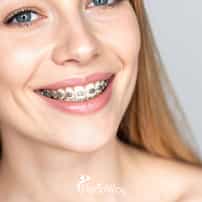
How Much Does Dental Braces Cost in Egypt?
The dental braces cost in Egypt typically ranges from $700 to $1,500, depending on case complexity and materials used. Traditional metal brackets are the most affordable, while ceramic braces and clear aligners require a higher investment. Key Takeaways Average savings for comprehensive orthodontic care are typically 60 to 75 percent compared to standard North American fees. Patients have access to a variety of globally recognized materials, including stainless steel, ceramic, and medical-grade polyurethane aligners. Thorough provider verification involves checking the practitioner credentials with the Egyptian Dental Syndicate. Traditional bracket systems require frequent in-person adjustments, making them challenging for patients who cannot travel regularly. Clear aligner therapy may offer a more flexible travel schedule for international patients with mild to moderate malocclusion. What Is The Average dental braces cost in Egypt Compared To The US? The financial investment for orthodontic care in North Africa generally falls between $700 and $1,500. This presents a significant contrast to the United States, where similar procedures range from $3,000 to over $7,000. The overall price of orthodontic treatment depends heavily on the specific materials selected and the projected duration of the clinical intervention. Metal brackets represent the most economical pathway for bite correction, offering durable mechanics at a fraction of the cost found in domestic medical markets. These comprehensive estimates usually cover the initial application and standard diagnostic imaging. Patients seeking discreet aesthetic options will find that ceramic components and transparent removable trays require a higher initial financial commitment. Despite this premium, the international pricing for these advanced systems remains highly competitive, allowing patients to achieve their cosmetic goals without incurring insurmountable medical debt. It is critical to recognize that these figures represent base estimates for standard cases. Complex anatomical corrections, such as impacted canines or severe skeletal discrepancies requiring surgical intervention, will alter the final financial requirements. Geographic location within the country also plays a minor role, with central metropolitan clinics occasionally commanding slightly higher fees than suburban facilities. Procedure Category Average US Estimate Average Egypt Estimate Traditional Metal Brackets $3,000 - $7,000 $700 - $1,000 Ceramic Aesthetic Brackets $4,000 - $8,000 $1,000 - $1,300 Clear Aligners Therapy $4,500 - $8,000 $1,200 - $1,500 Why Are Procedures At A dental braces clinic in Egypt More Affordable? The affordability stems directly from lower regional living costs, reduced commercial real estate overhead, and highly favorable currency exchange rates, rather than a reduction in clinical quality. The primary driver behind this pricing disparity is the broader macroeconomic environment of the region. Clinical facilities operate with substantially lower administrative overhead, including affordable commercial leasing and manageable utility costs. These operational savings enable practitioners to provide high-level care without transferring excessive operational burdens to the patient. Additionally, dental and medical education receives significant governmental subsidies, allowing specialists to graduate without the massive student debt that burdens many North American providers. Because doctors are not required to inflate their procedural fees to manage personal educational loans, the cost savings are passed directly to the consumer. The regulatory and legal landscape also contributes to the lower pricing structure. Malpractice insurance premiums and administrative compliance costs do not reach the exorbitant levels seen in Western healthcare systems. This permits clinics to allocate their financial resources toward acquiring advanced diagnostic technology and internationally certified biomaterials instead of paying inflated legal fees. What Orthodontic Systems Are Used For dental braces in Egypt? Specialists utilize FDA-cleared or internationally recognized orthodontic systems, including traditional metal brackets, aesthetic ceramic options, and modern removable clear aligners to address various clinical needs. Traditional Metal Brackets: Manufactured from high-grade stainless steel, these reliable systems excel at correcting severe crowding and complex bite alignment issues. Ceramic Aesthetic Brackets: Constructed from tooth-colored or translucent polycrystalline materials that blend with the natural enamel for a highly discreet appearance. Lingual Orthodontic Systems: Custom-fabricated attachments placed on the interior surface of the teeth, offering a completely invisible solution for specific clinical cases. Self-Ligating Brackets: Advanced mechanical designs utilizing specialized doors rather than elastic bands to hold the archwire, which may reduce friction during tooth movement. Clear Aligner Therapy: A sequential series of removable, transparent polyurethane trays designed to gradually shift teeth without fixed wires or brackets. Did You Know? Many highly rated international clinics procure their brackets, archwires, and elastomeric materials from the exact same global manufacturers that supply leading orthodontists in North America and Europe. How Can Patients Verify Orthodontists For medical tourism in Egypt? Prospective patients must verify clinical credentials by checking the practitioners registration with the Egyptian Dental Syndicate and confirming advanced specialty training recognized by the Egyptian Health Council. The foundation of safe medical travel lies in rigorous provider verification before making any financial commitments. Patients should not rely on social media testimonials or flashy clinic websites alone. It is essential to request the specialists official registration numbers and verify their active status through the appropriate national medical registries. It is also crucial to distinguish between a general practitioner offering basic alignment services and a dedicated orthodontic specialist. A qualified orthodontist has completed rigorous postgraduate university training specifically focused on the biomechanics of tooth movement and jaw alignment. Patients have the right to request proof of this specialized educational background. Beyond evaluating the individual doctor, patients must assess the facility itself. Reputable clinics adhere to strict sterilization protocols overseen by the Ministry of Health and Population. During initial consultations, patients should ask detailed questions regarding infection control standards, cross-contamination prevention, and the specific brands of biomaterials utilized within the practice. What Are The Potential Risks Of Traveling For Braces In Egypt? Patients face distinct challenges regarding the logistics of regular monthly adjustments, managing unexpected mechanical breakages from afar, and navigating limited legal recourse if clinical complications arise. The most significant hurdle in international orthodontic care is fulfilling the strict demands of the adjustment schedule. Archwire tightening and progress monitoring typically require physical clinic visits every four to eight weeks. Missing these critical appointments can severely stall treatment progress, prolong the overall timeline, and potentially compromise the final aesthetic result. Unforeseen mechanical failures, such as a detached bracket or a snapped archwire, present immediate logistical complications. While a domestic dentist may provide temporary palliative care to alleviate physical discomfort, they will rarely perform permanent repairs on foreign mechanical systems, forcing the patient to schedule an unexpected international journey. Additionally, patients must understand the legal complexities inherent in medical tourism. Seeking legal recourse for medical malpractice across international borders is highly complex and often financially prohibitive. Patients assume a substantial degree of responsibility for their continuity of care and must establish a clear contingency plan for managing potential clinical complications. Important Consideration Orthodontic movement can occasionally cause root resorption or gingival irritation. Patients traveling abroad must understand that managing these clinical risks requires open, consistent digital communication with their attending international specialist. How Often Must Patients Travel For Braces Adjustments In Egypt? Traditional bracket systems typically require in-person clinical adjustments every four to eight weeks, necessitating a significant commitment to frequent international travel throughout the treatment duration. Orthodontic treatment is a prolonged process of guided anatomical change rather than a single surgical event. The specialist must regularly evaluate the movement of the dental roots and apply new directional forces via wire replacements and elastic adjustments to ensure the treatment plan remains on the correct clinical trajectory. For patients residing across the globe, the accumulated cost of international flights, local ground transportation, and overnight hotel accommodations can quickly diminish the initial procedural savings. It is absolutely essential to calculate the total projected travel expenses across twenty or more potential clinical visits before committing to a foreign provider. Some modern facilities are beginning to integrate tele-orthodontics for specific monitoring phases. However, remote digital evaluation is generally reserved for patients using removable clear aligner systems, as physical brackets inherently require hands-on mechanical manipulation by the attending clinical specialist. Can You Transfer Care For Braces In Egypt Back To A US Orthodontist? Transferring active orthodontic care is highly complex and often discouraged, as many domestic specialists hesitate to accept liability for cases initiated abroad due to differing bracket systems and treatment philosophies. Patients occasionally begin treatment internationally with the intention of completing the final phases closer to home. However, finding a domestic orthodontist willing to accept an active international transfer case is notoriously difficult. Practitioners are naturally reluctant to assume legal and clinical liability for a comprehensive treatment plan they did not originally design or initiate. Furthermore, the specific brands, slot sizes, and mechanical prescriptions of brackets used internationally may differ from those utilized by the local provider. If the domestic specialist lacks the compatible proprietary tools or replacement parts for that specific system, they cannot safely perform the necessary wire adjustments. In the majority of transfer scenarios, the local orthodontist will require the complete removal of the foreign brackets and the initiation of an entirely new treatment plan from scratch. This comprehensive restart incurs full domestic clinical fees, entirely negating any financial advantages achieved during the initial medical travel experience. Are Clear Aligners A Better Option Than Traditional Braces In Egypt? Clear aligner therapy may offer substantial benefits for traveling patients because the custom trays can often be monitored remotely, significantly reducing the number of required physical visits to the international clinic. For international patients, the primary advantage of clear aligner systems lies in the reduced frequency of mandatory clinic visits. Specialists can provide patients with multiple sets of sequential trays to take home, allowing the treatment to progress steadily for several months before an in-person clinical evaluation is strictly required. While the base cost of these advanced proprietary manufacturing systems is higher than traditional metal brackets, the resulting reduction in recurring travel expenses often balances the overall project budget. However, patients must strictly adhere to the required wear time of twenty to twenty-two hours per day; failure to comply will inevitably result in teeth not tracking correctly with the trays. It is important to note that not all malocclusions can be effectively corrected with removable transparent trays. Severe dental crowding, significant vertical discrepancies, or complex surgical jaw realignments often necessitate the sustained, rigid force provided only by fixed traditional brackets. A comprehensive clinical evaluation is mandatory to determine true aligner candidacy. What Hidden Fees Should Patients Watch Out For When Getting Braces In Egypt? Patients must request fully itemized treatment plans, as initial promotional quotes may intentionally exclude necessary preliminary procedures, advanced diagnostic imaging, monthly adjustment fees, and the final retention devices. A seemingly attractive promotional rate may only cover the initial clinical application of the brackets. Patients must explicitly ask if the quoted price comprehensively includes all subsequent monthly adjustment visits, or if those routine appointments carry an additional, recurring clinic fee that will substantially inflate the total budget over time. Preliminary dental work is frequently required before active alignment can safely begin. Undiagnosed carious lesions, active periodontal disease, or the need for strategic tooth extractions are not included in standard orthodontic packages and will be billed as entirely separate restorative procedures prior to bracket placement. The conclusion of active treatment requires the creation and fitting of custom retainers to prevent the teeth from relapsing back to their original positions. The cost of these essential retention devices, along with the final panoramic x-rays utilized to verify root parallelism, are often billed separately at the end of the clinical journey. Why Choose PlacidWay To Compare Providers For Braces In Egypt? PlacidWay provides an extensive directory that allows patients to research international healthcare facilities, review provider credentials, and request detailed clinical estimates for their specific dental needs. Offers a comprehensive database of registered international dental professionals and modern medical clinics. Facilitates direct communication with clinical coordinators to request itemized pricing based on your unique anatomical case. Provides educational resources to help patients understand complex restorative and orthodontic procedures prior to consultation. Allows users to systematically compare facility profiles and specialized dental technology across various geographic regions. Assists patients in gathering factual clinical information to make informed, independent healthcare decisions. Frequently Asked Questions Do US dental insurance plans cover orthodontic procedures in Egypt? Most domestic dental insurance policies restrict coverage to treatments performed within the United States. Patients usually pay out of pocket for international orthodontic care, though a few specialized plans may offer partial reimbursement for out-of-network foreign providers. Are the brackets and wires used in Cairo the same as those in North America? Reputable clinics commonly use the exact same globally recognized and FDA-cleared brands of brackets, wires, and clear aligners found in North American practices. Patients can always request the brand names and original packaging of the materials used. Can adult patients receive cosmetic alignment treatments abroad? Yes, adult orthodontics is highly common and widely available across international dental hubs. Specialists offer discreet options like ceramic brackets and clear aligners specifically tailored to adult patients seeking aesthetic corrections. What happens if a bracket breaks after returning home from Cairo? If a bracket dislodges or a wire snaps, you will need to visit a local dentist for emergency palliative care to clip the wire or secure the bracket. You must then schedule a trip back to your primary orthodontist for a permanent repair. Is it safe to travel to major Egyptian cities for dental treatments? Major metropolitan areas possess modern medical districts that cater to international patients, but standard travel precautions apply. Patients should stay in vetted areas, travel during daylight, and remain aware of their surroundings at all times. How do payment installments work for international orthodontic care? Clinics typically require a substantial upfront deposit covering thirty to fifty percent of the total cost to begin treatment. The remaining balance is often paid in monthly installments during subsequent adjustment visits. What distinguishes an orthodontic specialist from a general dentist? An orthodontist is a specialist who has completed standard dental school followed by several years of advanced university training specifically focused on tooth movement and jaw alignment. General dentists do not have this specialized postgraduate degree. How long does the initial consultation for alignment treatments take? Initial consultations usually take one to two hours. This time includes taking panoramic x-rays, performing 3D intraoral scans, capturing clinical photographs, and discussing the comprehensive treatment timeline with the specialist. Are final retainers factored into the initial estimate provided by the clinic? Retainers are sometimes billed separately at the end of the treatment plan. Patients should carefully review their initial itemized quote to confirm whether the final retention phase and the physical retainers are included in the base price. Can I utilize my Health Savings Account for international dental care? Under certain conditions, patients may use funds from a Health Savings Account or Flexible Spending Account for eligible dental expenses incurred abroad. It is essential to consult with a tax advisor and the account administrator to verify specific documentation requirements. Compare Dental Implant Options and Orthodontic Providers Explore verified international dental providers and receive transparent treatment estimates tailored to your specific clinical needs. Request Treatment Information References Clear Aligners Overview – American Dental Association Travelers Health: Egypt – Centers for Disease Control and Prevention Transferring to a New Orthodontist – American Association of Orthodontists Dental Braces Risks and Results – Mayo Clinic Dental Materials and Devices – U.S. Food and Drug Administration Malocclusion and Orthodontic Treatments – National Institute of Dental and Craniofacial Research...
Read more detailsShare with AI
Share this page with AI assistants to get summaries and insights


Explore Dentistry: Stories, Testimonials, and Procedures
Watch in-depth videos covering everything from Dentistry success stories to detailed procedure explanations. Learn what to expect and hear from real patients.
Priya Traveled from Australia for Smile Makeover in Ahmedabad, India by House of Dontics
Dentistry
House of Dontics Dental Clinic in Ahmedabad, India
Ahmedabad, India
A New Zealand Patient Chose Invisalign Treatment in Ahmedabad, India by House of Dontics
Dentistry
House of Dontics Dental Clinic in Ahmedabad, India
Ahmedabad, India

Vishwa's Smile Transformation with Invisalign Treatment in Ahmedabad, India by House of Dontics
Dentistry
House of Dontics Dental Clinic in Ahmedabad, India
Ahmedabad, India
Durham Patel Shares His Dental Treatment Experience in Ahmedabad, India by House of Dontics
Dentistry
House of Dontics Dental Clinic in Ahmedabad, India
Ahmedabad, India
Unlock the Best Dentistry Packages Just for You
Discover the ultimate Dentistry packages designed to meet your health and wellness goals. Choose the perfect fit for your journey.

Price starting from $379
Dental Bridges Package in Ahmedabad India by House of Dontics
House of Dontics Dental Clinic in Ahmedabad, India
- Dentistry
Ahmedabad, India
-Package-in-Ahmedabad-India-by-House-of-Dontics.jpg)
Price starting from $11
Dental Fillings (LED Composite per Tooth) Package in Ahmedabad India by House of Dontics
House of Dontics Dental Clinic in Ahmedabad, India
- Dentistry
Ahmedabad, India

Price starting from $129
Frenectomy Package in Ahmedabad India by House of Dontics
House of Dontics Dental Clinic in Ahmedabad, India
- Dentistry
Ahmedabad, India

Price starting from $2,999
All on 4 Dental Implants Package in Ahmedabad, India by House of Dontics Dental Clinic
House of Dontics Dental Clinic in Ahmedabad, India
- Dentistry
Ahmedabad, India
Transformative Dentistry Experiences: Dive into Procedure Insights
Discover the power of Dentistry through compelling patient experiences. Uncover detailed insights into procedures, recovery journeys, and life-changing results.
.png)
.png)
.png)
Price starting from $13,170
Choose Affordable All on 8 Dental Implants in Mexico
- All on 8 Dental Implants, Dentistry
Mexico
.png)







