
What treatment


20+ Most Frequently Asked Questions About Obesity/Bariatric Surgery
Find Clear and Concise Answers to Common Questions About Obesity/Bariatric Surgery
Trusted Medical Tourism Platform Since 2007

Is Mini Gastric Bypass Surgery in Mexicali, Mexico Safe?
Mini gastric bypass in Mexicali is considered safe when performed by board-certified surgeons at accredited hospitals. Costs range from $5,500 to $8,000, offering 70% savings vs US prices. Mexicali provides a safety-focused, lower-volume alternative to other border cities, with high standards verified by the Mexican Council of General Surgery. Key Takeaways: Procedure at a Glance Substantial Savings: Total package costs are $5,500–$8,000 compared to $20,000+ in the US. Accreditation Matters: Safety is contingent on choosing facilities with CSG accreditation and COFEPRIS sanitary licenses. Easy Access: Located directly across from Calexico, CA, accessible via San Diego (SAN) or Yuma (YUM) airports. Surgeon Expertise: Look for "Consejo Mexicano de Cirugía General" certification to ensure board-certified safety. Why choose Mexicali over other Mexican cities for bariatric surgery? While Tijuana is the most volume-heavy destination for medical tourism, Mexicali has carved out a niche as the "quality over quantity" alternative. As the capital of Baja California, Mexicali is an industrial and academic hub, home to a major medical school (UABC) and a more stable, residential infrastructure. The "Boutique" Medical Experience: Patients often report that clinics in Mexicali feel less like an "assembly line." Surgeons here typically cap their daily procedures to 3 or 4, ensuring they are well-rested and focused. In contrast, some high-volume centers in other cities may push 10+ surgeries per doctor per day, which can statistically increase the risk of complications like staple line leaks or anesthesia errors. Infrastructure and Safety: Mexicali's medical district (Almendras) is modern and developed specifically to cater to international patients. The city is generally regarded as having lower crime rates in medical zones compared to busier border crossings, providing a calmer environment for recovery. What specific credentials ensure a Mexicali surgeon is safe? The most critical factor in the safety of your Mini Gastric Bypass is the surgeon's training. In Mexico, a general medical license is not enough. You must verify that your surgeon has specific bariatric training. Mandatory Certifications Checklist: Credential / Organization Why It Is Critical for Safety CMCG (Consejo Mexicano de Cirugía General) This is the Board Certification. It proves the doctor is a recognized specialist in surgery, not just a general practitioner. CMCOEM (Colegio Mexicano de Cirugía de Obesidad) This college membership is specific to bariatrics. It shows the surgeon dedicates their practice to weight loss, not general appendectomies. Experience Volume Look for a surgeon who has performed at least 500+ laparoscopic bariatric procedures. The Mini Gastric Bypass requires precise suturing skills. How much does Mini Gastric Bypass cost in Mexicali? One of the primary questions patients have is regarding the cost breakdown. The "All-Inclusive" model is standard in Mexicali to make the process seamless for international visitors. Economy Package ($5,500 - $6,000): Typically includes the surgery, hospital stay (1 night), and surgeon fees. May not include hotel stay or transport from San Diego. Premium All-Inclusive ($6,500 - $8,000): Includes surgery, 2 nights in hospital, 2-3 nights in a 4-star hotel, private transport from San Diego/Yuma, nutritional counseling, and post-op medication. Hidden Costs to Watch For: Always ask if the quote includes pre-op blood work and take-home medication. Some clinics charge an extra $200-$400 for these if not specified. Also, if your BMI is over 50, some clinics charge a "High BMI fee" (usually $500) due to the increased surgical time and equipment needs. How is the Mini Gastric Bypass different from the Gastric Sleeve? Understanding the technical difference is vital for safety. The Mini Gastric Bypass (MGB), also known as One Anastomosis Gastric Bypass (OAGB), is a malabsorptive procedure, whereas the Sleeve is purely restrictive. Mechanism of Action: In the MGB, the surgeon creates a long, narrow stomach tube (similar to a sleeve) and then connects (bypasses) a loop of the small intestine to this pouch. This bypasses about 150cm to 200cm of the intestine, reducing calorie absorption. Did You Know? The Mini Gastric Bypass is often reversible. Because the leftover stomach is not removed (just disconnected), it is technically possible to reverse the procedure, though this is rare. The Gastric Sleeve is permanent because 80% of the stomach is removed from the body. What are the travel logistics for surgery in Mexicali? Traveling for surgery requires precise planning. Mexicali is uniquely situated for easy access from the United States. Flying In Most patients fly into San Diego International Airport (SAN). From there, your clinic usually arranges a private shuttle. The drive is approximately 2 hours east through the mountains to the Calexico/Mexicali border. Alternatively, you can fly into Yuma, Arizona (YUM), which is only about 50 minutes from the clinic, offering a shorter shuttle ride. Crossing the Border Mexicali borders Calexico, California. Most medical tourists utilize the Medical Lane (Fast Pass) for the return trip, which significantly cuts wait times. Your clinic will provide a special pass that allows you to use this dedicated lane when driving back into the USA, reducing a potential 2-3 hour wait to just 20-30 minutes. What is the recovery timeline in Mexicali? You should plan to be in Mexicali for 4 to 5 days. Day 1: Arrival. You are picked up and taken to the hospital or hotel for pre-op blood work and cardiology clearance. Day 2: Surgery. The procedure takes 45-90 minutes. You will be encouraged to walk the hallways within 4 hours to prevent blood clots. Day 3: Hospital Observation. A leak test (swallowing a contrast dye) is performed to ensure the staple line is secure. If clear, you move to the recovery hotel. Day 4: Hotel Recovery. Rest, hydration, and short walks. The medical team visits you at the hotel for check-ups. Day 5: Departure. Final drain removal (if used) and transport back to the airport. Is Mini Gastric Bypass suitable for patients with GERD? This is the most significant medical consideration for MGB. If you have severe Gastroesophageal Reflux Disease (GERD) or Barrett's Esophagus, Mini Gastric Bypass is generally not recommended. Because the MGB does not use a pyloric valve to block bile from entering the stomach pouch, there is a risk of "bile reflux," which is different from acid reflux. For patients with existing GERD, this can be very painful and damaging. In these cases, a traditional Roux-en-Y Gastric Bypass is the gold standard as it eliminates reflux almost entirely. What happens if there are complications once I am home? This is a valid concern for any medical tourism procedure. While major complications like leaks usually occur within the first 3 days (while you are still in Mexicali), long-term issues can arise. The Safety Net Strategy: Insurance: Buy a medical tourism insurance policy (e.g., Global Protective Solutions) before you travel. Standard travel insurance does not cover complications from elective surgery. Local Care: Inform your Primary Care Physician (PCP) about your surgery. While they won't perform adjustments, they can order blood tests to monitor for vitamin deficiencies (Iron, B12, Calcium) which are common with MGB. Telemedicine: Ensure your Mexicali clinic offers a 24/7 direct line to the medical team for urgent questions. Are the medical facilities in Mexicali up to US standards? Top-tier hospitals in Mexicali, such as Hospital de la Familia or Almater Hospital, are comparable to US community hospitals. They utilize the same laparoscopic equipment (Stryker, Karl Storz) and stapling devices (Johnson & Johnson, Medtronic) used in American hospitals. However, not all clinics are equal. Avoid "strip mall" clinics. Always verify that the facility has an Intensive Care Unit (ICU) and a blood bank on-site. This is a non-negotiable safety requirement for bariatric surgery. Frequently Asked Questions How much does mini gastric bypass cost in Mexicali? The average cost of mini gastric bypass in Mexicali ranges from $5,500 to $8,000 for a complete package. This is approximately 65-70% less than the average cash price in the United States. Is it safe to cross the border into Mexicali for surgery? Yes, thousands of patients cross annually without incident. Using the dedicated medical lane and clinic-arranged transport ensures you stay in safe, tourist-friendly zones of the city. What is the main advantage of MGB over RNY Bypass? The Mini Gastric Bypass is a shorter, simpler operation (30-60 mins) with only one connection (anastomosis), reducing the risk of surgical complications compared to the more complex RNY. Can I bring a companion to Mexicali? Yes, most packages allow one companion to stay in the hotel with you at no extra charge. They are a vital part of your support system during recovery. Do I need a passport to go to Mexicali? Yes, a valid passport or passport card is required for US and Canadian citizens to re-enter the United States after their procedure. How soon can I fly after bariatric surgery? Surgeons generally recommend waiting 3 to 4 days post-surgery before flying to minimize the risk of Deep Vein Thrombosis (blood clots). Does Mexicali have English-speaking medical staff? Yes, bariatric centers catering to medical tourism are staffed by fluent English speakers, from the surgeons to the nursing staff and coordinators. What is the weight loss expectation for MGB? Patients typically lose 70-80% of their excess body weight within 12-18 months, which is often higher than the Gastric Sleeve results. Is financing available for surgery in Mexicali? Direct financing from the clinic is rare, but many accept third-party medical loans (like United Medical Credit or Citerra Finance) if you are a US resident. Will I have loose skin after MGB? Yes, rapid weight loss usually results in loose skin. Many patients return to Mexico 18-24 months later for post-bariatric plastic surgery (body lift, tummy tuck). Start Your Transformation Today Navigating the options for medical tourism can be complex. PlacidWay connects you with pre-vetted, board-certified surgeons in Mexicali who meet international safety standards. Don't compromise on quality get expert help finding the right clinic for your Mini Gastric Bypass....
Read more details


How Affordable is Weight Loss Surgery in Mexico for Canadian Patients?
Weight loss surgery in Mexico offers a significantly more affordable option for Canadian patients, with costs for procedures like gastric sleeve often being 50-70% lower than in Canada. This makes it a viable and increasingly popular choice for those seeking effective weight loss solutions without the lengthy wait times and high prices at home. Embarking on a weight loss journey is a significant life decision, and for many Canadians, the high cost and long wait times for bariatric surgery at home can be major roadblocks. This has led many to explore options south of the border, specifically in Mexico. The question on many minds is, just how affordable is weight loss surgery in Mexico for Canadian patients? The answer is: remarkably so. Mexico has become a premier destination for medical tourism, offering state-of-the-art facilities, highly qualified surgeons, and, most importantly, prices that are a fraction of what you would pay in Canada. This affordability, combined with the opportunity to receive timely and high-quality care, makes Mexico an attractive and practical choice for Canadians looking to take control of their health and transform their lives. This guide will delve into the specifics of what makes this option so appealing, from detailed cost comparisons and procedure specifics to safety considerations and patient experiences. We'll explore the ins and outs of financing your surgery, what to expect during your trip, and how to choose the best clinic for your needs. If you're a Canadian considering bariatric surgery, this comprehensive overview will provide the essential information you need to make an informed decision about your healthcare journey. What is the average cost of weight loss surgery in Mexico for a Canadian patient? "The average cost of popular weight loss surgeries like the gastric sleeve in Mexico for a Canadian patient typically ranges from $4,500 to $8,000 USD. This is a significant saving compared to the $15,000 to $30,000+ cost for the same procedure in Canada." The affordability of weight loss surgery in Mexico is one of the primary reasons Canadian patients flock to the country for their procedures. The cost savings are substantial, even after factoring in travel and accommodation expenses. For instance, a gastric sleeve surgery, one of the most common bariatric procedures, can cost upwards of $19,000 in Canada. In Mexico, the same surgery, performed by a highly qualified surgeon in a modern facility, can be as low as $4,500 USD. Several factors contribute to this lower cost. The overall cost of living and operating a medical practice in Mexico is lower than in Canada. This includes lower salaries for medical staff, reduced administrative and insurance costs, and more affordable medical supplies. These savings are passed directly on to the patient, making life-changing surgery accessible to a much wider range of people. Many Mexican bariatric centers also offer all-inclusive packages that cover the surgery, hospital stay, pre- and post-operative tests, surgeon's fees, and ground transportation, providing transparency and peace of mind for international patients. How does the cost of gastric sleeve surgery in Mexico compare to Canada? "A gastric sleeve surgery in Mexico can cost between $4,500 and $8,000 USD, while in Canada, the same procedure can cost between $15,000 and $30,000 CAD or more. This means Canadians can save over 50-70% on their surgery by traveling to Mexico." To truly understand the financial benefit, it's helpful to look at a direct comparison. Let's break down the typical costs associated with gastric sleeve surgery in both countries: Expense Estimated Cost in Mexico (USD) Estimated Cost in Canada (CAD) Gastric Sleeve Surgery $4,500 - $8,000 $15,000 - $30,000+ Hospital Stay Often included in package Can be an additional cost Surgeon's Fees Included in package Varies widely These figures clearly illustrate the significant savings available to Canadians. Even when you account for the cost of flights and a short stay, the total expense is often still far less than the cost of the surgery alone in Canada. This financial relief allows many to undergo a procedure they might not otherwise be able to afford, opening the door to improved health and well-being. Are there long wait times for bariatric surgery in Mexico? "No, a significant advantage of choosing weight loss surgery in Mexico is the minimal wait time. Canadian patients can often schedule their procedure within a few weeks, compared to the months or even years of waiting through the Canadian public healthcare system." In Canada, the demand for bariatric surgery far exceeds the capacity of the public healthcare system. This results in lengthy wait times, often spanning several months to over a year. For individuals struggling with obesity and its related health complications, this waiting period can be detrimental to their physical and mental health. Their condition may worsen, leading to further health issues and a decreased quality of life. In contrast, the private healthcare system in Mexico is designed to be highly responsive to patient needs. Bariatric centers that cater to medical tourists are well-equipped to handle a steady flow of patients, allowing them to schedule surgeries with remarkable efficiency. This ability to receive prompt treatment is a crucial factor for many Canadians who are ready to take control of their health without enduring a prolonged and frustrating wait. Is it safe to get weight loss surgery in Mexico? "Yes, it is safe to get weight loss surgery in Mexico, provided you choose a reputable and accredited clinic. Many Mexican hospitals and surgeons adhere to the same high standards of care and safety protocols as those in Canada and the United States." The safety of medical procedures in Mexico is a common concern, but it's important to approach this with accurate information. Reputable bariatric centers in Mexico are often internationally accredited, meaning they meet rigorous global standards for patient care and safety. These facilities are staffed by highly experienced and board-certified surgeons, many of whom have received training in the US or Europe. To ensure your safety, it's crucial to do your research and select a well-established clinic with a proven track record. Look for: Accreditation: Check for certifications from bodies like the Joint Commission International (JCI). Surgeon Credentials: Verify the surgeon's qualifications, experience, and patient reviews. Facility Standards: Ensure the hospital is modern, clean, and equipped with the latest medical technology. What qualifications do bariatric surgeons in Mexico have? "Leading bariatric surgeons in Mexico are typically board-certified and have extensive experience, often performing thousands of successful weight loss surgeries. Many have received advanced training in the United States or Europe and are members of international medical societies." The expertise of the surgeon is a critical component of a successful bariatric procedure. In Mexico's top medical tourism destinations, you'll find surgeons who are not only highly qualified but are also specialists in the field of bariatric surgery. They are often members of prestigious organizations such as the American Society for Metabolic & Bariatric Surgery (ASMBS) or the International Federation for the Surgery of Obesity and Metabolic Disorders (IFSO). These surgeons are committed to ongoing education and stay abreast of the latest advancements in surgical techniques and patient care. Many clinics will readily provide information about their surgeons' credentials, allowing you to make an informed choice. Reading patient testimonials and reviews can also provide valuable insights into a surgeon's skill and patient-side manner. What is included in a typical weight loss surgery package in Mexico? "A typical all-inclusive weight loss surgery package in Mexico includes the surgeon's fees, anesthesia, hospital stay, pre-operative tests, post-operative medications, and ground transportation from the airport to the hospital and hotel. Some packages also include a hotel stay and nutritional consultations." The all-inclusive nature of many bariatric surgery packages in Mexico is a significant convenience for international patients. It simplifies the process and eliminates the worry of hidden costs. While the specifics can vary between clinics, a comprehensive package will generally cover all the essential medical aspects of your trip. This allows you to focus on your health and recovery without the stress of managing multiple payments and arrangements. When comparing packages, be sure to get a detailed list of what is included. Some key things to look for are: The specific type of surgery. The duration of the hospital stay. Whether a hotel stay for recovery is included. All transportation within Mexico. Pre- and post-operative consultations and support. Will my Canadian provincial health insurance (like OHIP) cover surgery in Mexico? "Generally, Canadian provincial health insurance plans, such as Ontario's OHIP, do not cover weight loss surgery performed outside of Canada. Patients should expect to pay for the procedure out-of-pocket." While the cost savings in Mexico are substantial, it's important for Canadian patients to understand that they will likely be responsible for the full cost of their surgery. Provincial health plans have very strict criteria for out-of-country coverage, and elective procedures like bariatric surgery are typically not eligible for reimbursement. The long wait times in Canada are not usually considered a valid reason for seeking funded treatment abroad. Despite the lack of provincial coverage, the affordability of surgery in Mexico still makes it a financially viable option for many. The total cost, even when paid out-of-pocket, is often significantly less than what one might pay for the same procedure in Canada if they were to go through a private clinic. Are there financing options available for Canadians getting surgery in Mexico? "Yes, many Canadian patients finance their weight loss surgery in Mexico through personal loans, lines of credit, or by using medical financing companies that specialize in funding procedures for medical tourists." Even with the lower costs, paying for bariatric surgery upfront can be a challenge. Fortunately, there are several financing avenues available to Canadians. Many patients work with their personal banks to secure a loan or line of credit. Another popular option is to use a third-party medical financing company. These companies are experienced in working with Canadians seeking treatment abroad and can often offer flexible payment plans and competitive interest rates. Some bariatric centers in Mexico may also have partnerships with financing companies, streamlining the application process for their patients. It's worth inquiring about these options when you are researching clinics. By exploring these financing solutions, you can make your goal of a healthier life a reality without having to bear the full financial burden at once. What are the most popular cities in Mexico for weight loss surgery? "Tijuana and Cancun are two of the most popular cities in Mexico for weight loss surgery for Canadian patients. Both cities have a high concentration of world-class bariatric centers and are easily accessible from Canada." Tijuana, located just across the border from San Diego, California, is arguably the most well-known destination for medical tourism in Mexico. Its proximity to the US makes it a convenient choice, and it is home to a large number of experienced bariatric surgeons and modern hospitals. The city has a well-developed infrastructure to support medical tourists, with many clinics offering seamless transportation from the San Diego airport. Cancun, on the other hand, offers the appeal of a beautiful resort destination combined with excellent medical care. Patients can recover in a serene, vacation-like setting. The bariatric centers in Cancun are known for their high standards of care and luxurious facilities. The choice between Tijuana and Cancun often comes down to personal preference regarding travel convenience and the desired recovery environment. What is the recovery process like after surgery in Mexico? "The initial recovery period in Mexico typically involves a 1-2 night hospital stay, followed by a few days of rest at a nearby hotel. Clinics provide detailed post-operative instructions, and patients are usually cleared to fly back to Canada within a week." Your recovery will begin immediately after surgery in the hospital, where you will be monitored closely by the medical team. You will be encouraged to walk around to promote healing and prevent complications. Once discharged, you'll continue your recovery in a comfortable hotel. During this time, you'll follow a specific liquid diet and receive support from the clinic's staff. Before you travel back to Canada, you'll have a final check-up with your surgeon to ensure you are healing well. The clinic will provide you with all the necessary documentation and a comprehensive post-operative plan to follow once you are home. This will include dietary guidelines, exercise recommendations, and information on when to follow up with your family doctor. What kind of post-operative support can I expect? "Reputable bariatric centers in Mexico offer comprehensive post-operative support, including access to nutritionists, online support groups, and direct communication with the surgical team to answer any questions or address concerns after you return to Canada." Long-term success after bariatric surgery depends heavily on ongoing support and lifestyle changes. The best clinics in Mexico understand this and provide robust aftercare programs. This can include: Nutritional Counseling: Access to dietitians who can guide you through the different stages of your post-op diet. Online Communities: Private Facebook groups or forums where you can connect with other patients, share experiences, and find encouragement. Direct Contact: The ability to email or call the clinic's coordinators or even the surgeon with any concerns. How do I choose the right clinic and surgeon in Mexico? "To choose the right clinic and surgeon, research their credentials, read patient reviews and testimonials, verify hospital accreditation, and have a virtual consultation to discuss your needs and get a feel for their approach to patient care." Making the right choice is paramount to a successful and safe medical journey. Take your time with the research process and consider the following steps: Create a Shortlist: Identify a few clinics that seem reputable based on online searches and recommendations. Dig Deeper: Visit their websites, look for before-and-after photos, and read reviews on independent platforms. Verify Credentials: Check the surgeon's board certifications and the hospital's accreditation. Schedule Consultations: Most clinics offer free virtual consultations. This is your opportunity to ask questions, discuss your health history, and gauge the professionalism and responsiveness of the team. What are the BMI requirements for weight loss surgery in Mexico? "The general BMI requirement for weight loss surgery in Mexico is a BMI of 30 or higher. However, specific requirements can vary depending on the procedure and the patient's overall health profile." Body Mass Index (BMI) is a key factor in determining candidacy for bariatric surgery. In Mexico, the guidelines are often more flexible than in Canada. While a BMI of 40 or higher (or 35 with comorbidities) is typically required for OHIP-funded surgery in Ontario, for example, many Mexican clinics will consider patients with a BMI of 30 or above, especially for procedures like the gastric sleeve. During your consultation, the surgeon will review your medical history and BMI to determine the most appropriate procedure for you. This personalized approach ensures that the surgery is both safe and effective for your individual circumstances. Can I travel with a companion? "Yes, almost all bariatric centers in Mexico welcome and encourage patients to travel with a companion. Having a friend or family member for support can make the experience much more comfortable." Having a companion with you can provide emotional support and practical assistance during your trip. Most all-inclusive packages are designed for the patient, but clinics can easily make arrangements for a companion for a small additional fee. This usually covers their accommodation in the hotel and transportation with you. Your companion can be a source of comfort before and after surgery and can help you with small tasks as you recover. They can also take the opportunity to enjoy the local surroundings while you are resting. The presence of a loved one can significantly enhance the overall experience and contribute to a positive and stress-free journey. Ready to explore your options for affordable, high-quality weight loss surgery? Explore PlacidWay's network of accredited bariatric centers in Mexico and connect with experienced surgeons today. Take the first step towards a healthier you. ...
Read more details
Is Endoscopic Sleeve Gastroplasty available in Istanbul for Foreign Patients?
Yes, Endoscopic Sleeve Gastroplasty (ESG) is readily available in Istanbul for foreign patients. Numerous internationally accredited clinics and experienced surgeons in Istanbul offer this minimally invasive weight loss procedure to medical tourists from around the world. Are you considering a weight loss procedure and wondering if Endoscopic Sleeve Gastroplasty in Istanbul is a viable option for you as a foreign patient? You're in the right place to get all your questions answered. Istanbul has rapidly emerged as a leading destination for medical tourism, offering advanced procedures like ESG at competitive prices, without compromising on quality or safety. Many individuals seeking effective, non-surgical weight loss solutions are turning their attention to the state-of-the-art facilities and highly skilled doctors in this vibrant Turkish city. The prospect of combining a transformative health journey with the experience of a new culture is an appealing one for many. This guide is designed to provide you with a comprehensive overview of everything you need to know about getting an ESG in Istanbul. We'll delve into the specifics of the procedure, its availability for international patients, the associated costs, and what you can expect during your medical journey in Turkey. Our aim is to equip you with the knowledge and confidence to make an informed decision about whether this is the right path for you. We will address the most pressing questions that people are asking on various online platforms, ensuring you have a clear understanding of the entire process from start to finish. From the initial consultation to post-procedure care, we'll cover it all, helping you to see why so many are choosing Istanbul for their weight loss transformation. What is Endoscopic Sleeve Gastroplasty (ESG)? "Endoscopic Sleeve Gastroplasty (ESG) is a non-surgical, minimally invasive weight loss procedure where a surgeon uses an endoscope to place sutures in the stomach, reducing its size and capacity, which helps patients feel full sooner and eat less." Endoscopic Sleeve Gastroplasty, often referred to as ESG, is a revolutionary approach to weight loss that bridges the gap between diet and exercise and more invasive bariatric surgeries. Unlike traditional surgical methods that require external incisions, ESG is performed entirely through the mouth using an endoscope—a thin, flexible tube with a camera and a suturing device attached. The surgeon guides the endoscope down the esophagus and into the stomach. Once in place, the surgeon uses the suturing device to create a series of stitches in the stomach wall, folding it in on itself to create a smaller, sleeve-shaped stomach. This reduction in stomach volume, typically by about 70-80%, restricts the amount of food the stomach can hold, leading to a quicker feeling of fullness (satiety). The procedure is performed under general anesthesia and usually takes about 60 to 90 minutes to complete. Because there are no incisions, patients experience less pain, a lower risk of complications, and a much faster recovery time compared to traditional weight loss surgeries. Many patients can go home the same day or after a short hospital stay of one night. The non-surgical nature of ESG in Istanbul makes it an attractive option for individuals who may not be candidates for or are hesitant to undergo more invasive surgical procedures. Is ESG available for foreign patients in Istanbul? "Yes, Endoscopic Sleeve Gastroplasty is widely available for foreign patients in Istanbul. Many clinics and hospitals in the city are well-equipped and experienced in catering to the needs of international medical tourists seeking this procedure." Istanbul has firmly established itself as a global hub for medical tourism, and this includes offering advanced procedures like Endoscopic Sleeve Gastroplasty to patients from all over the world. The city's healthcare infrastructure boasts numerous modern hospitals and specialized clinics that are accredited by international organizations such as the Joint Commission International (JCI). These facilities are not only equipped with the latest medical technology but are also staffed by highly qualified and often internationally trained bariatric specialists. Clinics in Istanbul that cater to foreign patients typically offer comprehensive, all-inclusive packages. These packages are designed to make the entire process as seamless as possible for the patient. They often include: The ESG procedure itself Pre-operative consultations and tests Surgeon and anesthesia fees Hospital stay Post-operative care and follow-up Airport transfers Accommodation in partner hotels Translation services This comprehensive approach removes many of the logistical challenges of seeking medical treatment abroad, allowing patients to focus on their health and recovery. The multilingual staff at these facilities further enhances the experience for international patients, ensuring clear communication and a comfortable environment. What is the cost of Endoscopic Sleeve Gastroplasty in Istanbul? "The cost of Endoscopic Sleeve Gastroplasty in Istanbul for foreign patients typically ranges from $3,000 to $6,000. This is significantly more affordable than in many Western countries, where the same procedure can cost upwards of $12,000." One of the most significant advantages of choosing Istanbul for your ESG procedure is the cost-effectiveness. The price of medical treatments in Turkey is generally much lower than in countries like the United States, the United Kingdom, and other parts of Western Europe. This price difference is not a reflection of lower quality but is due to factors such as lower labor and operational costs, and favorable government policies that support the medical tourism sector. The cost of an ESG package in Istanbul can vary depending on several factors: The reputation and experience of the surgeon. The accreditation and facilities of the hospital or clinic. The specific inclusions in the all-inclusive package (e.g., length of hotel stay, type of accommodation). Any additional medical services or tests that may be required based on the patient's individual health status. It's important for prospective patients to get a detailed quote from their chosen clinic that clearly outlines what is included in the price. This transparency helps in avoiding any hidden costs and allows for proper financial planning. How do I find a reputable clinic for ESG in Istanbul? "To find a reputable clinic for ESG in Istanbul, look for internationally accredited facilities (like JCI), research the surgeon's qualifications and experience, read patient reviews and testimonials, and ensure they offer comprehensive packages with clear pricing." Choosing the right clinic and surgeon is the most critical step in your medical journey. With many options available, it's essential to do thorough research. Here are some key factors to consider when selecting a clinic for your ESG in Istanbul: Accreditation: Look for clinics and hospitals that have international accreditations, as this is a strong indicator of their commitment to high standards of quality and safety. Surgeon's Credentials: Research the qualifications, training, and experience of the bariatric surgeon who will be performing the procedure. Many top surgeons in Turkey are members of international medical societies and have extensive experience with ESG. Patient Reviews and Testimonials: Reading about the experiences of previous international patients can provide valuable insights into the quality of care, the professionalism of the staff, and the overall patient experience. Communication and Transparency: A reputable clinic will be transparent about their procedures, costs, and what is included in their packages. They should also be responsive to your questions and provide clear and comprehensive information. Before and After Photos: While individual results vary, seeing the results of previous patients can give you an idea of the surgeon's skill and the potential outcomes of the procedure. What are the requirements for a foreign patient to undergo ESG in Istanbul? "Generally, foreign patients need to have a Body Mass Index (BMI) between 30 and 40, have a history of unsuccessful weight loss attempts with diet and exercise, and be in good overall health to be considered for Endoscopic Sleeve Gastroplasty in Istanbul." The eligibility criteria for Endoscopic Sleeve Gastroplasty are designed to ensure the safety and effectiveness of the procedure for each patient. While the specific requirements may vary slightly from one clinic to another, the general guidelines for candidacy include: Body Mass Index (BMI): Patients are typically required to have a BMI in the range of 30 to 40. In some cases, patients with a higher BMI who are not suitable for surgery may also be considered. Previous Weight Loss Attempts: Candidates should have a documented history of trying to lose weight through conventional methods like diet and exercise without long-term success. Good Overall Health: Patients should be in good general health, without any contraindications to general anesthesia or the procedure itself. A thorough pre-operative evaluation, including blood tests and sometimes an endoscopy, is conducted to assess this. Commitment to Lifestyle Changes: ESG is a tool to aid weight loss, but long-term success depends on the patient's commitment to a healthy lifestyle, including a balanced diet and regular physical activity. Age: Patients are usually between the ages of 18 and 65. The initial consultation, which can often be done remotely via video call, will involve a detailed discussion of your medical history and weight loss goals with the surgeon to determine if you are a suitable candidate for ESG in Istanbul. What is the process for a foreign patient getting ESG in Istanbul? "The process for a foreign patient getting ESG in Istanbul typically involves an initial online consultation, followed by booking and travel arrangements, a pre-operative evaluation upon arrival, the procedure itself, a short hospital stay, and post-operative follow-up." Clinics in Istanbul that cater to international patients have streamlined the process to make it as convenient as possible. Here’s a typical step-by-step overview: Initial Consultation: This is often done online. You will fill out a medical questionnaire and have a video consultation with a patient coordinator and a surgeon to discuss your eligibility and treatment plan. Booking and Travel: Once you decide to proceed, the clinic will help you schedule your procedure and assist with travel and accommodation arrangements if you've chosen an all-inclusive package. Arrival and Pre-operative Tests: Upon your arrival in Istanbul, you will be transferred to your hotel. You will then have an in-person consultation with your surgeon and undergo the necessary pre-operative tests to ensure you are ready for the procedure. The ESG Procedure: The procedure is performed at the hospital under general anesthesia. Hospital Stay and Recovery: You will typically stay in the hospital for one night for observation. The medical team will monitor your recovery and provide you with post-operative instructions. Post-operative Follow-up: Before you leave Istanbul, you will have a follow-up appointment with your surgeon. You will also receive a detailed diet plan and guidelines for your recovery period. Many clinics offer long-term virtual follow-up support. Is Endoscopic Sleeve Gastroplasty safe in Istanbul? "Yes, Endoscopic Sleeve Gastroplasty in Istanbul is considered safe when performed at accredited facilities by experienced surgeons. The use of advanced technology and adherence to international safety standards contribute to the high safety profile of this procedure in Turkey." Safety is a primary concern for any medical procedure, especially when traveling abroad. The good news is that the healthcare system in Turkey, particularly in major cities like Istanbul, adheres to high international standards. Many hospitals and clinics are JCI-accredited, which means they follow the same rigorous safety and quality protocols as leading hospitals in the United States and Europe. The surgeons who perform ESG in Istanbul are often highly experienced and have undergone specialized training in bariatric and endoscopic procedures. The minimally invasive nature of ESG itself contributes to its safety, with a lower risk of complications such as infections, bleeding, and hernias compared to traditional surgery. However, like any medical procedure, there are potential risks, which your surgeon will discuss with you in detail during your consultation. Choosing a reputable clinic and an experienced surgeon is the best way to ensure a safe and successful outcome. What is the recovery like after ESG? "Recovery after Endoscopic Sleeve Gastroplasty is relatively quick. Most patients can return to non-strenuous daily activities within a few days. A gradual diet progression from liquids to soft foods and then to solids is required over several weeks." The recovery from ESG in Istanbul is significantly faster and less painful than from surgical weight loss procedures. Here’s a general timeline of what to expect: First few days: You will be on a liquid diet. Some patients may experience mild nausea or discomfort, which can be managed with medication. First two weeks: You will transition from clear liquids to a full liquid diet, including protein shakes and broths. Weeks three and four: You will progress to pureed and soft foods. After one month: You can gradually start reintroducing solid foods into your diet, focusing on small portions and healthy choices. Your clinic will provide you with a detailed post-operative diet plan and guidelines. It's crucial to follow these instructions carefully to allow your stomach to heal properly and to achieve the best possible weight loss results. Most patients can return to work and light activities within a week, although strenuous exercise should be avoided for a few weeks as advised by your surgeon. Ready to take the next step in your weight loss journey? Explore your options for Endoscopic Sleeve Gastroplasty in Istanbul with PlacidWay. We connect you with top-rated, internationally accredited clinics and experienced surgeons to ensure you receive the highest quality care. Contact us today for a free consultation and let us help you achieve your health and wellness goals. ...
Read more detailsDiscover your treatment options with a free, no-obligation quote!
Get your quote now!
How Much Weight can be Lost with a Revision Gastric Sleeve in Tijuana?
Weight loss after a revision gastric sleeve in Tijuana varies widely, typically focusing on regaining momentum if initial loss was insufficient or weight was regained. While less dramatic than the primary surgery, many patients see significant improvements, with some converting to more malabsorptive procedures for greater impact. Considering a revision gastric sleeve in Tijuana? If you've previously undergone bariatric surgery and are finding that your weight loss has stalled, you've regained weight, or you're experiencing complications, a revision procedure might be the answer. It's completely normal to have questions about what to expect, especially regarding how much weight you can anticipate losing. This comprehensive guide will explore the nuances of weight loss after a revision gastric sleeve in Tijuana, detailing the factors that influence your results, the different types of revisions, and what you can do to maximize your success. Tijuana has become a prominent destination for bariatric revisions, offering experienced surgeons and advanced facilities at a more accessible cost. The journey with bariatric surgery is a lifelong commitment, and sometimes, the initial procedure may not provide the desired long-term outcomes. Whether due to the natural stretching of the stomach over time, lifestyle factors, or anatomical changes, a revision can be a powerful tool to get you back on track towards your health goals. Understanding the various options and setting realistic expectations is key. This article aims to provide clear, concise answers to your most pressing questions about weight loss and the overall process of undergoing a revision gastric sleeve in Tijuana. What is a Revision Gastric Sleeve? "A revision gastric sleeve is a secondary bariatric procedure performed to address issues with a previous weight loss surgery, often a primary gastric sleeve, due to insufficient weight loss, weight regain, or complications. It aims to optimize the initial results or correct problems." A revision gastric sleeve is a type of bariatric revision surgery, meaning it's a second procedure performed after an initial weight loss surgery. The reasons for needing a revision are varied but commonly include: Insufficient Weight Loss: The patient did not lose as much weight as expected after their initial gastric sleeve. Weight Regain: After an initial period of successful weight loss, the patient starts to regain a significant amount of weight. This can happen if the gastric sleeve stretches over time. Complications: Ongoing issues such as severe acid reflux (GERD) that don't respond to medication, chronic nausea, vomiting, or other anatomical problems related to the first surgery. The goal of a revision gastric sleeve is to enhance the restrictive or malabsorptive effects, or to resolve health complications, ultimately leading to improved weight loss and better health outcomes. It's a highly personalized procedure, tailored to the specific needs and challenges faced by the individual patient. How Much Weight Can I Expect to Lose with a Revision Gastric Sleeve in Tijuana? "Weight loss after a revision gastric sleeve in Tijuana is highly individualized. While generally less than the initial surgery, patients converting from a Lap-Band to a sleeve can lose 25-65% of excess weight. For re-sleeving, the focus is on re-establishing restriction to facilitate further loss." It's important to set realistic expectations for weight loss after a revision gastric sleeve. The amount of weight you can expect to lose is influenced by the type of revision performed and your starting point. Unlike primary bariatric surgery where weight loss percentages are often 60-80% of excess body weight, revision surgeries typically aim to achieve further loss or prevent further regain. Here's a breakdown of what might be expected depending on the type of revision: Lap-Band to Gastric Sleeve: Patients converting from an adjustable gastric band (Lap-Band) often see significant weight loss, sometimes losing an additional 25% to 65% of their excess body weight within the first year after conversion. This is because the sleeve offers a more consistent restriction and can impact hunger hormones. "Re-Sleeve" (Tightening the Existing Sleeve): If the primary gastric sleeve has stretched, a "re-sleeve" aims to reduce the stomach volume again. The weight loss here might be more modest but can be crucial for regaining control over hunger and portion sizes. The goal is to reignite weight loss that has stalled or to reverse weight regain. Sleeve to Gastric Bypass or Duodenal Switch: If the initial gastric sleeve did not provide enough weight loss or if severe reflux is an issue, a conversion to a more malabsorptive procedure like a gastric bypass or duodenal switch can lead to more substantial additional weight loss, often in the range of 50-75% of remaining excess body weight, depending on the specific procedure and individual factors. Your surgeon in Tijuana will assess your individual circumstances, including the reason for the revision and your current weight, to give you a more personalized estimate. Why Consider a Revision Gastric Sleeve in Tijuana? "Patients consider a revision gastric sleeve in Tijuana primarily for its affordability compared to the US/Canada, access to highly experienced surgeons specializing in complex revisions, and modern facilities that adhere to international safety standards." Tijuana has become a leading destination for bariatric surgery, including complex revision procedures, for several compelling reasons: Cost-Effectiveness: The cost of a revision gastric sleeve in Tijuana is significantly lower than in the United States or Canada, often representing a 50-70% savings. This makes life-changing surgery accessible to many who might not otherwise be able to afford it. Experienced Surgeons: Many bariatric surgeons in Tijuana are highly experienced, board-certified, and have performed thousands of bariatric and revision surgeries. They are often at the forefront of adopting new techniques and technologies. Accredited Facilities: Reputable clinics and hospitals in Tijuana meet international standards for patient safety and quality of care. They are often equipped with state-of-the-art technology, comparable to facilities in developed countries. Proximity for North Americans: Tijuana's close proximity to the US border makes it a convenient and easily accessible option for patients from the United States and Canada. These factors combine to offer a high-quality, safe, and affordable option for those seeking a revision gastric sleeve. What Are the Common Reasons for Needing a Gastric Sleeve Revision? "The most common reasons for needing a gastric sleeve revision are insufficient initial weight loss, significant weight regain due to stomach stretching or lifestyle factors, and persistent complications like severe acid reflux (GERD)." While a primary gastric sleeve is highly effective for many, it's not uncommon for some patients to require a revision down the line. The main reasons typically fall into these categories: Inadequate Weight Loss: Some patients, despite adhering to post-operative guidelines, simply do not achieve their target weight loss, or their weight loss stalls prematurely. This could be due to individual metabolic responses or the initial sleeve not being optimally sized. Weight Regain: Over time, the stomach pouch created during the gastric sleeve procedure can stretch, increasing its capacity and leading to increased food intake and subsequent weight regain. This is a physiological response and not necessarily a "failure" on the patient's part, though lifestyle choices also play a role. Persistent Complications: One of the most common complications requiring gastric sleeve revision is severe and persistent gastroesophageal reflux disease (GERD) that isn't manageable with medication. Other complications can include strictures (narrowing of the sleeve), chronic nausea or vomiting, or fistulas. A thorough evaluation by a bariatric surgeon is essential to pinpoint the exact reason for the issues and determine the most appropriate revision strategy. What Types of Revision Gastric Sleeve Procedures are Available? "Types of revision gastric sleeve procedures in Tijuana include re-sleeving (resizing the existing sleeve), conversion to a gastric bypass, or conversion to a duodenal switch. The choice depends on the specific reason for revision and patient health." When a gastric sleeve revision is needed, the surgeon in Tijuana will choose the most suitable procedure based on the underlying problem and the patient's overall health and weight loss goals. Common revision options include: Re-Sleeve: This involves re-shaping and re-stapling the existing gastric sleeve to make it smaller and more restrictive if it has stretched or was initially created too large. This is often considered for weight regain due to sleeve dilation. Sleeve to Gastric Bypass (Roux-en-Y): This is a common conversion, particularly for patients experiencing severe GERD or inadequate weight loss/regain. It involves creating a small stomach pouch and rerouting the small intestine, adding a malabsorptive component. Sleeve to Duodenal Switch (BPD-DS or SADI-S): For patients with very high BMIs, or those who need maximal weight loss and resolution of comorbidities, converting a sleeve to a duodenal switch (or a single-anastomosis duodenal-ileal bypass with sleeve, SADI-S) is an option. This procedure is both highly restrictive and malabsorptive. Other Conversions: Less commonly, a sleeve might be converted to other procedures depending on unique patient needs. Your surgeon will discuss the pros and cons of each option with you, outlining the expected weight loss and potential risks associated with each procedure. Is Revision Gastric Sleeve Surgery in Tijuana Safe? "Yes, revision gastric sleeve surgery in Tijuana is generally safe when performed by board-certified, experienced surgeons in accredited facilities. While any revision carries slightly higher risks than primary surgery due to existing scar tissue, top clinics prioritize patient safety and outcomes." Safety is a primary concern for any surgical procedure, and revision gastric sleeve in Tijuana is no exception. Reputable bariatric centers in Tijuana maintain high safety standards, often exceeding those found in some facilities elsewhere. Key safety assurances include: Board-Certified Surgeons: Many surgeons performing bariatric revisions in Tijuana are board-certified and have extensive specialized training in complex bariatric procedures. Accredited Hospitals: Top clinics are often accredited by international organizations (like Joint Commission International), ensuring adherence to strict protocols for patient care, sterilization, and facility standards. Advanced Technology: These facilities use modern surgical equipment and techniques, including laparoscopic approaches, which minimize invasiveness and recovery time. While revision surgery can be more complex than a primary procedure due to scar tissue from the initial operation, experienced surgeons in Tijuana are well-versed in navigating these challenges, keeping complication rates low. Open communication with your surgical team about all potential risks and benefits is vital. What is the Recovery Process After a Revision Gastric Sleeve? "Initial recovery from a revision gastric sleeve in Tijuana typically involves a 2-3 day hospital stay. Most patients can resume light activities within 1-2 weeks, with full recovery and adjustment to new dietary changes taking several months." The recovery process after a revision gastric sleeve is similar to that of a primary bariatric surgery, though it can sometimes be influenced by the complexity of the revision. Here's a general overview: Hospital Stay: Most patients will stay in the hospital for 2 to 3 days following the procedure for monitoring and initial recovery. Diet Progression: You'll follow a strict liquid diet, gradually advancing to pureed foods, then soft foods, and eventually regular solid foods over several weeks. Adhering to this diet is crucial for healing and adapting to your new stomach. Pain Management: Pain is typically managed with medication and is usually well-controlled. Return to Activity: Most patients can return to light daily activities within one to two weeks. Strenuous exercise and heavy lifting will need to be avoided for a longer period, typically 4-6 weeks, as advised by your surgeon. Long-Term Adjustment: Full recovery and adaptation to the new way of eating and living can take several months. Ongoing support from a nutritionist and possibly a therapist is beneficial for long-term success. Your surgical team in Tijuana will provide detailed post-operative instructions to ensure a smooth and effective recovery. Will My Insurance Cover Revision Gastric Sleeve in Tijuana? "It is highly unlikely that US-based health insurance will directly cover revision gastric sleeve in Tijuana. Most patients travel to Mexico for bariatric revision as self-pay. However, financing options or medical loans may be available." One of the primary reasons individuals choose Tijuana for bariatric surgery, including revisions, is the significant cost savings compared to procedures in the United States and Canada. This often means that even when paying out-of-pocket, the total cost remains more affordable than with insurance deductibles and co-pays for surgery in your home country. While direct insurance coverage is rare, some options can help manage the cost: Self-Pay Savings: The self-pay packages offered by clinics in Tijuana are designed to be comprehensive and transparent, covering surgeon fees, hospital costs, anesthesia, and sometimes even pre-operative tests and post-operative follow-up. Health Savings Accounts (HSAs) and Flexible Spending Accounts (FSAs): These accounts can often be used to pay for medical expenses, including bariatric surgery and travel costs, which can effectively reduce your out-of-pocket burden. Medical Financing: Several specialized lending companies offer medical loans specifically for bariatric surgery, allowing patients to finance the procedure with manageable payment plans. It's always recommended to contact your insurance provider directly to understand their specific policies on international medical care, but be prepared for the likelihood of needing to self-fund your revision gastric sleeve in Tijuana. What Long-Term Lifestyle Changes are Necessary After a Revision Gastric Sleeve? "Long-term success after a revision gastric sleeve necessitates adherence to a high-protein, low-fat diet, consistent vitamin and mineral supplementation, regular physical activity, and ongoing follow-up with your medical team." Just like with your initial bariatric surgery, a revision gastric sleeve is a tool, not a magic bullet. Long-term success in weight loss and health improvement hinges on your commitment to significant and lasting lifestyle changes. These include: Dietary Adherence: A lifelong commitment to a healthy eating plan is crucial. This typically involves prioritizing protein, limiting refined carbohydrates, sugars, and unhealthy fats, and eating smaller, more frequent meals. Your nutritionist will guide you through this. Supplementation: Depending on the type of revision (especially if it involves a malabsorptive component like a conversion to bypass or duodenal switch), lifelong vitamin and mineral supplementation will be essential to prevent nutritional deficiencies. Regular blood tests will monitor these levels. Regular Exercise: Physical activity is vital for maintaining weight loss, building muscle, improving metabolism, and enhancing overall well-being. Start with light activities and gradually increase intensity as your body allows. Follow-Up Care: Consistent follow-up appointments with your bariatric team, including your surgeon, nutritionist, and possibly a psychologist, are critical for addressing any challenges, monitoring your health, and ensuring long-term success. Mindset and Support: Addressing any underlying emotional or behavioral eating patterns is important. Joining support groups can provide valuable peer support and guidance. Ready to explore your options for a revision gastric sleeve in Tijuana? PlacidWay connects you with leading bariatric surgeons and accredited clinics in Tijuana, providing access to safe, effective, and affordable solutions for your weight loss journey. Contact us today to learn more and take the next step towards a healthier you....
Read more details
How Much Weight will I Lose Weight With a Mini Gastric Bypass in Tijuana?
With a mini gastric bypass in Tijuana, patients can typically expect to lose 60% to 80% of their excess body weight. The most significant weight loss usually occurs within the first 12-18 months post-surgery, with results varying based on individual factors and adherence to lifestyle changes. Considering mini gastric bypass surgery in Tijuana is a significant step towards achieving your weight loss goals and improving your overall health. Tijuana, Mexico, has become a popular destination for bariatric surgery due to its experienced surgeons, state-of-the-art facilities, and more affordable costs compared to the United States or Canada. One of the most common and crucial questions for prospective patients is: "How much weight can I truly expect to lose?" The mini gastric bypass, also known as the One Anastomosis Gastric Bypass (OAGB), is a highly effective weight loss procedure that combines both restrictive and malabsorptive elements. It reduces the size of your stomach and bypasses a portion of your small intestine, leading to significant and sustained weight loss. This guide will provide a clear understanding of the expected weight loss with a mini gastric bypass in Tijuana, outlining average percentages, typical timelines, and the vital factors that will influence your individual results. By understanding these aspects, you can set realistic expectations and prepare for a successful weight loss journey. What is the average excess weight loss with a mini gastric bypass? Patients undergoing a mini gastric bypass typically lose between 60% and 80% of their excess body weight. This percentage is calculated based on the difference between your current weight and your ideal healthy weight. The mini gastric bypass is known for its impressive weight loss results. Unlike the gastric sleeve which is purely restrictive, the mini gastric bypass also has a malabsorptive component, meaning fewer calories are absorbed by the body. This dual mechanism contributes to the significant and often rapid weight loss observed in patients. Excess Weight Loss (EWL): This is the most common metric used to quantify weight loss after bariatric surgery. If, for example, you are 100 pounds over your ideal weight, losing 70% EWL would mean losing 70 pounds. Studies and Averages: Clinical studies and long-term data from reputable bariatric centers indicate that the mini gastric bypass consistently achieves high EWL percentages, often comparable to, or even slightly exceeding, those seen with traditional Roux-en-Y gastric bypass in the long term. It's important to understand that "average" means results can vary. Some individuals may lose more, while others may lose less. Your personal outcome will be influenced by several factors that we will discuss. What is the typical weight loss timeline after mini gastric bypass in Tijuana? Weight loss after a mini gastric bypass is most rapid in the first 6 to 12 months, with continued, slower loss for up to 18-24 months. Patients often lose around one-third of their excess weight in the first three months. The weight loss journey with a mini gastric bypass typically follows a predictable timeline, characterized by an initial rapid phase followed by a more gradual decline in weight: First 3 Months: This is often the period of the most dramatic weight loss. Patients can expect to lose a significant portion of their excess weight, sometimes around 25-35%. The body adjusts to the new smaller stomach and limited food intake. 6-12 Months: Weight loss continues at a steady, though slightly slower, pace. Many patients reach 50-70% EWL within the first year. This phase is crucial for establishing long-term healthy habits. 18-24 Months: Weight loss generally tapers off, and most patients reach their lowest weight around this time. Some may continue to lose a small amount, but the body usually stabilizes. Beyond 2 Years: The focus shifts to maintaining weight loss. While the surgery is a powerful tool, sustained results depend on adherence to dietary guidelines and regular physical activity. Individual timelines can vary based on factors like starting weight, metabolism, and adherence to post-operative instructions. Reputable clinics in Tijuana provide comprehensive post-operative care and support to help you navigate each phase of this timeline successfully. What factors influence the amount of weight lost with mini gastric bypass? The amount of weight lost with mini gastric bypass is influenced by initial BMI, adherence to dietary and exercise guidelines, age, sex, presence of co-morbidities, metabolic rate, and consistent follow-up with the bariatric team. While the mini gastric bypass is highly effective, your individual weight loss outcome will be a combination of the surgical tool and your commitment to lifestyle changes. Key influencing factors include: Starting Body Mass Index (BMI): Patients with a higher initial BMI often have more excess weight to lose, and thus may experience a greater total number of pounds lost, although the percentage of EWL might stabilize within the expected range. Adherence to Diet and Exercise: This is perhaps the most critical factor. Following the strict post-operative diet phases, consuming nutrient-dense foods, avoiding "slider foods," and engaging in regular physical activity are non-negotiable for maximizing and sustaining weight loss. Age: Younger patients often have a higher metabolic rate and may lose weight more rapidly than older patients, although older individuals can still achieve excellent results. Sex: Men sometimes lose weight faster than women due to differences in metabolism and muscle mass. Presence of Co-morbidities: Certain health conditions, like uncontrolled diabetes or hypothyroidism, can sometimes slow down weight loss initially, but surgery often improves these conditions, which then aids further progress. Metabolic Rate: Individual differences in metabolism play a role in how quickly and how much weight is lost. Consistency of Follow-up: Regular check-ups with your bariatric team (surgeon, nutritionist, psychologist) are essential for guidance, support, and addressing any challenges that arise during your weight loss journey. Tijuana clinics often emphasize a holistic approach, providing robust pre-operative education and post-operative care to optimize these factors. Can a mini gastric bypass help resolve obesity-related health conditions? Yes, a mini gastric bypass is highly effective in resolving or significantly improving obesity-related health conditions such as Type 2 Diabetes, high blood pressure, sleep apnea, high cholesterol, and joint pain, often leading to medication reduction or remission. One of the most significant benefits of mini gastric bypass surgery extends beyond just weight loss to the dramatic improvement or even complete resolution of obesity-related co-morbidities. This is a primary driver for many patients seeking bariatric surgery. Type 2 Diabetes: The mini gastric bypass often leads to rapid and significant improvement in blood sugar control, with many patients experiencing remission of Type 2 Diabetes shortly after surgery, often even before substantial weight loss occurs. This is due to favorable hormonal changes. High Blood Pressure (Hypertension): As patients lose weight, the strain on their cardiovascular system decreases, leading to lower blood pressure and often a reduction or elimination of hypertension medications. Sleep Apnea: Excess weight in the neck and throat contributes to sleep apnea. Weight loss from mini gastric bypass typically resolves or significantly improves this condition, often eliminating the need for CPAP machines. High Cholesterol (Dyslipidemia): Weight loss surgery can lead to healthier cholesterol and triglyceride levels. Joint Pain: Reduced stress on weight-bearing joints (knees, hips, back) from weight loss can lead to significant pain relief and improved mobility. Fatty Liver Disease: Non-alcoholic fatty liver disease (NAFLD) often improves or resolves with significant weight loss. These health improvements contribute immensely to a higher quality of life and a reduced risk of serious long-term complications associated with obesity. How much does a mini gastric bypass cost in Tijuana, and what's included? Cost of mini gastric bypass in Tijuana typically between $4,500 and $7,500 USD. This package usually includes the surgeon's fees, hospital stay, anesthesia, pre-operative tests, post-operative medications, and local transportation. Prices vary by clinic and specific inclusions. The affordability of mini gastric bypass surgery in Tijuana is a major draw for international patients. Costs are significantly lower than in the USA or Canada, where the same procedure can range from $15,000 to $25,000 or more. The lower operating costs in Mexico, favorable exchange rates, and efficient healthcare systems allow clinics to offer competitive pricing without compromising on quality. A typical package for mini gastric bypass in Tijuana often includes: Surgeon's Fees: The primary cost covers the highly skilled bariatric surgeon performing the procedure. Hospital Stay: Usually 2-3 nights in a private, accredited hospital. Anesthesia Fees: Costs associated with the anesthesiologist and medications used during surgery. Pre-operative Tests: A set of diagnostic tests (e.g., blood work, EKG, chest X-ray) to ensure you are a safe candidate for surgery. Post-operative Medications: Basic medications for pain management and nausea during your recovery in Mexico. Nutritionist Consultations: Initial consultations with a nutritionist to guide your pre- and post-operative diet. Local Transportation: Many clinics offer airport pickup and drop-off, as well as transportation between the hotel, clinic, and hospital. It's crucial to always ask for a detailed, itemized quote. Some packages might be "all-inclusive" of these core services, while others might list them separately. Factors that can lead to additional costs include complications (rare but possible), extended hospital stays, specific medical conditions requiring extra care, or opting for additional services not covered in the base package. Researching and choosing a reputable clinic with transparent pricing is key to a smooth experience. Is mini gastric bypass a better option than gastric sleeve for weight loss? For weight loss, mini gastric bypass typically offers slightly higher average excess weight loss and greater resolution of Type 2 Diabetes compared to gastric sleeve, due to its malabsorptive component. However, the best option depends on individual health and goals. Both mini gastric bypass and gastric sleeve are effective bariatric surgeries performed in Tijuana, but they achieve weight loss through slightly different mechanisms and have varying outcomes: Feature Mini Gastric Bypass (OAGB) Gastric Sleeve (VSG) Weight Loss Mechanism Restriction & Malabsorption Restriction (stomach size reduction) Average EWL 60-80% 50-70% Diabetes Resolution Very high (often higher than VSG) High Complexity / Reversibility More complex than sleeve, often considered reversible. Less complex than bypass, irreversible. Risk of Bile Reflux Slightly higher risk Lower risk, can improve reflux The choice between these two procedures should be made after a detailed discussion with your bariatric surgeon in Tijuana. They will consider your BMI, existing health conditions (especially Type 2 Diabetes or severe reflux), lifestyle, and long-term goals to recommend the most suitable option for your unique needs. Ready to discover your potential weight loss with a mini gastric bypass in Tijuana? PlacidWay can connect you with top bariatric surgeons and clinics offering personalized consultations and comprehensive care for your weight loss journey....
Read more details
How Much Weight Can You Lose With a Mini Gastric Bypass in Mexicali?
Patients undergoing a mini gastric bypass in Mexicali can typically expect to lose between 60% and 80% of their excess body weight within 1 to 2 years after the surgery. The most rapid weight loss usually occurs in the first 6 to 12 months post-surgery. While the setting is Mexicali, the physiological mechanisms of the mini gastric bypass are universal, and reputable clinics in Mexicali adhere to international standards, leading to comparable weight loss outcomes to those seen in other parts of the world. What factors influence weight loss after a mini gastric bypass in Mexicali? Weight loss after a mini gastric bypass in Mexicali is influenced by adherence to dietary guidelines and exercise, starting BMI, age, existing health conditions, and individual metabolic responses. The success of any bariatric surgery, including a mini gastric bypass, largely depends on the patient's commitment to profound lifestyle changes. Adherence to Post-Operative Diet: This is paramount. Immediately after surgery, you'll follow a strict liquid diet, gradually progressing to pureed, soft, and then solid foods. Long-term success requires mindful eating, portion control, and a focus on protein-rich foods, while limiting high-sugar and high-fat items. Regular Physical Activity: Incorporating exercise into your daily routine is crucial. It helps burn calories, build muscle mass, boost metabolism, and improve overall health and well-being. Starting BMI and Overall Health: Patients with a higher initial Body Mass Index (BMI) often have more excess weight to lose and may see larger absolute weight reductions. However, the percentage of excess weight lost tends to be consistent across different starting BMIs. Pre-existing conditions like uncontrolled diabetes can sometimes affect the initial rate of weight loss. Age: Younger patients sometimes experience faster weight loss due to generally higher metabolic rates. Metabolic and Hormonal Responses: The surgery induces significant hormonal changes that impact hunger and satiety. Individual variations in these responses can influence the weight loss trajectory. Follow-up Care and Support: Engaging with your surgical team, dietitians, and support groups in Mexicali or back home is essential for guidance, addressing challenges, and maintaining long-term results. How does the mini gastric bypass facilitate weight loss? The mini gastric bypass aids weight loss primarily through two mechanisms: restriction, by creating a smaller stomach pouch that limits food intake, and malabsorption, by bypassing a portion of the small intestine, which reduces calorie and nutrient absorption. The mini gastric bypass (One-Anastomosis Gastric Bypass or OAGB) is a restrictive and malabsorptive procedure: Restriction: The surgeon creates a long, narrow tube-like stomach pouch, which is much smaller than your original stomach. This significantly limits the amount of food you can eat at one time, leading to feelings of fullness with smaller portions. This directly reduces your caloric intake. Malabsorption: A section of the small intestine is bypassed, meaning food bypasses the first part of the small intestine (duodenum and a segment of the jejunum). This area is where a significant amount of calorie and nutrient absorption typically occurs. By bypassing it, fewer calories and nutrients are absorbed by your body. Additionally, the surgery leads to favorable changes in gut hormones, such as ghrelin (the hunger hormone) and GLP-1 (a hormone that promotes satiety and improves blood sugar control). These hormonal shifts contribute to reduced appetite, increased feelings of fullness, and improved metabolic health, particularly in patients with type 2 diabetes. What makes Mexicali a popular destination for mini gastric bypass surgery? Mexicali is a popular destination for mini gastric bypass due to its affordable costs, proximity to the US border, and the presence of board-certified bariatric surgeons and accredited medical facilities that cater to international patients. Cost-Effectiveness: The cost of bariatric surgery in Mexicali is significantly lower than in the US or Canada, often representing a fraction of the price. This makes life-changing surgery accessible to many who might not otherwise be able to afford it. Proximity and Accessibility: Located just south of the California border, Mexicali is easily accessible by car or short flight for patients from the southwestern United States, reducing travel time and costs. Experienced Surgeons and Modern Facilities: Mexicali boasts numerous clinics and hospitals with experienced, board-certified bariatric surgeons who have performed thousands of successful weight loss surgeries. These facilities often feature modern equipment and adhere to international patient safety standards. Medical Tourism Infrastructure: Many clinics in Mexicali are well-versed in catering to international patients, offering services like airport transfers, English-speaking staff, and comprehensive pre- and post-operative support, making the process smoother for medical tourists. What is the recovery timeline after a mini gastric bypass in Mexicali? Recovery after a mini gastric bypass in Mexicali typically involves a 2-3 day hospital stay, followed by a gradual diet progression over several weeks, with most patients returning to normal light activities within 2-4 weeks. Immediate Post-Op (Hospital Stay): You'll typically spend 2 to 3 days in the hospital in Mexicali. During this time, your medical team will monitor your recovery, manage pain, and ensure you're stable. You'll begin with a clear liquid diet. First Few Weeks (At Home/Recovery Stay): Once discharged, you'll continue with a liquid diet for approximately 2 weeks, gradually introducing pureed foods for another 2 weeks. Pain and discomfort will subside significantly during this period. Light walking is encouraged from day one to aid recovery and prevent complications. Weeks 4-6 (Diet Progression & Activity): You'll transition to soft foods and then slowly introduce regular, solid foods as tolerated. Most patients can return to light daily activities, including work if it's not physically demanding, within 2 to 4 weeks. Strenuous exercise is typically resumed after 4-6 weeks, with your surgeon's approval. Long-Term (Ongoing Monitoring): Regular follow-up appointments with your bariatric team (surgeon, dietitian, psychologist) are vital for long-term success. These check-ups, which can often be done remotely or with local providers if you're traveling from outside Mexicali, ensure you're meeting your nutritional needs, addressing any potential issues, and maintaining your weight loss. What are the long-term benefits of mini gastric bypass beyond weight loss? Beyond significant weight loss, the mini gastric bypass offers long-term benefits including the remission or improvement of type 2 diabetes, resolution of high blood pressure and sleep apnea, reduction in joint pain, improved cholesterol levels, and a substantial enhancement in overall quality of life. Resolution or Improvement of Type 2 Diabetes: This is one of the most remarkable outcomes. Many patients experience complete remission of type 2 diabetes, often within days or weeks of surgery, even before substantial weight loss occurs, due to the metabolic changes induced by the bypass. Reduction in High Blood Pressure (Hypertension): As weight decreases and metabolic health improves, blood pressure often normalizes, leading to a reduced need for antihypertensive medications. Resolution of Sleep Apnea: The excess weight in the neck and throat that contributes to sleep apnea typically diminishes, leading to the resolution or significant improvement of this condition, resulting in better sleep and reduced risks. Improved Cholesterol Levels (Dyslipidemia): Weight loss and metabolic shifts often lead to healthier cholesterol and triglyceride levels, lowering the risk of cardiovascular disease. Alleviation of Joint Pain: The reduction in strain on weight-bearing joints (knees, hips, back) can dramatically reduce chronic pain, improve mobility, and enable greater participation in physical activities. Improved Mental Health and Quality of Life: Patients often report enhanced self-esteem, reduced symptoms of depression and anxiety, and an overall improved quality of life as they gain mobility, participate more actively in life, and experience better health. Are mini gastric bypass results in Mexicali comparable to other countries? Yes, mini gastric bypass results in Mexicali from reputable, accredited clinics are generally comparable to those in other countries, as they follow international surgical standards, use similar techniques, and prioritize patient safety and outcomes. Employ highly qualified surgeons: Many surgeons in Mexicali have international training and certifications, ensuring they are skilled and experienced in performing these complex procedures. Utilize modern technology: Reputable clinics are equipped with state-of-the-art surgical instruments and diagnostic tools, similar to those found in top facilities worldwide. Follow established protocols: They adhere to international safety and hygiene standards, ensuring patient well-being during and after the surgery. Emphasize comprehensive care: These centers often provide multidisciplinary support, including nutritionists and patient coordinators, to guide patients through their weight loss journey, which is crucial for long-term success regardless of where the surgery is performed. Therefore, when choosing a reputable clinic in Mexicali, you can expect weight loss results and health improvements that are consistent with global benchmarks for mini gastric bypass surgery. Ready to explore your options for a life-changing weight loss journey? PlacidWay connects you with pre-vetted, top-tier bariatric surgery centers in Mexicali and other leading medical tourism destinations. We can help you find a trusted provider for your mini gastric bypass, ensuring a safe, seamless, and successful path to a healthier you. Explore your options today!...
Read more details
What is The Cost of Mini Gastric Bypass Surgery in Istanbul?
Mini gastric bypass surgery in Istanbul, Turkey, typically ranges from $3,000 to $6,500, offering a significantly more affordable option compared to Western countries. Prices vary based on clinic, surgeon experience, and package inclusions. Embarking on a journey to better health often involves significant decisions, and for those struggling with obesity, mini gastric bypass surgery can be a life-changing option. Istanbul, Turkey, has emerged as a leading global destination for bariatric procedures, including the mini gastric bypass, due to its combination of high-quality medical care, experienced surgeons, and remarkably affordable prices. Many individuals are searching for information on the cost, safety, and overall experience of undergoing this surgery in Istanbul. This comprehensive guide aims to answer all your pressing questions, providing clear, concise information followed by detailed explanations to help you make an informed decision. We'll delve into everything from the average cost of mini gastric bypass in Istanbul to what you can expect during your recovery, ensuring you have all the facts at your fingertips. What is the cost of mini gastric bypass surgery in Istanbul? The cost of mini gastric bypass surgery in Istanbul generally ranges from $3,000 to $6,500, making it significantly more affordable than in countries like the USA, UK, or Western Europe. The exact price for a mini gastric bypass in Istanbul can fluctuate based on several factors. These include the specific clinic or hospital you choose, the surgeon's experience and reputation, the type of materials used, and what's included in the overall package. Many clinics in Istanbul offer all-inclusive packages designed for international patients, which often cover not only the surgery itself but also pre-operative tests, hospital stay, post-operative care, consultations, and sometimes even accommodation and airport transfers. This comprehensive approach helps patients budget effectively and minimizes unexpected costs. Why is mini gastric bypass surgery more affordable in Istanbul? Mini gastric bypass surgery is more affordable in Istanbul due to lower operating costs, favorable exchange rates, government support for medical tourism, and a highly competitive market among clinics. Istanbul's affordability for medical procedures like mini gastric bypass can be attributed to several economic and governmental factors. Lower Operating Costs: The general cost of living and overhead for medical facilities in Turkey are considerably lower than in many Western countries. This includes salaries for medical staff, administrative expenses, and utility costs. Favorable Exchange Rates: The Turkish Lira's exchange rate against major currencies like the USD, EUR, and GBP makes the cost of treatment particularly attractive for international patients. Government Support for Medical Tourism: The Turkish government actively promotes medical tourism, offering incentives and investments to enhance healthcare infrastructure and attract foreign patients. This support helps keep prices competitive. Competitive Market: The high number of internationally accredited clinics and experienced surgeons in Istanbul creates a competitive environment, which naturally drives down prices while maintaining high standards of care. What does a typical mini gastric bypass package in Istanbul include? A typical mini gastric bypass package in Istanbul often includes the surgery, anesthesia, hospital stay (2-3 nights), pre-operative tests, post-operative follow-ups, medications, and sometimes airport transfers and hotel accommodation. When considering mini gastric bypass surgery in Istanbul, it's crucial to understand what's covered in the package price. While inclusions can vary slightly between clinics, a comprehensive package usually encompasses: Medical Consultations: Initial consultations with the surgeon, bariatric dietitian, anesthesiologist, and other specialists. Pre-operative Examinations: This typically includes blood tests, ECG, chest X-ray, and other necessary screenings to ensure you are a suitable candidate for the surgery. The Surgical Procedure: The cost of the mini gastric bypass surgery itself, including surgeon fees and operating room charges. Anesthesia: The cost of general anesthesia administered during the procedure. Hospital Stay: Typically 2-3 nights in the hospital for recovery and monitoring after the surgery. Medications: Essential medications prescribed during your hospital stay and for initial post-operative recovery. Post-operative Follow-ups: Initial follow-up appointments with the surgeon and dietitian while you are still in Istanbul. Some clinics also offer remote follow-ups. Transfers: Often, VIP airport transfers to and from the hospital/hotel are included. Accommodation: Some premium packages may include a few nights of hotel stay before or after your hospital discharge. It's always recommended to get a detailed breakdown of what is included in your chosen package to avoid any surprises. Are mini gastric bypass surgeries in Istanbul safe? Yes, mini gastric bypass surgeries in Istanbul are generally safe, with many clinics boasting international accreditations, experienced surgeons, and adherence to high medical standards. Safety is a primary concern for anyone considering surgery abroad. Istanbul has a well-developed medical tourism infrastructure, with numerous hospitals and clinics that meet international quality and safety standards. Many facilities are accredited by organizations like the Joint Commission International (JCI), which signifies adherence to rigorous quality and patient safety standards comparable to those in Western countries. Surgeons specializing in bariatric procedures in Istanbul are often highly experienced, having performed hundreds or even thousands of these surgeries. Many have received training internationally and are members of prestigious surgical associations. However, as with any medical procedure, it's vital to do your due diligence. Research clinics thoroughly, read patient reviews, and verify the credentials of your chosen surgeon to ensure you receive the best possible care for your mini gastric bypass. How long should I plan to stay in Istanbul for mini gastric bypass surgery? You should plan to stay in Istanbul for approximately 7 to 10 days for mini gastric bypass surgery, which typically includes pre-operative assessments, the surgery, hospital stay, and initial recovery. The total duration of your stay in Istanbul for mini gastric bypass surgery will typically span about a week to ten days. Here's a breakdown of the usual timeline: Day 1-2: Arrival and Pre-operative Consultations/Tests: Upon arrival, you'll have initial consultations with your surgical team and undergo all necessary medical tests and evaluations to confirm your eligibility for the surgery. Day 2-3: Surgery Day: The mini gastric bypass procedure itself usually takes 1-2 hours. Day 3-5: Hospital Stay: You'll typically stay in the hospital for 2-3 nights following the surgery for close monitoring and initial recovery. Day 5-7/10: Post-operative Recovery and Follow-ups: After discharge, you'll spend a few more days recovering in a hotel. During this time, you'll have follow-up appointments with your surgeon and dietitian to ensure your recovery is progressing well and to receive detailed instructions for at-home care and dietary progression. Having this buffer allows for any unforeseen adjustments to your schedule and ensures you're stable and comfortable before traveling back home. What is the recovery like after mini gastric bypass surgery? Initial recovery after mini gastric bypass surgery involves a liquid diet and gradual progression to solid foods, with most patients returning to light activities within 2-4 weeks, and full recovery taking several months. The recovery process after mini gastric bypass surgery is a gradual journey that requires commitment to dietary and lifestyle changes. Immediate Post-Op (Hospital Stay): You'll be encouraged to start light walking soon after surgery to prevent complications like blood clots. Pain will be managed with medication. You'll begin with small sips of clear liquids. First Few Weeks: Your diet will progress from clear liquids to full liquids, then pureed foods, and eventually soft solids over several weeks. It's crucial to follow your dietitian's instructions carefully to avoid discomfort and complications. Fatigue is common initially. First Few Months: You'll gradually introduce more solid foods and continue to adapt to smaller portion sizes. Significant weight loss typically occurs during this period. Regular follow-up with your medical team and adherence to vitamin and mineral supplements are essential. Long-Term: Full adaptation to your new eating habits and lifestyle changes takes time. Continuous commitment to a healthy diet, regular exercise, and lifelong vitamin supplementation is vital for long-term success and to prevent nutritional deficiencies. What are the benefits of mini gastric bypass over traditional gastric bypass? Mini gastric bypass is often preferred over traditional gastric bypass due to its simpler surgical technique, shorter operating time, potentially lower complication rates, and comparable weight loss results. The mini gastric bypass (MGB), also known as the One-Anastomosis Gastric Bypass (OAGB), has gained popularity due to several advantages compared to the traditional Roux-en-Y gastric bypass: Simpler Technique: MGB involves creating a longer, narrower stomach pouch and connecting it to a loop of the small intestine with a single connection (anastomosis), making it technically simpler and quicker to perform. Shorter Operating Time: The simplified procedure typically means a shorter time under anesthesia, which can reduce surgical risks. Potentially Lower Complication Rates: With only one anastomosis, there's a reduced risk of certain complications associated with the traditional bypass, such as internal hernias. Comparable Weight Loss: Studies generally show that MGB achieves similar or even slightly better excess weight loss outcomes compared to traditional gastric bypass. Effective for Co-morbidities: Like traditional bypass, MGB is highly effective in resolving or improving obesity-related conditions such as type 2 diabetes, hypertension, and sleep apnea. Who is a suitable candidate for mini gastric bypass surgery? A suitable candidate for mini gastric bypass surgery typically has a Body Mass Index (BMI) of 40 or higher, or a BMI of 35-39.9 with obesity-related health conditions, and has tried and failed other weight loss methods. Determining suitability for mini gastric bypass involves a comprehensive evaluation by a bariatric team. Key criteria generally include: BMI Criteria: BMI of 40 or greater (severe obesity). BMI of 35-39.9 (obesity) with at least one significant obesity-related health problem (co-morbidity), such as type 2 diabetes, severe sleep apnea, high blood pressure, or high cholesterol. Failed Conservative Weight Loss: A history of serious attempts at weight loss through diet and exercise that have not yielded sustainable results. Commitment to Lifestyle Changes: A willingness and ability to commit to lifelong dietary changes, regular exercise, and vitamin supplementation after surgery. Psychological Readiness: No untreated psychological conditions that could hinder post-operative adherence to lifestyle changes. Overall Health: Sufficiently healthy to undergo major surgery, with any existing medical conditions well-managed. A thorough medical and psychological evaluation will be conducted to ensure the surgery is appropriate and safe for the individual. What are the potential risks and complications of mini gastric bypass? Potential risks of mini gastric bypass include nutritional deficiencies (vitamins, minerals), bile reflux, staple line leaks, bleeding, infection, and rarely, a need for revision surgery. While mini gastric bypass is generally safe, as with any major surgery, it carries potential risks and complications. These include: Nutritional Deficiencies: The altered digestive tract can lead to malabsorption of certain vitamins and minerals, such as iron, vitamin B12, folate, and calcium. Lifelong supplementation is crucial to prevent these deficiencies. Bile Reflux: Some patients may experience bile reflux, which is when bile flows back into the esophagus, causing discomfort or inflammation. This is a primary concern unique to the MGB due to its single connection. Staple Line Leak: A rare but serious complication where the surgical staples leak, leading to infection or peritonitis. Bleeding: Internal bleeding can occur after surgery, though it's uncommon. Infection: Risk of infection at the surgical site or internally. Dumping Syndrome: Rapid emptying of stomach contents into the small intestine, leading to symptoms like nausea, dizziness, rapid heart rate, and diarrhea, especially after consuming high-sugar or high-fat foods. Hernia: The development of a hernia at the incision site. Ulcers: Formation of ulcers at the connection point between the stomach pouch and the small intestine. Weight Regain: While effective, weight regain is possible if dietary and lifestyle guidelines are not followed long-term. Revision Surgery: In rare cases, complications or insufficient weight loss may necessitate a revision or conversion to a different bariatric procedure. How much weight can I expect to lose after mini gastric bypass? Patients typically lose 60-80% of their excess weight within 12-18 months after mini gastric bypass surgery, with significant improvements in obesity-related health conditions. The amount of weight loss after mini gastric bypass surgery can vary among individuals, but it is generally substantial and rapid in the first year. First 6 Months: Most patients experience significant and rapid weight loss, often losing 30-50% of their excess weight. 12-18 Months: The majority of excess weight loss occurs within this timeframe, with patients typically achieving 60-80% excess weight loss. Excess weight is defined as the difference between your current weight and your ideal healthy weight. Long-Term: Maintaining weight loss long-term depends heavily on adherence to dietary guidelines, regular physical activity, and continued follow-up with your healthcare team. While some regain is possible, most patients maintain a significant portion of their initial weight loss. Beyond weight loss, mini gastric bypass often leads to dramatic improvements or even resolution of obesity-related health issues, such as type 2 diabetes (with remission rates often exceeding 80%), high blood pressure, sleep apnea, and joint pain. What is the pre-operative diet for mini gastric bypass? The pre-operative diet for mini gastric bypass typically involves a low-calorie, high-protein liquid diet for 1-2 weeks to shrink the liver and reduce fat around organs, making the surgery safer. A crucial part of preparing for mini gastric bypass surgery is adhering to a strict pre-operative diet. This diet is designed to: Shrink the Liver: The liver often becomes enlarged in obese individuals due to fat accumulation. A low-calorie diet helps reduce the liver size, making the surgical field safer and easier for the surgeon. Reduce Visceral Fat: Decreasing fat around internal organs, particularly around the stomach, simplifies the surgical procedure and reduces the risk of complications. Prepare Your Body: It helps transition your body to a healthier eating pattern, preparing you for the significant dietary changes required post-surgery. The pre-operative diet typically involves a liquid-only or very-low-calorie diet for 1-2 weeks before the surgery. This usually consists of protein shakes, clear broths, and sugar-free beverages. Your surgeon and dietitian in Istanbul will provide specific instructions tailored to your needs. What post-operative care and follow-up are typically provided in Istanbul? Post-operative care for mini gastric bypass in Istanbul includes hospital monitoring, initial follow-up consultations with the surgeon and dietitian, and often remote support for several months or a year after returning home. After your mini gastric bypass surgery in Istanbul, the care doesn't stop. Reputable clinics prioritize comprehensive post-operative support: Immediate Hospital Care: During your 2-3 day hospital stay, nurses will monitor your vital signs, manage pain, and assist with early mobilization. Your surgeon will visit daily to assess your recovery. Discharge Instructions: Before leaving the hospital, you'll receive detailed instructions on wound care, medication, dietary progression, and activity levels. Initial Follow-up Consultations: While still in Istanbul, you'll have one or more follow-up appointments with your surgeon and a bariatric dietitian. These sessions are crucial for checking your healing, addressing any immediate concerns, and reinforcing dietary guidelines. Remote Follow-up: Many clinics offer remote follow-up support for several months to a year, or even longer, via phone, video calls, or email. This allows you to stay connected with your medical team for ongoing guidance on diet, exercise, and nutritional supplementation. Nutritional Counseling: Ongoing nutritional counseling is often a critical component of post-operative care, helping you adapt to your new way of eating and ensuring you meet your nutritional needs. It's important to understand the extent of post-operative care offered before committing to a clinic. Are there language barriers for English-speaking patients in Istanbul clinics? Most reputable clinics in Istanbul catering to international patients provide English-speaking staff and professional translators to minimize language barriers for mini gastric bypass patients. Concerns about language barriers are common for medical tourists. However, clinics specializing in international patients in Istanbul are well-equipped to handle diverse linguistic needs: English-Speaking Medical Staff: Many surgeons, doctors, nurses, and administrative staff in these clinics are proficient in English, especially those dealing with international patients regularly. Professional Translators: It's common for clinics to employ dedicated medical translators or have access to translation services to ensure clear communication between patients and the entire medical team, from consultations to post-operative instructions. International Patient Coordinators: Many clinics assign dedicated international patient coordinators who are often bilingual and assist with all aspects of your medical journey, including communication, scheduling, and logistics. While you might encounter some language differences outside the clinic, within the medical setting, communication for your mini gastric bypass will generally be smooth and effective. What preparation is needed before traveling to Istanbul for surgery? Before traveling to Istanbul for mini gastric bypass surgery, you should complete pre-operative medical evaluations, adhere to the prescribed diet, arrange travel documents, and inform your chosen clinic of your arrival details. Proper preparation is key for a smooth experience when undergoing mini gastric bypass in Istanbul: Medical Clearances: Your local doctor may need to provide medical clearances or test results requested by the Istanbul clinic. Pre-operative Diet Adherence: Strictly follow the liquid diet prescribed by your Istanbul surgeon in the weeks leading up to your departure. Travel Documents: Ensure your passport is valid and check if you need a visa for Turkey based on your nationality. Flight and Accommodation: Book your flights and confirm your hotel accommodation (if not part of a package). Inform your clinic of your travel itinerary for airport transfers. Communication: Establish clear communication with your international patient coordinator at the clinic. Packing: Pack comfortable clothing, essential toiletries, and any necessary personal medications. Remember to bring any medical records the clinic requested. Financials: Confirm payment arrangements with the clinic and ensure you have access to funds for any personal expenses. Can I combine mini gastric bypass with other procedures in Istanbul? Combining mini gastric bypass with other procedures is generally not recommended due to increased surgical risks and recovery demands, but it should be discussed with your surgeon on a case-by-case basis. While Istanbul is a hub for various medical and cosmetic procedures, combining mini gastric bypass surgery with other extensive procedures is usually advised against. Increased Surgical Risk: Performing multiple major surgeries simultaneously significantly increases the time under anesthesia, the risk of bleeding, infection, and other complications. Compromised Recovery: Recovery from mini gastric bypass requires your body's full attention to heal and adapt to significant changes. Adding another procedure can overtax your system and prolong recovery. Focus on Weight Loss: The primary goal of mini gastric bypass is sustained weight loss and improvement of related health conditions. Other procedures, particularly cosmetic ones, are often best performed after significant weight loss has been achieved and your weight has stabilized. Any desire to combine procedures should be thoroughly discussed with your bariatric surgeon. They will assess your individual health, risks, and the impact on your recovery to provide the safest recommendation. In many cases, it's better to prioritize the mini gastric bypass and consider other procedures at a later stage, once your body has fully recovered and adjusted to your new weight. What is the long-term success rate of mini gastric bypass? The long-term success rate of mini gastric bypass in maintaining significant weight loss and improving co-morbidities is high, especially with consistent adherence to lifestyle changes and medical follow-up. The long-term success of mini gastric bypass is generally very good, with studies demonstrating sustained weight loss and improvement in health conditions for many years. Sustained Weight Loss: While the most dramatic weight loss occurs in the first 1-2 years, a significant portion of excess weight loss is maintained by most patients over the long term (5-10 years and beyond). Resolution of Co-morbidities: The procedure has a high success rate in resolving or significantly improving conditions like type 2 diabetes, hypertension, dyslipidemia, and sleep apnea, often with long-lasting benefits. Factors Influencing Success: Long-term success is strongly correlated with patient adherence to: Lifelong nutritional guidelines, including consuming protein-rich foods and avoiding sugary/fatty items. Regular physical activity. Consistent intake of prescribed vitamin and mineral supplements. Attending regular follow-up appointments with their bariatric team. Patient Commitment: The surgery is a tool, not a cure. The commitment of the individual to fundamental lifestyle changes is the most critical factor for lasting success. How do I choose the best clinic for mini gastric bypass in Istanbul? To choose the best clinic for mini gastric bypass in Istanbul, research accreditations (like JCI), surgeon experience and qualifications, read patient reviews, compare package inclusions, and assess communication and post-operative support. Selecting the right clinic and surgeon for your mini gastric bypass in Istanbul is a crucial decision. Here's a guide to help you: Accreditation and Certifications: Look for clinics that are internationally accredited, such as by the Joint Commission International (JCI). This indicates they meet global standards for patient care and safety. Surgeon Experience and Qualifications: Research the surgeon's background, including their experience specifically with mini gastric bypass procedures. Check their qualifications, certifications, and membership in international bariatric surgery associations. Inquire about their success rates and complication rates. Patient Reviews and Testimonials: Read reviews and testimonials from previous international patients to get insights into their experiences with the clinic, surgeon, and overall process. Look for reviews on independent platforms. Package Inclusions and Transparency: Get a clear, detailed breakdown of what the package price includes. Be wary of hidden fees. Ensure all essential services, from pre-op tests to post-op care, are covered. Communication and Support: Assess how responsive and clear the clinic's communication is. Do they offer dedicated international patient coordinators and translators? Is there reliable post-operative remote support? Facility and Technology: Research the hospital's facilities, cleanliness, and the technology they use. Modern equipment contributes to safer and more effective procedures. Follow-up Care: Understand the extent and duration of follow-up care offered once you return home. Don't hesitate to ask many questions and even request a virtual consultation before making your final decision. If you are considering mini gastric bypass surgery or other healthcare services in Istanbul or anywhere else in the world, explore PlacidWay for solutions tailored to your medical tourism needs....
Read more detailsDiscover your treatment options with a free, no-obligation quote!
Get your quote now!
How Does the Cost of Duodenal Switch in Tijuana Compare to the U.S.?
The cost of a duodenal switch in Tijuana, Mexico, is substantially lower than in the United States, often by as much as 70%. This significant price difference makes Tijuana an attractive option for individuals seeking affordable bariatric surgery without sacrificing the quality of care. Deciding to undergo a duodenal switch is a significant step towards a healthier life. However, the financial aspect of this life-changing procedure can be a major hurdle for many. In the United States, the cost of a duodenal switch can be prohibitively expensive, leading many to explore more affordable alternatives. This is where medical tourism to destinations like Tijuana, Mexico, comes into the picture. But how exactly does the cost of a duodenal switch in Tijuana compare to the U.S.? The difference is not just a few hundred dollars; we're talking about potential savings of tens of thousands of dollars. For many Americans, the idea of traveling to another country for surgery can be daunting. Questions about safety, quality of care, and the overall experience are completely valid. The great news is that Tijuana has emerged as a premier destination for high-quality, affordable bariatric surgery. The medical facilities are often state-of-the-art, and the surgeons are highly experienced, many with training and certifications from the U.S. The primary reason for the lower cost isn't a compromise on quality but rather the lower overhead and operational expenses in Mexico. This allows for a more accessible price point for procedures like the duodenal switch. This comprehensive guide will walk you through a detailed comparison of the cost of a duodenal switch in Tijuana versus the U.S. We will delve into the specifics of what's included in the price, the qualifications of the surgeons, the quality of the medical facilities, and what you can expect from the entire process. Our goal is to provide you with all the information you need to make an informed decision about your weight loss journey. By the end of this article, you will have a clear understanding of why so many individuals are choosing Tijuana for their duodenal switch surgery and how you can do the same. What is the average cost of a duodenal switch in Tijuana? The average cost of a duodenal switch in Tijuana, Mexico, typically ranges from $5,500 to $9,500. This all-inclusive price is significantly lower than in the United States. The cost of a duodenal switch in Tijuana is a fraction of what you would pay in the United States. This price difference is one of the most compelling reasons why medical tourism to Mexico has become so popular. The lower cost does not mean a lower standard of care. In fact, many bariatric centers in Tijuana offer all-inclusive packages that cover more than just the surgery itself. These packages often include: Surgeon's fees Anesthesia fees Hospital stay Pre-operative tests Post-operative medications Transportation from the airport to the hospital and hotel Hotel accommodations This comprehensive approach ensures that patients have a seamless and stress-free experience from the moment they arrive in Mexico. The affordability of the duodenal switch in Tijuana makes this life-changing procedure accessible to a much wider range of individuals who might not have been able to afford it otherwise. What is the average cost of a duodenal switch in the U.S.? In the United States, the average cost of a duodenal switch procedure ranges from $25,000 to $40,000. This price can vary significantly based on the state, hospital, and surgeon's fees. The cost of a duodenal switch in the U.S. is substantially higher than in Mexico. This significant price tag is often a major barrier for patients, even for those with health insurance. The high cost in the U.S. is attributed to several factors, including higher labor costs, more expensive medical supplies, and administrative overhead associated with the American healthcare system. Furthermore, the quoted price for a duodenal switch in the U.S. may not always be all-inclusive. Patients often have to pay separately for consultations, pre-operative tests, anesthesia, and post-operative care, which can add up quickly. This lack of price transparency can make it difficult for patients to budget for the procedure accurately. The stark contrast in cost makes the duodenal switch in Tijuana a financially viable alternative for many Americans. Why is a duodenal switch so much cheaper in Tijuana? A duodenal switch is cheaper in Tijuana due to lower operating costs, reduced surgeon and staff salaries, and a more favorable economic landscape. These factors allow for significant savings without compromising the quality of medical care. The dramatic price difference for a duodenal switch in Tijuana compared to the U.S. is not a reflection of inferior quality. Instead, it's a result of fundamental economic differences between the two countries. The cost of living in Mexico is significantly lower, which translates to lower salaries for medical professionals, including highly skilled surgeons. Additionally, the overhead costs for running a hospital or clinic, such as administrative expenses and medical malpractice insurance, are considerably less in Mexico. The Mexican government also actively promotes medical tourism, which has led to a competitive market where clinics strive to offer the best services at the most affordable prices. This competition benefits patients by keeping the cost of a duodenal switch in Tijuana accessible. It's a misconception that lower prices equate to lower standards. In reality, the top bariatric centers in Tijuana are equipped with the latest technology and adhere to international standards of care to attract American and Canadian patients. What is included in the cost of a duodenal switch package in Tijuana? Most duodenal switch packages in Tijuana are all-inclusive, covering the surgical procedure, surgeon and anesthesiologist fees, hospital stay, pre-operative tests, post-operative medications, and ground transportation. One of the significant advantages of getting a duodenal switch in Tijuana is the transparency and inclusivity of the pricing. Most reputable bariatric centers offer comprehensive packages that cover nearly every aspect of your medical journey. This means you can budget with confidence, knowing there won't be any hidden fees or unexpected costs. A typical all-inclusive package for a duodenal switch in Tijuana includes: Medical Services: The surgery itself, surgeon's fees, anesthesiologist's fees, and any necessary medical supplies. Hospital Stay: A multi-night stay in a modern, well-equipped hospital room. Pre and Post-Operative Care: All necessary pre-operative tests, post-operative check-ups, and medications to take with you. Accommodations: A stay in a comfortable hotel before and after your hospital stay. Transportation: Private transportation to and from the San Diego airport, your hotel, and the hospital. This all-encompassing approach simplifies the entire process, allowing you to focus on your health and recovery without the stress of logistical planning. What is typically excluded from the cost in the U.S.? In the U.S., the initial quote for a duodenal switch often excludes pre-operative consultations, lab work, anesthesiologist fees, and post-operative follow-up appointments, which can significantly increase the total cost. When you receive a price estimate for a duodenal switch in the U.S., it's crucial to understand what is and isn't included. Unlike the all-inclusive packages common in Tijuana, the initial price in the U.S. often only covers the surgeon's fee and the hospital's charge for the operating room. This can be misleading, as numerous other expenses will arise throughout the process. Additional costs you may encounter in the U.S. include: Initial consultation fees Extensive pre-operative testing and imaging Separate billing from the anesthesiologist Fees for any assistant surgeons The cost of post-operative medications Follow-up appointments and nutritional counseling These individual costs can quickly accumulate, making the final bill for your duodenal switch surgery much higher than you initially anticipated. The lack of bundled pricing in the U.S. healthcare system is a significant factor in the overall higher expense. How does the quality of care in Tijuana compare to the U.S.? The quality of care in reputable Tijuana bariatric centers is comparable to that in the U.S. Many facilities are internationally accredited, feature modern technology, and are staffed by highly experienced, often U.S.-trained, surgeons. A common concern for individuals considering medical tourism is whether the quality of care will be on par with what they would receive at home. When it comes to bariatric surgery in Mexico, and specifically in Tijuana, the top medical centers pride themselves on providing a level of care that meets or exceeds international standards. Many of these facilities have sought and received accreditation from international bodies, which signifies their commitment to safety and quality. The surgeons performing the duodenal switch in Tijuana are often highly specialized and have performed thousands of successful procedures. Many have received training in the United States or Europe and are members of international medical societies. The hospitals are equipped with the same advanced technology and adhere to the same safety protocols as their American counterparts. Patient testimonials and reviews consistently highlight the excellent care and positive outcomes they experienced in Tijuana. Are surgeons in Tijuana qualified to perform the duodenal switch? Yes, many surgeons in Tijuana are highly qualified and board-certified to perform the duodenal switch. They often have extensive experience, specialized training in bariatric surgery, and are members of international medical organizations. The qualifications and experience of the surgeon are paramount when considering any surgical procedure. The leading bariatric surgeons in Tijuana have impressive credentials and a wealth of experience in performing the duodenal switch. It is common for these surgeons to be board-certified in Mexico and to have pursued additional fellowship training in bariatric and metabolic surgery, sometimes in the United States. When researching a surgeon for your duodenal switch in Tijuana, you can typically find information about their education, training, certifications, and the number of procedures they have performed. Many medical tourism facilitators, like PlacidWay, thoroughly vet the surgeons they partner with to ensure they meet stringent criteria for skill and experience. This due diligence provides patients with peace of mind, knowing they are in capable hands. What are the risks of having a duodenal switch in Tijuana? The risks associated with a duodenal switch in Tijuana are similar to those in the U.S. and include potential complications like infection, bleeding, and nutritional deficiencies. Choosing a reputable and accredited facility significantly minimizes these risks. Any surgical procedure, including the duodenal switch, carries inherent risks, regardless of where it is performed. The key to minimizing these risks is to choose a high-quality medical facility with experienced surgeons and a strong track record of safety. The potential complications of a duodenal switch can include infection, blood clots, leakage from the staple lines, and long-term nutritional deficiencies. These are the same risks you would face in the United States. Reputable bariatric centers in Tijuana take extensive precautions to mitigate these risks. This includes thorough pre-operative screening to ensure you are a good candidate for the surgery, the use of sterile surgical techniques, and comprehensive post-operative monitoring. By selecting a well-established and accredited hospital, the risks of undergoing a duodenal switch in Tijuana are comparable to having the procedure done in a top U.S. hospital. How does insurance coverage for duodenal switch differ between the U.S. and Tijuana? Most U.S. insurance plans do not cover duodenal switch surgery performed in Tijuana. In the U.S., coverage varies widely, and patients often face high deductibles and co-pays, making the out-of-pocket cost substantial. One of the primary reasons patients seek a duodenal switch in Tijuana is the lack of adequate insurance coverage in the United States. Many insurance plans in the U.S. have strict criteria for approving bariatric surgery, and even when approved, patients are often left with significant out-of-pocket expenses in the form of high deductibles, co-insurance, and co-pays. For some, their insurance plan may not cover the duodenal switch at all, deeming it an elective procedure. In contrast, the cost of a duodenal switch in Tijuana is a self-pay price, which is often less than the out-of-pocket expenses a patient would incur in the U.S. even with insurance. While most American insurance companies will not directly pay for surgery in Mexico, the substantial cost savings make it a more affordable option for many. Some patients may be able to use a health savings account (HSA) or flexible spending account (FSA) to help cover the cost. What is the typical recovery time for a duodenal switch in Tijuana? The initial recovery period for a duodenal switch in Tijuana involves a hospital stay of 2-3 days. Most patients can fly back home within a week and return to non-strenuous work within 2-4 weeks. The recovery process after a duodenal switch in Tijuana is similar to what you would experience in the United States. Following the surgery, you will spend a couple of days in the hospital where your condition will be closely monitored. The medical staff will help you manage any pain and will encourage you to start moving around to promote healing. Once discharged from the hospital, you will typically stay in a nearby hotel for a few more days for a final check-up before being cleared to travel back home. The all-inclusive packages often include this hotel stay. Upon returning home, you will need to follow a specific post-operative diet and gradually reintroduce solid foods. Full recovery can take several weeks, during which you will need to avoid strenuous activities. Can I finance the cost of a duodenal switch in Tijuana? Yes, several financing options are available for patients seeking a duodenal switch in Tijuana. Many medical tourism companies have partnerships with financing companies that specialize in funding for medical procedures. Even though the cost of a duodenal switch in Tijuana is significantly lower, some patients may still need assistance in paying for the procedure. Recognizing this, many medical tourism facilitators and bariatric clinics in Tijuana have established relationships with third-party financing companies. These companies offer medical loans with competitive interest rates and flexible repayment plans. These financing options make the duodenal switch in Tijuana even more accessible. You can often apply for financing online and receive a decision within a short period. This allows you to move forward with your weight loss journey without having to pay the full amount upfront. It's a practical solution that helps bridge the financial gap for many aspiring patients. How do I find a reputable bariatric clinic in Tijuana? To find a reputable bariatric clinic in Tijuana, look for facilities with international accreditations, experienced and board-certified surgeons, positive patient reviews, and transparent, all-inclusive pricing. Choosing the right clinic is the most critical step in your medical tourism journey. To ensure you receive the highest quality of care for your duodenal switch in Tijuana, it's essential to do your research. A great starting point is to work with a reputable medical tourism facilitator like PlacidWay, which has a network of pre-screened and vetted bariatric centers. When evaluating a clinic, consider the following: Accreditation: Look for accreditations from organizations like the Joint Commission International (JCI) or other recognized international bodies. Surgeon Credentials: Verify the qualifications, experience, and certifications of the surgeons. Patient Testimonials: Read reviews and watch video testimonials from previous patients to get a sense of their experiences. Facility Quality: Look for photos and videos of the hospital to ensure it is modern and well-equipped. By taking these steps, you can confidently choose a clinic that will provide a safe and successful duodenal switch surgery. What are the success rates for duodenal switch in Tijuana? The success rates for duodenal switch surgery in Tijuana are comparable to those in the U.S., with patients typically losing 70-80% of their excess body weight within the first two years. The duodenal switch is known for being one of the most effective bariatric procedures for long-term weight loss and the resolution of obesity-related health conditions like type 2 diabetes. The success rates for a duodenal switch in Tijuana are excellent and are on par with the outcomes achieved in the United States. The skill of the surgeon and the patient's commitment to post-operative lifestyle changes are the most significant factors in determining success. Patients who undergo a duodenal switch in Tijuana at a reputable clinic can expect to achieve significant and sustained weight loss. The procedure has a profound impact on metabolic health, often leading to the remission of type 2 diabetes and improvements in other conditions such as high blood pressure and sleep apnea. The positive outcomes and high success rates are a major reason why Tijuana has become a trusted destination for bariatric surgery. Are there language barriers to consider in Tijuana? Language barriers are generally not a concern at top bariatric clinics in Tijuana. Surgeons and key medical staff are typically bilingual, speaking fluent English, and translation services are readily available if needed. For English-speaking patients traveling to Mexico for surgery, the potential for a language barrier is a common concern. However, the leading bariatric centers in Tijuana that cater to international patients have largely eliminated this issue. The surgeons, nurses, and patient coordinators are usually fluent in English, ensuring clear and effective communication throughout your medical journey. From the initial consultation to your post-operative care, you can expect to be able to communicate your needs and concerns in English. The goal of these clinics is to provide a comfortable and stress-free experience, and that includes ensuring there are no communication gaps. This focus on patient comfort makes the process of getting a duodenal switch in Tijuana much more manageable for international patients. What kind of post-operative support is available after a duodenal switch in Tijuana? Reputable clinics in Tijuana offer comprehensive post-operative support, including detailed dietary guidelines, access to nutritionists, and online support groups to help you through your recovery and weight loss journey. Long-term success after a duodenal switch depends heavily on the post-operative support you receive. The best bariatric clinics in Tijuana understand this and provide robust follow-up care to help their patients succeed. This support often begins before you even leave Mexico, with detailed instructions on your post-operative diet and lifestyle changes. Once you return home, you will typically have access to a range of support services, including: Nutritional Counseling: Access to nutritionists who can guide you through the different stages of your post-operative diet. Online Support Groups: Private online forums or social media groups where you can connect with other patients, share experiences, and get encouragement. Direct Communication with the Medical Team: The ability to contact your surgeon or their team with any questions or concerns that may arise during your recovery. This ongoing support is crucial for navigating the challenges of life after bariatric surgery and achieving your long-term health goals. Ready to take the next step in your weight loss journey? Explore your options for affordable and high-quality duodenal switch surgery in Tijuana with PlacidWay. Our network of accredited medical facilities and experienced surgeons is here to help you achieve your health goals. Contact us today to learn more and get a personalized quote....
Read more details
What is The Cost of Duodenal Switch Surgery in Istanbul?
The cost of duodenal switch surgery in Istanbul typically ranges from $6,000 to $12,000. This is often an all-inclusive price covering the procedure, hospital stay, and more. Considering a duodenal switch surgery in Istanbul is a major step towards reclaiming your health. If you're exploring this powerful weight loss tool, your first question is likely about the cost. Turkey, and particularly Istanbul, has become a global hub for medical tourism, offering advanced bariatric procedures at prices that are often a fraction of what you might pay in the US or UK. But cost is just one piece of the puzzle. Understanding the procedure, what the price includes, and what life looks like after surgery are all critical parts of your decision-making process. This guide is designed to answer all the important questions you have about getting a duodenal switch in Istanbul. We'll break down the costs, explore what's included in typical packages, and delve into the medical aspects of the surgery. We'll talk about who makes a good candidate, the recovery timeline, and the long-term dietary changes required. Our goal is to provide you with a clear, comprehensive overview in a friendly and approachable way, helping you feel confident and informed as you explore your options for a healthier future. Let's get into the details and find out if this path is the right one for you. What is the average cost of duodenal switch surgery in Istanbul? "The average cost for a duodenal switch surgery in Istanbul ranges from approximately $6,000 to $12,000. This price can vary depending on the clinic's reputation, the surgeon's experience, and the specific services included in the package." The price for a duodenal switch in Istanbul is significantly more affordable compared to many Western countries. In the United States, the same procedure can cost anywhere from $25,000 to $35,000, and in the UK, it can be similarly expensive. The lower cost in Istanbul is not a reflection of lower quality but is due to the country's economic factors, including lower costs for labor, facilities, and medical supplies. This price difference makes top-tier medical care accessible to a wider range of people. It's important to get a detailed quote from your chosen clinic to understand exactly what is covered. While the base price is a key factor, the overall value of the package, including the quality of care and support services, is equally important. Many clinics in Istanbul are transparent with their pricing and will provide a comprehensive breakdown of all costs involved. What is typically included in an all-inclusive package? "Most all-inclusive duodenal switch surgery packages in Istanbul cover the surgeon and hospital fees, pre-operative tests, anesthesia, a multi-night hospital stay, hotel accommodation for recovery, and all airport and clinic transfers. Many also include post-operative support and a translator." The concept of all-inclusive packages is one of the biggest advantages of seeking medical treatment in Istanbul. These packages are designed to make the entire process as seamless as possible for international patients. You can focus on your health and recovery without worrying about logistical details. Here’s a more detailed look at what you can generally expect to be included: Surgical Costs: This covers the fees for the bariatric surgeon, the anesthesiologist, and the entire surgical team. Hospital Stay: Typically includes 3-5 nights in a modern, well-equipped hospital room. Pre-Operative Tests: All necessary consultations, blood work, ECG, and other evaluations to ensure you are fit for surgery. Accommodation: A comfortable hotel stay for several nights before and after your hospital discharge to ensure you are fully recovered before flying home. VIP Transfers: Private transportation between the airport, your hotel, and the hospital. Post-Operative Care: Initial medications, follow-up consultations (often virtual), and dietary guidance. Translation Services: An interpreter to ensure clear communication between you and your medical team. Why is duodenal switch surgery cheaper in Istanbul? "The lower cost of a duodenal switch in Istanbul is primarily due to the country's lower cost of living and operational expenses for medical facilities. Government support for medical tourism and a competitive market also contribute to the affordable prices without compromising on quality." It's natural to question why the price is so much lower, but it's important to understand the economic context. Turkey has a different economic structure than countries like the US or UK. Salaries, facility overhead, and insurance costs are all significantly lower. The Turkish government also actively promotes medical tourism, which has led to a highly competitive market where clinics strive to offer attractive pricing to international patients. This affordability does not mean a sacrifice in quality. In fact, the competition has driven many Istanbul hospitals and clinics to achieve the highest international standards, investing in state-of-the-art technology and recruiting world-class surgeons to attract patients. Many facilities are JCI (Joint Commission International) accredited, which is considered the gold standard in global health care. What is a duodenal switch surgery? "A duodenal switch (DS), or biliopancreatic diversion with duodenal switch (BPD-DS), is a powerful two-part weight loss surgery. It combines a restrictive component (a sleeve gastrectomy) with a malabsorptive component (an intestinal bypass) to achieve significant and sustained weight loss." The duodenal switch is one of the most effective bariatric procedures available. It works in two ways to help you lose weight and improve obesity-related health conditions: Stomach Resection (Sleeve Gastrectomy): The surgeon removes a large portion of the stomach (about 70-80%), creating a smaller, banana-shaped stomach pouch. This restricts the amount of food you can eat at one time, helping you feel full much faster. Intestinal Bypass: The surgeon reroutes a significant portion of the small intestine. This means that food bypasses a large section of the intestine where calories and nutrients are absorbed, leading to malabsorption of fats and starches. This combination makes the duodenal switch highly effective for substantial long-term weight loss and the resolution of conditions like type 2 diabetes. Because of its complexity, it is typically recommended for individuals with a very high BMI. What's the difference between a traditional DS and a SADI-S procedure? "The SADI-S (Single Anastomosis Duodeno-Ileal Bypass with Sleeve Gastrectomy) is a newer, modified version of the traditional duodenal switch. The main difference is that SADI-S involves only one intestinal connection (anastomosis) instead of two, making it a technically simpler and often safer procedure with a lower risk of long-term nutritional complications." While both procedures are highly effective, the SADI-S is gaining popularity due to its reduced complexity. Here's a quick comparison: Feature Traditional Duodenal Switch (BPD-DS) SADI-S Intestinal Connections Two One Surgical Time Longer Shorter Risk of Malnutrition Higher Lower Weight Loss Results Excellent Excellent Your surgeon in Istanbul will determine the most appropriate procedure for you based on your individual health profile, BMI, and weight loss goals. Who is a good candidate for duodenal switch surgery? "Ideal candidates for a duodenal switch typically have a Body Mass Index (BMI) of 50 or higher, or a BMI of 40 or higher with significant obesity-related health problems like type 2 diabetes or severe sleep apnea. Patients must also be committed to lifelong dietary changes and vitamin supplementation." This procedure is not for everyone. It is a serious surgical intervention reserved for those with severe obesity who have not found success with other weight loss methods. A thorough evaluation by a bariatric team is necessary to determine candidacy. Key factors include: High BMI: It is most effective for individuals in the higher BMI ranges. Co-morbidities: The presence of serious health conditions related to obesity can make you a strong candidate. Commitment: You must be psychologically prepared for the significant lifestyle changes required after surgery. This includes a strict diet, regular exercise, and taking a regimen of vitamins and minerals for the rest of your life to prevent severe nutritional deficiencies. Understanding the Risks: You must fully understand the potential risks and complications associated with the procedure. How much weight can I expect to lose? "The duodenal switch offers the highest potential for weight loss among all bariatric procedures. Patients can expect to lose between 70% to 90% of their excess body weight, with most of the loss occurring within the first 12 to 18 months after surgery." The results are often dramatic and life-changing. Beyond the numbers on the scale, this weight loss leads to profound improvements in overall health. Many patients experience remission or significant improvement in conditions like type 2 diabetes, high blood pressure, high cholesterol, and sleep apnea. This not only improves quality of life but can also add years to your life. However, the surgery is a tool, not a magic wand. Long-term success is directly tied to your adherence to the post-operative lifestyle guidelines provided by your medical team in Istanbul. What are the risks and complications? "Like any major surgery, the duodenal switch carries risks such as infection, bleeding, and blood clots. Specific to this procedure are higher risks of long-term nutritional deficiencies, more frequent bowel movements, and foul-smelling gas. Choosing an experienced surgeon in Istanbul significantly minimizes these risks." It is crucial to have an open discussion with your surgeon about all potential complications. The most significant long-term risk is malnutrition. Because the surgery drastically reduces the absorption of nutrients, you will need to take prescribed vitamins and minerals for life. Regular blood work is necessary to monitor your nutritional levels. Other potential issues include dumping syndrome (nausea and diarrhea after eating high-sugar foods), hernias, and bowel obstruction. While serious complications are rare, being aware of them allows you to make an informed decision and recognize warning signs early. What is the recovery process like? "Initial recovery from a duodenal switch in Istanbul involves a hospital stay of 3-5 days. You can typically return to light activities within a week and most office-based work in 2-4 weeks. Full recovery and adjustment to your new digestive system can take several months." Your recovery will be a phased process. The first few weeks are focused on healing. You will follow a strict diet that progresses from clear liquids to pureed and then soft foods. This allows your new stomach pouch and intestines to heal properly. Pain is generally well-managed with medication. Walking is encouraged from day one to prevent blood clots. You will need to avoid heavy lifting and strenuous activity for at least 4-6 weeks. Your surgeon will provide a detailed timeline for your return to normal activities and exercise. Listening to your body and not rushing the process is key to a smooth recovery. What is the long-term diet after a duodenal switch? "The long-term diet after a duodenal switch is centered on high-protein, low-fat, and low-sugar foods. Patients must eat small, frequent meals and take lifelong vitamin and mineral supplements, including fat-soluble vitamins (A, D, E, K), iron, calcium, and B12, to prevent severe malnutrition." Your relationship with food will change permanently. Adherence to the dietary guidelines is not optional; it's essential for your health. The key principles of the post-DS diet are: Protein First: You'll need to consume 80-100 grams of protein daily to prevent muscle loss and support healing. Hydration: Drink plenty of water between meals, but avoid drinking with meals to prevent filling up your small stomach pouch too quickly. Avoid High-Fat and High-Sugar Foods: These can cause uncomfortable digestive issues like diarrhea and dumping syndrome. Chew Thoroughly: Eating slowly and chewing food to a pureed consistency before swallowing is crucial. Lifelong Supplementation: This is non-negotiable. Your body will no longer be able to absorb sufficient nutrients from food alone. How do I choose a surgeon and clinic in Istanbul? "When choosing a surgeon for your duodenal switch in Istanbul, prioritize experience and credentials. Look for a board-certified bariatric surgeon who has performed many DS procedures. Select a clinic or hospital that holds international accreditations, like JCI, and has excellent patient reviews." This is the most important decision you will make. Take your time with research. Look for: Surgeon's Expertise: Verify their credentials, ask how many duodenal switch surgeries they perform annually, and look for before-and-after photos and patient testimonials. Hospital Quality: International accreditation (JCI) is a strong indicator of high safety and quality standards. Communication: Ensure the clinic has English-speaking staff or provides reliable translation services. You should feel comfortable asking questions and confident that you are understood. Transparency: A reputable clinic will be upfront about costs, what's included, and the potential risks. Schedule virtual consultations with a few top choices to get a feel for their approach and to have your specific questions answered. Ready to explore your options for a healthier life? Explore PlacidWay to find trusted and accredited clinics offering duodenal switch surgery in Istanbul. Connect with expert surgeons and receive personalized, no-obligation quotes to start your journey today....
Read more details
Who is the Highest Rated Bariatric Surgeon in Mexico?
Identifying a single "highest-rated" bariatric surgeon in Mexico is challenging as ratings depend on various factors including patient reviews, surgical outcomes, and surgeon credentials. However, surgeons like Dr. Jorge Maytorena, Dr. Cristobal Garza, and Dr. Manuel Nunez Virgen consistently receive high praise and are considered among the best in the field. Embarking on a weight loss journey is a significant life decision, and choosing the right surgeon is paramount to its success. Mexico has emerged as a leading destination for bariatric surgery, offering a combination of highly skilled surgeons, state-of-the-art facilities, and affordable costs. If you're wondering, "Who is the highest-rated bariatric surgeon in Mexico?", you've come to the right place. While "highest-rated" can be subjective, this guide will introduce you to some of the most acclaimed and frequently praised bariatric surgeons in Mexico. These surgeons are recognized for their extensive experience, exceptional patient outcomes, and dedication to patient care. We will delve into their qualifications, the procedures they specialize in, and what patients are saying about them, providing you with a comprehensive overview to help you in your search for the best bariatric surgeon for your needs. This detailed exploration will equip you with the necessary information to make a confident and informed choice for your transformative journey. Who are the Top-Rated Bariatric Surgeons in Mexico? "While there isn't one definitive 'highest-rated' surgeon, surgeons like Dr. Jorge Maytorena, Dr. Cristobal Garza, Dr. Manuel Nunez Virgen, Dr. Ricardo Cisneros, and Dr. Rodolfo Aparicio consistently appear at the top of patient reviews and professional listings for bariatric surgery in Mexico." Mexico is home to numerous highly skilled and internationally recognized bariatric surgeons. Determining the absolute "highest-rated" can be a matter of personal preference and specific needs. However, several surgeons consistently receive outstanding reviews from patients and are held in high regard by the medical community. These surgeons often have extensive experience, impressive credentials, and a track record of successful surgeries. Among the most frequently mentioned top-rated surgeons are: Dr. Jorge Maytorena: Renowned for his expertise and patient-centered approach, Dr. Maytorena is a leading choice for medical tourists seeking quality bariatric care. Dr. Cristobal Garza: With a strong focus on safety and successful outcomes, Dr. Garza is a highly respected figure in the field of bariatric surgery. Dr. Manuel Nunez Virgen: Praised for his surgical skill and comprehensive aftercare, Dr. Nunez Virgen is another top-tier surgeon in Mexico. Dr. Ricardo Cisneros: Known for his work in advanced laparoscopic procedures and his dedication to patient well-being. Dr. Rodolfo Aparicio: A well-regarded surgeon with a reputation for excellent results and compassionate care. It's important to research each surgeon's specializations and patient testimonials to find the best fit for your individual circumstances. What Qualifications Should I Look for in a Bariatric Surgeon in Mexico? "When choosing a bariatric surgeon in Mexico, look for board certification, memberships in professional organizations (like the Mexican College for the Surgery of Obesity and Metabolic Diseases - CMCOEM), extensive experience in your desired procedure, and positive patient reviews." Ensuring your surgeon is well-qualified is crucial for a safe and successful bariatric surgery. Here are the key qualifications to look for: Board Certification: This is a fundamental indicator of a surgeon's expertise and adherence to high standards of practice. Look for certification from reputable bodies like the Mexican Board of General Surgery (CMCG) and the Mexican College for the Surgery of Obesity and Metabolic Diseases (CMCOEM). Professional Memberships: Membership in international organizations such as the International Federation for the Surgery of Obesity and Metabolic Disorders (IFSO) or the American Society for Metabolic and Bariatric Surgery (ASMBS) demonstrates a commitment to staying current with the latest advancements in the field. Experience: Inquire about the surgeon's experience, specifically the number of bariatric procedures they have performed. A high volume of surgeries often correlates with a higher level of skill and proficiency. Specialization: Ensure the surgeon specializes in the specific procedure you are considering, whether it's a gastric sleeve, gastric bypass, or another type of bariatric surgery. How Do I Find Patient Reviews for Bariatric Surgeons in Mexico? "You can find patient reviews for bariatric surgeons in Mexico on various platforms, including medical tourism websites, surgeon-specific and clinic websites, social media groups, and online forums dedicated to bariatric surgery." Patient reviews offer invaluable insights into a surgeon's practice and the patient experience. Here's where you can find them: Medical Tourism Websites: Websites like PlacidWay often feature verified patient reviews and testimonials for surgeons and clinics. Clinic and Surgeon Websites: Many surgeons and their clinics will have a dedicated section for patient testimonials and before-and-after photos. Social Media: Facebook groups and other social media platforms dedicated to bariatric surgery in Mexico can be a great source of firsthand accounts and recommendations from previous patients. Online Forums: Websites like ObesityHelp and BariatricPal have active forums where individuals discuss their experiences with different surgeons in Mexico. When reading reviews, look for consistent themes regarding the surgeon's communication, the quality of care provided by the staff, and the overall satisfaction with the surgical outcome. What are the Most Common Bariatric Surgeries Performed in Mexico? "The most common bariatric surgeries performed in Mexico are the gastric sleeve (sleeve gastrectomy), gastric bypass (Roux-en-Y), and mini gastric bypass. These procedures are popular due to their effectiveness in achieving significant long-term weight loss." Top bariatric surgeons in Mexico are proficient in a range of weight loss procedures. The most frequently performed include: Gastric Sleeve (Sleeve Gastrectomy): This procedure involves removing a large portion of the stomach, leaving a smaller, banana-shaped "sleeve." This restricts food intake and reduces the production of the hunger-inducing hormone ghrelin. Gastric Bypass (Roux-en-Y): In this surgery, a small stomach pouch is created and connected directly to the small intestine. This both restricts food intake and reduces the absorption of calories and nutrients. Mini Gastric Bypass: A simpler and quicker version of the traditional gastric bypass, this procedure also involves creating a smaller stomach pouch and bypassing a portion of the small intestine. The best surgery for you will depend on your individual health profile, weight loss goals, and the surgeon's recommendation. What is the Cost of Bariatric Surgery in Mexico with a Top-Rated Surgeon? "The cost of bariatric surgery in Mexico with a top-rated surgeon typically ranges from $4,000 to $8,000 USD. This is significantly more affordable than in the United States, where the same procedures can cost upwards of $20,000." One of the primary reasons patients travel to Mexico for bariatric surgery is the significant cost savings. The lower cost does not mean a compromise in quality, as top surgeons in Mexico use the same high-quality materials and operate in modern, well-equipped facilities. Here's a general cost comparison: Procedure Average Cost in Mexico (USD) Average Cost in the US (USD) Gastric Sleeve $4,000 - $6,000 $15,000 - $25,000 Gastric Bypass $5,500 - $8,000 $20,000 - $30,000 These prices often include not only the surgery itself but also hospital fees, surgeon's fees, and pre- and post-operative care. What are the Benefits of Having Bariatric Surgery in Mexico? "The primary benefits of having bariatric surgery in Mexico are significant cost savings, access to highly experienced and qualified surgeons, modern medical facilities, and shorter wait times for procedures." Opting for bariatric surgery in Mexico offers several compelling advantages: Affordability: As highlighted, the cost of surgery in Mexico is a fraction of what you would pay in the United States or Canada, making it accessible to a wider range of people. High-Quality Care: Many bariatric centers in Mexico are accredited by international bodies and adhere to the same high standards of care as facilities in the US. Surgeons are often trained in both Mexico and the US. Experienced Surgeons: The high volume of bariatric surgeries performed in Mexico means that surgeons have a great deal of experience and expertise. Reduced Wait Times: In countries with public healthcare systems, wait times for bariatric surgery can be lengthy. In Mexico, you can typically schedule your procedure much more quickly. All-Inclusive Packages: Many clinics offer comprehensive packages that include transportation, accommodation, and other services, making the entire process seamless for international patients. Is Bariatric Surgery in Mexico Safe? "Yes, bariatric surgery in Mexico is safe when performed by a qualified and experienced surgeon in a reputable and accredited medical facility. It's crucial to do thorough research and choose a provider with a proven track record of safety and success." The safety of your bariatric surgery in Mexico largely depends on the surgeon and facility you choose. By selecting a board-certified surgeon and a hospital that is accredited by international organizations, you can be confident in the quality and safety of your care. To ensure your safety: Verify Credentials: Confirm your surgeon's board certifications and professional memberships. Choose an Accredited Facility: Look for hospitals with accreditations from bodies like the Joint Commission International (JCI). Read Patient Reviews: Pay attention to what past patients say about their safety and the level of care they received. Have a Thorough Consultation: A reputable surgeon will conduct a comprehensive evaluation to ensure you are a good candidate for surgery and to discuss all potential risks and benefits. What Should I Expect During My Bariatric Surgery Journey in Mexico? "Your bariatric surgery journey in Mexico typically involves an initial consultation (often virtual), pre-operative tests upon arrival, the surgery itself, a short hospital stay for recovery, and post-operative follow-up care, which may continue remotely once you return home." A typical bariatric surgery journey for an international patient in Mexico follows a well-organized process: Initial Consultation: You will have an initial consultation with your chosen surgeon, often conducted remotely via video call. During this consultation, you will discuss your medical history, weight loss goals, and the most suitable surgical option. Travel and Pre-Operative Preparations: Upon arriving in Mexico, you will be transported to your accommodation. You will then undergo pre-operative tests, such as blood work and an EKG, to ensure you are ready for surgery. The Surgery: The surgery is performed in a modern, fully-equipped hospital. Most bariatric procedures are done laparoscopically, which involves smaller incisions and a faster recovery time. Hospital Stay and Recovery: You will typically stay in the hospital for one to three nights for monitoring and initial recovery. The medical team will manage any pain and help you with the transition to a liquid diet. Post-Operative Care and Follow-Up: After being discharged from the hospital, you will have follow-up appointments with your surgeon. Many clinics provide ongoing support and nutritional counseling remotely once you return home to ensure your long-term success. Ready to take the next step in your weight loss journey?Explore PlacidWay to find and connect with the highest-rated bariatric surgeons in Mexico and access comprehensive packages for your healthcare needs....
Read more details
What are the Success Rates of Gastric Sleeve Surgery in Tijuana?
Considering weight loss surgery is a significant decision, and for many, Tijuana has become a beacon of hope. The combination of experienced surgeons, affordable costs, and dedicated aftercare has made it a premier destination for procedures like the gastric sleeve in Tijuana. If you're wondering about the effectiveness of this life-changing surgery, you're in the right place. The success of a gastric sleeve is more than just a number; it's about achieving a healthier, more fulfilling life. For many who travel to Tijuana for this procedure, the results are nothing short of transformative. The primary goal of gastric sleeve surgery is to help you lose a significant amount of excess weight and, just as importantly, keep it off. In Tijuana, reputable clinics often report success rates of up to 98%. This high rate is a testament to the skill of the surgeons and the comprehensive care provided. Success is typically measured by the percentage of excess weight lost, with most patients losing 60-70% within the first year. Beyond the numbers, success also means a marked improvement in or resolution of obesity-related health issues like type 2 diabetes, high blood pressure, and sleep apnea. The journey to a healthier you starts with understanding what makes gastric sleeve surgery in Tijuana a successful and popular choice for people from all over the world. This detailed guide will walk you through everything you need to know about the success rates of gastric sleeve surgery in Tijuana. We'll explore what these rates really mean, what's included in the cost, how to choose the right clinic, and what you can expect before, during, and after your procedure. With insights from patient experiences and a clear breakdown of the process, you'll gain the confidence to make an informed decision about your health journey. What are the success rates of gastric sleeve surgery in Tijuana? Leading bariatric centers in Tijuana report success rates for gastric sleeve surgery as high as 98%. This is typically defined by patients losing at least 50% of their excess body weight and maintaining that loss long-term. The reported success rates of gastric sleeve surgery in Tijuana are impressively high, with top clinics advertising rates of up to 98%. It's important to understand how this "success" is measured. Primarily, it refers to the percentage of excess weight loss (%EWL). Most patients who undergo gastric sleeve surgery in Tijuana can expect to lose between 60% and 70% of their excess weight within the first 12 to 18 months. Beyond weight loss, the success of the procedure is also measured by the significant improvement or complete resolution of obesity-related health conditions. These can include: Type 2 Diabetes Hypertension (High Blood Pressure) Obstructive Sleep Apnea High Cholesterol Joint Pain The high success rates in Tijuana are attributed to several factors, including the expertise of the surgeons who often have thousands of procedures under their belts, the use of advanced medical technology, and comprehensive pre- and post-operative care programs designed to support patients throughout their weight loss journey. What is considered a "successful" gastric sleeve surgery? A successful gastric sleeve surgery is generally defined as the patient losing at least 50% of their excess body weight and maintaining this loss over the long term. It also includes the improvement or resolution of obesity-related comorbidities and an enhanced quality of life. The definition of a successful gastric sleeve surgery extends beyond the numbers on a scale. While losing 50% or more of excess body weight is a key benchmark, a truly successful outcome encompasses a holistic improvement in a person's health and well-being. This includes a significant reduction in the severity of or complete remission of health problems that were caused or worsened by obesity. Another crucial aspect of success is the patient's ability to maintain their weight loss. This is where the post-operative support provided by Tijuana clinics becomes vital. Patients are educated on the necessary lifestyle changes, including diet and exercise, that are essential for long-term success. A successful surgery empowers a patient to lead a more active, healthier, and happier life. How much does gastric sleeve surgery cost in Tijuana? The cost of gastric sleeve surgery in Tijuana typically ranges from $4,000 to $6,500. This is significantly more affordable than in the United States, where the same procedure can cost between $15,000 and $25,000. One of the primary reasons individuals choose to have gastric sleeve surgery in Tijuana is the substantial cost savings. The lower cost does not, however, mean a compromise on quality. The reduced price is mainly due to the lower cost of living and operational expenses in Mexico compared to the US and Canada. Many clinics in Tijuana offer all-inclusive packages that provide excellent value. These packages often include: Surgeon's fees Anesthesiologist's fees Hospital stay Pre-operative tests Post-operative medications Transportation from the airport to the hospital and hotel A dedicated patient coordinator It's always advisable to confirm exactly what is included in the quoted price to avoid any unexpected expenses. Is it safe to get a gastric sleeve in Tijuana? Yes, getting a gastric sleeve in Tijuana is safe, provided you choose a reputable and accredited facility with experienced surgeons. Many Tijuana bariatric centers adhere to the same high standards of care and safety protocols as hospitals in the United States and Canada. The safety of medical procedures in Tijuana, particularly bariatric surgery, has seen vast improvements over the years. Many of the top bariatric hospitals in Tijuana are state-of-the-art facilities that are equipped with the latest medical technology. To ensure your safety, it's crucial to do thorough research and select a clinic that is accredited and has a proven track record of successful surgeries. Look for surgeons who are board-certified and have extensive experience in performing gastric sleeve procedures. Reading patient reviews and testimonials can also provide valuable insights into the safety and quality of care provided by a particular clinic. Many Tijuana surgeons are members of international medical organizations, further demonstrating their commitment to high standards. How do I choose the best clinic for a gastric sleeve in Tijuana? To choose the best clinic for a gastric sleeve in Tijuana, look for surgeon credentials and experience, hospital accreditation, comprehensive patient support, transparent pricing, and positive patient reviews. Choosing the right clinic is the most critical step in your journey to a successful gastric sleeve in Tijuana. Here are some key factors to consider: Surgeon's Credentials: Ensure the surgeon is board-certified and has extensive experience performing bariatric surgery. Hospital Accreditation: Look for facilities that are internationally accredited, as this indicates adherence to high standards of safety and care. Patient Reviews: Read testimonials and watch video reviews from previous patients to get a sense of their experiences. Comprehensive Care: The best clinics offer extensive pre- and post-operative support, including nutritional counseling and follow-up care. Transparency: The clinic should be upfront about costs and what is included in their packages. A good patient coordinator will be happy to answer all your questions and provide you with the information you need to make an informed decision. What qualifications do surgeons in Tijuana have? Many bariatric surgeons in Tijuana are board-certified and have received training in both Mexico and the United States. They are often members of prestigious international medical organizations and have performed thousands of successful gastric sleeve procedures. The surgeons performing gastric sleeve surgery in Tijuana are often highly qualified and experienced. Many have undergone specialized training in bariatric surgery in countries known for their advanced medical education, including the United States. It's common for these surgeons to be board-certified by Mexican medical boards and to be active members of international surgical societies such as the American Society for Metabolic and Bariatric Surgery (ASMBS) and the International Federation for the Surgery of Obesity and Metabolic Disorders (IFSO). Their extensive experience, often involving thousands of successful procedures, means they are well-versed in the latest surgical techniques and can handle a wide range of patient cases. When researching a surgeon, don't hesitate to ask about their qualifications, experience, and success rates. What does the gastric sleeve surgery package in Tijuana typically include? A typical all-inclusive gastric sleeve package in Tijuana includes the surgeon and anesthesiologist fees, hospital stay, pre-operative tests, post-operative medications, ground transportation, and nutritional counseling. Some packages may also include a hotel stay. The all-inclusive packages offered by many Tijuana bariatric centers are designed to make the entire process as seamless and stress-free as possible for international patients. While the specifics can vary between clinics, a standard package usually covers all the essential medical and logistical aspects of your trip. Inclusions Description Medical Fees Covers the cost of the surgeon, anesthesiologist, and other medical staff. Hospital Stay Typically includes a 1-2 night stay in a private room. Medical Tests Includes all necessary pre-operative evaluations like blood work and EKG. Transportation Ground transport from the San Diego airport to the clinic and hotel. Aftercare Post-operative medications, follow-up consultations, and nutritional guidance. It's important to get a detailed list of what is included in your package to ensure there are no hidden costs. This transparency is a hallmark of reputable Tijuana clinics. What is the recovery process like after a gastric sleeve in Tijuana? Recovery after a gastric sleeve in Tijuana begins with a 1-2 day hospital stay, followed by a few days of rest at a nearby hotel. You will be on a liquid diet initially, gradually progressing to soft and then solid foods over several weeks. The initial recovery from gastric sleeve surgery in Tijuana is relatively quick. Most patients are up and walking within a few hours of the procedure to promote healing and prevent blood clots. You will spend one to two nights in the hospital for monitoring. The medical staff will manage any discomfort with medication. After being discharged from the hospital, you will typically stay in a nearby hotel for a few more days before being cleared to travel home. During this time, you will be on a strict liquid diet. The clinic will provide you with detailed dietary guidelines to follow for the weeks and months ahead as you gradually reintroduce solid foods. Most patients can return to work and light activities within two weeks, with a full recovery taking about four to six weeks. How much weight can I expect to lose with a gastric sleeve from Tijuana? With a gastric sleeve from Tijuana, you can expect to lose between 60% and 70% of your excess body weight within the first year. Long-term, with proper diet and exercise, you can maintain this significant weight loss. The amount of weight you lose after a gastric sleeve depends on several factors, including your starting weight, your adherence to the post-operative diet, and your level of physical activity. However, the average patient loses a significant amount of weight. The weight loss is typically most rapid in the first few months and then continues at a steady pace. Here is a general timeline of expected weight loss: First 3 months: 25-35% of excess weight loss First 6 months: 45-55% of excess weight loss First year: 60-70% of excess weight loss It's important to remember that these are averages, and individual results can vary. The key to maximizing your weight loss and maintaining it is to embrace the lifestyle changes recommended by your surgical team. Will I have a lot of loose skin after the surgery? Significant weight loss after gastric sleeve surgery can result in loose or sagging skin. The amount of loose skin depends on factors like age, genetics, and how much weight you lose. Loose skin is a common concern for individuals who undergo significant weight loss. After a gastric sleeve surgery, as you lose a substantial amount of weight, it's possible to have excess skin, particularly around the abdomen, arms, and thighs. The elasticity of your skin, which is influenced by age and genetics, will play a role in how much your skin retracts. While some people's skin bounces back better than others, there are things you can do to help, such as staying hydrated, eating a protein-rich diet, and engaging in strength training exercises to build muscle tone. For those who are bothered by excess skin, plastic surgery to remove it is an option, and many bariatric centers in Tijuana can provide referrals to qualified plastic surgeons. What kind of long-term support do Tijuana clinics offer? Many Tijuana bariatric clinics offer comprehensive long-term support, including nutritional counseling, access to online support groups, and direct communication with their medical team to help ensure your long-term success. The best Tijuana bariatric clinics understand that the surgery is just the first step in a lifelong journey. To support their patients in achieving and maintaining their weight loss goals, they offer robust aftercare programs. This support is crucial for a successful long-term outcome. Long-term support often includes: Nutritional Guidance: Access to nutritionists who can help you adapt to your new way of eating. Online Support Groups: Private forums and social media groups where you can connect with other patients, share experiences, and find encouragement. Follow-up Consultations: Regular check-ins with the surgical team to monitor your progress and address any concerns. This ongoing support system is a key factor in the high success rates of gastric sleeve surgery in Tijuana. Can I get pregnant after a gastric sleeve? Yes, you can get pregnant after a gastric sleeve. In fact, weight loss can improve fertility. It is generally recommended to wait at least 12 to 18 months after surgery before trying to conceive to allow your body to stabilize. Many women find that their fertility improves after significant weight loss from a gastric sleeve surgery. It is safe to have a healthy pregnancy after the procedure. However, it's crucial to wait for the recommended period of 12 to 18 months before becoming pregnant. This waiting period allows your body to recover from the surgery and for your weight and nutritional status to stabilize. When you do decide to conceive, it's important to work closely with both your bariatric team and an obstetrician to ensure you and your baby are getting the proper nutrition. With careful monitoring, you can have a successful and healthy pregnancy. Will my insurance cover gastric sleeve surgery in Tijuana? Most US and Canadian insurance plans do not directly cover gastric sleeve surgery performed in Tijuana. However, some patients may be able to get reimbursed for a portion of the cost. While direct coverage is uncommon, it's worth checking with your insurance provider to see if they offer any reimbursement for bariatric surgery performed abroad. Some insurance companies may have provisions for this, especially if they recognize the significant cost savings. You will likely need to pay for the surgery upfront. Many clinics in Tijuana also offer financing options to help make the procedure even more affordable. These financing plans can allow you to pay for the surgery in manageable monthly installments. The patient coordinators at the clinics can provide you with information on the financing partners they work with. What are the risks or complications associated with gastric sleeve surgery? Like any major surgery, gastric sleeve has potential risks, including infection, bleeding, blood clots, and staple line leaks. However, the complication rate is low, especially when performed by an experienced surgeon in a reputable facility. While gastric sleeve surgery in Tijuana has a high safety profile, it's important to be aware of the potential risks and complications. The most serious, though rare, complication is a leak from the staple line. Experienced surgeons in Tijuana take meticulous care to prevent this, often performing a leak test before completing the surgery. Other potential risks include: Infection at the incision sites Bleeding Blood clots in the legs or lungs Nutritional deficiencies Your surgical team will discuss these risks with you in detail during your consultation and will take every precaution to minimize them. Following all pre- and post-operative instructions is crucial for a smooth and complication-free recovery. Why is gastric sleeve surgery cheaper in Tijuana? Gastric sleeve surgery is cheaper in Tijuana due to the lower cost of living, reduced administrative and labor costs, and the favorable exchange rate. This allows clinics to offer high-quality care at a fraction of the price in the US and Canada. The significant price difference for gastric sleeve surgery in Tijuana is not a reflection of lower quality. Instead, it's due to a combination of economic factors. The overall cost of running a medical facility, including staff salaries, medical supplies, and administrative overhead, is substantially lower in Mexico. Furthermore, the competitive medical tourism market in Tijuana encourages clinics to offer affordable, all-inclusive packages to attract international patients. This combination of high-quality medical care and lower prices has made Tijuana a top destination for individuals seeking safe and effective weight loss surgery. Ready to take the next step in your weight loss journey? Explore PlacidWay to find trusted and accredited bariatric clinics in Tijuana and get a personalized quote for your gastric sleeve surgery. ...
Read more details
What is the Expected Weight Loss After Gastric Bypass Surgery in Mexicali?
Patients undergoing gastric bypass surgery in Mexicali can typically expect to lose 60% to 80% of their excess body weight within the first 12 to 18 months. The most rapid weight loss occurs in the first six months following the procedure. Deciding on gastric bypass surgery is a monumental step towards reclaiming your health, and one of the biggest questions on your mind is undoubtedly, "How much weight will I actually lose?" Understanding the expected weight loss is key to setting realistic goals and staying motivated on your journey. Mexicali, Mexico, has become a leading destination for high-quality, affordable bariatric surgery, with experienced surgeons who have helped thousands of patients achieve their weight loss goals. The results from procedures performed in top Mexicali clinics are comparable to those anywhere in the world, making it an excellent choice for your transformation. This comprehensive guide will provide a clear and detailed overview of the expected weight loss after gastric bypass surgery in Mexicali. We will break down the typical timeline, explain how weight loss is measured, and explore the crucial factors that will influence your personal success. This isn't just about the numbers on a scale; it's about the profound health benefits and the new, active life that awaits. By understanding the path ahead, you can confidently prepare for the changes and commit to the lifestyle that will ensure your long-term success. Let's dive into what you can realistically expect from your weight loss journey. What is the typical weight loss timeline after gastric bypass? "The weight loss timeline after gastric bypass is characterized by rapid initial loss that gradually tapers. Most patients lose 10-15% of their excess weight in the first month, reaching 45-55% by six months, and ultimately achieving 60-80% loss within 18 months." Weight loss after gastric bypass surgery is a dynamic process. You will see the most dramatic changes in the first few months as your body adjusts to the new stomach size and altered digestion. This initial success is a powerful motivator. The rate of loss will naturally slow down as you get closer to your goal weight. Here’s a typical month-by-month breakdown of what you can expect in terms of losing *excess* body weight: Time After Surgery Expected Percentage of Excess Weight Loss 1 Month 10% - 15% 3 Months 25% - 35% 6 Months 45% - 55% 12 Months 65% - 70% 18 Months 70% - 80% How is "excess weight loss" calculated? "Excess weight is the difference between your current weight and your ideal, healthy weight. Excess weight loss is the percentage of that extra weight you have shed, which is the standard metric for success in bariatric surgery." When discussing results, surgeons refer to the percentage of *excess* weight lost, not total pounds. This provides a more standardized way to measure success across patients of different heights and starting weights. Your surgeon in Mexicali will help you calculate your ideal weight. The calculation is simple: Step 1: Determine Your Excess Weight. (Your Current Weight) - (Your Ideal Weight) = Excess Weight. Step 2: Calculate Your Percentage of Excess Weight Loss. (Total Pounds Lost / Your Excess Weight) x 100 = % EWL. For example, if you weigh 350 pounds and your ideal weight is 150 pounds, you have 200 pounds of excess weight. If you lose 140 pounds, you have achieved a 70% excess weight loss. What are the most important factors for successful weight loss? "The most critical factor for successful weight loss after gastric bypass surgery in Mexicali is your personal commitment to a new lifestyle. This includes strict adherence to the post-operative diet, regular exercise, and consistent follow-up care." The surgery is a tool, but your actions determine the outcome. While factors like age and starting BMI play a role, they are secondary to your dedication. The patients who achieve the best and most durable results are those who embrace the process as a complete lifestyle transformation. Key factors for success include: Dietary Discipline: You must follow the prescribed diet, prioritizing protein, eating small portions, chewing thoroughly, and avoiding high-sugar, high-fat, and processed foods. Consistent Exercise: Physical activity is non-negotiable. It boosts metabolism, builds muscle, and improves overall health. Start with walking and gradually incorporate more varied and intense workouts as approved by your doctor. Vitamin and Mineral Supplementation: Lifelong supplementation is required to prevent nutritional deficiencies, as your body's ability to absorb nutrients is permanently altered. Follow-Up Care: Attending all scheduled follow-up appointments with your bariatric team is essential for monitoring your health and progress. Will I regain weight after my surgery? "While some minor weight regain (5-10% of weight lost) can be normal a few years after surgery, significant regain is not inevitable. Patients who maintain their healthy habits typically sustain a loss of at least 50-60% of their excess weight long-term." Fear of weight regain is understandable, but it's important to know that gastric bypass has a very high rate of long-term success. The key to preventing significant regain is to avoid slipping back into old habits. The stomach pouch can stretch if consistently overfilled, and poor food choices can undermine the surgery's effects. Think of the first two years after surgery as a critical window to solidify your new habits. The discipline you build during this period of rapid weight loss will be the foundation for your long-term maintenance and success. What health improvements can I expect from the weight loss? "The weight loss from gastric bypass leads to dramatic improvements or complete resolution of many obesity-related health problems, such as type 2 diabetes, high blood pressure, sleep apnea, and high cholesterol." The most profound benefits of the surgery are often seen in your overall health. The significant weight loss can have a life-altering impact on conditions that are directly linked to obesity. Many patients are able to drastically reduce or even stop taking medications they have been on for years. Major health benefits include: Remission of Type 2 Diabetes: A very high percentage of patients experience a complete remission of their diabetes. Improved Heart Health: Lower blood pressure and cholesterol levels significantly reduce your risk for heart attack and stroke. Resolution of Sleep Apnea: Most patients no longer require a CPAP machine after surgery. Reduced Joint Pain: Losing weight takes immense pressure off your joints, leading to increased mobility and less pain. Improved Quality of Life: Patients report increased energy, better mood, higher self-esteem, and a greater ability to participate in and enjoy life's activities. Ready to take the next step in your weight loss journey? PlacidWay is your trusted partner in connecting you with world-class bariatric clinics and surgeons in Mexicali and beyond. Explore your options and get a personalized quote to start your transformation. Your path to a healthier life is just a click away!...
Read more details
Are Mexican Bariatric Surgeons Board-Certified?
Yes, many Mexican bariatric surgeons are board-certified by national boards like the Mexican Council of General Surgery (CMCG) and the Mexican College of Obesity Surgery and Metabolic Diseases (CMCOEM). It is highly recommended to choose a board-certified surgeon for bariatric procedures in Mexico for safety and quality assurance. The decision to undergo bariatric surgery is significant, and for many, Mexico has become a compelling option due to its combination of advanced medical facilities, experienced surgeons, and more affordable pricing. A common and crucial question that arises for patients considering weight loss surgery abroad is: "Are Mexican bariatric surgeons board-certified?" The answer is unequivocally yes, and in fact, seeking a board-certified surgeon is paramount to ensuring a safe and successful outcome. Board certification signifies that a surgeon has met stringent national and, in many cases, international standards of education, training, and professional competency in their specialized field. This distinction goes beyond a basic medical license, demonstrating a commitment to excellence and continuous learning. In Mexico, a robust system of medical boards ensures that surgeons, including those specializing in bariatrics, are thoroughly vetted. This detailed blog post will delve into what board certification means for Mexican bariatric surgeons. We'll explore the key national and international boards that certify these specialists, explain how to verify their credentials, and emphasize why choosing a board-certified surgeon is a non-negotiable step in your bariatric surgery journey in Mexico. Our aim is to provide you with the knowledge to make an informed and confident decision about your healthcare. What does "board-certified" mean for a Mexican bariatric surgeon? "For a Mexican bariatric surgeon, board certification means they have completed rigorous specialized training beyond medical school, passed comprehensive examinations by recognized medical boards, and maintain ongoing professional development, demonstrating expertise and adherence to high standards in bariatric and general surgery." "Board-certified" is a designation that indicates a surgeon has achieved a high level of expertise and met specific standards within their medical specialty. It's distinct from merely holding a medical license, which is the minimum legal requirement to practice medicine. For a Mexican bariatric surgeon, obtaining board certification involves a multi-faceted process: Extensive Education: The surgeon must first complete medical school and then a demanding residency in general surgery. This foundational training provides a broad understanding of surgical principles and techniques. Specialized Training: After general surgery residency, they must undertake further specialized training, often through fellowships, specifically in bariatric and metabolic surgery. This focuses on the unique anatomical and physiological aspects of weight loss procedures. Rigorous Examinations: To become board-certified, surgeons must pass a series of comprehensive examinations. These typically include: Written Exams: Testing their theoretical knowledge of general surgery and bariatric principles, patient selection, pre- and post-operative care, and complication management. Oral Exams: Assessing their surgical judgment, decision-making skills, and ability to handle complex scenarios. Professional Review: Their surgical competence, professional qualifications, ethical conduct, and patient outcomes are thoroughly reviewed by their peers on the certifying board. Continuous Certification/Maintenance of Certification: Board certification is not a one-time achievement. Surgeons must actively maintain their certification through ongoing education (CME - Continuing Medical Education), participation in quality improvement activities, and periodic reassessments or re-examinations. This ensures they stay current with the latest advancements and best practices in the field. In essence, a board-certified Mexican bariatric surgeon has gone above and beyond the basic requirements, demonstrating a deep commitment to excellence, patient safety, and specialized knowledge in weight loss surgery. Which Mexican medical boards certify bariatric surgeons? "Mexican bariatric surgeons are primarily certified by the Mexican Council of General Surgery (CMCG) and, for bariatric specialization, by the Mexican College of Obesity Surgery and Metabolic Diseases (CMCOEM). Both certifications indicate high standards of training and expertise." In Mexico, the certification of bariatric surgeons is overseen by specific national medical boards that ensure adherence to stringent standards of training and competency. When researching a Mexican bariatric surgeon, you should look for certification from these key bodies: Mexican Council of General Surgery (CMCG - Consejo Mexicano de Cirugía General, A.C.): Role: This is the foundational board for any surgeon in Mexico. All bariatric surgeons must first be certified by the CMCG, as bariatric surgery is a sub-specialty of general surgery. Significance: Certification by the CMCG indicates that the surgeon has completed a recognized general surgery residency program and has demonstrated proficiency across a broad range of surgical procedures. It assures a strong base of surgical knowledge and skill. Verification: The CMCG maintains a public directory where you can verify a surgeon's certification status. Mexican College of Obesity Surgery and Metabolic Diseases (CMCOEM - Colegio Mexicano de Cirugía de Obesidad y Enfermedades Metabólicas, A.C.): Role: This is the specialized board dedicated specifically to bariatric and metabolic surgery. It evaluates, examines, and certifies surgeons who meet specific academic and practical requirements in the field of weight loss surgery. Significance: Certification by the CMCOEM is the gold standard for bariatric surgeons in Mexico. It signifies that the surgeon has undergone advanced training and demonstrated specialized expertise in performing weight loss procedures, managing obese patients, and handling potential complications unique to bariatric surgery. Many highly skilled Mexican bariatric surgeons hold this "double board certification" (CMCG + CMCOEM). Verification: The CMCOEM also typically provides a directory or a verification service to confirm a surgeon's specialized certification. These two boards work in conjunction to regulate the practice of bariatric surgery in Mexico, ensuring that patients receive care from qualified and experienced professionals. A surgeon holding certification from both boards demonstrates a comprehensive and specialized background in the field. Do Mexican bariatric surgeons hold international affiliations or fellowships? "Yes, many reputable Mexican bariatric surgeons hold international affiliations and fellowships with prestigious organizations like the American College of Surgeons (ACS), the American Society for Metabolic and Bariatric Surgery (ASMBS), and the International Federation for the Surgery of Obesity and Metabolic Disorders (IFSO), indicating adherence to global standards." Beyond national board certifications, many leading Mexican bariatric surgeons further distinguish themselves by actively participating in and holding affiliations with prominent international surgical and bariatric organizations. These international ties underscore their commitment to global standards of care, continuous learning, and professional excellence. Key international affiliations to look for include: American College of Surgeons (ACS): Fellowship (FACS): Surgeons who have earned the "FACS" designation (Fellow of the American College of Surgeons) after their name have passed a rigorous evaluation of their education, training, surgical competence, professional qualifications, and ethical conduct. This indicates adherence to the high standards demanded by the ACS, a prestigious professional organization in the United States. American Society for Metabolic and Bariatric Surgery (ASMBS): International Fellow (IFASMBS): The ASMBS is a leading professional organization for bariatric surgeons in North America. International Fellow designation signifies that the surgeon meets the high standards of expertise and quality set by ASMBS and is actively engaged in advancing the field of metabolic and bariatric surgery. International Federation for the Surgery of Obesity and Metabolic Disorders (IFSO): Membership: IFSO is the largest international organization representing bariatric surgeons and associated healthcare professionals. Membership indicates a commitment to global collaboration, research, and improving care for individuals with obesity worldwide. Many Mexican surgeons are active members of IFSO, contributing to and benefiting from the international bariatric community. Surgical Review Corporation (SRC) Designations: While not an affiliation in the same vein, some Mexican surgeons and clinics may hold designations from the SRC, such as "Master Surgeon in Metabolic and Bariatric Surgery" or "Center of Excellence." These are independent accreditations that signify adherence to strict quality and safety benchmarks, often recognized internationally. These international affiliations demonstrate that Mexican bariatric surgeons are not only certified by their national boards but also actively engage with and meet the standards of the broader international surgical community. This commitment to continuous professional development and adherence to global best practices provides an extra layer of reassurance for patients seeking high-quality care. Why is choosing a board-certified Mexican bariatric surgeon important? "Choosing a board-certified Mexican bariatric surgeon is crucial for patient safety and optimal outcomes, as it assures they possess verified expertise, adhere to high ethical and quality standards, have extensive experience in bariatric procedures, and are committed to ongoing professional development, reducing surgical risks." When you're entrusting your health to a surgeon, especially for a complex procedure like bariatric surgery, their credentials matter immensely. Choosing a board-certified Mexican bariatric surgeon is not just a preference; it's a critical step for your safety and the success of your surgery. Here's why it's so important: Verified Expertise and Training: Board certification is concrete proof that the surgeon has completed a prescribed amount of training, gained significant experience in their specialty, and passed rigorous examinations. It means their knowledge and skills have been independently verified by a recognized medical authority. Without this, you cannot be certain of their true level of competence. Adherence to High Standards: Board-certified surgeons are held to higher standards of medical practice, ethical conduct, and patient care. They are often part of a system that promotes continuous quality improvement and adherence to established protocols. Reduced Risk of Complications: While no surgery is without risk, a board-certified surgeon's extensive training and experience in bariatric procedures (and, importantly, in managing potential complications) significantly reduces the likelihood of adverse outcomes. They are better equipped to handle unexpected situations during surgery and to provide appropriate post-operative care. Commitment to Ongoing Learning: The requirement for continuous certification means that these surgeons are committed to staying updated with the latest advancements, techniques, and research in bariatric surgery. This ensures you receive care based on the most current and effective medical knowledge. Access to Quality Facilities: Reputable, board-certified surgeons typically operate in accredited hospitals or surgical centers that meet high safety and quality standards. These facilities are more likely to have the necessary equipment, support staff, and protocols in place for complex bariatric procedures. Credibility and Trust: Board certification offers a layer of credibility and builds trust. It signals that the surgeon is recognized by their peers as competent and dedicated to their specialty, providing peace of mind for patients. In a medical tourism context, where you might not have the opportunity for multiple in-person consultations, verifying a surgeon's board certification is a fundamental way to assess their qualifications and minimize potential risks. It empowers you to make a choice that prioritizes your health and safety above all else. How can I verify a Mexican bariatric surgeon's board certification? "You can verify a Mexican bariatric surgeon's board certification by checking the official websites of the Mexican Council of General Surgery (CMCG) and the Mexican College of Obesity Surgery and Metabolic Diseases (CMCOEM). Additionally, confirm any claimed international affiliations (e.g., FACS, ASMBS) through their respective online directories for primary source verification." Verifying a Mexican bariatric surgeon's board certification is a crucial step in your research and should not be overlooked. Relying solely on a clinic's website or the surgeon's self-declaration is not sufficient. You need to perform "primary source verification" whenever possible. Here’s how you can verify a Mexican bariatric surgeon's credentials: Mexican Council of General Surgery (CMCG): Website: Visit the official website of the Consejo Mexicano de Cirugía General (CMCG). They usually have a "search by surgeon" or "directory of certified surgeons" section. Information Needed: You will likely need the surgeon's full name and possibly their professional license number (Cédula Profesional). What to Look For: Confirm their current certification status, the date of initial certification, and any re-certification dates. Mexican College of Obesity Surgery and Metabolic Diseases (CMCOEM): Website: Check the official website of the Colegio Mexicano de Cirugía de Obesidad y Enfermedades Metabólicas (CMCOEM). This is the specialized board for bariatric surgeons. Information Needed: Again, the surgeon's full name is usually sufficient. What to Look For: Confirm their specialized certification in bariatric and metabolic surgery. International Affiliations (e.g., FACS, ASMBS, IFSO): American College of Surgeons (ACS): If a surgeon claims to be a Fellow of the American College of Surgeons (FACS), you can typically verify this through the ACS website's "Find a Surgeon" or "Verify Credentials" tool. American Society for Metabolic and Bariatric Surgery (ASMBS): For International Fellow (IFASMBS) status, check the ASMBS website, which usually has a member directory. International Federation for the Surgery of Obesity and Metabolic Disorders (IFSO): IFSO also maintains a directory of its member societies and often individual members, which can be checked. Surgical Review Corporation (SRC): If a clinic or surgeon claims SRC accreditation or designation, verify it directly on the SRC website. Direct Contact with the Clinic: While not primary source verification, a reputable clinic should be able to readily provide you with all of their surgeons' certifications, professional license numbers, and details on how to independently verify them. Be wary of clinics that are unwilling or unable to provide this information clearly. Always take the time to do this due diligence. It is your right as a patient to know the qualifications of the medical professional who will be performing your surgery. Choosing a verified, board-certified surgeon is a cornerstone of safe and effective bariatric care in Mexico. Explore PlacidWay for solutions related to medical tourism, healthcare services, or other relevant offerings....
Read more details
What is the recovery process for Roux en Y in Mexico
The typical recovery process for Roux en Y in Mexico takes 4 to 6 weeks. Patients generally spend 2 to 3 days in the hospital, followed by 2 to 3 days in a nearby hotel for monitored rest before flying home. The process involves walking shortly after surgery and following a strict, multi-stage liquid-to-solid diet. If you are planning to travel abroad for weight loss surgery, understanding the timeline and recovery process for Roux en Y in Mexico is essential for a safe experience. Recovering in a different country means you must carefully coordinate your post-operative timeline, travel arrangements, and transition back to your home healthcare system. Gastric bypass is a major surgical procedure that alters how your digestive system processes food. Because of this, the healing journey involves immediate hospital care, a short convalescence period in your destination city, a carefully planned flight home, and several weeks of dietary adjustments. The outcome of your surgery depends heavily on how closely you follow your post-operative guidelines. Key Takeaways Expect to stay in Mexico for a total of 5 to 7 days to allow for hospital observation and initial recovery. Early mobilization (walking) is critical on the first day to minimize complications like blood clots. The post-operative diet spans four distinct phases, starting with clear liquids and slowly progressing to soft foods. Local medical follow-up in your home country is necessary for long-term health and nutritional monitoring. Recovery outcomes vary by patient; following your medical team's specific guidelines is vital for a safe healing process. How long do I need to stay in Mexico after Roux-en-Y surgery? You will typically need to stay in Mexico for a total of 5 to 7 days, which includes both your hospital admission and a short period of local hotel recovery. The timeline for medical tourism in Mexico is structured to monitor your early healing stages before you are cleared to travel. You will usually arrive one day prior to surgery for pre-operative consultations and blood tests. After the procedure, the standard protocol includes a hospital stay, followed by an additional period resting at a nearby hotel. This buffer time at the hotel allows the surgical team to remain close by in case you experience early complications, severe nausea, or issues staying hydrated. Before you leave, your surgeon will perform a final evaluation. Only when you are consuming sufficient liquids, managing pain with oral medication, and walking comfortably will you be cleared to board a plane or take a long drive back home. What is the typical hospital recovery timeline for gastric bypass? Most patients remain in the hospital for 2 to 3 days immediately following the procedure for pain management, IV hydration, and monitoring. The first 48 to 72 hours are crucial for your safety. During this time, nurses will administer pain relievers and anti-nausea medications directly through an IV, as your newly reduced stomach cannot yet handle pills or significant fluid volumes. Important milestones during your hospital stay typically include: Early Walking: Nurses will assist you out of bed within hours of surgery to walk the hospital corridors. This is vital for reducing trapped surgical gas and preventing deep vein thrombosis (DVT). Leak Testing: Before you are allowed to drink, the medical team usually performs a swallow study (often using a contrast dye) to ensure there are no leaks in your new stomach pouch or intestinal connections. Starting Liquids: Once the leak test is cleared, you will be given small, one-ounce cups of water or clear broth to sip slowly. What are the dietary stages during Roux-en-Y recovery? Your digestive system requires time to heal, meaning you will progress through four strict dietary phases: clear liquids, full liquids, pureed foods, and soft foods. Adhering to the dietary guidelines is arguably the most challenging and important aspect of recovery. Eating solid foods too early can stretch your pouch, cause severe nausea, or even rupture the staple lines. Every clinic has slight variations in their protocols, but the typical progression looks like this: Dietary Phase Timeline Examples of Allowed Items Phase 1: Clear Liquids Days 1 to 7 Water, clear broth, sugar-free gelatin, decaffeinated tea. Phase 2: Full Liquids Weeks 2 to 3 Protein shakes, Greek yogurt, strained soups, skim milk. Phase 3: Pureed Foods Weeks 3 to 4 Blended scrambled eggs, cottage cheese, pureed soft fish. Phase 4: Soft Solids Weeks 5 to 6 Soft cooked vegetables, soft ground meats, flaky fish. How much pain is normal during gastric bypass recovery? Post-operative pain is usually moderate but manageable with prescription medications, often resolving into mild soreness within the first seven to ten days. Pain experiences vary by patient, but most individuals report that the most uncomfortable sensation is not from the incisions themselves, but from trapped surgical gas. During laparoscopic surgery, the abdomen is inflated with carbon dioxide gas to give the surgeon room to work. This gas can linger in the body, causing referred pain in the chest and shoulders. While recovering in the hospital, IV pain medications will keep you comfortable. Upon discharge to your hotel, you will transition to liquid oral pain relievers. The most effective way to reduce gas pain and speed up healing is to walk frequently. Warm compresses applied to your shoulders can also help alleviate the referred gas discomfort. When can I safely return to work and normal activities? Most patients can return to desk jobs or light duties within 2 to 3 weeks, while strenuous jobs and heavy lifting usually require 4 to 6 weeks of recovery. Your energy levels will likely be quite low during the first month. This fatigue is a natural response to the physical trauma of surgery, combined with your dramatically reduced calorie intake on the liquid diet. As you begin introducing pureed and soft proteins, you should notice a steady increase in your stamina. In terms of physical activity, light walking can and should be done daily from the very beginning. However, you must refrain from lifting anything heavier than 10 to 15 pounds for at least four weeks to prevent abdominal hernias. Wait for clearance from your local physician before returning to the gym, swimming, or engaging in intense cardiovascular workouts. What are the potential risks and complications to watch for? Patients must watch for signs of severe complications, such as internal leaks, infections, blood clots, and dehydration, which require immediate medical intervention. While laparoscopic gastric bypass is generally considered safe for eligible patients, it remains a major surgical procedure. Because you are recovering from a surgery performed abroad, you must be extremely vigilant about your symptoms once you return home. Do not ignore unusual pain. Seek emergency medical care locally if you experience any of the following symptoms: A persistent fever above 101°F (38.3°C). Severe, escalating abdominal pain that does not improve with medication. Inability to keep liquids down for more than 24 hours (risk of severe dehydration). Redness, excessive warmth, or foul-smelling drainage from your incision sites. Sudden shortness of breath or chest pain (potential sign of a pulmonary embolism). How is post-operative care and follow-up managed internationally? After returning home, you must establish a relationship with a local healthcare provider to monitor your healing, conduct routine blood work, and manage your long-term nutrition. One of the primary challenges of medical tourism is the gap in long-term, in-person follow-up. While a good surgical team in Mexico will offer telemedicine support and answer your questions via phone or email, they cannot physically examine you or order local lab tests if something goes wrong. Before traveling, it is highly recommended to speak with your local primary care physician or a bariatric specialist in your home country. Let them know you are planning to have surgery abroad. You will need them to run blood tests every 3 to 6 months during the first year to check for vitamin deficiencies, anemia, and to monitor your overall metabolic health. What should I know about Roux en Y cost in Mexico and recovery inclusions? The estimated Roux en Y cost in Mexico often encompasses not just the surgery, but also the essential early recovery expenses such as hospital days, hotel stays, and local transportation. When planning your budget, understanding what is included in your surgical package helps reduce stress during recovery. Many providers structure their pricing as comprehensive packages. While estimates vary widely depending on the facility, these packages typically cover the pre-operative tests, surgeon fees, anesthesiology, and the 2-to-3-day hospital stay. Additionally, these packages often include post-operative hotel accommodations and ground transfers between the airport, hotel, and hospital. However, patients should always budget for extra, out-of-pocket recovery expenses such as flights, companion food, local pharmacy prescriptions, and long-term bariatric vitamins back home. How do I find a reliable Roux en Y clinic in Mexico for my recovery needs? Choosing a safe Roux en Y clinic in Mexico involves verifying surgeon credentials, checking facility accreditations, and ensuring they have a clear, structured post-operative protocol. Your safety during the critical days following surgery depends on the quality of the facility you choose. Look for clinics that operate within full-service hospitals rather than isolated outpatient surgery centers. A full hospital has intensive care units (ICUs) and blood banks available should an unexpected emergency occur during your recovery. Additionally, evaluate the facility's credentials. Hospitals holding accreditations from organizations such as the Joint Commission International (JCI) or the Mexican General Health Council (CSG) are held to rigorous safety and sanitation standards. Finally, ensure the clinic provides a dedicated patient coordinator who speaks your language fluently to prevent any miscommunication during your vulnerable recovery period. What supplements and lifestyle changes are required long-term? Successful long-term recovery demands a lifelong commitment to taking specialized bariatric vitamins, prioritizing daily protein intake, eating small portions, and exercising regularly. Because the Roux-en-Y procedure bypasses a portion of your small intestine, your body will permanently absorb fewer nutrients and calories. While this aids in weight loss, it places you at a high risk for malnutrition if you do not follow medical advice. You will need to take daily bariatric multivitamins, along with specific supplements like calcium citrate, vitamin B12, and iron, for the rest of your life. Furthermore, eating habits must permanently change; meals should be small, eaten slowly, and chewed thoroughly. You must also separate your fluid intake from your meals—typically waiting 30 minutes before and after eating to drink fluids—to avoid flushing food too quickly into the intestines. Why Choose PlacidWay for Medical Tourism in Mexico? Navigating the options for medical care abroad can be overwhelming. PlacidWay helps patients research and connect with international medical providers. Here are a few facts about the platform: Established Directory: PlacidWay has been connecting patients with international healthcare options since 2007. Global Network: The platform features a wide network of medical centers across numerous countries, including Mexico. Educational Resources: Patients can access informative articles, cost estimates, and procedure guides to help them make educated healthcare decisions. Provider Information: The platform displays details regarding clinic accreditations, surgeon qualifications, and facility capabilities. Direct Communication: PlacidWay facilitates initial contact, allowing patients to ask questions and request information directly from international medical teams. Frequently Asked Questions How soon can I walk after Roux-en-Y in Mexico? Most patients are encouraged to walk within a few hours after waking up from surgery. Early, gentle walking helps prevent blood clots, reduces gas pain, and promotes healthy circulation during your initial hospital stay. Can I bring a companion to stay with me in Mexico? Yes, many patients bring a travel companion. Most bariatric packages in Mexico accommodate a plus-one in your hotel room, and some hospitals allow companions to stay in the patient suite during the initial recovery period. What happens if I experience a complication after returning home? If you experience severe pain, fever, vomiting, or signs of infection after returning home, you should immediately go to your local emergency room. Do not wait to contact your international surgeon; prioritize immediate local medical care. Is it safe to drink the tap water in Mexico during my recovery? You should avoid drinking tap water while in Mexico to prevent gastrointestinal illness, which can be particularly dangerous right after stomach surgery. Always drink bottled, purified water, which your hotel and hospital will provide. How long will I need to take off work? The time off work depends on your profession. Individuals with desk jobs often return to work within 2 to 3 weeks, while those with physically demanding jobs may require 4 to 6 weeks of rest before resuming full duties. When can I resume exercise after returning from Mexico? Light walking is encouraged immediately. However, heavy lifting, strenuous cardio, and core exercises should typically be avoided for 4 to 6 weeks, or until your local physician clears you. Are bariatric vitamins available in Mexico, or should I bring them? While you can purchase specific bariatric vitamins in Mexico, it is often easier to buy them at home before your trip. This ensures you have the correct brand and formulation ready for when you begin the vitamin phase of your diet. What is dumping syndrome and when does it occur? Dumping syndrome happens when food moves too quickly from the stomach into the small intestine, often triggered by high-sugar or high-fat foods. Symptoms include nausea, sweating, and dizziness, and usually begin during the later stages of dietary recovery. Will I need to have my stitches removed back home? Most bariatric surgeons use absorbable internal sutures and surgical glue or steri-strips on the external incisions, which do not require manual removal. If non-dissolvable stitches or staples are used, your local primary care doctor can remove them typically 10 to 14 days post-op. Can I drive while recovering in Mexico? You will not be able to drive while recovering in Mexico. Bariatric packages usually include a driver for airport and hospital transfers. You also should not drive back home until you are completely off prescription pain medication. Compare Treatment Options for Your Procedure Find detailed information on clinic availability, medical teams, and estimated costs to help you make an informed decision regarding your healthcare. Request Treatment Information References Bariatric Surgery Procedures – American Society for Metabolic and Bariatric Surgery (ASMBS) Bariatric Surgery – National Institute of Diabetes and Digestive and Kidney Diseases (NIDDK) Gastric Bypass Surgery (Roux-en-Y) – Mayo Clinic Gastric Bypass Surgery – MedlinePlus Medical Encyclopedia Traveler's Health: Mexico – Centers for Disease Control and Prevention (CDC) Bariatric Surgery Patient Education – American College of Surgeons (ACS) Medical Disclaimer: The information provided in this article is for educational and informational purposes only and does not constitute medical advice. Recovery timelines, costs, and surgical outcomes vary by individual. Bariatric surgery involves significant risks and long-term lifestyle changes. Always consult with a qualified, licensed healthcare professional in your home country before making decisions about traveling abroad for medical treatments or altering your healthcare regimen....
Read more details
Which Hospital in Turkey is Best for Gastric Sleeves Surgery
There is no single best hospital for gastric sleeve surgery in Turkey. The right choice depends on your needs. Look for facilities with Joint Commission International (JCI) accreditation, board-certified bariatric surgeons, and multidisciplinary care teams. When researching a gastric sleeve in Turkey, you will likely find hundreds of facilities offering the procedure. Because advertising regulations and medical ethics prevent naming one single facility as the definitive "best," your goal as a patient should be to understand the objective criteria that define a high-quality bariatric center. Selecting a facility for major surgery requires looking past marketing materials and focusing on medical standards, surgeon credentials, safety protocols, and post-operative care. Key Takeaways No single hospital is "the best" for everyone; prioritize international accreditations like JCI. Surgeon experience and membership in specialized organizations (like IFSO) are critical quality indicators. Thorough pre-operative screening by a multidisciplinary team is essential for patient safety. Post-operative care requires a minimum stay in the country for monitoring before flying home. You must arrange lifelong nutritional follow-up with a local healthcare provider in your home country. What makes a facility qualified for a gastric sleeve in Turkey? A qualified hospital features specialized bariatric operating rooms, an adult intensive care unit (ICU) on-site, and a multidisciplinary team that includes dietitians, psychologists, and cardiologists. High-quality bariatric care goes far beyond the operating table. When searching for the right provider, it helps to inquire about the hospital's infrastructure. Gastric sleeve surgery (sleeve gastrectomy) requires specialized surgical equipment designed to safely support and monitor patients with high body mass indices (BMI). Furthermore, unexpected complications, while relatively rare, require immediate, high-level intervention. A qualified facility will always have a fully equipped ICU on the premises. The presence of a multidisciplinary team indicates that the facility treats obesity as a complex metabolic disease rather than just performing a transactional surgical procedure. This team typically evaluates your cardiovascular health, psychological readiness, and nutritional status before clearing you for surgery. How does the gastric sleeve cost in Turkey compare internationally? The gastric sleeve cost in Turkey is often significantly lower than in North America or Western Europe, typically ranging from $3,000 to $6,000, driven by lower operational costs rather than a lack of medical quality. Cost is a primary factor driving patients to look abroad. In the United States, a gastric sleeve procedure often ranges between $15,000 and $25,000 without insurance. In contrast, estimates in Turkish facilities range from $3,000 to $6,000. These lower prices are primarily a reflection of local economic factors, such as lower wages for administrative staff, subsidized healthcare infrastructure, and favorable currency exchange rates. However, it is crucial to understand what is included in these estimates. While some facilities offer bundled packages that may include hospital stays, local transfers, and pre-operative tests, patients must also budget for international flights, accommodation for a travel companion, and travel insurance. Moreover, you should budget for long-term expenses back home, such as lifelong bariatric vitamins and periodic blood tests, which are not covered by the initial surgical fee. Am I a suitable candidate for this bariatric procedure? Suitability is determined through strict medical guidelines, typically requiring a BMI over 40, or a BMI over 35 with serious obesity-related comorbidities, and a history of unsuccessful structured weight loss attempts. Ethical medical providers will not operate on just anyone who requests the procedure. Suitability requires a comprehensive medical and psychological evaluation. According to general guidelines published by organizations like the American Society for Metabolic and Bariatric Surgery (ASMBS), candidates typically have a BMI of 40 or higher. Individuals with a BMI of 35 to 39.9 may also be considered if they suffer from conditions like type 2 diabetes, severe sleep apnea, or high blood pressure. Beyond physical metrics, candidates must demonstrate a clear understanding of the permanent lifestyle changes required after surgery. A gastric sleeve removes up to 80% of the stomach, fundamentally altering how you eat. If you have active, untreated eating disorders, severe gastroesophageal reflux disease (GERD), or certain psychological conditions, a doctor may determine that you are not currently a safe candidate for a sleeve gastrectomy. What accreditations define a reputable gastric sleeve clinic in Turkey? When evaluating a gastric sleeve clinic in Turkey, the most rigorous standard to look for is Joint Commission International (JCI) accreditation, alongside surgical team memberships in organizations like IFSO. Accreditations act as a standardized benchmark for patient safety and quality of care. JCI is a globally recognized organization that audits hospitals on hundreds of stringent criteria, ranging from infection control and medication safety to facility management and patient rights. Facilities that maintain JCI accreditation have demonstrated a commitment to international healthcare standards. In addition to hospital accreditations, individual surgeon credentials matter heavily. Look for surgeons who are members of the International Federation for the Surgery of Obesity and Metabolic Disorders (IFSO) or the Turkish Society for Metabolic and Bariatric Surgery. Membership in these organizations often indicates that the surgeon stays updated on current, peer-reviewed bariatric techniques and ethical guidelines. What is the standard recovery timeline before flying home? Medical guidelines typically recommend staying in the destination country for 7 to 10 days post-surgery to allow for essential monitoring, leak testing, and minimizing the risk of flight-related blood clots. Hospital Stay: You will generally stay in the hospital for 2 to 3 nights immediately following the surgery for close observation and IV hydration. Leak Testing: Before discharge, providers usually conduct swallow tests to ensure there are no leaks along the new stomach staple line. Local Hotel Recovery: Patients spend an additional 4 to 6 days resting at a local hotel, attending follow-up appointments to check incisions and hydration levels. DVT Prevention: Flying too soon after surgery increases the risk of deep vein thrombosis (DVT). Doctors will advise you on when it is safe to board an international flight and may prescribe blood thinners. What are the potential risks and complications to be aware of? Gastric sleeve surgery is a major operation with inherent risks, including bleeding, infection, staple line leaks, strictures, acid reflux, and long-term vitamin deficiencies. Important Consideration: A staple line leak is one of the most serious early complications. It occurs when stomach acid and food escape through the surgical staples into the abdominal cavity, requiring immediate emergency intervention. Every surgical procedure carries risks, and bariatric surgery is no exception. Early complications can include adverse reactions to anesthesia, internal bleeding, and blood clots in the legs or lungs. A staple line leak, though relatively rare, is a severe medical emergency that can lead to life-threatening infections if not treated promptly. Long-term complications may include the development or worsening of acid reflux (GERD), stomach strictures (narrowing of the sleeve), and gallstones due to rapid weight loss. Furthermore, the reduced size of the stomach limits nutrient absorption, putting patients at risk for anemia, osteoporosis, and neurological issues if they do not adhere to a strict, lifelong vitamin regimen. Your chosen provider should discuss all these risks transparently during your consultation. What type of pre-operative evaluation is required? A thorough pre-operative evaluation includes comprehensive blood panels, an electrocardiogram (EKG), an abdominal ultrasound, endoscopy, and consultations with internal medicine specialists. Safe bariatric surgery begins well before you enter the operating room. Once you arrive at the hospital, you should expect a full day dedicated to pre-operative testing. This is not a formality; it is a critical safety measure. An endoscopy is frequently performed to examine the esophagus and stomach for hernias, ulcers, or active H. pylori infections, which might need to be treated before surgery can safely proceed. The anesthesiologist will review your EKG and respiratory function to ensure you can safely undergo general anesthesia. If any of these tests return abnormal results, a responsible medical team will postpone or cancel the surgery. You should be highly skeptical of any facility that attempts to rush or skip these comprehensive medical evaluations. How is post-operative nutritional support handled internationally? While international clinics provide immediate dietary guidelines and remote check-ins, you must establish a relationship with a local doctor and bariatric dietitian in your home country for lifelong follow-up. After surgery, your stomach needs time to heal. You will be placed on a strict, phased diet, starting with clear liquids, moving to protein shakes and pureed foods, and eventually slowly introducing soft solids over several weeks. Your international dietary team will typically provide a detailed manual explaining these phases and may offer remote consultations via video call or messaging apps. However, remote support is not a substitute for hands-on, localized care. Nutritional deficiencies can take months or years to develop and require regular blood testing (usually at 3, 6, and 12 months, and annually thereafter). Before traveling, it is your responsibility to inform your local primary care physician about your plans so they can monitor your long-term health and adjust your existing medications as you lose weight. Is participating in medical tourism in Turkey safe for bariatric patients? Participating in medical tourism in Turkey can be a practical option when patients prioritize accredited facilities, thoroughly vet medical credentials, and arrange proper home-country aftercare. Medical tourism inherently carries logistical and medical complexities that staying home does not. To maximize safety, patients must be proactive. This means verifying that the hospital uses modern, sterile equipment, ensuring there are clear lines of communication (via English-speaking staff or certified medical interpreters), and understanding the legal and medical recourse available in a foreign country. Additionally, you should check official travel health advisories from organizations like the CDC or your local government regarding required vaccinations and travel safety. Never let the appeal of a vacation overshadow the fact that you are undergoing a major, life-altering surgical procedure. Plan to rest entirely; this is not the time for sightseeing or physically demanding tourist activities. Why Choose PlacidWay for Medical Tourism? Navigating international healthcare options can be complex. PlacidWay serves as an educational platform and directory to help patients research their options globally. Here is what PlacidWay provides: Global Provider Access: Connects patients with a wide directory of international healthcare facilities and specialists. Educational Resources: Offers detailed information regarding bariatric procedures, standard guidelines, and patient expectations. Accreditation Transparency: Highlights facilities that hold recognized international accreditations and certifications. Accessible Comparisons: Provides a platform to view provider profiles, helping patients evaluate their options in one place. Direct Communication: Facilitates initial contact between patients and international clinics to help you ask vital medical questions directly. Compare Treatment Options Frequently Asked Questions (FAQs) Can I drink alcohol after a gastric sleeve? Following bariatric surgery, alcohol absorption changes significantly. Intoxication can occur much faster, and alcohol provides empty calories that can hinder weight loss. Medical guidelines typically recommend avoiding alcohol entirely for at least the first six months to a year, and consuming it very cautiously thereafter. Will I need skin removal surgery later? Significant weight loss often leads to excess, sagging skin. Whether you need or want body contouring surgery depends on your age, genetics, skin elasticity, and the total amount of weight lost. This is usually considered 12 to 18 months after the initial procedure, once your weight has stabilized. How much weight can I expect to lose? Weight loss results vary widely among individuals. On average, patients may lose 50% to 70% of their excess body weight within the first 12 to 18 months. Sustaining this weight loss requires strict adherence to dietary changes, regular exercise, and long-term lifestyle modifications. Can a gastric sleeve be reversed? No, a gastric sleeve procedure is irreversible. Because approximately 75% to 80% of the stomach is permanently surgically removed from the body, the procedure cannot be undone. In certain cases of severe complications or inadequate weight loss, it may be revised to a gastric bypass, subject to medical evaluation. Do hospitals in Turkey provide interpreters? Most international patient departments in major Turkish cities employ multilingual staff or provide dedicated medical interpreters. This service helps ensure clear communication between you and your healthcare team regarding medical instructions, consent forms, and recovery guidelines. What happens if I experience complications back home? If you experience complications after returning home, you must seek immediate medical attention at your local emergency department or primary care provider. It is vital to take a copy of your surgical reports with you so local doctors understand exactly what procedure was performed. Are bariatric surgeons in Turkey board-certified? Many surgeons who treat international patients are board-certified by the Turkish Ministry of Health and hold memberships in international organizations such as the International Federation for the Surgery of Obesity and Metabolic Disorders (IFSO). Patients should always verify a surgeon's specific credentials before proceeding. Can I get pregnant after gastric sleeve surgery? Pregnancy is possible after a gastric sleeve, but medical professionals generally strongly advise waiting at least 12 to 18 months post-surgery. Getting pregnant during the rapid weight loss phase can pose severe nutritional risks to both the mother and the developing fetus. How soon can I return to work? Return-to-work timelines depend on the physical demands of your job and your individual healing process. Those with desk jobs may return within 2 to 3 weeks, while those with physically demanding jobs requiring heavy lifting may need 4 to 6 weeks of recovery time. Will I have to take vitamins forever? Yes. Because your stomach capacity is greatly reduced, you will consume less food, increasing the risk of nutritional deficiencies. Lifelong daily supplementation with bariatric-specific multivitamins, calcium, iron, and vitamin B12 is typically required, alongside regular blood tests. References Medical Tourism – Centers for Disease Control and Prevention (CDC) Yellow Book Bariatric Surgery Procedures – American Society for Metabolic and Bariatric Surgery (ASMBS) Bariatric Surgery – National Institute of Diabetes and Digestive and Kidney Diseases (NIDDK) JCI Accredited Organizations – Joint Commission International (JCI) Sleeve Gastrectomy Risks and Results – Mayo Clinic About IFSO – International Federation for the Surgery of Obesity and Metabolic Disorders Medical Disclaimer: The information provided in this article is for educational and informational purposes only and does not constitute medical advice, diagnosis, or treatment. Outcomes, risks, and recovery times vary significantly among individuals. Always consult with a qualified healthcare provider regarding your specific medical conditions, eligibility for surgery, and localized post-operative care. Never disregard professional medical advice or delay in seeking it because of something you have read here. Prices mentioned are estimates and are subject to change....
Read more details
Who is eligible for the EndoBarrier procedure in Mexico
Eligibility for the EndoBarrier in Mexico generally includes adults with a BMI of 30 to 50 and poorly controlled type 2 diabetes. Candidates must have no history of major gastrointestinal surgeries, stomach ulcers, or use of blood thinners. If you are struggling to manage obesity alongside type 2 diabetes, you may be exploring less invasive alternatives to traditional bariatric surgery. The EndoBarrier is an endoscopic duodenal-jejunal bypass liner designed to mimic the metabolic effects of gastric bypass without making permanent surgical changes to your anatomy. Because it alters how food mixes with digestive enzymes, it requires very specific medical conditions to be placed safely. Pursuing EndoBarrier in Mexico has become an option for patients looking for procedures that might be unavailable or cost-prohibitive in their home regions. However, this specialized device is not suitable for everyone. Strict eligibility criteria exist to protect patient safety and minimize the risk of severe complications. A thorough evaluation by a qualified gastroenterologist or bariatric endoscopist is the only way to determine if this temporary implant is an appropriate choice for your health profile. Key Takeaways Candidates typically need a Body Mass Index (BMI) between 30 and 50. A diagnosis of poorly controlled type 2 diabetes is often a primary qualification. Prior gastrointestinal surgeries usually disqualify patients from this procedure. The device is temporary and must be removed after 9 to 12 months. Suitability requires rigorous screening to rule out active infections, ulcers, and bleeding risks. What medical criteria qualify you for an EndoBarrier? To qualify for an EndoBarrier, you typically need to be an adult struggling with obesity and poorly controlled type 2 diabetes despite attempting diet, exercise, and standard medical therapies. The EndoBarrier was primarily developed to address the dual challenges of obesity and metabolic syndrome. Physicians usually look for patients who have made genuine attempts to lose weight and manage their blood sugar levels through conventional methods but have not achieved their health goals. You must be willing to commit to intensive lifestyle and dietary changes, as the device acts only as a temporary tool to jump-start weight loss and metabolic improvement. Additionally, candidates must have a healthy gastrointestinal tract. Because the liner is anchored in the duodenal bulb (just below the stomach) and extends into the small intestine, the mucosal tissue in these areas must be free of inflammation, ulcers, or structural abnormalities. Physicians will conduct a thorough medical history review to ensure you do not have conditions that could interfere with the device's anchor. How does Type 2 Diabetes status affect your eligibility? Patients are often ideal candidates if they have type 2 diabetes with elevated HbA1c levels, indicating that their current oral medications or insulin regimens are not adequately controlling their blood sugar. The metabolic mechanism of the EndoBarrier is one of its most distinct features. By physically preventing food from mixing with pancreatic enzymes and bile in the upper part of the small intestine, the device can alter hormone signals related to hunger and insulin sensitivity. Consequently, it is frequently recommended for patients whose primary health concern is diabetes management rather than just cosmetic weight loss. Physicians usually evaluate your HbA1c levels to determine suitability. Often, patients with an HbA1c above 7.5% or 8.0% are considered strong candidates, provided they meet all other safety criteria. It is crucial to have your endocrinologist and bariatric team collaborate, as rapid changes in insulin sensitivity during the first few weeks after placement may require immediate adjustments to your diabetes medications to prevent hypoglycemia. Expert Insight on Metabolic Changes Because the EndoBarrier bypasses the first section of the small intestine, it can mimic the hormonal effects of a gastric bypass almost immediately. Some patients notice improvements in their fasting glucose levels before significant weight loss even begins. What BMI range is required for the EndoBarrier device? Most medical protocols require a Body Mass Index (BMI) ranging between 30 and 50 for a patient to be considered eligible for the EndoBarrier. This specific BMI window targets patients who are classified as obese but may not yet want or qualify for permanent bariatric surgery. For individuals with a BMI between 30 and 35, traditional weight-loss surgeries are sometimes considered too aggressive, making a reversible endoscopic device a more suitable middle ground. Conversely, for patients with a BMI on the higher end of the spectrum (over 45 or 50), the EndoBarrier may occasionally be used as a "bridge" procedure. In these cases, it can help the patient lose enough initial weight and improve their metabolic health to reduce the risks associated with general anesthesia during a subsequent, more permanent bariatric surgery. Who is considered an unsuitable candidate for this treatment? Individuals with a history of gastrointestinal bleeding, inflammatory bowel disease, active stomach ulcers, or those who require daily blood-thinning medications are not eligible for the EndoBarrier. The contraindications for this device are extensive because placing a foreign object in the delicate environment of the upper digestive tract carries inherent risks. The anchor that holds the liner in place exerts pressure on the tissue, which means any pre-existing weakness or inflammation can lead to severe complications. Use of NSAIDs or Anticoagulants: Patients taking daily aspirin, ibuprofen, or prescription blood thinners face a higher risk of gastrointestinal bleeding. Severe GERD: Uncontrolled acid reflux can be worsened by the device. H. pylori Infection: An active Helicobacter pylori infection must be treated and eradicated before the device can be placed. Anatomical Abnormalities: Large hiatal hernias or strictures in the esophagus make endoscopic placement unsafe. Liver Disease: Patients with severe liver conditions are typically disqualified due to the specific risk of hepatic complications associated with the device. What medical tests are required before traveling to an EndoBarrier clinic in Mexico? Before being approved by an EndoBarrier clinic in Mexico, you must undergo comprehensive blood panels, cardiac evaluations, and an upper gastrointestinal endoscopy. Medical providers require undeniable proof that your body can handle both the endoscopic procedure and the presence of the device. Extensive pre-operative screening is vital to patient safety. You will typically need to complete these tests in your home country and send the results to the international medical team for review before booking any travel. The most critical test is often a diagnostic upper endoscopy (EGD). This allows the physician to visually inspect your esophagus, stomach, and duodenum to ensure there are no hidden ulcers, masses, or inflammation. Additionally, blood tests will check your kidney function, liver enzymes, complete blood count (CBC), and nutritional baselines (like iron and vitamin B12), as the device will temporarily alter how your body absorbs certain nutrients. Can you get an EndoBarrier if you previously had bariatric surgery? No, individuals who have undergone previous bariatric or major gastrointestinal surgeries are not eligible for the EndoBarrier due to changes in their digestive anatomy. The EndoBarrier is designed to fit the specific, natural dimensions of an unaltered human stomach and duodenum. Procedures like gastric bypass, gastric sleeve, or duodenal switch permanently change the size, shape, and routing of your digestive tract. Attempting to place the device in surgically altered anatomy significantly increases the risk of perforation, bowel obstruction, and improper anchoring. If you have previously had bariatric surgery and are experiencing weight regain or uncontrolled diabetes, you will need to discuss other options with your healthcare provider. Revision bariatric surgery or new pharmacological treatments may be more appropriate and safer alternatives. What are the potential risks and complications of the EndoBarrier? While less invasive than surgery, the EndoBarrier carries serious risks, including gastrointestinal bleeding, device migration, bowel obstruction, and hepatic abscesses. Understanding the risks is a vital part of determining your eligibility and readiness for this procedure. It is important to know that in 2015, clinical trials for the EndoBarrier in the United States were halted by the FDA due to an unacceptably high incidence of hepatic (liver) abscesses among participants. While the device remains available in select international markets under specific regulatory guidelines, these risks remain a clinical reality. Common, less severe side effects during the initial weeks include nausea, vomiting, and abdominal cramping as your body adjusts to the foreign object. However, if the device's anchor causes severe trauma to the duodenal wall, it can lead to bleeding or perforation. If the device detaches, it can migrate further down the intestinal tract, potentially causing a bowel obstruction that requires emergency surgical removal. You must be prepared to monitor your symptoms closely and maintain open communication with your local healthcare providers. How long can the device safely remain in your body? The EndoBarrier is strictly a temporary intervention and is typically approved to remain in the body for a maximum of 9 to 12 months. Leaving the device in place beyond the recommended timeframe drastically increases the risk of complications, particularly tissue overgrowth. Over time, the mucosal tissue in your intestine can begin to grow into the metal anchor holding the liner. If this happens, removing the device endoscopically becomes highly difficult and dangerous, potentially leading to tearing and bleeding. Your eligibility relies not only on your physical health but also on your commitment to compliance. You must agree to return to the facility—or coordinate with a qualified specialist locally—to have the device removed within the strict 12-month window. Patients who cannot commit to the follow-up removal procedure are not suitable candidates. How much does the EndoBarrier cost in Mexico compared to other countries? The EndoBarrier cost in Mexico is generally an estimate that can vary widely by clinic, but it is often pursued by self-paying patients seeking lower costs than in Europe or Australia. Because the device is not commercially approved in the US or Canada, patients from North America often travel abroad for the procedure. When estimating the EndoBarrier cost in Mexico, you must factor in the price of the initial placement, the specialized device itself, anesthesia, facility fees, and the cost of the removal procedure a year later. Furthermore, medical tourists must account for travel expenses, lodging, and pre-operative testing. Pricing can fluctuate based on the specific city, the complexity of your medical needs, and the experience level of the endoscopist. Always ask for a comprehensive breakdown of estimated costs, including what financial responsibilities you will have if an unexpected complication requires emergency intervention. What is the typical process for getting the EndoBarrier in Mexico? The process involves remote medical consultations, extensive local pre-screening, traveling to Mexico for the outpatient procedure, and returning home for the 12-month lifestyle program. If you are exploring medical tourism in Mexico for this procedure, the journey starts with an initial remote consultation. You will submit your medical history, diagnostic tests, and dietary habits for review. Once tentatively approved, you will travel to the destination city a few days prior to the procedure for in-person evaluations and blood work. The placement procedure itself usually takes less than an hour under sedation. Afterward, you will likely spend a few hours in recovery before being discharged to your hotel. Most physicians recommend staying in the area for a minimum of 3 to 5 days so they can monitor you for early complications. Upon returning home, you must work closely with a local dietitian and endocrinologist to manage your diabetes medications and adapt to your new dietary requirements safely. Why Choose PlacidWay for Medical Tourism in Mexico? PlacidWay is a global medical tourism platform designed to help patients gather information and connect with healthcare providers worldwide. Global Provider Network PlacidWay provides access to a large directory of international medical centers, allowing you to explore various facilities and specialties in Mexico. Educational Resources The platform offers extensive articles, cost estimates, and procedure descriptions to help you understand your medical options before making a decision. Direct Communication Patients can use the platform to send inquiries directly to international clinics, facilitating initial consultations and medical record reviews. Multilingual Support PlacidWay assists in bridging language barriers by connecting international patients with bilingual medical coordinators at the destination clinics. Comprehensive Comparisons The website enables users to compare estimated pricing, facility profiles, and listed services across different cities and countries. Frequently Asked Questions Is the EndoBarrier a permanent weight loss solution? No, the EndoBarrier is a temporary device. It is typically removed after 9 to 12 months, depending on the manufacturer's guidelines and your physician's recommendations. Patients must adopt long-term lifestyle and dietary changes to maintain their results after removal. Do I need to follow a special diet while the EndoBarrier is placed? Yes. While the device is in place, you will need to follow a specific dietary plan to prevent the liner from becoming blocked or dislodged. This usually involves chewing food thoroughly, avoiding tough or stringy foods, and taking prescribed nutritional supplements. Is the EndoBarrier approved for use everywhere? No. The EndoBarrier is not currently approved by the FDA for commercial use in the United States, as trials were halted due to risks such as hepatic abscesses. However, it holds regulatory approval in several other countries and is available in specific international regions under medical supervision. Will I need anesthesia for the EndoBarrier placement in Mexico? The procedure is usually performed endoscopically under general anesthesia or deep sedation. This ensures you remain comfortable and still while the physician guides the device through your mouth and stomach into the small intestine. How is the EndoBarrier removed? Removal is performed via another upper endoscopy. The physician uses specialized instruments to collapse the device's anchor and gently pull the liner out through the mouth. This is also done under sedation or general anesthesia. Can the EndoBarrier cure my type 2 diabetes? The EndoBarrier does not cure diabetes, but it can significantly improve glycemic control in suitable patients while the device is in place. Some patients experience a reduction in their need for diabetes medications, though individual results vary. How soon can I travel back home after the procedure? Most physicians recommend staying in the destination city for 3 to 7 days after the procedure. This allows the medical team to monitor you for early complications, such as device migration or severe nausea, before you fly home. What happens if I experience severe abdominal pain back home? Severe abdominal pain can indicate a serious complication like an obstruction, device migration, or a liver abscess. You must seek immediate emergency medical care locally and inform the treating physicians that you have an EndoBarrier device in your small intestine. Do Mexican clinics require me to bring my local medical records? Yes, thorough medical history review is required. You will need to provide your complete medical records, recent blood work, diabetes management history, and details of any past abdominal surgeries to determine your eligibility safely. Why is medical tourism in Mexico popular for endoscopic weight loss? Many patients explore cross-border options due to the availability of specialized procedures that may be restricted or highly priced in their home countries. Mexico offers specialized bariatric centers that cater to international patients seeking temporary endoscopic devices. Compare Treatment Options Today If you want to learn more about eligibility, estimate costs, and gather information about medical providers abroad, request more details below. Request Treatment Information References Efficacy and safety of the EndoBarrier: A systematic review and meta-analysis – National Institutes of Health (NIH) Hepatic Abscess With the EndoBarrier: FDA Trial Halt Information – Diabetes Care Journal Guidelines on Endoscopic Bariatric Therapies – American Society for Gastrointestinal Endoscopy (ASGE) Statement on Endoscopic Bariatric Therapies – American Society for Metabolic and Bariatric Surgery (ASMBS) Types of Weight-Loss Surgery and Procedures – National Institute of Diabetes and Digestive and Kidney Diseases Medical Tourism Guidelines and Risks – Centers for Disease Control and Prevention (CDC) Medical Disclaimer: The information provided in this article is for educational and informational purposes only and does not constitute medical advice, diagnosis, or treatment recommendations. The EndoBarrier is an investigative and specialized device associated with significant risks, including hepatic abscess and gastrointestinal bleeding. Eligibility, outcomes, and safety profiles vary highly among individuals. Always consult with a licensed, qualified healthcare professional—such as an endocrinologist or bariatric endoscopist—to discuss your medical history and determine if any specific procedure is safe and appropriate for your unique condition....
Read more details
What are the Things I Wish I Knew Before Bariatric Surgery in Turkey
Making the decision to undergo bariatric surgery in Turkey involves much more than simply booking a flight and a hotel. While many people successfully travel for medical care each year, the realities of major abdominal surgery, international travel, and lifelong lifestyle changes often catch patients off guard. Understanding the daily, practical impact of this commitment can help you prepare physically, mentally, and financially for the journey ahead. Most patients wish they understood the strict lifelong dietary commitments, the emotional toll of rapid weight loss, the necessity of daily vitamin supplementation, and the critical importance of arranging local post-operative care before traveling. Key Takeaways The procedure requires permanent, drastic changes to your relationship with food and portion sizes. Rapid weight fluctuations often bring unexpected emotional challenges and shifts in body image. You must secure a local doctor in your home country willing to manage your long-term follow-up care. Physical side effects, such as temporary hair thinning and loose skin, are common as weight decreases. Flying too soon after major surgery carries medical risks; sufficient recovery time before travel is necessary. What lifestyle and dietary changes are actually required? You will need to permanently alter your relationship with food, starting with a strict liquid diet and progressing to lifelong portion control. Many patients underestimate the mental endurance required during the early weeks of recovery. You cannot simply return to eating normal meals in smaller amounts right away. The initial phases involve clear liquids, advancing slowly to full liquids, pureed foods, and eventually soft foods over several weeks. This gradual transition allows your healing stomach to adapt without risking injury to the surgical staples or sutures. Once you are cleared for solid foods, the mechanics of eating change entirely. You must chew food thoroughly, eat very slowly, and separate eating from drinking to avoid overfilling your reduced stomach capacity. Failing to follow these new rules can result in pain, nausea, vomiting, and a condition known as dumping syndrome, where food moves too rapidly into the small intestine, causing severe discomfort. How do I manage long-term aftercare when returning home? Securing a local healthcare provider for follow-up blood work and potential complication management is essential before you board your flight. One of the most frequent regrets among medical travelers is not establishing a local care team prior to their trip. When you undergo an operation abroad, your overseas surgeon cannot easily treat you if you develop an infection, stricture, or nutritional deficiency months later in your home country. Bariatric patients require lifelong monitoring, including specific blood panels to check for vitamin levels, kidney function, and liver health. Some local bariatric surgeons may hesitate to take on patients who had their initial procedure performed in another country due to liability concerns or unfamiliarity with the specific surgical techniques used. Therefore, it is highly recommended to have honest conversations with your primary care physician or a local specialist to confirm they are willing to support your ongoing medical needs. Important Consideration: Your long-term success relies heavily on the guidance of a qualified bariatric dietitian who can help you navigate plateaus, nutritional deficiencies, and shifting metabolic needs over the years. What psychological and emotional impacts should I anticipate? Rapid weight loss can trigger significant mood fluctuations, changes in body image, and the loss of food as an emotional coping mechanism. The physical changes often happen much faster than the mind can process. Many patients experience a phenomenon known as body dysmorphia, where they still perceive themselves at their pre-surgery size despite substantial weight loss. Furthermore, fat tissues store hormones, and as fat rapidly breaks down, these hormones are released into the bloodstream, which can lead to unpredictable emotional highs and lows during the first year. Perhaps the most challenging psychological hurdle is the sudden inability to use food for comfort. If you previously managed stress, sadness, or boredom through eating, you will need to actively develop new coping mechanisms. Some individuals find themselves struggling with "head hunger"—the mental desire to eat large portions even when the stomach is physically full. Will I experience physical side effects like hair loss and loose skin? Many patients experience temporary hair thinning due to physiological stress and nutritional shifts, alongside the development of loose skin as weight decreases. Hair Loss (Telogen Effluvium): Usually peaking between months three and six post-op, hair thinning occurs due to the shock of surgery and rapid calorie reduction. In most cases, it is temporary and resolves as weight stabilizes and nutrition improves. Loose Skin: Depending on your age, genetics, and the total amount of weight lost, excess skin is a very common reality. It can occur around the abdomen, arms, and thighs. Cold Intolerance: Losing a significant layer of insulating body fat often leaves patients feeling consistently colder than they did prior to the procedure. Changes in Taste: Many individuals report that foods they once loved suddenly taste different or unappealing, while previously disliked foods become enjoyable. Fatigue: During the initial liquid diet phase, caloric intake is drastically low, which can lead to feelings of profound exhaustion until the body adapts. How strict is the pre-operative liver-shrinking diet? You will typically be required to follow a very low-calorie, high-protein diet for one to three weeks before your procedure to reduce liver size and surgical risk. Before you ever set foot on an airplane, the physical preparation begins at home. Patients with a higher body mass index (BMI) often have a condition known as fatty liver disease. Because the liver sits directly over the stomach, an enlarged liver makes it dangerous and physically difficult for a surgeon to navigate laparoscopic instruments. The pre-op diet forces the body to burn through glycogen stores, helping the liver shrink and become more pliable. This phase is often described by patients as one of the hardest parts of the entire journey. It usually involves protein shakes, clear broths, and sugar-free liquids, requiring immense discipline right before traveling. What should I expect regarding the language barrier and medical communication? While major facilities catering to international patients usually provide English-speaking coordinators, communicating nuance during a medical crisis can sometimes be challenging. When participating in medical tourism in Turkey, you are stepping into a different healthcare system with its own cultural norms. Most prominent international hospitals employ bilingual patient coordinators who assist with translations during consultations and check-ins. However, the nursing staff on the floor during the night shift may have varying levels of English proficiency. This can make it frustrating if you are in pain or feeling nauseous and cannot quickly articulate your exact symptoms. It is helpful to download a reliable translation app on your phone prior to the trip. Furthermore, ensure that all your discharge paperwork, operative notes, and imaging reports are provided in English before you leave the facility, as your hometown doctor will need these records. How long should I realistically stay in the country before flying back? Medical guidelines generally recommend staying close to your surgical facility for at least a week to monitor for early complications and minimize the risk of blood clots. A common mistake is booking a return flight too soon after being discharged from the hospital. Major abdominal surgery increases your risk for Deep Vein Thrombosis (DVT)—blood clots that can form in the legs and potentially travel to the lungs. Sitting in a cramped airplane seat at high altitudes shortly after an operation compounds this risk significantly. Additionally, the first few days after discharge are when immediate post-operative complications, such as staple line leaks or internal bleeding, are most likely to become apparent. Staying in a nearby hotel allows you to easily return to your surgical team for immediate evaluation if you experience abnormal pain, fever, or excessive vomiting. How should I budget for the total bariatric surgery cost in Turkey? Beyond the surgical package, you must budget for international flights, lifelong nutritional supplements, new clothing, and out-of-pocket local medical follow-ups. When researching the bariatric surgery cost in Turkey, many individuals only look at the quoted package price from the facility. While these packages often include the hospital stay, nursing care, and sometimes local hotel transfers, they rarely paint the full financial picture. Expense Category Typical Considerations Travel & Accommodation Round-trip flights, travel insurance, extended hotel stays, and meals for a companion. Lifelong Supplements Specialized bariatric multivitamins, calcium citrate, B12, and protein powders. Local Aftercare Out-of-pocket visits to dietitians or private blood tests if your insurance denies coverage for complications arising from abroad. Future Procedures Potential costs for skin removal surgery or cosmetic revisions a year or two later. How do I evaluate a safe bariatric surgery clinic in Turkey? Choosing a facility requires looking beyond social media marketing to verify international accreditations, facility emergency capabilities, and the availability of multidisciplinary teams. Social media is filled with before-and-after photos, but these images do not reflect clinical safety protocols. When researching a bariatric surgery clinic in Turkey, you must evaluate the medical infrastructure. A competent facility should have a fully equipped Intensive Care Unit (ICU) on-site, rather than relying on transferring patients to another hospital if an emergency occurs. Look for facilities that hold recognized international accreditations, such as from the Joint Commission International (JCI), which signifies adherence to global standards of safety and hygiene. Furthermore, reputable teams will request detailed medical histories, require comprehensive pre-operative testing (such as endoscopies and cardiac clearances), and clearly communicate the risks involved rather than presenting the procedure as a quick, effortless fix. Why Choose PlacidWay for Medical Tourism Research? Navigating the global healthcare landscape can be overwhelming. PlacidWay serves as a comprehensive medical tourism directory, designed to help patients research international treatment options thoughtfully. Extensive Provider Directory: Access a broad database of international hospitals, clinics, and medical centers in one place. Educational Resources: Utilize patient guides, cost estimates, and informational articles to better understand different procedures and destinations. Direct Communication: PlacidWay facilitates initial contact between patients and international medical facilities for information gathering. Comparison Tools: Patients can review facility profiles and available treatments to compare their options across different countries. Free to Use: The platform allows users to browse profiles, read patient stories, and request preliminary information at no cost. Frequently Asked Questions Is it safe to fly immediately after gastric sleeve or bypass surgery? It is generally not recommended to fly immediately after major abdominal surgery. Medical guidelines typically suggest waiting at least 7 to 10 days before taking a commercial flight to reduce the risk of deep vein thrombosis (DVT) and to ensure you are stable enough to travel. Do I need to bring a companion with me? While some patients travel alone, having a companion is highly beneficial. A support person can help you navigate the airport, assist with carrying luggage (since you will have strict lifting restrictions), and provide emotional support during your early recovery in the hotel. Will I be able to eat normal food before I fly home? No. For the first week or two following your procedure, you will be on a strict clear liquid and full liquid diet. You will not be able to consume solid foods, restaurant meals, or heavy local cuisine during your recovery stay. What happens if I experience a complication after returning home? If a complication arises after you return home, you must seek immediate care at a local emergency room or with a local bariatric specialist. This is why arranging a relationship with a local healthcare provider before you travel is a critical safety step. Can I combine my medical trip with a standard vacation? A medical trip for major surgery is not a traditional vacation. You will likely experience fatigue, soreness, and strict dietary limitations. While you may do some light walking for recovery, you should not plan strenuous sightseeing, swimming, or extensive tourism. What are the signs of dumping syndrome? Dumping syndrome often occurs when high-sugar or high-fat foods move too quickly into the small intestine. Symptoms can include nausea, cramping, diarrhea, sweating, dizziness, and a rapid heart rate. It is most common after gastric bypass but can occur with other procedures. How soon can I return to work after traveling for treatment? Most patients require two to four weeks off work, depending on the physical demands of their job and how their individual body recovers. Desk jobs may allow an earlier return, while physically demanding roles require longer recovery periods. Will my local doctor refuse to treat me if I go abroad? While many primary care doctors will monitor your routine blood work, some local bariatric surgeons may decline to take on patients who had their initial surgery elsewhere. It is vital to have clear conversations with local specialists to secure aftercare before booking your trip. Do I really have to take vitamins for the rest of my life? Yes. Because these procedures restrict food intake and often alter nutrient absorption, lifelong supplementation of multivitamins, calcium, iron, and B12 is typically required to prevent severe nutritional deficiencies, anemia, and bone density loss. How can I reduce the risk of blood clots during my flight home? To help mitigate DVT risks on your return flight, medical professionals often recommend wearing compression stockings, staying hydrated with clear liquids, performing seated leg exercises, and walking the airplane aisle frequently. Compare Treatment Options Gather the information you need to make an informed decision about your healthcare journey. Request educational materials and facility details today. Request Treatment Information References Bariatric Surgery Procedures – American Society for Metabolic and Bariatric Surgery (ASMBS) Bariatric Surgery – National Institute of Diabetes and Digestive and Kidney Diseases (NIDDK) Medical Tourism Guidelines – Centers for Disease Control and Prevention (CDC) Bariatric Surgery Risks and Preparation – Mayo Clinic Weight Loss Surgery Information – National Health Service (NHS) Blood Clots and Travel – Centers for Disease Control and Prevention (CDC) Medical Disclaimer: The information provided in this article is for educational and informational purposes only and does not constitute medical advice. Treatment outcomes, recovery times, and eligibility vary by individual. Always consult with a qualified local healthcare professional before making any medical decisions or traveling abroad for surgery. If you experience medical complications, seek immediate emergency care....
Read more details
What are the qualifications for Roux en Y gastric bypass in Mexico
The qualifications for Roux-en-Y gastric bypass in Mexico typically include having a BMI over 40, or a BMI over 35 with obesity-related conditions like sleep apnea or hypertension. Patients must also pass thorough medical and psychological evaluations. Navigating the requirements for weight loss surgery abroad can feel overwhelming. If you are considering a Roux-en-Y gastric bypass in Mexico, understanding the medical prerequisites is your first essential step. The procedure alters how your stomach and small intestine handle the food you eat, leading to significant weight loss. Because it is a major surgical intervention, medical professionals follow specific guidelines to determine if the surgery is medically appropriate for you. Surgeons evaluating international patients usually adhere to guidelines established by major international bariatric organizations. While paying out-of-pocket may remove certain insurance-mandated wait times, it does not mean medical safety standards are bypassed. Before you pack your bags, you will need to undergo a comprehensive screening process to ensure you are physically and mentally prepared for the life-long changes that follow this procedure. Key Takeaways Eligibility is largely based on Body Mass Index (BMI) and the presence of comorbid health conditions. Patients must undergo pre-operative blood work, cardiovascular exams, and physical assessments. A psychological evaluation is often required to ensure readiness for major dietary and lifestyle changes. Active smoking, substance abuse, or severe untreated psychiatric disorders may disqualify candidates. Following a pre-operative liver-shrinking diet is a mandatory part of the qualification and preparation process. What is the minimum BMI required for a gastric bypass in Mexico? Most surgeons require a minimum Body Mass Index (BMI) of 40 for patients without other health issues. Recent international guidelines sometimes allow a BMI of 35 for healthy individuals. Body Mass Index is the primary metric used globally to determine bariatric surgery eligibility. If your BMI is 40 or higher, you are typically classified as having severe obesity, which often qualifies you for a Roux-en-Y gastric bypass even in the absence of other chronic medical conditions. Many Mexican bariatric practices follow the traditional standards set by the International Federation for the Surgery of Obesity and Metabolic Disorders (IFSO) and the American Society for Metabolic and Bariatric Surgery (ASMBS). Recently, organizations like the ASMBS have updated their guidelines, suggesting that metabolic surgery may be appropriate for individuals with a BMI starting at 35, regardless of the presence of comorbidities. While some surgeons have adopted these updated metrics, eligibility always depends on the specific physician's clinical judgment and a review of your overall health profile. Can I qualify with a lower BMI if I have health conditions? Yes, patients with a BMI between 30 and 35 may qualify for surgery if they suffer from obesity-related conditions such as type 2 diabetes, high blood pressure, or severe sleep apnea. Obesity rarely exists in isolation; it often brings along a host of secondary health issues known as comorbidities. If your BMI falls slightly below the standard threshold, you may still be an excellent candidate for the procedure if you are experiencing significant health impacts. Bariatric surgery is recognized not just as a weight loss tool, but as a metabolic treatment that can help resolve or improve chronic diseases. Conditions that commonly help qualify a patient with a lower BMI include: Type 2 diabetes that is difficult to manage with medication. Severe obstructive sleep apnea requiring a CPAP machine. Chronic hypertension (high blood pressure). Non-alcoholic fatty liver disease (NAFLD). Severe joint pain or osteoarthritis that limits mobility. Are there age restrictions for bariatric surgery in Mexico? The standard age range for bariatric surgery is between 18 and 65 years old. However, younger adolescents and older adults may occasionally qualify based on individual health assessments. Age parameters help ensure that the patient is mature enough to adhere to lifelong dietary changes and physically robust enough to handle general anesthesia. The vast majority of patients seeking treatment abroad fall within the 18 to 65 bracket. Treating patients within this demographic typically yields the most predictable recovery trajectories and long-term outcomes. For patients over the age of 65, the decision relies heavily on an assessment of frailty, cardiovascular health, and the potential benefits of the surgery versus the surgical risks. Older patients will likely undergo more rigorous cardiac and pulmonary testing. While some pediatric or adolescent patients undergo bariatric surgery, cross-border care for minors requires highly specialized pediatric facilities and extensive multidisciplinary team approvals. What medical tests are required before approval? Patients must complete extensive pre-operative diagnostics, including blood panels, electrocardiograms (EKGs), chest X-rays, and sometimes an endoscopy or abdominal ultrasound. When participating in medical tourism in Mexico, a significant portion of your qualification happens remotely. You will be asked to fill out detailed medical questionnaires and provide recent lab work from your local doctor. Once you arrive at the destination, the medical team will perform their own suite of tests to confirm your fitness for surgery. Pre-Op Test Purpose for Qualification Complete Blood Count (CBC) Checks for anemia, infection, and clotting issues. Electrocardiogram (EKG) Evaluates heart rhythm and cardiovascular readiness for anesthesia. Upper Endoscopy Examines the stomach lining for ulcers, hiatal hernias, or H. pylori bacteria. Comprehensive Metabolic Panel Assesses kidney and liver function, and baseline blood sugar levels. Is a psychological evaluation mandatory for surgery in Mexico? Yes, a psychological evaluation is typically required to confirm that you understand the lifelong dietary restrictions and do not have untreated mental health conditions that could hinder recovery. A Roux-en-Y gastric bypass physically changes your stomach size and reroutes your intestines, but it does not change the psychological habits tied to eating. This is why mental health clearance is a critical part of the qualification process. Evaluators look for an understanding of the procedure, realistic expectations regarding weight loss, and the mental resilience required to adapt to strict post-operative diet phases. If a patient suffers from active binge eating disorders, severe depression, or substance dependency, the medical team may delay the surgery. The goal is not to punish the patient, but to ensure that underlying issues are stabilized with therapy or medication first. A healthy psychological state drastically improves the chances of long-term success and minimizes the risk of post-operative complications like malnutrition or stomach pouch stretching. Do previous abdominal surgeries disqualify me from a Roux-en-Y? Previous abdominal surgeries do not automatically disqualify you, but they can complicate the procedure due to the presence of scar tissue. Full disclosure of your surgical history is mandatory. Many patients seeking bariatric intervention have previously undergone gallbladder removal, C-sections, or hernia repairs. In most cases, these routine procedures will not prevent you from qualifying for a gastric bypass. However, previous surgeries often leave behind internal scar tissue known as adhesions. These adhesions can make navigating the abdominal cavity laparoscopically more challenging for the surgeon. If you have had major gastrointestinal surgeries—such as colon resections or a previous bariatric procedure like a lap band—your surgeon will need to review your operative reports carefully. In some highly complex cases, a surgeon may determine that a different bariatric procedure, such as a gastric sleeve, might pose a lower surgical risk than the rerouting required in a Roux-en-Y bypass. How does a history of substance abuse affect my eligibility? Active substance abuse, including smoking, excessive alcohol consumption, or illicit drug use, is a major disqualifying factor for gastric bypass surgery due to severe health and recovery risks. Patients are generally required to be completely nicotine-free for at least 4 to 6 weeks prior to surgery. Nicotine restricts blood vessels, significantly reducing blood flow to the newly formed stomach pouch and intestinal connections. This greatly increases the risk of marginal ulcers, blood clots, and dangerous leaks at the staple lines. Similarly, heavy alcohol consumption must be addressed prior to approval. Because a Roux-en-Y bypass alters how the body absorbs nutrients and liquids, alcohol is absorbed much more rapidly post-surgery, leading to faster intoxication and a higher risk of alcohol dependency. Most medical teams will require a documented period of sobriety before approving a patient with a history of alcohol abuse for this specific surgery. Will I need to follow a pre-op diet to qualify for the procedure? Yes, adhering to a strict, low-calorie, liver-shrinking diet for 2 to 4 weeks before your surgery date is a mandatory step. Failing to follow this diet can result in the cancellation of your procedure. The pre-operative diet is not just a test of your willpower; it serves a vital surgical purpose. Most individuals with obesity develop a fatty, enlarged liver. Because the liver sits directly over the stomach, an enlarged liver blocks the surgeon's access to the surgical site during a laparoscopic procedure. The pre-op diet, which usually consists of high-protein, low-carbohydrate shakes and clear liquids, forces the body to burn glycogen stored in the liver, causing the organ to shrink rapidly. This makes the surgery significantly safer, reduces operating time, and minimizes the risk of internal bleeding. When you arrive for your operation, the surgeon can visually determine if you have followed the diet; if the liver is too large, it may be unsafe to proceed. What disqualifies someone from getting a gastric bypass in Mexico? Certain severe medical conditions, such as advanced heart failure, active cancer, severe bleeding disorders, or untreated psychiatric illnesses, typically disqualify a patient from safely undergoing bariatric surgery. Patient safety is the absolute priority, regardless of where the procedure is performed. If a medical condition makes it highly likely that a patient will not survive general anesthesia or the stresses of surgery, they will be denied. Conditions such as severe, unmanaged cardiovascular disease, end-stage kidney failure requiring dialysis, or severe pulmonary hypertension are generally considered contraindications for elective bariatric surgery. Additionally, physical ailments related to the digestive tract can be disqualifiers. For instance, active Crohn's disease or severe inflammatory bowel disease (IBD) often contraindicate a Roux-en-Y bypass because rerouting the intestines could exacerbate these conditions and lead to severe malnutrition or strictures. In such cases, an alternative treatment path must be discussed with your healthcare provider. How do Mexican guidelines compare to US bariatric requirements? The medical criteria are largely identical, as reputable Mexican surgeons follow ASMBS and IFSO guidelines. The primary difference is the absence of lengthy insurance-mandated wait times and supervised diet trials. Patients often wonder if traveling abroad means bypassing safety protocols. In reality, the core clinical qualifications—BMI thresholds, necessary health tests, and psychological readiness—remain consistent with international standards. Many bariatric surgeons operating near the border or in popular medical tourism destinations are board-certified and hold memberships in the same global bariatric organizations as their US counterparts. What patients typically avoid by traveling are the administrative hurdles set by insurance companies. US insurance providers often require patients to undergo 6 to 12 months of medically supervised weight loss trials before they will approve the funding for the surgery. For out-of-pocket payers traveling abroad, if the medical and psychological evaluations show the patient is a safe and suitable candidate, the surgery can be scheduled much sooner. Why Choose PlacidWay for Medical Tourism? Planning medical care across borders requires access to clear, structured information. PlacidWay helps patients navigate international healthcare options by offering the following educational benefits: Broad Healthcare Network: PlacidWay connects patients with a wide directory of internationally accredited clinics and medical professionals. Information Access: Patients can view detailed profiles of medical facilities, including doctor credentials, facility accreditations, and available treatments. Direct Communication: The platform facilitates initial contact and consultation requests between you and the medical providers. Educational Resources: PlacidWay offers informative guides on procedures, expected recovery processes, and destination profiles. Cost Comparisons: The platform allows users to compare estimated treatment prices across different clinics and countries to aid in financial planning. Frequently Asked Questions How much does a Roux-en-Y gastric bypass cost in Mexico? The Roux-en-Y gastric bypass cost in Mexico typically ranges from $5,500 to $8,500, depending on the facility, the surgeon's experience, and the specific inclusions in your medical package. These prices are estimates and can vary based on individual medical needs. How long do I need to stay in Mexico for the procedure? Patients usually stay in Mexico for about 4 to 7 days. This typically includes one day before the surgery for final evaluations, 2 to 3 days recovering in the hospital, and a few additional days resting in a nearby hotel before being cleared to travel home. Do Mexican bariatric surgeons speak English? Many bariatric surgeons who regularly treat international patients are bilingual and speak fluent English. Clinics catering to cross-border patients often employ English-speaking staff and patient coordinators to assist with communication. Can I travel alone for gastric bypass surgery in Mexico? While you can travel alone, having a companion is highly recommended for physical and emotional support. If you must travel solo, many facilities provide dedicated nursing staff and coordinators to assist you throughout your hospital stay and hotel recovery. What happens if my BMI drops before my surgery date? Losing weight before surgery is generally encouraged and is the goal of the pre-op diet. Most surgeons base their initial qualification on your starting BMI during the consultation phase, so healthy weight loss right before the procedure usually will not disqualify you. Are there specific medical tourism clinics in Mexico for bariatric surgery? Yes, many facilities operate specifically to serve international patients. Finding a reputable Roux-en-Y gastric bypass clinic in Mexico involves looking for facilities with international accreditations, board-certified surgeons, and dedicated patient care protocols. Can I get a gastric bypass if I have type 1 diabetes? Type 1 diabetes does not automatically disqualify you, but it requires careful evaluation. Unlike type 2 diabetes, which often goes into remission after bariatric surgery, type 1 is an autoimmune condition. You will need special endocrinology clearance. Do I need medical records from my home country? Yes, providing your complete medical history, including recent blood work, summaries of existing health conditions, and records of past surgeries, is crucial for your surgeon to assess your eligibility and ensure your safety. How long is the recovery before I can fly home? Most patients are cleared to fly within 3 to 5 days after their hospital discharge, provided there are no complications. You will be advised to get up and walk frequently during your flight to prevent blood clots. Does medical tourism in Mexico include post-op care? Reputable facilities provide detailed post-op dietary guidelines and remote follow-up via video calls or email. However, you must establish a relationship with a local primary care physician or bariatric specialist in your home country for ongoing physical examinations and blood tests. Explore Your Bariatric Treatment Options If you are exploring the qualifications and options for bariatric surgery abroad, gathering accurate information is the best way to start. Request Treatment Information Medical Disclaimer: The information provided in this article is for educational purposes only and should not be used as a substitute for professional medical advice, diagnosis, or treatment. Individual qualifications, risks, and recovery experiences vary. Always consult with a qualified healthcare provider regarding your specific medical history and suitability for bariatric surgery. References Bariatric Surgery Guidelines – American Society for Metabolic and Bariatric Surgery (ASMBS) International Bariatric Guidelines – International Federation for the Surgery of Obesity (IFSO) Potential Candidates for Bariatric Surgery – National Institute of Diabetes and Digestive and Kidney Diseases (NIDDK) Roux-en-Y Gastric Bypass Information – Mayo Clinic Traveling for Medical Care – Centers for Disease Control and Prevention (CDC) Medical Tourism in Bariatric Surgery – National Center for Biotechnology Information (NCBI)...
Read more details
How do I Choose the Best Bariatric Surgeon in Turkey
To choose the best bariatric surgeon in Turkey, verify their medical board certifications, look for membership in international organizations like IFSO, evaluate their experience with specific weight loss procedures, and ensure their hospital holds recognized accreditations. Traveling abroad for weight loss surgery is a significant medical and personal decision. When looking for the right medical professional, the sheer number of options can feel overwhelming. Finding a qualified provider requires careful research into their education, procedural volume, safety protocols, and the standard of care at the facility where they operate. While international travel can offer different healthcare options, it also introduces variables regarding continuity of care, language, and travel logistics. Key Takeaways Always verify that a surgeon is fully registered with the Turkish Medical Association and relevant surgical boards. Look for memberships in recognized international obesity surgery organizations, which indicate adherence to global standards. Ensure the surgical facility maintains high-level accreditations for patient safety and infection control. Plan extensively for local post-operative care in your home country before you travel. Ask direct questions about complication rates, follow-up protocols, and what happens if emergency care is needed. What medical credentials should I look for in a Turkish bariatric surgeon? You should look for a specialist in general surgery with documented specialized training in bariatric and metabolic surgery, alongside active memberships in professional organizations like IFSO or the Turkish Society for Bariatric and Metabolic Surgery. Credentials are your first line of defense when assessing patient safety. In Turkey, a doctor must first complete medical school and then undergo a rigorous residency to become a general surgeon. Following this, they should pursue specific fellowships or advanced training dedicated to bariatric and laparoscopic techniques. When reviewing a doctor's background, look for the following qualifications: Registration with the Turkish Medical Association (TTB). Board certification in general surgery from the Turkish Ministry of Health. Membership in the International Federation for the Surgery of Obesity and Metabolic Disorders (IFSO). Evidence of ongoing medical education and attendance at international surgical conferences. How important is international accreditation for a bariatric clinic in Turkey? International accreditation is crucial because it ensures the facility adheres to rigorous, globally recognized standards for patient safety, hygiene, equipment maintenance, and emergency response protocols. The skills of the surgeon are only part of the equation; the environment in which they operate is equally vital. A reputable bariatric clinic in Turkey or the hospital they operate out of should undergo regular audits by independent bodies. Joint Commission International (JCI) is one of the most widely respected accrediting organizations, but there are other rigorous European and international standards as well. Facilities with these accreditations typically demonstrate strict adherence to infection control, proper sterilization of surgical instruments, and clear protocols for handling medical emergencies. Because bariatric surgery carries inherent risks—such as bleeding, infection, or adverse reactions to anesthesia—it is critical that the hospital has a fully equipped intensive care unit (ICU) and a multidisciplinary team available around the clock. What questions should I ask during my initial online consultation? You should ask about their complication rates, how many times they have performed your specific procedure, their protocols for managing post-operative emergencies, and what remote follow-up care they provide. The initial consultation is your opportunity to interview the medical professional. Since you are likely conducting this via video call from your home country, clarity is essential. Pay attention to how thoroughly the doctor reviews your medical history, current medications, and previous weight loss attempts. A responsible practitioner will assess whether you are actually a suitable candidate rather than simply agreeing to the procedure. Consider asking these specific questions: What are the potential risks and complications associated with this specific surgery for someone with my medical background? What happens if I experience a leak or infection while still in Turkey? How do we manage my care if a complication occurs after I return home? Do you provide a structured diet and vitamin supplementation plan for the first year? How does the surgeon's experience affect weight loss surgery outcomes? Medical studies often suggest a correlation between a surgeon's procedural volume and better patient outcomes, as experienced surgeons may encounter fewer complications and manage unexpected intraoperative challenges more effectively. Bariatric surgery is technically demanding. Procedures like gastric bypass or sleeve gastrectomy alter the anatomy of the digestive system and require precise suturing and stapling techniques. A professional who performs these surgeries regularly is typically more familiar with the nuances of different anatomies and can adapt quickly if unexpected issues arise during the operation. Important Consideration: High volume does not automatically equate to high quality if standard safety protocols are rushed. Always balance a surgeon’s experience level with patient reviews regarding the level of personalized care they received before and after surgery. When evaluating experience, ask how long they have been performing the specific procedure you are interested in. A doctor might have twenty years of experience in general surgery, but only a few years focusing heavily on metabolic and obesity treatments. Seek out practitioners who dedicate a significant portion of their practice specifically to bariatric care. Are language barriers a problem when communicating with surgeons in Turkey? While language can be a concern, facilities that frequently cater to international patients typically employ English-speaking medical staff or provide dedicated, fluent medical interpreters to ensure clear communication. Clear communication is a fundamental requirement of informed consent and patient safety. You must be able to understand the risks, the surgical plan, and the post-operative instructions without any ambiguity. Medical tourism in Turkey is well-established, and many major hospitals have international patient departments designed specifically to bridge cultural and linguistic gaps. If the primary doctor does not speak your native language fluently, the facility should provide a medical translator who understands clinical terminology. Before committing to travel, have a phone or video call to test the communication dynamic. If you feel misunderstood or if your questions are not answered comprehensively, it is entirely acceptable to seek a different provider. What should I know about post-operative care and follow-up? Post-operative care is a lifelong commitment requiring routine blood tests, vitamin supplementation, and dietary adjustments, making it essential to have a local healthcare provider willing to manage your aftercare once you return home. Surgery is only the first step in treating obesity. The physical alteration of your stomach requires you to change how and what you eat permanently. Following surgery, patients are at risk for nutritional deficiencies, dehydration, and dumping syndrome (depending on the procedure type). Managing these risks requires regular monitoring. A responsible surgical team will provide detailed discharge paperwork translated into your language, outlining exactly what was done and what follow-up schedule is required. However, physical distance means the operating doctor cannot examine you if you develop abdominal pain, a fever, or severe nausea back home. Therefore, establishing a relationship with a primary care physician or a local bariatric specialist who agrees to monitor your progress is a vital step before booking your flight. How do I verify patient reviews and before-and-after photos? To verify reviews, seek out independent patient forums, look for detailed accounts that discuss both the positives and the challenges, and ask the provider for written testimonials or the ability to speak with former patients. While social media and clinic websites can provide insight into a provider’s work, they are heavily curated marketing tools. You will rarely see accounts of complications or difficult recoveries on a promotional page. It is important to approach online imagery and reviews with a critical eye. When evaluating a provider's history through the lens of former patients, consider these steps: Look for reviews that mention the specific procedure you need. Pay attention to comments regarding post-operative support and how the clinic handled concerns or complications. Check independent support groups for weight loss surgery to see if the provider is discussed organically. Understand that outcomes vary widely depending on a patient's starting weight, adherence to diet, and underlying health conditions. What are the typical requirements for undergoing bariatric surgery in Turkey? Medical guidelines typically require patients to have a BMI of 40 or higher, or a BMI of 35 with obesity-related health conditions, and they must undergo physical and psychological evaluations before approval. Ethical medical practitioners follow established international guidelines for metabolic and obesity surgery. Bariatric surgery is not a cosmetic procedure for minor weight loss; it is a major gastrointestinal intervention designed for individuals suffering from clinical obesity. Providers who offer surgery to patients who do not meet clinical guidelines are likely compromising patient safety for financial gain. Before traveling, your chosen medical team will likely ask for recent blood work, an ECG, and your medical history. Once you arrive at the facility, you should expect a thorough pre-operative assessment. This often includes consultations with a cardiologist, a pulmonologist, an anesthesiologist, and sometimes an endocrinologist or psychologist to confirm that you are physically and mentally prepared for the surgery and the required lifestyle changes. How does bariatric surgery cost in Turkey compare to other countries? The cost is generally lower than in North America or Western Europe due to differences in the local cost of living and operational overhead, making it a frequent choice for self-paying patients. Financial considerations are a primary driver for medical travel. Bariatric surgery cost in Turkey can be significantly less expensive than equivalent private procedures in the US, UK, or Canada. These estimates often bundle the hospital stay, surgeon’s fees, anesthesia, and sometimes local transfers. However, it is crucial not to make your decision based on price alone. Extremely low prices can sometimes indicate hidden fees, shorter hospital stays than are medically necessary, or the use of lower-quality surgical staples and materials. When reviewing pricing estimates, ask for a detailed breakdown of what is included. Furthermore, budget for potential extra costs, such as extended hotel stays if you are not cleared to fly, travel insurance, and lifelong medical follow-ups at home. Why Choose PlacidWay for Medical Tourism? PlacidWay is an informational platform designed to help patients research international healthcare options. Extensive Directory: Access a broad database of healthcare facilities and medical professionals across multiple countries. Direct Communication: Use the platform to send inquiries directly to clinics and request informational materials. Educational Resources: Read articles and guides about various medical procedures and destinations to help inform your research. Free to Browse: Patients can explore facility profiles, compare international options, and request information without paying access fees to the platform. Global Options: Discover healthcare options based on your specific medical needs, preferred location, and budget constraints. Frequently Asked Questions How long do I need to stay in Turkey after weight loss surgery? Patients typically need to stay in Turkey for 7 to 10 days after bariatric surgery. This allows time for hospital recovery, initial follow-up appointments, and monitoring for any immediate post-operative complications before flying. Is it safe to fly home immediately after bariatric surgery? Flying immediately after major surgery is generally not recommended due to the increased risk of deep vein thrombosis (DVT) and pulmonary embolism. Surgeons usually require a waiting period of at least a week before clearing you for air travel. Can I bring a companion with me to the hospital in Turkey? Yes, many hospitals accommodating international patients allow one companion to stay in your private hospital room. Having someone with you can provide emotional support and help with basic logistics during your recovery. What happens if I experience a complication after returning home? If a complication arises after returning home, you should immediately seek care from a local emergency room or your primary care physician. It is vital to take all your Turkish medical records with you so local doctors understand the exact procedure performed. Will my local doctor know how to manage my post-bariatric care? Most general practitioners are familiar with standard bariatric aftercare, such as monitoring vitamin levels and managing diet progression. However, you should secure an agreement with a local doctor or bariatric team before traveling to ensure seamless follow-up care. Do Turkish bariatric surgeons offer post-op diet and nutrition plans? Reputable surgeons usually provide a detailed phased diet plan covering the first few weeks of recovery. Many also offer remote consultations with a dietician, though you will likely need a local nutritionist for long-term dietary management. Are different types of weight loss surgeries available in Turkey? Yes, experienced bariatric departments in Turkey typically offer several procedures, including gastric sleeve (sleeve gastrectomy), gastric bypass (Roux-en-Y), and revision surgeries. The appropriate option depends on your medical history and specific health needs. What is the typical BMI requirement for surgery in Turkey? Following international guidelines, candidates generally need a Body Mass Index (BMI) of 40 or higher, or a BMI of 35 or higher accompanied by obesity-related conditions like type 2 diabetes or severe sleep apnea. How do I prepare for my medical trip to Istanbul or Antalya? Preparation includes obtaining medical clearance from your local doctor, gathering your medical history, starting any required pre-op diets, arranging a medical visa if necessary, and organizing comfortable, loose-fitting clothing for your travel and recovery. Does medical tourism in Turkey include post-op medication? Hospitals normally provide the necessary medications for your inpatient stay and may discharge you with a short course of painkillers, antibiotics, or blood thinners. You will need to check your local customs rules regarding traveling with prescription medication. Compare Treatment Options Today Discover more about medical providers, review your options, and request information to help you make an informed decision regarding your health. Request Treatment Information References About IFSO – International Federation for the Surgery of Obesity and Metabolic Disorders Bariatric Surgery Procedures – American Society for Metabolic and Bariatric Surgery (ASMBS) Medical Tourism: Travel for Medical Care – Centers for Disease Control and Prevention (CDC) Weight Loss Surgery – National Health Service (NHS) Patient Safety and Quality Improvement – Joint Commission International (JCI) Health Tourism in Turkey – USHA? (Turkish Ministry of Health Affiliated Entity) Medical Disclaimer: The information provided in this article is for educational and informational purposes only and does not constitute medical advice. Treatment outcomes, recovery times, and eligibility vary by individual. Always consult with a qualified, licensed healthcare professional in your local area to discuss medical concerns, diagnoses, and whether a specific medical procedure is appropriate for you. Bariatric surgery involves significant health risks and requires long-term medical follow-up....
Read more details
Patient Stories of Weight Loss Surgery in Cancun Testimonials and Reviews
Patient stories about weight loss surgery in Cancun often highlight cost savings and modern facilities. Individual experiences vary, and successful outcomes depend on proper medical evaluation, surgical expertise, and strict adherence to aftercare. Reading testimonials and reviews is often one of the first steps for individuals considering weight loss surgery in Cancun. Patient stories offer a window into the reality of traveling abroad for medical care, shedding light on the hospital environment, the behavior of medical staff, and the physical realities of the recovery process. While clinical statistics are essential, personal reviews help prospective patients mentally and logistically prepare for the journey. However, it is vital to remember that every patient's medical background is unique. What constitutes a straightforward recovery for one person may involve unexpected hurdles for another. When researching patient accounts of bariatric surgery, it is helpful to look for detailed, balanced stories that discuss both the benefits and the challenges of the process. Key Takeaways Patient reviews often emphasize the importance of thorough pre-operative communication with the surgical team. Cost savings are a major factor, but medical safety and proper facility accreditation should remain the primary focus. Realistic testimonials highlight that surgery is only a tool; long-term lifestyle and dietary changes are required for success. Securing a local doctor at home for post-operative blood work and ongoing care is a critical theme in successful patient stories. Recovery involves distinct phases, starting with a strict liquid diet and a period of physical rest before flying home. What do patient testimonials typically reveal about weight loss surgery in Cancun? Reviews typically focus on the quality of medical care, the attentiveness of clinic staff, and the overall recovery process. Many patients report satisfaction, though experiences vary based on individual health and adherence to post-operative guidelines. When analyzing hundreds of patient stories, several common themes tend to emerge regarding the standard of care in Mexico. Many patients express initial anxiety about leaving their home healthcare system, which is often alleviated by the professionalism they encounter upon arrival. Testimonials frequently mention the modern equipment used in dedicated bariatric units and the high level of nursing care. Honest reviews also highlight the psychological challenges of the procedure. Patients often write about the difficulty of the pre-operative liver-shrinking diet and the emotional adjustment required immediately after surgery when food intake is drastically reduced. These stories serve as an important reminder that while the surgery takes place over a few hours, the commitment to change lasts a lifetime. Furthermore, practical advice often surfaces in these reviews. Past patients frequently advise newcomers on what to pack, how to navigate the airport after surgery, and which questions to ask their surgeon during the initial consultation. What is the estimated weight loss surgery cost in Cancun? The weight loss surgery cost in Cancun typically ranges from $4,000 to $7,000, depending on the specific procedure and clinic. This is often significantly lower than out-of-pocket prices in the United States or Canada. Cost is frequently cited as the primary motivator in patient stories. In North America, uninsured bariatric procedures can range from $15,000 to over $25,000. In contrast, the estimated costs in Mexico are considerably lower due to differences in the cost of living, administrative overhead, and medical malpractice insurance structures. Patient reviews often discuss what is included in these pricing packages. Generally, quotes encompass the surgeon's fee, anesthesiologist charges, standard hospital medication, and one to two nights in the hospital. However, patients caution that it is essential to ask for a detailed, itemized breakdown. You must clarify whether pre-operative tests, post-operative nutritional supplements, and treatment for unexpected complications are included in the initial estimate. How do reviews describe the safety of bariatric surgery in Mexico? Patient accounts often mention rigorous pre-operative testing and established safety protocols at reputable clinics. However, any surgical procedure carries inherent risks that must be carefully evaluated by a medical professional. Safety is a paramount concern for anyone traveling for healthcare. Patient testimonials frequently describe a comprehensive pre-operative testing phase upon arrival, which usually includes blood work, an EKG, and a consultation with an internist or anesthesiologist. If a patient's tests indicate a high risk, ethical facilities will postpone or cancel the surgery. While many stories report safe, uncomplicated procedures, realistic reviews acknowledge that complications can and do happen. Bariatric surgery involves altering the digestive system, which carries risks of infection, bleeding, blood clots, or staple line leaks. Patients who share stories of complications often stress the importance of being in a facility equipped with an Intensive Care Unit (ICU) and having a clear plan for emergency care. Important Consideration: Never hide any aspect of your medical history, including past surgeries, current medications, or substance use, from your surgical team. Full transparency is critical for your safety under anesthesia. How should you select a weight loss surgery clinic in Cancun? Choosing the right weight loss surgery clinic in Cancun requires looking beyond marketing testimonials to verify medical credentials and facility accreditations. Patients should prioritize clinics offering comprehensive pre- and post-operative support. Experienced medical tourists often share advice on how to screen potential facilities. Relying solely on a clinic's own marketing page is generally discouraged. Instead, patients recommend looking for independent verification of credentials. When reading reviews to help choose a facility, pay attention to the following factors mentioned by past patients: Surgeon Credentials: Look for mentions of specific board certifications or memberships in recognized international bariatric societies. Hospital Standards: Testimonials that note the cleanliness, modern equipment, and emergency preparedness of the facility. Communication: Reviews that highlight clear, transparent communication regarding risks, costs, and expected outcomes before any money changes hands. Nutritional Support: Patients who succeed long-term often credit clinics that provide access to a registered dietitian for post-operative guidance. Language Access: Confirmation that the medical staff and doctors can communicate complex medical instructions clearly in your native language. What is the typical recovery process shared in patient stories? Patients frequently describe the first few days as involving discomfort and fatigue, which is closely monitored by the local medical team. Following a strict liquid diet and gradually transitioning to solid foods is a universal theme in recovery stories. The early days of recovery are often described in reviews as physically demanding. Many patients experience gas pain in their shoulders and chest—a byproduct of the carbon dioxide used to inflate the abdomen during laparoscopic surgery. Walking is heavily encouraged by nursing staff in patient stories, as it helps dissipate this gas and reduces the risk of blood clots. Recovery Phase Typical Timeline Common Dietary Expectation Immediate Post-Op Days 1-3 Clear liquids only (water, broth, sugar-free gelatin). Early Recovery Weeks 1-2 Full liquid diet (protein shakes, thin soups). Transition Phase Weeks 3-4 Pureed and very soft foods. Maintenance Months 2+ Gradual return to solid foods, prioritizing lean protein. Testimonials often note the mental hurdle of "head hunger" versus physical hunger during these early weeks. Reading about how others navigated this challenging phase can be incredibly helpful for setting realistic expectations. How do patients manage follow-up care after returning home? A common theme in realistic patient stories is the critical importance of arranging follow-up care with a local physician or bariatric specialist. Long-term success requires ongoing nutritional monitoring and medical support back home. One of the most vital aspects of medical tourism discussed in patient forums is post-operative care. While your surgeon in Mexico may offer telehealth consultations, they cannot perform physical examinations, order urgent local blood panels, or manage emergency complications once you fly home. Successful patient stories almost always involve an individual who established a relationship with a local primary care doctor before traveling. Bariatric patients require lifelong monitoring for vitamin and mineral deficiencies, particularly regarding Vitamin B12, Iron, Calcium, and Vitamin D. You will need a local medical professional willing to order these tests periodically and adjust your supplementation as your body changes. What are the common risks mentioned in patient reviews? Like any major operation, weight loss surgery carries risks such as infection, bleeding, leaks, or adverse reactions to anesthesia. Honest testimonials often acknowledge these possibilities and emphasize following surgical advice. Reading reviews that discuss complications is often difficult but necessary. It provides a balanced view of the potential realities of surgery. While many procedures are successful, complications can arise either immediately or months down the line. Patients have reported experiences with strictures (narrowing of the new stomach opening), dehydration due to difficulty drinking fluids, and dumping syndrome (nausea and weakness after eating certain foods, common with gastric bypass). Furthermore, combining major surgery with air travel increases the risk of deep vein thrombosis (DVT). Testimonials from medical professionals and patients alike strongly advise wearing compression socks, walking the plane aisles, and staying hydrated during the flight home. What makes medical tourism in Cancun so popular for bariatric patients? Medical tourism in Cancun is popular due to the combination of specialized bariatric centers and a highly accessible location with direct international flights. Patients often appreciate recovering in a peaceful environment before traveling home. Patient stories often mention the logistical convenience of choosing this region. Cancun has a major international airport with direct flights from numerous cities across the United States, Canada, and Europe. This minimizes layovers and travel time, which is particularly beneficial when flying home post-surgery while dealing with physical discomfort. Additionally, reviews frequently highlight the environment. Many patients choose to spend a few extra days recovering in a quiet hotel room near the ocean. While patients cannot swim or engage in typical tourist activities, the calm atmosphere is frequently cited as a positive factor in the initial days of recovery, away from the immediate stresses of work and home life. How long should I plan to stay in Cancun for weight loss surgery? Most patient guides suggest planning for a stay of five to eight days in Cancun. This timeframe typically includes pre-operative consultations, the hospital stay, and a few days of local recovery before being cleared to fly. A recurring topic in patient testimonials is travel planning. Rushing the journey home is highly discouraged. A typical timeline mentioned in reviews involves arriving a day or two before the procedure for in-person consultations and preoperative testing. Following the surgery, patients generally spend one to three nights in the hospital, depending on the specific procedure performed (for example, a gastric bypass may require a slightly longer hospital stay than a gastric sleeve). After discharge, surgeons usually require patients to stay in a local hotel for an additional two to three days. This allows the medical team to conduct a final post-operative evaluation, check incisions, and ensure the patient can tolerate liquids safely before granting clearance for air travel. Expert Insight: Never book a non-refundable flight home exactly on your expected discharge day. Always allow a buffer in case your medical team determines you need extra time for observation before flying. Why Choose PlacidWay for Medical Tourism? Navigating the vast amount of information regarding international healthcare can be overwhelming. PlacidWay serves as an informational resource for patients exploring their options for medical treatment abroad. Global Network Access: PlacidWay provides access to a large directory of healthcare providers and clinics across multiple countries, including Mexico. Informational Resources: Patients can utilize the platform to research various procedures, read about different medical destinations, and gather data to help inform their decisions. Comparison Tools: The platform allows users to compare estimated costs, facility details, and provider credentials side-by-side. Patient Support: Customer service representatives are available to assist patients in gathering quotes and connecting with international clinic coordinators. Transparency Focus: PlacidWay encourages users to request detailed information directly from clinics so they can make informed, independent healthcare choices. Frequently Asked Questions Am I a suitable candidate for bariatric surgery in Cancun? Eligibility generally depends on your Body Mass Index (BMI) and the presence of obesity-related health conditions, such as type 2 diabetes or sleep apnea. A thorough medical evaluation by a qualified healthcare provider is necessary to determine if you are a suitable candidate. Do I need a passport to travel to Cancun for medical treatment? Yes, international travelers typically need a valid passport to enter Mexico and return to their home country. It is important to check your specific visa and passport requirements well in advance of your travel dates. Will my home insurance cover weight loss surgery abroad? Most health insurance plans in the United States and Canada do not cover planned medical treatments performed in Mexico. Patients traveling for medical tourism generally pay out-of-pocket or use medical financing options. What diet is required immediately before the surgery? Patients are usually required to follow a strict pre-operative diet, often consisting of high protein and low carbohydrates, for two to four weeks before surgery. This helps shrink the liver, which can reduce surgical risks. How soon can I swim in the ocean or pool after surgery? Patients are typically advised to avoid swimming in pools, hot tubs, or the ocean until all surgical incisions are completely healed and closed, which usually takes several weeks. This helps prevent severe infections. Can I bring a companion with me to the clinic? Many patients choose to travel with a friend or family member for emotional and physical support. Most treatment facilities allow a companion to accompany the patient, though overnight hospital policies may vary. What happens if I experience a complication after returning home? If complications arise after returning home, you should immediately seek care from a local hospital, primary care physician, or bariatric specialist. It is crucial to have a plan in place for local emergency and follow-up care before you travel. Are language barriers a problem at Cancun bariatric clinics? Many medical facilities in Cancun that cater to international patients employ bilingual medical staff and coordinators who speak fluent English. However, it is always advisable to confirm the availability of English-speaking staff prior to booking. How much weight can I expect to lose? Weight loss amounts vary significantly from person to person. It depends on the type of procedure performed, individual metabolism, and most importantly, the patient's long-term commitment to dietary changes and regular exercise. What types of bariatric surgery are commonly performed in Cancun? The most common procedures include the gastric sleeve (sleeve gastrectomy) and gastric bypass (Roux-en-Y). Some facilities may also offer lap band removal, duodenal switch, or revision surgeries for suitable patients. Explore Your Bariatric Surgery Options Gather information, compare treatment options, and learn more about clinics and procedures available internationally to make an informed healthcare decision. Request Treatment Information References Bariatric Surgery Procedures – American Society for Metabolic and Bariatric Surgery (ASMBS) Medical Tourism Travel Information – Centers for Disease Control and Prevention (CDC) Bariatric Surgery Overview – National Institute of Diabetes and Digestive and Kidney Diseases (NIDDK) Bariatric Surgery Risks and Results – Mayo Clinic Understanding Your Weight Loss Options – Obesity Action Coalition (OAC) Patient Safety Fact Sheet – World Health Organization (WHO) Medical Disclaimer: The information provided in this article is for educational and informational purposes only and does not constitute medical advice. Reading patient stories or testimonials cannot replace a professional medical consultation. Weight loss surgery involves significant health risks, and outcomes vary by individual. Always consult with a qualified, board-certified healthcare provider to determine if you are a suitable candidate for surgery and to discuss the specific risks, benefits, and local follow-up care required for your unique medical situation....
Read more detailsTable of Contents
- Is Mini Gastric Bypass Surgery in Mexicali, Mexico Safe?
- How Affordable is Weight Loss Surgery in Mexico for Canadian Patients?
- Is Endoscopic Sleeve Gastroplasty available in Istanbul for Foreign Patients?
- How Much Weight can be Lost with a Revision Gastric Sleeve in Tijuana?
- How Much Weight will I Lose Weight With a Mini Gastric Bypass in Tijuana?
- How Much Weight Can You Lose With a Mini Gastric Bypass in Mexicali?
Unlock the Best Obesity Bariatric Surgery Packages Just for You
Discover the ultimate Obesity Bariatric Surgery packages designed to meet your health and wellness goals. Choose the perfect fit for your journey.

Price starting from $8,000
Revision Bariatric Surgery in Tijuana Mexico at Hospital CYNTAR
Hospital CYNTAR in Tijuana, Mexico
- Obesity/Bariatric Surgery
Tijuana, Mexico

Price starting from $3,900
Lose Weight with Gastric Bypass by Gleneagles Hospital, India
Gleneagles Hospital - Multispecialty Center in Mumbai, India
- Obesity/Bariatric Surgery
Mumbai, India
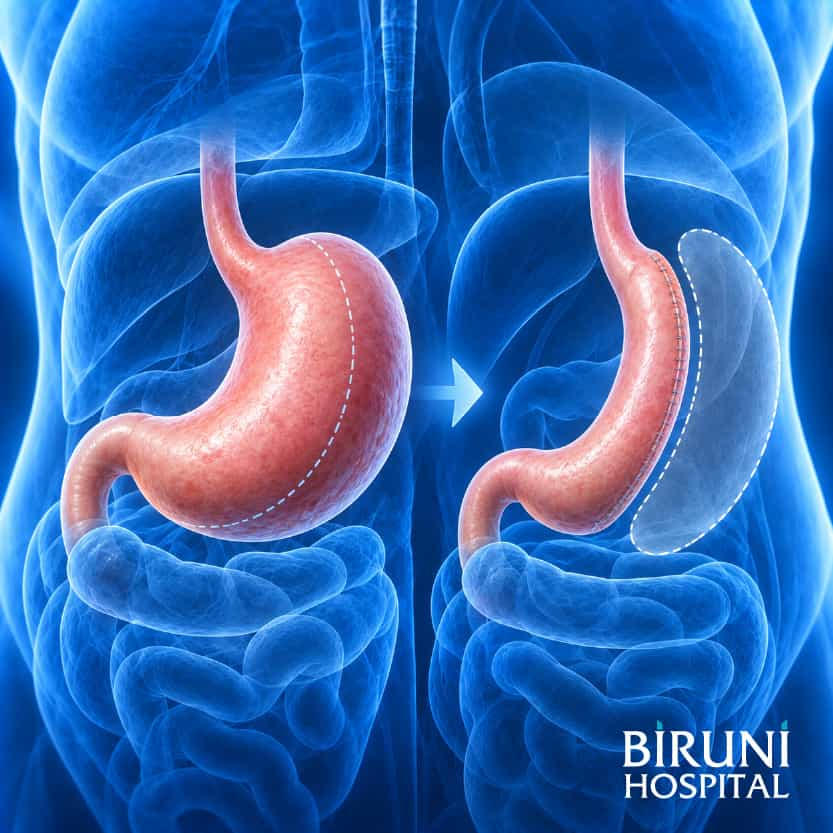
Price starting from $4,500
Sleeve Gastrectomy Package in Istanbul Turkey by Biruni Hospital
Biruni Hospital in Istanbul Turkey
- Obesity/Bariatric Surgery
Istanbul, Turkey

Price starting from $9,800
Gastric Bypass Package in Istanbul, Turkey by Bayindir Healthcare Group
ACIBADEM Bayındır Hospital
- Obesity/Bariatric Surgery
Istanbul,Ankara, Turkey
Obesity Bariatric Surgery Solutions Near You: Explore Top Medical Centers
Discover how Obesity Bariatric Surgery is transforming lives at leading medical centers in , . Dive into center profile, specialties, doctors, reviews, etc. and explore the best options tailored to your needs in this region.

Biruni Hospital in Istanbul Turkey
Istanbul, Turkey
King Faisal Specialist Hospital and Research Centre (KFSHRC) in Riyadh, Saudi Arabia
Riyadh, Saudi Arabia

ACIBADEM Bayındır Hospital
Istanbul,Ankara, Turkey

Hospital Vallarta Medical Center in Puerto Vallarta, Mexico
Puerto Vallarta, Mexico
Transformative Obesity Bariatric Surgery Experiences: Dive into Procedure Insights
Discover the power of Obesity Bariatric Surgery through compelling patient experiences. Uncover detailed insights into procedures, recovery journeys, and life-changing results.

Price starting from $7,500
Gastric Sleeve Surgery in Mexico
- Sleeve Gastrectomy,Obesity/Bariatric Surgery
Mexico

Price starting from $6,949
Gastric Bypass Surgery in Piedras Negras, Mexico
- Gastric Bypass,Obesity/Bariatric Surgery
Piedras Negras,Mexico


Explore Obesity Bariatric Surgery: Stories, Testimonials, and Procedures
Watch in-depth videos covering everything from Obesity Bariatric Surgery success stories to detailed procedure explanations. Learn what to expect and hear from real patients.
Gastric Sleeve Patient Experience in Tijuana, Mexico: Tracy Shares Her Decision After Seeing Her Friend’s Journey
Hospital CYNTAR in Tijuana, Mexico
Mexico
Revisional Weight Loss Treatment in Tijuana: Mother & Son Pursue Bariatric Surgery After Previous Lap Band Complications
Hospital CYNTAR in Tijuana, Mexico
Mexico
Gastric Sleeve in Tijuana, Mexico: Felicia Compares US Treatment Costs Before Choosing Surgery in Mexico
Hospital CYNTAR in Tijuana, Mexico
Mexico
Bariatric Surgery Options in Tijuana, Mexico: Cesar Explains How He Researched Providers Before Choosing His Hospital
Hospital CYNTAR in Tijuana, Mexico
Mexico
Learn More with These Obesity Bariatric Surgery Articles
Take a look at these interesting articles, stories and research that will help you learn more about Obesity Bariatric Surgery.

Gastric Sleeve Surgery in Tijuana – Affordable & Safe Option
PlacidWay Medical Tourism
- Obesity/Bariatric Surgery
Mexico

Gastric Sleeve Recovery in Mexico: City-by-City Guide to Sip, Rest, Walk and Shop
PlacidWay Medical Tourism
- Obesity/Bariatric Surgery
Mexico

Comparing Gastric Bypass Costs: Out-of-Pocket Prices in US Hospitals vs Tijuana Mexico
PlacidWay Medical Tourism
- Obesity/Bariatric Surgery
Mexico

Gastric Bypass in Mexico vs. U.S. - Cost & Safety Comparison
PlacidWay Medical Tourism
- Obesity/Bariatric Surgery
Mexico








