
How can I find the most qualified bariatric surgeon in Turkey?

Traveling abroad for weight loss surgery is a significant medical and personal decision. When looking for the right medical professional, the sheer number of options can feel overwhelming. Finding a qualified provider requires careful research into their education, procedural volume, safety protocols, and the standard of care at the facility where they operate. While international travel can offer different healthcare options, it also introduces variables regarding continuity of care, language, and travel logistics.
Key Takeaways
- Always verify that a surgeon is fully registered with the Turkish Medical Association and relevant surgical boards.
- Look for memberships in recognized international obesity surgery organizations, which indicate adherence to global standards.
- Ensure the surgical facility maintains high-level accreditations for patient safety and infection control.
- Plan extensively for local post-operative care in your home country before you travel.
- Ask direct questions about complication rates, follow-up protocols, and what happens if emergency care is needed.
What medical credentials should I look for in a Turkish bariatric surgeon?
Credentials are your first line of defense when assessing patient safety. In Turkey, a doctor must first complete medical school and then undergo a rigorous residency to become a general surgeon. Following this, they should pursue specific fellowships or advanced training dedicated to bariatric and laparoscopic techniques.
When reviewing a doctor's background, look for the following qualifications:
- Registration with the Turkish Medical Association (TTB).
- Board certification in general surgery from the Turkish Ministry of Health.
- Membership in the International Federation for the Surgery of Obesity and Metabolic Disorders (IFSO).
- Evidence of ongoing medical education and attendance at international surgical conferences.
How important is international accreditation for a bariatric clinic in Turkey?
The skills of the surgeon are only part of the equation; the environment in which they operate is equally vital. A reputable bariatric clinic in Turkey or the hospital they operate out of should undergo regular audits by independent bodies. Joint Commission International (JCI) is one of the most widely respected accrediting organizations, but there are other rigorous European and international standards as well.
Facilities with these accreditations typically demonstrate strict adherence to infection control, proper sterilization of surgical instruments, and clear protocols for handling medical emergencies. Because bariatric surgery carries inherent risks—such as bleeding, infection, or adverse reactions to anesthesia—it is critical that the hospital has a fully equipped intensive care unit (ICU) and a multidisciplinary team available around the clock.
What questions should I ask during my initial online consultation?
The initial consultation is your opportunity to interview the medical professional. Since you are likely conducting this via video call from your home country, clarity is essential. Pay attention to how thoroughly the doctor reviews your medical history, current medications, and previous weight loss attempts. A responsible practitioner will assess whether you are actually a suitable candidate rather than simply agreeing to the procedure.
Consider asking these specific questions:
- What are the potential risks and complications associated with this specific surgery for someone with my medical background?
- What happens if I experience a leak or infection while still in Turkey?
- How do we manage my care if a complication occurs after I return home?
- Do you provide a structured diet and vitamin supplementation plan for the first year?
How does the surgeon's experience affect weight loss surgery outcomes?
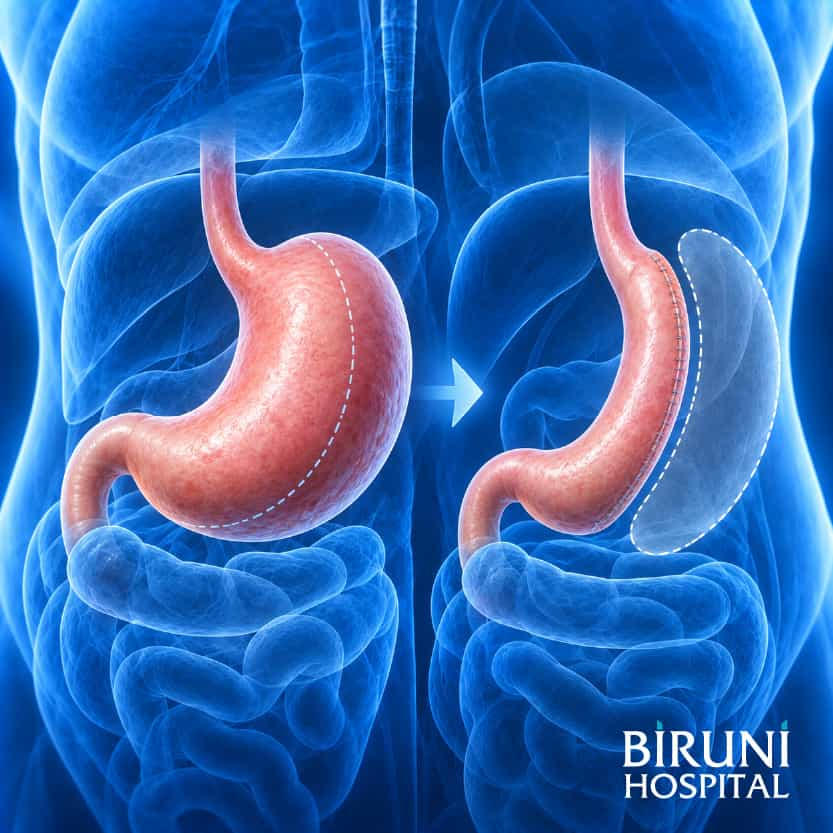
Bariatric surgery is technically demanding. Procedures like gastric bypass or sleeve gastrectomy alter the anatomy of the digestive system and require precise suturing and stapling techniques. A professional who performs these surgeries regularly is typically more familiar with the nuances of different anatomies and can adapt quickly if unexpected issues arise during the operation.
When evaluating experience, ask how long they have been performing the specific procedure you are interested in. A doctor might have twenty years of experience in general surgery, but only a few years focusing heavily on metabolic and obesity treatments. Seek out practitioners who dedicate a significant portion of their practice specifically to bariatric care.
Are language barriers a problem when communicating with surgeons in Turkey?
Clear communication is a fundamental requirement of informed consent and patient safety. You must be able to understand the risks, the surgical plan, and the post-operative instructions without any ambiguity. Medical tourism in Turkey is well-established, and many major hospitals have international patient departments designed specifically to bridge cultural and linguistic gaps.
If the primary doctor does not speak your native language fluently, the facility should provide a medical translator who understands clinical terminology. Before committing to travel, have a phone or video call to test the communication dynamic. If you feel misunderstood or if your questions are not answered comprehensively, it is entirely acceptable to seek a different provider.
What should I know about post-operative care and follow-up?
Surgery is only the first step in treating obesity. The physical alteration of your stomach requires you to change how and what you eat permanently. Following surgery, patients are at risk for nutritional deficiencies, dehydration, and dumping syndrome (depending on the procedure type). Managing these risks requires regular monitoring.
A responsible surgical team will provide detailed discharge paperwork translated into your language, outlining exactly what was done and what follow-up schedule is required. However, physical distance means the operating doctor cannot examine you if you develop abdominal pain, a fever, or severe nausea back home. Therefore, establishing a relationship with a primary care physician or a local bariatric specialist who agrees to monitor your progress is a vital step before booking your flight.
How do I verify patient reviews and before-and-after photos?
While social media and clinic websites can provide insight into a provider’s work, they are heavily curated marketing tools. You will rarely see accounts of complications or difficult recoveries on a promotional page. It is important to approach online imagery and reviews with a critical eye.
When evaluating a provider's history through the lens of former patients, consider these steps:
- Look for reviews that mention the specific procedure you need.
- Pay attention to comments regarding post-operative support and how the clinic handled concerns or complications.
- Check independent support groups for weight loss surgery to see if the provider is discussed organically.
- Understand that outcomes vary widely depending on a patient's starting weight, adherence to diet, and underlying health conditions.
What are the typical requirements for undergoing bariatric surgery in Turkey?
Ethical medical practitioners follow established international guidelines for metabolic and obesity surgery. Bariatric surgery is not a cosmetic procedure for minor weight loss; it is a major gastrointestinal intervention designed for individuals suffering from clinical obesity. Providers who offer surgery to patients who do not meet clinical guidelines are likely compromising patient safety for financial gain.
Before traveling, your chosen medical team will likely ask for recent blood work, an ECG, and your medical history. Once you arrive at the facility, you should expect a thorough pre-operative assessment. This often includes consultations with a cardiologist, a pulmonologist, an anesthesiologist, and sometimes an endocrinologist or psychologist to confirm that you are physically and mentally prepared for the surgery and the required lifestyle changes.
How does bariatric surgery cost in Turkey compare to other countries?
Financial considerations are a primary driver for medical travel. Bariatric surgery cost in Turkey can be significantly less expensive than equivalent private procedures in the US, UK, or Canada. These estimates often bundle the hospital stay, surgeon’s fees, anesthesia, and sometimes local transfers.
However, it is crucial not to make your decision based on price alone. Extremely low prices can sometimes indicate hidden fees, shorter hospital stays than are medically necessary, or the use of lower-quality surgical staples and materials. When reviewing pricing estimates, ask for a detailed breakdown of what is included. Furthermore, budget for potential extra costs, such as extended hotel stays if you are not cleared to fly, travel insurance, and lifelong medical follow-ups at home.
Why Choose PlacidWay for Medical Tourism?
PlacidWay is an informational platform designed to help patients research international healthcare options.
- Extensive Directory: Access a broad database of healthcare facilities and medical professionals across multiple countries.
- Direct Communication: Use the platform to send inquiries directly to clinics and request informational materials.
- Educational Resources: Read articles and guides about various medical procedures and destinations to help inform your research.
- Free to Browse: Patients can explore facility profiles, compare international options, and request information without paying access fees to the platform.
- Global Options: Discover healthcare options based on your specific medical needs, preferred location, and budget constraints.
Frequently Asked Questions
How long do I need to stay in Turkey after weight loss surgery?
Patients typically need to stay in Turkey for 7 to 10 days after bariatric surgery. This allows time for hospital recovery, initial follow-up appointments, and monitoring for any immediate post-operative complications before flying.
Is it safe to fly home immediately after bariatric surgery?
Flying immediately after major surgery is generally not recommended due to the increased risk of deep vein thrombosis (DVT) and pulmonary embolism. Surgeons usually require a waiting period of at least a week before clearing you for air travel.
Can I bring a companion with me to the hospital in Turkey?
Yes, many hospitals accommodating international patients allow one companion to stay in your private hospital room. Having someone with you can provide emotional support and help with basic logistics during your recovery.
What happens if I experience a complication after returning home?
If a complication arises after returning home, you should immediately seek care from a local emergency room or your primary care physician. It is vital to take all your Turkish medical records with you so local doctors understand the exact procedure performed.
Will my local doctor know how to manage my post-bariatric care?
Most general practitioners are familiar with standard bariatric aftercare, such as monitoring vitamin levels and managing diet progression. However, you should secure an agreement with a local doctor or bariatric team before traveling to ensure seamless follow-up care.
Do Turkish bariatric surgeons offer post-op diet and nutrition plans?
Reputable surgeons usually provide a detailed phased diet plan covering the first few weeks of recovery. Many also offer remote consultations with a dietician, though you will likely need a local nutritionist for long-term dietary management.
Are different types of weight loss surgeries available in Turkey?
Yes, experienced bariatric departments in Turkey typically offer several procedures, including gastric sleeve (sleeve gastrectomy), gastric bypass (Roux-en-Y), and revision surgeries. The appropriate option depends on your medical history and specific health needs.
What is the typical BMI requirement for surgery in Turkey?
Following international guidelines, candidates generally need a Body Mass Index (BMI) of 40 or higher, or a BMI of 35 or higher accompanied by obesity-related conditions like type 2 diabetes or severe sleep apnea.
How do I prepare for my medical trip to Istanbul or Antalya?
Preparation includes obtaining medical clearance from your local doctor, gathering your medical history, starting any required pre-op diets, arranging a medical visa if necessary, and organizing comfortable, loose-fitting clothing for your travel and recovery.
Does medical tourism in Turkey include post-op medication?
Hospitals normally provide the necessary medications for your inpatient stay and may discharge you with a short course of painkillers, antibiotics, or blood thinners. You will need to check your local customs rules regarding traveling with prescription medication.
Compare Treatment Options Today
Discover more about medical providers, review your options, and request information to help you make an informed decision regarding your health.
Request Treatment InformationReferences
- About IFSO – International Federation for the Surgery of Obesity and Metabolic Disorders
- Bariatric Surgery Procedures – American Society for Metabolic and Bariatric Surgery (ASMBS)
- Medical Tourism: Travel for Medical Care – Centers for Disease Control and Prevention (CDC)
- Weight Loss Surgery – National Health Service (NHS)
- Patient Safety and Quality Improvement – Joint Commission International (JCI)
- Health Tourism in Turkey – USHA? (Turkish Ministry of Health Affiliated Entity)
Medical Disclaimer: The information provided in this article is for educational and informational purposes only and does not constitute medical advice. Treatment outcomes, recovery times, and eligibility vary by individual. Always consult with a qualified, licensed healthcare professional in your local area to discuss medical concerns, diagnoses, and whether a specific medical procedure is appropriate for you. Bariatric surgery involves significant health risks and requires long-term medical follow-up.
























Share this listing