

Contents
Let us be honest, trying to get bariatric surgery in the UK, Canada, or the US can feel like a frustrating, uphill battle. You are often forced to choose between sitting on an NHS or provincial waiting list for years, or paying out-of-pocket costs that can easily rival a house down payment. It is incredibly discouraging when you are finally ready to take control of your health, but the medical system in your home country keeps putting up financial and logistical roadblocks.
That is exactly why thousands of patients are bypassing those endless delays and packing their bags for Istanbul. By combining advanced medical facilities with highly experienced surgeons, Turkey has quietly become a global hub for weight loss procedures. Before you travel, it is crucial to understand the basics, from the average $3,000 to $4,500 procedure cost to verifying clinic credentials. Always look for facilities that hold Joint Commission International (JCI) accreditation or direct licensing from the Turkish Ministry of Health to ensure your safety.
What You Should Know
Trying to piece together a medical trip on your own can quickly turn into a logistical headache in a foreign city. That is why most bariatric centers in Turkey offer comprehensive bundles designed to take the stress out of your journey.
A standard bariatric surgery package in Istanbul typically covers much more than just the operation. Most clinics bundle the surgical fees, extensive pre-op medical tests, hospital stay, and airport transfers into one transparent price. Many also include accommodation at nearby partner hotels for your initial recovery period. Browse the specific packages below to see which combination of medical and travel services best fits your needs.

Price starting from $3,500
Gastric Bypass Package in Istanbul, Turkey by Dr. Huseyin Sinan Clinic
Prof. Dr. Huseyin Sinan Clinic
- Obesity/Bariatric Surgery
Istanbul, Turkey

Price starting from $3,500
Gastric Sleeve Package in Istanbul, Turkey for International Patients Seeking Surgical Weight Management
International Multispecialty Hospital in Istanbul, Turkey
- Obesity/Bariatric Surgery
Istanbul, Turkey

Price starting from $3,800
Gastric Sleeve Package by Okan University Hospital in Istanbul, Turkey
Istanbul Okan University Hospital
- Obesity/Bariatric Surgery
Istanbul, Turkey
Let us talk about the main reason you are likely looking overseas: the undeniable financial reality of weight loss surgery. Bariatric surgery in Istanbul generally costs between $3,000 and $4,500, which is a fraction of what patients typically pay privately in North America or Western Europe.
This significant price difference is not a result of cutting corners on medical quality or patient safety. It simply reflects Turkey’s lower cost of living, favorable currency exchange rates, and extensive government investment in medical tourism infrastructure. Always ask clinics for a fully itemized quote to ensure you understand exactly what is included. Review the pricing options below to compare the costs associated with different facilities.
Obesity/Bariatric Surgery Centers Cost Comparison in Istanbul, Turkey
| Provider | Procedure | Price |
|---|---|---|
| Istanbul Okan University Hospital | Sleeve Gastrectomy, Obesity/Bariatric Surgery | $3800 |
Obesity/Bariatric Surgery Cost Comparison in Turkey
| Country | Procedure | Price |
|---|---|---|
| United States | Sleeve Gastrectomy, Obesity/Bariatric Surgery | $18000 |
| United Kingdom | Gastric Bypass, Obesity/Bariatric Surgery | $12800 |
| United States | Gastric Bypass, Obesity/Bariatric Surgery | $25000 |
| United Kingdom | Sleeve Gastrectomy, Obesity/Bariatric Surgery | $10000 |
Finding the right clinic abroad is not just about scrolling through glossy photos of modern hospital waiting rooms. You need to look past the aesthetics and verify the actual medical standards and safety protocols of the facility you are considering for your weight loss surgery.
When evaluating bariatric clinics in Istanbul, your first step must be checking their official credentials. Focus on hospitals that hold Joint Commission International (JCI) accreditation or maintain direct licensing from the Turkish Ministry of Health. Take the time to ask about their intensive care capabilities and post-operative nursing support. Compare the clinics listed below to find a fully accredited facility that makes you feel both comfortable and secure.

ACIBADEM Bayındır Hospital
Istanbul,Ankara, Turkey

Istanbul Okan University Hospital
Istanbul, Turkey

International Multispecialty Hospital in Istanbul, Turkey
Istanbul, Turkey

Prof. Dr. Huseyin Sinan Clinic
Istanbul, Turkey

Pendik Bolge Hospital in Istanbul Turkey
Istanbul, Turkey
It is completely normal to feel a bit anxious about traveling to a different country for a major surgical procedure. Sometimes, reading about an operation just is not enough to calm those pre-surgery nerves and build confidence.
Watching detailed walkthroughs of bariatric centers in Istanbul can give you a much clearer picture of what to expect upon arrival. Video resources allow you to view the patient rooms, see the operating technology, and get a feel for the clinic’s overall environment. Check out the videos below to take a virtual tour and hear directly from the medical teams handling your care.
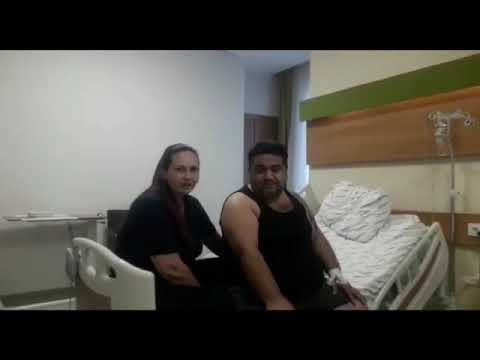

Nothing paints a more accurate picture of a medical facility than the honest, unfiltered experiences of people who have already been in your shoes. Patient feedback is one of the most valuable research tools you have when planning medical travel.
When reading about bariatric surgery in Istanbul, look for reviews that discuss the entire journey, from airport pickup to post-op recovery. Pay attention to how patients describe the nursing care, the communication with the surgeon, and the quality of the aftercare provided. Take a look at the patient reviews below to help you gauge which clinic consistently delivers safe, supportive, and professional care.

You likely have dozens of questions about how medical travel works for a procedure this significant. From understanding recovery times to navigating a new city, being fully informed is the best way to ensure a safe trip. Here are some of the most common questions patients ask about undergoing bariatric surgery in Istanbul.
Is it safe to travel to Istanbul for bariatric surgery?
Yes, medical travel to Istanbul is highly regulated. Choosing a hospital with JCI accreditation and Turkish Ministry of Health approval ensures you are treated in a facility that meets strict international healthcare and safety standards.
How long do I need to stay in Turkey after the operation?
Most patients are required to stay in Istanbul for 7 to 8 days. This typically includes a 3-day stay in the hospital followed by a few days of rest in a local hotel for follow-up appointments and final clearance to fly.
Will I be able to communicate easily with the medical staff?
Yes. Top medical tourism clinics in Istanbul have dedicated international patient departments. Surgeons generally speak excellent English, and clinics provide personal translators for any nursing staff who may not be completely fluent.
Which type of bariatric surgery is most commonly performed in Istanbul?
The Gastric Sleeve (Sleeve Gastrectomy) is currently the most popular and frequently performed procedure, though Gastric Bypass is also widely available for patients who require it based on their medical history.
How do I handle follow-up care once I return to my home country?
Reputable Turkish clinics offer virtual follow-up consultations via video call for up to a year. However, you must also arrange for a local primary care physician or specialist to monitor your blood work and physical health at home.
Are pre-operative medical tests included in the treatment timeline?
Yes, extensive pre-operative testing is conducted on your first day at the hospital in Istanbul. This includes blood work, an EKG, abdominal ultrasounds, and consultations with anesthesiologists and dietitians before you are cleared for surgery.
What happens if a complication arises before I fly home?
Accredited hospitals are fully equipped with intensive care units and 24/7 specialist care. If a complication occurs, your stay in the hospital will be extended until you are medically stable and officially cleared to travel.
Can I bring a friend or family member with me to the hospital?
Absolutely. Most private hospitals in Istanbul provide private rooms that include a companion bed, allowing a friend or family member to stay with you throughout your hospitalization.
What dietary guidelines will I need to follow on the flight back?
You will be on a strict clear liquid diet when flying home. Your clinic will provide detailed nutritional guidelines and often supply you with the specific protein shakes or liquids you need for your travel day.
Do I need a special medical visa to get surgery in Turkey?
Most patients from the UK, US, and Canada simply enter on a standard tourist e-Visa, which is easy to obtain online before travel. You do not typically need a specific medical visa for short-term surgical trips.
How much does gastric band cost in Istanbul, Turkey?
The estimated cost of a gastric band in Istanbul, Turkey, typically ranges from $3,000 to $5,500. This price often includes the surgery, anesthesia, and hospital stay, but varies based on the facility and your individual medical needs. Navigating the various options for weight loss surgery can feel overwhelming, especially when considering treatment abroad. For those looking into getting a gastric band in Istanbul, Turkey, understanding the financial commitment is usually one of the very first steps. Istanbul has grown into a major hub for international patients seeking medical care, offering modern facilities and experienced healthcare professionals. While the initial price is often a primary focus, true preparation requires looking beyond the surgical quote. A gastric band—also known as a lap-band—is a complex medical device that requires significant lifestyle changes and ongoing medical maintenance. Before making any decisions, it is crucial to understand what these estimated costs cover, the inherent medical risks involved, and how international travel might impact your long-term follow-up care. Key Takeaways Estimated prices for the procedure generally range from $3,000 to $5,500. Comprehensive treatment packages often bundle hospital fees, surgeon fees, and basic in-country aftercare. Thorough pre-operative medical evaluations are essential for assessing your safety and suitability for surgery. While gastric banding is reversible, it requires ongoing port adjustments and local medical follow-up once you return home. Participating in medical tourism requires careful logistical planning and a clear transition-of-care plan. What exactly is included in the cost of a gastric band in Istanbul? The quoted price typically covers the surgical procedure itself, anesthesia, a brief hospital stay, and initial pre-operative consultations. When you request a quote for gastric band cost in Istanbul, hospitals often provide what is known as a "package price." This bundled approach is designed to make financial planning easier for international patients. A standard medical package usually encompasses the surgeon's fees, the cost of the actual silicone band device, operating room time, and the services of the anesthesiologist. Additionally, these quotes frequently include routine pre-operative tests, which are vital for your safety. These tests may involve blood work, an electrocardiogram (EKG), an abdominal ultrasound, and consultations with an internal medicine specialist to clear you for general anesthesia. Your immediate post-operative care, including one or two nights of hospital accommodation and nursing care, is also standard in these estimates. However, it is essential to ask clinics for an itemized breakdown. Flights, accommodations outside the hospital, specialized dietary supplements, and post-discharge medications are often not included in the baseline medical quote. Knowing exactly what you are paying for helps prevent unexpected out-of-pocket expenses during your recovery. Why is gastric band surgery often more affordable in Turkey? Treatment costs are generally lower due to Turkey's overall lower cost of living, favorable currency exchange rates, and lower administrative healthcare costs. Many patients wonder if a lower price tag indicates a compromise in medical standards. In the context of medical tourism in Turkey, the affordability is largely driven by macro-economic factors. The cost of running a medical facility—including rent, utilities, staff salaries, and liability insurance—is notably lower in Turkey compared to the United States, the United Kingdom, or Western Europe. These lower operational overheads allow clinics and hospitals to offer medical services at a fraction of Western prices. Furthermore, the supportive exchange rate for those carrying dollars, euros, or pounds increases purchasing power significantly. The Turkish government has also actively supported healthcare infrastructure development to attract international patients, creating a highly competitive market that helps keep pricing accessible. It is important to remember that lower costs do not automatically equate to lower quality, nor do they guarantee a flawless experience. Patients must still exercise due diligence by verifying surgeon credentials, hospital accreditations, and the specific standards of care maintained by the facility. Who is typically considered a suitable candidate for a gastric band? Suitable candidates typically have a BMI over 40, or a BMI over 35 combined with obesity-related health conditions, who have not had success with conventional weight loss methods. Bariatric surgery is a serious medical intervention and is not suitable for everyone seeking to lose weight. Healthcare professionals generally follow established medical guidelines to determine eligibility. A key metric used is the Body Mass Index (BMI). Individuals with a BMI of 40 or higher are often considered candidates. Those with a BMI between 35 and 39.9 may also qualify if they suffer from severe obesity-related comorbidities, such as type 2 diabetes, high blood pressure, or severe sleep apnea. Beyond physical metrics, psychological readiness is critical. A gastric band requires immense discipline regarding dietary choices and portion control. Candidates must demonstrate a willingness to commit to long-term lifestyle changes and ongoing medical follow-ups. If a patient suffers from certain gastrointestinal disorders, untreated eating disorders, or severe psychiatric conditions, a doctor may determine that the procedure is contraindicated. Ultimately, only a qualified bariatric surgeon can confirm your eligibility after a comprehensive medical evaluation. A thorough assessment of your medical history, current medications, and physical health is required before moving forward with any surgical plans. Important Consideration Having a procedure abroad means your pre-operative assessment will likely happen quickly, sometimes just days before surgery. It is highly advisable to consult with your primary care physician at home to discuss your suitability for bariatric surgery before booking travel. How does a gastric band compare to other bariatric procedures? Unlike gastric bypass or sleeve gastrectomy, a gastric band does not involve cutting or rerouting the stomach or intestines, making it reversible but generally resulting in slower weight loss. When researching options, it is helpful to understand how the gastric band functions compared to other surgeries. The lap-band is a restrictive device. An inflatable silicone ring is placed around the upper part of the stomach, creating a small pouch. This restricts the amount of food you can eat at one time and slows the emptying of food into the lower stomach, helping you feel full faster. In contrast, a gastric sleeve removes about 80% of the stomach permanently, and a gastric bypass reroutes the digestive tract, adding an element of malabsorption (absorbing fewer calories and nutrients). Because the gastric band does not alter the anatomy of the digestive system permanently, it is considered less invasive. It can be adjusted via a port placed under the skin and can be entirely removed if necessary. However, it is important to note that the medical community has seen a shift in recent years. Many surgeons now recommend the gastric sleeve over the band. The band often yields slower and less overall weight loss compared to the sleeve or bypass. Additionally, the band carries unique long-term risks associated with having a foreign object in the body, which leads some patients to require revision surgery years later. What are the potential risks and complications of gastric banding? Potential risks include band slippage, port infections, erosion into the stomach, nausea, and general surgical complications like bleeding or blood clots. Like any surgery requiring general anesthesia, placing a gastric band involves inherent medical risks. General surgical complications can include adverse reactions to anesthesia, internal bleeding, deep vein thrombosis (blood clots), or infections at the incision sites. While these risks are generally low, they are serious and must be considered. Furthermore, the gastric band carries specific device-related risks over the long term. The band can slip out of place (band slippage), which can cause severe pain, vomiting, and require emergency corrective surgery. In some cases, the band can erode into the stomach wall (band erosion), rendering it ineffective and necessitating removal. The access port located under the skin can also become infected, flip over, or leak fluid, preventing proper adjustments. Patients may also experience non-life-threatening but highly uncomfortable issues such as acid reflux, chronic nausea, or difficulty swallowing if they eat too quickly or fail to chew food properly. Understanding these risks is crucial, as dealing with a mechanical device failure requires immediate access to specialized medical care. How long is the typical recovery after lap-band surgery? Most patients can return to light, non-strenuous activities within one to two weeks, but full internal healing and dietary adaptation usually take several weeks. Because gastric band surgery is typically performed laparoscopically (using small incisions and a camera), the initial physical recovery is often faster than traditional open surgery. Patients usually spend one or two nights in the hospital for monitoring. During this time, the medical team will manage your pain, monitor your hydration, and encourage you to walk gently to prevent blood clots. Once discharged to a hotel, you will likely feel soreness around the incision sites and the port area. Most people feel well enough to return to desk jobs or light daily routines within 7 to 14 days. Strenuous exercise and heavy lifting must be avoided for at least four to six weeks to allow the abdominal muscles to heal properly. The most challenging aspect of recovery is often the dietary transition. Your stomach needs time to heal around the band. You will start on a strict clear liquid diet, gradually moving to pureed foods, and slowly reintroducing soft solids over a period of four to six weeks. Adhering strictly to your surgeon's dietary phases is critical to prevent vomiting and protect the newly placed band from slipping. Will I need to return for band adjustments after the procedure? Yes, a gastric band requires periodic adjustments—adding or removing saline fluid—by a healthcare professional to maintain the correct level of restriction. This is arguably the most crucial logistical factor for international patients. The gastric band is not a "set it and forget it" device. To achieve optimal weight loss, the band must be adjusted. This is done by injecting or withdrawing sterile saline solution through the port located just under your skin. These "fills" or "un-fills" tighten or loosen the band around your stomach. Adjustments are typically needed multiple times during the first year, and periodically thereafter as your weight changes. Because you will be returning home after your surgery in Istanbul, you must secure a local bariatric specialist willing to manage your aftercare and perform these adjustments. This is often a significant hurdle, as some local doctors are hesitant to adjust a device they did not place, or they may charge high out-of-pocket fees for the service. Before you commit to traveling for a gastric band, it is strongly advised to locate and secure a local healthcare provider who explicitly agrees to manage your port fills and monitor your long-term progress. How should I prepare for bariatric surgery abroad? Preparation involves comprehensive medical evaluations, starting a pre-operative liver-shrinking diet, and arranging all logistics for your travel and recovery. Thorough preparation is vital for ensuring your safety when combining surgery with international travel. Medically, your preparation will begin weeks before your flight. Your surgeon will typically require you to undergo a specialized pre-operative diet. This high-protein, low-carbohydrate diet is designed to shrink your liver, which sits directly over the stomach, making the laparoscopic surgery safer and easier to perform. Logistically, traveling for healthcare requires meticulous planning. You will need to arrange flights, coordinate airport transfers, and book a hotel for your recovery days post-discharge. It is highly recommended to travel with a companion who can assist you with luggage, provide emotional support, and help you navigate a foreign city while you are physically vulnerable. You should also gather all your local medical records, a list of current medications, and any relevant test results to share with your surgical team in Istanbul. Be completely transparent with your international medical team about your health history, as omitting information can severely compromise your safety under anesthesia. What happens if I experience complications after returning home? If complications arise after returning home, you should immediately seek care from a local bariatric specialist or visit the nearest emergency room. Post-operative complications can occur weeks, months, or even years after surgery, long after you have returned from Istanbul. If you develop symptoms such as severe abdominal pain, persistent vomiting, a high fever, or an inability to keep fluids down, this constitutes a medical emergency. You cannot wait to contact your international clinic; you must access immediate local care. This reality highlights the importance of having a robust transition-of-care plan. Upon discharge, ask your clinic for a comprehensive medical report in English. This document should detail the specifics of your surgery, the type and size of the band used, and any medications administered. Having this information readily available allows local emergency physicians to understand your surgical history quickly and accurately. Be aware that seeking emergency care or corrective surgery at home may not be covered by standard health insurance if they deem it a complication of an elective, out-of-network procedure performed abroad. Understanding your domestic insurance policy regarding international complications is a critical step in your preparation. How do I choose a reputable gastric band clinic in Istanbul? Look for internationally accredited facilities, highly experienced bariatric teams, clear communication, and comprehensive pre- and post-operative support. Selecting the right gastric band clinic in Istanbul requires extensive research. Start by looking at the credentials of the facility itself. Clinics and hospitals that hold international accreditations, such as from the Joint Commission International (JCI), adhere to stringent, standardized protocols for patient safety and hygiene. Equally important are the credentials of the surgeon. Research their educational background, years of experience performing laparoscopic bariatric surgery, and memberships in recognized professional bodies, such as the International Federation for the Surgery of Obesity and Metabolic Disorders (IFSO). A reputable surgeon will require a detailed consultation and medical history before confirming you as a candidate. Finally, evaluate the clinic's communication. The team should be transparent about costs, clearly explain the risks of the procedure, and provide realistic expectations regarding weight loss. Avoid facilities that apply pressure to book quickly, gloss over potential complications, or offer medical guarantees, as human biology and surgical outcomes can never be 100% guaranteed. Expert Insight Because a gastric band requires physical adjustments to the internal port, finding a local doctor willing to perform these adjustments *before* you travel is one of the most critical steps in ensuring a safe and successful medical journey. Why Choose PlacidWay for Medical Tourism in Turkey? Organizing healthcare across international borders can be a complex process. PlacidWay serves as an educational platform and directory to help patients explore global healthcare options. Here are several factual aspects of using PlacidWay to research your options in Turkey: Extensive Global Network: PlacidWay provides access to a database of medical centers and clinics located in Istanbul and around the world. Educational Resources: The platform offers articles and guides to help patients understand various medical procedures, including bariatric options. Comparison Tools: Patients can view information from multiple facilities side-by-side to compare estimated costs, facility details, and available treatments. Direct Connection: The service facilitates initial communication between you and the international clinics you are interested in researching. Variety of Options: PlacidWay lists facilities offering a wide range of medical specialties, allowing you to find clinics that align with your specific healthcare needs. Frequently Asked Questions (FAQs) Is a gastric band permanent? A gastric band is designed to be a long-term weight management tool, but it is not strictly permanent. Unlike gastric bypass or sleeve surgeries, no part of the stomach is removed or rerouted. The band can be surgically removed if complications arise or if a patient decides to pursue a different bariatric option. How much weight can I expect to lose with a gastric band? Weight loss results vary significantly from person to person. On average, patients may lose between 40% and 50% of their excess body weight within the first year to two years. Achieving and maintaining this weight loss requires strict adherence to dietary guidelines and regular exercise. Does insurance cover gastric band surgery in Turkey? Generally, domestic health insurance plans (such as those in the US, UK, or Canada) do not cover planned medical procedures performed abroad. Patients traveling to Istanbul for bariatric surgery typically pay out-of-pocket or use specialized medical financing. Are gastric bands still commonly performed? While still available, the popularity of the gastric band has declined significantly in recent years. Many bariatric surgeons and patients now prefer the gastric sleeve or gastric bypass due to lower long-term complication rates and generally higher average weight loss. However, it remains an option for specific patients. How long do I need to stay in Istanbul for the procedure? Most bariatric surgeons recommend staying in Istanbul for at least 7 to 10 days. This allows time for pre-operative consultations, the surgery, the initial hospital stay (usually 1 to 2 nights), and crucial post-operative follow-up appointments before you are cleared to fly. Can a gastric band be removed later? Yes, the gastric band can be removed via laparoscopic surgery. Removal may be requested due to inadequate weight loss, severe heartburn, band slippage, or erosion. Once removed, the stomach typically returns to its original shape, which can lead to weight regain if lifestyle changes are not maintained. What dietary changes are required after getting a gastric band? After surgery, you will follow a strict phased diet, starting with clear liquids, moving to pureed foods, and eventually transitioning to small portions of solid foods. Long-term, you must chew food thoroughly, eat slowly, avoid drinking liquids with meals, and prioritize high-protein, nutrient-dense foods. Can I get pregnant safely after having a gastric band? Yes, pregnancy is possible after receiving a gastric band. In fact, one of the unique features of the band is that fluid can be removed from the port to loosen it, accommodating the increased nutritional needs and potential morning sickness associated with pregnancy. You should consult your obstetrician and bariatric team when planning a pregnancy. Do hospitals in Istanbul have English-speaking medical staff? Many hospitals and clinics in Istanbul that cater to international patients employ English-speaking surgeons, nurses, and patient coordinators. Some facilities also offer dedicated translation services to ensure clear communication regarding your medical care and consent. Are there hidden fees in bariatric surgery packages? While reputable clinics offer transparent pricing, it is crucial to ask exactly what is included in your quote. Potential additional costs could involve complex pre-operative cardiology tests, treatments for unexpected complications, extended hospital stays, or medications prescribed upon discharge. Compare Treatment Options Abroad Take the next step in researching your healthcare options. Connect with medical providers, compare estimates, and gather the information you need to make an informed decision. Request Treatment Information References Bariatric Surgery Procedures – American Society for Metabolic and Bariatric Surgery (ASMBS) Bariatric Surgery – National Institute of Diabetes and Digestive and Kidney Diseases (NIDDK) Bariatric Surgery Overview – Mayo Clinic Medical Tourism: Travel for Medical Care – Centers for Disease Control and Prevention (CDC) Weight Loss Surgery – National Health Service (NHS) Obesity and Overweight – World Health Organization (WHO) Medical Disclaimer: The information provided in this article is for educational and informational purposes only and does not constitute medical advice, diagnosis, or treatment planning. Procedure availability, costs, risks, and recovery times vary significantly among individuals and medical facilities. Bariatric surgery involves inherent risks and requires comprehensive evaluation by qualified medical professionals. Always consult directly with your primary care physician and a board-certified bariatric surgeon to discuss your suitability for any procedure and to ensure proper post-operative care, especially when traveling abroad for medical treatments.
How much Cost of Bariatric Surgery in Turkey?
Bariatric surgery is a life-changing procedure for individuals who are severely overweight or obese and have not been able to lose weight through diet and exercise alone. Istanbul, Turkey, has become one of the leading destinations for bariatric surgery due to its affordable pricing, skilled surgeons, and modern medical facilities. Thousands of medical tourists from around the world travel to Istanbul every year for gastric bypass, gastric sleeve, and other weight-loss surgeries. In this article, we will explore the cost of bariatric surgery in Istanbul, why it’s a popular destination for medical tourism, the types of bariatric surgeries available, and the recovery process. Key Insights at a Glance: Affordable Prices: Bariatric surgery in Istanbul costs between $4,500 to $8,000, much lower than the average price of $20,000 to $30,000 in the U.S. Experienced Surgeons: Istanbul is home to board-certified surgeons with expertise in bariatric surgery. All-Inclusive Packages: Many clinics offer all-inclusive packages, including surgery, accommodation, transportation, and post-surgery care. Quick Recovery: Most patients return to light activities within 2 to 3 weeks and full recovery typically occurs within 6 to 8 weeks. World-Class Clinics: Istanbul clinics meet international medical standards, ensuring patient safety and optimal outcomes. Cost Breakdown of Bariatric Surgery in Istanbul The cost of bariatric surgery in Istanbul can vary based on the type of procedure and the clinic you choose. On average, patients can expect to pay between $4,500 to $8,000 for their surgery. This price is significantly more affordable compared to other countries, including the U.S., where bariatric surgery can cost upwards of $20,000 to $30,000. Here’s a breakdown of common bariatric surgeries and their typical costs in Istanbul: Procedure Cost (USD) Gastric Sleeve Surgery $4,500 - $6,000 Gastric Bypass Surgery $5,500 - $8,000 Mini Gastric Bypass $5,000 - $7,500 Gastric Balloon $3,500 - $5,000 This cost typically includes surgery, anesthesia, pre-operative tests, post-operative care, and sometimes accommodation and transportation if you opt for an all-inclusive package. Stat Fact: Bariatric surgery in Istanbul costs up to 70% less than in the U.S., making it an ideal choice for international patients. Why Choose Istanbul for Bariatric Surgery? Istanbul has become one of the leading cities for medical tourism, particularly for bariatric surgery. Here are some reasons why Istanbul is an excellent choice for weight loss surgery: 1. Affordable Prices Without Sacrificing Quality The cost of bariatric surgery in Istanbul is significantly lower than in the U.S. or Canada. Despite the savings, Istanbul offers high-quality care, with experienced surgeons and state-of-the-art clinics. Many clinics in Istanbul have modern equipment and follow international guidelines, ensuring that patients receive top-notch medical care. 2. Experienced and Certified Surgeons Istanbul boasts a large number of board-certified surgeons who specialize in bariatric surgeries. Many of them have received international training and have years of experience performing procedures like gastric bypass, gastric sleeve, and mini gastric bypass. These highly skilled professionals ensure that patients are in safe hands. 3. World-Class Clinics Clinics in Istanbul meet international medical standards, ensuring a safe and effective surgery. Many clinics are accredited by global organizations such as the Joint Commission International (JCI), which ensures the facility meets the highest standards of safety and quality. They are equipped with state-of-the-art medical technology and offer comfortable, clean environments for patients. 4. All-Inclusive Medical Packages for International Patients Many clinics in Istanbul offer affordable all-inclusive packages designed for international patients. These packages often include: The surgery itself Pre-operative consultations and tests Accommodation during your stay Airport transfers and local transportation Post-operative care and follow-up visits These packages help ensure a hassle-free experience and make the process more cost-effective for patients traveling from abroad. 5. Convenient Location for Medical Tourism Istanbul is a global hub for medical tourism, and its unique position as a bridge between Europe and Asia makes it easily accessible to patients from all over the world. The city offers excellent amenities, including luxurious hotels, restaurants, and sightseeing opportunities. After your surgery, you can relax and recover in a comfortable environment before returning home. What to Expect During Bariatric Surgery in Istanbul The Procedure Bariatric surgery is typically performed under general anesthesia. The type of procedure you will undergo depends on the surgery you and your surgeon have discussed. For example, during gastric sleeve surgery, the surgeon will remove a portion of the stomach to create a smaller, sleeve-shaped stomach. During gastric bypass surgery, a smaller stomach pouch is created and connected to the small intestine to bypass a portion of the stomach and intestine. The procedure typically takes between 1.5 to 3 hours, depending on the complexity and type of surgery. Post-Operative Care After surgery, you will be monitored for a short period in the recovery room before being transferred to your hospital room. Post-operative care includes follow-up visits, monitoring of vital signs, and nutritional counseling to help you adjust to your new diet. Most patients can leave the hospital after 2 to 3 days but will need to follow up with their surgeon in the weeks following the surgery. Recovery After Bariatric Surgery in Istanbul First Week After your surgery, you will be on a liquid diet for several days to help your stomach heal. Expect some discomfort, swelling, and bruising around the incision sites. These symptoms are usually temporary and can be managed with medication. Patients typically stay in the hospital for 2 to 3 days and are advised to rest during this period. 2 to 3 Weeks After the first week, you can return to light activities such as walking. However, it’s important to avoid strenuous activities and heavy lifting during this time to ensure proper healing. You will be gradually transitioned to a soft food diet during this period. 6 to 8 Weeks Full recovery typically takes about 6 to 8 weeks, at which point patients can resume more strenuous physical activities, including exercise. The final weight loss results will begin to show, and most patients start noticing significant weight loss within the first few months. Did You Know? Turkey is one of the top destinations for bariatric surgery, with Istanbul leading the way due to its combination of affordability and expertise. Bariatric surgery can help patients lose 50% to 80% of their excess weight within the first year, leading to significant health benefits. Frequently Asked Questions (FAQs) 1. How much can I save by getting bariatric surgery in Istanbul compared to the U.S.? Bariatric surgery in Istanbul can save you up to 70%. While U.S. prices range from $20,000 to $30,000, surgery in Istanbul costs between $4,500 and $8,000. 2. What does the cost of bariatric surgery in Istanbul include? The cost typically includes surgery, anesthesia, pre-operative consultations, post-operative care, and sometimes accommodation and transportation if you opt for an all-inclusive package. 3. What is the recovery time after bariatric surgery? Most patients can return to light activities within 2 to 3 weeks. Full recovery generally takes 6 to 8 weeks, with noticeable weight loss within the first few months. 4. Are there risks associated with bariatric surgery? Common risks include infection, bleeding, nutritional deficiencies, and gastrointestinal issues. However, these risks are minimized with proper care and experienced surgeons. 5. How do I choose the best clinic for bariatric surgery in Istanbul? Look for accredited clinics, board-certified surgeons, and positive patient reviews. A consultation before surgery will also help ensure the clinic meets your needs. 6. Can I combine bariatric surgery with other procedures in Istanbul? Yes, many patients combine bariatric surgery with procedures like liposuction, tummy tucks, or breast augmentation for a more complete transformation. 7. Is bariatric surgery safe in Istanbul? Yes, bariatric surgery in Istanbul is safe when performed by experienced surgeons in accredited clinics that follow international safety standards. Start Your Journey Today If you are considering bariatric surgery to achieve significant weight loss, Istanbul offers a cost-effective and high-quality solution. With experienced surgeons, modern clinics, and all-inclusive packages, Istanbul is an ideal destination for weight loss surgery. Contact a trusted provider through PlacidWay today to schedule your consultation and take the first step toward a healthier, more confident you!
How Much Does Gastric Plication Cost in Istanbul, Turkey?
The estimated cost of gastric plication in Istanbul generally ranges from $2,500 to $4,500. This estimate typically covers the surgical procedure, general anesthesia, standard pre-operative tests, and a short hospital stay, though final prices depend on individual medical needs and clinic amenities. Planning to travel abroad for bariatric surgery requires careful financial preparation and a thorough understanding of the medical journey. If you are researching the estimated gastric plication cost in Turkey, you are likely looking for a comprehensive breakdown of expenses and what to expect from the procedure itself. Patients exploring gastric plication in Turkey often find that medical facilities in Istanbul provide structured care packages that bundle hospital fees, surgical expertise, and initial post-operative care. However, understanding exactly what is included in these estimates, recognizing potential surgical risks, and preparing for the recovery process are essential steps before making any health-related decisions. The true cost of treatment extends beyond the surgical invoice, encompassing travel logistics, local accommodations, and necessary medical follow-up once you return home. Key Takeaways Estimated baseline prices for the procedure range from $2,500 to $4,500 in Istanbul. Gastric plication is a restrictive bariatric surgery that folds the stomach inward rather than removing tissue. Cost variations depend on surgical expertise, facility accreditation, and the specific services included in the treatment package. Airfare, travel insurance, and extended hotel stays are typically separate from the primary medical quote. Comprehensive pre-operative medical evaluations and long-term nutritional follow-ups are required for patient safety. What Is Gastric Plication and How Does It Work? Gastric plication is a restrictive bariatric surgery where a surgeon folds the stomach lining inward and sutures it in place to reduce its capacity without removing any natural tissue. Technically known as Laparoscopic Greater Curvature Plication (LGCP), this procedure aims to help patients lose weight by significantly reducing the volume of the stomach. During the operation, the surgeon uses specialized minimally invasive instruments to fold the larger outer curve of the stomach inward. Sutures are then meticulously placed to hold the folded tissue securely. Because the stomach size is reduced, patients typically feel full after eating much smaller portions of food. Unlike some other bariatric methods, the digestive tract is not bypassed, meaning the natural absorption of nutrients remains largely unaltered. However, the restrictive nature of the new stomach shape still requires strict adherence to specialized dietary guidelines to prevent nutritional deficiencies and physical complications. What Is Typically Included in the Cost of Gastric Plication in Istanbul? Initial price estimates generally include the hospital stay, surgeon and anesthesiologist fees, standard pre-operative laboratory tests, and medications needed during the immediate recovery phase. When evaluating quotes from a gastric plication clinic in Turkey, you will find that estimates often combine several necessary medical services into one baseline fee. This bundled approach helps international patients budget for the core medical aspects of their trip. However, transparency is crucial, and patients should always request a line-by-line itemization of their quote. Service or Requirement Typically Included in Quote Often Billed Separately Surgeon & Anesthesia Fees Yes No Basic Pre-Op Blood Work Yes No In-Hospital Recovery (1-2 nights) Yes No Advanced Cardiac Clearances No Yes (if medically required) Flights & Medical Travel Insurance No Yes It is vital to confirm whether post-operative nutritional supplements, extended hotel stays, and transportation between the airport, hotel, and hospital are integrated into the provided estimate or if they will add to your total expenditure. Why Do Patients Choose Medical Tourism in Turkey for Bariatric Surgery? Many individuals explore healthcare options abroad to access specialized bariatric care at different price points, often combining the treatment with a structured environment for initial recovery. The growing sector of medical tourism in Turkey is largely driven by the concentration of modern medical facilities in major cities like Istanbul. Facilities in these urban centers frequently cater specifically to international patients, offering dedicated coordination departments that assist with language translation and medical scheduling. For many patients from North America or Western Europe, the primary motivation is the difference in healthcare pricing. Even when factoring in the cost of flights, hotels, and travel insurance, the total expenditure can sometimes be lower than domestic self-pay options. However, financial savings should never overshadow the importance of rigorous vetting, prioritizing patient safety, and ensuring the facility maintains recognized medical accreditations. Who Is Generally Considered a Suitable Candidate for This Procedure? Suitable candidates typically include adults with a Body Mass Index (BMI) over 35, or those with a BMI over 30 who concurrently experience obesity-related health conditions. Bariatric surgery is never a first-line treatment for weight loss. Candidates are usually evaluated based on their medical history, previous attempts at medically supervised weight loss, and their current physical health. Conditions such as type 2 diabetes, severe sleep apnea, or hypertension often influence a doctor's assessment of medical necessity. Beyond physical metrics, psychological readiness is equally important. Patients must demonstrate an understanding of the permanent lifestyle and dietary changes required after surgery. Individuals with untreated eating disorders, severe gastroesophageal reflux disease (GERD), or certain psychiatric conditions may be advised against gastric plication. An individualized assessment by an appropriately qualified healthcare professional is mandatory to determine true eligibility. How Does Gastric Plication Compare to a Gastric Sleeve? While a gastric sleeve permanently removes a large portion of the stomach, plication only folds the tissue inward, meaning no organ tissue is excised and no surgical staple lines are created. The choice between these procedures depends on clinical recommendations and patient specificities. Gastric sleeve surgery (sleeve gastrectomy) is currently the most commonly performed bariatric procedure worldwide. It involves amputating about 80% of the stomach and securing the remaining portion with surgical staples. Because tissue is removed, the production of ghrelin—the hormone that signals hunger—is often significantly reduced. In contrast, gastric plication preserves all stomach tissue. Because there is no cutting or stapling of the stomach wall, the specific risk of staple-line leaks—a severe complication in sleeve surgeries—is avoided. However, the preserved tissue may still produce hunger hormones, and gastric plication currently has less long-term clinical data regarding sustained weight loss efficacy compared to the highly researched gastric sleeve. Expert Insight: Because the stomach is folded inward during plication, the resulting bulk inside the stomach cavity often leads to more intense post-operative nausea in the first few days compared to other bariatric procedures. What Factors Can Increase the Final Price of the Surgery? Final costs can rise due to necessary additional medical clearances, unexpected extended hospital stays to manage early complications, or specialized post-operative care needs. While a clinic may offer a baseline package, medicine is inherently unpredictable. If your pre-operative EKG or blood tests reveal an underlying issue, you may need clearance from a local cardiologist or pulmonologist in Istanbul, adding separate consultation fees to your bill. Additionally, if a patient experiences severe nausea or difficulty keeping liquids down post-surgery, the medical team may mandate an extra night or two in the hospital for intravenous hydration. Extended hotel stays prior to flying, customized dietary supplements, and specialized medical travel insurance policies also contribute to the total financial outlay. Patients should maintain a contingency fund of at least 15% to 20% above the quoted medical price to handle unexpected expenses safely. What Are the Potential Risks and Complications? Common surgical risks include severe early nausea, vomiting, suture line leaks, gastric prolapse, stomach blockages, and general risks such as infection or deep vein thrombosis (blood clots). No surgery is entirely risk-free, and bariatric procedures carry inherent complexities. The most frequent immediate challenge with gastric plication is severe nausea and vomiting, caused by the swelling of the folded tissue inside the stomach cavity. This usually peaks within the first 48 to 72 hours and requires careful medical management to prevent dehydration. More severe, though less common, complications include the rupture of the sutures holding the fold in place. If the sutures break, the stomach can prolapse or unfold, potentially causing a blockage that requires emergency revision surgery. Furthermore, all laparoscopic procedures carry risks of internal bleeding, damage to adjacent organs, adverse reactions to anesthesia, and infection. Patients must be fully informed of these risks and understand what emergency protocols are in place at their chosen facility. How Long Is the Typical Recovery Period After Surgery in Istanbul? Patients typically spend 1 to 2 nights recovering in the hospital, followed by 4 to 6 days resting in a local hotel before being medically cleared to travel home. The immediate recovery phase focuses on pain management, controlling nausea, and ensuring the patient can safely consume small sips of clear liquids. Walking as soon as possible after surgery is highly encouraged by medical teams to stimulate circulation and lower the risk of developing blood clots in the legs. Once discharged to a hotel, the recovery continues with a strict liquid diet. The transition to solid foods is a slow, multi-week process that continues long after the patient returns home. Typically, the diet progresses from clear liquids to full liquids, then to smooth purees, soft foods, and eventually regular textured foods over a span of four to six weeks. Rushing this dietary progression can lead to severe vomiting and potentially damage the surgical sutures. Will I Need Long-Term Nutritional Follow-Up After Returning Home? Yes, ongoing nutritional monitoring and routine medical check-ups with your local healthcare provider are necessary to track your health, manage deficiencies, and monitor weight loss progress safely. Traveling for healthcare means your operating surgeon will not be easily accessible if issues arise weeks or months later. Therefore, establishing a relationship with a primary care doctor, a registered bariatric dietitian, and potentially a psychological counselor in your home country before you travel is a critical safety measure. Routine blood work is typically required at regular intervals (such as 3, 6, and 12 months post-op) to check for vitamin and mineral deficiencies, including iron, B12, and calcium. If you develop sudden abdominal pain, persistent vomiting, or a high fever after returning home, you must seek immediate emergency medical care locally, as these can be signs of delayed surgical complications. Important Consideration: Always ensure you obtain detailed copies of your surgical reports, discharge summaries, and operative notes in English before leaving Istanbul. Your local doctors will need these records to provide appropriate follow-up care. How Should I Prepare for Bariatric Surgery Abroad? Preparation involves undergoing a thorough local medical evaluation, adhering strictly to a pre-operative liver-shrinking diet, and securing appropriate medical travel insurance. Proper preparation begins weeks before your flight. Surgeons typically require patients to follow a strict low-calorie, low-carbohydrate diet for two to four weeks prior to surgery. This diet is specifically designed to reduce the size of the liver, which sits directly above the stomach, making the laparoscopic procedure safer and more accessible for the surgical team. Additionally, patients must completely stop smoking and discontinue the use of all nicotine products well in advance, as nicotine severely constricts blood vessels and significantly increases the risk of healing complications and infections. You will also need to discuss all current medications with your healthcare provider, as blood thinners and certain supplements must usually be paused prior to any major operation. Why Choose PlacidWay for Medical Tourism in Turkey? Navigating the complexities of international healthcare can be overwhelming. PlacidWay acts as an informational resource designed to assist patients in researching and comparing options for treatments abroad. Global Network: PlacidWay connects individuals with a wide directory of healthcare providers and medical facilities internationally. Informational Resources: The platform offers educational articles, provider profiles, and procedure details to help patients gather essential data. Direct Communication: Patients can use the platform to contact clinics directly, allowing them to ask specific medical questions and request personalized quotes. Comparative Tools: The system allows users to view and compare different healthcare facilities side-by-side based on available public data. Educational Focus: Rather than providing medical diagnoses, the platform focuses on delivering transparent information so patients can consult with their local doctors before making decisions. Frequently Asked Questions Is anesthesia included in the initial procedure quote? Yes, standard general anesthesia and the anesthesiologist's fees are typically included in the primary surgical estimate provided by clinics in Istanbul. Do I need to pay for a pre-operative endoscopy separately? This varies by facility. Some treatment packages bundle a pre-operative endoscopy into the total cost, while others may bill it as a separate required test. Can I use my domestic health insurance for surgery in Istanbul? Standard domestic health insurance rarely covers planned elective procedures performed abroad. Patients usually pay out-of-pocket or utilize specialized medical financing. How many days should I plan to stay in Istanbul? Most medical teams recommend staying in the city for at least 7 to 10 days to allow time for the surgery, initial hospital recovery, and post-operative evaluations before flying. Is gastric plication completely reversible? While no tissue is removed, scar tissue forms over time. Reversing the procedure is technically possible in the short term, but it can be highly complex and is not guaranteed. What happens if I experience complications after flying home? If complications arise at home, you must seek immediate care at a local hospital or emergency room. This is why having local medical follow-up established prior to your trip is crucial. Are nutritional supplements necessary after this surgery? Yes, reducing the stomach's capacity restricts food intake, which can lead to nutritional deficiencies. Daily vitamins and mineral supplements are usually required long-term. Will I have excess skin after losing weight? Significant weight loss often results in loose or excess skin. The amount varies based on your age, genetics, and total weight lost, and some patients later opt for body contouring surgery. What languages are spoken at bariatric facilities in Istanbul? Many international clinics have medical staff who speak English, and they often provide dedicated translators for other languages to assist during consultations and recovery. How soon can I fly safely after the operation? Surgeons typically clear patients for air travel 5 to 7 days post-surgery, provided there are no complications and the patient can walk comfortably to reduce blood clot risks. Ready to Explore Your Options? If you are considering bariatric surgery and want to learn more about facilities, compare estimated costs, and gather information to discuss with your doctor, request more details today. Request Treatment Information References Bariatric Surgery Procedures – American Society for Metabolic and Bariatric Surgery (ASMBS) Bariatric Surgery Overview – National Institute of Diabetes and Digestive and Kidney Diseases (NIDDK) Laparoscopic Gastric Plication Clinical Outcomes – National Center for Biotechnology Information (NCBI) / PubMed Medical Tourism Traveler Information – Centers for Disease Control and Prevention (CDC) Obesity and Overweight Fact Sheet – World Health Organization (WHO) Clinical Studies on Gastric Plication – ClinicalTrials.gov Medical Disclaimer: The information provided in this article is for educational and informational purposes only and does not constitute medical advice, diagnosis, or treatment planning. Weight loss outcomes, surgical risks, recovery times, and individual suitability vary significantly from patient to patient. Always consult with a qualified, licensed healthcare professional in your home country before making any decisions regarding elective surgery or traveling abroad for medical care.
Choosing the Right Surgeon and Clinic for Your Weight Loss Surgery in Turkey
Selecting the ideal facility for weight loss surgery in Turkey requires verifying JCI accreditation, confirming the surgeon has board certification in bariatrics, and ensuring comprehensive aftercare is included in your medical tourism package. Key Takeaways: Surgeon And Clinic Selection Always verify that your chosen hospital holds international accreditations like JCI or ISO. Ensure the operating doctor is an active member of international bariatric federations. Confirm that a fully equipped intensive care unit is available on the hospital premises. Look for comprehensive preoperative testing including endoscopy and cardiology clearance. Prioritize packages that include long-term remote dietitian support for sustained success. What International Accreditations Should A Weight Loss Surgery Clinic In Turkey Have? A safe weight loss surgery clinic in Turkey must hold Joint Commission International accreditation and domestic Ministry of Health clearance for international health tourism. When traveling abroad for major medical interventions, facility accreditation is your primary safeguard. Joint Commission International represents the highest global standard for healthcare quality and patient safety. Hospitals earning this badge undergo rigorous inspections covering everything from surgical sterilization techniques to emergency response protocols. Selecting a JCI accredited hospital significantly mitigates the risks associated with surgical infections and operational errors. Additionally, the local Ministry of Health issues specific licenses to facilities authorized to treat international patients. This secondary layer of regulation ensures the hospital meets strict national guidelines for language support, patient rights, and medical record transparency. It acts as a safety net, ensuring the facility is fully integrated into the national healthcare monitoring grid. You should also look for clinics recognized as Centers of Excellence by the International Federation for the Surgery of Obesity and Metabolic Disorders. This specific bariatric designation proves the facility maintains high case volumes, reports low complication rates, and utilizes a multidisciplinary approach involving dietitians, psychologists, and specialized anesthesiologists to treat obesity effectively. How Much Does Weight Loss Surgery Cost In Turkey Compared To Other Countries? The weight loss surgery cost in Turkey typically ranges from $3000 to $6000 depending on the procedure type and hospital luxury level. Procedure Type Average Cost In Turkey Average Cost In USA Average Cost In UK Gastric Sleeve $3,000 - $4,500 $15,000 - $25,000 $10,000 - $14,000 Gastric Bypass $4,000 - $6,000 $20,000 - $30,000 $12,000 - $16,000 Gastric Balloon $1,500 - $2,500 $6,000 - $9,000 $4,000 - $6,000 Financial accessibility is a major driving force behind patients seeking treatment abroad. The economic environment, lower operational overheads, and government subsidies for healthcare infrastructure allow premier hospitals to offer highly competitive pricing without sacrificing medical quality. These all inclusive packages usually bundle the surgical fees, hospital stay, medications, and initial consultations into one transparent price. However, patients must avoid making decisions based solely on the lowest price tag. Exceptionally cheap offers often indicate compromises in safety protocols, the use of generic surgical staplers instead of FDA approved brands, or the absence of crucial preoperative screenings. It is vital to request an itemized breakdown of what the quoted price includes to avoid unexpected expenses. When comparing prices, factor in the cost of mandatory postoperative nutritional supplements and follow up care in your home country. A reputable provider will offer clear guidelines on these long term financial commitments so you can budget accurately for your complete transformation journey. What Qualifications Define A Top Surgeon For Weight Loss Surgery In Turkey? A premier bariatric specialist will possess extensive laparoscopy training, high annual surgical volumes, and active memberships in global obesity surgical societies. Board Certification: The specialist must be fully board certified in general surgery with documented fellowship training specifically focused on advanced minimally invasive and bariatric techniques. Surgical Volume: Expertise correlates with experience. Top professionals perform hundreds of bariatric cases annually, maintaining the acute muscle memory required for complex organ manipulation. International Memberships: Active participation in organizations like the International Federation for the Surgery of Obesity indicates a commitment to staying updated with global surgical advancements. Complication Tracking: Elite medical professionals transparently track and publish their mortality and morbidity rates, which should align with or fall below accepted global averages. Revision Expertise: The ability to perform complex revision surgeries demonstrates an advanced mastery of gastrointestinal anatomy and problem solving skills inside the operating room. How Do I Evaluate The Safety Protocols Of A Weight Loss Surgery Clinic In Turkey? Evaluate clinical safety by confirming the presence of a fully staffed adult intensive care unit, advanced leak testing procedures, and comprehensive multidisciplinary support teams. Safety starts with infrastructure. Even the most routine metabolic operations carry inherent risks, making an onsite Intensive Care Unit absolutely non negotiable. Boutique outpatient surgical centers lacking robust emergency resuscitation capabilities are inappropriate for complex abdominal procedures. You must ensure the hospital has full time cardiologists and pulmonologists available for immediate consultation. Intraoperative safety measures are equally crucial. Premium facilities utilize brand name surgical stapling devices imported from reputable global manufacturers to prevent post operative staple line leaks. Furthermore, surgeons should routinely perform intraoperative dye tests or air leak tests before concluding the operation, ensuring the newly formed stomach pouch is completely secure. Postoperative surveillance represents the final safety pillar. High quality centers enforce strict mobilization protocols within hours of surgery to prevent deep vein thrombosis. They also utilize continuous vital sign monitoring and administer prophylactic blood thinners as standard procedure to maximize your safety during the critical recovery window. Did You Know? Top tier hospitals utilize specialized compression boots during and immediately after surgery. These devices gently massage your calves to maintain optimal blood circulation, drastically reducing the risk of dangerous blood clots forming while you are under anesthesia. What Preoperative Tests Are Mandatory For Weight Loss Surgery In Turkey? Patients must undergo thorough pre surgical clearance including comprehensive blood panels, cardiac stress tests, pulmonary function evaluations, and upper gastrointestinal endoscopies. Upper Endoscopy: A camera inspects the esophagus and stomach lining to detect ulcers, hiatal hernias, or dangerous bacteria like H. pylori that must be eradicated prior to any cutting. Cardiology Clearance: Electrocardiograms and echocardiograms are performed to ensure your heart is strong enough to handle general anesthesia and the stress of abdominal surgery. Pulmonology Assessment: Breathing tests check lung capacity and detect undiagnosed sleep apnea, which dictates specific postoperative respiratory care strategies. Comprehensive Blood Chemistry: Complete blood counts, liver function tests, kidney profiles, and endocrine hormone levels are measured to identify any hidden metabolic disorders. Psychological Evaluation: A mental health screening ensures patients fully understand the drastic lifestyle changes required and have healthy coping mechanisms to avoid substituting food addictions. How Does Medical Tourism In Turkey Support Bariatric Surgery Aftercare? Robust medical tourism in Turkey provides structured remote aftercare utilizing dedicated mobile applications, continuous dietitian messaging, and routine video consultations. The success of metabolic intervention heavily depends on lifelong dietary adherence. Recognizing that international patients leave the country shortly after treatment, premium healthcare providers have developed sophisticated digital infrastructure to bridge the geographic divide. Dedicated patient coordinators maintain weekly contact during the first crucial month of liquid and pureed diets. Patients are typically assigned a specialized bariatric dietitian who monitors meal logs, hydration levels, and protein intake via encrypted messaging platforms. This ongoing relationship ensures you receive immediate guidance regarding vitamin supplementation and food tolerance issues, preventing nutritional deficiencies as you transition back to solid foods in your home environment. Moreover, leading facilities establish international networks of partner physicians. Should an unexpected complication arise after you return home, your original surgical team can seamlessly transfer your surgical reports and collaborate with local doctors. This continuum of care is the hallmark of professional international healthcare coordination. Which Cities Offer The Best Facilities For Weight Loss Surgery In Turkey? Istanbul, Antalya, and Izmir stand out as the premier destinations for weight loss surgery in Turkey due to their advanced medical infrastructure and high volume expertise. Istanbul serves as the epicenter of medical advancement in the region. Housing massive university hospital complexes and internationally recognized private healthcare groups, the city attracts top tier surgical talent. Patients choosing Istanbul benefit from hyper specialized medical teams and direct flight accessibility from almost every major global airport, making the travel logistics exceptionally smooth. Antalya presents a compelling alternative, blending world class medical facilities with a tranquil coastal recovery environment. Many international patients prefer the relaxed atmosphere of the Mediterranean coast, where stress levels are naturally lowered. The private hospitals here are specifically tailored to foreign visitors, boasting excellent language support and seamless VIP transfer networks. Izmir offers a balance between bustling city resources and coastal calm. Known for its modern medical campuses and highly ethical surgical practices, Izmir provides cost effective yet highly regulated metabolic procedures. The city has built a strong reputation for hosting multidisciplinary obesity centers focused on patient education and sustainable long term health outcomes. How Will The Medical Team Choose Between Sleeve And Bypass Procedures? The medical team determines the ideal procedure by meticulously analyzing your eating habits, assessing severe acid reflux presence, and reviewing diabetic metabolic markers. The decision making process is highly individualized. A gastric sleeve involves removing roughly eighty percent of the stomach to restrict food intake. It is generally recommended for patients who consume large portions but do not suffer from severe gastroesophageal reflux disease. This procedure preserves the natural digestive tract, reducing the risk of long term vitamin malabsorption. Conversely, a gastric bypass alters the digestive routing entirely, bypassing a portion of the small intestine. This is considered the optimal choice for patients grappling with uncontrolled type 2 diabetes or chronic, severe heartburn. The bypass provides both restrictive and malabsorptive weight loss mechanisms, offering slightly higher long term metabolic resolution for patients with higher BMIs. Your surgical consultation will involve an honest discussion about your lifestyle limitations. If a patient relies heavily on high calorie liquid sweets or struggles with binge eating, surgeons may lean towards bypass to induce dumping syndrome as a behavioral deterrent. Transparent clinics never force a single procedure approach but rather tailor the operation to your unique physiological profile. What Red Flags Should I Avoid When Booking Weight Loss Surgery In Turkey? Beware of facilities that demand non refundable deposits via wire transfer without direct doctor consultations or those operating out of unaccredited medical aesthetic centers. No Preliminary Consultation: Reputable doctors insist on reviewing your medical history and speaking with you via video call before finalizing surgical eligibility. Lack Of Intensive Care: Clinics attempting to perform metabolic operations in outpatient environments completely disregard standard emergency medical safety protocols. Hidden Extra Fees: Shady providers will advertise incredibly low baseline prices but charge exorbitantly for mandatory preop tests, anesthesia, or compression garments upon arrival. Refusal To Share Credentials: If a coordinator dodges questions regarding the specific operating doctor's medical license number or board certifications, immediately walk away. High Pressure Sales Tactics: Medical decisions require deep thought. Coordinators pushing limited time discounts to force an immediate booking are violating ethical healthcare standards. Why Choose PlacidWay For Your Weight Loss Surgery In Turkey? PlacidWay provides an essential layer of patient advocacy by independently auditing medical facilities, negotiating transparent pricing, and facilitating direct communication with verified specialists. Rigorous Facility Vetting: We perform extensive background checks on all partner hospitals, demanding proof of valid JCI accreditations, strict sterilization protocols, and comprehensive malpractice insurance. Medical Credential Verification: Our platform exclusively features doctors who have proven board certifications, high positive outcome ratios, and active memberships in global surgical societies. Transparent Pricing Models: We mandate that all partner facilities provide fully itemized quotes to our patients, eliminating hidden fees and ensuring you know exactly what your medical investment covers. Seamless Health Record Transfer: Our dedicated portals allow you to securely upload sensitive medical histories, lab results, and current medication lists directly to the reviewing surgical team. Dedicated Patient Advocacy: From the initial educational inquiry to the final post operative follow up, our case managers act as your personal liaisons to ensure ethical medical treatment. Frequently Asked Questions About Bariatric Treatment Abroad Is a companion allowed to stay with me during my bariatric procedure recovery in Istanbul? Most premium private hospitals allow one companion to stay in your private recovery room at no additional nightly charge. Facilities often provide a comfortable sleeper sofa and daily hospital meals for your guest to ensure you have emotional support during the initial post operative phase. Will language be a barrier when communicating with medical staff in Antalya? Language barriers are rarely an issue at top tier international hospitals. These facilities employ dedicated English speaking patient coordinators who accompany you to all consultations, tests, and follow ups. Furthermore, the leading bariatric surgeons typically complete parts of their medical training abroad and speak fluent English. Are revision bariatric procedures performed by specialized centers in Izmir? Yes, revision bariatric surgery requires highly advanced surgical skills and is frequently performed in major Turkish cities like Izmir. You must provide detailed medical records and operative reports from your original procedure so the multidisciplinary team can determine the safest revision strategy. What specific BMI requirements do Turkish bariatric centers enforce for international patients? Reputable centers follow international federation guidelines. Generally, patients must have a Body Mass Index of 35 or higher with obesity related health conditions like type 2 diabetes or sleep apnea, or a baseline BMI of 40 or higher without comorbidities, to qualify for surgical intervention. Do hospitals provide specialized bariatric beds and equipment for heavy patients? Accredited international hospitals are fully equipped with specialized bariatric infrastructure. This includes reinforced surgical tables, heavy duty patient transfer equipment, oversized seating in waiting areas, and reinforced adjustable hospital beds designed specifically to keep bariatric patients comfortable and safe. How soon after a gastric sleeve operation in Istanbul can I safely fly back home? Surgeons strictly advise patients to remain in the country for a minimum of seven to ten days following the operation. This duration allows for the crucial early recovery phase, post operative leak tests, and final medical clearance to ensure you are safe to endure a pressurized cabin environment. Are protein shakes and specific dietary meals provided during the hospital stay? During your hospitalization, you will be on a strict clear liquid diet monitored by clinical dietitians. The hospital provides all necessary hydration fluids, broths, and medically approved protein supplements required for your specific recovery stage before you are discharged to your hotel. What type of anesthesia is strictly used for bariatric operations in Turkish medical facilities? All bariatric surgeries are performed under general anesthesia. Before the procedure, specialized bariatric anesthesiologists conduct thorough airway assessments and cardiac evaluations to safely manage the unique physiological requirements of patients with elevated body mass indices. How do Turkish medical boards regulate malpractice for international bariatric patients? The Ministry of Health strictly oversees all private medical facilities treating international patients. Surgeons must carry mandatory medical liability insurance, and patients have full legal rights to seek recourse through the Turkish medical legal system if documented clinical negligence occurs. Can I undergo simultaneous gallbladder removal alongside my gastric bypass procedure? If preoperative ultrasounds detect severe gallstones, surgeons can often perform a cholecystectomy during the same laparoscopic bariatric procedure. This combined approach requires prior approval from the surgical team and may slightly extend your operating time and initial recovery period. Start Your Transformation Journey Today Do not leave your surgical safety to chance. PlacidWay connects you with meticulously vetted, internationally accredited facilities and top rated specialists. Secure a free, no obligation consultation, review customized treatment plans, and discover the safest medical pathways tailored specifically for your needs. Get Your Free Quote * Responses typically provided within 24 hours. Medical privacy is strictly guaranteed.
Can Mini Gastric Bypass Surgery help with long-term weight loss in Istanbul?
Yes, a mini gastric bypass can support long-term weight loss by reducing stomach size and altering gut hormones to decrease appetite. When combined with lifelong diet and lifestyle changes, suitable patients often see sustained results. Many individuals struggling with obesity find it challenging to achieve and maintain significant weight loss through diet and exercise alone. If you are researching options for bariatric support, evaluating mini gastric bypass surgery in Istanbul may be part of your information-gathering process. This procedure is designed to alter the digestive system to help limit food intake and reduce the absorption of calories. While not a standalone cure, it serves as a powerful tool for weight management when paired with comprehensive lifestyle changes. Key Takeaways The procedure combines restriction (smaller stomach) and malabsorption (bypassed intestine) to aid weight loss. Long-term success requires strict adherence to dietary guidelines and a commitment to active living. Istanbul provides medical facilities equipped for bariatric care, drawing international patients annually. Comprehensive pre-operative medical evaluation and diligent post-operative local follow-up are vital for patient safety. Potential risks include internal leaks, dumping syndrome, and nutritional deficiencies requiring lifelong supplementation. How does a mini gastric bypass promote long-term weight loss? It promotes weight loss by restricting the amount of food the stomach can hold and bypassing a portion of the small intestine to reduce calorie absorption. During the surgery, a physician divides the stomach to create a narrow, tube-like pouch, which becomes the new stomach. This smaller pouch holds significantly less food, meaning you feel full after eating small portions. This restrictive component is the first mechanism that helps lower daily caloric intake. The second mechanism is malabsorptive. The surgeon brings up a loop of the small intestine and attaches it to the new stomach pouch, bypassing roughly 150 to 200 centimeters of the upper intestine. Because food skips this section, the body absorbs fewer calories and nutrients. Furthermore, rerouting the digestive tract alters gut hormones—such as ghrelin—which can suppress appetite and improve metabolic function. Who is typically considered a suitable candidate for this procedure? Suitable candidates are often adults with a Body Mass Index (BMI) of 40 or higher, or a BMI of 35 or higher coupled with obesity-related health conditions. Bariatric surgery is generally reserved for patients who have attempted conventional weight loss methods without long-term success. Medical guidelines usually stipulate that candidates should have a BMI over 40, or over 35 if they suffer from comorbidities such as type 2 diabetes, severe sleep apnea, or high blood pressure. However, these criteria can vary based on individual health profiles and regional medical guidelines. Eligibility is not based solely on weight. Candidates must undergo a thorough medical and psychological evaluation to ensure they are healthy enough for major surgery under general anesthesia. They must also demonstrate an understanding of the procedure and a willingness to commit to lifelong dietary adjustments and medical follow-ups. Certain pre-existing conditions, such as severe gastroesophageal reflux disease (GERD), may make a different bariatric procedure more appropriate. What is the estimated recovery time after surgery in Istanbul? Initial hospital recovery usually takes 2 to 4 days, followed by several days of rest at a local hotel before patients are typically cleared to fly home. Recovery timelines vary by patient, but most individuals who travel for bariatric care spend between 7 and 10 days in the destination country. The initial hospital stay allows medical staff to monitor vital signs, manage pain, administer IV hydration, and perform diagnostic tests (such as a leak test) before releasing the patient. Once discharged to a hotel, you will need to continue a clear liquid diet, rest, and engage in light walking to encourage circulation. Flying carries an increased risk of deep vein thrombosis (DVT) after major surgery, so patients must obtain clear medical authorization before boarding a plane. Full internal healing can take several weeks to months, meaning physical exertion must be introduced gradually once you return home. What dietary changes are required for sustained weight management? Patients must transition through strict post-operative diet phases and permanently adopt a high-protein, nutrient-dense diet with small portion sizes. Clear Liquid Phase: Only clear broths, water, and sugar-free clear juices for the first few days. Full Liquid Phase: Protein shakes and thin soups introduced as tolerated. Puréed Phase: Foods blended to a smooth, baby-food consistency to protect healing surgical connections. Soft Food Phase: Easily mashable foods like scrambled eggs, cooked vegetables, and flaky fish. Long-Term Maintenance: Prioritizing lean protein at every meal, avoiding high-sugar or highly processed foods, and separating eating and drinking by at least 30 minutes. Are there potential risks or complications associated with the surgery? Yes, like all major surgeries, it carries immediate and long-term risks, including bleeding, infection, staple line leaks, and severe nutritional deficiencies. Safety is a primary concern for any medical procedure. Immediate post-operative risks can include adverse reactions to anesthesia, internal bleeding, blood clots, and leaks at the staple lines where the stomach or intestines were joined. If a leak occurs, emergency surgery may be required to resolve the issue and prevent life-threatening infections. Long-term risks are heavily tied to the malabsorptive nature of the surgery. Patients can develop severe deficiencies in iron, calcium, vitamin B12, and other vital nutrients, leading to anemia or osteoporosis if not properly managed. Bile reflux is another specific complication associated with the mini gastric bypass, which can cause chronic stomach pain or inflammation. A comprehensive discussion of these risks with a qualified healthcare professional is essential before proceeding. How does the mini gastric bypass compare to a standard gastric bypass? A mini gastric bypass involves a single intestinal connection (anastomosis) rather than two, making it technically simpler and often quicker to perform. In a standard Roux-en-Y gastric bypass, the surgeon cuts the small intestine and makes two separate connections to reroute food and digestive juices. The mini gastric bypass simplifies this by looping the intestine up to the stomach pouch, requiring only one connection. This difference often results in a shorter time under anesthesia. However, the single-connection structure of the mini bypass carries a higher risk of bile reflux, where digestive bile moves back up into the stomach pouch, potentially causing irritation. Both surgeries offer comparable excess weight loss outcomes, but the choice between them should be based on your individual medical history, existing conditions (like acid reflux), and the expert recommendation of a bariatric surgeon. Why do international patients choose a mini gastric bypass surgery clinic in Istanbul? Patients often consider clinics in Istanbul due to the availability of modern facilities, experienced medical teams, and multidisciplinary bariatric programs. The rise of medical tourism in Istanbul is partly driven by the infrastructure established to support international patients. Many major hospitals and specialized bariatric centers are equipped with current surgical technology and employ English-speaking patient coordinators to assist with communication. Finding a suitable mini gastric bypass surgery clinic in Istanbul requires careful research. Patients frequently look for facilities that offer a multidisciplinary approach, providing access to dietitians, psychologists, and internal medicine specialists during the preoperative and immediate post-operative phases. Evaluating the credentials, accreditations, and track records of these facilities is a necessary step in making an informed healthcare decision. What should patients expect regarding mini gastric bypass surgery cost in Turkey? Prices are typically estimates that cover the procedure and hospital stay, generally sitting lower than costs in the US or UK due to regional economic differences. Cost Factor Description Medical Fees Surgeon, anesthesiologist, and operating room charges. Hospital Stay Usually covers 2-4 nights in the ward or intensive care unit. Pre-Op Testing Blood work, endoscopy, ECG, and consultations. Travel & Accommodation Flights and hotel stays for the recovery period before flying home. When reviewing mini gastric bypass surgery cost in Turkey, it is critical to look beyond the advertised baseline price. While the upfront medical costs may be lower, patients must factor in travel expenses, the cost of a travel companion, and potential out-of-pocket expenses should a complication require an extended hospital stay. Additionally, future costs for lifelong vitamins, local medical monitoring, and dietary support should be budgeted. How important is local follow-up care after returning home? Local follow-up care is absolutely critical for monitoring nutritional levels, assessing weight loss progress, and managing any delayed complications. Traveling for medical care means that your operating surgeon will not be physically present for long-term monitoring. Before undergoing mini gastric bypass surgery in Turkey, you must establish a relationship with a primary care physician or a local bariatric team in your home country. This team will be responsible for drawing routine blood panels and addressing health issues as they arise. Patients should always request comprehensive medical records, operative reports, and discharge summaries—translated into their native language—before leaving Istanbul. If a complication such as a delayed leak, severe dehydration, or an internal hernia develops after returning home, local emergency responders and doctors will need this precise surgical information to provide safe and effective care. Will I need to take nutritional supplements for the rest of my life? Yes, due to the intentional bypassing of a segment of the small intestine, lifelong vitamin and mineral supplementation is required to prevent severe deficiencies. Because your body will no longer absorb nutrients as efficiently as it did before surgery, dietary intake alone will rarely be sufficient to meet your metabolic needs. Bariatric guidelines universally mandate daily supplementation. This typically includes a specialized bariatric multivitamin, extra calcium, vitamin D, iron, and vitamin B12. Failing to adhere to this lifelong regimen can result in serious health consequences, including nerve damage, chronic fatigue, osteoporosis, and anemia. Routine blood tests, usually conducted every three to six months in the first year and annually thereafter, help local healthcare providers adjust your supplement dosages to keep your levels stable over time. Why Choose PlacidWay for Medical Tourism in Istanbul? Researching medical options abroad can be a complex process. PlacidWay acts as a global medical resource, helping patients access healthcare information and connect with international providers. Provider Connections: PlacidWay connects patients directly with healthcare facilities and clinics globally. Facility Information: Patients can review clinic profiles, accreditations, and available doctor credentials on the platform. Cost Comparisons: The platform allows users to compare estimated costs for various procedures across different medical centers. Educational Resources: PlacidWay provides articles and guides to help patients understand different medical treatments and destinations. Direct Communication: The service facilitates initial contact, allowing patients to ask specific questions directly to the chosen clinic's medical team. Frequently Asked Questions Is a mini gastric bypass completely reversible? While a mini gastric bypass is technically easier to reverse or revise than a standard gastric bypass because no tissue is removed, reversal is still a complex major surgery. It is generally intended to be a permanent procedure and reversal is typically only considered if severe, unmanageable complications arise. How much weight can I expect to lose in the first year? Weight loss varies significantly among individuals based on starting weight, diet, and exercise habits. Many suitable patients lose a substantial portion of their excess body weight within the first 12 to 18 months, but these are estimates and long-term maintenance requires lifelong lifestyle changes. How long should I stay in Istanbul before flying home after surgery? Most bariatric surgeons recommend staying in Istanbul for at least 7 to 10 days post-surgery. This allows time for the initial hospital stay, initial recovery, and a follow-up appointment to ensure you are medically cleared to handle the physical stress and blood clot risks associated with flying. Will I experience hair loss after undergoing this procedure? Temporary hair loss or thinning is a common occurrence roughly three to six months after bariatric surgery. This condition, known as telogen effluvium, is typically triggered by rapid weight loss and nutritional shifts. Adhering to your prescribed protein and vitamin regimens can help minimize this effect, and hair usually regrows over time. What is dumping syndrome and how can I avoid it? Dumping syndrome happens when food, especially sugar, moves too quickly from the stomach into the small intestine, causing nausea, dizziness, sweating, and diarrhea. You can typically avoid it by eating slowly, chewing food thoroughly, avoiding high-sugar or high-fat foods, and not drinking liquids for 30 minutes before and after meals. Can I explore Istanbul while recovering from my bariatric surgery? While light, short walks are encouraged to promote circulation and prevent blood clots, you should not plan a strenuous tourist itinerary. Your energy levels will be low, and your primary focus must be on resting, staying hydrated on a liquid diet, and attending medical follow-ups. Will I have excess skin after losing weight? Significant and rapid weight loss often results in loose or excess skin. Factors such as age, genetics, and the total amount of weight lost influence skin elasticity. Many patients choose to undergo body contouring surgeries later, though this is a separate consideration requiring its own recovery. How soon can I resume exercising after returning home? Light walking is recommended immediately after surgery. However, heavy lifting, strenuous cardio, and core exercises should usually be avoided for at least four to six weeks to allow internal incisions to heal. Always get clearance from your local physician before increasing your physical activity level. Can a mini gastric bypass cure type 2 diabetes? Bariatric surgery does not guarantee a cure for any disease. However, it often leads to significant improvements or remission in type 2 diabetes for many patients, largely due to hormonal changes in the gut and subsequent weight loss. Individual results depend on how long you have had diabetes and other health factors. What happens if I stretch my stomach after surgery? The new stomach pouch can stretch over time if a patient consistently overeats or ignores dietary guidelines. If the pouch stretches significantly, the feeling of restriction is reduced, which can lead to weight regain. Sticking to small portion sizes is essential for long-term success. Compare Treatment Options Explore facility profiles, gather estimated costs, and request information from medical providers to help you make an informed decision. Request Treatment Information References Bariatric Surgery Procedures – American Society for Metabolic and Bariatric Surgery (ASMBS) Obesity and Overweight – World Health Organization (WHO) Bariatric Surgery Overview – Mayo Clinic Weight Loss Surgery – National Health Service (NHS) Medical Tourism Guidelines – Centers for Disease Control and Prevention (CDC) Patient Information – International Federation for the Surgery of Obesity and Metabolic Disorders (IFSO) Bariatric Surgery – National Institute of Diabetes and Digestive and Kidney Diseases (NIDDK) Medical Disclaimer: The information provided in this article is for educational and informational purposes only and does not constitute medical advice, diagnosis, or treatment. Outcomes, recovery times, and eligibility for mini gastric bypass surgery vary by individual. Always consult with a qualified, board-certified healthcare professional to evaluate your specific medical history and determine if this procedure is appropriate for you.
Which City in Turkey is Best for Bariatric Surgery
Istanbul is widely considered the best city for bariatric surgery due to its vast medical infrastructure and major international airports. However, Antalya and Izmir are also excellent options for patients seeking a calmer recovery environment. Choosing to undergo bariatric surgery in Turkey involves many important medical and logistical decisions, and selecting the right city is a major part of your healthcare journey. While the country is home to numerous highly regarded medical centers, the experience can vary depending on whether you choose a bustling metropolis or a quieter coastal region. Patients often weigh factors such as flight accessibility, the density of accredited hospitals, the presence of multidisciplinary medical teams, and the overall atmosphere for postoperative healing. Exploring what different locations offer can help you make a more informed choice about where to pursue medical care safely. Key Takeaways Istanbul offers the highest concentration of internationally accredited hospitals and direct flights. Antalya provides a relaxed coastal setting favored by patients prioritizing a quiet postoperative recovery. Izmir balances advanced healthcare infrastructure with a more manageable, less crowded urban environment. Facility accreditation, surgical expertise, and comprehensive ICU support should drive your decision over geographic location alone. Patients must plan for adequate local recovery time in their chosen city before flying home to minimize complication risks. Why Do Patients Choose Istanbul for Weight Loss Procedures? Istanbul is the most frequent destination because it hosts the largest number of accredited hospitals, experienced surgical teams, and convenient direct international flight connections. Istanbul serves as the central hub for medical travel in the region. Because of its size and status as a major global crossroad, the city contains a high concentration of large, private healthcare institutions. Many of these hospitals hold international accreditations, meaning they are evaluated against global standards for patient safety and facility quality. The sheer volume of medical facilities in Istanbul often means patients have a wider selection of multidisciplinary teams. These teams typically include bariatric surgeons, registered dietitians, cardiologists, and psychologists, all of whom play a role in safely managing weight loss surgery. Additionally, most major hospitals here are well-equipped with adult intensive care units (ICUs), which are critical if unforeseen surgical complications arise. From a travel perspective, Istanbul’s two major international airports provide direct flights to countless global cities. This minimizes the need for connecting flights, which can be particularly advantageous when trying to reduce travel fatigue before surgery and physical discomfort during the journey home. Is Antalya a Good Choice for Bariatric Surgery? Antalya is highly favored by patients who prefer a peaceful, coastal environment that supports a calm and restful recovery period away from dense city traffic. For individuals who find large metropolitan areas overwhelming, Antalya offers a distinct alternative. Situated on the southern coast, the city has developed a robust healthcare sector that runs parallel to its hospitality industry. Several modern, well-equipped hospitals in Antalya cater specifically to international patients. The primary advantage of Antalya lies in its post-surgery environment. Bariatric surgery requires careful physical recovery, including short walks to promote blood circulation and reduce the risk of deep vein thrombosis (DVT). Antalya’s milder climate and accessible coastal walkways can make these early recovery steps more pleasant than navigating the busy, hilly streets of a larger city. However, while Antalya has an international airport, it may require connecting flights depending on your country of origin, especially outside of the peak summer months. Patients should consider whether a connecting flight will be physically demanding during their journey home. How Does Izmir Compare for Gastric Procedures? Izmir offers an appealing balance between advanced healthcare facilities and a highly manageable, less congested urban layout compared to larger metropolitan hubs. Izmir, located on the Aegean coast, is the third-largest city in the country but maintains a more relaxed pace than Istanbul. It boasts several prominent university hospitals and private medical centers that maintain high standards of care and employ experienced surgical specialists. Patients often look to Izmir when they want the medical infrastructure of a major city but wish to avoid heavy traffic and intense crowds. This can be beneficial when traveling from your accommodation to the hospital for preoperative testing and postoperative follow-ups, as shorter commute times reduce stress. Like Antalya, travel logistics require consideration. While Izmir has an international airport, direct flights from North America or Western Europe are less frequent than those arriving in Istanbul. Medical travelers will need to plan their itineraries carefully to accommodate potential layovers. What Should I Look for in a Bariatric Surgery Clinic in Turkey? When evaluating a bariatric surgery clinic in Turkey, you should prioritize international accreditation, multidisciplinary medical support, and comprehensive emergency resources. Choosing the right location is secondary to choosing a safe, adequately equipped medical facility. Because bariatric procedures (such as gastric sleeve or gastric bypass) involve modifying the digestive system, they carry inherent risks of bleeding, infection, or anastomotic leaks. Therefore, safety criteria must be your primary focus. Hospital Accreditation: Look for facilities audited by recognized bodies, such as the Joint Commission International (JCI), which verifies adherence to strict safety protocols. Intensive Care Capabilities: The clinic or hospital must have an onsite, fully staffed adult ICU. Complications, though uncommon, require immediate advanced care. Pre-Surgical Evaluation: Reputable centers will require extensive blood tests, cardiovascular clearance, and nutritional assessments before finalizing eligibility for surgery. Comprehensive Staffing: Safe care involves more than just a surgeon. The presence of anesthesiologists, dietitians, and dedicated nursing staff is essential for postoperative monitoring. Clear Discharge Protocols: The facility should provide thorough, translated documentation of your surgical notes and a clear dietary transition plan before you travel home. How Much Does Bariatric Surgery Cost in Turkey Across Different Cities? The bariatric surgery cost in Turkey generally ranges from $3,000 to $6,000 as an estimate, with Istanbul typically leaning toward the higher end compared to Antalya or Izmir. Financial considerations are a major reason patients look abroad for medical care. The estimated pricing for weight loss surgery varies depending on the specific procedure performed, the complexity of your medical history, and the geographic location of the hospital. In Istanbul, overhead costs for running large medical centers are generally higher, which can translate to slightly higher procedural estimates. However, this often includes access to very specialized, high-tier hospitals. In cities like Antalya and Izmir, the slightly lower cost of living and operational expenses may reflect in the overall hospital fees. Important Consideration: These figures are strictly estimates. The final cost can be affected by your BMI, required preoperative testing, the length of your hospital stay, and any specialized medical equipment used during surgery. Always request a detailed, itemized breakdown before committing to a facility. How Do I Plan Travel and Recovery for Medical Tourism in Turkey? Successful medical tourism in Turkey requires careful planning for your initial physical assessments, the surgical procedure, and a sufficiently extended local stay for safe early recovery. Participating in medical tourism is vastly different from taking a standard vacation. Your itinerary must be built entirely around medical safety protocols and the physical realities of recovering from abdominal surgery. Upon arrival in your chosen city, the first days are typically dedicated to in-person consultations, blood work, endoscopy, and cardiovascular exams to ensure you are fit for surgery. If any tests indicate a high risk, responsible surgeons may delay or cancel the procedure. Patients must be mentally and financially prepared for this possibility. Following the surgery, your physical mobility will be restricted, and your diet will be strictly limited to clear liquids. Planning for recovery means booking ground-floor accommodation or a hotel with reliable elevators, ensuring easy access to bottled water and necessary supplies, and remaining close enough to the hospital to attend follow-up appointments. What Are the Medical Risks of Traveling for Bariatric Surgery? Combining major abdominal surgery with international air travel introduces specific medical risks, notably an increased chance of deep vein thrombosis and challenges in managing early complications. Bariatric surgery carries standard medical risks, including infection, adverse reactions to anesthesia, internal bleeding, and staple line leaks. However, undertaking this surgery abroad adds travel-specific risk factors that require serious consideration and proactive management. Long-distance flights cause prolonged immobility, which increases the risk of developing blood clots, known as deep vein thrombosis (DVT). If a clot breaks loose and travels to the lungs, it causes a pulmonary embolism, which is a life-threatening emergency. Because obesity is already a risk factor for blood clots, flying shortly before and after weight loss surgery compounds this danger. Furthermore, managing complications that arise shortly after you return home can be difficult. Local emergency rooms may not be familiar with the specific surgical techniques used abroad, and your operating surgeon will not be available to evaluate you in person. Discussing a post-surgery contingency plan with a local physician before you travel is a vital safety step. How Long Should I Stay in Turkey After Weight Loss Surgery? Most medical guidelines recommend remaining near your surgical facility for at least ten to fourteen days after discharge to monitor for early postoperative complications. One of the most common mistakes medical travelers make is trying to fly home too soon to save on accommodation costs. The immediate postoperative period is when severe complications, such as internal bleeding or gastric leaks, are most likely to present themselves. Remaining in your chosen city—whether that is Istanbul, Antalya, or Izmir—allows your surgical team to conduct essential follow-up checkups. They will monitor your hydration levels, check your incision sites for signs of infection, and ensure your digestive system is tolerating the liquid diet appropriately. Additionally, medical professionals often advise against cabin pressure changes associated with flying too soon after abdominal surgery. Allowing adequate time for internal healing reduces discomfort and mitigates the heightened risk of blood clots associated with immediate post-surgical air travel. What Follow-Up Care Is Needed After Returning Home? Long-term success requires continuous care with a local healthcare team, including a primary care physician, a registered dietitian, and regular blood work to prevent nutritional deficiencies. Bariatric surgery alters your gastrointestinal tract permanently (or semi-permanently, depending on the procedure). This means your body will absorb nutrients differently for the rest of your life. While the initial surgery may happen in Turkey, the lifelong management must happen at home. Patients typically require daily vitamin and mineral supplementation, and regular blood tests are necessary to detect deficiencies in iron, calcium, vitamin B12, and vitamin D before they cause severe health issues. Your operating clinic abroad cannot manage this ongoing metabolic monitoring. Before you travel, it is highly recommended to secure agreement from a local doctor or a local bariatric center willing to take over your long-term follow-up care. Without local medical support, patients risk severe malnutrition, weight regain, and undetected late complications such as ulcers or bowel obstructions. Why Choose PlacidWay for Medical Tourism in Turkey? Navigating international healthcare systems can be complex. PlacidWay provides resources to help patients research their options factually and thoughtfully before making a medical commitment. Hospital Profiles: Connects patients with detailed information regarding internationally accredited hospitals across various Turkish cities. Facility Details: Provides insights into the accreditations, facility infrastructure, and multidisciplinary teams available at specific medical centers. Estimate Comparisons: Allows patients to compare estimated procedural costs and hospital fees between cities like Istanbul, Antalya, and Izmir. Multidisciplinary Access: Helps identify facilities that maintain comprehensive support, including ICUs, dietitians, and preoperative screening capabilities. Initial Inquiries: Facilitates early communication between patients and hospital representatives to gather medical information and discuss eligibility safely. Frequently Asked Questions Can I fly immediately after bariatric surgery in Turkey? No. Most medical guidelines advise waiting at least 10 to 14 days before taking a flight after major abdominal surgery to monitor for early complications and reduce the risk of deep vein thrombosis (DVT). Are hospitals in Turkey equipped for bariatric emergencies? Internationally accredited facilities in major hubs are typically equipped with adult intensive care units (ICU), 24-hour emergency services, and multidisciplinary teams to handle potential surgical complications. Do medical staff in Turkish cities speak English? Many large medical centers in Istanbul, Antalya, and Izmir employ English-speaking surgeons and staff. Facilities catering to international patients often provide dedicated medical interpreters. Which city is easiest to reach for medical travelers? Istanbul is generally the most accessible due to its two major international airports, which offer direct flights to numerous global destinations year-round. Does the choice of city impact the surgical technique used? The surgical technique depends on the surgeon’s expertise and your individual medical assessment, rather than the geographic location. High-quality laparoscopic techniques are utilized across major cities. What happens if I develop a complication after returning home? If you experience complications such as fever, severe pain, or inability to keep fluids down after returning home, you should seek immediate care at a local emergency room or contact your primary healthcare provider. Are medical standards the same across all Turkish cities? While major hubs maintain high healthcare standards, the quality can vary by individual facility. It is important to focus on the accreditation and resources of the specific hospital rather than assuming all facilities are equal. Can my companion stay with me in the hospital? Many private hospitals that treat international patients provide a companion bed in the patient's room, allowing a friend or family member to stay with you during the initial inpatient recovery. Will my local doctor accept my Turkish medical records? Local doctors require accurate surgical reports to provide proper follow-up care. Ensure you request all your operative notes, discharge summaries, and post-surgery care plans translated into English before leaving. Is it safe to travel long distances for weight loss surgery? Traveling for surgery carries inherent risks, including increased chances of blood clots from long flights and the stress of navigating healthcare in a different country. Medical clearance from a physician at home is strongly advised. Compare Treatment Options Gather factual information on accredited facilities, explore estimated costs, and request details from medical centers across Turkey to make an informed decision. Request Treatment Information References Bariatric Surgery Procedures – American Society for Metabolic and Bariatric Surgery (ASMBS) Medical Tourism: Travel for Medical Care – Centers for Disease Control and Prevention (CDC) Safe Surgery Guidelines – World Health Organization (WHO) JCI Accredited Organizations – Joint Commission International Going Abroad for Medical Treatment – National Health Service (NHS) Bariatric Surgery Risks and Recovery – Mayo Clinic Medical Disclaimer: The information provided in this article is for educational and informational purposes only and does not constitute medical advice, diagnosis, or treatment recommendations. Bariatric surgery involves significant risks, and suitability varies for each individual based on medical history. Prices, recovery times, and outcomes are estimates and cannot be guaranteed. Always consult with a qualified, local healthcare professional for an individualized assessment before making any decisions regarding medical travel or surgery.
The long-term safety and success of your weight loss journey rely heavily on the skill of the person holding the scalpel. Choosing the right surgeon in Istanbul is arguably the most important decision you will make during this process.
Look for bariatric specialists who are board-certified and focus their practice specifically on metabolic and weight loss procedures. Many leading doctors in Turkey are active members of international organizations like the International Federation for the Surgery of Obesity (IFSO). Do not hesitate to ask a potential surgeon about their specific complication rates. Compare the qualified surgeons listed below to find an expert who communicates clearly and prioritizes your safety.


Istanbul is a unique global destination where centuries of rich history meet highly advanced, modern healthcare infrastructure. For medical travelers, it offers a welcoming and easily accessible environment to safely undergo and recover from major surgery.
The city serves as a massive international transit hub, making it particularly convenient for patients traveling from the UK, the United States, Canada, and the Middle East. Flights into Istanbul Airport (IST) or Sabiha Gökçen (SAW) are frequent, and navigating your trip is straightforward thanks to the dedicated international patient departments at most major clinics. When planning your journey, keep these logistical details in mind:
| Flight Accessibility | Direct flights available from most major European and North American cities. |
| Visa Requirements | An easily obtainable e-Visa is required for many Western passports prior to arrival. |
| Local Transport | VIP airport and hotel transfers are almost always included in clinic packages. |
| Recovery Environment | High-end, comfortable hotels near medical centers cater specifically to resting patients. |
Most patients find that the local hospitality makes the recovery process significantly more comfortable. While you will not be out exploring historical sites immediately after a bariatric procedure, the high standard of hotel accommodation provides a peaceful backdrop for your initial healing phase. Compare the destination highlights below to help plan your trip effectively.
Making the decision to undergo bariatric surgery abroad is a significant step toward reclaiming your health, and having the right guidance makes all the difference. PlacidWay can help you connect with fully accredited clinics, verify surgeon credentials, and compare personalized treatment packages in Istanbul. Our goal is to ensure you have all the transparent, factual information you need to make a safe and informed choice. Review the options below to find the best fit for your medical needs.
References
- Bariatric Surgery Patient Guidelines – International Federation for the Surgery of Obesity (IFSO)
- Travel Health Information for Turkey – Centers for Disease Control and Prevention (CDC)
- Bariatric Surgery Procedures Overview – American Society for Metabolic and Bariatric Surgery (ASMBS)
- Obesity and Overweight Facts – World Health Organization (WHO)
- Safety and Effectiveness of Bariatric Surgery – National Center for Biotechnology Information (NCBI)

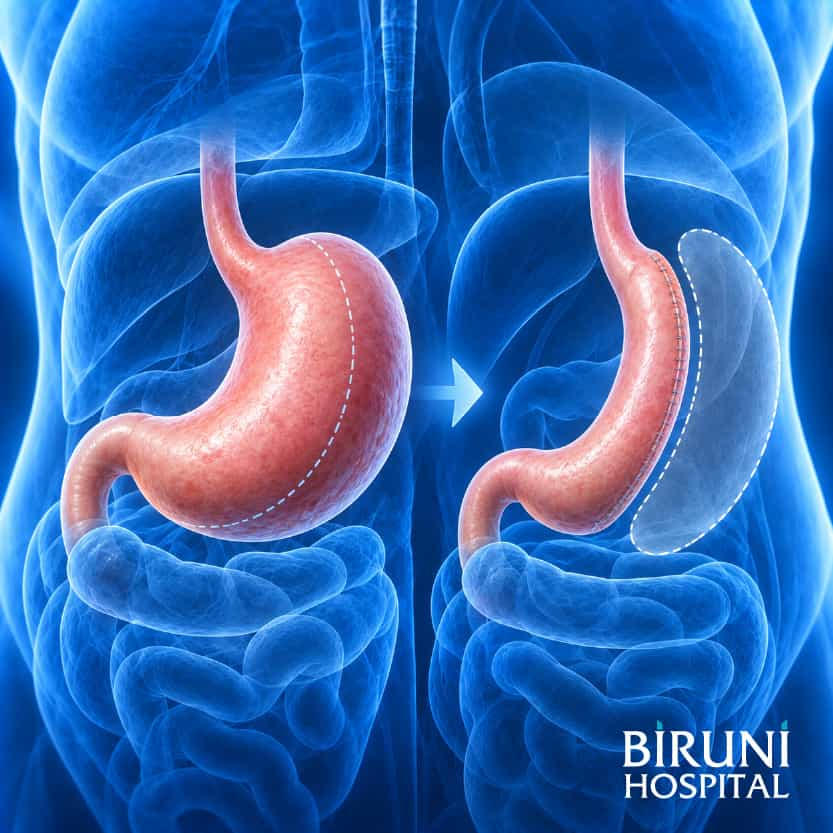

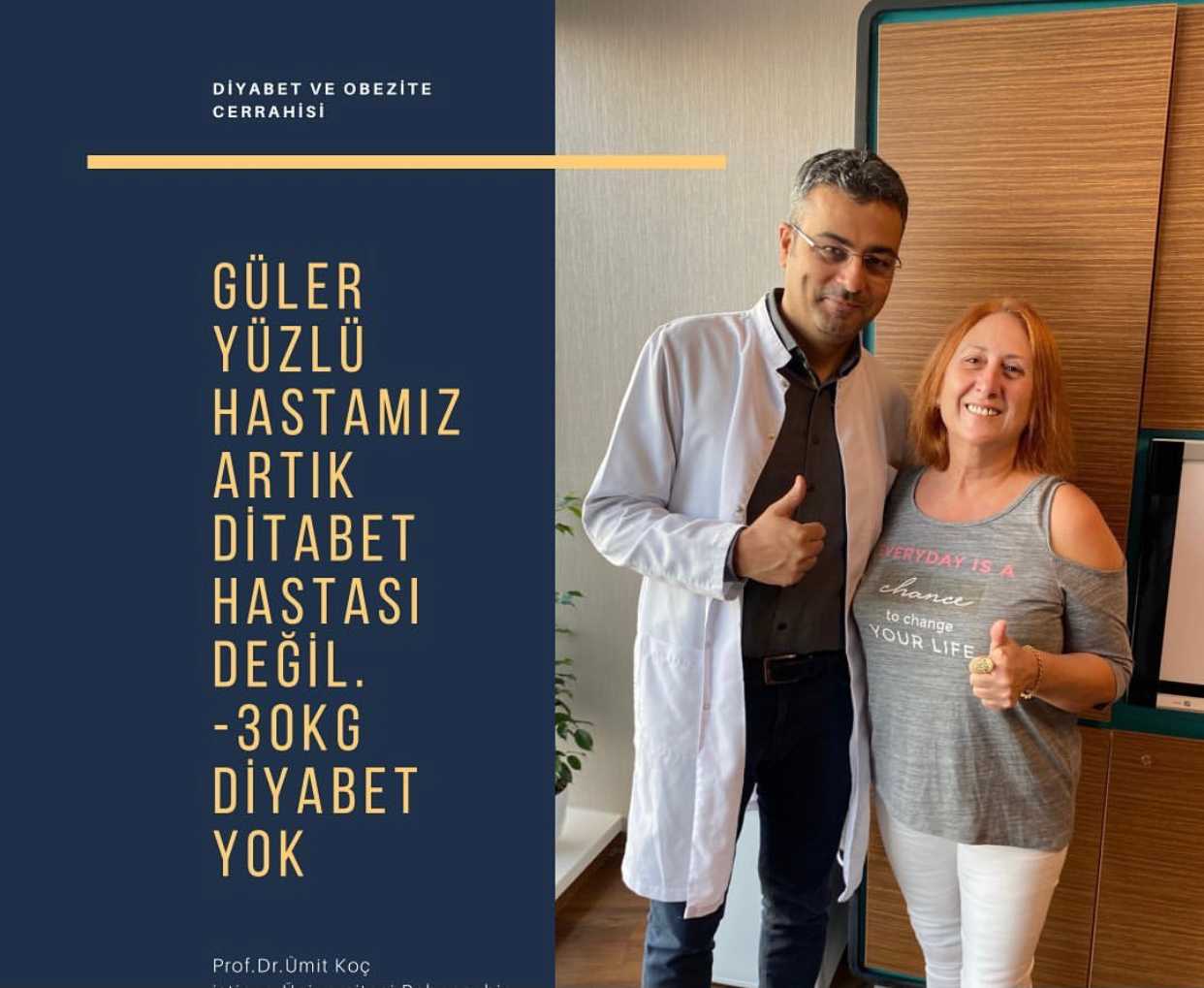













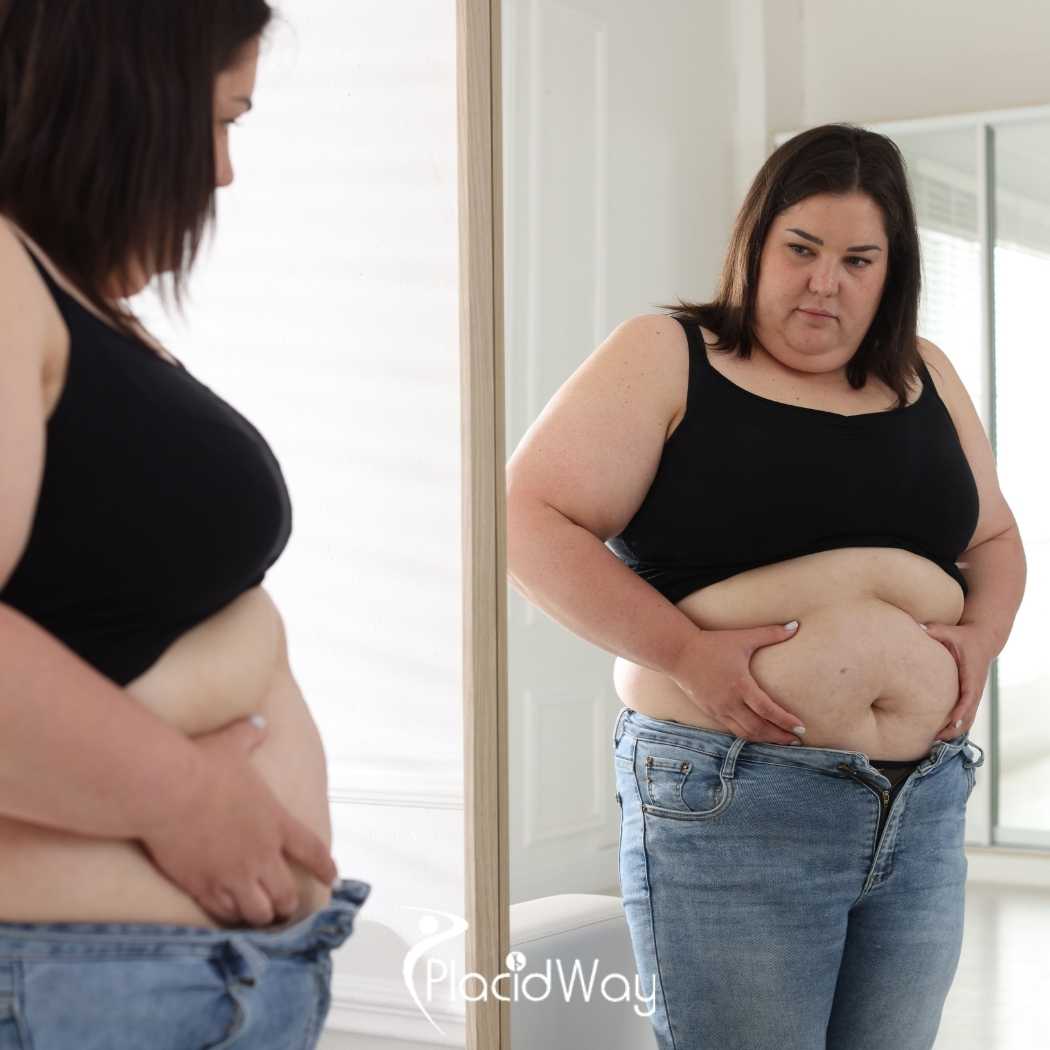









Share this listing