
Navigating medical tourism for weight loss can feel challenging when you are trying to balance affordability with quality care. Many international patients travel to Istanbul, Turkey, for gastric balloon procedures to access experienced specialists and comprehensive care packages at a lower cost than in their home countries. This guide will help you understand the different types of balloons available, exactly what medical certifications you must look for when choosing a Turkish clinic, and what you can realistically expect to pay before making your final decision.
Quick Summary: What You Need to Know Before Traveling
- Estimated Cost: Typically ranges between $1,500 and $3,500 USD, depending on the specific balloon type and package inclusions.
- Ideal Candidate: Adults with a Body Mass Index (BMI) between 27 and 40 who have not succeeded with traditional diet and exercise alone.
- Safety Overview: Generally considered a safe, non-surgical procedure, though risks like nausea, cramping, or early balloon deflation exist.
- Recovery Time: Most patients resume normal activities within 3 to 5 days after the initial adjustment period.
- Why Istanbul: Patients choose Istanbul for the combination of experienced bariatric endoscopists, modern medical facilities, and comprehensive patient support packages.
- Required Certifications: Always verify that the clinic holds a Health Tourism Authorization Certificate from the Turkish Ministry of Health and the doctor is registered with the Turkish Medical Association (TTB).
- Important Caution: A gastric balloon is a temporary tool, not a permanent cure; long-term success requires dedicated lifestyle and dietary changes.
Understanding the Gastric Balloon Procedure
A gastric balloon is a non-surgical, temporary weight loss device designed to help you consume smaller portions and feel full faster. It bridges the gap between lifestyle interventions, like diet and exercise, and permanent bariatric surgeries.
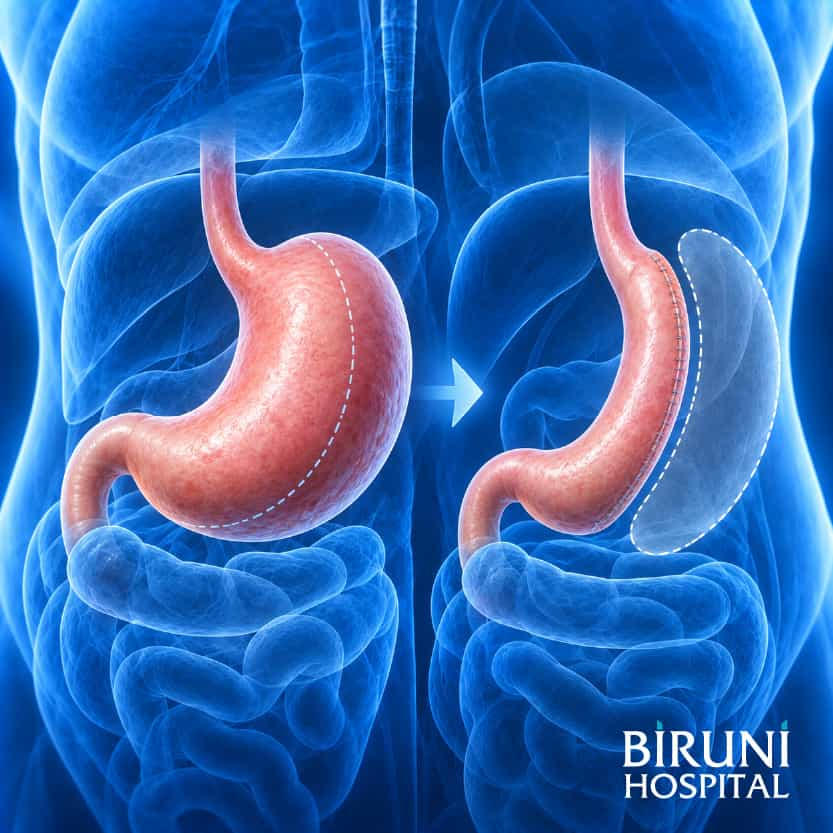
During the procedure, a specialist inserts a deflated silicone balloon into your stomach. Once in place, they fill the balloon with a sterile saline solution. The device occupies space in the stomach, restricting food intake and delaying gastric emptying. This process helps regulate hunger signals sent to your brain.
Clinical Tip for Patients
The gastric balloon does not alter your digestive anatomy. Because it is completely reversible, it is an excellent option for patients who do not qualify for or wish to avoid invasive surgeries like a gastric sleeve or bypass.
Why International Patients Choose Istanbul for Weight Loss Treatments
Istanbul has emerged as a major hub for medical tourism, particularly in the field of bariatric and metabolic treatments. Patients travel here primarily to access high-quality medical expertise without the long wait times often found in national healthcare systems.
In addition to financial savings, Turkish medical facilities often provide all-inclusive care models. These models focus on the complete patient journey, meaning you are guided through the procedure, recovery, and initial nutritional counseling by a dedicated team.
Advantages
- Significant cost savings compared to the US and UK.
- Access to experienced, specialized bariatric endoscopists.
- Comprehensive packages including transfers and accommodation.
- No extensive waiting lists for treatment.
Considerations
- Requires traveling abroad while navigating potential post-procedure nausea.
- Long-term nutritional follow-ups must be managed virtually or locally.
- Language barriers require clinics to provide proficient interpreters.
- Evaluating genuine clinic credentials from overseas requires diligent research.
Types of Gastric Balloons Available in Turkish Clinics
Not all gastric balloons are the same. When you consult with a specialist in Istanbul, Turkey, they will evaluate your health profile to recommend the most appropriate device. The choice depends on your weight loss goals, your medical history, and how the balloon is placed.
The two main categories are endoscopic balloons, which require mild sedation and an endoscopy for placement and removal, and swallowable balloons, which are ingested as a capsule and pass naturally.
| Balloon Type | Placement Method | Duration | Removal Method |
|---|---|---|---|
| Swallowable (e.g., Allurion) | Swallowed as a capsule with water; verified by X-ray. | Approx. 4 months (16 weeks). | Deflates and passes naturally. No endoscopy needed. |
| Endoscopic 6-Month (e.g., Orbera) | Inserted via endoscopy under light sedation. | Up to 6 months. | Removed via endoscopy under light sedation. |
| Endoscopic 12-Month (e.g., MedSil, Spatz3) | Inserted via endoscopy under light sedation. Some are adjustable. | Up to 12 months. | Removed via endoscopy under light sedation. |
Patient Candidacy and Eligibility Assessment
A gastric balloon is an effective tool, but it is not suitable for everyone. Clinics in Istanbul, Turkey, follow strict medical guidelines to ensure patient safety and maximize weight loss results. Your suitability will be determined through virtual consultations and on-site medical tests.
Patients who have previous stomach surgeries, severe hiatal hernias, or active gastric ulcers are generally disqualified from this treatment due to the high risk of complications.
Ideal Candidate Checklist
- You have a Body Mass Index (BMI) typically between 27 and 40.
- You have attempted to lose weight through diet and exercise without long-term success.
- You are willing to commit to supervised dietary and lifestyle changes.
- You do not have a history of major gastric or esophageal surgery.
- You are not currently pregnant or planning to become pregnant during the balloon duration.
- You do not have bleeding disorders or severe liver disease.
Cost of Treatment in Istanbul vs. Home Countries
The cost of a gastric balloon in Istanbul, Turkey, is a primary driver for medical tourists. Pricing structures in Turkish clinics are often highly transparent, usually provided as a bundled package rather than itemized hospital bills.
Keep in mind that prices vary depending on the brand of the balloon used. Swallowable capsule balloons like Allurion are generally more expensive due to the proprietary technology, while standard 6-month endoscopic balloons may be more economical.
| Country | Estimated Cost Range (USD) | Typical Inclusions |
|---|---|---|
| Istanbul, Turkey | $1,500 – $3,500 | Procedure, medical tests, hotel, transfers, initial dietician consult. |
| United Kingdom | $5,000 – $7,000 | Procedure, facility fees, standard aftercare. |
| United States | $6,000 – $9,000 | Procedure only; consultations and facility fees often billed separately. |
| Canada | $5,500 – $7,500 | Procedure and initial dietician guidance. |
Evaluating All-Inclusive Medical Packages
When requesting quotes from clinics in Istanbul, Turkey, you will often encounter all-inclusive packages. These are designed to remove the stress of logistics for international travelers. However, you must carefully review what is—and is not—included in your written quote.
A reputable clinic will provide a transparent, itemized list. Always ask what happens in the rare event of a medical complication, as some packages may not cover emergency interventions or extended hospital stays.
Standard Package Components to Look For
- Pre-procedure medical evaluations (blood tests, ECG, physical exam).
- The cost of the balloon device and the specialist's fee.
- Anesthesia or sedation fees, if applicable.
- VIP airport transfers and ground transportation between the hotel and clinic.
- 2 to 4 nights of accommodation in a partnered hotel.
- A dedicated patient coordinator and English-speaking interpreter.
- Initial dietary guidelines and a post-procedure nutrition plan.
Selecting Safely Regulated Hospitals and Clinics
Ensuring patient safety begins with selecting a facility that operates under strict national healthcare regulations. The healthcare landscape in Istanbul, Turkey, is highly regulated, but evaluating these credentials from abroad requires knowing exactly what to look for.
Do not simply rely on marketing claims. You must verify that the facility is officially recognized to treat international patients and maintains high standards for infection control and emergency response.
Essential Facility Credentials
- Ministry of Health License: Every legal hospital and clinic must be licensed by the Turkish Ministry of Health (Sa?l?k Bakanl???).
- Health Tourism Authorization Certificate: Facilities treating international patients must hold this specific certificate issued by the Turkish government, ensuring they meet language, safety, and operational standards.
- On-Site Emergency Facilities: For endoscopic procedures, verify the clinic has immediate access to an Intensive Care Unit (ICU) or a rapid transfer protocol in case of adverse reactions to sedation.
Verifying Doctor Credentials and Bariatric Expertise
The success of your gastric balloon procedure depends heavily on the skill of the medical professional performing it. In Istanbul, Turkey, this procedure is typically performed by a general surgeon specializing in bariatrics or a gastroenterologist.
Always ask for your doctor's full name and verify their professional history. Reputable doctors will openly share their case volumes, success rates, and specific experience with the exact balloon brand you are receiving.
How to Vet Your Specialist
- Ensure they are a registered member of the Turkish Medical Association (Türk Tabipleri Birli?i - TTB).
- Look for membership in specialized bodies like the Turkish Society for Bariatric and Metabolic Surgery or the International Federation for the Surgery of Obesity and Metabolic Disorders (IFSO).
- Ask how many gastric balloon placements they perform annually. High-volume specialists typically handle complications more effectively.
- Inquire about their protocol for managing severe post-placement nausea and dehydration.
The Medical Tourism Journey: Step-by-Step Logistics
Planning a trip to Istanbul, Turkey, for a medical procedure involves coordinating travel, consultations, and recovery time. Understanding the timeline helps you book the right flights and take appropriate time off work.
Most patients need to spend approximately 3 to 5 days in Istanbul. This allows time for pre-operative tests, the procedure itself, and a brief observation period to ensure you are tolerating the balloon well before flying home.
Typical 4-Day Itinerary
- Day 1: Arrival & Consultation
You are picked up from the airport, taken to your hotel to rest, and may meet with the patient coordinator. - Day 2: Medical Tests & Procedure
Blood work and physical exams are completed. If cleared, the balloon is placed. You rest at the clinic or return to the hotel, depending on the balloon type. - Day 3: Rest & Dietician Consultation
A crucial day for managing potential nausea. You will receive medication and speak with a dietician about your post-balloon liquid diet. - Day 4: Final Check & Departure
After a final assessment by the medical team, you are cleared to fly home and begin your weight loss journey.
Patient Demographics for Bariatric Tourism (2024–2026 Data Insights)
Recent clinical registries and medical tourism reports spanning 2024 to 2026 highlight a significant shift in patient demographics. Data shows an increasing number of international patients traveling for non-surgical weight loss interventions like gastric balloons, rather than immediately opting for irreversible surgeries.
This trend is largely driven by patients in younger age brackets seeking preventative weight management, as well as those who slightly exceed healthy BMI ranges but do not qualify for traditional bariatric surgery guidelines in their home countries.
Age Distribution of International Gastric Balloon Patients (2024-2025 Data)
Visualizing the primary demographic age groups traveling for endoscopic weight loss.
Furthermore, Turkey’s documented inbound medical tourism volume for these specific procedures shows robust continuous growth. Driven by the availability of newer swallowable technologies and enhanced safety protocols, clinical forecasts predict a steady upward trajectory in patient arrivals.
Projected Growth Index of Non-Surgical Bariatric Patients in Turkey (2024-2026)
Baseline index tracking inbound medical travel volume for endoscopic weight loss devices.
Understanding the Recovery Process
The gastric balloon does not require surgical incisions, which makes the physical recovery relatively rapid. However, your stomach needs time to adapt to a foreign object. The first three to five days are often the most challenging due to biological adjustments.
It is entirely normal to experience severe nausea, stomach cramping, and occasional vomiting as your stomach attempts to digest or expel the balloon. Clinics typically prescribe anti-nausea medication and acid reducers to help you manage these symptoms safely.
| Timeframe | Biological Process | Patient Sensation | Required Dietary Action |
|---|---|---|---|
| Days 1–3 | Stomach recognizes the balloon as food; increased acid production. | Nausea, cramping, lethargy, feeling overly full. | Strict clear liquid diet (water, broth, clear juices). |
| Days 4–7 | Gastric spasms decrease as the stomach accommodates the volume. | Nausea subsides significantly; energy begins to return. | Transition to full liquids and pureed foods (protein shakes, yogurt). |
| Weeks 2–3 | Stomach fully adapts; digestion normalizes around the device. | Normal sensation, minimal discomfort, early satiety when eating. | Transition to soft foods, then small portions of regular solid food. |
Evaluating Medical Risks and Complications
While generally safe, gastric balloons carry specific medical risks. It is critical to understand these possibilities so you know when to seek emergency medical help, especially after returning home from Istanbul, Turkey.
Most complications are minor and easily managed with medication. However, serious complications, though rare, require immediate attention to prevent severe internal injury or blockage.
Important Warning Signs
You must contact a healthcare provider immediately if you experience:
- Severe, persistent abdominal pain that medication does not relieve.
- Inability to keep liquids down for more than 24 hours (risk of severe dehydration).
- Blue or green urine (if a blue dye was added to an endoscopic balloon, this indicates deflation).
- Vomiting blood or dark, coffee-ground-like material.
Traveling and Visa Requirements for Turkey
Before confirming your procedure, you must review the travel logistics. Istanbul is serviced by two major international airports (IST and SAW), making it highly accessible from Europe, the UK, and North America.
Depending on your nationality, you may need an e-Visa to enter Turkey. Citizens of the UK and many European countries can currently enter without a visa for short stays, while US and Canadian citizens typically need to secure an e-Visa online before departure.
Travel Preparation Checklist
- Check your passport validity (must be valid for at least 6 months from entry).
- Apply for a Turkish e-Visa online if required by your country of origin.
- Purchase medical travel insurance that covers elective procedures and complications abroad.
- Pack loose, comfortable clothing for your journey home, avoiding tight waistbands.
Long-Term Success and Lifestyle Changes
The gastric balloon is designed to kick-start your weight loss, but it is not a standalone cure for obesity. Once the balloon passes or is removed, your stomach capacity will return to normal.
Patients who achieve and maintain significant weight loss use the balloon's duration to aggressively retrain their habits. Working with a registered dietician and committing to a structured exercise regimen during the 4 to 12 months the balloon is in place is vital for long-term success.
Key Takeaway
Your weight loss results will directly reflect your personal commitment. The balloon reduces your physical hunger, but you must overcome psychological eating habits to prevent weight regain after the device is gone.
Frequently Asked Questions
Below are detailed answers to the most common queries international patients have when researching a gastric balloon in Istanbul, Turkey.
Can the gastric balloon burst inside my stomach?
While highly uncommon, a gastric balloon can leak or deflate. Endoscopic balloons are often filled with a safe blue dye; if it leaks, your urine will turn green or blue, alerting you to seek medical help immediately so the deflated balloon can be safely removed before causing blockages.
How much weight can I expect to lose with a gastric balloon?
Weight loss varies significantly among individuals. In many cases, patients lose between 10% and 15% of their total body weight within the first six months, provided they strictly follow the prescribed dietary and exercise guidelines.
Does the procedure require general anesthesia?
No, general anesthesia is generally not required. Endoscopic balloons typically require mild or moderate sedation to ensure comfort during insertion. Swallowable balloons do not require any sedation or endoscopy at all.
Is a gastric balloon painful?
The insertion procedure is not typically painful. However, you will likely experience significant abdominal cramping, discomfort, and nausea for the first few days as your body attempts to adjust to the device. This is managed with prescribed medication.
Will I have loose skin after losing weight?
Because a gastric balloon results in more moderate and gradual weight loss compared to aggressive bariatric surgery, severe loose skin is less common. However, skin elasticity depends on your age, genetics, and total weight lost.
What happens if I cannot tolerate the balloon?
In a small percentage of cases, severe intolerance occurs despite medication. If intractable nausea or vomiting persists dangerously, your doctor may recommend removing the balloon early via endoscopy to protect your health.
Can I fly immediately after the procedure in Turkey?
Doctors generally require you to stay in Istanbul for 2 to 3 days after placement. This observation period ensures your nausea is under control and you are hydrated enough to endure the flight safely without medical distress.
Are gastric balloon packages in Istanbul legally regulated?
Yes, medical facilities offering treatments to foreigners must be accredited by the Turkish Ministry of Health and hold a specific Health Tourism Authorization Certificate, which mandates specific safety and language standards.
Can I eat solid food with a gastric balloon?
Yes, after completing the necessary liquid and pureed dietary phases during the first two to three weeks, you will transition back to solid foods. However, your portion sizes will be significantly restricted.
Do I need to return to Istanbul to have it removed?
If you receive a 6-month or 12-month endoscopic balloon, you must have it removed endoscopically. You can choose to return to your clinic in Istanbul or arrange for a local gastroenterologist in your home country to perform the removal.
Ready to Explore Your Weight Loss Options?
PlacidWay can help you confidently compare trusted clinics, understand package costs, and evaluate certified bariatric specialists in Istanbul, Turkey. Let us help you ask the right questions and find the safest care.
Request Free InformationDisclaimer: This information is for educational purposes only and does not replace professional medical advice. Always consult a qualified healthcare provider before making medical decisions.
References
- Ministry of Health Turkey - National Healthcare Regulations
- Turkish Medical Association (Türk Tabipleri Birli?i) - Medical Licensing
- International Federation for the Surgery of Obesity and Metabolic Disorders (IFSO) - Gastric Balloon Guidelines
- American Gastroenterological Association - Intragastric Balloon Patient Center
- National Institutes of Health - Efficacy and Safety of Gastric Balloons (2024 Clinical Update)
- Turkish Health Tourism Regulations - International Patient Rights
- Global Healthcare Travel Council - Bariatric Tourism Demographics Report 2024–2025
























Share this listing