

Struggling with weight loss and facing high medical costs at home can make traveling abroad for bariatric surgery a practical and life-changing choice. When comparing bariatric surgery in Turkey vs. Poland, you likely have questions about safety, hidden costs, and how to verify clinic credentials in a foreign healthcare system. This guide breaks down the essential comparisons, highlighting local government certifications like the Turkish Ministry of Health and EU regulations in Poland, to help you make an informed decision about your affordable weight loss surgery abroad.
Quick Summary
- Estimated Cost: Turkey typically ranges from $3,000 to $5,500, while Poland ranges from $5,000 to $7,500.
- Safety Overview: Both countries offer high-quality care, provided you choose clinics licensed by their respective Ministries of Health.
- Ideal Candidate: Adults with a BMI over 35, or a BMI over 30 with obesity-related conditions, seeking cost-effective treatment.
- Recovery Time: Expect to stay in the destination country for 7 to 10 days before flying home.
- Main Reason Patients Travel: Massive cost savings compared to the US or UK, combined with shorter waiting times.
- Important Caution: Always verify that your chosen surgeon is registered with the national medical council or the International Federation for the Surgery of Obesity (IFSO).
Why Patients Compare Bariatric Surgery in Turkey and Poland
Making the decision to undergo weight loss surgery is a major healthcare milestone. Many patients turn to international destinations when local healthcare systems involve multi-year waiting lists or exorbitant out-of-pocket costs.
Turkey and Poland have emerged as two of the most popular destinations for European and North American patients. Understanding the unique advantages of each location is essential for planning a safe and successful medical journey.
- Cost Efficiency: Savings of up to 70% compared to private clinics in the UK, US, or Western Europe.
- Zero Wait Times: The ability to schedule surgery within weeks rather than waiting years on public health registries.
- All-Inclusive Packages: Turkey frequently offers comprehensive packages including surgery, hotel, and airport transfers.
- EU Regulatory Comfort: Poland appeals to European patients seeking reassurance from strict European Union medical directives.
- Specialized Expertise: Both nations host high-volume bariatric centers performing thousands of successful procedures annually.
Patients traveling from the UK, Germany, and the US often weigh the immediate affordability of Turkey against the geographic proximity and EU standards of Poland. Your personal medical needs, budget, and travel preferences will dictate the best choice.
Understanding Your Treatment Options
Both Turkey and Poland offer the most scientifically proven and globally accepted weight loss procedures. Your surgeon will recommend a specific surgery based on your BMI, eating habits, and underlying health conditions like type 2 diabetes.
The gastric sleeve and gastric bypass are the two most commonly performed procedures in both countries. It is crucial to understand how they work before consulting with an international clinic.
| Procedure | How It Works | Ideal Candidate |
|---|---|---|
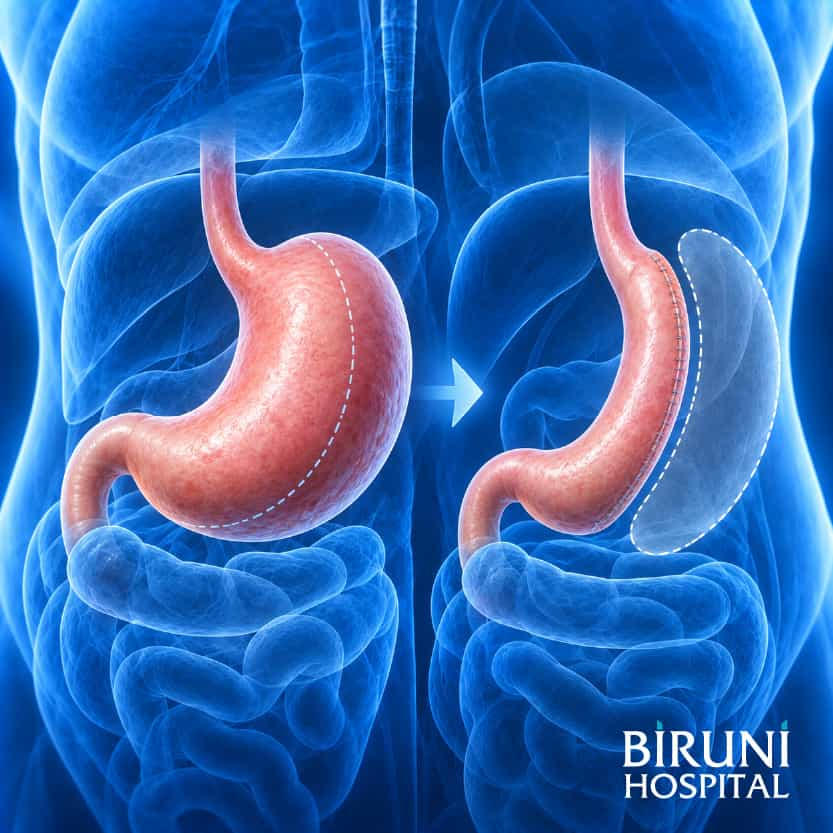
| Gastric Sleeve | Removes roughly 80% of the stomach, restricting food intake and reducing hunger hormones. | Patients wanting a shorter surgery with a lower risk of long-term nutritional deficiencies. |
| Gastric Bypass | Creates a small stomach pouch and reroutes the intestines to restrict food and limit calorie absorption. | Patients with severe obesity or uncontrolled acid reflux and type 2 diabetes. |
| Gastric Balloon | A temporary silicone balloon is placed in the stomach to create early fullness. | Patients with a lower BMI who do not qualify for, or do not want, invasive surgery. |
Each procedure carries unique risks and requires a lifelong commitment to dietary changes. Ensure your international provider offers a comprehensive pre-operative assessment to determine your medical suitability.
Cost of Treatment Comparison
Financial savings are the primary driver for medical tourism, but comparing costs requires looking at what is actually included. Prices vary significantly based on the city, the clinic's reputation, and the complexity of your specific medical case.
Turkey is widely known for offering all-inclusive packages that bundle medical and logistical costs. Poland usually itemizes medical costs, though the overall price remains highly competitive compared to Western countries.
| Destination | Estimated Cost (USD) | What is Typically Included |
|---|---|---|
| Turkey | $3,000 - $5,500 | Surgery, hospital stay, hotel accommodation, VIP transfers, and basic post-op meds. |
| Poland | $5,000 - $7,500 | Surgery, hospital stay, medical consultations, and in-hospital diagnostics. |
| United Kingdom | $12,000 - $16,000 | Surgery and hospital stay (private sector). |
| United States | $15,000 - $25,000+ | Surgery and hospital stay (excluding insurance coverage). |
When requesting quotes, always ask if pre-operative tests, anesthesia fees, and potential complication management are covered. Hidden fees can quickly diminish the financial benefit of traveling abroad.
Patient Demographics and Travel Trends
The landscape of cross-border healthcare is constantly evolving. In recent years, data shows a steady increase in international patients seeking specialized bariatric care due to rising global obesity rates.
Recent 2024 and 2025 demographic reports highlight that middle-aged adults make up the largest segment of traveling bariatric patients. These individuals are often motivated by the desire to reverse metabolic diseases and improve overall mobility.
Age Distribution of Bariatric Tourists (2025 Data)
Most traveling patients originate from countries with primarily state-funded healthcare models where non-emergency surgeries face significant delays. Women continue to represent a higher proportion of bariatric medical tourists globally.
Growth in Cross-Border Bariatric Consultations (2024-2026)
Healthcare Systems and Regulatory Standards
When selecting a destination, evaluating the national healthcare framework is vital for patient safety. Every country manages medical oversight differently, and understanding these systems protects you from substandard clinics.
In Turkey, private healthcare is strictly monitored by the Ministry of Health (Sa?l?k Bakanl???). To treat international patients, clinics must possess a specific medical tourism authorization certificate.
Poland operates under the strict medical directives of the European Union. Polish hospitals are regulated by the Ministry of Health and are subject to regular inspections ensuring compliance with EU hygiene and clinical safety standards.
Choosing the Right Hospital
Identifying a safe and reputable hospital requires looking beyond glossy marketing brochures. The facility's infrastructure, particularly emergency care capabilities, is essential for major abdominal surgery.
Look for hospitals that feature dedicated bariatric wards and on-site intensive care units (ICU). Access to an ICU guarantees that, in the rare event of a surgical complication, immediate life-saving care is available without transferring facilities.
| What to Verify | Turkey Credentials | Poland Credentials |
|---|---|---|
| Government License | Ministry of Health Medical Tourism License | Polish Ministry of Health Registration |
| Hospital Quality | National Accreditation System / JCI | ISO 9001 / EU Clinical Standards |
| Infrastructure | On-site ICU and full diagnostic labs | On-site ICU and multi-disciplinary teams |
Do not hesitate to ask the clinic representative about their complication rate and emergency transfer protocols. Transparency in these areas is a strong indicator of a trustworthy medical provider.
Verifying Your Surgeon's Credentials
The skill of your bariatric surgeon is the single most important factor determining the success of your operation. You must confirm their qualifications before paying any deposits.
Your surgeon should hold specialist registration in general or bariatric surgery within their respective country. Memberships in international professional societies also indicate a commitment to ongoing medical education.
- Turkey: Ensure registration with the Turkish Medical Association (TTB) and the Turkish Society for Metabolic and Bariatric Surgery.
- Poland: Verify their license with the Polish Chamber of Physicians and Dentists (NIL).
- International: Look for membership in the International Federation for the Surgery of Obesity (IFSO).
- Experience: Ask for their annual case volume for your specific procedure (e.g., how many gastric sleeves performed in the last year).
A reputable surgeon will always conduct a thorough medical interview with you prior to your arrival. They will review your blood tests, medical history, and explain realistic surgical outcomes.
Preparing for Travel and Logistics
Medical travel requires meticulous planning beyond booking a flight. Bariatric surgery demands careful physical preparation and logistical coordination to ensure a smooth recovery process.
You will typically need to arrive in your destination country one or two days before your scheduled surgery. This allows time for mandatory pre-operative blood work, cardiology clearances, and an in-person surgical consultation.
Make sure you have travel insurance that explicitly covers medical complications arising from planned elective surgeries. Standard holiday insurance policies will not cover these events.
Aftercare and Post-Operative Support
Bariatric surgery alters your digestive system permanently, making dedicated aftercare absolutely vital. The surgery is only a tool; your long-term success depends on dietary adherence and nutritional management.
When returning home, you must secure a local general practitioner or bariatric dietitian who can monitor your blood work for vitamin deficiencies. International clinics usually offer remote follow-ups, but they cannot provide physical emergency care if complications arise.
A structured follow-up program should include scheduled video calls at the 1, 3, 6, and 12-month marks. Ask your chosen provider about the specific post-op nutritional guidelines they provide upon discharge.
Comparing the Pros and Cons
Deciding between these two nations requires balancing your budget against your comfort level with travel distances and regulatory environments. Both countries have distinct advantages depending on your origin country.
For UK and Scandinavian patients, Poland offers shorter flights and a familiar European medical culture. Meanwhile, Turkey often provides a more seamless, VIP-style concierge experience that removes the stress of logistical planning.
Turkey
- Highly affordable all-inclusive packages.
- Dedicated medical tourism infrastructure.
- English-speaking coordinators widely available.
- Requires a longer flight for US/UK patients.
Poland
- Strict adherence to EU medical directives.
- Short flight times for European residents.
- High standards of nursing and clinical hygiene.
- Packages rarely include hotels and flights.
Ultimately, your decision should prioritize the specific surgeon’s expertise and the clinic’s safety infrastructure over the destination country itself.
Frequently Asked Questions
Is bariatric surgery in Turkey safe compared to the UK?
Yes, it can be highly safe if you choose a clinic licensed by the Turkish Ministry of Health and a surgeon accredited by national boards. Safety depends entirely on provider vetting, just as it does in the UK private sector.
Do clinics in Poland meet European Union standards?
Yes, all medical facilities in Poland must comply with strict EU directives regarding hygiene, clinical protocols, and patient safety, overseen by the Polish Ministry of Health.
How long do I need to stay abroad for a gastric sleeve?
Patients are typically advised to stay in the destination country for 7 to 10 days. This includes pre-op testing, the hospital stay, and several days of hotel recovery before receiving clearance to fly.
What happens if I experience complications after returning home?
In life-threatening emergencies, you must visit your local hospital. For non-emergencies, you should consult the local doctor you arranged prior to traveling. Always carry a translated copy of your surgical records.
Why is weight loss surgery so much cheaper in Turkey?
The cost difference is driven by lower clinical overhead, favorable exchange rates, and a lower cost of living. It does not necessarily indicate a reduction in medical material quality or surgical skill.
Will my international surgeon speak English?
Leading clinics catering to international patients employ bilingual surgeons or provide dedicated, full-time medical interpreters to ensure clear communication regarding your treatment.
Can I fly immediately after gastric bypass surgery?
No. Flying too soon after abdominal surgery increases the risk of deep vein thrombosis (DVT). Surgeons typically require a 4 to 6-day ground recovery period post-discharge before you can fly.
What certifications should I look for in a bariatric clinic?
Look for Ministry of Health licenses, ISO 9001 certification, and Joint Commission International (JCI) accreditation where applicable. Surgeon membership in IFSO is also highly recommended.
Do international packages include pre-operative tests?
In Turkey, all-inclusive packages generally include necessary hospital diagnostics. In Poland, these may be itemized separately. Always request a detailed, written quote before booking.
Am I a candidate for international bariatric surgery?
Eligibility generally mirrors international guidelines: a BMI over 35, or a BMI over 30 with obesity-related conditions like sleep apnea. A virtual consultation will determine your specific medical suitability.
Need Help Choosing the Right Clinic?
PlacidWay can help you compare certified providers, understand exact treatment costs, and request information from reputable bariatric specialists abroad.
Request Free InformationDisclaimer
Disclaimer: This information is for educational purposes only and does not replace professional medical advice. Always consult a qualified healthcare provider before making medical decisions.
References
- About IFSO & Global Standards – International Federation for the Surgery of Obesity and Metabolic Disorders
- Obesity and Overweight Fact Sheet – World Health Organization (WHO)
- Outcomes of Bariatric Surgery in Medical Tourism – National Institutes of Health (NIH)
- Bariatric Surgery Procedures Overview – American Society for Metabolic and Bariatric Surgery (ASMBS)
- Cross-Border Healthcare and Patient Rights – European Commission
- Medical Facility Regulations and Licensing – Republic of Turkey Ministry of Health
- International Healthcare Accreditation Principles – The International Society for Quality in Health Care (ISQua)



























Share this listing