


Contents
A Helpful Guide for Gastric Bypass Surgery Istanbul
For individuals battling severe obesity and related conditions like Type 2 diabetes, Gastric Bypass surgery is often more than just a weight-loss procedure—it is a life-saving intervention. Istanbul has emerged as a premier global destination for this transformative surgery, attracting patients who seek world-class bariatric care without the crushing financial burden often found in Western countries.
Turkish bariatric surgeons are recognized globally for their high surgical volume and expertise in metabolic surgery. By choosing Gastric Bypass Surgery in Istanbul, you access state-of-the-art hospitals equipped with specialized bariatric units, intensive care facilities, and comprehensive support teams including nutritionists and psychologists who understand the unique journey of international patients.
The approach in Istanbul is holistic. It’s not just about the operation; it’s about a complete lifestyle reset. From the moment you arrive for your pre-op screenings to the detailed nutritional coaching provided for your return home, the focus is on sustainable, long-term health.
With strict safety protocols, including mandatory leak tests before discharge, Istanbul offers a safe harbor for those ready to leave obesity behind and start a new chapter of vitality.
Did You Know?
Turkey is a leader in "Metabolic Surgery," a term often used here to describe bariatric procedures because of their profound effect on metabolism. Many patients travel to Istanbul specifically to put their Type 2 Diabetes into remission, often seeing blood sugar levels normalize days after the surgery.
Key Insights at a Glance
Save up to 70-80% compared to UK/US prices, with packages often costing between $3,500 and $5,000.
Surgeons are frequently members of IFSO (International Federation for the Surgery of Obesity).
Packages usually include 3-4 nights hospitalization, VIP transfers, and sometimes hotel stays.
Surgery can be scheduled almost immediately, avoiding the years-long queues of public health systems.
Post-op support often includes months of remote follow-up with a bariatric dietitian.
Use of high-quality staplers (e.g., Medtronic, Covidien) and laparoscopic techniques.
"Bariatric-Friendly" Hospitality
Turkish hospitality adapts to your needs! Many hotels that partner with clinics offer specialized "post-bariatric" broth menus and protein shakes, ensuring you adhere to your liquid diet comfortably without having to worry about finding suitable food in a foreign city.
Simplicity is key when traveling for surgery. The providers listed below offer comprehensive all-inclusive packages tailored for bariatric patients. These bundles generally include the surgical fee, anesthesia, all pre-operative testing (cardiology, chest X-ray, blood work), hospital stay, and VIP transfers between the airport, hotel, and clinic. Some premium packages also cover hotel accommodation for a companion. Review the options to find a seamless experience that fits your budget.
Note: Most packages also include a "Bariatric Kit" with compression stockings and initial nutritional supplements.

Price starting from $4,500
Gastric Bypass Package in Istanbul, Turkey at Medical Park Hospitals
Medical Park Hospitals Group in Istanbul, Turkey
- Obesity/Bariatric Surgery
Istanbul, Turkey
The cost difference for gastric bypass in Istanbul compared to Western Europe and North America is staggering. In the table below, you will see a breakdown of average prices. While a procedure in the U.S. might cost $20,000 or more, Istanbul offers high-quality care for a fraction of that price. This affordability allows many patients to access the surgery years sooner than they otherwise could, preventing further health complications.
Tip: Ensure the price includes the "Leak Test," a critical safety check performed before you leave the hospital.
Gastric Bypass Centers Cost Comparison in Istanbul, Turkey
| Provider | Procedure | Price |
|---|---|---|
| Medical Park Hospitals Group in Istanbul, Turkey | Gastric Bypass, Obesity/Bariatric Surgery | $4500 |
| ClinicExpert - Multispecialty Hospital in Istanbul | Gastric Bypass, Obesity/Bariatric Surgery | $4000 |
Gastric Bypass Cost Comparison in Turkey
| Country | Procedure | Price |
|---|---|---|
| Canada | Gastric Bypass, Obesity/Bariatric Surgery | $20500 |
| Romania | Gastric Bypass, Obesity/Bariatric Surgery | $9100 |
| Spain | Gastric Bypass, Obesity/Bariatric Surgery | $17000 |
| UAE | Gastric Bypass, Obesity/Bariatric Surgery | $11990 |
| United Kingdom | Gastric Bypass, Obesity/Bariatric Surgery | $12800 |
| United States | Gastric Bypass, Obesity/Bariatric Surgery | $25000 |
Bariatric surgery requires a facility equipped for high-dependency care. We have vetted medical centers in Istanbul that specialize in metabolic and obesity surgery. These hospitals feature bariatric-sized equipment (beds, scanners), intensive care units (ICU) on-site, and dedicated bariatric wards. Explore the profiles below to verify their accreditations (like JCI) and their specific experience with international weight-loss patients.
Safety First: Choose a hospital with a multidisciplinary team (surgeon, cardiologist, dietitian) on site.
Medical Park Hospitals Group in Istanbul, Turkey
Istanbul, Turkey

ClinicExpert - Multispecialty Hospital in Istanbul
Istanbul, Turkey
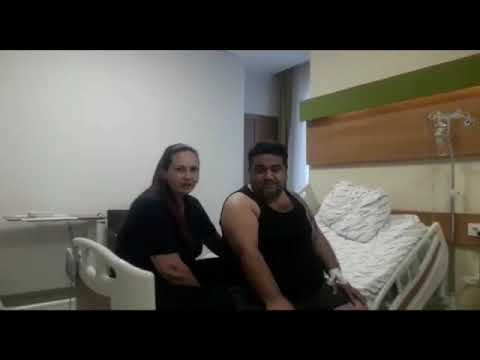
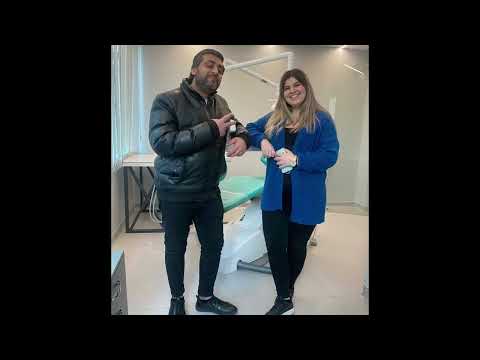
The journey of weight loss is deeply personal. In the videos below, you will hear from real people who traveled to Istanbul for their gastric bypass. They share honest accounts of their anxiety before the trip, the level of care they received from nursing staff, and their incredible transformations months after surgery. These stories offer a realistic preview of what you can expect.
Insight: Look for testimonials that discuss the "post-op blues" and how the clinic's support helped them through it.
Verified reviews are your best tool for assessing quality. Below are ratings and written feedback from patients who have trusted Istanbul surgeons with their health. Read about their experiences regarding communication, the cleanliness of the facilities, pain management, and the long-term follow-up provided by the dietitians.
Review Tip: Pay attention to reviews mentioning the "Patient Coordinator"—they are your lifeline during your stay.

How much does gastric bypass surgery cost in Istanbul, Turkey?
Are you considering gastric bypass surgery to achieve significant weight loss and improve your health? You're not alone. This life-changing procedure is becoming increasingly popular, and many are looking abroad for high-quality, affordable options. Istanbul, Turkey, has emerged as a leading destination, offering world-class medical care at a fraction of the cost you might find elsewhere. The average cost of gastric bypass surgery in Istanbul, Turkey, ranges from $4,000 to $6,500, making it a highly attractive option for international patients. This comprehensive guide will answer all your pressing questions about the procedure, costs, and what to expect on your medical journey to Istanbul. We’ll explore everything from package details to surgeon qualifications, giving you the confidence to make an informed decision. What is the average cost of gastric bypass surgery in Istanbul? “The average cost of gastric bypass surgery in Istanbul, Turkey, typically falls between $4,000 and $6,500. However, all-inclusive packages can range from approximately €3,600 to $7,500, depending on the clinic and the specifics of the package.” This price is significantly lower than in countries like the US or the UK, where the same procedure can cost upwards of $20,000 to $35,000. The affordability in Istanbul is not a reflection of lower quality but is due to the lower cost of living, operational expenses for medical facilities, and favorable exchange rates. Many clinics offer transparent pricing, often in the form of all-inclusive packages, ensuring there are no hidden fees. These packages are designed for medical tourists and often cover all major aspects of the trip, from the surgery itself to accommodation and transfers. This approach allows patients to budget effectively and focus on their health and recovery without the stress of unexpected expenses. When comparing prices, it's essential to look at what each package includes to understand the full value. What factors influence the final cost? "Several factors can influence the final cost of gastric bypass surgery in Istanbul, including the surgeon's experience, the hospital's reputation and accreditation, the specific surgical technique used (e.g., Roux-en-Y), and the comprehensiveness of the all-inclusive package." A highly experienced bariatric surgeon with a strong track record of successful outcomes may charge more for their expertise. Similarly, hospitals with prestigious international accreditations, like the JCI (Joint Commission International), might have higher fees due to their adherence to rigorous global standards of patient care and safety. The type of gastric bypass—such as the standard Roux-en-Y (RYGB) or a mini-gastric bypass—can also affect the price. Furthermore, the contents of your medical package play a significant role. A basic package might only cover the surgery and hospital stay, while a premium all-inclusive package could include 5-star hotel accommodation, VIP airport transfers, a personal translator, and extensive pre-operative and post-operative consultations. What is typically included in an all-inclusive gastric bypass package in Istanbul? "An all-inclusive gastric bypass package in Istanbul usually includes the surgery itself, surgeon and anesthesia fees, all pre-operative tests, a multi-night hospital stay, 4 or 5-star hotel accommodation for recovery, all airport and clinic transfers, and often a dedicated translator." These packages are designed to provide a seamless and stress-free experience for international patients. By bundling all necessary services, clinics in Istanbul make it easy for patients to plan their trip without worrying about logistical details. Here is a common breakdown of what to expect in a comprehensive package: Medical Services: The surgical procedure, all necessary consultations with the surgeon and dietitian, pre-operative tests (like blood work and ECG), and all medications during the hospital stay. Hospital Stay: Typically 2-3 nights in a private room at the hospital. Accommodation: Several nights' stay in a comfortable hotel before and after the hospital stay. Transfers: VIP transfer services between the airport, hotel, and hospital. Support: A personal host or translator to assist you throughout your journey. Post-Operative Care: Follow-up consultations and a detailed post-op diet and care plan. Are there any hidden costs I should be aware of? "While most reputable clinics in Istanbul offer transparent, all-inclusive packages with no hidden costs, potential extra expenses could include airfare, meals outside the hospital, post-discharge medications, and any treatment for unforeseen medical conditions." It is crucial to thoroughly review the inclusions and exclusions of your chosen package. The cost of flights to and from Turkey is almost always the patient's responsibility. While your hospital meals are covered, you will need to budget for food during your hotel stay. Additionally, medications prescribed upon your discharge from the hospital are typically not included in the package price. While complications are rare, any additional treatments or extended hospital stays required due to unexpected issues might incur extra charges. Always clarify these points with your chosen clinic before booking. How does the cost in Turkey compare to the UK or USA? "The cost of gastric bypass surgery in Turkey is approximately 60-70% lower than in the UK and the USA. While the procedure can cost $20,000-$35,000 in the US and £9,500-£15,000 in the UK, the same high-quality treatment in Istanbul is available for a fraction of that price." This significant cost difference is a primary driver for medical tourism to Turkey. The savings are not due to a compromise on quality but are a result of the country's economic landscape, including lower labor and operational costs. Patients can receive care in internationally accredited hospitals from highly qualified surgeons without the hefty price tag. This affordability makes life-changing bariatric surgery accessible to a much wider range of people who might be uninsured or unable to afford the procedure in their home countries. The substantial savings allow patients to enjoy a comfortable recovery in a new city, often still spending less than they would for the surgery alone back home. Is gastric bypass surgery in Istanbul safe? "Yes, gastric bypass surgery in Istanbul is generally very safe. Many Turkish hospitals are JCI-accredited, meaning they adhere to the highest international standards of patient safety and care, and surgeons are often internationally trained with extensive experience." Turkey has invested heavily in its healthcare infrastructure, boasting modern hospitals equipped with the latest medical technology. Bariatric surgeons in Istanbul are typically members of international obesity and metabolic surgery societies and have performed thousands of successful procedures. Patient reviews and testimonials often highlight the high level of care and professionalism they received. The success rate for the surgery is also high, with patients typically losing 60-80% of their excess body weight within the first two years. To ensure your safety, it is vital to research your chosen clinic and surgeon thoroughly. Look for certifications, read patient reviews, and have a detailed consultation to address all your concerns. Who qualifies for gastric bypass surgery in Turkey? "To qualify for gastric bypass surgery in Turkey, candidates typically need a Body Mass Index (BMI) of 40 or higher, or a BMI of 35 or higher with at least one serious obesity-related health condition, such as type 2 diabetes, hypertension, or sleep apnea." The eligibility criteria are in line with international medical guidelines. A thorough pre-operative evaluation is conducted to ensure the candidate is physically and psychologically prepared for the surgery and the significant lifestyle changes that follow. This assessment usually involves consultations with a bariatric surgeon, a dietitian, and sometimes a psychologist. Candidates must demonstrate a commitment to long-term follow-up and adherence to a new diet and exercise regimen. The goal is to ensure the surgery is not only successful in the short term but also sustainable for lifelong health and weight management. How do I find the best surgeons and hospitals in Istanbul? "Finding the best surgeons and hospitals for gastric bypass in Istanbul involves researching clinics with international accreditations (like JCI), checking surgeon qualifications and experience, and reading verified patient reviews and testimonials." Look for surgeons who are specialists in bariatric surgery and have performed a high volume of gastric bypass procedures. Many top surgeons in Istanbul are members of international organizations like the International Federation for the Surgery of Obesity and Metabolic Disorders (IFSO). Utilize reputable medical tourism platforms that vet their partner clinics and provide transparent information and patient feedback. Don't hesitate to schedule virtual consultations with potential surgeons to ask questions about their experience, success rates, and approach to patient care. A reputable clinic will be happy to provide you with all the information you need to feel comfortable and confident in your choice. What does the recovery process look like? "Recovery after gastric bypass surgery in Turkey involves a hospital stay of 2-3 days for monitoring, followed by a recovery period in a hotel for another 4-7 days before you are cleared to fly home. The initial recovery phase requires a strict liquid and soft food diet." The total recommended stay in Turkey is usually around 7 to 10 days. During your hospital stay, you will be monitored for any immediate post-operative complications. The medical team will help you manage pain and guide you on the initial stages of your new diet, starting with clear liquids. Once discharged, you'll continue your recovery in your hotel. The clinic will provide detailed instructions for your diet, which will gradually progress from liquids to puréed, soft, and eventually solid foods over several weeks. Most patients can return to work and light activities within 1-2 weeks, with full recovery taking a few months. Are there financing options available? "Yes, many clinics and medical tourism companies that facilitate gastric bypass surgery in Turkey offer financing options or payment plans to help patients manage the cost of the procedure, making it more accessible." These financing plans allow you to break down the total cost into manageable monthly payments. Some companies partner with financial institutions that specialize in medical loans for international patients. It is worth inquiring directly with your chosen clinic or medical tourism facilitator about the payment plans they offer. This flexibility allows you to proceed with your life-changing surgery without the stress of having to pay the full amount upfront. Be sure to understand the terms, interest rates, and eligibility requirements of any financing option before committing. Ready to take the next step on your weight loss journey? Explore top-rated, internationally accredited hospitals and expert surgeons in Istanbul with PlacidWay. We provide transparent pricing and comprehensive packages to ensure your medical travel experience is seamless and successful. Contact us today for a personalized quote and to learn more about your options for gastric bypass surgery in Turkey.
What are the benefits of Gastric Bypass Surgery in Istanbul?
Considering gastric bypass surgery in Istanbul is a significant step towards a healthier and more fulfilling life. This transformative procedure offers a powerful solution for individuals struggling with obesity and its related health complications. Istanbul has rapidly emerged as a leading destination for medical tourism, and for good reason. The city combines world-class medical expertise with affordable prices, making life-changing surgeries like gastric bypass accessible to a global audience. If you're exploring this option, you likely have many questions. This comprehensive guide will walk you through the key benefits, costs, and what to expect from your medical journey in Istanbul. What are the primary benefits of gastric bypass surgery? "The primary benefits of gastric bypass surgery include significant and sustained weight loss, resolution or improvement of obesity-related health conditions like type 2 diabetes and hypertension, enhanced mobility, and a better overall quality of life." Gastric bypass surgery is more than just a weight loss procedure; it's a metabolic surgery that can profoundly improve your health. By altering the digestive system, it restricts food intake and reduces the absorption of calories, leading to substantial weight loss. Many patients experience a loss of 60-80% of their excess body weight within the first two years. Beyond the numbers on the scale, the health improvements are remarkable. Conditions like type 2 diabetes often go into remission, and many patients can reduce or eliminate their reliance on medication for high blood pressure and high cholesterol. Furthermore, the significant weight loss can alleviate joint pain, improve mobility, and boost self-esteem, contributing to a more active and enjoyable lifestyle. Why is Istanbul a popular choice for gastric bypass surgery? "Istanbul is a popular destination for gastric bypass surgery due to its combination of highly skilled surgeons, internationally accredited hospitals, advanced medical technology, and significantly lower costs compared to Western countries." Turkey, and specifically Istanbul, has invested heavily in its healthcare infrastructure, creating a hub of medical excellence. Many hospitals are JCI (Joint Commission International) accredited, which is the gold standard in global healthcare. Surgeons in Istanbul are often internationally trained and have extensive experience in performing bariatric procedures. The affordability factor is a major draw for many international patients. The cost of gastric bypass surgery in Istanbul can be up to 70% less than in the US or UK, without compromising on the quality of care. This cost-effectiveness, combined with the opportunity to recover in a vibrant and historic city, makes Istanbul an attractive option. How much does gastric bypass surgery cost in Istanbul in 2025? "The cost of gastric bypass surgery in Istanbul in 2025 typically ranges from $4,000 to $7,500. This price often includes an all-inclusive package covering the surgery, hospital stay, accommodation, and transfers." The lower cost of living and operational expenses in Turkey allows clinics to offer competitive pricing. Many clinics in Istanbul provide all-inclusive packages designed for international patients. These packages often cover: The surgical procedure itself Pre-operative consultations and tests Hospital stay (typically 2-4 days) Hotel accommodation for a portion of your recovery Airport and clinic transfers Translator services This transparent pricing model helps patients budget for their treatment without worrying about hidden costs, making high-quality medical care more accessible. What are the long-term success rates of gastric bypass in Istanbul? "The long-term success rates of gastric bypass in Istanbul are very high, with patients typically losing 50% or more of their excess weight and maintaining that loss for over 10 years, coupled with significant improvements in obesity-related health issues." The success of gastric bypass surgery is not just about the initial weight loss but also about long-term maintenance. Studies have shown that a majority of patients maintain a significant portion of their weight loss for a decade or more. The key to long-term success lies in a combination of the surgical procedure and a commitment to lifestyle changes. Clinics in Istanbul emphasize comprehensive post-operative care, including dietary guidance and support, to help patients adapt to their new way of life and achieve lasting results. The high success rates are a testament to the expertise of the surgical teams and the supportive aftercare programs. Who is a suitable candidate for gastric bypass surgery? "A suitable candidate for gastric bypass surgery typically has a Body Mass Index (BMI) of 40 or higher, or a BMI of 35 or higher with at least one serious obesity-related health condition, and has been unsuccessful in losing weight through diet and exercise." Determining your candidacy for gastric bypass surgery involves a thorough evaluation by a medical team. The general criteria include: BMI: A high BMI is a primary indicator. Obesity-related health conditions: The presence of conditions like type 2 diabetes, sleep apnea, or heart disease can make you a strong candidate. Previous weight loss attempts: The surgery is generally recommended for those who have tried other weight loss methods without sustained success. Commitment to lifestyle changes: A willingness to adopt a healthy diet and regular exercise is crucial for the long-term success of the surgery. A comprehensive pre-operative assessment, including physical and psychological evaluations, will be conducted to ensure the procedure is safe and appropriate for you. What does the gastric bypass procedure in Istanbul entail? "The gastric bypass procedure in Istanbul is typically performed laparoscopically, which is a minimally invasive technique. The surgeon creates a small stomach pouch and reroutes a section of the small intestine to this pouch, restricting food intake and calorie absorption." The most common type of gastric bypass is the Roux-en-Y procedure. Here's a simplified breakdown of what happens during the surgery: Creating a small stomach pouch: The surgeon uses staples to divide the stomach into a small upper pouch and a much larger lower "remnant" pouch. Rerouting the small intestine: The small intestine is divided, and the lower part is brought up and connected to the newly created small stomach pouch. Connecting the bypassed section: The upper part of the divided small intestine is connected to the small intestine further down, allowing digestive juices to flow. This minimally invasive approach results in smaller incisions, less pain, a shorter hospital stay, and a quicker recovery compared to traditional open surgery. The procedure itself usually takes 2 to 4 hours under general anesthesia. What is the recovery period like after gastric bypass surgery in Istanbul? "The initial recovery period after gastric bypass surgery in Istanbul involves a hospital stay of 2 to 4 days. Most patients can return to light activities within a week and are typically able to travel back home within 7 to 10 days. Full recovery and adjustment to the new diet can take several weeks to months." Your recovery journey will be closely monitored by the medical team. The initial days in the hospital will focus on pain management and a gradual transition to a liquid diet. Once discharged, you will continue with a phased dietary plan, moving from liquids to pureed, soft, and eventually solid foods. It's important to follow your surgeon's instructions carefully to ensure a smooth recovery. While you'll be able to resume many of your normal activities within a few weeks, it's essential to listen to your body and avoid strenuous activities for the recommended period. Are there any risks associated with gastric bypass surgery? "Like any major surgery, gastric bypass carries potential risks, including infection, blood clots, and complications from anesthesia. Specific risks related to the procedure include nutritional deficiencies and, in rare cases, leakage from the staple lines. However, choosing an experienced surgeon and a reputable clinic in Istanbul significantly minimizes these risks." The surgical teams in Istanbul are highly experienced in managing and mitigating these risks. They adhere to strict international safety protocols to ensure patient well-being. During your pre-operative consultation, your surgeon will discuss all potential risks and complications with you in detail. Post-surgery, you will need to take vitamin and mineral supplements for life to prevent nutritional deficiencies. Regular follow-up appointments with your doctor are also crucial for monitoring your health and the long-term success of the surgery. How do I choose the best clinic for gastric bypass in Istanbul? "To choose the best clinic for gastric bypass in Istanbul, look for internationally accredited facilities (like JCI), surgeons with extensive experience and positive patient reviews, and clinics that offer comprehensive, all-inclusive packages with transparent pricing and robust post-operative support." Doing thorough research is key. Look for clinics that are transparent about their credentials and patient outcomes. Reading patient testimonials and looking at before-and-after photos can provide valuable insights. Don't hesitate to schedule virtual consultations with potential surgeons to ask questions and get a feel for their approach. A reputable clinic will have a dedicated international patient department to assist you with all aspects of your medical journey, from travel arrangements to accommodation and translation services. This level of support can make the entire experience much smoother and less stressful. What is included in an all-inclusive gastric bypass package in Istanbul? "An all-inclusive gastric bypass package in Istanbul typically includes the cost of the surgery, pre-operative tests, surgeon and hospital fees, a 2 to 4-day hospital stay, hotel accommodation for a specified period, VIP airport and clinic transfers, and the assistance of a personal translator." These packages are designed to provide a seamless and stress-free experience for international patients. By bundling all the essential services, they offer excellent value for money and allow you to focus on your health and recovery. It's important to carefully review what is included in any package you are considering. Some packages may also offer additional services like city tours or extended post-operative follow-up. What kind of pre-operative preparation is required? "Pre-operative preparation for gastric bypass surgery typically involves a special diet for a few weeks leading up to the procedure to reduce the size of the liver and abdominal fat, making the surgery safer. You will also undergo a series of medical tests and consultations to ensure you are fit for the surgery." Your surgeon will provide you with specific dietary guidelines to follow before your surgery. This may include a high-protein, low-carbohydrate diet. You will also need to stop smoking and avoid certain medications in the weeks leading up to the procedure. The pre-operative tests usually include blood work, an ECG, and an abdominal ultrasound to assess your overall health. These preparations are crucial for ensuring a safe and successful surgical outcome. What will my diet be like after gastric bypass surgery? "After gastric bypass surgery, your diet will be significantly different. You will start with a liquid diet and gradually progress to pureed, soft, and then solid foods over several weeks. Long-term, you will need to eat small, frequent meals that are high in protein and low in fat and sugar, and chew your food thoroughly." This dietary adjustment is one of the most critical aspects of your post-operative journey. The smaller stomach pouch will limit the amount of food you can eat at one time. You will need to focus on nutrient-dense foods to ensure you are getting the vitamins and minerals your body needs. Clinics in Istanbul provide detailed dietary plans and often have nutritionists on staff to guide you through this transition. Adhering to these dietary guidelines is essential for achieving your weight loss goals and maintaining your health long-term. Ready to take the next step towards a healthier you? Explore the world-class gastric bypass surgery solutions available in Istanbul. Discover your personalized medical journey with PlacidWay. Find top-rated clinics and expert surgeons in Istanbul for your gastric bypass surgery. Get a free quote today!
How much weight can you lose with Gastric Bypass Surgery in Istanbul?
Deciding to undergo Gastric Bypass surgery is a significant step towards a healthier life, and choosing Istanbul for this transformative procedure is an increasingly popular option. But the most pressing question for many is, "How much weight can you lose with Gastric Bypass Surgery in Istanbul?" On average, patients can expect to lose between 60% and 80% of their excess body weight within the first 12 to 18 months following the surgery. This significant weight loss is a result of the procedure's dual mechanism, which both restricts food intake and reduces calorie absorption. Istanbul has become a leading center for bariatric surgery, combining highly experienced surgeons, JCI-accredited hospitals, and advanced technology to deliver exceptional results. This guide will provide a detailed look into the expected weight loss journey, the factors that influence it, and what you can realistically achieve. How is 'excess weight' calculated for Gastric Bypass? "Excess weight is the difference between your current weight and your ideal weight. Your ideal weight is typically calculated based on a 'healthy' Body Mass Index (BMI) of 25. The percentage of weight loss you achieve is based on this excess amount, not your total body weight." Understanding this calculation is crucial for setting realistic expectations. For example, if your current weight is 140 kg (308 lbs) and your ideal weight is 70 kg (154 lbs), your excess weight is 70 kg. A 70% loss of this excess weight would mean losing 49 kg (108 lbs), bringing your new weight to around 91 kg (200 lbs). This method provides a more personalized and accurate projection of your potential weight loss. Surgeons in Istanbul will perform a thorough evaluation, including measuring your BMI and discussing your goals, to give you a clear picture of what you can expect to lose and the timeline for achieving it. What is the typical weight loss timeline after Gastric Bypass? "Weight loss after Gastric Bypass surgery is most rapid in the first few months. Patients often lose 30-50% of their excess weight within the first 6 months, and up to 70-80% within the first 12 to 18 months before the rate of loss naturally slows and stabilizes." The weight loss journey is a dynamic process that occurs in distinct phases. Here’s a general timeline you can expect: First Month: Rapid weight loss is common as your body adjusts to the new diet and smaller stomach pouch. You can expect to lose between 8 to 15 pounds or more. 3 to 6 Months: This is a period of significant, consistent weight loss. As you adhere to the post-op diet and increase physical activity, you can shed 30% to 50% of your excess body weight. 12 to 18 Months: Most patients will have lost the majority of their excess weight by this point. Weight loss continues but at a much slower pace. Beyond 18 Months: Your weight will likely stabilize. The focus now shifts to long-term maintenance through sustained lifestyle changes to prevent weight regain. How much weight can I expect to lose in the first year? "In the first year after Gastric Bypass in Istanbul, most patients lose an average of 60% to 70% of their excess body weight. For someone with 100 pounds of excess weight, this translates to a loss of 60 to 70 pounds in 12 months." The first year is the most critical period for weight loss. The surgical changes to your digestive system are most effective during this time, leading to dramatic results when combined with the required dietary and lifestyle modifications. The skilled surgical teams in Istanbul provide a comprehensive post-operative plan to maximize your success during this crucial first year. This includes detailed nutritional guidance, exercise recommendations, and regular follow-ups to monitor your progress and make any necessary adjustments to your plan. What factors influence my total weight loss? "Your total weight loss is influenced by several key factors: your starting BMI, age, gender, adherence to the post-operative diet, level of physical activity, and overall commitment to lifestyle changes." While Gastric Bypass surgery is a powerful tool, it is not a magic wand. Your active participation is essential for achieving and maintaining the best possible results. Key influencing factors include: Starting Weight and BMI: Patients with a higher initial BMI tend to lose more total pounds, though the percentage of excess weight lost is often similar across the board. Dietary Discipline: Strictly following the post-surgical diet—focusing on protein, avoiding high-sugar and high-fat foods, and eating small, frequent meals—is non-negotiable. Physical Activity: Regularly incorporating exercise not only boosts weight loss but also helps build muscle mass, which improves metabolism. Psychological Readiness: Your mindset and ability to adapt to new habits play a huge role in long-term success. Reputable clinics in Istanbul include psychological support as part of their programs. Age and Health: Younger patients and those with fewer obesity-related health issues may experience faster weight loss. Will I lose more weight with Gastric Bypass than a Gastric Sleeve? "Yes, patients typically lose slightly more weight with a Gastric Bypass compared to a Gastric Sleeve. Gastric Bypass combines food restriction with malabsorption (reducing calorie absorption), which generally leads to a higher percentage of excess weight loss—around 70-80% compared to 60-70% for the sleeve." The primary difference lies in the surgical technique. A Gastric Sleeve only reduces the size of the stomach. A Gastric Bypass also reroutes the small intestine, meaning fewer calories from the food you eat are absorbed by the body. This malabsorptive component is why Gastric Bypass often leads to greater and slightly faster weight loss. It is also particularly effective at resolving obesity-related conditions like type 2 diabetes. Your surgeon in Istanbul will recommend the best procedure for you based on your health profile and weight loss goals. How do clinics in Istanbul support my weight loss journey? "Leading bariatric clinics in Istanbul offer comprehensive, all-inclusive packages that provide support at every stage. This includes pre-operative consultations, the surgery itself, a personalized post-operative diet plan, psychological support, and long-term follow-up care." The best clinics understand that surgery is just one part of the journey. Their programs are designed to provide 360-degree support to ensure you succeed. This support system typically includes: Expert Team: You will be cared for by a multidisciplinary team of surgeons, dietitians, psychologists, and patient coordinators. Personalized Diet Plans: A dietitian will create a phased diet plan, from liquids to solids, tailored to your needs. Aftercare and Follow-Up: Reputable clinics offer long-term virtual follow-ups to track your progress, answer questions, and provide ongoing guidance once you return home. How much does Gastric Bypass in Istanbul cost? "The cost of a Gastric Bypass in Istanbul typically ranges from $4,000 to $6,500. This is significantly more affordable than in countries like the United States, where the same procedure can cost between $18,000 and $30,000, or the UK, where prices are often between £8,000 and £15,000." This dramatic price difference is a primary reason why Istanbul has become a global hub for medical tourism. The savings are not due to a compromise in quality but are a result of the country's lower operational costs, including surgeon fees and hospital expenses, as well as a favorable currency exchange rate. The Turkish government also actively supports the health tourism sector, which fosters competition and drives clinics to offer exceptional value. Ready to take the next step in your weight loss journey? Explore PlacidWay to find leading bariatric surgeons and all-inclusive Gastric Bypass packages in Istanbul.
How Long is the Recovery Time After Gastric Bypass in Istanbul?
Considering a gastric bypass in Istanbul is a significant step towards a healthier life, and one of the most pressing questions for prospective patients is about the recovery process. You're likely wondering, "How long will it take before I feel like myself again?" The straightforward answer is that the initial, most intensive phase of recovery is quite short. Most patients spend only 2 to 4 days in the hospital and are able to resume light activities within a week. You can generally expect to be back to your daily routine, including work, within 4 to 6 weeks. However, it's important to view recovery as a complete journey. This journey includes not just the physical healing from the surgery but also the long-term adaptation to a new way of eating and living. Istanbul has become a premier destination for bariatric surgery, attracting patients from all over the world. This is due to its combination of highly skilled surgeons, state-of-the-art medical facilities, and significantly more affordable costs compared to Europe and North America. The care packages offered often include everything from the procedure itself to accommodation and post-operative support, making the entire experience smooth and stress-free. Understanding the recovery timeline is crucial for planning your trip and setting realistic expectations. This guide will walk you through every stage of the recovery time, from the moment you leave the operating room to your long-term success, ensuring you are fully prepared for this life-changing procedure in the vibrant city of Istanbul. How Long is the Initial Hospital Stay for Gastric Bypass in Istanbul? "The typical hospital stay after a laparoscopic gastric bypass in Istanbul is between 2 to 4 days. This allows your medical team to monitor your initial recovery, manage pain, and ensure you can tolerate liquids before being discharged." Following your gastric bypass surgery, you will be moved to a recovery room for close observation. The primary goals during your hospital stay are to manage post-operative pain, prevent complications like blood clots, and begin the transition to your new diet. The nursing staff will encourage you to start moving as soon as possible, usually within a few hours of the surgery. This early ambulation is critical for promoting blood circulation and preventing respiratory issues. Your surgeon and a dietitian will oversee the start of your post-op diet, which begins with clear liquids. The medical team needs to see that your new digestive system is functioning properly and that you can stay hydrated. Before you are discharged, you will receive detailed instructions on wound care, medications, and the dietary stages you'll need to follow at home. The short hospital stay is possible because the procedure is typically performed laparoscopically, which involves smaller incisions and leads to a faster recovery compared to traditional open surgery. What is the Total Recovery Time for Gastric Bypass? "While you can return to most normal activities within 4 to 6 weeks, the total recovery time for a gastric bypass is often considered to be around 3 to 6 months. This longer period accounts for the body fully healing and adjusting to significant physiological and dietary changes." It's helpful to think of recovery in phases. The first phase is the acute recovery period, which lasts for the first few weeks. During this time, you will focus on healing, managing discomfort, and strictly following a liquid-to-pureed diet. You'll likely feel fatigued as your body uses energy to heal and adjusts to a lower calorie intake. The second phase, from about 6 weeks to 6 months, involves a gradual return to a more normal, albeit modified, diet and lifestyle. Your energy levels will increase, and you can incorporate more physical activity. This is also the period where you will see the most rapid weight loss. The final phase is the long-term adjustment, where your new eating habits become second nature. Full adaptation, both physically and psychologically, can take up to a year as your weight stabilizes and you settle into your new, healthier life. When Can I Fly Home After Gastric Bypass in Istanbul? "Most surgeons in Istanbul recommend that patients stay in the city for 7 to 10 days after surgery before flying home. This allows for a crucial post-operative check-up and ensures you are stable and recovering well enough for travel." The waiting period before flying is a critical safety measure. Long flights increase the risk of developing deep vein thrombosis (DVT), or blood clots in the legs, especially after a major surgery. Your surgeon will want to see you for at least one follow-up appointment before you depart to check your incision sites and overall progress. During your flight, it's important to take precautions. Wear compression stockings, stay well-hydrated, and get up to walk around the cabin every hour or so if possible. These actions help to maintain good blood circulation. The clinics in Istanbul are very experienced with international patients and will provide you with a 'fit to fly' letter and clear instructions to make your journey home as safe and comfortable as possible. What Does the First Week of Recovery Look Like? "The first week of recovery after gastric bypass is focused on rest, hydration, and adhering to a strict clear liquid diet. You will likely experience some pain and fatigue, but you will be encouraged to take short, frequent walks to aid the healing process." After being discharged from the hospital (typically day 3 or 4), you will continue your recovery at your hotel. The main focus is on sipping fluids constantly throughout the day to prevent dehydration. You will be on pain medication to manage discomfort from the incisions and internal healing. It is normal to feel tired and weak during this first week. Walking is your primary form of activity. Short, gentle walks around your room or hotel hallway are essential for preventing blood clots and pneumonia. You must avoid any lifting or strenuous activity. By the end of the first week, you will likely have a follow-up appointment with your surgeon before you are cleared to fly home. How Much Pain Should I Expect After Surgery? "Pain after laparoscopic gastric bypass is generally moderate and well-managed with prescribed medication. Most discomfort is felt around the small incision sites and typically subsides significantly within the first week." Since the gastric bypass in Istanbul is almost always done laparoscopically, the pain is much less severe than with open surgery. You will feel soreness and discomfort, particularly for the first few days, which is managed with pain relief provided by the hospital. Some patients also report gas pain in the abdomen or shoulder area, which is a common result of the carbon dioxide used to inflate the abdomen during surgery. Walking helps to relieve this gas pain effectively. By the time you are discharged, the pain should be manageable with oral pain medications. Most patients find they only need these for a week or two. If you experience sudden, severe, or worsening pain, it's crucial to contact your medical team immediately as this could be a sign of a complication. What are the Dietary Stages After Gastric Bypass? "The post-gastric bypass diet progresses through several distinct stages over about two months: from clear liquids to full liquids, then to pureed foods, soft foods, and finally to solid foods. Each stage allows your new stomach pouch to heal properly." Your post-operative diet is carefully structured to protect your healing stomach and ensure you get the necessary nutrients. It is the most critical component of a successful recovery. Rushing through the stages can cause pain, vomiting, and potentially serious complications like leaks. Here is a typical dietary timeline provided by clinics in Istanbul: Dietary Stage Typical Duration Allowed Foods Stage 1: Clear Liquids First 1-7 Days Water, broth, unsweetened juice, sugar-free gelatin. Stage 2: Full Liquids Weeks 2-3 Protein shakes, skim milk, thin soups, yogurt drinks. Stage 3: Pureed Foods Weeks 4-5 Blended lean meats, soft scrambled eggs, cooked vegetables, cottage cheese. Stage 4: Soft Foods Weeks 6-8 Ground meats, flaked fish, canned fruits, well-cooked vegetables. Stage 5: Solid Foods From Week 8 Onwards Gradual reintroduction of a balanced, solid-food diet, focusing on protein first. When Can I Return to Work? "Most patients can return to work within 2 to 4 weeks after gastric bypass surgery, depending on the nature of their job. Those with desk jobs may return earlier, while individuals with physically demanding jobs might need up to 6 weeks off." Your ability to return to work depends heavily on your energy levels and the physical requirements of your job. If you work from home or have a sedentary office job, you might feel ready to go back after two weeks, perhaps starting with half-days. Your concentration and energy levels will still be lower than usual as your body adjusts to the new diet and ongoing healing. For jobs that require heavy lifting, strenuous physical activity, or a lot of movement, it is essential to wait at least 4 to 6 weeks. It is crucial to get clearance from your surgeon before resuming such activities to avoid causing a hernia or other injuries to your healing abdomen. Listen to your body and don't push yourself too hard too soon. What Activities Should I Avoid During Recovery? "During the first 4 to 6 weeks of recovery, you must avoid any heavy lifting (anything over 10-15 lbs), strenuous exercise, and activities that put a strain on your abdominal muscles, such as sit-ups or crunches, to prevent hernias." Your abdominal muscles need time to heal properly. Putting too much pressure on them can lead to complications. In addition to lifting restrictions, you should also avoid: Vigorous household chores: This includes vacuuming, moving furniture, or carrying heavy loads of laundry. Driving: You should not drive for at least one week and while you are taking narcotic pain medication. You need to be able to make sudden movements without pain to drive safely. Swimming and bathing: Avoid submerging your incisions in water (baths, pools, hot tubs) until they are fully healed and your surgeon gives you the okay, which is typically around 3-4 weeks. Showers are usually permitted a couple of days after surgery. When Can I Start Exercising Again? "You can and should start light walking immediately after surgery. More formal, low-impact exercise like swimming or cycling can typically be introduced around 4 to 6 weeks post-op. High-impact activities and strength training should wait until you are cleared by your surgeon, usually around 3 months." Exercise is a cornerstone of long-term success after bariatric surgery. It accelerates weight loss, improves muscle tone, and boosts your mood. The key is to reintroduce it gradually. Walking is the first and most important exercise. Start with short, 5-10 minute walks multiple times a day and slowly increase the duration and pace as you feel stronger. After about a month, you can start incorporating other low-impact cardio exercises. Listen to your body and stop if you feel any pain. Weight training should be introduced later, starting with light weights and focusing on proper form to prevent injury. A structured exercise plan helps maximize your weight loss results and build healthy habits for life. What are the Signs of Complications I Should Watch For? "While complications are rare, it's vital to watch for signs such as a fever over 101°F (38.3°C), worsening abdominal pain, persistent nausea or vomiting, redness or discharge from incisions, or shortness of breath. Contact your surgeon immediately if you experience any of these symptoms." Being informed about potential warning signs is part of a safe recovery. The clinics in Istanbul will provide you with a comprehensive list of symptoms to monitor and 24/7 contact information for their medical team. The most serious early complication is an anastomotic leak (a leak from the staple line), which requires immediate medical attention. Other signs to be aware of include: Inability to drink liquids Pain, swelling, or redness in your legs (could indicate a blood clot) Dizziness or fainting Rapid heart rate Trust your instincts. If you feel that something is not right, it is always best to err on the side of caution and seek medical advice. Ready to explore your options for a healthier future? PlacidWay is your trusted partner in medical tourism. We connect you with world-class, accredited clinics in Istanbul for safe and affordable gastric bypass surgery. Let us help you navigate your journey with confidence. Contact PlacidWay today to get a free quote and personalized treatment plan.
Is Gastric Bypass Surgery Safe in Istanbul?
Yes, gastric bypass surgery is generally safe in Istanbul, provided it is performed by a qualified bariatric surgeon in an internationally accredited hospital. The safety level is comparable to that of top hospitals in Europe and the US, thanks to high medical standards, modern technology, and experienced surgeons. Istanbul, a city where continents meet, has rapidly emerged as a leading global hub for medical excellence, particularly in the field of bariatric surgery. For individuals considering a life-changing procedure like gastric bypass, Istanbul offers a combination of world-class surgeons, advanced medical technology, and significant cost savings. However, traveling abroad for major surgery naturally brings up the most important question of all: "Is gastric bypass surgery safe in Istanbul?" The answer is a resounding yes, but with the crucial condition that patients must do their homework to select the right facility and surgeon. The safety of bariatric surgery in Istanbul is not a matter of chance; it's the result of a robust healthcare system with many hospitals accredited by international bodies like the Joint Commission International (JCI). These institutions are held to the same rigorous safety and quality standards as top hospitals in Western countries. The surgeons are often internationally trained and have immense experience, having performed thousands of these procedures. This guide will provide a comprehensive, transparent look into the safety of gastric bypass surgery in Istanbul for 2025, covering the risks, the safety protocols in place, success rates, and how you as a foreign patient can ensure your surgical journey is as safe and successful as possible. What are the general risks of gastric bypass surgery? "Like any major surgery, gastric bypass has inherent risks regardless of location. Short-term risks include infection, bleeding, blood clots, and adverse reactions to anesthesia. Long-term risks can include hernias, nutritional deficiencies, and dumping syndrome." It's essential to understand that the risks are associated with the procedure itself, not the city where it's performed. A well-prepared patient is one who understands both the benefits and the potential complications. These risks are managed and minimized in a high-quality hospital setting, whether in Istanbul or New York. Short-Term Risks: These are complications that can occur during or shortly after the surgery. They include leakage from the staple lines, blood clots in the legs (DVT) that could travel to the lungs (pulmonary embolism), infection at the incision sites, and bleeding. Reputable hospitals have strict protocols to mitigate these risks, such as using blood thinners and compression stockings to prevent clots. Long-Term Risks: These can develop months or years after the surgery. Dumping syndrome is a common issue where certain foods (especially sugary ones) move too quickly from the stomach to the small intestine, causing nausea, cramping, and diarrhea. Nutritional deficiencies are also a significant risk, as the surgery alters how the body absorbs vitamins and minerals. Patients must commit to a lifelong regimen of supplements. How do Istanbul's hospitals ensure patient safety? "Top hospitals in Istanbul ensure safety through international accreditation (like JCI), using state-of-the-art laparoscopic equipment, employing highly experienced bariatric surgeons, and maintaining rigorous pre-operative and post-operative care protocols." The safety infrastructure in Istanbul's premier private hospitals is a key reason for its popularity as a medical tourism destination. They don't just meet local standards; they meet global standards. International Accreditation: Look for hospitals accredited by the Joint Commission International (JCI). This is the gold standard in global health care, signifying that the hospital meets stringent benchmarks for patient safety, quality of care, and medical ethics. Many hospitals in Istanbul proudly hold this accreditation. Advanced Technology: Gastric bypass surgery is almost always performed laparoscopically. This minimally invasive technique involves small incisions, which leads to less pain, a shorter hospital stay, and a faster recovery compared to open surgery. Istanbul's best hospitals are equipped with the latest high-definition laparoscopic technology. Experienced Surgical Teams: The safety of the surgery is directly tied to the skill of the surgeon. Leading bariatric surgeons in Istanbul have often performed thousands of gastric bypass procedures, giving them a level of experience that is hard to match. This high volume leads to refined techniques and a deep understanding of how to manage potential complications. Multidisciplinary Approach: Safe bariatric surgery is a team effort. The best clinics in Istanbul provide a multidisciplinary team that includes not just the surgeon, but also dietitians, psychologists, and patient coordinators who work together to support the patient's journey. What is the success rate of gastric bypass in Istanbul? "The success rate of gastric bypass surgery in Istanbul is very high, with outcomes comparable to leading bariatric centers worldwide. Patients can typically expect to lose 60-80% of their excess body weight within 12 to 18 months, with significant improvement or resolution of obesity-related health conditions." Success is measured not just by weight loss, but also by the improvement in comorbid conditions. The high success rates in Istanbul are attributable to the high standards of surgical care and comprehensive patient support. Metric Typical Outcome in Istanbul Excess Weight Loss 60-80% within 1 to 2 years Resolution of Type 2 Diabetes Over 80% of patients see remission or significant improvement Improvement in Hypertension Over 70% see resolution or reduced need for medication Improvement in Sleep Apnea Over 85% experience resolution How do I choose a safe surgeon and clinic in Istanbul? "To choose a safe clinic, verify the hospital's JCI accreditation, research the surgeon's credentials and experience (look for IFSO membership), read extensive reviews from previous foreign patients, and ensure the clinic provides a comprehensive pre-op and post-op support plan." Your due diligence is the most critical component of ensuring your safety. Here is a checklist to follow: Surgeon's Credentials: Is the surgeon a board-certified general surgeon with a specialization in bariatrics? How many gastric bypass procedures have they performed? Are they a member of international organizations like the International Federation for the Surgery of Obesity and Metabolic Disorders (IFSO)? Hospital Accreditation: Confirm that the hospital where the surgery will be performed is JCI-accredited or holds other reputable international certifications. Patient Reviews and Testimonials: Look for video testimonials and written reviews on independent platforms. Look for detailed accounts that discuss the entire process, from consultation to aftercare. Communication: Does the clinic have dedicated, fluent English-speaking patient coordinators? A clear line of communication is essential for discussing your medical history, your goals, and any concerns you may have. Transparency: A reputable clinic will be transparent about its pricing, what's included in the package, and the potential risks involved. They should provide a thorough pre-operative evaluation process to ensure you are a suitable candidate for the surgery. What does post-operative care look like for a foreigner in Istanbul? "Post-operative care for foreigners typically includes a hospital stay of 2-3 nights, followed by a 7-10 day stay in a nearby hotel for initial recovery and a final check-up. Reputable clinics provide a detailed diet plan, necessary medications, and long-term remote follow-up with dietitians." Proper aftercare is vital for a safe recovery. Top clinics in Istanbul have well-established protocols for their international patients. You will not be sent home immediately after being discharged from the hospital. The package price almost always includes a hotel stay for a recommended period, allowing your body to begin healing and giving the medical team a chance to monitor your initial progress. Before you leave Istanbul, you will have a final consultation with your surgeon and a dietitian. They will provide you with: A multi-stage diet plan, starting with liquids and slowly progressing to solid foods. A schedule for your lifelong vitamin and mineral supplements. Prescriptions for any necessary medications. Clear instructions on wound care and physical activity limits. Contact information for long-term remote support to track your progress and answer any questions that arise after you return home. Making the decision to have gastric bypass surgery is a monumental step towards a healthier life. Ensuring it's done safely is paramount. PlacidWay connects you with Istanbul's most reputable, JCI-accredited hospitals and board-certified bariatric surgeons who prioritize patient safety above all else.
What is The Cost of Mini Gastric Bypass Surgery in Istanbul?
Mini gastric bypass surgery in Istanbul, Turkey, typically ranges from $3,000 to $6,500, offering a significantly more affordable option compared to Western countries. Prices vary based on clinic, surgeon experience, and package inclusions. Embarking on a journey to better health often involves significant decisions, and for those struggling with obesity, mini gastric bypass surgery can be a life-changing option. Istanbul, Turkey, has emerged as a leading global destination for bariatric procedures, including the mini gastric bypass, due to its combination of high-quality medical care, experienced surgeons, and remarkably affordable prices. Many individuals are searching for information on the cost, safety, and overall experience of undergoing this surgery in Istanbul. This comprehensive guide aims to answer all your pressing questions, providing clear, concise information followed by detailed explanations to help you make an informed decision. We'll delve into everything from the average cost of mini gastric bypass in Istanbul to what you can expect during your recovery, ensuring you have all the facts at your fingertips. What is the cost of mini gastric bypass surgery in Istanbul? The cost of mini gastric bypass surgery in Istanbul generally ranges from $3,000 to $6,500, making it significantly more affordable than in countries like the USA, UK, or Western Europe. The exact price for a mini gastric bypass in Istanbul can fluctuate based on several factors. These include the specific clinic or hospital you choose, the surgeon's experience and reputation, the type of materials used, and what's included in the overall package. Many clinics in Istanbul offer all-inclusive packages designed for international patients, which often cover not only the surgery itself but also pre-operative tests, hospital stay, post-operative care, consultations, and sometimes even accommodation and airport transfers. This comprehensive approach helps patients budget effectively and minimizes unexpected costs. Why is mini gastric bypass surgery more affordable in Istanbul? Mini gastric bypass surgery is more affordable in Istanbul due to lower operating costs, favorable exchange rates, government support for medical tourism, and a highly competitive market among clinics. Istanbul's affordability for medical procedures like mini gastric bypass can be attributed to several economic and governmental factors. Lower Operating Costs: The general cost of living and overhead for medical facilities in Turkey are considerably lower than in many Western countries. This includes salaries for medical staff, administrative expenses, and utility costs. Favorable Exchange Rates: The Turkish Lira's exchange rate against major currencies like the USD, EUR, and GBP makes the cost of treatment particularly attractive for international patients. Government Support for Medical Tourism: The Turkish government actively promotes medical tourism, offering incentives and investments to enhance healthcare infrastructure and attract foreign patients. This support helps keep prices competitive. Competitive Market: The high number of internationally accredited clinics and experienced surgeons in Istanbul creates a competitive environment, which naturally drives down prices while maintaining high standards of care. What does a typical mini gastric bypass package in Istanbul include? A typical mini gastric bypass package in Istanbul often includes the surgery, anesthesia, hospital stay (2-3 nights), pre-operative tests, post-operative follow-ups, medications, and sometimes airport transfers and hotel accommodation. When considering mini gastric bypass surgery in Istanbul, it's crucial to understand what's covered in the package price. While inclusions can vary slightly between clinics, a comprehensive package usually encompasses: Medical Consultations: Initial consultations with the surgeon, bariatric dietitian, anesthesiologist, and other specialists. Pre-operative Examinations: This typically includes blood tests, ECG, chest X-ray, and other necessary screenings to ensure you are a suitable candidate for the surgery. The Surgical Procedure: The cost of the mini gastric bypass surgery itself, including surgeon fees and operating room charges. Anesthesia: The cost of general anesthesia administered during the procedure. Hospital Stay: Typically 2-3 nights in the hospital for recovery and monitoring after the surgery. Medications: Essential medications prescribed during your hospital stay and for initial post-operative recovery. Post-operative Follow-ups: Initial follow-up appointments with the surgeon and dietitian while you are still in Istanbul. Some clinics also offer remote follow-ups. Transfers: Often, VIP airport transfers to and from the hospital/hotel are included. Accommodation: Some premium packages may include a few nights of hotel stay before or after your hospital discharge. It's always recommended to get a detailed breakdown of what is included in your chosen package to avoid any surprises. Are mini gastric bypass surgeries in Istanbul safe? Yes, mini gastric bypass surgeries in Istanbul are generally safe, with many clinics boasting international accreditations, experienced surgeons, and adherence to high medical standards. Safety is a primary concern for anyone considering surgery abroad. Istanbul has a well-developed medical tourism infrastructure, with numerous hospitals and clinics that meet international quality and safety standards. Many facilities are accredited by organizations like the Joint Commission International (JCI), which signifies adherence to rigorous quality and patient safety standards comparable to those in Western countries. Surgeons specializing in bariatric procedures in Istanbul are often highly experienced, having performed hundreds or even thousands of these surgeries. Many have received training internationally and are members of prestigious surgical associations. However, as with any medical procedure, it's vital to do your due diligence. Research clinics thoroughly, read patient reviews, and verify the credentials of your chosen surgeon to ensure you receive the best possible care for your mini gastric bypass. How long should I plan to stay in Istanbul for mini gastric bypass surgery? You should plan to stay in Istanbul for approximately 7 to 10 days for mini gastric bypass surgery, which typically includes pre-operative assessments, the surgery, hospital stay, and initial recovery. The total duration of your stay in Istanbul for mini gastric bypass surgery will typically span about a week to ten days. Here's a breakdown of the usual timeline: Day 1-2: Arrival and Pre-operative Consultations/Tests: Upon arrival, you'll have initial consultations with your surgical team and undergo all necessary medical tests and evaluations to confirm your eligibility for the surgery. Day 2-3: Surgery Day: The mini gastric bypass procedure itself usually takes 1-2 hours. Day 3-5: Hospital Stay: You'll typically stay in the hospital for 2-3 nights following the surgery for close monitoring and initial recovery. Day 5-7/10: Post-operative Recovery and Follow-ups: After discharge, you'll spend a few more days recovering in a hotel. During this time, you'll have follow-up appointments with your surgeon and dietitian to ensure your recovery is progressing well and to receive detailed instructions for at-home care and dietary progression. Having this buffer allows for any unforeseen adjustments to your schedule and ensures you're stable and comfortable before traveling back home. What is the recovery like after mini gastric bypass surgery? Initial recovery after mini gastric bypass surgery involves a liquid diet and gradual progression to solid foods, with most patients returning to light activities within 2-4 weeks, and full recovery taking several months. The recovery process after mini gastric bypass surgery is a gradual journey that requires commitment to dietary and lifestyle changes. Immediate Post-Op (Hospital Stay): You'll be encouraged to start light walking soon after surgery to prevent complications like blood clots. Pain will be managed with medication. You'll begin with small sips of clear liquids. First Few Weeks: Your diet will progress from clear liquids to full liquids, then pureed foods, and eventually soft solids over several weeks. It's crucial to follow your dietitian's instructions carefully to avoid discomfort and complications. Fatigue is common initially. First Few Months: You'll gradually introduce more solid foods and continue to adapt to smaller portion sizes. Significant weight loss typically occurs during this period. Regular follow-up with your medical team and adherence to vitamin and mineral supplements are essential. Long-Term: Full adaptation to your new eating habits and lifestyle changes takes time. Continuous commitment to a healthy diet, regular exercise, and lifelong vitamin supplementation is vital for long-term success and to prevent nutritional deficiencies. What are the benefits of mini gastric bypass over traditional gastric bypass? Mini gastric bypass is often preferred over traditional gastric bypass due to its simpler surgical technique, shorter operating time, potentially lower complication rates, and comparable weight loss results. The mini gastric bypass (MGB), also known as the One-Anastomosis Gastric Bypass (OAGB), has gained popularity due to several advantages compared to the traditional Roux-en-Y gastric bypass: Simpler Technique: MGB involves creating a longer, narrower stomach pouch and connecting it to a loop of the small intestine with a single connection (anastomosis), making it technically simpler and quicker to perform. Shorter Operating Time: The simplified procedure typically means a shorter time under anesthesia, which can reduce surgical risks. Potentially Lower Complication Rates: With only one anastomosis, there's a reduced risk of certain complications associated with the traditional bypass, such as internal hernias. Comparable Weight Loss: Studies generally show that MGB achieves similar or even slightly better excess weight loss outcomes compared to traditional gastric bypass. Effective for Co-morbidities: Like traditional bypass, MGB is highly effective in resolving or improving obesity-related conditions such as type 2 diabetes, hypertension, and sleep apnea. Who is a suitable candidate for mini gastric bypass surgery? A suitable candidate for mini gastric bypass surgery typically has a Body Mass Index (BMI) of 40 or higher, or a BMI of 35-39.9 with obesity-related health conditions, and has tried and failed other weight loss methods. Determining suitability for mini gastric bypass involves a comprehensive evaluation by a bariatric team. Key criteria generally include: BMI Criteria: BMI of 40 or greater (severe obesity). BMI of 35-39.9 (obesity) with at least one significant obesity-related health problem (co-morbidity), such as type 2 diabetes, severe sleep apnea, high blood pressure, or high cholesterol. Failed Conservative Weight Loss: A history of serious attempts at weight loss through diet and exercise that have not yielded sustainable results. Commitment to Lifestyle Changes: A willingness and ability to commit to lifelong dietary changes, regular exercise, and vitamin supplementation after surgery. Psychological Readiness: No untreated psychological conditions that could hinder post-operative adherence to lifestyle changes. Overall Health: Sufficiently healthy to undergo major surgery, with any existing medical conditions well-managed. A thorough medical and psychological evaluation will be conducted to ensure the surgery is appropriate and safe for the individual. What are the potential risks and complications of mini gastric bypass? Potential risks of mini gastric bypass include nutritional deficiencies (vitamins, minerals), bile reflux, staple line leaks, bleeding, infection, and rarely, a need for revision surgery. While mini gastric bypass is generally safe, as with any major surgery, it carries potential risks and complications. These include: Nutritional Deficiencies: The altered digestive tract can lead to malabsorption of certain vitamins and minerals, such as iron, vitamin B12, folate, and calcium. Lifelong supplementation is crucial to prevent these deficiencies. Bile Reflux: Some patients may experience bile reflux, which is when bile flows back into the esophagus, causing discomfort or inflammation. This is a primary concern unique to the MGB due to its single connection. Staple Line Leak: A rare but serious complication where the surgical staples leak, leading to infection or peritonitis. Bleeding: Internal bleeding can occur after surgery, though it's uncommon. Infection: Risk of infection at the surgical site or internally. Dumping Syndrome: Rapid emptying of stomach contents into the small intestine, leading to symptoms like nausea, dizziness, rapid heart rate, and diarrhea, especially after consuming high-sugar or high-fat foods. Hernia: The development of a hernia at the incision site. Ulcers: Formation of ulcers at the connection point between the stomach pouch and the small intestine. Weight Regain: While effective, weight regain is possible if dietary and lifestyle guidelines are not followed long-term. Revision Surgery: In rare cases, complications or insufficient weight loss may necessitate a revision or conversion to a different bariatric procedure. How much weight can I expect to lose after mini gastric bypass? Patients typically lose 60-80% of their excess weight within 12-18 months after mini gastric bypass surgery, with significant improvements in obesity-related health conditions. The amount of weight loss after mini gastric bypass surgery can vary among individuals, but it is generally substantial and rapid in the first year. First 6 Months: Most patients experience significant and rapid weight loss, often losing 30-50% of their excess weight. 12-18 Months: The majority of excess weight loss occurs within this timeframe, with patients typically achieving 60-80% excess weight loss. Excess weight is defined as the difference between your current weight and your ideal healthy weight. Long-Term: Maintaining weight loss long-term depends heavily on adherence to dietary guidelines, regular physical activity, and continued follow-up with your healthcare team. While some regain is possible, most patients maintain a significant portion of their initial weight loss. Beyond weight loss, mini gastric bypass often leads to dramatic improvements or even resolution of obesity-related health issues, such as type 2 diabetes (with remission rates often exceeding 80%), high blood pressure, sleep apnea, and joint pain. What is the pre-operative diet for mini gastric bypass? The pre-operative diet for mini gastric bypass typically involves a low-calorie, high-protein liquid diet for 1-2 weeks to shrink the liver and reduce fat around organs, making the surgery safer. A crucial part of preparing for mini gastric bypass surgery is adhering to a strict pre-operative diet. This diet is designed to: Shrink the Liver: The liver often becomes enlarged in obese individuals due to fat accumulation. A low-calorie diet helps reduce the liver size, making the surgical field safer and easier for the surgeon. Reduce Visceral Fat: Decreasing fat around internal organs, particularly around the stomach, simplifies the surgical procedure and reduces the risk of complications. Prepare Your Body: It helps transition your body to a healthier eating pattern, preparing you for the significant dietary changes required post-surgery. The pre-operative diet typically involves a liquid-only or very-low-calorie diet for 1-2 weeks before the surgery. This usually consists of protein shakes, clear broths, and sugar-free beverages. Your surgeon and dietitian in Istanbul will provide specific instructions tailored to your needs. What post-operative care and follow-up are typically provided in Istanbul? Post-operative care for mini gastric bypass in Istanbul includes hospital monitoring, initial follow-up consultations with the surgeon and dietitian, and often remote support for several months or a year after returning home. After your mini gastric bypass surgery in Istanbul, the care doesn't stop. Reputable clinics prioritize comprehensive post-operative support: Immediate Hospital Care: During your 2-3 day hospital stay, nurses will monitor your vital signs, manage pain, and assist with early mobilization. Your surgeon will visit daily to assess your recovery. Discharge Instructions: Before leaving the hospital, you'll receive detailed instructions on wound care, medication, dietary progression, and activity levels. Initial Follow-up Consultations: While still in Istanbul, you'll have one or more follow-up appointments with your surgeon and a bariatric dietitian. These sessions are crucial for checking your healing, addressing any immediate concerns, and reinforcing dietary guidelines. Remote Follow-up: Many clinics offer remote follow-up support for several months to a year, or even longer, via phone, video calls, or email. This allows you to stay connected with your medical team for ongoing guidance on diet, exercise, and nutritional supplementation. Nutritional Counseling: Ongoing nutritional counseling is often a critical component of post-operative care, helping you adapt to your new way of eating and ensuring you meet your nutritional needs. It's important to understand the extent of post-operative care offered before committing to a clinic. Are there language barriers for English-speaking patients in Istanbul clinics? Most reputable clinics in Istanbul catering to international patients provide English-speaking staff and professional translators to minimize language barriers for mini gastric bypass patients. Concerns about language barriers are common for medical tourists. However, clinics specializing in international patients in Istanbul are well-equipped to handle diverse linguistic needs: English-Speaking Medical Staff: Many surgeons, doctors, nurses, and administrative staff in these clinics are proficient in English, especially those dealing with international patients regularly. Professional Translators: It's common for clinics to employ dedicated medical translators or have access to translation services to ensure clear communication between patients and the entire medical team, from consultations to post-operative instructions. International Patient Coordinators: Many clinics assign dedicated international patient coordinators who are often bilingual and assist with all aspects of your medical journey, including communication, scheduling, and logistics. While you might encounter some language differences outside the clinic, within the medical setting, communication for your mini gastric bypass will generally be smooth and effective. What preparation is needed before traveling to Istanbul for surgery? Before traveling to Istanbul for mini gastric bypass surgery, you should complete pre-operative medical evaluations, adhere to the prescribed diet, arrange travel documents, and inform your chosen clinic of your arrival details. Proper preparation is key for a smooth experience when undergoing mini gastric bypass in Istanbul: Medical Clearances: Your local doctor may need to provide medical clearances or test results requested by the Istanbul clinic. Pre-operative Diet Adherence: Strictly follow the liquid diet prescribed by your Istanbul surgeon in the weeks leading up to your departure. Travel Documents: Ensure your passport is valid and check if you need a visa for Turkey based on your nationality. Flight and Accommodation: Book your flights and confirm your hotel accommodation (if not part of a package). Inform your clinic of your travel itinerary for airport transfers. Communication: Establish clear communication with your international patient coordinator at the clinic. Packing: Pack comfortable clothing, essential toiletries, and any necessary personal medications. Remember to bring any medical records the clinic requested. Financials: Confirm payment arrangements with the clinic and ensure you have access to funds for any personal expenses. Can I combine mini gastric bypass with other procedures in Istanbul? Combining mini gastric bypass with other procedures is generally not recommended due to increased surgical risks and recovery demands, but it should be discussed with your surgeon on a case-by-case basis. While Istanbul is a hub for various medical and cosmetic procedures, combining mini gastric bypass surgery with other extensive procedures is usually advised against. Increased Surgical Risk: Performing multiple major surgeries simultaneously significantly increases the time under anesthesia, the risk of bleeding, infection, and other complications. Compromised Recovery: Recovery from mini gastric bypass requires your body's full attention to heal and adapt to significant changes. Adding another procedure can overtax your system and prolong recovery. Focus on Weight Loss: The primary goal of mini gastric bypass is sustained weight loss and improvement of related health conditions. Other procedures, particularly cosmetic ones, are often best performed after significant weight loss has been achieved and your weight has stabilized. Any desire to combine procedures should be thoroughly discussed with your bariatric surgeon. They will assess your individual health, risks, and the impact on your recovery to provide the safest recommendation. In many cases, it's better to prioritize the mini gastric bypass and consider other procedures at a later stage, once your body has fully recovered and adjusted to your new weight. What is the long-term success rate of mini gastric bypass? The long-term success rate of mini gastric bypass in maintaining significant weight loss and improving co-morbidities is high, especially with consistent adherence to lifestyle changes and medical follow-up. The long-term success of mini gastric bypass is generally very good, with studies demonstrating sustained weight loss and improvement in health conditions for many years. Sustained Weight Loss: While the most dramatic weight loss occurs in the first 1-2 years, a significant portion of excess weight loss is maintained by most patients over the long term (5-10 years and beyond). Resolution of Co-morbidities: The procedure has a high success rate in resolving or significantly improving conditions like type 2 diabetes, hypertension, dyslipidemia, and sleep apnea, often with long-lasting benefits. Factors Influencing Success: Long-term success is strongly correlated with patient adherence to: Lifelong nutritional guidelines, including consuming protein-rich foods and avoiding sugary/fatty items. Regular physical activity. Consistent intake of prescribed vitamin and mineral supplements. Attending regular follow-up appointments with their bariatric team. Patient Commitment: The surgery is a tool, not a cure. The commitment of the individual to fundamental lifestyle changes is the most critical factor for lasting success. How do I choose the best clinic for mini gastric bypass in Istanbul? To choose the best clinic for mini gastric bypass in Istanbul, research accreditations (like JCI), surgeon experience and qualifications, read patient reviews, compare package inclusions, and assess communication and post-operative support. Selecting the right clinic and surgeon for your mini gastric bypass in Istanbul is a crucial decision. Here's a guide to help you: Accreditation and Certifications: Look for clinics that are internationally accredited, such as by the Joint Commission International (JCI). This indicates they meet global standards for patient care and safety. Surgeon Experience and Qualifications: Research the surgeon's background, including their experience specifically with mini gastric bypass procedures. Check their qualifications, certifications, and membership in international bariatric surgery associations. Inquire about their success rates and complication rates. Patient Reviews and Testimonials: Read reviews and testimonials from previous international patients to get insights into their experiences with the clinic, surgeon, and overall process. Look for reviews on independent platforms. Package Inclusions and Transparency: Get a clear, detailed breakdown of what the package price includes. Be wary of hidden fees. Ensure all essential services, from pre-op tests to post-op care, are covered. Communication and Support: Assess how responsive and clear the clinic's communication is. Do they offer dedicated international patient coordinators and translators? Is there reliable post-operative remote support? Facility and Technology: Research the hospital's facilities, cleanliness, and the technology they use. Modern equipment contributes to safer and more effective procedures. Follow-up Care: Understand the extent and duration of follow-up care offered once you return home. Don't hesitate to ask many questions and even request a virtual consultation before making your final decision. If you are considering mini gastric bypass surgery or other healthcare services in Istanbul or anywhere else in the world, explore PlacidWay for solutions tailored to your medical tourism needs.
Your safety is determined by the hands of your surgeon. Istanbul is home to some of the world's most experienced bariatric surgeons. We have identified top specialists based on their accreditation, years of experience, and patient success stories. Reviewing these profiles will help you find a surgeon who is not only a skilled technician but also a partner in your weight loss journey.
IFSO Members
International Federation for the Surgery of Obesity
Top specialists in Istanbul maintain membership with IFSO, the global authority on bariatric surgery. This ensures they adhere to the highest international safety standards and are up-to-date with the latest surgical techniques and research.
High-Volume Surgeons
Thousands of Successful Procedures
Experience in bariatrics is measured in volume. The leading surgeons in Istanbul often perform over 1,000 bariatric procedures a year. This immense experience minimizes the risk of complications and ensures they can handle complex cases, including revisions.
Metabolic Surgery Experts
Diabetes Remission Specialists
Many surgeons here specialize specifically in "Metabolic Surgery," focusing not just on weight loss but on curing metabolic syndrome (high blood pressure, diabetes, cholesterol). They take a holistic approach to your long-term health markers.
Ass. Prof. Muhammmed Z.
ClinicExpert - Multispecialty Hospital in Istanbul
- Bariatric Surgeon
Istanbul, Turkey
Assoc. Prof. MD. Hakan Seyit
Medical Park Hospitals Group in Istanbul, Turkey
- Bariatric Surgeon
Istanbul, Turkey
Unbeatable Value for Money
The primary driver is the incredible cost-effectiveness. In Istanbul, you can receive a premium, all-inclusive medical package for a quarter of the price of the surgery alone in the US or UK.
This price includes luxury accommodation, VIP transport, and hospital fees, making it accessible to those who are uninsured or whose insurance denies coverage for weight loss surgery.
Speed of Access
For patients in countries with nationalized healthcare (like the UK or Canada), waiting lists for bariatric surgery can stretch for years. In Istanbul, there is virtually no waiting list.
You can often book your consultation and surgery within weeks, allowing you to take control of your health immediately rather than waiting while your condition worsens.
World-Class Bariatric Infrastructure
Istanbul's private hospitals are not just general facilities; many are specialized hubs for medical tourism. They are designed to cater to bariatric patients, featuring reinforced furniture, specialized scanners, and staff trained in sensitivity and bariatric care.
The combination of JCI accreditation and advanced technology (like robotic surgery) ensures that standards are on par with or exceed those in Western Europe.
Undergoing weight loss surgery abroad is a life-changing decision. PlacidWay helps you navigate the options, connecting you with trusted surgeons and ensuring your journey to a healthier you is safe and supported.
Surgeon Vetting
We pre-screen clinics to ensure they are JCI-accredited and that surgeons have verified bariatric certifications (IFSO), so you can book with confidence.
Free Quote Comparison
We obtain detailed, no-obligation quotes from multiple top clinics, helping you compare costs, inclusions, and surgeon credentials side-by-side.
Medical Assessment
We facilitate the review of your medical history and BMI by the surgical team before you travel to confirm you are a candidate for bypass.
Package Deals
We help you find all-inclusive packages that cover surgery, hotel, transfers, and nutritional support, eliminating hidden costs.
Direct Communication
We arrange direct video consultations with surgeons, allowing you to ask questions and build trust before you commit to traveling.
Long-Term Support
We can connect you with providers who offer extended remote dietitian support, crucial for your success in the months following surgery.
Take the first step toward a healthier, more active future. Contact PlacidWay today for a free, personalized quote for Gastric Bypass surgery in Istanbul.
Get Your Free Personalized Quote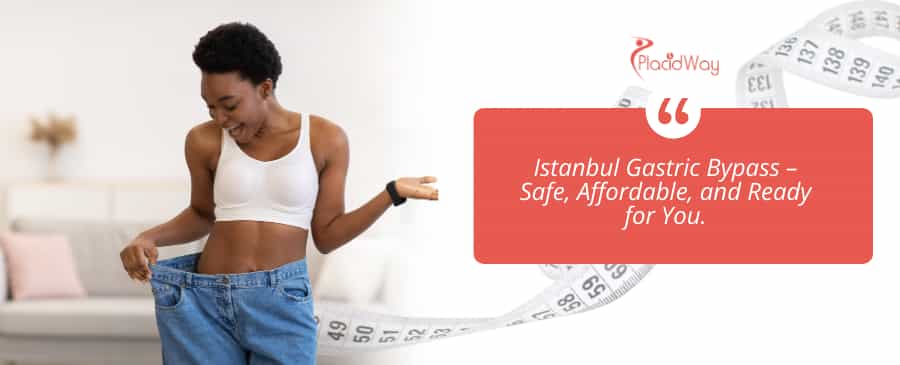



.png)













Share this listing