
Bariatric Surgery in Istanbul, Turkey: Unveiling the Crucial Role of Aftercare for Success
Undergoing bariatric surgery in Istanbul, Turkey has become a globally recognized pathway to reclaiming your health and vitality. However, the procedure itself is only the first step in a lifelong transformational journey. Real, sustainable weight loss requires profound dedication to a structured bariatric surgery aftercare program.
Without proper post-operative guidance, dietary adjustments, and psychological support, even the most successful surgical interventions can fall short. Watch our in-depth analysis to discover why top-tier clinics in Turkey prioritize long-term aftercare to ensure your weight loss journey is both safe and permanently life-changing.
Video Chapters & Quick Navigation
The Rise of Istanbul as a Global Weight Loss Hub
Over the past decade, the landscape of medical tourism has shifted dramatically, positioning Turkey at the absolute forefront of specialized healthcare. Patients suffering from severe obesity frequently seek out affordable weight loss surgery in Turkey due to the exceptional blend of cost-effectiveness and world-class medical expertise. Istanbul, in particular, boasts Joint Commission International (JCI) accredited hospitals that utilize cutting-edge robotic surgical technologies.
As highlighted in the video at , what truly separates Istanbul from other medical tourism destinations is the comprehensive nature of its medical packages. Top bariatric surgeons in Turkey do not merely operate and discharge patients; they construct holistic environments geared toward complete lifestyle overhauls. International patients receive VIP airport transfers, luxury hotel accommodations, and dedicated bilingual coordinators who simplify the entire logistical process.
However, the initial allure of high-quality surgical intervention at a fraction of Western prices can sometimes overshadow the reality of post-operative life. Patients must understand that while the surgical techniques applied in Istanbul are flawless, the ultimate success of a gastric sleeve or bypass hinges entirely on what happens after the patient returns to their home country.
Navigating Your Surgical Options: Gastric Sleeve vs. Bypass
Before diving into the complexities of aftercare, it is crucial to understand the foundational differences between the most commonly performed procedures. The specific type of surgery you undergo will directly dictate your unique post-bariatric diet plan and long-term nutritional requirements. The two dominant procedures sought by international patients in Turkey are the Laparoscopic Sleeve Gastrectomy and the Roux-en-Y Gastric Bypass.
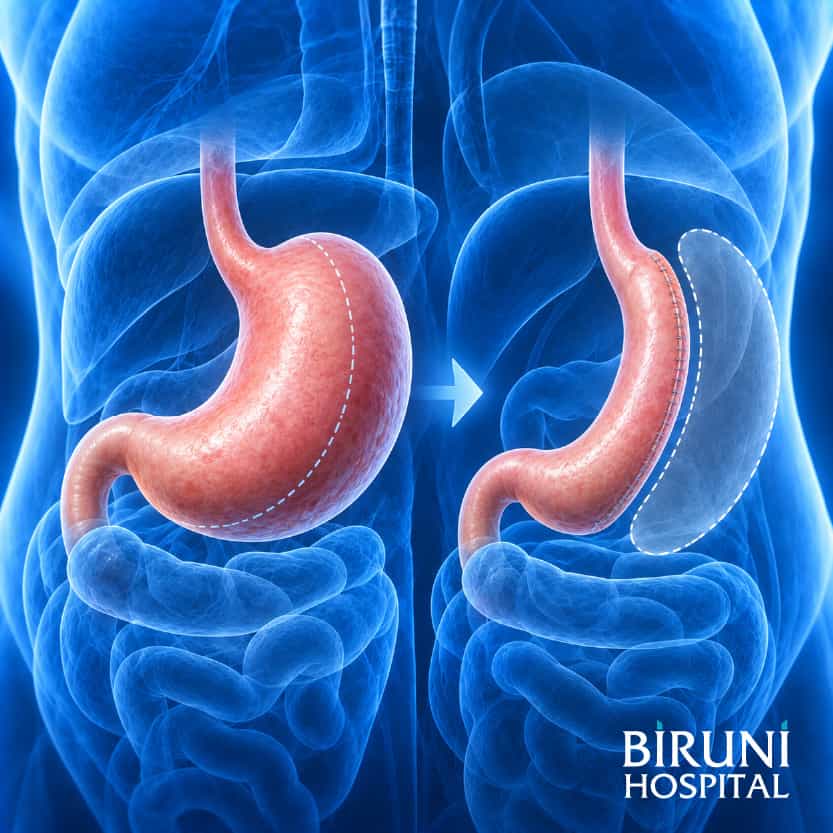
Gastric sleeve surgery in Istanbul involves the permanent removal of approximately 80% of the stomach, leaving a narrow, banana-shaped pouch. This significantly restricts the volume of food a patient can consume while simultaneously removing the portion of the stomach that produces ghrelin, the primary hunger hormone. Gastric bypass, on the other hand, is both restrictive and malabsorptive, rerouting the digestive tract to bypass a portion of the small intestine.
| Procedure Feature | Gastric Sleeve (LSG) | Gastric Bypass (RYGB) |
|---|---|---|
| Mechanism | Restrictive (reduces stomach size) | Restrictive & Malabsorptive |
| Expected Weight Loss | 60% to 70% of excess body weight | 70% to 80% of excess body weight |
| Nutritional Risk | Moderate (Requires lifelong vitamins) | High (Strict adherence to vitamin regimen critical) |
| Dumping Syndrome Risk | Low occurrence rate | High occurrence if sugary foods are consumed |
As noted at , selecting the right procedure requires thorough pre-operative consultations. Turkish medical teams conduct extensive blood panels, psychological evaluations, and endoscopic exams to determine which procedure aligns best with the patient's metabolic health and long-term compliance capabilities.
Why Bariatric Surgery Aftercare is Absolutely Non-Negotiable
There is a dangerous misconception within the medical tourism community that the surgery acts as a magic cure for obesity. In reality, bariatric surgery is merely a powerful medical tool. The true catalyst for achieving long-term success after bariatric surgery is the patient’s commitment to a highly structured aftercare program.
Without rigorous follow-up care, patients are vulnerable to a myriad of complications, ranging from severe nutritional deficiencies and dehydration to weight regain. A robust bariatric surgery aftercare program addresses these risks proactively. It involves continuous monitoring by a multidisciplinary team, including bariatric dietitians, psychologists, and specialized nurses.
For international patients returning home from Istanbul, skipping routine follow-ups can lead to silent metabolic issues. Bone density loss, severe anemia, and protein malnutrition can develop gradually if blood work is not monitored at the 3-month, 6-month, and 12-month marks. Recognizing this, elite Turkish clinics have revolutionized their international telehealth protocols to ensure patients are never left to navigate the recovery timeline alone.
The Strict Post-Bariatric Diet Plan Timeline
The immediate post-operative phase is arguably the most challenging period for any bariatric patient. The newly altered stomach is incredibly delicate, inflamed, and healing from surgical staples. Adhering to the phased post-bariatric diet plan is not merely about weight loss; it is a critical safety measure to prevent staple line leaks and strictures.
Phase 1: Clear Liquids (Days 1 to 7)
As detailed in the video at , the first week is strictly dedicated to clear fluids. Patients must consume water, clear broths, and sugar-free gelatin in very small sips. The goal during this phase is purely hydration. Gulping or using straws can introduce painful air bubbles into the stomach, causing severe discomfort and nausea.
Phase 2: Full Liquids and Protein Shakes (Days 8 to 14)
Once the initial inflammation subsides, patients transition to thicker liquids. This phase introduces the cornerstone of the bariatric diet: protein. High-quality, low-sugar whey protein isolates become the primary source of nutrition. Consuming 60 to 80 grams of protein daily is essential to preserve lean muscle mass during the rapid weight loss phase.
Phase 3: Puréed Foods (Weeks 3 to 4)
Around the third week, patients can begin eating foods blended to a baby-food consistency. Scrambled eggs, puréed lean meats, and smooth cottage cheese are gradually introduced. Patients must learn to eat incredibly slowly, taking up to 30 minutes to consume a few tablespoons of food, stopping immediately at the first sign of fullness.
Phase 4: Soft Foods and Eventual Stabilization (Weeks 5 and Beyond)
By the second month, soft, easily digestible foods like baked fish and steamed vegetables are incorporated. Eventually, patients return to solid foods, but their portion sizes remain drastically reduced. The focus permanently shifts to prioritizing protein first, followed by vegetables, leaving complex carbohydrates for last.
Essential Vitamin Supplementation and Lifelong Nutrition
Because bariatric surgery fundamentally alters the digestive process, the body's ability to extract essential vitamins and minerals from food is permanently compromised. This is especially true for patients who undergo a gastric bypass. A mandatory component of any successful medical tourism in Istanbul for weight loss is extensive education on lifelong supplementation.
Patients are required to take specialized bariatric multivitamins daily. Standard over-the-counter vitamins are typically insufficient because they lack the high therapeutic doses required for post-bariatric absorption. Key nutrients that require constant monitoring include Vitamin B12, Calcium Citrate, Iron, and fat-soluble vitamins like Vitamin D.
- Vitamin B12: Often requires sublingual tablets or monthly injections, as the stomach acid needed to absorb B12 is drastically reduced.
- Calcium Citrate: Crucial for preventing early-onset osteoporosis. It must be taken in divided doses and separated from Iron supplements to ensure proper absorption.
- Iron: Iron deficiency anemia is common, particularly in menstruating women post-surgery. Specialized bariatric iron formulations help prevent severe fatigue and hair loss.
Turkish dietitians emphasize that hair loss around the 3-to-6-month mark (telogen effluvium) is a normal response to surgical trauma and rapid caloric restriction. However, strictly adhering to protein and vitamin regimens will ensure the hair regrows fully as the body's weight stabilizes.
Overcoming Psychological Hurdles Post-Surgery
Perhaps the most underestimated aspect of the gastric bypass recovery timeline is the profound psychological transformation. Surgery alters the anatomy of the stomach, but it does not instantly rewire the brain's relationship with food. Food addiction, emotional eating, and coping mechanisms tied to binge eating must be actively unlearned.
As discussed at , many patients experience a phenomenon known as "head hunger." Even though their physical stomach is full and the hunger hormone ghrelin is suppressed, their brain still craves the dopamine release associated with eating comfort foods. Navigating this disconnect requires professional psychological support.
Body dysmorphia is another significant hurdle. As patients rapidly shed 50, 80, or over 100 pounds, their brains often struggle to recognize their new reflection in the mirror. Furthermore, the reality of excess, sagging skin can lead to depressive episodes. Integrating cognitive behavioral therapy (CBT) into the bariatric surgery aftercare program helps patients process these drastic physical and emotional changes healthily.
How Top Istanbul Clinics Manage International Follow-Ups
One of the primary concerns for patients traveling abroad is the perceived lack of continuous care once they board their flight home. Premium bariatric centers in Istanbul have systematically eliminated this concern by establishing sophisticated international telehealth networks. Distance is no longer a barrier to exceptional medical aftercare.
Upon discharge, patients are connected to dedicated post-operative care teams via secure mobile applications and WhatsApp groups. These platforms allow patients to instantly communicate with bariatric dietitians to ask questions about food tolerance, share photos of their surgical incisions for healing verification, and report any signs of discomfort.
Moreover, top bariatric surgeons in Turkey mandate specific intervals for laboratory blood testing. Patients take these lab requisitions to their local primary care physicians in the US, UK, or Europe. The results are then securely transmitted back to the medical team in Istanbul, who analyze the data and adjust the patient's vitamin and dietary protocols accordingly. This symbiotic relationship ensures patient safety remains paramount for years following the procedure.
Fitness and Body Composition After Massive Weight Loss
While the initial weight drops rapidly due to massive caloric restriction, maintaining that weight loss permanently requires a shift in body composition. As the video emphasizes at , integrating physical fitness into the daily routine is a critical milestone in the recovery timeline.
During the first month post-surgery, exercise is strictly limited to light, frequent walking. This prevents blood clots, promotes bowel motility, and aids in the dissipation of gas pains. Heavy lifting and strenuous core exercises are prohibited to prevent incisional hernias.
However, once cleared by the surgical team—usually around the 6-to-8-week mark—patients are heavily encouraged to begin resistance training. Building lean muscle mass is the ultimate defense against weight regain. Muscle tissue burns more calories at rest than fat tissue, effectively boosting the patient's basal metabolic rate. Combining cardiovascular health with strength training ensures that patients do not just become smaller, but genuinely stronger and metabolically healthier.
Ready to Transform Your Life in Istanbul?
PlacidWay connects you with globally accredited, elite bariatric clinics in Turkey that prioritize both world-class surgical precision and comprehensive, lifelong aftercare. Discover your personalized weight loss package today.
GET A FREE QUOTE






.png)
.png)
.png)




.jpg)
.jpg)
.jpg)
.jpg)








Share this listing