


A Patient's Path to Success with Obesity Surgery at Private Olimpos Hospital in Antalya, Turkey
For individuals battling severe weight management issues, finding a reliable, effective, and compassionate medical solution can feel like an impossible hurdle. High healthcare costs and extensive waiting lists often leave patients feeling hopeless. However, a life-changing alternative exists on the Mediterranean coast.
Choosing obesity surgery at Private Olimpos Hospital in Antalya, Turkey, offers patients world-class bariatric care, state-of-the-art facilities, and comprehensive recovery programs. By combining elite medical expertise with the healing environment of the Turkish Riviera, patients are discovering a highly effective, affordable path to reclaiming their health, mobility, and confidence.
Video Chapters & Quick Navigation
The Global Struggle with Severe Weight Management
Obesity is universally recognized as one of the most complex, pervasive health crises of the modern era. Millions of individuals worldwide find themselves trapped in a vicious cycle of temporary weight loss followed by rapid weight regain. Diet and exercise, while foundational to general wellness, often prove mathematically and biologically insufficient for patients suffering from clinically severe obesity.
As body mass index (BMI) increases, the metabolic systems within the body undergo profound alterations. Hormones that regulate hunger, such as ghrelin, often become imbalanced, making traditional caloric restriction exceptionally difficult to maintain over the long term. This biological reality drives the increasing global demand for medical interventions that offer a structural reset.
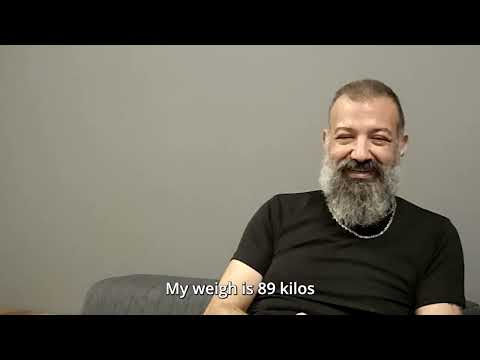
Furthermore, untreated obesity serves as a gateway to a myriad of comorbid conditions. Patients frequently battle type 2 diabetes, severe obstructive sleep apnea, hypertension, and debilitating joint deterioration. In of the video, we hear firsthand how these physical limitations strip away personal independence and severely degrade daily quality of life. For many, metabolic and bariatric surgery is not a cosmetic luxury; it is an urgent medical necessity required to extend life expectancy and restore baseline health.
Why Medical Tourism for Weight Loss Surgery is Booming in Turkey
Navigating the healthcare systems in the United States, the United Kingdom, and Canada for bariatric care presents immense challenges. Patients facing urgent health crises are often subjected to waiting lists that stretch for years through nationalized healthcare systems like the NHS. In privatized systems like the US, the out-of-pocket costs for a gastric bypass or gastric sleeve can easily exceed $20,000, placing the treatment completely out of reach for average-income families.
Turkey has strategically positioned itself as the premier global destination for medical tourism, specifically excelling in the field of bariatric surgery. The Turkish Ministry of Health has invested heavily in creating a medical infrastructure that rivals, and often surpasses, Western hospitals. Surgeons in Turkey handle an exceptionally high volume of bariatric cases, leading to a level of technical mastery and surgical refinement that is highly sought after internationally.
Beyond the surgical expertise, the logistics of traveling to Turkey for weight loss surgery have been flawlessly streamlined. Medical tourism agencies and dedicated international patient departments coordinate every aspect of the journey. From the moment a patient lands at the airport, they are enveloped in a comprehensive care system that includes VIP transfers, luxury accommodations, and dedicated multilingual patient coordinators, ensuring a stress-free medical journey.
Discovering Private Olimpos Hospital in Antalya, Turkey
While Istanbul is frequently recognized for medical tourism, the coastal city of Antalya offers a distinctly superior environment for surgical recovery. Situated along the breathtaking Turkish Riviera, Antalya provides a tranquil, visually stunning backdrop that significantly reduces pre-surgical anxiety. At the heart of this medical oasis is Private Olimpos Hospital, an institution deeply respected for its specialized focus on bariatric and metabolic surgery.
As highlighted around , Private Olimpos Hospital operates under stringent international healthcare standards. The facility is equipped with cutting-edge diagnostic technology, advanced intensive care units, and modern operating theaters specifically designed for minimally invasive laparoscopic procedures. The hospital's commitment to patient safety is absolute, maintaining rigorous sterilization protocols and continuous monitoring systems.
A Multidisciplinary Approach to Care
What truly sets Private Olimpos Hospital apart is its multidisciplinary approach to obesity treatment. Patients do not merely see a surgeon; they are evaluated and treated by a collaborative team of specialists. This team typically includes an expert bariatric surgeon, an anesthesiologist, a registered dietitian, an endocrinologist, and a clinical psychologist.
This holistic methodology ensures that the root causes of weight gain are addressed from every possible angle. By treating the whole patient rather than just the surgical site, the hospital drastically improves long-term success rates, empowering patients to make permanent, sustainable lifestyle changes after their return home.
The Comprehensive Bariatric Consultation Process
A critical hallmark of a top-tier medical facility is the thoroughness of its pre-operative assessments. At Private Olimpos Hospital, no patient is rushed into the operating room. Upon arrival in Antalya, patients undergo a rigorous, multi-day consultation process designed to ensure their absolute medical suitability for bariatric surgery.
The diagnostic protocol is extensive. It begins with comprehensive blood panels to check for vitamin deficiencies, hormonal imbalances, and liver function. A cardiology consultation, often including an electrocardiogram (ECG) and an echocardiogram, is mandatory to ensure the heart can withstand general anesthesia. Furthermore, a pulmonologist evaluates lung capacity, an essential step for patients with a history of sleep apnea.
One of the most vital pre-operative procedures is the endoscopy, mentioned at . The bariatric surgeon uses a specialized camera to examine the stomach lining for ulcers, hiatal hernias, or H. pylori infections. Identifying and treating these gastric issues before surgery is crucial for preventing post-operative complications and ensuring a smooth, safe healing process.
Understanding Your Obesity Surgery Options in Turkey
Because no two bodies are identical, Private Olimpos Hospital offers a variety of surgical interventions tailored to the specific metabolic needs, BMI, and medical history of the patient. The choice of procedure is a collaborative decision made between the chief surgeon and the patient following the comprehensive diagnostic workup.
Laparoscopic Sleeve Gastrectomy (Gastric Sleeve)
The gastric sleeve is currently the most requested and widely performed bariatric surgery worldwide. During this procedure, the surgeon permanently removes approximately 75% to 80% of the stomach, leaving a narrow, banana-shaped tube or "sleeve." This drastically reduces the stomach's physical capacity, ensuring the patient feels full after eating only small portions.
Crucially, the portion of the stomach that is removed is the area responsible for producing ghrelin, the primary hunger hormone. By eliminating this hormonal trigger, patients experience a dramatic reduction in appetite and cravings, making dietary adherence significantly easier. The procedure is highly effective for patients seeking substantial weight loss without the complexities of intestinal rerouting.
Roux-en-Y Gastric Bypass
For patients with exceptionally high BMIs or those suffering from severe, uncontrolled acid reflux, the Roux-en-Y Gastric Bypass is often the recommended path. This dual-action surgery is both restrictive and malabsorptive. The surgeon creates a tiny pouch at the top of the stomach and attaches it directly to the small intestine, bypassing the lower stomach and the first section of the bowel.
Because food bypasses a portion of the digestive tract, the body absorbs fewer calories and nutrients. The gastric bypass is considered the gold standard for rapid weight loss and is particularly renowned for its high success rate in sending type 2 diabetes into long-term remission, often within days of the surgery.
Comparing Major Bariatric Procedures
| Feature | Gastric Sleeve | Gastric Bypass |
|---|---|---|
| Mechanism | Primarily Restrictive (Reduces stomach size) | Restrictive & Malabsorptive |
| Intestinal Rerouting | No | Yes |
| Impact on Acid Reflux | May worsen in some patients | Excellent treatment for severe reflux |
| Nutritional Supplements | Required, but absorption is standard | Strict lifetime adherence required |
The Patient Experience: Surgery Day and Hospital Stay
The thought of undergoing major surgery in a foreign country can understandably evoke apprehension. However, the international patient protocols at Private Olimpos Hospital are designed to prioritize comfort, transparency, and deep reassurance. Patients are assigned a dedicated liaison who speaks their native language, ensuring seamless communication with the surgical and nursing staff at all times.
On the morning of the procedure, as detailed at , patients are prepped in a private, modern suite. The bariatric surgeon visits to review the surgical plan one final time and answer any lingering questions. Modern bariatric surgeries are performed laparoscopically, utilizing small keyhole incisions rather than large open cuts. This advanced surgical technique drastically minimizes blood loss, reduces post-operative pain, and practically eliminates visible scarring.
Following the operation, patients are carefully monitored in the recovery room before being transferred back to their private suite. Post-operative pain is aggressively managed through intravenous medications. Most patients are pleasantly surprised by the manageable nature of the discomfort, describing it more as a deep muscular soreness, akin to an intense abdominal workout, rather than acute surgical pain.
Navigating the Bariatric Recovery Process in Antalya
A crucial factor in the prevention of post-surgical complications is early mobilization. Within just a few hours of waking from anesthesia, nurses assist patients in standing up and taking short, slow walks down the hospital corridors. This gentle movement is essential for stimulating circulation, preventing blood clots, and helping the body dissipate the harmless carbon dioxide gas used to inflate the abdomen during laparoscopic surgery.
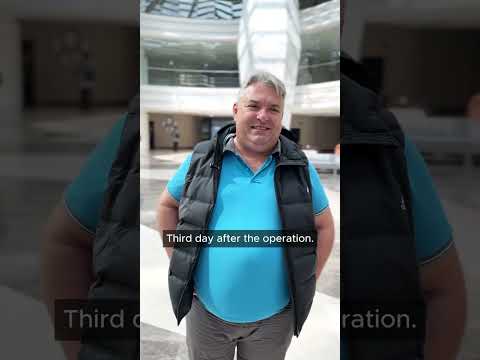
Patients typically remain admitted at Private Olimpos Hospital for three to four nights. During this inpatient period, medical staff continuously monitor vital signs, assess hydration levels, and ensure the surgical incisions are healing cleanly. Before discharge, a leak test is often performed to guarantee the integrity of the stomach staples, providing total peace of mind before the patient leaves the facility.
Upon medical clearance, patients are transferred to a luxury recovery hotel in Antalya for the remainder of their stay. This is where the magic of medical tourism truly shines. Instead of recovering in a cold, dreary environment, patients spend their crucial early healing days resting in premium accommodations, enjoying the gentle sea breeze, and walking through beautifully manicured Mediterranean gardens. This serene environment drastically lowers cortisol levels, promoting a faster, more comfortable healing process.
The Essential Post-Op Dietary Phases
Bariatric surgery alters the digestive system, meaning patients cannot immediately return to eating solid foods. The dietary transition must be methodical, slow, and strictly adhered to in order to protect the healing stomach pouch. Private Olimpos Hospital provides every patient with an exhaustive, day-by-day nutritional guide.
- Phase 1: Clear Liquids (Days 1-7). The initial phase focuses entirely on hydration and healing. Patients consume water, clear broths, and sugar-free gelatin. Hydration is critical, requiring patients to take small, frequent sips throughout the day.
- Phase 2: Full Liquids and Protein Shakes (Days 8-14). As the stomach begins to heal, thicker liquids are introduced. High-quality protein shakes become the primary source of nutrition, vital for preserving muscle mass during rapid weight loss. Strained soups and sugar-free yogurt are also incorporated.
- Phase 3: Pureed and Soft Foods (Weeks 3-4). Patients graduate to foods that have been blended to a smooth, baby-food consistency. Scrambled eggs, mashed soft fish, and pureed vegetables allow the digestive system to practice processing actual matter without causing strain.
- Phase 4: Solid Foods (Week 5 and beyond). Gradually, regular solid foods are reintroduced. The focus shifts entirely to protein-first meals. Patients must learn to chew extensively, eat very slowly, and completely separate eating from drinking to avoid discomfort and maximize nutritional intake.
Cost Comparison: Affordable Weight Loss Surgery Without Compromise
The financial accessibility of obesity surgery in Turkey is frequently the deciding factor for international patients. As noted at , affordability does not equate to a compromise in safety, technology, or surgical skill. The lower costs are a direct result of Turkey's favorable exchange rates, lower overall operational costs, and heavy government subsidies for healthcare infrastructure.
In the United States, an uninsured or underinsured patient can expect to pay anywhere from $15,000 to $25,000 for a gastric sleeve procedure. In the UK, private bariatric surgery routinely exceeds £10,000. These figures often cover only the surgery itself, leaving patients to pay separately for consultations, anesthesia, and hospital stays.
Conversely, comprehensive all-inclusive bariatric packages at Private Olimpos Hospital typically range between $3,500 and $5,500. These packages are highly transparent and cover virtually everything: all pre-operative testing, surgeon fees, anesthesiologist fees, the hospital stay, nursing care, VIP airport-hotel-hospital transfers, and several nights in a luxury recovery hotel. This incredible value allows patients to undergo life-saving surgery and enjoy a beautiful Mediterranean retreat for a fraction of the cost of domestic treatment.
The Importance of Post-Surgical Psychological Support
Undergoing obesity surgery triggers rapid, profound physical changes. However, the emotional and psychological adjustments are equally monumental. Many patients have utilized food as a coping mechanism for stress, anxiety, or depression for decades. Once the physical capacity to overeat is removed, patients must navigate their emotions without their traditional crutch.
Private Olimpos Hospital recognizes that true bariatric success requires treating the mind alongside the body. Before discharging international patients, clinical psychologists offer guidance on managing body dysmorphia, navigating the emotional complexities of rapid weight loss, and building new, healthy coping strategies. They strongly encourage patients to join bariatric support groups upon returning home to foster community and accountability.
Life After Bariatric Surgery: Maintaining Long-Term Success
It is vital to understand that weight loss surgery is a powerful tool, not a magical cure. As emphasized at , the surgery resets the metabolic clock and provides the initial restriction necessary to shed massive amounts of weight. However, maintaining that weight loss over the years requires lifelong dedication to new dietary habits and lifestyle modifications.
Patients must commit to a high-protein, low-sugar diet to fuel their bodies efficiently. Because the stomach is smaller, and in the case of bypass, malabsorptive, absorbing adequate vitamins from food alone is impossible. Lifelong adherence to specialized bariatric multivitamins, calcium, iron, and B12 supplements is non-negotiable to prevent severe deficiencies, hair loss, and bone density issues.
Furthermore, incorporating regular physical activity into daily routines is essential. As the weight drops, joint pain diminishes, making exercise significantly easier and more enjoyable. From brisk walking and swimming to eventual strength training, physical fitness plays a critical role in preserving lean muscle mass and maintaining a high metabolic rate as the body transforms.
The journey taken by patients traveling to Private Olimpos Hospital in Antalya, Turkey, represents a courageous step toward reclaiming vitality. By stepping outside their geographical boundaries, patients secure access to elite medical care, compassionate support, and a beautiful healing environment. The path requires discipline and resilience, but the reward—a healthier, longer, and infinitely more vibrant life—is ultimately priceless.
Ready to Start Your Weight Loss Journey in Turkey?
PlacidWay Medical Tourism connects you with premier bariatric centers like Private Olimpos Hospital in Antalya. Get world-class obesity surgery, all-inclusive luxury packages, and exceptional care at a fraction of the cost. Let us help you plan your transformation today.
GET A FREE QUOTE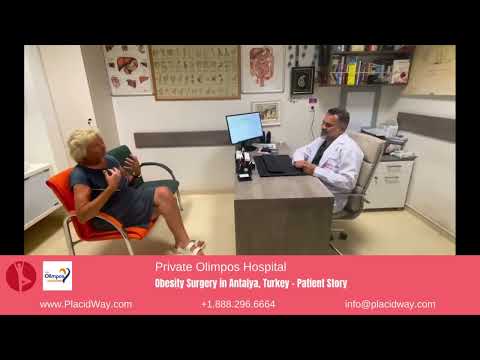















Share this listing