
If you are comparing a local bariatric pathway with affordable gastric sleeve surgery in Turkey for European patients, you are balancing more than price. You need clear answers about eligibility, the operating surgeon, hospital authorization, the flight home and support if recovery changes. A lower quote matters only when the assessment, credentials, inclusions and follow-up are equally clear.
Quick Summary: Gastric Sleeve Surgery in Turkey
- Estimated planning range: Public PlacidWay listing data reviewed for this guide show approximately $3,200–$4,500 for gastric sleeve surgery in Turkey. This is not a national tariff or a personal quote.
- Who may qualify: Eligibility depends on BMI, obesity-related conditions, previous treatment, medicines, mental health, eating patterns and the surgeon’s full assessment. No online form can replace that evaluation.
- Facility checks: Ask for a current Turkish Ministry of Health International Health Tourism Authorization Certificate and verify the facility’s status. Under the 2025 regulation, hospitals and medical centers are expected to meet TÜSKA accreditation requirements, subject to the transition rules.
- Surgeon checks: Confirm the surgeon’s identity, general-surgery and bariatric training, professional registration, hospital privileges, recent sleeve experience and plan for complications or revision.
- Recovery: Hospital discharge and permission to fly are different decisions. Diet progression, activity, supplements, blood tests and follow-up continue after you leave Turkey.
- Important caution: Persistent vomiting, difficulty swallowing, fever, fast heartbeat, severe abdominal pain, leg swelling, chest pain or breathing difficulty need urgent medical attention.
Why Europeans consider gastric sleeve surgery in Turkey
Some European patients consider Turkey because private treatment may cost less than a self-pay route at home, appointments may be available sooner, and hospitals have systems for overseas patients. These are access and logistics considerations; they do not prove that a provider is safe or that surgery suits you.
The audience may include patients from the United Kingdom, Ireland, Germany, France, the Netherlands, Scandinavia and elsewhere in Europe. Public Turkish statistics do not reliably break down gastric-sleeve visitors by nationality, age or sex, so there is no single typical European patient.
- A self-pay price that may be lower than a private quote in the patient’s home country.
- The possibility of arranging consultation, tests and surgery in one planned journey.
- International patient coordination and multilingual communication at authorized facilities.
- A desire to address obesity-related concerns after non-surgical efforts.
- Perceived delays, referral rules or eligibility limits in a local pathway.
Turkey’s wider international-health context
This official USHA? series, based on TurkStat, counts all healthcare visitors—not gastric-sleeve patients or Europeans specifically. The partial 2026 figure is not compared with full-year totals.
Source basis: USHA? health-tourism data, sourced from TurkStat. A broad national trend cannot be used as a success rate, safety claim or measure of bariatric demand.
What gastric sleeve surgery in Turkey changes inside the body
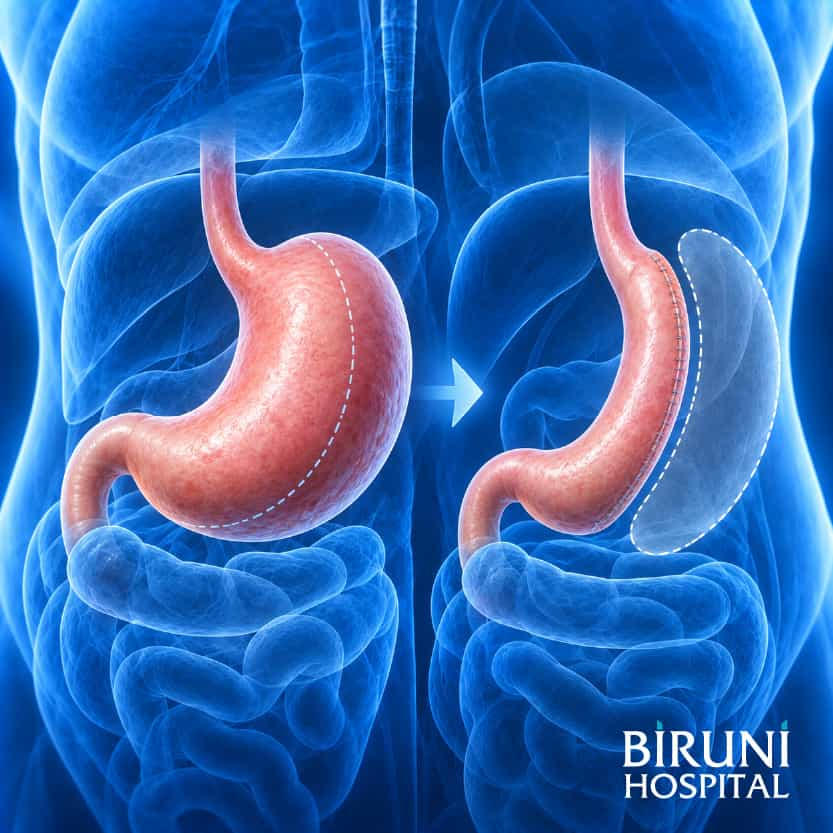
Gastric sleeve surgery, or sleeve gastrectomy, permanently removes a large portion of the stomach, leaving a narrow tube. The smaller stomach can hold less food and may alter appetite signals, but food still follows the usual digestive route. This is not a short-term diet.
It is usually performed with keyhole surgery under general anaesthesia. NHS information describes about 80% of the stomach being removed and an operating time of roughly one to three hours; your approach and duration may differ.
| What changes | What it means for you | What it does not mean |
|---|---|---|
| Stomach capacity | Smaller meals and slower eating are expected during recovery and long term. | It does not guarantee a specific weight. |
| Appetite signalling | Some patients experience less hunger, especially early after surgery. | It does not remove emotional, social or environmental influences on eating. |
| Nutrition | You need a staged plan, supplements and blood-test monitoring. | It does not replace lifelong follow-up. |
| Reversibility | The removed stomach cannot simply be restored. | A future revision may be possible in selected cases, but it is another medical decision. |
Who may be eligible for gastric sleeve surgery in Turkey
Eligibility is based on more than a number on a scale. Guidelines consider BMI, obesity-related disease, previous non-surgical treatment, anaesthesia risk, eating and mental health, and your ability to complete follow-up. ASMBS/IFSO recommendations support surgery for many people with BMI 35 or higher and consider it for selected people with lower BMI and metabolic disease; the final decision is clinical.
European pathways use different thresholds. NICE guidance applies to the UK system, while a Turkish provider may use another protocol. A clinic’s willingness to operate does not prove that surgery is indicated or that your home clinician will support it.
| Assessment area | Why it matters | Records to prepare |
|---|---|---|
| BMI, waist and weight history | Helps discuss risk and treatment options. | Recent height, weight, BMI, changes and previous programmes. |
| Related conditions | Diabetes, high blood pressure, sleep apnoea, fatty-liver disease or joint problems can affect timing and anaesthesia planning. | Diagnoses, test results, specialist letters and current treatment list. |
| Medicines and previous surgery | Allergies, clotting history and abdominal operations can change planning. | Medication and allergy list, operative reports and anaesthesia history. |
| Readiness for aftercare | Nutrition, activity, support and laboratory monitoring continue after surgery. | Plan local follow-up, work leave, travel support and blood tests. |
Ask for a genuine surgeon consultation if you have severe reflux, active infection, uncontrolled medical disease, a history of blood clots, pregnancy or plans for pregnancy, an eating disorder, or difficulty accessing follow-up. These issues do not automatically rule out treatment, but they can change the timing, preparation or recommended plan.
How much gastric sleeve surgery in Turkey may cost
Public PlacidWay listing data reviewed for this article place many Turkish gastric-sleeve listings around $3,200–$4,500. This is a planning range, not a national price, guarantee or personal quote. BMI, tests, medical conditions, monitoring, hospital choice and package scope can change the amount.
Compare the full journey: European public, private and insurance rules differ. Compare written clinical scope, not only the procedure price.
| Patient route | Responsible cost comparison | Questions that prevent a false saving |
|---|---|---|
| Turkey Illustrative public listing range: $3,200–$4,500 |
Check whether it is procedure-only or a package, and whether BMI, tests or hotel nights change it. | Who is the hospital and surgeon? What is the complication, revision and post-return plan? |
| United Kingdom Private or public route varies |
Ask for self-pay care, specialist follow-up, tests, supplements and insurance contributions. NHS rules are separate from private care. | Does the quote include the whole pathway? Would treatment abroad affect local follow-up or coverage? |
| EU/EEA home country Germany, France, Ireland, the Netherlands and other countries |
Entitlement, referrals, private fees and reimbursement differ. Obtain a local quote and ask about planned treatment abroad. | Can you access aftercare near home? What covers further imaging, admission or revision? |
Itemized cost checklist in USD
| Cost line | May be included | Confirm in writing |
|---|---|---|
| Surgeon, anaesthesia and operating room | Often listed together | Named surgeon, scope, anaesthetist, emergency backup and extra charges. |
| Tests and pre-operative assessment | Sometimes included or capped | Blood tests, imaging, endoscopy if needed, repeats and consultations. |
| Hospital stay and hotel | Package-dependent | Nights, room type, companion cost, extensions and longer-stay charges. |
| Transfers, interpreter and coordinator | May be included | Transfers, language support, 24/7 contact and post-discharge availability. |
| Medication, supplements and compression items | Frequently variable | What you receive, prescription rules, replacements and supply duration. |
| Flights, insurance and contingency | Usually separate | Coverage for surgery, complications, extra nights, return travel and evacuation. |
How to verify a Turkish hospital for gastric sleeve surgery
Start with the facility, not the package photograph. Turkey’s 2025 Regulation on International Health Tourism requires health facilities and intermediaries to hold authorization. The health-facility certificate is issued by the Ministry of Health; the intermediary certificate is issued by USHA?.
The regulation identifies TÜSKA and sets accreditation requirements for hospitals and medical centers. Existing facilities had a transition period, so ask for current status and verification date. JCI or another international accreditation may add context, but it does not replace checking Turkish authorization and the actual hospital where surgery occurs.
| Verification point | Evidence to request | Why it protects your decision |
|---|---|---|
| Health-facility licence and authorization | Legal name, operating licence, Ministry certificate number and current validity. | Confirms the authorized hospital named in your documents, not only a sales brand. |
| TÜSKA or Ministry quality status | Current certificate, scope, dates and legal entity covered. | A certificate covers a defined organization and period, not automatically another branch. |
| Emergency capability | Intensive-care access or transfer pathway, blood bank, emergency surgeon and night cover. | Surgery still needs a plan for bleeding, leakage, infection, clots and anaesthesia problems. |
| International patient unit | Named coordinator, interpreter, discharge documents and after-hours contact. | Clear language and handover help complications reach the right clinician. |
| Complication insurance | Issuer, limits, exclusions, period, claim process and post-Turkey coverage. | The regulation requires it for operating-room surgery, but coverage still needs review. |
How to check the bariatric surgeon’s credentials in Turkey
A hospital certificate does not identify the surgeon. Speak with the surgeon who will evaluate and operate on you, not only a coordinator. Confirm the surgeon’s name, specialty, registration, hospital privileges and sleeve-gastrectomy experience.
ASMBS advises choosing a board-certified surgeon with bariatric training or experience and a multidisciplinary follow-up team. Ask how Turkish specialty status is verified. The surgeon should also discuss reflux, complications, monitoring and what happens if assessment changes the plan.
- Identity: Confirm the full name on the consent and operative documents.
- Specialty: Ask for general-surgery training and relevant bariatric experience.
- Registration: Ask where Turkish professional and specialist status can be checked.
- Hospital privileges: Confirm authorization to operate at the named hospital and access to anaesthesia and emergency teams.
- Outcome discussion: Ask for realistic ranges and uncertainty, not a guaranteed result.
- Aftercare: Ask who reviews progress, orders tests and receives your records in Europe.
| A reassuring consultation usually includes | A reason to slow down |
|---|---|
| Review of records, medicines, reflux, weight-management efforts and travel plans. | A decision based only on photographs, BMI and a short message. |
| Clear explanation of permanent stomach removal, recovery, complications and long-term nutrition. | Promises of guaranteed results, certainty about safety or a fixed outcome. |
| Written answers about emergency transfer, revision, records and local follow-up. | No named surgeon, direct consultation or clinical review before payment. |
What a gastric sleeve package may include or leave out
“All-inclusive” is not a medical definition. A package may include surgery, anaesthesia, tests, hospital stay, hotel, transfers and an interpreter, yet exclude long-term nutrition, complications, revision, a companion or extra nights.
Before paying, request a dated package, consent process, itemized invoice, complication-insurance terms and discharge plan. Turkish rules also require a detailed charge breakdown and, when requested, supporting results and prescriptions.
Gastric sleeve package inclusions
- Surgeon and anaesthesia fees
- Named hospital stay
- Pre-operative tests within a stated limit
- Transfers and coordinator support
- Discharge documents and initial instructions
Gastric sleeve package exclusions
- Flights and travel insurance
- Extra tests or a longer stay
- Supplements and ongoing blood tests
- Local specialist follow-up after return
- Emergency admission, revision or repatriation
If a coordinator says “everything is covered,” define it in writing. Could a doctor at home understand the surgery, tests, medicines, risks and plan from your records?
How the gastric sleeve journey in Turkey may unfold
A safe plan begins before the flight. Share your history with your home clinician and Turkish team, complete requested tests, and confirm who makes the final decision. Your recovery and travel clearance—not a holiday itinerary—should control the schedule.
| Stage | Clinical decision | Travel action | Documents to keep |
|---|---|---|---|
| Before commitment | Discuss suitability, BMI, related conditions, reflux, medicines and alternatives. | Ask your local clinician about fitness to travel, insurance and follow-up. | Medical summary, medication list, allergies and recent test results. |
| Arrival and consultation | The surgeon reviews tests and may alter, delay or decline the operation. | Do not assume a deposit guarantees surgery; keep an option to extend your stay. | Consent form, test results, quote and contact details. |
| Operation and hospital monitoring | The team monitors pain, nausea, hydration, mobility and signs of complications. | Follow hospital instructions; do not plan sightseeing or alcohol around early recovery. | Operative report, medication plan, discharge criteria and emergency instructions. |
| Discharge and local recovery | The surgeon decides whether you are clinically ready to leave the hospital and later whether you are fit to fly. | Keep a flexible booking and stay near the care team for the period they recommend. | Discharge summary, test results, prescriptions, warning signs and follow-up dates. |
| Return to Europe | Home follow-up should be arranged before travel, not after a problem starts. | Tell the airline and insurer about recent surgery when required; know local emergency routes. | A complete record for your GP, surgeon, dietitian and emergency department. |
Gastric sleeve recovery, eating and long-term follow-up after Turkey
Recovery is more than a discharge date. NHS information notes that many patients leave hospital one to three days after weight-loss surgery and begin returning to normal activities after four to six weeks. International travel adds risk, so your Turkish team may recommend a different schedule.
Eating usually progresses from fluids to smoother foods, soft foods and then a balanced diet. Eat slowly, take small amounts, follow your team’s plan and use prescribed supplements. Arrange specialist reviews and blood tests near home whenever possible.
| Timeframe | Biological or clinical process | Patient sensation | Activity level | Action required |
|---|---|---|---|---|
| Hospital days 1–3 | Monitor hydration, pain, nausea, mobility and warning signs. | Tiredness, discomfort and reduced appetite can occur. | Short walks as directed. | Follow the plan and obtain complete discharge records. |
| Weeks 1–2 | The stomach and wounds heal while intake is limited. | Low energy, nausea or poor fluid intake may need review. | Gentle movement; avoid uncleared activity. | Use the prescribed plan and report poor intake. |
| Weeks 3–4 | Diet may progress according to healing, tolerance and protocol. | Fullness arrives quickly; fast eating may cause discomfort or vomiting. | Increase walking gradually if cleared. | Attend follow-up and record symptoms, intake and medicines. |
| Weeks 5–8 | Many programmes introduce soft foods, then a balanced diet. | Tolerance varies; reflux or persistent vomiting needs assessment. | Return toward normal activity when cleared. | Follow your written plan, not another patient’s diet. |
| Months 2–12 | Weight and metabolic changes continue individually; nutrition remains important. | Energy, hunger and body image may change unevenly. | Build strength and activity gradually. | Complete tests, supplement review and dietetic or psychological support. |
| Long term | A smaller stomach and changed eating pattern need ongoing attention. | Tolerance can change; do not dismiss symptoms as “normal.” | Maintain safe, sustainable activity. | Continue vitamins and lifelong clinical and laboratory follow-up. |
If pregnancy is possible, ask both teams about timing and contraception because fertility can change with weight loss. NHS guidance advises avoiding pregnancy for 12 to 18 months while weight stabilizes; your clinician should apply this to your circumstances.
Risks and warning signs after gastric sleeve surgery in Turkey
Gastric sleeve surgery is major abdominal surgery and is not risk-free in Turkey, Europe or any other country. Possible problems include bleeding, infection, a leak from the staple line, blood clots, wound problems, narrowing or blockage, gallstones, reflux, dehydration, vomiting and nutritional deficiencies. The chance and severity depend on your health, the surgical technique, hospital resources and the speed of treatment if a problem develops.
The key travel question is not whether a provider says complications are rare. It is whether the provider can explain how complications are detected, where you would be treated, who pays, how your records are transferred and how the plan works after you fly home. If you become unwell after returning, seek local medical care first; do not wait for a coordinator to reply.
| Possible concern | Warning pattern | What to do |
|---|---|---|
| Leak or abdominal infection | Severe or worsening abdominal pain, fever, fast heartbeat, fast breathing or marked weakness. | Seek emergency medical assessment immediately. |
| Blood clot | Pain, redness or swelling in a leg; chest pain or difficulty breathing. | Use your local emergency service; do not self-treat or wait for a flight home. |
| Bleeding | Vomiting blood, passing a large amount of blood, faintness or rapidly worsening weakness. | Seek emergency care and take your operative and medication records. |
| Narrowing, obstruction or dehydration | Persistent vomiting, inability to drink, difficulty swallowing, severe bloating or little urine. | Contact urgent medical services promptly; the problem may need tests and treatment. |
| Nutritional deficiency | Ongoing fatigue, weakness, breathlessness, paleness, palpitations or pins and needles. | Arrange clinical review and blood tests; do not stop prescribed supplements without advice. |
What the latest European data can and cannot tell you about patients
There is no dependable public dataset showing the age, sex, nationality or medical indication of people who travel to Turkey specifically for gastric sleeve surgery. The available figures describe wider populations or all health-tourism services. They can explain why obesity care is an important issue, but they cannot tell you that a particular demographic is more suitable for surgery.
Eurostat reported that 16.3% of EU adults were obese in 2025, with a rate of 17.4% for men and 15.3% for women. Rates also varied by country, from 26.6% in Malta to 7.0% in Italy. Those are population statistics, not a forecast of surgical outcomes and not evidence that people from one country should choose Turkey.
Histogram-style context: adult obesity rates in selected European populations, 2025
This distribution uses Eurostat’s 2025 rates for selected countries and the EU aggregate. It is included to show variation in the population context, not to identify the “typical” gastric-sleeve traveller.
Source: Eurostat, 2026 release using 2025 data. BMI is a screening measure and does not by itself establish an indication for surgery.
| Question | What public data can say | What you still need to verify |
|---|---|---|
| Age | Obesity rates vary with age in European populations. | Your anaesthesia risk, health conditions, goals and ability to complete follow-up. |
| Sex | The 2025 EU population rate was higher for men than women. | Your own clinical history, reproductive plans and nutritional risks. |
| Country of origin | Turkey’s public health-tourism totals are not a gastric-sleeve-by-nationality database. | Whether you can access local follow-up, emergency care and laboratory monitoring. |
| Reason for travel | Cost and access may influence some patients’ decisions. | Whether the operation is clinically appropriate and whether the entire journey is affordable. |
Questions to ask before booking gastric sleeve surgery in Turkey
Use the questions below as a pre-commitment checklist. A trustworthy answer should be specific, written and consistent across the surgeon, hospital, intermediary, quote, consent form and discharge plan. If an answer is vague, keep researching or ask your local clinician to review the proposal.
Gastric sleeve surgery in Turkey FAQs for European patients
How much does gastric sleeve surgery in Turkey cost in USD?
A public PlacidWay planning range reviewed for this article is approximately $3,200–$4,500. It is not a national tariff, guarantee or personal quote. Ask for an itemized USD document covering the surgeon, hospital, tests, anaesthesia, stay, transfers, medicines, complication terms and follow-up.
Is gastric sleeve surgery in Turkey safe for European patients?
Safety depends on your medical suitability, the named surgeon, the authorized facility, anaesthesia and emergency resources, informed consent and long-term follow-up. No operation is risk-free. Verify Turkish authorization and accreditation status, and discuss the plan with your home clinician before making travel arrangements.
What BMI do I need for gastric sleeve surgery in Turkey?
There is no single cross-border BMI rule. International guidelines commonly recommend surgery for many people at BMI 35 or higher and consider it for selected people with lower BMI and metabolic disease, while local systems may differ. A surgeon must assess your health, previous treatment, risks and follow-up capacity.
What certificates should a Turkish hospital have?
Ask for the current Turkish Ministry of Health International Health Tourism Authorization Certificate and verify the legal facility name. Under the 2025 regulation, hospitals and medical centers are subject to TÜSKA accreditation requirements, with transition rules for existing facilities. Ask for dates, scope and proof rather than relying on a logo.
How do I verify the bariatric surgeon in Turkey?
Confirm the surgeon’s full name, general-surgery specialty, bariatric training or experience, professional registration and privileges at the named hospital. Ask for a direct consultation, complication plan, revision policy and aftercare pathway. The surgeon, not only a coordinator, should answer your medical questions.
How long should I stay in Turkey after gastric sleeve surgery?
Hospital discharge often occurs within one to three days after weight-loss surgery, but an international patient may need longer for observation, testing and travel clearance. There is no safe universal fly-home day. Let the surgeon decide when you are fit to fly and keep your booking flexible.
Should I speak with my European doctor before travelling for surgery?
Yes. Your local doctor can help review whether bariatric surgery is appropriate, identify medical risks, reconcile medicines and plan follow-up after you return. Share the Turkish quote, proposed tests, surgeon details and expected travel schedule. Planned treatment abroad should not be arranged without understanding local care needs.
What happens if I develop a complication after returning home?
Seek local urgent or emergency care first if you have severe pain, fever, persistent vomiting, difficulty swallowing, leg swelling, chest pain or breathing difficulty. Before surgery, obtain a written handover plan, operative report, insurer contact, complication policy and details of who pays for assessment, admission, revision or repatriation.
Will I need vitamins and lifelong follow-up after sleeve gastrectomy?
Usually, yes. A smaller stomach and lower intake can increase the risk of vitamin, mineral or protein deficiency. Follow the supplement plan from your bariatric team, attend clinical reviews and complete recommended blood tests. Arrange a provider near home rather than assuming a few messages from Turkey replace specialist care.
Can I fly soon after gastric sleeve surgery in Turkey?
Do not choose a flight date from a standard package itinerary. Recent major surgery and prolonged sitting can raise blood-clot risk, and your readiness depends on healing, hydration, symptoms and the surgeon’s assessment. Ask for written fit-to-fly advice and check airline and insurance requirements before booking.
Plan your gastric sleeve questions before you travel
PlacidWay can help you organize the questions that matter: comparing provider information, clarifying what a quoted cost includes, reviewing treatment options, checking the details you should request and sending an information request to a clinic. Your final medical decision should remain between you and a qualified healthcare professional.
Submit Your Request | Get Healthcare Providers Specific to Your NeedsDisclaimer: This information is for educational purposes only and does not replace professional medical advice. Always consult a qualified healthcare provider before making medical decisions.
References
- Regulation on International Health Tourism and Tourist’s Health – Republic of Türkiye Ministry of Health
- Health Tourism Data – USHA? International Health Services
- Obesity rate in the EU: 16.3% in 2025 – Eurostat
- Is Metabolic and Bariatric Surgery Right for You? – American Society for Metabolic and Bariatric Surgery
- What is weight loss surgery? – NHS
- Recovering from weight loss surgery – NHS
- Complications of weight loss surgery – NHS
- Health: Turkey travel advice – Foreign, Commonwealth & Development Office
























Share this listing