
Struggling with obesity and considering traveling abroad for care can feel daunting, especially when trying to find affordable gastric sleeve surgery packages in Turkey without compromising on medical safety. You may be wondering if the clinics meet international standards, how much the procedure will realistically cost, and how to identify reputable providers among hundreds of options. This guide helps you navigate your treatment by explaining what to expect, how to verify essential credentials like the Turkish Ministry of Health International Health Tourism Authorization, and how to make a confident, well-informed healthcare decision.
Quick Answer Summary
- Estimated Cost: Typically ranges between $3,000 and $5,500 USD for comprehensive packages.
- Safety Overview: Generally safe when performed in licensed facilities, but carries standard surgical risks like bleeding or leaks.
- Ideal Candidate: Adults with a BMI over 35, or over 30 with severe obesity-related conditions like type 2 diabetes.
- Recovery Time: Most patients return to light activities in 2 weeks and resume normal routines in 4 to 6 weeks.
- Why Turkey: High volume of experienced bariatric surgeons, modern medical infrastructure, and significantly lower treatment costs compared to the US or UK.
- Certificates to Look For: Ministry of Health International Health Tourism Authorization, Turkish Medical Association (TTB) registration, and international accreditations like JCI.
Understanding Gastric Sleeve Surgery in Turkey
Many patients who struggle with severe weight management look abroad when local healthcare options become financially out of reach or involve long waiting lists. Bariatric treatment, specifically the sleeve gastrectomy, is designed to reduce the size of your stomach, helping you feel full faster and consume fewer calories.
Choosing to undergo this major operation overseas requires careful planning and a deep understanding of the destination's healthcare ecosystem. International patients frequently travel for this procedure to combine quality medical care with structured recovery packages.
Primary reasons international patients travel for this treatment:
- Cost Savings: Treatment often costs 60-70% less than in North America or Western Europe.
- No Wait Times: Private clinics usually schedule surgeries within weeks, bypassing public health system delays.
- All-Inclusive Care: Many providers offer packages that include hospital stays, transfers, and post-operative monitoring.
- Specialized Expertise: The country handles a high volume of international bariatric cases annually, leading to highly practiced surgical teams.
- Advanced Facilities: Top-tier private hospitals feature modern laparoscopic technology and intensive care units.
Patient Demographics for Bariatric Care in Turkey
Recent 2024 data from international health tourism reports indicates a steady flow of cross-border patients seeking metabolic surgeries. Understanding who is traveling can provide valuable context for your own medical journey.
The majority of these patients originate from regions where private bariatric surgery is prohibitively expensive or where national health services have stringent qualification criteria. Below is a breakdown of the primary outbound regions based on 2024 patient volume trends.
How Does a Sleeve Gastrectomy Work?
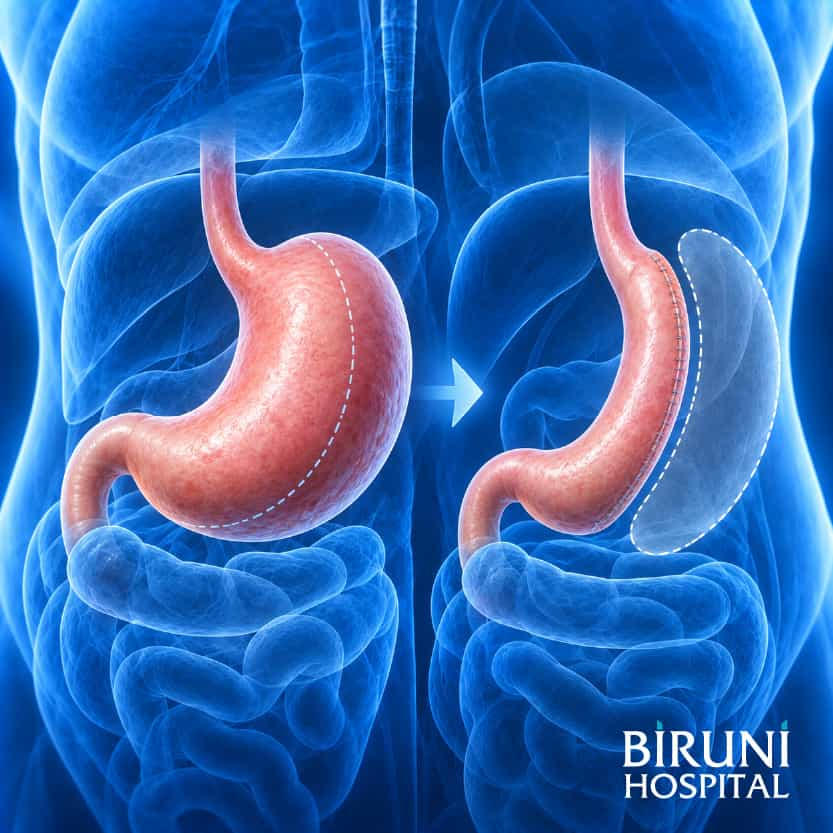
A sleeve gastrectomy is a restrictive bariatric procedure performed under general anesthesia. Your surgeon will typically use a laparoscopic approach, making several small incisions in your abdomen to insert a camera and specialized surgical tools.
During the operation, approximately 75 to 80 percent of your stomach is permanently removed. This leaves a narrow, banana-shaped "sleeve" that dramatically limits the amount of food you can comfortably eat in one sitting.
| Procedure Aspect | Clinical Details |
|---|---|
| Surgical Method | Minimally invasive laparoscopy |
| Anesthesia | Full general anesthesia |
| Duration | Typically 1 to 2 hours |
| Hormonal Impact | Reduces ghrelin (the hunger hormone), decreasing appetite |
Evaluating the Cost of Bariatric Treatment
Finances are a major factor when planning a medical trip. The cost of a gastric sleeve procedure varies based on the clinic's location, the surgeon's expertise, and the amenities included in your recovery program.
While prices are generally lower abroad, you must evaluate what is actually covered in the quoted price. Comparing these estimates against standard costs in your home country helps clarify the potential financial benefits.
| Country | Estimated Average Cost (USD) |
|---|---|
| United States | $15,000 - $25,000 |
| United Kingdom | $10,000 - $15,000 |
| Turkey | $3,000 - $5,500 |
What Does a Typical Treatment Package Include?
Many clinics in popular medical destinations bundle their services to make the process easier for international travelers. These comprehensive packages often cover more than just the surgical fee.
However, it is critical to request a transparent, itemized written quote before making any financial commitments. Hidden costs can arise if emergency care or extended hospital stays are required.
Common Package Inclusions (Verify with your provider):
- Pre-operative blood tests, ECG, and ultrasound
- Consultations with the bariatric surgeon, anesthesiologist, and dietitian
- The surgical procedure and general anesthesia
- 3 to 4 nights of hospital accommodation
- Post-operative medications for the initial recovery phase
- VIP airport and hotel transfers
- In-house translation services
Choosing a Hospital for Gastric Sleeve Surgery in Turkey
Selecting the right facility is just as important as choosing the right surgeon. The hospital environment dictates the quality of your post-operative monitoring and the immediate management of any complications.
Prioritize facilities that are strictly regulated by the national government. In this region, specific health tourism licenses indicate that a clinic is legally permitted and equipped to treat international patients.
When vetting hospitals, request proof of the following credentials to ensure they meet required safety standards:
- Ministry of Health License: The facility must hold a valid "International Health Tourism Authorization Certificate" issued by the T.C. Sa?l?k Bakanl??? (Turkish Ministry of Health).
- National Accreditation: Certification by national healthcare quality standards.
- JCI Accreditation (Optional but valuable): Joint Commission International accreditation signifies adherence to rigorous global safety protocols.
Verifying Your Bariatric Surgeon in Turkey
The skill and experience of your operating surgeon directly impact your clinical outcomes and risk of complications. Never book a surgery without researching the specific doctor who will perform your procedure.
A reputable clinic will gladly provide your surgeon's full name, medical license number, and a detailed professional biography. You can use this information to verify their standing with national medical councils.
Essential Surgeon Qualifications to Check:
- Registration with the Turkish Medical Association (TTB).
- Board certification in General Surgery within Turkey.
- Membership in the Turkish Society for Bariatric and Metabolic Surgery.
- Active membership in IFSO (International Federation for the Surgery of Obesity and Metabolic Disorders).
- A documented history of performing hundreds of laparoscopic sleeve gastrectomies annually.
Who is an Ideal Candidate for this Weight Loss Procedure?
Bariatric surgery is not a quick fix for cosmetic weight loss; it is a serious medical intervention for clinical obesity. Your doctor will evaluate your physical health, medical history, and psychological readiness before approving you for surgery.
Suitability generally depends on your Body Mass Index (BMI) and the presence of underlying health conditions. Patients must also demonstrate a commitment to lifelong dietary and lifestyle changes.
Likely Candidates:
- Individuals with a BMI of 40 or higher.
- Individuals with a BMI of 35 or higher who also suffer from type 2 diabetes, sleep apnea, or severe hypertension.
- Patients who have repeatedly tried and failed to lose weight through supervised diet and exercise.
Contraindications:
- Severe eating disorders without psychiatric clearance.
- Active substance abuse or alcoholism.
- Certain gastrointestinal diseases or severe acid reflux (where a gastric bypass may be recommended instead).
Clinical Outcomes and Success Rates
Understanding realistic outcomes helps set proper expectations before you travel. Success is typically measured by the percentage of Excess Weight Loss (EWL) over a specified timeframe, alongside the remission of obesity-related comorbidities.
Recent clinical registries published in 2024 demonstrate standard weight loss trajectories for patients adhering to post-operative guidelines. Results vary widely depending on the patient's starting weight and their strict adherence to the prescribed diet.
Preparing for Your Medical Journey to Turkey
Proper preparation minimizes surgical risks and makes your travel experience less stressful. Your surgical team will provide detailed pre-operative instructions that you must follow meticulously in the weeks leading up to your departure.
One of the most critical steps is the pre-op diet. This specialized diet reduces the size of your liver, making the laparoscopic procedure safer and easier for your surgeon to perform.
| Timeframe | Preparation Action Required |
|---|---|
| 2 to 3 Weeks Before | Start the prescribed high-protein, low-carbohydrate diet to shrink the liver. Cease smoking and alcohol consumption. |
| 1 Week Before | Stop taking certain medications as advised by your doctor (e.g., blood thinners, NSAIDs). |
| 24 Hours Before | Switch to a clear liquid diet and begin mandatory fasting at least 12 hours prior to the surgery. |
What to Expect During the Recovery Period
Recovery from bariatric surgery happens in distinct stages. Because you are traveling abroad, you will spend the most critical initial days recovering under close medical supervision in a private hospital room.
After discharge, you will likely spend a few days recuperating in a nearby hotel before your surgeon clears you for your return flight. Following all post-operative guidance is vital for preventing complications like deep vein thrombosis (DVT).
| Timeframe | Patient Sensation & Activity Level | Required Action |
|---|---|---|
| Days 1-3 (In Hospital) | Soreness, gas pain, fatigue. Very low activity. | Frequent short walks in the ward to prevent blood clots. Rest. |
| Days 4-7 (Hotel/Travel) | Improving energy, mild discomfort. | Hydrate constantly with small sips. Wear compression socks on the flight home. |
| Weeks 2-4 (Home) | Adjusting to new stomach size. Moderate activity. | Return to desk work. Avoid heavy lifting. Follow strict dietary phases. |
Managing Risks and Potential Complications
All surgical interventions carry inherent risks, and bariatric surgery is no exception. While serious complications are relatively rare when performed by board-certified specialists, you must be aware of the signs of surgical emergencies.
Discuss the clinic's complication management protocol before paying any deposits. Ask your provider what happens financially and medically if an unexpected complication occurs during your stay.
Warning Signs to Report Immediately:
- Staple Line Leaks: Severe abdominal pain, rapid heart rate, or a high fever shortly after surgery.
- Bleeding: Unexplained dizziness, severe fatigue, or blood in stool/vomit.
- Strictures: Persistent vomiting or inability to keep any liquids down.
- Infection: Redness, heat, or unusual discharge around the incision sites.
Diet and Life After Bariatric Surgery in Turkey
The surgery is merely a tool; long-term success relies entirely on your commitment to dietary adjustments. Your stomach will be drastically smaller, meaning you must prioritize nutrient-dense foods to prevent malnutrition.
Your bariatric dietitian will provide a phased eating plan. Adhering to this plan allows your staple line to heal properly without tearing or stretching.
| Diet Phase | Duration | Allowed Intake |
|---|---|---|
| Phase 1: Clear Liquids | Days 1 to 7 | Water, clear broth, sugar-free gelatin, diluted juices. |
| Phase 2: Full Liquids/Puréed | Weeks 2 to 3 | Protein shakes, blended soups, thinned yogurt, very smooth baby food. |
| Phase 3: Soft Foods | Weeks 4 to 5 | Scrambled eggs, baked fish, cottage cheese, mashed vegetables. |
| Phase 4: Solid Foods | Week 6 onward | Gradual introduction of regular, healthy solid foods chewed thoroughly. |
Travel Health and Visa Considerations
Combining surgery with international travel introduces unique logistical factors. Patients flying into the country will primarily arrive at major international airports in cities like Istanbul, Antalya, or Izmir.
Before booking your flight, ensure your passport is valid for at least six months from your date of entry. Most North American and European patients must apply for a simple electronic visa (e-Visa) prior to arrival.
Travel Checklist for Medical Tourists:
- Obtain your official e-Visa via the Turkish government portal.
- Purchase specialized medical tourism insurance that covers complications abroad.
- Pack loose-fitting clothing to accommodate abdominal swelling.
- Arrange your airport pickup with your clinic in advance.
- Bring a printed copy of your medical records and your clinic's itemized quote.
Frequently Asked Questions
If you are still evaluating your options, reviewing the most common concerns can help clarify your decision-making process.
Is gastric sleeve surgery in Turkey safe for international patients?
Yes, it is generally safe when performed by experienced, board-certified surgeons in hospitals licensed by the Turkish Ministry of Health for international health tourism. However, as with any major surgery, it carries standard surgical risks that you should discuss with your doctor.
How much weight can I expect to lose after the procedure?
Patients typically lose between 50% and 70% of their excess body weight within the first 12 to 18 months. Results vary greatly depending on strict adherence to the prescribed post-operative diet and exercise routines.
Will I need to take vitamins for the rest of my life?
Yes. Because your stomach capacity is reduced and you will consume fewer calories, daily bariatric multivitamins are required for life to prevent serious nutritional deficiencies, bone loss, and anemia.
How long should I plan to stay in Turkey for my surgery?
Most clinics require you to stay in the country for 7 to 10 days. This allows time for pre-operative testing, a 3- to 4-night hospital stay, and a few days of hotel recovery before your surgeon clears you for air travel.
What happens if I experience complications after returning home?
If an emergency arises, you must go to your local emergency room immediately. It is highly recommended to purchase specialized medical complications insurance before you travel, and to secure a local primary care physician willing to handle your long-term follow-up care.
Can my companion stay with me in the hospital?
Yes, most private bariatric hospitals in Turkey provide private rooms with a sleeper sofa for one companion. Standard treatment packages often include accommodation and meals for your traveling companion during your hospital stay.
How do I communicate with the hospital staff if I don't speak Turkish?
Reputable facilities catering to international patients provide dedicated, in-house English-speaking patient coordinators. These coordinators will accompany you to all consultations and tests to translate and assist you.
Are there hidden costs in bariatric surgery packages?
While most packages are comprehensive, hidden costs can occur. Always ask your clinic if pre-op cardiology clearances, companion meals, extended hospital nights, and post-op take-home medications are explicitly included in the written quote.
Will I have excess skin after losing weight?
Significant and rapid weight loss frequently results in loose or excess skin. Depending on your age, genetics, and the amount of weight lost, your doctor may recommend plastic surgery (such as a tummy tuck) 12 to 18 months after your bariatric procedure.
What is the difference between a Gastric Sleeve and a Gastric Bypass?
A sleeve gastrectomy only reduces the size of the stomach, restricting food intake. A gastric bypass reduces stomach size and reroutes the intestines to decrease calorie absorption. Your surgeon will recommend the best procedure based on your medical history and BMI.
Ready to Explore Your Treatment Options?
PlacidWay can help you compare trusted, regulated providers, understand treatment costs, and request information directly from highly qualified clinics. Start planning a safe medical journey today.
Request Free InformationDisclaimer
Disclaimer: This information is for educational purposes only and does not replace professional medical advice. Always consult a qualified healthcare provider before making medical decisions.
References
- Patient Guidelines for Bariatric Surgery – International Federation for the Surgery of Obesity and Metabolic Disorders (IFSO)
- Health Tourism Data and Regulations 2024 – Ministry of Health, Republic of Turkey
- Obesity and Overweight Clinical Guidelines – World Health Organization (WHO)
- Medical Professional Registration Guidelines – Turkish Medical Association (TTB)
- Long-Term Clinical Outcomes of Sleeve Gastrectomy (2024 Update) – National Center for Biotechnology Information (NCBI)
- International Quality and Patient Safety Standards – Joint Commission International (JCI)

























Share this listing