
Sydney patients often face frustratingly long wait lists for weight loss procedures in the public health system. Traveling for gastric sleeve surgery in Turkey offers a safe, timely alternative without the overwhelming out-of-pocket costs found in Australian private hospitals. This guide explains essential costs, the crucial Turkish Ministry of Health certifications to verify, and how to safely plan your journey.
Quick Summary
- Estimated Cost: Typically ranges from $3,500 to $5,500 USD for all-inclusive packages.
- Safety Overview: Highly regulated by the Turkish Ministry of Health, but selecting certified providers is critical for patient safety.
- Ideal Candidate: Sydney adults with a BMI over 35 experiencing weight-related health issues and facing excessive local wait times.
- Recovery Time: Requires roughly 1 to 2 nights in the hospital, followed by 4 to 6 days resting in a Turkish hotel before flying back.
- Main Reason for Travel: Bypassing the multi-year public waitlists in New South Wales and avoiding expensive private health gaps.
- Important Certifications: Look for the Turkish Ministry of Health Medical Tourism Authorization Certificate and Joint Commission International (JCI) accreditation.
- Important Caution: The 20+ hour flight back to Australia significantly increases deep vein thrombosis (DVT) risks, requiring strict preventative care.
Why Bypass Sydney Waitlists for Treatment Abroad?
Many Australian patients find themselves stuck in the public healthcare system for years waiting for elective bariatric procedures. The New South Wales public health sector classifies these surgeries in a way that often results in extended delays. Meanwhile, pursuing the private route locally can leave you with massive out-of-pocket gap fees, even with private health insurance.
Turkey has emerged as a primary destination for medical tourism because it combines immediate treatment availability with strict medical regulations. By choosing a licensed Turkish hospital, you can receive care from highly experienced surgeons in a matter of weeks rather than years.
Primary Reasons Sydney Patients Travel to Turkey:
- Immediate availability compared to Australian public hospital waitlists.
- Comprehensive package pricing that eliminates hidden gap fees.
- Access to internationally trained bariatric surgeons.
- Modern facilities equipped with advanced surgical technology.
- Opportunity to recover in a private, dedicated medical setting.
Understanding Gastric Sleeve Surgery
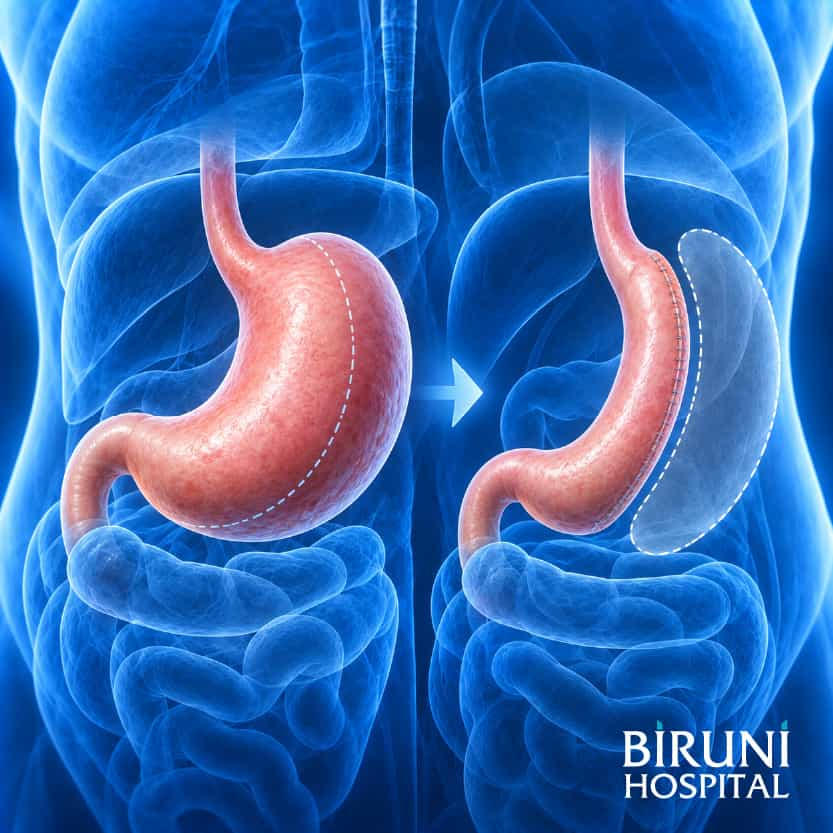
Gastric sleeve surgery, clinically known as sleeve gastrectomy, is a procedure that permanently removes about 75 to 80 percent of your stomach. This leaves a narrow, banana-shaped tube that restricts the amount of food you can consume. The surgery also removes the portion of the stomach that produces ghrelin, the hormone responsible for stimulating hunger.
This dual action helps patients feel full faster and experience fewer cravings. The procedure is typically performed laparoscopically, using small incisions to minimize tissue damage and speed up recovery times.
| Feature | Gastric Sleeve | Gastric Bypass |
|---|---|---|
| Mechanism | Restriction and hormonal changes | Restriction and malabsorption |
| Stomach Removal | Yes, permanently removed | No, re-routed |
| Surgery Time | Typically 1 to 2 hours | Typically 2 to 3 hours |
| Vitamin Dependency | Required, but lower risk of severe deficiency | Strictly required for life |
Cost of Treatment: Sydney Versus Turkey
Financial barriers are a significant factor driving Sydney residents to seek medical care overseas. In the Australian private system, uninsured patients can face bills exceeding $20,000 USD for bariatric surgery. Even with top-tier private health insurance, out-of-pocket surgeon and anesthetist fees can easily reach $4,000 to $8,000 USD.
In contrast, Turkish medical packages are designed to be entirely transparent. Most reputable clinics bundle the surgery, hospital stay, hotel accommodation, and airport transfers into a single, predictable price.
| Expense Category | Estimated Cost in Sydney (USD) | Estimated Cost in Turkey (USD) |
|---|---|---|
| Surgery & Hospital Stay | $12,000 - $22,000+ | $3,000 - $4,500 |
| Anesthesia Fees | $1,500 - $3,000 | Included in package |
| Pre-op Consultations | $500 - $1,000 | Included in package |
| Accommodation (5 nights) | N/A (At home) | $500 - $1,000 (Or included) |
It is important to remember that flights from Sydney to Istanbul or Antalya are not included in these medical packages. You must factor in the cost of long-haul airfare, which varies greatly depending on the season and airline.
How to Choose a Certified Hospital in Turkey
Selecting the right hospital is your most important safety decision when traveling abroad. Turkey has a robust healthcare infrastructure, but not all clinics cater to international patients. You must ensure the facility holds the correct local and national licenses to operate legally and safely.
The Turkish Ministry of Health heavily regulates the medical tourism sector. Clinics must undergo strict inspections to earn the right to treat foreign patients.
Mandatory Hospital Certifications to Verify:
- Medical Tourism Authorization Certificate: Issued by the Turkish Ministry of Health, proving the hospital meets international patient care standards.
- JCI Accreditation: Joint Commission International sets gold standards for global hospital safety and emergency protocols.
- On-Site Intensive Care Unit (ICU): The facility must have a fully equipped ICU in case of surgical complications.
Verifying Your Surgeon's Credentials
Your surgeon’s experience directly impacts your safety and the longevity of your weight loss results. You should never choose a doctor based solely on social media popularity or low pricing. Instead, focus on their formal medical education and ongoing professional registrations.
Reputable Turkish surgeons will openly share their medical license numbers and professional affiliations. You can verify their standing with national and international medical boards.
What to Ask Your Surgeon:
- Are you registered with the Turkish Medical Association (TTB)?
- Are you an active member of the Turkish Society for Bariatric and Metabolic Surgery (BMCD)?
- Do you hold membership with the International Federation for the Surgery of Obesity (IFSO)?
- How many gastric sleeve procedures do you perform annually?
Patient Demographics: Who is Traveling in 2024?
The demographic profile of international medical travelers seeking bariatric surgery has evolved. Recent data shows a broad range of age groups pursuing these procedures, driven by increasing awareness of metabolic health. Australian patients traveling to Turkey typically fall within the middle-age bracket, seeking intervention before obesity-related comorbidities worsen.
Understanding these trends highlights that medical tourism for weight loss is no longer a niche choice, but a mainstream healthcare pathway.
Age Distribution of Inbound Bariatric Patients (2024 Data)
Based on documented 2024 healthcare travel pattern estimations for cross-border bariatric care.
Clinical Profiles of Bariatric Tourists
Patients traveling for surgery generally present with significant clinical needs. It is rarely an aesthetic decision; rather, it is a medical necessity to manage conditions like type 2 diabetes, sleep apnea, and severe joint pain. A patient's Body Mass Index (BMI) is a primary indicator of their surgical eligibility.
Most clinics require a minimum BMI of 35 with comorbidities, or a BMI over 40, reflecting international clinical guidelines. The chart below illustrates the documented clinical breakdown of patients seeking care abroad.
BMI Distribution of Cross-Border Bariatric Patients (2024 Trends)
Documented clinical classifications for medical travel in 2024-2025.
The Consultation and Pre-Operative Process
Your journey begins long before you board a flight from Sydney. Modern Turkish clinics utilize virtual consultations to review your medical history and evaluate your suitability for surgery. You will likely be asked to provide blood test results and details regarding your current medications.
Upon arriving in Turkey, comprehensive pre-operative testing is mandatory. This ensures your heart, lungs, and liver are healthy enough to undergo general anesthesia safely.
Standard Pre-Operative Tests in Turkey:
- Complete blood count and metabolic panel.
- Electrocardiogram (ECG) and cardiology evaluation.
- Chest X-ray to check lung function.
- Abdominal ultrasound to inspect the liver and gallbladder.
- Endoscopy to check for hernias or stomach ulcers prior to surgery.
Step-by-Step Procedure Guide
The gastric sleeve procedure is highly structured. You will be admitted to the hospital on the morning of your surgery and prepped by the nursing staff. An anesthesiologist will administer general anesthesia, ensuring you are completely asleep and pain-free.
The surgeon will make several small incisions in your abdomen to insert laparoscopic tools and a camera. The stomach is then carefully separated from surrounding tissue and divided using surgical staplers.
Surgical Timeline:
- Anesthesia: Administered to ensure complete unconsciousness.
- Incision: 4 to 5 keyhole incisions are made in the abdominal wall.
- Resection: Approximately 80% of the stomach is permanently removed.
- Closure: The remaining stomach is stapled into a tight sleeve shape, and incisions are sutured.
Recovery Timeline and Hospital Stay
Immediately after waking up, you will be moved to a recovery room where medical staff monitor your vital signs. It is normal to feel groggy, nauseous, or experience abdominal soreness. Nurses will encourage you to walk within a few hours to promote blood circulation and prevent blood clots.
Most patients remain in the Turkish hospital for two to three nights. After discharge, you will move to your hotel to continue resting before receiving final medical clearance to fly.
| Timeframe | Biological Process | Patient Action Required |
|---|---|---|
| Days 1-3 | Incision healing and internal swelling. | Rest in hospital, begin walking, sip clear liquids. |
| Days 4-7 | Stomach begins to settle; swelling decreases. | Rest in hotel, attend final check-up, prepare for flight. |
| Weeks 2-4 | Significant weight loss begins; energy levels fluctuate. | Adhere strictly to puree diet, avoid heavy lifting. |
| Months 3-6 | New stomach capacity stabilizes. | Introduce regular solid foods, maintain exercise. |
Navigating the Long Flight Back to Sydney
The flight from Turkey to Australia is notoriously long, often exceeding 20 hours with layovers. Flying shortly after major abdominal surgery carries a significant risk of deep vein thrombosis (DVT), which are dangerous blood clots that form in the legs.
Your Turkish medical team will provide specific protocols to mitigate these risks. You must follow their instructions strictly to ensure a safe journey home.
Warning: DVT Prevention on Long Flights
- Wear prescribed medical-grade compression stockings throughout the entire flight.
- Take any blood-thinning medication exactly as prescribed by your surgeon.
- Walk the aircraft aisles every one to two hours.
- Perform seated ankle pumps and leg stretches continuously.
- Stay highly hydrated with water and avoid caffeine.
Post-Surgery Diet Progression
Adapting to your new stomach requires strict adherence to a phased diet plan. Because your stomach is healing from staple lines, solid food can cause severe complications, including internal leaks. Your digestive system must be reintroduced to food very slowly.
The first phase consists entirely of clear liquids. Over several weeks, you will gradually progress to thicker liquids, purees, and eventually soft foods.
| Diet Phase | Duration | Allowed Foods |
|---|---|---|
| Phase 1: Clear Liquids | Days 1 to 7 | Water, clear broth, sugar-free jelly, diluted apple juice. |
| Phase 2: Full Liquids | Weeks 2 to 3 | Protein shakes, thin soups, skim milk, unsweetened yogurt. |
| Phase 3: Pureed Foods | Weeks 4 to 5 | Scrambled eggs, mashed vegetables, blended lean meats. |
| Phase 4: Soft Solids | Weeks 6 to 8 | Soft fish, tender poultry, cooked soft vegetables. |
Risks and Potential Complications
No surgery is entirely risk-free, and bariatric procedures carry specific anatomical risks. While complications are rare when performed by experienced surgeons in regulated hospitals, you must be aware of what could go wrong. A comprehensive understanding allows you to recognize warning signs early.
The most serious immediate risk is a staple line leak, where stomach fluids leak into the abdominal cavity. This requires emergency medical intervention.
| Potential Risk | Symptoms to Watch For | Prevention Strategy |
|---|---|---|
| Staple Line Leak | Fever, severe abdominal pain, rapid heart rate. | Surgeon performs leak test during surgery; strictly follow liquid diet. |
| Stricture (Narrowing) | Chronic vomiting, inability to swallow liquids. | Pacing eating speed, avoiding solid foods too early. |
| Nutritional Deficiency | Hair loss, extreme fatigue, brittle nails. | Take daily prescribed bariatric multivitamins for life. |
| Acid Reflux (GERD) | Heartburn, chest discomfort after eating. | Eat small portions, avoid lying down immediately after meals. |
Long-Term Aftercare from Australia
Traveling to Turkey means your primary surgeon will be thousands of miles away during your long-term recovery. Therefore, establishing a reliable local support network in Sydney is crucial for your ongoing health. You should involve your local General Practitioner (GP) in your plans before you travel.
Many Turkish clinics offer ongoing support via WhatsApp or telehealth. However, you will still need local Australian professionals to conduct routine blood tests and manage any late-stage nutritional adjustments.
Building Your Sydney Support Team:
- Local GP: Essential for monitoring blood work and prescribing local medications.
- Bariatric Dietitian: Helps tailor your diet phases to Australian grocery products.
- Psychologist: Supports the emotional adjustments of rapid weight loss.
Comparing Alternatives to Gastric Sleeve
Gastric sleeve surgery is highly effective, but it is an irreversible procedure. Depending on your health profile and BMI, your doctor may recommend alternative weight loss interventions. It is important to discuss all available options to ensure you are making the best choice for your anatomy.
Some patients with severe acid reflux may be better suited for a Gastric Bypass, while those with lower BMI requirements might consider a non-surgical Gastric Balloon.
Gastric Sleeve
- Permanent stomach reduction.
- Significant hormonal hunger reduction.
- Requires invasive surgery.
- High long-term success rate.
Gastric Balloon
- Temporary (removed after 6-12 months).
- No incisions or permanent organ altering.
- Less dramatic total weight loss.
- Requires strict diet discipline after removal.
Planning Your Medical Travel Itinerary
Organizing a medical trip requires careful coordination of healthcare, travel, and recovery logistics. Australian citizens typically require an e-Visa to enter Turkey, which can easily be obtained online prior to departure. Ensure your passport is valid for at least six months from your date of entry.
Your medical tourism facilitator or clinic coordinator will usually assist with organizing airport transfers and hotel bookings, ensuring a seamless transition from the airport to the hospital.
Travel Preparation Checklist:
- Apply for your Turkish e-Visa online.
- Purchase medical travel insurance that covers surgical complications abroad.
- Pack comfortable, loose-fitting clothing for recovery.
- Inform your bank that you will be traveling to avoid blocked cards.
- Download any required communication apps (like WhatsApp) to reach your clinic coordinator.
Frequently Asked Questions
Why do Sydney patients choose Turkey for gastric sleeve surgery?
Sydney patients often travel to Turkey to bypass the long wait times in the Australian public healthcare system and to avoid the high out-of-pocket gap fees associated with private local hospitals. Turkey offers timely, highly regulated care at a fraction of the cost.
Is it safe to fly back to Australia after a gastric sleeve?
It can be safe if you follow strict medical protocols. Because the flight exceeds 20 hours, you are at a higher risk for deep vein thrombosis (DVT). You must wear compression socks, take prescribed blood thinners, stay hydrated, and walk frequently during the flight.
How long do I need to stay in Turkey for the procedure?
Most patients are advised to stay in Turkey for at least 7 to 9 days. This allows for pre-operative testing, 2 to 3 nights recovering in the hospital, and several days resting in a hotel to ensure you are medically clear before flying.
What certifications should a Turkish bariatric clinic hold?
You should look for a clinic that holds a Medical Tourism Authorization Certificate from the Turkish Ministry of Health. Additionally, international accreditations like Joint Commission International (JCI) are strong indicators of global safety standards.
Will my Australian health insurance cover surgery in Turkey?
Generally, Australian private health insurance (like Medibank or Bupa) does not cover elective surgeries performed overseas. You will need to pay for the medical package out-of-pocket and purchase specialized medical travel insurance for complications.
What happens if I experience complications once back in Sydney?
In a medical emergency, Australian public hospitals will treat you regardless of where your surgery was performed. However, for non-emergencies, you should have a local GP and a local bariatric team arranged beforehand to help manage your aftercare.
How much weight can I expect to lose?
Weight loss varies significantly depending on your starting BMI and lifestyle changes. Typically, patients may lose between 50% and 70% of their excess body weight within the first 12 to 18 months following gastric sleeve surgery.
Will I need to take vitamins for the rest of my life?
Yes. Because a large portion of your stomach is removed, your body's ability to absorb certain nutrients is reduced. You will typically need to take specialized bariatric multivitamins daily to prevent deficiencies in iron, B12, and calcium.
Can the gastric sleeve procedure be reversed?
No. Unlike a gastric band, the gastric sleeve procedure involves permanently amputating and removing approximately 80% of your stomach. It cannot be reversed, though it can sometimes be revised into a gastric bypass if medically necessary.
Who is an ideal candidate for gastric sleeve surgery in Turkey?
Ideal candidates are adults with a BMI of 35 or higher who suffer from weight-related conditions like diabetes or sleep apnea. They must also be medically fit to fly and willing to commit to lifelong dietary and lifestyle changes.
Ready to Explore Your Options?
PlacidWay can help you compare certified providers in Turkey, understand treatment costs, and request detailed information from top-rated bariatric clinics so you can make an informed decision.
Request InformationDisclaimer: This information is for educational purposes only and does not replace professional medical advice. Always consult a qualified healthcare provider before making medical decisions.
References
- Global Registry Report 2024 – International Federation for the Surgery of Obesity and Metabolic Disorders (IFSO)
- Elective Surgery Waiting Times – Australian Institute of Health and Welfare (AIHW)
- Medical Tourism Regulations and Standards – Turkish Ministry of Health (USHA?)
- Bariatric Surgery Aftercare Guidelines – Royal Australian College of General Practitioners (RACGP)
- Long-Term Outcomes of Sleeve Gastrectomy (2024 Study) – National Institutes of Health (NIH)
- Obesity and Overweight Data – World Health Organization (WHO)
- Hospital Accreditation Standards – Joint Commission International (JCI)

























Share this listing