
Obesity is a complex and relentless medical condition that can significantly reduce your overall quality of life, but modern Bariatric Surgery in Istanbul Turkey offers a highly effective, proven path to lasting health and vitality. For years, individuals struggling with severe excess weight have faced immense challenges, from astronomical healthcare costs in their home countries to agonizingly long waiting lists for life-saving procedures.
Today, there is a superior alternative for those seeking medical intervention. Why continue to let excessive weight dictate your physical limitations and compromise your long-term health when you can completely restore your mobility, confidence, and well-being at a world-renowned medical facility? State-of-the-art medical technology, highly skilled surgical expertise, and compassionate patient care seamlessly converge in Istanbul, offering patients a genuine second chance at a healthy, active life.
Table of Contents & Quick Navigation
The Burden of Severe Obesity and the Tipping Point
Severe obesity is a systemic, chronic metabolic disease that places an unimaginable burden on the human body. Carrying excessive weight forces the heart to work exponentially harder to pump blood, significantly increasing the risk of hypertension, cardiovascular disease, and stroke. Furthermore, the immense physical load accelerates wear and tear on weight-bearing joints, particularly the knees and hips, leading to debilitating osteoarthritis and severely restricted mobility. For millions of people globally who struggle with class III or severe obesity, daily physical activities can become monumental challenges.
Severe obesity is not merely a cosmetic concern; it is a serious medical condition that frequently requires specialized intervention. For individuals struggling with significant excess weight, traditional diet and exercise regimens are often statistically proven to be insufficient for achieving massive, sustainable weight loss. The body's metabolic set point fiercely defends its highest weight, making conservative measures incredibly frustrating and largely ineffective.
Recognizing that health is declining prompts many individuals to reach a critical tipping point where they consider surgical options. Seeking a permanent medical intervention is often the most effective step to reclaim one's life, prompting patients worldwide to begin diligently looking for highly reputable international hospitals capable of performing life-altering procedures such as Bariatric Surgery in Istanbul Turkey.
Why Choose Istanbul, Turkey for Bariatric Surgery?
When searching for the optimal medical facility, patients are often overwhelmed by the sheer volume of choices available internationally. Over the past decade, Turkey has rapidly solidified its reputation as a premier global hub for medical tourism, particularly in the highly specialized field of bariatric surgery. Millions of patients from Europe, North America, and the Middle East travel to Turkish clinics annually, drawn by the unique combination of exceptional medical expertise, cutting-edge technology, and highly competitive pricing.
Top-tier hospitals in Istanbul feature dedicated bariatric and metabolic surgery departments. Choosing a clinic with a specialized center of excellence is crucial for weight loss surgery patients. These centers are equipped with specialized bariatric furniture, advanced diagnostic imaging machines calibrated for higher weight capacities, and operating theaters explicitly designed for laparoscopic bariatric procedures.
Comprehensive Care and International Accreditation
Leading healthcare facilities in Turkey operate under strict international healthcare standards, often holding prestigious accreditations such as Joint Commission International (JCI). This accreditation guarantees that the hospital adheres to the most rigorous global protocols for patient safety, infection control, and surgical outcomes. For international patients seeking bariatric procedures abroad, this provides immense peace of mind, knowing they are receiving care that meets or exceeds the standards found in the United States or the United Kingdom.
Moreover, the cost-effectiveness of undergoing weight loss surgery in Turkey is a massive driving factor. In many Western countries, a gastric sleeve or gastric bypass procedure can easily cost between $15,000 and $25,000, and is frequently excluded from standard health insurance coverage. In stark contrast, all-inclusive bariatric surgery packages in Turkey typically range from $3,000 to $5,000. These comprehensive medical tourism packages usually cover the surgical procedure, hospital stay, luxury hotel accommodations, VIP airport transfers, and extensive pre-operative testing.
The Unmatched Speed and Efficiency of Medical Tourism Coordination
One of the most frustrating aspects of pursuing bariatric surgery in countries with public healthcare systems, such as the UK's NHS or Canada's Medicare, is the excruciatingly long waiting lists. Patients often wait years just to see a specialist, during which time their obesity-related comorbidities can severely worsen. Private medical tourism in Turkey provides a stark, efficient contrast, allowing international patients to initiate their care pathways swiftly.
Upon reaching out to a certified clinic, patients typically receive rapid responses from dedicated medical application teams. This level of prompt, dedicated responsiveness is a hallmark of premium medical tourism facilitators. Dedicated international patient coordinators act as personal liaisons, seamlessly bridging any language barriers and guiding patients through every step of the logistical and medical process.
These coordinators handle everything from reviewing initial medical files to scheduling virtual consultations with the surgical team. When dealing with a serious condition like severe obesity, the ability to bypass bureaucratic red tape and schedule a procedure within weeks—or even days—is invaluable. Medical tourism empowers individuals to take decisive action without unnecessary delays.
Expert Surgeons and Multidisciplinary Bariatric Teams
The success of any bariatric procedure relies heavily on the skill, experience, and precision of the operating surgeon. Leading bariatric specialists in Istanbul are highly respected figures in the field of metabolic and bariatric surgery. Surgeons of this caliber typically perform hundreds of complex weight loss procedures annually, granting them a level of surgical intuition and technical proficiency that significantly minimizes the risk of intraoperative complications.
Modern bariatric care is never a solo endeavor; it requires a highly coordinated, multidisciplinary approach. A comprehensive medical ecosystem supports every patient through their journey, including highly trained anesthesiologists, specialized bariatric nurses, dedicated dietitians, and patient support staff. Patient coordinators ensure that international patients never feel isolated or confused in a foreign hospital, providing crucial emotional support, translation services, and step-by-step guidance through pre-operative testing and post-operative recovery protocols.
Understanding Advanced Weight Loss Surgery Options
When patients arrive at accredited clinics in Istanbul, they undergo comprehensive medical evaluations to determine which specific bariatric procedure will yield the safest and most effective results for their unique physiological profile. The two most common and highly successful procedures performed globally are the Laparoscopic Sleeve Gastrectomy (Gastric Sleeve) and the Roux-en-Y Gastric Bypass. Both procedures are performed under general anesthesia using minimally invasive laparoscopic techniques.
-
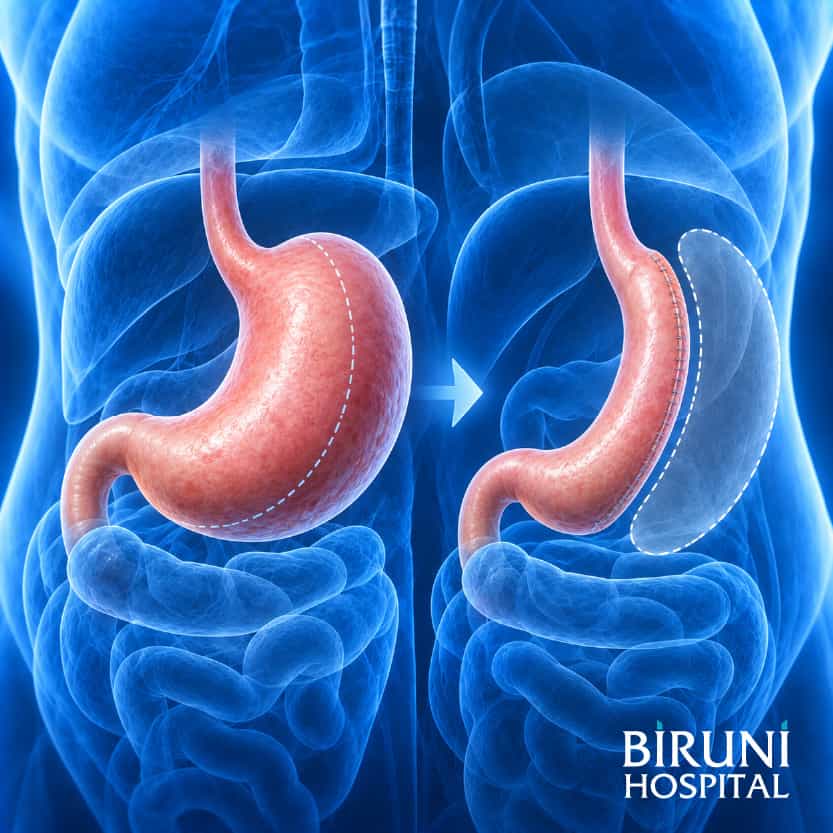
The Laparoscopic Sleeve Gastrectomy involves the surgical removal of approximately 80% of the stomach, leaving a narrow, banana-shaped tube or "sleeve." This procedure is highly restrictive, meaning patients feel full after eating very small portions. Crucially, it also removes the fundus of the stomach, the primary area responsible for producing ghrelin, the body's main hunger hormone. This results in a massive reduction in appetite, making dietary compliance significantly easier.
-
The Roux-en-Y Gastric Bypass is a slightly more complex procedure that combines restriction with malabsorption. The surgeon creates a small stomach pouch and directly connects it to the small intestine, bypassing a significant portion of the digestive tract. This not only restricts food intake but also reduces the number of calories and nutrients the body absorbs. Gastric bypass is often considered the gold standard for patients who suffer from severe gastroesophageal reflux disease (GERD) or unmanaged Type 2 Diabetes.
| Feature & Benefit | Sleeve Gastrectomy (Gastric Sleeve) | Roux-en-Y Gastric Bypass |
|---|---|---|
| Mechanism of Action | Highly Restrictive (Reduces stomach volume) | Restrictive & Malabsorptive (Bypasses intestine) |
| Expected Weight Loss | 60% to 70% of excess body weight | 70% to 80% of excess body weight |
| Metabolic Impact | Massive reduction in the hunger hormone (ghrelin) | Powerful metabolic reset, highest remission rates for Diabetes |
| Surgical Complexity | Less complex, involves no intestinal rerouting | More complex, requires precise gastrointestinal rerouting |
The Surgical Experience and Advanced Pain Management
It is entirely normal for patients to experience high levels of anxiety before undergoing major surgery abroad. However, the implementation of rigorous pre-operative diagnostics ensures that every patient is physically optimized for the operating room. This diagnostic panel typically includes comprehensive blood work, an electrocardiogram (EKG), a chest X-ray, an abdominal ultrasound, and a thorough upper endoscopy.
Once cleared, the procedure is performed using state-of-the-art laparoscopic equipment. Instead of a massive, painful open incision, surgeons make four to five tiny incisions in the abdomen. High-definition cameras and specialized micro-instruments are inserted to perform the surgery with incredible precision. This minimally invasive approach drastically reduces tissue trauma, lowers the risk of surgical site infections, and dramatically accelerates the healing timeline.
Because of these advanced techniques, post-operative discomfort is remarkably manageable. Modern hospitals employ Enhanced Recovery After Surgery (ERAS) protocols, utilizing targeted, multi-modal pain management to keep patients comfortable without relying heavily on strong, nausea-inducing narcotics.
Post-Operative Recovery: Early Mobilization and Dietary Phases
One of the most critical aspects of post-bariatric surgery care is early mobilization. Patients are encouraged and assisted by nursing staff to stand up and take short walks down hospital corridors within hours of waking up from anesthesia. Walking helps dissipate the harmless carbon dioxide gas used during laparoscopy, reducing shoulder discomfort and minimizing the risk of deep vein thrombosis.
By day three, most patients complete standard leak tests—ensuring the new stomach staples are completely secure—and are discharged from the hospital to recover in nearby luxury accommodations arranged by their medical tourism package. The immediate post-operative diet is structured and strictly supervised by bariatric dietitians. Patients transition progressively from clear fluids to pureed foods, soft foods, and eventually a healthy, portion-controlled solid diet, supported by lifelong hydration and vitamin supplementation.
Long-Term Health Benefits and Lifestyle Transformation
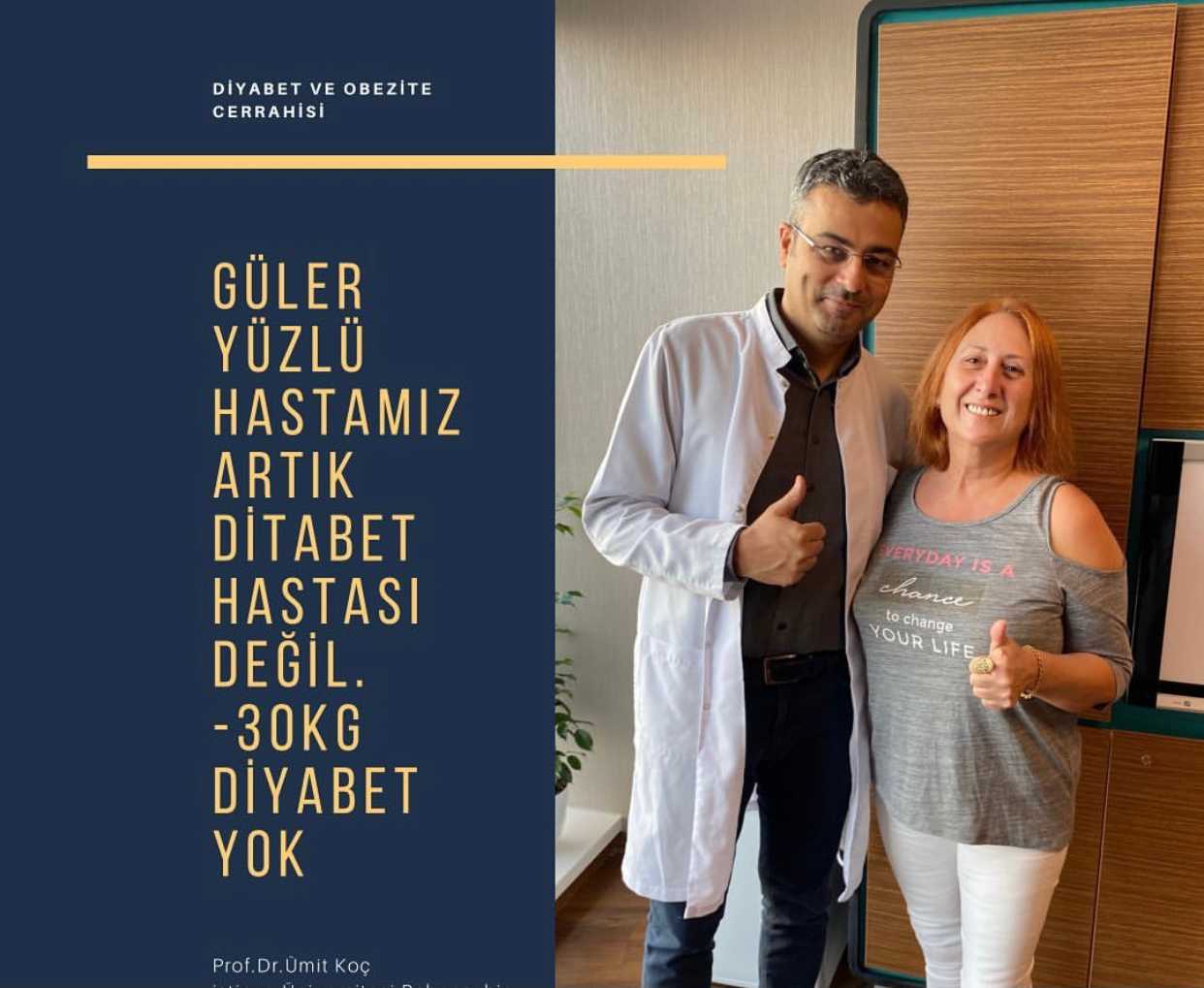
Bariatric surgery is a powerful medical tool designed to initiate a massive lifestyle transformation. As excess weight is steadily lost in the months following surgery, profound health benefits become apparent. Patients frequently experience the complete remission of Type 2 Diabetes, normalized blood pressure, lowered cholesterol levels, and the elimination of obstructive sleep apnea.
Beyond clinical metrics, psychological and emotional transformations are deeply rewarding. Individuals who previously struggled with physical limitations find boundless energy, improved self-esteem, and a renewed zest for life. Opting for Bariatric Surgery in Istanbul Turkey represents a definitive turning point for individuals seeking to reclaim their health, proving that world-class care is accessible, safe, and life-altering.
Ready to Start Your Weight Loss Journey in Turkey?
PlacidWay Medical Tourism connects you with top-rated bariatric surgeons and JCI-accredited clinics for Obesity Surgery in Istanbul. Let us help you find an affordable, all-inclusive weight loss surgery package so you can finally reclaim your health and your life.
GET A FREE QUOTE





.png)

.png)
.png)




.jpg)
.jpg)
.jpg)
.jpg)








Share this listing