

Contents
Are you tired of fighting your insurance provider or staring at a £12,000 quote just to get your health back on track? For many folks in the UK, Canada, and the United States, jumping through hoops for weight loss surgery at home feels like a full-time job. You shouldn't have to wait years on a public health list or drain your retirement savings just to access life-changing care. That is exactly why thousands of patients are packing their bags and looking abroad for a more accessible solution.
Gastric sleeve surgery in Istanbul offers a practical alternative without compromising on medical standards. While procedure costs here generally hover around $3,200, your focus shouldn't just be on the price tag. Patient safety is paramount when traveling for major surgery, which is why it is essential to verify local credentials. Always look for facilities holding a Turkish Ministry of Health (T.C. Sa?l?k Bakanl???) certification or Joint Commission International (JCI) accreditation to ensure they meet strict safety protocols.
Quick Facts at a Glance
Figuring out the logistics of medical travel can be overwhelming, which is why comprehensive treatment bundles are so popular in Turkey. A solid bariatric package usually covers the surgery itself, your hospital stay, VIP airport transfers, and hotel accommodation for your initial recovery. Having these details handled allows you to focus entirely on resting after your procedure.
However, it is crucial to read the fine print and know exactly what is included. Make sure pre-op cardiac and blood tests, anesthesia fees, and post-op medications are clearly stated in your quote. Compare the packages below to see which option aligns best with your travel needs and medical requirements.

Price starting from $3,500
All-Inclusive Gastric Sleeve Package in Istanbul, Turkey by ClinicExpert
ClinicExpert - Multispecialty Hospital in Istanbul
- Obesity/Bariatric Surgery
Istanbul, Turkey

Price starting from $3,500
Gastric Sleeve Package in Istanbul, Turkey for International Patients Seeking Surgical Weight Management
International Multispecialty Hospital in Istanbul, Turkey
- Obesity/Bariatric Surgery
Istanbul, Turkey
Let's talk directly about the financial side of your trip. Gastric sleeve surgery in Istanbul typically costs around $3,200, representing a significant savings compared to North American or British healthcare systems. This price difference is driven by lower regional operating costs and favorable exchange rates, rather than a drop in surgical quality.
While the baseline price is appealing, remember that costs can fluctuate based on the clinic's reputation, the surgeon's experience level, and the extent of your package inclusions. It is important to ask for a fully itemized bill to ensure there are no hidden fees upon discharge. Review the pricing details below to understand exactly what you are paying for.
Sleeve Gastrectomy Centers Cost Comparison in Istanbul, Turkey
| Provider | Procedure | Price |
|---|---|---|
| International Multispecialty Hospital in Istanbul, Turkey | Sleeve Gastrectomy, Obesity/Bariatric Surgery | $3500 |
| ClinicExpert - Multispecialty Hospital in Istanbul | Sleeve Gastrectomy, Obesity/Bariatric Surgery | $3500 |
Sleeve Gastrectomy Cost Comparison in Turkey
| Country | Procedure | Price |
|---|---|---|
| United States | Sleeve Gastrectomy, Obesity/Bariatric Surgery | $18000 |
| Canada | Sleeve Gastrectomy, Obesity/Bariatric Surgery | $19500 |
| United Kingdom | Sleeve Gastrectomy, Obesity/Bariatric Surgery | $10000 |
Choosing a hospital overseas is not like booking a nice vacation resort—it requires serious vetting. Instead of being swayed by a shiny lobby or luxury amenities, focus entirely on the medical facility's track record and patient safety protocols. You want to look closely at bariatric-specific certifications and confirm they maintain a dedicated intensive care unit for post-operative monitoring.
A reliable clinic will be transparent about their complication rates and the standard of equipment they use in the operating room. Check that their licenses are current with local health authorities before making any deposits. Take the time to evaluate the clinics listed below to find a facility that prioritizes your medical safety.
International Multispecialty Hospital in Istanbul, Turkey
Istanbul, Turkey
ClinicExpert - Multispecialty Hospital in Istanbul
Istanbul, Turkey
Sometimes, reading about a medical procedure just isn't enough to calm your nerves before flying abroad. Watching firsthand accounts and clinic walkthroughs can give you a much clearer, more realistic picture of what to expect on the ground. Visual resources help demystify the hospital environment and show you exactly where you will be recovering.
These videos often introduce you to the surgical teams and provide unfiltered glimpses into the patient experience. Seeing the modern facilities and hearing directly from medical staff can help you build trust in your chosen destination. Browse the videos below to get a better sense of what your journey might actually look like.
There is no better way to gauge the quality of a healthcare provider than by listening to those who have already sat in the patient chair. Honest feedback highlights everything from the bedside manner of the nursing staff to how well the clinic handles post-operative pain management. Patient stories reveal the day-to-day reality that glossy brochures often miss.
Look for detailed accounts rather than just checking star ratings. Pay close attention to how former patients describe their recovery process, the cleanliness of the facility, and the communication with the medical team after returning home. Take a moment to read the patient reviews below to help narrow down your options.

Navigating weight loss surgery abroad comes with a lot of valid concerns and practical questions. Below are some of the most common inquiries patients have about undergoing a gastric sleeve in Istanbul to help you make an informed decision.
What is the standard recovery timeline in Istanbul?
Patients typically spend 2 to 3 nights in the hospital for monitoring, followed by 3 to 4 days recovering in a nearby hotel before they are cleared to fly home.
Do bariatric surgeons and staff in Istanbul speak English?
Yes, major medical tourism hospitals employ bilingual medical staff and often provide dedicated translators to ensure clear communication throughout your stay.
Are pre-operative health checks included in the process?
Absolutely. Reputable clinics conduct extensive blood tests, ultrasounds, and cardiology evaluations the day before or the morning of the surgery to ensure you are fit for the procedure.
What surgeon qualifications should I look for?
Seek surgeons who hold memberships in the International Federation for the Surgery of Obesity (IFSO) and are board-certified general surgeons in Turkey with high bariatric volumes.
How do I manage my follow-up care once I return home?
You should inform your local GP about your surgery beforehand. Many Istanbul clinics also provide long-term dietary advice and follow-up consultations via telehealth.
Can I fly immediately after I am discharged from the hospital?
No. Surgeons require you to stay in the city for a few additional days to walk, rest, and minimize the risk of Deep Vein Thrombosis (DVT) before boarding a flight.
What dietary guidelines will I follow while recovering in Turkey?
You will be on a strict clear liquid diet initially. The hospital will provide specialized bariatric shakes, broths, and clear juices during your stay.
What happens if I experience a complication after surgery?
Top-tier clinics provide comprehensive post-op care and some offer medical complication insurance. Always discuss their emergency protocols before booking.
Is it safe to travel alone for bariatric surgery in Istanbul?
While packages include transfers and dedicated nursing care to support solo travelers, bringing a companion is often recommended for emotional support and minor assistance.
Why is this surgery more affordable in Turkey?
The lower cost is due to a favorable currency exchange rate, lower general living and operational costs, and government support for the medical tourism sector.
How much is gastric sleeve in Istanbul, Turkey?
Embarking on a weight loss journey is a significant decision, and for many, gastric sleeve surgery offers a promising path to a healthier life. Istanbul, Turkey, has emerged as a leading destination for this procedure, known for its affordable gastric sleeve options and high-quality medical care. This comprehensive guide will explore the cost of gastric sleeve in Istanbul, what's typically included, and answer other pressing questions you might have. The gastric sleeve procedure in Istanbul generally involves removing a significant portion of the stomach, leaving a smaller, sleeve-shaped stomach. This restriction helps patients feel fuller with less food, leading to substantial weight loss. Many individuals choose Istanbul for this surgery due to the significant cost savings compared to countries like the US or UK, without compromising on the expertise of surgeons or the quality of medical facilities. How much is a gastric sleeve in Istanbul, Turkey? "The cost of a gastric sleeve in Istanbul, Turkey, typically ranges from $2,700 to $5,500 (€2,500 to €5,000). This price can vary based on the clinic, the surgeon's experience, the specifics of the package, and the hospital's quality." This price range is considerably lower than in many Western countries, where the same procedure can cost upwards of $9,000 to $27,000. The affordability in Istanbul is a primary draw for medical tourists. Factors influencing the final price include the reputation of the hospital, the technology used, the extent of pre-operative tests, and the length of your hospital stay. What does the average gastric sleeve package in Istanbul include? "An average gastric sleeve package in Istanbul usually includes the surgery itself, anesthesia, pre-operative consultations and tests, hospital stay (typically 2-4 nights), post-operative medications, airport transfers, and often hotel accommodation for a few nights post-discharge. Some packages also include dietician consultations and follow-up support." It's crucial to get a detailed breakdown of what's included in your chosen package. Most reputable clinics in Istanbul offer all-inclusive packages to make the medical tourism experience smoother for international patients. These often cover: Surgeon and hospital fees Anesthesia costs Necessary medical tests before surgery Hospitalization (usually 2-3 nights) Medications prescribed during your hospital stay and immediately after Airport pick-up and drop-off Hotel accommodation (for a specified number of nights, often 3-5) Translator services if needed Initial post-operative follow-up appointments Why is gastric sleeve surgery cheaper in Istanbul? "Gastric sleeve surgery is cheaper in Istanbul due to lower operational costs, competitive market dynamics among clinics, government support for medical tourism, and generally lower labor costs compared to Western Europe or North America. This does not necessarily mean a compromise on quality, as many Turkish hospitals meet international standards." The Turkish government actively promotes medical tourism, leading to investments in healthcare infrastructure and a competitive environment that helps keep prices down. Additionally, the overall cost of living and running a medical practice is lower in Turkey. Many surgeons are internationally trained and highly experienced, offering world-class care at a more accessible price point. Are there additional costs to consider for a gastric sleeve in Istanbul? "Yes, additional costs for a gastric sleeve in Istanbul can include flights to and from Turkey, visa fees (if applicable), extra nights in a hotel beyond what's included in the package, personal expenses, travel insurance, and any unforeseen medical needs or extended stays. Post-operative vitamins and long-term follow-up care in your home country will also be separate expenses." While packages are often comprehensive, it's wise to budget for potential extra expenses. These might include: Flights: The cost will vary significantly based on your departure city and booking time. Travel Insurance: Essential for covering any unexpected medical complications or travel disruptions. Extended Stay: If you wish to stay longer for recovery or tourism. Dietary Adjustments: Special foods or supplements needed post-surgery. Long-term Follow-up: While initial follow-ups might be included, ongoing care will likely be managed in your home country. Tourism Activities: If you plan to explore Istanbul. How safe is gastric sleeve surgery in Istanbul? "Gastric sleeve surgery in Istanbul is generally considered safe when performed by qualified surgeons in accredited hospitals. Many Turkish hospitals adhere to high international standards, including JCI (Joint Commission International) accreditation, and surgeons often have extensive international experience." Turkey has invested heavily in its healthcare sector, with many modern hospitals equipped with advanced technology. Surgeons specializing in bariatric procedures often have impressive credentials and a high volume of successful surgeries. However, like any surgical procedure, there are inherent risks. It's crucial to research your chosen clinic and surgeon thoroughly, check reviews, and ensure they have appropriate certifications. What are the success rates for gastric sleeve in Istanbul? "The success rates for gastric sleeve surgery in Istanbul are generally high, comparable to those in other developed countries, with patients typically losing 50-70% of their excess body weight within the first 12-18 months. Success also depends on the patient's adherence to post-operative lifestyle changes." Success isn't just about the surgery itself but also about the patient's commitment to a new diet and exercise regimen. Reputable clinics in Istanbul will provide comprehensive post-operative guidance to help ensure long-term success. Many hospitals report success rates above 90% in terms of achieving significant weight loss and improvement in obesity-related health conditions. How do I choose a reliable clinic or surgeon for gastric sleeve in Istanbul? "To choose a reliable clinic or surgeon for gastric sleeve in Istanbul, research their credentials, look for board certifications (both local and international), read patient reviews and testimonials, check for hospital accreditations like JCI, and inquire about their experience with international patients. A direct consultation (even virtual) can also help assess their professionalism." Consider the following when making your choice: Surgeon's Experience: How many gastric sleeve procedures have they performed? What is their specialization? Hospital Standards: Is the hospital well-equipped and accredited? Patient Reviews: Look for independent reviews on various platforms. Communication: Does the clinic provide clear and prompt communication? Are there translator services if needed? Before and After Photos: These can provide an indication of the surgeon's results. Transparency: Are they open about costs, risks, and what's included in the package? What is the typical recovery time after a gastric sleeve in Istanbul? "The initial recovery time in the hospital after a gastric sleeve in Istanbul is usually 2-4 days. Most patients can return to light activities within 1-2 weeks and resume most normal activities, including work (depending on the job), within 2-4 weeks. Full recovery and adjustment to the new lifestyle can take several months." You will likely stay in Istanbul for about 5-7 days post-surgery for initial monitoring. The procedure is typically performed laparoscopically, which means smaller incisions and a quicker recovery compared to open surgery. You'll be on a specific diet plan that gradually transitions from liquids to soft foods, and then to solids over several weeks. What are the pre-operative requirements for gastric sleeve surgery in Istanbul? "Pre-operative requirements for gastric sleeve surgery in Istanbul typically include a comprehensive medical evaluation (blood tests, ECG, endoscopy), a consultation with the surgeon and anesthesiologist, a psychological evaluation in some cases, and adherence to a pre-operative diet (often low-calorie, high-protein) for a few weeks before surgery to reduce liver size and surgical risk. You will also need to stop smoking and certain medications." Clinics will provide detailed instructions. Common requirements involve: BMI Qualification: Generally, a BMI of 40 or higher, or a BMI of 35-39.9 with obesity-related health conditions like type 2 diabetes, sleep apnea, or hypertension. Medical History Review: Full disclosure of your medical conditions and medications. Dietary Preparation: A specific diet to shrink the liver and reduce abdominal fat. Smoking Cessation: Smoking can impair healing and increase complication risks. Medication Adjustments: Discontinuing blood thinners or other specific medications as advised. What kind of post-operative diet will I need to follow? "After a gastric sleeve in Istanbul, you will follow a phased post-operative diet that starts with clear liquids, progresses to full liquids, then pureed foods, soft foods, and finally to regular textured solid foods over several weeks (typically 4-6 weeks). The focus will be on small, frequent, protein-rich meals." This gradual transition allows your new, smaller stomach to heal and helps you adapt to new eating habits. Long-term, you'll need to: Eat small portions. Prioritize protein. Chew food thoroughly. Avoid drinking fluids with meals. Take vitamin and mineral supplements as prescribed, as absorption can be affected. Avoid high-sugar and high-fat foods. What are the potential risks or complications of gastric sleeve surgery? "Potential risks of gastric sleeve surgery, as with any major operation, include infection, bleeding, blood clots, adverse reactions to anesthesia, and staple line leaks (rare but serious). Long-term risks can include nutritional deficiencies, gallstones, and gastroesophageal reflux (GERD). Choosing an experienced surgeon and reputable hospital in Istanbul minimizes these risks." Your surgeon will discuss these risks with you in detail. While the procedure is generally safe, especially with experienced teams, complications can occur. Good pre-operative preparation and diligent post-operative care are crucial for minimizing risks. Are there financing options available for gastric sleeve in Istanbul? "Some clinics in Istanbul may offer financing options or payment plans for gastric sleeve surgery, or they may partner with third-party medical loan companies. It's best to inquire directly with the clinics you are considering. Many international patients also explore personal loans or medical credit options in their home countries." While direct financing from Turkish clinics might be less common for international patients compared to domestic ones, some larger hospital groups or medical tourism facilitators might have arrangements. Always clarify payment terms and options well in advance. How long do I need to stay in Istanbul for the procedure? "You will typically need to stay in Istanbul for approximately 7 to 10 days for a gastric sleeve procedure. This includes a few days for pre-operative consultations and tests, the hospital stay (usually 2-4 nights), and a few days for initial recovery and a post-operative check-up before flying home." This timeframe allows for the necessary medical checks before and after the surgery, ensuring you are fit to travel back home. Some patients choose to stay a bit longer to recover further or to enjoy some of the sights Istanbul has to offer, once they feel up to it. Can I combine gastric sleeve surgery with a holiday in Istanbul? "Yes, many patients choose to combine their gastric sleeve surgery with a holiday in Istanbul, either before the procedure or during the later stages of their recovery, once cleared by their doctor. Istanbul offers rich historical and cultural experiences, but strenuous activities should be avoided during the immediate recovery period." If you plan to explore, do so before your surgery or allow ample recovery time afterwards. Light walking is encouraged post-surgery, but more demanding tourist activities should wait until you are fully recovered. Always prioritize your health and follow your surgeon's advice. Thinking about your gastric sleeve in Istanbul? Explore PlacidWay for comprehensive information on healthcare services, renowned clinics, and expert surgeons in Turkey to help you make an informed decision for your weight loss journey.
Patient Experiences: Life-Changing Stories of Weight Loss Surgery in Istanbul
Patient experiences with weight loss surgery in Istanbul highlight safe, transformative results. The typical weight loss surgery cost in Turkey ranges from $3,000 to $6,000, combining expert medical care with excellent long-term weight management. Key Takeaways: Bariatric Journeys and Transformations Comprehensive Support: International patients receive holistic care covering physical and nutritional needs. Advanced Techniques: Minimally invasive laparoscopic approaches ensure faster healing and minimal scarring. Exceptional Value: Weight loss surgery cost in Turkey is remarkably affordable without compromising medical quality. Health Resolution: Procedures frequently lead to the rapid remission of obesity-related diseases like diabetes. Global Standards: Healthcare providers maintain rigorous international accreditations for patient safety. What makes patient experiences with weight loss surgery in Istanbul so positive? Patients consistently report transformative journeys due to world-class medical facilities and highly experienced bariatric surgeons. The combination of comprehensive care and compassionate staff creates a supportive environment for lasting health changes. The emotional and physical transformation begins the moment an individual decides to pursue weight loss surgery in Istanbul. Countless testimonials from international visitors emphasize the profound sense of relief and optimism they feel upon entering these modern healthcare facilities. Unlike the sterile and often intimidating environments found in some regions, the medical culture here places a massive emphasis on hospitality and patient comfort. The medical professionals understand that bariatric procedures involve significant psychological vulnerability, and they respond with exceptional empathy. A crucial factor driving these positive stories is the unparalleled expertise of the surgical teams. Surgeons operating in this region perform an exceptionally high volume of bariatric cases annually. This continuous practice refines their surgical precision, leading to significantly lower complication rates and highly aesthetically pleasing laparoscopic incisions. Patients frequently express sheer amazement at how smoothly their surgical day unfolds, attributing their calmness to the confident and deeply knowledgeable medical staff overseeing their care. Furthermore, the positive experiences stem from the highly integrated nature of the treatment protocols. Individuals do not just receive a surgical operation; they are enrolled in a comprehensive health rehabilitation system. From the pre-operative cardiological assessments to the post-operative nutritional guidance, every single step is meticulously planned. This holistic methodology ensures that patients feel entirely supported, transforming a daunting medical procedure into a highly empowering life milestone. How much does weight loss surgery cost in Turkey compared to other countries? The financial aspect is a major draw for international patients seeking bariatric care. You can expect to save between fifty to seventy percent compared to standard healthcare pricing in the United States or the United Kingdom. When analyzing the weight loss surgery cost in Turkey, the economic advantages become immediately apparent. In North America, bariatric procedures can easily exceed twenty thousand dollars, often excluding essential pre-operative diagnostics and mandatory dietary consultations. In stark contrast, healthcare providers in this region offer highly inclusive packages that typically range between three thousand and six thousand dollars. This remarkable price difference does not reflect a reduction in care quality but rather a vastly different economic structure, lower operational overhead, and favorable currency exchange rates. These comprehensive financial packages eliminate the stress of hidden medical bills. A standard treatment package generally encompasses the surgeon fees, operating room charges, general anesthesia, a multi-day hospital stay, and all required pre-operative testing. Moreover, patients benefit from included amenities such as dedicated interpreter services and post-discharge nursing support. This transparent pricing model allows international visitors to budget accurately for their entire transformative journey without fearing unexpected financial burdens. The affordability of these life-changing procedures democratizes access to advanced healthcare. Many individuals who previously viewed metabolic surgery as an impossible financial hurdle find renewed hope through international medical options. By significantly reducing the financial barrier to entry, these medical centers empower thousands of individuals to reclaim their health, vitality, and longevity without incurring crippling medical debt. Procedure Type Average Cost (USA/UK) Estimated Cost (Turkey) Gastric Sleeve $15,000 - $20,000 $3,000 - $4,500 Gastric Bypass $20,000 - $25,000 $4,000 - $6,000 Gastric Balloon $6,000 - $9,000 $1,500 - $2,500 What types of procedures are offered at a typical weight loss surgery clinic in Istanbul? Facilities provide a full spectrum of bariatric operations tailored to individual metabolic needs. These range from restrictive methods to malabsorptive techniques designed for sustainable weight reduction. A premier weight loss surgery clinic in Istanbul operates as a comprehensive metabolic center rather than a one-size-fits-all facility. Upon extensive medical evaluation, specialized surgeons recommend the precise intervention required to achieve optimal health outcomes. The most frequently performed procedures include: Laparoscopic Sleeve Gastrectomy: This highly popular restrictive procedure involves removing approximately eighty percent of the stomach. By creating a narrow, banana-shaped gastric tube, it significantly reduces food capacity and decreases the production of hunger-inducing hormones. Roux-en-Y Gastric Bypass: Considered the gold standard for metabolic surgery, this complex procedure combines dietary restriction with malabsorption. The surgeon creates a small stomach pouch and directly connects it to the small intestine, bypassing a substantial portion of the digestive tract to limit calorie absorption. Mini Gastric Bypass: Serving as a slightly less invasive alternative to the traditional bypass, this operation involves creating a longer stomach pouch and a single intestinal connection. It offers excellent weight reduction outcomes and rapid resolution of metabolic disorders with a slightly shorter operating time. Bariatric Revision Operations: For patients who experienced inadequate weight loss or severe complications from past surgeries performed elsewhere, specialized clinics offer complex revision procedures to correct previous anatomical changes and restart the weight loss process. Endoscopic Gastric Balloon: A non-surgical, temporary solution ideal for individuals with a lower body mass index. Specialists insert a deflated balloon through the mouth into the stomach and fill it with sterile saline, creating an immediate feeling of fullness to aid in portion control. How does medical tourism in Turkey support bariatric surgery patients? The healthcare infrastructure is specifically designed to accommodate international visitors seamlessly. Complete care pathways ensure patients feel medically supported from their initial consultation through their final discharge. The concept of medical tourism in Turkey transcends simple travel for healthcare; it represents a highly sophisticated, government-regulated industry designed entirely around patient safety and convenience. Major hospitals maintain dedicated international patient departments that function as centralized command centers for foreign visitors. These departments ensure that every logistical detail, from managing medical records across borders to coordinating localized diagnostic testing, is handled with absolute precision. This allows the patient to focus entirely on their upcoming physical transformation rather than administrative burdens. A core component of this supportive infrastructure is the VIP patient pathway. When individuals arrive for metabolic procedures, they are not left to navigate a foreign hospital system alone. Facilities provide end-to-end guidance, meaning a dedicated representative escorts the patient through the cardiological checks, pulmonary evaluations, and final surgeon meetings. This continuous presence drastically reduces pre-surgical anxiety, fostering a deep sense of trust between the patient and the healthcare institution. Furthermore, these medical centers rigorously adhere to international quality protocols. Many possess Joint Commission International accreditation, ensuring their operational standards match or exceed those found in premier Western hospitals. The operating theaters feature state-of-the-art laparoscopic technology, advanced anesthesia monitoring systems, and stringent infection control measures. By combining luxurious patient care with elite medical technology, the regional healthcare system guarantees an exceptionally safe environment for complex bariatric interventions. Did You Know? The bariatric healthcare infrastructure here is so advanced that many hospitals utilize custom-designed surgical beds and specialized scanning equipment built specifically to accommodate higher-weight patients comfortably and safely, ensuring absolute dignity throughout the testing process. What is the typical recovery timeline for weight loss surgery in Turkey? Recovery involves a structured process beginning with a brief hospital stay and transitioning into careful dietary phases. Most individuals return to light daily activities within two weeks of their procedure. The journey toward full recovery following weight loss surgery in Turkey is remarkably efficient, largely due to the minimally invasive laparoscopic techniques utilized by regional specialists. The immediate post-operative phase requires a hospital stay of roughly two to three nights. During this critical window, medical staff administer necessary pain management medications, closely monitor vital signs, and encourage early mobility. Walking down the hospital corridors just hours after waking from anesthesia is a mandatory step that actively prevents blood clots and stimulates the digestive system. Following the hospital discharge, patients do not immediately board a flight home. Instead, they transition to a comfortable accommodation for an additional three to five days of observation. This buffer period is vital for ensuring the patient is adequately hydrated and adjusting properly to the initial clear liquid diet. Healthcare professionals or visiting nurses often conduct brief wellness checks during this time, providing reassurance and removing surgical drains if they were utilized during the operation. The most crucial aspect of the long-term recovery timeline is dietary adaptation. Patients undergo a rigorous progression starting with thin broths and protein waters, eventually moving to pureed foods around week three, and finally introducing soft solids after a month. While physical incisions heal rapidly, the internal digestive tract requires several weeks to adapt completely to its new anatomical structure. Strict adherence to this phased nutritional plan is the absolute key to preventing nausea and ensuring rapid, complication-free healing. How do patients prepare for bariatric procedures in Istanbul? Preparation requires strict adherence to pre-operative medical guidelines and dietary adjustments. This essential phase minimizes surgical risks and shrinks the liver for a safer operation. The success of metabolic interventions relies heavily on the dedication demonstrated during the preparatory phase. Medical teams provide comprehensive instructions that patients must follow rigorously in the weeks leading up to their departure. The most vital preparation steps include: The Liver Shrinking Diet: Typically starting two weeks before the procedure, patients consume a highly specific low-carbohydrate, high-protein diet. This depletes glycogen stores and visibly shrinks the liver, granting the surgeon clear, unobstructed access to the stomach during the laparoscopic procedure. Complete Nicotine Cessation: Surgeons mandate that patients cease smoking and all nicotine product usage at least one month prior to intervention. Nicotine drastically constricts blood vessels, which severely impairs tissue healing and exponentially increases the risk of post-operative internal leaks. Medication Adjustments: Patients must consult with their primary care physicians to adjust or temporarily halt specific medications. Blood thinners, certain anti-inflammatory drugs, and specific herbal supplements must be paused to prevent excessive bleeding during the operation. Psychological Readiness: Mental preparation is paramount. Patients must cultivate a deep understanding that the surgery is merely a medical tool, not an instantaneous cure. Establishing healthy coping mechanisms for stress, rather than turning to food, is a critical pre-surgical milestone. Pre-Travel Fasting: Similar to standard surgical protocols worldwide, patients are required to observe a strict fast, consuming absolutely no food or water for at least eight to twelve hours immediately prior to their scheduled anesthesia induction. What long-term results do patients report after weight loss surgery in Istanbul? The most significant outcomes extend far beyond physical appearance to include the resolution of chronic obesity-related conditions. Patients frequently experience remission of type two diabetes, sleep apnea, and hypertension. The patient stories emerging from these medical interventions consistently highlight a profound rebirth of physical vitality. Within the first twelve to eighteen months, individuals typically shed between sixty and eighty percent of their excess body weight. This dramatic reduction acts as a systemic reset for the human body. As the extreme mechanical load on the skeletal system vanishes, patients report a total alleviation of chronic joint pain, particularly in the knees and lower back, allowing them to engage in physical activities they had long abandoned. Beyond the visible physical transformation, the most life-altering results occur at the metabolic level. Bariatric operations, particularly gastric bypass methodologies, actively alter gastrointestinal hormones. This hormonal shift drastically reduces the production of ghrelin, the primary hunger hormone, while simultaneously improving cellular insulin sensitivity. Consequently, a vast majority of patients suffering from type two diabetes achieve complete remission, allowing them to discontinue their insulin dependencies under medical supervision shortly after their surgical date. Ultimately, these transformative journeys culminate in vastly improved psychological well-being. Eliminating the daily burdens of severe obesity significantly decreases rates of clinical depression and generalized anxiety. Patients speak passionately about their newfound confidence, their ability to participate fully in family activities, and their overarching sense of empowerment. However, maintaining these incredible results requires a lifelong commitment to daily vitamin supplementation, disciplined portion control, and consistent physical exercise. How do international patients overcome language barriers during treatment in Turkey? Healthcare providers eliminate communication gaps by employing dedicated multilingual patient coordinators. These professionals accompany patients during all medical consultations and tests to ensure complete understanding. A primary concern for anyone seeking medical care abroad is the fear of miscommunication regarding vital health information. To entirely neutralize this risk, leading healthcare facilities maintain extensive linguistic departments. From the moment you begin inquiring about your procedure, you are assigned a fluent, native-speaking coordinator who acts as your personal medical liaison. This individual is not merely a translator but a highly trained professional familiar with complex bariatric terminology and hospital protocols. During the actual medical visit, this dedicated coordinator remains by the patient's side during every critical juncture. Whether you are undergoing an abdominal ultrasound, meeting with the head anesthesiologist, or discussing surgical risks with your primary bariatric surgeon, your coordinator ensures perfect linguistic clarity. They facilitate a two-way dialogue, allowing you to ask detailed questions and ensuring the medical staff thoroughly understands your specific health history and personal anxieties. The commitment to clear communication extends deep into the post-operative phase and eventual discharge process. All essential medical documentation, including surgical reports, dietary progression manuals, and prescribed medication schedules, are meticulously translated into the patient's native language. This rigorous linguistic support structure guarantees that international visitors feel as safe, informed, and respected as they would in a hospital within their home country. What psychological support is available for patients undergoing weight loss surgery in Istanbul? Top medical centers integrate psychological evaluations and counseling into their bariatric programs. Mental health professionals assist patients in overcoming emotional eating behaviors and adapting to their rapidly changing bodies. The journey of massive weight reduction is as much a psychological challenge as it is a physical one. Recognizing this, premier bariatric centers mandate a psychological evaluation prior to approving any surgical intervention. This is not designed to create hurdles, but rather to identify potential emotional roadblocks, such as binge eating disorders or severe body dysmorphia. Identifying these issues early allows the medical team to implement targeted therapeutic strategies that drastically improve long-term success rates. Following the physical operation, patients often experience a complex whirlwind of emotions. The rapid physical transformation can sometimes lead to a sense of identity confusion or anxiety regarding newfound social attention. Furthermore, the inability to use food as a primary emotional coping mechanism forces individuals to confront underlying stressors directly. Clinical psychologists affiliated with the medical centers provide vital coping mechanisms and behavioral modification therapies to navigate these turbulent post-operative waters safely. Many international patient programs also facilitate connections to global support groups. Sharing experiences with fellow individuals who have undergone the exact same anatomical changes provides immeasurable comfort. These communities offer practical advice on overcoming dietary stalls, managing loose skin frustrations, and celebrating non-scale victories, ensuring that the patient never feels isolated during their lifelong health transformation. Why choose PlacidWay for weight loss surgery in Istanbul? PlacidWay provides a secure and transparent pathway for patients seeking life-altering bariatric procedures abroad. Our network ensures you connect with accredited healthcare providers dedicated to excellence. Navigating international healthcare options independently can be overwhelming and inherently risky. PlacidWay acts as your dedicated medical advocate, streamlining the entire discovery and booking process. Here are five crucial reasons why patients trust our platform for their metabolic health journey: Strict Medical Vetting: We perform rigorous background evaluations on all partnered facilities. We ensure that every clinic holds valid national health ministry certifications and employs exclusively board-certified bariatric specialists with verified surgical track records. Transparent Treatment Pricing: We eliminate financial ambiguity by providing comprehensive, fully itemized quotes before you make any commitments. Our patients never encounter hidden surgical fees, unapproved diagnostic charges, or surprise medical bills upon arrival. Comprehensive Medical Profiling: Our platform facilitates the secure transfer of your localized medical history, current pharmaceutical prescriptions, and diagnostic imaging directly to the foreign surgical team for preliminary approval, ensuring you are a safe candidate before leaving home. Direct Clinic Communication: We bridge the initial communication gap by arranging direct video consultations between you and the lead bariatric surgeon. This allows you to ask specific anatomical questions and establish clinical trust well in advance. Post-Treatment Follow-up Coordination: Our commitment extends beyond the surgical date. We assist in scheduling remote dietary consultations and managing the flow of post-operative bloodwork reports between your local physician and the international surgical team. Frequently Asked Questions About Bariatric Treatment in Turkey Is bariatric surgery in Istanbul safe for international patients? Yes, undergoing these procedures in this region is highly safe when utilizing accredited medical facilities. The top healthcare centers maintain strict international hygiene protocols and employ exclusively board-certified bariatric specialists. International patients receive comprehensive pre-operative screening to ensure their bodies can safely handle anesthesia and surgical intervention. What Body Mass Index is required for weight loss surgery in Turkey? Most specialized centers require a minimum Body Mass Index of thirty-five, or thirty with accompanying obesity-related comorbidities like sleep apnea or hypertension. Patients with a Body Mass Index over forty generally qualify regardless of other medical conditions. The medical team will evaluate your complete health profile to determine final eligibility during the initial consultation. How long should I stay in Istanbul after bariatric surgery? Medical professionals highly advise planning a total stay of at least seven to ten days. This timeframe covers your preliminary medical tests, the actual hospital admission for the operation, and several critical days of post-operative monitoring at your accommodation. Staying for this duration allows doctors to verify you are healing properly before you undertake a long flight. Are pre-operative tests included in Turkish bariatric packages? Comprehensive treatment plans almost always bundle the necessary pre-operative diagnostics into the final price. These mandatory evaluations typically include detailed blood panels, electrocardiograms, chest imaging, abdominal ultrasounds, and pulmonary function tests. You will complete all these examinations rapidly upon arrival at the healthcare center. Can I fly immediately after gastric sleeve surgery in Turkey? Flying immediately is strictly prohibited due to the elevated risk of deep vein thrombosis and altitude-related internal pressure changes. Surgeons mandate a minimum waiting period of five to seven days post-discharge before permitting air travel. Patients receive specific blood-thinning medications and compression garments to wear during their eventual flight home. What dietary changes are necessary after bariatric surgery in Istanbul? Patients must transition through a highly structured nutritional protocol starting with clear liquids during the immediate hospital phase. This progresses slowly to thicker liquids, pureed foods, and eventually soft solid foods over a span of several weeks. The medical dietary team provides an extensive nutritional blueprint to prevent digestive distress and ensure adequate protein intake. Do Turkish bariatric clinics provide post-operative nutritional counseling? Leading healthcare providers integrate extensive nutritional support into their international patient programs. Dietitians conduct thorough discharge consultations and provide specialized dietary manuals translated into your native language. Many facilities also offer remote follow-up consultations via video call to monitor your dietary adaptation and weight reduction progress for up to a year. What happens if I experience complications after returning home from Turkey? Reputable healthcare providers establish robust remote support channels for international patients experiencing post-operative difficulties. You will receive detailed medical documentation detailing your exact surgical procedure to share with your local physician. While severe complications are rare, it is essential to have a primary care doctor in your home country willing to manage routine post-bariatric blood work and general follow-up. Can I undergo skin removal surgery in Turkey after losing weight? Many patients return approximately twelve to eighteen months after their initial procedure to address excess skin. Once your weight stabilizes for at least six consecutive months, you become an ideal candidate for body contouring procedures. These secondary operations, such as tummy tucks or arm lifts, are routinely performed by specialized plastic surgeons collaborating with the bariatric departments. How do Turkish surgeons handle loose skin concerns pre-surgery? During your initial consultation, specialists provide realistic expectations regarding skin elasticity based on your age, genetics, and total projected weight reduction. While surgeons cannot entirely prevent loose skin during massive weight reduction, they emphasize the importance of hydration, resistance training, and gradual weight reduction to optimize skin retraction. They often introduce you to future body contouring options as part of your comprehensive long-term transformation plan. Begin Your Life-Changing Transformation Today Take the definitive step towards lasting health and vitality. Let PlacidWay connect you with elite bariatric specialists. Access exclusive medical tourism options, obtain a comprehensive medical review, and discover affordable pathways to your new life. Request Your Free Consultation Secure and strictly confidential. Experience professional medical guidance tailored for international patients.
Why is Istanbul the best city for Gastric Sleeve Surgery?
Istanbul is a popular destination for gastric sleeve surgery due to its experienced bariatric surgeons, modern medical facilities, and comprehensive patient care. Individuals often find high-quality treatment options at a lower estimated cost than in many Western nations. Navigating weight loss treatments requires careful consideration, especially when evaluating international options. If you are exploring gastric sleeve surgery in Istanbul, understanding the medical requirements, facility standards, and recovery processes is crucial. Many patients look abroad to access specialized care, reduce wait times, or manage healthcare expenses. This guide explores the essential factors of undergoing a sleeve gastrectomy in Turkey, from pre-operative testing to long-term dietary changes. Key Takeaways Gastric sleeve surgery removes approximately 80% of the stomach and is a permanent, non-reversible procedure. A thorough medical and psychological evaluation is required to confirm patient eligibility. Estimated costs in Turkey are often lower, but packages vary based on facility and patient needs. International patients should plan for an extended stay of 7 to 10 days for initial recovery and follow-up. Lifelong commitment to dietary changes and vitamin supplementation is mandatory for patient safety and successful outcomes. What exactly does gastric sleeve surgery involve? Gastric sleeve surgery, formally known as sleeve gastrectomy, is a bariatric procedure that permanently removes about 80 percent of the stomach. This creates a narrow, tube-like structure that restricts food intake and alters hunger hormones. During the operation, surgeons typically use laparoscopic techniques, making several small incisions in the abdomen to insert instruments and a camera. The surgeon divides the stomach vertically, removes the larger curved part, and seals the remaining sleeve with surgical staples. Because the procedure removes the portion of the stomach that produces ghrelin—the hormone responsible for stimulating appetite—patients often experience a significant reduction in hunger after surgery. This is a major structural change to your digestive system. Unlike an adjustable gastric band, a sleeve gastrectomy cannot be reversed. The remaining stomach holds considerably less food, requiring you to eat much smaller portions and chew thoroughly. While the surgery facilitates weight loss by limiting capacity, the long-term success depends entirely on adopting and maintaining healthier eating habits. Why do so many patients choose Istanbul for bariatric surgery? Patients often travel to this region because the medical infrastructure supports international visitors with structured care packages. The city features well-equipped hospitals, multidisciplinary teams, and experienced bariatric surgeons. The healthcare system in Turkey has heavily invested in technology and training to attract patients from around the globe. Many hospitals strictly adhere to international healthcare standards and maintain specialized bariatric departments. These departments usually include surgeons, dietitians, cardiologists, and patient coordinators who work together to manage a patient's care from arrival to departure. Additionally, participating in medical tourism in Istanbul offers logistical benefits. Many clinics provide comprehensive services that organize airport transfers, local accommodation, and dedicated hospital translations. This integrated approach allows patients to focus on their medical preparation and recovery rather than navigating a foreign healthcare system alone. However, traveling for surgery requires careful planning, as long-distance travel right after major surgery requires medical clearance. Am I a suitable candidate for a gastric sleeve? Suitability is determined by medical guidelines based on Body Mass Index (BMI) and obesity-related health conditions. A qualified medical professional must perform a detailed evaluation to confirm if surgery is an appropriate and safe option for you. Generally, medical guidelines suggest that candidates for bariatric surgery meet specific criteria. You may be evaluated for surgery if you have: A BMI of 40 or higher (severe obesity). A BMI between 35 and 39.9, combined with a serious weight-related health problem, such as type 2 diabetes, severe sleep apnea, or high blood pressure. A documented history of unsuccessful attempts to lose weight through medically supervised diet and exercise programs. Beyond physical measurements, candidates must be psychologically prepared for the intense lifestyle changes required post-surgery. Surgery is a tool, not an independent cure. If you struggle with binge eating disorders, severe untreated depression, or substance abuse, your medical team may require these conditions to be managed before clearing you for the operating room. An honest discussion with your local doctor is an essential first step. How much does gastric sleeve surgery cost in Istanbul? The estimated gastric sleeve surgery cost in Istanbul typically ranges between $3,000 and $6,000. This estimate varies significantly based on the facility chosen, the surgeon's experience, and the specific inclusions of the treatment package. Financial considerations are a major factor for patients lacking bariatric insurance coverage in their home countries. In the United States or the United Kingdom, private bariatric surgery can cost between $15,000 and $25,000. In comparison, clinics in Turkey can offer lower estimates due to a lower cost of living and different national economic structures, rather than a reduction in surgical materials. When comparing prices, you must carefully review what a quoted estimate includes. A comprehensive surgical package should clearly detail hospital fees, surgeon fees, anesthesia, necessary pre-operative tests, immediate post-operative medications, and standard hospital stays. Always inquire about hidden costs, such as extra charges for extended hospital stays if complications arise, and budget appropriately for your flights and post-surgical vitamins. What should I look for in a gastric sleeve surgery clinic in Istanbul? A reputable gastric sleeve surgery clinic in Istanbul should possess recognized medical accreditations, employ board-certified bariatric specialists, and offer transparent data regarding their protocols and multidisciplinary support teams. Choosing the right facility is a critical safety decision. Look for hospitals that have international accreditations, such as from the Joint Commission International (JCI), which indicates adherence to rigorous patient safety and facility management standards. Do not rely solely on social media marketing; instead, request information regarding the surgeon’s specific education, board certifications, and frequency of performing bariatric procedures. A quality clinic will not rush you into the operating room. They will insist on extensive pre-operative testing upon your arrival to confirm your fitness for surgery. Furthermore, specialized facilities will provide access to registered dietitians and psychologists to guide your recovery. Ensure the clinic has an Intensive Care Unit (ICU) on-site, which is an essential safety requirement in the rare event of severe surgical complications. Expert Insight: Your relationship with your surgical team does not end when you board your flight home. Inquire about the clinic's protocols for remote follow-up care and how they will communicate with your primary care physician in your home country. What are the potential risks and complications of this procedure? Gastric sleeve surgery carries inherent risks, including bleeding, infection, adverse reactions to anesthesia, and staple line leaks. Long-term risks involve nutritional deficiencies, severe acid reflux, and the potential need for revision surgery. While often performed laparoscopically, this remains major abdominal surgery. Immediate risks during or shortly after the operation include blood clots in the legs or lungs, internal bleeding, and staple line leaks. A staple line leak occurs when the sealed edge of the stomach fails to close properly, allowing stomach contents to leak into the abdominal cavity. This is a severe, potentially life-threatening complication that requires immediate emergency medical intervention. Long-term complications can also arise and require ongoing medical management. Because your food intake is severely restricted, you are at a high risk for developing vitamin and mineral deficiencies, particularly involving iron, calcium, and vitamin B12. Some patients develop new or worsened gastroesophageal reflux disease (GERD) following a sleeve gastrectomy. Regular blood tests and lifelong nutritional supplementation are necessary to mitigate these ongoing health risks. How long do I need to stay in Istanbul for recovery? Surgeons strongly recommend that international patients remain in the city for at least 7 to 10 days. This period covers a 2 to 3-day hospital stay followed by local hotel recovery, allowing doctors to clear you for air travel. The immediate recovery phase must be closely monitored. Following surgery, you will typically spend two to three nights in the hospital. During this time, nurses will manage your pain, ensure you can tolerate clear liquids, and encourage short walks to promote circulation and prevent blood clots. Before discharging you to your hotel, the surgical team often performs a leak test using a specialized dye and imaging equipment. Once resting at a local hotel, you will need to attend at least one final follow-up consultation before traveling. Flying too soon after abdominal surgery poses significant health risks, primarily deep vein thrombosis (DVT). The changes in cabin pressure and prolonged sitting can be dangerous. Following your surgeon’s travel timeline is non-negotiable for your safety. Recovery Phase Typical Location Focus Days 1-3 Hospital Pain management, leak tests, tolerating sips of water. Days 4-7 Local Hotel Rest, gentle walking, clear liquid diet, monitoring incisions. Days 7-10 Clinic / Airport Final medical clearance, safe flight home. What kind of pre-operative testing is required? To ensure patient safety, clinics require comprehensive pre-operative screening. This typically includes extensive blood panels, cardiac evaluations like an ECG, chest X-rays, abdominal ultrasounds, and often an endoscopy. When you arrive at the hospital, you will spend your first day undergoing rigorous testing. These diagnostics are designed to uncover any hidden health issues that could complicate general anesthesia or the surgery itself. Blood tests will check your liver function, kidney function, and blood clotting times. A cardiologist and a pulmonologist will review your ECG and chest X-rays to confirm your heart and lungs can handle the stress of the procedure. Additionally, an endoscopy—where a camera is passed down the throat into the stomach—is frequently performed to check for existing ulcers, severe inflammation, or hiatal hernias. If severe medical issues are discovered during these tests, responsible surgeons will cancel or postpone the procedure. Your safety must always take precedence over your travel itinerary. How will my diet and lifestyle change after returning home? Post-surgery life demands a total overhaul of your eating habits. You will navigate a strictly phased diet, consume much smaller portions, chew food thoroughly, and commit to daily bariatric vitamin supplementation for the rest of your life. The initial weeks at home involve a careful dietary progression designed to let your healing stomach rest. You will start on clear liquids, progress to full liquids (like protein shakes), move to pureed foods, and slowly introduce soft solid foods over several weeks. Attempting to eat normal solid foods too quickly can cause severe pain, vomiting, and damage to your surgical staple line. Once you return to solid foods, your portions will be drastically smaller—often no more than half a cup of food per meal. You must prioritize protein intake to maintain muscle mass during rapid weight loss. Furthermore, drinking water during meals can flush food through your stomach too quickly or cause uncomfortable stretching; therefore, you will need to separate eating and drinking by at least 30 minutes. Adherence to these new rules, alongside regular exercise, dictates your long-term success. How does medical tourism in Istanbul work for bariatric patients? Engaging in medical tourism involves remote coordination, detailed travel planning, and transitioning your care back to local doctors once home. Facilities usually assign dedicated coordinators to manage language barriers and medical schedules. The process begins weeks before you travel. You will typically share your medical history, local blood test results, and BMI details with the surgical team via secure online portals. Once preliminary approval is granted, patients organize their flights while the clinic schedules the hospital resources. Upon arrival, the pre-arranged medical itinerary takes over, guiding you seamlessly from testing to surgery to discharge. However, the most critical phase of medical tourism happens after you return home. Because bariatric surgery alters your anatomy permanently, you must establish a relationship with a local primary care physician or endocrinologist. You will need routine blood tests every few months for the first year to monitor your vitamin levels. If complications like abdominal pain or persistent vomiting arise in your home country, you must have a plan in place to seek immediate local emergency care. Why Choose PlacidWay for Medical Tourism? Navigating international healthcare requires reliable information and access to verified medical providers. PlacidWay serves as a global medical resource platform designed to assist patients in their research. Comprehensive Provider Network: PlacidWay offers a vast directory connecting patients with medical centers and specialists across various countries. Direct Communication: The platform facilitates direct contact between patients and international healthcare facilities to discuss medical needs. Educational Resources: Patients can access objective articles, guides, and provider profiles to help them make informed health decisions. Facility Comparisons: The system allows users to easily review and compare the credentials, accreditations, and services of different global clinics. Empowering Patient Choice: PlacidWay focuses on providing factual data regarding international healthcare options without dictating specific medical treatments. Frequently Asked Questions Will I have loose skin after a gastric sleeve in Istanbul? Significant weight loss often results in excess or loose skin. The amount varies depending on your age, genetics, and how much weight you lose. Some patients choose to undergo body contouring surgery later, once their weight has stabilized for at least a year. Can a gastric sleeve procedure be reversed? No, a sleeve gastrectomy is a permanent, non-reversible procedure. Because approximately 80 percent of the stomach is surgically removed from the body, it cannot be reconstructed to its original capacity. How long does the actual surgery take in Turkish hospitals? When performed by an experienced bariatric surgical team, the procedure typically takes between one to two hours under general anesthesia, though this can vary based on individual anatomy and surgical complexity. Will I need to take specialized vitamins forever? Yes. Because your stomach capacity is drastically reduced, your body will absorb fewer nutrients from food. Lifelong daily bariatric multivitamins, calcium, and often B12 supplements are required to prevent severe nutritional deficiencies. When can I safely fly back home after my operation? Most bariatric surgeons require international patients to wait at least 7 to 10 days before taking a commercial flight. Flying too soon increases the risk of deep vein thrombosis (blood clots) and makes managing early complications difficult. Is the bariatric surgery always performed laparoscopically? The majority of gastric sleeve procedures are performed laparoscopically using small incisions and a camera. However, if complications arise or if scar tissue from previous surgeries is present, the surgeon may need to convert to an open procedure. What is dumping syndrome, and does it happen with a sleeve? Dumping syndrome occurs when food moves too rapidly from the stomach into the small intestine, causing nausea, weakness, and sweating. While it is more common with gastric bypass, it can occasionally affect gastric sleeve patients who consume high-sugar or high-fat meals. Can I get pregnant after having a gastric sleeve? Yes, but medical guidelines strongly advise waiting 12 to 18 months after surgery before conceiving. This waiting period allows your weight to stabilize and ensures you can consume enough nutrients to support a healthy pregnancy. Are the surgical staples used in the stomach safe? Surgical staples used in bariatric procedures are made of biocompatible materials like titanium, which are designed to remain safely in the body permanently. They do not rust and will not trigger airport security alarms. Will language be a barrier when seeking treatment in Istanbul? Facilities catering to international patients usually employ bilingual medical teams and provide dedicated English-speaking patient coordinators. These coordinators assist with consultations, paperwork, and communicating with nursing staff to ensure you understand your care. Compare Treatment Options Worldwide Take the next step in researching your medical journey. Request information to learn more about facilities, specialized care, and treatment availability. Request Treatment Information References Bariatric Surgery Procedures – American Society for Metabolic and Bariatric Surgery (ASMBS) Bariatric Surgery – National Institute of Diabetes and Digestive and Kidney Diseases (NIDDK) Sleeve Gastrectomy Overview and Risks – Mayo Clinic Weight Loss Surgery Detailed Information – MedlinePlus (U.S. National Library of Medicine) Adult Obesity Facts and Health Consequences – Centers for Disease Control and Prevention (CDC) Understanding Bariatric Surgery Guidelines – Obesity Action Coalition Medical Disclaimer: The information provided in this article is for educational and informational purposes only and does not constitute medical advice, diagnosis, or treatment recommendations. Surgery outcomes, risks, and recovery times vary significantly by individual. Always consult with a qualified, board-certified healthcare professional to determine if a medical procedure is appropriate for your specific health condition.
Is Gastric Sleeve Surgery Safe in Istanbul for People with Diabetes?
Are you considering gastric sleeve surgery in Istanbul as a way to manage your diabetes? It's a question on the minds of many people seeking powerful solutions for their health. The straightforward answer is yes, this surgery can be an incredibly safe and life-improving option for those with diabetes. Many patients report dramatic improvements in their blood sugar levels, and some even achieve complete remission from type 2 diabetes following the procedure. Istanbul has rightfully earned its place as a global hub for medical excellence, providing advanced bariatric surgery at prices that are often much more accessible than in the US or Europe. The most important factor for success is performing due diligence to select a top-tier facility and an expert surgeon. This procedure, known as a sleeve gastrectomy, fundamentally works by reducing the size of your stomach. This change limits how much you can eat and, just as importantly, positively alters the gut hormones that control hunger and metabolism. For a person with diabetes, this can lead to almost immediate improvements in blood sugar regulation, often before significant weight loss even begins. In this guide, we will explore all the critical details you need—covering the safety, benefits, potential risks, and the practical steps of undergoing gastric sleeve surgery in Istanbul for diabetes. We aim to answer all the key questions you might have, empowering you to make a confident and informed choice for your future health. What is Gastric Sleeve Surgery and How Does It Affect Diabetes? "Gastric sleeve surgery is a weight-loss procedure where about 80% of the stomach is removed, leaving a small, banana-shaped 'sleeve.' It aids diabetes management by restricting food intake and positively altering gut hormones that regulate blood sugar." Gastric sleeve surgery, also known by its medical name, vertical sleeve gastrectomy, is a leading type of bariatric surgery. In this minimally invasive procedure, a surgeon removes a large section of the stomach. The remaining portion is reshaped into a slender, vertical tube or "sleeve." With a much smaller stomach, you naturally feel full much sooner, leading to a significant reduction in calorie consumption. For those managing type 2 diabetes, the procedure's impact extends far beyond simple weight management. It initiates significant metabolic changes. By modifying the digestive tract, the surgery alters the production of crucial gut hormones, most notably ghrelin, often called the "hunger hormone." This hormonal shift can dramatically improve the body's ability to regulate blood sugar. It's common for patients to see their glucose levels stabilize quickly after surgery, which often lessens or completely removes the need for diabetes medication. Is Gastric Sleeve Surgery in Istanbul Safe for Diabetic Patients? "Yes, gastric sleeve surgery is generally considered safe in Istanbul for diabetic patients when performed in JCI-accredited hospitals by experienced bariatric surgeons. Pre-operative assessment is crucial to ensure patient suitability." Safety is the primary concern for anyone considering surgery abroad. Istanbul is home to a growing number of modern hospitals and specialized clinics that excel in bariatric surgery. The best way to ensure your safety is by choosing a facility that holds international accreditation, particularly from the Joint Commission International (JCI). This certification is a testament to a hospital's commitment to the highest global standards of patient safety and quality of care. A comprehensive pre-operative evaluation is mandatory for diabetic patients. This workup includes a thorough review of your health history, the current state of your diabetes, and any associated health conditions. Any credible surgeon in Istanbul will require this assessment to identify and mitigate potential risks, ensuring you are a strong candidate for the surgery. They will also outline a detailed plan for managing your diabetic care before, during, and after your procedure. What are the Benefits of Gastric Sleeve for Diabetes? "The primary benefit of gastric sleeve for diabetes is the potential for long-term remission or significant improvement of type 2 diabetes. Other benefits include substantial weight loss, reduced need for medication, and improved overall health." The effect of gastric sleeve surgery on type 2 diabetes can be truly life-changing. A significant number of patients achieve long-term "remission," meaning their blood sugar levels fall back into a normal, non-diabetic range without medication. This remarkable outcome can help prevent or reverse the long-term complications associated with diabetes. Improved Glycemic Control: Most patients experience a swift and significant improvement in their blood sugar levels. Medication Reduction: Many are able to drastically reduce or entirely eliminate their dependence on diabetes medications, including insulin injections. Substantial and Sustained Weight Loss: On average, patients lose about 60-70% of their excess body weight within the first two years. Resolution of Related Conditions: The surgery also effectively treats other obesity-related issues such as hypertension (high blood pressure), obstructive sleep apnea, and high cholesterol. What are the Risks and Complications for Diabetics? "While generally safe, risks for diabetics undergoing gastric sleeve include staple line leaks, infection, blood clots, and fluctuations in blood sugar levels post-operatively. These risks are minimized with proper patient selection and expert surgical care." Every major surgical procedure has inherent risks. For patients with diabetes, certain risks, such as delayed wound healing or a slightly higher chance of infection, can be more pronounced. However, in a state-of-the-art medical facility, these risks are effectively managed through proactive measures. Your surgical team in Istanbul will implement specific protocols, including meticulous monitoring of your blood sugar levels throughout your hospital stay. General surgical risks include: Staple Line Leak: A rare but serious complication where digestive fluids leak from the staple line into the abdominal cavity. Infection: Can occur at incision sites but is typically prevented with sterile techniques and antibiotics. Blood Clots (DVT): A risk after any surgery, managed with compression stockings, blood thinners, and walking soon after the procedure. Nutritional Deficiencies: To prevent this, lifelong adherence to a vitamin and mineral supplement regimen is necessary. Why Choose Istanbul for Gastric Sleeve Surgery? "Istanbul is a top destination for gastric sleeve surgery due to its combination of highly skilled surgeons, modern JCI-accredited hospitals, and significantly lower costs compared to the US, UK, and Europe, without compromising on quality." The rise of medical tourism in Turkey is no accident. Istanbul, in particular, presents an appealing package of world-class quality, affordability, and a rich cultural experience. Here is a summary of why Istanbul stands out: Factor Details Cost-Effectiveness The cost of gastric sleeve surgery in Istanbul can be 50-70% lower than in North America and Western Europe, making it accessible to more people. High Standards of Care A large number of Turkish hospitals are JCI-accredited, ensuring they follow strict international protocols for patient care and safety. Experienced Surgeons Turkish bariatric surgeons are often highly specialized and have performed thousands of successful sleeve gastrectomy procedures. Advanced Technology Clinics in Istanbul invest in the latest medical technologies, including advanced laparoscopic equipment for minimally invasive surgery. How Much Does Gastric Sleeve Surgery Cost in Istanbul? "The cost of gastric sleeve surgery in Istanbul typically ranges from €2,500 to €5,000. This price often includes an all-inclusive package covering the surgery, hospital stay, hotel accommodation, and airport transfers." The significant cost savings is a primary motivator for patients traveling to Istanbul. While the exact price depends on the clinic and surgeon, most offer all-inclusive packages. This pricing model provides excellent value and financial transparency, eliminating the stress of unexpected fees. A standard package for gastric sleeve surgery in Istanbul will generally cover the surgeon's fee, anesthesia costs, all pre-operative screenings, a hospital stay of 2-3 nights, post-operative medications, hotel accommodation for your recovery period, and all ground transportation between the airport, hotel, and hospital. This full-service approach makes the entire medical journey seamless and stress-free. How Do I Find a Reputable Surgeon and Clinic in Istanbul? "To find a reputable surgeon in Istanbul, look for board certification, extensive experience in bariatric surgery, and positive patient testimonials. Choose a clinic that is JCI-accredited and offers transparent, all-inclusive packages." Investing time in thorough research is the most critical step. Begin by identifying surgeons who are board-certified and hold memberships in respected organizations like the International Federation for the Surgery of Obesity and Metabolic Disorders (IFSO). Scrutinize their credentials, track record, and patient reviews. Authentic before-and-after photos and video testimonials can provide valuable insight. When assessing a clinic, verify its accreditation. A JCI-accredited hospital is the gold standard. Request a free virtual consultation with the surgeon. This is your opportunity to discuss your case, ask specific questions about their experience with diabetic patients, and assess their professionalism and how comfortable you feel with them and their team. What is the Process for an International Patient? "The process for international patients typically involves an initial online consultation, followed by booking a package. Upon arrival in Istanbul, you will undergo pre-op tests, have the surgery, recover in the hospital for a few days, and then have a final check-up before flying home." Clinics that cater to international patients have perfected a smooth and efficient process. Initial Consultation: The journey begins with an online form or message where you provide your medical details. This leads to a virtual consultation with a medical coordinator and often the surgeon. Booking and Travel: After you decide to move forward, the clinic helps you book your surgery date. They provide necessary documentation for your trip. You arrange your flights, and the clinic's team coordinates all local logistics. Arrival and Pre-Operative Checks: Upon landing in Istanbul, a driver will greet you and take you to your hotel. The following day, you'll be taken to the hospital for a full suite of pre-operative tests and a final in-person consultation. Surgery and Hospital Recovery: The laparoscopic surgery is performed, and you will spend the next 2-3 nights recovering in the hospital where your condition, especially your blood sugar, will be closely monitored. Post-Operative Care and Departure: After being discharged, you'll continue recovering at your hotel for several more days. You will have a final check-up with your surgeon, who will give you the green light to fly home. What is the Recovery Like for a Diabetic Patient? "Recovery for a diabetic patient involves careful monitoring of blood sugar levels, which may fluctuate initially. The dietary progression from liquids to solids must be followed strictly, and lifelong vitamin supplementation is essential for long-term health." During the initial hospital stay, your medical team will focus on pain management and closely monitoring your vital signs, with a particular emphasis on your blood glucose levels. Your diabetes medication will likely be adjusted immediately. The most vital aspect of your recovery is strict adherence to the post-op diet, which gradually transitions from liquids to purees, soft foods, and finally, regular-textured foods over several weeks. Long-term success depends on embracing a new lifestyle. This includes a lifelong commitment to a nutritious diet, consistent physical activity, and daily vitamin and mineral supplements to prevent nutritional deficiencies. A good clinic in Istanbul will equip you with a comprehensive dietary plan and offer long-term virtual follow-up care to support your journey. Will I Still Need My Diabetes Medication After Surgery? "Many patients significantly reduce or completely stop their type 2 diabetes medication after gastric sleeve surgery. However, this varies per individual, and any changes to medication must be made under the guidance of your doctor." This is one of the most significant potential outcomes of the surgery. A very high percentage of patients with type 2 diabetes experience such a profound improvement in their body's ability to manage blood sugar that their medication can be discontinued entirely. Others find that their required dosage is dramatically reduced. It is important to have realistic expectations. The outcome can depend on factors such as the duration and severity of your diabetes and your pancreas's remaining insulin-producing capacity. Any and all adjustments to your medication must be done under the close supervision of your endocrinologist or primary care physician upon your return home. Ready to Explore Your Options? If you're considering gastric sleeve surgery to take control of your diabetes and your weight, let PlacidWay be your guide. We connect patients with world-class, accredited medical facilities in Istanbul and around the globe. Explore PlacidWay today to find certified clinics, get a personalized quote, and begin your journey toward a healthier life.
Why Are Gastric Sleeve Surgeons in Turkey the Top Choice for Weight Loss Surgery?
Gastric sleeve surgeons in Turkey are a top choice due to their extensive experience, high success rates, and the use of advanced technology in internationally accredited hospitals. This, combined with costs that are up to 70% lower than in the US or UK, makes Turkey a leading destination for safe and affordable weight loss surgery. Weight loss journey is a profound decision, and for many, bariatric surgery is the most effective tool for achieving long-term health and a new lease on life. In the global search for the best medical care, one country has consistently emerged as a leader in the field: Turkey. The country has cultivated a reputation for excellence in medical tourism, and its gastric sleeve surgeons are at the forefront of this movement. Patients from all over the world are flocking to cities like Istanbul and Izmir, not just for the attractive prices, but for the world-class quality of care they receive. So, what is it that makes gastric sleeve surgery in Turkey so appealing? It's a powerful combination of factors. Imagine having your procedure performed by a highly skilled surgeon with thousands of successful operations under their belt, in a state-of-the-art hospital that meets the highest international standards, all for a fraction of what you would pay at home. This isn't a compromise; it's a strategic choice for smart, informed patients. This guide will delve into all the reasons why Turkish surgeons are considered the top choice, covering everything from their rigorous training and the advanced technology they use to the comprehensive care packages that make the entire experience seamless and stress-free. We'll explore the costs, the success rates, and what you can expect from your medical journey to Turkey. What Makes Turkish Bariatric Surgeons So Highly Skilled? Turkish bariatric surgeons are highly skilled due to their rigorous medical education, extensive hands-on experience from performing a high volume of surgeries, and continuous training in the latest laparoscopic and minimally invasive techniques. Many are also members of international obesity surgery federations. The expertise of a surgeon is the most critical factor in the success of any operation, and Turkish surgeons have built a global reputation for excellence. Their skill is not accidental; it's the product of a demanding and high-quality medical system. Many surgeons have received training in Europe or the United States, bringing back a wealth of international knowledge and advanced techniques. Furthermore, because Turkey is a major hub for medical tourism, these surgeons perform a significantly higher volume of bariatric procedures compared to their counterparts in other countries. This constant practice sharpens their skills, reduces surgery times, and lowers complication rates. They are adept at using the latest minimally invasive laparoscopic methods, which result in smaller incisions, less pain, and a much faster recovery for the patient. How Affordable is Gastric Sleeve Surgery in Turkey? Gastric sleeve surgery in Turkey costs between $3,000 and $5,500 USD. This is a significant saving of 60-70% compared to the United States, where the same procedure can cost $15,000 to $27,000, or the UK, where it ranges from £8,000 to £11,000. The cost-effectiveness of weight loss surgery in Turkey is undeniably a major draw for international patients. This affordability is not a reflection of lower quality but is due to the country's economic factors, including lower operational costs and government support for the health tourism sector. Patients can receive care from top-tier surgeons in premium facilities without the staggering price tag found in Western nations. Many gastric sleeve clinics in Turkey offer all-inclusive packages, which provide incredible value and transparency. These packages often cover not just the surgery itself but also hospital stays, 4 or 5-star hotel accommodation, VIP airport and city transfers, translator services, and post-operative medications. This eliminates hidden fees and allows patients to budget for their entire trip with confidence. Country Average Cost of Gastric Sleeve (USD) Turkey $3,000 - $5,500 United States $15,000 - $27,000+ United Kingdom $10,000 - $14,000 (£8,000 - £11,000) Canada $14,000 - $20,000 Are the Hospitals in Turkey Safe and Modern? Yes, gastric sleeve clinics in Turkey that cater to medical tourists are exceptionally safe and modern. Many are accredited by the Joint Commission International (JCI), the gold standard in global healthcare, and are equipped with the latest medical technology and state-of-the-art surgical suites. Patient safety is the top priority in Turkey's leading hospitals. The Turkish Ministry of Health has stringent regulations and conducts regular inspections to ensure all medical facilities adhere to high standards of hygiene, safety, and patient care. Many of these hospitals have gone a step further to earn prestigious international accreditations, most notably from the Joint Commission International (JCI). A JCI accreditation means the hospital has been rigorously evaluated and meets or exceeds global benchmarks for quality and patient safety. These facilities feature cutting-edge technology, from advanced diagnostic imaging to the latest laparoscopic surgical tools. The patient rooms are often comparable to hotel suites, designed for comfort and a peaceful recovery. What is the Success Rate for Gastric Sleeve in Turkey? The success rate for gastric sleeve surgery in Turkey is very high, with patients typically losing 60-70% of their excess body weight within the first 12 to 18 months. The complication and mortality rates are extremely low, on par with the best hospitals in the world (around 0.1-0.5%). The success of a gastric sleeve is measured not only by weight loss but also by the improvement or resolution of obesity-related health conditions. Turkish clinics report excellent outcomes, with a vast majority of patients achieving significant and sustainable weight loss. This leads to dramatic improvements in conditions like type 2 diabetes, high blood pressure, sleep apnea, and joint pain. The combination of surgeon expertise, advanced laparoscopic techniques, and comprehensive post-operative support contributes to these high success rates. Patients are provided with detailed dietary plans and are followed up by dietitians to ensure they adapt well to their new lifestyle and maximize their results. How Does the Gastric Sleeve Procedure Work? During a gastric sleeve procedure, a surgeon laparoscopically removes about 75-80% of the stomach. This leaves a small, banana-shaped "sleeve," which restricts food intake and reduces the production of the hunger hormone, ghrelin, leading to significant weight loss. The gastric sleeve, or sleeve gastrectomy, is a powerful restrictive procedure. By making the stomach smaller, it physically limits the amount of food you can eat at one time, helping you feel full much faster. Crucially, it also removes the part of the stomach that produces most of the body's ghrelin, often called the "hunger hormone." This hormonal advantage is a key reason for the procedure's effectiveness. Patients report a dramatic decrease in their appetite and cravings, making it much easier to adhere to a healthy, low-calorie diet. Unlike a gastric bypass, the procedure does not reroute the intestines, which means there is a lower risk of nutrient malabsorption. What Does a Typical All-Inclusive Package Include? A typical all-inclusive package for gastric sleeve surgery in Turkey includes the surgeon and anesthesia fees, all pre-operative tests, the hospital stay (usually 2-3 nights), 4 or 5-star hotel accommodation (3-4 nights), all VIP airport and clinic transfers, and a personal translator. The convenience of all-inclusive packages is a major reason why patients choose Turkey. It removes the stress and uncertainty of planning a medical trip. From the moment you land, everything is taken care of. A private driver will pick you up from the airport and take you to your hotel and all your hospital appointments. A dedicated host or translator will be with you at the hospital to ensure clear communication and to answer any questions. These packages are designed to create a seamless, comfortable, and supportive experience, allowing you to focus completely on your health and recovery. It's a level of service and convenience that is rarely matched elsewhere. Ready to Take the First Step on Your Weight Loss Journey? Choosing to undergo gastric sleeve surgery is a life-changing decision, and selecting the right surgeon and location is paramount to your success. The highly skilled surgeons, modern hospitals, and incredible value offered in Turkey make it the undeniable top choice for patients worldwide. PlacidWay is committed to connecting you with the best, fully-vetted gastric sleeve surgeons in Turkey. We provide transparent pricing, detailed clinic profiles, and verified patient reviews to help you make an informed decision with confidence. Explore PlacidWay today to get a free, no-obligation quote and let us guide you toward a healthier, happier future.
Your surgical outcome depends entirely on the hands holding the scalpel, making your choice of bariatric surgeon the most critical step in this process. Do not just settle for a friendly face during a video consultation. It is vital to verify their active memberships in international medical bodies like IFSO and confirm they specialize specifically in metabolic procedures.
A highly experienced specialist will always prioritize your pre-op evaluation and medical history over rushing you into the operating room. Ask about their complication rates and how many sleeve gastrectomies they perform annually. Explore the profiles of the surgeons listed below to compare their specific expertise and international credentials.
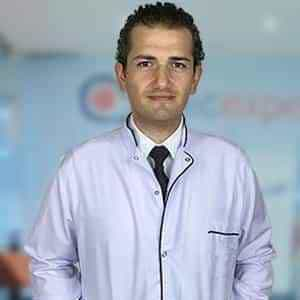
Ass. Prof. Muhammmed Z.
ClinicExpert - Multispecialty Hospital in Istanbul
- Bariatric Surgeon
Istanbul, Turkey
Weight Loss Surgeon in Turkey
International Multispecialty Hospital in Istanbul, Turkey
- Bariatric Surgeon
Istanbul, Turkey
Istanbul is uniquely positioned as a bridge between Europe and Asia, making it a highly accessible hub for medical travelers from the UK, North America, and the Middle East. Beyond its stunning architecture and rich history, the city has invested heavily in modern healthcare infrastructure tailored specifically for international patients seeking quality care.
Getting there is remarkably straightforward. Istanbul Airport (IST) and Sabiha Gökçen (SAW) offer direct, daily flights from most major global cities. Once you arrive, the local medical tourism network is deeply established, meaning logistical hurdles like language barriers and transportation are usually managed for you by your clinic.
| Primary Airports | Istanbul Airport (IST), Sabiha Gökçen (SAW) |
| Flight Time from UK | Approximately 4 hours |
| Flight Time from US (East) | Approximately 10 hours (direct) |
| Visa Requirements | e-Visa required for many nationalities (check prior to travel) |
| Currency Used | Turkish Lira (TRY), though clinics accept USD/EUR/GBP |
| Best Time to Travel | Spring (April-May) or Autumn (September-October) |
Review the destination details and logistics to ensure Istanbul is the right fit for your medical journey before you book your flights.
Making the decision to travel for bariatric surgery requires careful planning, transparent information, and trustworthy connections. We are here to help you navigate the complexities of international healthcare so you can focus entirely on your health and safe recovery. From verifying hospital accreditations to breaking down what is actually included in treatment packages, our team can guide you through every step of the process.
Take the time to review the options, compare costs, and weigh the benefits of each clinic listed below. If you are ready to explore your options safely and receive a personalized estimate, reach out to us to start building a customized plan that fits your medical needs.
References
- Sleeve Gastrectomy Overview – Mayo Clinic
- Bariatric Surgery Procedures – American Society for Metabolic and Bariatric Surgery (ASMBS)
- Weight Loss Surgery Information – National Health Service (NHS)
- Medical Tourism Patient Safety – Centers for Disease Control and Prevention (CDC)
- Patient Safety and Healthcare Accreditation – Joint Commission International



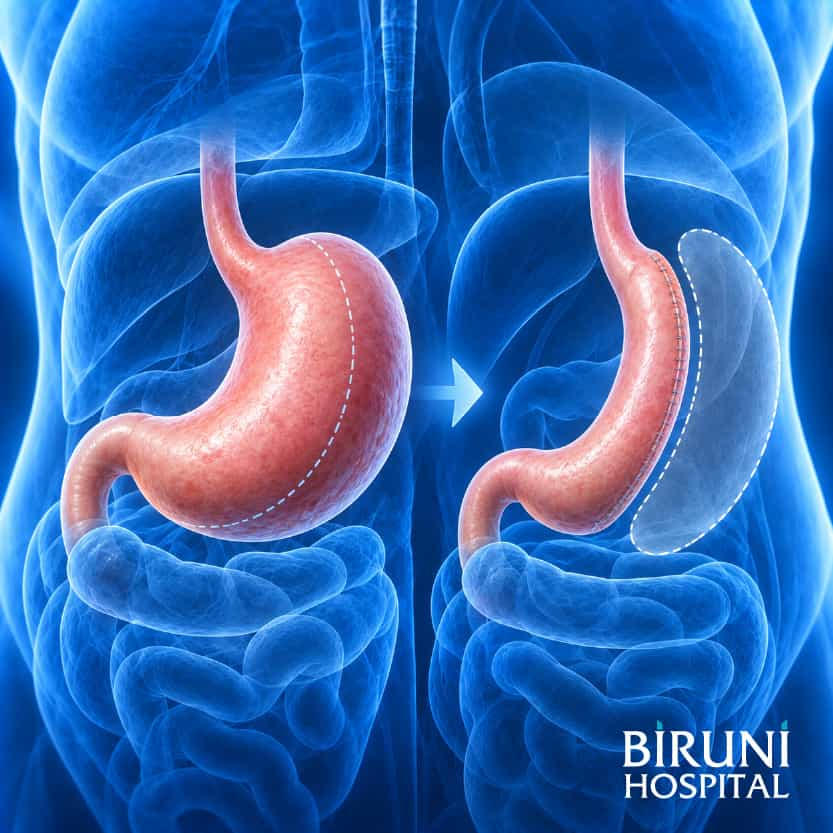










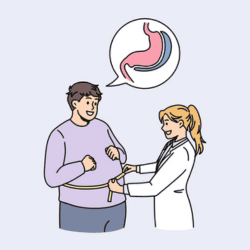








Share this listing