
The Life-Changing Improvements After Type 2 Diabetes Surgery: A Complete Medical Guide
Living with chronic metabolic conditions can often feel like an inescapable cycle, but experiencing profound improvements after type 2 diabetes surgery offers a beacon of hope. For millions of individuals managing daily insulin spikes, strict dietary limitations, and the constant fear of long-term complications, metabolic and bariatric surgery has emerged as a scientifically proven pathway to long-term remission. This procedure is no longer viewed merely as a weight-loss tool; it is a critical medical intervention that fundamentally alters the body's hormonal landscape. By modifying the digestive tract, these advanced surgical techniques restore proper blood glucose control and significantly reduce cardiovascular risks. Discover the transformative physiological benefits that await and learn how modern patients are completely rewriting their medical futures through innovative surgical care.
Video Chapters & Quick Navigation
Understanding the Hormonal Endocrine Shift
To truly grasp the magnitude of improvements after type 2 diabetes surgery, one must look beyond the scale. While massive weight loss is a highly visible outcome, the true magic of metabolic surgery occurs at the microscopic, hormonal level. The gastrointestinal tract is the largest endocrine organ in the human body, responsible for secreting a complex array of hormones that dictate hunger, satiety, and glucose metabolism. When a surgeon alters the anatomy of the stomach and intestines, they are fundamentally rewiring this complex communication system.
As highlighted in the medical community , procedures like the Roux-en-Y gastric bypass induce rapid changes in incretin hormones. Specifically, the production of Glucagon-like peptide-1 (GLP-1) increases dramatically almost immediately following the operation. GLP-1 is critical because it stimulates the pancreas to produce insulin in response to meals while simultaneously inhibiting glucagon release, which prevents the liver from dumping excess sugar into the bloodstream. This rapid hormonal shift explains why many patients see their blood sugar levels normalize before they have lost a significant amount of weight.
The Suppression of the Hunger Hormone
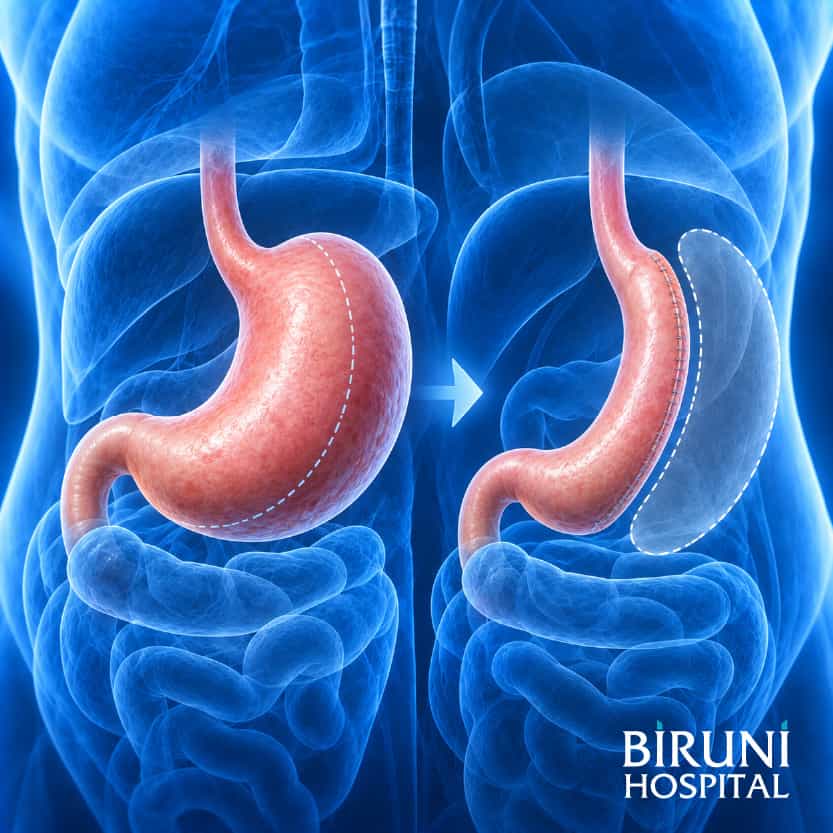
Another fascinating physiological change involves ghrelin, commonly known as the "hunger hormone." Ghrelin is primarily produced in the fundus of the stomach. In procedures like the vertical sleeve gastrectomy, where a large portion of the stomach is permanently removed, ghrelin levels plummet. This significant reduction in ghrelin suppresses appetite and decreases cravings for high-carbohydrate, sugary foods that exacerbate type 2 diabetes. By eliminating the constant chemical drive to overeat, patients find it remarkably easier to adhere to the nutritional guidelines required for long-term remission of diabetes.
Immediate Blood Sugar Control and Insulin Sensitivity
One of the most astonishing improvements after type 2 diabetes surgery is the speed at which glycemic control is restored. For years, patients may struggle with climbing A1C levels despite rigorous exercise, strict diets, and escalating doses of insulin. However, following metabolic surgery, the reversal of insulin resistance happens with breathtaking speed. In many clinical cases, patients are able to leave the hospital completely free from their insulin injections, a reality that feels almost miraculous to those who have suffered from the disease for decades.
This rapid normalization is attributed to the caloric restriction immediately following surgery and the aforementioned hormonal changes. As mentioned at in our detailed breakdown, the liver quickly depletes its glycogen stores. As hepatic fat decreases, hepatic insulin sensitivity improves drastically. The liver stops overproducing glucose, allowing the patient's fasting blood sugars to drop into the normal range. Within days, the vicious cycle of high blood sugar leading to higher insulin resistance is effectively broken.
Long-Term HbA1c Reduction
While the immediate drop in fasting glucose is remarkable, the long-term stabilization of HbA1c is the ultimate marker of success. Clinical studies demonstrate that the majority of patients undergoing gastric bypass for type 2 diabetes achieve an HbA1c of less than 6.0% without the need for diabetes-specific medication. This long-term metabolic control prevents the devastating microvascular and macrovascular complications associated with chronic hyperglycemia, effectively adding years of quality life to the patient.
Types of Metabolic Surgeries for Diabetes Remission
Not all bariatric procedures yield the same metabolic results. The choice of surgery is highly individualized, depending on the patient's body mass index (BMI), the severity and duration of their diabetes, and other existing comorbidities. It is crucial for patients to have comprehensive consultations with board-certified bariatric surgeons and endocrinologists to determine the most effective anatomical intervention for their specific metabolic profile.
- Roux-en-Y Gastric Bypass (RYGB): Often considered the gold standard for metabolic surgery for type 2 diabetes. The surgeon creates a small stomach pouch and reroutes the small intestine, bypassing the duodenum. This dual mechanism of restriction and malabsorption creates the most powerful hormonal changes, leading to the highest rates of diabetes remission.
- Vertical Sleeve Gastrectomy (VSG): This procedure involves removing approximately 80% of the stomach, leaving a narrow tube or "sleeve." While it doesn't reroute the intestines, the removal of the fundus drastically cuts ghrelin production. It is highly effective for weight loss and offers excellent, albeit slightly lower, rates of diabetes resolution compared to the bypass.
- Biliopancreatic Diversion with Duodenal Switch (BPD/DS): A more complex procedure that combines a sleeve gastrectomy with a significant intestinal bypass. It offers the highest percentage of weight loss and the most profound metabolic impact, making it highly effective for severe, uncontrolled type 2 diabetes. However, it carries a higher risk of long-term nutritional deficiencies.
The Timeline of Patient Improvements
Understanding the trajectory of recovery helps manage patient expectations and highlights the multifaceted benefits of these procedures. The journey to optimal health is a marathon, not a sprint, though the initial physiological shifts occur incredibly fast. To better illustrate the typical recovery and resolution pathway, we have outlined the standard clinical milestones below.
| Post-Surgery Timeline | Metabolic & Health Improvements |
|---|---|
| Days 1 to 7 | Immediate drop in fasting blood sugar. Drastic reduction or complete cessation of supplemental insulin and oral diabetic medications. |
| Weeks 2 to 6 | Significant initial weight loss. Blood pressure begins to normalize. Energy levels start improving as the body adapts to the new metabolic state. |
| Months 3 to 6 | HbA1c tests typically reflect normal, non-diabetic ranges. Joint pain decreases drastically due to reduced biomechanical stress. Sleep apnea symptoms improve significantly. |
| 1 to 2 Years | Maximum weight loss achieved. Near complete resolution of type 2 diabetes in up to 80% of patients. Reversal of fatty liver disease and improved cardiovascular markers. |
Cardiovascular and Organ Health Restoration
Type 2 diabetes rarely exists in a vacuum; it is typically part of a broader metabolic syndrome that ravages the entire cardiovascular system. One of the most critical improvements after type 2 diabetes surgery is the systemic reduction of inflammation and the profound healing of vital organs. Chronic high blood sugar acts like microscopic shards of glass, damaging the delicate endothelial lining of blood vessels, which leads to hypertension, atherosclerosis, and an elevated risk of myocardial infarction (heart attack) and stroke.
Following metabolic surgery, patients experience a dramatic improvement in their lipid profiles. As fat mass decreases and insulin sensitivity returns, triglyceride levels plummet, and protective HDL cholesterol levels rise. The mechanical unburdening of the heart, coupled with normalized blood glucose, reduces the workload on the cardiovascular system. As noted around in the video context, this leads to a massive reduction in cardiovascular mortality rates among bariatric patients compared to medically managed diabetic patients.
Protecting the Kidneys and Eyes
Diabetic nephropathy (kidney disease) and diabetic retinopathy (eye damage) are two of the most devastating long-term consequences of uncontrolled diabetes. The constant filtration of sugar-laden blood destroys the glomeruli in the kidneys, leading to renal failure and the eventual need for dialysis. Similarly, the fragile blood vessels in the retina can hemorrhage, causing permanent blindness. Metabolic surgery halts the progression of these microvascular complications in their tracks. By maintaining steady, normal blood sugar levels, the kidneys are spared further damage, and in early stages, kidney function can actually show significant signs of improvement.
The Unprecedented Reduction in Medication Dependency
The financial, physical, and emotional burden of managing type 2 diabetes is immense. Patients are frequently tethered to a relentless schedule of finger pricks, oral hypoglycemic agents (like Metformin or Sulfonylureas), and multiple daily insulin injections. This polypharmacy approach not only carries risks of adverse side effects and severe hypoglycemic events but also constitutes a massive financial drain over a patient's lifetime.
Metabolic surgery disrupts this dependency entirely. Within the first year post-operation, the vast majority of patients are able to discontinue their diabetes medications. Furthermore, medications for common comorbidities—such as ACE inhibitors for high blood pressure, statins for high cholesterol, and CPAP machines for obstructive sleep apnea—are frequently eliminated. This sweeping reduction in pharmacological dependence is one of the most celebrated improvements after type 2 diabetes surgery, granting patients a sense of physical freedom they haven't experienced in years.
The Economic Value of Surgical Intervention
When evaluating the cost of metabolic surgery, it is vital to contrast it against the lifelong cost of diabetes management. Insulin prices, diabetic testing supplies, frequent specialist copays, and treatments for downstream complications (such as neuropathy treatments or wound care) accumulate rapidly. Studies indicate that the upfront cost of bariatric surgery is entirely recouped within two to three years due to the absolute plummet in prescription medication and healthcare utilization costs. The operation is not just an investment in a longer life; it is a sound financial decision that protects a patient's economic future.
Navigating Long-Term Dietary Transformations
While surgery alters the physical anatomy, the patient must actively alter their relationship with food to ensure long-term success and prevent the recurrence of the disease. The post-surgical stomach is significantly smaller, meaning that every bite of food must be nutritionally dense. The days of mindless snacking or consuming large quantities of empty carbohydrates are over. Patients must adopt a protein-forward dietary approach to preserve lean muscle mass during the rapid weight loss phase and maintain sustained energy levels.
A crucial aspect discussed at focuses on understanding "Dumping Syndrome," a condition primarily associated with gastric bypass. If a patient consumes high-sugar or highly refined carbohydrate foods, the food "dumps" too rapidly into the small intestine. This rapid influx causes a rush of water into the intestine and a sudden spike and subsequent crash in insulin, leading to nausea, cramping, sweating, and palpitations. While uncomfortable, many clinicians view dumping syndrome as a built-in behavioral therapy tool—it physically deters patients from returning to the sugary foods that caused their type 2 diabetes in the first place.
The Necessity of Lifelong Supplementation
Because procedures like the Roux-en-Y bypass intentionally induce malabsorption to limit calorie intake, they also limit the absorption of crucial vitamins and minerals. Lifelong adherence to specific bariatric multivitamins is non-negotiable. Patients must supplement heavily with Vitamin B12, Calcium Citrate, Vitamin D, and Iron. B12 absorption is particularly impacted because the surgery bypasses the part of the stomach that produces intrinsic factor, a protein necessary for B12 digestion. Regular, annual blood panels are required to monitor these micronutrient levels and prevent conditions like anemia or osteoporosis from developing decades down the line.
Psychological and Emotional Wellbeing Enhancements
The conversation surrounding improvements after type 2 diabetes surgery is incomplete without addressing the profound psychological transformation. Chronic illness takes a heavy toll on mental health. Living with obesity and severe type 2 diabetes often isolates individuals, leading to clinical depression, severe anxiety regarding health outcomes, and diminished self-esteem. Society's stigmatization of obesity further compounds this emotional trauma, leaving many patients feeling defeated by their own bodies.
As the metabolic fog lifts, blood sugars stabilize, and the physical weight drops, patients frequently report a massive surge in vitality and self-worth. They regain the ability to engage in physical activities they thought were permanently lost to them—playing on the floor with grandchildren, hiking, traveling without the burden of seatbelt extenders, and engaging confidently in social settings. This emotional liberation is often described by patients as the most rewarding outcome of the entire surgical journey.
Overcoming Food Addiction and Body Image
However, the psychological journey is not without its challenges. Because surgery removes food as a viable coping mechanism for stress or emotional trauma, patients are forced to confront the root causes of their eating behaviors. Some may experience temporary identity crises as their bodies change faster than their minds can adapt. It is highly recommended that bariatric patients engage in ongoing psychological counseling or support groups. Developing new, healthy coping mechanisms—such as journaling, exercise, or meditation—is vital to ensuring that the mind heals just as effectively as the metabolic system.
Are You a Candidate for Metabolic Surgery?
The criteria for metabolic surgery have evolved significantly as the medical community has recognized its unparalleled efficacy in treating type 2 diabetes. Historically, bariatric surgery was reserved solely for those with a BMI over 40. Today, leading health organizations, including the American Diabetes Association, endorse metabolic surgery for individuals with a BMI as low as 30 if their type 2 diabetes is inadequately controlled through lifestyle changes and medical therapy.
The ideal candidate is someone who is fully committed to making permanent lifestyle changes. The surgery is an extraordinarily powerful tool, but it is not a standalone cure. It requires a dedicated partnership between the patient, their surgical team, dietitians, and endocrinologists. Evaluating your fasting C-peptide levels, understanding the duration of your diabetes, and possessing the psychological readiness to embrace a new way of living are the foundational steps toward achieving lasting remission.
Ready to Reclaim Your Health and Reverse Type 2 Diabetes?
Don't let chronic metabolic disease dictate your future. PlacidWay Medical Tourism connects you with globally accredited, world-class bariatric and metabolic surgeons offering life-changing procedures at affordable prices. Take the first step toward long-term remission today.
GET A FREE CONSULTATION & QUOTE







.png)
.png)
.png)





.jpg)

.jpg)









Share this listing