
Explore the Best Hospitals for Gastric Sleeve in Turkey
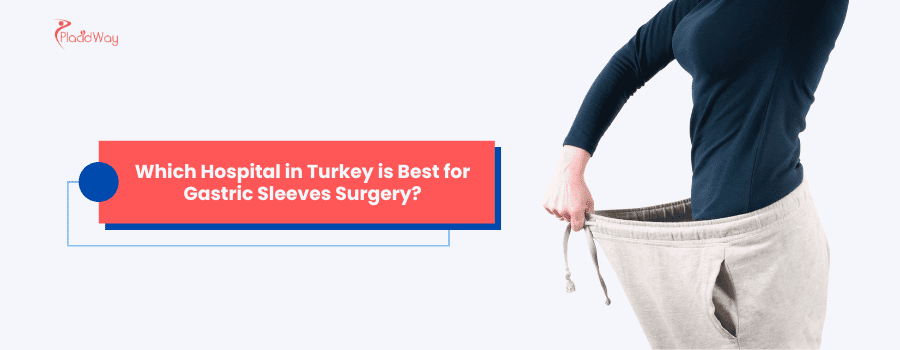
When researching a gastric sleeve in Turkey, you will likely find hundreds of facilities offering the procedure. Because advertising regulations and medical ethics prevent naming one single facility as the definitive "best," your goal as a patient should be to understand the objective criteria that define a high-quality bariatric center. Selecting a facility for major surgery requires looking past marketing materials and focusing on medical standards, surgeon credentials, safety protocols, and post-operative care.
Key Takeaways
- No single hospital is "the best" for everyone; prioritize international accreditations like JCI.
- Surgeon experience and membership in specialized organizations (like IFSO) are critical quality indicators.
- Thorough pre-operative screening by a multidisciplinary team is essential for patient safety.
- Post-operative care requires a minimum stay in the country for monitoring before flying home.
- You must arrange lifelong nutritional follow-up with a local healthcare provider in your home country.
What makes a facility qualified for a gastric sleeve in Turkey?
High-quality bariatric care goes far beyond the operating table. When searching for the right provider, it helps to inquire about the hospital's infrastructure. Gastric sleeve surgery (sleeve gastrectomy) requires specialized surgical equipment designed to safely support and monitor patients with high body mass indices (BMI).
Furthermore, unexpected complications, while relatively rare, require immediate, high-level intervention. A qualified facility will always have a fully equipped ICU on the premises. The presence of a multidisciplinary team indicates that the facility treats obesity as a complex metabolic disease rather than just performing a transactional surgical procedure. This team typically evaluates your cardiovascular health, psychological readiness, and nutritional status before clearing you for surgery.
How does the gastric sleeve cost in Turkey compare internationally?
Cost is a primary factor driving patients to look abroad. In the United States, a gastric sleeve procedure often ranges between $15,000 and $25,000 without insurance. In contrast, estimates in Turkish facilities range from $3,000 to $6,000. These lower prices are primarily a reflection of local economic factors, such as lower wages for administrative staff, subsidized healthcare infrastructure, and favorable currency exchange rates.
However, it is crucial to understand what is included in these estimates. While some facilities offer bundled packages that may include hospital stays, local transfers, and pre-operative tests, patients must also budget for international flights, accommodation for a travel companion, and travel insurance. Moreover, you should budget for long-term expenses back home, such as lifelong bariatric vitamins and periodic blood tests, which are not covered by the initial surgical fee.
Am I a suitable candidate for this bariatric procedure?
Ethical medical providers will not operate on just anyone who requests the procedure. Suitability requires a comprehensive medical and psychological evaluation. According to general guidelines published by organizations like the American Society for Metabolic and Bariatric Surgery (ASMBS), candidates typically have a BMI of 40 or higher. Individuals with a BMI of 35 to 39.9 may also be considered if they suffer from conditions like type 2 diabetes, severe sleep apnea, or high blood pressure.
Beyond physical metrics, candidates must demonstrate a clear understanding of the permanent lifestyle changes required after surgery. A gastric sleeve removes up to 80% of the stomach, fundamentally altering how you eat. If you have active, untreated eating disorders, severe gastroesophageal reflux disease (GERD), or certain psychological conditions, a doctor may determine that you are not currently a safe candidate for a sleeve gastrectomy.
What accreditations define a reputable gastric sleeve clinic in Turkey?
Accreditations act as a standardized benchmark for patient safety and quality of care. JCI is a globally recognized organization that audits hospitals on hundreds of stringent criteria, ranging from infection control and medication safety to facility management and patient rights. Facilities that maintain JCI accreditation have demonstrated a commitment to international healthcare standards.
In addition to hospital accreditations, individual surgeon credentials matter heavily. Look for surgeons who are members of the International Federation for the Surgery of Obesity and Metabolic Disorders (IFSO) or the Turkish Society for Metabolic and Bariatric Surgery. Membership in these organizations often indicates that the surgeon stays updated on current, peer-reviewed bariatric techniques and ethical guidelines.
What is the standard recovery timeline before flying home?
- Hospital Stay: You will generally stay in the hospital for 2 to 3 nights immediately following the surgery for close observation and IV hydration.
- Leak Testing: Before discharge, providers usually conduct swallow tests to ensure there are no leaks along the new stomach staple line.
- Local Hotel Recovery: Patients spend an additional 4 to 6 days resting at a local hotel, attending follow-up appointments to check incisions and hydration levels.
- DVT Prevention: Flying too soon after surgery increases the risk of deep vein thrombosis (DVT). Doctors will advise you on when it is safe to board an international flight and may prescribe blood thinners.
What are the potential risks and complications to be aware of?
Every surgical procedure carries risks, and bariatric surgery is no exception. Early complications can include adverse reactions to anesthesia, internal bleeding, and blood clots in the legs or lungs. A staple line leak, though relatively rare, is a severe medical emergency that can lead to life-threatening infections if not treated promptly.
Long-term complications may include the development or worsening of acid reflux (GERD), stomach strictures (narrowing of the sleeve), and gallstones due to rapid weight loss. Furthermore, the reduced size of the stomach limits nutrient absorption, putting patients at risk for anemia, osteoporosis, and neurological issues if they do not adhere to a strict, lifelong vitamin regimen. Your chosen provider should discuss all these risks transparently during your consultation.
What type of pre-operative evaluation is required?
Safe bariatric surgery begins well before you enter the operating room. Once you arrive at the hospital, you should expect a full day dedicated to pre-operative testing. This is not a formality; it is a critical safety measure. An endoscopy is frequently performed to examine the esophagus and stomach for hernias, ulcers, or active H. pylori infections, which might need to be treated before surgery can safely proceed.
The anesthesiologist will review your EKG and respiratory function to ensure you can safely undergo general anesthesia. If any of these tests return abnormal results, a responsible medical team will postpone or cancel the surgery. You should be highly skeptical of any facility that attempts to rush or skip these comprehensive medical evaluations.
How is post-operative nutritional support handled internationally?
After surgery, your stomach needs time to heal. You will be placed on a strict, phased diet, starting with clear liquids, moving to protein shakes and pureed foods, and eventually slowly introducing soft solids over several weeks. Your international dietary team will typically provide a detailed manual explaining these phases and may offer remote consultations via video call or messaging apps.
However, remote support is not a substitute for hands-on, localized care. Nutritional deficiencies can take months or years to develop and require regular blood testing (usually at 3, 6, and 12 months, and annually thereafter). Before traveling, it is your responsibility to inform your local primary care physician about your plans so they can monitor your long-term health and adjust your existing medications as you lose weight.
Is participating in medical tourism in Turkey safe for bariatric patients?
Medical tourism inherently carries logistical and medical complexities that staying home does not. To maximize safety, patients must be proactive. This means verifying that the hospital uses modern, sterile equipment, ensuring there are clear lines of communication (via English-speaking staff or certified medical interpreters), and understanding the legal and medical recourse available in a foreign country.
Additionally, you should check official travel health advisories from organizations like the CDC or your local government regarding required vaccinations and travel safety. Never let the appeal of a vacation overshadow the fact that you are undergoing a major, life-altering surgical procedure. Plan to rest entirely; this is not the time for sightseeing or physically demanding tourist activities.
Why Choose PlacidWay for Medical Tourism?
Navigating international healthcare options can be complex. PlacidWay serves as an educational platform and directory to help patients research their options globally. Here is what PlacidWay provides:
- Global Provider Access: Connects patients with a wide directory of international healthcare facilities and specialists.
- Educational Resources: Offers detailed information regarding bariatric procedures, standard guidelines, and patient expectations.
- Accreditation Transparency: Highlights facilities that hold recognized international accreditations and certifications.
- Accessible Comparisons: Provides a platform to view provider profiles, helping patients evaluate their options in one place.
- Direct Communication: Facilitates initial contact between patients and international clinics to help you ask vital medical questions directly.
Frequently Asked Questions (FAQs)
Can I drink alcohol after a gastric sleeve?
Following bariatric surgery, alcohol absorption changes significantly. Intoxication can occur much faster, and alcohol provides empty calories that can hinder weight loss. Medical guidelines typically recommend avoiding alcohol entirely for at least the first six months to a year, and consuming it very cautiously thereafter.
Will I need skin removal surgery later?
Significant weight loss often leads to excess, sagging skin. Whether you need or want body contouring surgery depends on your age, genetics, skin elasticity, and the total amount of weight lost. This is usually considered 12 to 18 months after the initial procedure, once your weight has stabilized.
How much weight can I expect to lose?
Weight loss results vary widely among individuals. On average, patients may lose 50% to 70% of their excess body weight within the first 12 to 18 months. Sustaining this weight loss requires strict adherence to dietary changes, regular exercise, and long-term lifestyle modifications.
Can a gastric sleeve be reversed?
No, a gastric sleeve procedure is irreversible. Because approximately 75% to 80% of the stomach is permanently surgically removed from the body, the procedure cannot be undone. In certain cases of severe complications or inadequate weight loss, it may be revised to a gastric bypass, subject to medical evaluation.
Do hospitals in Turkey provide interpreters?
Most international patient departments in major Turkish cities employ multilingual staff or provide dedicated medical interpreters. This service helps ensure clear communication between you and your healthcare team regarding medical instructions, consent forms, and recovery guidelines.
What happens if I experience complications back home?
If you experience complications after returning home, you must seek immediate medical attention at your local emergency department or primary care provider. It is vital to take a copy of your surgical reports with you so local doctors understand exactly what procedure was performed.
Are bariatric surgeons in Turkey board-certified?
Many surgeons who treat international patients are board-certified by the Turkish Ministry of Health and hold memberships in international organizations such as the International Federation for the Surgery of Obesity and Metabolic Disorders (IFSO). Patients should always verify a surgeon's specific credentials before proceeding.
Can I get pregnant after gastric sleeve surgery?
Pregnancy is possible after a gastric sleeve, but medical professionals generally strongly advise waiting at least 12 to 18 months post-surgery. Getting pregnant during the rapid weight loss phase can pose severe nutritional risks to both the mother and the developing fetus.
How soon can I return to work?
Return-to-work timelines depend on the physical demands of your job and your individual healing process. Those with desk jobs may return within 2 to 3 weeks, while those with physically demanding jobs requiring heavy lifting may need 4 to 6 weeks of recovery time.
Will I have to take vitamins forever?
Yes. Because your stomach capacity is greatly reduced, you will consume less food, increasing the risk of nutritional deficiencies. Lifelong daily supplementation with bariatric-specific multivitamins, calcium, iron, and vitamin B12 is typically required, alongside regular blood tests.
References
- Medical Tourism – Centers for Disease Control and Prevention (CDC) Yellow Book
- Bariatric Surgery Procedures – American Society for Metabolic and Bariatric Surgery (ASMBS)
- Bariatric Surgery – National Institute of Diabetes and Digestive and Kidney Diseases (NIDDK)
- JCI Accredited Organizations – Joint Commission International (JCI)
- Sleeve Gastrectomy Risks and Results – Mayo Clinic
- About IFSO – International Federation for the Surgery of Obesity and Metabolic Disorders



























Share this listing