
Inspiring Patient Journeys: Cancun's Weight Loss Surgery Successes

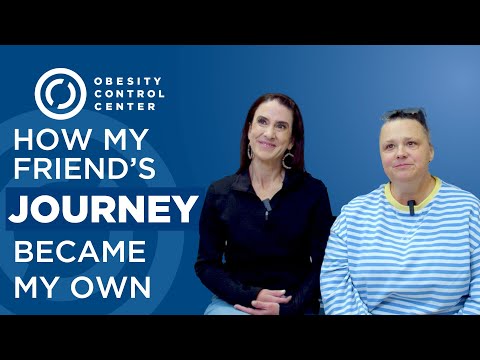
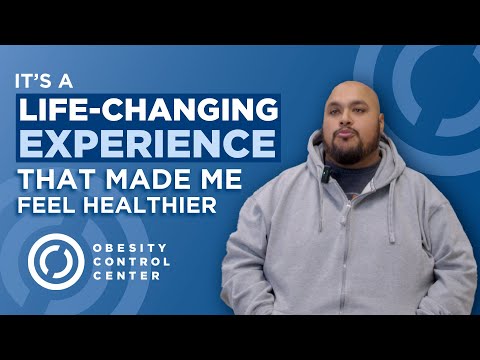
Reading testimonials and reviews is often one of the first steps for individuals considering weight loss surgery in Cancun. Patient stories offer a window into the reality of traveling abroad for medical care, shedding light on the hospital environment, the behavior of medical staff, and the physical realities of the recovery process. While clinical statistics are essential, personal reviews help prospective patients mentally and logistically prepare for the journey.
However, it is vital to remember that every patient's medical background is unique. What constitutes a straightforward recovery for one person may involve unexpected hurdles for another. When researching patient accounts of bariatric surgery, it is helpful to look for detailed, balanced stories that discuss both the benefits and the challenges of the process.
Key Takeaways
- Patient reviews often emphasize the importance of thorough pre-operative communication with the surgical team.
- Cost savings are a major factor, but medical safety and proper facility accreditation should remain the primary focus.
- Realistic testimonials highlight that surgery is only a tool; long-term lifestyle and dietary changes are required for success.
- Securing a local doctor at home for post-operative blood work and ongoing care is a critical theme in successful patient stories.
- Recovery involves distinct phases, starting with a strict liquid diet and a period of physical rest before flying home.
What do patient testimonials typically reveal about weight loss surgery in Cancun?
When analyzing hundreds of patient stories, several common themes tend to emerge regarding the standard of care in Mexico. Many patients express initial anxiety about leaving their home healthcare system, which is often alleviated by the professionalism they encounter upon arrival. Testimonials frequently mention the modern equipment used in dedicated bariatric units and the high level of nursing care.
Honest reviews also highlight the psychological challenges of the procedure. Patients often write about the difficulty of the pre-operative liver-shrinking diet and the emotional adjustment required immediately after surgery when food intake is drastically reduced. These stories serve as an important reminder that while the surgery takes place over a few hours, the commitment to change lasts a lifetime.
Furthermore, practical advice often surfaces in these reviews. Past patients frequently advise newcomers on what to pack, how to navigate the airport after surgery, and which questions to ask their surgeon during the initial consultation.
What is the estimated weight loss surgery cost in Cancun?
Cost is frequently cited as the primary motivator in patient stories. In North America, uninsured bariatric procedures can range from $15,000 to over $25,000. In contrast, the estimated costs in Mexico are considerably lower due to differences in the cost of living, administrative overhead, and medical malpractice insurance structures.
Patient reviews often discuss what is included in these pricing packages. Generally, quotes encompass the surgeon's fee, anesthesiologist charges, standard hospital medication, and one to two nights in the hospital. However, patients caution that it is essential to ask for a detailed, itemized breakdown. You must clarify whether pre-operative tests, post-operative nutritional supplements, and treatment for unexpected complications are included in the initial estimate.
How do reviews describe the safety of bariatric surgery in Mexico?
Safety is a paramount concern for anyone traveling for healthcare. Patient testimonials frequently describe a comprehensive pre-operative testing phase upon arrival, which usually includes blood work, an EKG, and a consultation with an internist or anesthesiologist. If a patient's tests indicate a high risk, ethical facilities will postpone or cancel the surgery.
While many stories report safe, uncomplicated procedures, realistic reviews acknowledge that complications can and do happen. Bariatric surgery involves altering the digestive system, which carries risks of infection, bleeding, blood clots, or staple line leaks. Patients who share stories of complications often stress the importance of being in a facility equipped with an Intensive Care Unit (ICU) and having a clear plan for emergency care.
How should you select a weight loss surgery clinic in Cancun?
Experienced medical tourists often share advice on how to screen potential facilities. Relying solely on a clinic's own marketing page is generally discouraged. Instead, patients recommend looking for independent verification of credentials.
When reading reviews to help choose a facility, pay attention to the following factors mentioned by past patients:
- Surgeon Credentials: Look for mentions of specific board certifications or memberships in recognized international bariatric societies.
- Hospital Standards: Testimonials that note the cleanliness, modern equipment, and emergency preparedness of the facility.
- Communication: Reviews that highlight clear, transparent communication regarding risks, costs, and expected outcomes before any money changes hands.
- Nutritional Support: Patients who succeed long-term often credit clinics that provide access to a registered dietitian for post-operative guidance.
- Language Access: Confirmation that the medical staff and doctors can communicate complex medical instructions clearly in your native language.
What is the typical recovery process shared in patient stories?
The early days of recovery are often described in reviews as physically demanding. Many patients experience gas pain in their shoulders and chest—a byproduct of the carbon dioxide used to inflate the abdomen during laparoscopic surgery. Walking is heavily encouraged by nursing staff in patient stories, as it helps dissipate this gas and reduces the risk of blood clots.
| Recovery Phase | Typical Timeline | Common Dietary Expectation |
|---|---|---|
| Immediate Post-Op | Days 1-3 | Clear liquids only (water, broth, sugar-free gelatin). |
| Early Recovery | Weeks 1-2 | Full liquid diet (protein shakes, thin soups). |
| Transition Phase | Weeks 3-4 | Pureed and very soft foods. |
| Maintenance | Months 2+ | Gradual return to solid foods, prioritizing lean protein. |
Testimonials often note the mental hurdle of "head hunger" versus physical hunger during these early weeks. Reading about how others navigated this challenging phase can be incredibly helpful for setting realistic expectations.
How do patients manage follow-up care after returning home?
One of the most vital aspects of medical tourism discussed in patient forums is post-operative care. While your surgeon in Mexico may offer telehealth consultations, they cannot perform physical examinations, order urgent local blood panels, or manage emergency complications once you fly home.
Successful patient stories almost always involve an individual who established a relationship with a local primary care doctor before traveling. Bariatric patients require lifelong monitoring for vitamin and mineral deficiencies, particularly regarding Vitamin B12, Iron, Calcium, and Vitamin D. You will need a local medical professional willing to order these tests periodically and adjust your supplementation as your body changes.
What are the common risks mentioned in patient reviews?
Reading reviews that discuss complications is often difficult but necessary. It provides a balanced view of the potential realities of surgery. While many procedures are successful, complications can arise either immediately or months down the line.
Patients have reported experiences with strictures (narrowing of the new stomach opening), dehydration due to difficulty drinking fluids, and dumping syndrome (nausea and weakness after eating certain foods, common with gastric bypass). Furthermore, combining major surgery with air travel increases the risk of deep vein thrombosis (DVT). Testimonials from medical professionals and patients alike strongly advise wearing compression socks, walking the plane aisles, and staying hydrated during the flight home.
What makes medical tourism in Cancun so popular for bariatric patients?
Patient stories often mention the logistical convenience of choosing this region. Cancun has a major international airport with direct flights from numerous cities across the United States, Canada, and Europe. This minimizes layovers and travel time, which is particularly beneficial when flying home post-surgery while dealing with physical discomfort.
Additionally, reviews frequently highlight the environment. Many patients choose to spend a few extra days recovering in a quiet hotel room near the ocean. While patients cannot swim or engage in typical tourist activities, the calm atmosphere is frequently cited as a positive factor in the initial days of recovery, away from the immediate stresses of work and home life.
How long should I plan to stay in Cancun for weight loss surgery?
A recurring topic in patient testimonials is travel planning. Rushing the journey home is highly discouraged. A typical timeline mentioned in reviews involves arriving a day or two before the procedure for in-person consultations and preoperative testing.
Following the surgery, patients generally spend one to three nights in the hospital, depending on the specific procedure performed (for example, a gastric bypass may require a slightly longer hospital stay than a gastric sleeve). After discharge, surgeons usually require patients to stay in a local hotel for an additional two to three days. This allows the medical team to conduct a final post-operative evaluation, check incisions, and ensure the patient can tolerate liquids safely before granting clearance for air travel.
Why Choose PlacidWay for Medical Tourism?
Navigating the vast amount of information regarding international healthcare can be overwhelming. PlacidWay serves as an informational resource for patients exploring their options for medical treatment abroad.
- Global Network Access: PlacidWay provides access to a large directory of healthcare providers and clinics across multiple countries, including Mexico.
- Informational Resources: Patients can utilize the platform to research various procedures, read about different medical destinations, and gather data to help inform their decisions.
- Comparison Tools: The platform allows users to compare estimated costs, facility details, and provider credentials side-by-side.
- Patient Support: Customer service representatives are available to assist patients in gathering quotes and connecting with international clinic coordinators.
- Transparency Focus: PlacidWay encourages users to request detailed information directly from clinics so they can make informed, independent healthcare choices.
Frequently Asked Questions
Am I a suitable candidate for bariatric surgery in Cancun?
Eligibility generally depends on your Body Mass Index (BMI) and the presence of obesity-related health conditions, such as type 2 diabetes or sleep apnea. A thorough medical evaluation by a qualified healthcare provider is necessary to determine if you are a suitable candidate.
Do I need a passport to travel to Cancun for medical treatment?
Yes, international travelers typically need a valid passport to enter Mexico and return to their home country. It is important to check your specific visa and passport requirements well in advance of your travel dates.
Will my home insurance cover weight loss surgery abroad?
Most health insurance plans in the United States and Canada do not cover planned medical treatments performed in Mexico. Patients traveling for medical tourism generally pay out-of-pocket or use medical financing options.
What diet is required immediately before the surgery?
Patients are usually required to follow a strict pre-operative diet, often consisting of high protein and low carbohydrates, for two to four weeks before surgery. This helps shrink the liver, which can reduce surgical risks.
How soon can I swim in the ocean or pool after surgery?
Patients are typically advised to avoid swimming in pools, hot tubs, or the ocean until all surgical incisions are completely healed and closed, which usually takes several weeks. This helps prevent severe infections.
Can I bring a companion with me to the clinic?
Many patients choose to travel with a friend or family member for emotional and physical support. Most treatment facilities allow a companion to accompany the patient, though overnight hospital policies may vary.
What happens if I experience a complication after returning home?
If complications arise after returning home, you should immediately seek care from a local hospital, primary care physician, or bariatric specialist. It is crucial to have a plan in place for local emergency and follow-up care before you travel.
Are language barriers a problem at Cancun bariatric clinics?
Many medical facilities in Cancun that cater to international patients employ bilingual medical staff and coordinators who speak fluent English. However, it is always advisable to confirm the availability of English-speaking staff prior to booking.
How much weight can I expect to lose?
Weight loss amounts vary significantly from person to person. It depends on the type of procedure performed, individual metabolism, and most importantly, the patient's long-term commitment to dietary changes and regular exercise.
What types of bariatric surgery are commonly performed in Cancun?
The most common procedures include the gastric sleeve (sleeve gastrectomy) and gastric bypass (Roux-en-Y). Some facilities may also offer lap band removal, duodenal switch, or revision surgeries for suitable patients.
Explore Your Bariatric Surgery Options
Gather information, compare treatment options, and learn more about clinics and procedures available internationally to make an informed healthcare decision.
Request Treatment InformationReferences
- Bariatric Surgery Procedures – American Society for Metabolic and Bariatric Surgery (ASMBS)
- Medical Tourism Travel Information – Centers for Disease Control and Prevention (CDC)
- Bariatric Surgery Overview – National Institute of Diabetes and Digestive and Kidney Diseases (NIDDK)
- Bariatric Surgery Risks and Results – Mayo Clinic
- Understanding Your Weight Loss Options – Obesity Action Coalition (OAC)
- Patient Safety Fact Sheet – World Health Organization (WHO)

























Share this listing