
Contents
Choosing a weight loss procedure can feel like standing at a crossroads: one path leads to surgery, another leads to lifestyle changes alone, and somewhere in between is an option many patients are exploring — the gastric balloon. For people from the United States, Canada, and other countries, Mexico has become a destination to consider when looking for affordable access to non-surgical bariatric treatments while staying closer to home.
A gastric balloon is designed for patients who want support with weight loss without permanent changes to the digestive system. The procedure involves placing a temporary balloon inside the stomach to help create a feeling of fullness and support portion control. The overall cost can vary depending on the balloon type, medical evaluations, facility standards, and follow-up care included. Patients comparing options should review what is included rather than looking only at the starting price. Before choosing a clinic in Mexico, it is also important to verify physician credentials, facility licensing, and local healthcare certifications that demonstrate proper safety standards.
The options below help patients compare gastric balloon packages, clinics, costs, and care approaches to better understand which choice may fit their health goals and expectations.
A gastric balloon package is more than the placement procedure itself. The details matter — from medical assessments before treatment to follow-up support after the balloon is removed.
Patients should compare the services included in each option, such as consultations, diagnostic evaluations, procedure fees, accommodation support, and aftercare planning. Reviewing these details helps create a clearer picture of the overall treatment experience.
Explore the available gastric balloon packages below and compare what each option offers before making a decision.

Price starting from $3,200
Gastric Balloon Package by Dra Jessica Sigler in Tijuana, Mexico
Dra Jessica Sigler
- Obesity/Bariatric Surgery
Tijuana, Mexico

Price starting from $3,800
Cost-Effective Gastric Balloon Package in Mexicali, Mexico by Dr. Ricardo Garcia Audelo
Dr. Ricardo Garcia Audelo
- Obesity/Bariatric Surgery
Mexicali, Mexico

Price starting from $3,000
Gastric Balloon Package in Merida, Mexico by Hernia Clinic Mexico and Bariatric Center
Hernia Clinic Mexico and Bariatric Center
- Obesity/Bariatric Surgery
Merida, Mexico

Price starting from $5,200
Gastric Balloon Package in Piedras Negras, Mexico by Dr. Cristobal Garza
Dr. Cristobal Garza - Bariatric Surgeon in Mexico
- Obesity/Bariatric Surgery
Piedras Negras, Mexico
The cost of gastric balloon treatment in Mexico depends on several factors, including the type of balloon used, medical evaluations required, the healthcare facility, physician experience, and the level of follow-up care provided.
Patients should ask what is included in the total treatment cost and whether additional services may be required. A lower initial price does not always represent the complete cost of care.
Compare the gastric balloon costs below to understand how different treatment options, locations, and included services may affect the overall investment.
Gastric Balloon Centers Cost Comparison in Mexico
| Provider | Procedure | Price |
|---|---|---|
| Hernia Clinic Mexico and Bariatric Center | Gastric Balloon, Obesity/Bariatric Surgery | $3000 |
| Dra Jessica Sigler | Gastric Balloon, Obesity/Bariatric Surgery | $3200 |
| Dr. Cristobal Garza - Bariatric Surgeon in Mexico | Gastric Balloon, Obesity/Bariatric Surgery | $5200 |
Gastric Balloon Cost Comparison in Mexico
| Country | Procedure | Price |
|---|---|---|
| United States | Gastric Balloon, Obesity/Bariatric Surgery | $8000 |
| Canada | Gastric Balloon, Obesity/Bariatric Surgery | $8200 |
The right clinic is not simply the one with the lowest price — it is the one that can clearly explain safety protocols, medical qualifications, and patient support.
When comparing clinics in Mexico, patients should review physician credentials, hospital or facility licensing, infection control standards, emergency procedures, and the clinic’s experience treating international patients.
Look through the available clinics below and compare their qualifications, treatment approach, and patient care process to find an option that matches your needs.
Obesity Bariatric Surgery by Dr. Jorge Maytorena
Tijuana, Mexico

Hernia Clinic Mexico and Bariatric Center
Merida, Mexico

Dr. Marco Sariñana - Bariatric Surgeon in Mexico
Mexicali, Mexico

Dr. Cristobal Garza - Bariatric Surgeon in Mexico
Piedras Negras, Mexico
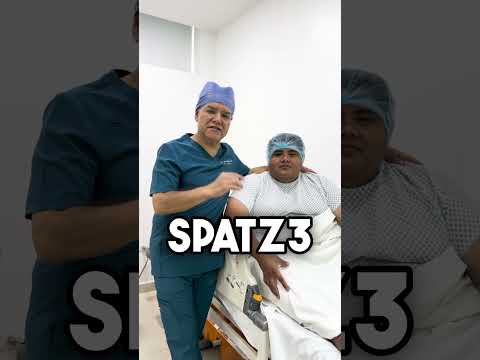
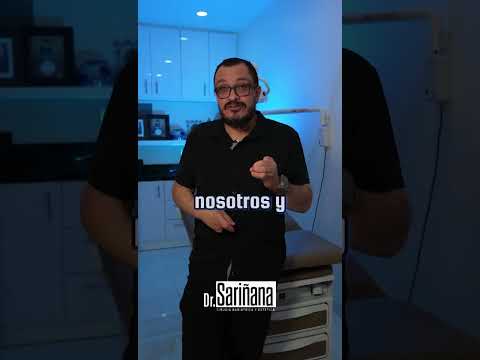
Watching a gastric balloon procedure explanation can make the process feel less unfamiliar. Videos can help patients understand how the balloon is placed, what recovery may involve, and what questions to discuss with a medical provider.
Use the videos below as an educational resource while comparing treatment approaches and preparing questions for consultations.

Every weight loss journey is different. Patient experiences can provide insight into the practical side of treatment, including preparation, communication, recovery, and adapting to changes after the procedure.
Reviews should be considered alongside medical information, provider qualifications, and safety standards. A personal experience can be helpful, but it should not replace professional medical advice.
Read the experiences below while comparing different gastric balloon options in Mexico and consider what factors are most important for your own journey.

What is a gastric balloon procedure in Mexico?
A gastric balloon procedure in Mexico involves placing a temporary balloon inside the stomach to help patients feel fuller with smaller portions. It is a non-surgical weight loss option that does not involve cutting or permanently altering the digestive system.
How much does a gastric balloon cost in Mexico?
The cost varies depending on the balloon type, clinic, medical evaluations, physician experience, and included services. Patients should compare complete treatment details rather than only the initial procedure price.
Is gastric balloon in Mexico safe?
Safety depends on selecting qualified medical professionals, appropriate patient evaluation, proper facility standards, and clear follow-up planning. Patients should review credentials and ask about safety protocols before treatment.
How long does a gastric balloon stay in the stomach?
The duration depends on the specific balloon system used. Patients should discuss the recommended placement period and removal process with their treating physician.
Who is a candidate for gastric balloon treatment in Mexico?
Eligibility depends on factors such as overall health, weight history, and previous weight management efforts. A medical consultation is needed to determine whether gastric balloon treatment is appropriate.
How long is recovery after gastric balloon placement in Mexico?
Recovery experiences vary. Many patients discuss temporary digestive symptoms during the adjustment period and should follow their physician’s instructions regarding diet and activity.
Can international patients travel home after gastric balloon treatment in Mexico?
Travel timing depends on individual recovery, medical advice, and the procedure details. Patients should plan their return trip with guidance from their healthcare provider.
How do I choose the best gastric balloon clinic in Mexico?
Patients should compare medical credentials, facility standards, experience with international patients, communication, and follow-up care options before choosing a clinic.
What questions should I ask a gastric balloon doctor in Mexico?
Important questions include asking about qualifications, recommended balloon type, expected results, possible risks, follow-up care, and what services are included in treatment.
How does gastric balloon compare with bariatric surgery in Mexico?
Gastric balloon is a temporary, non-surgical option, while bariatric surgeries involve permanent changes to the digestive system. The right choice depends on individual health needs and medical recommendations.
How much is the gastric balloon in Cancun, Mexico?
The estimated cost of a gastric balloon in Cancun, Mexico typically ranges from $2,200 to $3,500. This price usually includes the balloon, endoscopic placement, removal, and basic medical fees, though exact costs vary by clinic and patient needs. For individuals struggling to manage their weight through traditional diet and exercise, finding an effective, non-surgical intervention can be a transformative step. The intragastric balloon has emerged as a widely utilized tool to support temporary portion control and lifestyle modification. If you are researching a gastric balloon in Cancun, Mexico, it is essential to understand not only the financial investment but also the medical realities, preparation requirements, and long-term commitments associated with the procedure. Key Takeaways Estimated procedural costs typically range between $2,200 and $3,500. The treatment is a temporary, non-surgical tool designed to assist with portion control. Suitable candidates generally have a Body Mass Index (BMI) of 30 to 40. Success heavily depends on long-term dietary changes and regular exercise. Potential temporary side effects include nausea and cramping, with rare risks like balloon deflation. What is a gastric balloon and how does it function? A gastric balloon is a temporary, non-surgical weight loss device placed in the stomach to reduce its capacity. It helps you feel full faster, encouraging portion control while you adapt to healthier eating habits. Unlike traditional bariatric surgeries that permanently alter the digestive tract, an intragastric balloon is a reversible intervention. The device, made of soft, durable silicone, is inserted into the stomach while empty and then filled with sterile saline solution. Once expanded, it occupies a significant portion of the stomach volume. This space-occupying effect works in two distinct ways. Physically, it restricts the amount of food you can consume in a single sitting, promoting early satiety. Physiologically, it delays gastric emptying, meaning food stays in the stomach longer, keeping you feeling fuller for extended periods. The device essentially acts as "training wheels" for behavioral change. Because it is usually removed after six months, the primary goal is to use this period of reduced appetite to build sustainable habits. Without concurrent nutritional counseling and lifestyle modifications, the physical benefits of the balloon will not translate into lasting health improvements. What factors affect the gastric balloon cost in Cancun, Mexico? The gastric balloon cost in Cancun, Mexico varies based on the type of balloon used, clinic facilities, included aftercare, and the specialist's experience. Package inclusions like nutrition counseling also impact the final price. While the typical estimate of $2,200 to $3,500 is notably lower than North American averages, several elements influence the exact quote you will receive. One of the primary drivers is the brand and type of balloon chosen. Some devices are single balloons, while others are dual balloons or adjustable models, each carrying different manufacturing costs. Furthermore, what is bundled into the treatment package can cause price variations. A comprehensive package might cover pre-procedure lab tests, the endoscopic insertion, mild sedation, the eventual endoscopic removal procedure six months later, and initial medications. Some providers also include a few sessions of nutritional counseling, which is critical for your overall progress. It is vital to request a detailed, itemized breakdown before committing to any facility. Patients must also remember that these medical estimates do not include travel-related expenses. Flights, accommodation for the required recovery days, passports, and local transportation will add to your total financial commitment. Who is generally considered a suitable candidate? Suitable candidates are usually adults with a Body Mass Index (BMI) between 30 and 40 who have not had success with diet and exercise alone. It is not recommended for individuals with prior stomach surgeries or certain gastrointestinal conditions. BMI Range: Typically aimed at those with mild to moderate obesity, bridging the gap between diet regimens and invasive bariatric surgery. Previous Efforts: Candidates should have documented, unsuccessful attempts at managing their weight through lifestyle changes. Medical History: A thorough medical evaluation is required. Those with a history of gastric bypass, hiatal hernias, severe liver disease, or bleeding disorders are generally ineligible. Commitment to Change: The ideal patient understands that the device is a temporary aid and is fully prepared to participate in a medically supervised lifestyle modification program. Psychological Readiness: Addressing underlying relationships with food through behavioral therapy or counseling is often necessary for long-term safety and success. Important Consideration: Never self-diagnose your eligibility. Only a qualified gastroenterologist or bariatric specialist can accurately determine if this intervention is medically appropriate based on comprehensive blood work and anatomical assessments. What are the potential risks and complications? Common temporary side effects include nausea, vomiting, and abdominal cramping during the first few days. More serious, though rare, risks include balloon deflation, bowel obstruction, or stomach ulceration. As with any medical intervention, placing a foreign object into the body carries inherent risks. About one-third of patients experience significant pain and nausea in the immediate days following insertion. The stomach registers the balloon as a large, undigested meal, leading to forceful cramping and vomiting as it attempts to pass the object. Medications are typically provided to manage these symptoms, but they can be severe enough to require early removal of the device in a small percentage of cases. More severe complications, while less common, require immediate medical attention. If a balloon deflates prematurely, it can pass into the intestines and potentially cause a dangerous bowel obstruction, which may necessitate emergency surgery. To help detect this early, the saline used to fill the balloon is often dyed blue; if a leak occurs, the patient's urine will change color, serving as a warning sign. Other risks include the development of gastric ulcers resulting from the balloon rubbing against the stomach lining, acid reflux, or hyperinflation (where the balloon fills with gas or fluid and expands). Proper medical screening before the procedure and adherence to post-care protocols are critical in mitigating these risks. How is the gastric balloon inserted and removed? The device is typically placed and removed endoscopically through the mouth while you are under mild sedation. The procedure usually takes about 20 to 30 minutes, requiring no incisions or overnight hospital stays. The insertion process is performed in an outpatient setting by a trained specialist, often a gastroenterologist. After administering mild sedation or a light anesthetic to ensure comfort, the deflated silicone balloon is guided down the throat and into the stomach using an endoscope—a flexible tube equipped with a small camera. Once the specialist confirms the balloon is positioned safely within the stomach, it is filled with sterile saline solution via a small catheter. The catheter is then detached and carefully removed, leaving the self-sealing balloon in place. Because there are no incisions, the physical trauma to the body is minimal compared to surgical options. Removal follows a similar endoscopic process. After approximately six months, the patient is lightly sedated again. The specialist passes an endoscope into the stomach, punctures the balloon to drain the saline, and then grasps the deflated silicone shell to gently extract it through the mouth. Both insertion and removal require coordination with your medical team to ensure fasting guidelines are strictly followed. What kind of weight loss results can patients typically expect? Patients typically lose between 10% and 15% of their total body weight during the six months the balloon is in place. However, long-term success depends heavily on maintaining dietary and lifestyle changes after removal. Initial Loss: The most rapid weight reduction often occurs within the first three months when the feeling of restriction is most prominent. Metabolic Improvements: Along with weight reduction, some patients experience improvements in obesity-related conditions such as high blood pressure, sleep apnea, or type 2 diabetes. Individual Variation: Results are not identical for everyone. Age, metabolic rate, physical mobility, and adherence to dietary plans heavily influence the outcome. The Rebound Risk: The device does not cure obesity. Once the restriction is removed, the physical sensation of fullness decreases, making patients vulnerable to weight regain if new habits are not solidified. Tool, Not a Cure: Medical professionals emphasize that the balloon is purely supportive. Patients must view the six-month window as a crucial training period for adopting lifelong health practices. What does the recovery and transition period involve? Recovery is generally quick, with most patients returning to normal activities within a few days. You will start on a strict liquid diet for the first week before gradually transitioning to pureed and then solid foods. The immediate post-procedure phase is often the most challenging. For the first three to five days, your body actively tries to expel the unfamiliar object. Nausea, intense cramping, and vomiting are highly typical. You will be prescribed anti-nausea medication and acid reducers to help manage this acute phase. During this time, rest is critical, and physical exertion should be avoided. Your dietary transition must be methodical to prevent dehydration and allow your stomach to adapt. The first few days consist entirely of clear liquids taken in very small, frequent sips. As tolerance improves, the diet progresses to full liquids (like protein shakes), then to soft, pureed foods, and eventually, around the two-week mark, back to regular solid foods. Even when solid foods are reintroduced, portion sizes must remain very small. Eating too much or too quickly, or consuming foods high in sugar or fat, can cause severe discomfort and reflux. Patients must learn to eat slowly, chew food thoroughly, and stop eating at the first sign of fullness. Why do patients choose medical tourism in Cancun, Mexico for bariatric care? Medical tourism in Cancun, Mexico is popular because it offers access to modern facilities and trained specialists at a lower estimated cost than in the US or Canada. The location also provides a convenient, short flight for North American patients. The decision to travel abroad for medical care is often driven by financial considerations. In the United States, an intragastric balloon procedure can cost anywhere from $7,000 to $10,000 and is rarely covered by health insurance, as it is frequently categorized as an elective or cosmetic intervention. By comparison, seeking treatment in Mexico offers significant economic relief while still providing access to modern medical technology. Cancun, in particular, has developed robust infrastructure tailored to international patients. Many facilities cater specifically to English-speaking visitors, employing bilingual staff and healthcare providers who have received portions of their medical training internationally. However, cross-border healthcare requires careful planning. Traveling immediately after a gastrointestinal procedure is uncomfortable and potentially risky. Patients must factor in the cost and time required to stay locally in Cancun for several days post-procedure to ensure their symptoms stabilize and they receive clearance from their treating physician before boarding a flight home. How should I evaluate a safe gastric balloon clinic in Cancun, Mexico? When researching a gastric balloon clinic in Cancun, Mexico, verify the medical team's credentials, look for international accreditations, and ask detailed questions about their complication rates and follow-up care protocols. Physician Qualifications: Ensure the procedure is performed by a board-certified gastroenterologist or a specialized bariatric surgeon, not a general practitioner. Facility Standards: Look for hospitals or clinics that hold recognized national or international accreditations, indicating adherence to strict safety and hygiene protocols. Emergency Preparedness: The facility must be equipped to handle unexpected medical emergencies, such as adverse reactions to sedation or early complications. Transparent Pricing: A reputable clinic will provide a clear, itemized quote detailing exactly what is—and isn't—included in the price, without hidden fees. Communication: Clear communication is vital for informed consent. Ensure you can converse directly with your medical team without language barriers hindering your understanding of risks and instructions. What ongoing care and dietary changes are required? The balloon is only a temporary tool, making comprehensive aftercare and lifestyle changes crucial for long-term weight maintenance. Patients must commit to ongoing nutritional counseling and regular physical activity to sustain their results. Because you will eventually return to your home country, establishing a local network of care is paramount. A clinic abroad can perform the physical placement, but they cannot monitor your daily nutritional habits or perform emergency medical interventions if complications arise months later. Before traveling, it is highly advised to secure a local physician who is aware of your procedure and willing to oversee your follow-up care. Your daily diet will require permanent adjustments. Even while the balloon is in place, consuming high-calorie liquids or soft sugary foods can bypass the restrictive benefits, leading to weight gain. A diet rich in lean proteins, vegetables, and complex carbohydrates is necessary to ensure you are receiving adequate nutrition despite smaller portion sizes. Physical activity must also become a routine part of your life. The six months the device is in your stomach should be utilized to build strength, improve cardiovascular health, and develop a sustainable exercise regimen that you can maintain long after the balloon is removed. Why Choose PlacidWay for Medical Tourism Research? Navigating international healthcare requires access to reliable, structured information. PlacidWay serves as an educational resource to help patients explore their options. Extensive Directory: PlacidWay provides a comprehensive directory of international medical providers, clinics, and hospitals across numerous specialties. Cost Transparency: The platform offers access to typical cost estimates for various procedures, allowing patients to compare financial expectations globally. Direct Communication: PlacidWay facilitates initial contact, helping patients ask direct questions to medical centers regarding their credentials and care protocols. Educational Resources: Users can access articles, guides, and patient resources focused on the realities and considerations of medical tourism. Global Reach: The platform connects individuals with medical centers in dozens of countries, including specialized bariatric facilities in Mexico. Frequently Asked Questions (FAQs) How long does the gastric balloon stay in the stomach? Most intragastric balloons are designed to remain in the stomach for a maximum of six months. Leaving the device in longer than recommended increases the risk of complications, such as balloon deflation or bowel obstruction. Some specialized models may be approved for longer durations, but this should be discussed with a specialist. Can the gastric balloon burst while inside me? While rare, a gastric balloon can deflate or leak. To help detect this, the balloon is typically filled with sterile saline mixed with a safe blue dye (methylene blue). If a leak occurs, the patient's urine will turn green or blue, signaling the need for immediate medical evaluation and removal of the device. Can I fly immediately after getting the balloon placed in Cancun? It is generally not advised to fly immediately after the procedure. Most specialists recommend waiting at least three to five days before traveling, as the first few days often involve nausea, cramping, and vomiting while your stomach adjusts to the device. Is the gastric balloon placement procedure painful? The placement itself is usually not painful because patients are under mild sedation. However, significant abdominal discomfort, cramping, and nausea are very common during the first few days following the procedure as the stomach attempts to digest the balloon. Can I drink alcohol with a gastric balloon? Healthcare professionals generally advise against consuming alcohol, especially in the early stages. Alcohol can irritate the stomach lining, increase the risk of ulcers, and adds empty calories that can hinder your overall weight loss goals. Do I need to take time off work for this procedure? Yes, most patients require at least three to five days off work to recover. The initial adjustment period frequently involves nausea and fatigue, making it difficult to maintain normal work activities immediately following placement. Are there different types of gastric balloons available in Mexico? Yes, there are several brands and types of intragastric balloons available, such as single balloons, dual balloons, and adjustable balloons. The most appropriate option depends on your medical history, BMI, and the specific offerings of the clinic you choose. What happens if I do not change my diet after getting the balloon? If you do not adopt healthier eating habits and incorporate physical activity, you are likely to experience minimal weight loss while the balloon is in place, and you face a high probability of regaining any lost weight once the balloon is removed. Can I take my regular medications with the gastric balloon? Many daily medications can still be taken, but you must discuss your complete medication list with your doctor beforehand. Certain medications, such as nonsteroidal anti-inflammatory drugs (NSAIDs), are often restricted because they increase the risk of stomach ulcers. Will I need to follow up with a local doctor back home? Yes, establishing care with a local physician or bariatric specialist in your home country is highly recommended. This ensures you have access to ongoing nutritional support, routine monitoring, and immediate medical care should any unexpected complications arise. Explore Your Medical Tourism Options If you are considering a gastric balloon procedure and want to compare accredited clinics, review estimated costs, or gather more factual information, PlacidWay can help connect you with international providers. Request Treatment Information References Intragastric balloon - Mayo Clinic Bariatric Surgery Procedures - American Society for Metabolic and Bariatric Surgery (ASMBS) Bariatric Surgery - National Institute of Diabetes and Digestive and Kidney Diseases (NIDDK) Intragastric Balloons - U.S. Food and Drug Administration (FDA) Medical Tourism - Centers for Disease Control and Prevention (CDC) Obesity and Overweight - World Health Organization (WHO) Medical Disclaimer: The information provided in this article is for educational purposes only and does not constitute medical advice, diagnosis, or treatment planning. All medical procedures, including the placement of a gastric balloon, carry inherent risks and require a comprehensive medical evaluation by a licensed healthcare professional. Prices mentioned are estimates and are subject to change. Always consult directly with a qualified doctor to discuss your individual health needs and suitability for any treatment.
How Much Does Gastric Balloon Cost in Mexico?
Considering a gastric balloon in Mexico as a weight loss solution? You're likely wondering about the cost and what that entails. A gastric balloon is a non-surgical procedure designed to help you lose weight by limiting how much you can eat and making you feel fuller faster. Mexico has become a popular destination for this procedure due to its significantly lower gastric balloon cost compared to countries like the United States and Canada, without compromising on quality care when you choose reputable clinics. This guide will walk you through the important questions people are asking about the cost of a gastric balloon in Mexico, helping you understand the investment involved in this potentially life-changing procedure. We'll cover average prices, what influences these costs, and what you can generally expect. What is the average cost of a gastric balloon in Mexico? "The average cost of a gastric balloon in Mexico typically ranges from $2,900 to $4,600 USD." This price range is considerably lower than what you might expect to pay in the United States or Canada, where the procedure can cost upwards of $7,000 to $12,000 USD. The affordability is a primary reason many individuals choose Mexico for their gastric balloon procedure. However, it's important to remember that this is an average, and the final cost can vary based on several factors, which we will explore further. The cost usually includes the surgeon's fees, the cost of the balloon device itself, hospital or clinic facility fees, and anesthesia. Some clinics may also offer all-inclusive packages that cover pre-operative tests, post-operative consultations, and even accommodation and transportation, making the overall experience more convenient for international patients. What factors influence the gastric balloon cost in Mexico? "Several factors influence the gastric balloon cost in Mexico, including the type of gastric balloon used, the surgeon's experience and reputation, the clinic's location and accreditations, and what's included in the treatment package." Let's break these down: Type of Gastric Balloon: There are different brands and types of gastric balloons available (e.g., Orbera, Spatz3, Obalon). Some balloons are designed to stay in for 6 months, while others, like the Spatz3, can be adjusted and may remain for up to 12 months. The technology and duration of the balloon can impact the price. For example, an adjustable balloon might be more expensive than a standard 6-month balloon. Surgeon's Expertise: Highly experienced bariatric surgeons with a strong track record of successful procedures may charge higher fees. Their expertise can contribute to a safer procedure and better outcomes, making the investment worthwhile. Clinic Standards and Location: Clinics in major cities or popular medical tourism destinations might have slightly higher prices due to higher operational costs. Furthermore, facilities with international accreditations, state-of-the-art equipment, and comprehensive patient support services may also reflect these standards in their pricing. Package Inclusions: As mentioned, some clinics offer all-inclusive packages. A basic package might only cover the procedure itself, while a more comprehensive one could include pre-op tests, nutritional counseling, follow-up care, medication, airport transfers, and hotel stays. Always clarify exactly what is included in the quoted price. Are there different types of gastric balloons available in Mexico, and how do their costs vary? "Yes, various types of gastric balloons are available in Mexico, such as Orbera, Spatz3, and sometimes Obalon, and their costs vary. For instance, the Orbera balloon might start around $2,995 USD, while the adjustable Spatz3 balloon could start from $3,295 USD due to its longer duration and adjustability feature." The Orbera balloon is a popular choice and is typically left in place for six months. It's a single balloon filled with saline. The Spatz3 balloon is unique because it can be adjusted in size by your doctor after placement, potentially enhancing weight loss or improving tolerance, and it can remain in the stomach for up to a year. The Obalon system involves swallowing a series of (up to three) small capsules that inflate into balloons in the stomach and is typically a 6-month treatment. The choice of balloon will depend on your specific needs, weight loss goals, and your doctor's recommendation. It's crucial to discuss the pros, cons, and cost implications of each type with your bariatric specialist in Mexico to make an informed decision. Is a gastric balloon significantly cheaper in Mexico compared to other countries? "Yes, a gastric balloon is significantly cheaper in Mexico compared to countries like the USA and Canada. Patients can often save 40-70% on the cost of the procedure by choosing Mexico." The reasons for this cost difference are multifaceted. Lower overhead costs, including clinic operational expenses and staff salaries in Mexico, contribute to the more affordable pricing. Additionally, the cost of medical supplies and pharmaceuticals can be lower. It's important to note that lower gastric balloon prices in Mexico do not necessarily mean a compromise in quality, especially when choosing internationally accredited facilities and experienced surgeons. Many Mexican clinics cater specifically to international patients and maintain high standards of care, often comparable to those in Western countries. The savings can make the procedure accessible to a wider range of individuals who might otherwise find it prohibitively expensive. What is typically included in a gastric balloon package in Mexico? "A gastric balloon package in Mexico often includes the surgeon's fee, anesthesiologist's fee, the balloon device, hospital/clinic fees, and sometimes pre-operative consultations and basic post-operative follow-up. However, inclusions can vary widely between clinics." More comprehensive or "all-inclusive" packages might also cover: Initial consultation and evaluation Pre-operative tests (blood work, EKG, etc.) The gastric balloon device and its placement procedure Anesthesia and anesthesiologist fees Surgeon's fees Facility fees for the clinic or hospital Medications prescribed during your stay Post-procedure follow-up appointments (which may be virtual) Nutritional counseling Sometimes, accommodation for a set number of nights Ground transportation (e.g., airport to clinic/hotel) The balloon removal procedure (important to confirm, as this is sometimes priced separately) It is crucial to get a detailed breakdown of what your chosen clinic's gastric balloon package includes to avoid any unexpected expenses. Ask specifically about the cost of balloon removal, as this is an essential part of the treatment. How much does the gastric balloon placement procedure itself cost in Mexico? "The cost of the gastric balloon placement procedure in Mexico is generally encompassed within the overall package price, which ranges from approximately $2,900 to $4,600 USD. It's rare for clinics to price only the placement separately from the device and initial consultation." The placement of the gastric balloon is a non-surgical, endoscopic procedure. This means it's done using a thin, flexible tube with a camera (endoscope) that's passed down your throat into your stomach. The deflated balloon is inserted and then filled with saline solution. The procedure itself usually takes about 20-30 minutes, and patients typically go home the same day or after a short observation period. When comparing costs, ensure you understand if the quoted price is for the entire initial phase of treatment (consultation, balloon, placement, and immediate aftercare) or if there are separate charges for each component. What is the cost of gastric balloon removal in Mexico? "The cost of gastric balloon removal in Mexico may or may not be included in the initial package price. If charged separately, it can range from $500 to $1,500 USD, depending on the clinic." Gastric balloons are temporary and typically removed after 6 to 12 months, depending on the type. The removal process is also done endoscopically, similar to the placement. It's vital to clarify with the clinic beforehand whether the removal cost is part of the initial package or if it will be an additional expense. Understanding this upfront helps in budgeting for the entire treatment cycle, from insertion to removal, and any associated follow-up care. Some clinics offer a package that explicitly includes both placement and removal, which can be more cost-effective. Are there financing options available for gastric balloon in Mexico? "Yes, many Bariatric Surgery clinics in Mexico offering gastric balloons provide or can connect patients with financing options. These can include in-house payment plans or partnerships with third-party medical loan companies." Medical tourism for procedures like the gastric balloon is common, and clinics understand that patients may need flexible payment solutions. Some may accept credit cards, while others work with financing companies that specialize in medical procedures. These companies often offer various plans with different repayment terms and interest rates. It's advisable to discuss payment and financing options directly with your chosen clinic's international patient coordinator. They can guide you through the available choices and help you find a solution that fits your budget. How does the cost of a gastric balloon compare to gastric sleeve surgery in Mexico? "The cost of a gastric balloon in Mexico (around $2,900-$4,600 USD) is generally lower than the cost of gastric sleeve surgery in Mexico, which typically ranges from $4,000 to $7,000 USD or more." While the gastric balloon is a non-surgical, temporary intervention, gastric sleeve surgery is a surgical procedure that permanently removes a portion of the stomach. Gastric sleeve surgery often leads to more significant and longer-term weight loss but also involves a more invasive procedure with a longer recovery period and different potential risks. The choice between a gastric balloon and a gastric sleeve depends on various factors, including your BMI, weight loss goals, overall health, and preference for a non-surgical versus surgical approach. The cost difference is certainly a consideration, but the decision should primarily be based on medical advice and suitability for your individual circumstances. Does health insurance typically cover gastric balloon costs in Mexico for international patients? "Generally, health insurance plans from your home country (e.g., USA, Canada) do not cover the cost of a gastric balloon procedure performed in Mexico. Most patients pay for the procedure out-of-pocket or through financing." Weight loss procedures are often considered elective by insurance companies, and coverage can be limited even within your own country. When seeking treatment abroad, it becomes even less likely for standard insurance to apply. However, it's always worth checking with your specific insurance provider to understand their policy on out-of-country medical treatments and bariatric procedures. Some clinics in Mexico may offer specific medical tourism insurance that can cover complications, but this is different from your standard health insurance covering the base cost of the procedure. What kind of pre-operative tests are needed, and are they included in the cost? "Pre-operative tests for a gastric balloon in Mexico typically include blood tests, an electrocardiogram (ECG), and sometimes an upper endoscopy. Whether these are included in the gastric balloon cost depends on the clinic's package." These tests are essential to ensure you are a suitable candidate for the procedure and to identify any potential risks. Blood tests check for general health markers, infection, and anemia. An ECG assesses your heart health. An initial upper endoscopy might be performed to examine your esophagus and stomach before balloon placement. Always confirm with the clinic if these pre-operative assessments are part of the quoted package price or if they will be an additional charge. Good clinics are transparent about these details. What post-procedure support is usually included in the gastric balloon price in Mexico? "Post-procedure support included in the gastric balloon price in Mexico often involves initial follow-up consultations (which may be virtual), and dietary guidelines. Comprehensive packages might offer more extensive nutritional counseling and support." The success of a gastric balloon is heavily reliant on your commitment to lifestyle changes, including diet and exercise. Good clinics provide resources to help you adapt. This might include: Dietary plans for the different phases (liquid, pureed, soft, and then regular food). Access to a nutritionist or dietitian for guidance. Regular check-ins with the medical team, especially in the initial weeks. The extent and duration of post-procedure support can vary, so it's an important factor to consider when comparing clinics and their gastric balloon costs. Long-term support can significantly impact your success. How long does the gastric balloon stay in place, and does this affect the cost? "Most gastric balloons stay in place for 6 months (e.g., Orbera), while some adjustable types (e.g., Spatz3) can remain for up to 12 months. The duration and type of balloon can affect the overall cost, with longer-duration or adjustable balloons typically being more expensive." A 6-month balloon program will generally have a lower upfront cost than a 12-month adjustable balloon program. The Spatz3, for example, not only stays in longer but also offers the advantage of being adjustable, allowing the doctor to change its volume to enhance weight loss or improve comfort. This added functionality contributes to its higher price point. Discuss with your doctor which balloon duration and type is most suitable for your weight loss goals and how this choice will impact the total gastric balloon cost in Mexico. Are there any hidden costs I should be aware of when getting a gastric balloon in Mexico? "Potential hidden costs for a gastric balloon in Mexico could include medications prescribed after the procedure, fees for extensive pre-operative testing if not included, the cost of balloon removal if not part of the package, travel expenses, and accommodation beyond what might be offered." To avoid surprises, it's crucial to ask for a detailed, itemized quote from the clinic. Specifically inquire about: Cost of all necessary pre-operative evaluations. What medications are included (e.g., for nausea, acid reflux) and which ones you'd need to purchase. Whether the balloon removal procedure fee is included. The extent of follow-up care and nutritional support provided within the price. Any taxes or administrative fees not explicitly mentioned. Costs associated with managing potential, though rare, complications. Transparency from the clinic is key. Reputable providers will be upfront about all potential expenses associated with your gastric balloon treatment in Mexico. What are the typical payment methods accepted for gastric balloon in Mexico? "Clinics in Mexico typically accept various payment methods for gastric balloon procedures, including cash (USD often preferred), credit cards (Visa, MasterCard, American Express), debit cards, wire transfers, and sometimes cashier's checks or financing through affiliated lenders." It's best to confirm the accepted payment methods with your chosen clinic well in advance. If paying by credit card, be aware of any potential foreign transaction fees your card issuer might charge. For wire transfers, ensure you understand the clinic's banking details and any associated transfer fees. Discussing payment logistics early ensures a smooth process and helps you prepare accordingly for the financial aspect of your gastric balloon journey in Mexico. Ready to explore your weight loss options further? PlacidWay can help you connect with reputable clinics and experienced specialists in Mexico for gastric balloon procedures. Discover affordable and high-quality healthcare solutions tailored to your needs.
Although gastric balloon placement is less invasive than bariatric surgery, choosing an experienced medical professional remains important. A qualified specialist should evaluate whether this procedure is appropriate based on your health history, weight loss goals, and previous weight management efforts.
When reviewing specialists, consider medical training, bariatric experience, communication style, and whether they provide clear information about benefits, limitations, and possible risks.
Compare the specialists below to better understand their qualifications and approach to patient care.


Dr. Rodolfo Aparicio Ponce
Hernia Clinic Mexico and Bariatric Center
- Bariatric Surgeon
Merida, Mexico

For many international patients, Mexico offers a practical option for accessing weight loss treatments without traveling across the world. Its proximity to the United States and Canada, combined with established medical tourism destinations, makes it a location many patients explore for procedures such as gastric balloon placement.
Patients commonly travel from regions including the United States, Canada, and other countries where they may face higher healthcare costs or longer waiting times. Popular medical tourism areas in Mexico often provide easier travel connections, international patient services, and healthcare facilities experienced in treating visitors from abroad.
Travel Considerations for Gastric Balloon Patients Visiting Mexico
| Travel Planning | Choose a location with convenient flights and consider recovery time before returning home. |
| Medical Follow-Up | Discuss how follow-up appointments will be managed after you return to your home country. |
| Clinic Verification | Confirm provider credentials, facility standards, and emergency care plans before treatment. |
Mexico can be a convenient destination, but the best choice depends on your medical needs, comfort level, and ability to continue follow-up care after returning home.
Compare the destination options, clinics, and treatment packages below to understand which gastric balloon experience may align best with your expectations.
Take the Next Step Toward Understanding Your Gastric Balloon Options
Choosing a gastric balloon provider in Mexico is a personal healthcare decision. The right choice depends on more than location or cost — it involves understanding the procedure, comparing qualified providers, reviewing safety standards, and knowing what support is available before and after treatment.
Explore the available gastric balloon options, compare clinics and treatment approaches, and connect with providers who can help you understand whether this procedure fits your weight management goals.
Medical References
The information about gastric balloon therapy is based on established medical guidance and educational resources related to intragastric balloon treatment, obesity management, and endoscopic bariatric procedures.
- American Gastroenterological Association (AGA)
Clinical Practice Guidelines on Intragastric Balloons in the Management of Obesity.
Read the clinical guideline - PubMed – National Library of Medicine
AGA Clinical Practice Guidelines on Intragastric Balloons in the Management of Obesity, Gastroenterology 2021.
View publication details - Mayo Clinic
Patient education resource explaining intragastric balloon procedures, benefits, and considerations.
Learn about intragastric balloons - American Society for Gastrointestinal Endoscopy (ASGE)
Guidance and educational information related to endoscopic bariatric therapies.
Visit ASGE resources
Gastric balloon treatment may not be suitable for everyone. Individual results, risks, and eligibility depend on personal health factors, medical history, and evaluation by a qualified healthcare professional. This content is intended for educational purposes and should not replace medical advice from your doctor.



















Share this listing