

Contents
Living in the United States or Canada and trying to get approved for weight loss surgery can feel like a full-time job. Between endless insurance appeals, sky-high deductibles, and waiting lists that stretch for months, many people find themselves stuck in a frustrating healthcare maze. You know exactly what you need to improve your health, but the financial barriers at home keep putting your life on hold.
That is why a growing number of patients are bypassing the red tape and traveling for bariatric surgery in Mexicali, Mexico. Here, the average procedure cost ranges from $4,500 to $6,500, which is often less than a standard insurance copay back home. When exploring your options in this border city, it is essential to look for local clinics backed by Mexico's General Health Council (CSG) or COFEPRIS to ensure strict medical safety standards are met.
Key Insights
Navigating a medical trip becomes significantly easier when your logistical needs are bundled into one clear plan. Many facilities offer comprehensive plans that handle everything from your initial consultation to your hotel stay and local transportation. Instead of piecing together the surgery fees, accommodations, and airport transfers yourself, bundled options ensure you have professional support every step of the way.
When evaluating these choices, pay close attention to exactly what is included. Confirm if the package covers post-operative medications, nutritional counseling, or companion lodging. Review the treatment packages listed below to find a comprehensive option that fits your personal requirements.

Price starting from $4,500
Affordable Package for Gastric Sleeve in Mexicali Mexico
Dr. Elias Garcia
- Obesity/Bariatric Surgery
Mexicali, Mexico

Price starting from $6,000
Mini Gastric Bypass Package in Mexicali, Mexico by Dr. Ricardo Garcia Audelo Bariatric Surgeon
Dr. Ricardo Garcia Audelo
- Obesity/Bariatric Surgery
Mexicali, Mexico

Price starting from $5,800
Gastric Bypass Procedure in Mexicali by Dr. Elias Garcia
Dr. Elias Garcia
- Obesity/Bariatric Surgery
Mexicali, Mexico

Price starting from $4,500
Gastric Sleeve Package in Mexicali, Mexico by Dr. Marco Sariñana
Dr. Marco Sariñana - Bariatric Surgeon in Mexico
- Obesity/Bariatric Surgery
Mexicali, Mexico

Price starting from $6,050
Gastric Bypass Package in Mexicali, Mexico by Dr. Marco Sariñana
Dr. Marco Sariñana - Bariatric Surgeon in Mexico
- Obesity/Bariatric Surgery
Mexicali, Mexico

Price starting from $6,000
Bariatric Surgery Package in Mexicali, Mexico by Dr. Marco Sariñana
Dr. Marco Sariñana - Bariatric Surgeon in Mexico
- Obesity/Bariatric Surgery
Mexicali, Mexico
The cost of bariatric surgery in Mexicali generally ranges between $4,500 and $6,500, depending on the specific procedure you need, such as a gastric sleeve or gastric bypass. This represents a fraction of the $15,000 to $25,000 price tag often seen in the United States or Canada. Understanding exactly what you are paying for helps prevent any unexpected financial surprises during your medical journey.
Always ask facilities if their quoted price covers anesthesia, pre-op lab tests, hospital fees, and follow-up care. A transparent quote should clearly break down these clinical expenses. Take a moment to compare the clinic pricing below to evaluate which option makes the most financial sense for you.
Obesity/Bariatric Surgery Centers Cost Comparison in Mexicali, Mexico
| Provider | Procedure | Price |
|---|---|---|
| Dr. Ricardo Garcia Audelo | Gastric Balloon, Obesity/Bariatric Surgery | $3500 |
| Argentina Medical Center | Bariatric Surgery, Obesity/Bariatric Surgery | $5060 |
| Dr. Marco Sariñana - Bariatric Surgeon in Mexico | Gastric Bypass, Obesity/Bariatric Surgery | $6050 |
| Dr. Marco Sariñana - Bariatric Surgeon in Mexico | Sleeve Gastrectomy, Obesity/Bariatric Surgery | $4500 |
| Dr. Marco Sariñana - Bariatric Surgeon in Mexico | Bariatric Surgery, Obesity/Bariatric Surgery | $6000 |
Obesity/Bariatric Surgery Cost Comparison in Mexico
| Country | Procedure | Price |
|---|---|---|
| United States | Sleeve Gastrectomy, Obesity/Bariatric Surgery | $18000 |
| Canada | Gastric Bypass, Obesity/Bariatric Surgery | $20500 |
| United States | Gastric Bypass, Obesity/Bariatric Surgery | $25000 |
| Canada | Sleeve Gastrectomy, Obesity/Bariatric Surgery | $19500 |
Choosing the right medical facility is about much more than a beautifully designed website or a modern waiting room. Your safety and long-term health depend on rigorous medical standards and proper local oversight. When researching centers in Mexico, prioritize those with official recognition from the General Health Council (CSG) or the Federal Commission for the Protection against Sanitary Risk (COFEPRIS).
These accreditations indicate that the facility undergoes regular inspections and follows strict hygiene and surgical protocols. Take your time to review the qualifications of the medical teams and ensure their operating rooms meet international standards. Compare the clinics listed below to verify their specific credentials and see which medical center best aligns with your health needs.

Dr. Ricardo Garcia Audelo
Mexicali, Mexico

Dr. Federico Hernandez - Bariatric Surgery
Mexicali, Mexico

Dr. Elias Garcia
Mexicali, Mexico

Argentina Medical Center
Mexicali, Mexico
Dr. Marco Sariñana - Bariatric Surgeon in Mexico
Mexicali, Mexico

B4everFIT Weight Loss Surgery in Mexicali Mexico
Mexicali, Mexico
Sometimes, reading about a medical procedure simply does not provide the level of comfort and clarity you need. Watching real patient experiences and facility tours can help demystify the entire process of traveling for healthcare. Seeing the medical center and hearing firsthand accounts from other patients adds a vital layer of transparency to your research.
These visual insights allow you to gauge the clinical environment and the professionalism of the medical staff before you ever cross the border. It helps you visualize your own journey from arrival to recovery. Browse the videos below to get a clearer, behind-the-scenes look at what you can expect during your visit.
Hearing directly from individuals who have already undergone weight loss surgery offers practical insights that clinical brochures simply cannot provide. Honest patient feedback helps you understand the day-to-day reality of recovering away from home. Look closely at how previous patients describe their communication with the medical staff, the cleanliness of the hospital, and their post-surgery support.
Patterns in these testimonials, whether highlighting excellent bedside manner or raising concerns about follow-up care, are reliable indicators of what you will experience. Read the patient reviews below to learn from their personal journeys and use their perspectives to help guide your own decision.

When planning a medical trip across the border, it is completely normal to have a list of practical and medical questions. Understanding the logistics, safety protocols, and recovery expectations will help you feel much more confident in your decision. Below, you will find detailed answers to the most common concerns about undergoing weight loss surgery in this specific region.
Is it safe to travel to Mexicali for bariatric surgery?
Yes, thousands of North Americans safely visit this border city each year specifically for healthcare. Reputable clinics often arrange private transportation directly from the airport and utilize secure medical tourist lanes at the border, ensuring a streamlined and highly monitored travel experience.
How do I get to my clinic in Mexicali from the United States?
Most patients fly into San Diego International Airport (SAN) in California or Yuma International Airport (YUM) in Arizona. From there, your chosen medical facility will typically provide a dedicated shuttle service to drive you directly across the border to the hospital.
What local accreditations should I look for in a Mexican hospital?
You should ensure the hospital or clinic holds a current license from COFEPRIS, the federal health regulator in Mexico. Additionally, accreditation from the General Health Council (CSG) is a strong indicator that the facility meets rigorous national safety and hygiene standards.
How long will I need to stay in Mexico after a gastric sleeve?
For most standard procedures like a gastric sleeve, you can expect to stay in the region for a total of 2 to 3 nights. This usually involves one or two nights in the hospital for close medical monitoring, followed by a night in a nearby recovery hotel before you are cleared to travel home.
Will my medical team speak English?
Because Mexicali is a major hub for cross-border medical care, the vast majority of bariatric surgeons, nurses, and patient coordinators are fully bilingual in English and Spanish. You should not have trouble communicating your needs or understanding your medical instructions.
What happens if I have a complication after I return home?
Before leaving the facility, you should receive a detailed post-operative care plan and contact information for your surgeon. Many top-tier providers maintain active telehealth communication and will advise you on how to consult a local primary care doctor or emergency room if an unexpected issue arises.
Can I use my US health insurance to pay for the surgery in Mexico?
In most cases, US health insurance networks do not cover elective treatments performed in Mexico. Patients generally pay out-of-pocket, which is why the significantly lower self-pay prices and medical financing options are so appealing.
What will I be allowed to eat while recovering in my hotel?
Immediately after surgery, you will be placed on a strict clear liquid diet to allow your stomach to heal. The hospital or your designated recovery hotel will provide appropriate broths, water, and sugar-free juices to ensure you meet your nutritional needs safely.
Are pre-operative medical tests included in the total cost?
Most all-inclusive treatment plans cover standard pre-operative lab work, EKGs, and consultations done upon arrival. However, you should always verify your itemized quote with the provider to ensure there are no hidden fees for required diagnostic tests.
How soon can I cross the border back into the US after weight loss surgery?
You must be officially cleared by your operating doctor before traveling. Typically, patients are discharged and deemed safe to cross the border and fly home about three to four days after the operation.
How Much Does Bariatric Surgery Cost in Mexicali, Mexico?
Bariatric surgery in Mexicali, Mexico, generally costs between $4,000 and $8,000 USD. This price range is significantly lower than in countries like the United States and Canada, making Mexicali an attractive option for individuals seeking affordable weight loss surgery. The exact cost can vary depending on the specific procedure, the clinic, the surgeon's experience, and what's included in the surgical package. For those exploring weight loss surgery options, understanding the financial implications is a crucial step. Mexicali has emerged as a popular destination for medical tourism, particularly for bariatric procedures, due to its combination of experienced surgeons, modern facilities, and notably lower prices. This comprehensive guide will delve into the various aspects of bariatric surgery cost in Mexicali, helping you make an informed decision. We'll cover the different types of surgeries, factors influencing the final price, and what you can typically expect for your investment in your health. What is the average cost of bariatric surgery in Mexicali? "The average cost of bariatric surgery in Mexicali typically ranges from $4,000 to $8,000 USD." This price is a significant draw for many patients, especially when compared to the costs in the US, which can range from $15,000 to $35,000 or even higher. The lower cost in Mexicali doesn't necessarily mean a compromise in quality. Many clinics cater to international patients and maintain high standards of care. The specific price within this range will depend on the type of bariatric surgery you choose, such as a gastric sleeve, gastric bypass, or duodenal switch, as these procedures vary in complexity. What are the different types of bariatric surgery available in Mexicali and their typical costs? "Mexicali clinics offer various bariatric surgeries, with gastric sleeve surgery typically costing between $4,000 and $6,500, gastric bypass surgery between $5,000 and $8,000, and procedures like the duodenal switch potentially being slightly higher." Here's a more detailed look at common procedures and their estimated price ranges in Mexicali: Gastric Sleeve (Sleeve Gastrectomy): This is one of the most popular procedures. It involves removing a large portion of the stomach, leaving a smaller, banana-shaped "sleeve." This restricts food intake and reduces hunger-inducing hormones. Estimated Cost: $4,000 - $6,500 USD. Gastric Bypass (Roux-en-Y): This procedure involves creating a small stomach pouch and rerouting the small intestine to this pouch. It limits food intake and reduces nutrient absorption. Estimated Cost: $5,000 - $8,000 USD. Mini Gastric Bypass: A variation of the traditional gastric bypass, it's often a simpler and quicker procedure with similar outcomes. Estimated Cost: $5,000 - $7,500 USD. Duodenal Switch: This is a more complex procedure that combines a sleeve gastrectomy with a significant intestinal bypass. It offers substantial weight loss but also has a higher risk of nutritional deficiencies. Estimated Cost: $6,000 - $9,000 USD. Adjustable Gastric Band (Lap-Band): While less common now, some clinics may still offer this procedure, which involves placing an inflatable band around the upper part of the stomach. Estimated Cost: $4,500 - $7,000 USD. (Note: Many patients are opting for revision from band to sleeve or bypass). Bariatric Surgery Revisions: If you've had previous weight loss surgery and require a revision, the cost can vary significantly based on the complexity of the revision. Estimated Cost: $5,500 - $9,000+ USD. It's important to get a personalized quote from the clinics you are considering, as these prices are estimates. What factors influence the cost of bariatric surgery in Mexicali? "Several factors influence the final cost of bariatric surgery in Mexicali, including the type of procedure, the surgeon's experience and reputation, the hospital or clinic's facilities and accreditation, the length of hospital stay, and what's included in the surgical package." Let's break these down: Type of Surgery: As mentioned above, more complex surgeries like the duodenal switch or revision surgeries generally cost more than a primary gastric sleeve. Surgeon's Expertise: Highly experienced and renowned bariatric surgeons may charge more for their services. Their expertise can contribute to better outcomes and lower complication rates. Hospital and Clinic Standards: Facilities with advanced technology, international accreditations (like JCI), and comprehensive patient support services might have higher prices. These factors often translate to a higher quality of care and patient safety. Inclusions in the Package: Some clinics offer all-inclusive packages, which might cover pre-operative tests, surgeon fees, anesthesia fees, hospital stay, medications, post-operative consultations, and sometimes even accommodation and transportation. Other quotes might be for the surgery alone, with additional costs for these other components. Length of Stay: The number of nights required in the hospital and, if applicable, in a recovery house or hotel, will impact the overall cost. Pre-operative and Post-operative Care: The extent of pre-operative evaluations and post-operative follow-up support included in the package can affect the price. Patient's Medical Condition: In some cases, patients with higher BMIs or significant co-morbidities might require more specialized care or longer surgery times, which could slightly increase the cost. Are there "all-inclusive" bariatric surgery packages in Mexicali? "Yes, many bariatric surgery clinics in Mexicali offer all-inclusive packages, which typically bundle the main components of the surgical journey into one price." These packages are designed to simplify the process for medical tourists. An all-inclusive package for bariatric surgery in Mexicali often includes: Surgeon's fees Anesthesiologist's fees Hospital fees (including operating room and hospital stay for a specified number of nights) Pre-operative tests (e.g., blood work, EKG) Medications administered during hospital stay and take-home medications Post-operative consultations (initial follow-ups) Ground transportation (e.g., airport to hotel, hotel to hospital) Hotel accommodation for a specified number of nights before and/or after surgery Nutritional consultation It's crucial to carefully review what is and isn't included in any "all-inclusive" package. Ask for a detailed breakdown to avoid unexpected expenses. For instance, flights to Mexico, pre-operative dietary requirements, and long-term follow-up care with your local doctor are usually not included. How does the cost of bariatric surgery in Mexicali compare to the US or Canada? "The cost of bariatric surgery in Mexicali is substantially lower, often 50-70% less, than in the United States or Canada." In the US, without insurance, a gastric sleeve can cost $15,000-$25,000, and a gastric bypass can be $20,000-$35,000 or more. In Canada, while provincial health plans may cover bariatric surgery, wait times can be very long, leading many to seek private options or travel abroad. The significant cost savings in Mexicali are a primary reason why it's a popular medical tourism destination for weight loss surgery. This price difference is generally attributed to lower overhead costs, salaries, and insurance expenses in Mexico, not necessarily a lower quality of care, especially in reputable centers. Is it safe to get bariatric surgery in Mexicali? "Yes, it can be safe to get bariatric surgery in Mexicali, provided you choose a reputable clinic, an experienced surgeon, and a hospital with high standards of care and international accreditations." Patient safety is a paramount concern. While cost is a significant factor, it should not be the only consideration. To ensure a safe experience: Research Surgeons: Look for board-certified bariatric surgeons with extensive experience in the specific procedure you are considering. Check their credentials, patient testimonials, and before-and-after photos. Clinic and Hospital Accreditation: Choose facilities that are clean, modern, and well-equipped. International accreditations (e.g., from the Joint Commission International - JCI) can be an indicator of quality and safety standards, although not all good clinics will have this specific accreditation. Look for local certifications as well. Communication: Ensure clear communication with the surgical team and clinic staff, preferably in your native language or with reliable translation services. Pre-operative Evaluation: A thorough pre-operative assessment is crucial to ensure you are a suitable candidate for surgery and to identify any potential risks. Post-operative Care Plan: Understand the follow-up care plan, including who to contact if you have concerns after returning home. While risks are inherent in any surgical procedure, regardless of location, diligent research can significantly mitigate these risks when opting for bariatric surgery in Mexicali. What are the qualifications for bariatric surgery in Mexicali? "Qualifications for bariatric surgery in Mexicali are similar to international guidelines, generally requiring a Body Mass Index (BMI) of 40 or higher, or a BMI of 35-39.9 with obesity-related health conditions like type 2 diabetes, sleep apnea, or hypertension." A comprehensive medical evaluation will be conducted to determine your suitability. This typically includes: BMI Assessment: This is a primary qualifying factor. Health Conditions: The presence of co-morbidities related to obesity can strengthen your candidacy. Previous Weight Loss Attempts: A history of unsuccessful attempts to lose weight through diet and exercise is often considered. Psychological Evaluation: Some clinics may require a psychological assessment to ensure you understand the lifestyle changes required after surgery and are mentally prepared. Commitment to Lifestyle Changes: Patients must be committed to long-term dietary changes, regular exercise, and follow-up medical care. Age: Generally, patients are between 18 and 65 years old, though exceptions can be made. Each clinic may have slightly different criteria, so a personal consultation is essential. How do I choose a bariatric surgeon or clinic in Mexicali? "Choosing a bariatric surgeon in Mexicali requires thorough research, focusing on surgeon credentials and experience, hospital quality and accreditation, patient reviews, and clear communication." Here are key steps to take: Verify Surgeon's Credentials: Confirm their medical license, bariatric surgery certifications, and memberships in professional organizations. Ask about their experience with your specific procedure. Assess Hospital Quality: Inquire about the hospital's equipment, emergency protocols, and hygiene standards. Look for accreditations if possible. Read Patient Reviews and Testimonials: Look for unbiased reviews on independent platforms, forums, and social media. Consider video testimonials if available. Communication and Consultation: Have a detailed consultation (even if virtual) with the surgeon. Ensure they answer all your questions clearly and you feel comfortable with them. Understand the Package: Get a clear breakdown of costs and what is included. Ask about their complication rates and how they handle post-operative issues. Seek Referrals: If possible, get referrals from trusted sources or medical tourism facilitators who vet their partner clinics. Don't base your decision solely on the lowest price. Prioritize safety, surgeon expertise, and quality of care. What is typically included in the pre-operative care for bariatric surgery in Mexicali? "Pre-operative care for bariatric surgery in Mexicali usually includes a thorough medical evaluation, lab tests, imaging studies (if needed), nutritional counseling, and specific dietary guidelines to follow before surgery." The goal of pre-operative care is to ensure you are physically and mentally prepared for the surgery and to minimize risks. This may involve: Initial Consultation: Discussing your medical history, weight loss goals, and the proposed surgical plan with the bariatric team. Medical Tests: Common tests include blood work, EKG (electrocardiogram), chest X-ray, and sometimes an endoscopy or ultrasound. Nutritional Guidance: You will likely be given a specific pre-operative diet, often a high-protein, low-calorie diet, for a few weeks leading up to surgery. This helps shrink the liver, making the surgery safer and easier. Medication Adjustments: You may need to stop or adjust certain medications, such as blood thinners, before surgery. Lifestyle Modifications: You might be advised to quit smoking and limit alcohol consumption. Following these pre-operative instructions carefully is vital for a successful outcome. What can I expect during the bariatric surgery recovery period in Mexicali? "During the initial bariatric surgery recovery period in Mexicali, expect a hospital stay of 1-3 nights, followed by a few more days of recovery in a nearby hotel or recovery house before being cleared to travel home. Pain management, a gradual diet progression, and light activity will be key." Immediately after surgery: Hospital Stay: You'll be monitored closely for any complications. Pain medication will be provided. You'll start with clear liquids and gradually progress to other fluids. Early Ambulation: You'll be encouraged to walk as soon as possible to prevent blood clots. Diet Progression: You'll receive detailed instructions on your post-operative diet, starting with liquids and slowly advancing to pureed, soft, and then solid foods over several weeks. Follow-up: You will have follow-up checks with your surgeon before leaving Mexicali. Once you return home, the recovery continues with ongoing dietary adjustments, increasing physical activity, and regular follow-up with your local doctor or the Mexicali clinic (often virtually). Full recovery and significant weight loss occur over several months to a year or more. Are there financing options available for bariatric surgery in Mexicali? "Yes, some bariatric clinics in Mexicali or medical tourism facilitators offer or can help arrange financing options for patients." These options can make the cost of bariatric surgery more manageable. Possibilities include: Medical Loans: Some companies specialize in loans for medical procedures, including those performed abroad. Clinic Payment Plans: Some clinics may offer in-house payment plans, though this is less common for international patients. Credit Cards: Many patients use credit cards to pay for their surgery. Secured Loans: Using assets like home equity for a loan might be an option for some. Third-Party Financing Companies: There are companies that partner with medical providers to offer financing to patients. It's important to carefully review the terms and interest rates of any financing option. Some clinics may also accept payments via methods like Zelle, cashier's checks, or wire transfers. Be sure to inquire about preferred payment methods and any associated fees. What are the potential risks and complications associated with bariatric surgery, even in Mexicali? "Potential risks and complications of bariatric surgery, whether in Mexicali or elsewhere, include infection, bleeding, blood clots, leaks from staple lines, anesthesia complications, and long-term nutritional deficiencies." While bariatric surgery is generally safe when performed by experienced surgeons in accredited facilities, all surgical procedures carry some risk. Common short-term risks include: Infection: At the incision sites or internally. Bleeding: Excessive bleeding during or after surgery. Blood Clots: Deep vein thrombosis (DVT) or pulmonary embolism (PE). Anastomotic Leaks: Leakage from the new connections made in the stomach or intestines (a serious complication). Strictures: Narrowing of the connection between the stomach and intestine. Nausea and Vomiting: Common in the early post-operative period. Long-term considerations can include: Nutritional Deficiencies: Due to altered digestion and absorption, requiring lifelong vitamin and mineral supplementation. Gallstones: Rapid weight loss can increase the risk. Hernias: Incisional hernias can occur. Dumping Syndrome: Particularly after gastric bypass, where certain foods (especially sugary or fatty ones) move too quickly into the small intestine, causing nausea, vomiting, dizziness, and diarrhea. Weight Regain: If lifestyle changes are not maintained. Discuss these risks thoroughly with your surgeon in Mexicali and understand how they manage potential complications. How long do I need to stay in Mexicali for bariatric surgery? "Typically, patients need to stay in Mexicali for approximately 5 to 7 days for bariatric surgery, including pre-operative consultations, the surgery itself, and initial recovery." This timeframe can vary slightly: Pre-operative: You might arrive 1-2 days before surgery for final consultations and tests. Hospital Stay: Usually 1-3 nights, depending on the procedure and your initial recovery. Post-operative Recovery (in Mexicali): Another 2-4 days in a hotel or recovery facility to ensure you are stable enough for travel. Your surgeon will advise on the specific recommended duration for your situation. It's important not to rush your return journey and to ensure you are cleared for travel by your medical team. Will I need follow-up care after returning from bariatric surgery in Mexicali? "Yes, long-term follow-up care is crucial after returning home from bariatric surgery in Mexicali and will involve monitoring by your local primary care physician and/or a bariatric specialist, as well as ongoing communication with your surgical team in Mexico." Effective follow-up is essential for long-term success and to manage any potential complications or nutritional deficiencies. This typically includes: Regular Check-ups: With your local doctor to monitor your weight loss, nutritional status, and overall health. Blood Tests: To check for vitamin and mineral deficiencies. Dietary Support: Continued guidance from a nutritionist. Communication with Mexicali Clinic: Many clinics in Mexicali offer remote follow-up consultations via phone or video call. Support Groups: Joining a bariatric support group (online or in-person) can be very beneficial. Ensure you have a plan for follow-up care before you travel for surgery. Discuss how your Mexicali surgeon will coordinate with your local healthcare providers. Can I use health insurance for bariatric surgery in Mexicali? "Generally, US health insurance plans do not cover bariatric surgery performed in Mexicali or other international locations, as it's considered out-of-network or elective international care." While the cost of bariatric surgery in Mexicali is significantly lower, most patients should expect to pay out-of-pocket. There might be rare exceptions with specific international insurance plans, but it's uncommon for standard US or Canadian plans. It's always best to: Check with your insurance provider directly: Inquire about any potential coverage or reimbursement for out-of-country procedures, though the likelihood is low. Consider Medical Tourism Insurance: Some specialized insurance products cover complications arising from medical procedures abroad, which might be worth looking into for peace of mind. Most individuals pursuing bariatric surgery in Mexicali do so on a self-pay basis due to the substantial cost savings compared to their home country, even without insurance coverage. Ready to explore your options for affordable and high-quality bariatric surgery? Explore PlacidWay for solutions related to medical tourism and healthcare services in Mexicali and other leading destinations. They can help connect you with reputable clinics and experienced surgeons to support your weight loss journey.
How much does Gastric Bypass Surgery Cost in Mexicali, Mexico?
Considering gastric bypass surgery is a significant step towards a healthier life, and for many, exploring options outside their home country has become a viable path. Mexicali, Mexico, has emerged as a popular destination for medical tourism, particularly for bariatric procedures like gastric bypass. One of the primary attractions is the potential for significant cost savings compared to countries like the United States. This blog post aims to provide a detailed understanding of the average price of gastric bypass surgery in Mexicali, Mexico, and answer crucial questions you might have. The average price of gastric bypass surgery in Mexicali, Mexico, typically ranges from $5,000 to $8,500 USD. This is considerably lower than in the US, where costs can soar to $20,000-$30,000 or even higher. This price difference, coupled with the proximity to the US and the availability of experienced surgeons, makes Mexicali an attractive option. However, it's vital to understand what contributes to this cost and what to expect. What is the Average Cost of Gastric Bypass Surgery in Mexicali, Mexico? "The average cost of gastric bypass surgery in Mexicali, Mexico, generally falls between $5,000 and $8,500 USD." This price range is an estimate and can fluctuate based on several factors. While significantly more affordable than in many Western countries, it's crucial to remember that the cheapest option isn't always the best. Prioritizing a reputable clinic and experienced surgeon is paramount for a safe and successful outcome. The allure of lower gastric bypass surgery cost in Mexicali should be balanced with thorough research into the quality of care. Many individuals seeking weight loss surgery in Mexico are drawn to cities like Mexicali due to the substantial savings. This cost advantage allows patients to access potentially life-changing surgery that might be financially out of reach in their home countries. However, understanding the components of this cost is essential for making an informed decision. What Factors Influence the Cost of Gastric Bypass in Mexicali? "Several factors influence the cost of gastric bypass in Mexicali, including the surgeon's experience and reputation, the hospital or clinic's facilities and accreditation, the specific type of gastric bypass procedure (e.g., Roux-en-Y), the length of hospital stay, and whether pre-operative tests and post-operative care are bundled into the price." Delving deeper, a highly experienced bariatric surgeon with a track record of successful gastric bypass surgeries may command a higher fee. Similarly, hospitals with advanced technology, international accreditations (like JCI), and comprehensive patient support services might have higher overall package prices. The complexity of your individual case can also play a role; for instance, revisional surgeries often cost more than primary procedures. It's also important to clarify if the quoted gastric bypass surgery cost in Mexicali is all-inclusive. Some packages might cover everything from initial consultations and lab work to the surgery itself, hospital accommodation, medications, and initial follow-up appointments. Others might have separate charges for certain services, so always ask for a detailed breakdown. What is Typically Included in the Gastric Bypass Surgery Cost in Mexicali? "Typically, the gastric bypass surgery cost in Mexicali includes the surgeon's fees, anesthesiologist's fees, hospital facility charges, standard pre-operative tests, medications administered during the hospital stay, and a few nights of hospital accommodation. Some packages may also include airport transfers and hotel stays before and after hospitalization." To ensure transparency, it's vital to get a comprehensive list of inclusions from your chosen clinic. Common inclusions are: Surgeon's professional fees Anesthesia and anesthesiologist's fees Operating room charges Standard pre-operative tests (e.g., blood work, EKG) Hospital stay (typically 2-3 nights) Medications administered during the hospital stay Basic post-operative medications to take back Nutritional consultation (initial) Some clinics catering to medical tourists might offer more extensive packages that include ground transportation (airport-hotel-hospital), accommodation for a companion, and even some follow-up consultations via phone or video call. Always confirm these details in writing before committing. How Do I Find a Qualified Bariatric Surgeon in Mexicali? "To find a qualified bariatric surgeon in Mexicali, look for certifications from recognized Mexican and international bariatric surgery associations, verify their experience (number of procedures performed), read patient testimonials and reviews, and consider scheduling a virtual consultation to discuss your case and ask questions directly." Choosing a skilled and experienced surgeon is arguably the most critical factor for a successful gastric bypass surgery. Start by researching clinics and surgeons online. Look for affiliations with organizations like the Mexican Council of Bariatric and Metabolic Surgery (CMCOEM) or international bodies like the International Federation for the Surgery of Obesity and Metabolic Disorders (IFSO). Board certification indicates a surgeon has met rigorous standards of training and expertise. Don't hesitate to ask for the surgeon's credentials, including their medical school, residency, and fellowship training in bariatric surgery. Inquire about their experience specifically with gastric bypass procedures – how many they perform annually and their complication rates. Patient reviews and before-and-after photos can also provide insights, though it's important to consider a range of sources. A direct consultation (even virtual) will allow you to gauge their communication style and whether you feel comfortable with them. Is Gastric Bypass Surgery in Mexicali Safe? "Gastric bypass surgery in Mexicali can be safe if performed by experienced, board-certified surgeons in accredited hospitals that adhere to international safety standards. However, as with any surgery, there are inherent risks, and thorough research into the clinic's safety protocols and surgeon's qualifications is crucial." Safety is a primary concern for anyone considering medical tourism. While Mexico has many excellent healthcare facilities, standards can vary. It's essential to choose a hospital or clinic that is well-equipped, maintains high hygiene standards, and has protocols for managing potential complications. Look for accreditations from bodies like the Joint Commission International (JCI) or certifications from the Mexican Ministry of Health. Discussing safety measures directly with the clinic is recommended. Inquire about their infection control practices, the quality of their surgical instruments and medical supplies, and their emergency preparedness. While many patients have positive experiences and achieve excellent weight loss surgery in Mexico outcomes, being diligent in your selection process is key to minimizing risks. What are the Risks and Complications Associated with Gastric Bypass Surgery? "The risks and complications associated with gastric bypass surgery, whether in Mexicali or elsewhere, can include infection, bleeding, blood clots, adverse reactions to anesthesia, leaks from the staple lines, dumping syndrome, nutritional deficiencies, and, in rare cases, more severe complications. Choosing an experienced surgeon and adhering to post-operative guidelines can help minimize these risks." It's important to have a realistic understanding of the potential downsides. Short-term risks often include: Infection: At the incision sites or internally. Bleeding: Requiring intervention. Blood clots: Deep vein thrombosis (DVT) or pulmonary embolism (PE). Anastomotic leaks: Leakage from the new connections made in the digestive system, which is a serious complication requiring prompt treatment. Bowel obstruction. Long-term complications can include: Dumping syndrome: Nausea, vomiting, diarrhea, and weakness after eating certain foods, especially sugary ones. Nutritional deficiencies: Due to altered absorption, requiring lifelong vitamin and mineral supplementation (e.g., B12, iron, calcium, vitamin D). Gallstones: Rapid weight loss can increase the risk. Hernias: At incision sites or internally. Ulcers. Strictures: Narrowing of the connection between the stomach pouch and intestine. Your surgeon should thoroughly discuss these potential risks with you during your consultation, tailoring the information to your specific health profile. How Long is the Recovery Time After Gastric Bypass in Mexicali? "The initial recovery time after gastric bypass in Mexicali typically involves a hospital stay of 2-3 days. Most patients can return to light activities within 2-4 weeks, but full recovery and adjustment to new eating habits can take several months. Adherence to post-operative dietary guidelines is crucial." Immediately after surgery, you'll be on a liquid diet, gradually progressing to pureed foods, then soft foods, and finally, regular (but smaller-portioned) meals over several weeks. Pain and discomfort are managed with medication. Walking is encouraged soon after surgery to prevent blood clots. Most patients plan to stay in Mexicali for about 7-10 days post-surgery for initial recovery and a follow-up check before traveling home. Returning to work depends on the nature of your job; desk jobs might be manageable within 2-3 weeks, while more physically demanding roles will require a longer leave. It's important to remember that recovery is not just physical; it also involves significant lifestyle and dietary adjustments. What Kind of Pre-operative Preparations are Needed? "Pre-operative preparations for gastric bypass surgery in Mexicali often include a special pre-op diet (usually low-carb, high-protein) for a few weeks to shrink the liver and reduce abdominal fat, stopping certain medications (like blood thinners), quitting smoking, and undergoing various medical evaluations and tests to ensure fitness for surgery." Your surgical team will provide specific instructions. The pre-operative diet is crucial for making the surgery safer and technically easier for the surgeon. You'll likely need to: Follow a specific dietary plan: This often starts 2-4 weeks before surgery. Avoid smoking and alcohol: Smoking impairs healing, and alcohol can affect the liver. Discontinue certain medications: Your surgeon will advise which ones, particularly aspirin, NSAIDs, and blood thinners. Undergo medical clearance: This may involve blood tests, an EKG, a chest X-ray, and consultations with specialists if you have pre-existing conditions. Arrange for time off work and support at home for your recovery period. Mental preparation is also key. Understanding the changes ahead and setting realistic expectations will contribute to a smoother journey. What is the Typical Post-Operative Diet Like? "The typical post-operative diet after gastric bypass is a phased approach, starting with clear liquids, then progressing to full liquids, pureed foods, soft foods, and eventually solid foods in small, frequent meals. Lifelong adherence to portion control and nutritional guidelines, including vitamin and mineral supplementation, is essential for long-term success and health." This structured diet allows your new stomach pouch and altered digestive system to heal and adapt. Phase 1 (First few days - 1 week): Clear liquids (water, broth, sugar-free gelatin). Phase 2 (1-2 weeks): Full liquids (protein shakes, milk, strained soups). Phase 3 (2-4 weeks): Pureed foods (blended soft fruits, vegetables, lean proteins). Phase 4 (4-6 weeks onwards): Soft foods (cooked vegetables, soft fish, eggs). Long-term: Regular textured foods, focusing on lean protein, vegetables, and fruits, with very small portions. Carbohydrates and fats are introduced carefully. Key principles include eating slowly, chewing thoroughly, avoiding drinking with meals, and prioritizing protein. You will also need to take prescribed vitamin and mineral supplements for life to prevent deficiencies. How Much Weight Can I Expect to Lose After Gastric Bypass? "Patients can typically expect to lose 60-80% of their excess body weight within the first 12-18 months after gastric bypass surgery. Individual results vary based on adherence to diet and exercise, starting weight, and overall health." This significant weight loss can lead to dramatic improvements in obesity-related health conditions like type 2 diabetes, high blood pressure, sleep apnea, and joint pain. It's important to understand that gastric bypass is a tool, not a magic wand. Long-term success depends heavily on sustained lifestyle changes, including healthy eating habits and regular physical activity. While rapid weight loss occurs initially, the rate slows over time. Maintaining weight loss requires ongoing commitment. Follow-up appointments with your bariatric team are crucial for monitoring progress and addressing any challenges. Are There Financing Options Available for Gastric Bypass in Mexicali? "Yes, some clinics in Mexicali partner with medical financing companies that offer loans to international patients for gastric bypass surgery. Patients can also explore personal loans, credit cards, or savings. It's advisable to inquire directly with the clinic about their accepted payment methods and any financing partnerships they may have." Given that gastric bypass surgery cost in Mexicali is an out-of-pocket expense for most international patients (as foreign insurance rarely covers it), financing is a common consideration. Some larger bariatric centers in Mexico have established relationships with third-party medical loan providers that specialize in financing procedures for US and Canadian patients. Alternatively, you can look into: Personal loans: From banks or credit unions in your home country. Medical credit cards: Some cards are specifically designed for healthcare expenses. Secured loans: If you have assets like home equity. Crowdfunding: Though less common for medical procedures. Always carefully review the terms and interest rates of any financing agreement before committing. What Questions Should I Ask Before Deciding on Gastric Bypass in Mexicali? "Before deciding on gastric bypass in Mexicali, ask about the surgeon's qualifications and experience, the hospital's accreditation and safety protocols, the total cost and what's included, potential risks and complication rates, the post-operative care plan (including follow-up in your home country), and request patient testimonials or references." A thorough consultation is your opportunity to get all your questions answered. Consider asking: About the Surgeon: Are you board-certified in bariatric surgery? How many gastric bypass procedures have you performed? What is your complication rate for this procedure? Can I speak to former patients? About the Facility: Is the hospital accredited? By whom? What safety measures are in place? How are emergencies handled? About the Procedure & Cost: What is the total cost, and what does it include/exclude? What type of gastric bypass technique do you recommend for me and why? What are the specific risks in my case? About Aftercare: What does the post-operative follow-up entail? How will you coordinate with my primary care physician back home? What support is offered for dietary and lifestyle changes? Feeling comfortable and confident with your chosen surgeon and clinic is essential. What are the Alternatives to Gastric Bypass Surgery? "Alternatives to gastric bypass surgery include other bariatric procedures like gastric sleeve surgery (sleeve gastrectomy), adjustable gastric banding (less common now), and duodenal switch. Non-surgical options include medically supervised weight loss programs, diet, exercise, and medications, though these may be less effective for severe obesity." If gastric bypass doesn't seem like the right fit, or if you're exploring all avenues, other options exist: Gastric Sleeve (Sleeve Gastrectomy): This is currently the most common bariatric procedure worldwide. It involves removing a large portion of the stomach, creating a smaller, banana-shaped "sleeve." It's primarily restrictive but also has some metabolic effects. Mini Gastric Bypass (One Anastomosis Gastric Bypass - OAGB): A variation of the traditional gastric bypass, involving a longer stomach pouch and a single connection (anastomosis) to the small intestine. It is gaining popularity due to its simplicity and effectiveness. Some clinics in Mexicali offer this. Adjustable Gastric Band: Involves placing an inflatable band around the upper part of the stomach. Its use has declined due to lower long-term efficacy and higher rates of re-operation compared to sleeve or bypass. Duodenal Switch (DS): A more complex procedure that combines stomach restriction with significant malabsorption. It typically leads to the most weight loss but also has a higher risk of nutritional deficiencies. Non-Surgical Options: For individuals with lower BMIs or those not ready for surgery, medically supervised diet and exercise programs, potentially with weight loss medications, can be considered. However, for morbid obesity, surgery often provides more significant and sustained results. Discussing these alternatives with a bariatric specialist in Mexicali or your home country can help you determine the best path for your individual needs and health status. How Long Do I Need to Stay in Mexicali for the Surgery? "Patients typically need to stay in Mexicali for gastric bypass surgery for approximately 7 to 10 days. This usually includes a couple of days for pre-operative preparations and consultation, 2-3 nights in the hospital post-surgery, and a few additional days for initial recovery and a follow-up check-up before being cleared to travel home." This timeframe allows for: Pre-operative evaluation: Final consultation with the surgeon, any remaining tests. Surgery: The procedure itself. Hospital recovery: Close monitoring in the initial days after surgery. Early outpatient recovery: Resting in a nearby hotel or recovery house. Post-operative check-up: Ensuring you are healing well before your journey home. Some patients choose to stay slightly longer if they are traveling from a great distance or prefer more recovery time before a long trip. It's best to confirm the recommended stay duration with your chosen clinic as it can vary slightly. What are the Long-Term Effects of Gastric Bypass Surgery? "The long-term effects of gastric bypass surgery are generally positive, including significant and sustained weight loss, resolution or improvement of obesity-related comorbidities like diabetes and hypertension, improved quality of life, and increased longevity. However, it also necessitates lifelong adherence to dietary changes, vitamin supplementation to prevent nutritional deficiencies, and regular medical follow-ups." Positive long-term effects often include: Durable weight loss: Most patients maintain significant weight loss years after surgery. Improved health: Remission or significant improvement in type 2 diabetes, high blood pressure, sleep apnea, high cholesterol, and joint pain. Enhanced quality of life: Increased mobility, self-esteem, and ability to participate in activities. Potential for longer life: Studies have shown that bariatric surgery can reduce overall mortality in severely obese individuals. Potential long-term challenges can include: Nutritional deficiencies: Lifelong supplementation is crucial. Risk of regaining some weight: If lifestyle changes are not maintained. Need for occasional follow-up procedures: Such as hernia repair or addressing complications, though this is not common for everyone. Changes in alcohol metabolism: Alcohol is absorbed faster and has a stronger effect. Body contouring surgery: Some patients opt for procedures to remove excess skin after massive weight loss. Understanding these long-term implications is crucial for making an informed decision and committing to the necessary lifestyle adjustments. Ready to explore your options for gastric bypass surgery in Mexicali or other world-class destinations? Explore PlacidWay to find reputable clinics, experienced surgeons, and affordable packages tailored to your needs. Take the next step on your journey to a healthier you today!
How Much Does Mini Gastric Bypass Cost in Mexicali, Mexico?
The average cost of a mini gastric bypass surgery in Mexicali, Mexico, typically ranges from $5,500 to $8,500 USD. This price often includes an all-inclusive package covering more than just the procedure itself. If you're exploring weight loss surgery, the mini gastric bypass (MGB) is a powerful option, and Mexicali has become a top destination for the procedure. You're likely asking a big question: "How much does it actually cost?" We get it. Navigating medical expenses can be confusing, but the great news is that the cost of a mini gastric bypass in Mexicali is significantly more accessible than in the US or Canada, without sacrificing quality. This guide is here to give you clear, straightforward answers. We'll break down the average cost, explain exactly what's included in the price, and show you why so many people are choosing Mexicali for this life-changing surgery. How Much Does Mini Gastric Bypass Surgery Cost in Mexicali? In 2025, a mini gastric bypass (MGB) in Mexicali generally costs between $5,500 and $8,500. The final price depends on the surgeon's experience, the hospital's quality, and the comprehensiveness of the surgical package. Considering weight loss surgery is a life-changing decision, and for many, the mini gastric bypass (MGB) presents a powerful tool for reclaiming health. As you explore your options, Mexicali, Mexico, has emerged as a leading destination for this procedure, offering a compelling combination of world-class medical care and significant affordability. One of the first and most important questions on your mind is undoubtedly, "How much does it cost?" The answer is refreshingly straightforward compared to the often-opaque pricing in other countries. The cost of a mini gastric bypass in Mexicali is substantially lower than in the United States or Canada, where the same surgery can easily exceed $25,000. This price difference isn't a reflection of lower quality. Instead, it's due to the lower overhead costs, malpractice insurance, and overall cost of living in Mexico. This allows state-of-the-art hospitals and elite, US-board-certified surgeons in Mexicali to offer the same high-quality procedure at a fraction of the price. This financial accessibility opens the door for many patients to receive the care they need without facing insurmountable debt. This detailed guide will break down everything you need to know about the mini gastric bypass surgery cost in Mexicali. We will delve into what's typically included in the price, why it's so affordable, how it compares to other procedures, and what factors you should consider when choosing a clinic for your transformative journey. What is included in the price of a mini gastric bypass in Mexicali? "Most clinics in Mexicali offer all-inclusive mini gastric bypass packages in Mexicali. The price typically covers the surgeon and anesthesiologist fees, hospital stay, all pre- and post-operative tests, nursing care, nutritional consultations, ground transportation, and often a hotel stay." One of the greatest advantages of getting a mini gastric bypass in Mexicali is the transparency of pricing. Medical tourism facilitators and clinics have perfected the all-inclusive package model to ensure patients have a seamless and stress-free experience. This means the price you are quoted is usually the price you pay, with no surprise bills later. A typical all-inclusive package includes: Surgical Team Fees: This covers the lead surgeon, assistant surgeon(s), and the anesthesiologist. Hospital Costs: All expenses related to your hospital stay, including the operating room, private room for recovery (typically 2 nights), medication, and nursing care. Medical Screenings: Pre-operative tests like blood work, EKG, and a final consultation with your surgeon. Post-Operative Care: Follow-up appointments, initial medications, and a detailed post-op diet plan. Transportation: Ground transport from the airport (usually in Calexico, CA, or Yuma, AZ) to the hospital and your hotel. Accommodation: A few nights' stay in a nearby, comfortable hotel for your initial recovery before you're cleared to fly home. Always confirm the exact details of what's included with your chosen clinic. Some may not include flights or post-operative vitamin supplements, so it's important to clarify these points. Why is mini gastric bypass surgery cheaper in Mexicali? "The lower cost is due to Mexico's economic structure, not a compromise on quality. Factors include lower salaries for staff, reduced administrative and insurance costs, and a favorable currency exchange rate, allowing top-tier facilities to operate more affordably." It's natural to be skeptical about a lower price tag, especially when it comes to healthcare. However, the affordability of bariatric surgery in Mexicali is based on sound economic principles. The entire healthcare infrastructure, from the cost of building a hospital to the salaries of medical staff, is less expensive than in the U.S. Furthermore, medical malpractice insurance, a massive expense for American surgeons and hospitals that gets passed on to the patient, is significantly lower in Mexico. This allows surgeons to charge less for their expertise without cutting any corners on safety, technology, or the quality of materials used, such as surgical staples and scopes, which are the same FDA-approved brands used globally. How does the Mini Gastric Bypass (MGB) differ from a standard Roux-en-Y Gastric Bypass? "The mini gastric bypass is a simplified, less invasive version of the traditional Roux-en-Y (RNY). It involves creating a larger stomach pouch and making only one connection to the small intestine, compared to two connections in the RNY, which can result in a shorter operative time." The Mini Gastric Bypass, also known as the One Anastomosis Gastric Bypass (OAGB), achieves weight loss through both restriction (a smaller stomach) and malabsorption (bypassing a portion of the small intestine). While similar to the RNY, its key difference lies in its construction. Feature Mini Gastric Bypass (MGB) Standard Gastric Bypass (RNY) Stomach Pouch A longer, larger pouch is created. A smaller, egg-sized pouch is created. Intestinal Connection One connection (anastomosis) is made. Two connections are made. Surgical Time Generally shorter and technically simpler. Longer and more complex. Reversibility Procedure is more easily reversible. Reversal is more complex. Many surgeons believe the MGB can lead to similar or even slightly better long-term weight loss and resolution of comorbidities like type 2 diabetes, with potentially lower complication rates due to its simpler design. Is the cost of MGB in Mexicali different from gastric sleeve? "Yes, the mini gastric bypass typically costs slightly more than a gastric sleeve in Mexicali. The MGB is a more complex procedure involving intestinal rerouting, which requires more surgical time and materials, contributing to a higher price point." While both are effective weight loss surgeries, their technical differences are reflected in the cost. A gastric sleeve procedure in Mexicali might cost between $4,000 and $6,500. The mini gastric bypass cost is usually about $1,000 to $2,000 higher. The gastric sleeve is a purely restrictive procedure (only reducing stomach size), whereas the MGB is both restrictive and malabsorptive. This added complexity of the MGB procedure justifies the modest increase in cost compared to the sleeve gastrectomy. What qualifications should I look for in a Mexicali bariatric surgeon? "Choose a board-certified surgeon with extensive experience specifically in mini gastric bypass surgery. Look for credentials from recognized surgical associations, verify they operate in a certified hospital, and read numerous patient reviews." Your surgeon's skill is the most critical factor in your safety and success. Do not let cost be your only guide. A top-tier surgeon in Mexicali will have: Board Certification: This is a baseline non-negotiable credential. Extensive Experience: Look for a surgeon who has performed hundreds, if not thousands, of bariatric procedures, with a significant number being MGBs. Professional Memberships: Affiliation with organizations like the American Society for Metabolic and Bariatric Surgery (ASMBS) or the International Federation for the Surgery of Obesity and Metabolic Disorders (IFSO) is a strong sign of commitment to the field. Hospital Privileges: Ensure they operate out of a full-service hospital with modern equipment and an intensive care unit (ICU). How do I pay for surgery in Mexicali? "Most patients pay for their surgery via wire transfer, cashier's check, or credit card. Some clinics also work with third-party medical financing companies that offer loans specifically for medical tourism procedures." Because the cost is significantly lower, many patients can pay for their surgery out-of-pocket using savings. However, financing is a very common and accessible option. Clinics often have relationships with US-based financing companies that understand the medical tourism process. You can apply online and often get a decision within minutes. When discussing payment with your chosen clinic, ask about all accepted payment methods and if they have any preferred financing partners they can recommend. Ready to explore your options for an affordable, life-changing mini gastric bypass? Explore PlacidWay to connect with leading surgeons and accredited clinics in Mexicali.
What is the Cost of Gastric Balloon in Mexicali, Mexico?
The cost of a gastric balloon in Mexicali typically ranges from $2,500 to $3,500. This estimate usually includes the balloon, placement, and removal, though prices vary by clinic, balloon type, and individual medical needs. Exploring weight management options can feel overwhelming, especially when balancing effectiveness, safety, and affordability. For many individuals seeking non-surgical assistance, a gastric balloon in Mexicali, Mexico, presents an accessible alternative. Just across the border from California, Mexicali has grown into a busy hub for international patients looking for specialized medical care at lower price points than typically found in the United States or Canada. While exploring the gastric balloon cost in Mexicali, Mexico is often the first step, understanding the procedure, eligibility requirements, and the commitment needed for success is equally vital. This guide provides comprehensive, medically responsible information to help you have an informed discussion with a qualified healthcare professional. Key Takeaways The estimated price of the procedure in Mexicali is notably lower than North American averages. It is a temporary, non-surgical tool designed to promote early satiety and support lifestyle changes. Most balloons are placed endoscopically and remain in the stomach for about six months. Patients must follow strict dietary guidelines and commit to long-term behavioral changes to see results. Securing local medical follow-up in your home country is critical for managing potential complications. What exactly is a gastric balloon procedure? A gastric balloon is a temporary, non-surgical weight loss device inserted into the stomach to reduce its capacity. It helps you feel fuller faster and eat smaller portions. The procedure involves placing a deflated medical-grade silicone balloon into the stomach, usually through the mouth using an endoscope. Once positioned, it is filled with a sterile saline solution. Because the balloon takes up considerable space in your stomach, it limits the amount of food you can consume during a meal and prolongs the feeling of fullness. It is crucial to understand that the balloon is a tool, not a cure for obesity. According to the American Society for Metabolic and Bariatric Surgery (ASMBS), tools like the intragastric balloon are most effective when paired with a comprehensive program of diet, exercise, and behavior modification. Without these lifestyle adjustments, patients may regain weight once the device is removed. What factors influence the gastric balloon cost in Mexicali, Mexico? The estimated price can fluctuate based on the specific brand of balloon used, the clinic's facility fees, medical evaluations, and whether removal is included in the initial package. When you look into a gastric balloon clinic in Mexicali, Mexico, you will likely see a range of estimates rather than one flat rate. Several factors account for these price differences: Type of Balloon: Different brands (such as Orbera, Spatz3, or Elipse) have varying manufacturing costs and features. For instance, the Spatz3 is adjustable, which might alter the price compared to a standard fixed-volume balloon. Included Services: Some estimates cover pre-procedure consultations, endoscopic insertion, mild sedation, and the eventual removal procedure. Others might bill the removal separately six months later. Nutritional Support: Clinics that provide extensive dietician support, psychological counseling, and structured follow-up plans often have slightly higher, though potentially more beneficial, package prices. Medical Tourism Amenities: Packages designed for international patients sometimes bundle local transportation or a hotel stay into the final quote. Who is a good candidate for this weight loss procedure? Suitable candidates typically have a Body Mass Index (BMI) between 30 and 40 and have not achieved significant weight loss through diet and exercise alone. Determining eligibility requires a thorough evaluation by a medical professional. Generally, the gastric balloon is intended for adults who are overweight or obese but may not qualify for, or wish to avoid, more invasive bariatric surgeries like a gastric sleeve or bypass. You may not be eligible if you have: Had previous stomach or esophageal surgery. A large hiatal hernia or severe gastroesophageal reflux disease (GERD). A history of bowel obstruction. Certain bleeding disorders or active stomach ulcers. An unwillingness to adopt the necessary dietary and lifestyle habits. Your doctor will review your medical history, current medications, and overall health to determine if this procedure is a safe option for you. Important Consideration Because you will be traveling home shortly after treatment, establishing a relationship with a local primary care physician or bariatric specialist is highly recommended to monitor your progress and handle any urgent issues. How do I prepare for gastric balloon placement in Mexicali? Preparation involves completing required medical tests, adhering to a pre-procedure liquid diet, and fasting the night before your appointment to ensure your stomach is completely empty. Preparation begins well before you travel. Your chosen clinic will likely request blood tests, an electrocardiogram (EKG), and a detailed health questionnaire to screen for contraindications. Once cleared, you will receive specific instructions on how to prepare your digestive system. Typically, patients are asked to transition to a clear liquid diet 24 to 48 hours prior to insertion. This ensures there is no undigested food in the stomach, which could complicate the endoscopy or increase the risk of aspiration. You will also be instructed to stop drinking any liquids at least 6 to 8 hours before your scheduled appointment. What happens during the insertion process? The insertion is an outpatient procedure that typically takes 20 to 30 minutes, performed endoscopically while the patient is under mild sedation. On the day of your procedure, you will be given a mild sedative and a throat-numbing spray to keep you comfortable. The doctor introduces a thin, flexible tube equipped with a camera (an endoscope) down your throat and into your stomach to check for any abnormalities like ulcers. If the stomach is healthy, the deflated balloon is guided down the esophagus. Once properly positioned, the physician fills the balloon with saline—often tinted with a blue dye—using a small filling tube. After the balloon reaches the correct size, the tube is removed, and the self-sealing valve on the balloon closes. You will then rest in a recovery room for a couple of hours until the sedation wears off. What is the typical recovery like after getting a gastric balloon? The first few days involve an adjustment period where nausea, cramping, and vomiting are very common as your stomach gets used to the foreign object. Recovery from the placement itself is swift, but the physiological adjustment takes time. As your stomach senses the balloon, it initially tries to digest it or expel it, leading to uncomfortable symptoms. Clinics usually prescribe anti-nausea and acid-reducing medications to help manage this phase. Dietary progression is strictly controlled during recovery: Timeline Dietary Stage Days 1 to 3 Clear liquids only (water, broth, sugar-free gelatin). Days 4 to 10 Thicker liquids and pureed foods (protein shakes, blended soups). After Week 2 Gradual introduction of soft solids, eventually leading to a regular, healthy diet in small portions. Are there risks or side effects associated with the balloon? While generally considered safe, risks include severe nausea, acid reflux, stomach ulcers, and, in rare cases, balloon deflation leading to bowel obstruction. All medical procedures carry potential risks, and it is vital not to overlook them. Beyond the immediate post-procedure nausea and abdominal cramping, some patients experience ongoing acid reflux or indigestion. Rare but severe complications include balloon deflation. If the balloon deflates, it can move through the digestive system and potentially cause a dangerous bowel obstruction, which requires emergency surgery. Other rare risks include gastric ulcers or perforation of the stomach lining. Because you will be returning home, you must know the warning signs of these complications and know where to seek emergency medical care locally. Did You Know? Many saline-filled gastric balloons contain a safe blue dye called methylene blue. If the balloon develops a leak, the dye is absorbed and turns your urine green or blue. This acts as an early warning system, prompting you to seek medical attention immediately before the deflated balloon can pass into the intestines. How long does the balloon stay in the stomach? Most gastric balloons are designed to remain in the stomach for a maximum of six months before they must be medically removed. The acidic environment of the stomach gradually degrades the silicone material of the balloon. Leaving the device in place beyond the manufacturer's recommended timeframe significantly increases the risk of deflation and subsequent bowel obstruction. Some newer models (like the Spatz3) are approved for up to 12 months in certain regions, but standard models are typically a six-month intervention. The removal process is similar to the insertion. You will undergo an endoscopy under mild sedation; the doctor will puncture the balloon, suction out the saline fluid, and retrieve the deflated silicone shell using forceps. Why do patients travel for medical tourism in Mexicali, Mexico? Patients choose Mexicali primarily for its close proximity to the US border, specialized medical facilities, bilingual staff, and reduced healthcare costs. Participating in medical tourism in Mexicali, Mexico has become increasingly common. Situated just across the border from Calexico, California, the city is highly accessible for North American patients. Many individuals drive across the border or fly into nearby airports. The lower cost of living and different healthcare administrative structures in Mexico allow clinics to offer procedures at lower prices without necessarily compromising on the quality of equipment. However, patients must exercise due diligence. Not all facilities are equal. Thoroughly researching the credentials of the medical team, the standards of the facility, and reading verifiable patient experiences is essential when selecting a provider abroad. How do I maintain weight loss after the balloon is removed? Sustaining weight loss requires a long-term commitment to the healthy portion sizes, nutritional choices, and physical activity habits learned while the balloon was in place. The gastric balloon is a temporary intervention meant to jumpstart a healthier lifestyle. Because the restrictive effect vanishes once the balloon is removed, patients who return to old eating habits often regain the weight they lost. Successful patients typically continue working with nutritionists, join support groups, and maintain a consistent exercise regimen. The six months with the balloon serve as a training period to recalibrate your relationship with food, recognize physical hunger cues, and practice portion control. Your long-term outcome relies entirely on continuing these practices. Why Choose PlacidWay for Medical Tourism? PlacidWay is an informational platform designed to help patients research international healthcare options. Extensive Network: PlacidWay provides access to a large directory of medical facilities and clinics across Mexico and globally. Cost Transparency Resources: The platform allows users to view estimated price ranges and request tailored information for better financial planning. Educational Content: Patients can access articles, guides, and overviews about various procedures to assist in their decision-making process. Direct Connection: The service facilitates direct communication between patients and international healthcare providers to answer specific medical questions. User-Friendly Process: PlacidWay offers a centralized portal to request information, compare options, and gather the facts needed before traveling for care. Frequently Asked Questions Is a passport required to travel to Mexicali for a gastric balloon? Yes, if you are traveling from the United States or Canada, a valid passport is required to cross the border into Mexico and return home. Can the gastric balloon burst while in the stomach? While rare, a gastric balloon can deflate or leak. Many balloons are filled with a harmless blue dye (methylene blue) so that if a leak occurs, your urine will turn green or blue, signaling you to seek immediate medical removal. Can I drive back to the US immediately after the procedure in Mexicali? You should not drive immediately after the procedure if you received sedation. You will need a companion to drive you back or arrange for professional transportation. Are there specific diet restrictions right after balloon placement? Yes, patients typically start on a clear liquid diet for the first few days, gradually transitioning to pureed foods, and then to a healthy solid food diet over a couple of weeks. Will I feel the balloon inside my stomach? You may feel a sensation of heaviness or fullness in your stomach, especially during the first few weeks. Over time, your body usually adjusts to the presence of the balloon. Do I need general anesthesia for a gastric balloon in Mexicali? Most gastric balloon procedures only require mild conscious sedation and a topical throat spray, rather than general anesthesia. However, this depends on the specific balloon type and clinic protocols. Can I exercise with a gastric balloon? Yes, once your doctor clears you (usually after the initial adjustment period of a week or two), regular exercise is highly encouraged to maximize weight loss and improve overall health. What happens if I experience severe nausea back home? Mild to moderate nausea is common initially, but if you experience severe or prolonged nausea, you should immediately contact your local primary care physician or a local bariatric specialist for evaluation and support. Are vitamins required while the gastric balloon is in place? Because you are eating significantly smaller portions, healthcare providers often recommend a daily multivitamin to ensure you meet your nutritional needs while the balloon is in place. Can I get a second gastric balloon if the first one is removed? Some patients may opt for a second balloon after the first is removed, but this requires a resting period for the stomach and approval from a qualified bariatric specialist based on your health status. Compare Treatment Options Gather information on clinics, read patient reviews, and request tailored cost estimates to help you make an informed decision. Request Treatment Information References Bariatric Surgery Procedures – American Society for Metabolic and Bariatric Surgery (ASMBS) Intragastric Balloon – Mayo Clinic Intragastric Balloons – U.S. Food and Drug Administration (FDA) Travelers' Health: Mexico – Centers for Disease Control and Prevention (CDC) Types of Bariatric Surgery – National Institute of Diabetes and Digestive and Kidney Diseases (NIDDK) Obesity and Overweight – World Health Organization (WHO) Medical Disclaimer: The information provided in this article is for educational and informational purposes only and does not constitute medical advice, diagnosis, or treatment recommendations. Always consult with a qualified healthcare provider regarding your individual medical history, eligibility for procedures, and personal risks before making any healthcare decisions or traveling abroad for medical care. Outcomes and recovery timelines vary by patient.
Why Mexicali is Becoming a Leading Destination for Bariatric Surgery
Mexicali leads in weight loss procedures due to its US border proximity, accredited hospitals, and affordable pricing. Patients save up to seventy percent on treatments while receiving world-class care and enjoying strict medical safety standards. Key Takeaways: Healing Across the Border Geographical Convenience: Located directly across from Calexico, California, allowing easy driving access for North American patients. Exceptional Affordability: The bariatric surgery cost in Mexico provides massive financial relief without compromising on clinical quality. Bilingual Healthcare: Facilities are fully equipped with fluent English-speaking staff to ensure seamless communication. Advanced Technology: Utilization of state-of-the-art laparoscopic equipment imported from leading global medical manufacturers. Holistic Support: Comprehensive care packages that include pre-operative screening and long-term nutritional counseling. Why do patients consistently choose Mexicali for weight loss procedures? Patients select this destination because it offers an ideal combination of geographical convenience, massive cost savings, and highly specialized healthcare professionals. The primary driver behind this city rising popularity is its unparalleled accessibility for North American citizens. Situated right on the border of California, patients can simply fly into regional airports like San Diego or El Centro, and take a brief drive across the border. This eliminates the stress of long-haul international flights, which is incredibly beneficial for individuals dealing with severe obesity and joint pain. The ability to return to the comfort of the United States within hours of discharge provides immense peace of mind. Furthermore, the region has cultivated a deeply ingrained culture of hospitality tailored specifically for international healthcare travelers. The local infrastructure has evolved to support this influx, meaning patients are met with an environment that feels familiar and welcoming. From the moment they arrive, individuals are guided by patient coordinators who understand the unique anxieties associated with traveling abroad for an operation. Lastly, the high concentration of specialized doctors creates a highly competitive environment that drives up clinical standards. Surgeons here perform hundreds of metabolic procedures annually, achieving a level of specialized repetition that hones their skills to perfection. This high volume of successful cases translates directly into lower complication rates and highly refined surgical techniques, cementing the city status as a premier hub for metabolic health. Expert Insight Repetition builds mastery. Surgeons operating in major border hubs often complete more laparoscopic stomach operations in a single month than many of their international peers complete in a year, leading to incredibly refined operative times and reduced patient time under anesthesia. How does the bariatric surgery cost in Mexico compare to the United States? The bariatric surgery cost in Mexico is generally sixty to eighty percent lower than in the US, with all-inclusive packages typically ranging between four thousand and six thousand dollars. Comprehensive Surgical Fees: Unlike the fragmented billing systems common in North America, the bariatric surgery cost in Mexico usually covers the lead surgeon, the anesthesiologist, and all assisting nurses under one transparent price tag. This prevents patients from receiving surprise bills weeks after returning home. Facility and Operating Room Charges: The expense of maintaining advanced operating theaters and intensive care units is significantly lower south of the border due to reduced real estate and administrative overhead. These savings are passed directly onto the consumer without sacrificing the quality of the surgical environment. Pre-operative Diagnostics: Extensive health evaluations, including electrocardiograms, comprehensive blood panels, and pulmonary assessments, are factored into the initial quote. Ensuring a patient is physically ready for general anesthesia is mandatory and financially accessible. Post-operative Medication: Essential pharmaceuticals required during the hospital stay, such as intravenous pain relievers, antibiotics to prevent infection, and anti-nausea medication, are fully included. Patients are kept comfortable without worrying about per-dose charges. Nutritional Counseling: Recognizing that the operation is merely a tool, modern packages integrate consultations with certified dietitians. These experts help patients transition through the complex post-operative diet phases, ensuring long-term success and optimal nutrient absorption. Are hospitals in Mexicali safe for major abdominal procedures? Facilities in this border city adhere to stringent international health protocols, ensuring patients receive care in sterile, technologically advanced environments comparable to American hospitals. Safety is the paramount concern for any individual crossing borders for medical reasons. To meet the expectations of an international clientele, leading hospitals continuously undergo rigorous auditing processes. Many seek accreditations from respected regulatory bodies that mirror the strict guidelines enforced by the Joint Commission International. This means that every aspect of the hospital, from air filtration systems to instrument sterilization protocols, meets global excellence standards. Modern surgical centers dedicated to metabolic health invest heavily in state-of-the-art infrastructure. Operations are conducted using high-definition laparoscopic towers, which allow surgeons to perform minimally invasive maneuvers with incredible precision. This technology drastically reduces the size of incisions, minimizes internal trauma, and significantly lowers the risk of post-operative infections or dangerous blood clots. Furthermore, elite institutions maintain fully equipped Intensive Care Units and on-site blood banks. While complications from minimally invasive stomach operations are statistically rare, the presence of critical care infrastructure ensures that any unexpected emergency can be managed immediately and effectively on the premises, without the need for risky patient transfers. Did You Know? Many top surgeons practicing in border towns have completed extensive fellowship training in the United States or Europe. They actively participate in international surgical societies, ensuring they remain at the absolute forefront of modern metabolic medicine. What specific qualities define a reliable bariatric surgery clinic in Mexico? A trustworthy bariatric surgery clinic in Mexico is characterized by board-certified multidisciplinary teams, comprehensive pre-operative screening, and transparent pricing structures. Board Certification: The foundation of any reputable bariatric surgery clinic in Mexico is the verified credentials of its lead surgeon. Ensuring the operating physician holds active certifications from national surgical councils guarantees they have met rigorous educational and ethical standards. Multidisciplinary Approach: Obesity is a complex disease requiring more than just surgical intervention. Exceptional clinics employ a team of specialists, including cardiologists for pre-op clearance, psychologists for mental health evaluation, and dietitians for nutritional planning. Modern Infrastructure: A dedicated clinic must feature specialized equipment designed for higher body mass index patients. This includes reinforced operating tables, widened hospital beds, and heavy-duty diagnostic imaging machines to ensure patient comfort and safety. Transparent Communication: Trust is built through honesty. Premier providers are upfront about potential surgical risks, expected outcomes, and detailed financial obligations. They actively encourage patients to ask difficult questions during the initial consultation phases. Rigorous Hygiene Standards: Infection control is non-negotiable. Top-rated clinics boast zero-tolerance policies for cross-contamination, utilizing sophisticated air purification systems in operating rooms and strict sterilization protocols for all medical instruments. How has medical tourism in Mexico transformed the healthcare landscape of Mexicali? Medical tourism in Mexico has heavily driven infrastructure investments in Mexicali, resulting in specialized medical districts catering specifically to international patients. The rapid expansion of medical tourism in Mexico has acted as a massive economic catalyst for border regions. In response to the growing demand from North American patients, private healthcare networks have injected millions of dollars into developing state-of-the-art medical plazas. These modern facilities resemble high-end wellness centers rather than traditional clinical environments, offering a serene atmosphere that significantly reduces pre-surgical anxiety. This economic boom has also revolutionized the local employment sector. There is now a high premium placed on bilingual healthcare workers, prompting nursing schools and medical universities to integrate intensive English medical terminology courses into their core curriculums. As a result, patients interact with staff who not only understand complex medical needs but can articulate instructions clearly in English, virtually eliminating dangerous language barriers. Ultimately, this patient-first approach has elevated the overall standard of care across the entire region. The intense competition among private hospitals to attract international clientele means that facilities must constantly innovate. They offer better amenities, faster wait times, and adopt the latest surgical techniques much faster than heavily bureaucratic public healthcare systems, creating a win-win scenario for patients seeking rapid, high-quality interventions. What is the expected timeline for undergoing bariatric surgery in Mexico? Patients traveling for bariatric surgery in Mexico usually spend three to four nights in the city, encompassing pre-op testing, the procedure, and post-operative monitoring before heading home. Day One - Arrival and Diagnostics: Upon arriving at the facility, patients undergo a thorough battery of tests. This includes cardiovascular evaluations, blood drawing, and meetings with the anesthesiologist to ensure the body is perfectly prepared for the physical stress of an operation. Day Two - The Surgical Intervention: The patient is prepped and taken into the operating room. The procedure itself, utilizing minimally invasive techniques, typically lasts between one to two hours. The remainder of the day is spent closely monitored in the recovery ward as the anesthesia wears off. Day Three - Mobility and Leak Testing: A crucial step in recovery involves conducting fluoroscopy leak tests to ensure the newly formed stomach is entirely secure. Once cleared, nurses actively encourage patients to walk the hospital corridors to promote healthy blood circulation and expel trapped gas. Day Four - Final Evaluation and Discharge: The surgical team performs a final comprehensive check of the vital signs and incision sites. The nutritionist provides a detailed breakdown of the post-operative liquid diet, and the patient is officially discharged to begin their journey home. Ongoing Telehealth Support: The timeline extends far beyond leaving the hospital. Routine virtual check-ins are scheduled over the following months to track weight loss progress, adjust dietary guidelines, and address any psychological hurdles encountered during the lifestyle transition. Who is considered an ideal candidate for these life-changing procedures? Ideal candidates are individuals with a Body Mass Index over thirty who have struggled with traditional weight loss methods and are committed to long-term lifestyle changes. The primary metric used globally to determine surgical eligibility is the Body Mass Index. Generally, individuals with an index exceeding thirty-five are considered prime candidates. However, those with a lower index hovering around thirty may also qualify if they suffer from severe obesity-related comorbidities. These underlying health issues often include sleep apnea, uncontrolled type 2 diabetes, or debilitating hypertension that threatens long-term cardiovascular health. Beyond physical metrics, surgical teams place immense emphasis on psychological readiness. The operation physically restricts stomach capacity, but the patient must mentally commit to radically altering their relationship with food. Candidates must demonstrate a clear understanding that the procedure is not a magical cure, but rather a powerful biological tool that requires strict adherence to dietary phases and a commitment to daily physical activity. Furthermore, candidates must have documented proof that they have earnestly attempted traditional weight management strategies in the past. Surgeons look for individuals who have tried medically supervised diets or exercise programs without achieving sustainable results. This history confirms that surgical intervention is genuinely medically necessary to prevent further deterioration of the patients overall health and quality of life. What long-term nutritional support is available for international patients? Leading facilities provide robust virtual follow-up programs, connecting patients with registered dietitians via telehealth to ensure optimal healing and sustainable weight loss. Dietary Phase Management: Post-surgical eating is divided into strict phases, beginning with clear liquids and slowly graduating to pureed foods before introducing solid proteins. Dietitians provide detailed manuals and virtual coaching to help patients navigate these complex transitions safely without causing stomach distension. Protein Intake Guidelines: Because the stomach volume is drastically reduced, meeting daily protein requirements becomes a significant challenge. Nutritional counselors assist patients in sourcing high-quality protein shakes and developing meal plans that prevent muscle atrophy while maximizing fat burning. Vitamin Supplementation: Depending on the specific procedure performed, altered digestion can lead to severe nutrient malabsorption. Clinics provide specific protocols for daily bariatric multivitamins, calcium, iron, and B12 injections to prevent dangerous deficiencies over the patient lifetime. Hydration Strategies: Drinking water while eating is strictly prohibited after stomach reduction surgery. Dietitians teach patients new habits for sipping fluids constantly between meals to prevent severe dehydration, which is a common reason for hospital readmissions in the early recovery weeks. Virtual Support Communities: Many centers facilitate online support groups where international patients can connect. Sharing recipes, celebrating non-scale victories, and discussing emotional hurdles with peers who have undergone the exact same journey is incredibly beneficial for long-term mental resilience. Why Choose PlacidWay for your medical journey? PlacidWay serves as your trusted advocate, connecting you with rigorously vetted medical facilities while ensuring complete transparency and personalized patient support throughout your journey. Making the decision to seek healthcare abroad requires trust and meticulous planning. PlacidWay exists to remove the uncertainty from international healthcare, acting as your dedicated partner. Here is how we ensure your experience is secure and highly professional: Rigorous Facility Vetting: We conduct exhaustive background checks on all partner hospitals. We demand proof of current hygiene certifications, international accreditations, and spotless malpractice records before recommending any clinic to a prospective patient. Verified Surgeon Credentials: Your safety lies in the hands of the specialist. PlacidWay ensures that every physician we work with possesses valid, up-to-date board certifications and possesses a proven track record of successful, high-volume laparoscopic cases. Transparent Price Negotiation: We advocate strongly for your financial peace of mind. Our team secures fixed, all-inclusive pricing contracts that prevent hidden charges, allowing you to clearly understand your financial commitment upfront. Seamless Medical Record Transfer: Navigating health histories across borders can be complex. We facilitate the secure, encrypted transmission of your local medical files and lab results directly to the surgical team to ensure they have a comprehensive understanding of your health profile. Comprehensive Patient Advocacy: From the initial inquiry through your recovery, our dedicated support staff acts as your personal liaison. We bridge any communication gaps, helping you formulate questions for the surgeon and ensuring you fully comprehend every aspect of the proposed medical intervention. Frequently Asked Questions About Metabolic Surgery in the Border Region What is the most popular weight loss procedure performed in Mexicali? The vertical sleeve gastrectomy is currently the most requested procedure in this border city. This operation involves removing a large portion of the stomach to restrict food intake and reduce hunger hormones. Patients favor this method because it offers substantial weight reduction with a lower risk of malabsorption complications compared to a full bypass, making the recovery process smoother for international travelers. Do I need a passport to cross the border into Mexicali for medical care? Yes, a valid passport or a US passport card is required for reentry into the United States after your treatment. While Mexican authorities may not always check documents when you walk or drive south across the border, US Customs and Border Protection mandates proper documentation for all returning citizens. It is highly recommended to ensure your passport is valid for at least six months prior to scheduling your operation. Can I bring a companion with me to the hospital in Mexico? Absolutely, the vast majority of medical facilities encourage patients to bring a trusted family member or friend for emotional support. Dedicated patient rooms typically include a comfortable pull-out sofa or recliner specifically designed for overnight guests. Having a companion helps alleviate anxiety before the operation and provides invaluable assistance during the initial hours of mobility after waking up from anesthesia. How soon can I return to work after gastric sleeve surgery in Mexicali? Most individuals who work in sedentary or desk-based roles are cleared to resume their professional duties within one to two weeks following the operation. However, patients with physically demanding jobs that require heavy lifting or intense exertion may need up to four or six weeks of rest. Your surgeon will provide a personalized return-to-work timeline based on your specific occupational demands and healing progress. Are the medical devices and staples used in Mexican clinics FDA approved? Reputable facilities strictly utilize surgical staples, harmonic scalpels, and laparoscopic instruments manufactured by industry-leading global brands that carry international regulatory approvals. Surgeons prioritize patient safety by using brand-new, sterile titanium staples for stomach closure. During your pre-operative consultation, you can always ask your medical team to confirm the origin and brand of the surgical supplies they intend to use. What happens if I experience a complication after returning home from Mexico? Premium surgical centers provide comprehensive discharge paperwork, including surgical notes, imaging, and medication lists, which you should share with your local primary care provider. Furthermore, top specialists offer robust telemedicine support channels, allowing you to contact them directly if you experience unusual symptoms. In the rare event of a severe emergency, you would seek immediate care at your nearest local emergency room. Is the city of Mexicali safe for international medical tourists? The designated medical districts within the city are generally considered very safe and are heavily frequented by international visitors daily. Local authorities and businesses place a high priority on protecting healthcare travelers, as the industry is vital to the regional economy. By staying within recommended areas, utilizing designated patient transport, and following standard travel precautions, thousands of patients experience a secure and welcoming environment. How do I handle payment for medical services in a foreign country? Healthcare providers catering to international patients offer highly flexible payment methods. The most common options include major credit cards, cashier checks, and direct wire transfers. Additionally, many centers collaborate with specialized medical financing companies that allow you to pay for your procedure in manageable monthly installments. It is crucial to finalize all financial agreements and understand the refund policies before crossing the border. Will I experience a language barrier with the medical staff? Facilities dedicated to healthcare travelers mandate stringent bilingual requirements for their staff. From the intake receptionists and patient coordinators to the nurses and lead surgeons, you can expect clear and fluent English communication. If a specific specialist is not entirely fluent, hospitals invariably provide dedicated medical translators who remain by your side during consultations to ensure you fully understand your treatment plan. Can I drink the tap water in my hospital room during recovery? Patients are strictly advised against consuming tap water during their stay. Hospitals proactively supply an abundance of purified, bottled water for drinking, taking medications, and brushing your teeth. Your sensitive digestive system requires extreme care immediately following a stomach operation, and consuming only sealed, purified water eliminates the risk of introducing unfamiliar bacteria that could cause gastrointestinal distress during your critical healing phase. Begin Your Life-Changing Transformation Today Take control of your health journey with confidence. Let PlacidWay connect you with the most respected, accredited medical facilities south of the border. Request your complimentary evaluation to discover transparent pricing, learn about highly skilled specialists, and receive a customized treatment strategy tailored to your exact needs. Get Your Free Quote * Responses typically within 24 hours. Complete privacy and discretion guaranteed.
Understanding the Costs and Financing Your Weight Loss Surgery in Mexicali
Weight loss surgery in Mexicali typically costs between $4,000 and $6,500, depending on the specific procedure like gastric sleeve or bypass. This price generally includes the surgery, hospital stay, pre-op tests, and basic post-op care packages. Key Takeaways: Affording Your Bariatric Journey Exceptional Savings: Patients can save up to seventy percent compared to domestic healthcare prices. Transparent Pricing: Most facilities offer comprehensive packages that bundle hospital fees, surgeon compensation, and diagnostics. Flexible Financing: Third-party medical loans and credit options make treatments accessible without upfront cash. High-Quality Care: Lower costs do not compromise safety, with many internationally accredited facilities available. Insurance Alternatives: Self-pay options abroad often cost less than out-of-pocket maximums on domestic insurance plans. What factors determine the weight loss surgery cost in Mexicali? The total expense depends on the chosen procedure type, facility accreditation level, and surgeon expertise. Additional medical testing or extended hospital stays can also influence the final price you pay. When exploring a weight loss surgery clinic in Mexico, you will notice that pricing is not entirely uniform across the board. The primary factor driving the overall expense is the specific bariatric method you select. Complex procedures requiring longer time under anesthesia and highly specialized surgical instruments naturally command a higher price point than more straightforward restrictive surgeries. The complexity of your specific anatomy also plays a crucial role in these calculations. The level of luxury and medical accreditation at the chosen facility also plays a significant role in determining the final bill. Internationally accredited hospitals with advanced intensive care units and state-of-the-art diagnostic equipment will charge slightly more than smaller ambulatory surgical centers. Patients paying for weight loss surgery in Mexico often find that investing a slight premium for elevated safety standards provides incredible peace of mind during their recovery phase. Finally, the individual health profile of the patient can impact the overall financial requirement. Patients with severe comorbidities or exceptionally high body mass indexes might require pre-operative cardiac clearances, specialized medical equipment, or an extended inpatient recovery period. These individualized medical necessities are absolutely crucial for patient safety but can slightly elevate the baseline package price beyond the heavily advertised promotional rates. How much does a gastric sleeve versus gastric bypass cost in Mexicali? Gastric sleeve procedures generally range from $4,000 to $4,800 while gastric bypass is slightly more expensive at $5,500 to $6,500. The bypass requires more operating time and advanced surgical techniques. The gastric sleeve is currently the most requested bariatric intervention globally due to its straightforward approach and rapid recovery timeline. Because this operation simply involves removing a portion of the stomach without rerouting the intestines, the time spent in the operating room is minimized. This efficiency directly translates to a lower weight loss surgery cost in Mexico for the patient, making it a highly attractive option for self-pay individuals seeking effective metabolic change. Conversely, the Roux-en-Y gastric bypass involves creating a small stomach pouch and attaching it directly to the small intestine. This anatomical rerouting demands highly advanced surgical proficiency, additional surgical stapling devices, and more time under general anesthesia. Consequently, clinics must adjust their pricing to account for the increased medical resources and the extended post-operative monitoring required for bypass patients. Both procedures offer exceptional long-term health benefits, but your physician will recommend the best option based on your metabolic needs rather than budget alone. Below is a comparative breakdown of average expected costs to help you plan your healthcare budget effectively. Procedure Type Estimated Cost Range Key Cost Factor Gastric Sleeve $4,000 - $4,800 Shorter surgical duration Gastric Bypass $5,500 - $6,500 Complex intestinal rerouting Mini Gastric Bypass $5,000 - $6,000 Single anastomosis technique Revision Surgery $6,000 - $8,000+ Scar tissue management Are there hidden fees when booking a weight loss surgery clinic in Mexicali? Reputable centers offer transparent pricing but you should budget for unexpected expenses like prescription medications and pre-operative cardiac evaluations. Always request a comprehensive breakdown before paying a deposit. When selecting a weight loss surgery clinic in Mexico, thorough financial planning requires looking beyond the bold numbers on a promotional banner. While genuine medical facilities strive for absolute transparency, certain highly personalized medical variables cannot be factored into a standard flat rate. Understanding these potential out-of-pocket additions ensures a stress-free recovery. Pre-operative specialist evaluations: Patients with preexisting conditions like heart disease or severe sleep apnea may need specific clearance from a local cardiologist or pulmonologist before receiving general anesthesia. Post-operative medications: While in-hospital pain relief and intravenous antibiotics are covered, the oral medications you take back home often require a separate purchase at a local pharmacy prior to discharge. High BMI surcharges: Many surgical centers implement an operational fee for patients with a body mass index exceeding fifty, accounting for specialized operating tables and extra surgical staff needed for optimal safety. Nutritional supplements: Bariatric patients require lifelong daily vitamins and specialized high-quality protein powders to maintain proper nutrition, representing a completely separate ongoing personal lifestyle expense. Complication insurance policies: To protect against unforeseen medical events, proactive patients often opt to purchase specialized third-party medical tourism insurance, adding a few hundred dollars to their initial budget. Did You Know? Many international patients are pleasantly surprised to learn that Mexicali bariatric centers employ dedicated English-speaking patient coordinators. These coordinators help you navigate the local pharmacies to fill your post-op prescriptions at drastically reduced local prices compared to what you would pay back home. What financing options are available for weight loss surgery in Mexicali? Patients can utilize third-party medical loan providers, personal credit cards, or specialized healthcare credit accounts. Some facilitators also partner with specific financial institutions to offer competitive interest rates. Securing funds for weight loss surgery in Mexico is highly achievable thanks to the emergence of specialized medical financing companies. These third-party lenders understand the unique nature of medical tourism and offer unsecured personal loans designed specifically for elective healthcare procedures abroad. Approval is generally based on your domestic credit score and debt-to-income ratio, providing a straightforward application process. Another incredibly popular financing route involves utilizing dedicated healthcare credit cards or standard high-limit personal credit cards. Many credit card companies offer introductory periods with zero percent interest on new purchases, which savvy patients use to fund their operation. By paying off the balance aggressively during the promotional period, patients essentially secure interest-free financing for their life-changing procedure. For individuals leveraging the broader landscape of medical tourism in Mexico, utilizing funds from personal savings, home equity lines of credit, or retirement loans also present viable paths. Because the total cost in Mexicali is a fraction of domestic pricing, the loan amounts required are substantially smaller, making monthly repayment terms highly manageable for the average household budget. Can I use my US health insurance for weight loss surgery in Mexicali? Most US health insurance plans do not cover elective bariatric procedures performed outside the United States. You will likely need to pay out of pocket or secure independent financing for your treatment. Navigating the complexities of health insurance across international borders can be incredibly frustrating. The reality is that major United States healthcare providers maintain strict geographical limitations on elective procedures. Unless you are dealing with a life-threatening emergency while traveling, your domestic policy will almost certainly deny coverage for planned weight loss surgery in Mexico. Despite this lack of direct insurance coverage, thousands of insured Americans still choose to self-pay for their procedures abroad. This decision is entirely driven by basic mathematics. The out-of-pocket maximums, massive deductibles, and mandatory co-pays associated with domestic bariatric surgery often exceed the total cash price of an all-inclusive luxury package in Mexicali. You actually save money bypassing your insurance altogether. Furthermore, domestic insurance companies often enforce agonizing waiting periods, requiring six to twelve months of documented medically supervised diet programs before they even consider approving the surgery. By choosing the self-pay route at a highly accredited facility across the border, you entirely bypass these bureaucratic delays and take immediate control over your personal health timeline. Expert Insight If your employer offers a Health Savings Account or Flexible Spending Account, you may be able to legally use those pre-tax funds to pay for your surgery abroad. You must obtain a Letter of Medical Necessity from your primary care physician stating the procedure treats a specific condition like obesity-induced hypertension. What is included in an all-inclusive bariatric package in Mexicali? A standard comprehensive package covers the surgical facility fees, anesthesia, surgeon compensation, and pre-operative laboratory work. It also provides post-operative nutrition guidelines and basic recovery monitoring. Booking a comprehensive package at a prominent weight loss surgery clinic in Mexico simplifies the entire financial planning process. These packages are specifically designed for international patients who need absolute certainty regarding their medical budget. By bundling all core medical necessities into a single flat rate, clinics eliminate the anxiety of receiving multiple confusing bills from different medical departments. Surgical Team Compensation: The package completely covers the fees for the lead bariatric surgeon, the assisting surgical staff, and the highly trained anesthesiologist who monitors your vitals during the procedure. Operating Room and Equipment: Full access to a state-of-the-art sterile operating room, including the utilization of advanced laparoscopic cameras and premium titanium surgical staples used during gastric sleeve or bypass procedures. Pre-Operative Diagnostics: Comprehensive blood panel testing, electrocardiograms, and standard physical evaluations conducted at the clinic just prior to surgery to confirm you are in optimal condition for general anesthesia. Inpatient Hospital Stay: Accommodations in a private or semi-private recovery room equipped with modern monitoring technology, where a dedicated nursing staff provides round-the-clock care for the first few nights post-operation. Introductory Nutritional Support: Specialized post-operative diet manuals detailing the crucial liquid and puree phases, along with preliminary consultations to ensure you understand how to nourish your healing stomach safely. How does medical tourism in Mexicali help patients afford bariatric care? Patients save up to seventy percent compared to US prices because of lower overhead costs and reduced administrative burdens. This massive discount makes life-saving treatments accessible to those without insurance. The rise of medical tourism in Mexico is fundamentally driven by glaring economic disparities in global healthcare systems. In the United States, medical billing involves a complex web of hospital administrators, aggressive pharmaceutical pricing, and exorbitant malpractice insurance premiums. These systemic overhead costs are ultimately passed directly onto the self-paying patient, making essential metabolic surgeries financially impossible for average wage earners. Mexicali operates under a vastly different economic model. The cost of living, real estate for hospital facilities, and general administrative salaries are significantly lower. Furthermore, the medical education system is heavily subsidized by the government, meaning surgeons graduate without the crushing debt seen in neighboring countries. They can therefore charge reasonable compensation for their exceptional expertise while still maintaining a highly lucrative and ethical practice. These economic advantages culminate in a lower overall weight loss surgery cost in Mexico without any sacrifice to medical quality. Patients receive care using the exact same FDA-approved surgical instruments and laparoscopic technologies found in premium global hospitals, simply without the inflated domestic markup. It democratizes access to life-changing health interventions for individuals who have been priced out of their own local healthcare markets. Are payment plans available directly through hospitals in Mexicali? Direct in-house financing is extremely rare for international patients due to cross-border credit collection challenges. Facilities typically require payment in full prior to the operation date. A common misconception among patients researching treatments abroad is that the hospital itself will allow them to pay off their surgery in monthly installments after returning home. Unfortunately, direct in-house financing is practically non-existent for international tourists. Once a patient crosses the border back into their home country, the foreign medical facility loses all legal leverage to collect outstanding debts if the patient defaults on their agreement. Because of this jurisdictional limitation, every accredited bariatric facility mandates that the complete surgical package balance is settled before you ever enter the operating room. Most clinics require a moderate scheduling deposit to secure your dates, with the remaining balance due either via wire transfer a few weeks prior, or via cashier check upon your physical arrival at the reception desk. If you absolutely require a staggered payment structure, you must secure that arrangement through a domestic third-party lender before leaving for your trip. Once approved by a specialized medical finance company in your home country, that company will transfer the lump sum directly to the clinic or deposit it into your checking account, allowing you to pay the clinic upfront while managing monthly payments domestically. How do medical loans work for funding weight loss surgery in Mexicali? Medical loans are unsecured personal loans specifically designed for healthcare expenses that you repay in monthly installments. You apply through a lender who pays the provider directly or deposits funds into your bank account. Understanding the mechanics of medical lending can dramatically reduce the stress of funding your metabolic transformation. These specialized financial products act as a bridge between your current savings and the total weight loss surgery cost in Mexico. Here is a detailed breakdown of how the medical loan process typically unfolds for international bariatric patients. Initial Application and Soft Pull: You begin by submitting a basic online application detailing your desired loan amount and gross annual income. Most modern lenders perform a soft credit check initially, which does not negatively impact your credit score. Approval and Rate Assignment: Based on your creditworthiness and debt-to-income ratio, the lender will offer specific loan terms, including the annual percentage rate and the repayment duration, which typically spans anywhere from twelve to sixty months. Selecting Disbursement Methods: Once you formally accept the loan terms, you decide how the funds are distributed. Lenders can either send the money directly to the verified medical facility or deposit the cash directly into your personal checking account. Settling the Medical Bill: With the funds secured, you finalize your scheduling with the clinic. Because you are now functioning as a cash-buyer, you avoid any delays associated with waiting for insurance pre-authorizations or medical committee reviews. Structured Monthly Repayment: After your surgery is complete and you return home, you simply make your agreed-upon fixed monthly payments to the domestic lending institution until the principal and interest are entirely satisfied. Why Choose PlacidWay for your weight loss surgery in Mexicali? PlacidWay connects you with top-tier accredited facilities and highly experienced bariatric specialists across the globe. Our platform ensures transparent pricing and dedicated patient advocacy without hidden administrative fees. Embarking on a transformative healthcare journey across international borders requires an experienced and trustworthy partner. PlacidWay acts as your dedicated advocate, ensuring every aspect of your clinical experience meets the highest global standards. Here is why thousands of patients rely on PlacidWay to coordinate their medical tourism in Mexico. Rigorous Clinic Vetting: We absolutely refuse to partner with unverified institutions. Our team conducts extensive background checks, verifying medical board certifications, facility hygiene standards, and historical patient outcomes to guarantee your absolute safety. Uncompromising Price Transparency: Navigating foreign medical pricing can be daunting. We secure highly detailed, itemized quotes from the medical providers so you understand precisely what your payment covers, eliminating the risk of shocking hidden hospital bills. Personalized Medical Advocacy: Our patient coordinators facilitate seamless communication between you and the foreign surgical teams. We ensure your domestic medical records are accurately translated and reviewed by the lead surgeon well before your consultation. Tailored Surgeon Matching: Every patient has unique metabolic needs. Whether you require a standard gastric sleeve or a highly complex revision surgery, we match your specific anatomical requirements with a surgeon who specializes exclusively in that exact procedure. Post-Operative Care Coordination: Patient health remains our top priority long after discharge. We help establish communication channels for necessary medical follow-ups, ensuring you have direct access to professional guidance as you navigate your new dietary lifestyle at home. Frequently Asked Questions About Financing Bariatric Surgery How much deposit is required to schedule bariatric surgery in Mexicali? Most bariatric centers in Mexicali require an initial scheduling deposit ranging from $500 to $1,000. This secures your operating room time and allows the medical team to begin processing your pre-operative paperwork and health evaluations. Does the cost of weight loss surgery in Mexicali include post-op nutritional counseling? Many comprehensive packages include introductory dietary guidelines and a few virtual follow-ups with a nutritionist. However, long-term dedicated nutritional counseling spanning several months or years usually requires an additional ongoing fee. Is revision bariatric surgery more expensive in Mexicali? Yes, revision surgeries cost more than primary procedures. Converting a lap band to a gastric sleeve or fixing a previous bariatric operation requires specialized skill to navigate scar tissue, increasing the surgical time and overall expense. Are there financing options for patients with bad credit seeking weight loss surgery in Mexicali? Patients with lower credit scores may struggle to secure traditional medical loans. Alternative options include applying with a creditworthy co-signer, utilizing specialized subprime medical lenders, or saving up to pay in cash. Do I need to pay in US dollars or Mexican pesos for my surgery in Mexicali? The vast majority of bariatric facilities catering to international patients in Mexicali list their prices and accept payments in US dollars. You can typically pay via credit card, wire transfer, or cashier check in USD. Can I use my FSA or HSA to pay for weight loss surgery in Mexicali? In many cases, you can use funds from a Health Savings Account or Flexible Spending Account for bariatric surgery abroad, provided a physician deems the surgery medically necessary. Always verify specific documentation requirements with your account administrator. Will I have to pay extra for a companion to stay with me in the Mexicali hospital? Standard packages often allow one companion to stay in your private hospital room at no extra nightly charge. However, you will likely need to cover their daily meals and any extra amenities they require during the stay. Are there any tax deductions available for medical tourism in Mexicali? United States taxpayers can sometimes deduct medical expenses, including those incurred abroad, if the costs exceed a certain percentage of their adjusted gross income. You must consult a licensed tax professional to understand how this applies to your specific financial situation. What happens financially if there is a complication during my weight loss surgery in Mexicali? If a medical complication occurs, standard packages do not cover extended ICU stays or additional unplanned surgeries. We highly recommend purchasing specialized medical tourism complication insurance prior to your trip to protect against unexpected out-of-pocket costs. Do Mexicali bariatric clinics charge extra for high BMI patients? Many facilities implement a High BMI Surcharge, typically applied if a patient has a Body Mass Index over 50. This fee covers the necessity for specialized surgical equipment, heavier operating tables, and additional medical staff to ensure patient safety. Start Your Transformation Journey Today Do not let domestic medical costs delay your path to a healthier life. PlacidWay connects you with premium, highly vetted bariatric centers offering world-class care at a fraction of the cost. Get your customized surgical package details and secure your financial peace of mind. Get Your Free Quote
The skill, specialized training, and experience of your operating doctor are the most critical factors in your weight loss journey. Finding a highly qualified professional requires looking past basic marketing materials and verifying their actual medical credentials. It is important to confirm that your specialist is board-certified in bariatric surgery.
You should also look for active memberships with reputable organizations, such as the Mexican College for the Surgery of Obesity and Metabolic Diseases (CMCOEM) or the international equivalent (IFSO). Do not hesitate to ask about their specific complication rates and how many times they have performed your exact procedure. Review the surgeon profiles below to check their backgrounds and professional qualifications.

Mexicali serves as a highly accessible and practical destination for North Americans seeking quality healthcare without the exhaustive travel time. Situated right on the California-Mexico border, it offers a seamless transition for medical tourists. Every year, thousands of patients from the United States and Canada choose this border city because of its proximity to major transportation hubs and its robust medical infrastructure.
Unlike popular beach resort towns, Mexicali is a bustling business and medical center, which translates to serious, focused healthcare facilities that cater heavily to international standards. Travel logistics are usually very straightforward. Most international patients fly into either the San Diego International Airport (SAN) in California or the Yuma International Airport (YUM) in Arizona.
From these airports, clinics typically arrange dedicated shuttle services that drive you directly across the border. These shuttles often utilize a specialized medical tourist fast-pass lane, which significantly cuts down border wait times and allows you to arrive at your clinic comfortably and promptly.
| Closest Major US Airports | San Diego (SAN) and Yuma (YUM) |
| Border Crossing Wait Time | Typically 20-40 minutes via medical fast-pass |
| Primary Language in Clinics | Spanish (English widely spoken by medical staff) |
| Currency Accepted | US Dollars widely accepted in medical areas |
Taking the first step toward better health is a major decision, and having accurate, verified information makes the entire process much smoother. Connecting with certified facilities and understanding transparent pricing will help you make a choice that fits both your medical needs and your budget. If you are ready to explore your options for bariatric surgery in Mexicali, we are here to support you with tailored details and objective guidance.
References
- Bariatric Surgery Overview – National Institute of Diabetes and Digestive and Kidney Diseases
- Medical Tourism Safety Guidelines – Centers for Disease Control and Prevention
- Benefits of Bariatric Surgery – American Society for Metabolic and Bariatric Surgery
- Weight Loss Surgery Health Information – MedlinePlus
- Patient Information and Guidelines – International Federation for the Surgery of Obesity and Metabolic Disorders






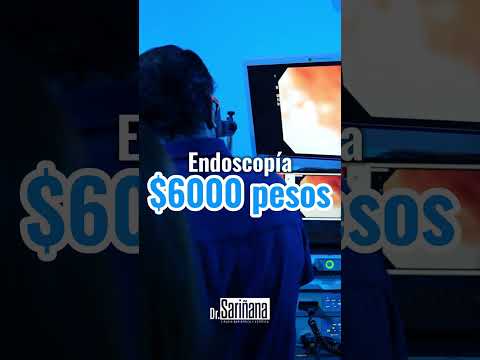















Share this listing