


Frequent digestive discomfort is a critical signal from your body that requires professional medical attention rather than temporary over-the-counter fixes. If you are struggling with persistent acid reflux, unexplained abdominal pain, or difficulty swallowing, scheduling a diagnostic endoscopy procedure in Mexico offers a highly effective and incredibly affordable medical solution. The prospect of undergoing advanced gastrointestinal testing often feels financially overwhelming for patients navigating the complex healthcare systems of the United States and Canada. Seeking world-class medical care across the border provides immediate access to state-of-the-art facilities and board-certified specialists without the exorbitant price tags.
As briefly highlighted at [00:00] in the video presentation, addressing digestive discomfort promptly is the absolute key to preventing chronic or severe gastrointestinal conditions. Modern endoscopic technology allows physicians to visually inspect the upper digestive tract with remarkable precision, identifying issues that standard imaging simply cannot detect. Whether you require a routine diagnostic check or mandatory clearance before undergoing metabolic and bariatric operations, understanding the complete clinical pathway is essential. This comprehensive guide will explore the immense benefits, significant cost savings, and step-by-step processes associated with securing top-tier endoscopic care in top medical tourism destinations.
Video Chapters & Quick Navigation
Understanding the Importance of a Diagnostic Endoscopy Procedure
The human digestive system is incredibly complex, and when complications arise, diagnosing the exact root cause requires specialized internal visualization. An upper gastrointestinal endoscopy serves as the gold standard for identifying abnormalities within the esophagus, stomach, and the uppermost portion of the small intestine. Physicians strongly recommend this targeted intervention when patients present with chronic symptoms that do not respond to basic dietary changes or antacid medications. By directly observing the mucosal lining, specialists can instantly identify inflammation, strictures, or precancerous cellular changes.
Many individuals unknowingly suffer from conditions like Gastroesophageal Reflux Disease (GERD), peptic ulcers, or Hiatal hernias for years before seeking an accurate diagnosis. Ignoring these early warning signs can lead to severe tissue damage, bleeding, or the development of Barrett's esophagus, a known precursor to esophageal cancer. An advanced endoscopy procedure in Mexico provides patients with immediate answers, allowing for the rapid implementation of targeted treatment plans. Early intervention significantly improves long-term patient outcomes and vastly enhances overall quality of life.
Common Digestive Issues That Require Endoscopic Evaluation
Medical professionals utilize endoscopic technology to investigate a wide array of troubling gastrointestinal symptoms. If you frequently experience debilitating heartburn, persistent nausea, or a feeling that food is trapped in your chest, an internal examination is medically necessary. Unexplained weight loss and chronic abdominal pain are also primary indicators that require immediate specialist review.
| Symptom Profile | Potential Underlying Condition | Endoscopic Finding |
|---|---|---|
| Chronic Heartburn / Acid Regurgitation | GERD / Hiatal Hernia | Esophageal mucosal inflammation |
| Sharp Upper Abdominal Pain | Peptic Ulcer Disease / Gastritis | Stomach lining erosions or sores |
| Difficulty Swallowing (Dysphagia) | Esophageal Strictures / Tumors | Narrowing of the esophageal pathway |
What Exactly is an Upper Endoscopy Procedure?
An upper endoscopy, clinically referred to as an Esophagogastroduodenoscopy (EGD), is a minimally invasive outpatient procedure utilized by gastroenterologists and bariatric surgeons worldwide. As highlighted at [00:03], the process involves a highly flexible, narrow tube equipped with a high-definition camera and brilliant illumination system. This sophisticated medical instrument is carefully guided through the patient's mouth and throat, passing downward to transmit real-time, magnified imagery directly to an external color monitor. The unparalleled clarity of these internal images allows the attending physician to detect even microscopic abnormalities.
Beyond its primary diagnostic capabilities, modern endoscopic equipment features specialized channels that allow physicians to pass tiny surgical instruments directly to the site of concern. This advanced functionality means that doctors can seamlessly perform tissue biopsies, remove benign polyps, or actively treat bleeding ulcers during the very same session. This dual diagnostic and therapeutic capability eliminates the need for multiple invasive surgeries, drastically reducing patient risk and overall recovery timelines.
The True Cost of an Endoscopy in Mexico vs the United States
Financial barriers often prevent North American patients from receiving timely preventative gastrointestinal care. In the United States, an uninsured or underinsured patient can expect to face hospital bills ranging from $3,000 to over $5,000 for a standard upper endoscopy. These astronomical out-of-pocket costs typically include separate, confusing invoices for facility usage, the attending gastroenterologist, and the required anesthesiologist. By contrast, the thriving medical tourism sector has made highly affordable diagnostic endoscopy procedures in Mexico a safe and practical alternative.
As clearly stated at [00:04], prestigious Mexican clinics often offer transparent, all-inclusive pricing structures starting as low as 6,000 MXN, which translates to roughly $350 USD depending on exact exchange rates. This represents a staggering 80% to 90% cost reduction without sacrificing medical safety, sanitary protocols, or technological sophistication. The price provided typically covers the medical consultation, facility fees, sedation, and the actual procedure in one straightforward package, eliminating the stress of hidden medical debt.
Why is Medical Tourism in Mexico So Cost-Effective?
The dramatically lower cost of medical care south of the border is not an indicator of reduced clinical quality or outdated medical practices. The affordability stems primarily from lower localized operational costs, significantly reduced administrative overhead, and highly favorable currency exchange dynamics. Furthermore, the Mexican medical system lacks the complex, profit-driven insurance negotiations that artificially inflate procedure prices throughout the United States healthcare network.
- Transparent Pricing Models: Clinics provide upfront costs for diagnostic procedures, avoiding surprise billing practices entirely.
- Lower Overhead Expenses: Facility maintenance, clinical staffing, and medical malpractice insurance costs are substantially lower in Mexico.
- World-Class Technology: The savings are passed to the patient while clinics continue investing in the latest high-definition Olympus or Pentax endoscopy systems.
Why Bariatric Patients Need an Endoscopy Before Surgery
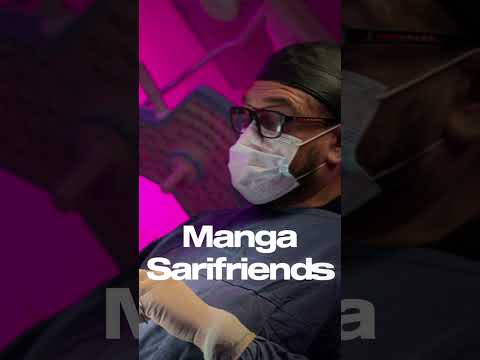
The connection between general digestive health and specialized metabolic weight loss treatments is profound and clinically vital. Top-tier bariatric practices, such as the one featured at [00:19] by Dr. Sariñana, mandate an upper endoscopy as a non-negotiable prerequisite before performing gastric sleeve or gastric bypass operations. Altering the physical anatomy of the stomach requires the existing tissue to be completely healthy, free from active infections, severe inflammation, or undetected hernias.
Discovering a condition like a large hiatal hernia or the presence of Helicobacter pylori (H. pylori) bacteria during a pre-operative endoscopy allows the surgical team to adjust their operative strategy. In many cases, a hiatal hernia can be expertly repaired simultaneously during the bariatric procedure, preventing severe post-operative acid reflux complications. By thoroughly mapping the internal anatomy beforehand, surgeons guarantee the highest level of patient safety and maximize the long-term success rates of the weight loss journey.
Ensuring Optimal Surgical Outcomes
Bariatric surgery is a life-altering intervention that demands meticulous clinical preparation to achieve true success. An endoscopic clearance provides the surgical team with absolute confidence that the gastric tissues will heal properly following the placement of staples or sutures. If pre-existing mucosal abnormalities are identified, the patient undergoes a brief period of targeted medical therapy to heal the stomach lining before proceeding to the operating room.
- H. Pylori Eradication: Detecting and treating this common stomach bacteria prevents severe post-surgical marginal ulcers.
- Hernia Identification: Visualizing the diaphragmatic hiatus ensures proper surgical planning to mitigate chronic reflux.
- Anatomical Mapping: Surgeons gain a clear understanding of the exact stomach size and existing anatomical variations.
Step-by-Step Preparation for Your Gastrointestinal Endoscopy
Proper pre-procedure preparation is absolutely vital for ensuring a safe, comfortable, and highly accurate diagnostic examination. Because the physician needs a completely clear, unobstructed view of the stomach lining, patients must arrive with a completely empty upper gastrointestinal tract. Clinical guidelines dictate a strict fasting period, typically prohibiting all solid food intake for a minimum of eight hours prior to the scheduled medical appointment. Clear liquids may be permitted up to two hours before the procedure, but strict adherence to the specific clinic instructions is mandatory.
Medication management is another critical component of your procedural preparation. Patients must disclose all prescription medications, over-the-counter supplements, and herbal remedies during their initial consultation. Blood-thinning medications, such as aspirin or warfarin, often require temporary discontinuation to completely eliminate the risk of excessive bleeding, especially if a tissue biopsy is required. Diabetic patients will also receive specialized instructions regarding their insulin dosages during the required fasting window to prevent hypoglycemic events.
What to Expect During Your Upper Endoscopy Procedure in Mexico
Anxiety surrounding medical testing is completely natural, but understanding the precise clinical workflow often alleviates significant patient stress. Upon arrival at the specialized endoscopy center, nursing staff will seamlessly guide you through the final admission paperwork and accurately record your baseline vital signs. An intravenous (IV) line is carefully established in your arm or hand, serving as the delivery method for the fast-acting sedative medications utilized during the examination. A localized anesthetic spray is also frequently applied to the back of the throat to suppress the natural gag reflex and maximize patient comfort.
Once you are comfortably sedated and lying on your left side, the specialist gently inserts the specialized endoscope into your mouth. The sophisticated camera transmits highly detailed, illuminated images to the clinical monitor as it slowly navigates the esophagus, stomach, and duodenum. The entire diagnostic process is remarkably swift, generally concluding within 15 to 20 minutes, unless specific therapeutic interventions like polyp removal are actively required. Because of the targeted intravenous sedation, the vast majority of patients experience no discomfort and retain no memory of the internal examination.
Advanced Sedation Protocols and Patient Safety
Top-rated medical facilities operating in popular Mexican medical tourism hubs employ dedicated, board-certified anesthesiologists to continuously monitor patient vitals throughout the entire procedure. Conscious sedation, utilizing medications like Propofol or Midazolam, induces a deep state of relaxation while allowing patients to maintain independent breathing functionality. Continuous cardiac monitoring, pulse oximetry, and blood pressure tracking are strictly maintained from the moment the sedation begins until you are fully awake in the recovery lounge.
Post-Procedure Care and Interpreting Your Endoscopy Results
Following the successful completion of your endoscopic procedure, you are immediately transferred to a quiet, medically supervised recovery area where the sedative medications gradually wear off. Patients typically rest comfortably for 30 to 60 minutes while specialized nursing staff closely monitor their vital signs and overall alertness. It is entirely normal to experience a mildly scratchy throat or mild abdominal bloating, which is caused by the harmless air introduced into the stomach to improve camera visibility. These minor side effects are temporary and naturally resolve within a few short hours.
Due to the lingering effects of the intravenous sedation, medical protocols strictly prohibit patients from driving or making critical legal decisions for the remainder of the day. You must secure a reliable companion or utilize vetted medical transport services to safely return to your hotel or residence. Most individuals can quickly resume a normal, soft diet later that same afternoon, though spicy or highly acidic foods should be temporarily avoided to prevent unnecessary tissue irritation. The attending physician will provide a comprehensive preliminary report of their visual findings before you are officially discharged from the facility.
Biopsy Timelines and Follow-Up Consultations
If the specialist deemed it necessary to extract tiny tissue samples during the examination, these biopsies are immediately dispatched to a specialized pathology laboratory for microscopic analysis. The comprehensive pathology results generally require a waiting period of three to seven business days before finalizing the diagnostic profile. Once the results are available, the clinic coordinates a detailed follow-up consultation, either in person or via secure telemedicine, to thoroughly discuss the findings and outline any necessary ongoing treatment strategies.
How to Book Your Diagnostic Endoscopy Appointment in Mexico
Organizing international medical care has never been more streamlined, safe, or accessible for global patients seeking exceptional gastrointestinal services. Specialized clinical coordinators and medical tourism agencies operate specifically to bridge the communication gap, handling every logistical detail from initial consultations to local transportation logistics. It is crucial to meticulously research potential providers, actively verifying their specific medical board certifications, clinical facility accreditations, and verifiable patient testimonials. Selecting a distinguished practice focused explicitly on bariatric and gastrointestinal health guarantees access to top-tier specialist expertise.
As emphatically encouraged at [00:13], securing your appointment promptly ensures you take immediate control of your vital digestive health. Whether you require a standalone diagnostic evaluation to resolve chronic pain or need vital clinical clearance for an upcoming metabolic weight loss surgery, expert medical care is readily available just across the border. Initiating contact with a reputable medical tourism facilitator allows you to seamlessly receive customized treatment itineraries, transparent pricing quotes, and comprehensive travel guidance tailored specifically to your unique medical requirements.
Essential Questions to Ask Your Medical Coordinator
Before financially committing to your international procedure, it is highly recommended to engage in a thorough dialogue with the clinic's patient coordination team. Ensuring absolute clarity regarding procedural expectations, exact financial requirements, and post-operative support establishes a foundation of medical trust. An established, high-quality facility will readily provide comprehensive answers to alleviate any lingering patient concerns.
- Is the 6,000 MXN price completely all-inclusive, or are there separate fees for the anesthesiologist?
- What specific brand and quality of endoscopic imaging technology is utilized at your surgical facility?
- Do you provide complimentary medical transport from the border crossing directly to the surgical center?
- If a biopsy is medically required, what is the exact additional cost for the specialized laboratory pathology?
Ready to Resolve Your Digestive Discomfort?
Don't let exorbitant healthcare costs prevent you from receiving the accurate diagnosis and expert medical care you truly deserve. Secure your affordable, high-quality endoscopy procedure in Mexico today and take the first critical step toward lasting gastrointestinal health.
Get Free QuoteView Full Video Transcript
00:00 ¿Molestias digestivas?
00:03 Endoscopía
00:04 $6000 pesos
00:13 ¡Agenda hoy! 686 173 4932
00:19 Dr. Sariñana Cirugía Bariátrica y Estética
00:22 Juntos por tu mejor versión





.png)


.jpg)

.jpg)








Share this listing