
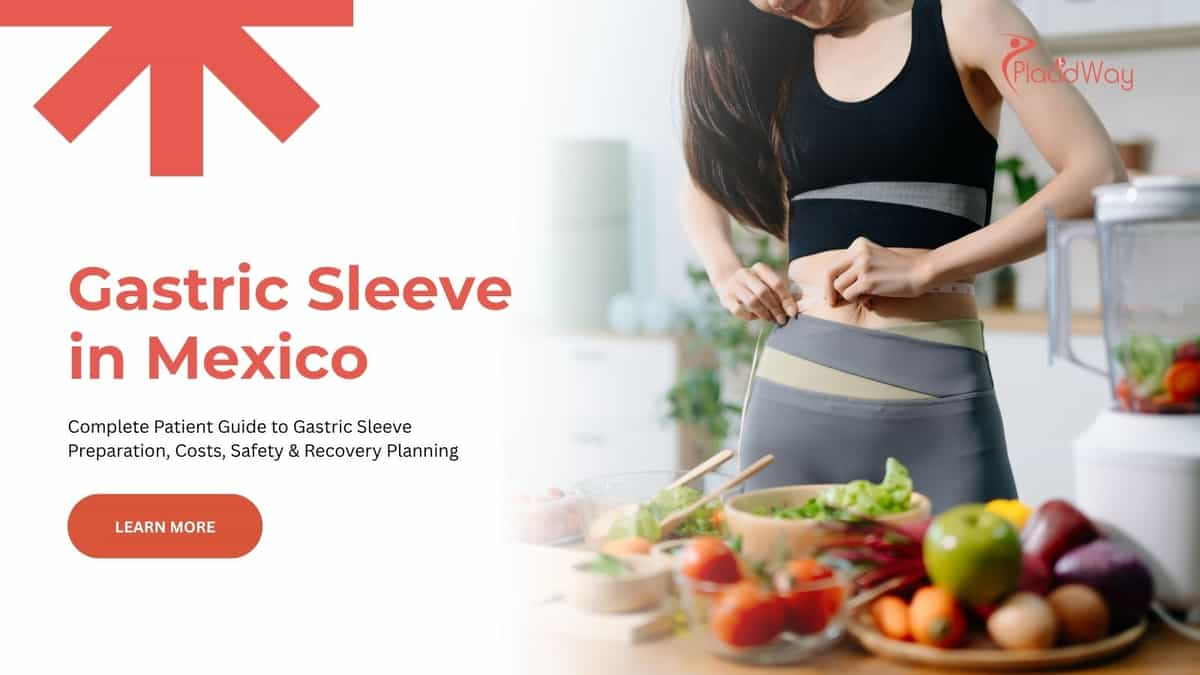
Many international patients travel for bariatric care seeking relief from obesity and related metabolic conditions. Understanding the financial implications and verifying specific medical licenses like the CMCOEM certification can help you make a secure healthcare decision. This guide breaks down the essential clinical safety standards procedure details and estimated expenses for bariatric treatments across the border.
- Estimated Cost Bariatric procedures typically range from $4,000 to $6,500 USD depending on the clinic and package inclusions.
- Safety Overview Reputable clinics operate under COFEPRIS regulations and employ surgeons certified by the Mexican College of Surgery for Obesity and Metabolic Diseases.
- Ideal Candidate You typically need a Body Mass Index over 30 with obesity-related conditions or a Body Mass Index over 40 without comorbidities.
- Recovery Time Most patients return to light activities within two weeks while full internal healing and dietary progression take several months.
- Main Reason for Travel Proximity to the United States combined with specialized high-volume bariatric facilities makes this destination highly accessible.
- Important Caution Always request the direct medical license number of your surgeon and verify their standing with the national medical board before booking.
Understanding Bariatric Medical Tourism in Mexico
Living with severe obesity often impacts your physical health and emotional well-being. Finding an effective and accessible medical intervention can feel difficult when domestic healthcare costs present a massive barrier. Many patients look across the border to secure surgical care without compromising on clinical standards. You deserve a clear path to health that is both safe and financially viable.
Seeking weight loss surgery abroad involves careful planning and thorough research. Patients typically choose this destination because it offers dedicated bariatric centers that cater specifically to international medical travelers. Understanding the primary drivers behind this decision can help you determine if this pathway aligns with your medical needs.
Primary reasons international patients choose this destination for weight loss surgery include:
- Access to highly specialized bariatric surgeons performing thousands of annual cases.
- Geographic proximity allowing for short flights or manageable drives from North America.
- Availability of comprehensive care packages that coordinate nursing transport and hotel stays.
- Shorter wait times for surgical scheduling compared to domestic healthcare systems.
- Bilingual medical staff trained to support English-speaking patients throughout the process.
- Significantly lower out-of-pocket expenses for uninsured or underinsured individuals.
Most bariatric travelers arrive from the United States and Canada. These patients often face high deductibles insurance exclusions or multi-year waiting lists in their home countries. Recognizing these challenges helps explain why specialized cross-border healthcare hubs have rapidly developed specialized infrastructure.
Benefits of Cross Border Care
Streamlined scheduling allows you to receive treatment without extended delays. Dedicated coordinator teams often manage logistics bridging the gap between travel and clinical care.
Challenges to Consider
Managing postoperative complications from a distance requires careful coordination with your local doctor. You must secure a domestic physician willing to monitor your long-term recovery.
Patient Demographics for Bariatric Travel to Mexico
Recent healthcare mobility data highlights the distinct demographic profile of patients seeking bariatric intervention abroad. Understanding who travels for these procedures provides context for the clinical protocols established in border cities. The vast majority of these patients share similar medical histories and clinical motivations.
Based on 2024 medical tourism registries the patient population is heavily skewed toward specific age brackets and origins. The data demonstrates a mature patient base actively seeking definitive solutions for metabolic syndrome and obesity.
Age Distribution of Inbound Bariatric Patients 2024
Source: 2024 Cross-Border Bariatric Patient Mobility Reports.
Patients between the ages of 40 and 49 represent the largest single demographic group. Many in this age bracket have struggled with conventional weight loss methods for decades. Clinical data also shows a consistent trend regarding overall patient volume growth following procedural advancements.
Projected Cross Border Bariatric Volume Trend 2024 to 2026
Source: Projected clinical facility capacity data 2024-2026.
Women typically comprise nearly eighty percent of bariatric travelers. This gender distribution mirrors domestic surgical trends in North America. By understanding these demographics specialized clinics tailor their postoperative care and nutritional counseling to match the biological needs of this dominant patient group.
Medical Candidacy for Bariatric Surgery in Mexico
Not every patient qualifies for stomach reduction surgery. Your surgeon will evaluate your anatomical suitability and overall metabolic health before approving the procedure. A thorough medical history review prevents unnecessary risks and ensures the chosen intervention matches your diagnosis.
Surgeons follow international bariatric guidelines to determine patient eligibility. You must demonstrate a history of medically supervised weight loss attempts alongside specific bodily metrics. Transparency with your surgical team regarding medications and previous abdominal surgeries is completely essential.
| Evaluation Criteria | Standard Clinical Requirement |
|---|---|
| Body Mass Index | Typically 40 or higher without comorbidities or 30 and higher with related health conditions. |
| Metabolic Conditions | Presence of Type 2 diabetes hypertension or severe sleep apnea strengthens medical necessity. |
| Psychological Readiness | Clear understanding of mandatory lifelong dietary changes and nutritional supplementation. |
| Medical History | No prohibitive gastrointestinal diseases severe bleeding disorders or unmanaged psychiatric conditions. |
Your bariatric team will likely request preoperative blood panels and an electrocardiogram. These tests confirm your heart and liver can withstand general anesthesia. If your doctor discovers underlying issues they may recommend a delay in scheduling to optimize your health.
Evaluating Treatment Safety and Healthcare Regulations in Mexico
Patient safety heavily depends on the regulatory environment governing the medical facility. While the country features world-class private hospitals it also has clinics that operate below acceptable standards. You must take an active role in verifying the legal and medical credentials of your chosen provider.
The national healthcare system includes strict federal oversight bodies. The primary regulator is COFEPRIS which functions similarly to the FDA in the United States. A clinic must hold current COFEPRIS licensing to legally perform surgical interventions and administer anesthesia.
Safety Warning
Never book a surgery through social media without verifying the exact name and address of the physical clinic. Always request the official COFEPRIS operating license number and check that the facility is equipped with an on-site Intensive Care Unit or holds an immediate transfer agreement with a major hospital.
Beyond federal licensing professional medical councils enforce clinical standards. Reputable facilities adhere to guidelines established by national specialty boards. Choosing a fully regulated hospital significantly reduces your risk of encountering substandard surgical equipment or inadequate sterilization protocols.
How to Select a Qualified Bariatric Surgeon in Mexico
The skill of your operating physician directly influences your long-term success and immediate safety. A medical degree alone does not qualify a doctor to perform complex metabolic procedures. You must specifically seek out a board-certified bariatric specialist.
In this destination the highest level of specialty recognition is provided by the CMCOEM. This acronym stands for the Consejo Mexicano de Cirugía de Obesidad y Enfermedades Metabólicas. Surgeons holding this certification have undergone rigorous peer review and demonstrated high-volume experience in bariatric techniques.
| Credential to Verify | Importance for Patient Safety |
|---|---|
| Cedula Profesional | The official federal medical license proving the individual is a legally registered doctor. |
| Cedula de Especialidad | The specialty license proving formal surgical training beyond general medical school. |
| CMCOEM Certification | Confirms specific mastery active practice and adherence to bariatric surgical standards. |
| Surgical Volume | A surgeon performing hundreds of specific sleeve procedures annually generally exhibits superior anatomical technique. |
Do not hesitate to ask a prospective doctor for their exact complication rates and revision statistics. A trustworthy surgeon will discuss potential leaks bleeding or strictures openly. They will also detail their specific protocol for managing intraoperative emergencies should they arise.
Choosing an Accredited Hospital or Bariatric Clinic in Mexico
Where your surgery takes place is just as critical as who performs it. Bariatric interventions require specialized operating tables heavy-duty lifting equipment and specific anesthesia monitors. A standard cosmetic clinic is generally not equipped for high-BMI patients.
Look for hospitals recognized by the Consejo de Salubridad General. The CSG is the national accreditation system that grades hospital safety infection control and facility infrastructure. A CSG-accredited hospital demonstrates a commitment to national quality standards.
Facility Vetting Checklist
- Confirm the presence of a dedicated bariatric surgery wing or department.
- Ensure the facility has continuous 24/7 emergency medical support on the premises.
- Verify the availability of an intensive care unit to handle severe unexpected reactions.
- Check if the hospital provides in-house multilingual patient coordinators.
While international accreditations like the Joint Commission International signify excellence they are not strictly mandatory for safe care. Many regional hospitals maintain flawless safety records under strict domestic CSG and COFEPRIS regulations. Prioritize the physical infrastructure and the immediate availability of emergency medical response teams.
Cost of Gastric Sleeve Surgery in Mexico
Financial accessibility remains the primary catalyst for medical travel. Understanding how bariatric pricing is structured prevents unexpected bills and helps you budget accurately. Prices fluctuate based on the geographic location of the clinic the experience of the surgeon and the comprehensiveness of the care package.
Most bariatric centers offer all-inclusive medical packages designed specifically for traveling patients. These packages bundle the surgical fee with necessary logistical support. Always ask for an itemized written quote to clarify exactly what your payment covers.
| Typical Package Component | Generally Included in All Inclusive Packages |
|---|---|
| Surgical and Anesthesia Fees | Yes covers the operating room primary surgeon and anesthesiologist. |
| Preoperative Medical Testing | Yes covers standard blood work and cardiac clearance upon arrival. |
| Hospital Stay | Yes usually includes one to two nights in the surgical facility. |
| Ground Transportation | Yes typically includes airport transfers and clinic shuttles. |
| Medical Complication Insurance | Varies. Some clinics include basic coverage while others require a separate purchase. |
While the base price covers the medical intervention you must account for personal travel costs. Flights passport fees companion meals and specialized preoperative diet shakes remain your responsibility. Ensure you reserve an emergency fund for unforeseen medication needs or extended hotel stays.
Comparing Gastric Sleeve Costs Between Mexico and the United States
Evaluating the financial difference requires a direct comparison of self-pay prices. In the United States patients without bariatric insurance coverage face prohibitive out-of-pocket expenses. The massive cost variance primarily stems from differences in administrative overhead malpractice insurance premiums and regional cost of living.
A lower price across the border does not automatically imply lower medical quality. The economic structure of the destination country allows highly trained surgeons to operate with lower operational burdens. This efficiency translates into significant savings for the self-pay patient.
| Location | Estimated Self Pay Cost Range in USD |
|---|---|
| United States Average | $15,000 to $25,000 |
| Canada Average | $16,000 to $20,000 |
| Mexico Border Cities | $4,000 to $5,500 |
| Mexico Interior Cities | $4,500 to $6,500 |
When analyzing these figures remember that domestic US prices rarely include hotel accommodations or comprehensive postoperative nutritional counseling. Conversely cross-border packages frequently integrate nutritional guidance and local nursing care. Always compare the specific inclusions rather than just the baseline advertised number.
Understanding the Bariatric Surgery Procedure Steps
Knowing what happens inside the operating room can significantly reduce your preoperative anxiety. The intervention alters your digestive anatomy to restrict food intake and modify hunger hormones. This process demands precise surgical execution under general anesthesia.
The surgeon utilizes laparoscopic techniques which involve small abdominal incisions rather than a single large cut. This minimally invasive approach reduces recovery time and minimizes postoperative pain. The entire procedure generally takes between sixty and ninety minutes to complete.
Clinical Timeline of the Procedure
1. Anesthesia and Access: You are placed under general anesthesia. The surgeon creates four to five small incisions to insert trocars and a laparoscopic camera.
2. Stomach Separation: The surgical team carefully separates the stomach from the surrounding blood vessels and the spleen.
3. Resection: A specialized surgical stapler removes approximately eighty percent of the stomach volume including the fundus which produces the hunger hormone ghrelin.
4. Leak Testing and Closure: The new banana-sized stomach pouch is tested with dye or air to ensure the staple line is completely sealed before closing the incisions.
Following closure you are moved to a recovery bay where nurses monitor your vital signs as you wake up. You will likely feel groggy and experience tightness in your abdomen. Pain management begins immediately through intravenous medication to keep you comfortable.
Postoperative Recovery and Diet Progression Timeline
Your surgical outcome heavily relies on your strict adherence to the postoperative healing phases. The newly stapled stomach requires extensive time to heal internally before it can process solid foods. Rushing the diet progression can lead to severe staple line complications or severe nausea.
Recovery is both physical and nutritional. Initially you will focus on basic hydration taking tiny sips of water to prevent dehydration. As weeks pass your body adapts to the reduced caloric intake triggering rapid weight loss and hormonal adjustments.
| Timeframe | Biological Process | Patient Diet and Activity Level | Action Required |
|---|---|---|---|
| Days 1 to 7 | Acute tissue healing and reduction of internal swelling. | Clear liquids only. Frequent short walks to prevent blood clots. | Monitor incision sites and prioritize constant slow sipping. |
| Weeks 2 to 3 | Staple line stabilization and early metabolic adaptation. | Full liquids including protein shakes and strained soups. | Ensure daily protein goals are met to prevent muscle loss. |
| Weeks 4 to 5 | Continued internal tissue strengthening. | Soft pureed foods. Light cardiovascular exercise begins. | Chew thoroughly and stop eating at the first sign of fullness. |
| Months 2 and Beyond | Long term anatomical adaptation and rapid fat reduction. | Solid dense proteins and vegetables. Regular fitness routine. | Maintain daily bariatric vitamins and attend follow-up labs. |
Fatigue is incredibly common during the first month as your body adjusts to operating on a fraction of its previous calories. You must take prescribed bariatric multivitamins daily to prevent serious nutritional deficiencies. Consistent communication with a bariatric dietitian ensures you remain safely on track.
Potential Medical Risks and Complications
All major abdominal surgeries carry inherent clinical risks regardless of where they are performed. While laparoscopic bariatric techniques are generally safe complications can occur and may require immediate medical intervention. Understanding these risks allows you to recognize warning signs early.
The most critical risk involves the staple line. If the surgical staples fail to hold the stomach tissue together gastric fluid can leak into the abdominal cavity causing a severe infection. This requires urgent surgical repair and broad-spectrum intravenous antibiotics.
| Potential Complication | Clinical Explanation | Prevention Strategy |
|---|---|---|
| Gastric Leak | Digestive fluids escape through a gap in the fresh staple line. | Strict adherence to the liquid diet and choosing a high-volume certified surgeon. |
| Bleeding | Internal hemorrhage from divided blood vessels. | Surgeon utilizes staple line reinforcement and monitors vitals closely post-op. |
| Stricture | Scar tissue narrows the new stomach tube causing vomiting. | Endoscopic dilation may be required. Eating slowly helps identify issues early. |
| Deep Vein Thrombosis | Blood clots form in the legs due to surgical inactivity. | Early and frequent walking immediately after surgery and use of compression garments. |
Long-term risks primarily involve vitamin deficiencies and acid reflux. Because a large portion of the stomach is removed nutrient absorption shifts slightly requiring lifelong supplementation. If you experience persistent vomiting fever or severe abdominal pain you must contact a physician immediately.
Travel Planning and Postoperative Care Requirements
Coordinating an international medical journey requires logistical precision to protect your healing body. Traveling shortly after abdominal surgery limits your mobility and increases your vulnerability to fatigue. You must plan your itinerary to minimize physical stress during transit.
Most bariatric packages require a stay of three to five days in the destination city. This timeframe allows the medical team to conduct a mandatory leak test before clearing you for travel. You should never attempt to fly home on the same day you are discharged from the hospital.
Travel Health Considerations
- Request wheelchair assistance at the airport to avoid lifting luggage or standing in long security lines.
- Wear compression socks during your flight to reduce the risk of dangerous blood clots.
- Pack your prescribed pain medications anti-nausea drugs and specific protein powders in your carry-on bag.
- Identify a local primary care physician or bariatric specialist at home who is willing to order your mandatory three-month blood panels.
Your relationship with your surgical team does not end when you cross the border. Reputable clinics provide remote follow-up care via telehealth or messaging applications. Secure a dedicated local doctor to handle routine physical examinations and monitor your nutritional blood markers.
Frequently Asked Questions
Is gastric sleeve surgery safe in Mexico?
The procedure is generally safe when performed by a CMCOEM board-certified bariatric surgeon operating in a CSG-accredited or COFEPRIS-licensed hospital. Safety heavily depends on your personal diligence in researching the clinic prioritizing verified medical credentials over the lowest price and following all preoperative health guidelines.
What happens if I experience a complication after returning home?
If you experience a medical emergency like a leak or severe infection you must visit your local emergency room immediately. For non-emergency concerns you should contact your Mexican surgical team for remote guidance while consulting your local primary care doctor. Purchasing specific medical tourism complication insurance prior to travel can help cover unexpected domestic treatment costs.
How much weight can I expect to lose after the procedure?
Patients typically lose between fifty and seventy percent of their excess body weight within the first twelve to eighteen months. The exact amount varies based on your starting metabolic rate adherence to the bariatric diet and consistency with a new exercise routine. Surgery is a restrictive tool not an automatic guarantee.
Will I have loose skin after bariatric weight loss?
Rapid and massive weight loss often results in excess skin particularly around the abdomen arms and thighs. The severity depends on your age genetics and total weight lost. Many patients choose to undergo body contouring or skin removal surgery a year or two after their weight stabilizes.
How long do I need to stay in Mexico for a gastric sleeve?
Most bariatric protocols require a four to five-day overall stay. This generally includes one night in a hotel before surgery one to two nights recovering in the hospital and an additional night in a hotel for postoperative observation before you are medically cleared to travel home.
Do Mexican bariatric clinics provide translators for international patients?
Yes reputable clinics catering to medical tourists employ fully bilingual medical coordinators and nursing staff. These professionals guide you through consultations translate complex medical documentation and ensure you fully understand your medications and dietary instructions.
Can my stomach stretch back out after this surgery?
The removed portion of your stomach cannot regrow. However the remaining tissue can stretch slightly over several years if you consistently overeat or consume carbonated beverages. Long-term dietary discipline is mandatory to maintain restriction and prevent weight regain.
Why do I have to follow a preoperative liquid diet?
The preoperative liquid diet shrinks your liver making it safer and easier for the surgeon to access your stomach during the laparoscopic procedure. Strict adherence to this diet significantly reduces your risk of internal bleeding and surgical complications.
Are the medical tools and surgical staples used in Mexico high quality?
Accredited bariatric facilities in this destination use the exact same FDA-approved titanium staples and advanced laparoscopic tools utilized in United States hospitals. You can always ask your clinic to verify the specific brand and origin of the medical devices they intend to use.
When can I go back to work after my stomach surgery?
Patients with desk jobs typically return to work within two weeks. If your occupation requires heavy lifting or intense physical labor your surgeon may recommend waiting four to six weeks to prevent developing a hernia at the abdominal incision sites.
Ready to Explore Your Bariatric Options?
PlacidWay can help you compare certified clinics review transparent pricing and connect with specialized bariatric surgeons to start your health journey.
Request Free InformationDisclaimer: This information is for educational purposes only and does not replace professional medical advice. Always consult a qualified healthcare provider before making medical decisions.
References
- Bariatric Surgery Procedures – American Society for Metabolic and Bariatric Surgery
- General Health Council Accreditation – Consejo de Salubridad General Mexico
- Bariatric Surgeon Certification Standards – Consejo Mexicano de Cirugía de Obesidad y Enfermedades Metabólicas
- Healthcare Facility Licensing and Regulation – COFEPRIS Federal Commission for the Protection Against Sanitary Risk
- Medical Tourism Health and Safety Guidelines – Centers for Disease Control and Prevention
- Global Obesity Data and Clinical Interventions – World Health Organization


























Share this listing