
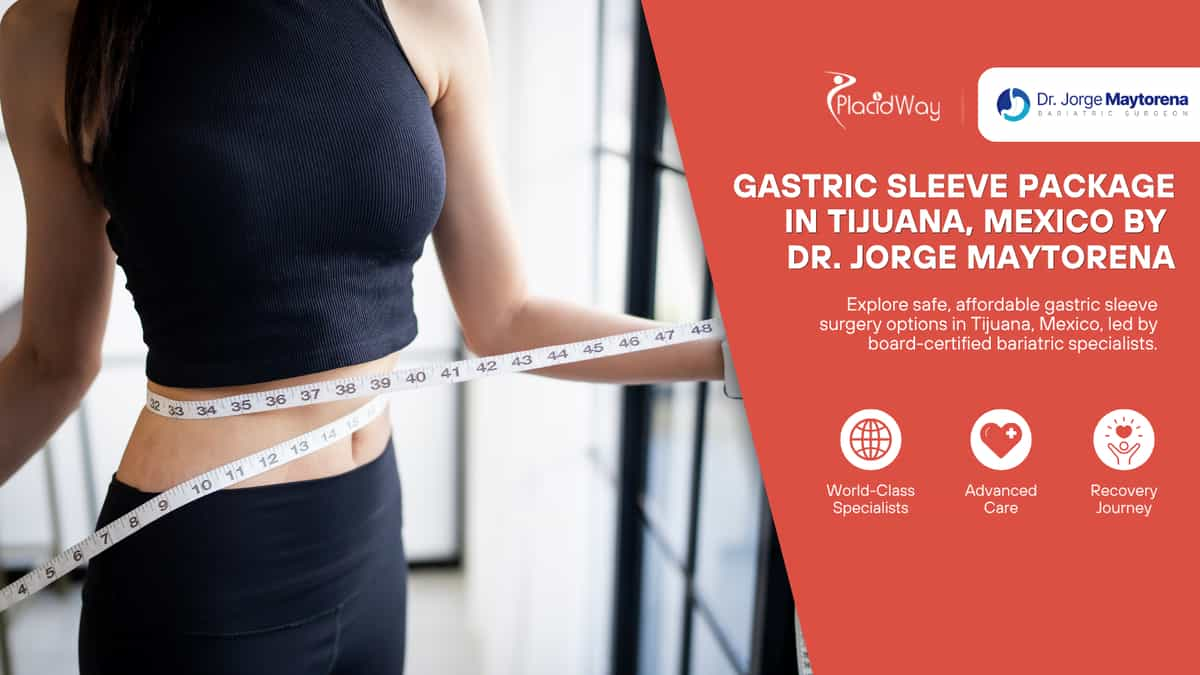
Tired of endless diet cycles that promise the moon but leave you feeling frustrated and fatigued? This comprehensive gastric sleeve surgery package in Tijuana, Mexico, offers a proven metabolic reset for patients with a BMI over 35, providing expert hospital care, ground transfers, and laparoscopic surgery starting at an affordable $4,600. Led by the highly experienced Dr. Jorge Maytorena, this package typically requires a brief three-to-four-day stay, though your ultimate eligibility, travel clearance, and final pricing will strictly depend on a thorough, personalized medical assessment.
Key Package Insights
- Estimated Cost: Packages start at a highly competitive $4,600, offering significant healthcare savings compared to standard North American bariatric pricing.
- Surgeon Expertise: Your procedure is performed by Dr. Jorge Maytorena, a board-certified specialist with over 20 years of experience and 5,000+ completed bariatric surgeries.
- Patient Qualifications: Ideal for individuals facing severe obesity (BMI > 35) or struggling with weight-related chronic conditions like sleep apnea or hypertension.
- What to Expect: A minimally invasive laparoscopic intervention that permanently reduces stomach volume by roughly 80%, decreasing hunger hormones and restricting intake.
- Pre-Travel Requirements: Prospective patients must complete a remote health evaluation and submit necessary medical records to secure formal surgical clearance prior to traveling.
Global Gastric Sleeve Cost Comparison
Medical tourism in Mexico provides access to world-class medical infrastructure at a fraction of the cost found in many Western healthcare systems. This difference in price is driven by lower administrative overhead and differences in regional economies, not a reduction in medical quality. Below is a comparison of what patients typically pay out-of-pocket for a gastric sleeve across different regions.
| Country / Region | Average Estimated Cost (USD) |
|---|---|
| United States | $15,000 – $25,000 |
| Canada | $13,000 – $20,000 |
| United Kingdom | $10,000 – $15,000 |
| Tijuana, Mexico (Dr. Maytorena) | Starting from $4,600 |
Detailed Treatment Cost Breakdown
Transparency is essential when planning for medical travel. The table below outlines the primary components included in your starting package price. Please note that this is an estimated baseline cost; your final, comprehensive quote will be confirmed only after your treating physician reviews your medical history.
| Procedure Items | Estimated Cost | Description |
|---|---|---|
| Medical & Surgeon Fees | Included | Dr. Maytorena's surgical fee and routine pre-op consultations. |
| Anesthesia & Operating Room | Included | General anesthesia and access to the specialized bariatric surgical suite. |
| Hospital & Hotel Accommodations | Included | Typically 1-2 nights hospital stay and 1-2 nights in a recovery hotel. |
| Ground Transportation | Included | Secure transfers from the San Diego border/airport to the clinic and hotel. |
| Pre-Op & Post-Op Lab Tests | Included | Standard blood work and leak tests performed while at the facility. |
| Total Estimated Price | $4,600 | Pending final medical assessment and clearance. |
Comprehensive Package Inclusions
Your bariatric package is designed to provide a seamless, stress-free experience from the moment you cross the border. The baseline package encompasses the critical medical and logistical services required for your surgery.
- ✓Surgical Intervention: Laparoscopic gastric sleeve procedure performed by Dr. Jorge Maytorena.
- ✓Anesthesiology Services: Evaluation and administration of general anesthesia by a certified anesthesiologist.
- ✓Facility Fees: Use of the hospital’s specialized operating room and recovery wards.
- ✓Accommodations: Up to two nights of in-patient hospital monitoring and up to two nights at a partner hotel (subject to the physician's itinerary).
- ✓Ground Logistics: Chauffeur service from the designated San Diego pick-up point to your Tijuana hospital and hotel.
- ✓Basic Diagnostics: Standard pre-operative blood panels and a post-operative leak test.
- ✓Dietary Guidelines: Pre-op and post-op nutritional guidelines provided by the clinic's support staff.
Package Exclusions to Keep in Mind
To plan your medical travel budget accurately, it is vital to understand the expenses not covered by the base package. Patients should budget independently for travel and extended personal needs.
- ✗Airfare and Travel: Flights to and from San Diego or Tijuana, and any related travel insurance.
- ✗Complication Insurance: Coverage for unexpected medical complications, prolonged hospital stays, or emergency interventions outside the standard protocol.
- ✗Specialized Pre-Op Clearances: Additional cardiac, pulmonary, or psychiatric evaluations if mandated by your local doctor prior to approval.
- ✗Companion Expenses: Meals, flights, and extra accommodation costs for friends or family traveling with you.
- ✗Long-Term Supplements: The ongoing cost of mandatory bariatric vitamins and protein supplements once you return home.
Who is a Good Candidate for Gastric Sleeve Surgery in Tijuana?
Bariatric surgery is a powerful metabolic tool, but it is not the right choice for everyone seeking to lose weight. True candidates are individuals who face significant medical risks due to their weight and are fully prepared to commit to a lifelong change in their relationship with food. Dr. Maytorena typically considers patients suitable if they meet specific clinical criteria.
- You have a Body Mass Index (BMI) of 40 or higher, qualifying as severe obesity.
- You have a BMI of 35 or higher accompanied by serious obesity-related health conditions, such as type 2 diabetes, high blood pressure, or severe sleep apnea.
- You have a documented history of unsuccessful attempts at sustained weight loss through traditional, medically supervised diet and exercise programs.
- You demonstrate a clear understanding of the procedure and are psychologically prepared for the emotional and physical realities of rapid weight loss.
- You are committed to making absolute, lifelong dietary and lifestyle changes, including daily vitamin supplementation.
Essential Medical Records for Your Pre-Travel Assessment
Before you can be officially approved for bariatric surgery abroad, your surgical team must review your current health status to ensure you are a safe candidate for general anesthesia. This proactive step is crucial for minimizing surgical risks and tailoring the procedure to your unique physiological needs.
- A recent comprehensive blood panel, including a Complete Blood Count (CBC) and Comprehensive Metabolic Panel (CMP).
- Hemoglobin A1C test results, which are strictly required if you have a history of diabetes, pre-diabetes, or severe insulin resistance.
- Cardiovascular clearance, including a recent EKG (electrocardiogram), particularly for patients over the age of 50 or those with heart conditions.
- A detailed, current list of all medications and supplements you take, alongside a comprehensive history of any prior abdominal surgeries.
- Formal clearance letters from your primary care physician or appropriate specialists if you are managing complex chronic conditions.
How the Gastric Sleeve Procedure Works: A Step-by-Step Guide
The gastric sleeve (sleeve gastrectomy) is currently the most popular bariatric procedure worldwide due to its excellent balance of safety and effectiveness. It is purely restrictive, meaning it reduces the stomach's size without altering or rerouting the intestines. Here is a jargon-free look at how the surgery unfolds in the operating room.
Step 1: Anesthesia and Preparation
Once you are moved to the surgical suite, an anesthesiologist will administer general anesthesia. You will be completely asleep and unable to feel pain throughout the duration of the procedure, which typically lasts between 60 to 90 minutes.
Step 2: Minimally Invasive Incisions
Rather than making a large, open cut across your abdomen, Dr. Maytorena utilizes laparoscopic techniques. He will make a few tiny incisions (usually a half-inch long) to insert a laparoscope, a thin tube equipped with a high-definition camera and specialized surgical instruments.
Step 3: Separating the Stomach
Guided by the camera monitor, the surgeon carefully navigates your abdominal cavity. The larger, curved outer section of your stomach is meticulously separated from the surrounding blood vessels and tissues to prepare for removal.
Step 4: Stapling and Tissue Removal
Using an advanced medical stapling device, the surgeon divides the stomach vertically. Approximately 80% of the stomach tissue including the portion responsible for producing the hunger hormone ghrelin is permanently removed. What remains is a narrow, tube-like stomach roughly the size and shape of a banana.
Step 5: Securing and Closing
The new stomach sleeve is carefully inspected to ensure the staple line is fully sealed without leaks or bleeding. The small external abdominal incisions are then closed with dissolvable sutures or surgical tape, and you are gently transitioned to the recovery ward to wake up.
Your Step-by-Step Bariatric Treatment Timeline in Mexico
Traveling abroad for surgery is a highly orchestrated process. From the moment you arrive until the day you fly home, a structured timeline ensures your safety and comfort.
- Pre-Arrival Preparation: Weeks before your travel, you undergo remote medical clearance, finalize your paperwork, and begin a strict pre-operative liver-shrinking diet at home.
- Day 1: Arrival & Intake: A designated driver meets you in San Diego or at the Tijuana border. You are taken directly to the clinic for pre-operative lab work, EKG testing, and to settle into your room.
- Day 2: Surgery Day: After a final consultation with Dr. Maytorena and the anesthesiologist, you undergo the laparoscopic procedure. The remainder of the day is spent resting under 24-hour medical observation.
- Day 3: Hospital Recovery: Nursing staff monitors your vitals and manages your pain. You will likely undergo a dye leak test and begin gently sipping clear liquids while being encouraged to walk the hallways.
- Day 4: Hotel Transition: Once your medical team clears you for discharge, you transition to a comfortable, partnered recovery hotel in Tijuana to continue resting in a relaxed environment.
- Day 5: Departure: Following a final medical review to ensure you are fit for travel, your driver transports you safely back to the airport or border for your journey home.
Expected Length of Stay and Travel Clearance Guidelines
Your healing cannot be rushed, and securing a safe journey home is the medical team’s top priority. Keep the following timeline guidelines in mind when arranging your travel logistics.
- The total time required in Tijuana is generally 4 to 5 days, ensuring adequate clinical observation and rest.
- You will typically spend 1 to 2 nights directly in the hospital for intensive post-operative care and pain management.
- The remaining 1 to 2 nights are spent in a nearby hotel, allowing your body to stabilize before facing the physical stress of airports or long car rides.
- Travel clearance is strictly dependent on your physician's assessment of your vital signs, ability to hydrate, and overall surgical recovery.
- It is strongly advised against booking non-refundable return flights, as unforeseen medical complications or slow healing could unexpectedly extend your necessary stay.
Navigating Your Recovery: Immediate Healing and Long-Term Care
Surgery is only the first step of your metabolic reset. True success relies heavily on how diligently you navigate the crucial recovery phases. The immediate postoperative period focuses on healing the staple line, while long-term care revolves around permanent behavioral changes.
Phase 1: The First 48 Hours. In the hospital, your primary focus will be resting and managing referred gas pain in your shoulders, a common side effect of laparoscopic surgery. Nurses will assist you in walking shortly after surgery, which is essential to prevent blood clots and help dissipate the abdominal gas. You will slowly practice sipping small amounts of clear fluids.
Phase 2: The Liquid Diet (Weeks 1-2). Once home, you must adhere strictly to a clear liquid and protein shake diet. This liquid phase gives your newly stapled stomach the necessary time to heal without the mechanical stress of digesting solid foods. Hydration is your primary goal, as dehydration is the leading cause of readmission after bariatric surgery.
Phase 3: Soft Foods and Long-Term Adaptation (Weeks 3 and Beyond). Over the following month, you will gradually transition through pureed and soft foods before reintroducing normal solids. Long-term adaptation requires a fundamental shift in habits: chewing food thoroughly, separating eating from drinking, and committing to daily, lifelong bariatric multivitamin supplementation to prevent severe nutritional deficiencies.
Understanding the Risks and Possible Complications
While laparoscopic sleeve gastrectomy is widely considered a safe and routine procedure, every major surgical intervention carries inherent risks. Acknowledging these risks is a vital part of providing informed consent. This list is not exhaustive, and Dr. Maytorena will discuss your individual risk profile in detail during your consultations.
- Staple Line Leaks: A rare but severe complication where digestive fluids escape from the newly stapled edge of the stomach, potentially causing systemic infection if not treated immediately.
- Bleeding and Infection: Standard surgical risks that require vigilant post-operative monitoring, proper wound care, and occasionally antibiotic intervention.
- Strictures or Blockages: A narrowing of the new stomach tube as it heals, which can cause chronic nausea, vomiting, or difficulty swallowing solid foods.
- Nutritional Deficiencies: Because your food intake is drastically reduced, failing to take prescribed daily vitamins can lead to long-term issues like anemia, osteoporosis, and neurological damage.
- Deep Vein Thrombosis (Blood Clots): A risk associated with any major abdominal surgery and immobility. This is actively mitigated through early walking and compression stockings post-surgery.
Realistic Expected Results Following Your Sleeve Gastrectomy
It is essential to view the gastric sleeve as a highly effective tool rather than an automatic cure for obesity. Your outcomes will be directly tied to your compliance with post-operative guidelines.
- Average Weight Loss: According to clinical data published by the Mayo Clinic, patients typically lose approximately 60% of their excess body weight within the first 12 to 24 months.
- Hormonal Reset: The removal of the stomach portion that produces ghrelin (the hunger hormone) often leads to a significantly reduced appetite, making dietary changes much easier to sustain initially.
- Health Improvements: Many patients experience rapid remission or marked improvement in obesity-related comorbidities, including type 2 diabetes, high blood pressure, and obstructive sleep apnea.
- Personal Variance: Weight loss success varies greatly from person to person. It is highly dependent on your strict adherence to nutritional guidelines, physical activity, and behavioral therapy.
- Long-Term Maintenance: Weight regain is a reality for some patients over time if old dietary habits return. Maintaining a supportive lifestyle is the only way to ensure the longevity of your surgical results.
Meet Your Surgeon: Dr. Jorge Maytorena
Dr. Jorge Maytorena is a distinguished, board-certified bariatric surgeon renowned for leading specialized obesity treatments in Tijuana. With a career spanning over 20 years, he has dedicated his medical practice heavily to advanced laparoscopic and metabolic procedures.
Boasting a robust track record of over 5,000 successful bariatric surgeries, Dr. Maytorena brings exceptional high-volume expertise and refined surgical precision to every operation. He is highly regarded by international patients for his empathetic bedside manner, prioritizing thorough patient education and highly personalized pre-operative assessments. Dr. Maytorena continually updates his methodologies to ensure his practice aligns with the strictest global standards for safety and minimally invasive care.
Where You Will Be Treated: Dreams Hospital in Tijuana
Your procedure will take place at Dreams Hospital, a modern, patient-focused facility specifically equipped to handle the unique needs of international medical tourists safely. The center features state-of-the-art operating rooms designed exclusively for bariatric and cosmetic interventions, utilizing advanced medical technology.
Dreams Hospital adheres to rigorous international sanitation and safety protocols to minimize infection risks and promote rapid healing. The facility is fully staffed by experienced, bilingual healthcare professionals, ensuring seamless and comforting communication for English-speaking patients. Conveniently located near the US-Mexico border, the hospital offers a highly secure and closely monitored environment for your recovery.
Answering Your Top Questions About Gastric Sleeve in Mexico
1. How soon can I safely fly back home after the procedure?
Most patients are officially cleared to fly or drive home approximately three to five days after their surgery, provided their early recovery is progressing without complications. Your treating physician will thoroughly evaluate your vital signs, hydration status, and pain levels before clearing you for travel. It is highly recommended to request wheelchair assistance at the airport to avoid unnecessary physical exertion, and you should walk the airplane aisle frequently during flights to prevent deep vein blood clots.
2. Will I need to follow a special pre-operative diet before traveling to Tijuana?
Yes, almost all bariatric patients are required to follow a specific pre-operative diet to shrink the liver and drastically reduce surgical risks. This diet typically lasts anywhere from two to four weeks depending on your starting body mass, and it focuses heavily on lean proteins, low carbohydrates, and clear liquids. Adhering strictly to this regimen is crucial, as a large, fatty liver can dangerously obstruct the surgeon's view and potentially lead to the cancellation of your procedure on the operating table.
3. How is post-surgical pain managed after a laparoscopic gastric sleeve?
Because the procedure is performed laparoscopically through tiny incisions, external incisional pain is generally minimal compared to traditional open surgery. However, you will likely experience internal soreness and referred gas pain in your chest or shoulders, which is caused by the harmless carbon dioxide used to inflate your abdomen during surgery. Your medical team in Tijuana will provide intravenous pain relief while you are hospitalized and prescribe oral medications to keep you comfortable once you transition to the hotel.
4. Can my new stomach stretch back to its original size over time?
While your stomach cannot permanently grow back to its full original capacity, the remaining sleeve tissue can absolutely stretch if you consistently overeat or ignore dietary guidelines. Over the years, a slight increase in capacity is normal as the surgical tissue heals and relaxes, allowing you to eat slightly larger portions than in the first few postoperative months. To maintain your weight loss permanently, it is vital to listen to your body’s fullness cues and avoid pushing past the point of initial satiety.
5. Are daily nutritional supplements mandatory for the rest of my life?
Yes, committing to a lifelong vitamin regimen is absolutely non-negotiable after any form of bariatric surgery. Because you are consuming significantly less food overall, it becomes practically impossible to ingest all your essential nutrients through diet alone. You will need to take specialized bariatric multivitamins, calcium, iron, and often B12 supplements daily to prevent severe long-term complications like persistent anemia, debilitating bone density loss, and irreversible neurological issues.
6. What should I do if I experience a medical complication once I am back home?
Before you depart Tijuana, you will receive detailed discharge papers outlining your specific surgical notes, which you must share with your local primary care physician upon return. If you experience a medical emergency such as a persistent fever, severe abdominal pain, or an inability to keep liquids down as you should immediately go to your nearest local emergency room. It is highly advisable to establish contact with a local bariatric specialist or physician in your home country before you travel, ensuring you have a safety net for long-term follow-up care.
7. How will Dr. Maytorena and the medical team communicate with me as an international patient?
The clinic is fully equipped with dedicated bilingual patient coordinators who seamlessly facilitate all communication between you and the surgical team. Before you travel, you will communicate via secure email, phone, or video calls to complete your medical assessment. After you return home, these coordinators remain readily available via phone and digital channels to answer your dietary questions, track your long-term healing progress, and provide ongoing guidance.
8. Is it safe to travel to Tijuana specifically for medical care?
Tijuana is a globally recognized hub for medical tourism, hosting hundreds of thousands of international patients safely each year. When you book a structured bariatric package, your ground transportation is carefully coordinated from the exact moment you arrive in San Diego or at the border, taking you directly to secure medical facilities. Dreams Hospital and associated recovery hotels are located in safe, well-monitored medical districts designed specifically to accommodate and protect international visitors.
9. Will I inevitably have loose or sagging skin after losing weight rapidly?
The development of loose skin depends on a wide variety of factors, including your age, skin genetics, starting weight, and how long your skin was stretched. Rapid, massive weight loss following a gastric sleeve does increase the likelihood of excess skin, particularly around the abdomen, arms, and thighs. While some patients find their skin retracts moderately well over time with hydration and exercise, many eventually choose to pursue body contouring procedures a year or two after reaching their stable goal weight.
10. Can I still qualify for a gastric sleeve if I currently have type 2 diabetes?
Absolutely; in fact, the gastric sleeve is frequently recommended specifically for patients attempting to manage serious obesity-related conditions like type 2 diabetes. The rapid hormonal changes induced by the surgery, combined with substantial weight loss, frequently lead to significant improvements in blood sugar control, and many patients experience complete remission of their diabetes. However, your physician will need to review your current A1C levels and carefully manage your insulin or medications leading up to the procedure.
Take the Next Step Toward Your Health Goals
Ready to regain control over your metabolic health and discover if the gastric sleeve is the right tool for your journey? We understand that traveling for medical care is a major, life-changing decision. Reach out today for a compassionate, no-obligation conversation about your eligibility.
Request Free QuoteMedical Disclaimer: The content provided on this page is intended for general informational and educational purposes only and should never substitute for professional medical advice, comprehensive diagnosis, or specialized treatment. Always seek the direct advice of your physician or other qualified healthcare provider regarding any questions you may have about a medical condition, surgical eligibility, or treatment plan.
Authoritative References
- National Institute of Diabetes and Digestive and Kidney Diseases (NIDDK) - Types of Weight-loss Surgery: https://www.niddk.nih.gov/health-information/weight-management/bariatric-surgery/types
- Mayo Clinic - Sleeve Gastrectomy Overview and Expected Results: https://www.mayoclinic.org/tests-procedures/sleeve-gastrectomy/about/pac-20385183
- Cleveland Clinic - Gastric Sleeve Surgery Medical Requirements and Efficacy: https://my.clevelandclinic.org/health/treatments/22931-gastric-sleeve-surgery
- National Institute of Diabetes and Digestive and Kidney Diseases (NIDDK) - Weight-loss Surgery Side Effects: https://www.niddk.nih.gov/health-information/weight-management/bariatric-surgery/side-effects
- National Library of Medicine (PMC/NIH) - Perioperative complications of sleeve gastrectomy: https://pmc.ncbi.nlm.nih.gov/articles/PMC6293679/
























Share this listing