Contents
If the idea of gastric sleeve surgery in Mexico starts with a price search, pause for one useful question: what, exactly, are you comparing? For a patient traveling abroad, the difference between two quotes may be the hospital stay, testing, follow-up plan, or a missing line in the exclusions—not the operation itself.
Mexico can be practical for patients from the United States and Canada, particularly when a border city shortens the journey. Patients from Latin America, Europe, Asia, and other regions may prefer a destination with an international flight connection. Either way, Mexico is not one clinic or one care model.
For the clinic, check a current Licencia Sanitaria for surgical services and, where applicable, a current certificate from Mexico’s Consejo de Salubridad General. Verify the surgeon’s Mexican professional license and specialty certification separately. The sections below help you compare the real fit—not just the flashiest figure.
One package may bundle hospital care, anesthesia, tests, medicines, transport, and nutrition visits; another may quote only the surgical episode. That is why “all-inclusive” should never be accepted as a complete explanation.
Compare the options below by total scope: named hospital, surgeon, nights, tests, medication, transfers, follow-up, companion costs, extra nights, complications, and revision care. Ask for the final inclusions and exclusions in writing, and check whether the price is for a primary sleeve or a revision. Use the package options below to see which plan best matches your clinical needs and travel budget.
`One of the most compelling reasons for choosing Mexico is the affordability of gastric sleeve surgery. While costs can vary depending on the clinic and location, the price of gastric sleeve surgery in Mexico generally ranges from $4,500 to $6,500, significantly lower than the costs in the U.S., where the procedure can range from $12,000 to $20,000 or more.
The lower cost does not mean lower quality. In fact, many clinics in Mexico provide top-notch care and utilize the latest medical technology, making it a great value for patients seeking weight loss surgery.
Sleeve Gastrectomy Centers Cost Comparison in Mexico
| Provider | Procedure | Price |
|---|---|---|
| Obesity Bariatric Surgery by Dr. Jorge Maytorena | Sleeve Gastrectomy, Obesity/Bariatric Surgery | $4600 |
| Dr. Cristobal Garza - Bariatric Surgeon in Mexico | Sleeve Gastrectomy, Obesity/Bariatric Surgery | $6079 |
| Dr. Marco Sariñana - Bariatric Surgeon in Mexico | Sleeve Gastrectomy, Obesity/Bariatric Surgery | $4500 |
Sleeve Gastrectomy Cost Comparison in Mexico
| Country | Procedure | Price |
|---|---|---|
| United States | Sleeve Gastrectomy, Obesity/Bariatric Surgery | $18000 |
| Canada | Sleeve Gastrectomy, Obesity/Bariatric Surgery | $19500 |
Choosing a Mexican bariatric clinic is a document check before it is a décor check. Ask for the facility’s legal name, physical address, current Licencia Sanitaria for surgical services, and the authority that issued it. Ask whether the hospital has a current certificate in Mexico’s Consejo de Salubridad General (CSG) system.
Confirm where surgery will take place—not merely where the consultation occurs—and what emergency, anesthesia, inpatient monitoring, and follow-up arrangements are available. A logo or “international” label is not a substitute for a document.
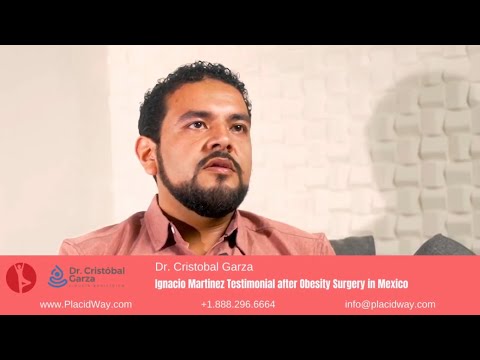
Videos can answer practical questions that photos cannot: where the procedure is performed, how the team explains the operation, and what patients are told about recovery. They cannot establish that a result is typical or that a clinic is suitable for you.
Check the date, speaker, facility, and whether the video is marked “Clinic-provided,” “Provider-reported,” or “Patient-reported.” Treat edited testimonials as personal accounts, not medical evidence. Watch the Mexico gastric sleeve videos below, then confirm important details directly with the surgical team.
Reviews are useful for the patient experience—communication, scheduling, transfers, and whether the written quote matched the journey. They do not predict your weight loss, complication risk, or need for follow-up.
Look for specific dates, procedure names, city, and details about care after discharge. Read “Patient-reported” accounts as individual experiences; distinguish them from “Clinic-provided,” “Provider-reported,” or “PlacidWay-listed” information. If a review is vague, old, or describes a different procedure, give it less weight. Compare the gastric sleeve reviews below with medical records, credentials, and a direct consultation.
How much does it cost to have a gastric sleeve in Mexico?
Gastric sleeve surgery in Mexico typically ranges from $4,500 to $6,000, which is significantly more affordable compared to the U.S. where the cost can reach $12,000 to $20,000 or more. This lower cost does not compromise the quality of care, making Mexico a popular destination for medical tourism.
Which country is best for gastric sleeve surgery?
While Mexico is an excellent choice due to its affordability, modern medical facilities, and experienced surgeons, there are other countries that also offer gastric sleeve surgery. However, Mexico stands out for its combination of high-quality healthcare and cost-effectiveness, making it a preferred destination for many patients.
What BMI do you need for gastric sleeve in Mexico?
Generally, gastric sleeve surgery in Mexico is recommended for individuals with a Body Mass Index (BMI) of 40 or higher, or for those with a BMI of 35 or higher who suffer from obesity-related health conditions such as diabetes, high blood pressure, or sleep apnea.
Why is gastric sleeve so cheap in Mexico?
The affordability of gastric sleeve surgery in Mexico can be attributed to lower healthcare costs, competitive pricing among medical centers, and the availability of affordable packages that include travel and accommodation. Despite the lower prices, the surgery is performed by highly skilled surgeons in modern facilities, maintaining international standards of care.
Is it safe to have gastric sleeve surgery in Mexico?
Yes, gastric sleeve surgery in Mexico is generally safe. The country is home to accredited medical facilities that meet international standards. Many surgeons in Mexico are board-certified and have extensive experience in bariatric surgery. Patients often share positive experiences, and success stories are common. The quality of care, combined with the use of advanced medical technology, ensures a high level of safety for patients.
Is Mexico a safe place to get surgery?
Yes, Mexico is considered a safe place for surgery, particularly when patients choose accredited medical centers. Many hospitals in Mexico adhere to international healthcare standards, with experienced surgeons and positive patient testimonials reinforcing the country's reputation for providing safe, high-quality medical care.
Why do people go to Mexico for gastric bypass?
People often choose Mexico for gastric bypass surgery due to the affordable prices and high-quality medical care. Although the content does not directly mention gastric bypass, these same benefits apply to other bariatric surgeries, including gastric sleeve, making Mexico an attractive option for those seeking effective weight loss solutions at a fraction of the cost in their home countries.
How Much Does Gastric Sleeve Surgery Cost in Mexico?
Your Dream Body Awaits: Gastric Sleeve Surgery in Mexico If you’ve been trying really hard to lose weight, but it’s still not working, don’t worry – you’re not alone! Many people find it hard to lose weight even after trying different diets and exercises. Sometimes, our bodies need a little extra help to reach our goals. That’s when gastric sleeve surgery in Mexico can help. It’s a special surgery that can help people feel better and lose weight by making the stomach smaller. One of the best parts about getting gastric sleeve surgery is that it’s available in places like Mexico, where it can be much less expensive than in countries like the US or Canada. This means you can get the surgery you need without having to spend a lot of money. Plus, you’ll still receive high-quality care from skilled doctors, so you can feel safe and happy about your decision! Choosing gastric sleeve surgery is a big step, but it could be just what you need to feel healthier and more confident. If you’re ready to start this journey, Mexico can be a great place to get the surgery. The doctors there are experienced, and the prices are easier to manage, so you can focus on getting the best results for your health and happiness! How Much Does Gastric Sleeve Surgery Cost in Mexico? The cost of gastric sleeve surgery in Mexico can be different depending on where you go, like which hospital, surgeon, or city you choose for your surgery. But don’t worry, the good news is that it is usually a lot less expensive than getting the surgery in places like the US or Canada. So, you can get the help you need to feel better and healthier without spending as much money! Item Estimated Cost Gastric Sleeve Surgery $4,000 - $8,000 Hospital Stay $500 - $1,000 per day Anesthesia $500 - $1,000 Surgeon's Fees $2,000 - $4,000 Pre-operative Tests $200 - $500 Post-operative Care $500 - $1,000 Total Estimated Cost $7,700 - $15,500 Please note: These are just estimates. The actual cost of your surgery may vary. Why Choose Mexico for Gastric Sleeve Surgery? Mexico has become a popular place for people looking to have weight loss surgery. Here's why: Lower costs: The price of gastric sleeve surgery in Mexico can be much less than in the US or Canada. This means you can save money and still get great care. Top-notch hospitals and doctors: Mexico has many hospitals and clinics with excellent reputations. They have skilled doctors who are experts in weight loss surgery. Nice vacation spots: You can find hospitals in beautiful places in Mexico. This means you can relax and recover in a comfortable and enjoyable setting. What is Gastric Sleeve Surgery? Gastric sleeve surgery is a special type of surgery that helps people lose weight by making their stomach smaller. The doctor carefully removes a big part of the stomach, leaving just a small, banana-shaped piece. This smaller stomach helps you feel full quicker when you eat, so you don’t need to eat as much to feel satisfied. Since your stomach is now smaller, it makes it easier to eat less food, which can help you lose weight over time. This surgery is really helpful for people who have tried other ways to lose weight, like dieting and exercising, but haven’t had much luck. It helps give them a fresh start, so they can feel better and healthier! Who is a Good Candidate for Gastric Sleeve Surgery? Gastric sleeve surgery is not for everyone. It's usually for people who: Have a lot of weight to lose (a BMI of 40 or higher) Have serious health problems because of their weight, like diabetes or heart disease Have tried other ways to lose weight without success Are ready to make big changes to their lifestyle What Happens During Gastric Sleeve Surgery? Gastric sleeve surgery is a special operation where doctors help make your tummy smaller. To keep you safe and comfortable, you will be asleep during the surgery so you won’t feel anything. The doctor makes a few small cuts on your belly and uses a tiny camera to see inside. After the doctor can see your stomach, they carefully take out part of it and leave a smaller, banana-shaped piece. Then, they close up the tummy, so it’s smaller and helps you feel full faster when you eat. It’s like making your stomach a little bit smaller so that you can feel better and eat less! What Happens After Gastric Sleeve Surgery? After gastric sleeve surgery, you will stay in the hospital for a few days so doctors and nurses can take care of you and make sure you're feeling okay. At first, you’ll drink only liquids, like water or special drinks, to help your tummy heal. As you get better, you can slowly start eating soft foods and eventually move on to regular foods, but only in small amounts. You will also need to follow a special diet and exercise plan after the surgery to help you lose weight and stay healthy. Eating the right foods and moving your body with exercises will help your tummy stay happy and make sure you feel good every day. It’s important to listen to your doctor and follow their advice so you can feel better and reach your goals! What are the Benefits of Gastric Sleeve Surgery? Gastric sleeve surgery can help you: Lose a significant amount of weight Improve your overall health Reduce or eliminate weight-related health problems Have more energy and feel better about yourself What are the Risks of Gastric Sleeve Surgery? Like any surgery, gastric sleeve surgery has some risks. These can include: Bleeding Infection Leaks from the stomach Blood clots Nutritional deficiencies How Can I Find a Good Gastric Sleeve Surgeon in Mexico? Before you have surgery, it’s really important to make sure you find a good doctor who knows what they're doing. You can look for hospitals or clinics that are approved by special groups that check if the doctors and places are doing things the right way. These hospitals and clinics have earned trust because they follow safe and good practices. You can also read what other people have said online or ask friends, family, or even your doctor for advice. If someone you know had surgery in Mexico and felt good about it, their experience can help you make a smart choice. By learning more and asking questions, you can find the best place for your surgery! Dr. Cristobal Garza Dr. Jorge Maytorena Alice Beauty Clinic What Should I Expect During My Trip to Mexico for Gastric Sleeve Surgery? Most hospitals in Mexico that offer weight loss surgery have staff who can help you plan your trip. They can help you with things like: Booking your flights and hotel Arranging transportation to and from the hospital Providing you with information about the area Helping you with any other needs you may have Frequently Asked Questions about Gastric Sleeve Surgery in Mexico 1. Is it safe to have gastric sleeve surgery in Mexico? Yes, gastric sleeve surgery is safe in Mexico when you choose the right hospital and doctor. Many hospitals in Mexico are very clean and have trained doctors who know what they're doing. These hospitals also follow rules that keep patients safe, just like in other countries. But it’s still important to look for a hospital and doctor with good reviews, so you can feel happy and safe. 2. How long will I need to stay in Mexico after my surgery? After your surgery, you will need to stay in Mexico for a little while, usually about a week. This gives you time to rest and let your body heal. During this time, you might need to visit your doctor to make sure everything is healing properly. You’ll also get the chance to relax before you go back home. 3. Will my insurance cover gastric sleeve surgery in Mexico? Some insurance plans might cover gastric sleeve surgery, but a lot of them don’t. It’s important to call your insurance company before the surgery and ask them if they will help with the costs. That way, you’ll know what to expect and can plan ahead. 4. What kind of diet will I need to follow after surgery? After surgery, your stomach will be smaller, so you will have to eat special foods to help it heal. First, you will drink liquids like water, juice, and broth. After a few weeks, you will start eating soft foods like yogurt and mashed potatoes. Your doctor and dietitian will give you a plan to follow, so you can stay healthy as you heal. 5. Will I need to take any medications after surgery? After surgery, you might need to take some medicines to help with any pain you feel or to make sure you stay healthy. These might be pain relievers or vitamins. Your doctor will tell you exactly what medicines you need and when to take them so you can feel better and heal properly. 6. Will I have loose skin after losing weight? When you lose a lot of weight, sometimes your skin can be a little loose. This happens because your skin stretched out while your body was bigger. If that happens, there are special surgeries that can help tighten the skin. You can talk to your doctor about this if you are worried about loose skin. Ready to Take the Next Step? Let PlacidWay Help You! If you are thinking about having sleeve gastrectomy in Mexico, PlacidWay can be a big help! We can guide you to the right doctors and hospitals that are safe and experienced in doing this surgery. It’s important to have experts who care about your health and make sure everything goes well. Not only that, but we can also help you plan your trip to Mexico! From finding the best place to stay, to making sure you’re ready for the surgery, we’ll be there every step of the way. Contact us today, and we’ll help you get started on your journey to a healthier you!
Is it safe to get a gastric sleeve in Mexico?
Undergoing gastric sleeve surgery in Mexico is a very popular option for individuals seeking significant weight loss due to its affordability compared to procedures in the United States and Canada. However, the question of safety is paramount and requires careful consideration. While the cost savings are a major draw, it's crucial to understand that safety can vary significantly between clinics. The perception of risk often stems from stories about unregulated or low-quality facilities. However, Mexico also boasts world-class hospitals and highly skilled bariatric surgeons who perform thousands of successful procedures annually, attracting patients globally. What are the general safety standards for gastric sleeve surgery in Mexico? "The general safety standards for gastric sleeve surgery in Mexico at reputable clinics are often comparable to those in the US or Canada, with top facilities using advanced technology and adhering to international protocols for patient care and hygiene." Many leading bariatric centers in Mexico that cater to international patients invest heavily in modern equipment, state-of-the-art operating rooms, and highly trained medical staff. They understand that patient safety is key to their success in the medical tourism industry. These clinics often pride themselves on: Accreditation: While fewer Mexican hospitals have Joint Commission International (JCI) accreditation (a gold standard for global healthcare quality) compared to US hospitals, some do, and many others pursue local accreditations and internal quality controls that mirror international guidelines. Surgeon Credentials: Reputable clinics employ bariatric surgeons who are board-certified by Mexican medical boards and often have additional training or fellowships in bariatric surgery. Many are members of international bariatric associations. Modern Facilities: The best centers offer well-equipped operating theaters, intensive care units (ICUs), and recovery rooms. Sterilization Protocols: Strict adherence to sterilization and infection control protocols is a hallmark of safe clinics, using autoclaves for instruments and disposable materials where appropriate. It's important to distinguish between these high-standard facilities and unregulated "budget" operations, which may not uphold the same safety measures. How do gastric sleeve complication rates in Mexico compare to the US? "While overall statistics are harder to obtain due to varying reporting standards, reputable bariatric centers in Mexico often report gastric sleeve complication rates comparable to well-regarded centers in the US, with some clinics citing leak rates as low as 0.03% and overall complication rates under 1%." Official comprehensive national data for complication rates in Mexico is not as centralized or widely reported as in the US. However, many individual high-volume Mexican bariatric centers publish their own impressive outcomes. For context: US Statistics: In the US, the mortality rate for bariatric surgery (including gastric sleeve) is generally under 0.1% (1 in 1,000 cases), and serious complication rates (like leaks or blood clots) are typically under 4%. Mexican Clinic Data: Some top Mexican centers report complication rates, including leaks, that are on par with or even lower than the US averages. For example, some specialized bariatric centers in Mexico report gastric sleeve leak rates as low as 0.03% to 0.08% and overall complication rates below 0.5%. It's crucial to evaluate specific clinic data rather than generalized statistics, as variations in surgeon experience, patient selection, and follow-up care can significantly impact outcomes. Always ask prospective clinics for their specific complication rates and patient outcomes. What specific risks are associated with getting a gastric sleeve in Mexico? "The specific risks associated with getting a gastric sleeve in Mexico are similar to those anywhere, but are amplified by factors like lack of stringent regulation in some clinics, potential communication barriers, and challenges with post-operative follow-up care upon returning home." Beyond the inherent surgical risks (bleeding, infection, anesthesia complications, staple line leak), which are present for any gastric sleeve surgery globally, unique considerations in Mexico include: Varying Regulatory Standards: Not all clinics in Mexico are regulated to the same strict standards as in the US. This can mean differences in facility accreditation, surgeon credentialing verification, and emergency preparedness. Communication Barriers: While many surgeons and patient coordinators in Mexico speak English, other medical staff might not. Miscommunication regarding pre-operative instructions, post-operative care, or symptoms of complications can be dangerous. Lack of Continuity of Care: Long-term follow-up and nutritional support are crucial for sustained weight loss after gastric sleeve. Patients returning home may struggle to find local healthcare providers willing or equipped to manage post-surgical care from a foreign surgery. Difficulty with Legal Recourse: If a complication or medical malpractice occurs, seeking legal recourse in a foreign country can be complex, expensive, and difficult. Counterfeit/Expired Medications: While less common at reputable hospitals, there's a risk of receiving unverified or improperly stored medications outside of highly regulated facilities. Managing Complications at Home: If a serious complication arises after returning to your home country, your local hospital or insurance may not cover the costs of emergency treatment for a foreign-performed surgery, leading to substantial out-of-pocket expenses. Thorough vetting of the clinic and surgeon, along with a clear plan for post-operative care, are essential to mitigate these amplified risks. How can I verify the safety and reputation of a gastric sleeve clinic in Mexico? "To verify the safety and reputation of a gastric sleeve clinic in Mexico, you should look for board-certified bariatric surgeons, international accreditations (like JCI), transparent complication rates, extensive patient testimonials, and clear post-operative care plans." Due diligence is crucial when considering gastric sleeve surgery abroad. Here's how to verify a clinic's safety and reputation: Surgeon Credentials: Ensure the surgeon is board-certified in bariatric surgery by a recognized Mexican medical board. Look for membership in international bariatric associations (e.g., American Society for Metabolic and Bariatric Surgery - ASMBS, though not directly applicable for certification outside the US, it indicates adherence to standards). Clinic Accreditations: Prioritize clinics that are accredited by the Joint Commission International (JCI) or other recognized international healthcare quality organizations. If JCI isn't present, inquire about local accreditations and internal quality assurance programs. Experience and Volume: Ask how many gastric sleeve procedures the surgeon and clinic perform annually. High-volume centers often have more experience and refined protocols. Complication Rates: Request the clinic's specific complication rates, especially for leaks, bleeding, and infections. Compare these to published international benchmarks. Patient Reviews and Testimonials: Look for consistent positive reviews on independent platforms (Google Reviews, Facebook, specialized medical tourism forums). Be wary of clinics with only generic or suspiciously perfect reviews. Facility Tour/Photos: Ask for photos or virtual tours of the operating rooms, recovery areas, and patient rooms to assess cleanliness and modernity. Comprehensive Packages: Reputable clinics often offer packages that include pre-op tests, hospital stay, surgeon and anesthesia fees, medications, and at least initial post-op follow-up. Be wary of extremely low prices that might exclude critical components. Post-Operative Care Plan: A safe clinic will have a clear plan for your immediate recovery and provide guidance for long-term follow-up, including nutrition and support groups. Inquire if they have partnerships with providers in your home country for follow-up. Communication: Evaluate their responsiveness and clarity during your inquiries. Good communication indicates a professional and patient-centered approach. What is the role of post-operative care and follow-up in the safety of gastric sleeve? "Robust post-operative care and long-term follow-up are critical for the safety and success of gastric sleeve surgery, helping manage complications, ensure proper nutrition, and support sustained weight loss, regardless of where the surgery is performed." The surgery itself is just the first step in a lifelong journey. Effective post-operative care helps prevent and manage complications, while long-term follow-up is essential for: Monitoring Recovery: Ensuring the surgical site heals properly and identifying early signs of complications like leaks, infections, or strictures. Nutritional Guidance: Bariatric patients require strict dietary changes and often vitamin/mineral supplementation. Ongoing guidance from a registered dietitian is crucial to prevent deficiencies and optimize weight loss. Behavioral Support: Addressing emotional eating, stress, and lifestyle changes is vital for long-term success. Support groups or psychological counseling can be invaluable. Weight Loss Tracking: Monitoring weight loss and making adjustments to the plan as needed. Addressing Complications: Prompt identification and treatment of any long-term complications, such as reflux, vitamin deficiencies, or gallstones. A significant challenge for patients undergoing surgery abroad can be securing this ongoing, integrated follow-up care in their home country. While Mexican clinics provide immediate post-op care, patients must have a plan for long-term support upon their return. Are Mexican bariatric surgeons board-certified for gastric sleeve procedures? "Yes, many Mexican bariatric surgeons are board-certified by the Mexican Council of General Surgery (CMCG) and/or specialized bariatric surgery boards, indicating they have undergone rigorous training and passed examinations specific to weight loss procedures like the gastric sleeve." Just like in the US or Canada, reputable surgeons in Mexico achieve board certification after extensive medical education, residency training, and passing comprehensive exams in their specialty. For bariatric surgery, this often means certification in general surgery with additional specialized training or certification in bariatric/metabolic surgery. When researching a clinic, always ask for the surgeon's specific board certifications and verify them. Many top bariatric surgeons in Mexico also hold memberships in prestigious international organizations, further demonstrating their commitment to high standards and ongoing education in the field. This credentialing helps ensure that the surgeon has the necessary expertise and skill to perform the complex gastric sleeve procedure safely and effectively. What types of facilities are used for gastric sleeve surgery in Mexico? "Reputable clinics offering gastric sleeve surgery in Mexico utilize modern, private hospitals or dedicated surgical centers equipped with advanced operating rooms, recovery areas, and often intensive care units (ICUs) for patient safety." The quality of facilities in Mexico can range widely, but top-tier medical tourism providers operate out of well-equipped environments designed for complex surgeries: Private Hospitals: Many bariatric surgeries are performed in modern, private hospitals that offer amenities similar to those found in US or Canadian hospitals, including multiple operating theaters, advanced imaging, labs, and 24/7 nursing care. Specialized Bariatric Centers: Some clinics have their own dedicated surgical centers specifically designed for weight loss procedures, focusing solely on bariatric patient needs. Accredited Operating Rooms: Ensuring the operating room itself meets strict sterilization and equipment standards is crucial. Recovery Areas: Dedicated post-anesthesia care units (PACUs) and comfortable recovery rooms are standard in quality facilities. Intensive Care Units (ICUs): Access to an ICU, even if rarely needed, is an important safety net for managing any unexpected severe complications. Always inquire about the facility where your surgery will take place, its accreditations, and its emergency preparedness. What are the risks of ignoring pre-operative instructions from a Mexican surgeon? "Ignoring pre-operative instructions from a Mexican surgeon for gastric sleeve surgery significantly increases the risks of complications, including inadequate surgical conditions, anesthesia complications, and poor post-operative outcomes." Pre-operative instructions, such as dietary restrictions (e.g., a liquid diet), medication adjustments, and smoking cessation, are not merely suggestions; they are critical steps designed to optimize your health for surgery and minimize risks. Ignoring them can lead to: Increased Liver Size: The pre-op liquid diet is often crucial for shrinking the liver, which can make the surgical field clearer and safer. Failure to follow this can make the surgery more difficult or even necessitate cancellation. Anesthesia Complications: Not following fasting instructions can lead to aspiration (inhaling stomach contents into the lungs) during anesthesia, a life-threatening complication. Bleeding Risk: Not stopping certain medications (like blood thinners) can lead to excessive bleeding during or after surgery. Poor Healing: Smoking significantly impairs wound healing and increases the risk of infection and leaks. Surgical Difficulty: If the body isn't properly prepared, the surgeon might face unexpected challenges, increasing the risk of errors or complications. A reputable Mexican clinic will emphasize the importance of these instructions and may even reschedule or cancel your surgery if they are not followed, prioritizing your safety above all else. How does Mexico's proximity impact the safety and appeal of gastric sleeve? "Mexico's close proximity to the United States and Canada significantly impacts the safety and appeal of gastric sleeve surgery by making travel convenient, reducing logistical burdens, and facilitating quicker access for those seeking affordable care." The geographical advantage of Mexico, particularly its border cities like Tijuana, makes it uniquely accessible for North American patients. This proximity contributes to safety and appeal in several ways: Easier Travel: Short flights or even driving distance from many US states means less travel fatigue, which is beneficial before and after surgery. Reduced Stress: Lower travel times and complexities reduce the overall stress associated with medical travel. Accessibility for Emergency Care: While not ideal, proximity can theoretically make it easier to return to a US hospital if a severe complication arises, though financial coverage remains a significant concern. Logistical Support: Many clinics offer seamless transportation services, including airport pickups and border crossings, making the journey smoother and safer. Familiarity: For many border residents, crossing into Mexico is a routine activity, reducing the perceived foreignness and increasing comfort levels. This convenience, combined with the cost savings, makes Mexico a practical choice for many individuals seeking bariatric surgery. What support is typically available after gastric sleeve surgery in Mexico? "After gastric sleeve surgery in Mexico, reputable clinics typically provide immediate post-operative care including hospital stay, pain management, and nursing support, along with initial dietary guidance and communication channels for questions after returning home." While comprehensive, long-term follow-up can be a challenge after returning to your home country, the immediate support provided by Mexican clinics is generally robust: Hospital Stay: You will typically stay in the hospital for 1-3 nights, where nurses will monitor your recovery, vital signs, and pain levels. Pain Management: You will receive medication to manage post-surgical pain and discomfort. Initial Dietary Instructions: The medical team will provide detailed instructions on the post-operative diet progression (clear liquids, full liquids, pureed foods, etc.) and advise on hydration. Medication Prescriptions: You will receive prescriptions for necessary medications, such as pain relievers, anti-nausea drugs, and proton pump inhibitors (to reduce stomach acid). Communication Channels: Many clinics offer dedicated WhatsApp numbers, email support, or patient portals for follow-up questions and concerns once you've returned home. Virtual Consultations: Some clinics provide virtual follow-up appointments with their dietitians or surgeons in the weeks and months following surgery. However, it is crucial for patients to proactively seek and secure local support from a primary care physician, a bariatric specialist, and a registered dietitian in their home country for ongoing monitoring and guidance in the long term. What is the role of patient selection in gastric sleeve safety? "Careful patient selection is a vital component of gastric sleeve safety, as responsible clinics in Mexico and elsewhere thoroughly evaluate candidates to ensure they are medically suitable for surgery and committed to lifelong lifestyle changes." A reputable bariatric program doesn't just perform surgery on anyone who asks. They have strict criteria to ensure the procedure is both safe and effective for the individual: BMI Requirements: Patients typically need a Body Mass Index (BMI) of 40 or higher, or a BMI of 35-39.9 with at least one obesity-related comorbidity (e.g., type 2 diabetes, high blood pressure, sleep apnea). Medical Evaluation: Comprehensive pre-operative medical tests (blood work, cardiac evaluations, psychological assessments) are conducted to identify any underlying health conditions that could increase surgical risk. Psychological Evaluation: Assessing a patient's mental readiness, understanding of the procedure, realistic expectations, and commitment to post-operative lifestyle changes is crucial. Commitment to Lifestyle Changes: Bariatric surgery is a tool, not a cure. Clinics look for patients who demonstrate a clear understanding of the necessary lifelong dietary and exercise modifications. Absence of Contraindications: Patients with certain severe health conditions (e.g., uncontrolled heart disease, active substance abuse) may not be suitable candidates. Responsible Mexican clinics will perform these evaluations rigorously to ensure patient safety and optimize the chances of long-term success. Ready to take control of your health and explore world-class weight loss solutions? Visit PlacidWay to discover a range of global medical tourism options and connect with trusted providers offering safe and effective gastric sleeve surgery.
Who Is The Best Gastric Sleeve Surgeon In Mexico?
Identifying the "best" gastric sleeve surgeon in Mexico involves researching their qualifications, experience, patient reviews, and clinic accreditation. It's about finding a highly skilled professional who aligns with your specific needs and ensures safety and excellent outcomes. When you're considering a significant step towards better health through weight loss surgery, like a gastric sleeve, choosing the right surgeon is the most important decision you will make. Mexico has become a leading destination for these procedures due to its combination of experienced surgeons, modern facilities, and affordable pricing. However, with many options available, finding an exceptional professional requires careful research. There isn't a single "best" surgeon for everyone; it's about identifying a surgeon who has a strong track record, extensive experience, and practices in an accredited, safe environment. This guide will provide detailed information to help you make an informed choice for your cheapest gastric sleeve surgery in Mexico. What Qualifications Define the Best Gastric Sleeve Surgeons in Mexico? The best gastric sleeve surgeons in Mexico are defined by board certifications (from Mexican and international bodies like ASMBS), extensive experience (thousands of procedures performed), specialized fellowship training in bariatrics, and a commitment to patient safety and ongoing education. A top surgeon's qualifications go far beyond a basic medical license. Here’s what to look for: Board Certifications: The surgeon should be certified by the Mexican Council of General Surgery (CMCG) and ideally by the Mexican College for the Surgery of Obesity and Metabolic Diseases (CMCOEM). Many top surgeons also seek international affiliations, such as membership in the American Society for Metabolic and Bariatric Surgery (ASMBS) or the International Federation for the Surgery of Obesity and Metabolic Disorders (IFSO). Extensive Experience: Look for a surgeon who specializes in bariatrics and has performed a high volume of gastric sleeve procedures—ideally, over a thousand. This level of experience often leads to better surgical precision and lower complication rates. Fellowship Training: After their general surgery residency, the best bariatric surgeons complete a fellowship specifically in bariatric and minimally invasive surgery. This advanced training is a strong indicator of expertise. A Dedicated Team: The best surgeons work as part of a multidisciplinary team that includes an anesthesiologist, nutritionist, and patient coordinators to provide comprehensive care. How Much Does a Gastric Sleeve in Mexico Cost in 2025 and What's Included? In 2025, the cost of a gastric sleeve in Mexico typically ranges from $4,000 to $9,000. All-inclusive packages usually cover the surgeon and hospital fees, anesthesia, pre-op tests, post-op medications, and often ground transportation and hotel stays. This price is significantly lower than in the US, where the same procedure can cost $15,000 to $25,000 or more. The affordability in Mexico is due to lower overhead and operating costs, not a lack of quality. When you receive a quote, it's important to verify what is included. A comprehensive "all-inclusive" package generally covers: All surgeon, anesthesiologist, and nursing fees. Hospital stay (typically 1-2 nights). All pre-operative tests (blood work, EKG). Post-operative medications and a take-home kit. Ground transportation (airport-hotel-hospital). Hotel stay for several nights before and after the hospital stay. Post-operative nutritional support and follow-up consultations (often virtual). Which Mexican Cities are Best for Gastric Sleeve Surgery and Why? Tijuana is the most popular city for gastric sleeve surgery due to its proximity to the US and high concentration of experienced bariatric surgeons. Other excellent options include Guadalajara and Monterrey, which are home to major, modern medical centers. While you can find good surgeons throughout Mexico, a few cities have become renowned hubs for bariatric surgery: Tijuana: Located just across the border from San Diego, CA, Tijuana is the epicenter of medical tourism for weight loss surgery. Its convenience for American patients and the sheer volume of experienced surgeons make it the top choice for many. Guadalajara: A beautiful and sophisticated city, Guadalajara has several high-end, internationally accredited hospitals. It offers a more immersive cultural experience and is home to some of the country's top medical talent. Monterrey: Known for its modern infrastructure and world-class healthcare, Monterrey is another excellent choice. Its hospitals are among the best in Latin America. Is Gastric Sleeve Surgery in Mexico Safe? What Should I Look for in a Clinic? Yes, gastric sleeve surgery in Mexico is safe when you choose a reputable surgeon and an accredited facility. Look for clinics that operate in hospitals with international accreditations like JCI (Joint Commission International) and have stringent safety and sterilization protocols. Safety is the number one priority. While any surgery has risks, you can ensure a safe experience by doing your homework. The most important safety indicator is the hospital's accreditation. A facility with JCI accreditation meets the same high standards for patient safety, quality control, and infection prevention as top hospitals in the United States. Additionally, ask the clinic about their specific safety measures. A high-quality provider will be transparent about their sterilization processes, the technology they use (e.g., for leak tests during surgery), and their protocols for managing any potential complications. A board-certified surgeon operating in a JCI-accredited hospital is the gold standard for safety in medical tourism. What is the Typical Gastric Sleeve Recovery Process for Medical Tourists? The recovery process involves a 1-2 night hospital stay, followed by 4-5 days of recovery in a local hotel. Patients follow a staged diet (liquids, purées, soft foods) and receive comprehensive post-op support and virtual follow-ups after returning home. The recovery process is well-structured for international patients. After your surgery, you will spend 1-2 nights in the hospital for monitoring. Once discharged, you will recover for another 4-5 days in a nearby hotel before you are cleared to fly home. During this time, you will begin your post-op liquid diet and be in close contact with your surgical team. Once home, the journey continues with a carefully planned diet that progresses from liquids to puréed foods, then soft foods, and finally to a long-term healthy diet. Reputable surgeons provide extensive post-operative support, including nutritional guides, access to support groups, and virtual follow-up appointments to monitor your progress and ensure a successful outcome. How Can I Effectively Check Patient Reviews and Success Rates? Effectively check reviews by looking at independent platforms like Google, Yelp, and bariatric forums. Look for consistency in detailed feedback about the surgeon's care and long-term results. Be wary of clinics with only perfect, generic reviews. Patient reviews are a powerful tool, but they must be evaluated carefully. Don't rely solely on the testimonials featured on a clinic's website. Instead, search for your potential surgeon and clinic on independent platforms where feedback is less likely to be curated. Look for patterns in the reviews. Are patients consistently praising the surgeon's communication, the staff's attentiveness, and the quality of the post-op care? Detailed reviews that describe the entire patient journey are more valuable than simple "5-star" ratings. Video testimonials can also be very insightful. When asking a clinic about their success rates, ask for specifics: What is the average weight loss for their patients at 1 year? What is their complication rate for the gastric sleeve procedure? A transparent, confident surgeon will be forthcoming with this information. Ready to explore your options for safe and affordable medical treatments abroad? Visit PlacidWay to discover world-class healthcare solutions tailored to your needs.
The right surgeon is not simply the person with the shortest price or the most polished profile. Ask for the doctor’s full name, Mexican professional license (cédula profesional), current specialty certification, hospital privileges, and experience with primary sleeve gastrectomy—not only other bariatric operations.
You can use Mexico’s Registro Nacional de Profesionistas and CONACEM specialist certification search as starting points. Ask who provides anesthesia, how complications are handled, and who will coordinate care after you return home. Compare the surgeon options below using documents and direct answers, not adjectives.
Mexico can be reached by air, and some northern cities can also be approached by land, but the best route depends on the exact hospital. Before paying a deposit, ask for the nearest airport, expected ground-transfer time, border-crossing plan if applicable, the minimum stay after surgery, and where the first follow-up takes place.
Patients from the United States and Canada often compare border access with flying to a coastal or central gateway. Travelers from Latin America, Europe, Asia, and other regions usually plan an international arrival plus a ground or domestic connection. Geography matters because the easiest arrival city may not be the city where the operation occurs.
| Destination area | Travel question to answer before booking |
|---|---|
| Tijuana or Mexicali | Ask whether the clinic recommends arrival by land or air, who manages the transfer, and how long the border journey may take. |
| Ensenada | Confirm the onward road transfer, recovery lodging, and the distance between the airport, hotel, and hospital. |
| Cancún or Playa del Carmen | Plan the arrival transfer separately and confirm how transport works after discharge, especially if you are traveling with a companion. |
| Mérida | Confirm the hospital and hotel addresses, local transfer arrangements, and where your first post-operative review will occur. |
| Reynosa or Piedras Negras | Ask about the border route, driving time, accommodation, and a contingency plan if a crossing delay affects your appointment. |
Plan the return journey around recovery
- Keep the return flight or border plan flexible until the surgeon gives fit-to-travel guidance.
- Ask how many hospital and hotel nights are included and what an extra night would cost.
- Carry your passport, medication list, medical records, and a home-clinician contact.
- Arrange post-operative care at home before departure, including who will review symptoms and laboratory needs.
- Check current passport, visa, entry, and airline requirements with the relevant Mexican consulate and carrier. Airfare, visa fees, and companion expenses may be separate.
Use the destination options below to compare travel time, recovery logistics, and medical planning together—not as separate decisions.
A useful next step is to place the quote, medical plan, hospital credentials, surgeon license, and follow-up terms side by side. Request an individualized quote, confirm candidacy with a qualified bariatric surgeon and your home clinician, and ask for every inclusion and exclusion in writing before you commit. This information is educational and does not replace a personal medical evaluation, diagnosis, or treatment plan.Your Next Step: Compare Gastric Sleeve Options in Mexico
Sources and Further Reading
These government and professional medical resources provide background on sleeve gastrectomy, possible risks, long-term aftercare, medical travel, and provider verification. They do not confirm a specific clinic, surgeon, package, price, or individual outcome.
- National Institute of Diabetes and Digestive and Kidney Diseases — Types of Weight-loss Surgery
- National Institute of Diabetes and Digestive and Kidney Diseases — Potential Side Effects of Weight-loss Surgery
- American Society for Metabolic and Bariatric Surgery — Life After Bariatric Surgery
- Centers for Disease Control and Prevention — Medical Tourism
- CDC Yellow Book — Mexico: Medical and Travel Considerations
- Mexico’s Federal Commission for the Protection against Sanitary Risk (COFEPRIS) — Health Service Facility Licenses
- Mexico’s General Health Council — SIMOCE Establishment Certification Search
- Mexico’s Registro Nacional de Profesionistas and CONACEM Specialist Certification Search
Share this listing