
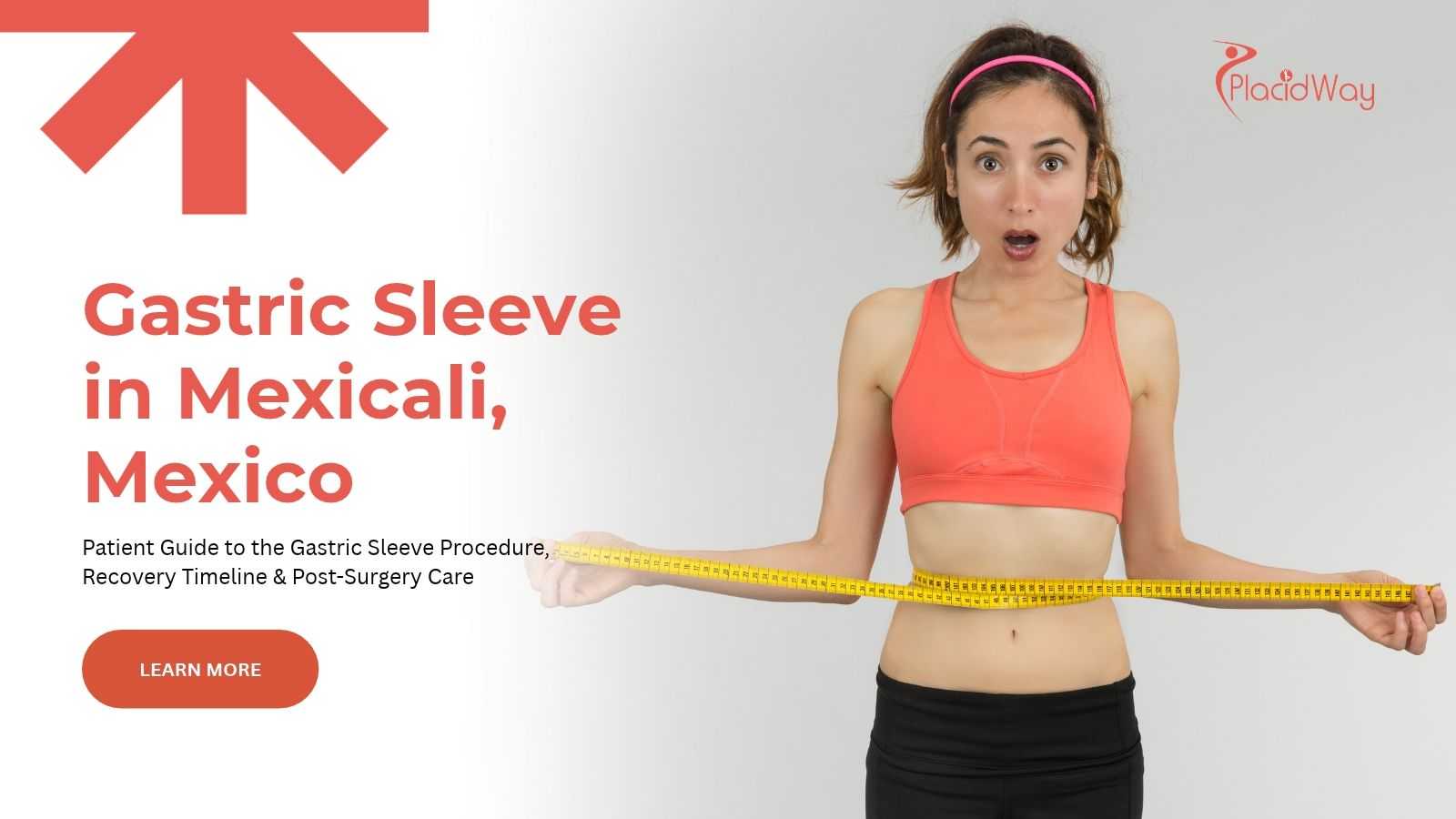
Many international patients seeking relief from obesity face high domestic healthcare expenses and long waiting lists. Traveling for bariatric surgery offers a practical pathway to better health when you know exactly what to look for in terms of hospital quality and surgeon expertise. This treatment involves permanently reducing the size of your stomach to help you feel full faster and achieve lasting weight management. By understanding the true costs and verifying essential medical credentials such as the Consejo de Salubridad General certification you can confidently evaluate your options for this life changing procedure.
- Estimated treatment cost typically ranges between $4,000 and $6,000 USD depending on the clinic and package inclusions.
- Safety requires choosing hospitals with active COFEPRIS licensing and surgeons certified by CMCOEM.
- Ideal candidates generally have a Body Mass Index over 35 or a BMI over 30 with related metabolic conditions.
- Initial recovery usually requires a two to three night hospital stay with most patients returning to light work within two weeks.
- Patients frequently choose this border city for its direct driving access from the United States and dedicated medical tourism infrastructure.
- You must carefully review what your quoted package includes as travel flights and complication insurance are often billed separately.
Understanding the Gastric Sleeve Procedure and Biological Changes
Laparoscopic sleeve gastrectomy is a specialized metabolic surgery that significantly alters your digestive anatomy. During this operation your surgeon removes approximately eighty percent of your stomach. The remaining portion takes the shape of a narrow tube or sleeve. This physical restriction limits the amount of food you can consume at one time helping you feel comfortably full after eating small portions. You may also experience metabolic benefits that support your health goals.
Beyond physical restriction this surgery induces critical hormonal shifts in your body. By removing the fundus portion of the stomach the procedure drastically reduces the production of ghrelin. Ghrelin is the hormone primarily responsible for signaling hunger to your brain. This biological change can significantly decrease your appetite making it easier to adopt healthier eating habits. Your doctor will monitor these changes during your follow up appointments.
- Significant reduction in hunger hormones
- Smaller stomach capacity
- Improvement in metabolic function
- Potential remission of type 2 diabetes
- Permanent removal of stomach tissue
- Preservation of the pyloric valve
- No rerouting of the intestines
- Maintained natural nutrient absorption pathways
Why International Patients Travel to Mexicali for Healthcare
This vibrant border city has developed a sophisticated medical ecosystem specifically designed to support international visitors. Because it sits immediately adjacent to Calexico California patients can simply drive across the border or fly into nearby regional airports. This geographical convenience eliminates the need for stressful long haul international flights immediately following a major abdominal surgery. You can rest comfortably in medical transport vehicles directly to your hotel or clinic.
The local healthcare infrastructure heavily caters to English speaking patients. Top bariatric centers employ bilingual medical coordinators nurses and surgeons ensuring clear communication regarding your care. You will find that leading private hospitals mirror the equipment and hygiene standards found in North American facilities. Many clinics also bundle ground transportation and hotel stays into their treatment plans to simplify your logistics.
Financial Planning and Cost Comparison for Bariatric Surgery
Affordability remains a primary motivation for patients crossing the border for metabolic procedures. In the United States uninsured patients often face out of pocket expenses exceeding fifteen thousand dollars for bariatric operations. In contrast specialized clinics across the border typically offer comprehensive packages that cost significantly less. These lower prices stem from lower local administrative costs and favorable currency exchange rates rather than a reduction in surgical quality.
You must carefully analyze your surgical quote to understand your total financial commitment. Most reputable providers will send you a transparent itemized estimate. You should look for packages that cover the surgeon fees hospital facility charges anesthesia preoperative testing and standard post operative medications. Always ask your coordinator about potential hidden costs such as nutritional supplements long term follow up care or emergency medical insurance.
| Country | Average Estimated Cost USD | Common Inclusions |
|---|---|---|
| United States | $15,000 to $25,000 | Surgery, Facility, Anesthesia |
| Canada | $16,000 to $20,000 | Surgery, Facility, Anesthesia (Private Pay) |
| Mexicali Mexico | $4,000 to $6,000 | Surgery, Hotel, Ground Transfer, Tests |
Evaluating Hospital Safety and Clinic Certifications in Mexico
Your safety depends heavily on the facility where your procedure takes place. You should prioritize hospitals and surgical centers fully licensed by the Mexican Ministry of Health. The most important regulatory body to look for is COFEPRIS which stands for the Federal Commission for the Protection against Sanitary Risk. A valid COFEPRIS license indicates that the clinic meets national standards for hygiene equipment and emergency protocols.
Another strong indicator of institutional quality is certification by the Consejo de Salubridad General. This is the highest national healthcare accreditation available in the country. Facilities earning this certification undergo rigorous inspections regarding patient safety infection control and medical governance. While international accreditations like the Joint Commission International are prestigious many safe and highly capable regional hospitals operate strictly under these stringent national guidelines.
Verifying Bariatric Surgeon Credentials and Medical Experience
The technical skill of your operating doctor directly impacts your safety and long term weight loss success. You must verify that your chosen doctor holds proper national credentials. In Mexico specialist surgeons should be registered with the national medical council and possess a valid specialist professional license known as a Cédula de Especialidad. This document proves they have completed the mandatory years of surgical residency training.
For bariatric procedures you should look for active membership in the Colegio Mexicano de Cirugía para la Obesidad y Enfermedades Metabólicas. This professional society ensures its members stay updated on the latest laparoscopic techniques and safety guidelines. You may also ask the doctor about their annual case volume for this specific procedure. Surgeons performing several hundred similar cases each year typically demonstrate highly refined technical skills and lower complication rates.
- Verify the Cédula Profesional for general medicine
- Verify the Cédula de Especialidad for general surgery
- Check for CMCOEM active certification
- Request data on their personal complication rates
- Confirm who administers the anesthesia during the procedure
Recent Patient Demographics and Bariatric Treatment Trends
Medical travel for metabolic procedures continues to evolve with shifting demographic patterns. Recent data from 2024 healthcare travel registries indicates a growing trend among younger adults seeking early intervention for obesity. By addressing metabolic conditions earlier in life these patients aim to prevent severe joint deterioration and chronic cardiovascular issues. The majority of these inbound patients originate from border states like California and Arizona though national flight connections bring patients from across the continent.
Clinical data from 2025 also highlights that patients present with complex pre existing conditions. Many individuals seek this procedure not only for physical size reduction but to achieve remission for metabolic diseases. Sleep apnea high blood pressure and pre diabetes are among the most frequently cited medical motivations. Your comprehensive pre operative evaluation will carefully map these conditions to ensure surgery is the safest path forward for your specific health profile.
Data reflects documented cross border patient volume trends reported by regional medical tourism authorities.
Many patients present with overlapping conditions driving their decision for surgical intervention.
Determining Your Medical Eligibility for Weight Loss Surgery
Not everyone qualifies for a surgical weight loss intervention. Your suitability depends on strict medical guidelines designed to maximize benefits while minimizing physiological stress. Typically doctors require a Body Mass Index of 35 or higher to consider you a primary candidate. If your BMI sits between 30 and 34.9 you may still qualify if you suffer from severe weight related medical conditions such as hypertension or severe sleep apnea.
Your mental readiness is equally important to your physical candidacy. You must demonstrate a clear understanding of the permanent lifestyle changes required after the operation. You will undergo psychological evaluations and nutritional counseling before approval. Patients who actively participate in support groups and demonstrate commitment to dietary rules typically achieve much better long term results.
- Previous unsuccessful attempts at medically supervised diet plans
- Absence of severe untreated psychiatric disorders
- Commitment to lifelong vitamin supplementation
- Clear understanding of surgical risks and biological changes
Step by Step Medical Process for Your Surgery
Your journey begins long before you arrive at the border. After your initial virtual consultation your medical coordinator will review your health history and request specific preoperative blood tests. Once cleared for travel you will follow a specialized preoperative liquid diet for several weeks to shrink your liver. This step makes the laparoscopic surgery safer and easier for your medical team to perform.
Upon arrival in the city you will complete final physical evaluations with an internist and anesthesiologist. The operation itself usually takes between sixty and ninety minutes under general anesthesia. Following the procedure you will wake up in a dedicated recovery room before transferring to your private hospital suite. Most patients remain under close nursing observation for two nights before moving to a partner hotel for final clearance.
| Treatment Phase | Typical Duration | Patient Action Required |
|---|---|---|
| Pre Operative Diet | 2 to 4 weeks | Follow high protein liquid diet strictly to shrink liver |
| Medical Arrival | Day 1 | Complete blood panels and EKG at the hospital |
| Surgical Procedure | Day 2 | Undergo operation and begin immediate walking exercises |
| Hospital Recovery | Day 3 to 4 | Sip clear liquids and complete supervised breathing exercises |
| Hotel Observation | Day 5 to 6 | Rest and attend final medical checkup before travel |
Post Surgery Recovery Timeline and Biological Healing Phase
Your initial healing phase demands strict adherence to your doctor instructions. In the first few days you will likely feel abdominal soreness and fatigue as your body processes the anesthesia. You must prioritize staying hydrated by taking tiny frequent sips of water. The internal staple line requires uninterrupted time to fuse and heal properly which is why solid foods are strictly forbidden during early recovery.
As weeks progress your energy levels will stabilize and you will transition through different dietary phases. You can typically return to desk work within two weeks though heavy lifting remains restricted for at least a month. Your stomach will slowly tolerate soft foods before finally accepting normal healthy solids. You must chew everything thoroughly to avoid discomfort and ensure proper digestion.
| Timeframe | Biological Process | Patient Sensation | Activity Level | Action Required |
|---|---|---|---|---|
| Week 1 | Initial tissue inflammation and healing | Soreness gas pain and fatigue | Light walking only | Maintain clear liquid diet and hydration |
| Week 2 to 3 | Staple line stabilization | Decreased pain improving energy | Normal daily activities no lifting | Transition to thick liquids and purees |
| Month 2 to 3 | Significant rapid fat loss | Feeling cold hair shedding may occur | Moderate cardiovascular exercise | Introduce soft foods and take vitamins |
| Month 6 onwards | Metabolic stabilization | Increased stamina normal hunger cues | Full exercise routines | Maintain lifelong portion control |
Potential Surgical Risks and Complication Management Protocols
Every major abdominal surgery carries inherent medical risks. While laparoscopic techniques significantly reduce trauma you must remain aware of potential complications. The most serious immediate risk involves leaks from the internal staple line where the stomach was divided. Experienced surgeons use reinforced stapling technology and perform intraoperative leak tests to minimize this threat. Other risks include blood clots infection and adverse reactions to general anesthesia.
High quality clinics implement strict protocols to manage these risks effectively. They require immediate post operative walking to prevent deep vein thrombosis and utilize advanced monitoring equipment in recovery wards. You must immediately report any severe abdominal pain sustained rapid heart rate or fever to your medical team. Before traveling you should ask your clinic if they offer specialized medical complication insurance to cover extended stays if an emergency arises.
| Potential Risk | Prevention Strategy | Warning Signs |
|---|---|---|
| Staple Line Leak | Adhering strictly to liquid diet | Fever severe pain rapid heartbeat |
| Blood Clots | Early walking compression socks | Swelling in legs shortness of breath |
| Dehydration | Sipping fluids constantly all day | Dark urine dizziness excessive fatigue |
| Infection | Keeping incisions clean and dry | Redness warmth or discharge at site |
Diet Progression and Nutritional Requirements After Surgery
Your postoperative diet dictates both your safety and your long term weight loss success. For the first few weeks you will consume only liquids to allow your digestive tract to heal without strain. This restrictive phase requires immense discipline. You will gradually progress to protein shakes pureed foods and eventually soft proteins like fish and scrambled eggs. Rushing this process can lead to severe pain vomiting and potential injury to your surgical site.
Because you will consume significantly less food your body cannot absorb adequate nutrients from diet alone. You must commit to a lifelong regimen of specific bariatric multivitamins. Your daily intake will typically require calcium citrate iron vitamin B12 and high quality protein supplements. Failure to maintain this supplementation can lead to severe nutritional deficiencies resulting in bone loss anemia and neurological issues.
Crossing the Border and Travel Planning for Medical Tourists
Planning your physical journey requires careful attention to border protocols. Most patients fly into the San Diego International Airport or the Imperial County Airport before taking a dedicated shuttle to the border. You must carry a valid passport and any necessary travel visas. Your medical coordinator will usually meet you on the US side and drive you across the border directly to the hospital.
When returning home after surgery you may experience fatigue during travel. Dress in loose comfortable clothing that does not press against your abdominal incisions. Request wheelchair assistance at the airport to avoid exhausting yourself during long walks to the terminal. Always keep your medical clearance documents and emergency contact numbers easily accessible in your carry on luggage.
- Valid passport with at least six months validity
- Printed medical itinerary and hospital address
- Comfortable slip on shoes and loose trousers
- A small pillow to hold against your stomach during the drive
Frequently Asked Questions About Bariatric Surgery
How painful is the recovery after gastric sleeve surgery?
Most patients describe the early days as severely uncomfortable rather than agonizing pain. You will likely feel deep soreness in your abdomen and pressure in your chest from the surgical gas. Your doctor will provide appropriate pain medication to keep you comfortable during the initial healing phase.
Will I have excess skin after losing weight rapidly?
Skin elasticity varies significantly depending on your age genetics and the total amount of weight you lose. Many patients do experience loose skin particularly around the abdomen and arms. Some choose to undergo body contouring surgeries later once their weight has fully stabilized for at least six months.
Can the stomach stretch back to its original size?
While the stomach tissue can dilate slightly over several years it will never regain its original capacity because the tissue was physically removed. However if you consistently overeat or consume high calorie liquids you can regain weight despite the smaller stomach size.
How long must I stay in Mexico for the procedure?
A standard medical package requires you to stay for four to five nights. This timeframe includes one night for pre operative preparation two nights in the hospital for close monitoring and one or two nights resting at a nearby hotel before your final medical clearance to travel home.
What happens if I experience a medical emergency back home?
You should immediately visit your local emergency room if severe complications arise. Reputable international clinics provide detailed medical reports and surgical notes that you can hand to local doctors. You must secure a local primary care physician who is willing to monitor your long term progress before traveling.
Is it safe to drink alcohol after weight loss surgery?
Your doctor will typically advise you to strictly avoid alcohol for at least the first six months. The altered anatomy causes alcohol to enter your bloodstream much faster leading to rapid intoxication. Furthermore alcoholic beverages contain high empty calories that hinder your weight management efforts.
Will my hair fall out during the weight loss phase?
Temporary hair thinning often known as telogen effluvium is common between the third and sixth month post surgery. This biological reaction happens due to rapid metabolic shifts and surgical stress. Meeting your daily protein goals and adhering to your vitamin regimen can help minimize this temporary shedding.
How soon can I get pregnant after this procedure?
Medical professionals strongly recommend waiting at least eighteen to twenty four months before attempting pregnancy. During the rapid weight loss phase your body may struggle to provide adequate nutrition for a developing fetus. Once your weight stabilizes pregnancy is generally much safer.
Are the surgical incisions highly visible?
Surgeons typically make four to five tiny incisions ranging from five to twelve millimeters in length. These small laparoscopic entry points usually heal well and fade significantly over time leaving minimal scarring compared to traditional open abdominal surgery.
Do I need to follow a special diet forever?
While you will eventually eat regular solid foods your portion sizes will permanently remain small. You must continuously prioritize dense proteins and vegetables while avoiding processed sugars and carbonated beverages. Lifelong mindful eating is mandatory for sustaining your results.
Ready to take the next step in your weight loss journey? PlacidWay can help you compare certified clinics understand package costs and review experienced surgeons in Mexicali.
Request Free Information and Clinic Quotes TodayDisclaimer: This information is for educational purposes only and does not replace professional medical advice. Always consult a qualified healthcare provider before making medical decisions.
References
- Bariatric Surgery Procedures – American Society for Metabolic and Bariatric Surgery
- Weight-Loss (Bariatric) Surgery – National Institute of Diabetes and Digestive and Kidney Diseases
- Overweight & Obesity – Centers for Disease Control and Prevention
- Consejo de Salubridad General Certifications – Ministry of Health Mexico
- Medical Certification Guidelines – Colegio Mexicano de Cirugía para la Obesidad y Enfermedades Metabólicas
- Medical Tourism Travel Health Guidelines – Centers for Disease Control and Prevention
- Obesity and Overweight Fact Sheet – World Health Organization
























Share this listing