Duodenal Switch Surgery in Tijuana Mexico

Publish date: Oct 04, 2022 Modified date: Oct 06, 2026 Medically reviewed by: Dr. Channarong Kittivong on Oct 06, 2026 Author: Hina Munawar
Duodenal Switch Surgery in Tijuana Mexico

Contents

Fighting with your insurance company for bariatric surgery coverage can feel like a part-time job that doesn't pay. If you live in the US or Canada, you've likely hit the frustrating wall of massive out-of-pocket costs, years-long waiting lists, or strict BMI requirements that leave you stuck in a holding pattern. It is no wonder so many patients start looking across the border for a medical solution that actually fits their timeline and budget.

Duodenal switch surgery in Tijuana offers a highly effective weight loss solution without the crippling domestic price tag, typically costing around $6,500 to $8,500. When researching facilities abroad, the key is looking past the marketing and verifying local credentials. You will want to ensure the clinic holds active accreditation from the Consejo de Salubridad General (CSG) or is certified by COFEPRIS, which guarantees they follow strict national safety and hygiene standards.

What You Should Know

Procedure
Biliopancreatic Diversion with Duodenal Switch (BPD/DS)
Average Cost
Approximately $6,500 to $8,500 USD
Length of Stay
2-3 nights in hospital, plus 1-2 nights in a local hotel
Accreditations to Check
COFEPRIS licensing and CSG certification
Nearest Airport
San Diego International Airport (SAN)

Booking a medical procedure abroad is much less stressful when you know exactly what is included in your upfront price. Comprehensive bariatric bundles in Mexico are designed to remove the logistical guesswork for international travelers.

A reliable package should cover your hospital stay, pre-op testing, surgical fees, anesthesia, and essential ground transportation from San Diego. Many options also include hotel recovery days and post-op nutritional guidance. Review the different packages listed below to see which combination of services best supports your specific travel and medical needs.

`

Understanding the financial side of your procedure is a crucial first step in planning your trip. A duodenal switch in Tijuana generally costs between $6,500 and $8,500, which is often a fraction of the $20,000-plus you might face in the United States.

This significant price difference stems from Mexico's lower cost of living, reduced medical overhead, and different malpractice insurance structures, rather than a drop in care quality. Remember that the cheapest option isn't always the safest, so thoroughly weigh what is included in the fee. Compare the pricing options below to find a transparent estimate that aligns with your budget.

Duodenal Switch Surgery Cost Comparison in Mexico

Country Procedure Price
Mexico Duodenal Switch Surgery, Obesity/Bariatric Surgery $7000
United States Duodenal Switch Surgery, Obesity/Bariatric Surgery $30000
Canada Duodenal Switch Surgery, Obesity/Bariatric Surgery $25000

Choosing the right bariatric center in Mexico requires looking well past a polished website and friendly reception staff. You need to focus on verifiable safety standards, prioritizing facilities that hold government-backed medical accreditations and transparent operating protocols.

Always ask for proof of current COFEPRIS licensing, which regulates health and sanitation in Mexico. A clinic that is open about its certifications, emergency protocols, and on-site ICU access demonstrates a genuine commitment to patient care. Take a moment to compare the clinic profiles below to evaluate their credentials, facility standards, and overall fit for your journey.
Visualizing your upcoming trip can ease a lot of the anxiety associated with medical travel. Watching facility tours and genuine patient interviews offers a clearer picture of what you will actually experience upon arrival.

Pay attention to how the medical team interacts with patients and the overall environment of the recovery rooms shown on camera. Take a look at the video gallery below to hear firsthand accounts and see the bariatric centers for yourself before making any commitments.

Reading about the firsthand experiences of former bariatric patients provides invaluable insight that a clinic's brochure simply cannot match. You want to pay close attention to how a facility handles complications, communication, and post-operative care.

Look for detailed accounts from people who traveled from your region, noting their feedback on the border crossing, hospital staff, and recovery process. Browse the real patient reviews below to help you gauge the trustworthiness and long-term support of the bariatric teams you are considering.

Navigating international bariatric surgery comes with plenty of logistical and medical questions. From understanding the required dietary changes to figuring out how to cross the border safely, being well-informed is your best defense against pre-surgery anxiety. Below are some of the most common questions patients ask when planning a duodenal switch in Baja California.

Is it safe to travel to Tijuana for a duodenal switch?

Yes, thousands of international patients safely travel to this region every year for bariatric care. Medical tourism is a highly protected industry there, and clinics typically provide secure, private transportation directly from the airport to the hospital, ensuring a safe and streamlined experience.

How do I get to my clinic from the United States?

The most common route is flying into San Diego International Airport (SAN). From there, reputable clinics send a bilingual driver to pick you up and drive you across the border directly to the hospital, which usually takes less than 45 minutes.

How long do I need to stay in Mexico for this surgery?

Patients generally stay for 4 to 5 days. This usually includes 2 to 3 nights in the hospital for close monitoring following the duodenal switch, followed by 1 to 2 nights recovering in a nearby partner hotel before traveling home.

Are bariatric surgeons in Tijuana board-certified?

Top surgeons hold certifications from the Mexican College of Surgery for Obesity and Metabolic Diseases (CMCOEM). Many are also affiliated with international organizations like the ASMBS, ensuring they meet rigorous global surgical standards.

Will I need a passport to cross the border?

Yes, a valid passport is required for U.S. and Canadian citizens returning home by land or air. It is crucial to check your passport's expiration date several months before your scheduled surgical date.

What happens if I experience complications after returning home?

Before leaving, ensure your clinic provides a detailed discharge summary and post-op care plan. It is highly recommended to coordinate with a local primary care doctor or bariatric specialist in your home country who can manage long-term follow-up and emergency care if needed.

Can I bring a friend or family member with me?

Yes, bringing a companion is encouraged for emotional and physical support. Most medical packages allow one guest to stay in your hospital room or the recovery hotel at no additional lodging cost, though they will need to cover their own meals.

Is the duodenal switch right for me?

The duodenal switch is typically recommended for patients with a BMI over 50 or those with severe metabolic conditions like type 2 diabetes. However, only a qualified bariatric surgeon can determine if you are a safe candidate based on your comprehensive medical history.

How do I pay for medical care in Mexico?

Most clinics accept major credit cards, cashier's checks, or wire transfers. Medical financing companies that specialize in medical tourism loans are also widely accepted by prominent facilities.

Will there be a language barrier at the hospital?

No, the leading medical tourism facilities cater specifically to international patients. The surgeons, nurses, and patient coordinators are thoroughly bilingual, ensuring clear communication regarding your care and recovery instructions.

What is the Expected Weight Loss with Duodenal Switch in Tijuana?

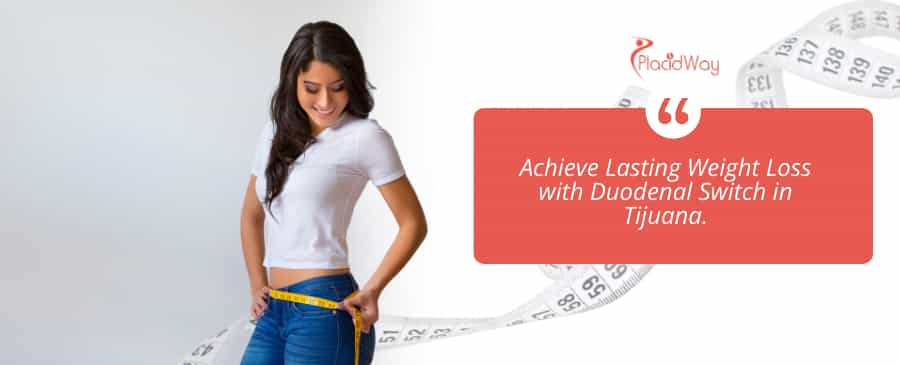
Wondering about the kind of weight loss you can achieve with a Duodenal Switch in Tijuana? You're in the right place. On average, patients lose a remarkable 70-80% of their excess body weight, making it one of the most effective bariatric surgeries available today. This procedure, performed by expert surgeons in Tijuana, combines two techniques—a restrictive component like a gastric sleeve and a malabsorptive component that reduces calorie absorption. The result is substantial and long-lasting weight loss, often leading to the resolution of obesity-related health conditions like type 2 diabetes and hypertension. For those who have struggled with other weight loss methods, the duodenal switch offers a powerful tool for reclaiming health and transforming their lives. In this guide, we'll dive deep into everything you need to know about the expected weight loss, the process in Tijuana, and what makes this procedure a leading choice for significant, long-term results. What is a Duodenal Switch? A Duodenal Switch is a powerful weight loss surgery that combines two methods: stomach restriction and intestinal rerouting. It involves creating a smaller, sleeve-shaped stomach to limit food intake and bypassing a significant portion of the small intestine to reduce calorie and fat absorption. The Duodenal Switch, also known as a biliopancreatic diversion with duodenal switch (BPD/DS), is a complex but highly effective bariatric procedure. It is designed for individuals with a high BMI who are seeking substantial and sustained weight loss. The surgery has two main parts. First, the surgeon performs a sleeve gastrectomy, removing a large portion of the stomach to create a smaller, banana-shaped pouch. This restrictive component helps you feel full with smaller amounts of food. The second part is the malabsorptive component. The surgeon reroutes the small intestine, dividing it into two separate pathways. One path carries food from the stomach, while the other carries bile and digestive juices. These two paths meet much further down the digestive tract, which significantly reduces the time the body has to absorb calories and fat from the food you eat. This dual-action approach makes the Duodenal Switch one of the most powerful weight loss surgeries available. How Much Weight Can I Expect to Lose? With a Duodenal Switch, patients can expect to lose an average of 70-80% of their excess body weight. Most of this weight loss occurs within the first 12 to 18 months following the surgery. The amount of weight you can expect to lose with a Duodenal Switch in Tijuana is substantial. This procedure has the highest average weight loss of all bariatric surgeries. While individual results vary, the typical patient loses between 70% and 80% of their excess body weight. To understand what this means, consider an example: if your ideal weight is 150 pounds and your current weight is 350 pounds, your excess weight is 200 pounds. A 70% loss of excess weight would mean losing 140 pounds. This significant weight loss is not only about numbers on a scale. It translates to a dramatic improvement in health and quality of life. Many patients experience the resolution or significant improvement of obesity-related conditions, such as type 2 diabetes, high blood pressure, and sleep apnea. The sustained nature of the weight loss is another key benefit, with many patients maintaining their results for years after the procedure. What is the Weight Loss Timeline for a Duodenal Switch? The weight loss timeline after a Duodenal Switch is typically rapid in the beginning and stabilizes over time. Patients can expect to lose a significant portion of their excess weight within the first year. The weight loss journey after a Duodenal Switch in Tijuana follows a general pattern, although individual experiences can vary. Here’s a typical timeline: First 3-6 Months: This period sees the most rapid weight loss. Patients often lose a substantial amount of weight as their bodies adjust to the new digestive system and reduced calorie intake. 6-12 Months: Weight loss continues at a steady, though slightly slower, pace. By the end of the first year, most patients will have lost the majority of their excess weight. 12-18 Months: Weight loss begins to stabilize. At this point, you will be closer to your goal weight. Beyond 18 Months: The focus shifts to maintaining your weight loss through a healthy diet, regular exercise, and lifelong vitamin and mineral supplementation. Why Choose Tijuana for a Duodenal Switch? Tijuana is a leading destination for Duodenal Switch surgery due to its combination of highly skilled surgeons, modern medical facilities, and significantly lower costs compared to the United States and other Western countries. Tijuana has emerged as a premier destination for medical tourism, especially for bariatric procedures like the Duodenal Switch. There are several compelling reasons why patients from around the world choose Tijuana for their surgery. The most significant factor is the cost. The price of a Duodenal Switch in Tijuana is often a fraction of what it would be in the U.S., without compromising on quality or safety. The Bariatric Centers in Tijuana are state-of-the-art, with many hospitals and clinics being internationally accredited. The surgeons are highly experienced and often have trained in the United States or Europe, bringing a wealth of expertise to their practice. Furthermore, the all-inclusive packages offered by many Tijuana clinics make the entire process seamless, covering everything from transportation and accommodation to the surgical procedure and post-operative care. What is the Cost of a Duodenal Switch in Tijuana vs. the USA? The cost of a Duodenal Switch in Tijuana typically ranges from $5,995 to $8,000, while the same procedure in the United States can cost between $20,000 and $30,000 or more. The cost difference for a Duodenal Switch between Tijuana and the United States is substantial, making it an attractive option for patients seeking affordable, high-quality care. The lower cost in Tijuana is not a reflection of lower quality but is due to the lower overhead costs of running a medical practice in Mexico. Here is a general comparison of the costs: Feature Tijuana, Mexico United States Average Cost $5,995 - $8,000 $20,000 - $30,000+ Included Services Often all-inclusive (surgery, hospital stay, surgeon fees, ground transportation, accommodation) Typically only includes surgeon and facility fees. Anesthesia, tests, and hospital stay are often billed separately. This significant cost saving allows patients to access a life-changing procedure that might otherwise be financially out of reach. Am I a Good Candidate for a Duodenal Switch? Good candidates for a Duodenal Switch generally have a Body Mass Index (BMI) of 40 or higher, or a BMI of 35 or higher with significant obesity-related health problems like type 2 diabetes or heart disease. The Duodenal Switch is a powerful procedure, and it's not suitable for everyone. It is typically recommended for individuals who are considered "super obese" or have not had success with other weight loss methods. The general criteria for being a good candidate include: A BMI of 40 or greater. A BMI of 35 or greater with one or more serious obesity-related health conditions, such as: Type 2 diabetes Hypertension (high blood pressure) Sleep apnea High cholesterol Heart disease A commitment to lifelong lifestyle changes, including a healthy diet, regular exercise, and consistent vitamin and mineral supplementation. A thorough evaluation by a bariatric surgeon in Tijuana will determine if the Duodenal Switch is the right procedure for you based on your individual health profile and weight loss goals. What are the Health Benefits of a Duodenal Switch? The health benefits of a Duodenal Switch are profound, with many patients experiencing remission or significant improvement in obesity-related conditions such as type 2 diabetes, hypertension, and sleep apnea. Beyond the impressive weight loss, the Duodenal Switch offers a wide range of health benefits. The procedure has a remarkable impact on metabolic diseases, often leading to a complete resolution of type 2 diabetes. This is due to the hormonal changes that occur as a result of the intestinal rerouting. Other significant health improvements include: Resolution of Hypertension: Many patients can reduce or eliminate their need for blood pressure medication. Improvement in Sleep Apnea: The majority of patients experience a resolution of their sleep apnea symptoms. Lower Cholesterol Levels: The procedure helps to significantly lower high cholesterol. Reduced Joint Pain: The substantial weight loss alleviates stress on the joints, reducing pain and improving mobility. Increased Fertility: In women, weight loss can improve hormonal balance and increase the chances of conception. Enhanced Quality of Life: Patients report increased energy levels, improved self-esteem, and a greater ability to participate in physical activities. What are the Risks and Complications? The primary risks associated with a Duodenal Switch are related to the malabsorptive component, which can lead to vitamin and mineral deficiencies. Lifelong supplementation and regular follow-up care are essential to manage these risks. Like any major surgery, the Duodenal Switch carries some risks. However, when performed by an experienced surgeon in a reputable facility in Tijuana, the complication rates are low. The most significant long-term consideration is the risk of nutritional deficiencies. Because the procedure reduces the absorption of fats, it also affects the absorption of fat-soluble vitamins (A, D, E, and K) and other important nutrients like iron and calcium. To prevent these deficiencies, patients must commit to a lifelong regimen of vitamin and mineral supplements. Regular blood tests are also necessary to monitor nutrient levels. Other potential risks include: Bleeding Infection Blood clots Leaking from the staple lines Diarrhea or frequent bowel movements Your surgeon in Tijuana will discuss all potential risks with you in detail during your consultation. What is the Recovery Process Like? Recovery from a Duodenal Switch in Tijuana typically involves a hospital stay of 2-3 days, followed by a period of rest and a gradual return to normal activities over several weeks. A strict post-operative diet is crucial during this time. The initial recovery from a Duodenal Switch takes place in the hospital in Tijuana, where you will be monitored closely for a few days. The medical team will help you manage any pain and will encourage you to start walking as soon as possible to prevent blood clots. Once you are discharged, you will need to follow a specific dietary plan that starts with liquids and gradually progresses to pureed and then soft foods. Most patients can return to work and light activities within 2 to 4 weeks, but it's important to avoid heavy lifting and strenuous exercise for at least 6 to 8 weeks. The full recovery and adjustment period can take several months as your body heals and you adapt to your new lifestyle. The support team from your Tijuana clinic will provide detailed post-operative instructions and will be available to answer any questions you have during your recovery. Ready to explore how a Duodenal Switch in Tijuana can help you achieve your weight loss goals? Explore PlacidWay for more information on medical tourism and to connect with leading bariatric surgeons.

The safety and success of your weight loss journey rely heavily on the skill of your chosen bariatric surgeon. It is essential to look for specialists who perform the duodenal switch regularly, as it is a complex, malabsorptive procedure requiring advanced surgical precision.

Verify that your surgeon is board-certified by the Mexican College of Surgery for Obesity and Metabolic Diseases (CMCOEM) and maintains active memberships in recognized international medical associations. Take time to explore the surgeon profiles below to compare their specialized training, surgical volume, and professional credentials.
Tijuana has grown into one of the most prominent medical tourism hubs in the world, particularly for patients from the United States and Canada seeking advanced bariatric care. Situated directly across the border from San Diego, California, it offers an incredibly convenient travel route that allows international patients to avoid the exhaustion of long-haul flights.

The city boasts a robust healthcare infrastructure with modern hospitals dedicated entirely to metabolic and weight loss surgery. Patients appreciate the heavily bilingual medical staff and the high volume of procedures performed locally, which often translates to deep surgical expertise. The regional medical community is highly accustomed to international standards, prioritizing the safety, expectations, and comfort of traveling patients.

Primary AirportSan Diego International Airport (SAN)
Border DistanceApprox. 20-30 minutes driving from SAN
Transport LogisticsClinic-provided private shuttles across the border
Currency UsedUS Dollars (widely accepted in medical sectors)
DocumentationValid US/Canadian Passport required

Navigating the border is generally a seamless process when coordinated through an established clinic. Most reputable facilities utilize a specialized medical fast-track lane at the San Ysidro border crossing, which significantly reduces wait times for patients returning to the US to recover.

Taking the leap toward life-changing bariatric surgery is a major decision, but you do not have to plan it all on your own. PlacidWay can help connect you with vetted, fully accredited clinics and board-certified surgeons in Mexico who match your unique medical needs and budget.

Our team assists with comparing options, gathering transparent quotes, and simplifying the logistical details so you can focus entirely on your health and recovery. Take the next step toward a healthier future and explore your personalized options today.

References

Duodenal Switch Surgery in Tijuana Mexico thumbnail

About Experience

Trusted Medical Tourism Platform Since 2007

60+
Countries
2k+
Clinics
19.5k+
Reviews
2.5k+
Qualified Doctors
1.1M+
Patients Served Since 2007