If a local quote feels out of reach, insurance has not covered the care you need, or the waiting time is difficult to manage, researching the best bariatric surgeons in Mexico for U.S. patients can feel like an important first step. The safer next step is to compare the surgeon, hospital, procedure, total cost, and follow-up plan together because a name or low price cannot tell you whether a specific plan is right for your health.
Quick Summary: Bariatric Surgeons in Mexico
Provider starting point: The four provider profiles supplied for this page are Dr. Fernando Ceron in Cancun, Dr. Cristobal Garza in Piedras Negras, Dr. Jorge Maytorena in Tijuana, and Dr. Ricardo Garcia Audelo in Mexicali. This is a shortlist for research, not an independent ranking or a statement that any surgeon is clinically right for you.
Illustrative published prices: Public listing examples reviewed for this page include $3,200 for a gastric balloon in Cancun and $7,800 for a gastric bypass in Cancun. Package inclusions, dates, exchange rates, and medical eligibility can change.
Safety: Bariatric surgery is major surgery. Confirm the surgeon's current professional registration and specialty certification, the facility's authorization to perform surgery, anesthesia coverage, emergency transfer arrangements, and long-term follow-up.
Candidacy: Current ASMBS/IFSO recommendations generally support metabolic and bariatric surgery at BMI 35 or higher, regardless of comorbidities, and consider it in selected patients with metabolic disease at lower BMI. A multidisciplinary assessment is still required.
Recovery: Diet usually advances from liquids to soft foods and then solids over several weeks. Your surgeon must give individualized instructions about activity, vitamins, flying, and the length of your stay in Mexico.
Main caution: A profile, accreditation logo, testimonial, or package price is not proof of a good outcome. Ask for current documents and a written, itemized plan before paying a deposit.
Why Patients Consider Bariatric Surgery in Mexico
Patients usually look beyond their home country for a combination of factors rather than for price alone. Mexico is geographically close to the United States and Canada, has large cities with private hospitals, and offers bariatric programs that may include remote review, surgery, accommodation coordination, and follow-up planning. None of those features removes the need to verify the individual surgeon and surgical facility.
For a patient living with obesity, the search is often connected to sleep apnea, type 2 diabetes, high blood pressure, mobility limits, reflux, or years of weight cycling. A responsible consultation should discuss those conditions and your previous attempts at treatment, not reduce the decision to a target number on the scale.
Cost pressure and coverage gaps
A lower published price may make a consultation possible, but compare the complete episode of care, including tests, anesthesia, hospital days, medications, travel, a companion, and treatment of complications.
Access and scheduling
Some patients explore Mexico when local access, eligibility rules, or scheduling do not fit their circumstances. The first consultation should still be a clinical evaluation, not a promise of immediate surgery.
Cross-border convenience
Tijuana, Mexicali, Cancun, and other cities may be reachable by air or land, but convenience does not equal continuity. Plan where you will receive care if a problem appears after you return home.
Language and coordination
A bilingual coordinator can help with logistics, but the surgeon should explain the operation, alternatives, risks, and aftercare directly or through a qualified interpreter.
Decision point: Ask yourself whether you have enough information to identify the surgeon who will operate, the exact hospital or surgical center, the procedure being proposed, and the clinician who will coordinate follow-up. If any answer is unclear, continue researching before making travel arrangements.
What Bariatric Surgery in Mexico Is Designed to Do
Metabolic and bariatric surgery changes the stomach, the small intestine, or both to help treat obesity and related disease. Depending on the procedure, it can reduce the amount of food the stomach holds, alter hunger and fullness signals, or change how nutrients are absorbed. It is a long-term treatment pathway that requires nutrition, movement, medical monitoring, and sometimes mental-health support.
The operation is not a substitute for a medical assessment. Your surgeon should review your body-mass index, medical history, medications, previous abdominal surgery, sleep and breathing problems, reflux symptoms, blood tests, nutritional status, and readiness for long-term follow-up before recommending a procedure.
Procedure discussed in Mexico
Basic approach
Important conversation
Sleeve gastrectomy
About 80% of the stomach is removed, leaving a smaller, banana-shaped stomach.
It is not reversible. Discuss reflux, nutritional monitoring, and the surgeon's leak-management process.
Roux-en-Y gastric bypass
A small stomach pouch is connected to a different part of the small intestine.
Ask about vitamin and iron deficiency, medication absorption, dietary changes, and long-term laboratory monitoring.
Adjustable gastric band
An inflatable band creates a small upper stomach pouch and can be adjusted.
Follow-up adjustments are important, and some patients may need later removal or revision.
Duodenal switch or SADI
These more complex operations combine stomach reduction with a greater change to intestinal food flow.
Discuss nutritional risk, supplement adherence, monitoring, and why the added complexity is appropriate for your case.
The procedure with the highest online visibility is not automatically the right procedure. A surgeon should explain why one option fits your health profile and what would make another option less suitable.
Bariatric Surgeon Profiles in Mexico to Research
The following four profiles are the provider names supplied for this page. They are presented as research starting points, not as a ranking, endorsement, outcome guarantee, or substitute for independent credential checks. Profile information and availability can change, so request current documents directly before choosing a surgeon.
Dr. Fernando Ceron
Location: Cancun, Mexico
Focus shown in supplied profile: Bariatric and weight-loss surgery
The supplied profile presents Dr. Ceron as a Cancun bariatric surgeon dedicated to helping patients work toward their weight-loss goals. Before booking, ask who will perform the operation, where it will take place, what procedures are offered, and how the team handles follow-up after you return home.
Verify before deciding: current professional registration, specialty certification, hospital privileges, procedure-specific case volume, anesthesia coverage, emergency transfer plan, and written aftercare.
Dr. Cristobal Garza
Location: Piedras Negras, Mexico
Focus shown in supplied profile: Bariatric and weight-loss surgery
The supplied profile describes Dr. Garza as a caring surgeon in Piedras Negras who helps patients understand their surgery and move through the treatment process. Ask which operation is appropriate for your health, where it will be performed, and how follow-up will continue after discharge.
Verify before deciding: current professional registration, specialty certification, hospital privileges, procedure-specific case volume, anesthesia coverage, emergency transfer plan, and written aftercare.
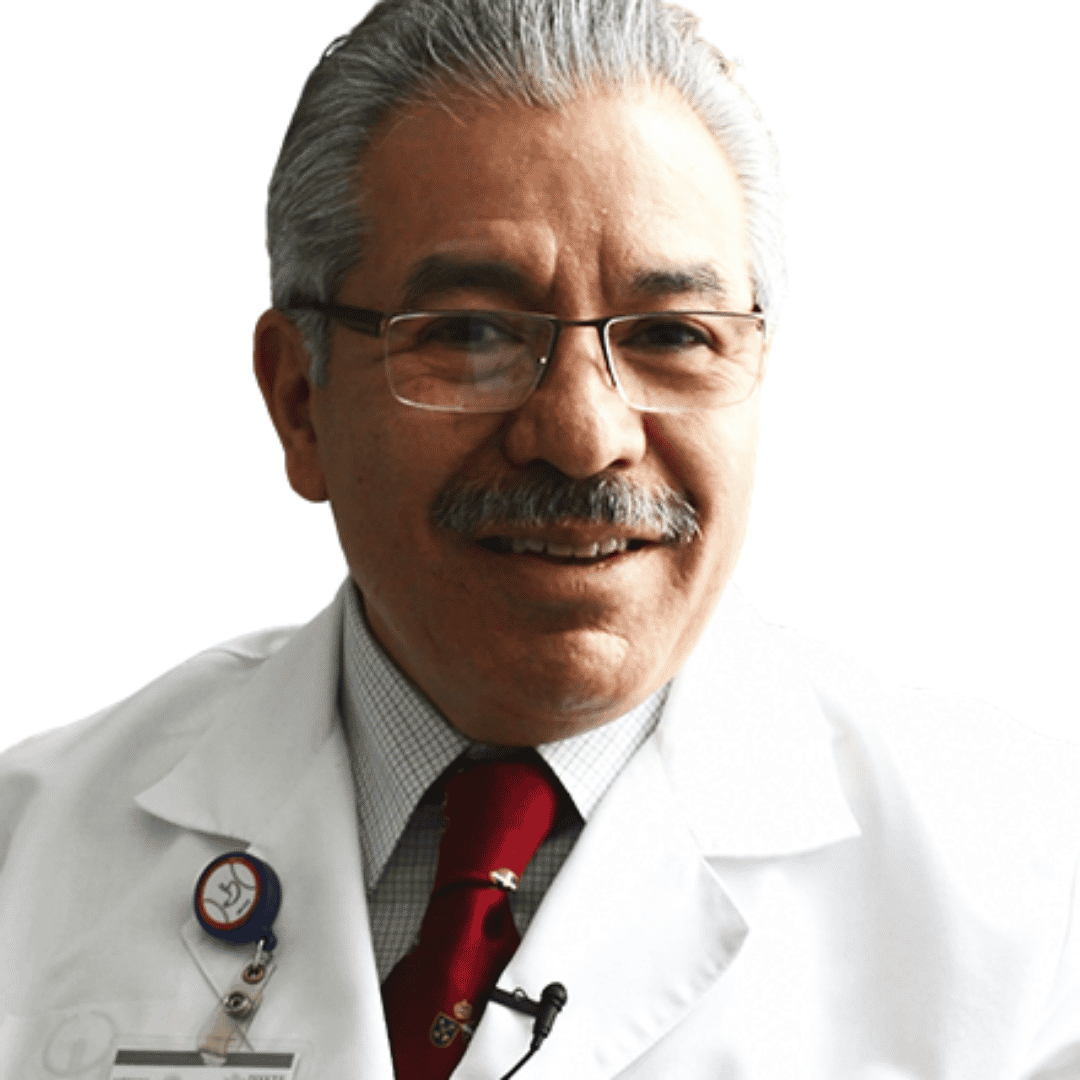
Dr. Jorge Maytorena
Location: Tijuana, Mexico
Focus shown in supplied profile: Bariatric and weight-loss surgery
The supplied profile describes Dr. Maytorena as a skilled Tijuana surgeon who uses modern techniques to support surgery and recovery. During consultation, ask which technique applies to your case, what the hospital stay involves, and how the team will monitor nutrition and recovery at home.
Verify before deciding: current professional registration, specialty certification, hospital privileges, procedure-specific case volume, anesthesia coverage, emergency transfer plan, and written aftercare.
Dr. Ricardo Garcia Audelo
Location: Mexicali, Mexico
Focus shown in supplied profile: Bariatric and weight-loss surgery
The supplied profile identifies Dr. Garcia Audelo as a bariatric surgeon in Mexicali. Before deciding, confirm the exact operation, the hospital or surgical center, the team responsible for anesthesia and monitoring, and how the provider will coordinate follow-up after you return home.
Verify before deciding: current professional registration, specialty certification, hospital privileges, procedure-specific case volume, anesthesia coverage, emergency transfer plan, and written aftercare.
How to use the shortlist: Contact all four profiles with the same medical summary and the same questions. Compare the written answers, not only the quoted price. If a coordinator cannot identify the operating surgeon, facility, or aftercare clinician, pause the process.
How to Verify a Bariatric Surgeon in Mexico
Verification means checking a current document or an official register rather than accepting a marketing description. In Mexico, you can ask for the surgeon's professional credentials, specialty documentation, and the exact name under which the surgeon practices. The National Registry of Professionals and CONACEM provide useful starting points for checking professional and specialist information.
What to check
What to request
Why it matters
Professional registration
Full legal name, professional license or cédula details, and a result from an official registry.
It helps confirm that the person is registered to practice under the name provided.
Specialty certification
Specialty, certificate number, issuing council, and current validity or recertification status.
Bariatric surgery requires training beyond a general medical degree. Certification is not the same as a guaranteed outcome.
Bariatric experience
Recent annual volume for your exact procedure, revision experience, and rates of conversion or readmission if the clinic tracks them.
Experience should be relevant to the operation and patient profile being considered.
Hospital privileges
Exact hospital or surgical-center name, the surgeon's privileges, and the facility's emergency pathway.
The person answering messages may not be the person who performs surgery, and the coordinator may not work for the hospital.
Team-based care
Names or roles of anesthesia, nutrition, internal medicine, nursing, and mental-health support.
Long-term bariatric care is not limited to the operating room.
Important distinction: CONACEM or a specialty council listing can support credential verification, but neither a certificate nor an international accreditation logo guarantees a particular result. Use verification as one part of a wider decision that includes informed consent, facility readiness, and aftercare.
How to Evaluate Bariatric Hospitals and Surgical Centers in Mexico
For a surgical procedure, ask the provider to identify the exact facility rather than only the city. Mexico's COFEPRIS information on sanitary licensing is a useful reference when asking whether a hospital, clinic, or surgical establishment has the authorization relevant to the services it provides. Request a current copy or verification path, and confirm that the name on the document matches the facility in your quote.
International accreditation such as JCI may be an additional quality signal when genuinely applicable, but it is not a substitute for checking the surgeon, the operating team, the facility's emergency capacity, or your follow-up arrangements. Accreditation also does not guarantee that a particular operation will be complication-free.
Facility questions for Mexico
Is the facility licensed for surgical acts?
Who provides anesthesia and postoperative monitoring?
Can the facility manage a leak, bleeding, clot, or breathing emergency?
Is there an intensive-care or hospital-transfer pathway?
Where are laboratory and imaging services performed?
Document questions before payment
Does the quote name the hospital and operating surgeon?
Which tests are required before the procedure?
Which services are excluded from the package?
Who pays if you need an extra hospital day or transfer?
Will you receive a complete medical record before traveling home?
A polished hotel, airport transfer, or dedicated coordinator can make travel easier, but these are logistics. The clinical quality questions remain the same.
Bariatric Surgery Cost in Mexico: What the Price May Include
There is no single Mexico-wide fee for bariatric surgery. The amount changes with the procedure, surgeon, city, hospital, patient risk, tests, length of stay, anesthesia, package inclusions, exchange rates, and whether the operation is primary or revisional. A price shown online is a starting point for questions, not a personal quote.
The following figures are illustrative public listing examples reviewed for this page. They are included to show why procedure type and package scope must be compared carefully. They are not an official national average, and they should be reconfirmed in writing before travel.
Procedure or listing
Published example in Mexico
What must be confirmed
Gastric balloon in Cancun
From $3,200
Device type, placement and removal, anesthesia or sedation, follow-up, medication, hotel, and exclusions. A balloon is not the same as bariatric surgery.
Sleeve gastrectomy listing in Mexico
From $4,500
Hospital days, preoperative testing, surgeon and anesthesia fees, staple-line or leak management, medications, and aftercare.
Gastric bypass in Cancun
From $7,800
Exact bypass type, hospital stay, laboratory monitoring, nutritional support, complications coverage, and follow-up after returning home.
Revision, duodenal switch, or SADI
Quote required
Previous operative reports, anatomy, nutritional status, complexity, longer monitoring, and the surgeon's specific revision experience.
Market
How to compare cost responsibly
Common comparison mistake
Mexico
Start with an itemized quote and add flights, accommodation, companion costs, local transport, supplements, and possible extra care.
Comparing a Mexico package with a full hospital bill from another country without matching inclusions.
United States
Ask the local center and insurer for the expected out-of-pocket amount, deductible, co-insurance, and coverage for follow-up.
Using a headline hospital charge as though it were the amount every patient pays.
Canada
Check provincial eligibility, referral pathways, wait times, private options, and the cost of aftercare close to home.
Assuming public coverage, private pricing, and travel costs are interchangeable across provinces.
United Kingdom
Separate NHS eligibility and waiting-list considerations from private self-pay quotes, then arrange long-term monitoring.
Comparing a private quote in Mexico with an NHS pathway that has different eligibility and payment rules.
Hidden-cost checklist: consultation, blood tests, endoscopy or imaging, anesthesia, extra nights, antibiotics or other medicines, nutritional supplements, complication care, revision surgery, hotel, flights, ground transport, companion lodging, currency fees, and local follow-up.
Am I a Candidate for Bariatric Surgery in Mexico?
Only a qualified bariatric team can decide whether surgery is appropriate for you. Current professional guidance generally recommends metabolic and bariatric surgery for people with BMI 35 or higher, regardless of obesity-related conditions, and supports considering surgery at lower BMI in selected patients with metabolic disease. A surgeon may use additional criteria based on your age, health, prior treatment, local regulations, and the procedure being considered.
Eligibility is only the beginning. A safe program should assess whether you understand the operation, can follow nutrition and activity changes, can take prescribed vitamins and minerals, and have a plan for medical follow-up. Psychological readiness is not a test of character; it is part of preparing for a permanent change in eating, digestion, and daily routines.
Clinical questions
What is your BMI and waist-related health risk?
Do you have diabetes, hypertension, sleep apnea, reflux, or mobility problems?
What medicines, allergies, and previous operations should the team know about?
Are you nutritionally prepared for surgery and follow-up?
Readiness questions
Do you understand the likely benefits, limitations, and risks?
Can you attend laboratory and nutrition follow-up?
Who will help you if you become unwell after returning home?
Have pregnancy planning, smoking, alcohol, and mental-health needs been discussed with your clinician?
Do not let a coordinator diagnose you. A coordinator can collect records and organize appointments, but the surgeon and medical team should make the clinical recommendation after reviewing your history and tests.
How a Mexico Bariatric Surgeon May Choose the Procedure
The operation should follow your anatomy and health needs, not a package menu. A surgeon may compare sleeve gastrectomy, gastric bypass, banding, or more complex procedures after reviewing reflux, diabetes, sleep apnea, medicines, previous abdominal surgery, nutritional risk, and your ability to attend follow-up.
Clarify the treatment goal. Is the priority weight reduction, diabetes control, reflux management, mobility, or a combination of health goals?
Review trade-offs. Ask what the procedure changes, what it cannot promise, and which risks are more relevant to your health.
Plan nutrition care. Discuss vitamins, minerals, protein, hydration, laboratory testing, and how supplements will be obtained after you return home.
Plan rescue care. Ask who manages a leak, bleeding, clot, obstruction, severe dehydration, or other complication and where that care occurs.
Document consent. Receive the procedure name, alternatives, risks, expected stay, restrictions, and follow-up plan in a language you understand.
A second opinion is reasonable when the proposed operation changes after a brief online exchange, when the medical records have not been reviewed, or when the team avoids discussing alternatives and complications.
Patient Journey Timeline for Bariatric Surgery in Mexico
A medical trip is easier to manage when the clinical steps are written down before you buy a ticket. The exact schedule varies by procedure, test results, health status, and surgeon instructions.
Stage
What usually happens
Your action
Before booking
Remote review of medical history, records, goals, and possible procedures.
Ask for the surgeon, facility, credentials, quote scope, and complication plan in writing.
Preoperative planning
The team orders or reviews tests and may involve nutrition, internal medicine, anesthesia, and mental-health professionals.
Bring complete records, medication information, allergies, and previous operative reports.
Arrival in Mexico
Final consultation, examination, consent, testing, and confirmation that the procedure remains appropriate.
Do not feel pressured to proceed if the plan differs materially from what you understood.
Procedure and discharge
Surgery or endoscopic treatment, observation, early movement, hydration, diet instructions, and discharge criteria.
Get written instructions, prescriptions, warning signs, contact numbers, and your operative report.
Return home
The provider remains available according to the aftercare agreement while local clinicians may handle urgent needs.
Follow the surgeon's travel clearance and schedule home-based clinical, nutrition, and laboratory follow-up.
Long-term care
Diet progression, supplements, activity, weight monitoring, and assessment of health conditions.
Keep records and attend follow-up even if early recovery seems uncomplicated.
Recovery and Aftercare After Bariatric Surgery in Mexico
Recovery is not complete when you leave the hospital. Many programs begin with liquids, then advance to soft foods and eventually solid foods over several weeks. Walking and gradual activity may support recovery, but the safe pace depends on your procedure, health, pain, hydration, and surgeon instructions.
Timeframe
Biological or clinical process
Patient sensation
Activity level
Action required
Early recovery
The body is responding to anesthesia, incisions, changes in stomach capacity, and fluid or diet instructions.
Pain, fatigue, nausea, gas discomfort, and low appetite can occur, but worsening symptoms need medical advice.
Short, assisted walking as cleared; avoid lifting and driving until instructed.
Follow hydration, movement, wound, medication, and warning-sign instructions.
Diet progression
The digestive system adapts as the team progresses from liquids to soft foods and then solids.
Fullness arrives quickly; nausea or vomiting can occur if instructions are not followed or a complication develops.
Increase activity gradually according to clinical advice.
Eat slowly, follow the prescribed plan, and take supplements exactly as directed.
Long-term follow-up
Weight, health conditions, nutritional status, and possible late complications are monitored.
Energy and appetite can change. Weight loss varies, and some weight regain can occur over time.
Return to normal activity in stages after clearance.
Keep laboratory visits and maintain a relationship with a local clinician.
Seek urgent medical help for warning signs such as:
Chest pain, trouble breathing, fainting, or one-sided leg swelling
Persistent vomiting or inability to keep fluids down
Severe or worsening abdominal pain, a swollen abdomen, fever, or rapid heartbeat
Heavy bleeding, black stools, wound drainage, or signs of infection
These symptoms need prompt clinical assessment and should not wait for a message reply from a coordinator.
Patient Demographics and Cross-Border Interest in Mexico
International bariatric patients considering Mexico are not one uniform group. People often come from the United States and Canada because of geographic proximity, while patients from Latin America, Europe, and other regions may compare Mexico with local access, private pricing, language, or travel logistics. The exact mix changes by provider and is not a national measure of surgical quality.
Most surgical eligibility discussions concern adults, although appropriately selected adolescents may be evaluated by specialist teams. There is no reliable public 2025 national dataset in the sources reviewed that establishes the age, sex, or origin-country distribution of international bariatric patients in Mexico. A clinic's internal lead data should not be presented as a national demographic statistic.
United States and Canada
Common cross-border audiences because proximity can simplify travel. Patients still need a home clinician and a plan for urgent care after returning.
Latin America and the Caribbean
Patients may consider Mexico because of regional connections or Spanish-language coordination. Verify language access for informed consent and aftercare.
Europe and other regions
Patients may compare private costs and scheduling, but a longer journey can make post-operative review and emergency transfer more complicated.
Line graph: obesity context in the 2025 OECD release
The OECD reported that the average self-reported obesity rate across 32 OECD countries rose from 13% in 2003 to 19% in 2023 or the latest available year. This is population context, not a measure of Mexico's surgical volume.
Histogram-style chart: latest measured indicator
In its 2025 release, the OECD reported that 60% of people aged 15 and over were overweight or obese across the countries with measured data, while Mexico was at 70% or more. The measures are not medical-tourism statistics.
Data note: The charts use the latest 2025 OECD releases available for this page. They describe population-level obesity indicators and do not establish that a particular surgeon, hospital, procedure, age group, sex, or country of origin has better outcomes.
Safety Risks When Traveling to Mexico for Bariatric Surgery
Every bariatric operation has risks, including bleeding, infection, leaks, blood clots, nutrient deficiencies, gallstones, strictures, hernias, and the possibility of additional treatment or hospitalization. The pattern differs by procedure and by patient. Ask the surgeon to explain the risks that are especially relevant to your medical history.
Travel adds another layer. Surgery and long periods of sitting during air travel can increase the risk of blood clots. The CDC Yellow Book advises medical travelers to understand what is included in the price, arrange follow-up care, research facility and clinician credentials, and obtain medical records before returning home. General travel guidance should not replace the surgeon's individualized clearance.
Risk area
Questions before travel
Preparation
Surgical complication
Who manages bleeding, a leak, infection, obstruction, or a clot? Is treatment available at the same hospital?
Know the emergency number, transfer hospital, expected costs, and insurance exclusions.
Travel and blood clots
When can you travel, walk normally, shower, and fly? What symptoms require urgent care?
Follow personalized mobility and travel instructions; do not set your flight date before medical clearance.
Continuity of care
Who will review you after you return, and can a local clinician access your records?
Arrange a home clinician, keep the operative report, and carry medication and supplement instructions.
Communication
Will informed consent, discharge instructions, and warning signs be explained in a language you understand?
Use a qualified interpreter when needed and ask for written instructions.
A clinic should never ask you to hide medical conditions, stop prescribed medication without clinical instructions, or travel while seriously unwell. Share complete information so the team can make a safe decision.
Questions to Ask a Bariatric Surgeon in Mexico
Use the same questions with each provider so that the answers are easier to compare. Ask for plain language, written details, and enough time to consider the decision.
What operation do you recommend and why?
What alternatives should I consider?
What are your current credentials and specialty certifications?
How many of this exact procedure do you perform each year?
How often do patients need a revision, transfer, or readmission?
Which hospital will perform the surgery?
Who provides anesthesia and postoperative monitoring?
What tests do I need before surgery?
What is included in the price, and what is excluded?
What happens if I need another hospital day?
Who manages complications after I return home?
When can I travel, work, exercise, and drive?
Which vitamins, minerals, and laboratory tests will I need?
How do you protect my privacy and transfer my medical records?
What is your policy if I change my mind after booking?
Mexico Bariatric Surgery Planning Checklist
Medical documents
Medical history, diagnoses, allergies, medication list, and recent test results
Previous abdominal operation reports and imaging
Sleep-apnea, diabetes, heart, blood-pressure, and nutrition records when relevant
Emergency contact and home clinician details
Travel documents
Passport, travel insurance, emergency contact, and payment plan
Accessible accommodation and a companion if recommended
Transport that allows you to attend appointments safely
Flexible return travel because clearance may change
Aftercare documents
Signed consent and itemized quote
Operative report, discharge summary, medication list, and diet plan
Warning signs and a 24-hour contact pathway
Appointments for local follow-up and laboratory monitoring
Frequently Asked Questions About Bariatric Surgeons in Mexico
Are the bariatric surgeons listed here ranked from best to worst?
No. Dr. Fernando Ceron, Dr. Cristobal Garza, Dr. Jorge Maytorena, and Dr. Ricardo Garcia Audelo are the four provider profiles supplied for this page. They are presented as research starting points, not as an independent ranking or clinical recommendation. Compare current credentials, procedure-specific experience, hospital readiness, cost, informed consent, and aftercare before deciding.
Who are the best bariatric surgeons in Mexico for U.S. patients?
There is no universal best surgeon for every U.S. patient. A suitable choice depends on your diagnosis, procedure, credentials, hospital, travel needs, and long-term follow-up. Start with a qualified consultation, verify official documents, and confirm who will manage complications and nutrition care after you return to the United States.
How much does bariatric surgery cost in Mexico?
Public listing examples reviewed for this page include $4,500 for a sleeve listing and $7,800 for a gastric bypass listing, while a gastric balloon example starts at $3,200. These figures are not national averages or personal quotes. Ask for an itemized price covering tests, anesthesia, hospital care, medicines, follow-up, and possible extra days.
Is bariatric surgery in Mexico safe?
Bariatric surgery can be performed safely in many settings, but safety depends on the individual patient, surgeon, team, hospital, anesthesia, infection control, emergency resources, and aftercare. No destination or profile can guarantee a complication-free result. Verify credentials and facility authorization, and arrange local follow-up before traveling.
Which credentials should I verify for a Mexican bariatric surgeon?
Ask for the surgeon's full legal name, professional license or cédula information, current specialty certification, issuing council, recertification status, hospital privileges, and relevant procedure volume. Use official registry or council searches when available. Also confirm that the name on the documents matches the person who will perform your operation.
What should I check about the Mexican hospital?
Confirm the exact facility name, authorization relevant to surgical services, surgeon privileges, anesthesia coverage, postoperative monitoring, laboratory and imaging access, emergency response, and transfer arrangements. Ask who pays for an extra hospital day or transfer. Accreditation can be helpful, but it does not guarantee an individual surgical outcome.
Which bariatric procedure is right for me in Mexico?
The right procedure depends on your BMI, diabetes, reflux, sleep apnea, medications, previous operations, nutritional risk, anatomy, and ability to follow long-term care. Sleeve, bypass, band, and more complex procedures have different trade-offs. A qualified surgeon should explain alternatives and document why the proposed operation fits your circumstances.
How long should I stay in Mexico after bariatric surgery?
There is no safe universal number of days. Your stay depends on the operation, health risks, recovery, hydration, pain control, testing, and the surgeon's discharge and travel criteria. Ask for a written schedule and a flexible return ticket. Do not fly simply because a package itinerary says you can.
Can I fly home after bariatric surgery in Mexico?
Only after the operating team gives individualized clearance. Surgery and prolonged sitting can increase blood-clot risk. The CDC Yellow Book gives general guidance to avoid flying for 10 days after chest or abdominal surgery, but bariatric patients may need different timing based on their condition. Follow your surgeon and travel-medicine clinician.
What should a Mexico bariatric package include?
Ask whether the price includes the consultation, tests, surgeon, anesthesia, operating room, hospital stay, medicines, nutrition support, follow-up, and treatment of complications. Confirm exclusions such as flights, hotel, companion costs, extra nights, revisions, and care after returning home. Request the terms in writing before paying.
What follow-up is needed after weight-loss surgery in Mexico?
Follow-up may include wound review, hydration and diet progression, medication changes, vitamin and mineral supplementation, laboratory testing, weight monitoring, and evaluation of obesity-related conditions. Before travel, identify a local clinician who can receive your records and know who to contact in Mexico if questions or complications develop.
Can PlacidWay choose a bariatric surgeon for me?
PlacidWay can help you explore provider profiles, compare treatment information, request quotes, and prepare questions. A platform or coordinator cannot replace a medical consultation or guarantee a result. You should verify the surgeon and facility, understand the consent documents, and make the final clinical decision with qualified healthcare professionals.
Compare Bariatric Options in Mexico with a Clearer Plan
PlacidWay can help you compare provider profiles, understand what a treatment quote may include, prepare questions for a consultation, review treatment options, and request information from clinics. A coordinator can support the logistics, while your medical team remains responsible for diagnosis, informed consent, and treatment decisions.
Disclaimer: This information is for educational purposes only and does not replace professional medical advice. Always consult a qualified healthcare provider before making medical decisions.
References for Bariatric Surgery and Medical Travel
OverviewFind the best bariatric surgeons in Mexico offering best treatment solutions at the top clinics. Click here to learn more about the best price and package.
Request your Free Quote
×
Trusted Medical Tourism Platform Since 2007
60+
Countries
2k+
Clinics
19.5k+
Reviews
2.5k+
Qualified Doctors
1.1M+
Patients Served Since 2007
Unlock the Best Obesity/Bariatric Surgery Packages Just for You
Discover the ultimate Obesity/Bariatric Surgery packages designed to meet your health and wellness goals. Choose the perfect fit for your journey.
Hospital Vallarta Medical Center in Puerto Vallarta, Mexico
Obesity/Bariatric Surgery
Puerto Vallarta,Mexico
Obesity/Bariatric Surgery Solutions Near You: Explore Top Medical Centers
Discover how Obesity/Bariatric Surgery is transforming lives at leading medical centers in , Mexico. Dive into center profile, specialties, doctors, reviews, etc. and explore the best options tailored to your needs in this region.
Transformative Obesity/Bariatric Surgery Experiences: Dive into Procedure Insights
Discover the power of Obesity/Bariatric Surgery through compelling patient experiences. Uncover detailed insights into procedures, recovery journeys, and life-changing results.
Explore Obesity/Bariatric Surgery: Stories, Testimonials, and Procedures
Watch in-depth videos covering everything from Obesity/Bariatric Surgery success stories to detailed procedure explanations. Learn what to expect and hear from real patients.
Hi, this is Alice 😊, your PlacidWay Virtual Assistant.
Thanks for visiting PlacidWay. Before we get started, I'd like to gather a few details so we can stay connected and better assist you throughout your healthcare journey.































Share this listing