


BMI Requirements for Roux en Y Gastric Bypass in Mexico
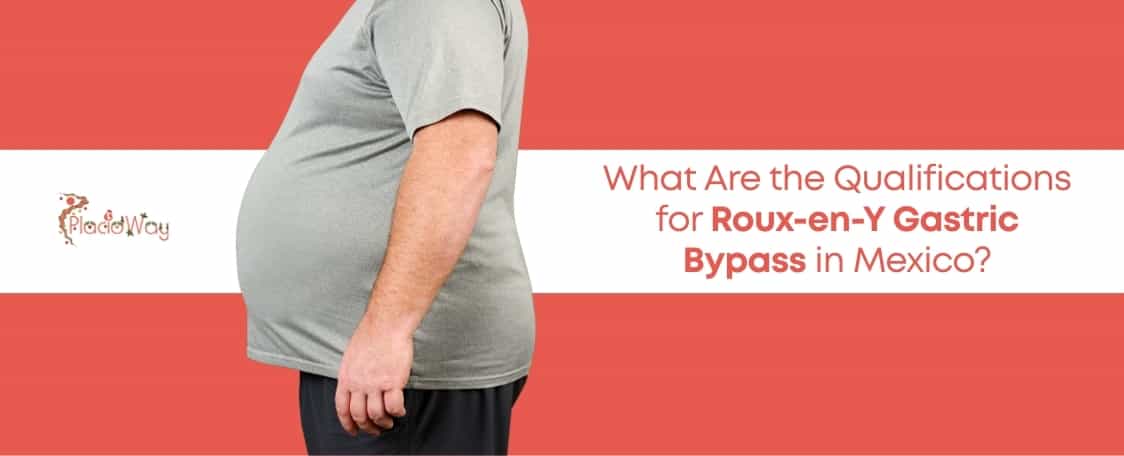
Considering Roux-en-Y gastric bypass surgery in Mexico is a significant step towards a healthier future, and understanding the qualifications is your first move. Many individuals find Mexico an appealing option for bariatric surgery due to its renowned medical expertise, state-of-the-art facilities, and often more accessible pricing compared to other countries. This procedure is not just about weight loss; it's a powerful tool for improving serious health conditions linked to obesity.
When you explore Roux-en-Y gastric bypass in Mexico, you'll find that the eligibility criteria are designed to ensure patient safety and maximize the chances of successful outcomes. These qualifications generally align with international standards, focusing on your overall health, dedication to post-operative care, and realistic expectations. Getting familiar with these requirements will help you determine if this life-changing surgery is the right path for you.
What are the primary BMI qualifications for Roux-en-Y gastric bypass in Mexico?
The Body Mass Index (BMI) is a crucial initial qualification for Roux-en-Y gastric bypass in Mexico, serving as a standard measure of obesity. Generally, candidates for this transformative surgery must have a BMI of 40 kg/m² or greater. This category usually indicates severe or morbid obesity, where conservative weight loss methods have often proved insufficient.
However, the BMI requirement can be lower if you are experiencing co-morbidities directly linked to your weight. If your BMI is 35 kg/m² or higher, you may still qualify if you have one or more significant obesity-related health issues. These often include conditions such as type 2 diabetes, severe sleep apnea, high blood pressure (hypertension), or high cholesterol. The presence of these conditions signifies a greater medical necessity for weight loss intervention.
It's important to understand that while BMI is a primary indicator, it's not the sole determinant. Surgeons in Mexico, like those worldwide, consider your entire health profile, recognizing that BMI is just one piece of the puzzle. A thorough evaluation will always be conducted to ensure the surgery is both appropriate and safe for you.
Are there specific health conditions that qualify someone for gastric bypass in Mexico?
Beyond the BMI, certain health conditions significantly strengthen a patient's qualification for Roux-en-Y gastric bypass in Mexico. These co-morbidities are serious medical issues that are either caused or worsened by obesity, and surgical weight loss can often lead to their significant improvement or even resolution. Addressing these conditions is a primary goal of bariatric surgery.
Common qualifying health conditions include:
- Type 2 Diabetes: Often, gastric bypass can lead to rapid remission or significant improvement of type 2 diabetes, reducing the need for medication.
- Severe Sleep Apnea: This condition, characterized by interrupted breathing during sleep, frequently improves or resolves with significant weight loss.
- High Blood Pressure (Hypertension): Many patients experience a reduction in blood pressure, often allowing them to decrease or discontinue their medication.
- High Cholesterol/Dyslipidemia: Abnormal lipid profiles tend to normalize after bariatric surgery.
- Osteoarthritis/Joint Pain: Reduced weight alleviates pressure on joints, leading to decreased pain and improved mobility.
- Non-alcoholic Fatty Liver Disease (NAFLD): Weight loss can help reverse or improve liver damage.
- Gastroesophageal Reflux Disease (GERD): While some bariatric procedures can worsen GERD, Roux-en-Y gastric bypass often improves it.
These conditions are carefully assessed by medical teams in Mexico to determine the potential health benefits of the surgery against any associated risks. The presence of such co-morbidities, especially when combined with a BMI of 35 or higher, makes a strong case for Roux-en-Y gastric bypass as a medically necessary intervention.
Is there an age limit for undergoing Roux-en-Y gastric bypass in Mexico?
Regarding age, most bariatric surgery programs in Mexico, consistent with international guidelines, prefer candidates to be adults. Typically, the ideal age range is considered to be between 18 and 65 years old. This range is where patients are generally physically robust enough to undergo surgery and recover effectively, while also being mature enough to commit to the long-term lifestyle changes required.
For individuals younger than 18, Roux-en-Y gastric bypass is considered only in very specific circumstances, usually involving extreme obesity and severe obesity-related health conditions that significantly impact quality of life and are not responsive to other treatments. These cases require a multidisciplinary team evaluation, including pediatric specialists and often parental consent, to ensure the decision is in the best interest of the minor's long-term health and development.
Similarly, for patients over 65, age alone is not an absolute barrier. The decision largely depends on the individual's overall health status, the presence of other medical conditions, and their functional capacity. Older patients undergo even more rigorous pre-operative screening to ensure they can safely tolerate the surgery and recovery process. The focus is always on a comprehensive risk-benefit assessment, not just chronological age.
What kind of psychological evaluation is required for gastric bypass surgery?
A comprehensive psychological evaluation is a mandatory step in qualifying for Roux-en-Y gastric bypass in Mexico. This assessment is not designed to "clear" you for surgery in a superficial way, but rather to ensure you are mentally and emotionally prepared for the profound changes that accompany bariatric surgery. It's a critical component for long-term success.
During this evaluation, a mental health professional will typically:
- Assess your understanding of the surgery: Do you have realistic expectations about weight loss, potential complications, and the necessary post-operative lifestyle adjustments?
- Screen for untreated psychological conditions: Conditions like severe depression, anxiety disorders, eating disorders (e.g., binge eating disorder), or substance abuse issues can impact your ability to adhere to dietary and exercise guidelines after surgery. If identified, these may need to be managed or treated before surgery can proceed.
- Evaluate your coping mechanisms: How do you handle stress? Do you use food as a primary coping mechanism? Understanding these patterns helps prepare for healthier alternatives.
- Review your support system: Do you have family or friends who can support you through this journey? A strong support system is invaluable.
- Gauge your commitment: The surgery is a tool; success depends on your commitment to dietary changes, regular exercise, and follow-up care.
The goal is to identify any psychological factors that might hinder your success post-surgery and to help you develop strategies to overcome them. It ensures that patients are not only physically ready but also mentally prepared for the lifelong commitment involved with Roux-en-Y gastric bypass.
Do I need to have tried other weight loss methods before qualifying for gastric bypass in Mexico?
A significant qualification for Roux-en-Y gastric bypass in Mexico involves demonstrating a history of unsuccessful weight loss attempts through non-surgical methods. This criterion highlights that bariatric surgery is generally considered a last resort for severe obesity after other approaches have proven ineffective. It assures medical professionals that you have genuinely tried to manage your weight through conventional means.
Typically, this means you should have participated in and failed to achieve significant, sustained weight loss through structured, medically supervised weight loss programs. These programs usually include:
- Dietary changes: Following various diet plans, often under the guidance of a nutritionist or dietitian.
- Exercise regimens: Engaging in regular physical activity.
- Behavioral therapy: Addressing eating habits and lifestyle patterns.
- Medically supervised weight loss: Programs where a doctor oversees your progress and may prescribe medications.
The duration and specifics of these prior attempts can vary, but generally, clinics look for a consistent effort over a period (e.g., 6 months to 2 years) without lasting success. This requirement helps ensure that patients truly need surgical intervention and are committed to making the necessary changes for post-operative success, having already experienced the challenges of weight management.
How does qualifying for Roux-en-Y gastric bypass in Mexico differ from the US/Canada?
While the core medical qualifications for Roux-en-Y gastric bypass in Mexico largely mirror those in the United States and Canada, the procedural aspects and accessibility can differ significantly. The fundamental medical criteria—BMI thresholds, presence of co-morbidities, and psychological readiness—are consistent across reputable bariatric centers in all three regions, as they are based on established medical evidence and best practices.
The main differences often arise in the practical application and logistics:
- Accessibility and Wait Times: In the US and Canada, securing bariatric surgery often involves navigating complex insurance requirements, multiple specialist referrals, and potentially long wait lists, especially within public healthcare systems. In Mexico, while a thorough evaluation is still performed, the process can be more streamlined, allowing patients to schedule surgery more quickly without the same bureaucratic hurdles.
- Cost: This is perhaps the most significant difference. The cost of Roux-en-Y gastric bypass in Mexico is typically a fraction of what it is in the US or Canada, making it a viable option for those without comprehensive insurance coverage for bariatric surgery or those seeking a more affordable self-pay option.
- Insurance Requirements: Mexican clinics generally operate on a self-pay model, meaning patients don't need to contend with the strict eligibility criteria, pre-authorization processes, and sometimes extensive pre-operative programs mandated by US or Canadian insurance providers to qualify for coverage.
This does not imply a lower standard of care in Mexico. Many Mexican bariatric centers boast highly trained, board-certified surgeons, and internationally accredited facilities. The difference lies more in the healthcare system's structure and payment models, offering a compelling alternative for many individuals seeking Roux-en-Y gastric bypass.
What pre-operative tests and screenings are required in Mexico for gastric bypass?
To ensure patient safety and optimize outcomes, a comprehensive series of pre-operative tests and screenings is required before Roux-en-Y gastric bypass in Mexico. These evaluations are crucial to assess your overall health, identify any potential risks, and confirm that you are medically cleared for surgery. The extent of these tests can vary slightly depending on your individual health profile and the clinic's protocols, but typically include:
Required Pre-Operative Tests:
| Test/Screening | Purpose |
|---|---|
| Blood Work | Complete blood count, metabolic panel, liver and kidney function tests, blood sugar, lipid profile, thyroid function, vitamin levels (D, B12), and blood type. |
| Electrocardiogram (EKG) | To assess heart health and identify any cardiac abnormalities. |
| Chest X-ray | To evaluate lung health and check for any respiratory issues. |
| Endoscopy (EGD) | To visualize the esophagus, stomach, and duodenum, checking for ulcers, inflammation, or other issues that could affect surgery. |
| Abdominal Ultrasound | To check the liver, gallbladder, and other abdominal organs. |
| Consultations | With a cardiologist, pulmonologist, or other specialists as needed, based on existing health conditions. |
| Psychological Evaluation | As discussed, to assess mental readiness and commitment. |
These tests are fundamental to creating a personalized and safe surgical plan. Many clinics will allow you to complete some of these tests in your home country and send the results, or they can be done quickly and efficiently upon your arrival in Mexico.
What are the benefits of choosing Mexico for Roux-en-Y gastric bypass?
Mexico has emerged as a leading destination for medical tourism, particularly for bariatric procedures like Roux-en-Y gastric bypass. The benefits of choosing Mexico extend beyond just the financial aspect, encompassing quality of care, efficiency, and overall patient experience.
Key Benefits:
- Affordability: The most compelling factor for many. The cost of Roux-en-Y gastric bypass in Mexico can be 50-70% less than in the US or Canada, making it accessible to a wider range of patients, especially those without adequate insurance coverage.
- Reduced Wait Times: Unlike public healthcare systems with long waiting lists, patients can often schedule their surgery in Mexico within weeks or a few months, allowing for quicker intervention and health improvement.
- Experienced Surgeons and Modern Facilities: Mexico boasts a growing number of internationally trained, board-certified bariatric surgeons who specialize in these procedures. Many clinics and hospitals are state-of-the-art, equipped with advanced technology and adhering to high standards of patient care, sometimes even holding international accreditations.
- All-Inclusive Packages: Many Mexican bariatric centers offer comprehensive packages that include pre-operative tests, the surgery itself, hospital stay, medications, post-operative care, and even airport transfers and accommodation, simplifying the medical tourism experience.
- Proximity: For patients from the US and Canada, Mexico's proximity makes travel relatively easy and less time-consuming, facilitating follow-up care if needed.
- Dedicated Patient Support: Clinics often provide personalized support, including English-speaking staff and patient coordinators, to guide international patients through every step of their journey.
These advantages make Mexico an increasingly popular and sensible choice for those seeking high-quality, affordable Roux-en-Y gastric bypass surgery.
How can I verify the credentials of a bariatric surgeon in Mexico?
Ensuring you choose a highly qualified and reputable bariatric surgeon is paramount when considering Roux-en-Y gastric bypass in Mexico. Due diligence in verifying credentials provides peace of mind and significantly contributes to a safer and more successful surgical experience. Here’s how you can verify a surgeon's qualifications:
Steps to Verify Surgeon Credentials:
- Check for Mexican Board Certification: The primary certification to look for is from the Consejo Mexicano de Cirugía General (CMCG), which is the Mexican Board of General Surgery. This indicates the surgeon has met national standards for training and expertise. For bariatric surgery specifically, look for additional certification or specialization in bariatric and metabolic surgery.
- Look for International Memberships: Many top Mexican bariatric surgeons hold memberships in prestigious international organizations, such as the American Society for Metabolic and Bariatric Surgery (ASMBS) or the American College of Surgeons (ACS). These memberships often signify adherence to global standards of care and continuous education.
- Inquire About Experience and Specialization: Ask the surgeon or clinic about their specific experience with Roux-en-Y gastric bypass.
- How many Roux-en-Y procedures have they performed?
- What are their success rates and complication rates?
- Do they specialize primarily in bariatric surgery?
- Facility Accreditation: While not directly about the surgeon, ensure the hospital or clinic where the surgery will take place is accredited. Look for national accreditations (e.g., from the Consejo de Salubridad General in Mexico) or international ones (e.g., JCI - Joint Commission International).
- Seek Patient Testimonials and Reviews: Online reviews, patient forums, and testimonials can offer insights into other patients' experiences with the surgeon and clinic. While not definitive, they can provide a broader perspective.
- Consultation: A direct consultation (even virtually) with the surgeon allows you to ask detailed questions and assess their communication style and professionalism.
A reputable clinic or surgeon will be transparent about their credentials and happy to provide this information. Never hesitate to ask for proof of certification and experience.
What post-operative commitment is expected from gastric bypass patients?
Undergoing Roux-en-Y gastric bypass in Mexico is just the beginning of a lifelong journey towards health. The success of the surgery heavily relies on the patient's commitment to significant and permanent lifestyle changes. Without this dedication, the potential benefits of the surgery can be undermined, and complications may arise. This commitment is a crucial qualification for sustained success.
Key Post-Operative Commitments:
- Lifelong Dietary Changes:
- Strict Diet Progression: Patients follow a carefully staged diet, moving from liquids to pureed foods, soft foods, and eventually regular solid foods, with specific guidelines on portion sizes and food types.
- Smaller Portions: Due to the reduced stomach size, portions will be significantly smaller.
- Nutrient-Dense Foods: Prioritizing lean protein, non-starchy vegetables, and healthy fats while avoiding high-sugar, high-fat, and processed foods.
- Mindful Eating: Eating slowly, chewing thoroughly, and stopping when full to avoid discomfort or dumping syndrome.
- Regular Exercise: Gradually incorporating physical activity into daily life is essential for burning calories, building muscle, improving metabolism, and maintaining weight loss.
- Consistent Vitamin and Mineral Supplementation: Due to the altered absorption caused by the bypass, patients must take daily multivitamin, B12, iron, and calcium supplements for the rest of their lives to prevent nutritional deficiencies.
- Routine Follow-up Appointments: Regular check-ups with the bariatric team (surgeon, nutritionist, psychologist) are vital for monitoring progress, addressing any issues, and adjusting care plans as needed.
- Psychological Support: Continuing to address any emotional or behavioral issues related to food and body image, potentially through support groups or individual counseling, is important for mental well-being and preventing relapse.
- Hydration: Drinking plenty of water between meals, but not with meals, is crucial for hydration and to avoid feeling overly full.
This comprehensive commitment ensures that patients not only lose weight but also maintain their health improvements and embrace a significantly healthier lifestyle for the long term.
Ready to explore your options for Roux-en-Y gastric bypass in Mexico? Visit PlacidWay to connect with top-tier medical facilities and experienced bariatric surgeons, and take the next step toward a healthier life.






.png)









Share this listing