
What treatment


20+ Most Frequently Asked Questions About Eye/Lasik Care
Find Clear and Concise Answers to Common Questions About Eye/Lasik Care
Trusted Medical Tourism Platform Since 2007

Who is considered the best eye doctor in the world
Identifying a single "best eye doctor in the world" is subjective and depends on diverse perspectives. Excellence in ophthalmology varies by subspecialty, and the ideal specialist ultimately depends on your specific medical diagnosis and needs. Key Takeaways No individual physician is universally recognized as the single best ophthalmologist globally. Finding the right specialist requires matching your exact condition with a doctor’s specific subspecialty (e.g., retina, cornea, glaucoma). Leading doctors typically hold recognized board certifications and affiliations with major academic or medical institutions. Traveling for advanced eye care requires careful evaluation of clinic safety, surgeon credentials, and travel-related medical risks. Post-operative care and local follow-up are critical components of any successful eye treatment plan. When facing a serious vision issue, it is natural to search for the highest level of care available. However, determining who holds the title of the finest eye specialist is not as simple as looking at a global ranking. The medical field is vast, and ophthalmology contains numerous highly focused niches. Patients often explore medical tourism globally to access specialized treatments, but doing so requires an understanding of how to evaluate medical professionals effectively. Why is it impossible to name a single best ophthalmologist? Medical expertise is highly specialized, meaning the ideal doctor for one condition may lack the daily experience to treat another effectively. Assessments of medical professionals are inherently subjective. Different organizations use varying metrics to evaluate doctors, such as peer reviews, patient satisfaction scores, or the volume of published research. A physician renowned for academic research may not necessarily perform the highest volume of daily surgeries, and vice versa. Furthermore, human anatomy and medical conditions are deeply complex. An ophthalmologist celebrated for pioneering pediatric eye surgery will likely not be the best choice for an older adult seeking cataract extraction. The concept of "best" only applies when filtered through the specific requirements of the patient's diagnosis. What credentials define a leading eye specialist? Highly regarded eye doctors typically hold national board certification, complete extended fellowship training, and maintain active memberships in recognized professional societies. When evaluating an ophthalmologist anywhere in the world, credentials serve as the foundation of trust. Board certification indicates that a doctor has completed a rigorous standard of education and testing mandated by a recognized medical authority in their country. Beyond basic certification, leading experts often engage in clinical trials, publish peer-reviewed medical research, and hold teaching positions at academic institutions. These activities suggest that the physician stays current with evolving medical guidelines and advanced surgical techniques. How do subspecialties impact your search for eye care? Finding the right expert requires matching your specific diagnosis with a physician who dedicates their practice exclusively to that area of the eye. The eye is a complex organ, and ophthalmology is divided into several distinct fields. To find the most appropriate doctor, you must first understand the nature of your condition. Key subspecialties include: Cornea specialists: Focus on conditions of the clear front part of the eye, performing corneal transplants and complex refractive surgeries. Retina specialists: Treat diseases of the back of the eye, such as macular degeneration and diabetic retinopathy. Glaucoma specialists: Manage diseases that damage the optic nerve, often related to intraocular pressure. Neuro-ophthalmologists: Address vision problems related to the nervous system and brain rather than the eye itself. Oculoplastic surgeons: Perform reconstructive and cosmetic surgery around the eyes and tear ducts. Why do patients travel internationally for advanced eye procedures? Patients often pursue international travel to access specialized expertise, shorter waiting lists, or specific technologies that may not be available in their home region. Seeking advanced eye surgery globally has become more common as international travel has modernized. Patients may find that certain renowned specialists or specialized clinics are located in different countries. In some regions, access to specialized care involves long wait times, prompting patients to look abroad for more immediate intervention. Additionally, while comparing ophthalmology procedures cost globally is a factor for some, many patients prioritize finding an ophthalmology clinic globally that possesses specific diagnostic equipment or surgical lasers required for their unique condition. However, choosing to travel for medical care introduces distinct variables that must be carefully managed. Important Consideration: Altitude and Eye Surgery If you travel for eye care, be aware that flying is strictly contraindicated after certain procedures. For example, if a gas bubble is used during retinal surgery, changes in cabin pressure during a flight can cause the bubble to expand, leading to severe pain and permanent vision loss. Always discuss travel timelines with a qualified surgeon before booking. How can you evaluate international ophthalmology clinics? Assessing an overseas facility involves verifying international accreditations, understanding the clinic's safety protocols, and reviewing the credentials of their medical staff. When considering an international facility, look for accreditations from recognized bodies such as the Joint Commission International (JCI) or equivalent national health regulators. These accreditations indicate that the clinic undergoes regular audits for patient safety, hygiene, and emergency preparedness. It is also helpful to inquire about the clinic's technological infrastructure. Advanced diagnostic tools and modern surgical suites often reflect a facility's commitment to providing high standards of care. Remember to request information in your native language to ensure you fully understand the medical protocols. What are the risks of seeking eye treatment abroad? Traveling for eye procedures introduces risks such as travel-related complications, varying medical regulations, and significant challenges in managing postoperative care. All medical procedures carry risks, including infection, bleeding, or unfavorable visual outcomes. When receiving treatment internationally, these risks can be compounded by language barriers and differences in medical legal standards. If a complication arises after you return home, coordinating care between your overseas surgeon and a local doctor can be difficult. Furthermore, standard travel insurance often excludes coverage for scheduled medical procedures or complications arising from them. Patients must thoroughly understand their financial responsibilities and ensure they have a clear, realistic plan for long-term recovery. How does your medical history influence eligibility for advanced treatments? Existing health conditions, current medications, and past eye surgeries play a critical role in determining whether a specific eye procedure is safe or effective for you. Before any reputable specialist agrees to perform surgery, they must review your comprehensive medical history. Systemic conditions such as diabetes, autoimmune disorders, or high blood pressure can significantly impact your eye health and your ability to heal properly after surgery. Previous eye trauma or prior refractive surgeries (like LASIK) can also alter the structure of the eye, making subsequent surgeries more complex. It is essential to undergo an independent evaluation by a local eye doctor to gather your full medical records before consulting with an international specialist. What should you expect during a consultation with a leading eye doctor? A thorough consultation involves comprehensive diagnostic testing, a detailed discussion of your medical history, and a balanced explanation of potential risks and benefits. During an initial evaluation, the clinic should perform extensive imaging and functional tests to map the health of your eyes. A responsible specialist will take the time to explain these diagnostic results clearly. The consultation should also focus on informed consent. The doctor should present alternative treatment options, explain what happens if the procedure does not yield the expected results, and never pressure you into making an immediate decision. Setting realistic expectations is a hallmark of ethical medical practice. What questions should you ask before choosing an eye surgeon? Asking targeted, specific questions helps verify that the specialist has the appropriate experience and that you fully comprehend the proposed treatment plan. To evaluate whether a doctor is suited to handle your specific needs, consider asking the following during your consultation: What is your specific subspecialty, and are you board-certified? How many times have you performed this exact procedure in the past year? What are the potential complications, and what is your personal complication rate? What is the standard recovery timeline, and when is it safe to travel home? How will follow-up care be managed once I return to my home country? Why Choose PlacidWay for Global Medical Guidance? Navigating the complex landscape of international healthcare can be challenging. PlacidWay provides informational resources to help patients understand their options. Consider these facts about PlacidWay: Global Reach: PlacidWay offers access to a broad directory of healthcare providers and clinics across multiple continents. Informational Resources: The platform provides detailed profiles of medical facilities, helping patients review available treatments. Option Comparison: Patients can use the platform to compare healthcare services and understand the general landscape of international care. Direct Communication: PlacidWay facilitates initial contact between patients and international healthcare providers to request information. Patient Education: The platform publishes articles and guides focused on helping patients understand the logistical steps of seeking medical care abroad. Frequently Asked Questions Can I find a definitive ranking of the world's best eye doctors? No, a definitive ranking does not exist. Assessing medical professionals is highly subjective, and the ideal doctor for one patient depends heavily on their specific diagnosis, required subspecialty, and individual medical needs. What is the difference between an ophthalmologist and an optometrist? An ophthalmologist is a medical doctor who can perform eye surgery and manage complex eye diseases. An optometrist provides primary vision care, prescribes glasses or contacts, and diagnoses certain eye conditions but typically does not perform surgery. Are international eye clinics as safe as those in my home country? Safety varies significantly by location and facility. Clinics that hold recognized international accreditations, such as JCI, often adhere to strict safety protocols, but thorough independent research is always required. Is it safe to fly immediately after eye surgery? Often, it is not safe. Certain procedures, particularly retinal surgeries involving gas bubbles, strictly prohibit flying because changes in cabin pressure can cause severe complications or vision loss. How important is board certification when choosing an eye specialist? Board certification is crucial. It indicates that the physician has completed necessary training and passed rigorous exams in their specialty, providing a baseline standard of medical competence. Do leading eye doctors guarantee perfect vision? No reputable medical professional can guarantee perfect results. Medical outcomes vary by patient, and any promise of a 100% success rate or completely risk-free procedure should be viewed with extreme caution. What is fellowship training in ophthalmology? Fellowship training is an additional period of specialized medical education completed after residency. It allows an ophthalmologist to become an expert in a specific subfield, such as glaucoma, retina, or cornea surgery. How can I verify a foreign eye doctor's credentials? You can verify credentials by checking with the national medical board of the doctor's practicing country, reviewing their memberships in international professional societies, and looking for verified educational backgrounds. Will my local insurance cover eye surgery abroad? Standard domestic health insurance plans rarely cover scheduled medical treatments performed internationally. Patients usually pay out-of-pocket or rely on specialized medical tourism insurance policies. What happens if I experience a complication after returning home? You must seek immediate care from a local ophthalmologist or emergency room. It is vital to establish a local follow-up care plan before traveling abroad for any medical procedure. Explore Your Global Eye Care Options Gather the information you need to make educated decisions about your vision health. Request educational details and compare medical facilities today. Request Treatment Information References What Is an Ophthalmologist? – American Academy of Ophthalmology (AAO) Vision Impairment and Blindness – World Health Organization (WHO) Medical Tourism Travel Guidelines – Centers for Disease Control and Prevention (CDC) JCI Accredited Organizations – Joint Commission International (JCI) How to Choose a Specialist – Mayo Clinic Guidelines for Refractive Surgery – International Society of Refractive Surgery (ISRS) Medical Disclaimer: The information provided in this article is for educational purposes only and should not be interpreted as professional medical advice, diagnosis, or treatment. Finding the appropriate eye specialist depends on individual medical needs. Always consult with a qualified, local healthcare provider before making decisions regarding surgery or traveling internationally for medical care....
Read more details


Which country has the most renowned eye doctors
Determining which country has the most renowned eye doctors is subjective, as skilled ophthalmologists practice globally. The USA, UK, Spain, India, and Turkey are frequently recognized for advanced eye care, extensive research, and international medical tourism. When exploring vision correction options, many patients wonder about international options for ophthalmology. Assessing medical expertise relies on diverse perspectives and individual credentials rather than borders alone. However, seeking eye surgery in Turkey has become a prominent choice for cross-border patients. With a growing infrastructure for medical tourism in Turkey, individuals often look to this region for procedures ranging from laser vision correction to complex cataract management. Understanding the estimated eye surgery cost in Turkey and knowing how to evaluate an eye surgery clinic in Turkey are vital steps for anyone considering treatment abroad. Key Takeaways Renowned ophthalmologists are found globally; assessing expertise depends on individual surgeon credentials and patient reviews rather than geographic location. Turkey has developed a substantial medical tourism infrastructure focusing on vision correction and restorative eye procedures. Patients must thoroughly research clinic accreditations and doctor qualifications before committing to international treatment. Outcomes, healing timelines, and potential complications vary significantly based on the specific procedure and individual patient health. Establishing a clear plan for post-operative care with a local professional in your home country is essential for long-term eye health. Why do international patients choose eye surgery in Turkey? Many patients select Turkey for ophthalmology due to the availability of modern technology, experienced specialists, and the integration of comprehensive support services for international travelers. The decision to travel for medical procedures involves weighing several interconnected factors. Patients exploring options often find that dedicated ophthalmology centers catering to international visitors invest heavily in modern diagnostic equipment and surgical lasers. These tools are similar to those found in major hospitals across North America and Europe, enabling providers to offer a wide array of vision correction options. Furthermore, medical professionals working in these specific sectors frequently pursue specialized training. Many ophthalmologists participate in international fellowships or maintain memberships with recognized global bodies, such as the International Council of Ophthalmology. This ongoing education helps maintain clinical standards across borders. Patients are drawn to environments where modern clinical practices align with organized patient coordination services. What types of ophthalmology procedures are available in Turkey? International patients frequently travel for refractive surgeries like LASIK and SMILE, cataract removal with premium intraocular lenses, corneal cross-linking, and treatments for retinal conditions. Clinics operating within the medical tourism sector typically offer a broad spectrum of eye care services. Refractive surgery remains highly sought after, with options tailored to different corneal structures and refractive errors. Procedures such as Photorefractive Keratectomy (PRK), Femtosecond LASIK, and Small Incision Lenticule Extraction (SMILE) are routinely performed for suitable candidates seeking reduced dependence on glasses or contact lenses. Beyond elective vision correction, medical travelers also seek restorative surgeries. Cataract surgery utilizing phacoemulsification and the implantation of multifocal or toric intraocular lenses (IOLs) is a common procedure. Additionally, centers often provide medical and surgical management for glaucoma, keratoconus, and diabetic retinopathy. Patients must consult directly with specialists to determine which specific intervention aligns with their visual health requirements. How does the eye surgery cost in Turkey compare internationally? The estimated financial outlay for ophthalmology procedures in Turkey is often lower than in the United States or Western Europe, primarily due to differences in regional economics, labor costs, and healthcare administration. Financial considerations play a significant role in cross-border healthcare. The pricing structures in distinct geographic regions vary heavily based on local economic conditions and the specific operational costs of running medical facilities. While the eye surgery cost in Turkey is frequently cited as a primary motivation for travel, patients must carefully analyze what is included in a quoted price. Estimates typically cover the surgeon's fee, facility charges, standard pre-operative testing, and basic post-operative medications. However, patients should account for additional expenses such as flights, accommodation, travel insurance, and potential costs associated with local follow-up care upon returning home. Requesting itemized estimates helps individuals make informed financial decisions without encountering unexpected fees. How can patients identify a reputable eye surgery clinic in Turkey? Selecting a trustworthy facility involves researching international accreditations, verifying surgeon board certifications, reviewing hygiene standards, and seeking transparent communication from the clinical staff. Evaluating an eye surgery clinic in Turkey requires diligence. Patients should look for facilities that hold recognized accreditations, such as those from the Joint Commission International (JCI) or the International Organization for Standardization (ISO). These accreditations indicate that a clinic undergoes regular external audits regarding patient safety, equipment maintenance, and clinical protocols. Furthermore, evaluating the primary surgeon is critical. Prospective patients should request details regarding the doctor's medical education, specialization in ophthalmology, and specific experience with the proposed procedure. Reputable clinics readily provide this information and encourage preliminary consultations—often via video call—to discuss medical history, realistic expectations, and specific clinical practices. Important Consideration: Do not base your clinical decision solely on promotional imagery or social media presence. Request clinical data, verify credentials independently, and ensure the clinic conducts thorough pre-operative exams before confirming your eligibility for surgery. What qualifications should a specialist possess? Qualified ophthalmologists typically hold advanced medical degrees, have completed specialized residencies in eye surgery, possess national board certification, and maintain active memberships in professional ophthalmic societies. The term "renowned" is subjective and often reflects a provider's contribution to medical literature, adoption of modern techniques, and consistency in patient care. When evaluating specialists internationally, patients should verify that the surgeon is recognized by their country's Ministry of Health and holds specific board certifications in ophthalmology. Many experienced providers also pursue fellowships in sub-specialties, such as cornea and external disease or refractive surgery. Active participation in global medical associations indicates a commitment to staying current with evolving medical guidelines and surgical techniques. Patients have the right to request a comprehensive curriculum vitae from any prospective provider. What are the potential risks and complications of eye surgery? While often performed with high success rates, eye surgeries carry inherent risks including infection, chronic dry eyes, visual disturbances like halos, under-correction, over-correction, and in rare cases, vision loss. No medical procedure is entirely without risk. E-E-A-T guidelines emphasize the necessity of understanding potential adverse outcomes before consenting to treatment. Common side effects following refractive procedures include temporary dry eye syndrome, fluctuating vision, and light sensitivity. In some patients, these symptoms can become chronic and require long-term management. Surgical complications, though less frequent, may involve corneal flap issues during LASIK, increased intraocular pressure, or infection (endophthalmitis). Certain underlying health conditions or anatomical features can elevate these risks. A comprehensive pre-operative screening is vital to identify contraindications. Patients must weigh the potential benefits against these medical realities and recognize that outcomes vary by individual. How long does recovery take after undergoing vision correction abroad? Initial recovery from procedures like LASIK may span a few days, but complete corneal healing and visual stabilization can require several weeks to months, depending on the patient and the specific surgical method. Healing timelines are highly variable. Following minimally invasive refractive surgeries, many individuals notice improved vision within 24 to 48 hours. However, the eyes undergo a prolonged healing process. During the initial weeks, patients frequently experience mild discomfort, blurriness, and a gritty sensation. Adherence to prescribed medicated eye drops and resting protocols is critical during this phase. For more invasive procedures, such as corneal transplants or complex cataract removals, the recovery window extends significantly. Patients must plan to remain near the treating facility for required immediate follow-up appointments. Traveling too soon after surgery can expose healing tissues to cabin pressure changes and dry air, potentially complicating recovery. Procedure Type Estimated Initial Recovery Estimated Vision Stabilization LASIK / SMILE 1 to 3 days 3 to 6 months PRK (Surface Ablation) 5 to 7 days 3 to 6 months Cataract Surgery 2 to 4 days 1 to 2 months Note: The timelines above are general estimates. Individual healing rates depend on specific medical circumstances and adherence to post-operative instructions. Who is considered an appropriate candidate for eye surgery? Suitable candidates are typically adults with a stable vision prescription for at least one year, adequate corneal thickness, and an absence of autoimmune or active ocular diseases. Not everyone seeking vision correction is eligible for surgery. A thorough clinical assessment is required to evaluate corneal topography, pupil size, tear film quality, and intraocular pressure. Individuals under the age of 18 are generally excluded from elective refractive surgery because their vision prescriptions are still changing. Certain medical conditions, such as severe dry eye syndrome, severe glaucoma, uncontrolled diabetes, or autoimmune disorders (like rheumatoid arthritis), may contraindicate surgery because they can impair the body's healing response. Pregnant or nursing women are also advised to postpone elective eye procedures due to hormonal changes that temporarily alter corneal shape. Final eligibility can only be determined through comprehensive physical examinations. How does medical tourism in Turkey support international patients? The sector typically supports international visitors by offering structured patient coordination, multilingual staff, pre-travel virtual consultations, and clear schedules for required clinical appointments. The infrastructure surrounding medical tourism in Turkey is designed to facilitate healthcare access for non-residents. Dedicated international patient departments within clinics help bridge communication gaps by employing coordinators who speak multiple languages. These teams assist in gathering pre-operative medical records and explaining the logistical steps of the treatment journey. This organized approach allows patients to focus on their medical evaluations and subsequent recovery. However, patients must remember that while logistical support is helpful, medical decisions should remain independent of tourism considerations. Ensuring ample time for recuperation before undertaking the journey home is paramount for safety. Why is local post-operative follow-up essential after returning home? Ongoing monitoring by a local eye care professional is crucial to track corneal healing, manage potential late-onset complications, and ensure long-term visual health once you leave the treating country. The surgical procedure is only one phase of vision correction; diligent aftercare is equally critical. When pursuing treatment abroad, patients face a unique challenge: managing their long-term recovery away from their primary surgeon. Establishing a relationship with a local optometrist or ophthalmologist before traveling is strongly advised. Local providers can perform the necessary 1-month, 3-month, and 6-month evaluations to monitor intraocular pressure and assess corneal stability. If complications arise—such as persistent inflammation, infection, or regression of visual acuity—prompt intervention by a qualified local specialist is necessary. Patients should ensure they receive comprehensive medical records from their international clinic to share with their home-country provider. Why Choose PlacidWay for Medical Tourism in Turkey? PlacidWay serves as an educational platform and directory for individuals researching healthcare options internationally. When considering treatments abroad, PlacidWay offers several supportive functions: Access to Information: PlacidWay provides detailed profiles of various international medical centers, helping patients gather preliminary data on available facilities. Provider Comparisons: The platform allows users to compare different clinics based on their listed accreditations, specialties, and available technologies. Facilitated Communication: Patients can request information directly from healthcare providers through the platform to ask specific clinical questions. Educational Resources: PlacidWay publishes guides and articles regarding the processes, expectations, and realities of seeking cross-border medical care. Supporting Patient Autonomy: The platform encourages individuals to independently verify credentials and consult with their local physicians before making medical decisions. Frequently Asked Questions Is it safe to fly after eye surgery in Turkey? Flying shortly after eye surgery is often discouraged due to changes in cabin pressure and dry air, which can irritate healing eyes. Most ophthalmologists recommend waiting at least a few days to a week before flying, depending on the specific procedure performed. Are English-speaking eye specialists common in Turkey? Many eye specialists who routinely work with international patients speak English. Clinics frequently provide dedicated translation services to ensure clear communication regarding medical history, procedural steps, and aftercare instructions. Do Turkish eye clinics use modern laser technology? Facilities catering to international patients typically invest in modern diagnostic and surgical equipment, including advanced excimer and femtosecond lasers, comparable to technology used in North America and Western Europe. Can I get treatment for glaucoma in Turkey? Yes, comprehensive ophthalmology centers in Turkey offer various glaucoma management options, ranging from prescription eye drops and laser trabeculoplasty to traditional filtration surgeries, depending on patient suitability. How soon after LASIK in Turkey can I return to work? Patients typically resume non-strenuous work within a few days after LASIK. However, individuals working in dusty environments or spending long hours at a computer may need more time to allow their eyes to heal and adjust. What happens if I need a revision after my eye procedure? If a revision is necessary, patients usually need to return to their original surgeon or seek care from a qualified local ophthalmologist. Patients should discuss revision policies with their chosen clinic before undergoing initial treatment. Are cataract surgeries in Turkey performed on both eyes at once? While simultaneous bilateral cataract surgery is becoming more common globally, many surgeons prefer operating on one eye at a time, spaced a few days or weeks apart, to minimize the risk of bilateral complications. Will my local health insurance cover eye surgery in Turkey? Most standard domestic health insurance plans do not cover elective procedures or surgeries performed internationally. Patients usually pay out-of-pocket, though some specialized international medical policies might offer partial reimbursement. How far in advance should I plan my medical trip to Turkey? Patients are advised to begin planning at least two to three months in advance. This allows sufficient time to gather medical records, consult with local eye doctors, evaluate clinics, and organize necessary travel documentation. What should I do if I experience severe dry eyes after returning home? Dry eyes are a common side effect of many vision correction surgeries. Patients should use the lubricating drops prescribed by their surgeon and immediately consult a local eye care professional if symptoms worsen or persist. Compare Treatment Options Gather factual information, review clinical credentials, and explore international healthcare options to make an informed decision regarding your eye health. Request Treatment Information Medical Disclaimer: The information provided in this article is for educational purposes only and does not constitute medical advice, diagnosis, or treatment planning. Ophthalmic procedures carry inherent risks, and outcomes vary by individual. Always seek the advice of a qualified healthcare provider or board-certified ophthalmologist with any questions you may have regarding a medical condition or treatment plan. References American Academy of Ophthalmology (AAO) – LASIK Surgery Overview World Health Organization (WHO) – Blindness and Vision Impairment Centers for Disease Control and Prevention (CDC) – Medical Tourism Guidelines International Council of Ophthalmology (ICO) – Global Eye Care Standards Joint Commission International (JCI) – Patient Safety Initiatives U.S. Food and Drug Administration (FDA) – What Should I Expect Before, During, and After LASIK? International Organization for Standardization (ISO) – Healthcare and Medical Standards...
Read more details
Who is a good candidate for Lasik Eye Surgery?
A good candidate for LASIK is typically over 18, has a stable vision prescription for at least a year, and possesses healthy corneas. You should be free of eye diseases, severe dry eye, or autoimmune conditions that affect healing. Deciding to correct your vision is a major step. For many people, relying on glasses or contact lenses can feel restrictive, leading them to explore laser vision correction. If you are considering LASIK eye surgery in Turkey, the first and most critical step is determining whether your eyes are physically suited for the procedure. Because LASIK permanently alters the shape of your cornea, strict medical criteria must be met to help ensure the highest level of safety and effectiveness. Key Takeaways Candidates should generally be at least 18 years old, with many surgeons preferring patients in their early to mid-20s. Your eye prescription must remain stable for a minimum of 12 to 24 months before surgery. Healthy corneas of adequate thickness are mandatory to safely create the required surgical flap. Certain systemic health issues, autoimmune diseases, and pregnancy can temporarily or permanently disqualify you. Traveling abroad for eye care requires planning for a minimum stay to complete vital post-operative exams. What age is best for undergoing LASIK eye correction? While regulatory bodies approve LASIK for adults 18 and older, most eye professionals recommend waiting until your early to mid-20s. This allows time for the eye to stop changing naturally. During our teenage years and early twenties, the human body is still growing, and the eyes are no exception. An eye that is still subtly changing shape will experience shifts in nearsightedness, farsightedness, or astigmatism. If a surgeon performs laser correction before your eyes have naturally settled, your vision may regress shortly after the procedure, putting you right back in glasses. There is no strict upper age limit for LASIK, but as we enter our 40s and 50s, a condition called presbyopia begins to develop. This is the natural loss of near-focusing ability. While older adults can still be excellent candidates, they may need to discuss alternative strategies with their provider, such as monovision LASIK (where one eye is corrected for distance and the other for near vision) or alternative procedures like lens replacement. How stable does my vision prescription need to be? Your vision prescription should remain largely unchanged for at least 12 to 24 months prior to considering laser vision correction to ensure long-lasting results. Prescription stability is one of the foundational requirements for any refractive surgery. When an eye doctor evaluates your chart, they look for a consistent baseline. If your prescription is actively shifting by half a diopter or more each year, your eyes are essentially a moving target. Operating on fluctuating vision means that the surgical correction will only be accurate for a brief period. To establish this stability, your ophthalmologist will likely ask for your optometry records from the past few years. You will also need to refrain from wearing contact lenses for a specified period (usually a few weeks, depending on the type of lenses you wear) before your preoperative exam. Contact lenses can temporarily warp the shape of the cornea, which could mask underlying instabilities or lead to inaccurate surgical measurements. Important Consideration: If you are planning an evaluation, be prepared to wear only glasses for 1 to 4 weeks before your appointment. Soft lenses typically require less time removed than rigid gas permeable (RGP) lenses. Your local optometrist can guide you on the exact timeframe. Which medical conditions might disqualify me from this procedure? Autoimmune diseases, immunodeficiency conditions, and uncontrolled diabetes can impede your body's ability to heal properly, often making you an unsuitable candidate for corneal surgery. Your overall physical health heavily influences how your eyes will heal after a laser procedure. Systemic conditions such as rheumatoid arthritis, lupus, or multiple sclerosis can interfere with the body's healing mechanisms. Because LASIK involves creating a thin flap on the surface of the eye, robust and predictable tissue healing is mandatory to prevent complications like infection or severe inflammation. Similarly, patients with uncontrolled diabetes may experience fluctuating vision due to fluctuating blood sugar levels, and they are at a higher risk of delayed healing. Conditions that suppress the immune system, such as HIV, or the medications used to treat them, may also rule out elective surgeries. You should have a detailed conversation about your full medical history with your healthcare provider before booking any treatment. Can I get LASIK if I have astigmatism or a severe prescription? Modern LASIK technology can successfully treat many cases of astigmatism, nearsightedness, and farsightedness, but extremely high prescriptions may exceed the safe treatment limits. Many patients mistakenly believe that having astigmatism automatically disqualifies them from laser eye surgery. In reality, advanced laser systems are highly effective at smoothing out the irregular corneal shapes that cause astigmatism. However, there are physical limits to how much tissue can be safely removed. If your myopia (nearsightedness) or hyperopia (farsightedness) is exceptionally severe, removing enough corneal tissue to fully correct your vision might compromise the structural integrity of your eye. When a prescription falls outside the safe, treatable range for LASIK, an eye specialist might recommend alternative treatments. For instance, Implantable Collamer Lenses (ICL) or Photorefractive Keratectomy (PRK) may be better suited for patients with extreme refractive errors. Alternative Option How It Differs from LASIK Common Candidate Profile PRK (Photorefractive Keratectomy) No corneal flap is created; the outer layer is removed and regrows naturally. Patients with thinner corneas or high-impact lifestyles (e.g., martial arts). ICL (Implantable Collamer Lens) A biocompatible lens is inserted into the eye without removing corneal tissue. Patients with extremely high prescriptions or those who cannot undergo laser ablation. How does corneal thickness affect my eligibility for treatment? Because LASIK involves creating a flap and reshaping the tissue underneath, your corneas must be thick enough to safely accommodate this structural change without weakening the eye. The cornea is the clear front dome of the eye. During the procedure, a precise flap is created, lifted, and a laser removes microscopic amounts of tissue to reshape the bed beneath. If your corneas are naturally thin, removing tissue can weaken the structural integrity of the eye. This can lead to a serious complication known as corneal ectasia, where the weakened cornea begins to bulge outward, distorting vision. To prevent this, clinics use a diagnostic tool called a pachymeter to precisely measure corneal thickness down to the micron. They will also use corneal topography to map the microscopic hills and valleys of your eye's surface. Conditions like keratoconus (a progressive thinning and bulging of the cornea) are strict contraindications for the surgery. Will having dry eyes prevent me from having laser vision correction? Severe, chronic dry eye is often a disqualifying factor because the surgery temporarily disrupts corneal nerves, which can significantly worsen dry eye symptoms during the healing phase. Tear production is vital for a smooth recovery and clear vision. When the corneal flap is created, some of the superficial nerves that tell your eye to produce tears are temporarily severed. Until these nerves regenerate over a period of months, your eyes may not produce enough moisture on their own. If you already suffer from severe dry eye syndrome, this temporary reduction in tear production can lead to significant discomfort, blurred vision, and delayed healing. During your evaluation, a specialist will test your tear film quality and quantity. Some patients with mild dry eye can still proceed if they undergo a pre-treatment regimen—such as using specialized drops, taking omega-3 supplements, or having punctal plugs inserted—to optimize their tear film before the procedure. Can pregnant or nursing women undergo laser eye treatments safely? Pregnant and nursing women should postpone their surgery because hormonal fluctuations and fluid retention can temporarily alter the shape of the cornea and change vision prescriptions. Pregnancy causes a cascade of physical changes throughout the body. Hormonal shifts and increased fluid retention can actually change the curvature of your cornea, leading to a temporary shift in your vision. Correcting your eyes based on a "pregnant prescription" could leave you with over-corrected or under-corrected vision once your hormones return to their baseline. Furthermore, the medications required before, during, and after the surgery present concerns. Patients are typically given mild sedatives prior to the procedure, followed by antibiotic and steroid eye drops for weeks afterward. The safety of these medications for developing fetuses or nursing infants is not fully established. Most medical guidelines recommend waiting until several months after you have finished nursing to reassess your eligibility. Expert Insight: Your body needs time to stabilize after pregnancy. Medical guidelines typically advise waiting at least three to six months postpartum, or after weaning a nursing child, before measuring the eyes for surgical correction. What should I expect during a pre-operative evaluation abroad? A thorough evaluation at your destination will include corneal mapping, pupil measurement, tear film analysis, and a comprehensive review of your ocular health and medical history. Whether you have a consultation locally or immediately upon arrival at your destination, a rigorous pre-operative exam is non-negotiable. Reputable clinics will never rush you into surgery without confirming that your eyes are healthy and suitable. The evaluation usually begins with gathering detailed digital maps of your cornea's topography. Next, the provider will measure your pupil size in dim light. If your pupils dilate significantly wider than the optical zone treated by the laser, you could be at a higher risk for nighttime glare or halos. The doctor will also dilate your eyes to examine the retina and optic nerve, ensuring there are no hidden issues like retinal tears or glaucoma. Only after passing all these checkpoints will a surgeon confirm you as a candidate. How long should I stay after LASIK eye surgery in Turkey for recovery? Most patients are advised to remain in the country for at least three to five days following their procedure to attend crucial post-operative check-ups and ensure early healing is on track. The immediate days following your procedure are vital for long-term success. While the actual time in the operating chair is brief, your corneas begin the delicate healing process immediately. The surgeon needs to evaluate your eyes typically 24 hours post-surgery to check flap positioning, ensure no early signs of infection are present, and measure your initial visual acuity. Traveling home too quickly can pose risks. Airplane cabins have notoriously dry, recirculated air that can severely irritate healing eyes. If a complication were to arise during travel, you would be separated from your primary surgical team. Staying a few extra days allows for an additional follow-up visit and gives you time to rest your eyes before navigating busy airports. Once you return home, you will still need to schedule subsequent follow-ups with a local eye doctor at standard intervals (usually one month, three months, and six months). Why Choose PlacidWay for Medical Tourism? PlacidWay is an informational platform designed to help patients explore healthcare options globally. Here are a few ways the platform assists patients: Global Provider Access: PlacidWay offers informational profiles on medical centers and clinics across various regions, allowing patients to view options in one place. Educational Resources: The platform provides extensive articles and guides to help individuals understand medical procedures, expectations, and international healthcare standards. Direct Communication: Users can utilize the platform to connect directly with international clinics to ask questions about eligibility, technology, and treatment plans. Cost Transparency Tools: Patients can request detailed estimates from multiple facilities to better understand general pricing structures and avoid unexpected medical bills. Comprehensive Comparisons: The directory allows users to compare different facilities based on available medical technologies, specialized treatments, and provider qualifications before making health decisions. Frequently Asked Questions Does LASIK surgery hurt? The procedure itself is typically not painful. Surgeons use numbing eye drops before the surgery begins. You may feel some pressure during the creation of the corneal flap, and mild discomfort, grittiness, or watering is common for a few days during the initial recovery. How much is the estimated LASIK eye surgery cost in Turkey? The cost can vary based on the clinic, the specific technology used, and the complexity of your prescription. While pricing fluctuates, many patients find that traveling abroad offers financial flexibility compared to costs in their home countries. Always request a detailed, personalized estimate during your consultation. Can both eyes be treated on the same day? Yes, treating both eyes on the same day is the standard approach for most patients. This allows for a synchronized recovery period and helps your brain adjust to your new vision more comfortably. What happens if I blink during the procedure? You do not need to worry about blinking. The surgeon places a small, specialized instrument called a lid speculum over your eye to gently hold your eyelids open throughout the brief procedure. How quickly will my vision improve after treatment? Many patients notice an improvement in their vision within 24 hours. However, it is entirely normal for your sight to fluctuate, appear hazy, or be sensitive to light for several weeks while your corneas fully heal. How do I find a reliable LASIK eye surgery clinic in Turkey? Finding a reliable facility involves researching the credentials of the eye surgeons, checking for international accreditations, reading patient reviews, and ensuring the facility uses modern diagnostic and surgical technology. A thorough pre-operative evaluation is a strong indicator of a responsible provider. Are the results of LASIK permanent? The physical reshaping of the cornea is permanent. However, LASIK does not stop the natural aging process of the eye. Conditions like presbyopia (age-related reading difficulty) or cataracts can still develop later in life and affect your overall vision. What are the common risks or side effects? Common side effects include dry eyes, glare, halos around lights, and temporary visual fluctuations, especially at night. Most of these resolve as the eye heals, though in some cases, they may persist. Severe complications like infection or flap issues are rare but possible. Can I fly immediately after my vision correction? You should not fly immediately. Surgeons usually recommend waiting a few days after the procedure. The dry air in airplane cabins can severely irritate healing eyes, so you will need to use prescribed lubricating drops frequently when you do travel. Why is medical tourism in Turkey popular for eye care? The destination is popular due to the availability of modern ophthalmic technology, experienced eye surgeons, and the ability to combine quality medical care with a broader travel experience, often at a different price point than in North America or Western Europe. Compare Treatment Options Gather the information you need to make an informed decision about your eye health. Connect with providers to evaluate your eligibility and discuss available options. Request Treatment Information References What Should I Expect Before, During, and After Surgery – U.S. Food and Drug Administration (FDA) LASIK — Laser Eye Surgery – American Academy of Ophthalmology (AAO) LASIK eye surgery: Risks and Expectations – Mayo Clinic Refractive Errors – National Eye Institute (NEI) Astigmatism Overview and Correction – American Optometric Association (AOA) Are You a Candidate for LASIK? – Refractive Surgery Council Medical Disclaimer: The information provided in this article is for educational and informational purposes only and does not constitute medical advice. Candidacy for refractive surgery can only be determined by a qualified eye care professional following a comprehensive evaluation. Outcomes, risks, and recovery times vary significantly among individuals. Always consult with a licensed healthcare provider before making any decisions regarding medical procedures or traveling abroad for medical care....
Read more detailsDiscover your treatment options with a free, no-obligation quote!
Get your quote now!
Where Is Laser Cataract Surgery Available In Tijuana?
Laser cataract surgery is available at advanced ophthalmology centers and private hospitals throughout Tijuana, particularly in major medical districts like Zona Rio. These facilities cater to local and international patients seeking eye care. For patients looking to restore clear vision, finding reliable options for laser cataract surgery in Tijuana is a common priority. Located just across the border from San Diego, California, Tijuana has developed into a prominent hub for individuals seeking accessible healthcare options. Cataract surgery is one of the most frequently performed optical procedures worldwide, and the introduction of femtosecond laser technology has added an extra layer of precision for those who qualify. Navigating cross-border healthcare requires careful planning, a solid understanding of the procedure, and realistic expectations regarding safety, pricing, and required aftercare. This guide provides comprehensive information on locating appropriate facilities, understanding what the procedure entails, and effectively preparing for your treatment journey. Key Takeaways Laser cataract procedures are primarily found in specialized private eye clinics and hospitals in Tijuana's established medical districts. The procedure utilizes femtosecond laser technology (FLACS) to assist in removing the clouded lens with high precision. Patients must undergo a thorough pre-operative eye evaluation to determine if they are suitable candidates for laser-assisted methods. Cost estimates are typically lower than in the US, but prices vary based on facility fees and the specific intraocular lens (IOL) chosen. Arranging post-operative follow-up care with a local eye doctor in your home city is a critical requirement for safety. What is laser cataract surgery and how does it work? Laser cataract surgery, or FLACS, uses a femtosecond laser to make precise incisions and soften the cloudy eye lens before it is removed and replaced with an artificial lens. Traditional cataract surgery involves a surgeon using handheld blades to create incisions in the cornea and a small instrument to break up the clouded lens using ultrasound energy (phacoemulsification). In contrast, Femtosecond Laser-Assisted Cataract Surgery (FLACS) automates several of the most challenging steps of the procedure. Using advanced 3D imaging, the laser maps the eye to create highly precise, customized incisions. Once the incisions are made, the laser is used to open the lens capsule and soften the cataract itself. Because the cataract is pre-softened by the laser, the surgeon often needs less ultrasound energy to break it apart and vacuum it out. This reduction in ultrasound energy may help reduce inflammation and swelling in the eye during the early stages of recovery. After the natural clouded lens is removed, an artificial intraocular lens (IOL) is implanted into the empty capsule. The precision of the laser incisions can also be particularly beneficial when surgeons are placing premium multifocal or toric lenses, as exact centering is crucial for optimal visual outcomes. Am I a good candidate for laser cataract surgery? Suitable candidates generally have a diagnosed cataract that impairs daily activities, good overall eye health, and pupils that can dilate sufficiently for the laser procedure. While laser-assisted surgery offers high precision, it is not medically appropriate for everyone. Determining your candidacy requires a comprehensive dilated eye examination by an ophthalmologist. The doctor will evaluate the density of your cataract, the health of your cornea, and the condition of your retina and optic nerve. Patients who may not be ideal candidates for the laser-assisted approach include those with: Corneal scarring or severe corneal disease that prevents the laser from penetrating clearly. Pupils that do not dilate widely enough for the laser to operate safely. Advanced glaucoma or a history of certain types of prior eye surgeries. Extremely dense or "rock hard" cataracts, though the laser can sometimes still be used depending on the surgeon's assessment. It is highly recommended to consult with your local optometrist or ophthalmologist for a baseline evaluation before traveling. They can help you understand whether you have any anatomical limitations that might dictate the type of surgery you need. How much does laser cataract surgery cost in Tijuana? The estimated cost of laser cataract surgery in Tijuana generally ranges from $1,500 to $3,500 per eye, depending heavily on the technology used and the chosen intraocular lens. Understanding the laser cataract surgery cost in Tijuana requires looking at the components of the procedure. Because FLACS requires expensive, specialized equipment, it often carries a higher price tag than traditional manual cataract surgery. However, patients traveling from the United States or Canada often find that the out-of-pocket expenses remain notably lower. The total price you are quoted is typically influenced by several factors: The Intraocular Lens (IOL): Standard monofocal lenses are the most cost-effective. Premium lenses, such as multifocal (for near and distance vision) or toric (for astigmatism correction), increase the total price. Facility and Surgeon Fees: Highly experienced surgeons operating in modern, accredited facilities may charge more for their expertise and overhead. Pre-operative Testing: Advanced biometry and mapping scans are required to program the laser correctly. When reviewing cost estimates, patients should ask facilities for an itemized breakdown to ensure there are no hidden fees. Keep in mind that travel, accommodation, and post-operative medications will add to your total financial output. What types of intraocular lenses (IOLs) are available in Tijuana? Ophthalmologists in Tijuana typically offer the same range of FDA-approved lenses found internationally, including standard monofocal, astigmatism-correcting toric, and advanced multifocal IOLs. Choosing the right lens is a critical decision that will dictate how well you see at different distances without glasses after the surgery. During your consultation, your eye doctor will measure your eye's length and corneal curve to recommend the most suitable options. IOL Type Primary Function Glasses Requirement Monofocal Provides clear vision at one distance (usually far). Reading glasses are typically required for close tasks. Toric Corrects significant pre-existing astigmatism. May still need glasses for reading if a monofocal toric is used. Multifocal / EDOF Provides a continuous range of vision across distances. Significantly reduces the need for glasses, though results vary. It is important to understand that no lens can guarantee perfect vision without glasses. Furthermore, patients with certain eye conditions, such as macular degeneration, may not be eligible for multifocal lenses, as these lenses split light and can reduce visual contrast. How should I prepare for a cataract procedure across the border? Preparation involves organizing a local pre-operative exam, coordinating travel logistics with a designated driver, and reviewing your current medications with your primary care doctor and foreign surgeon. Preparing for eye surgery abroad requires more logistical planning than having the procedure done locally. First, you will need to arrange for a companion to travel with you. Because you will receive mild sedation and your vision will be temporarily blurry, you cannot drive yourself back across the border or to your hotel after the surgery. Medical preparation is equally vital. You must provide the surgical team with a complete list of your medications. Certain drugs, particularly blood thinners or medications used for prostate conditions (like Flomax), can complicate cataract surgery and increase the risk of a condition known as Intraoperative Floppy Iris Syndrome (IFIS). Your doctor may instruct you to temporarily adjust your medication schedule, but you should never stop taking prescribed medicines without consulting your primary care physician. Additionally, if you wear contact lenses, you will likely be instructed to stop wearing them for several days to a few weeks prior to your pre-operative measurements. Contact lenses can temporarily alter the shape of your cornea, which can lead to inaccurate measurements and incorrect IOL power selection. What is the typical recovery process after laser cataract extraction? Recovery is usually swift, with many patients noticing improved vision within a few days, though complete healing and visual stabilization can take four to six weeks. Immediately after the procedure, your eye will be covered with a protective shield. You will likely spend a short time in a recovery room before being discharged. It is normal to experience mild itching, a feeling of grittiness, or slight fluid discharge during the first couple of days. However, you must strictly avoid rubbing or pressing on your eye. Your surgeon will prescribe a regimen of eye drops, typically including antibiotics to prevent infection and anti-inflammatory drops to reduce internal swelling. It is imperative to use these drops exactly as directed, even if your eye feels perfectly fine. During the first week of recovery, patients are usually advised to avoid heavy lifting, bending over, or participating in strenuous activities that could increase pressure inside the head and eye. You should also keep water, soap, and shampoo away from your eye while showering. While initial vision improvements can happen quickly, your brain and eye may need several weeks to fully adapt to the new intraocular lens. Are there risks or complications associated with this eye surgery? While generally safe, cataract surgery carries potential risks, including infection, inflammation, bleeding, retinal detachment, and changes in eye pressure. Cataract surgery is statistically one of the safest surgical procedures performed today, but no surgery is entirely free of risk. Minor, temporary side effects like dry eyes, glare, or halos around lights are relatively common as the eye heals and adapts to the new lens. These often resolve or diminish over time. More serious complications, though rare, require immediate medical attention to prevent permanent vision loss. These include: Endophthalmitis: A severe internal eye infection. Retinal Detachment: When the retina pulls away from the back of the eye, presenting as sudden flashes of light or a curtain shadow over your vision. Cystoid Macular Edema: Swelling in the central retina that blurs vision. Posterior Capsule Opacification (PCO): Sometimes called a "secondary cataract," this is a common occurrence months or years later where the lens capsule becomes cloudy. It can be easily treated with a quick, non-invasive laser procedure in a doctor's office. Traveling for surgery adds a layer of risk regarding continuity of care. If a severe complication arises after you have returned home, you must seek emergency care locally rather than attempting to travel back to the operating surgeon. How do I choose a safe laser cataract surgery clinic in Tijuana? Selecting a facility requires researching the clinic's accreditations, verifying the surgeon's board certifications, and ensuring the center routinely uses modern, well-maintained femtosecond laser platforms. When searching for a laser cataract surgery clinic in Tijuana, patient safety and clinical standards must be your top priorities. Start by verifying the credentials of the ophthalmologist. Look for surgeons who are board-certified by the Mexican Council of Ophthalmology (Consejo Mexicano de Oftalmología) and who may hold memberships in international bodies such as the American Academy of Ophthalmology (AAO) or the American Society of Cataract and Refractive Surgery (ASCRS). Investigate the facility itself. A reputable clinic should be transparent about the specific laser technology and IOL brands they use. During your initial inquiries, ask about their infection control protocols, how they handle surgical emergencies, and whether they have English-speaking staff if you do not speak Spanish. Take the time to read patient reviews and ask the clinic for a clear, written pre-operative and post-operative plan. Avoid any facility that rushes you into making a booking, downplays the risks of surgery, or fails to ask for your complete medical history prior to your arrival. What follow-up care is required after returning home? Routine post-operative exams are mandatory to monitor eye pressure, check for infection, and assess visual healing, requiring patients to coordinate care with a local eye doctor before traveling. Appropriate aftercare is a critical component of medical tourism that is often overlooked. A typical follow-up schedule involves seeing an eye doctor one day, one week, and one month after the surgery. Because most patients do not stay in Tijuana for a full month, you will likely only complete the one-day (and perhaps one-week) checkup with your operating surgeon. Before you commit to traveling for surgery, it is highly recommended to speak with an optometrist or ophthalmologist in your hometown. Ask if they are willing to take over your post-operative care and co-manage your healing. Some local doctors may hesitate to manage complications from a surgery they did not perform, so securing this agreement in advance is essential for your safety and peace of mind. Ensure that you leave the Tijuana clinic with a copy of your surgical report, details of the exact IOL implanted (including the make, model, and power), and a clear list of the post-operative eye drops prescribed. Why is medical tourism in Tijuana popular for vision correction? Tijuana's proximity to the US border, combined with the availability of specialized eye centers offering modern procedures at lower estimated costs, drives its popularity among international patients. The growth of medical tourism in Tijuana is largely fueled by geographical convenience and economic factors. For residents of Southern California and beyond, crossing the border can be a faster route to receiving specialized care compared to navigating long wait times or high deductibles within their home healthcare systems. Many private eye clinics in Tijuana have actively adapted to the medical tourism market by building modern facilities, investing in advanced technology, and employing bilingual medical staff. This environment caters to patients looking for elective or out-of-pocket procedures, such as premium refractive cataract surgery, which standard health insurance plans often do not fully cover. However, the convenience of proximity does not negate the need for rigorous research. Patients must approach medical travel with the same diligence they would apply to selecting a surgeon in their own country, balancing cost savings with the critical importance of safety, quality of care, and secure follow-up planning. Why Choose PlacidWay for Medical Tourism Research? Navigating healthcare options in a foreign country can be complex. PlacidWay serves as an informational resource to help patients research international medical providers. Here is how PlacidWay assists in your health journey: Broad Directory: Access profiles of international clinics and hospitals offering specialized ophthalmology services. Informative Resources: Read comprehensive guides on procedures, medical tourism destinations, and general healthcare preparation. Provider Comparisons: Compare facility capabilities, available technologies, and medical staff credentials in one place. Pricing Estimates: Review estimated cost structures to help you better understand the financial aspects of care abroad. Patient-Driven Choice: Utilize a platform designed to connect you directly with providers, allowing you to ask questions and gather information to make your own informed healthcare decisions. Frequently Asked Questions Is laser cataract surgery painful? Laser cataract surgery is typically not painful. Patients receive local anesthesia (often in the form of eye drops) and sometimes a mild sedative to help them relax. You may feel slight pressure during the procedure, but significant discomfort is rare. How long does the laser cataract procedure take? The actual surgical procedure usually takes between 15 and 30 minutes per eye. However, patients should expect to spend a few hours at the clinic to account for pre-operative preparation, pupil dilation, and post-operative observation. Can I have both eyes done on the same day in Tijuana? While some facilities may offer bilateral (both eyes) surgery on the same day, many ophthalmologists prefer to wait a few days to a few weeks between eyes. This allows the first eye time to heal and helps the surgeon evaluate the visual outcome before operating on the second eye. Will I still need glasses after laser cataract surgery? Whether you need glasses depends heavily on the type of intraocular lens (IOL) implanted and your eye's healing process. While premium multifocal or toric IOLs can significantly reduce dependence on glasses, many patients still require them for fine reading or driving at night. Is femtosecond laser surgery better than traditional cataract surgery? Both methods are highly effective. Laser-assisted surgery offers high precision for corneal incisions and astigmatism correction, which can be beneficial when implanting premium lenses. However, traditional phacoemulsification remains a safe and reliable standard of care. How soon can I drive after the surgery? You cannot drive immediately after surgery and must have someone else drive you to your accommodation. Most patients can resume driving within a few days once their vision clears and their eye doctor confirms they meet the legal vision requirements for driving. Can I fly back home immediately after my eye surgery? It is generally not recommended to fly on the same day as your surgery. Eye doctors typically require a follow-up exam the day after the procedure to check eye pressure and look for signs of infection before clearing a patient for air travel. Do Tijuana clinics use the same laser equipment as US facilities? Many specialized eye centers in Tijuana invest in the same internationally recognized femtosecond laser platforms and diagnostic equipment used in the United States and Canada, though equipment models can vary by facility. What happens if I develop an eye infection back home? If you experience severe pain, sudden vision loss, or significant redness after returning home, you should immediately seek emergency care from a local ophthalmologist. Delaying treatment for post-surgical eye infections can lead to severe complications. Will my insurance cover cataract surgery in Mexico? Most standard US health insurance plans, including Medicare, do not cover elective medical care received outside the country. Patients typically pay out-of-pocket for cross-border care, though some specialized employer plans or medical tourism insurance policies may offer partial reimbursement. Explore Your Eye Care Options Gather information, compare international facilities, and request details to help you make an informed decision about your vision health. Request Treatment Information References Cataract Surgery Overview – American Academy of Ophthalmology (AAO) Cataract Surgery Risks and Recovery – Mayo Clinic Cataracts Information – National Eye Institute (NEI) Medical Tourism Safety Guidelines – Centers for Disease Control and Prevention (CDC) Devices for Cataract Surgery – U.S. Food and Drug Administration (FDA) Patient Guide to Cataract Surgery – American Society of Cataract and Refractive Surgery (ASCRS) Medical Disclaimer: The information provided in this article is for educational and informational purposes only and does not constitute medical advice. Treatment outcomes, recovery times, and risks vary by individual. Always consult with a qualified, licensed healthcare professional or ophthalmologist to determine if a specific medical procedure is appropriate for your personal health condition before making any healthcare or travel decisions....
Read more details
What options are available for eye surgery in Mexico?
Many patients travel across borders to seek specialized medical care, including advanced ophthalmology services. If you are considering eye surgery in Mexico, you will find a variety of treatments ranging from standard vision correction to complex disease management. Navigating these options requires an understanding of your own ocular health, the procedures offered by modern facilities, and the logistics of organizing care away from home. Exploring your options thoroughly allows you to make informed, medically responsible decisions about your vision care. Options for eye surgery in Mexico include LASIK, PRK, cataract removal, glaucoma treatment, and corneal transplants. The appropriate procedure depends on your individual eye health and requires a thorough evaluation by a qualified ophthalmologist. Key Takeaways A wide array of ophthalmologic procedures, including laser vision correction and intraocular lens implantation, are available. Thorough pre-surgical screening is necessary to confirm if you are a safe candidate for specific eye interventions. Patients must plan for adequate post-operative rest and mandatory follow-up appointments before returning home. Any surgical procedure carries inherent risks, making independent medical consultation and continuous local follow-up vital. Cost estimates vary significantly based on the chosen technology, facility location, and the complexity of the treatment required. What types of refractive eye surgeries are available? Refractive options in Mexico typically include LASIK, PRK, and occasionally SMILE, all designed to correct nearsightedness, farsightedness, and astigmatism by reshaping the cornea. Refractive surgery aims to reduce or eliminate the need for glasses and contact lenses. Laser-Assisted In Situ Keratomileusis (LASIK) is among the most commonly sought procedures. During LASIK, a surgeon creates a thin flap in the cornea, uses a laser to reshape the underlying tissue, and then repositions the flap. It is frequently preferred due to its relatively rapid visual recovery time and minimal acute discomfort. For patients with thinner corneas or active lifestyles that increase the risk of flap dislocation, Photorefractive Keratectomy (PRK) may be recommended. Instead of creating a flap, the outer layer of the cornea is gently removed before the laser reshapes the tissue. While PRK recovery takes longer and involves more initial discomfort than LASIK, it often yields similar long-term visual outcomes. How is cataract surgery performed in Mexican eye clinics? Cataract surgery involves removing the eye's clouded natural lens and replacing it with an artificial intraocular lens (IOL) to restore visual clarity. Cataract extraction is one of the most frequently performed surgical procedures globally. Facilities in major Mexican cities frequently utilize phacoemulsification, a technique where ultrasound energy breaks up the cloudy lens so it can be gently suctioned out. Some centers also employ femtosecond laser technology to assist in making precise incisions and softening the cataract. Once the natural lens is removed, the surgeon implants an artificial IOL. Patients typically have options regarding the type of lens used: Monofocal lenses: Provide clear vision at a single distance (usually far), requiring reading glasses for close-up tasks. Multifocal lenses: Designed to provide clearer vision at multiple distances, though they can sometimes induce glare or halos around lights. Toric lenses: Specifically shaped to correct significant astigmatism along with the cataract. Are there surgical options for treating glaucoma? Yes, glaucoma surgeries such as trabeculectomies, tube shunts, and Minimally Invasive Glaucoma Surgeries (MIGS) are available to help lower intraocular pressure. It is crucial to understand that glaucoma treatments cannot restore vision that has already been lost due to optic nerve damage; the goal is entirely preventative. When medicated eye drops fail to adequately control eye pressure, surgical intervention may be required. A trabeculectomy involves creating a new drainage channel in the eye to allow fluid to escape more easily, thereby reducing internal pressure. Many specialists also offer MIGS procedures for patients with mild to moderate glaucoma. These interventions use microscopic devices to enhance the eye's natural fluid drainage system and are often performed in conjunction with cataract surgery. Because glaucoma requires lifelong monitoring, international patients must have a solid plan for continued pressure checks with their home ophthalmologist. What should patients expect regarding eye surgery cost in Mexico? The eye surgery cost in Mexico is generally lower than out-of-pocket prices in the US, but exact pricing fluctuates based on the specific procedure, technology used, and the facility's location. Cost is a primary driver for patients exploring healthcare options abroad. While prices vary, patients often find that fees for consultations, diagnostic imaging, the surgical facility, and the surgeon are comparatively lower. However, these estimates should be viewed holistically. A lower base price for a procedure does not account for the total cost of the medical journey. When budgeting, you must factor in the cost of flights, ground transportation, hotel accommodations for the duration of your required stay, and travel insurance. Furthermore, if you require premium materials—such as advanced multifocal lenses for cataract surgery—the materials themselves may carry a premium cost comparable to global market rates. Always request a detailed, itemized estimate during your initial consultation. How do I know if I am a good candidate for eye surgery? Candidacy is determined through a comprehensive medical evaluation assessing your refractive stability, corneal thickness, tear production, and overall ocular health. Not everyone is a suitable candidate for eye surgery. For refractive procedures like LASIK, your vision prescription must have remained stable for at least one to two years. Additionally, the surgeon will measure your corneal thickness using specialized mapping technology; if the cornea is too thin or irregularly shaped, laser reshaping could compromise the structural integrity of the eye. Systemic health issues also play a significant role. Conditions such as uncontrolled diabetes, autoimmune diseases (like rheumatoid arthritis), or severe chronic dry eye may impair healing or increase the risk of post-surgical complications. A thorough consultation, ideally coordinated with your local physician and the operating surgeon, is necessary to confirm your eligibility. What is the typical recovery time after undergoing eye surgery? Recovery timelines vary widely; LASIK patients may notice improved vision within days, while cataract or glaucoma surgery recovery can span several weeks. Immediate postoperative care requires a period of strict rest. After LASIK, you may experience a gritty sensation, light sensitivity, and watery eyes for the first 24 to 48 hours. Most patients are instructed to wear protective shields while sleeping to prevent accidental eye rubbing, which can dislodge the corneal flap. For intraocular surgeries like cataract extraction, the healing process takes longer. Vision may be blurry for several days as the eye adjusts to the new lens and inflammation subsides. Patients are typically given a strict regimen of antibiotic and anti-inflammatory eye drops. During the first few weeks, you must avoid heavy lifting, bending over, and exposing your eyes to dust, wind, or pool water. Are there risks and potential complications associated with these procedures? All surgical procedures carry inherent risks, including infection, persistent dry eyes, visual disturbances, under-correction, and in rare cases, permanent vision loss. Understanding the risks is a critical component of medical decision-making. Following laser vision correction, many patients experience temporary dry eye syndrome, which can occasionally become chronic. Visual aberrations such as glare, halos around lights at night, and double vision can also occur, which may complicate night driving. Sometimes, the laser may over-correct or under-correct the vision, necessitating a secondary enhancement procedure. More invasive procedures like cataract and glaucoma surgeries carry additional risks. These include elevated intraocular pressure, retinal detachment, bleeding inside the eye, or severe infection (endophthalmitis). While severe complications are uncommon in healthy candidates, you must discuss your specific risk profile with a qualified medical professional prior to committing to surgery. How do patients manage follow-up care after returning home? Continuity of care is vital; patients must arrange follow-up appointments with a local eye doctor before traveling abroad for surgery. Medical care does not end once you leave the surgical facility. After returning home, you will need periodic examinations to monitor healing, check intraocular pressure, and adjust any ongoing medications (such as tapering off steroid eye drops). If complications like inflammation or infection arise weeks after the procedure, having an established relationship with a local provider ensures you receive prompt, accurate treatment. Before undergoing surgery, ask your international provider for comprehensive medical records, including surgical notes, the exact specifications of any implanted devices (like the IOL model), and post-operative instructions. Share these documents with your local ophthalmologist or optometrist to ensure a smooth transition of care. What should I look for when choosing an eye surgery clinic in Mexico? When evaluating any eye surgery clinic in Mexico, prioritize facilities with board-certified ophthalmologists, modern diagnostic equipment, and transparent safety protocols. Selecting the right clinical environment is crucial for your safety and outcome. Look for surgeons who are certified by recognized national bodies, such as the Mexican Council of Ophthalmology (Consejo Mexicano de Oftalmología), or who hold international memberships with organizations like the American Academy of Ophthalmology. Investigate the facility's hygiene standards and technological capabilities. A well-equipped clinic should perform extensive pre-operative diagnostics, utilizing modern corneal topography and optical coherence tomography (OCT) devices. Avoid facilities that pressure you into immediate decisions, guarantee perfect results, or downplay the importance of medical risks and post-operative follow-up. How does medical tourism in Mexico work for ophthalmology patients? Participating in medical tourism in Mexico requires careful coordination of travel logistics, clinical appointments, and an extended stay for immediate post-surgical observation. Popular destinations for medical travel, such as Tijuana, Monterrey, Guadalajara, and Cancun, frequently host international patients seeking vision care. However, treating a medical trip like a standard vacation can be dangerous. Following eye surgery, activities like swimming in pools or the ocean, spending extended time in bright sunlight, or engaging in strenuous tourist activities are strictly off-limits. You must factor adequate recovery time into your travel itinerary. Most surgeons require you to stay in the destination city for a minimum of several days following the procedure. This ensures you can attend mandatory post-operative check-ups, allowing the medical team to verify that the initial healing phase is progressing safely before you are cleared for the cabin pressure changes associated with air travel. Why Choose PlacidWay for Medical Tourism Information? PlacidWay functions as an informational portal for individuals researching healthcare options across the globe. By using the platform, patients can explore various international medical facilities and gather the data needed to make informed choices. Global Directory: PlacidWay provides an extensive network of international healthcare providers across numerous specialties, including ophthalmology. Facility Insights: The platform allows users to review provider credentials, facility accreditations, and available treatments. Communication Facilitation: It helps initiate direct contact between patients and overseas medical teams for preliminary inquiries. Comparative Resources: Patients can access educational materials to help them compare different international clinics and locations. Multilingual Platform: PlacidWay offers resources and support in multiple languages to assist a diverse demographic of international patients. Frequently Asked Questions Can I fly immediately after having eye surgery in Mexico? Flying restrictions depend entirely on the type of procedure. For specialized retinal surgeries involving a gas bubble, flying is strictly prohibited until the bubble dissipates, as cabin pressure changes can cause severe eye damage. For procedures like LASIK or cataract removal, doctors often clear patients to fly after a few days, provided they use lubricating drops to combat dry cabin air. Is premium intraocular lens (IOL) implantation available? Yes, many larger metropolitan facilities offer advanced IOLs during cataract surgery, including multifocal, toric (for astigmatism), and extended depth of focus (EDOF) lenses. Your surgeon will evaluate your eyes to see if these lenses suit your visual needs. Does insurance cover eye procedures performed in Mexico? Most standard domestic health insurance plans do not cover elective procedures or surgeries performed outside your home country. You should check with your specific provider, but patients typically pay out-of-pocket for international eye care. Do ophthalmologists in Mexico speak English? Many ophthalmologists who frequently treat international patients speak English fluently, especially in popular medical travel destinations. Clinics often employ bilingual staff or provide professional interpreters to ensure clear communication regarding your care. What happens if I experience complications after going home? If complications arise after returning home, you must seek immediate care from a local eye specialist or emergency department. This highlights the importance of establishing a relationship with an ophthalmologist in your hometown prior to traveling. Can I get surgery on both eyes on the same day? For certain refractive procedures like LASIK, treating both eyes on the same day is standard practice. However, for cataract or glaucoma surgeries, surgeons often prefer operating on one eye at a time, scheduling the second eye days or weeks later to allow for recovery and visual assessment. Are specialized surgeries like corneal transplants available? Yes, highly specialized interventions like corneal transplants and advanced retinal surgeries are performed in major Mexican cities. However, these require highly specific donor tissue availability and extended, complex postoperative care, making them more challenging for short-term travelers. How long do I need to stay in Mexico after LASIK? Patients are usually advised to remain in the area for at least three to five days after LASIK. This allows the surgeon to perform crucial immediate postoperative check-ups, ensure the corneal flap is healing properly, and confirm there are no early signs of infection. What type of anesthesia is typically used for eye surgeries? Most routine procedures, such as LASIK and standard cataract removal, utilize local anesthesia in the form of numbing eye drops, sometimes paired with a mild oral sedative to help you relax. General anesthesia is rarely used unless the surgery is exceptionally complex or prolonged. Will I need to wear glasses after cataract surgery? The need for glasses depends on the type of intraocular lens implanted and how your eye heals. While standard monofocal lenses often require patients to wear reading glasses afterward, premium lenses can reduce dependence on corrective eyewear, though perfect vision without glasses is never guaranteed. Compare Treatment Options Today If you are researching eye surgery facilities, costs, and providers internationally, gather the information you need to make an informed, medically sound decision. Request Treatment Information References LASIK - American Academy of Ophthalmology (AAO) What Are Cataracts? - American Academy of Ophthalmology (AAO) Cataract Surgery Overview - Mayo Clinic Medical Tourism Guidelines - Centers for Disease Control and Prevention (CDC) LASIK Risks and Finding the Right Doctor - U.S. Food and Drug Administration (FDA) Blindness and Vision Impairment Facts - World Health Organization (WHO) Glaucoma Information - National Eye Institute (NEI) Medical Disclaimer: The information provided in this article is for educational and informational purposes only and does not constitute medical advice, diagnosis, or treatment recommendations. All medical procedures carry inherent risks and varying recovery times. Individual suitability for eye surgery can only be determined by a qualified healthcare professional following a comprehensive examination. Always seek the advice of your physician or another qualified health provider with any questions you may have regarding a medical condition or treatment plan before traveling abroad for medical care....
Read more details
Why is Mexico a Popular Destination for LASIK Medical Tourism?
Mexico is a popular destination for LASIK medical tourism due to its combination of affordable treatment costs, proximity to the United States and Canada, and access to modern laser vision correction technology in major cities and border towns. For decades, patients seeking vision correction have looked across borders to find accessible care. Getting LASIK in Mexico has become increasingly common as patients weigh the out-of-pocket expenses of elective eye surgery at home against the travel and treatment costs abroad. Because laser eye surgery is rarely covered by standard health insurance, the financial responsibility falls entirely on the patient, driving many to explore cross-border options. While affordability is a major factor, the decision to travel for eye surgery involves much more than comparing price tags. Patients must carefully consider the types of technology available, the qualifications of the treating ophthalmologist, the logistics of travel, and the crucial importance of post-operative care. Understanding the full picture helps individuals make informed decisions about their vision health. Key Takeaways LASIK procedures in Mexico are often sought due to lower estimated out-of-pocket costs compared to North American clinics. Major Mexican cities and border towns frequently utilize the same advanced laser technology found internationally. Proper candidate screening is essential; not everyone qualifies for laser vision correction. Arranging post-operative follow-up care with a local eye doctor at home is a critical part of the medical tourism process. Patients must research surgeon credentials, clinic accreditations, and understand the potential risks before traveling. How much does LASIK cost in Mexico compared to the US and Canada? The LASIK cost in Mexico is generally lower than in North America, often estimated between $1,000 to $2,000 per eye, though exact prices vary depending on the technology used and the clinic's location. The primary driver for cross-border eye care is the potential reduction in expenses. In the United States, LASIK can cost upwards of $2,000 to $3,500 per eye. When evaluating pricing abroad, you will typically find that the overall procedural costs are lower due to differences in local economies, administrative overhead, and malpractice insurance rates. However, it is vital to calculate the true cost of your trip. The base price advertised by a clinic usually covers the pre-operative consultation, the surgical procedure, and the immediate post-operative checkup. You must add the expenses for flights or gas, hotel accommodations, meals, and necessary follow-up visits once you return home. Furthermore, price should never be the sole determining factor. Extremely low prices may sometimes indicate the use of older, bladed microkeratome technology rather than newer all-laser platforms. It is always wise to ask exactly what is included in the quoted fee. What types of laser eye surgery are available at a LASIK clinic in Mexico? A typical LASIK clinic in Mexico offers traditional LASIK, PRK, and often advanced options like Femto-LASIK or SMILE, depending on the specific facility's investment in equipment. The landscape of refractive surgery has evolved significantly, and many clinics in popular medical destinations have kept pace with these advancements. Traditional LASIK involves creating a thin flap on the cornea, usually with a precise blade (microkeratome), and using an excimer laser to reshape the underlying tissue. Many modern facilities now offer all-laser or "bladeless" LASIK (Femto-LASIK), which uses a femtosecond laser to create the corneal flap. This method can offer more precision and may reduce certain flap-related complications. Additionally, alternative procedures like PRK (Photorefractive Keratectomy) are available for patients whose corneas are too thin for a flap. Some specialized centers also offer advanced topographical mapping (Custom Wavefront LASIK) to correct higher-order aberrations, potentially improving night vision and reducing glare. When researching clinics, verify which specific platforms they use. Important Consideration: Not all clinics upgrade their lasers at the same rate. Always ask the clinic for the make, model, and year of the excimer and femtosecond lasers they plan to use for your procedure. Are eye surgery clinics in Mexico safe and appropriately regulated? Medical tourism in Mexico is overseen by national health boards like COFEPRIS, but regulatory enforcement can vary. Patients should seek facilities with verifiable national or international accreditations. Safety standards in healthcare can fluctuate widely depending on where you go. In Mexico, medical devices and healthcare facilities are regulated by the Federal Commission for the Protection against Sanitary Risk (COFEPRIS). While this provides a baseline of regulation, the level of rigorous oversight can differ from what patients might expect in the US, Canada, or Europe. To mitigate risk, prospective patients often look for clinics accredited by the General Health Council (Consejo de Salubridad General or CSG), which is the primary domestic accrediting body. Some top-tier hospitals and clinics also pursue accreditation from the Joint Commission International (JCI), though this is less common for standalone outpatient eye clinics. Beyond formal accreditations, facility hygiene, equipment maintenance protocols, and the sterilization of surgical instruments are critical factors. You have the right to ask a clinic about their infection rates and safety protocols before committing to surgery. What qualifications should I look for in a Mexican ophthalmologist? Look for surgeons certified by the Mexican Council of Ophthalmology (CMO) and those who have completed specialized fellowship training specifically in cornea or refractive surgery. Board Certification: Ensure the doctor is a registered specialist. The Consejo Mexicano de Oftalmología is the recognized body in Mexico. Specialized Training: General ophthalmologists can perform LASIK, but those with fellowship training in refractive surgery generally have deeper expertise. International Memberships: Many highly qualified surgeons maintain memberships in international organizations like the American Academy of Ophthalmology (AAO) or the American Society of Cataract and Refractive Surgery (ASCRS). Experience Volume: Ask how many procedures the surgeon performs monthly or annually. High volume often correlates with better management of the equipment and potential intraoperative complications. Communication: Your surgeon should be able to communicate effectively with you in a language you fully understand, ensuring informed consent. Who is typically considered a good candidate for LASIK? Suitable candidates are usually over 18 with a stable optical prescription for at least one year, possess sufficiently thick and healthy corneas, and have no significant underlying eye diseases. Traveling abroad for surgery means you must be particularly diligent about determining your candidacy before you book a flight. In general, LASIK is approved for adults who suffer from myopia (nearsightedness), hyperopia (farsightedness), and astigmatism. A reputable clinic will conduct a thorough pre-operative exam that includes measuring corneal thickness, mapping the surface of the eye, measuring pupil size, and evaluating tear film. If a clinic guarantees you are a candidate over the phone without conducting these diagnostic tests, this is a red flag. Certain conditions generally disqualify a patient or increase the risk of complications. These include severe dry eye syndrome, active autoimmune diseases, uncontrolled diabetes, glaucoma, or keratoconus (a thinning of the cornea). Pregnant or nursing women are also advised to postpone refractive surgery due to hormone-related vision fluctuations. What are the potential risks and complications of traveling for refractive surgery? While often successful, LASIK carries medical risks such as dry eyes, glare, halos, or infection. Traveling adds logistical risks if complications arise requiring extended stays or emergency follow-up. All surgical procedures carry inherent risks, and LASIK is no exception. While serious complications that result in permanent vision loss are rare, side effects are common. Many patients experience dry eyes, varying degrees of visual glare, halos around lights at night, or slight under-correction or over-correction that might require glasses or a secondary "enhancement" surgery. Flap complications, such as microscopic wrinkles (striae) or epithelial ingrowth (where cells grow under the flap), can occur and typically require prompt medical attention from your surgeon. When you combine these medical realities with travel, the risks compound. If a complication occurs shortly after you return home, you may not be able to easily travel back to your original surgeon. You must be prepared to seek—and pay for—immediate care from a local specialist, which can offset any initial savings. What is the typical recovery timeline after having LASIK abroad? Most patients notice improved vision within 24 to 48 hours, but full healing can take several weeks to months. Initial recovery requires strictly resting the eyes and avoiding screens, rubbing, or swimming. The immediate recovery phase following LASIK is generally quite fast. Right after the procedure, your vision may be foggy or blurry, and your eyes may burn, itch, or feel like there is sand in them. Surgeons typically advise patients to return to their hotel room, keep their eyes closed, and rest for the remainder of the day. By the next morning, most patients can see clearly enough to navigate their surroundings, though vision may fluctuate. It is critical to attend the next-day post-operative appointment with your surgeon in Mexico to ensure the corneal flap is healing correctly before you are cleared to travel. Over the next few weeks, patients must strictly adhere to an eye drop regimen to prevent infection and manage dryness. Protective eyewear should be worn while sleeping to prevent accidental rubbing. Activities involving dust, smoke, or submersion in water (like swimming pools or hot tubs) must be avoided for several weeks. How should patients handle post-operative follow-up care? Post-operative care is crucial. Patients traveling for LASIK must arrange for follow-up appointments with a local optometrist or ophthalmologist back home to monitor long-term healing and catch any issues early. The surgical event is only one part of the vision correction journey; comprehensive aftercare is equally important. When you have surgery locally, follow-up visits at one week, one month, and several months are typically included in the cost. Medical tourists, however, leave the immediate geographic area of their surgeon. Before traveling to Mexico, you should establish a relationship with an eye care professional in your hometown who is willing to co-manage your post-operative care. You will need to provide them with your surgical records and follow their schedule for check-ups. Keep in mind that domestic eye doctors will charge for these visits, as they were not the ones who performed the surgery. These out-of-pocket costs must be factored into your overall budget. Neglecting follow-up care can lead to undetected complications, such as flap displacement or silent inflammation. How do patients typically plan their medical travel to Mexico? Many patients choose border cities for easy driving access, while others fly into major hubs. Planning requires organizing the initial consultation, the surgery day, and a short local recovery stay before traveling. The geography of Mexico offers different logistical options for North American patients. Border cities like Tijuana, Mexicali, or Nuevo Laredo are highly popular because patients from states like California, Arizona, or Texas can simply drive across the border or walk across and take a short taxi ride to the clinic. Alternatively, destination cities like Cancun, Monterrey, or Mexico City feature large medical clusters and international airports. Patients choosing these locations typically bundle their medical trip with a short vacation, although true "vacation" activities are heavily restricted during the immediate LASIK recovery phase. Regardless of the location, patients usually need to plan for a minimum of three days on-site. Day one involves the comprehensive evaluation. If approved, day two is the surgery. Day three is the mandatory post-operative checkup. Proper planning ensures you are not rushing through consultations or traveling while your eyes are acutely sensitive. Why Choose PlacidWay for Medical Tourism in Mexico? Navigating healthcare options in another country requires careful research and clear information. PlacidWay serves as an educational resource for patients exploring international medical treatments. Access to Clinic Profiles: View detailed information about various eye care facilities across different Mexican cities. Comprehensive Treatment Information: Read about the specific refractive technologies and procedures offered by listed providers. Educational Resources: Utilize articles and guides to better understand what medical travel entails. Cost Comparison Tools: Review estimated pricing structures from different clinics to help plan your healthcare budget. Transparent Facility Details: Access information regarding doctor credentials, facility certifications, and spoken languages where provided by the clinics. Frequently Asked Questions (FAQs) Can I fly immediately after having LASIK in Mexico? It is usually recommended to wait a few days before flying after LASIK. The dry air in airplane cabins can severely irritate healing eyes, so your surgeon will likely advise resting locally and using lubricating drops before air travel. Is the laser technology used in Mexico the same as in the US? Many major clinics in Mexico use the same advanced excimer and femtosecond laser platforms approved by international regulatory bodies. However, technology varies by facility, so it is important to research the specific equipment a clinic uses. Do Mexican eye clinics offer financing options for international patients? Most international patients are required to pay out-of-pocket using cash, credit cards, or wire transfers. While some medical tourism financing companies exist, direct clinic financing is rarely available for non-residents. What happens if I need an enhancement after my initial LASIK surgery? If an enhancement is necessary months or years later, you would either need to return to your original surgeon in Mexico or pay a local specialist at home to perform the secondary procedure. Travel costs should be factored into this possibility. Does my domestic health insurance cover LASIK abroad? LASIK is typically considered an elective procedure and is rarely covered by standard health insurance, whether performed domestically or internationally. You should expect to pay the full cost of the procedure yourself. How long should I plan to stay in Mexico for the procedure? Most patients stay in Mexico for three to five days. This allows time for the initial pre-operative consultation, the surgery itself, and a mandatory post-operative checkup 24 to 48 hours later before traveling home. Are there age limits for getting LASIK in Mexico? Surgeons typically require patients to be at least 18 years old with a stable prescription. Older adults may be evaluated for conditions like presbyopia or cataracts, which might make other treatments more appropriate than LASIK. Can both eyes be treated on the same day? Yes, treating both eyes on the same day is the most common approach for LASIK globally, including in Mexico. This minimizes downtime and allows both eyes to heal simultaneously. Is PRK a better option than LASIK for medical tourists? PRK is an alternative for patients with thin corneas, but it involves a much longer and often more uncomfortable recovery period than LASIK. This can make traveling and managing early post-operative care abroad more challenging. How do I verify a Mexican eye clinic's accreditation? You can look for certifications from the General Health Council of Mexico (CSG) or international bodies like the Joint Commission International (JCI). It is also helpful to check if the facility is registered with COFEPRIS. Explore Your Vision Correction Options Gather the facts, compare facilities, and request detailed treatment information to make an informed decision about your eye care journey. Request Treatment Information References LASIK — American Academy of Ophthalmology (AAO) LASIK Basics — U.S. Food and Drug Administration (FDA) Medical Tourism — Centers for Disease Control and Prevention (CDC) Refractive Surgery Patient Information — American Society of Cataract and Refractive Surgery (ASCRS) LASIK eye surgery — Mayo Clinic Board Certification Guidelines — Mexican Council of Ophthalmology (CMO) Medical Disclaimer: The information provided in this article is for educational and informational purposes only and does not constitute professional medical advice, diagnosis, or treatment. Outcomes, risks, and recovery timelines for LASIK and other refractive surgeries vary by individual. Always seek the advice of a qualified healthcare provider or ophthalmologist regarding your medical condition or eligibility for surgery. Do not disregard professional medical advice or delay seeking it because of something you have read here. Traveling for medical care involves additional risks; patients should thoroughly evaluate facilities, research surgeon credentials, and secure comprehensive post-operative care plans....
Read more details
Why is Turkey Frequently Selected for LASIK Eye Surgery in Medical Tourism?
Patients frequently select Turkey for LASIK eye surgery because it offers a combination of experienced ophthalmic surgeons, modern medical facilities, and lower treatment costs compared to many Western countries, all within a major travel hub. Deciding to undergo vision correction is a major step, and choosing to have that procedure in another country adds an entirely new layer of planning. For thousands of patients each year, seeking LASIK eye surgery in Turkey has become a viable option. The country has steadily built a reputation in the global healthcare market, blending advanced medical technology with geographic convenience. Understanding why this destination is so popular involves looking at the broader picture of global healthcare access. Patients are increasingly willing to travel when they can find comprehensive care, modern technology, and transparent pricing. However, traveling for an elective medical procedure requires careful consideration of safety, medical eligibility, and the logistics of recovering away from home. Key Takeaways Turkey provides access to modern laser vision correction technology at a lower price point than many North American and European nations. A thorough in-person medical evaluation is mandatory to determine if you are a safe candidate for the procedure. Patients must plan for adequate post-operative recovery time before flying due to airplane cabin environments. Establishing a relationship with a local eye doctor at home is crucial for long-term follow-up care. Not everyone is suitable for LASIK; alternatives like PRK or implantable lenses may be necessary based on corneal thickness and prescription. How much does LASIK eye surgery cost in Turkey compared to other countries? The LASIK eye surgery cost in Turkey is typically lower than in the US, UK, or EU, often due to lower operational costs and a favorable exchange rate, rather than a compromise in medical technology. When you start researching vision correction, the financial aspect often stands out immediately. In many Western healthcare systems, LASIK is considered an elective or cosmetic procedure, meaning it is rarely covered by standard health insurance. This leaves patients paying out of pocket, which can be quite expensive. In contrast, the pricing structure in Turkey often presents a more accessible entry point. The reduced costs are largely driven by differences in national economic factors, such as local wages, property costs for clinics, and general overhead expenses. You will find that price estimates often include the initial consultation, the procedure itself, and the immediate post-operative medications. However, it is vital to view cost as only one part of the equation. A lower price should never excuse poor medical standards. You should always ask for an itemized breakdown of what is included in your treatment estimate. Ensure you understand if pre-operative scans, follow-up appointments during your stay, and potential touch-up surgeries are covered or billed separately. What technology is typically used by a LASIK eye surgery clinic in Turkey? A reputable LASIK eye surgery clinic in Turkey will utilize the same advanced excimer and femtosecond laser platforms found in major ophthalmic centers worldwide. The success and safety of laser vision correction rely heavily on the equipment being used. Modern centers in popular international hubs invest in current technology to stay competitive on a global scale. When researching facilities, you will likely encounter terms like Femto-LASIK or all-laser LASIK. Traditionally, a microkeratome (a small mechanical blade) was used to create the corneal flap. Today, many clinics use a femtosecond laser for this step, which can offer more precision and potentially reduce flap-related complications. Following the flap creation, an excimer laser is used to reshape the underlying corneal tissue. Additionally, wavefront-guided technology is commonly available. This technology maps the unique imperfections of your eye, allowing the laser to customize the reshaping process to your specific vision needs. When evaluating a clinic, ask specific questions about the age and maintenance of their laser platforms to ensure they meet modern safety standards. How does medical tourism in Turkey support international eye surgery patients? The infrastructure for medical tourism in Turkey is highly developed, with many facilities offering dedicated international patient departments that handle medical records, translation, and care coordination. Navigating healthcare in a foreign language and unfamiliar environment can feel overwhelming. To address this, many healthcare providers have created streamlined systems specifically designed for international visitors. This supportive infrastructure is a significant reason why patients feel comfortable traveling for their procedures. These international departments usually employ multilingual staff who act as a bridge between you and your medical team. They assist in translating your medical history, explaining the surgical consent forms, and ensuring you fully understand your post-operative care instructions. Having clear, accurate communication is non-negotiable when dealing with medical procedures. Furthermore, because these centers handle a high volume of traveling patients, they are accustomed to the compressed timelines involved. They understand how to efficiently schedule your pre-operative exams, the surgery, and the necessary follow-up appointments before you are cleared to fly back home. Am I a good candidate for laser vision correction abroad? Not everyone qualifies for LASIK; eligibility depends on a strict pre-operative evaluation assessing your corneal thickness, prescription stability, and overall eye health. While you may be eager to book your trip, the final decision on whether you can safely have LASIK cannot be made until you are sitting in the ophthalmologist's chair for a comprehensive exam. Traveling for surgery carries the inherent risk that you may arrive, undergo the evaluation, and be told you are not a suitable candidate. A thorough evaluation will check several critical factors: Corneal Thickness: The laser removes tissue; if your cornea is too thin, LASIK could compromise the structural integrity of your eye. Prescription Stability: Your vision must be stable for at least one to two years before surgery. If your eyes are still changing, the procedure's results won't last. Dry Eye Syndrome: LASIK can exacerbate dry eyes. If you already suffer from severe dry eye, you may be steered toward alternative treatments. General Eye Health: Conditions like glaucoma, cataracts, or severe astigmatism can impact your eligibility. If you are deemed ineligible for LASIK, a qualified surgeon might discuss alternatives such as PRK (Photorefractive Keratectomy) or SMILE (Small Incision Lenticule Extraction), provided they are medically appropriate for your specific case. What are the potential risks and complications of LASIK surgery? While often successful, LASIK carries medical risks including dry eyes, glare, halos, undercorrections, overcorrections, and rare but serious flap complications or infections. Every surgical procedure involves risk, and eye surgery is no exception. It is crucial to have realistic expectations and understand that perfect vision without glasses is never guaranteed. Being away from your home healthcare network means you must be extra vigilant about understanding these risks before giving consent. The most common side effect is dry eyes, which can last for weeks or months after the procedure and usually requires artificial tears. Visual disturbances such as glare, halos around lights (especially when driving at night), and double vision can also occur. For most patients, these symptoms resolve as the eye heals, but in some cases, they can become chronic. Important Consideration: If your vision is undercorrected or overcorrected, you might still need glasses for certain activities, or you might require a second enhancement surgery once your eyes have fully healed. More severe complications are rare but possible. These include infections or problems with the corneal flap, such as the flap healing improperly or shifting. Prompt medical attention is required if you experience severe pain, sudden vision loss, or worsening redness, which underscores the importance of staying near your clinic for the immediate post-operative period. How long is the recovery period before I can safely fly home? Surgeons generally recommend staying in the destination country for at least 3 to 5 days after LASIK to allow for crucial post-operative check-ups and to ensure the corneal flap is secure. When planning your timeline, you cannot simply have surgery one day and fly out the next. The initial healing phase is delicate. Your doctor needs to evaluate your eyes 24 to 48 hours after the procedure to ensure the flap is positioned correctly and there are no early signs of infection. Airplane cabins present specific challenges for recovering eyes. The air inside an aircraft is extremely dry, which can severely aggravate post-LASIK dry eye symptoms. If you are cleared to fly, you will need to apply lubricating eye drops frequently throughout the flight to keep your eyes comfortable and aid the healing process. Additionally, you must be cautious about rubbing your eyes, getting water in them, or carrying heavy luggage that causes you to strain, as these actions can disrupt the healing corneal flap. Follow your surgeon’s travel advice closely, as individual healing rates can vary. What kind of follow-up care is required after returning home? Long-term success relies on ongoing monitoring; you must arrange for a local optometrist or ophthalmologist in your home country to conduct routine check-ups over the following months. Your relationship with eye care professionals does not end when you board your flight home. Healing from laser vision correction is a process that continues for several months. While your initial check-ups will happen abroad, the long-term monitoring must happen locally. Before you travel, it is a smart strategy to speak with a local eye doctor to see if they are willing to co-manage your post-operative care. You will typically need appointments at the one-month, three-month, and six-month marks to monitor your healing, check your visual acuity, and ensure no delayed complications arise. Be sure to obtain a complete copy of your surgical records, including details of the pre-operative measurements, the specific laser parameters used, and any medications prescribed. Having this documentation allows your local doctor to provide the best possible continuity of care if you experience issues later. Are the ophthalmologists in Turkey properly certified? Many ophthalmologists working with international patients are highly qualified, holding local board certifications and often memberships in respected international eye care organizations. Verifying your doctor's credentials is one of the most important steps in medical travel. You want to ensure the person operating on your eyes has extensive, specific experience in refractive surgery, rather than just general ophthalmology. You can evaluate a surgeon's background by checking if they are registered with the Turkish Medical Association and the Turkish Ophthalmological Association. Furthermore, many leading surgeons who treat international patients also hold memberships in global groups, such as the European Society of Cataract and Refractive Surgeons (ESCRS) or the American Academy of Ophthalmology (AAO). Do not hesitate to ask questions during your research phase. Inquire about how many LASIK procedures the surgeon performs annually and their personal complication rates. A reputable doctor or clinic will be transparent about their experience and willing to discuss both their successes and the limitations of the procedure. How do I prepare for my LASIK procedure in another country? Preparation involves stopping the use of contact lenses weeks in advance, organizing a travel companion, and packing items like high-quality UV sunglasses to protect your eyes post-surgery. Proper preparation directly impacts the accuracy of your pre-operative measurements and the smoothness of your recovery. If you wear contact lenses, they actually alter the natural shape of your cornea. You will be required to switch strictly to glasses for several weeks before your evaluation (the exact time depends on whether you wear soft or hard lenses). Failing to do this can lead to inaccurate laser corrections. Logistically, it is highly recommended to travel with a companion. Immediately after surgery, your vision will be blurry, your eyes will be sensitive to light, and you will likely feel tired. Having someone to guide you back to your hotel, help with your medication schedule, and assist with food is invaluable. You should also pack sensibly for your recovery. Bring a comfortable pair of dark, UV-blocking sunglasses, as you will be highly light-sensitive. Avoid bringing eye makeup, face creams, or perfumes, as you will be instructed not to use these products around your eyes for several days to prevent infection and irritation. Why Choose PlacidWay for Medical Tourism? Navigating the global healthcare landscape requires reliable information and access to varied options. PlacidWay helps patients research international medical travel by providing a platform to explore facilities and treatments worldwide. Global Healthcare Access Connects patients with a wide network of medical centers and healthcare providers across multiple countries. Educational Resources Offers detailed articles, guides, and information about various medical procedures to help you understand your options. Facility Comparisons Allows patients to review clinic profiles, accreditations, and available technologies side-by-side. Cost Transparency Provides access to pricing estimates and treatment packages, helping you plan your medical budget effectively. Informed Decision Making Supports patient research by gathering relevant clinic details, doctor qualifications, and treatment approaches in one place. Frequently Asked Questions Is LASIK eye surgery painful? The procedure itself is typically not painful because the surgeon applies numbing eye drops before beginning. You may feel some pressure during the creation of the corneal flap. After the numbing drops wear off, some patients experience mild discomfort, scratchiness, or a sensation like an eyelash in the eye for a few hours. Can I get LASIK in Turkey if I have astigmatism? Yes, modern LASIK technology can often treat astigmatism along with nearsightedness or farsightedness. However, your eligibility depends on the severity of your astigmatism and the thickness of your cornea, which must be evaluated during a comprehensive pre-operative exam. How soon after LASIK can I see clearly? Many patients notice improved vision within 24 hours of the surgery, though it is often slightly blurry at first. Your vision may continue to stabilize and improve over several weeks to a few months as your eyes fully heal. Are both eyes treated on the same day? Yes, ophthalmologists typically treat both eyes during the same surgical session. Treating both eyes together is generally preferred to minimize the recovery period and help your brain adjust to your new vision simultaneously. What is the difference between LASIK and PRK? In LASIK, the surgeon creates a thin flap in the cornea, reshapes the tissue underneath, and replaces the flap. In PRK, the outer layer of the cornea is completely removed before reshaping, and it grows back naturally. PRK has a longer recovery time but may be recommended for patients with thinner corneas. Can I swim in a hotel pool after getting LASIK abroad? No, you must avoid swimming pools, hot tubs, saunas, and the ocean for at least two to four weeks after surgery. Water can harbor bacteria that may cause serious eye infections while your corneal flap is healing. Does the effect of LASIK wear off over time? The physical reshaping of the cornea is permanent. However, your eyes can still change naturally as you age. Conditions like presbyopia (age-related reading difficulty) or cataracts can develop later in life and affect your vision, regardless of whether you had LASIK. What happens if I blink or move during the laser procedure? Your eye will be held open gently by a specialized medical instrument, so you cannot blink during the procedure. Additionally, modern excimer lasers use advanced eye-tracking technology that monitors your eye movements thousands of times per second and adjusts or pauses the laser instantly if you move. Will I still need reading glasses after LASIK? Standard LASIK corrects distance vision. If you are over the age of 40, you may still develop presbyopia and need reading glasses. Some patients opt for a technique called monovision, where one eye is corrected for distance and the other for reading, which should be discussed during your consultation. How do clinics in Turkey handle language barriers? Facilities catering to international patients typically employ English-speaking medical staff and provide dedicated patient coordinators or translators. This ensures that you can understand the procedure, ask questions, and comprehend your post-operative care instructions clearly. Ready to Explore Your Vision Correction Options? Review clinic profiles, compare technology, and gather the information you need to make an informed decision about your eye care. Compare Treatment Options References LASIK — American Academy of Ophthalmology (AAO) LASIK eye surgery: What to expect — Mayo Clinic What are the risks and how can I find the right doctor for me? — U.S. Food and Drug Administration (FDA) Laser eye surgery — National Health Service (NHS) Medical Tourism — Centers for Disease Control and Prevention (CDC) Patient Information — International Society of Refractive Surgery (ISRS) Medical Disclaimer: The content provided in this article is for informational and educational purposes only and does not constitute professional medical advice, diagnosis, or treatment. The appropriateness of LASIK or any other surgical procedure varies by individual based on medical history, eye health, and specific diagnostic evaluations. Results, recovery times, and potential complications are not guaranteed and will differ from patient to patient. Always seek the advice of a qualified healthcare provider or ophthalmologist with any questions you may have regarding a medical condition or treatment plan. Never disregard professional medical advice or delay in seeking it because of something you have read here....
Read more detailsDiscover your treatment options with a free, no-obligation quote!
Get your quote now!
What Are The Options For Glaucoma Surgery In Tijuana?
Patients exploring options for glaucoma surgery in Tijuana can access several treatments. These often include laser procedures like SLT, minimally invasive options (MIGS), trabeculectomies, and tube shunts to help lower eye pressure. Glaucoma is a complex group of eye conditions that damage the optic nerve, often due to abnormally high pressure in your eye (intraocular pressure, or IOP). Because this damage is irreversible, early and effective management is crucial to preserving vision. While medicated eye drops are usually the first line of defense, surgery becomes a viable option when drops are ineffective, cause severe side effects, or when a patient prefers an alternative approach to manage their condition. Many individuals living in the United States and Canada look across the border for specialized eye care. The close geographic proximity of Baja California makes accessing care convenient, while the variety of available procedures ensures that treatments can be tailored to different stages of the disease. Below, we discuss the various surgical approaches, safety considerations, and what patients should keep in mind when exploring this path. Key Takeaways A variety of treatments, from laser therapies to traditional filtering surgeries, are available to manage intraocular pressure. Glaucoma surgery is designed to preserve remaining vision, not to cure the disease or restore sight that has already been lost. The right procedure depends heavily on the type of glaucoma, disease severity, and the anatomy of your eye. Undergoing treatment in Mexico requires careful logistical planning, including arrangements for extended stays or local follow-up care. Partnering with an eye care professional back home is vital for long-term monitoring and post-operative success. What types of laser glaucoma surgery are available in Tijuana? Laser surgery is often a first-step surgical intervention. Common options include Selective Laser Trabeculoplasty (SLT) for open-angle glaucoma and Laser Peripheral Iridotomy (LPI) for closed-angle glaucoma. Laser treatments are usually performed as outpatient procedures right in the doctor's office or an adjoining suite. They are minimally invasive, typically require only numbing eye drops, and allow for a very rapid recovery. The primary goal is to improve the drainage of aqueous fluid from the eye. Selective Laser Trabeculoplasty (SLT) uses a targeted laser to treat the trabecular meshwork—the eye's drainage system. The laser energy stimulates a biological response that helps the meshwork function more effectively, allowing fluid to drain and lowering pressure. If the effect of SLT wears off over time, the procedure can sometimes be repeated. For patients with narrow or closed-angle glaucoma, a Laser Peripheral Iridotomy (LPI) is standard. In this procedure, the surgeon uses a laser to create a microscopic hole in the iris. This alternate pathway allows fluid to bypass the blockage and reach the drainage angle, preventing sudden and dangerous spikes in eye pressure. Is Minimally Invasive Glaucoma Surgery (MIGS) an option in Mexico? Yes, many well-equipped ophthalmology centers offer various MIGS procedures, which utilize microscopic instruments and tiny implants to lower eye pressure with a higher safety profile than traditional surgeries. Minimally Invasive Glaucoma Surgeries (MIGS) have revolutionized glaucoma care over the past decade. These procedures are especially popular for patients with mild to moderate open-angle glaucoma. Because they involve smaller incisions and less manipulation of the eye's delicate tissues, MIGS procedures often carry a lower risk of severe complications compared to older methods. Several types of MIGS interventions are utilized today. Some involve the placement of microscopic stents (such as the iStent or Xen Gel Stent) that bypass blocked drainage pathways. Others involve using specialized tools to gently reshape or clear out the natural trabecular meshwork to improve fluid outflow. A notable benefit of MIGS is that it is frequently performed in conjunction with cataract surgery. For a patient suffering from both visually significant cataracts and early-stage glaucoma, addressing both issues during a single time in the operating room can be highly convenient and beneficial for long-term eye health. When is a traditional trabeculectomy recommended? A trabeculectomy is typically recommended for patients with advanced glaucoma where laser treatments, eye drops, or MIGS have not sufficiently lowered intraocular pressure to safe levels. Trabeculectomy has long been considered the gold standard for treating severe, progressing glaucoma. It is a more involved, traditional filtering surgery. During the procedure, the eye surgeon creates a tiny new drainage flap in the sclera (the white part of the eye). This allows aqueous fluid to bypass the eye's clogged drainage canals and filter out into a small reservoir, or "bleb," created under the conjunctiva. While trabeculectomy is highly effective at lowering pressure—often eliminating the need for daily glaucoma drops—it does require a more cautious and lengthy recovery period. The newly created drainage pathway needs to heal correctly; if it scars too quickly, the surgery may fail. Surgeons often use anti-scarring medications during the operation to improve the chances of long-term success. Because this is a more invasive procedure, patients require close monitoring in the weeks immediately following the surgery. Adjustments, such as removing fine sutures or managing inflammation, are a standard part of the post-operative protocol. How do glaucoma drainage implants or tube shunts work? Tube shunt surgery involves placing a tiny silicone tube into the eye to divert excess fluid to a small plate resting on the eye's surface, effectively bypassing blocked drainage channels. Glaucoma drainage devices, commonly referred to as tube shunts, are generally reserved for complex cases. These might include patients whose previous trabeculectomy surgeries have failed, those with certain types of secondary glaucoma (such as neovascular or uveitic glaucoma), or patients with severe anatomical challenges in the eye. The device consists of a small, flexible tube connected to a specialized plate. The plate is sutured to the sclera, far back under the eyelid so that it is not visible cosmetically. The tube is carefully inserted into the front chamber of the eye. Fluid flows through the tube to the plate, where it collects and is eventually absorbed by the surrounding blood vessels. Like trabeculectomy, tube shunt surgery has a substantial recovery period and requires strict adherence to post-operative guidelines. It is a powerful tool for lowering pressure when simpler interventions are no longer sufficient. What factors determine the right glaucoma procedure for me? The optimal surgical approach depends on the type and severity of your glaucoma, your target eye pressure, your overall eye health, and whether you are also undergoing cataract surgery. Glaucoma is not a one-size-fits-all condition, and the treatments reflect this complexity. Only a comprehensive evaluation by an ophthalmologist can determine the most appropriate path forward. During a consultation, the doctor will assess several critical factors: Disease Stage: Mild to moderate open-angle glaucoma is often addressed with laser therapy or MIGS, whereas advanced damage may necessitate a trabeculectomy or tube shunt. Anatomy of the Eye: The physical structure of your drainage angle determines whether certain implants or lasers can be safely used. Previous Treatments: If you have already had multiple eye surgeries or significant scarring from prior procedures, certain options may be off the table. Lifestyle and Adherence: If you struggle to instill multiple eye drops a day due to arthritis or forgetfulness, your doctor might lean toward a more definitive surgical option sooner. What should I expect regarding glaucoma surgery cost in Tijuana? The glaucoma surgery cost in Tijuana is generally more affordable than in the US, but prices vary widely depending on whether you need a simple laser procedure or a complex implant. Healthcare economics in Mexico allow many specialized facilities to offer care at a lower cost than their northern counterparts. However, giving a single estimate is difficult because "glaucoma surgery" encompasses a wide range of procedures. A quick, in-office laser procedure like SLT will naturally cost significantly less than an operating room-based traditional trabeculectomy. MIGS procedures fall somewhere in the middle, but the price can fluctuate based on the specific brand of micro-stent or implant used, as these materials are often imported and subject to international pricing structures. When requesting estimates from providers, ask for a detailed breakdown. You need to know if the quote includes facility fees, anesthesia, the surgeon's fee, pre-operative testing, and follow-up visits. Understanding the complete financial picture helps avoid unexpected out-of-pocket expenses during your stay. How long does it take to recover from glaucoma surgery abroad? Recovery timelines depend entirely on the procedure: laser surgeries may require just a few days, while traditional filtering surgeries or tube shunts involve weeks of limited activity and close monitoring. Recovery experiences are highly variable. For patients undergoing SLT or LPI lasers, it is common to experience blurry vision and mild light sensitivity for just a day or two. Most can return to their normal routines very quickly. MIGS procedures also offer a fairly rapid visual recovery, particularly if performed without accompanying cataract surgery. Conversely, recovery from a trabeculectomy or tube shunt is a delicate process that can take up to two months. During this time, your vision may fluctuate significantly. You will be placed on a strict regimen of anti-inflammatory and antibiotic eye drops to facilitate healing and prevent infection. Physical restrictions are usually necessary following major eye surgery. Patients are typically advised to avoid bending at the waist, lifting heavy objects, straining, or engaging in strenuous exercise, as these activities can temporarily spike the pressure inside the eye or disrupt the surgical site. What are the risks and complications associated with glaucoma procedures? While often effective, glaucoma surgery carries risks such as infection, bleeding, abnormally low eye pressure, cataract formation, or the potential failure of the procedure over time. Every surgical intervention carries a degree of risk, and patient safety requires a clear understanding of these possibilities. One unique risk associated with glaucoma surgery is hypotony—a condition where the eye pressure drops too low. If the newly created drainage channel allows fluid to escape too rapidly, it can affect the structural integrity of the eye and blur vision. Other potential complications include bleeding inside the eye (hyphema), inflammation, or localized infections. In traditional filtering surgeries, the bleb can occasionally leak or become infected months or even years down the line, requiring immediate medical attention. It is also important to recognize that a single surgery is not always a permanent fix. The eye's natural healing response can cause drainage channels to scar over. If the surgery fails to control intraocular pressure over time, additional medical therapy, laser treatments, or revision surgeries may be necessary. How can I safely plan for medical tourism in Tijuana for eye care? Planning medical tourism in Tijuana requires securing a qualified specialist, understanding border logistics, bringing a companion for support, and budgeting time for necessary pre- and post-operative care. Thousands of patients cross the border for medical needs each year, and preparation is key to a smooth experience. Because eye surgery temporarily impairs vision, traveling with a companion is highly recommended. You will need someone to help you navigate transportation, read instructions, and assist with eye drops immediately after the procedure. When coordinating your trip, factor in the time required for both pre-operative evaluations and immediate post-operative check-ups. A complex procedure like a trabeculectomy may require you to stay in the city—or nearby in Southern California—for several days to a week to ensure the eye is healing correctly before you travel long distances. Verify your transportation options across the border. Many specialized clinics offer medical passes to expedite border wait times for returning patients, or they may provide shuttle services from the San Diego area. Discuss these logistical details directly with your chosen facility beforehand. What post-operative follow-up is necessary after returning home? Glaucoma is a lifelong condition requiring ongoing monitoring; you must arrange for a local ophthalmologist at home to track your intraocular pressure and optic nerve health over time. The need for vigilant care does not end once the surgical incisions have healed. Glaucoma surgery is a management strategy, not a cure. Because eye pressure can fluctuate and change as you age, regular monitoring is the only way to ensure the surgery remains effective and your optic nerve is protected. Before undergoing treatment abroad, establish a relationship with an eye care provider in your hometown. Your local doctor will be crucial if you develop a complication—such as eye pain, extreme redness, or sudden vision loss—after you have returned home. Ensure your surgical records, details of the implants used, and post-operative instructions are transferred to your local clinic. In many cases, your local doctor will manage the gradual tapering of your post-operative steroid or anti-inflammatory eye drops, making seamless communication between your treating surgeon in Mexico and your home provider essential. Why Choose PlacidWay for Medical Tourism in Mexico? Researching cross-border healthcare options requires accessing clear, structured information. PlacidWay serves as a global medical tourism directory to help patients explore healthcare facilities internationally. Extensive Directory: PlacidWay offers a comprehensive database of clinics and specialists located in prominent medical hubs, including Mexico. Detailed Profiles: Patients can review the credentials, professional backgrounds, and board certifications of international healthcare providers. Comparative Tools: The platform allows users to compare different medical facilities and understand general treatment structures. Multilingual Support: PlacidWay assists in bridging language barriers by facilitating communication between patients and international medical teams. Patient Resources: Users can access educational content, general pricing estimates, and information about the logistical aspects of receiving care abroad. Frequently Asked Questions Does glaucoma surgery restore lost vision? No, glaucoma surgery cannot restore vision that has already been lost. The primary goal of these procedures is to lower intraocular pressure to prevent or slow down further damage to the optic nerve and preserve your remaining sight. Is glaucoma surgery painful? The surgery itself is typically not painful because local anesthesia, and sometimes mild sedation, is used to numb the eye and keep you comfortable. You may experience some scratchiness, mild discomfort, or a feeling of pressure during the first few days of recovery. Will I still need eye drops after the procedure? Many patients can reduce or eliminate their need for daily glaucoma drops, but this varies by individual. Some people will still need to use drops to keep their eye pressure at a safe target level even after a successful surgery. How long do the results of a trabeculectomy last? A trabeculectomy can effectively lower eye pressure for many years. However, the drainage channel can sometimes scar over and close as time passes. If this happens, your ophthalmologist may recommend restarting medications or considering another surgical intervention. Can both eyes be treated at the same time? Surgeons generally avoid operating on both eyes during the same appointment to minimize the risk of bilateral complications, such as infection, and to ensure you have vision in one eye while the other heals. They are typically scheduled a few weeks apart. What is the difference between open-angle and closed-angle glaucoma treatments? Open-angle glaucoma is often treated with drops, SLT laser, MIGS, or trabeculectomy to improve fluid outflow. Closed-angle glaucoma typically requires a laser peripheral iridotomy (LPI) to quickly create a hole in the iris, allowing fluid to bypass the blockage and relieve sudden pressure. How soon can I fly or travel back home after eye surgery? Travel restrictions depend on the specific procedure performed. In some cases, especially if a gas bubble is used in the eye, flying is strictly prohibited until the bubble dissipates. For standard glaucoma surgeries, you may be cleared to travel within a few days, but your surgeon must make this determination. Are the surgical materials used in Tijuana the same as in the US? Many specialized ophthalmology centers in Mexico utilize the same FDA-approved devices, implants, and surgical microscopes found in the United States and Canada, though patients should verify specific equipment with their chosen provider. How do I choose a glaucoma surgery clinic in Tijuana? Look for facilities equipped with modern diagnostic tools and ophthalmologists who are board-certified, preferably with specialized fellowship training in glaucoma management. Ensure they offer comprehensive pre-operative evaluations and clear post-operative care plans. Can I undergo cataract and glaucoma surgery simultaneously? Yes, combination procedures are quite common. Many minimally invasive glaucoma surgeries (MIGS) are specifically designed to be performed at the same time as cataract removal, which can conveniently address both conditions in a single operation. Explore Your Glaucoma Treatment Options If you are considering your options for managing intraocular pressure and preserving your vision, compare specialists and facilities to make an informed decision about your eye care journey. Request Treatment Information References Glaucoma Treatment – American Academy of Ophthalmology (AAO) Glaucoma Surgery – Glaucoma Research Foundation Glaucoma Treatment – National Eye Institute (NEI) Glaucoma Diagnosis and Treatment – Mayo Clinic Glaucoma Surgery Overview – World Glaucoma Association Medical Tourism Safety Guidelines – Centers for Disease Control and Prevention (CDC) Medical Disclaimer: The information provided in this article is for educational and informational purposes only and does not constitute medical advice. It is not intended to be a substitute for professional medical diagnosis, evaluation, or treatment. Always seek the advice of a qualified healthcare provider or ophthalmologist with any questions you may have regarding a medical condition, vision problems, or proposed surgical procedures. Suitability, risks, and recovery vary by individual....
Read more details
How Much Does Cataract Surgery Cost In Turkey?
The estimated cost for cataract surgery in Turkey ranges from $800 to $2,500 per eye. Prices primarily depend on the type of intraocular lens selected, the surgical technique used, and the specific clinic you choose. Cataracts are a common age-related condition where the natural lens of the eye becomes cloudy, leading to blurry vision, difficulty seeing at night, and fading colors. When prescription glasses no longer help, surgical intervention is often the only way to restore clear vision. Because eye surgery can be quite expensive in countries like the United States, the United Kingdom, or Canada, many patients look abroad for more affordable care. If you are exploring cataract surgery cost in Turkey, it helps to understand what influences these prices, what types of technology are available, and what the journey entails. Turkey has become a popular destination for medical travelers seeking ophthalmology services due to a favorable exchange rate, modern medical infrastructure in major cities, and clinics equipped with standard international technology. Key Takeaways Cost estimates typically range from $800 to $2,500 per eye, depending largely on the lens type. Premium lenses (multifocal or toric) cost more than standard monofocal lenses. Medical tourism in Turkey requires careful planning, including arranging local follow-up care back home. Recovery involves resting the eye, using prescribed drops, and avoiding strenuous activities. Outcomes and risks vary by patient, making a thorough medical evaluation essential before traveling. What factors affect the cost of cataract surgery in Turkey The total expense is influenced by the intraocular lens type, the surgical method, facility fees, and the geographic location of the clinic. When you request quotes from a cataract surgery clinic in Turkey, you will likely see a range of prices. The most significant factor driving the cost is the type of Intraocular Lens (IOL) implanted. Standard monofocal lenses, which provide clear vision at a single distance, are the most affordable option. Premium lenses, which can correct astigmatism or offer clear vision at multiple distances, require more advanced manufacturing and precision, increasing the overall price. Another key factor is the surgical technique. Traditional phacoemulsification, which uses ultrasound energy to break up the cloudy lens, is standard and highly effective. However, some clinics offer laser-assisted cataract surgery, which utilizes a femtosecond laser to make incisions and soften the cataract. This technology is more expensive to operate and maintain, meaning the procedure will cost more. Finally, the location and amenities of the facility play a role. Clinics located in the center of major hubs like Istanbul, Ankara, or Antalya may have different pricing structures compared to those in smaller towns. Facilities that include private recovery suites, dedicated translators, and airport transfers in their packages will generally have higher initial quotes, though they may offer more convenience for international travelers. Are different types of intraocular lenses available Yes, patients can typically choose from standard monofocal lenses, multifocal lenses, extended depth of focus lenses, and toric lenses for astigmatism. The choice of lens will dictate how you see after the procedure and whether you will still need glasses for certain activities. During your consultation, an ophthalmologist will measure your eye and discuss which IOL is most suitable for your anatomy and lifestyle. Suitability varies, and not every patient is a candidate for premium lenses. Monofocal Lenses: These are the standard option worldwide. They are set to provide clear vision at one distance, usually far away. Patients often need reading glasses for close-up tasks like using a smartphone or reading a book. Multifocal Lenses: Designed with different zones to help you see objects at near, intermediate, and far distances. While they reduce dependence on glasses, some patients experience halos or glare around lights at night. Extended Depth of Focus (EDOF) Lenses: These create a continuous range of high-quality vision from distance to intermediate, often with fewer visual disturbances at night compared to multifocals. Toric Lenses: Specifically designed to correct astigmatism (an irregular curve in the cornea or lens). These can be combined with monofocal or multifocal designs. Is traveling to Turkey for cataract surgery safe Major medical centers in Turkey maintain high standards of hygiene and modern infrastructure, though all surgery involves inherent risks that are independent of the location. Safety is a primary concern for anyone participating in medical tourism. Many private hospitals and specialized eye clinics in Turkey adhere to strict local regulations, and some hold international accreditations that signify compliance with global healthcare standards. They often utilize the same diagnostic equipment, sterilization protocols, and surgical tools found in North America or Western Europe. However, safety relies heavily on your individual health, the specific clinic you select, and how well you follow pre- and post-operative instructions. It is crucial to research facilities thoroughly rather than basing your decision solely on the lowest cataract surgery cost in Turkey. Look for facilities with experienced ophthalmologists who are accustomed to treating international patients. Important Consideration: Traveling long distances shortly after eye surgery can complicate recovery. Discuss your flight plans with your surgeon, as you may need to stay in the country for several days to attend mandatory post-operative check-ups and ensure the eye is stable. What is the typical recovery time after the procedure Most patients notice vision improvement within a few days, but complete healing and stabilization of vision can take four to six weeks. Immediately following the procedure, your vision will likely be blurry as your eye adjusts to the new lens and recovers from the surgical trauma. It is common for the eye to feel scratchy, dry, or mildly uncomfortable for a few days. The clinic will provide protective eyewear, often a clear shield, to wear while sleeping to prevent accidental rubbing. You will be prescribed antibiotic and anti-inflammatory eye drops. Using these exactly as directed is vital to prevent infection and manage swelling. During the first few weeks of recovery, you will need to avoid heavy lifting, bending over aggressively, swimming, and exposing your eye to dust or dirt. If you require new prescription glasses for reading or distance, your eye doctor will typically wait about a month for your vision to fully stabilize before writing a new prescription. Who is a good candidate for this type of eye surgery Suitable candidates are those whose cataracts interfere with daily activities and who have no underlying eye conditions that would make surgery unsafe. Cataracts often develop slowly. In the early stages, stronger lighting and new eyeglasses may be enough to manage the symptoms. Surgery is generally considered when the cloudy lens begins to significantly impair your quality of life—for example, if you struggle to read, drive safely at night, or recognize faces. An extensive eye examination is required to determine eligibility. Conditions such as severe macular degeneration, advanced glaucoma, or diabetic retinopathy might limit the visual improvement you can expect, even after a successful cataract removal. A qualified ophthalmologist must review your complete medical history to weigh the potential benefits against the risks. How do I prepare for my vision correction trip Preparation involves consulting with a local eye doctor, organizing your medical records, and planning logistics for travel and accommodation. Before booking any flights for medical tourism in Turkey, have a comprehensive eye exam with your local ophthalmologist. This establishes a baseline for your eye health and helps you understand what type of lens might work best for you. Obtain copies of your medical records, current prescriptions, and a list of all medications you take, particularly blood thinners or prostate medications, as these can affect surgery. When organizing your trip, plan to stay in your destination city for at least five to seven days. This window provides time for pre-operative measurements, the surgery, and crucial follow-up appointments. Because your vision will be impaired immediately after the operation, traveling with a friend or family member who can help you navigate the hotel and airport is highly recommended. What are the potential risks and complications While generally safe, risks include infection, bleeding, retinal detachment, increased eye pressure, and secondary cataracts. Any surgical procedure carries inherent risks, and outcomes vary by patient. One of the most serious, though rare, complications is endophthalmitis, a severe infection inside the eye that can lead to permanent vision loss if not treated aggressively and immediately. Retinal detachment is another serious risk, particularly for highly nearsighted individuals, which requires prompt surgical repair. More common and manageable issues include swelling of the cornea or retina, temporary spikes in intraocular pressure, or drooping of the eyelid. A condition known as posterior capsule opacification (sometimes called a secondary cataract) can occur months or years later, where the membrane behind the new lens becomes cloudy. This is typically treated easily with a quick, painless laser procedure performed in a doctor's office. Will I need follow-up care when I return home Yes, continuing your post-operative care with a local eye doctor is essential for monitoring healing and checking your final vision prescription. Medical care does not stop once you board your flight home. While the initial post-operative checks in Turkey will ensure the early stages of healing are progressing well, your eye will continue to adapt over several weeks. You will need a local ophthalmologist or optometrist to examine your eye about a month after surgery. This local follow-up is critical. The doctor will check your intraocular pressure, ensure there is no lingering inflammation, and confirm the new lens is perfectly positioned. If you experience unexpected pain, a sudden decrease in vision, or flashes of light after returning home, having a local doctor already aware of your case allows you to get emergency care without delay. How does cataract surgery in Turkey compare to other destinations Turkey often offers a lower financial barrier compared to North America and Western Europe, while maintaining comparable medical technologies in major private hospitals. Patients comparing global options frequently look at countries like Mexico, India, Thailand, and Turkey. Turkey’s geographic location makes it highly accessible for European and Middle Eastern patients, and increasingly attractive to North Americans willing to make the longer flight for significant medical savings. The primary advantage is cost; out-of-pocket expenses for premium lenses in the US can easily exceed $3,000 to $4,000 per eye, making the travel worthwhile for some. However, the comparison is not purely financial. You must weigh the cost savings against the physical toll of international travel, the logistical challenges of arranging local follow-up care, and the potential language barriers. Reputable clinics in Turkey mitigate some of these concerns by providing English-speaking staff and comprehensive pre-travel consultations, but the responsibility ultimately rests on the patient to plan carefully. Why Choose PlacidWay for Medical Tourism in Turkey? Navigating healthcare options in another country can feel overwhelming. PlacidWay serves as an informational resource to help patients research international medical destinations. Educational Resources: Provides extensive guides and articles to help you understand procedures, typical costs, and destination highlights. Clinic Comparisons: Allows patients to view and compare different international medical facilities and their stated capabilities in one place. Direct Communication: Helps facilitate initial contact between patients and international clinics for direct answers regarding treatments. Global Options: Lists healthcare providers across multiple countries, giving you a broader perspective on available choices. Patient Focus: Encourages individuals to gather sufficient information to make educated decisions alongside their local healthcare providers. Frequently Asked Questions How long do I need to stay in Turkey for cataract surgery? Patients typically stay for 5 to 7 days. This allows time for the initial consultation, the procedure itself, and at least one or two post-operative check-ups to ensure your eye is healing correctly before you fly home. Can both eyes be treated during the same trip? Yes, treating both eyes during the same trip is common. However, surgeons rarely operate on both eyes on the exact same day. They usually wait a few days between surgeries to monitor the first eye for any signs of infection or complications. Are the prices quoted usually all-inclusive? Quotes often cover the surgery, the intraocular lens, and standard clinic medications. However, travel, hotel accommodations, pre-operative blood tests, and specialized follow-up care might be extra. Always ask for a detailed breakdown of what the estimate includes. Do Turkish clinics use standard international technology? Many facilities catering to international patients use modern diagnostic and surgical equipment, including femtosecond lasers and lenses from major global manufacturers. You should always verify the specific technology offered by the facility you are considering. Will I experience pain during the surgery? The procedure is normally performed under local anesthesia using numbing eye drops, so patients usually feel pressure rather than sharp pain. Mild discomfort or a gritty sensation is common during the first few days of recovery. Can I fly immediately after cataract surgery? Flying immediately is generally not recommended. Cabin pressure changes do not usually affect the eye directly, but sitting in dry airplane air and being away from immediate medical help during the critical first few days of healing can increase risks. Doctors typically recommend waiting 3 to 5 days. How long do premium intraocular lenses last? Intraocular lenses are designed to be permanent and typically last for the rest of a patient's life. They do not degrade over time, though some patients may later require a quick laser procedure if the capsule behind the lens becomes cloudy. What happens if I develop a complication back home? If you experience severe pain, vision loss, or excessive redness after returning home, you must seek emergency eye care locally immediately. This highlights the importance of having a local ophthalmologist ready to assist with your post-operative care. Do I need a visa for medical tourism in Turkey? Visa requirements depend on your nationality. Many travelers need an e-Visa, which can usually be obtained online before travel. You should check the official Turkish government visa website for the most current requirements for your specific passport. Are English-speaking staff common in eye clinics there? Facilities that frequently treat international patients usually employ English-speaking doctors or provide dedicated patient coordinators and translators to help you navigate consultations, consent forms, and aftercare instructions. Compare Treatment Options Gather the information you need to make an informed decision about your eye care abroad. Request details about procedures, estimated costs, and international facilities today. Request Treatment Information Medical Disclaimer: The information provided in this article is for educational and informational purposes only and does not constitute medical advice. Treatment outcomes, recovery times, and costs vary significantly by individual. Always consult with a qualified, licensed healthcare professional or ophthalmologist to determine if a specific surgical procedure is appropriate for your medical condition. PlacidWay does not provide medical diagnoses or prescribe treatments. References What Are Cataracts? – American Academy of Ophthalmology Cataract Surgery Overview – Mayo Clinic Cataracts Information – National Eye Institute (NIH) Cataract Surgery Recovery and Risks – National Health Service (NHS) Medical Tourism Guidelines – Centers for Disease Control and Prevention (CDC) Blindness and Vision Impairment – World Health Organization (WHO)...
Read more details
How Much Does LASIK Cost in Mexico City?
The average cost of LASIK in Mexico City typically ranges from $800 to $1,500 per eye. This estimate includes the initial consultation, the laser vision correction procedure, and standard post-operative care, though individual prices may vary. If you are exploring vision correction options and looking to bypass high domestic healthcare expenses, you might be considering LASIK in Mexico. Mexico City has grown into a major hub for specialized medical care, attracting international patients seeking advanced ophthalmology services. When evaluating LASIK cost in Mexico, many people find that the financial savings allow them to access modern laser technology without compromising on the quality of their care. However, traveling abroad for any medical procedure requires careful planning. Finding the right LASIK clinic in Mexico involves more than just looking at a price tag; it requires verifying credentials, understanding surgical risks, and planning for proper post-operative follow-up. This guide will walk you through what you can expect when navigating medical tourism in Mexico for laser vision correction. Key Takeaways LASIK in Mexico City generally costs between $800 and $1,500 per eye, depending on the clinic and technology used. A thorough pre-operative evaluation is essential to determine if you are a safe candidate for refractive surgery. Patients must plan to stay in the city for several days after surgery to attend mandatory follow-up exams. While generally considered safe for eligible patients, LASIK carries inherent risks such as dry eyes, glare, and flap complications. Establishing a relationship with a local eye doctor at home is crucial for your long-term post-operative care. What is included in the cost of LASIK in Mexico City? A standard LASIK package typically covers your pre-operative eye exam, the laser procedure itself, and initial follow-up visits. When you receive a quote for refractive surgery in Mexico City, it is important to ask for an itemized breakdown. Generally, a reputable clinic will include the comprehensive eye mapping and consultation required to determine your eligibility. This testing is rigorous, as doctors need to measure your corneal thickness, pupil size, and tear film quality. The quoted estimate usually covers the surgeon's fees, facility fees, and the use of the laser equipment. Additionally, the care package often includes the first few post-operative visits, which typically occur the day after surgery and sometimes a few days later before you travel home. You should also factor in costs that are rarely included in the initial quote. Prescription eye drops, which are critical for healing and preventing infection, may be an out-of-pocket expense. Furthermore, you will need to budget separately for your flights, hotel accommodation, ground transportation, and meals during your stay in the city. How does the price of LASIK in Mexico City compare to the US and Canada? Patients traveling to Mexico City often find that LASIK costs 40% to 60% less than the average prices quoted in the United States and Canada. In the United States and Canada, the cost of LASIK can range from $2,000 to over $3,500 per eye, largely depending on the technology used and the geographic location of the clinic. Because vision correction is generally considered an elective procedure, it is rarely covered by standard health insurance plans, leaving patients to bear the full financial burden. In contrast, the lower cost of living and reduced administrative overhead in Mexico allow medical facilities to offer the same procedures at a lower price point. However, it is vital to remember that price should never be the only factor in your decision. The overall value of the procedure depends on the expertise of the surgeon and the safety protocols of the facility. Country Estimated Cost (Per Eye) United States $2,000 - $3,500+ Canada $1,800 - $3,000+ Mexico City $800 - $1,500 What are the requirements for a LASIK candidate in Mexico City? Good candidates are generally over 18, have a stable prescription for at least a year, and possess sufficiently thick and healthy corneas. Not everyone is a suitable candidate for laser eye surgery. During your evaluation, an ophthalmologist will perform a series of specialized tests to ensure the procedure is safe for your eyes. One of the most critical measurements is corneal thickness; because LASIK involves removing tissue to reshape the eye, there must be enough corneal structure remaining to maintain the eye's integrity. Additionally, your refractive error—whether you are nearsighted, farsighted, or have astigmatism—must fall within treatable limits. If your prescription is too high, the laser may need to remove more tissue than is safe. Hormonal changes can also affect your vision, which is why pregnant or nursing women are typically advised to wait before undergoing the procedure. Patients with certain autoimmune diseases, uncontrolled diabetes, or severe dry eye syndrome may be contraindicated for LASIK. A responsible surgeon will review your complete medical history to minimize potential complications. Important Consideration: Your eligibility can only be confirmed through a thorough in-person medical evaluation. Never assume you are a candidate based solely on online research or past standard eye exams. What risks should medical tourists consider for LASIK in Mexico City? While often successful, LASIK carries risks such as dry eyes, glare, halos, under-corrections, over-corrections, and rarely, flap complications. Like any surgical procedure, laser vision correction involves potential risks and side effects. Many patients experience dry eyes in the weeks or months following the surgery. This occurs because the nerves in the cornea are temporarily disrupted during the creation of the flap, which can reduce tear production. In most cases, this is manageable with lubricating drops, but for some, it can become a chronic issue. Visual disturbances, particularly at night, are another known risk. Patients may notice halos around lights, starbursts, or double vision. These symptoms often resolve as the eye heals, but they can occasionally persist. There is also the possibility of under-correction or over-correction, where the target vision is not perfectly achieved, potentially requiring glasses for certain tasks or a follow-up enhancement surgery. More severe, albeit rare, complications include flap dislocations or infections. If an infection occurs after you have returned home from Mexico City, you will need immediate care from a local specialist. This highlights the importance of having a plan in place for post-operative care in your home country. How long is the recovery timeline for a LASIK patient in Mexico City? Most patients notice improved vision within 24 to 48 hours, though full healing and visual stabilization can take several weeks to a few months. The initial recovery from LASIK is notably fast. Immediately after the surgery, your vision may be blurry or foggy, and your eyes will likely feel irritated, as if there is a grain of sand in them. Doctors strongly advise resting with your eyes closed for several hours after the procedure. By your first follow-up appointment the next day, it is common to experience a significant improvement in visual clarity. Over the first week, you will need to strictly follow your surgeon's instructions, which typically include using prescribed antibiotic and anti-inflammatory eye drops. You will also be given protective shields to wear while sleeping to prevent accidental eye rubbing, which could dislodge the healing corneal flap. While you may feel fully recovered within a few days, the deeper tissues of the eye are still healing. Visual fluctuations and dry eyes may continue intermittently for up to three to six months. Attending follow-up appointments—whether in Mexico City or with a local doctor back home—is essential to monitor this healing process. Can I fly out of Mexico City immediately after LASIK? Ophthalmologists usually recommend waiting at least two to three days after your surgery and attending a follow-up exam before flying. Although the recovery from LASIK is swift, flying immediately after surgery is generally discouraged. The primary reason is that you must attend your mandatory 24-hour post-operative checkup. During this visit, the surgeon verifies that the corneal flap is secure, checks for early signs of infection, and ensures that your eye is healing appropriately. Furthermore, airplane cabins are known for their incredibly dry air. Because dry eye is a common side effect in the early stages of LASIK recovery, the environment on an airplane can cause significant discomfort. If you must travel shortly after your clearance, you will need to apply lubricating eye drops frequently throughout the flight. You should also be cautious when handling luggage or moving through busy airports in Mexico City, as any accidental bump to the face could disrupt the healing flap. Plan your itinerary so that you have a restful environment for the first few days post-surgery. What LASIK technology is available in Mexico City? Modern facilities often utilize advanced technology, including excimer lasers for reshaping the cornea and femtosecond lasers for creating the flap. Mexico City is home to numerous advanced ophthalmology centers that invest heavily in modern medical technology. Traditional LASIK involves creating a thin flap on the cornea using a microkeratome (a precise mechanical blade). However, many top clinics now offer Bladeless LASIK, where a highly precise femtosecond laser is used to create the flap instead. This can potentially reduce flap-related complications. Once the flap is folded back, an excimer laser is used to reshape the underlying corneal tissue. Many clinics also utilize wavefront-guided or topography-guided technology. This approach creates a detailed, 3D map of your eye's unique imperfections, allowing the laser to deliver a highly customized treatment that may improve outcomes regarding night vision and contrast sensitivity. When researching clinics, it is helpful to ask what specific laser platforms they use. Providers dedicated to high standards of care will be transparent about their equipment and how often it is calibrated and maintained. How should international patients prepare for a Mexico City LASIK consultation? You will need to stop wearing contact lenses for several weeks before your evaluation to allow your corneas to return to their natural shape. Preparation begins long before you board a flight to Mexico City. The most crucial step is adhering to the contact lens cessation guidelines provided by your clinic. Contact lenses alter the natural shape of your cornea. If you do not stop wearing them with enough lead time, the measurements taken during your consultation will be inaccurate, which can negatively impact your surgical results. Typically, patients wearing soft contact lenses are asked to switch to glasses for at least one to two weeks prior to the exam. Those who wear rigid gas permeable (RGP) or hard lenses may need to stop wearing them for several weeks or even months. Your specific provider will give you a detailed timeline based on your lens history. Additionally, you should prepare a list of your current medications and any past medical conditions to share with your doctor. It is also wise to arrange for a companion to travel with you, or at least accompany you on the day of surgery, as you will not be able to navigate the city safely on your own immediately afterward. Are there alternative refractive procedures available in Mexico City? If LASIK is not suitable due to thin corneas or high prescriptions, your doctor may discuss alternatives like PRK, SMILE, or implantable lenses. If your pre-operative evaluation reveals that you are not an ideal candidate for LASIK, many clinics in Mexico City offer alternative treatments. Photorefractive Keratectomy (PRK) is a common alternative for patients with thinner corneas. Instead of creating a flap, the surgeon gently removes the outer layer of the cornea (the epithelium) before applying the laser. While PRK is highly effective, the recovery time is longer and typically more uncomfortable than LASIK. SMILE (Small Incision Lenticule Extraction) is a newer, flapless procedure available at select advanced clinics. It involves using a laser to create a small piece of tissue within the cornea, which is then extracted through a tiny incision. This method is often associated with a lower incidence of post-operative dry eye. For patients with severe refractive errors that exceed laser treatment limits, Phakic Intraocular Lenses (such as the EVO ICL) may be recommended. This procedure involves implanting a specialized lens behind the iris, rather than altering the cornea itself. Your ophthalmologist will help determine which procedure aligns best with your ocular anatomy and lifestyle. How do I find a qualified LASIK surgeon in Mexico City? Look for board-certified ophthalmologists with specialized training in refractive surgery and clinics that maintain strict hygiene and safety protocols. When selecting a medical provider abroad, prioritizing safety and credentials is non-negotiable. You should ensure that the surgeon is a licensed ophthalmologist, ideally certified by relevant national boards, such as the Consejo Mexicano de Oftalmología. Many top surgeons also hold memberships in international professional bodies, reflecting a commitment to global standards. During your research, look for transparent information regarding the clinic's safety record, the technology they utilize, and their protocols for managing potential complications. Patient reviews can provide insight into the clinic’s communication style and overall patient experience, though they should not replace verification of formal medical credentials. It is highly recommended to schedule a virtual consultation before committing to travel. This allows you to ask direct questions, gauge the professionalism of the medical team, and ensure that you feel comfortable with their approach to your eye care. Why Choose PlacidWay for Medical Tourism in Mexico? Navigating international healthcare options can be complex. PlacidWay serves as a global medical tourism platform designed to help patients access educational resources and compare healthcare options around the world. Here are a few factual ways PlacidWay can assist you: 1. Extensive Clinic Directory PlacidWay provides profiles on numerous clinics in Mexico City, detailing their facilities, available procedures, and technology. 2. Provider Credentials Verification The platform lists information regarding the professional certifications and educational backgrounds of various international medical providers. 3. Cost Comparisons Patients can request and compare cost estimates for medical procedures from multiple facilities to make informed financial decisions. 4. Multilingual Patient Support PlacidWay offers a communication bridge, helping patients interact with medical facilities in different countries effectively. 5. Educational Medical Resources The website offers extensive guides, articles, and patient resources focused on global healthcare options and medical tourism planning. Frequently Asked Questions (FAQs) Is it safe to travel for LASIK in Mexico City? Traveling for vision correction can be safe if you choose an appropriately certified facility that follows international hygiene and surgical standards. However, traveling inherently adds variables to your recovery, such as exposure to dry cabin air on flights. It is important to have a clear post-operative plan and secure clearance from your surgeon before traveling home. Do eye surgeons in Mexico City typically speak English? Many ophthalmologists and medical staff working with international patients in Mexico City are bilingual and speak fluent English. Clear communication is vital for medical procedures, so you should always confirm the language capabilities of the medical team during your initial inquiries. Do I need to stay in a Mexico City hospital overnight for LASIK? No, LASIK is generally performed as an outpatient procedure. Patients usually leave the clinic shortly after the surgery is completed and return to their hotel or accommodation in Mexico City to rest and begin the recovery process. Can both eyes be treated on the same day in a Mexico City clinic? Yes, bilateral LASIK—treating both eyes on the same day—is the standard practice for most suitable candidates. Your ophthalmologist will evaluate your specific situation to confirm if this is the safest and most appropriate approach for your eyes. Does the LASIK procedure in Mexico City hurt? The procedure itself is generally not considered painful because numbing eye drops are used before the surgery begins. You may feel some pressure during the creation of the corneal flap, and mild discomfort, grittiness, or watering is common for a few hours after the anesthetic wears off. How long does the actual LASIK procedure take in Mexico City? The laser correction itself typically takes less than a minute per eye. However, you should expect to spend about one to two hours at the clinic on the day of your procedure to allow for pre-operative preparations, the surgery, and a brief initial recovery period. Are enhancements included in the initial Mexico City LASIK quote? Policies on touch-ups or enhancements vary by clinic. Some facilities include a limited-time window where enhancements are covered, while others may charge an additional fee. You should clarify this policy in writing before committing to a procedure. When can I wear makeup after having LASIK in Mexico City? Most ophthalmologists advise avoiding eye makeup, such as mascara or eyeliner, for at least one to two weeks following surgery. This precaution helps prevent particles from entering the eye and reduces the risk of post-operative infection. Is PRK cheaper than LASIK in Mexico City? The cost of PRK is often very similar to LASIK. While PRK does not require the creation of a corneal flap, the advanced excimer laser technology used for the vision correction is the same. Your doctor will recommend the procedure that best suits your corneal anatomy rather than basing the decision on cost. What happens if I experience complications after leaving Mexico City? If you experience unusual pain, vision loss, or signs of infection after returning home, you should immediately seek care from a local ophthalmologist. This is why it is highly recommended to arrange a relationship with a local eye doctor before you travel abroad for surgery. Compare Treatment Options Abroad Gather information, compare providers, and take the next step in evaluating your vision correction options. Request Treatment Information References LASIK — American Academy of Ophthalmology LASIK — U.S. Food and Drug Administration (FDA) LASIK eye surgery: Procedure Details and Risks — Mayo Clinic LASIK Eye Surgery — Cleveland Clinic Medical Tourism: Travel Health Guidelines — Centers for Disease Control and Prevention (CDC) Laser in-situ keratomileusis (LASIK) — MedlinePlus Medical Disclaimer: The information provided in this article is for educational purposes only and does not constitute medical advice, diagnosis, or treatment planning. Surgical outcomes, risks, eligibility, and recovery times vary significantly among individuals. Always consult with a qualified, board-certified ophthalmologist or healthcare professional to determine if laser vision correction is appropriate for your specific medical needs. Pricing listed is an estimate and is subject to change....
Read more details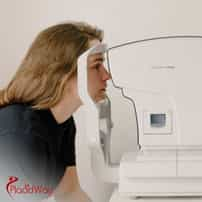
Which are the top 10 ophthalmologists globally?
Identifying the top 10 ophthalmologists globally is subjective and depends on diverse perspectives. Instead of relying on rankings, focus on evaluating board-certified specialists and internationally accredited facilities when seeking eye surgery in Turkey. Key Takeaways Global rankings for doctors are highly subjective; focus instead on verified credentials, sub-specialty expertise, and board certifications. Many international patients evaluate options for eye treatments in established medical hubs to access advanced technology. Verifying international accreditations like JCI is crucial for ensuring rigorous patient safety standards are met. Thorough pre-operative consultations are necessary to determine if a specific procedure is medically appropriate for your eyes. Coordinating post-operative care with a local eye specialist at home is an essential component of a safe medical travel journey. Patients often search for the best eye specialists globally when dealing with complex vision issues or considering elective vision correction. Because ophthalmology encompasses numerous sub-specialties from retinal surgery to pediatric eye care, a single list of the best providers cannot accurately reflect the diverse needs of different patients. Rather than looking for generalized rankings, navigating the landscape of international eye care requires a focused approach on medical credentials, facility safety, and individualized treatment plans. Many individuals expand their search beyond their home countries to explore options in specialized medical hubs. By understanding what makes a facility reliable and a surgeon qualified, you can make informed decisions about your vision care. What defines a highly qualified ophthalmologist globally A highly qualified ophthalmologist is identified by verifiable board certifications specialized fellowship training and a consistent record of prioritizing patient safety. Instead of relying on internet rankings patients should look for specialists whose expertise matches their specific eye condition. When assessing a specialist for your vision needs, objective qualifications matter far more than subjective online popularity. The most respected eye surgeons typically hold board certification from recognized national or international medical boards. This certification indicates that the physician has completed rigorous examinations and ongoing education to maintain their medical license and specialized knowledge. Furthermore, fellowship training plays a significant role in an ophthalmologists expertise. A general ophthalmologist can perform many standard procedures, but complex conditions often require a sub-specialist. For example, if you have a macular hole, you need a retina specialist, whereas treating glaucoma requires a surgeon who has completed a specific glaucoma fellowship. Finding the right doctor means finding the one trained specifically for your anatomical needs. Why do international patients choose eye surgery in Turkey Many patients pursue eye surgery in Turkey because the destination offers access to modern medical infrastructure and experienced specialists. The country has developed a robust healthcare framework that caters specifically to the needs of international medical travelers. In recent years, the landscape of global healthcare has shifted, with certain regions emerging as hubs for specialized care. Patients often travel for eye surgery in Turkey due to the extensive investment the country has made in its private healthcare sector. Many private hospitals there are equipped with the same diagnostic and surgical technologies found in North America and Western Europe. Additionally, the high volume of procedures performed by specialists in these hubs often contributes to their technical proficiency. Surgeons who regularly perform complex vision correction or cataract extractions build significant practical experience. However, patients must still evaluate each provider individually, as medical outcomes depend on the specific surgeons skill and the patients unique physiology. What factors influence the eye surgery cost in Turkey The estimated eye surgery cost in Turkey varies significantly based on the specific procedure the technology used and the patients individual anatomical requirements. While costs may differ from those in other countries patients should prioritize safety and quality over finding the lowest price. Understanding medical pricing abroad requires looking at what is included in a treatment quote. The eye surgery cost in Turkey is typically influenced by the surgeons fee, the facility fee, and the cost of any medical materials used. For example, in cataract surgery, the type of intraocular lens selected standard monofocal versus premium multifocal or toric lenses drastically changes the final estimate. Similarly, the use of advanced technology impacts the price. Procedures utilizing femtosecond lasers for added precision tend to be more expensive than traditional manual techniques. It is highly recommended to request an itemized estimate during your consultation so you understand exactly what diagnostic tests, post-operative medications, and follow-up visits are included. How can you select a safe eye surgery clinic in Turkey Choosing a reliable eye surgery clinic in Turkey requires verifying the facilitys international accreditations and thoroughly reviewing the medical teams credentials. Safety should always be the primary deciding factor when evaluating international healthcare options. When researching a facility, one of the strongest indicators of quality is accreditation from independent international bodies, such as the Joint Commission International. These organizations evaluate clinics on hundreds of safety parameters, including infection control protocols, equipment sterilization standards, and emergency response capabilities. Beyond institutional accreditation, investigate the clinic staff. A reputable eye surgery clinic in Turkey will be transparent about their surgeons backgrounds, providing details on their medical education, professional memberships, and licensure. You should feel comfortable asking how they manage complications and what protocols are in place if a medical emergency occurs during surgery. Important Consideration: Never choose a clinic based solely on marketing materials or social media presence. Authentic patient reviews, verified medical credentials, and direct consultations provide a much more accurate picture of clinical quality. What role does medical tourism in Turkey play in global eye care The sector for medical tourism in Turkey has grown to offer comprehensive services that support international patients through their clinical journey. This infrastructure often includes dedicated patient coordinators language translation and integrated care planning. Traveling for medical care involves logistical challenges that go beyond the surgery itself. The ecosystem surrounding medical tourism in Turkey addresses these challenges by structuring care around the needs of visitors. Many accredited hospitals have international patient departments that help collect pre-operative medical records from your home country and coordinate virtual consultations before you travel. Language barriers in medicine can lead to dangerous misunderstandings regarding your health history or aftercare instructions. To mitigate this risk, facilities focused on international patients typically employ specialized medical translators. These professionals ensure that you fully understand the risks, benefits, and consent forms associated with your procedure before any treatment begins. What advanced technologies are utilized by leading international eye clinics Reputable international eye clinics invest in precision diagnostics and surgical technology to enhance patient safety and optimize potential visual outcomes. However technology alone cannot replace the expertise of an experienced surgeon. Optical Coherence Tomography: This non-invasive imaging test uses light waves to take cross-section pictures of your retina, allowing early detection of diseases. Corneal Topography: A computerized tool that creates a three-dimensional map of the surface curvature of the cornea, essential for planning refractive surgeries. Femtosecond Lasers: Used in various procedures, including cataract removal and vision correction, to make highly precise, blade-free incisions. Excimer Lasers: Specialized lasers used to gently reshape the cornea during refractive procedures based on precise digital mapping. Advanced Biometry: High-tech measurement systems used to calculate the exact size and optical power of the intraocular lens needed for cataract patients. Are there risks associated with traveling for ophthalmology procedures All surgical procedures carry inherent medical risks such as infection or unexpected healing responses. Traveling specifically flying shortly after certain eye surgeries introduces unique hazards that patients must carefully manage with their doctors. Patient safety requires a clear understanding of potential complications. Even in the most sterile and advanced environments, eye surgery can lead to issues such as dry eye syndrome, corneal haze, visual halos, or severe infections like endophthalmitis. Your eligibility for surgery can also be affected by underlying conditions like severe diabetes, autoimmune disorders, or a history of poor wound healing. A specific and critical risk for international patients involves air travel. If your procedure involves placing a gas bubble in your eye common in retinal detachments or macular hole surgeries you cannot fly until the surgeon confirms the bubble is completely gone. The cabin pressure changes during a flight will cause the gas bubble to expand rapidly, which can cause excruciating pain, dangerously high intraocular pressure, and permanent blindness. What should you expect during an international ophthalmology consultation A thorough consultation involves comprehensive diagnostic testing a detailed review of your medical history and an honest discussion of potential risks and benefits. A responsible surgeon will not pressure you into a procedure if you are not a suitable candidate. Before any surgery is scheduled, you will undergo an exhaustive eye examination. This process is far more detailed than a routine vision check for glasses. The clinical team will dilate your pupils to examine the retina, measure your intraocular pressure to check for glaucoma risks, and evaluate your tear film to ensure you do not have severe dry eye that could impede healing. You must provide complete transparency regarding your health history. Disclose all medications you take, including supplements, as some can increase bleeding risks or interfere with anesthesia. A high-quality medical provider will use this consultation to set realistic expectations, clearly explaining that while vision improvement is the goal, outcomes vary by patient and perfect vision is never guaranteed. Expert Insight: Use your consultation to ask detailed questions about the surgeon's complication rates and their exact protocol if you require a revision surgery after returning to your home country. How is post operative care managed when returning home from eye surgery Proper aftercare requires coordinating with a local eye care professional in your home country before you travel for surgery abroad. Ensuring continuity of care is vital for monitoring healing and promptly addressing any delayed complications. The success of an eye procedure relies heavily on strict adherence to post-operative instructions. You will typically be required to stay in the destination country for several days after surgery so the operating doctor can monitor the initial healing phase and check for early signs of infection or inflammation. Once you are cleared to fly home, your care does not stop. You will need to use prescribed eye drops on a strict schedule and attend follow-up appointments. Since your operating surgeon is in another country, you must have a pre-arranged agreement with a local ophthalmologist or optometrist who is willing to co-manage your aftercare. This local doctor will be essential if you experience sudden pain, a drop in vision, or an infection weeks or months after the procedure. Why Choose PlacidWay for Medical Tourism in Turkey Navigating international healthcare options can be complex. PlacidWay offers a structured platform designed to help patients research and evaluate medical facilities globally. PlacidWay provides detailed profiles of international medical centers, including visibility into their specific accreditations and facility standards. The platform allows patients to research a wide global network of healthcare providers, enabling them to evaluate diverse options for ophthalmology care. Users can access resources that help them compare estimated costs for various eye procedures across different regions. The service facilitates direct communication, connecting individuals with clinic representatives to ask specific questions about medical credentials and treatment plans. PlacidWay focuses on providing educational resources and information, helping patients gather the data they need to make informed decisions alongside their local healthcare providers. Frequently Asked Questions How long do I need to stay in Turkey after eye surgery? The required length of stay depends on the specific procedure. For standard cataract or refractive procedures, patients often need to stay for 3 to 7 days to complete essential post-operative follow-up exams before flying home. Can I fly immediately after having retinal surgery abroad? You should never fly if a gas bubble was used during your retinal surgery until your surgeon confirms it has completely dissipated. Cabin pressure changes can cause the bubble to expand rapidly, potentially leading to severe pain and permanent vision loss. Will my local health insurance cover eye surgery in Turkey? Most domestic health insurance plans do not cover elective procedures or medical care received abroad. You should contact your insurance provider directly to understand your specific policy limitations. What happens if I experience complications after returning home? If complications arise after you return, you will need to seek immediate care from a local ophthalmologist or emergency room. This is why establishing a relationship with a local specialist before traveling is crucial for safe continuity of care. Are international ophthalmology clinics regulated? Regulations vary significantly by country. Many reputable international clinics voluntarily undergo rigorous audits by independent organizations like the Joint Commission International (JCI) to demonstrate adherence to global safety standards. Do eye surgeons in medical tourism destinations speak English? Many surgeons who frequently treat international patients speak English fluently or have completed training in English-speaking countries. Facilities catering to medical tourists also typically provide dedicated medical translators. What is the success rate for cataract surgery abroad? While cataract surgery generally has a favorable safety profile globally, success rates vary based on individual patient health, the complexity of the cataract, and surgical technique. No medical procedure can guarantee a 100 percent successful outcome. Are there age restrictions for refractive eye surgery? Refractive procedures usually require patients to be at least 18 years old with a stable prescription for at least a year. Older adults may be better candidates for different procedures, such as refractive lens exchange, depending on their eye health. How do I transfer my medical records to an international clinic? You can typically request digital copies of your records, including previous eye exams, prescriptions, and imaging, from your local provider. These can then be securely emailed or uploaded to the international clinic via a secure patient portal. What conditions might make me ineligible for eye surgery abroad? Severe dry eye, thin corneas, uncontrolled diabetes, autoimmune diseases, and active eye infections can often disqualify a patient from certain surgeries. A thorough medical evaluation is required to determine your eligibility. Compare Treatment Options Gather information and evaluate accredited ophthalmology facilities to make an informed decision about your eye care journey. Request Treatment Information References What Is an Ophthalmologist? – American Academy of Ophthalmology JCI Accredited Organizations – Joint Commission International Medical Tourism: Travel for Medical Care – Centers for Disease Control and Prevention (CDC) Flying After Eye Surgery – American Academy of Ophthalmology Clinical Education: Cataract Surgery – American Society of Cataract and Refractive Surgery (ASCRS) Blindness and Vision Impairment – World Health Organization (WHO) Medical Disclaimer: The information provided in this article is for educational purposes only and does not constitute medical advice, diagnosis, or treatment. Medical expertise and the appropriateness of any procedure, including eye surgery, vary significantly among individuals. Always consult with a qualified, local healthcare professional to discuss your specific medical history, potential risks, and eligibility before making any decisions regarding international medical travel or surgery. Outcomes are not guaranteed, and all surgeries carry inherent risks....
Read more details
Which country offers the best cataract surgery options?
Turkey, Mexico, India, Thailand, and Spain frequently rank as the top countries for cataract surgery. The best option depends on your location, budget, and specific medical needs, as these destinations offer advanced care at lower costs. When vision begins to cloud, finding effective and timely treatment becomes a priority. For many patients, long waiting lists or high domestic healthcare costs make seeking treatment abroad an appealing alternative. However, determining which country offers the best options requires careful research. Your choice will depend on geographical proximity, available technology, budget constraints, and the types of intraocular lenses (IOLs) you need. By exploring cataract surgery abroad, patients can often access modern medical facilities and experienced ophthalmologists at a fraction of the price they might pay at home. Below, we break down how to choose the right destination, what the most popular countries offer, and how to safely navigate the process of traveling for eye care. Key Takeaways Top Destinations: Turkey, Mexico, India, Thailand, and Spain are leading choices for international patients seeking eye care. Proximity Matters: North American patients often prefer Mexico, while European patients frequently choose Turkey or Spain for shorter flight times. Quality of Care: Many international eye clinics hold respected accreditations (such as JCI) and utilize modern phacoemulsification technology. Preparation is Crucial: Securing local aftercare in your home country before you travel is essential for managing your recovery. Cost Differences: Traveling abroad can offer significant savings, especially when opting for premium multifocal or toric lenses. 1. How do I determine the best country for my cataract surgery? Choosing the right destination involves evaluating your travel budget, proximity to home, clinic accreditation, and the availability of advanced intraocular lenses (IOLs). There is no single "best" country for everyone; the ideal destination is highly personal. A primary factor is travel distance. Long flights can be exhausting, and changes in cabin pressure can cause discomfort, especially for patients with other underlying health conditions. Therefore, many patients prefer a destination within a few hours of their home country. Another vital consideration is the medical infrastructure of the destination. You want to look for countries with well-regulated private healthcare sectors and hospitals that cater specifically to international patients. Facilities that regularly treat foreign patients often have streamlined processes, English-speaking staff, and specialized international patient departments. Finally, your budget will guide your decision. While most popular medical tourism destinations offer savings compared to the United States or the United Kingdom, costs still vary between regions. You must calculate the total expense, factoring in the surgery, flights, hotel accommodations for the required recovery period, and any local transportation. 2. What makes Turkey a top destination for eye surgery? Turkey offers a strong combination of internationally accredited medical facilities, experienced ophthalmologists, and highly competitive pricing for patients traveling from Europe and the Middle East. Over the past decade, Turkey has established itself as a major hub for medical travel, heavily investing in modern healthcare infrastructure. Cities like Istanbul and Antalya are home to numerous Joint Commission International (JCI) accredited hospitals. These facilities frequently utilize the latest diagnostic tools and surgical equipment, matching the standards found in Western Europe. Ophthalmologists in Turkey often have extensive experience, with many having trained or attended fellowships internationally. Because of the high volume of patients they treat, many surgeons are highly skilled in standard phacoemulsification and laser-assisted cataract surgery. Additionally, Turkish clinics are known for offering comprehensive care packages that may include airport transfers, accommodation, and translator services. 3. Why do North American patients often choose Mexico for cataract procedures? Mexico provides convenient travel access, shorter flight times, and affordable treatment options for U.S. and Canadian patients seeking quality eye care closer to home. When considering cataract surgery in Mexico, many patients prioritize convenience. For those living in the southern United States, border cities like Tijuana, Mexicali, or Los Algodones can be reached by car, eliminating the need for air travel entirely. For those further north, resort cities like Cancun or Puerto Vallarta offer direct, affordable flights. The proximity of Mexico also makes follow-up care more manageable. If a patient needs to return for a secondary check-up, the trip is far less taxing than flying across the globe. Mexican clinics catering to international patients usually employ bilingual staff and board-certified ophthalmologists who adhere to rigorous safety protocols. Patients in Mexico have access to a variety of premium IOLs, including toric lenses for astigmatism and multifocal lenses, often at a fraction of the out-of-pocket cost they would face in the United States or Canada. 4. Is India a safe and effective option for affordable lens replacement? India is known for highly skilled eye surgeons and exceptionally low treatment costs, making it an attractive option for patients willing to take a longer flight. India possesses a massive healthcare sector with specialized eye institutes that perform thousands of surgeries annually. This high surgical volume means that Indian ophthalmologists are often highly experienced in handling routine and complex cataract cases alike. Major metropolitan areas like Chennai, Mumbai, and New Delhi house advanced medical facilities that draw patients globally. The primary advantage of traveling to India is cost. Even when factoring in the price of a long-haul flight and an extended hotel stay, the overall financial outlay can be significantly lower than domestic care for uninsured or underinsured patients. However, the long travel distance is a critical consideration. Sitting on an airplane for over ten hours shortly after eye surgery requires careful planning. Patients must discuss flight safety with their surgeon, focusing on the risks of dry eyes and managing baggage without straining. 5. How does the quality of care in Thailand compare for vision treatments? Thailand combines world-class private hospitals with a strong hospitality infrastructure, offering excellent surgical outcomes and advanced technology in a comfortable setting. The infrastructure for medical tourism in Thailand is highly developed, particularly in Bangkok and Phuket. Facilities like Bumrungrad International Hospital and the Bangkok Hospital network are renowned for their strict clinical governance, modern medical technology, and exceptional patient service. Thailand appeals to patients who wish to recover in a calm, hospitable environment. While swimming and rigorous tourist activities are strictly prohibited after cataract surgery, recovering in a comfortable hotel with high service standards can make the medical journey less stressful. Eye centers in Thailand typically offer a wide array of premium intraocular lenses and utilize modern microscopic and laser technology. The pricing, while slightly higher than India, remains highly competitive compared to Western countries. Important Consideration: No matter which country you choose, a successful outcome heavily relies on strict adherence to post-operative hygiene. You must avoid dusty environments, rubbing your eyes, and exposing your healing eye to unsterilized water (including pools, oceans, and tap water) while abroad. 6. What should I look for when choosing a cataract surgery clinic abroad? You should prioritize facilities with international accreditations like JCI, strict sterilization protocols, and surgeons who frequently perform modern phacoemulsification techniques. When searching for a cataract surgery clinic in India, Turkey, Mexico, or elsewhere, diligent research is mandatory. Do not base your decision solely on the lowest price. Instead, evaluate the clinic based on the following criteria: Accreditation: Look for international accreditations such as the Joint Commission International (JCI) or the International Organization for Standardization (ISO), which indicate adherence to global safety protocols. Surgeon Credentials: Verify the operating surgeon’s education, board certifications in their home country, and international memberships (such as the American Academy of Ophthalmology or the European Society of Cataract and Refractive Surgeons). Technology: Ensure the clinic uses modern phacoemulsification machines and offers comprehensive pre-operative optical coherence tomography (OCT) and biometry to accurately measure your eye. Transparency: Reputable clinics will clearly explain the risks, provide a detailed breakdown of costs, and realistically discuss potential outcomes without offering absolute guarantees. 7. How much does cataract surgery cost in these top medical tourism countries? The cost of a cataract procedure can range from $500 to $1,500 per eye in countries like India and Turkey, compared to $3,000 or more in the United States or the UK. Pricing varies significantly based on the country, the reputation of the clinic, and, most importantly, the type of intraocular lens chosen. Standard monofocal lenses are the most affordable, while advanced multifocal or toric lenses will increase the price. To help you understand potential savings, here are general estimated ranges for standard cataract surgery (per eye). Note: These are estimates only. Actual prices vary by provider and individual medical requirements. Destination Estimated Cost (Per Eye) Typical Package Inclusions Turkey $800 – $1,500 Surgery, standard IOL, consultations, sometimes local transfers Mexico $1,000 – $1,800 Surgery, standard IOL, pre/post-op consultations India $500 – $1,000 Surgery, standard IOL, medications, hospital fees Thailand $1,200 – $2,000 Surgery, standard IOL, pre-op tests, post-op care United States (For Comparison) $3,500 – $6,000+ Out-of-pocket costs without insurance When analyzing cataract surgery cost in Turkey or other destinations, be sure to ask the clinic if the quoted price covers facility fees, the surgeon's fee, anesthesia (if applicable), and all necessary eye drops for recovery. 8. What are the potential risks of traveling internationally for eye surgery? Potential risks include infection, elevated intraocular pressure, corneal swelling, and the challenge of managing delayed complications once you have returned to your home country. All surgical procedures carry inherent risks, regardless of where they are performed. In cataract surgery, rare but serious complications can include endophthalmitis (a severe intraocular infection), retinal detachment, posterior capsule rupture, or dislocation of the artificial lens. Visual outcomes vary, and patients with pre-existing conditions like diabetic retinopathy or macular degeneration may not achieve perfect vision. Traveling for medical care introduces additional layers of risk. Long flights can increase the risk of deep vein thrombosis (DVT). The dry, recirculated air in airplane cabins can severely dry out a recently operated eye, leading to irritation or disrupted healing. Furthermore, navigating busy airports and carrying heavy luggage can put undue strain on your body and raise intraocular pressure. Perhaps the most significant risk is geographical distance. If a complication arises weeks after you have returned home, your original surgeon will not be available to treat you. This highlights why thorough planning and local medical coordination are non-negotiable. 9. How long should I stay in my chosen country for post-operative recovery? Most ophthalmologists recommend staying in your destination country for at least 7 to 10 days to attend crucial follow-up appointments and ensure proper initial healing. A safe medical trip requires adequate time. While the surgery itself is usually an outpatient procedure taking less than an hour, the critical period is the first week of recovery. Rushing home too soon can jeopardize your vision. A typical timeline looks like this: Days 1-2: Arrival, settling into your hotel, and undergoing comprehensive pre-operative eye exams. Day 3: The day of surgery. You will likely rest at your hotel afterward with a protective shield over your eye. Day 4: Your first crucial post-operative check-up to assess healing and eye pressure. Days 5-9: Resting locally. You will use prescribed eye drops to prevent infection and inflammation. Day 10: A final check-up where your surgeon confirms you are medically cleared to fly. If you are having both eyes treated, they are typically done a few days apart, which will extend your required stay. 10. Will my local eye doctor provide aftercare once I return home? It is essential to secure a local ophthalmologist or optometrist before you travel, ensuring you have professional support for ongoing check-ups and any unexpected issues. Do not wait until you return home to look for a doctor. You must arrange for a local healthcare provider to monitor your ongoing recovery. Some local doctors may be hesitant to take over the care of a patient operated on abroad, especially if surgical records are incomplete or in another language. Before you depart for your trip, schedule a follow-up appointment with a local eye care professional for shortly after your expected return date. When you leave the foreign clinic, ensure you take all medical notes, details about the specific IOL implanted, surgical reports, and post-operative instructions translated into English. If you experience worsening pain, sudden flashes of light, or a noticeable drop in vision after returning home, you must seek emergency eye care immediately, as these can be signs of serious complications. Why Choose PlacidWay for Medical Tourism? Researching medical providers abroad can be overwhelming. PlacidWay is an international medical tourism platform designed to help patients explore healthcare options globally. Here are five factual ways PlacidWay assists patients: Broad Network: PlacidWay provides access to a directory of medical centers, clinics, and hospitals across dozens of countries. Information Access: The platform offers detailed profiles on healthcare facilities, including available treatments, accreditations, and provider credentials. Direct Communication: Patients can use the platform to send inquiries and request quotes directly from international medical providers. Cost Comparisons: The system allows users to request estimates from multiple clinics, making it easier to compare potential medical expenses. Educational Resources: PlacidWay provides articles, patient guides, and resources to help users understand medical tourism and specific procedures. Frequently Asked Questions Am I a suitable candidate for traveling abroad for eye surgery? Suitability depends on your overall health, the severity of your cataracts, and any pre-existing eye conditions like glaucoma or macular degeneration. A local ophthalmologist should evaluate your eyes to determine if you are fit for air travel and surgery abroad. What types of intraocular lenses (IOLs) are available internationally? Most international clinics offer the same advanced IOLs available in the US and UK, including standard monofocal lenses, multifocal lenses for various distances, and toric lenses designed to correct astigmatism. Can I have cataract surgery on both eyes during the same trip? Yes, many patients have both eyes treated during one trip. However, surgeons typically operate on one eye at a time, spacing the procedures a few days apart to ensure the first eye begins healing without complications. Is it safe to fly shortly after having a cataract removed? Flying is usually permissible a few days after surgery, provided your surgeon clears you. However, cabin air is very dry, which can irritate healing eyes, and lifting heavy luggage can strain your eyes. You must follow your surgeon's specific timeline. Do international clinics use the same surgical techniques as my home country? Reputable international clinics typically use phacoemulsification, the global standard for cataract removal, often aided by femtosecond lasers. You should always verify the specific techniques and equipment your chosen clinic uses. What happens if I experience blurred vision after returning home? Some blurriness is common during the initial healing phase. However, if vision worsens or you experience pain, you must immediately consult the local eye specialist you arranged for post-operative care before your trip. How long does the actual surgical procedure take? The cataract surgery itself usually takes between 15 and 30 minutes per eye. However, you should expect to spend a few hours at the clinic for pre-operative preparation and post-operative monitoring. Will my health insurance cover cataract treatments performed overseas? Standard domestic health insurance plans rarely cover planned medical procedures abroad. Some specialized medical tourism insurance policies exist, but patients generally pay out-of-pocket for overseas cataract surgery. What should I pack for my medical trip for eye surgery? Pack dark, UV-blocking sunglasses to protect your sensitive eyes after surgery, comfortable clothing, all current medical records, a copy of your lens prescription, and a protective eye shield if recommended by your clinic. Do surgeons in popular medical destinations speak English? Many eye surgeons in top medical tourism destinations are fluent in English, and some have trained or completed fellowships in the US or UK. Most major international clinics also provide dedicated medical interpreters for foreign patients. Explore Your Cataract Surgery Options Worldwide Compare international clinics, review provider credentials, and request treatment information to make an informed decision about your eye care. Request Treatment Information References What Is Cataract Surgery? – American Academy of Ophthalmology Blindness and Vision Impairment – World Health Organization (WHO) Medical Tourism: Travel for Medical Care – Centers for Disease Control and Prevention (CDC) JCI-Accredited Organizations – Joint Commission International (JCI) Cataract Surgery: Risks and Results – Mayo Clinic About the Society – European Society of Cataract and Refractive Surgeons (ESCRS) Medical Disclaimer: The information provided in this article is for educational and informational purposes only and does not constitute medical advice. Visual outcomes, risks, recovery times, and suitability for surgery vary significantly from patient to patient. Always consult with a qualified, local ophthalmologist or healthcare professional to determine if you are a suitable candidate for cataract surgery and to discuss the specific risks of traveling for medical care. Never delay or disregard professional medical advice based on information found in this article....
Read more details
Is LASIK surgery in Mexico reliable?
LASIK surgery in Mexico can be a reliable option when performed by board-certified ophthalmologists using modern technology. While many patients experience positive outcomes, safety and success depend heavily on thorough clinical evaluation. Many individuals seeking freedom from glasses and contact lenses look across the border for more accessible healthcare options. Exploring LASIK surgery in Mexico has become increasingly common as patients look to balance quality medical care with their personal budgets. Because vision correction is a significant medical decision, understanding the landscape of treatment abroad is essential. Choosing to undergo a medical procedure in another country involves careful research. You need to look beyond marketing materials and understand what makes a procedure reliable, who is a suitable candidate, and what steps you must take to protect your eye health. This guide explores the realistic aspects of pursuing laser vision correction across the border, focusing on patient safety, practical considerations, and what you should expect from the process. Key Takeaways Reliability depends on choosing properly credentialed ophthalmologists and verified clinical environments. Not everyone is a candidate; strict pre-operative testing is required to determine your eligibility. While estimated costs are often lower, overall travel expenses and follow-up care must be factored into your budget. LASIK carries universal risks, including dry eyes and visual disturbances, regardless of where the procedure is performed. Arranging post-operative care with a local eye doctor back home is a critical step for long-term eye health. What should I know about the safety of LASIK in Mexico? Safety standards in reputable Mexican eye clinics are often comparable to those in the US and Canada, provided you select facilities that utilize modern excimer lasers and maintain strict hygiene protocols. Patient safety always relies on the qualifications of the medical team and the standards of the facility. Many ophthalmologists practicing in major Mexican cities and border towns have received training or fellowships internationally. They frequently belong to recognized medical societies, which require adherence to established clinical guidelines for refractive surgery. The equipment used during your procedure also plays a significant role in the safety and predictability of the outcome. Established clinics generally use modern diagnostic tools to map the cornea and advanced laser systems for the actual reshaping. When researching options, it is highly beneficial to inquire about the specific technology a clinic uses and how frequently their equipment is calibrated and maintained. However, safety is never absolute. Just as in your home country, medical environments vary in quality. Regulatory oversight exists through national health organizations in Mexico, but the burden of verifying a specific doctor's board certification and a clinic's sanitary track record ultimately falls on the patient. Thorough vetting is the best way to prioritize your well-being. How much does LASIK surgery cost in Mexico? The estimated LASIK cost in Mexico generally ranges from $1,000 to $2,000 for both eyes, though prices vary based on the technology used, the complexity of your prescription, and the clinic's location. Cost is frequently the primary driver for patients exploring refractive surgery abroad. Because healthcare administration, overhead, and local economic factors differ, clinics south of the border can often offer these elective procedures at a lower price point than what is typical in the United States or Canada. These estimates usually cover the initial consultation, the procedure itself, and immediate post-operative checks. It is crucial to request a transparent breakdown of what is included in any quoted price. Some estimates may cover traditional LASIK, while more modern variations—like all-laser (bladeless) LASIK or wavefront-guided treatments—may carry a higher price tag. Understanding exactly what technology you are paying for helps you make an accurate comparison. Remember that the procedural cost is only one part of the financial equation. When budgeting for your trip, you must include the cost of flights or gas, hotel accommodations, meals, and potential travel insurance. Furthermore, you should budget for the cost of long-term follow-up visits with a local optometrist or ophthalmologist once you return home. Am I a suitable candidate for laser eye surgery? Not everyone qualifies for LASIK; suitability requires a stable prescription for at least a year, adequate corneal thickness, and an absence of underlying eye diseases or severe dry eye syndrome. Determining your eligibility is the most important step before undergoing any refractive procedure. A reputable ophthalmologist will perform a comprehensive dilated eye exam to evaluate your overall eye health. They will measure your refractive error (nearsightedness, farsightedness, or astigmatism) and take precise topographical maps of your cornea to check for irregularities. Corneal thickness is a vital metric. Because LASIK involves removing microscopic layers of tissue to change the eye's shape, there must be enough structural integrity left over to maintain the eye's health. If your corneas are too thin, or if you have a condition like keratoconus, LASIK is generally contraindicated, though alternative procedures like PRK might be suggested. Other factors that may affect your eligibility include your age, pregnancy, autoimmune conditions that affect healing, and medications you currently take. A trustworthy doctor will honestly inform you if the procedure is not appropriate for your eyes, as performing surgery on a poor candidate significantly increases the risk of complications. Important Consideration: If you wear contact lenses, you will be required to stop wearing them for a specific period (often weeks) before your consultation and surgery. Contacts can temporarily alter the natural shape of your cornea, which can lead to inaccurate measurements and suboptimal surgical results. What happens during the LASIK procedure? The procedure involves creating a thin flap on the cornea's surface, using a laser to reshape the underlying tissue to correct your prescription, and gently repositioning the flap to heal naturally. LASIK is typically an outpatient procedure that takes only about 10 to 15 minutes per eye, with the laser actively working for less than a minute. Before the surgery begins, the medical team will apply numbing eye drops so you do not feel pain, though you will likely feel some pressure during certain steps. The first step involves creating a protective corneal flap. Depending on the clinic's technology, this is done using either a microkeratome (a precise mechanical instrument) or a femtosecond laser (bladeless). Once the flap is folded back, you will be asked to stare at a target light. The excimer laser is then used to remove microscopic amounts of tissue based on your highly customized pre-operative measurements. After the tissue is reshaped, the surgeon carefully lays the flap back into its original position. The edges of the flap usually seal themselves within minutes, acting as a natural bandage. You will rest for a short period before the doctor does a final check and clears you to return to your hotel to begin your recovery. How long is the typical recovery period? Initial visual recovery is often rapid, with many patients noticing improvement within 24 hours. However, complete healing and stabilization of your vision can take anywhere from three to six months. Immediately after the procedure, your vision will likely be blurry or foggy, and your eyes may feel scratchy, watery, or sensitive to light. Doctors strongly advise keeping your eyes closed and resting as much as possible for the first several hours. By the time of your follow-up appointment the next day, a significant amount of visual clarity has usually returned. During the first few weeks, it is common to experience fluctuations in your vision. You might notice your eyesight changes slightly throughout the day or that you experience halos around lights at night. These symptoms gradually diminish as the corneal tissue continues to heal and adjust to its new shape. Strict adherence to your post-operative instructions is critical during this time. You will be prescribed a regimen of medicated eye drops to prevent infection and reduce inflammation, as well as lubricating drops to manage dryness. You must also avoid rubbing your eyes, as applying pressure can potentially dislodge the healing corneal flap. What are the potential risks and complications of LASIK? Like all surgical procedures, LASIK carries risks. Potential complications include persistent dry eye, visual disturbances like glare or halos, under-correction, over-correction, and rare but serious corneal infections. Dry Eye Syndrome: Surgery temporarily disrupts corneal nerves, reducing tear production. Many patients experience dry eyes for weeks or months, which usually resolves but can occasionally become chronic. Visual Disturbances: Difficulty seeing at night, glare, halos around bright lights, and double vision can occur, particularly in the initial healing phase. Flap Complications: Issues with the corneal flap during surgery or healing can lead to infection, excess inflammation, or irregular healing that affects visual acuity. Refractive Surprises: The eye may under-respond or over-respond to the laser, leaving you with residual nearsightedness, farsightedness, or astigmatism that might require glasses or an enhancement surgery. Corneal Ectasia: This is a rare but serious condition where the cornea becomes too thin and bulges outward, leading to distorted vision that cannot be corrected with glasses. Discussing these risks thoroughly with your ophthalmologist before deciding to proceed is vital. Every patient's risk profile is different based on their specific anatomy and medical history. How do I choose a qualified eye clinic in Mexico? Selecting a reputable LASIK clinic in Mexico involves researching the surgeon's specialized training in refractive surgery, verifying their medical licenses, and confirming the use of up-to-date laser technologies. Do not base your decision solely on website aesthetics or the lowest price. Look for transparent information about the medical director and the attending surgeons. Verify their education, years of experience specifically performing refractive procedures, and active memberships in recognized professional organizations, such as the American Academy of Ophthalmology or similar Mexican medical boards. Contact the clinics directly to ask detailed questions. Inquire about their screening process for patients, the exact type of excimer lasers they use, and their protocol for handling potential complications. A reputable clinic will prioritize answering your medical questions over pushing a quick sale. Additionally, request a video consultation before you commit to traveling. Speaking face-to-face with the doctor allows you to gauge their communication style, ensure they understand your visual goals, and confirm that you feel comfortable entrusting them with your eyesight. What should I expect during my medical tourism trip to Mexico? Participating in medical tourism in Mexico requires careful logistical planning. You will need to balance your clinical appointments with adequate rest, meaning this trip should focus heavily on recovery rather than traditional vacation activities. Patients typically travel to easily accessible locations, such as border cities (like Tijuana or Mexicali) which cater heavily to day-trippers from the US, or major hubs (like Cancun, Monterrey, or Mexico City) that offer robust medical infrastructure. Your itinerary will usually involve arriving at least a day before your surgery for in-person evaluations and measurements. If your pre-operative testing confirms you are a good candidate, the surgery often takes place the following day. Because your vision will be blurry immediately afterward, and you may be given mild sedatives, you must have a plan for getting safely back to your accommodation. Many clinics provide or assist with local transfers for this purpose. A post-operative check is mandatory the day after surgery. Even if you are visiting a beautiful coastal city, your doctor will strictely prohibit swimming in pools or the ocean, spending time in dusty environments, or exposing your eyes to intense sunlight. The priority of your trip must remain focused entirely on safe healing. Can I travel back home immediately after my eye surgery? It is highly recommended to stay near the clinic for at least 24 to 48 hours post-surgery to attend your mandatory first follow-up appointment before embarking on long drives or flights. The first post-operative visit is crucial. Your surgeon needs to examine the placement of the corneal flap, check for early signs of infection, and ensure the initial healing process has started correctly. Traveling before this check-up is complete is risky and strongly discouraged by medical professionals. When you do travel home, environmental factors must be managed. The air inside commercial airplane cabins is notoriously dry, which can exacerbate post-LASIK dry eye symptoms. You will need to apply your prescribed lubricating drops frequently throughout the flight to keep your eyes comfortable and protected. If you are driving across the border, be aware that you should not be the one driving immediately after surgery or even the next day if your vision is still fluctuating or sensitive to light. Ensure you travel with a companion who can handle the transportation safely. How important is post-operative care and follow-up? Long-term post-operative care is vital for a successful outcome. You must arrange for a local eye care professional in your home country to monitor your healing at scheduled intervals over the following year. Surgery is only the beginning of your vision correction journey; the body's healing response dictates the final result. Most surgeons recommend follow-up appointments at one week, one month, three months, and six months post-surgery. Since you will be back home during these times, establishing a relationship with a local optometrist or ophthalmologist beforehand is a necessary step. During these visits, your local doctor will monitor your visual acuity, check the stability of the corneal flap, and manage any ongoing symptoms of dry eye. They can also detect subtle signs of complications early, which is essential for prompt and effective treatment. Be prepared to provide your local doctor with your surgical records from Mexico. Transparent communication between your surgical team abroad and your local eye care provider ensures continuity of care, giving you the best chance for a smooth recovery and lasting visual clarity. Why Choose PlacidWay for Medical Tourism in Mexico? PlacidWay is an established medical tourism platform that helps patients explore their international healthcare options. When researching treatments abroad, utilizing a structured directory can streamline your informational search. Comprehensive Directories: PlacidWay provides access to a large database of medical centers and specialized eye clinics throughout Mexico, allowing you to browse options by specific cities. Direct Connections: The platform facilitates direct communication between you and international healthcare providers, helping you ask specific medical and logistical questions. Provider Information: Clinic profiles often include details about facility accreditations, technology used, and the professional backgrounds of the medical staff. Educational Resources: PlacidWay offers articles, patient guides, and cost estimates to help you understand the broader landscape of traveling for healthcare. Comparative Tools: You can request and compare information from multiple facilities simultaneously, assisting you in making a decision that aligns with your budget and medical needs. Frequently Asked Questions About LASIK in Mexico Does LASIK surgery hurt? Most patients report feeling pressure rather than pain during the procedure. Numbing eye drops are applied before the surgery begins to minimize discomfort, though you may experience some irritation or grittiness for a few days afterward. Are both eyes typically treated on the same day? Yes, treating both eyes on the same day is the standard practice for most patients undergoing LASIK, as it provides visual balance and a unified recovery timeline. However, your ophthalmologist will determine if this is appropriate for your specific case. Can I get LASIK if I have astigmatism? Modern LASIK technology can often treat mild to moderate astigmatism by reshaping the irregular cornea. A thorough pre-operative evaluation will determine if your specific degree of astigmatism falls within a treatable range. What is the difference between LASIK and PRK? Both procedures reshape the cornea using a laser. LASIK involves creating a thin flap to access the underlying tissue, while PRK removes the outer surface layer entirely. PRK may be recommended for patients with thinner corneas but generally has a longer initial recovery time. How long do the visual results of LASIK typically last? The corneal reshaping done during LASIK is permanent. However, natural age-related changes to the eye, such as presbyopia or cataracts, can still affect your vision later in life. Will I still need reading glasses after my surgery? LASIK typically corrects distance vision. If you are approaching or over the age of 40, you may still naturally develop presbyopia and require reading glasses, unless you opt for a specific technique like monovision. What languages do eye doctors in Mexico speak? Many ophthalmologists who treat international patients in popular medical tourism destinations speak fluent English. Clinics catering to travelers often have bilingual staff to assist with consultations and post-operative instructions. Are eye clinics in Mexico properly regulated? Yes, legitimate medical facilities in Mexico are regulated by the Federal Commission for the Protection against Sanitary Risk (COFEPRIS). Many clinics also seek voluntary accreditation from international medical organizations to demonstrate their quality standards. Can I swim in a pool or the ocean during my trip after surgery? No. You must avoid swimming pools, hot tubs, lakes, and the ocean for at least several weeks following surgery to reduce the risk of serious eye infections. Always follow your doctor's specific timeline for resuming water activities. What happens if I need an enhancement procedure later? A small percentage of patients may require a touch-up or enhancement if their vision regresses or the initial correction was insufficient. If you travel for treatment, you will need to discuss the logistical and financial policies for enhancements with your chosen clinic beforehand. Explore Your Vision Correction Options Gather information, compare reputable facilities, and connect directly with qualified healthcare providers to learn more about your choices. Request Treatment Information References What is LASIK? – U.S. Food and Drug Administration (FDA) LASIK Basics – American Academy of Ophthalmology (AAO) LASIK eye surgery – Mayo Clinic Refractive Errors – National Eye Institute (NEI) Medical Tourism – Centers for Disease Control and Prevention (CDC) Patient Information – American Society of Cataract and Refractive Surgery (ASCRS) Medical Disclaimer: The information provided in this article is for educational and informational purposes only and does not constitute medical advice. Vision correction surgery involves inherent risks, and outcomes vary by individual. Always consult with a qualified, board-certified ophthalmologist or eye care professional to determine if you are a suitable candidate for refractive surgery and to receive an accurate diagnosis and treatment plan....
Read more details
Is Laser Eye Surgery in Turkey Safe?
laser eye surgery in Turkey is generally considered safe when performed by qualified, experienced ophthalmologists in accredited facilities. While modern technology has made refractive surgery highly successful, no medical procedure is completely without risk, making careful clinic selection and preoperative screening essential. Every year, thousands of patients travel abroad seeking refractive eye surgery to reduce their dependence on glasses and contact lenses. The appeal of combining vision correction with an overseas trip has made this a popular option. However, anytime you consider a medical procedure away from home, questions about safety, quality of care, and post-operative support naturally arise. Understanding whether this option is right for you requires a close look at how these procedures are performed, what makes a candidate eligible, and how to navigate the logistical challenges of seeking healthcare in another country. Making an informed decision means prioritizing your eye health above all else. Key Takeaways Safety largely depends on the surgeon's experience, clinic hygiene, and technology used. Not everyone is a suitable candidate; thorough pre-operative screening is critical to long-term success. Common procedures offered include LASIK, PRK, and SMILE, each suited to different eye anatomies. Traveling shortly after surgery requires careful management of dry eyes and cabin air pressure. Arranging follow-up care with a local eye doctor in your home country before you travel is highly recommended. What types of laser vision correction are available in Turkey? Most modern clinics offer a variety of procedures, including LASIK, PRK, and SMILE. The right choice depends on your specific prescription, corneal thickness, and overall eye health. When exploring options for vision correction abroad, you will typically find the same advanced technologies used in North America and Western Europe. LASIK (Laser-Assisted In Situ Keratomileusis) is the most well-known procedure. It involves creating a thin, circular flap in the cornea, folding it back, and using an excimer laser to reshape the underlying corneal tissue. The flap is then laid back in place, acting as a natural bandage. For patients who have thinner corneas or who engage in high-impact sports, PRK (Photorefractive Keratectomy) may be recommended. Instead of creating a flap, the surgeon gently removes the outermost layer of the cornea (the epithelium) before reshaping the tissue. While recovery from PRK takes longer and can be more uncomfortable initially, it eliminates the risk of flap-related complications later on. Another advanced option frequently available is SMILE (Small Incision Lenticule Extraction). This minimally invasive procedure uses a femtosecond laser to create a small lens-shaped bit of tissue (a lenticule) within the cornea, which is then extracted through a tiny incision. SMILE often results in fewer dry eye symptoms post-operatively, though it is primarily used to treat myopia (nearsightedness) and astigmatism. Am I a good candidate for laser eye surgery abroad? Suitability for surgery requires a stable prescription, healthy corneas, and good overall eye health. Only a comprehensive eye examination can definitively determine your eligibility. Not everyone who wants to get rid of their glasses is a candidate for laser vision correction. A responsible clinic will perform extensive diagnostic testing before agreeing to operate. If a clinic guarantees treatment before examining your eyes in person, this should be considered a major red flag. To be considered a strong candidate, patients typically need to meet several criteria: Stable Prescription: Your vision should not have changed significantly for at least one to two years. Adequate Corneal Thickness: The laser removes tissue; if your corneas are naturally thin, LASIK may not be safe, though PRK might still be an option. Healthy Eyes: Conditions like severe dry eye syndrome, glaucoma, cataracts, or keratoconus usually disqualify a patient from standard laser procedures. General Health: Autoimmune diseases or uncontrolled diabetes can impair your body's ability to heal properly and may be contraindications for surgery. How much does laser eye surgery cost in Turkey? The laser eye surgery cost in Turkey is often notably lower than in the US or UK, primarily due to differences in the local cost of living and operational overhead. Prices can vary widely based on several factors, including the specific type of technology used (such as standard LASIK versus custom wavefront or SMILE), the experience of the surgeon, and the geographic location of the clinic. When reviewing estimates, it is important to ask what is included in the quoted price. Some estimates cover only the surgical procedure, while others include preoperative consultations, post-operative eye drops, and follow-up visits during your stay. While affordability is a major driver for patients seeking care abroad, cost should never be the primary factor in your decision. Extremely low prices can sometimes indicate the use of older technology or less stringent screening protocols. It is vital to balance your budget with the need for safety, hygiene, and clinical excellence. What should I look for in a laser eye surgery clinic in Turkey? Selecting a safe laser eye surgery clinic in Turkey requires verifying international accreditations, surgeon credentials, and the quality of the diagnostic technology they utilize. When researching facilities from afar, it can be challenging to differentiate between excellent medical centers and those that prioritize marketing over patient care. Start by looking for clinics that hold recognized international accreditations, such as from the Joint Commission International (JCI) or ISO certifications. These accreditations indicate that the facility adheres to rigorous standards for patient safety and infection control. Furthermore, research your prospective surgeon. Look for ophthalmologists who are board-certified and hold memberships in recognized professional organizations, such as the European Society of Cataract and Refractive Surgeons (ESCRS). Don't hesitate to ask about their specific experience, including how many times they have performed the exact procedure you are considering. A reputable clinic will be transparent about their complication rates and will use advanced diagnostic tools to map your eyes precisely before surgery. What are the potential risks and side effects of laser eye procedures? Like all surgeries, refractive eye surgery carries risks. Common side effects include dry eyes and visual disturbances like glare or halos, though severe complications like infection are rare. It is crucial to approach any medical procedure with a clear understanding of the potential downsides. The most common side effect following laser vision correction is dry eye syndrome. The surgery temporarily disrupts tear production, which can cause your eyes to feel scratchy or irritated for weeks or months. You will typically need to use lubricating eye drops frequently during the healing process. Visual disturbances are also common in the early stages of recovery. Patients often report seeing halos around lights, starbursts, or experiencing increased sensitivity to glare, particularly when driving at night. While these symptoms usually subside as the eyes heal, in some cases, they can persist. More serious risks include undercorrection or overcorrection, which might necessitate a second enhancement surgery. Flap complications (in LASIK) can occur if the flap heals improperly or is dislodged. Infections and corneal ectasia (a weakening and bulging of the cornea) are rare but serious complications that require immediate medical attention to protect your vision. How long is the recovery period after laser vision correction? Initial recovery is relatively quick, especially for LASIK, with many patients resuming normal activities within a few days. However, complete visual stabilization can take several months. Immediately after the procedure, your vision will likely be blurry, and your eyes may feel as though there is an eyelash stuck in them. It is highly recommended to rest your eyes and sleep for several hours after the surgery. For LASIK and SMILE, noticeable visual improvement often occurs within 24 hours. If you undergo PRK, the initial healing phase is longer. Because the outer layer of the cornea has been removed, it takes three to five days for the epithelium to regenerate. During this time, patients often experience more discomfort and blurry vision. A special contact lens acts as a bandage until the surface heals. Regardless of the procedure, you will be given a strict regimen of antibiotic and anti-inflammatory eye drops to prevent infection and control swelling. You will also need to avoid rubbing your eyes, swimming in pools or natural bodies of water, and participating in contact sports for several weeks to allow the eye to heal safely. Can I fly immediately after having laser eye surgery? While flying does not harm the eye itself, the extremely dry air in airplane cabins can severely irritate recently operated eyes. You must follow your surgeon's specific timeline for travel. Most ophthalmologists recommend waiting at least a few days to a week after surgery before boarding a flight. This wait allows time for your initial follow-up appointments to ensure the eye is healing properly and no early complications have arisen. When you do fly, the primary concern is the cabin environment. Airplane cabins have very low humidity levels, which can exacerbate the dry eye symptoms that are common after laser eye surgery. If you are flying shortly after your procedure, you must carry a generous supply of preservative-free artificial tears and use them frequently—often every 30 to 60 minutes—during the flight. It is also advisable to avoid the overhead air vents and consider wearing protective glasses to shield your eyes from drafts and accidental rubbing. How does medical tourism in Turkey work for eye care? Medical tourism in Turkey involves researching facilities, undergoing virtual consultations, and traveling for the physical assessment and surgery, requiring careful logistical planning. The process usually begins long before you board a plane. Patients start by researching clinics and reaching out for initial information. Many reputable clinics offer preliminary virtual consultations to discuss your general eye health, current prescription, and goals. However, a virtual consultation cannot replace the necessary in-person diagnostic mapping required to clear you for surgery. Once you arrive at your destination, the clinic will conduct comprehensive eye exams. If your eyes are deemed suitable, the surgery is typically scheduled within a day or two. You will need to remain in the area for a prescribed number of days to attend mandatory post-operative check-ups. Important Consideration: Always have a backup plan. If the in-person diagnostic tests reveal that you are not a safe candidate for laser eye surgery, you must be prepared to accept that medical advice and return home without having the procedure. Safety must always come first. What happens if I need follow-up care after returning home? Post-operative monitoring is essential for long-term safety. You should arrange for a local ophthalmologist or optometrist to manage your ongoing follow-up care before you travel abroad. The responsibility for your eye health does not end when you leave the clinic abroad. Laser eye surgery requires ongoing monitoring at specific intervals—typically at one month, three months, six months, and one year post-op—to check healing progress, monitor vision stability, and manage any ongoing dry eye symptoms. Because you will be returning to your home country, you must establish a relationship with a local eye care professional who is willing to take over your post-operative care. Bring all your surgical notes and medical records back with you so your local doctor understands exactly what procedure was performed and what technology was used. If you experience sudden pain, severe redness, or a sudden decrease in vision after returning home, you must seek emergency medical attention locally immediately. Why Choose PlacidWay for Your Medical Tourism Journey? Navigating healthcare options in another country can feel overwhelming. PlacidWay helps patients by providing access to comprehensive information about global healthcare providers. Here is how PlacidWay can assist you in your research: Extensive Directory: Access a broad database of international medical centers and specialized eye clinics to explore your options. Provider Transparency: Review detailed profiles of clinics, including their listed accreditations, technologies used, and facility amenities. Comparison Tools: Easily compare different healthcare providers side-by-side to make an informed decision based on your personal priorities. Educational Resources: Utilize a wealth of articles and guides designed to educate patients on what to expect when seeking medical care abroad. Direct Communication: Request information directly through the platform, helping you ask specific questions to clinics regarding their pre-operative screening and procedures. Frequently Asked Questions Is laser eye surgery painful? The procedure itself is typically not painful because numbing eye drops are used before the surgery begins. You may feel some pressure during the procedure. Afterward, it is common to experience a gritty sensation, mild discomfort, or tearing for a few days. At what age can I get LASIK in Turkey? Most clinics require patients to be at least 18 years old, as vision continues to change throughout adolescence. Many surgeons prefer patients to be in their mid-20s when their eyeglass prescription has remained stable for at least one to two years. Will I need reading glasses after laser eye surgery? Standard laser eye surgery corrects distance vision. As you age, typically around 40 to 50, you may still develop presbyopia (the natural loss of near focusing ability) and require reading glasses, even if your distance vision remains clear. How long do the results of LASIK typically last? The reshaping of the cornea is permanent. However, laser eye surgery does not prevent age-related vision changes, such as presbyopia or cataracts, which can affect your eyesight later in life. Can I get laser eye surgery if I have astigmatism? Yes, modern laser vision correction techniques, including LASIK and SMILE, can effectively treat many levels of astigmatism by reshaping the irregular curve of the cornea. Your surgeon will determine if your specific degree of astigmatism is treatable. Are both eyes usually treated on the same day? Yes, it is standard practice in many clinics to treat both eyes during the same surgical session. This minimizes overall recovery time and helps your brain adjust to your new vision more quickly. What is the difference between LASIK and PRK? LASIK involves creating a thin flap in the cornea to access the underlying tissue for reshaping. PRK does not create a flap; instead, the outer layer of the cornea is gently removed before the laser is applied. PRK typically has a longer recovery time but is often recommended for patients with thinner corneas. Can pregnant women undergo laser eye surgery? No, laser eye surgery is generally not recommended during pregnancy or while breastfeeding. Hormonal changes can temporarily alter the shape of your cornea and affect your prescription, making it difficult to achieve accurate surgical results. Does dry eye syndrome affect my eligibility? Severe dry eye is often a contraindication for LASIK because the procedure can temporarily worsen dry eye symptoms. Your doctor will evaluate your tear production; if you have mild dry eye, they may recommend managing it prior to surgery or suggest alternative procedures like PRK or SMILE. How soon can I use screens after the procedure? You should generally avoid looking at screens (phones, computers, TVs) for at least 24 to 48 hours after surgery to prevent eye strain and dryness. Your surgeon will provide specific guidelines based on your healing progress. Explore Your Vision Correction Options Gather the information you need to make an informed decision about your eye care journey abroad. Request Treatment Information References LASIK — American Academy of Ophthalmology What are the risks and how can I find the right doctor for me? — U.S. Food and Drug Administration (FDA) LASIK eye surgery: How it works — Mayo Clinic Laser eye surgery — National Health Service (NHS) Medical Tourism — CDC Yellow Book Refractive Errors — National Eye Institute (NEI) Medical Disclaimer: The information provided in this article is for educational and informational purposes only and does not constitute medical advice. Outcomes, risks, and recovery for refractive surgery vary by individual. This content should not replace professional medical evaluation, diagnosis, or treatment. Always consult with a qualified eye care professional or ophthalmologist to determine if laser vision correction is appropriate for your specific medical history and eye health....
Read more details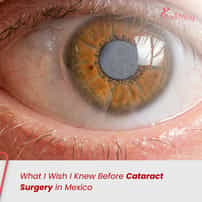
What I Wish I Knew Before Cataract Surgery in Mexico
Before getting cataract surgery in Mexico, patients typically find advanced lens options at lower estimated costs. You should plan for a 5 to 7-day stay to ensure proper initial recovery and arrange follow-up care with an eye doctor back home. Deciding to travel for medical care is a major decision, especially when it involves something as precious as your eyesight. As waiting lists grow and out-of-pocket healthcare expenses rise, a growing number of people are exploring cataract surgery in Mexico. While the prospect of combining quality eye care with lower estimated costs is appealing, the process requires thorough research, realistic expectations, and careful planning. Navigating healthcare in another country involves understanding how clinics operate, what kind of technology they use, and how to safely manage your recovery while traveling. If you are considering this path, learning from the experiences of others can help you make an informed, medically responsible choice. Here is a comprehensive look at what you need to know before booking your procedure. Key Takeaways Cost estimates for treatment in Mexico are frequently lower than in the US, often allowing patients to afford premium lens options. You will generally need to stay in the country for 5 to 7 days to accommodate pre-operative testing and mandatory post-operative check-ups. Not all patients are suitable candidates for travel or for premium multifocal lenses; a thorough local evaluation is crucial beforehand. You must establish a relationship with a local eye care professional in your home country to handle long-term follow-up and any potential complications. Carefully vetting clinic certifications and the operating surgeon's credentials is the most critical step for patient safety. What is the average cataract surgery cost in Mexico? The estimated cataract surgery cost in Mexico ranges from $1,200 to $2,500 per eye, depending largely on the type of intraocular lens (IOL) chosen and the specific clinic's location. One of the primary reasons patients look across the border is the potential for significant savings. In the United States, patients without insurance—or those facing high deductibles—can see estimates ranging from $3,500 to over $6,000 per eye, particularly if they opt for premium lenses that insurance rarely covers. In Mexico, the overall cost of living and lower administrative overhead generally allow facilities to offer the same procedures at a reduced rate. When budgeting for your trip, it is important to understand that the base surgical fee is only one part of the equation. Your final expenses will vary based on: Lens type: Standard monofocal lenses are the most affordable, while advanced toric or multifocal lenses will increase the price. Pre-operative testing: Some clinics bundle diagnostic tests like biometry and topography into the surgical fee, while others bill them separately. Travel and accommodation: You must factor in flights, a multi-night hotel stay, local transportation, and meals. Always ask for a detailed, itemized estimate before committing. Ensure you understand exactly what is included in the quoted price, such as facility fees, anesthesiologist fees, and post-operative medications. What types of intraocular lenses (IOLs) can I get? Facilities catering to international patients typically offer a full range of FDA-approved lenses, including standard monofocal IOLs and premium toric, multifocal, and extended depth of focus (EDOF) lenses. During cataract surgery, the cloudy natural lens of your eye is removed and replaced with an artificial intraocular lens. Because of the lower overall treatment costs, many medical tourists find that premium lenses—which might be financially out of reach at home—become accessible options in Mexico. The types of lenses commonly available include: Monofocal Lenses: These provide clear vision at a single distance (usually far). Most patients will still need reading glasses for close-up tasks. Multifocal Lenses: Designed to provide clear vision at multiple distances, potentially reducing or eliminating the need for glasses entirely. Toric Lenses: Specifically designed to correct astigmatism, providing sharper vision for those with irregularly shaped corneas. EDOF Lenses: These create a continuous range of high-quality vision, bridging the gap between near and distance vision with fewer visual side effects like glare. Important Consideration: Not everyone is a suitable candidate for premium lenses. Existing eye conditions, such as macular degeneration, glaucoma, or severe dry eye, may limit your options. Your surgeon must evaluate your eye health thoroughly before recommending a lens type. How long do I need to stay in Mexico for the procedure? You should plan to stay in the destination city for at least 5 to 7 days to allow adequate time for pre-surgical examinations, the procedure itself, and vital post-operative follow-up appointments. A common misconception about medical tourism in Mexico is that you can fly in, have surgery the same day, and leave the next morning. Eye surgery requires careful staging and monitoring to ensure your safety and protect your vision. Typical Timeline Activity Day 1-2 Arrival, rest, and initial consultation. Comprehensive eye exams and eye measurements are taken. Day 3 Surgery day. The procedure takes under an hour, followed by brief observation before returning to your hotel. Day 4 Mandatory 24-hour follow-up appointment to check eye pressure, ensure the lens is in place, and look for signs of infection. Day 5-7 Additional rest and potential secondary follow-up before receiving medical clearance to travel home. Rushing this timeline can be dangerous. Flying too soon after surgery can cause discomfort and, in rare cases, pressure-related complications. It is imperative to wait for your surgeon’s explicit clearance before traveling, especially if you are taking a flight rather than driving across the border. How do I choose a safe cataract surgery clinic in Mexico? Selecting a reliable cataract surgery clinic in Mexico requires verifying the surgeon’s board certifications, confirming the facility's hygiene standards, and seeking out clinics accustomed to treating international patients. Patient safety should always dictate your choice of provider. While many facilities in major Mexican cities and border towns offer high standards of care, medical regulations can vary. It is your responsibility to thoroughly vet any potential clinic. When researching facilities, consider the following criteria: Surgeon Credentials: Look for ophthalmologists who are board-certified by the Mexican Council of Ophthalmology (Consejo Mexicano de Oftalmología). Many top surgeons also hold memberships in international organizations like the American Academy of Ophthalmology (AAO) or the American Society of Cataract and Refractive Surgery (ASCRS). Facility Accreditation: Determine if the clinic meets recognized safety and hygiene standards. Some top-tier hospitals hold Joint Commission International (JCI) accreditation or national certifications. Technology: Ensure the clinic uses modern phacoemulsification (ultrasound) equipment or femtosecond lasers, which are the standard of care for modern cataract removal. Language Skills: Clear communication is vital for medical consent. Ensure the surgeon and key nursing staff are fluent in your native language. Is medical tourism in Mexico safe for eye surgery? Undergoing eye surgery abroad is generally considered safe if patients are diligent in choosing accredited providers and strictly adhere to pre- and post-operative medical guidelines. Like any medical procedure, cataract surgery carries inherent risks, including infection, bleeding, retinal detachment, or persistent inflammation. These risks exist regardless of whether the surgery is performed in your hometown or abroad. However, being a medical tourist introduces additional variables, such as travel fatigue, navigating foreign environments, and temporary separation from your primary healthcare system. To maximize safety, you must act as your own advocate. Disclose your complete medical history to your Mexican surgeon, including any medications you take (especially blood thinners or prostate medications, which can complicate eye surgery). Furthermore, you should follow general travel safety advice, stay in reputable hotels, and arrange safe transportation to and from the clinic. What happens if I develop complications after returning home? If you experience unusual pain, vision loss, or signs of infection after returning home, you must seek emergency medical care from a local ophthalmologist immediately, rather than attempting to travel back to the operating clinic. This is arguably the most crucial aspect of planning medical travel. Post-operative complications, though relatively rare, can be sight-threatening. A severe internal eye infection known as endophthalmitis requires immediate, aggressive treatment. In such an emergency, getting on a plane to see your original surgeon is simply not an option. Before you leave for your procedure, it is highly recommended to: Inform your local eye doctor of your plans and ask if they are willing to take over your long-term follow-up care. Request complete medical records, surgical notes, and details about the specific lens implant from your Mexican clinic before you travel back. Understand that treating complications at home will likely incur local healthcare costs, which may offset some of the savings you achieved by traveling. Can I have cataract surgery on both eyes during one trip? While it is medically possible, many ophthalmologists prefer operating on one eye at a time, spacing the procedures a few days to a week apart, to monitor recovery and minimize the risk of bilateral complications. Bilateral cataract surgery (operating on both eyes on the same day) is occasionally performed, but it remains a topic of debate in the medical community. The primary concern is the rare risk of a bilateral infection, which could cause devastating vision loss in both eyes simultaneously. For medical tourists, surgeons often recommend scheduling the surgeries a few days apart during the same trip. For example, they may operate on the first eye on Tuesday and the second eye on Thursday. This approach allows the doctor to ensure the first eye is healing appropriately without signs of infection before proceeding. It also provides the patient with some functional vision in the untreated eye during the initial recovery days. Your eligibility for this schedule will depend on your specific health factors and the clinic’s protocols. What pre-operative tests are required before surgery? Before the procedure, your doctor will perform a comprehensive dilated eye exam, use biometry to measure the size and shape of your eye, and evaluate your overall suitability for surgery. Accuracy is vital in eye surgery. Even if you bring test results from your home doctor, your chosen clinic will almost certainly insist on repeating these diagnostics to ensure their own accuracy. The measurements dictate the exact focusing power of the intraocular lens that will be implanted. Standard pre-operative testing usually includes: Corneal Topography: Mapping the surface of the eye to check for astigmatism. Optical Biometry: Measuring the length of the eye and the curve of the cornea. Retinal Exam: Dilating the pupil to check the health of the retina and macula at the back of the eye. If you wear contact lenses, you will be instructed to stop wearing them for several days to a few weeks prior to these measurements, as contacts can temporarily alter the shape of your cornea. Will the language barrier be an issue during my care? Many facilities specializing in medical tourism employ bilingual doctors and patient coordinators, significantly reducing the language barrier and ensuring you fully understand your diagnosis and post-operative instructions. Effective communication is a cornerstone of patient safety. You need to be able to accurately describe your symptoms, understand the risks associated with the surgery, and follow precise instructions regarding eye drop schedules and post-operative care. When vetting a clinic, interact with the staff over the phone or via video consultation. Gauge their English proficiency. Ask if all medical consent forms are available in English. If a clinic struggles to communicate with you during the inquiry phase, it is a sign that communication may be difficult during your actual medical care. Do not rely solely on translation apps for critical medical discussions. Why Choose PlacidWay for Medical Tourism in Mexico? Navigating healthcare options across borders requires access to clear, organized information. PlacidWay serves as a global medical tourism platform to assist patients in their research phase. Facility Comparisons PlacidWay allows patients to explore and compare various clinics in Mexico based on available procedures, technologies, and patient reviews. Transparent Estimates The platform provides baseline cost estimates, helping individuals understand potential financial requirements before requesting formal quotes. Provider Information Patients can access professional profiles, educational backgrounds, and listed credentials of healthcare providers in one centralized location. Direct Communication The platform facilitates initial contact between patients and international clinics, streamlining the process of asking questions and gathering information. Educational Resources PlacidWay offers articles, guides, and patient resources designed to educate travelers about navigating cross-border healthcare safely. Frequently Asked Questions Are there age limits for cataract surgery in Mexico? There is typically no strict upper age limit for cataract surgery, provided the patient is in good general health and able to safely undergo mild sedation. Suitability is based on an individual medical evaluation rather than age alone. Will my US medical insurance cover surgery in Mexico? Most standard US health insurance plans, including Medicare, do not routinely cover planned medical procedures performed outside the United States. Patients usually pay out-of-pocket, though it is always recommended to verify specific international coverage with your provider. When can I fly home after cataract surgery? Ophthalmologists generally advise waiting at least a few days to a week before flying. Changes in cabin pressure can sometimes affect the healing eye, and you need to be cleared during your initial post-operative follow-up before air travel. Can I drive back across the border after the procedure? You will not be allowed to drive immediately following surgery due to the effects of mild sedation and temporary blurred vision. You must arrange for a travel companion to drive you back across the border. Is cataract surgery painful? Patients typically report feeling little to no pain during the procedure. Surgeons use localized numbing drops and often administer a mild sedative to keep you comfortable. You may experience mild scratchiness or discomfort for a few days during recovery. How long does the actual procedure take? The surgical procedure itself usually takes between 15 and 30 minutes per eye. However, you should expect to spend a few hours at the clinic on the day of surgery for preparation, dilation, and immediate post-operative monitoring. Are the surgical materials used in Mexico the same as in the US? Reputable clinics in Mexico generally use the same high-quality, FDA-approved (or internationally approved) intraocular lenses, surgical equipment, and lasers as those found in US or Canadian facilities. Can I wear makeup after my eye surgery? Eye doctors generally recommend avoiding eye makeup, such as mascara or eyeliner, for at least one to two weeks following surgery. This helps reduce the risk of foreign particles entering the eye and causing an infection. Will I still need glasses after getting a new lens? Depending on the type of intraocular lens (IOL) you choose and your overall eye health, you may still need reading glasses or glasses for fine detailed work. Premium multifocal lenses can reduce dependence on glasses, but outcomes vary by patient. What activities should I avoid during recovery? During the initial recovery period, patients are usually advised to avoid heavy lifting, bending over, swimming, vigorous exercise, and rubbing their eyes to prevent complications and allow the eye to heal properly. Explore Your Vision Care Options Connect with evaluated eye care facilities and receive detailed information regarding procedure costs, lens options, and treatment plans. Request Treatment Information References What is Cataract Surgery? – American Academy of Ophthalmology (AAO) Cataracts Information – National Eye Institute (NEI) Medical Tourism Guidelines – Centers for Disease Control and Prevention (CDC) Cataract Surgery Risks and Recovery – Mayo Clinic Patient Guide to Cataract Surgery – American Society of Cataract and Refractive Surgery (ASCRS) Quality and Safety Accreditation – Joint Commission International (JCI) Medical Disclaimer: The information provided in this article is for educational and informational purposes only and does not constitute medical advice, diagnosis, or treatment recommendations. Cataract surgery outcomes, risks, and recovery times vary significantly among individuals. Never disregard professional medical advice or delay in seeking it because of something you have read here. Always consult with a qualified healthcare provider or ophthalmologist to determine if a specific treatment, intraocular lens, or medical travel is appropriate for your personal medical history and eye health. PlacidWay does not endorse specific providers, guarantee medical outcomes, or assume liability for treatments received abroad....
Read more details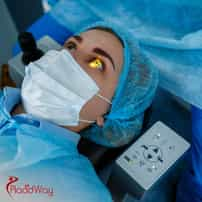
Where to find affordable LASIK in Tijuana?
You can find affordable LASIK in Tijuana at specialized eye clinics catering to international patients. Prices generally range from $1,000 to $1,800 for both eyes, offering significant savings compared to the US while using similar laser technology. Many individuals dealing with nearsightedness, farsightedness, or astigmatism consider corrective eye surgery to reduce their dependence on glasses and contact lenses. However, the high out-of-pocket expenses in the United States prompt thousands of people to look across the border for more accessible options. Finding LASIK in Mexico has become increasingly common, particularly in border cities that cater specifically to international visitors seeking vision correction. Because of its immediate proximity to San Diego, California, Tijuana has developed a robust healthcare infrastructure focused on treating international patients. When exploring medical tourism in Mexico, understanding how to navigate the available options, evaluate costs, and prioritize your safety is critical. This guide provides detailed information on what to expect, how to select a qualified provider, and the medical considerations you must review before undergoing refractive eye surgery abroad. Key Takeaways Treatment costs in Tijuana typically range from $1,000 to $1,800 for both eyes, representing substantial savings compared to US averages. Reputable clinics utilize modern excimer and femtosecond laser systems similar to those found in standard US eye centers. Not everyone is a suitable candidate; sufficient corneal thickness and a stable vision prescription are mandatory medical requirements. Proper screening by a board-certified ophthalmologist is essential to minimize the risk of complications such as severe dry eye or visual disturbances. Patients must arrange for transportation home and plan for post-operative follow-up care either locally or with their treating surgeon. How much does LASIK cost in Tijuana compared to the US? The LASIK cost in Mexico typically ranges from $1,000 to $1,800 for both eyes, whereas the same procedure in the US often averages between $4,000 and $5,000. These lower prices reflect differences in living costs and operational overhead rather than a lack of technological capability. When evaluating the financial aspects of refractive surgery, it helps to understand what is generally included in the quoted price. In Tijuana, the estimated cost usually covers your initial pre-operative consultation, comprehensive eye mapping, the surgical procedure itself, and the first set of post-operative eye drops. However, pricing can fluctuate depending on the specific technology used, such as whether you opt for standard microkeratome surgery or a bladeless femtosecond approach. The stark difference in pricing compared to the United States primarily comes down to economic factors. Medical facilities in Mexico operate with lower rent, reduced labor costs, and different medical liability insurance structures. These factors allow eye centers to offer services at a lower price point while still purchasing and maintaining standard international laser equipment. You should always ask for a detailed, itemized quote before traveling. Clarify whether follow-up appointments are included and ask if there are extra fees for enhancement surgeries should your vision regress slightly in the months following your initial treatment. Am I a good candidate for refractive eye surgery? You may be a suitable candidate for laser vision correction if you are over 18, have had a stable vision prescription for at least a year, and possess sufficient corneal thickness. A thorough medical evaluation by an eye care professional is mandatory to confirm your eligibility. Not everyone who wants to reduce their reliance on glasses can safely undergo this procedure. During your initial consultation, the ophthalmologist will measure your corneal thickness using a pachymeter. Because the laser removes microscopic layers of tissue to reshape your eye, your cornea must be thick enough to withstand this reshaping without structural weakening. If your cornea is too thin, the surgeon may recommend an alternative procedure, such as PRK (Photorefractive Keratectomy) or implantable lenses. Other vital factors determine your candidacy. You must have healthy eyes free from active infections, severe dry eye syndrome, glaucoma, or uncontrolled cataracts. Furthermore, certain systemic health conditions can interfere with your body's healing process. Autoimmune diseases, such as rheumatoid arthritis or lupus, can complicate healing. Uncontrolled diabetes can affect vision stability and recovery. Pregnancy and nursing cause hormonal fluctuations that temporarily alter vision prescriptions, making surgery inadvisable during these periods. A history of chronic dry eyes may worsen post-surgery, requiring careful evaluation before proceeding. How do I choose a safe LASIK clinic in Tijuana? To find a reliable LASIK clinic in Mexico, look for facilities with strong hygiene standards, transparent pricing, and surgeons who clearly display their medical credentials. Asking direct questions about their equipment maintenance and patient screening processes is essential. Selecting a facility requires careful research beyond simply comparing costs. You should look for eye centers that focus primarily on ophthalmology and refractive surgery, rather than general clinics offering a multitude of unrelated medical services. A specialized clinic is more likely to have the necessary diagnostic equipment, such as corneal topographers and wavefront analyzers, which are crucial for mapping your eye accurately before surgery. Communication is another vital aspect of choosing a clinic. Because you will need to understand complex medical information, pre-operative instructions, and post-operative care requirements, the facility should have fluent English-speaking staff and doctors. If you feel pressured into making a deposit or if the clinic guarantees a perfect outcome without mentioning potential risks, you should consider looking elsewhere. Important Consideration: Always request to see the facility's sanitation and sterilization protocols. High-quality clinics will happily explain how they maintain a sterile environment to prevent post-operative eye infections. What technology is used for laser eye surgery in Mexico? Many established eye centers in Tijuana utilize modern excimer lasers and femtosecond lasers to accurately map and reshape the cornea. This equipment is often manufactured by the same international companies that supply ophthalmology practices in the United States and Europe. The quality of your vision correction relies heavily on the technology used. The procedure generally involves two main steps: creating a thin flap on the surface of the cornea, and then using an excimer laser to reshape the underlying tissue. Older methods use a mechanical blade called a microkeratome to create the flap. While still effective and commonly used, many patients now prefer the bladeless approach. Bladeless surgery utilizes a femtosecond laser to create the corneal flap with tiny, rapid pulses of energy. This method can offer greater precision and may reduce the risk of certain flap-related complications. When researching clinics, ask if they offer Wavefront-optimized or topography-guided treatments. These advanced diagnostic tools create a highly detailed, three-dimensional map of your eye, allowing the laser to correct microscopic vision errors unique to your individual eye shape, potentially reducing nighttime glare and halos. Are eye surgeons in Tijuana board-certified? Reputable eye surgeons practicing in Tijuana are usually board-certified by the Mexican Council of Ophthalmology (Consejo Mexicano de Oftalmología). Many also hold memberships in recognized international refractive surgery organizations. Verifying your doctor's credentials is a non-negotiable step when planning medical travel. In Mexico, medical professionals must graduate from an accredited medical school and complete a specialized residency in ophthalmology to practice. Earning certification from the national medical board indicates that the surgeon has passed rigorous examinations and maintains ongoing medical education requirements. Beyond basic certification, look for surgeons who have completed specific fellowship training in cornea and refractive surgery. Experience matters significantly in ophthalmology. You can respectfully ask the surgeon how many laser vision correction procedures they have performed in their career. Surgeons who perform these procedures regularly are generally more adept at handling variations in eye anatomy and managing potential complications if they arise. What are the potential risks and side effects of the procedure? While highly common, refractive eye surgery carries potential medical risks such as chronic dry eyes, glare, halos around lights, under-correction, or corneal flap complications. Most side effects are temporary, but some patients may experience permanent visual disturbances. Like any surgical intervention, vision correction is not without risk, and outcomes vary by patient. The most frequently reported side effect is dry eye syndrome. The surgery temporarily disrupts corneal nerves responsible for tear production. While this usually resolves within a few months as the nerves heal, some patients require long-term use of artificial tears or prescription eye drops to manage ongoing dryness. Visual symptoms such as glare, starbursts, and halos around bright lights are also common during the first few weeks of recovery, particularly at night. In most cases, these symptoms diminish as the eye heals and the brain adapts to the new corneal shape. However, in a small percentage of patients, these issues can persist, making nighttime driving difficult. More severe, albeit rare, complications involve the corneal flap. If the eye is rubbed vigorously during the initial healing phase, the flap can wrinkle or become dislodged. There is also a small risk of infection or an inflammatory condition known as Diffuse Lamellar Keratitis (DLK). Immediate medical attention is required if you experience sudden pain, worsening vision, or severe redness after the procedure. How long is the recovery time after LASIK? Initial healing typically takes 24 to 48 hours, during which many patients notice significantly improved vision, but full visual stabilization can take up to six months. You will need to rest your eyes and strictly follow your post-operative drop schedule during the early recovery phase. Immediately after the surgery, your eyes will likely feel itchy, gritty, or watery, as if there is an eyelash trapped inside. Your doctor will instruct you to go home or to your hotel and sleep for a few hours. Keeping your eyes closed promotes the initial sealing of the corneal flap. You will be provided with a specific regimen of antibiotic drops to prevent infection and steroid drops to control inflammation. During the first week, you must avoid rubbing your eyes at all costs. You will be given protective eye shields to wear while sleeping to prevent accidental contact. It is also important to avoid getting tap water, soap, or shampoo in your eyes while showering. Dusty environments, smoke, and swimming pools should be avoided for several weeks to prevent infection and irritation. While most people can return to regular daily activities within a few days, your vision may fluctuate. It might be perfectly clear one day and slightly blurry the next. This fluctuation is a normal part of the healing process as the cornea adjusts and tear film stabilizes. Can I travel back home immediately after the procedure? It is usually required that you stay in Tijuana or the immediate border area for at least one to two days to attend your initial post-operative follow-up appointment. You will not be cleared to drive yourself immediately after surgery due to blurry vision and prescribed sedatives. Logistical planning is a major part of medical travel. Because the procedure alters your vision and you may be given a mild oral sedative to help you relax, you cannot operate a vehicle afterward. You must arrange for a friend or family member to drive you across the border, or utilize private medical transportation services if available. Surgeons mandate a follow-up appointment the morning after your procedure. During this brief visit, the doctor will check your visual acuity and examine the corneal flap under a slit-lamp microscope to ensure it is healing smoothly and securely. Traveling long distances or flying before this check-up is strongly discouraged. If you are flying out of San Diego International Airport, plan your departure for the afternoon following your post-op appointment at the earliest. Keep in mind that airplane cabins have very dry air, so you must aggressively use preservative-free artificial tears during your flight to keep your healing corneas properly lubricated. What happens if I need follow-up care after returning home? Before leaving Tijuana, you should secure a detailed copy of your surgical records so a local optometrist or ophthalmologist can properly manage your ongoing aftercare. Standard post-operative care requires multiple check-ups over the first year to monitor your healing progress. Refractive surgery requires continuous monitoring to ensure optimal outcomes. Standard follow-up schedules typically involve visits at one week, one month, three months, and six months post-surgery. If you live close to the border, returning to your original surgeon in Tijuana is often the best and most cost-effective option. However, if you are traveling from further away, you will need to establish a co-management relationship with an eye doctor in your hometown. This means your local doctor will perform the required check-ups and communicate any concerns with your surgeon in Mexico. It is crucial to set this up before you travel for surgery. Keep in mind that while your surgical fee in Mexico may be low, you will likely need to pay out-of-pocket for these local follow-up visits in the US, as your domestic health insurance may not cover care related to elective vision correction performed abroad. Factor these local medical fees into your overall budget when determining your true costs. Why Choose PlacidWay for Medical Tourism in Tijuana? Navigating healthcare options in another country requires access to clear, organized information. PlacidWay serves as a resource for individuals researching international medical options. Extensive Network: Provides users with access to profiles of healthcare providers and eye clinics located in Tijuana and other global destinations. Cost Comparisons: Allows patients to view estimated treatment costs across multiple facilities to help determine budget requirements. Direct Communication: Connects users directly with clinics so they can ask specific questions about technology, surgeon credentials, and treatment protocols before making decisions. Educational Materials: Offers articles and guides explaining the basics of medical travel, what to expect from different procedures, and how to prepare. Centralized Platform: Features an interface built to help international patients organize their research and evaluate healthcare facilities internationally without needing to visit dozens of separate websites. Frequently Asked Questions Does the laser eye surgery procedure hurt? Patients typically do not feel pain during the procedure because the surgeon applies numbing eye drops beforehand. You may feel some mild pressure on your eye when the device used to hold your eyelids open is placed, or when the corneal flap is being created, but the laser treatment itself is generally painless. Is bladeless refractive surgery available in Tijuana? Yes, many established eye centers in the city offer bladeless procedures. This approach uses a femtosecond laser rather than a microkeratome blade to create the corneal flap, which can sometimes provide more precise flap creation and potentially reduce certain flap-related complications. Can astigmatism be corrected at these facilities? Yes, modern excimer lasers used in these clinics are capable of correcting astigmatism along with nearsightedness and farsightedness. Your surgeon will evaluate your specific corneal shape during your consultation to determine if your degree of astigmatism falls within the treatable range. What happens if I blink or move my eye during the laser treatment? Your eye is held open gently with a small medical instrument, preventing you from blinking during the procedure. Additionally, modern laser systems feature advanced eye-tracking technology that monitors your eye position hundreds of times per second. If your eye moves too much, the laser automatically pauses until proper alignment is restored. Will I ever need to wear glasses again later in life? While refractive surgery corrects your current vision prescription, it does not prevent the natural aging of the eye. Around age 40 to 50, most people develop presbyopia, a condition that makes it difficult to read up close. When this happens, you will likely need reading glasses, even if your distance vision remains clear. How quickly can I return to work after treatment? Many patients feel comfortable returning to office or computer work within two to three days, provided their initial healing is progressing normally. However, you should take frequent breaks to administer prescribed artificial tears, as staring at screens can exacerbate post-operative dry eyes. Are both eyes typically treated on the same day? Yes, it is standard practice to treat both eyes during the same surgical session. Doing so allows both eyes to heal concurrently and helps your brain adjust to your new vision faster, though you and your surgeon can opt to treat them on separate days if there is a medical reason to do so. What is the difference between PRK and this procedure? While both use an excimer laser to reshape the cornea, the preparation differs. The standard procedure involves creating a thin flap to access the underlying tissue, whereas PRK involves removing the outer layer of the cornea completely. PRK has a longer recovery time but is often recommended for patients with thin corneas. Do I need a passport to cross the border for eye care? Yes, a valid passport or an approved WHTI-compliant document, such as a passport card or Enhanced Driver's License, is required for US citizens to re-enter the United States by land after visiting Mexico. Ensure your travel documents are up to date before scheduling your appointment. How do patients pay for medical services across the border? Most recognized clinics accept major international credit and debit cards, though you should notify your bank of your travel plans beforehand to prevent blocked transactions. Some facilities also accept US dollars in cash or offer specific medical financing plans, but personal checks are rarely accepted. Compare Treatment Options in Tijuana Explore eye clinic profiles, learn about available technologies, and gather estimated pricing information to help you make an informed decision regarding your vision care. Request Treatment Information Medical Disclaimer: The information provided in this article is for educational purposes only and does not constitute medical advice, diagnosis, or treatment planning. Ophthalmic surgical outcomes, risks, and recovery times vary significantly by individual patient anatomy and health history. Always seek the advice of a qualified and properly licensed eye care professional regarding your eligibility for refractive surgery and thoroughly review all potential risks before proceeding with treatment. References LASIK Basics – U.S. Food and Drug Administration (FDA) LASIK Laser Eye Surgery – American Academy of Ophthalmology (AAO) LASIK Eye Surgery: Risks and Results – Mayo Clinic Medical Tourism Safety Guidelines – Centers for Disease Control and Prevention (CDC) Refractive Errors Overview – National Eye Institute (NEI) Patient Guide to Refractive Surgery – American Society of Cataract and Refractive Surgery (ASCRS)...
Read more details
What I Wish I Knew Before Cataract Surgery in Thailand?
Before having cataract surgery in Thailand, know that clinics offer advanced intraocular lenses at lower costs. Plan to stay 7 to 10 days for the consultation, surgery, and vital follow-up care before flying home to ensure safe healing. Deciding to travel abroad for medical care involves a lot of moving parts, especially when it concerns something as vital as your eyesight. Exploring cataract surgery in Thailand is a popular choice for many international patients seeking timely care and advanced lens technology. However, combining eye surgery with international travel requires careful planning, a clear understanding of the medical process, and realistic expectations regarding recovery. If you are considering this journey, it helps to look beyond the initial appeal of a tropical destination. You need to know how the clinics operate, what kind of lenses are available, how much it really costs, and what you must do to protect your eyes after the procedure. In this guide, we will explore the practical realities and essential details you should know before booking your flight and procedure. Key Takeaways Expect to spend about a week to ten days in Thailand to allow for necessary pre-operative exams and post-operative monitoring. Premium intraocular lenses (IOLs), such as multifocal or toric lenses, are widely available and can reduce dependency on glasses. Strict adherence to aftercare is crucial—swimming in pools or the ocean is strictly prohibited during the initial recovery phase. Flying shortly after surgery is generally safe, provided your surgeon clears you during the follow-up appointment. You must arrange for a local eye doctor in your home country to take over your long-term follow-up care. How much does cataract surgery cost in Thailand? Expect the cataract surgery cost in Thailand to range from $1,000 to $2,800 per eye. The final price depends primarily on the type of intraocular lens (IOL) you select and the specific surgical technique used. When budgeting for your procedure, it helps to understand that the basic surgical fee often covers standard monofocal lenses. If you opt for premium lenses—such as toric lenses to correct astigmatism or multifocal lenses that allow you to see at various distances—the cost will be higher. Laser-assisted cataract surgery, if available and chosen, also adds to the total estimate. While the procedure itself may be significantly more affordable than in countries like the United States or Australia, you must factor in the entire cost of the trip. Your budget should include round-trip flights, accommodation for 7 to 10 days, local transportation, and meals. Many patients find that even with these added travel expenses, the overall out-of-pocket costs remain lower, especially when choosing premium lenses that are rarely covered by standard domestic health insurance. What types of intraocular lenses (IOLs) are available? Thai eye centers provide a wide range of FDA-approved and CE-marked IOLs. You can choose from standard monofocal lenses, toric lenses for astigmatism, or advanced multifocal and trifocal lenses for broader visual ranges. Choosing the right lens is one of the most critical decisions you will make. Standard monofocal lenses are excellent for providing clear vision at a single distance (usually far away). If you choose these, you will likely still need reading glasses for up-close tasks like reading a menu or looking at your smartphone. Premium lenses aim to reduce your dependence on glasses. Toric IOLs are specifically designed to correct astigmatism, ensuring sharper vision. Multifocal and extended depth of focus (EDOF) lenses provide a range of continuous vision. During your consultation, your ophthalmologist will measure your eyes meticulously and discuss which lens aligns best with your lifestyle, visual needs, and eye anatomy. Not every patient is a suitable candidate for multifocal lenses, particularly if there are underlying issues with the retina or optic nerve. How long do I need to stay in Thailand? Patients should plan to be in the country for approximately 7 to 10 days. This timeline accommodates the pre-surgical consultation, the surgery day, and essential post-operative follow-up visits. A common mistake is treating medical travel exactly like a vacation, trying to squeeze the medical appointments into a tight schedule. Cataract surgery requires a thorough pre-operative assessment to map your eye, measure for the IOL, and ensure you have no contraindications. This usually happens a day or two before the surgery. After the procedure, the surgeon will want to see you the next day to check your eye pressure, look for early signs of infection, and ensure the lens is positioned correctly. A subsequent check-up is usually scheduled a few days later. Staying for this full duration is critical for your safety. If a minor complication arises, such as a spike in intraocular pressure, you want to be close to your surgical team so they can manage it immediately. Is it safe to fly after having cataract surgery? Flying after routine cataract surgery is typically safe once your surgeon clears you, as the cabin pressure does not affect the standard intraocular lens. Unlike some retinal surgeries that involve injecting a gas bubble into the eye—which strictly prohibits flying due to expansion from pressure changes—routine cataract surgery uses clear incisions and an artificial lens. Air travel does not pose a direct threat to the newly implanted lens. However, the primary concern with flying is the very dry air inside the airplane cabin, which can irritate a healing eye. You will need to use your prescribed lubricating and antibiotic drops diligently during your flight. Additionally, handling heavy luggage in the airport can strain your body and momentarily increase pressure in your head and eyes, so it is advisable to ask for assistance with bags. Always get explicit clearance from your Thai eye surgeon before boarding your flight home. How do I choose a cataract surgery clinic in Thailand? Selecting a reputable cataract surgery clinic in Thailand requires verifying the facility’s international accreditations, the surgeon’s credentials, and their experience with foreign patients. Do not simply choose a clinic based on the lowest price. Look for facilities that hold recognized accreditations, such as from the Joint Commission International (JCI), which indicates adherence to rigorous global safety and hygiene standards. Research the ophthalmologists on staff. Many leading eye surgeons in Thailand have undergone specialized fellowship training abroad and are members of international ophthalmological societies. When contacting a facility, ask how many procedures the surgeon performs annually and what specific equipment they use for eye measurements. A reputable clinic will be transparent about their technology, infection rates, and the brands of lenses they utilize. What happens during the initial consultation? The initial consultation involves comprehensive diagnostic testing, including corneal mapping and biometry, to calculate the exact power needed for your artificial lens. When you arrive at the clinic, the staff will perform several painless scans of your eye. These tests measure the length of your eyeball and the curve of your cornea. Because precision is vital for the best visual outcome, high-quality clinics use advanced optical biometry machines. During this visit, you will discuss your medical history, any medications you take (especially blood thinners or prostate medications, which can affect surgery), and your visual goals. The surgeon will dilate your pupils to examine the retina and optic nerve, ensuring your eye is healthy enough to benefit from the surgery. This is also the time to finalize your choice of IOL and ask any remaining questions. Can I have both eyes done on the same trip? Yes, you can have both eyes treated during the same trip. Surgeons typically perform the surgeries a few days apart rather than on the exact same day. While simultaneous bilateral cataract surgery (treating both eyes on the same day) is done in some countries, most surgeons in Thailand prefer to wait anywhere from two days to a week between eyes. Staggering the procedures provides several safety benefits. First, it allows the surgeon to see how the first eye responds to the surgery and how well the vision settles, which can sometimes influence the lens choice for the second eye. More importantly, it minimizes the extremely rare but serious risk of bilateral endophthalmitis (a severe infection in both eyes simultaneously). If you plan to have both eyes done, you will need to extend your stay in Thailand by a few extra days to accommodate the second surgery and its follow-up. Important Consideration: Even in a tropical climate, you must wear an eye shield while sleeping for the first week to prevent accidental rubbing. Bring a travel neck pillow to help you sleep comfortably on your back. What is the typical recovery process like? Recovery is generally quick, with many patients noticing improved vision within 24 to 48 hours. However, full stabilization of your eyesight takes about four to six weeks. Immediately after surgery, your vision may be blurry, and your eye might feel scratchy or slightly gritty. This is a normal part of the healing process. You will be prescribed a regimen of antibiotic and anti-inflammatory eye drops to prevent infection and control swelling. You must apply these exactly as directed by your surgeon. The humid environment in Thailand means you need to be particularly careful about hygiene. Avoid letting shower water run directly over your face, do not wear eye makeup, and avoid dusty environments. Strenuous exercise, heavy lifting, and bending over should also be avoided for the first week or two to prevent sudden increases in eye pressure. Always wear sunglasses outdoors to protect your healing eye from bright sunlight and dust. What risks and complications should I be aware of? While cataract surgery is widely considered highly successful, risks include infection, bleeding, inflammation, retinal detachment, or swelling of the retina. No surgical procedure is entirely without risk. Before engaging in medical tourism in Thailand, it is essential to understand these potential complications. Minor issues, such as dry eyes or a temporary increase in eye pressure, are relatively common and easily managed with drops. More serious complications, like a detached retina or severe infection, are rare but require immediate medical intervention. This is why staying in the country for your scheduled follow-ups is critical. Before you leave for home, you should also establish a connection with a local eye care professional in your home country. If you experience sudden vision loss, worsening pain, or a sudden increase in floaters or flashes of light after returning home, you will need to seek emergency care locally. Why Choose PlacidWay for Medical Tourism in Thailand? Navigating international healthcare options can feel overwhelming. PlacidWay serves as a global medical resource to help you gather the information you need. ? Informational Resources: PlacidWay provides access to details about various international healthcare providers, helping patients research their options. ? Global Network: The platform lists medical centers and clinics across numerous specialties and global destinations, including Southeast Asia. ? Provider Profiles: Patients can review clinic profiles that detail the facility's accreditations and the specific medical services they offer. ? Direct Inquiries: The platform allows you to request preliminary information and estimates directly from listed medical facilities. ? Patient Education: PlacidWay offers guides and articles to help patients understand what to expect when seeking medical care abroad. Frequently Asked Questions Are English-speaking eye surgeons common in Thailand? Yes, many ophthalmologists in Thailand who treat international patients speak fluent English. Some have completed fellowships or additional training in the US, UK, or Australia, making communication about your vision and surgical options straightforward. Do Thai eye clinics use laser-assisted cataract surgery? Many facilities in Thailand offer femtosecond laser-assisted cataract surgery (FLACS) alongside traditional phacoemulsification. The laser can add precision to certain steps of the procedure, though it typically increases the overall cost. Will I need a medical visa for eye surgery in Thailand? Patients from many Western countries enter Thailand on a standard 30-day tourist exemption, which is usually sufficient for cataract surgery and recovery. If you plan to stay longer, you may need to apply for a tourist or medical visa before arrival. How soon can I go to the beach or swim after surgery? You must avoid swimming in oceans, pools, or hot tubs for at least two to four weeks after surgery to minimize the risk of serious eye infections. Even splashing tap water in your eye while showering should be avoided in the early days of recovery. Are the intraocular lenses used in Thailand internationally approved? Facilities catering to international patients typically use intraocular lenses (IOLs) manufactured by well-known global brands that hold FDA or CE-mark approvals. You can ask your surgeon for the exact brand and model during your consultation. Can I wear my current glasses immediately after surgery? Your old glasses will likely have the wrong prescription for your treated eye. Many patients temporarily wear reading glasses or use a lens with plain glass on the treated side until their vision stabilizes and a final prescription is determined. What should I pack for my medical trip to Thailand? Pack high-quality UV-blocking sunglasses, a wide-brimmed hat, comfortable loose clothing, and any routine medications. Thailand is sunny, and your eyes will be sensitive to light after the procedure. How is payment usually handled at Thai clinics? Most facilities accept major international credit cards, though foreign transaction fees may apply. Some patients prefer to pay with cash (Thai Baht) or arrange a direct bank transfer. Payment is usually required in full before the surgery. What happens if I experience blurry vision after returning home? Some blurriness during healing is normal, but persistent or sudden blurry vision requires evaluation. Months or years later, blurriness can also be caused by posterior capsule opacity (PCO), a common, easily treatable condition requiring a brief laser procedure by a local eye doctor. Do I need local follow-up care in my home country? Yes, while your surgeon in Thailand handles immediate post-operative checks, you should arrange for a local optometrist or ophthalmologist at home to monitor your long-term healing and update any glasses prescriptions you might need. Ready to Explore Your Vision Options? Compare medical facilities and request detailed information to help you make an educated decision about your eye health abroad. Request Treatment Information References What Are Cataracts? – American Academy of Ophthalmology Cataract Surgery Overview – Mayo Clinic Medical Tourism Safety Guidelines – Centers for Disease Control and Prevention (CDC) Blindness and Vision Impairment Facts – World Health Organization (WHO) Cataract Surgery Risks and Recovery – National Eye Institute Standards for International Healthcare Quality – Joint Commission International (JCI) Disclaimer: The information provided in this article is for educational purposes only and does not constitute professional medical advice, diagnosis, or treatment. Medical outcomes, risks, and suitability for surgery vary for every individual. Always consult with a qualified local or international healthcare provider to determine if cataract surgery is appropriate for your specific condition....
Read more details
Where Can I Undergo Cataract Surgery In Tijuana?
You can undergo cataract surgery in Tijuana at various specialized eye care centers, ophthalmology institutes, and accredited outpatient surgical facilities primarily located in the city's established medical districts, such as Zona Rio. Deciding to travel for medical care involves careful planning, especially when it comes to preserving and restoring your eyesight. For many individuals dealing with clouded vision, seeking treatment across the border has become a viable option. This guide explores how to navigate medical tourism in Tijuana for vision correction, what you can expect during the process, how to prepare, and what considerations are vital for your safety and recovery. Key Takeaways Procedures are widely available at specialized, outpatient eye clinics throughout Tijuana's main medical zones. Costs generally vary based on the type of intraocular lens (IOL) you and your doctor select for your vision needs. The operation itself is usually quick, but patients must plan for a multi-day stay for pre-operative and post-operative evaluations. Thorough research is necessary to identify appropriately accredited facilities and experienced ophthalmologists. Coordinating local follow-up care with an eye doctor in your hometown is a crucial step for long-term ocular health. How much does cataract surgery cost in Tijuana? The typical cataract surgery cost in Tijuana ranges from an estimated $1,200 to $2,500 per eye, largely depending on the specialized lens you choose and the specific clinic's pricing structure. Understanding the financial aspect of medical travel requires looking beyond just the sticker price. The primary factor that dictates the final cost is the type of intraocular lens (IOL) utilized during the procedure. Standard monofocal lenses, which improve vision at a single distance, represent the lower end of the cost spectrum. Conversely, premium lenses designed to correct astigmatism or offer multi-distance vision will increase the overall price. When requesting estimates from a cataract surgery clinic in Tijuana, it is helpful to ask for a comprehensive breakdown. You want to ensure the quoted price covers the surgeon’s fee, the facility fee, the cost of the lens itself, pre-operative measurements, and immediate post-operative drops. Keep in mind that travel, accommodation, and hometown follow-up visits will add to your total investment. What types of intraocular lenses (IOLs) are available? Clinics typically offer a range of IOLs, including standard monofocal lenses for single-distance vision, multifocal lenses for a broader range of focus, and toric lenses specifically designed to correct astigmatism. During the procedure, the eye's clouded natural lens is removed and replaced with a permanent artificial one. Choosing the right lens is a highly individualized decision made during your consultation, based on your eye anatomy, lifestyle, and visual goals. Monofocal Lenses: These are the traditional standard. They provide clear vision at one set distance (usually far away). Most patients with these lenses still rely on reading glasses for near tasks. Multifocal/Trifocal Lenses: Designed with distinct zones of focus, these aim to provide clear vision at near, intermediate, and far distances, often reducing dependency on glasses. Toric Lenses: If your cornea has an irregular shape (astigmatism), toric lenses can help correct this distortion, which standard lenses cannot fix. It is crucial to understand that not everyone is a suitable candidate for premium multifocal lenses. Pre-existing conditions such as advanced glaucoma or macular degeneration may make a standard monofocal lens the safer, more effective choice. Expert Insight: The Importance of Biometry Before surgery, your eye doctor will perform a test called biometry. This painless ultrasound or laser scan measures the exact size and shape of your eye. These precise calculations are vital for determining the correct focusing power of your new artificial lens. Is it safe to have cataract surgery in a different country? Undergoing medical procedures abroad carries inherent risks, but safety can be managed by thoroughly researching facility accreditations, verifying the surgeon's credentials, and maintaining realistic expectations about the surgical outcome. Patient safety should always be the priority when exploring medical tourism in Tijuana. While many modern clinics in the region adhere to stringent hygiene and surgical standards, regulatory environments differ from country to country. It is your responsibility, alongside your primary physician, to vet the facilities you are considering. Look for clinics that transparently share their infection control protocols and their surgeons' educational backgrounds. Many reputable ophthalmologists practicing near the border have completed fellowships internationally and hold memberships in recognized professional organizations. However, you should independently verify these credentials whenever possible. Furthermore, traveling itself adds physical stress, so ensure your general health is stable enough for cross-border transit before and after a surgical procedure. What happens during the actual cataract procedure? The surgery usually takes less than 30 minutes. The surgeon makes a tiny incision, uses ultrasound waves to break up the cloudy lens, removes the fragments, and carefully positions the new artificial lens. The most common technique used worldwide is called phacoemulsification. After the eye is thoroughly numbed with topical drops—and you are given mild medication to help you relax—the surgeon creates a microscopic incision at the edge of the cornea. A delicate probe is inserted through this incision. This probe emits ultrasound waves that gently emulsify (break apart) the hardened, cloudy cataract. The resulting fragments are gently suctioned out. Once the capsule that held your natural lens is clear, the folded artificial IOL is inserted. It unfolds and settles into the exact position where your natural lens used to be. The incision is typically so small that it seals itself without the need for stitches. How long will I need to stay in Tijuana for treatment? Patients typically need to plan for a stay of three to four days. This allows time for an initial comprehensive consultation, the surgical procedure itself, and an essential next-day post-operative evaluation. Although the surgery is an outpatient procedure, meaning you do not stay overnight in a hospital, leaving the city immediately is rarely advised. A standard timeline often looks like this: Day 1: You will attend a thorough pre-operative consultation, undergo eye mapping (biometry), and confirm the surgical plan with your doctor. Day 2: The day of surgery. You will spend a few hours at the clinic for prep, the procedure, and brief recovery before returning to your hotel. Day 3: You will return to the clinic for a crucial 24-hour follow-up appointment to check the healing of the incision and ensure your eye pressure is stable. If you are having both eyes treated, you may need to extend your stay significantly, as most surgeons prefer to wait a few days to a week before operating on the second eye to minimize bilateral risks. What should I expect during the recovery process? Recovery involves using prescribed medicated eye drops, wearing a protective shield while sleeping, and avoiding strenuous activities, heavy lifting, or exposing the eye to water and dust for several weeks. It is entirely normal for your vision to be blurry or distorted for the first few days as your eye adjusts and heals. You might also experience mild itching, tearing, or a gritty sensation. However, you should never rub your eye, as this can disrupt the delicate healing incision. Your clinic will provide a strict regimen of antibiotic and anti-inflammatory eye drops to prevent infection and manage swelling. You will be advised to avoid bending over, lifting heavy items, swimming, or wearing eye makeup during the initial recovery phase. Complete healing and vision stabilization typically take about four to eight weeks, at which point you can be evaluated for a final eyeglass prescription, if necessary. Are there any risks or complications I should know about? While commonly performed, this surgery carries potential risks, including infection, excessive bleeding, inflammation, retinal detachment, or the development of posterior capsule opacity (secondary cataract). No medical procedure is entirely risk-free. It is vital to discuss your specific risk profile with a qualified ophthalmologist. The most severe complication, though rare, is endophthalmitis (a deep infection inside the eye), which can lead to permanent vision loss if not treated promptly. Retinal detachment is another serious emergency characterized by a sudden increase in floaters, flashes of light, or a curtain-like shadow over your vision. A much more common, easily treatable occurrence is posterior capsule opacity (PCO). Months or even years after the surgery, the thin membrane holding your artificial lens may become cloudy, causing blurry vision similar to the original cataract. If this happens, it can typically be cleared up quickly with a brief, in-office laser procedure known as a YAG capsulotomy. Who is a suitable candidate for this vision procedure? Suitable candidates are individuals whose daily activities—such as reading, driving, or recognizing faces—are significantly impaired by cloudy vision caused by cataracts, provided their overall eye health is stable. Simply having a cataract does not automatically mean you need surgery right away. In the early stages, prescription glasses and brighter lighting may adequately manage symptoms. The procedure is typically recommended when conservative measures no longer work and vision loss begins to interfere with your quality of life and independence. Candidacy must be determined by a comprehensive eye examination. Your doctor will assess not just the cataract, but the health of your retina, macula, and optic nerve. Patients with conditions like uncontrolled diabetes, advanced glaucoma, or severe dry eye may require special management or may be advised that surgery could pose higher risks or yield limited visual improvements. How do I prepare for eye surgery away from home? Preparation involves organizing travel logistics, arranging for a travel companion, communicating your full medical history to the clinic, and following specific pre-operative instructions regarding your current medications. Logistical preparation is critical when planning medical tourism in Tijuana. Because your vision will be temporarily compromised and you will be under mild sedation, you must travel with a companion who can assist you, manage your eye drop schedule, and handle transportation. Medically, transparency is key. You must disclose all medications and supplements you take. For example, prostate medications containing tamsulosin (Flomax) can alter how the iris behaves during surgery (Intraoperative Floppy Iris Syndrome), requiring the surgeon to adjust their technique. You may also be asked to temporarily pause blood thinners under the guidance of your primary care physician to minimize bleeding risks. How do I follow up with an eye doctor after returning home? You should establish a co-management plan with a local optometrist or ophthalmologist in your hometown before traveling, ensuring they are prepared to conduct your mandatory 1-week and 1-month post-operative evaluations. Continuity of care is arguably the most critical component of receiving surgery abroad. Do not assume you can wait weeks to see an eye doctor once you return home. You will need scheduled evaluations to check your intraocular pressure, monitor the position of the IOL, and ensure there are no subtle signs of infection or inflammation. Before you leave for your procedure, request that your chosen facility provides comprehensive medical records detailing the surgery type, the specific IOL implanted, and any intraoperative complications. Hand these records to your local eye care professional. Additionally, ensure you know exactly what emergency steps to take—such as visiting a local emergency room or eye specialist immediately—if you experience sudden pain, vision loss, or extreme redness after returning home. Why Choose PlacidWay for Medical Tourism in Tijuana? PlacidWay operates as an informational portal designed to help individuals research their international healthcare options. When researching cross-border care, the platform offers several practical features: Provider Directories: Offers access to profiles of various medical facilities and specialized eye clinics located in popular destinations. Communication Tools: Facilitates initial contact and messaging between prospective patients and international healthcare teams. Cost Comparisons: Allows users to gather and compare estimated pricing structures from clinics across different regions. Educational Materials: Provides articles and resources explaining typical medical procedures and the basics of seeking care abroad. Research Assistance: Helps patients compile the necessary details to discuss international treatment options with their local primary care physicians. Frequently Asked Questions Can both eyes be treated on the same day in Tijuana? Most ophthalmologists prefer to treat one eye at a time, typically scheduling the second eye a few days or weeks later. This approach allows the first eye to heal, ensures vision is maintained during recovery, and significantly reduces the risk of bilateral complications like infection. Does Medicare cover cataract surgery in Mexico? Generally, United States Medicare does not provide coverage for medical procedures, including cataract surgery, performed outside of the country. Patients traveling to Mexico for treatment typically pay out-of-pocket. Will I still need glasses after the procedure? Whether you need glasses depends heavily on the type of intraocular lens (IOL) you choose and your eye's healing process. While multifocal lenses reduce the need for glasses, many patients with standard monofocal lenses still require reading glasses for close-up tasks. Do Tijuana clinics offer laser-assisted cataract surgery? Yes, many modern eye care facilities in the region offer femtosecond laser-assisted cataract surgery (FLACS). This technology automates certain steps of the procedure, though traditional ultrasound (phacoemulsification) remains highly effective and is more commonly performed. How long does a typical cataract consultation take? A comprehensive pre-operative consultation usually takes between one to two hours. This includes time for your eyes to dilate, vision testing, precise eye measurements (biometry) for the new lens, and a discussion of your medical history. Can I drive myself back across the border after surgery? No. Because you will receive mild sedatives and your vision will be blurry or shielded, it is not safe to drive immediately after surgery. You must arrange for a trusted friend, family member, or medical transport service to drive you back to your accommodation or across the border. What kind of anesthesia is used during the operation? The vast majority of these procedures are performed under local anesthesia. This usually involves numbing eye drops, combined with a mild intravenous sedative to help you stay relaxed but awake during the brief operation. Are there age limits for undergoing cataract removal? There is no strict upper age limit for removing cataracts. Eligibility is based on a patient's overall health, their ability to lie still during the procedure, and whether their vision loss is significantly impacting their quality of life, rather than their chronological age. How soon can I fly after having an IOL implanted? Many patients can fly within a few days after uncomplicated surgery, provided they have been cleared by their surgeon at the post-operative checkup. However, the dry air in airplane cabins can irritate healing eyes, so frequent use of artificial tears is usually recommended. What if I have astigmatism along with cataracts? If you have astigmatism, you can often address it at the same time as your cataract removal. Toric intraocular lenses are specifically designed to correct astigmatism, though they typically cost more than standard monofocal lenses. Compare Treatment Options Gather the information you need to make an educated decision about your eye care. Request estimates and facility details today. Request Treatment Information References What Is Cataract Surgery? – American Academy of Ophthalmology Cataracts Information – National Eye Institute Cataract Surgery Overview and Risks – Mayo Clinic Medical Tourism Guidelines – Centers for Disease Control and Prevention Intraocular Lenses (IOLs) – U.S. Food and Drug Administration Patient Guide to Cataract Surgery – American Society of Cataract and Refractive Surgery Medical Disclaimer: The information provided in this article is for educational and informational purposes only and does not constitute medical advice, diagnosis, or treatment recommendations. All surgical procedures, including cataract removal and IOL implantation, carry inherent risks. Individual results, recovery times, and suitability vary. Always consult with a qualified, licensed healthcare professional or ophthalmologist before making decisions regarding your eye health or traveling abroad for medical care....
Read more details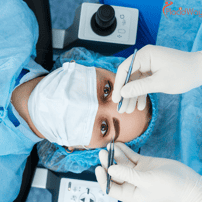
What is the cost of LASIK Eye Surgery in India? Prices & Benefits
The estimated cost of LASIK eye surgery in India typically ranges from $300 to $1,000 per eye. This price usually includes the initial consultation, standard laser procedure, and basic post-operative medications, though complex cases may cost more. Deciding to correct your vision is a major step that involves careful consideration of the available medical options, potential risks, and financial implications. For many individuals facing high healthcare costs in their home countries, looking abroad has become a practical alternative. Exploring LASIK eye surgery in India offers an opportunity to access advanced ophthalmic care at a more accessible price point. Facilities in major metropolitan areas frequently utilize the same sophisticated laser technologies found in North America and Europe. If you are tired of relying on glasses or contact lenses, laser vision correction may seem appealing. However, the decision requires understanding whether you are a suitable candidate, what the procedure involves, and how to safely navigate treatment far from home. This guide breaks down the typical expenses, the medical process, and important safety considerations for those exploring vision correction options overseas. Key Takeaways Estimated expenses typically range between $300 and $1,000 per eye, depending on the technology used. Various advanced options are available, including standard microkeratome LASIK, Bladeless Femtosecond, and SMILE. Ideal candidates must have stable vision prescriptions and sufficiently thick, healthy corneas. While visual improvement is often rapid, full healing and stabilization require time and proper post-operative care. International visitors need to budget for a stay of at least seven to ten days to accommodate essential follow-up exams. How much does LASIK eye surgery cost in India compared to western countries? The LASIK eye surgery cost in India is often significantly lower than in many Western nations, typically allowing patients to save between 50 to 80 percent without compromising on medical technology. In countries like the United States or the United Kingdom, laser vision correction can easily exceed $2,000 to $3,000 per eye. These high out-of-pocket expenses occur because most insurance providers classify the surgery as elective rather than medically necessary. Consequently, patients absorb the full brunt of clinical fees, facility charges, and advanced technology markups. Conversely, the robust infrastructure supporting medical tourism in India allows modern eye centers to offer the same procedures at a fraction of the price. The lower cost of living, reduced administrative overhead, and high volume of patients enable these centers to maintain competitive pricing. A standard procedure might start around $300 per eye, while more advanced bladeless or SMILE techniques might approach $800 to $1,000 per eye. Procedure Type Estimated Cost per Eye (India) Standard Microkeratome LASIK $300 - $500 Bladeless Femtosecond LASIK $600 - $900 SMILE Technique $800 - $1,100 Note: Prices are estimates and vary based on the specific clinic, geographic location, and individual patient requirements. What factors influence the final price of the procedure? The total price of your laser eye surgery depends primarily on the technology used, the complexity of your refractive error, and the specific LASIK eye surgery clinic in India you choose. Not all laser eye surgeries are priced identically, and understanding the variables can help you budget effectively. The most significant factor is the surgical technique. Traditional procedures using a microkeratome blade to create the corneal flap are highly effective and represent the most budget-friendly option. If you opt for all-laser bladeless treatments or the minimally invasive SMILE method, the cost naturally increases due to the expensive equipment required. Location also plays a role in pricing. Clinics situated in premium areas of major hubs like Delhi, Mumbai, or Bangalore might charge slightly more than centers in smaller cities, reflecting their higher operating costs. Furthermore, highly experienced surgeons with advanced specialized training may command higher consultation and surgical fees. Finally, your individual optical needs can impact the bill. Patients requiring customized wavefront mapping to correct higher-order aberrations or those with exceptionally high prescriptions may need more extensive laser time, which can moderately adjust the final estimate. Who makes a good candidate for laser vision correction? Suitable candidates generally include adults over the age of eighteen with a stable optical prescription for at least one year and corneas thick enough to safely undergo tissue reshaping. While the idea of clear vision without corrective lenses is exciting, it is vital to remember that not everyone qualifies for this surgery. A thorough evaluation by an ophthalmologist is mandatory before proceeding. Doctors look for specific criteria to ensure safety and improve the likelihood of a positive outcome. Your vision must be stable. If your prescription is still changing rapidly, the laser correction may only provide temporary relief before you require glasses again. Eye health is equally critical; conditions like severe dry eye syndrome, glaucoma, or cataracts can disqualify a patient. Similarly, autoimmune diseases that impede natural healing can make the surgery too risky. Important Consideration: Corneal thickness is a strict limiting factor. Because the laser removes microscopic layers of tissue to reshape the eye, having naturally thin corneas may make you ineligible for a flap-based procedure. In such cases, your doctor may suggest alternative surgeries like PRK. What types of laser eye surgery technologies are available? Indian medical facilities typically offer a broad variety of refractive surgeries including standard microkeratome methods, bladeless Femtosecond lasers, PRK, and the newer SMILE technique. The landscape of refractive surgery has evolved significantly. Standard procedures involve creating a thin flap on the surface of the eye using a precise mechanical instrument, followed by an excimer laser that reshapes the underlying tissue. This method has a long track record of safety and success for suitable patients. For those seeking all-laser options, Bladeless or Femto-LASIK replaces the mechanical blade with a femtosecond laser to create the flap, offering extreme precision and potentially lowering the risk of flap-related complications. Alternatively, Small Incision Lenticule Extraction (SMILE) is a minimally invasive approach that does not require a flap at all, which may reduce the incidence of post-operative dry eye. Patients with thin corneas are often directed toward Photorefractive Keratectomy (PRK). Rather than making a flap, PRK removes the outer epithelial layer completely before applying the reshaping laser. While PRK recovery takes longer and involves more initial discomfort, it remains a highly effective and safe alternative for specific anatomical profiles. How is the actual LASIK procedure performed? The surgery is usually performed on an outpatient basis using numbing eye drops, taking about fifteen minutes for both eyes while a specialized laser gently reshapes the underlying corneal tissue. Understanding the steps of the surgery can help alleviate anxiety. On the day of your appointment, your care team will first administer anesthetic drops to numb your eyes completely. You will then recline under the laser system while the surgeon uses a small device to gently hold your eyelids open, preventing any involuntary blinking. The surgeon will begin by creating a micro-thin flap on the surface of your cornea. Once this flap is folded back, you will be asked to stare at a target light. The excimer laser is then activated. You may hear a clicking sound and notice a distinct odor as the laser precisely removes microscopic amounts of tissue to correct your specific refractive error. Finally, the surgeon gently folds the corneal flap back into its original position, where it acts as a natural bandage. The flap adheres securely on its own without the need for stitches. After a brief resting period and a quick evaluation, you are typically cleared to return to your accommodation with a protective shield over your eyes. What potential benefits can patients realistically expect? Many patients experience a significant reduction in their dependence on glasses or contact lenses, often achieving sharp vision within just a few days of the procedure. The primary appeal of this surgery is lifestyle convenience. Activities like swimming, running, or simply waking up in the middle of the night become much easier when you no longer have to reach for corrective lenses. For individuals with active lifestyles, freeing oneself from the hassle of fogged-up glasses or irritated contacts can be highly liberating. Financially, while the upfront cost requires an investment, many patients find that the long-term savings are substantial. Over a decade, the cumulative expenses of new frames, specialized lenses, contact lens supplies, and cleaning solutions can easily surpass the one-time cost of laser correction, especially when undergoing the procedure at more accessible price points abroad. It is crucial, however, to maintain realistic expectations. While a large majority achieve excellent outcomes, some patients may still require a mild prescription for reading or driving at night as they age. The procedure corrects your current refractive error but does not prevent natural age-related vision changes. What are the known risks and possible complications? While generally considered safe for eligible individuals, potential risks include temporary dry eyes, visual halos at night, undercorrection, or in rare cases, flap complications and infection. No surgical intervention is entirely free of risk, and patient safety should always be the priority. The most common side effect experienced by patients is dry eyes, which can persist for several weeks or months post-surgery. Your doctor will likely prescribe lubricating drops to manage this discomfort during the healing phase. Visual disturbances such as glare, halos around bright lights, or mild double vision are also frequently reported in the initial days. These symptoms typically resolve as the cornea heals, though they can occasionally become persistent. Undercorrection or overcorrection may also occur if the laser removes slightly too little or too much tissue, which might necessitate a secondary enhancement surgery. Expert Insight: Severe complications, though rare, can include flap dislocation or serious ocular infections. Following your surgeon's aftercare instructions strictly—especially regarding hygiene and avoiding eye rubbing—drastically reduces these risks. Always plan for emergency care protocols when traveling. What does the recovery timeline look like after surgery? Most individuals notice improved vision within twenty-four hours, though full stabilization of your eyesight and internal corneal healing can take several weeks to a few months. Immediately following the procedure, your vision may be blurry or hazy, and your eyes might feel scratchy or as if there is sand in them. This is normal. You will need a companion to escort you back to your hotel, as you cannot drive. Resting with your eyes closed for the first few hours is highly recommended to kick-start the healing process. By the next day, many patients experience a dramatic improvement in clarity and are capable of performing normal daily tasks. However, the eyes remain delicate. You will be instructed to wear eye shields while sleeping, avoid swimming or hot tubs, and stay clear of dusty environments. Applying prescribed antibiotic and anti-inflammatory drops exactly as directed is essential to prevent complications. Even though visual acuity bounces back quickly, microscopic healing continues. You may experience minor fluctuations in your vision over the first month. Regular check-ins with an eye care professional, whether abroad or back home, are necessary to monitor your progress. How long should international patients stay in the country? International visitors traveling for this procedure should generally plan to stay for at least seven to ten days to allow ample time for pre-operative assessments and crucial post-operative checkups. When incorporating medical tourism guides into your planning, pacing your trip is vital. Arriving a day or two before your consultation allows you to rest and adjust to the local environment. The pre-operative eye mapping and diagnostic testing must be thorough to confirm your eligibility and design the precise surgical plan. Following the brief surgery, you will have a mandatory follow-up appointment the very next morning. The surgeon needs to ensure the corneal flap is securely in place and no early signs of infection are present. Most clinics require additional check-ups on day three or day five to monitor your healing trajectory before clearing you for long-haul travel. Rushing home is not advisable. The heavily air-conditioned and pressurized environment of an airplane cabin can severely dry out freshly treated eyes, causing immense discomfort and risking flap complications. Allowing a proper window for rest and local recovery is an essential component of a responsible medical journey. Why Choose PlacidWay for Medical Tourism in India? Navigating international healthcare systems can be complex, and finding clear, factual information is an important part of the planning process. PlacidWay serves as a global medical resource platform, helping patients explore treatment possibilities across borders. Global Connections: Connects patients with a wide variety of medical providers and clinical facilities around the world. Educational Resources: Offers extensive articles, guides, and tools to help individuals research international healthcare options. Cost Comparisons: Helps users compare estimated procedure prices across different countries and regions to aid in budget planning. Facility Network: Provides access to a diverse database of hospitals and clinics, allowing patients to review available technologies and specialties. Informed Decision Making: Supports patients by delivering objective data and provider details, encouraging well-researched healthcare choices. Frequently Asked Questions About LASIK in India Are there age limits for getting LASIK in Indian hospitals? Yes, patients typically must be at least 18 years old because vision can continue to change during adolescence. Many surgeons prefer candidates to be in their early twenties to ensure the prescription has fully stabilized. Does insurance cover laser eye surgery for international patients? Most health insurance plans consider LASIK an elective or cosmetic procedure and do not cover the cost. International patients usually pay out of pocket, which is why traveling to more affordable destinations is common. How long do the results of laser vision correction last? The reshaping of the cornea is permanent, and many patients enjoy clear vision for decades. However, natural age-related changes, such as presbyopia or cataracts, can still affect your vision later in life. Can I have both eyes treated on the same day? Yes, it is very common and generally preferred to have both eyes treated during the same surgical session. This reduces total recovery time and helps your brain adjust to the new visual input more quickly. Is it safe to fly back home immediately after the procedure? Surgeons typically advise against flying for at least a few days after surgery. The recirculated air in airplane cabins is extremely dry, which can irritate healing eyes, and you need to attend mandatory initial follow-up exams. What happens if I blink during the laser treatment? You cannot blink during the procedure because the surgeon uses a specialized gently resting instrument called an eyelid speculum to keep your eye safely open. Furthermore, modern lasers use advanced eye-tracking technology that adjusts to any small eye movements. Will I experience pain during the surgery? The procedure itself is typically not painful because strong numbing drops are applied to the eye beforehand. You may feel some mild pressure during the creation of the corneal flap, but acute pain is rare. Can I get LASIK if I have severe astigmatism? LASIK can correct moderate degrees of astigmatism. However, if your astigmatism is highly severe or irregular, your doctor might recommend alternative treatments like PRK or implantable lenses. What is the difference between PRK and LASIK offered in Indian clinics? While LASIK involves creating a small flap in the cornea before reshaping the tissue beneath, PRK gently removes the outer surface layer entirely. PRK has a longer recovery time but is often recommended for patients with thinner corneas. How soon can I return to work after my eye surgery? Many patients can return to work within two to three days, depending on their healing progress and the nature of their job. Those working in dusty environments or staring at screens all day may need to wait slightly longer or take frequent breaks. Ready to Explore Your Vision Correction Options? Gather more information about facilities, compare estimated costs, and learn about the options available for your specific optical needs. Request Treatment Information References What should I expect before, during, and after surgery? – U.S. Food and Drug Administration (FDA) LASIK — Laser Eye Surgery – American Academy of Ophthalmology (AAO) LASIK eye surgery – Mayo Clinic Laser eye surgery – National Health Service (NHS) Refractive Errors – National Eye Institute (NEI) LASIK Vision Correction – Johns Hopkins Medicine Medical Disclaimer: The information provided in this article is for educational and informational purposes only and does not constitute professional medical advice, diagnosis, or treatment. Outcomes, recovery periods, and risks associated with laser eye surgery vary significantly among individuals. Always consult a qualified ophthalmologist or healthcare professional before making any medical decisions. Pricing information is strictly an estimate and subject to change based on specific medical needs and facility chosen....
Read more details
Which nation is known for top laser eye surgery results?
Turkey is globally recognized for top laser eye surgery results. It provides advanced technologies like SMILE and LASIK, highly experienced ophthalmologists, and strict clinical standards, making it a leading destination for vision correction. If you are tired of relying on glasses or contact lenses, refractive surgery offers a pathway to clear vision. Over the past decade, laser eye surgery in Turkey has gained immense popularity among international patients. Combining medical expertise with advanced laser platforms, the nation has built a strong reputation for achieving high-quality visual outcomes. Deciding to travel for a medical procedure requires careful research and realistic expectations. From understanding your physical eligibility to planning your recovery away from home, this guide covers everything you need to know about pursuing vision correction abroad. Key Takeaways Turkey is an established destination for refractive surgeries, providing options like LASIK, PRK, and SMILE. Procedures aim to correct refractive errors, but outcomes and eligibility vary significantly by patient. A comprehensive, in-person evaluation is mandatory to confirm you have adequate corneal thickness and eye health. Patients must plan for several days of local rest and post-operative monitoring before flying home. Safety, rigorous testing, and clinical standards should always take priority over finding the lowest possible price. Why do patients travel to Turkey for vision correction? Patients choose Turkey for eye surgery because of the wide availability of advanced laser technology, highly experienced specialists, and more accessible pricing compared to many Western countries. The medical infrastructure in Turkey has evolved rapidly, heavily focusing on specialized fields like ophthalmology. Many facilities invest in the exact same diagnostic and laser equipment found in premier hospitals across Europe and North America. This access to current technology ensures that patients benefit from precise, highly customized treatments. Beyond the equipment, surgeon experience plays a major role in visual outcomes. Because Turkey serves a large volume of domestic and international patients, many ophthalmologists perform hundreds of refractive surgeries annually. This high repetition fosters refined surgical skills and a deep understanding of complex or atypical eye anatomies. Lastly, the economic aspect cannot be ignored. The favorable exchange rate and lower local operational costs allow facilities to offer these procedures at a lower price point without necessarily compromising on clinical quality. For many, this makes elective vision correction financially feasible for the first time. Am I a suitable candidate for refractive surgery? Not everyone qualifies for laser eye surgery. Ideal candidates are over 18 with a stable prescription, healthy corneas, and no underlying eye diseases that could impair healing. Suitability depends on a complex combination of factors unique to your eyes. First, your refractive error (myopia, hyperopia, or astigmatism) must fall within the treatable range of the laser. If your prescription is too high, removing enough tissue to correct it might dangerously thin your cornea. Your vision must also be stable. Surgeons typically require your prescription to have remained unchanged for at least one to two years. If your eyes are still changing, having surgery could result in a return of blurred vision shortly after the procedure. Certain medical conditions often disqualify individuals from these procedures. Severe dry eye syndrome, active eye infections, glaucoma, or cataracts usually mean laser surgery is not appropriate. Additionally, systemic health issues like autoimmune disorders or uncontrolled diabetes can interfere with the body's natural healing process, increasing the risk of complications. What types of laser eye surgery are available in Turkey? The most common vision correction techniques offered are LASIK, PRK, and SMILE. The best option for you depends on your corneal anatomy and specific visual requirements. Procedure How It Works Typical Recovery LASIK A thin flap is created on the cornea, folded back, and a laser reshapes the underlying tissue. Fast visual recovery; most patients see clearly within 24 to 48 hours. PRK No flap is created. The outer surface layer (epithelium) is removed before laser reshaping. Slower recovery; takes several days to weeks for functional vision to stabilize. SMILE A minimally invasive technique where a tiny disc of tissue is removed through a small incision. Quick recovery with a potentially lower risk of inducing severe dry eye. LASIK remains the most popular choice due to its rapid visual recovery and minimal discomfort. However, if your corneas are thinner than average, or if you participate in high-impact contact sports, your surgeon might recommend PRK to preserve more corneal stability. SMILE is a newer, flapless alternative that is excellent for treating myopia, though it cannot currently correct certain types of farsightedness. How much does a laser eye surgery cost in Turkey? The estimated cost for vision correction in Turkey generally ranges from $1,200 to $2,800 for both eyes. Prices vary based on the specific surgical technique, the technology used, and individual patient needs. When evaluating the laser eye surgery cost in Turkey, you will notice that older techniques like standard PRK or conventional LASIK sit at the lower end of the price spectrum. Advanced, customized wavefront LASIK or flapless SMILE procedures require more expensive equipment and licenses, pushing the cost toward the higher end of the range. It is helpful to ask providers for a detailed breakdown of their estimates. A comprehensive price should include the initial comprehensive screening, the surgery itself, the necessary immediate post-operative eye drops, and the initial follow-up visits during your stay. Remember that you must factor travel, accommodation, and food into your overall budget. Even with these added expenses, many patients find the total investment is still considerably lower than undergoing the exact same procedure in their home country. What happens during the preoperative evaluation? The preoperative evaluation involves a series of in-depth diagnostic tests to map your eye structure precisely. This step determines if the procedure can be performed safely. Even if an eye doctor at home told you that you are a good candidate, the treating surgeon in Turkey will perform their own rigorous testing. This testing phase often takes longer than the surgery itself. They will use corneal topography to create a highly detailed 3D map of your eye's surface, checking for microscopic irregularities that could complicate surgery. Another crucial measurement is pachymetry, which assesses the exact thickness of your cornea. The surgeon must ensure there is enough tissue remaining after the laser treatment to maintain the structural integrity of your eye. Thin corneas are a primary reason patients are advised against LASIK. Your pupils will also be dilated to examine the retina and optic nerve, and tests will evaluate your tear film quality. Because laser surgery can temporarily disrupt nerve endings in the eye, identifying pre-existing dry eye allows the team to manage it appropriately before considering surgery. How long does the procedure and recovery typically take? The actual laser procedure takes about 15 to 30 minutes for both eyes. While early vision improvement is rapid, total tissue healing and vision stabilization can take several weeks to a few months. On the day of surgery, you will remain awake. Numbing drops are applied so you do not feel pain. A device holds your eyelids open, and you will be asked to stare at a target light. The laser reshaping portion lasts only a matter of seconds per eye. Afterward, your vision will likely be quite foggy, similar to looking through a hazy window or swimming underwater. For LASIK and SMILE, patients often notice a dramatic improvement in clarity by the very next morning. However, it is common to experience fluctuations in your vision, sensitivity to bright lights, and a gritty sensation for the first few days or weeks. PRK recovery requires more patience. Because the outer layer of the eye must regenerate naturally, functional vision takes longer to return, and patients usually wear a protective contact lens for the first week. Regardless of the method, strictly adhering to your prescribed eye drop schedule is vital to prevent infection and manage inflammation. What are the potential risks and complications? Like all surgeries, refractive eye procedures carry risks. Potential complications include chronic dry eyes, visual disturbances like halos, under-correction, over-correction, and rare but serious infections. It is vital to have a realistic understanding of the risks. Almost all patients experience some degree of dry eye during the healing process. While this usually resolves within a few months as the corneal nerves heal, a small percentage of people develop chronic dry eye that requires long-term management with artificial tears or medications. Visual symptoms such as glare, starbursts around lights, or halos are common shortly after surgery, particularly at night. For most, these fade as the brain and eyes adjust. However, in some cases, these visual aberrations can be permanent and may affect activities like night driving. Sometimes the laser removes slightly too much or too little tissue, resulting in over-correction or under-correction. If your vision is not quite as sharp as expected after the eye fully heals, an enhancement or "touch-up" procedure might be required. Severe complications, such as corneal ectasia (a dangerous weakening and bulging of the eye) or vision-threatening infections, are very rare but highlight the importance of careful patient screening and strict sterile protocols. How do I choose a safe laser eye surgery clinic in Turkey? Prioritize clinics that hold recognized international accreditations, employ board-certified ophthalmologists, maintain transparent safety records, and utilize modern, well-maintained laser technology. Selecting the right laser eye surgery clinic in Turkey requires careful vetting. Look for facilities that are accredited by rigorous international bodies, such as the Joint Commission International (JCI). These accreditations indicate that the facility adheres to strict global standards for patient safety, hygiene, and medical protocols. Investigate the surgeon's background. Find out where they trained, how long they have specialized in refractive surgery, and roughly how many procedures they have performed. A reputable clinic will gladly provide details about their medical team's qualifications and their specific complication rates. Communication is also a critical safety factor. Ensure that the medical team, or a dedicated medical translator provided by the clinic, can explain the risks, the surgical steps, and the aftercare instructions fluently in your language. You must fully understand your post-operative duties before agreeing to the procedure. What should I know about flying after eye surgery? You must wait for your surgeon's clearance before flying, usually given a few days after the procedure. The extremely dry air in airplane cabins requires you to frequently use lubricating eye drops during your journey. While changes in cabin pressure do not typically harm the healing cornea, the environment inside an aircraft poses unique challenges. Airplane cabins have notoriously low humidity, which can severely aggravate post-operative dry eye and cause discomfort or disrupt the delicate early healing phases. To protect your eyes on your flight home, carry an ample supply of preservative-free artificial tears. Use them frequently—often more than you feel you need—to keep the ocular surface moist. You should also wear protective sunglasses or the shields provided by your clinic to prevent accidental rubbing while sleeping on the plane. Avoid touching your face or eyes entirely. Airplanes are high-traffic environments where bacteria spread easily. Carry hand sanitizer and use it before applying your eye drops to minimize the risk of introducing an infection to your healing corneas. How does medical tourism in Turkey impact follow-up care? Participating in medical travel means you will not have your original surgeon available for long-term monitoring. You must establish a relationship with a local eye care professional before you leave home. Standard eye surgery involves checkups at one day, one week, one month, and several months post-op. When utilizing medical tourism in Turkey, you will only complete the very first appointments with your operating surgeon. Once you return to your home country, you still require ongoing medical supervision to ensure the flap is healing correctly, inflammation is subsiding, and your vision is stabilizing. Before you travel, contact a local optometrist or ophthalmologist who is willing to take over your post-operative care, a practice known as co-management. Provide them with the details of the surgery you intend to have. Having a local professional already on board prevents panic if you experience sudden pain, a decline in vision, or unusually red eyes weeks after getting home. Ensure you leave the foreign clinic with complete copies of your medical records, surgical notes, and exact details of the laser platform used. Your local doctor will need this baseline information to provide safe and effective follow-up care. Why Choose PlacidWay for Medical Tourism in Turkey? Navigating healthcare options abroad can be complex. PlacidWay offers resources to help patients make informed, structured decisions. Provides a comprehensive, global directory of healthcare providers and international clinics. Helps patients systematically compare various facilities, treatments, and estimated pricing structures. Offers factual, transparent information regarding international clinic accreditations and facility standards. Facilitates initial communication between patients and international medical teams for preliminary evaluations. Delivers educational guides and resources that emphasize patient safety and medical preparedness. Frequently Asked Questions Is laser eye surgery painful? The procedure itself is typically not painful because surgeons use strong numbing eye drops beforehand. You may feel some pressure during certain steps, and mild discomfort, grittiness, or watering is common for a few days during the initial recovery. Can both eyes be treated on the same day? Yes, treating both eyes on the same day is standard practice for procedures like LASIK and SMILE. This approach is generally preferred because it balances your vision immediately and requires only one recovery period. Does insurance cover vision correction abroad? Health insurance typically classifies laser vision correction as an elective cosmetic procedure. Therefore, standard domestic or international health insurance plans rarely cover the costs, whether performed at home or in another country. What is the age limit for refractive surgery in Turkey? Patients must be at least 18 years old, though many surgeons prefer waiting until age 21 to ensure the vision prescription has fully stabilized. There is no strict upper age limit, provided the eyes are healthy and free of cataracts. Will I need glasses again in the future? While laser surgery permanently reshapes the cornea, it does not prevent age-related vision changes. Most people eventually develop presbyopia in their 40s or 50s, which usually requires reading glasses for close-up tasks. How soon can I look at screens after the procedure? You should avoid screens entirely for the first 24 hours to let your eyes rest. After that, you can gradually resume screen time, but you must take frequent breaks and use lubricating drops to prevent severe dry eye. Can I swim or wear makeup after eye surgery? You must avoid swimming pools, hot tubs, ocean water, and eye makeup for at least two to four weeks. Exposing your healing eyes to chemicals, bacteria, or cosmetic particles significantly increases the risk of a serious infection. What happens if I blink or move my eye during the laser treatment? Modern laser systems feature advanced eye-tracking technology that monitors your eye position hundreds of times per second. If you move sharply, the laser instantly pauses, and a gentle instrument keeps your eyelids open so you cannot blink. Is SMILE always better than traditional LASIK? SMILE is not inherently better for everyone, though it offers advantages like a smaller incision and lower risk of dry eye. LASIK remains highly effective and can treat a wider range of conditions, including certain types of hyperopia and higher astigmatism. How long should I stay in Turkey for the procedure? Most patients need to stay for at least four to seven days. This timeframe allows for the comprehensive preoperative consultation, the surgery day, and the critical post-operative checkups required before you are cleared to fly. Explore Your Vision Correction Options Gather information on clinics, compare approaches, and understand what to expect when pursuing refractive surgery abroad. Request Treatment Information References What is LASIK? – U.S. Food and Drug Administration (FDA) LASIK: Laser Eye Surgery – American Academy of Ophthalmology (AAO) LASIK Eye Surgery: Risks and Expectations – Mayo Clinic Laser Eye Surgery Overview – National Health Service (NHS) Myopia (Nearsightedness) and Treatment Options – American Optometric Association (AOA) Clinical Outcomes of SMILE vs LASIK – National Center for Biotechnology Information (NCBI) International Healthcare Accreditation Standards – Joint Commission International (JCI) Medical Disclaimer: The information provided in this article is for educational and informational purposes only and does not constitute medical advice, diagnosis, or treatment recommendations. Refractive eye surgery involves inherent risks and may not be suitable for everyone. Eligibility, risks, benefits, and recovery times vary widely by individual. Always consult with a qualified, appropriately licensed ophthalmologist or healthcare professional before making any medical decisions. Prices and availability are estimates and subject to change....
Read more detailsTable of Contents
- Who is considered the best eye doctor in the world
- Which country has the most renowned eye doctors
- Who is a good candidate for Lasik Eye Surgery?
- Where Is Laser Cataract Surgery Available In Tijuana?
- What options are available for eye surgery in Mexico?
- Why is Mexico a Popular Destination for LASIK Medical Tourism?
Unlock the Best Eye Lasik Care Packages Just for You
Discover the ultimate Eye Lasik Care packages designed to meet your health and wellness goals. Choose the perfect fit for your journey.

Price starting from $19,485
Best Ophthalmology Treatment for Vitrectomy in Madrid, Spain
Quironsalud University Hospital Madrid
- Eye/Lasik Care
Madrid, Spain

Price starting from $3,000
Lasik Eye Surgery Package in Puebla, Mexico by CVL Correccion Visual Con Laser
CVL - Correccion Visual Con Laser in Puebla, Mexico
- Eye/Lasik Care
Puebla, Mexico

Price starting from $4,000
LASIK Surgery Package in Seoul, South Korea by Gangnam Central Eye
Gangnam Central Eye Clinic
- Eye/Lasik Care
Seoul, South Korea

Price starting from $2,500
Lasik Eye Surgery Package in Istanbul, Turkey for International Patients Seeking Vision Correction
International Multispecialty Hospital in Istanbul, Turkey
- Eye/Lasik Care
Istanbul, Turkey
Eye Lasik Care Solutions Near You: Explore Top Medical Centers
Discover how Eye Lasik Care is transforming lives at leading medical centers in , . Dive into center profile, specialties, doctors, reviews, etc. and explore the best options tailored to your needs in this region.
CVL - Correccion Visual Con Laser in Puebla, Mexico
Puebla, Mexico

Tijuana Eye Center
Tijuana, Mexico

ACIBADEM Bayındır Hospital
Istanbul,Ankara, Turkey

Liv Bona Dea Hospital in Baku, Azerbaijan
Baku, Azerbaijan
Transformative Eye Lasik Care Experiences: Dive into Procedure Insights
Discover the power of Eye Lasik Care through compelling patient experiences. Uncover detailed insights into procedures, recovery journeys, and life-changing results.

Price starting from $1,940
Lasik Eye Surgery in Cancun, Mexico
- LASIK Surgery,Eye/Lasik Care
Cancun,Mexico



Price starting from $1,950
Cataract Surgery in Cancun, Mexico
- Cataract Surgery,Eye/Lasik Care
Cancun,Mexico
Explore Eye Lasik Care: Stories, Testimonials, and Procedures
Watch in-depth videos covering everything from Eye Lasik Care success stories to detailed procedure explanations. Learn what to expect and hear from real patients.

Patient Thank-You Story Featuring Treatment at King Faisal Specialist Hospital in Riyadh, Saudi Arabia
King Faisal Specialist Hospital and Research Centre (KFSHRC) in Riyadh, Saudi Arabia
Saudi Arabia

V.E. Medical - Leading Eye Surgery Center in Castries, Saint Lucia for Specialized Ophthalmic Procedures
V.E. Medical, Orange Grove, St. Lucia
Saint Lucia
Learn More with These Eye Lasik Care Articles
Take a look at these interesting articles, stories and research that will help you learn more about Eye Lasik Care.

LASIK Eye Surgery in Puebla Mexico: Helping Patients Explore Clear Vision
PlacidWay Mexico Medical Tourism
- Eye/Lasik Care
Mexico
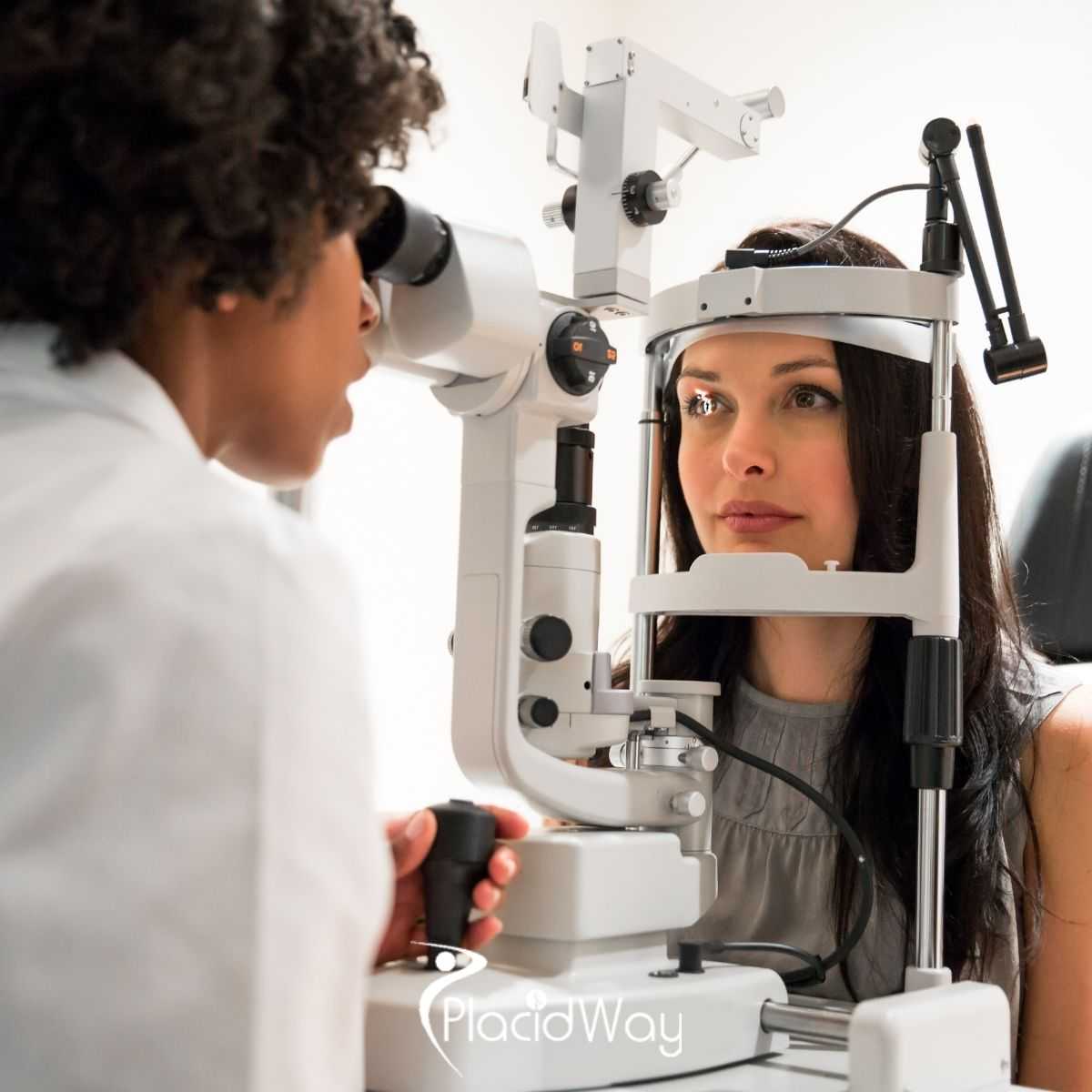
Lasik in Izmir, Turkey: Which Treatment Factors Should Patients Consider?
PlacidWay Turkey Medical Tourism
- Eye/Lasik Care
Turkey
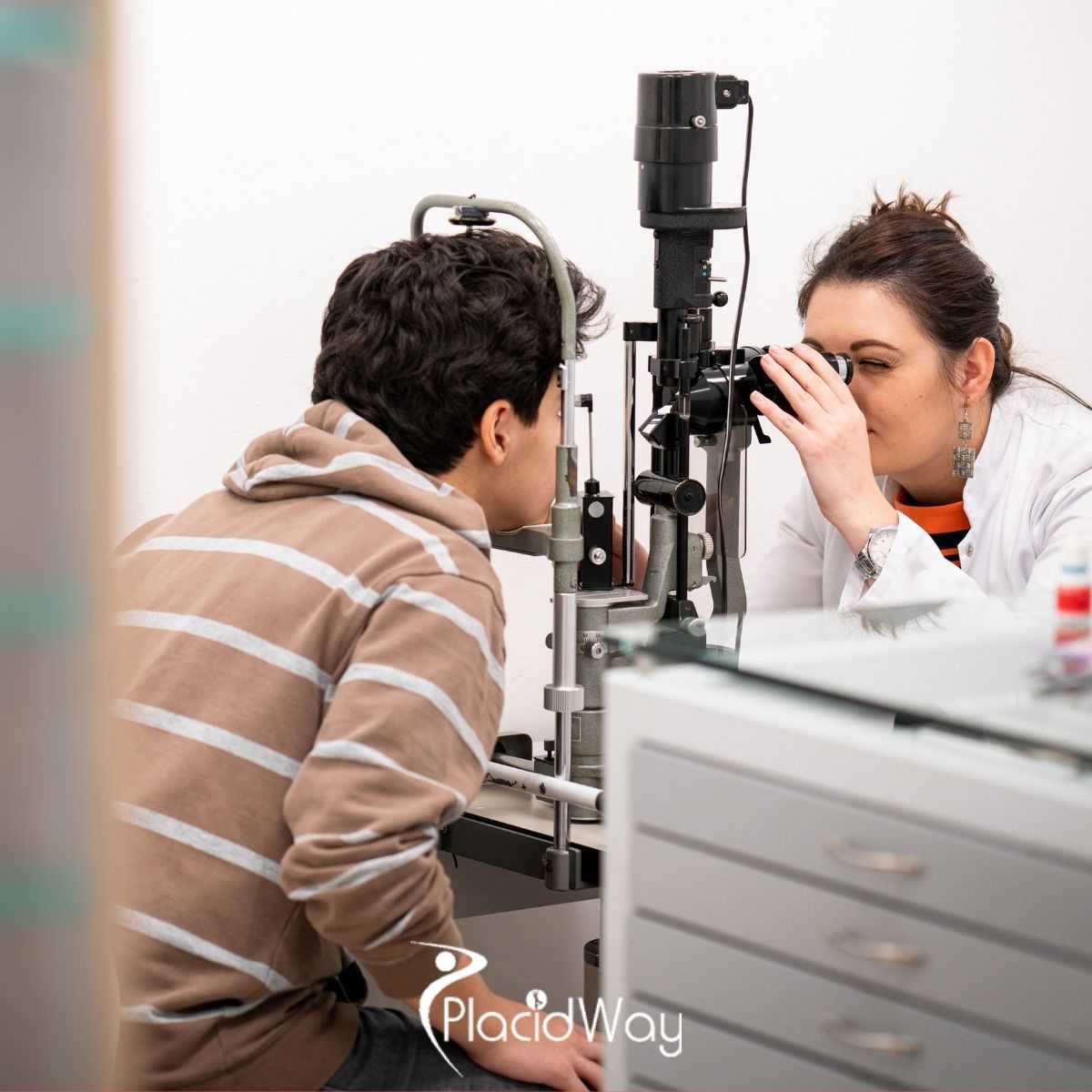
Planning for Lasik in Turkey: Understanding Safety, Costs, and Clinic Credentials
PlacidWay Turkey Medical Tourism
- Eye/Lasik Care
Turkey
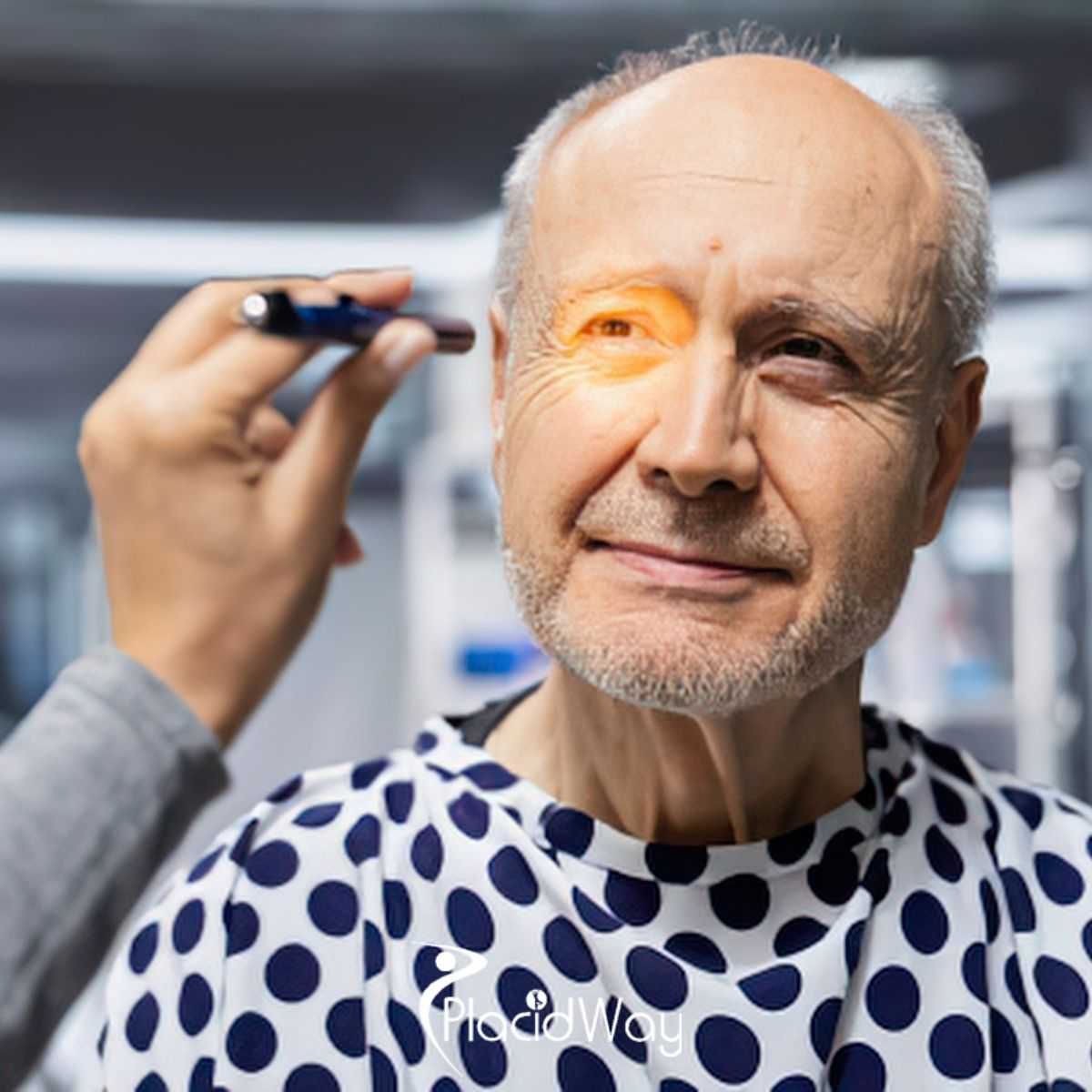
Worried About High Eye Care Costs? A Patient's Guide to Safe Cataract Surgery in Mexico
PlacidWay Medical Tourism
- Eye/Lasik Care
Mexico








