
Preparing for Your Glaucoma Surgery in Mexico
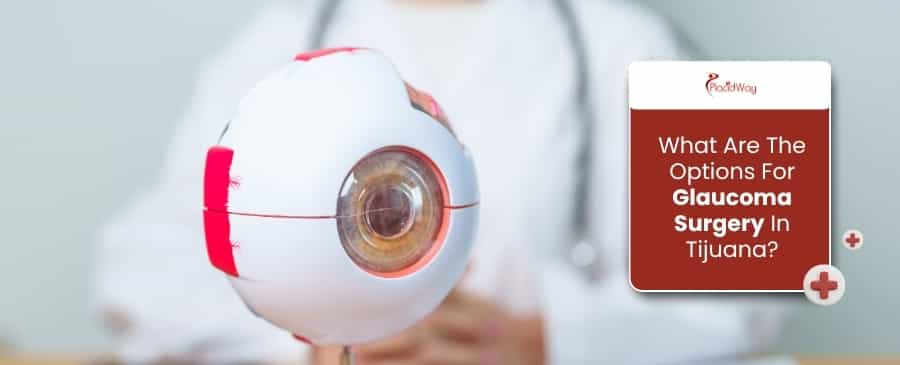
Glaucoma is a complex group of eye conditions that damage the optic nerve, often due to abnormally high pressure in your eye (intraocular pressure, or IOP). Because this damage is irreversible, early and effective management is crucial to preserving vision. While medicated eye drops are usually the first line of defense, surgery becomes a viable option when drops are ineffective, cause severe side effects, or when a patient prefers an alternative approach to manage their condition.
Many individuals living in the United States and Canada look across the border for specialized eye care. The close geographic proximity of Baja California makes accessing care convenient, while the variety of available procedures ensures that treatments can be tailored to different stages of the disease. Below, we discuss the various surgical approaches, safety considerations, and what patients should keep in mind when exploring this path.
Key Takeaways
- A variety of treatments, from laser therapies to traditional filtering surgeries, are available to manage intraocular pressure.
- Glaucoma surgery is designed to preserve remaining vision, not to cure the disease or restore sight that has already been lost.
- The right procedure depends heavily on the type of glaucoma, disease severity, and the anatomy of your eye.
- Undergoing treatment in Mexico requires careful logistical planning, including arrangements for extended stays or local follow-up care.
- Partnering with an eye care professional back home is vital for long-term monitoring and post-operative success.
What types of laser glaucoma surgery are available in Tijuana?
Laser treatments are usually performed as outpatient procedures right in the doctor's office or an adjoining suite. They are minimally invasive, typically require only numbing eye drops, and allow for a very rapid recovery. The primary goal is to improve the drainage of aqueous fluid from the eye.
Selective Laser Trabeculoplasty (SLT) uses a targeted laser to treat the trabecular meshwork—the eye's drainage system. The laser energy stimulates a biological response that helps the meshwork function more effectively, allowing fluid to drain and lowering pressure. If the effect of SLT wears off over time, the procedure can sometimes be repeated.
For patients with narrow or closed-angle glaucoma, a Laser Peripheral Iridotomy (LPI) is standard. In this procedure, the surgeon uses a laser to create a microscopic hole in the iris. This alternate pathway allows fluid to bypass the blockage and reach the drainage angle, preventing sudden and dangerous spikes in eye pressure.
Is Minimally Invasive Glaucoma Surgery (MIGS) an option in Mexico?
Minimally Invasive Glaucoma Surgeries (MIGS) have revolutionized glaucoma care over the past decade. These procedures are especially popular for patients with mild to moderate open-angle glaucoma. Because they involve smaller incisions and less manipulation of the eye's delicate tissues, MIGS procedures often carry a lower risk of severe complications compared to older methods.
Several types of MIGS interventions are utilized today. Some involve the placement of microscopic stents (such as the iStent or Xen Gel Stent) that bypass blocked drainage pathways. Others involve using specialized tools to gently reshape or clear out the natural trabecular meshwork to improve fluid outflow.
A notable benefit of MIGS is that it is frequently performed in conjunction with cataract surgery. For a patient suffering from both visually significant cataracts and early-stage glaucoma, addressing both issues during a single time in the operating room can be highly convenient and beneficial for long-term eye health.
When is a traditional trabeculectomy recommended?
Trabeculectomy has long been considered the gold standard for treating severe, progressing glaucoma. It is a more involved, traditional filtering surgery. During the procedure, the eye surgeon creates a tiny new drainage flap in the sclera (the white part of the eye). This allows aqueous fluid to bypass the eye's clogged drainage canals and filter out into a small reservoir, or "bleb," created under the conjunctiva.
While trabeculectomy is highly effective at lowering pressure—often eliminating the need for daily glaucoma drops—it does require a more cautious and lengthy recovery period. The newly created drainage pathway needs to heal correctly; if it scars too quickly, the surgery may fail. Surgeons often use anti-scarring medications during the operation to improve the chances of long-term success.
Because this is a more invasive procedure, patients require close monitoring in the weeks immediately following the surgery. Adjustments, such as removing fine sutures or managing inflammation, are a standard part of the post-operative protocol.
How do glaucoma drainage implants or tube shunts work?
Glaucoma drainage devices, commonly referred to as tube shunts, are generally reserved for complex cases. These might include patients whose previous trabeculectomy surgeries have failed, those with certain types of secondary glaucoma (such as neovascular or uveitic glaucoma), or patients with severe anatomical challenges in the eye.
The device consists of a small, flexible tube connected to a specialized plate. The plate is sutured to the sclera, far back under the eyelid so that it is not visible cosmetically. The tube is carefully inserted into the front chamber of the eye. Fluid flows through the tube to the plate, where it collects and is eventually absorbed by the surrounding blood vessels.
Like trabeculectomy, tube shunt surgery has a substantial recovery period and requires strict adherence to post-operative guidelines. It is a powerful tool for lowering pressure when simpler interventions are no longer sufficient.
What factors determine the right glaucoma procedure for me?
Glaucoma is not a one-size-fits-all condition, and the treatments reflect this complexity. Only a comprehensive evaluation by an ophthalmologist can determine the most appropriate path forward. During a consultation, the doctor will assess several critical factors:
- Disease Stage: Mild to moderate open-angle glaucoma is often addressed with laser therapy or MIGS, whereas advanced damage may necessitate a trabeculectomy or tube shunt.
- Anatomy of the Eye: The physical structure of your drainage angle determines whether certain implants or lasers can be safely used.
- Previous Treatments: If you have already had multiple eye surgeries or significant scarring from prior procedures, certain options may be off the table.
- Lifestyle and Adherence: If you struggle to instill multiple eye drops a day due to arthritis or forgetfulness, your doctor might lean toward a more definitive surgical option sooner.
What should I expect regarding glaucoma surgery cost in Tijuana?
Healthcare economics in Mexico allow many specialized facilities to offer care at a lower cost than their northern counterparts. However, giving a single estimate is difficult because "glaucoma surgery" encompasses a wide range of procedures.
A quick, in-office laser procedure like SLT will naturally cost significantly less than an operating room-based traditional trabeculectomy. MIGS procedures fall somewhere in the middle, but the price can fluctuate based on the specific brand of micro-stent or implant used, as these materials are often imported and subject to international pricing structures.
When requesting estimates from providers, ask for a detailed breakdown. You need to know if the quote includes facility fees, anesthesia, the surgeon's fee, pre-operative testing, and follow-up visits. Understanding the complete financial picture helps avoid unexpected out-of-pocket expenses during your stay.
How long does it take to recover from glaucoma surgery abroad?
Recovery experiences are highly variable. For patients undergoing SLT or LPI lasers, it is common to experience blurry vision and mild light sensitivity for just a day or two. Most can return to their normal routines very quickly. MIGS procedures also offer a fairly rapid visual recovery, particularly if performed without accompanying cataract surgery.
Conversely, recovery from a trabeculectomy or tube shunt is a delicate process that can take up to two months. During this time, your vision may fluctuate significantly. You will be placed on a strict regimen of anti-inflammatory and antibiotic eye drops to facilitate healing and prevent infection.
Physical restrictions are usually necessary following major eye surgery. Patients are typically advised to avoid bending at the waist, lifting heavy objects, straining, or engaging in strenuous exercise, as these activities can temporarily spike the pressure inside the eye or disrupt the surgical site.
What are the risks and complications associated with glaucoma procedures?
Every surgical intervention carries a degree of risk, and patient safety requires a clear understanding of these possibilities. One unique risk associated with glaucoma surgery is hypotony—a condition where the eye pressure drops too low. If the newly created drainage channel allows fluid to escape too rapidly, it can affect the structural integrity of the eye and blur vision.
Other potential complications include bleeding inside the eye (hyphema), inflammation, or localized infections. In traditional filtering surgeries, the bleb can occasionally leak or become infected months or even years down the line, requiring immediate medical attention.
It is also important to recognize that a single surgery is not always a permanent fix. The eye's natural healing response can cause drainage channels to scar over. If the surgery fails to control intraocular pressure over time, additional medical therapy, laser treatments, or revision surgeries may be necessary.
How can I safely plan for medical tourism in Tijuana for eye care?
Thousands of patients cross the border for medical needs each year, and preparation is key to a smooth experience. Because eye surgery temporarily impairs vision, traveling with a companion is highly recommended. You will need someone to help you navigate transportation, read instructions, and assist with eye drops immediately after the procedure.
When coordinating your trip, factor in the time required for both pre-operative evaluations and immediate post-operative check-ups. A complex procedure like a trabeculectomy may require you to stay in the city—or nearby in Southern California—for several days to a week to ensure the eye is healing correctly before you travel long distances.
Verify your transportation options across the border. Many specialized clinics offer medical passes to expedite border wait times for returning patients, or they may provide shuttle services from the San Diego area. Discuss these logistical details directly with your chosen facility beforehand.
What post-operative follow-up is necessary after returning home?
The need for vigilant care does not end once the surgical incisions have healed. Glaucoma surgery is a management strategy, not a cure. Because eye pressure can fluctuate and change as you age, regular monitoring is the only way to ensure the surgery remains effective and your optic nerve is protected.
Before undergoing treatment abroad, establish a relationship with an eye care provider in your hometown. Your local doctor will be crucial if you develop a complication—such as eye pain, extreme redness, or sudden vision loss—after you have returned home. Ensure your surgical records, details of the implants used, and post-operative instructions are transferred to your local clinic.
In many cases, your local doctor will manage the gradual tapering of your post-operative steroid or anti-inflammatory eye drops, making seamless communication between your treating surgeon in Mexico and your home provider essential.
Why Choose PlacidWay for Medical Tourism in Mexico?
Researching cross-border healthcare options requires accessing clear, structured information. PlacidWay serves as a global medical tourism directory to help patients explore healthcare facilities internationally.
- Extensive Directory: PlacidWay offers a comprehensive database of clinics and specialists located in prominent medical hubs, including Mexico.
- Detailed Profiles: Patients can review the credentials, professional backgrounds, and board certifications of international healthcare providers.
- Comparative Tools: The platform allows users to compare different medical facilities and understand general treatment structures.
- Multilingual Support: PlacidWay assists in bridging language barriers by facilitating communication between patients and international medical teams.
- Patient Resources: Users can access educational content, general pricing estimates, and information about the logistical aspects of receiving care abroad.
Frequently Asked Questions
Does glaucoma surgery restore lost vision?
No, glaucoma surgery cannot restore vision that has already been lost. The primary goal of these procedures is to lower intraocular pressure to prevent or slow down further damage to the optic nerve and preserve your remaining sight.
Is glaucoma surgery painful?
The surgery itself is typically not painful because local anesthesia, and sometimes mild sedation, is used to numb the eye and keep you comfortable. You may experience some scratchiness, mild discomfort, or a feeling of pressure during the first few days of recovery.
Will I still need eye drops after the procedure?
Many patients can reduce or eliminate their need for daily glaucoma drops, but this varies by individual. Some people will still need to use drops to keep their eye pressure at a safe target level even after a successful surgery.
How long do the results of a trabeculectomy last?
A trabeculectomy can effectively lower eye pressure for many years. However, the drainage channel can sometimes scar over and close as time passes. If this happens, your ophthalmologist may recommend restarting medications or considering another surgical intervention.
Can both eyes be treated at the same time?
Surgeons generally avoid operating on both eyes during the same appointment to minimize the risk of bilateral complications, such as infection, and to ensure you have vision in one eye while the other heals. They are typically scheduled a few weeks apart.
What is the difference between open-angle and closed-angle glaucoma treatments?
Open-angle glaucoma is often treated with drops, SLT laser, MIGS, or trabeculectomy to improve fluid outflow. Closed-angle glaucoma typically requires a laser peripheral iridotomy (LPI) to quickly create a hole in the iris, allowing fluid to bypass the blockage and relieve sudden pressure.
How soon can I fly or travel back home after eye surgery?
Travel restrictions depend on the specific procedure performed. In some cases, especially if a gas bubble is used in the eye, flying is strictly prohibited until the bubble dissipates. For standard glaucoma surgeries, you may be cleared to travel within a few days, but your surgeon must make this determination.
Are the surgical materials used in Tijuana the same as in the US?
Many specialized ophthalmology centers in Mexico utilize the same FDA-approved devices, implants, and surgical microscopes found in the United States and Canada, though patients should verify specific equipment with their chosen provider.
How do I choose a glaucoma surgery clinic in Tijuana?
Look for facilities equipped with modern diagnostic tools and ophthalmologists who are board-certified, preferably with specialized fellowship training in glaucoma management. Ensure they offer comprehensive pre-operative evaluations and clear post-operative care plans.
Can I undergo cataract and glaucoma surgery simultaneously?
Yes, combination procedures are quite common. Many minimally invasive glaucoma surgeries (MIGS) are specifically designed to be performed at the same time as cataract removal, which can conveniently address both conditions in a single operation.
Explore Your Glaucoma Treatment Options
If you are considering your options for managing intraocular pressure and preserving your vision, compare specialists and facilities to make an informed decision about your eye care journey.
Request Treatment InformationReferences
- Glaucoma Treatment – American Academy of Ophthalmology (AAO)
- Glaucoma Surgery – Glaucoma Research Foundation
- Glaucoma Treatment – National Eye Institute (NEI)
- Glaucoma Diagnosis and Treatment – Mayo Clinic
- Glaucoma Surgery Overview – World Glaucoma Association
- Medical Tourism Safety Guidelines – Centers for Disease Control and Prevention (CDC)




























Share this listing