


Are you constantly wiping away tears even when you are not emotionally upset? Finding the right oculoplastic surgery for watery eyes in Tijuana Mexico can be a life-changing step for patients suffering from chronic epiphora. Many individuals struggle daily with eyes that feel excessively wet, a debilitating condition that disrupts reading, blurs vision, and causes significant social discomfort. [00:00] This persistent watering is rarely just a minor annoyance; it is often a clear medical signal indicating underlying structural or environmental issues affecting your delicate ocular health.
Understanding whether you are dealing with simple environmental irritation or a complex drainage failure requires professional medical insight. An accurate diagnosis is the critical first step toward achieving lasting relief. Medical tourism has made it entirely possible to access world-class treatment for blocked tear ducts in Mexico at a fraction of the cost you might expect in the United States or Canada. By choosing a highly qualified oculoplastic surgeon in Tijuana, patients receive meticulous care, advanced surgical interventions, and dedicated follow-up to restore their visual comfort permanently.
Video Chapters
Understanding the Causes of Excessive Eye Watering and Tearing
Epiphora is the clinical medical term used to describe an overflow of tears onto the face. This condition generally stems from one of two primary categories: an overproduction of tears or a severe failure in the tear drainage system. When the delicate balance between tear creation and tear elimination is disrupted, patients experience constant wetness that requires frequent wiping. [00:03] Environmental sensitivities and localized allergic reactions are among the most common culprits for acute tear overproduction.
Allergies trigger the release of histamines in the body, which causes the blood vessels in the conjunctiva to swell and produce excess fluid. Similarly, environmental irritants such as harsh winds, smog, chemical fumes, and bright sunlight can stimulate the lacrimal gland to produce reflex tears. This protective mechanism is designed to rapidly wash away foreign bodies and potential threats to the ocular surface. However, when the tearing becomes chronic and unresponsive to standard allergy medications, the focus must shift to structural issues within the eye.
Paradoxically, severe dry eye syndrome is another leading cause of excessive watering. When the baseline tear film lacks the necessary lipid or mucin layers to keep the eye lubricated, the surface dries out quickly. The brain perceives this dryness as an injury and commands the lacrimal gland to flood the eye with emergency reflex tears. These reflex tears are mostly water, lacking the required oils to adhere to the eye, resulting in them spilling over the eyelids entirely.
When Overproduction Turns into a Drainage Issue
While environmental factors account for many temporary cases of watering eyes, chronic epiphora is frequently linked to a blockage in the drainage pathways. [00:07] If you suffer from a physical obstruction in your lacrimal system, no amount of anti-allergy drops or dry eye treatments will resolve the overflow. Identifying the precise location of this anatomical blockage is essential for determining the correct surgical intervention. This is precisely where consulting an expert oculoplastic surgeon in Tijuana Eye Center becomes a necessary step for achieving a permanent cure.
How the Lacrimal System Evacuates Tears from Your Eyes
To fully grasp why your eyes constantly water, it is crucial to understand the distinct anatomical difference between tear production and tear drainage. [00:10] The lacrimal system, often referred to simply as the tear ducts, is entirely responsible for the evacuation of fluid rather than its creation. The main lacrimal gland, located under the brow bone, continually produces the aqueous layer of the tear film to nourish the cornea. Once these tears have bathed the surface of the eye, they must be systematically drained away to prevent overflow.
The drainage journey begins at the puncta, which are two microscopic openings located on the inner margins of the upper and lower eyelids. Every time you blink, your eyelids act like a mechanical pump, pushing the used tears toward these small drainage holes. From the puncta, the tears travel through tiny horizontal channels known as the canaliculi. These microscopic tubes transport the fluid directly into the lacrimal sac, a reservoir nestled in the bone near the bridge of your nose.
From the lacrimal sac, gravity and natural pressure force the tears downward through the nasolacrimal duct. [00:15] This final biological pipeline empties the fluid directly into the nasal cavity and the back of the throat. This highly efficient internal plumbing system is exactly why your nose runs when you cry heavily. When any single part of this delicate pathway becomes narrowed, infected, or completely blocked, the tears have nowhere to go but down your cheeks.
Recognizing Symptoms of Blocked Tear Ducts and Epiphora
A blocked tear duct presents symptoms that extend far beyond a simple overabundance of watery fluid on the face. Patients dealing with chronic lacrimal obstruction often experience a cascade of uncomfortable and visually disruptive issues. The stagnant fluid trapped in the tear sac creates a breeding ground for bacteria, leading to frequent and painful ocular infections. Recognizing these secondary symptoms early can prevent serious complications that might threaten your overall eye health.
Common Indicators of Lacrimal Obstruction
If you are considering oculoplastic surgery for watery eyes in Tijuana Mexico, you likely suffer from several concurrent symptoms. These indicators help specialists differentiate between simple allergies and a physical blockage requiring surgical intervention. The severity of these symptoms usually dictates the urgency of seeking professional medical care.
- Chronic Mucous Discharge: Thick, yellowish, or greenish mucus accumulating in the inner corners of the eyes, especially noticeable upon waking.
- Painful Swelling (Dacryocystitis): A tender, red, and inflamed bump located near the inside corner of the eye, indicating an active infection in the lacrimal sac.
- Blurred Vision: A thick layer of excessive tears constantly coating the cornea disrupts the natural refraction of light, making reading or driving difficult.
- Persistent Skin Irritation: The continuous physical wiping of the cheeks and eyelids leads to severe chafing, redness, and dermatitis around the orbital area.
- Blood-Tinged Tears: In severe cases of infection or inflammation within the tear sac, patients may notice a pinkish hue to their tears.
Comprehensive Diagnosis by an Expert Oculoplastic Surgeon in Tijuana
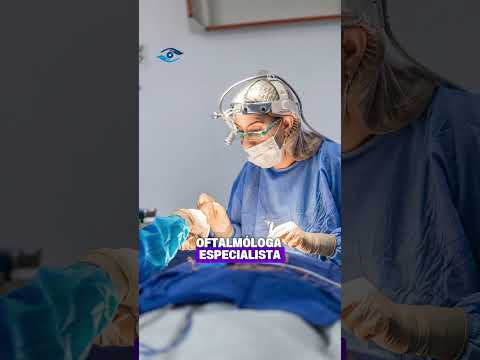
Diagnosing the root cause of epiphora requires highly specialized knowledge of the intricate structures surrounding the eye. [00:19] An oculoplastic surgeon is an ophthalmologist who has completed extensive advanced fellowship training in plastic and reconstructive surgery of the eyelids, orbit, and lacrimal system. [00:22] Dr. María Andrea Umaña represents the highest tier of medical professionals capable of treating these complex functional disorders in Mexico.
The diagnostic process begins with a thorough evaluation of your medical history and a detailed discussion of your specific symptoms. [00:24] The surgeon will meticulously examine the position of your eyelids to ensure they are resting flush against the eyeball, as loose eyelids (ectropion) can prevent the pumping mechanism from working. Following the external examination, specialized clinical tests are performed to map the exact location and severity of the blockage within the drainage pathway.
Advanced Clinical Testing Procedures
The fluorescein dye disappearance test is standard protocol for assessing lacrimal function. The doctor places a drop of specialized yellow dye onto the surface of your eye and times how long it takes to drain away naturally. If the dye remains pooled in the eye after several minutes, it strongly indicates a functional or anatomical blockage. This simple, painless test provides immediate visual confirmation of poor drainage capacity.
To pinpoint the exact location of the obstruction, the surgeon will perform a probing and irrigation test. A tiny, blunt cannula is gently inserted into the punctum, and sterile saline solution is flushed through the system. If the fluid easily reaches the back of the throat, the system is clear. If the fluid regurgitates back out of the eye, the surgeon can precisely determine whether the blockage is located in the canaliculi, the lacrimal sac, or the nasolacrimal duct.
Advanced Treatment for Blocked Tear Ducts in Mexico
Once a complete blockage of the nasolacrimal duct has been definitively diagnosed, surgical intervention becomes the only viable path to permanent relief. Non-surgical remedies, such as warm compresses and antibiotic drops, may temporarily alleviate the symptoms of an acute infection. However, they cannot physically reopen a severely scarred or obstructed drainage channel. The gold standard surgical treatment for blocked tear ducts in Mexico is a procedure known as Dacryocystorhinostomy (DCR).
The primary goal of a DCR surgery is to bypass the blocked nasolacrimal duct entirely by creating a brand-new drainage pathway. The oculoplastic surgeon carefully creates a direct opening between the blocked lacrimal sac and the nasal cavity. This strategic bypass allows tears to drain effortlessly from the eye straight into the nose, entirely avoiding the original site of the obstruction. Temporary silicone stents are often placed within the new channel to keep it perfectly open and structurally sound while the delicate tissues heal over several weeks.
Comparing External vs. Endoscopic DCR Procedures
There are two primary surgical approaches to performing a Dacryocystorhinostomy, both of which are expertly offered by top specialists in Tijuana. The choice between these two advanced techniques depends entirely on your specific anatomical structure, history of prior surgeries, and the surgeon's clinical recommendation. Both methods boast exceptionally high success rates in permanently curing chronic epiphora.
| Feature | External DCR | Endoscopic DCR |
|---|---|---|
| Surgical Approach | Small incision on the side of the nose. | Performed entirely through the nasal cavity. |
| Scarring | Leaves a tiny, naturally fading scar. | No visible external scarring whatsoever. |
| Visualization | Excellent direct view of the sac anatomy. | Utilizes a high-definition camera system. |
| Recovery Time | Standard healing with mild localized bruising. | Slightly faster recovery, less external swelling. |
Why Choose Tijuana Eye Center for Your Lacrimal System Surgery
Choosing the right clinical environment is just as important as selecting a highly skilled surgeon. [00:27] Tijuana Eye Center has established itself as a premier destination for complex ocular procedures and advanced oculoplastic surgery. The facility is equipped with state-of-the-art diagnostic imaging technology and modern surgical suites that rival or exceed the standards found in top US hospitals. [00:30] Their uncompromising commitment to patient vision and safety ensures a seamless, highly professional medical experience.
The medical staff at this facility operates under a multidisciplinary approach, ensuring that every aspect of your ocular health is considered before any surgical intervention. From your initial consultation to your final post-operative checkup, you receive personalized attention tailored entirely to your specific diagnosis. Strict sterilization protocols and internationally recognized safety standards provide tremendous peace of mind for patients traveling from abroad.
Furthermore, the dedicated administrative team specializes in handling the unique logistical needs of international medical tourists. They assist with coordinating appointments, managing medical records, and providing clear, bilingual communication throughout the entire process. This patient-centric philosophy completely removes the stress of navigating a foreign medical system, allowing you to focus entirely on your healing and recovery.
The Benefits of Medical Tourism for Eye Procedures in Tijuana
Tijuana has rapidly transformed into a global powerhouse for high-quality medical tourism, particularly for specialized fields like oculoplastic surgery. The most compelling advantage for international patients is the sheer affordability of complex surgical procedures. Finding affordable lacrimal system surgery in Tijuana allows uninsured or underinsured patients to access life-changing treatments without enduring crippling medical debt. The cost of a DCR procedure in Mexico is typically a fraction of the price quoted by clinics in the United States, even when factoring in travel expenses.
Uncompromised Quality and Exceptional Convenience
Lower costs in Mexico absolutely do not equate to a lower standard of medical care. The most sought-after oculoplastic surgeons in Tijuana have completed rigorous medical training, often participating in international fellowships and maintaining active memberships in prestigious global medical societies. They utilize the exact same advanced surgical instruments, high-quality silicone stents, and sterile surgical techniques as their counterparts in North America and Europe.
Geographic proximity adds an immense layer of convenience for patients residing in the United States. Located just minutes across the border from San Diego, California, Tijuana is incredibly easy to access via major international airports or a brief drive. Many premier medical facilities offer fast-track medical passes that drastically reduce wait times at the border crossing, making outpatient surgical trips remarkably efficient and stress-free.
What to Expect During Your Tear Duct Repair Procedure in Mexico
Thorough preparation is the key to a smooth surgical experience and a rapid, complication-free recovery. Prior to your arrival in Tijuana, your dedicated oculoplastic surgeon will conduct a comprehensive virtual consultation to review your symptoms and medical history. You will be provided with specific pre-operative instructions, which typically include temporarily pausing certain blood-thinning medications and arranging for a companion to drive you back to your hotel or home after the procedure.
Tear duct repair surgery is almost exclusively performed on an outpatient basis under local anesthesia with light intravenous sedation. This approach ensures you remain completely comfortable and entirely pain-free without the extended recovery time required by deep general anesthesia. The surgical procedure itself generally takes less than ninety minutes to complete, depending entirely on the complexity of the internal blockage and the specific surgical technique utilized.
Post-Operative Recovery and Follow-Up Care
Following the surgery, you will rest briefly in a comfortable recovery suite before being discharged with detailed aftercare instructions. It is perfectly normal to experience mild localized swelling, minor bruising around the nose, and a small amount of blood-tinged nasal discharge for the first few days. Your surgeon will prescribe specialized antibiotic eye drops and oral pain medication to meticulously manage discomfort and strictly prevent post-operative infection.
Patients are heavily advised to avoid strenuous physical activity, heavy lifting, and blowing their nose forcefully for at least one to two weeks following a DCR procedure. A scheduled follow-up appointment is typically required to assess the initial healing phase and eventually remove the temporary silicone stents from the new drainage pathway. Once the surgical site has fully healed, patients finally experience the immense relief of clear, unblurred vision and completely dry, comfortable eyes.
Ready to Stop Your Watery Eyes?
Connect with a top-rated oculoplastic surgeon in Tijuana Mexico today. Receive a personalized evaluation and discover affordable, permanent solutions for blocked tear ducts. Take the first step toward clear, comfortable vision.
Get Free QuoteView Full Video Transcript
[00:00] ¿Te lloran los ojos o sientes tus ojos muy llorosos?
[00:03] Puede ser que tengas alergia o que tengas sensibilidad al medio ambiente.
[00:07] Pero también puede que tengas un problema en tu sistema lagrimal.
[00:10] El sistema lagrimal o la vía lagrimal no es donde se producen las lágrimas.
[00:13] Es donde se evacúan las lágrimas del ojo hacia la nariz y la garganta.
[00:19] Soy María Andrea Umaña, médico cirujano oftalmóloga.
[00:22] Especialista en oculoplástica.
[00:24] Yo puedo evaluarte, puedo asesorarte.
[00:27] Me encuentras en Tijuana Eye Center.
[00:30] Donde tu visión es nuestro compromiso.








.jpg)
.png)
.png)
.png)








Share this listing