


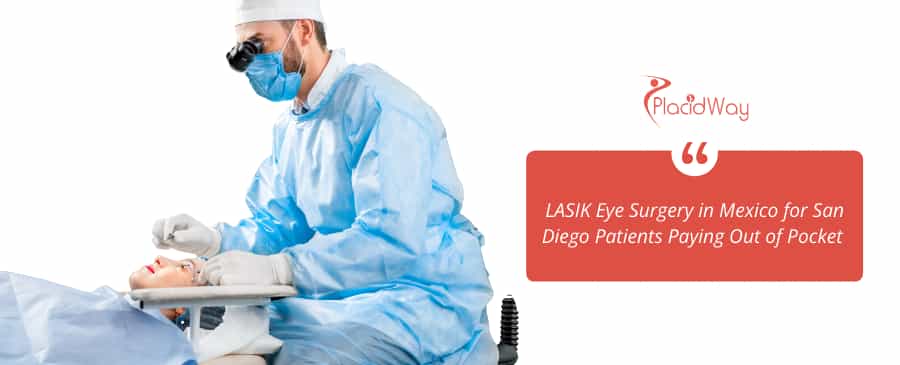
For residents of San Diego, clear vision often comes with a hefty price tag. With local vision correction procedures averaging thousands of dollars per eye, many patients are looking just 20 miles south to Tijuana, a city that has transformed into a global hub for high-quality medical tourism. For those paying out of pocket, crossing the border offers a unique opportunity to access world-class technology at a fraction of the US cost.
Choosing LASIK eye surgery in Mexico does not mean compromising on quality. The top clinics in Tijuana utilize the exact same FDA-approved laser platforms such as the Zeiss VisuMax and Alcon Wavelight—found in premium clinics in La Jolla or Del Mar. This guide explores how San Diego residents can navigate the cross-border journey safely, save significantly, and return home with 20/20 vision.
Key Takeaways for San Diego Patients
Before you drive down the I-5 to the San Ysidro border, here is what you need to know about vision correction in Tijuana:
- Massive Savings: Expect to pay $1,800–$2,500 total for both eyes in Tijuana, compared to $5,000–$6,000 in San Diego.
- Medical Fast Lane: Access to the specific "Medical Lane" allows you to cross back into the US in ~20 minutes, bypassing hours of border traffic.
- Identical Technology: Leading clinics use the same Femto LASIK and SMILE technology as top US providers.
- All-Inclusive Packages: Prices often include pre-op exams, medication, and post-op follow-ups, with no hidden facility fees.
Why Tijuana is the "World's Busiest Medical Border"
Proximity, English-speaking staff, and high-volume experience make Tijuana the logical choice for Southern Californians seeking affordable healthcare.
Tijuana's medical infrastructure has exploded in the last decade, particularly in the Zona Rio district, which is often compared to San Diego's Mission Valley. This area is home to modern, glass-tower medical centers that cater almost exclusively to international patients traveling for LASIK eye surgery in Mexico. The volume of surgeries performed here ensures that surgeons are incredibly experienced, often performing more procedures in a month than their US counterparts do in a year.
For a San Diego resident, the logistics are incredibly simple. Many clinics offer complimentary shuttle services that pick you up from San Diego International Airport or a designated parking lot on the US side of the border, drive you directly to the clinic, and return you after the procedure. This "door-to-door" service eliminates the stress of driving in Mexico or navigating unfamiliar streets.
The San Ysidro Port of Entry is the busiest land border crossing in the Western Hemisphere. To support medical tourism, the Mexican government issues a special Medical Lane Pass (Pase Médico). This single-use pass is given to you by your doctor after treatment and allows you to use a dedicated lane for a swift return to the US.
Cost Analysis: San Diego vs. Tijuana
The cost difference is driven by lower overhead, labor, and liability insurance costs in Mexico, not by a reduction in medical equipment quality.
The following table provides a clear comparison of the average out-of-pocket costs for LASIK eye surgery in Mexico versus typical prices in Southern California. Note that "All-Laser" refers to bladeless Femto LASIK, the current gold standard.
| Procedure (Both Eyes) | San Diego Avg. Cost | Tijuana Avg. Cost | Potential Savings |
|---|---|---|---|
| Standard LASIK | $3,500 - $4,500 | $1,500 - $1,800 | ~60% |
| Femto (Bladeless) LASIK | $4,800 - $6,000 | $2,200 - $2,800 | ~55% |
| ReLEx SMILE | $5,500 - $6,500 | $2,800 - $3,200 | ~50% |
| PRK (Photorefractive Keratectomy) | $4,000 - $5,000 | $1,600 - $2,000 | ~60% |
"Many San Diego patients are surprised to find that LASIK packages in Mexico are truly all-inclusive. In the US, you might be quoted a base price, only to find extra charges for 'custom wavefront' mapping or post-op drops. In Tijuana, the quoted price typically covers the consultation, the surgery, the surgeon's fee, facility costs, and your first follow-up visit."
Technology & Safety: Is it the Same?
Leading Tijuana clinics invest heavily in the latest German and American technology to attract international clientele.
Safety is the primary concern for any medical tourist. It is crucial to look for clinics that use FDA-approved technology. You will commonly find:
- VisuMax Femtosecond Laser (Zeiss): Used for creating the corneal flap or for the SMILE procedure. This is the same machine used in top academic hospitals in the US.
- EX500 Excimer Laser (Alcon): A highly precise laser for reshaping the cornea.
Regarding accreditation, look for facilities that are certified by the General Health Council (CSG) in Mexico, which is the equivalent of JCI accreditation. Many surgeons are also members of the American Academy of Ophthalmology (AAO) and the American Society of Cataract and Refractive Surgery (ASCRS), ensuring they adhere to global best practices.
Step-by-Step Treatment Journey
From the initial consultation to your new vision, the process is streamlined for efficiency and comfort.
Step 1: Consultation & Evaluation (Day 1)
You arrive at the clinic (often via their shuttle). Extensive testing is performed including corneal topography and pachymetry (thickness measurement) to determine if you are a candidate. Note: Contact lens wearers must stop wearing contacts 1-2 weeks prior.
Step 2: The Procedure (Same Day or Day 2)
If you are a candidate, surgery can often be done the same afternoon. You receive numbing drops (no needles). The laser treatment itself takes less than 60 seconds per eye. Total time in the operating suite is about 15 minutes.
Step 3: Immediate Recovery
You rest in a recovery room for about 30 minutes. Your surgeon checks your flaps. You are given dark sunglasses and protective shields for sleeping. You will be driven back to the border or your hotel.
Step 4: Follow-up (Day 2)
A mandatory check-up occurs the next morning to ensure the flap is healing correctly and there is no infection. After this clearance, you are free to return to San Diego with your Medical Lane pass.
Logistics: Crossing the Border
Understanding the border dynamics transforms a potentially stressful trip into a smooth commute.
There are two main ways to handle the crossing:
- Driving & Medical Lane: If you drive, park in the clinic's secure lot. After surgery, you receive the Medical Lane pass. You drive to the specific entrance for this lane (marked "Medical Services" or similar). This lane feeds into a specific inspection booth, bypassing the general public line.
- Walking & Shuttle: Many patients park at the "Border Station Parking" lot in San Ysidro (US side), walk across the pedestrian bridge into Mexico, and are met by the clinic's driver. This is often the fastest and least stressful method, as you avoid navigating Tijuana traffic entirely.
The SMILE procedure is gaining popularity in Tijuana. Unlike LASIK, which creates a flap, SMILE involves removing a tiny lenticule of tissue through a small keyhole incision. It preserves more corneal strength and causes fewer dry eye symptoms, making it an excellent choice for patients with active lifestyles or thinner corneas.
Frequently Asked Questions
Is the cost really that much lower? Why?
Yes. The savings come from lower real estate costs, lower staff salaries, and significantly lower malpractice insurance premiums in Mexico compared to California. It is not a reflection of inferior technology.
Can I get financing for surgery in Mexico?
While US financing companies like CareCredit generally do not work internationally, many Tijuana clinics have partnerships with specific cross-border financing firms or offer their own payment plans. Always ask beforehand.
What if I have a complication once I am back in San Diego?
Serious complications are rare. However, proximity is your ally. You can easily return to the clinic for a check-up. Alternatively, some San Diego optometrists co-manage patients with Tijuana surgeons, allowing you to do follow-ups locally (though this may incur a fee).
Does the procedure hurt?
No. Anesthetic drops are used to completely numb the eye. You may feel slight pressure during the flap creation step, but there is no pain. Some patients report a gritty sensation for a few hours after the anesthesia wears off.
How soon can I work or drive?
Most patients have functional vision (20/40 or better) the very next day and can drive to their follow-up. However, it is recommended to take 2-3 days off work to allow your eyes to rest and avoid screen strain.
Is it safe to go to Tijuana right now?
The Zona Rio (medical district) is considered one of the safest areas in Tijuana, heavily patrolled and focused on business and tourism. Using clinic shuttles adds an extra layer of safety and convenience.
What is "Custom" or "Wavefront" LASIK?
This technology maps the unique imperfections of your eye 25 times more precisely than standard methods. Most top clinics in Tijuana include this technology standard in their packages to ensure the sharpest possible vision ("Eagle Eye" vision).
Am I a candidate if I have astigmatism?
Yes, modern lasers are excellent at correcting astigmatism. If your corneas are too thin for LASIK, your surgeon might recommend PRK or SMILE, both of which are widely available in Tijuana.
Do I need a passport?
Yes. While you can technically enter Mexico without one, you absolutely need a valid Passport or Passport Card to re-enter the United States efficiently. A Passport Card is particularly convenient for the Ready Lanes.

.png)





.jpg)
.png)
.png)
.png)








Share this listing