Lasik Surgery in Mexico

Publish date: Modified date: Medically reviewed by: Choi Min-seo on Feb 10, 2026 Author: Rizal Aditya

Experience Price

$1,940 Price starting from
Lasik Surgery in Mexico

Contents

Mexico has long been the number one destination for North Americans seeking affordable vision correction. For decades, patients have crossed the border to Tijuana, or flown to Cancun and Mexico City, to access premium eye care at a fraction of the U.S. cost. Today, Mexican ophthalmology clinics rival the best in the world, equipped with the latest FDA-approved lasers from Alcon (Wavelight), Zeiss (VisuMax), and Schwind (Amaris).

The appeal is not just the price, which is often 60-70% lower than in the US, but the technology. Mexico is often an early adopter of advanced techniques like ReLEx SMILE and Presbyond, making these premium options accessible to a wider audience. The surgeons are highly experienced, often performing thousands of procedures a year, which refines their skill and reduces complication rates.

Whether you choose a quick trip across the border for a same-day procedure or a "vision vacation" on the beaches of the Riviera Maya, LASIK in Mexico offers a safe, high-tech, and incredibly cost-effective path to visual freedom.

Say goodbye to glasses and contacts with confidence, knowing you are in the hands of board-certified experts using the world's best technology.

!

Did You Know?

Tijuana is often called the "LASIK Capital of the World" due to the high density of eye clinics catering to international patients. The competition is fierce, which keeps prices low and quality high. Many clinics in Tijuana offer free shuttle services directly from the San Diego border, making the process incredibly seamless for U.S. patients.

Key Insights at a Glance

1
Huge Savings:

Standard LASIK can cost as little as $499 per eye, compared to $2,000+ per eye in the US.

2
Top Technology:

Access to Femto-LASIK (bladeless) and ReLEx SMILE using the latest Zeiss VisuMax lasers.

3
Expert Surgeons:

Ophthalmologists are board-certified by the Mexican Council of Ophthalmology and often US-trained.

4
Convenience:

Many border clinics offer free shuttle service from San Diego, Yuma, or El Paso.

5
Speed:

The procedure takes 15 minutes, and most patients have functional vision within 24 hours.

6
Language:

English is the primary language in medical tourism clinics; no Spanish is required.

FUN FACT

Vacation Vision

In Cancun and Puerto Vallarta, "Vision Vacations" are popular. Because LASIK recovery is so quick (usually 24 hours), patients often schedule their surgery at the beginning of their trip, resting for one day, and then enjoying the rest of their holiday with brand new, crystal-clear eyesight—no glasses needed for the beach!

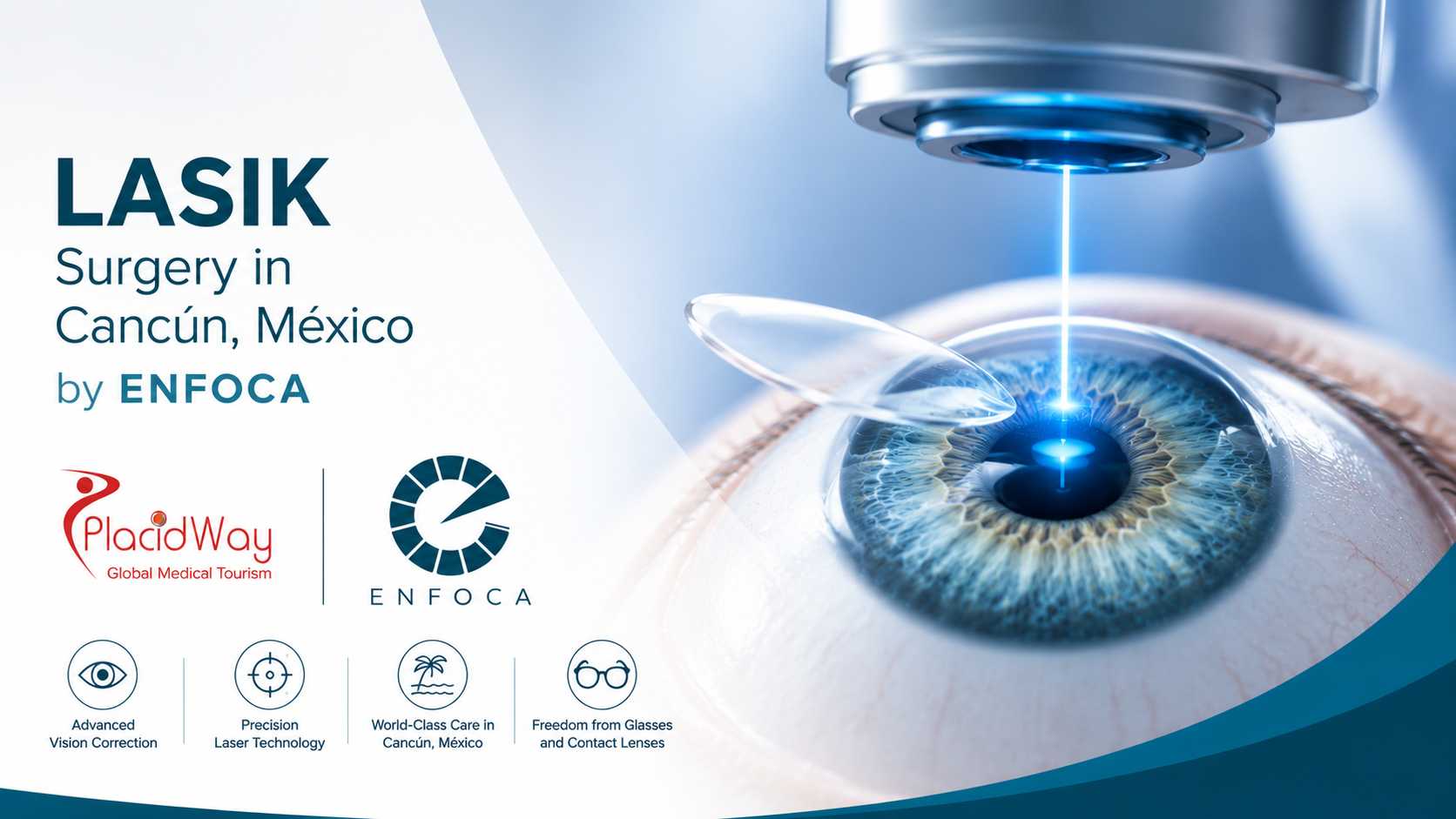
Finding the right package can simplify your medical journey significantly. In the section below, we have curated a list of top-rated eye clinics offering comprehensive LASIK packages. These bundles typically include the pre-operative exam (corneal topography, pachymetry), the laser surgery for both eyes, post-op medications (drops), protective sunglasses, and follow-up exams. Some premium packages in Tijuana also include hotel stays and border transportation. Browse the options to find a package that matches your needs.

Note: Most LASIK procedures are outpatient, meaning you walk out the same day. Hotel stays are usually for convenience and initial rest.
`

Understanding the financial commitment is a crucial part of your decision-making process. The table below provides a transparent breakdown of average costs for vision correction in Mexico compared to U.S. prices. While these figures are estimates, they highlight the substantial savings available. Use this data to plan your budget, noting that premium options like SMILE or Wavefront-guided LASIK will cost slightly more than standard LASIK.

Tip: LASIK for both eyes in Mexico typically ranges from $1,500 to $2,500 USD total.

LASIK Surgery Centers Cost Comparison in Mexico

Provider Procedure Price
Hospital Velmar LASIK Surgery, Eye/Lasik Care $2500

LASIK Surgery Cost Comparison in Mexico

Country Procedure Price
Canada LASIK Surgery, Eye/Lasik Care $2705
United States LASIK Surgery, Eye/Lasik Care $4400

Your vision is precious, and safety is paramount. We have selected a list of premier ophthalmology clinics in Mexico known for their specialization in refractive surgery. These clinics are vetted for their modern infrastructure, use of FDA-approved lasers, and certifications from the Mexican Council of Ophthalmology. Explore the profiles below to learn more about their specific technology (Femto vs. Microkeratome) and patient care standards.

Standard: Look for clinics that use "All-Laser" or "Bladeless" technology for the highest safety profile.

Hearing directly from past patients can offer invaluable reassurance. The video testimonials featured below showcase real stories from individuals who traveled to Mexico to fix their vision. Watch these videos to hear about their journey, from the quick procedure to the life-changing moment of waking up with 20/20 vision, and their experience with the clinic staff.

Insight: Patients often praise the efficiency of the clinics and the thoroughness of the pre-op exams compared to their experiences at home.

Patient reviews provide an honest look at the quality of care. In this section, you will find verified reviews and ratings from patients who have entrusted their eyes to Mexican specialists. Read through their feedback regarding the cleanliness of the facilities, the clarity of communication, and their overall satisfaction with their visual results to help guide your own choice.

Review Tip: Pay attention to reviews that mention specific surgeons by name, as individual expertise is key in refractive surgery.

1 Is LASIK safe in Mexico?

Yes. Top clinics in Mexico use the exact same technology (like the Zeiss VisuMax or Alcon Wavelight) as clinics in the US. Surgeons are board-certified and highly experienced. When you choose a reputable clinic, the safety profile is identical to that in the US, but at a lower cost.

2 How much does it cost?

Standard LASIK can start as low as $499 per eye. Premium "All-Laser" or Femto-LASIK typically costs between $1,500 and $2,200 for both eyes. ReLEx SMILE is slightly more expensive, usually around $2,500 for both eyes. This is a massive saving compared to $4,000-$5,000 in the US.

3 Am I a candidate?

You generally need to be at least 18 years old, have a stable prescription for at least one year, and have healthy corneas. Patients with very thin corneas might not qualify for LASIK but may be candidates for PRK or SMILE. A comprehensive exam upon arrival will confirm your eligibility.

4 How long is the recovery?

Recovery is incredibly fast. Most patients have 20/20 vision the very next day. You may experience some graininess or light sensitivity for 24-48 hours. You can usually return to work or enjoy your vacation (with sunglasses) the day after your post-op checkup.

5 Is the procedure painful?

No. Numbing eye drops are used, so you won't feel pain. You may feel a slight pressure for a few seconds during the procedure, but it is not painful. The laser treatment itself takes less than a minute per eye.

6 Can I drive back home?

You cannot drive immediately after the surgery as your vision will be blurry. You must have a companion drive you, or use the clinic's shuttle/taxi service. Most patients are cleared to drive after their follow-up appointment the next day.

7 What technology is used?

Mexican clinics use state-of-the-art technology. For "All-Laser" LASIK, they use a Femtosecond laser (like Zeiss VisuMax or Alcon FS200) to create the flap and an Excimer laser (like Alcon EX500 or Schwind Amaris) to reshape the cornea. This "bladeless" approach is the gold standard for safety.

8 Does it correct astigmatism?

Yes. Modern LASIK lasers are incredibly precise and can correct nearsightedness (myopia), farsightedness (hyperopia), and astigmatism. Wavefront-guided technology maps your eye's unique irregularities to provide a custom correction.

9 Can I wear contact lenses before surgery?

You must stop wearing contact lenses before your evaluation. For soft contacts, stop at least 1 week (preferably 2) before. For hard contacts (RGP), stop at least 3-4 weeks before. This allows your cornea to return to its natural shape for accurate measurements.

10 What if I need an enhancement?

Enhancements (touch-ups) are rare but possible. Most reputable clinics in Mexico offer a "Lifetime Guarantee" or assurance policy where enhancements are free of charge if needed, provided you have attended your follow-up appointments.

How Much Does LASIK Eye Surgery Cost in Cancun, Mexico?

The average cost of LASIK eye surgery in Cancun, Mexico, ranges from $1,000 to $1,800 for both eyes. This estimate usually covers your initial consultation, the laser procedure, and standard post-operative follow-up visits while you are in the city. For decades, laser vision correction has offered millions of people the chance to reduce their dependence on glasses and contact lenses. As technology advances, many individuals look abroad for more affordable treatment options. Seeking LASIK eye surgery in Mexico has become increasingly popular, particularly in coastal destinations that offer established medical infrastructure. Cancun is known globally for its beautiful beaches, but it also hosts modern facilities catering to international patients. If you are considering traveling for your vision correction, understanding the true costs, potential risks, and travel requirements is vital. This guide explores everything you need to know about navigating your procedure abroad safely. Key Takeaways The estimated price for bilateral LASIK in Cancun is usually between $1,000 and $1,800. Candidates require a stable prescription, healthy corneas, and a thorough pre-operative evaluation. You should plan to stay in the destination for 5 to 7 days for the surgery and initial recovery. Post-operative guidelines strictly prohibit swimming and sun exposure, which impacts traditional vacation plans. Co-managing your ongoing recovery with a local optometrist back home is essential for long-term eye health. 1. What is included in the cost of LASIK in Cancun? Most surgical packages cover the comprehensive pre-operative eye examination, the laser procedure for both eyes, facility fees, and your initial follow-up appointments before you travel home. When requesting a quote for your procedure, you should carefully review the itemized breakdown. A transparent package typically includes advanced diagnostics, such as corneal topography (mapping the surface of your eye) and pachymetry (measuring corneal thickness), which determine your exact eligibility. The surgical fee itself covers the time in the operating suite and the use of the laser technology. However, there are additional expenses you must budget for separately. Standard estimates usually exclude: Prescription medications, including antibiotic, steroid, and artificial tear drops. Flights and ground transportation in Cancun. Hotel accommodations for the duration of your stay. Future check-ups with your local eye doctor once you return home. 2. How does the price in Cancun compare to the US and Canada? Patients frequently find that the LASIK eye surgery cost in Mexico is roughly 50% to 70% lower than in North America, where similar treatments average $4,000 to $6,000 for both eyes. The significant price difference is not necessarily a reflection of inferior technology or outdated practices. Instead, it is driven by broader macroeconomic factors. The lower cost of living, reduced administrative overhead, and different malpractice insurance structures in the region allow medical providers to offer services at a more accessible rate. When comparing prices, make sure you are comparing the same type of technology. If you receive a quote in North America for Custom Bladeless LASIK, you should compare it against a quote for Custom Bladeless LASIK abroad, rather than comparing it to older, traditional microkeratome (bladed) procedures. 3. Am I a good candidate for LASIK in Mexico? Good candidates generally have a stable glasses prescription for at least a year, healthy corneas of sufficient thickness, and are over the age of 18 without disqualifying systemic health conditions. Not everyone who wants laser vision correction is medically suited for it. Even if you book a trip, the final determination can only be made after a comprehensive in-person evaluation. Medical conditions that may rule out LASIK include severe dry eye syndrome, autoimmune diseases (such as rheumatoid arthritis), keratoconus, and uncontrolled diabetes. Pregnant or nursing women must also postpone the surgery, as hormonal changes can temporarily alter eye shape. Because you are traveling internationally, it is highly advisable to schedule a preliminary consultation with your local optometrist before booking a flight. A local doctor can measure your corneal thickness and review your overall eye health, giving you a strong indication of your candidacy before you commit to the journey. Important Consideration: Alternative Options If your corneas are deemed too thin for LASIK during your evaluation, you may still be a candidate for PRK (Photorefractive Keratectomy) or SMILE (Small Incision Lenticule Extraction). However, be aware that PRK has a substantially longer and more uncomfortable recovery timeline, which may affect your travel arrangements. 4. What types of laser vision correction are available? Many modern facilities utilize the latest technology, offering Bladeless (Femtosecond) LASIK, Custom Wavefront-guided treatments, and PRK to address various refractive errors. The terminology surrounding laser eye surgery can be confusing. Here is a brief overview of what different technologies mean for your eyes: Traditional LASIK: Uses a microkeratome (a precise mechanical blade) to create the corneal flap, followed by an excimer laser to reshape the underlying tissue. This is often the most cost-effective option. Bladeless (All-Laser) LASIK: Uses a femtosecond laser instead of a blade to create the flap, offering greater precision and potentially reducing flap-related complications. Custom Wavefront LASIK: Uses 3D mapping technology to create a highly detailed map of your eye's unique imperfections. The laser is then programmed to treat higher-order aberrations, often resulting in sharper vision and fewer issues with night glare. 5. Are eye clinics in Cancun safe and regulated? While many facilities maintain strict safety protocols and employ highly trained surgeons, healthcare standards can vary; thorough independent research is required to find a reputable LASIK eye surgery clinic in Mexico. Mexico has a robust healthcare system, particularly in areas catering to international patients. However, the responsibility falls on the patient to verify the credentials of their chosen provider. You should look for facilities that hold domestic certifications or international accreditations, and verify that the operating environments meet stringent hygiene standards. Focus your research on the surgeon. Investigate where they completed their medical training and ophthalmology residency. Many leading surgeons practicing in Mexico frequently attend international conferences and maintain memberships in recognized organizations, such as the American Academy of Ophthalmology (AAO) or the International Society of Refractive Surgery (ISRS). 6. How long do I need to stay in Cancun for recovery? You should anticipate staying in the destination for 5 to 7 days to allow sufficient time for your initial evaluation, the surgery day, and the mandatory early post-operative check-ups. Although the actual time spent under the laser is less than a minute per eye, the process surrounding the surgery takes time. A typical itinerary requires you to undergo a detailed eye exam one day, followed by the surgery either that afternoon or the next morning. Following the procedure, your eyes need time to stabilize. A mandatory 24-hour follow-up appointment is crucial, as the doctor will check the positioning of the corneal flap and monitor for early signs of infection. Most professionals strongly advise against flying within the first 48 to 72 hours, as the remarkably dry air inside airplane cabins can aggravate healing eyes. 7. What are the potential risks of having LASIK abroad? Like any surgical procedure, risks include dry eyes, visual disturbances, under-correction, and infection, which can be further complicated by the logistics of international travel. The general risks of laser eye surgery are well-documented. Some patients experience temporary or, in rare cases, long-lasting dry eye syndrome. Visual symptoms such as glare, halos around lights at night, and double vision may occur during the healing phase. Occasionally, patients experience under-correction or over-correction, which might require a subsequent "enhancement" surgery months later. When medical tourism in Mexico is involved, geographic distance adds a layer of complexity. If a rare complication—such as a flap dislocation or a severe infection—develops after you return home, you will need to seek immediate care from a local specialist. You must ensure you have the financial means and access to address any post-operative issues locally, as returning to your original surgeon may not be practical in an emergency. 8. Can I combine my eye surgery with a vacation? While you can relax in a comfortable environment, you must strictly avoid swimming in pools or the ocean, direct sunlight, and strenuous activities for several weeks post-surgery. Cancun is a world-class vacation spot, but traditional beach activities and eye surgery recovery do not mix. Post-operative guidelines are extremely strict regarding water exposure. Swimming in the Caribbean Sea, hotel pools, or cenotes exposes your healing eyes to dangerous bacteria and microorganisms (like Acanthamoeba), which can cause devastating, vision-threatening infections. Additionally, blowing sand and intense ultraviolet (UV) radiation present significant hazards. If you wish to enjoy water sports, snorkeling, or sunbathing, you must do so before your procedure. After the surgery, your "vacation" should consist primarily of resting indoors, wearing dark UV-blocking sunglasses, and keeping your eyes clean and lubricated. 9. How do I prepare for laser eye surgery in another country? Preparation involves stopping the use of contact lenses weeks in advance, organizing your medical records, and carefully planning your travel logistics for a stress-free environment. One of the most critical preparatory steps is discontinuing contact lens wear. Contact lenses alter the natural shape of your cornea. Depending on the type of lenses you wear (soft, toric, or rigid gas permeable), you must switch strictly to glasses for one to four weeks prior to your evaluation. Failing to do this can lead to inaccurate measurements and poor surgical outcomes. You should also gather your prior eye exam records to prove the stability of your prescription over the past few years. Pack comfortable clothing, ensure your passport is up to date, and bring a high-quality pair of polarized sunglasses to protect your eyes from the bright tropical sun as soon as you leave the facility. 10. What kind of follow-up care is required after returning home? You must arrange co-management check-ups with a local optometrist or ophthalmologist in your home country, typically scheduled at one month, three months, and six months post-surgery. The surgical procedure is only the first step; long-term healing requires professional monitoring. A local doctor needs to verify that the corneal flap is healing without striae (wrinkles), ensure there is no inflammation, and monitor your intraocular pressure, which can be affected by the steroid drops used during recovery. Before traveling, establish a relationship with a local provider who agrees to co-manage your aftercare. Be transparent about your plans to seek treatment abroad, as prompt access to care is vital should you experience sudden pain, increased redness, or a sudden decrease in vision after your return. Why Choose PlacidWay for Medical Tourism? Navigating international healthcare options can be overwhelming. PlacidWay serves as a global medical tourism platform to help patients gather information effectively. Global Network Access a wide directory of international healthcare facilities and registered providers in one centralized location. Informational Resources Read detailed profiles outlining the facilities, available technologies, and medical credentials of listed providers. Procedure Comparisons Evaluate different treatment estimates and facility options side-by-side to find the right fit for your budget. Educational Content Utilize patient guides and articles to better understand procedural steps, terminology, and standard recovery timelines. Direct Communication Send inquiries directly to the facilities to request tailored information based on your specific health requirements. Frequently Asked Questions Does LASIK hurt? The LASIK procedure itself is generally not painful. Numbing eye drops are applied before the surgery begins to ensure your comfort. You may feel some pressure during the creation of the corneal flap, and your eyes might feel gritty, scratchy, or watery for a few days afterward. Can I fly immediately after LASIK in Cancun? Most ophthalmologists recommend waiting at least two to three days before flying. Airplane cabins have extremely dry air, which can exacerbate post-operative dry eye and affect healing. You must also attend your mandatory 24-hour follow-up appointment before leaving. Will I need glasses again in the future? While LASIK corrects your current refractive error, it does not prevent age-related vision changes. Most patients will eventually experience presbyopia (the natural loss of near focusing ability) around age 40 to 50, which typically requires reading glasses. What happens if I rub my eyes after surgery? Rubbing your eyes in the early stages of recovery can dislodge the healing corneal flap, leading to severe complications, vision distortion, and the need for immediate corrective surgery. You will be provided with protective shields to wear while sleeping to prevent accidental rubbing. Can both eyes be treated on the same day? Yes, bilateral LASIK (treating both eyes on the same day) is standard practice and generally safe for suitable candidates. This approach allows for a single recovery period and immediate binocular vision adjustment. How soon will my vision improve after the procedure? Many patients notice a significant improvement in their vision within 24 hours of the procedure. However, your vision may fluctuate, and you might experience halos or glare for several weeks to months as your corneas fully stabilize. Is PRK a better option than LASIK if I travel to Mexico? PRK is often recommended for patients with thinner corneas or higher prescriptions. However, PRK has a longer and more uncomfortable recovery time than LASIK. If traveling for PRK, you may need a slightly longer stay or specialized travel arrangements to manage early recovery discomfort. What is the minimum age for getting laser eye surgery in Cancun? The minimum age is typically 18 years old. However, many surgeons prefer candidates to be in their early to mid-20s, as the eyes are still changing during the teenage years. Your prescription must remain stable for at least one to two years prior to surgery. Do clinics in Cancun speak English? Because Cancun is a major international destination, many reputable medical facilities have bilingual staff and eye surgeons who communicate fluently in English. However, you should confirm this during your initial inquiries. Can I wear makeup right after my eye surgery? No. You must avoid wearing eye makeup (such as mascara, eyeliner, and eyeshadow) for at least one to two weeks following surgery. Makeup particles can easily enter the eye, increasing the risk of infection and irritating the healing flap. Compare Treatment Options Abroad Gather more information about international vision correction options and evaluate facilities to make an informed decision. Request Treatment Information References LASIK - American Academy of Ophthalmology LASIK eye surgery - Mayo Clinic LASIK - U.S. Food and Drug Administration (FDA) Medical Tourism - Centers for Disease Control and Prevention (CDC) Refractive Errors - National Eye Institute Patient Information - International Society of Refractive Surgery (ISRS) Disclaimer: The information provided in this article is for educational and informational purposes only and does not constitute medical advice. Estimates of costs, recovery times, and outcomes vary by individual patient and clinical circumstances. Vision correction surgeries carry inherent risks and complications. Always consult with a qualified, board-certified ophthalmologist or eye care professional to undergo a comprehensive assessment and discuss if you are a suitable candidate for refractive surgery.

Your vision is in expert hands. We have compiled a list of top-tier refractive surgeons in Mexico who possess extensive experience and board certifications. These profiles highlight their surgical volume, international training, and dedication to patient safety.

1

Board-Certified Surgeons

Mexican Council of Ophthalmology

Our listed specialists are certified by the Mexican Council of Ophthalmology. This is the equivalent of Board Certification in the US, ensuring that the surgeon has completed rigorous residency training and maintains continuing education in the latest refractive techniques.

2

International Fellows

AAO & ESCRS Members

Many top Mexican ophthalmologists are members of the American Academy of Ophthalmology (AAO) and the European Society of Cataract and Refractive Surgeons (ESCRS). This international affiliation keeps them at the forefront of global best practices and safety protocols.

3

High-Volume Experts

Thousands of Successful Cases

The specialists we partner with often perform thousands of LASIK procedures annually. This high volume of experience allows them to handle complex prescriptions and corneal variations with precision, reducing the risk of complications and ensuring optimal visual outcomes.

1

Incredible Affordability

The primary driver is the cost savings. Patients can save thousands of dollars on vision correction.

This affordability allows patients to choose premium options like All-Laser LASIK or SMILE that might be out of budget at home.

2

Advanced Technology

Mexican clinics invest heavily in the latest FDA-approved lasers to attract international patients.

You will find the same state-of-the-art equipment used in top US clinics, ensuring safety and precision.

3

Proximity & Convenience

For patients in the Southwest US, Mexico is a short drive away.

The ability to cross the border, get treated, and return home quickly makes it an extremely convenient option for busy individuals.

Navigating medical options abroad can be daunting, but PlacidWay acts as your trusted partner. We connect you with the most reputable eye clinics in Mexico, handling the vetting, communication, and logistics to ensure a seamless and confident experience.

Clinic Verification

We partner only with licensed clinics that meet our strict quality criteria and have a proven track record of successful results with international patients.

Free Quotes

We provide clear, all-inclusive quotes from multiple top clinics, allowing you to compare costs for different procedures (LASIK vs SMILE) side-by-side.

Logistics Support

From arranging border shuttles to recommending hotels, we help manage the practical details of your trip so you can focus on your recovery.

Appointment Scheduling

We help verify availability and book your consultation and surgery dates, ensuring efficient use of your time in Mexico.

Direct Communication

We ensure you have direct lines of communication with the clinic coordinator, allowing you to ask questions and feel comfortable before you travel.

Patient Advocacy

Our team is available to support you throughout your entire journey, answering questions and ensuring your experience meets your expectations.

See the world in HD. Contact PlacidWay today for a free quote and start planning your LASIK journey in Mexico.

Get Your Free Personalized Quote

Lasik Surgery in Mexico thumbnail

About Experience

  • Translations: EN ES
  • Price Range: $1,940 - $1,940
  • Treatment: LASIK Surgery,Eye/Lasik Care
  • Location: Mexico
  • Clinics: Dr. Ricardo Garcia Audelo, ENFOCA oftalmología Avanzada, Hospital Velmar, Tijuana Eye Center,
  • Packages LASIK Eye Surgery in Cancun, Mexico by ENFOCA,
  • Overview Clear Vision: Your Guide to Lasik Surgery in Mexico & Costs

Trusted Medical Tourism Platform Since 2007

60+
Countries
2k+
Clinics
19.5k+
Reviews
2.5k+
Qualified Doctors
1.1M+
Patients Served Since 2007