


Parents seeking effective non-surgical vision correction alternatives are increasingly turning to advanced pediatric orthokeratology in Mexico. This highly specialized treatment allows children to experience perfect vision during their waking hours without relying on traditional prescription glasses or daytime contact lenses [00:00]. Childhood myopia, commonly known as nearsightedness, has escalated into a global health concern that requires proactive clinical intervention.
Overnight contact lenses for myopia control offer a scientifically proven method to manage this progression effectively. Facilities offering these specialized optometry treatments focus on halting the physical elongation of the eye in young patients. By addressing the root cause of myopic progression, specialists provide long-term ocular health benefits rather than just temporary refractive fixes.
Cross-border healthcare has made premium optometric care more accessible to international patients. Families can access state-of-the-art diagnostic equipment and personalized fitting protocols at leading clinics just across the border. This approach combines top-tier medical expertise with significant cost advantages for specialized pediatric vision management.
Video Chapters
- Understanding Ortho-K Overnight Contact Lenses
- The Clinical Science of Corneal Reshaping
- Halting the Progression of Childhood Myopia
- Comparing Pediatric Vision Correction Methods
- Safety Protocols and Optometric Supervision
- Why Choose Tijuana Clinics for Pediatric Eye Care
- The Custom Fitting Process for Orthokeratology
- Candidate Selection for Non-Surgical Vision Correction
Understanding Ortho-K Overnight Contact Lenses
Orthokeratology is a revolutionary clinical approach designed to manage refractive errors without invasive procedures [00:07]. This specialized non-surgical treatment utilizes highly oxygen-permeable contact lenses designed exclusively for overnight wear [00:10]. Patients insert the custom-fitted lenses right before sleeping and remove them upon waking up.
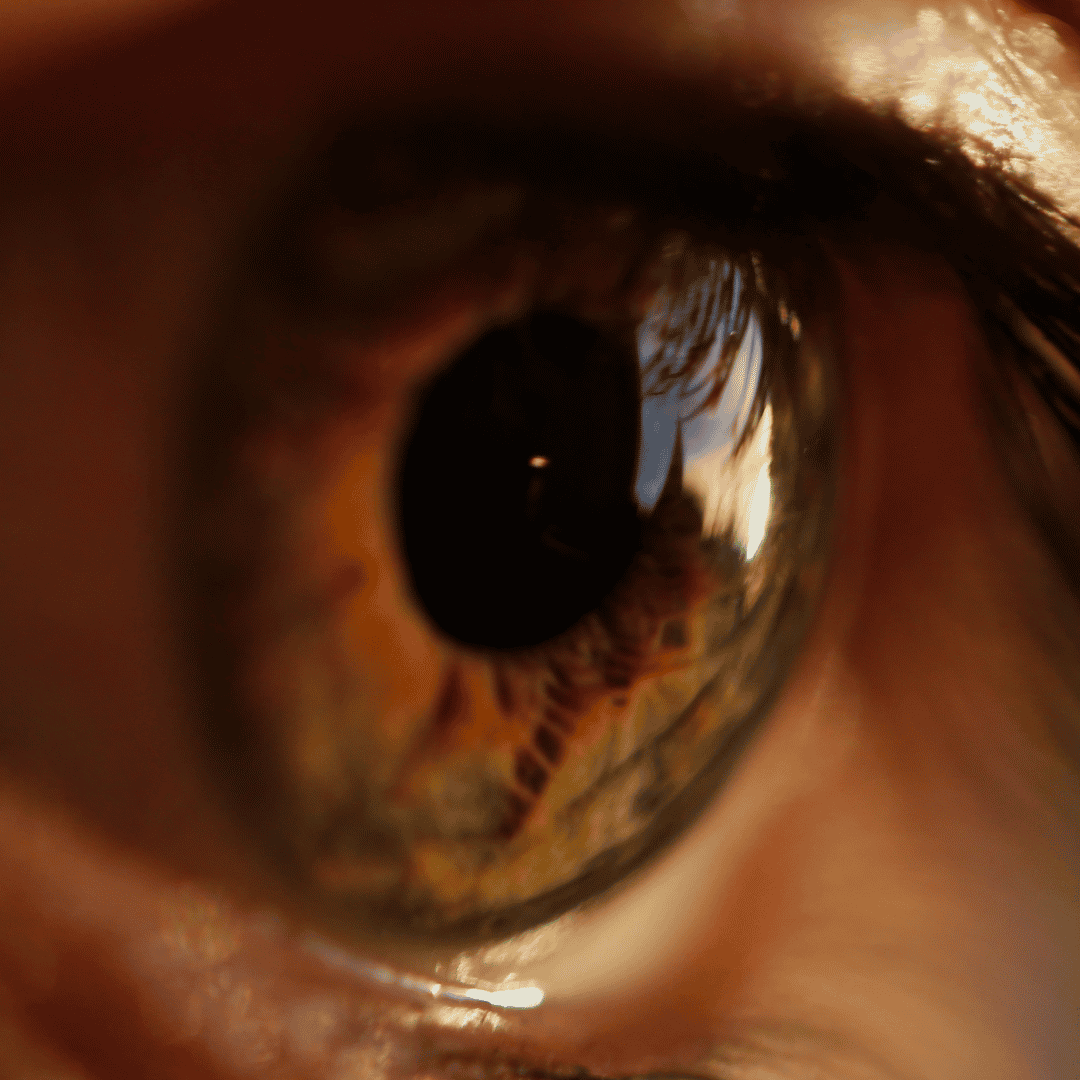
The fundamental mechanism relies on the rigid gas-permeable material applying calculated, gentle pressure to the corneal surface. Throughout the night, these precision lenses gently mold the front surface of the eye [00:16]. This micro-structural reshaping flattens the central cornea, which alters how light enters and focuses on the retina.
Upon removing the lenses in the morning, the cornea temporarily retains its newly molded shape. Children benefit from completely clear, unassisted vision throughout the entire day without needing glasses or standard daytime contacts [00:21]. The effects are fully reversible, meaning the cornea will gradually return to its original shape if the nightly wear routine is discontinued.
The Clinical Science of Corneal Reshaping
The success of orthokeratology relies heavily on advanced tear film fluid dynamics. The specialized lenses do not physically squash the corneal cells; rather, they create localized hydraulic forces using the natural tear layer. These forces gently redistribute the epithelial cells from the center of the cornea outward.
Modern overnight lenses are manufactured from hyper-oxygen-permeable polymers known as fluorosilicone acrylates. These advanced materials ensure that the sleeping eye receives maximum oxygen transmission, which is critical for maintaining cellular health. High Dk values (a measure of oxygen permeability) mitigate the risks associated with sleeping in standard contact lenses.
Corneal topography maps are essential for this procedure, acting as highly detailed topographical maps of the eye's surface. Optometrists utilize thousands of data points to manufacture a lens that exactly matches the unique microscopic peaks and valleys of the patient's cornea. This bespoke manufacturing process guarantees precise refractive correction.
Halting the Progression of Childhood Myopia
Standard prescription glasses merely compensate for blurry vision but do nothing to stop the underlying condition from worsening. Ortho-K serves as a highly effective intervention to actively control the physical advancement of myopia in young, developing eyes [00:27]. This condition involves the eyeball growing too long from front to back, causing light to focus in front of the retina.
The rapid increase in childhood nearsightedness has become a critical issue for school-aged children globally [00:34]. Extended screen time, increased near-work activities, and reduced outdoor exposure are primary drivers of this epidemic. High myopia drastically increases the lifetime risk of developing severe ocular pathologies such as retinal detachment, myopic maculopathy, and glaucoma.
Orthokeratology addresses this by utilizing the principle of peripheral myopic defocus. The reshaped cornea ensures that light hitting the peripheral retina is focused correctly, which sends a biological stop signal to the eye's growth mechanism. Controlling this axial elongation is the primary medical goal of pediatric myopia management programs.
The Long-Term Impact of Untreated Nearsightedness
Leaving childhood nearsightedness unchecked leads to progressively thicker glasses and diminished visual acuity. As the sclera (the white part of the eye) stretches to accommodate abnormal growth, the internal tissues become dangerously thin. This structural weakening makes the eye significantly more susceptible to mechanical tearing.
By implementing overnight myopia control lenses early in childhood, specialists can significantly reduce the final prescription strength an individual will have in adulthood. Lower final prescriptions correlate directly with drastically reduced risks of blinding eye diseases in later decades. Early intervention is paramount for preserving long-term ocular integrity.
Comparing Pediatric Vision Correction Methods
Evaluating the various modalities for pediatric vision correction requires understanding the limitations of traditional optical devices. Standard single-vision spectacles provide clear central acuity but create peripheral hyperopic defocus, which can actually stimulate further eye growth. Furthermore, glasses are frequently broken, lost, or misplaced during normal childhood activities and physical education.
Daytime soft contact lenses offer lifestyle advantages over spectacles but carry different burdens. Children must handle them during the day, risking contamination in unhygienic school environments. Soft lenses also have lower efficacy in halting myopic progression compared to specialized orthokeratology profiles.
Refractive surgeries like LASIK or PRK are completely contraindicated for children and adolescents whose eyes are still actively growing. Ortho-K fills this specific medical void by providing a non-surgical, completely reversible alternative. It delivers the lifestyle freedom of surgery while actively treating the underlying degenerative myopia.
| Correction Method | Myopia Control Efficacy | Surgical Requirement | Daytime Wear Required |
|---|---|---|---|
| Standard Glasses | None (May accelerate growth) | No | Yes |
| Soft Daily Contacts | Low to Moderate | No | Yes |
| Pediatric Ortho-K | High (Clinically Proven) | No | No (Nighttime only) |
| LASIK Surgery | None | Yes (Not for kids) | No |
Safety Protocols and Optometric Supervision
Orthokeratology is recognized as a highly safe and reliable medical treatment when administered under strict clinical guidelines [00:37]. Success depends entirely on the continuous supervision of a specifically trained and certified optometrist. These professionals possess the necessary diagnostic equipment to monitor corneal health and cellular integrity meticulously.
The primary risk associated with any overnight contact lens wear is microbial keratitis, an infection of the cornea. To mitigate this risk completely, clinics mandate rigorous hygiene training for both the pediatric patient and their parents. Strict compliance with prescribed cleaning solutions, usually involving hydrogen peroxide systems, eliminates bacterial buildup.
Periodic follow-up examinations are non-negotiable components of the treatment protocol. Optometrists must conduct regular topographical mapping to ensure the lens is centering correctly during sleep and applying the exact desired pressure. Adjustments to the lens parameters are frequently made as the child grows and the corneal shape responds to the therapy.
Establishing a Robust Lens Maintenance Routine
Proper daily maintenance dictates the longevity of the custom lenses and the safety of the child's eyes. Lenses must be mechanically rubbed with approved daily cleaners immediately upon removal to strip away lipid and protein deposits. Tap water must never come into contact with the lenses or the storage cases, as it harbors dangerous pathogens like Acanthamoeba.
Storage cases should be replaced monthly to prevent biofilm formation. Parents play a crucial oversight role, ensuring younger children do not cut corners during the evening insertion or morning removal routines. Establishing these meticulous habits early guarantees a safe and complication-free orthokeratology experience.
Why Choose Tijuana Clinics for Pediatric Eye Care
International patients frequently travel across the border to access premium optometric care at specialized facilities like Tijuana Eye Center [00:44]. The geographical proximity to the United States makes this city an incredibly convenient hub for comprehensive medical tourism. Families can access world-class vision correction technologies without enduring lengthy travel times.
The clinical infrastructure in these border clinics mirrors, and often exceeds, the diagnostic capabilities found in standard North American optometry practices. Specialists utilize the exact same FDA-approved high-Dk lens materials and advanced corneal topographers. This commitment to cutting-edge medical technology ensures patient safety and optimal treatment outcomes.
The economic advantage of pursuing pediatric orthokeratology in Mexico is substantial. Because these specialized custom lenses require extensive chair time and multiple follow-up visits, the domestic costs can be prohibitive for many families. Cross-border clinics provide this highly personalized, labor-intensive care at a fraction of the cost, making myopia control accessible to a broader demographic.
Navigating Cross-Border Medical Care
Modern Mexican eye centers are specifically structured to accommodate the unique logistical needs of international patients. Bilingual staff coordinate appointments efficiently, minimizing the time families need to spend away from work and school. Streamlined medical protocols allow for rapid diagnostic workups and faster manufacturing times for the customized lenses.
Many facilities offer dedicated concierge services to assist with transportation from the border directly to the clinical campus. This integrated approach alleviates the stress commonly associated with navigating foreign healthcare systems. Patients receive continuous, supportive care throughout their entire vision correction journey.
The Custom Fitting Process for Orthokeratology
The journey to non-surgical vision correction begins with a highly detailed, personalized consultation [00:48]. The initial evaluation involves comprehensive corneal mapping, refractive error measurements, and an assessment of anterior segment health. Optometrists must rule out any underlying dry eye syndromes or corneal dystrophies that would contraindicate rigid lens wear.
Once baseline metrics are established, specialized software algorithms calculate the exact geometry required for the overnight lens. The lenses are then precision-lathed from hyper-breathable polymer blanks. When the custom lenses arrive, the patient undergoes a dispensing visit where the physician evaluates the physical fit using specialized fluorescent dyes and biomicroscopy.
The adaptation phase typically spans one to two weeks, during which the cornea progressively alters its curvature. Patients are monitored via a strict follow-up schedule: usually at one day, one week, one month, and every six months thereafter. These ongoing clinical assessments ensure the molding effect remains stable and the myopic progression is effectively halted.
Candidate Selection for Non-Surgical Vision Correction
Not every patient qualifies for overnight corneal reshaping, making the initial optometric screening incredibly important. The most successful candidates are children and adolescents presenting with low to moderate myopia, generally up to -6.00 diopters. The procedure can also correct mild amounts of astigmatism, though high astigmatic errors may require specialized toric orthokeratology designs.
Chronological age is less of a barrier than psychological maturity and hygiene compliance. Children as young as six or seven can successfully manage the treatment if they possess the necessary discipline and have highly engaged, supportive parents. The shared responsibility between parent and child is a crucial determinant of long-term clinical success.
Families interested in halting nearsightedness progression must initiate the evaluation process promptly. Securing an appointment with a specialized optometry department allows specialists to establish a baseline before the prescription worsens significantly [00:52]. Proactive intervention is the most effective strategy for ensuring optimal visual outcomes and long-term ocular health.
- Early Intervention: Initiating treatment at younger ages maximizes the prevention of axial eye elongation.
- Prescription Limits: Ideal for spherical prescriptions between -1.00D and -6.00D.
- Lifestyle Factors: Highly beneficial for youth athletes involved in contact sports or water activities.
- Hygiene Compliance: Requires strict adherence to daily cleaning protocols overseen by guardians.
Ready to Halt Your Child's Myopia Progression?
Connect with top-rated optometry specialists in Mexico. Receive a personalized evaluation plan for custom Ortho-K overnight lenses and secure advanced pediatric eye care at a fraction of the cost.
Get Free QuoteView Full Video Transcript
00:00 Papás y mamás. Sabían que existen opciones para ayudar a sus hijos a ver bien sin usar lentes durante el día?
00:07 Una de ellas es Orto-K u Ortoqueratología.
00:10 Un tratamiento no quirúrgico que utiliza lentes de contacto especiales que se usan únicamente mientras el niño duerme.
00:16 Durante la noche, estos lentes moldean suavemente la córnea.
00:21 Y al retirarlos por la mañana, su hijo puede ver claramente todo el día sin lentes ni lentes de contacto.
00:27 Además de corregir miopía, Orto-K es una excelente opción para ayudar a controlar el avance de la miopía en niños y adolescentes.
00:34 Algo cada vez más común en edad escolar.
00:37 Es un tratamiento seguro siempre que se realice bajo la supervisión de un optometrista capacitado con revisiones periódicas.
00:44 En Tijuana Eye Center evaluamos de manera personalizada si Orto-K es adecuado para tu hijo.
00:50 Y te acompañamos en cada paso del proceso.
00:52 Agenda una cita en nuestro departamento de optometría o visita nuestro sitio web para conocer más sobre Orto-K.
00:58 Y otras opciones de cuidado visual infantil.
01:00 Tu visión, nuestro compromiso.




.jpg)
.png)
.png)
.png)








Share this listing