


Are you constantly burdened by the daily hassle of wearing glasses or the discomfort of contact lenses? If you are seeking a permanent solution to visual impairment, advanced laser eye surgery in Tijuana offers an unparalleled opportunity to achieve crystal-clear vision.
For individuals suffering from nearsightedness, farsightedness, or astigmatism, navigating the world of refractive treatments can feel overwhelming. However, modern ophthalmology has evolved dramatically, providing highly customized, exceptionally safe, and painless options.
Based on expert insights from Dr. Juan Pablo Rodriguez, a leading ophthalmic surgeon at the renowned Tijuana Eye Center, this comprehensive guide explores the cutting-edge methodologies of visual correction. You will discover the intricate differences between FemtoLASIK and TransPRK, two of the most sophisticated laser treatments available today. By delving into the state-of-the-art technologies and the unique advantages of medical tourism in Mexico, we will help you understand how affordable, world-class eye care can permanently transform your quality of life.
Video Chapters & Quick Navigation
Understanding the Fundamentals of Laser Vision Correction
To fully appreciate the life-changing benefits of procedures like FemtoLASIK and TransPRK, it is essential to first understand the mechanics of human vision. Your eye functions much like a high-resolution camera, where the cornea acts as the front lens. When light enters the eye, the cornea and the internal crystalline lens bend, or refract, the light rays to focus precisely on the retina at the back of the eye.
However, when the shape of the cornea is imperfect or the eyeball is either too long or too short, this delicate focusing mechanism fails. The light rays scatter or focus at the incorrect depth, resulting in blurred, distorted, or strained vision. Advanced laser eye surgery in Mexico aims to permanently correct these refractive errors by delicately reshaping the corneal tissue.
Using ultra-precise excimer lasers, ophthalmic surgeons can remove microscopic amounts of corneal tissue. This reshaping alters the angle at which light enters the eye, allowing it to focus perfectly onto the retina. The ultimate goal of affordable laser vision correction is to eliminate or significantly reduce a patient's dependence on corrective eyewear entirely.
The Hidden Financial and Lifestyle Costs of Traditional Eyewear
Many patients view laser eye surgery as a significant upfront expense without considering the lifetime financial drain of traditional corrective methods. The continuous cycle of purchasing designer frames, specialized high-index lenses, and daily or monthly contact lenses adds up to thousands of dollars over a decade.
Beyond the sheer financial burden, there is a profound lifestyle cost. Activities such as swimming, scuba diving, running, or even walking in the rain become cumbersome tasks. Contact lenses also carry the inherent risk of severe corneal infections and chronic dry eye syndrome due to prolonged oxygen deprivation to the eye's surface.
Opting for affordable laser eye surgery in Mexico is not merely a cosmetic upgrade; it is a strategic decision that completely severs this endless cycle of recurring expenses and daily frustrations. By investing in a permanent, high-quality refractive solution, you are actively choosing to reclaim both your financial resources and your absolute physical freedom, unlocking a lifestyle utterly unhindered by visual constraints.
Common Vision Problems Addressed by Laser Surgery
Laser vision correction is highly versatile and capable of treating the three most common refractive errors. Myopia, commonly known as nearsightedness, occurs when the eyeball is too elongated or the cornea has too steep of a curvature. This causes distant objects to appear blurry while close objects remain sharp and in focus.
Hypermetropia, or farsightedness, is the exact opposite condition. In this scenario, the eyeball is shorter than average or the cornea is excessively flat. As a result, patients struggle to focus on near objects, experiencing severe eye strain and headaches when reading or using digital screens for prolonged periods.
Astigmatism is a condition characterized by an irregularly shaped cornea, often described as being shaped like a football rather than a perfect sphere. This irregularity causes light to focus on multiple points within the eye, leading to blurred and stretched vision at all distances. State-of-the-art laser treatments can effectively address all three conditions simultaneously to restore perfect visual clarity.
The Two Primary Categories of Modern Laser Eye Surgery
When exploring the best laser eye surgery for astigmatism or myopia, patients are often bombarded with complex medical terminology. To simplify this journey, top ophthalmic surgeons categorize these advanced treatments based on how they access the corneal tissue. As Dr. Juan Pablo Rodriguez expertly notes at [00:20], there is a great diversity of laser procedures available to correct refractive errors today.
Despite the wide variety of acronyms and brand names, the reality is that the vast majority of these techniques utilize the exact same highly advanced excimer laser to reshape the eye. The primary distinction lies not in the reshaping process itself, but rather in the surgical approach used to reach the underlying corneal tissue. By breaking down these methods, patients can better understand their customized options.
Dr. Rodriguez explains that for simplicity, these highly effective vision correction techniques are divided into two main groups. This fundamental categorization helps prospective patients easily grasp the profound differences in surgical technique, anticipated recovery timelines, and long-term visual stability.
Category 1: Deep Tissue Correction (FemtoLASIK)
The first category encompasses procedures that involve creating a micro-thin flap on the surface of the cornea. This approach allows the surgeon to access the deeper layers of corneal tissue, known as the stroma, where the actual laser reshaping occurs. Once the deep tissue is treated, the flap is gently placed back into its original position, acting as a natural, instantaneous bandage.
This method is highly favored for its rapid healing process and minimal postoperative discomfort. Because the surface epithelial cells are left largely intact, patients often experience an immediate improvement in their vision on the very same day. The creation of this flap has evolved significantly, transitioning entirely from mechanical blades to highly precise laser technology.
Category 2: Surface Level Ablation (TransPRK)
The second category of laser eye surgery involves treating the eye directly on its outermost surface, entirely eliminating the need for any cuts or flaps. In these surface ablation techniques, the outermost protective layer of the cornea, the epithelium, is gently removed or bypassed to allow the excimer laser to reshape the underlying tissue directly.
While the visual recovery timeline for surface procedures is typically more gradual compared to flap-based surgeries, this category offers distinct architectural advantages for specific patient demographics. Surface ablation completely eradicates the risk of flap-related complications, making it an exceptionally safe choice for individuals with active lifestyles or thinner-than-average corneas.
An In-Depth Look at FemtoLASIK: The Bladeless Revolution
For decades, traditional LASIK surgery dominated the vision correction industry as the most well-known procedure. However, the legacy procedure historically relied on a mechanical microkeratome—a specialized surgical blade—to physically slice the corneal flap. Today, high-quality affordable laser eye surgery in Mexico has fully embraced the bladeless revolution universally known as FemtoLASIK.
As highlighted at [00:47], modern clinics now utilize a cutting-edge femtosecond laser to create this crucial laminar cut. The femtosecond laser emits ultra-short pulses of light to create microscopic gas bubbles at a highly specific depth within the cornea. These bubbles seamlessly connect to form a perfectly uniform, customized flap without a physical blade ever touching the patient's eye.
This transition to an all-laser approach has drastically elevated the safety profile and sheer precision of the surgery. By entirely eliminating the mechanical blade, surgeons can customize the exact thickness, diameter, and hinge placement of the flap to perfectly match the unique anatomical topography of each patient's eye.
Key Benefits of Choosing FemtoLASIK
FemtoLASIK firmly stands out as the most widely requested vision correction procedure globally. According to Dr. Rodriguez at [00:55], this immense popularity is heavily driven by the procedure's extreme exactitude and incredibly rapid recovery timeline. Patients undergoing FemtoLASIK typically experience a remarkable restoration of their vision within the first 24 to 48 hours following the operation.
Another major advantage is the absolutely minimal amount of physical discomfort experienced during the postoperative period. Because the femtosecond laser creates such a precise and microscopically smooth flap, the eye's natural healing process is vastly accelerated. Patients usually only report a mild, temporary sensation of dry eyes or scratchiness that dissipates rapidly.
Furthermore, FemtoLASIK provides outstanding long-term visual stability for the patient. The deep stromal tissue that is carefully reshaped by the excimer laser does not regenerate, meaning the optical correction is highly permanent. For standard patients seeking the fastest route to visual freedom with the least disruption to their daily lives, FemtoLASIK remains the absolute gold standard.
TransPRK: The No-Cut, No-Touch Laser Eye Surgery Innovation
While FemtoLASIK is incredibly popular, it is not universally suitable for every individual seeking visual freedom. For those seeking an entirely non-invasive approach, TransPRK (Transepithelial Photorefractive Keratectomy) represents the current pinnacle of modern ophthalmology. This advanced technique performs the necessary visual correction directly on the surface of the cornea, completely avoiding the creation of a surgical flap.
As meticulously detailed at [01:04], TransPRK achieves exact corneal reshaping without a single cut. Instead of creating a physical flap to bypass the outer epithelial layer, the state-of-the-art excimer laser is used to precisely vaporize both the epithelium and the underlying stroma in a single, seamless, continuous automated step.
This highly sophisticated "no-touch" method means that no physical surgical instruments ever make direct contact with the eye. The entire ablation process is completely driven by intelligent laser technology, minimizing the potential for human error and maximizing hygiene. For patients actively searching for a truly hands-free, blade-free, and flap-free vision correction experience, TransPRK is the ultimate solution.
Who is the Ideal Candidate for TransPRK?
Because TransPRK does not involve slicing a corneal flap, it is highly recommended for individuals with specific physiological traits or demanding occupational requirements. Patients who have naturally thin corneas or pre-existing dry eye syndrome are often deemed unsuitable for FemtoLASIK. For these individuals, TransPRK provides a phenomenally safe and effective pathway to perfect vision without compromising their eye's structural integrity.
Moreover, the complete absence of a flap makes the eye highly resistant to trauma following the healing process. At [01:16], Dr. Rodriguez emphatically states that TransPRK is the ideal treatment for individuals who practice extreme sports, martial arts, or high-impact athletic activities. Without a flap, there is zero risk of flap dislocation due to an accidental physical blow to the face.
This robust long-term durability also makes TransPRK the strongly preferred choice for specific high-stakes professions. First responders, military personnel, public security forces, tactical rescue workers, and aviation pilots frequently opt for this surface ablation technique. It ensures that their vision remains permanently stable and secure, regardless of the extreme physical environments they may encounter in the line of duty.
The Evolution from Traditional PRK to TransPRK
To fully understand the brilliance of TransPRK, it helps to look closely at the history of surface ablation procedures. In traditional PRK (Photorefractive Keratectomy), the surgeon had to manually remove the eye's outer epithelial layer before applying the corrective laser. This manual removal often involved the use of toxic chemical substances, such as alcohol solutions, to loosen the cells, or a specialized manual scraping tool.
The historical use of chemical solvents and manual scraping inherently increased the risk of postoperative inflammation, delayed healing timelines, and heightened discomfort. TransPRK revolutionizes this step entirely. As noted at [01:49], modern TransPRK technology completely eliminates the need for alcohol or any other toxic chemical substances.
By relying solely on the extreme precision of the excimer laser to rapidly remove the epithelium, the underlying tissue is left incredibly smooth and perfectly primed for the refractive correction. This drastic reduction in chemical exposure significantly minimizes risks, curbs secondary side effects, and accelerates the regeneration of the epithelial layer, resulting in a much more comfortable and predictable recovery phase for the patient.
Exploring the Cutting-Edge Technology: Schwind Amaris 1050RS
The success and safety of advanced laser eye surgery are heavily dependent on the caliber of the technology utilized by the medical clinic. Top-tier medical tourism facilities in Tijuana do not cut corners when it comes to surgical equipment. They continually invest in the exact same, or even superior, multi-million dollar platforms found in leading metropolitan hospitals across the United States and Europe.
For the highly precise TransPRK procedure, Dr. Rodriguez highlights the exclusive use of the Schwind Amaris 1050RS at [01:26]. The Amaris 1050RS is widely regarded in the global ophthalmic community as one of the fastest, most precise, and most technologically advanced excimer laser systems in the world. Operating at an astonishing repetition rate of 1050 Hertz, it shapes the cornea with unparalleled speed, drastically reducing the total time the patient spends under the laser.
This incredibly short treatment time is not just about patient convenience; it crucially prevents the corneal tissue from drying out during the procedure. Faster ablation means less dehydration of the delicate stroma, which directly translates to more accurate surgical outcomes and a much faster visual recovery. The Amaris 1050RS represents the absolute pinnacle of refractive surgery technology.
Smart Pulse and Smart Surface Technology
The Schwind Amaris 1050RS is seamlessly equipped with proprietary software platforms meticulously designed to optimize the optical smoothness of the treated eye. The Smart Pulse technology utilizes a highly sophisticated mathematical geometric model that flawlessly mimics the exact curvature of a perfectly healthy cornea. As the laser applies its rapid pulses, it does so in an intelligent three-dimensional matrix rather than a flat plane.
When seamlessly combined with the Smart Surface software specifically formulated for TransPRK, the results are nothing short of extraordinary. These integrated platforms ensure that the transition zones between the treated and untreated areas of the cornea are flawlessly smooth. A smoother corneal bed accelerates the natural regeneration of the epithelial cells and dramatically enhances postoperative visual acuity, allowing patients to experience crisp, high-definition vision sooner.
6D Active Tracking for Unparalleled Precision
One of the most common and deep-seated fears patients harbor regarding laser eye surgery is the possibility of accidentally moving their eye during the procedure. The advanced Amaris 1050RS completely neutralizes this concern with its revolutionary 6D Active Tracking system. This cutting-edge eye-tracking technology monitors the exact position of the eye across six different complex dimensions of movement.
Whether the patient's eye shifts horizontally, vertically, rolls, or even tilts microscopically due to natural reflexes, the 6D tracker detects these subtle movements over a thousand times per second. It instantaneously adjusts the laser beam to precisely match the exact position of the eye in real-time. This ensures that the correction of myopia, astigmatism, or hypermetropia achieves an exact, flawless molding of the cornea, prioritizing absolute patient safety throughout the entirety of the surgery.
Comprehensive Comparison: FemtoLASIK vs. TransPRK
When deciding between the merits of FemtoLASIK and TransPRK, patients must carefully weigh their unique anatomical factors, specific lifestyle requirements, and personal recovery expectations. Both procedures utilize the highly advanced excimer laser for the actual visual correction, ensuring that the final visual outcome is practically identical and highly accurate. The true difference lies entirely in the surgical approach and the subsequent healing journey.
FemtoLASIK is heavily characterized by its use of a precise femtosecond laser to create a protective flap, allowing for immediate deep tissue correction. The hallmark of this procedure is instant gratification. Most patients wake up the very next morning with stunning 20/20 vision and can immediately return to non-strenuous work and social activities. Physical discomfort is virtually non-existent, making it highly appealing for the average patient seeking a fast transformation.
Conversely, TransPRK is a refined surface ablation technique that skips the creation of a flap entirely. While it safely avoids any flap-related risks and harsh chemical solvents, the recovery requires slightly more patience. The outer epithelial layer takes several days to naturally regenerate, during which patients may experience moderate discomfort, light sensitivity, and fluctuating vision. However, for those with thin corneas or extreme physical lifestyles, the robust, long-term structural integrity of a flapless cornea makes the temporary recovery period entirely worthwhile.
| Surgical Feature | FemtoLASIK | TransPRK |
|---|---|---|
| Corneal Flap Creation | Yes, precisely created using a Femtosecond Laser. | No flap created. 100% surface-level laser ablation. |
| Surgical Instrument Contact | Minimal. Flap is gently lifted manually by the surgeon. | Zero contact. Completely touch-free, automated procedure. |
| Visual Recovery Speed | Extremely fast. Excellent vision achieved within 24 hours. | Gradual. Takes 4 to 7 days for functional vision recovery. |
| Post-Op Discomfort | Very minimal. Mild scratchiness for only a few hours. | Moderate. Sensitivity to light and tearing for a few days. |
| Best Suited Candidates | Standard patients seeking rapid, painless optical results. | Athletes, military personnel, or patients with thin corneas. |
| Long-Term Flap Risks | Extremely rare, but possible under severe blunt trauma. | Impossible. Flapless technique ensures ultimate stability. |
The Critical Importance of Pre-Operative Eye Examinations
Before any individual can undergo the transformative FemtoLASIK or TransPRK procedures, a highly rigorous evaluation process must take place. There is absolutely no one-size-fits-all approach to laser vision correction. As heavily stressed at [01:59], any high-quality refractive procedure requires comprehensive optometric and ophthalmologic examinations to guarantee the utmost safety and efficacy.
These pre-operative evaluations are painstakingly designed to map out every microscopic detail of your unique eye structure. Utilizing advanced diagnostic equipment, dedicated eye care professionals will measure the exact thickness, curvature, and topographical landscape of your corneas. This granular data is critical, as it directly dictates which surgical technique is safest and most effective for your unique ocular anatomy.
Furthermore, these extensive exams screen for underlying medical conditions that might complicate the surgery. Issues such as severe dry eye syndrome, exceptionally large pupils, keratoconus, or early-stage cataracts must be clearly identified before proceeding. A thorough diagnostic process is the ultimate safeguard that ensures optimal, long-lasting visual results for the rest of your life.
What to Expect During Your Initial Consultation
During your initial consultation at a premier facility like the Tijuana Eye Center, you will undergo a battery of highly specialized tests. Advanced 3D corneal mapping technology, commonly known as topography, will precisely generate a highly detailed elevation map of your eye's surface. A pachymetry test will accurately measure the exact thickness of your cornea down to the absolute micron.
Additionally, the expert clinical team will conduct wave-front analysis to measure higher-order aberrations, which are complex refractive errors highly unique to your own visual system. Your intraocular pressure will be routinely checked to rule out glaucoma, and a comprehensive dilated eye exam will allow the surgeon to inspect your retina and optic nerve. These painless, entirely non-invasive tests seamlessly build a complete profile of your overall ocular health.
Determining Your Candidacy for Laser Eye Surgery
The culmination of these extensive examinations is the ultimate determination of your surgical candidacy. As explicitly mentioned at [02:10], attending this vital consultation will definitively reveal whether you are an ideal candidate for FemtoLASIK, TransPRK, or another type of advanced refractive surgery. Not everyone is perfectly suited for laser correction, and an ethical, world-class surgeon will invariably prioritize patient safety over mere surgical volume.
If your corneas are found to be too thin or irregular for safe flap creation, TransPRK will highly likely be recommended as the superior option. If your refractive error is exceptionally high, completely different surgical alternatives, such as implantable collamer lenses (ICL), might be thoroughly discussed. Ultimately, the meticulous pre-operative phase guarantees that you receive a customized treatment plan tailored exclusively to the exact physiological needs of your eyes.
The Rise of Medical Tourism: Why Choose Tijuana for Eye Surgery?
Over the past decade, Tijuana has exponentially transformed into a highly respected global powerhouse for high-end medical tourism. Patients from the United States, Canada, and beyond are routinely crossing the border to seek out advanced, affordable laser eye surgery in Mexico. The primary driving force behind this massive influx is not solely the attractive price point; it is the extraordinary, uncompromised quality of medical care readily available.
When deeply exploring the best eye clinic in Tijuana, prospective patients quickly realize that these elite facilities operate at a tier equal to, or often phenomenally exceeding, their local domestic healthcare providers. By eagerly embracing state-of-the-art technologies and strictly adhering to stringent international medical protocols, Tijuana has firmly established itself as a safe, highly reliable, and profoundly advanced destination for ultimate vision correction.
The pure geographical convenience simply cannot be overstated. Conveniently located just minutes south of San Diego, California, Tijuana is exceptionally accessible to international travelers. Patients can easily travel for their comprehensive pre-operative consultations, smoothly undergo their life-changing laser procedure, and return home for their relaxing recovery with minimal logistical hassle, all while enjoying VIP-level patient care and legendary Mexican hospitality.
Access to Top-Tier Ophthalmologists and Facilities
The dedicated medical professionals actively operating in Tijuana's premier clinics represent some of the most highly trained and deeply experienced specialists in the entire field of ophthalmology. Dedicated surgeons like Dr. Juan Pablo Rodriguez commit their entire careers to mastering highly complex refractive surgeries. It is remarkably common for these elite specialists to hold prestigious international board certifications and to have successfully completed rigorous fellowships in the United States or Europe.
This extensive global training securely ensures that traveling patients receive exceptional care based on the latest, most advanced medical practices worldwide. Furthermore, top clinics in Tijuana are meticulously designed as modern medical sanctuaries. They proudly feature cutting-edge sterilization protocols, highly luxurious patient recovery lounges, and fluent English-speaking concierge staff dedicated entirely to making the entire medical tourism experience utterly seamless and stress-free.
Combining Superior Medical Care with Significant Cost Savings
Embarking on a transformative journey for affordable laser eye surgery in Mexico is significantly more than just a medical decision; it is a remarkably smart, value-driven investment in your lifelong quality of life. The highly comprehensive packages offered by top clinics seamlessly include everything from the initial 3D corneal mapping to the advanced surgical procedure itself, and highly detailed postoperative follow-ups.
This honest, highly transparent, all-inclusive pricing model completely eliminates the anxiety of hidden medical fees common in domestic healthcare. Patients can proactively utilize the thousands of dollars saved to joyfully upgrade their travel experience, enjoy a deeply relaxing recovery near the sunny coastal borders, or simply invest the profound savings back into their personal future. Exceptional, crystal-clear eyesight should not be an unaffordable luxury; in Tijuana, it is a highly accessible, life-changing reality.
Navigating the Medical Tourism Journey with Confidence
Traveling abroad for critical medical care might initially seem daunting to first-time patients, but top facilities in Tijuana have flawlessly mastered the delicate art of medical concierge services. From the exact moment you firmly decide to pursue your high-quality affordable laser eye surgery in Mexico, dedicated patient coordinators immediately step in to expertly handle every single logistical detail.
These experienced professionals gladly assist with organizing smooth airport transfers from San Diego, reliably booking accommodations at premium partnered hotels, and perfectly coordinating all clinic appointments on your behalf. This high-touch, VIP approach completely removes the inherent stress of international travel, safely allowing the patient to focus entirely on their upcoming procedure and subsequent healing phase. You are actively guided step-by-step through a highly structured, incredibly safe, and profoundly welcoming environment that prioritizes your utmost peace of mind.
Ready to Achieve 20/20 Vision in Tijuana?
PlacidWay Medical Tourism seamlessly connects you with top-rated eye clinics in Mexico, offering world-class TransPRK and FemtoLASIK procedures at truly unbeatable prices. Let us handle the stressful travel details while you focus entirely on your new visual freedom.
GET A FREE QUOTE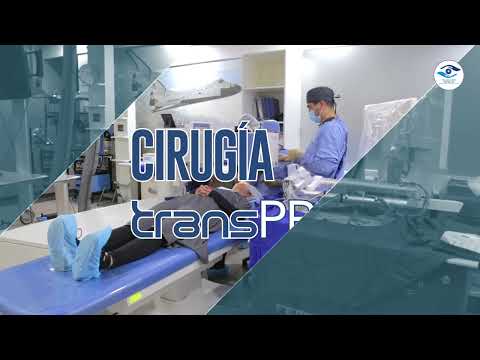




.png)




Share this listing