

Contents
Living in the United States or Canada with cataracts often means dealing with cloudy vision while simultaneously navigating a frustrating maze of healthcare hurdles. You might be waiting months just to get a basic consultation, or staring at an out-of-pocket medical bill that makes you question if clear vision is a luxury you cannot afford. It is an exhausting struggle when all you want is to read a book, drive safely at night, and get your independence back.
That is exactly why thousands of North Americans travel south each year for their eye care. Getting cataract surgery in Mexico provides a reliable way to bypass long wait times without draining your savings, with the procedure typically costing between $1,200 and $1,800 per eye. When looking at facilities, it is crucial to verify their local credentials to ensure your safety. Keep an eye out for clinics certified by the Consejo de Salubridad General (CSG) or regulated by COFEPRIS, which guarantees they meet rigorous national medical standards.
What You Should Know
Figuring out exactly what is included in your medical trip can quickly become overwhelming if you are trying to piece it together yourself.
Opting for a comprehensive eye care package takes the guesswork out of traveling for surgery. These bundles usually cover the pre-operative eye exams, the actual procedure, the intraocular lens implant, and the necessary post-op checkups. Many specialized clinics also bundle airport transfers and hotel stays to make your recovery completely stress-free. Compare the treatment packages below to see which option offers the best value and convenience for your journey.

Price starting from $1,950
Affordable Cataract Treatment in Cancun Mexico
Perfect Vision Eye Lasik Surgery Center
- Eye/Lasik Care
Cancun, Mexico

Price starting from $1,200
Affordable Cataract Surgery in Mexico
PlacidWay Mexico Medical Tourism
- Eye/Lasik Care
Tijuana,Mexicali, Mexico

Price starting from $1,800
Popular Package for Cataract Surgery in Cancun, Mexico
PlacidWay Mexico Medical Tourism
- Eye/Lasik Care
Tijuana,Mexicali, Mexico
The average cost of cataract surgery in Mexico ranges from $1,200 to $1,800 per eye, depending largely on the specific type of intraocular lens you require.
Standard monofocal lenses generally fall on the lower end of that spectrum, while premium multifocal or toric lenses will increase the price slightly. Even with these premium upgrades, patients traveling from North America typically save between 50% and 70% compared to domestic out-of-pocket estimates. This transparent approach to pricing means you will not face unexpected hospital fees later. Review the pricing details below to evaluate the exact costs associated with different providers.
Cataract Surgery Centers Cost Comparison in Mexico
| Provider | Procedure | Price |
|---|---|---|
| Cataract Mexico | Cataract Surgery, Eye/Lasik Care | $2300 |
Cataract Surgery Cost Comparison in Mexico
| Country | Procedure | Price |
|---|---|---|
| United States | Cataract Surgery, Eye/Lasik Care | $3500 |
Selecting the right eye clinic abroad requires looking beyond a modern waiting room. You want a facility that prioritizes patient safety, strict hygiene protocols, and advanced optical technology.
When comparing your options in Mexico, always verify the clinic's local licensing. Look for registration with COFEPRIS, Mexico's federal health regulatory agency, which ensures the facility follows rigorous sanitary guidelines. It is also wise to check if they utilize high-quality intraocular lenses and modern phacoemulsification equipment. Take your time to review the medical centers listed below to find an accredited clinic that aligns with your specific vision needs.

ENFOCA oftalmología Avanzada
Cancun, Mexico

Cataract Mexico
Guadalajara,Zapopan,Chapala,Ajijic, Mexico
Enlace Visual Ophthalmic Center in Mexico City
Mexico City, Mexico
CVL - Correccion Visual Con Laser in Puebla, Mexico
Puebla, Mexico
Sometimes, understanding a medical procedure is much easier when you can actually see the facility and hear from the medical team firsthand.
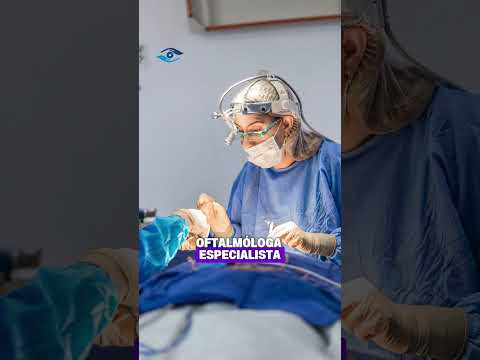
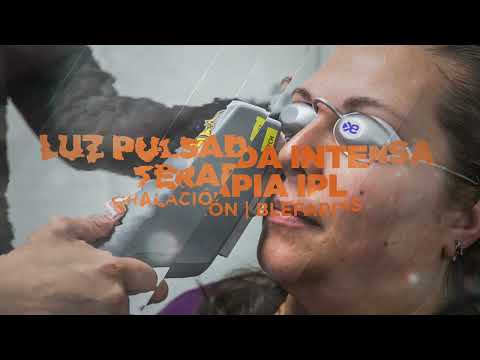
Watching detailed facility tours and surgeon interviews helps bridge the gap between reading about a clinic and feeling genuinely comfortable traveling there. These visual insights give you a real feel for the cleanliness of the operating rooms and the bedside manner of the clinical staff. Browse the video gallery below to get a closer look at the advanced eye care environments waiting for you south of the border.


Hearing directly from people who have already made the journey for vision correction can be incredibly reassuring when you are planning your own trip.
Patient testimonials offer an honest look at the entire experience, from navigating border crossings to the clarity of their vision post-surgery. Reading about real-world outcomes helps you gauge the level of post-operative care and the professionalism of the medical staff. Take a moment to read through the patient reviews below to learn from others who have successfully trusted these clinics with their eyesight.

Planning your eye surgery abroad naturally brings up several practical and medical questions. Here are some of the most common inquiries patients have about undergoing cataract treatment in Mexico.
Is cataract surgery in Mexico safe?
Yes, when performed at accredited facilities by board-certified ophthalmologists, the procedure is highly safe. Regulated clinics adhere to strict sterilization and surgical protocols that rival those found in the United States and Canada.
What types of intraocular lenses (IOLs) are available?
Mexican eye clinics offer the same globally recognized brands used in North America. You can choose from standard monofocal lenses, as well as premium toric lenses for astigmatism and multifocal lenses for reducing dependence on reading glasses.
How long do I need to stay in Mexico for the procedure?
Most patients plan to stay for three to five days. This allows enough time for the initial preoperative evaluation, the surgery itself, and a mandatory post-operative checkup the following day to monitor your initial healing.
Do Mexican eye surgeons speak English?
Yes, the vast majority of ophthalmologists catering to international patients in border towns and resort cities are fluent in English. Many of them also completed portions of their medical training in the US or Europe.
Can I have both eyes operated on during the same trip?
This depends on the surgeon's medical assessment. While some doctors may perform bilateral surgery safely on the same day, many prefer to wait a few days between eyes to ensure the first eye is healing properly without infection.
Will my domestic health insurance cover treatment abroad?
Generally, US and Canadian health insurance policies do not cover elective treatments abroad. However, the significantly lower out-of-pocket cash price in Mexico is often less than the deductible you would pay at home.
How do I verify a clinic's credentials?
You should ask if the clinic is registered with COFEPRIS (the federal health regulator) and if they hold certification from the Consejo de Salubridad General (CSG). Reputable clinics will happily provide their licensing information.
How soon can I fly after having my cataracts removed?
Flying is typically safe shortly after phacoemulsification, as cabin pressure does not severely affect the eye. However, you should always get explicit clearance from your operating surgeon during your follow-up appointment before boarding a plane.
What happens if I need follow-up care after returning home?
Your surgeon will provide detailed discharge notes and medical records. You can easily schedule follow-up appointments with your local optometrist or ophthalmologist back home for your standard post-operative vision checks.
Is it safe to drive back across the border after my procedure?
You cannot drive yourself immediately after surgery. Your vision will likely be blurry, and your eye will be dilated and sensitive to light. You must arrange for a travel companion or a medical shuttle service to transport you safely.
The success of your vision correction ultimately rests in the hands of the ophthalmologist performing the procedure.
Mexico is home to highly skilled eye surgeons, many of whom have completed specialized fellowships in the United States or Europe. When evaluating a doctor, check for their active board certification with the Mexican Council of Ophthalmology (Consejo Mexicano de Oftalmología). Specialists who maintain memberships in international medical organizations also demonstrate a strong commitment to current surgical techniques. Explore the profiles of the specialized eye surgeons below to find the right expert for your procedure.
Traveling to Mexico for medical care has become a highly streamlined process, especially for patients seeking relief from expensive healthcare in the United States and Canada. Depending on your travel preferences and location, you can choose between highly convenient border cities or relaxing coastal destinations. Border towns like Tijuana, Mexicali, and Los Algodones are incredibly popular because you can simply drive across or take a quick flight to nearby US airports and use a dedicated medical shuttle. This makes the logistics fast, affordable, and straightforward.
If you prefer a calmer environment for your recovery, cities like Cancun or Puerto Vallarta offer world-class medical facilities surrounded by peaceful coastal views. These resort areas feature international airports with direct flights from most major North American hubs. English is widely spoken in these medical tourism centers, making communication with your healthcare team and hotel staff completely effortless.
| Border Access Cities | Tijuana, Mexicali, Los Algodones |
| Direct Flight Destinations | Cancun, Puerto Vallarta, Mexico City |
| Entry Requirements | Valid Passport (No visa for US/Canadian tourists) |
| Local Currency | Mexican Peso (USD widely accepted in border and tourist zones) |
| Best Time to Travel | Year-round, though many prefer avoiding peak hurricane season in the fall |
When planning your itinerary, remember that eye surgery requires a slightly flexible schedule. While the procedure itself is quick, attending your follow-up appointments before traveling home is a mandatory step for a safe recovery. Choosing a destination that balances medical quality with travel convenience will ensure your trip is as smooth as possible.
Navigating the options for healthcare abroad is much easier when you have the right support. PlacidWay helps you connect with accredited eye clinics, compare transparent pricing, and review the qualifications of board-certified ophthalmologists in Mexico. By comparing the clinics, packages, and surgeons detailed above, you can make an informed choice that suits your health needs and budget. When you are ready to take the next step toward clearer vision, our team is here to assist with personalized clinic matching and treatment coordination.
References




















Share this listing