What treatment


20+ Key FAQs on Eye/Lasik Care in Mexico
Questions About Eye/Lasik Care in Mexico? Start Here
Trusted Medical Tourism Platform Since 2007

How Much Cataract Surgery Cost without Insurance?
Without insurance, cataract surgery in the US costs between $3,500 and $7,000 per eye. However, cataract surgery cost in Mexico ranges from $1,200 to $2,500 per eye, offering patients a highly affordable, safe alternative with premium lens options. Key Takeaways: Vision Correction Abroad Massive Cost Savings: Self paying patients routinely save up to seventy percent compared to North American healthcare facility fees. Premium Technologies: Access world class multifocal and toric FDA approved lenses without the exorbitant domestic markups. Expert Specialists: Board certified ophthalmologists utilize state of the art laser assisted precision methods. Rapid Recovery: Advanced micro incision techniques allow for fast healing and quick return to normal visual activities. No Waiting Lists: International patients benefit from immediate scheduling bypassing long administrative delays often found back home. What factors determine the cataract surgery cost in Mexico? The final price depends largely on the type of intraocular lens chosen and the specific surgical technique utilized. Patients also save significantly on facility and surgeon fees compared to North American healthcare systems. In North America the self pay burden for uninsured patients encompasses exorbitant hospital facility fees anesthesiologist hourly rates and the surgeons premium markup. The out of pocket expenditure can easily drain personal savings forcing many aging individuals to delay necessary vision correction. Conversely the financial ecosystem south of the border is designed around efficiency and lower administrative overhead. This streamlined approach directly reduces the overall burden on the patient while maintaining uncompromising clinical standards. The type of intraocular implant selected by the patient dramatically influences the final invoice. Standard monofocal lenses which provide excellent distance vision are the most economical choice and form the baseline pricing. Upgrading to premium multifocal or toric lenses naturally increases the investment because these advanced medical devices require complex manufacturing and precise custom alignment during the operation. Despite this upgrade the premium options remain substantially more affordable than standard options in domestic hospitals. Furthermore the specific surgical methodology chosen will slightly alter the final expenditure. Traditional phacoemulsification utilizing ultrasound waves is highly effective and represents the most budget friendly technique available. Patients who opt for femtosecond laser assisted methods will see a modest increase in their bill due to the utilization of highly specialized computerized equipment. Regardless of the chosen path consulting with a dedicated cataract surgery clinic in Mexico guarantees complete financial transparency before any commitments are made. What types of lenses are available at a cataract surgery clinic in Mexico? Facilities south of the border offer the exact same FDA approved intraocular lenses utilized worldwide. Patients can select from various options tailored to their specific vision needs and lifestyle requirements. Monofocal lenses provide clear vision at a single distance usually optimized for driving and distant viewing. Multifocal lenses allow patients to see clearly at near intermediate and far distances reducing dependency on reading glasses. Toric lenses are specifically designed to correct existing corneal astigmatism alongside the cataract removal. Accommodating lenses mimic the natural movement of the eye muscles to shift focus dynamically across different ranges. Extended depth of focus lenses deliver a seamless transition between varying distances for enhanced daily visual comfort. Blue light filtering lenses offer additional protection for the retina against harmful digital screen emissions. Expert Insight Many international patients are surprised to learn that top tier centers import their lenses directly from industry leaders like Alcon and Johnson and Johnson. This means you receive the exact same medical grade implant you would receive in a luxury clinic in Beverly Hills but at a fraction of the cost. How safe is medical tourism in Mexico for vision correction procedures? Seeking eye care internationally is incredibly safe when utilizing fully accredited facilities and highly trained specialists. Strict international healthcare protocols are rigidly enforced to ensure optimal patient outcomes and complete sterilization. Safety is understandably the primary concern for anyone considering crossing borders for surgical intervention. Fortunately the landscape of medical tourism in Mexico has evolved into a highly regulated industry. Leading hospitals are routinely monitored by international accreditation bodies such as the Joint Commission International. These governing organizations demand rigorous adherence to hygiene patient care and surgical safety standards that mirror those strictly enforced in the United States and Canada ensuring patients receive world class care. Beyond facility accreditation the expertise of the medical staff is unparalleled. Many of the ophthalmologists serving international visitors have completed extensive fellowships and residencies in prestigious universities across North America and Europe. They frequently attend global ophthalmic conferences to master the absolute latest microsurgical techniques for lens extraction and implantation. This dedication to continuous education guarantees that they bring advanced globally recognized skills to the operating theater every single day. Furthermore the technological infrastructure within these modern facilities is second to none. Patients gain access to state of the art operating suites equipped with cutting edge phacoemulsification machines advanced vital monitoring systems and high efficiency particulate air filtration. This specialized environment drastically reduces the risk of post operative infections while allowing the surgical team to perform delicate maneuvers with absolute microscopic precision. What happens during the initial consultation for cataract surgery in Mexico? The preoperative evaluation involves comprehensive diagnostic testing to measure the exact dimensions of the eye. The specialist will then discuss your visual goals to determine the most appropriate lens implant for your specific lifestyle. Upon arrival patients undergo a series of painless imaging tests utilizing high definition optical coherence tomography and corneal topography. These precision instruments map the microscopic curvature of the cornea and measure the axial length of the eye from front to back. These exact measurements are critical because they are fed into complex calculation formulas to determine the precise refractive power needed for the new artificial implant. Following the biometric measurements the surgeon performs a dilated examination of the retina and the optic nerve. This step ensures that there are no underlying hidden conditions such as macular degeneration or advanced glaucoma that might compromise the final visual outcome. This thorough health screening guarantees that the patient is a healthy candidate for the outpatient procedure and sets realistic expectations for the visual results. The consultation concludes with a detailed collaborative discussion regarding the cataract surgery cost in Mexico based on the selected premium lens and surgical approach. Patients receive a transparent written breakdown of all medical fees covering the facility the surgeon and the anesthesia. This ensures complete financial clarity and peace of mind before the patient signs any surgical consent forms allowing them to proceed with confidence. Can I get surgery on both eyes simultaneously during my visit? Surgeons generally recommend operating on one eye at a time separated by a few days to ensure proper healing and visual adaptation. This phased approach maximizes safety and allows the patient to maintain functional vision during the immediate recovery phase. While bilateral sequential surgery is technically possible from a medical standpoint most specialists heavily prefer a brief waiting period between procedures. Treating the most severely affected eye first allows the medical team to carefully observe how the eye responds to the new artificial lens and the post operative anti inflammatory medication protocol. This conservative approach drastically minimizes the incredibly rare risk of simultaneous bilateral complications. Spacing out the operations by two to three days provides the patient with sufficient time to regain functional vision in the first treated eye before the second eye is temporarily patched. This makes navigating daily activities walking safely and independently administering necessary post operative medicated eye drops significantly easier and much more comfortable during the recovery phase away from home. For individuals traveling internationally this specific timeline fits perfectly within a standard week long travel itinerary. The patient can undergo the first operation on a Monday rest comfortably at their accommodation for a couple of days and then return to the clinic for the second procedure on Thursday. They are then ready to attend their final clearance examination and safely fly home by the weekend. How does laser assisted technology enhance cataract surgery in Mexico? Femtosecond laser technology brings unparalleled precision to the lens removal process by automating the most delicate steps of the operation. This advanced method reduces ultrasound energy usage and promotes faster cellular healing. Traditional methods require the highly skilled surgeon to manually create a microscopic incision into the eye using a specialized handheld blade. The modern femtosecond laser completely automates this crucial step with computer guided micron level accuracy. It creates a perfectly circular microscopic opening in the delicate lens capsule which is absolutely crucial for the optimal long term centering and positioning of premium multifocal implants. After creating the flawless incision the laser directs its energy to pre soften the hardened cloudy cataract breaking it down into tiny manageable grid like fragments. This automated softening phase significantly reduces the amount of traditional ultrasonic energy needed to dissolve and suction out the clouded lens later in the procedure. Lowering this energy output directly minimizes heat trauma to the surrounding delicate corneal endothelial tissues. Utilizing this incredibly advanced technology slightly increases the overall final invoice but many self paying patients find the health investment entirely worthwhile. The enhanced predictability and exceptionally gentler approach consistently lead to sharper early visual outcomes and a noticeably swifter recovery period for those opting for advanced cataract surgery in Mexico. Patients routinely report crystal clear vision much sooner than those undergoing conventional methods. How quickly will my vision improve after the procedure? Most patients experience a dramatic improvement in visual clarity within the first twenty four hours following the operation. Complete stabilization of the new focal point typically occurs over the subsequent two to four weeks as the brain adapts. Colors often appear significantly brighter and far more vibrant immediately after removing the yellowed cloudy natural lens barrier. Mild blurriness is completely normal during the first day as the pupil remains artificially dilated and the microscopic incision begins sealing itself. Patients can usually resume reading watching television and using digital screens comfortably by the second day of their healing phase. Halos around streetlights may be noticeable initially but these minor visual disturbances typically fade completely as the eye and brain adjust to the artificial implant. Follow up appointments ensure the intraocular fluid pressure remains stable and that no signs of inflammation disrupt the rapid natural healing process. What post operative care is required before heading home? Aftercare involves a strict regimen of prescribed medicated eye drops and a mandatory follow up evaluation to confirm proper healing. Patients are advised to rest and avoid strenuous activities that could increase ocular pressure. Immediately following the brief outpatient procedure a protective clear plastic shield is safely taped over the treated eye to prevent accidental rubbing or bumping during sleep. Patients are provided with a very specific and detailed daily schedule for applying topical antibiotic and anti inflammatory steroid drops. Consistently applying these drops is absolutely essential for preventing bacterial infection and aggressively reducing normal internal ocular swelling. A crucial comprehensive follow up visit is officially scheduled for the day immediately after the operation. During this critical examination the ophthalmologist will utilize a specialized microscope to accurately check the intraocular pressure assess the clarity of the corneal layers and thoroughly verify that the newly implanted acrylic lens is perfectly centered and locked into position within the natural capsular bag. Once the surgical specialist is entirely satisfied with the initial rapid healing progress the patient receives official medical clearance to board a plane and fly back home. They will be given comprehensive printed written instructions regarding temporary lifestyle activity restrictions such as completely avoiding heavy physical lifting bending over at the waist and ensuring raw tap water stays far out of the healing eyes while showering for at least one full week. Are there financing options for patients paying out of pocket? While direct in house financing is uncommon for international patients many utilize dedicated medical loans or personal credit options. Third party financial institutions often provide specialized healthcare credit lines tailored for procedures abroad. Because the upfront out of pocket cost is significantly lower than exorbitant domestic retail prices many patients sensibly choose to pay via major international credit cards which brilliantly offer the added benefit of consumer fraud protection and valuable travel reward points. Reputable clinical facilities routinely and securely accept all major global credit cards to seamlessly facilitate smooth transactions for all foreign visitors seeking essential care. Several specialized independent medical financing companies completely specialize in providing unsecured personal loans specifically intended for international healthcare tourism. These modern financial companies rapidly evaluate the borrowers creditworthiness and securely disburse the requested funds directly allowing patients to pay the foreign facility entirely in full before ever arriving for their scheduled medical operation. Another highly popular financial strategy involves intelligently utilizing established health savings accounts or flexible spending accounts. Since removing a clouded lens is universally recognized as a legitimate medical necessity rather than a purely cosmetic lifestyle enhancement many savvy patients successfully and legally apply their tax advantaged domestic health funds toward covering their highly affordable treatment expenses south of the border. Why Choose PlacidWay for your cataract surgery in Mexico? PlacidWay serves as your dedicated medical tourism advocate connecting you with internationally accredited facilities and board certified ophthalmologists. We prioritize patient safety transparent pricing and comprehensive care coordination. Strict Provider Vetting: We conduct rigorous exhaustive background checks on every single partnered medical facility ensuring they maintain zero malpractice lawsuits and proudly hold valid recognized international health accreditations. Absolute Price Transparency: Our dedicated financial team provides upfront extremely transparent pricing structures so you inherently understand exactly what the entire medical procedure costs without ever encountering hidden surprise medical fees. Direct Specialist Communication: We seamlessly facilitate direct professional communication between you and the chosen specialist allowing for an advanced preoperative review of your domestic medical records and diagnostic eye imaging. Comprehensive Language Assistance: You receive incredibly comprehensive assistance in effortlessly navigating potential language barriers through highly dedicated bilingual medical translators provided consistently by our trusted clinical partners. Continuous Care Advocacy: Our continuous robust patient support system ensures that all your complex clinical questions and personal safety concerns are addressed incredibly promptly before during and heavily after your selected medical procedure. Frequently Asked Questions About Vision Correction in Mexico How soon can I fly after having eye surgery in Cancun? Most surgeons advise waiting at least forty eight to seventy two hours after the final operation before boarding a commercial flight. This brief waiting period ensures your intraocular pressure has stabilized and allows the doctor to perform the mandatory next day post operative checkup to confirm everything is healing perfectly. Will I experience pain during the lens replacement procedure? The operation is virtually painless because the surgeon administers powerful anesthetic eye drops before beginning the work. You might feel mild pressure or see bright lights during the short fifteen minute process but sharp pain is completely abnormal and you will be kept entirely comfortable. Do Mexican ophthalmologists speak English fluently? Yes the vast majority of eye specialists catering to international patients are highly fluent in English. Many of these doctors completed fellowships or specialized medical training in the United States or the United Kingdom ensuring seamless communication regarding your diagnosis and recovery plan. What is the difference between standard and multifocal intraocular lenses? Standard monofocal lenses correct vision at a single distance typically requiring you to still wear reading glasses for close up tasks. Multifocal lenses have specialized concentric rings built into the material that allow your brain to seamlessly focus on near intermediate and far objects simultaneously. How long do the artificial lenses last once implanted? Intraocular lenses are made from highly durable biocompatible materials like acrylic or silicone designed to remain clear and functional for the rest of your life. Unlike your natural crystalline lens these artificial implants will never degrade cloud over or require replacing due to age. Are prescription eye drops available locally in Mexican pharmacies? Yes top tier clinics either provide the necessary post operative drop kits directly upon discharge or prescribe standard medications readily available at any local pharmacy. These pharmacies stock the exact same global pharmaceutical brands you would find in your home country ensuring continuity of care. Can I undergo this treatment if I have astigmatism? Absolutely patients with astigmatism are excellent candidates for specialized toric lenses. These advanced implants are custom aligned during the operation to counteract the irregular curvature of your cornea correcting both the cloudiness and the refractive error in a single step. What happens if I rub my eye accidentally during sleep? Rubbing the eye can disrupt the microscopic incision before it fully heals potentially leading to infection or displacing the newly centered lens. To prevent this accidental contact your surgical team will tape a rigid plastic shield over your eye to wear every night for the first week of recovery. Is general anesthesia used for this type of vision correction? General anesthesia is very rarely used for this specific vision correction because the patient needs to remain awake to focus on a target light during lens alignment. Instead specialists use a combination of topical numbing drops and mild intravenous sedation to keep you relaxed and pain free. How do I prepare my eyes in the weeks leading up to the operation? Preoperative preparation is minimal but crucial for optimal results. You will be instructed to stop wearing contact lenses for several days prior to your measurements and you should strictly avoid using eye makeup or heavy facial creams on the morning of your scheduled appointment to maintain absolute sterility. Start Your Clear Vision Journey Today Do not let exorbitant healthcare costs delay your sight restoring treatment. PlacidWay connects you with globally recognized accredited clinics. Get a free no obligation quote receive a personalized surgical plan from board certified specialists and unlock exclusive transparent medical tourism solutions designed perfectly for you. Get Your Free Quote...
Read more details

.jpg)
Where Can I Find Glaucoma Surgery Services In Mexico?
You can find exceptional glaucoma surgery in Mexico across major hubs like Tijuana, Cancun, and Mexico City. These cities host internationally accredited eye centers offering advanced treatments at affordable prices for international patients. Key Takeaways: Eye Care South of the Border Prime Locations: Tijuana, Cancun, and Monterrey boast top-tier ophthalmology centers. Significant Savings: Patients often save between 40 to 60 percent on procedure costs compared to North American prices. Advanced Procedures: Access to MIGS, trabeculectomy, and advanced laser interventions. Expert Surgeons: Many specialists possess international fellowships and board certifications. No Wait Times: Private clinics offer immediate scheduling to prevent further vision loss. Managing high intraocular pressure is a critical health priority, and finding timely, affordable care is essential to preventing irreversible vision loss. For many North Americans facing exorbitant healthcare fees or long waiting lists, looking across the border has become a vital lifeline. Understanding the landscape of eye care options abroad is the first step toward safeguarding your vision without draining your life savings. Average Cost Comparison for Glaucoma Interventions Procedure Type United States (Est.) Mexico (Est.) Savings Percentage Laser Trabeculoplasty $1,500 - $3,000 $500 - $900 Up to 70% Trabeculectomy $5,000 - $9,000 $2,000 - $3,500 Up to 60% Tube Shunt Implant $7,000 - $12,000 $3,000 - $5,000 Up to 58% What is the average glaucoma surgery cost in Mexico compared to the US? The overall glaucoma surgery cost in Mexico typically ranges between $500 and $5,000 depending on the complexity of the procedure. This represents a massive reduction in financial burden compared to US prices that often exceed $10,000. When evaluating medical expenses, it is crucial to understand what the price actually includes. In North America, patients often receive disjointed bills encompassing the facility fee, the surgeon fee, anesthesia charges, and pre-operative consultation costs. This fragmented billing system leads to overwhelming final totals that are difficult to predict upfront. Conversely, ophthalmology centers catering to international visitors generally utilize a bundled pricing model. This transparent approach means that your quoted price usually covers the initial consultation, the surgical intervention, standard facility fees, and the immediate post-operative evaluation. This predictability allows patients to budget their medical trips with absolute confidence. Even when factoring in flights, accommodation, and local transportation, the total financial outlay remains drastically lower. Patients requiring complex interventions like tube shunt implants find that the savings can equate to several thousands of dollars, making high-quality vision preservation accessible to those who might otherwise delay treatment due to prohibitive expenses. Which cities offer the best glaucoma surgery clinic in Mexico options? Border towns like Tijuana and tourist destinations like Cancun host excellent options for finding a top-tier glaucoma surgery clinic in Mexico. Mexico City also stands out for its massive concentration of specialized medical talent. Tijuana remains the undisputed capital for border health travel. Its immediate proximity to San Diego allows patients from the United States to simply drive or walk across the border, undergo their comprehensive eye examinations, and receive treatment without the need for extensive air travel. Clinics here are deeply accustomed to international standards and fluent English communication. Cancun offers a different appeal by combining world-class medical facilities with a relaxing recovery environment. Choosing a facility in this region allows patients to rest in serene, resort-like surroundings following their procedure. The local hospitals are heavily invested in modern medical technology to attract medical tourists from across the globe. For those seeking highly specialized interventions or dealing with extremely rare ocular conditions, Mexico City is an exceptional choice. As the capital, it houses the most prestigious national eye institutes and university hospitals. The sheer volume of medical research and specialized training occurring in this metropolis guarantees access to elite surgical expertise. What types of procedures are available through medical tourism in Mexico for eye care? You can access the entire spectrum of modern ophthalmological interventions through medical tourism in Mexico. This includes minimally invasive glaucoma surgeries, traditional filtering procedures, and advanced laser therapies. Laser treatments, such as Selective Laser Trabeculoplasty, are incredibly popular among traveling patients due to their non-invasive nature and rapid recovery times. This procedure uses highly focused light to stimulate the drainage tissue in the eye, helping fluid exit more efficiently and thereby lowering internal pressure. It is often performed as an outpatient procedure taking less than an hour. For more advanced stages of the disease, specialists offer traditional Trabeculectomy. This surgical approach involves creating a tiny flap in the sclera to allow excess fluid to drain into a small blister beneath the conjunctiva. Surgeons meticulously manage this delicate procedure to ensure sustainable pressure reduction over the long term. Additionally, Minimally Invasive Glaucoma Surgery or MIGS has become widely available. These sophisticated procedures involve implanting microscopic devices into the drainage pathways to restore natural fluid flow. Because these interventions require specialized training and cutting-edge micro-stents, finding them readily available at affordable prices is a major draw for international patients. Did You Know? Many ophthalmologists practicing in major medical tourism hubs completed their fellowships at prestigious institutions in the United States or Europe before returning to establish their private practices, bringing global expertise directly to affordable private clinics. How do I know if I am a good candidate for glaucoma surgery in Mexico? Determining your candidacy for glaucoma surgery in Mexico requires a thorough review of your medical history and current eye health. Ideal candidates share several specific clinical characteristics. Medication Intolerance: You experience severe side effects or allergic reactions to prescribed pressure-lowering eye drops. Treatment Failure: Your intraocular pressure remains dangerously high despite adhering to maximum medical therapy. Disease Progression: Visual field tests show continued loss of peripheral vision, indicating that current management is insufficient. Anatomical Suitability: Your eye structure allows for specific surgical interventions, determined via comprehensive pre-operative imaging. Travel Readiness: You are in good general health, allowing you to safely fly or travel internationally and manage post-operative care away from home. Are the ophthalmologists performing glaucoma surgery in Mexico board-certified? Yes, reputable doctors performing glaucoma surgery in Mexico hold rigorous national certifications. Many also carry international accreditations, ensuring they meet the highest global standards for medical excellence. Ophthalmologists undergo extensive medical training, beginning with a standard medical degree followed by a multi-year residency focusing specifically on eye diseases. To practice at top-tier facilities, they must be certified by the Mexican Council of Ophthalmology, which requires passing stringent written and practical examinations to verify their clinical competence. Beyond national requirements, elite specialists dedicated to treating complex vision conditions pursue additional fellowship training. This specialized education focuses entirely on the medical and surgical management of intraocular pressure diseases. It is very common to find surgeons who have completed these advanced programs in the United States, Canada, or Europe. Furthermore, leading doctors actively participate in international medical associations. Memberships in organizations like the American Academy of Ophthalmology or the World Glaucoma Association demonstrate a profound commitment to staying updated on the latest surgical techniques, clinical trials, and technological advancements in the field. What kind of technology is used at a standard glaucoma surgery clinic in Mexico? Any leading glaucoma surgery clinic in Mexico invests heavily in cutting-edge diagnostic and surgical equipment. You will find identical technology to what is utilized in premier North American hospitals. Optical Coherence Tomography: Advanced imaging devices provide high-resolution, cross-sectional pictures of the retina and optic nerve to perfectly map tissue damage. Automated Perimetry: Precision machines accurately measure visual field loss, tracking the progression of the disease with exact data points. High-Resolution Microscopes: Operating theaters feature state-of-the-art surgical microscopes granting surgeons unparalleled magnification during delicate microscopic interventions. Advanced Laser Systems: Clinics utilize exactingly calibrated YAG and Argon lasers for precise, non-invasive tissue manipulation. Sterilization Units: International-grade autoclaves and HEPA-filtered operating rooms guarantee an utterly sterile environment to eliminate infection risks. How long is the recovery period after glaucoma surgery in Mexico? The initial recovery timeline for glaucoma surgery in Mexico requires staying near your clinic for about one week. Total healing and final vision stabilization can take several weeks depending on the intervention. Immediately following the procedure, your eye will be covered with a protective patch or shield. It is entirely normal to experience blurry vision, mild discomfort, or a scratchy sensation during the first few days. Your surgical team will schedule an essential follow-up appointment within twenty-four hours to check the initial pressure levels and ensure the drainage pathway is functioning correctly. During the first week, patients must strictly adhere to physical restrictions. Bending over, lifting heavy objects, or engaging in strenuous activities can cause dangerous spikes in eye pressure or disrupt the delicate surgical site. Staying in a comfortable hotel nearby allows you to rest properly without the stress of immediate international travel. Long-term recovery involves a diligent medication schedule. You will apply antibiotic and anti-inflammatory eye drops precisely as directed to prevent scarring and infection. While you can usually fly home after the initial clearance from your surgeon, you must arrange a follow-up consultation with your local ophthalmologist to monitor the eye as it fully heals over the next one to two months. What are the risks associated with traveling for glaucoma surgery in Mexico? While inherently safe when planned correctly, traveling for glaucoma surgery in Mexico involves specific risks regarding post-operative continuity of care and the physical stress of travel. The primary medical risk with any intraocular surgery is infection or abnormal healing, which can happen regardless of geographic location. However, when treated abroad, managing a delayed complication requires excellent communication between your international surgeon and your local eye doctor. Without a clear medical handover, local doctors may lack critical context regarding your specific surgical modifications. Travel itself presents unique challenges during the recovery phase. Changes in cabin pressure during flights do not generally affect procedures like trabeculectomy, but carrying heavy luggage or experiencing travel anxiety can inadvertently elevate your blood pressure and intraocular pressure. This is why surgeons mandate an adequate resting period before clearing you for air travel. You can mitigate these risks effectively through meticulous planning. Choose clinics that provide detailed digital medical records in English, ensure you have a designated local ophthalmologist willing to accept your post-operative care, and arrange for a companion to handle all physical travel logistics so you can focus entirely on healing your eye. How much money can I save with medical tourism in Mexico for eye care? Patients engaging in medical tourism in Mexico routinely save between forty and seventy percent on their total medical bills. This translates to thousands of dollars kept in your pocket. The fundamental driver behind these incredible savings is the significant difference in the cost of living and operational overhead between nations. Clinic rental spaces, advanced equipment maintenance, and administrative staff salaries are vastly lower south of the border. Clinics pass these operational savings directly to the patient in the form of highly competitive procedure pricing. Furthermore, the medical liability environment is structured differently. Doctors in the United States face astronomical malpractice insurance premiums, which inflate the cost of every consultation and surgery they perform. Mexican specialists operate under a different legal framework that does not require such punishing overhead costs, allowing them to charge fair rates for their expertise. Even when factoring in the cost of a round-trip flight, a week of hotel accommodation, and dining expenses, the financial math overwhelmingly favors traveling. For patients without robust insurance coverage, or those facing high deductibles and copays, crossing the border represents the smartest financial pathway to preserving their eyesight. Why Choose PlacidWay for glaucoma surgery in Mexico? PlacidWay acts as your premier healthcare advocate, ensuring your journey for glaucoma surgery in Mexico is completely secure, transparent, and matched with exceptional medical talent. Rigorous Clinic Vetting: We partner exclusively with ophthalmology centers that pass strict evaluations for facility hygiene, modern equipment, and overall safety protocols. Verified Medical Credentials: Our team strictly confirms that every operating surgeon holds active board certifications and possesses verified experience in complex eye interventions. Transparent Pricing Structures: We secure all-inclusive medical quotes upfront, entirely eliminating the fear of hidden facility fees or unexpected surgical surcharges. Dedicated Patient Advocacy: You receive access to a specialized support team that helps facilitate communication between you and the surgical staff to ensure absolute clarity. Comprehensive Medical Records Management: We assist in ensuring all your pre-operative history is safely transferred and your post-operative discharge papers are properly documented for your home doctor. Frequently Asked Questions About Glaucoma Surgery in Mexico Is it safe to undergo laser glaucoma surgery in Mexico? Undergoing laser glaucoma surgery in Mexico is highly safe when you select accredited ophthalmology centers. Facilities catering to international patients adhere to strict international hygiene and safety protocols. The ophthalmologists utilize the exact same state-of-the-art laser technology approved by international health boards, ensuring your procedure carries no additional risk simply because of the geographical location. Do Mexican eye centers accept US health insurance for glaucoma procedures? Most Mexican ophthalmology clinics do not directly bill US health insurance networks. However, some international insurance plans provide out-of-network reimbursement for medical treatments performed abroad. You will typically need to pay out of pocket upfront and submit the meticulously detailed medical invoices and surgical reports provided by the clinic to your insurance provider for potential reimbursement. How many days should I stay in Mexico after my glaucoma operation? Patients are generally advised to stay in the country for at least five to seven days following their procedure. This timeframe allows the operating ophthalmologist to conduct crucial post-operative evaluations, monitor your intraocular pressure, and ensure no early complications arise. Leaving too soon can jeopardize your recovery if sudden pressure spikes occur during your return journey. Will language barriers be an issue during my glaucoma consultation in Mexico? Language barriers are rarely an issue at specialized medical tourism facilities. The leading eye care centers employ bilingual staff and board-certified ophthalmologists who are fully fluent in English. They ensure you completely understand your diagnosis, the proposed surgical intervention, and all post-operative care instructions without any miscommunication. What happens if I need follow-up care after returning home from Mexico? Before you leave, your Mexican specialist will provide a comprehensive medical discharge summary detailing the exact procedure performed and medications administered. You can share this detailed file with your local ophthalmologist back home for continued monitoring. Many international clinics also offer virtual follow-up consultations to check on your healing progress. Are both trabeculectomy and tube shunt surgeries performed in Mexican clinics? Yes, comprehensive eye centers across the country perform the full spectrum of glaucoma interventions. Whether your specific condition requires a traditional trabeculectomy to create a new drainage flap or the implantation of an aqueous tube shunt to manage severe pressure, you will find highly skilled specialists trained to execute these complex surgeries flawlessly. Can I undergo bilateral glaucoma surgery on the same day in Mexico? Performing glaucoma surgery on both eyes simultaneously is generally avoided by reputable surgeons worldwide, including those in Mexico. Operating on one eye at a time minimizes the risk of bilateral infection and ensures you maintain functional vision in one eye while the other heals. The second eye is typically scheduled weeks or months later. How do I prepare for my glaucoma procedure as an international patient in Mexico? Preparation involves forwarding your complete medical history, previous eye exams, and current list of glaucoma eye drops to the clinic before your arrival. You must also arrange for a companion to assist you post-surgery, as your vision will be temporarily blurred. The clinic will provide specific instructions regarding fasting and medication adjustments prior to the operation day. What post-operative medications will I need after my eye surgery in Mexico? Following your procedure, you will be prescribed a strict regimen of antibiotic and anti-inflammatory eye drops to prevent infection and reduce swelling. You may also need to continue using specific pressure-lowering drops depending on the surgery type. The clinic will supply these initial medications or provide local prescriptions that are easily filled at nearby pharmacies. Do Mexican ophthalmology centers offer financing for international patients? Direct in-house financing is uncommon for non-residents due to international credit verification challenges. However, the procedures are priced significantly lower than in the US or Canada, making them highly accessible. Patients typically pay using major credit cards, and some utilize third-party medical loan services based in their home countries to cover the upfront costs. Protect Your Vision Today with Affordable Care Do not let the high cost of medical care stand between you and your eyesight. PlacidWay connects you with verified, top-tier ophthalmology centers. Take the first step toward preserving your vision by accessing world-class eye care at a fraction of the cost. Get Your Free Quote...
Read more details.jpg)
What Is The Cost Of Lasik In Tijuana?
The average cost of Lasik in Tijuana ranges from $1,000 to $1,800 for both eyes. This price includes the initial consultation, advanced laser vision correction surgery, and standard post-operative follow-up visits at top-rated facilities. Key Takeaways: Vision Correction Across The Border Massive Financial Savings: Patients typically save between 60 to 70 percent compared to average North American prices without compromising on care quality. World Class Technology: Surgeons utilize the exact same FDA approved excimer and femtosecond laser platforms found in elite global clinics. Unmatched Convenience: Located merely minutes from the San Diego border making it highly accessible for quick straightforward medical trips. Rapid Recovery Timeline: The majority of patients experience dramatic visual improvements within twenty four hours allowing a swift return to daily routines. Choosing to undergo refractive vision correction is a life changing decision that frees individuals from the daily hassles of glasses and contact lenses. However the exorbitant prices in the United States and Canada often make this dream completely inaccessible for the average person. This financial barrier is exactly why medical tourism in Tijuana has witnessed an absolute explosion in popularity over the last decade. Patients are discovering that they can access premium ophthalmological care just steps across the southern border. When evaluating a Lasik clinic in Tijuana patients are consistently impressed by the modern infrastructure bilingual medical staff and strict adherence to international safety protocols. To provide a clear perspective on the incredible value offered abroad we have compiled a comprehensive breakdown of procedural costs across different popular medical travel destinations. Procedure Type (Both Eyes) Average Cost USA Average Cost Tijuana Average Cost Cancun Standard Bladeless Vision Correction $4,000 - $6,000 $1,000 - $1,800 $1,300 - $2,200 Custom Wavefront Technology $5,000 - $7,000 $1,500 - $2,400 $1,800 - $2,600 PRK (Photorefractive Keratectomy) $3,500 - $5,000 $1,000 - $1,600 $1,200 - $1,900 How Much Does Eye Surgery Cost Down South Compared To The United States? Patients traveling south of the border typically spend between $1,000 and $1,800 total for both eyes. This represents a staggering reduction compared to United States prices which easily exceed $4,000 for identical technological treatments. In the United States and Canada the financial burden associated with elective ophthalmological procedures can be overwhelmingly high due to massive administrative costs malpractice insurance premiums and generalized healthcare markups. Patients often find themselves paying entirely out of pocket because vision correction is almost universally classified as a cosmetic elective procedure thereby making it ineligible for standard health insurance coverage. This high barrier to entry unfortunately forces many capable individuals to continue relying on expensive prescription glasses or environmentally wasteful daily contact lenses for decades. By contrast opting for vision correction abroad presents a highly economical alternative that absolutely does not sacrifice clinical outcomes or patient safety. The overall pricing structures proudly reflect the local economy where facility operations real estate and administrative overhead are considerably more affordable. Patients arriving for treatment are genuinely surprised to learn that they receive the exact same surgical interventions using identical German and American laser platforms for merely a fraction of northern prices. Furthermore this massive price discrepancy allows prospective patients to easily upgrade to premium customized wavefront procedures that might have been completely financially out of reach back home. The raw monetary savings are so profoundly substantial that even when factoring in transportation costs and a short boutique hotel stay the financial benefits remain overwhelmingly attractive to international visitors seeking absolute visual freedom through Lasik in Tijuana. What Specific Factors Influence The Final Price Tag At A Border Clinic? The exact total you will pay heavily depends on the specific laser technology utilized the severity of your refractive error and the comprehensiveness of your aftercare package. Thoroughly reviewing itemized quotes prevents unexpected medical expenses. • Advanced Technology Platforms: Facilities utilizing top tier femtosecond lasers to create completely bladeless corneal incisions typically charge slightly more than older centers using traditional microkeratome oscillating blades. • Prescription Severity: Extremely high degrees of myopia astigmatism or hyperopia might require specialized topographical mapping and highly customized tissue ablation profiles which can marginally increase the total package price. • Inclusion of Medications: Some surgical packages comprehensively bundle all necessary antibiotic drops steroid drops and artificial tears while others might require you to purchase them separately at a local pharmacy. • Surgeon Experience Level: Highly sought after international ophthalmologists with decades of specialized refractive experience and excellent track records may command a slightly higher premium for their dedicated surgical expertise. • Facility Amenities: High end boutique medical centers offering concierge translation services private recovery suites and dedicated international patient coordinators often feature slightly higher price points than standard high volume local clinics. Did You Know? The incredibly low Lasik cost in Tijuana is deeply rooted in local economic factors rather than a lack of quality. The cost of commercial real estate medical facility licensing and staff salaries are simply vastly lower than in bordering California allowing top specialists to pass these exact massive savings directly onto their international patients. Is It Genuinely Safe For International Patients To Undergo Eye Surgery Abroad? Yes undergoing refractive procedures is remarkably safe when facilitated through fully accredited international facilities. Board certified specialists adhere strictly to global hygiene protocols utilizing modern sterilized environments tailored specifically for patient safety. Safety is understandably the single most pressing concern for anyone considering elective healthcare outside their home country. The reassuring reality is that top tier facilities operating near the border cater almost exclusively to demanding international clientele. To successfully attract and maintain this discerning patient demographic these medical centers are absolutely forced to maintain clinical standards that parallel or even exceed those found in standard suburban American practices. A reputable Lasik clinic in Tijuana will always be staffed by highly vetted board certified ophthalmologists many of whom have diligently completed specialized surgical fellowships in the United States or Europe. These dedicated medical professionals frequently attend international refractive surgery conferences to ensure their clinical techniques remain firmly on the absolute cutting edge of visual science. They are completely fluent in English ensuring crystal clear communication regarding risks benefits and surgical expectations. Furthermore the clinical environments themselves are marvels of modern medicine. Surgical suites feature advanced environmental controls strict sterilization protocols and redundant backup power systems ensuring uninterrupted surgical precision. By rigorously thoroughly vetting your chosen clinic and avoiding unverified discount centers you can comfortably enjoy absolute peace of mind throughout your entire visual transformation journey. What Specific Type Of Laser Technology Is Utilized At These Specialty Clinics? Top facilities proudly utilize the exact same globally recognized FDA approved equipment found in premier northern clinics. This includes advanced Femtosecond lasers for flawless flap creation and highly precise Excimer lasers for corneal reshaping. The foundation of successful refractive correction relies entirely on the caliber of the technology deployed within the operating theater. Leading medical centers deeply invest millions of dollars into acquiring the latest generation of ophthalmological equipment. You will routinely find globally celebrated platforms manufactured by industry giants such as Alcon Wavelight VISX and Zeiss completely dominating these specialized surgical suites. Modern procedures heavily feature entirely bladeless techniques. During the first critical phase of the operation a highly sophisticated Femtosecond laser is utilized to create an incredibly precise microscopic flap on the surface of the cornea. This revolutionary computer guided approach completely replaces the older mechanical microkeratome blade drastically minimizing surgical complications and promoting significantly faster epithelial healing times for the patient. Following the gentle lifting of the flap a powerful custom guided Excimer laser performs the actual vision correction. Utilizing complex pre operative topographical maps this cool ultraviolet laser accurately vaporizes microscopic amounts of underlying corneal tissue reshaping it to perfectly focus incoming light onto the retina. This phenomenal combination of cutting edge hardware ensures patients achieve breathtaking visual acuity safely and comfortably. Expert Insight On Patient Evaluation Not everyone is an ideal candidate for flap based refractive surgery. Top international specialists will perform exhaustive corneal topography and pachymetry thickness tests. If your corneas are naturally too thin a reputable specialist will ethically deny the standard procedure and instead strictly recommend PRK surface ablation ensuring long term structural integrity of your eyes. How Long Must I Stay Near The Border For My Complete Medical Trip? The entire surgical journey is remarkably efficient generally requiring only a two to three day stay. This brief timeline easily covers your comprehensive preliminary evaluation the swift surgical intervention and the mandatory immediate post operative checkup. One of the most highly appealing aspects of medical tourism in Tijuana is the remarkably fast turnaround time for ophthalmological procedures. Unlike extensive cosmetic surgeries that demand weeks of careful supervised recovery vision correction is fundamentally structured as a rapid outpatient procedure. Patients can routinely complete their entire medical itinerary over a single long weekend minimizing required time away from important career or family obligations. A typical itinerary is flawlessly streamlined for international efficiency. Day one generally involves your arrival and a deeply comprehensive diagnostic consultation where the surgeon maps your eyes and dilates your pupils. If your eyes are deemed perfectly healthy and anatomically suitable the actual laser procedure is frequently scheduled for the very next morning on day two. The time spent under the laser itself is astonishingly brief often lasting less than fifteen minutes for both eyes combined. Day three is solely dedicated to your crucial mandatory post operative follow up examination. The surgeon will meticulously check the surgical flap placement ensure there are zero signs of early infection and formally verify your initial visual improvements. Once cleared by the medical team you are completely free to travel back home safely with your newly restored independent vision. How Do I Know If I Am A Suitable Candidate For Laser Vision Correction? Ideal candidates must meet strict physiological and anatomical criteria to ensure absolute safety. Proper screening evaluates your current age prescription stability overall ocular health and critical corneal thickness metrics prior to approval. • Age Requirements: Patients must be at least eighteen years old though many surgeons heavily prefer candidates in their early to mid twenties ensuring their eyes have naturally completely finished growing and changing. • Prescription Stability: Your formal vision prescription must remain entirely unchanged for a minimum of twelve consecutive months prior to surgery preventing the need for immediate enhancements. • Sufficient Corneal Thickness: The underlying biological tissue must be naturally thick enough to safely accommodate the creation of the surgical flap and the subsequent laser reshaping without compromising structural integrity. • General Ocular Health: Candidates must be absolutely free from active eye diseases such as progressive glaucoma severe cataracts chronic severe dry eye syndrome or untreated optic nerve conditions. • Systemic Health Status: Individuals suffering from autoimmune diseases poorly controlled diabetes or conditions that severely inhibit the bodys natural wound healing capabilities are generally strongly advised against elective surgeries. What Should I Expect During The Immediate Post Operative Recovery Phase? The initial healing phase is remarkably swift with most patients experiencing dramatic visual clarity within twenty four hours. Mild discomfort scratchiness and moderate light sensitivity are entirely normal during the first crucial afternoon following treatment. Immediately after the laser suite powers down your vision will be noticeably foggy akin to looking through an underwater swimming goggle or a heavy fog. Once the topical numbing drops begin to wear off approximately thirty minutes later you will likely experience a distinct scratchy sensation as if a tiny eyelash is trapped beneath your eyelid. This is an entirely expected physiological response and your medical team will provide soothing protective shields and mild pain relief medication to help you gently sleep through this brief uncomfortable period. Upon waking the very next morning the vast majority of patients are absolutely astounded by the profound sudden clarity of their vision. While you may still experience minor light sensitivity or observe mild glowing halos around bright streetlights at night your functional daytime vision will be remarkably sharp. It is fundamentally crucial during this early phase that you absolutely avoid rubbing your eyes under any circumstances to prevent accidentally dislodging the newly positioned healing corneal flap. Long term maintenance requires diligent compliance with your highly specific prescribed eyedrop regimen. You will be instructed to utilize medicated antibiotic drops to aggressively prevent infection steroid drops to effectively control underlying inflammation and copious amounts of preservative free artificial tears to comfortably manage the temporary surgically induced dry eye symptoms that can persist for several weeks as the corneal nerves slowly fully regenerate. How Can I Best Prepare Myself Physically Before Traveling For Eye Surgery? Proper pre operative preparation guarantees optimal surgical outcomes and precise diagnostic mapping. Strict adherence to contact lens removal guidelines and maintaining proper facial hygiene on the surgical date are absolute mandatory requirements. • Suspend Contact Lens Wear: You must strictly stop wearing soft contact lenses at least one to two weeks prior to your formal consultation as lenses temporarily warp the natural curvature of your delicate cornea leading to highly inaccurate surgical measurements. • Secure Reliable Transportation: Because you will receive mild oral sedatives to help you relax during the brief procedure you must pre arrange for a reliable friend or professional medical taxi to safely escort you back to your hotel room. • Eliminate Facial Cosmetics: On the morning of your procedure your entire face must be impeccably clean completely free of any lotions heavy perfumes and especially eye makeup to completely prevent microscopic debris from entering the sterile surgical field. • Dress For Utmost Comfort: Wear comfortable loose fitting clothing preferably garments that easily zip or heavily button down the front so you do not have to carefully pull a tight shirt over your sensitive healing eyes when undressing later. • Hydrate And Eat Lightly: There are no strict fasting requirements for local eye numbing procedures so enjoying a light healthy breakfast and staying well hydrated will keep your blood sugar thoroughly stable and comfortably reduce pre operative anxiety. What Happens In The Rare Event That I Require A Future Visual Enhancement? While initial success rates are remarkably high a small percentage of patients may require a minor secondary touch up. Many reputable international clinics proudly offer surgical guarantees covering enhancements for a specific post operative time frame. Despite the incredible astonishing precision of modern medical lasers the human body remains biological and healing responses can occasionally be highly unpredictable. In approximately three to five percent of global cases patients may experience slight under correction or minor regression during the first twelve months resulting in visual acuity that is highly functional but slightly less than a perfect twenty twenty standard. When choosing your medical provider it is deeply important to inquire extensively about their formal enhancement policies before signing any financial agreements. Many highly esteemed border clinics confidently stand behind their surgical work providing free or heavily discounted secondary touch up procedures if your eyes regress within the first calendar year. This financial safety net offers massive peace of mind for traveling patients. However international patients must logically factor in the stark reality of travel logistics. Even if the secondary enhancement surgery itself is entirely financially covered by the medical clinic you will still be personally responsible for booking your own return flights arranging new hotel accommodations and taking additional time off work to undergo the secondary brief recovery period. Why Choose PlacidWay To Facilitate Your Refractive Vision Journey? Navigating foreign medical systems alone can be highly stressful and overwhelmingly confusing. PlacidWay serves as your deeply trusted medical advocate connecting you directly with thoroughly vetted certified specialists while guaranteeing total absolute pricing transparency. Rigorous Facility Vetting Protocols We strictly partner only with internationally accredited medical centers that rigorously adhere to the highest global safety and clinical hygiene standards ensuring your delicate eyes are always in exceptionally expert hands. Unmatched Price Transparency Our highly detailed platform provides clear comprehensive upfront pricing structures so you know exactly what your specific medical procedure formally entails without fearing hidden local fees or completely unexpected medical bills. Access To Verified Global Specialists We intelligently connect you directly with highly qualified board certified ophthalmologists who proudly boast extensive proven track records of safely managing highly complex vision refractive procedures. Dedicated Patient Medical Advocacy Our deeply knowledgeable advisory team actively acts as your personal medical liaison diligently answering complex clinical questions and helping you confidently safely navigate your international healthcare options. Comprehensive Medical Information We consistently supply you with highly detailed clinic profiles verified patient testimonials and thorough technology breakdowns completely empowering you to make fully informed confident healthcare decisions. Frequently Asked Questions About Eye Surgery In Mexico Does insurance cover laser eye surgery in Mexico? Standard health insurance plans typically consider refractive vision correction to be an elective cosmetic procedure and do not provide coverage regardless of whether it is performed domestically or internationally. Patients paying out of pocket find that crossing the border offers immense savings that make the procedure financially accessible without relying on insurance providers. Can I drive back across the border immediately after the procedure? It is strictly advised against driving yourself immediately after refractive surgery. Your vision will be temporarily blurry you may experience light sensitivity and the mild sedatives provided during the operation will impair your reflexes. You must arrange for a companion to drive you or utilize professional medical transport services back to your accommodation or home. What is the difference between PRK and standard laser vision correction? While both procedures reshape the underlying corneal tissue to correct vision they differ in how the deeper layers are accessed. Standard treatment involves creating a thin hinged flap on the surface while PRK completely removes the outermost epithelial layer which then regenerates naturally. PRK has a slightly longer recovery time but is highly recommended for patients with thinner corneas or those involved in high contact sports. Are the eye surgeons in Mexico board certified? Yes reputable ophthalmologists catering to international patients hold rigorous national certifications from the Mexican Council of Ophthalmology. Furthermore many top tier specialists have completed international fellowships in the United States or Europe and hold active memberships in prestigious global organizations like the American Society of Cataract and Refractive Surgery. How soon can I use screens and computers after the operation? Ophthalmologists highly recommend taking a complete break from all digital screens including smartphones televisions and computers for at least twenty four to forty eight hours following your surgery. Staring at screens drastically reduces your blink rate which can exacerbate early post operative dryness and cause unnecessary eye strain during the crucial initial healing phase. Will I experience dry eyes after the treatment? Experiencing mild to moderate dry eye symptoms is an entirely normal and expected part of the healing process for the first few weeks or months. The laser temporarily alters corneal nerves responsible for tear production. Your specialist will prescribe aggressive artificial tear regimens and lubricating ointments to manage this comfortably until baseline tear production fully normalizes. Can astigmatism be completely fixed during this procedure? Modern excimer lasers are incredibly precise and highly capable of correcting moderate to severe levels of astigmatism simultaneously with nearsightedness or farsightedness. By smoothing the irregular football like shape of an astigmatic cornea into a perfect spherical shape patients often achieve incredibly sharp vision that surpasses what they previously experienced with traditional toric contact lenses. Is the consultation fee included in the total treatment price? Pricing structures vary among facilities but many elite centers geared toward international visitors offer complimentary initial evaluations or fully deduct the consultation fee from your total surgical invoice once you proceed with the operation. It is always highly recommended to request a comprehensive itemized quote beforehand to understand exactly what preliminary diagnostic testing is covered. What safety protocols do border city medical facilities follow? Leading centers operate under stringent international hygiene and sterilization protocols that parallel or exceed North American standards. These facilities utilize state of the art HEPA filtered operating theaters single use disposable surgical instruments and rigorous automated calibration tests for all laser equipment before every single patient enters the surgical suite. Do I need a passport to cross into Mexico for medical care? Yes all international travelers including United States citizens are legally required to present a valid passport or an approved passport card when returning across the land border. Having proper official documentation ensures a smooth seamless and stress free transit experience allowing you to focus entirely on your medical recovery rather than logistical border delays. Wake Up To A World Of Clear Vision Tomorrow Stop letting high costs stand between you and visual freedom. Let PlacidWay connect you with elite board certified ophthalmologists offering premium laser technology at a fraction of northern prices. Receive your transparent customized procedure quote today and take the very first step toward a life completely free of glasses and daily contacts. Get Your Free Quote Now...
Read more detailsDiscover your treatment options with a free, no-obligation quote!
Get your quote now!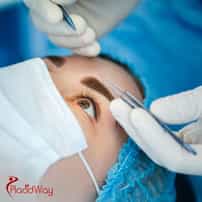
How is laser cataract surgery performed in Mexico?
Laser cataract surgery in Mexico is a bladeless procedure using a femtosecond laser to precisely create incisions and soften the cataract. A surgeon then uses an ultrasonic probe to remove the old lens and implants a new Intraocular Lens (IOL) for clear vision. The evolution of cataract surgery has been remarkable, moving from a manual procedure to a technologically advanced, laser-guided operation that offers incredible precision and safety. For patients traveling to Mexico for vision restoration, a common and important question is, "How is laser cataract surgery performed in Mexico?" The reassuring answer is that at top-tier eye centers in destinations like Tijuana, Cancun, and Puerto Vallarta, the procedure is performed using the exact same state-of-the-art technology and protocols as in the best clinics in the United States and Europe. This advanced procedure, officially known as Femtosecond Laser-Assisted Cataract Surgery (FLACS), represents the gold standard of care. It provides the surgeon with a level of precision and customization that is simply not possible with manual techniques. This guide, current for September 2025, will provide a clear, step-by-step walk-through of the entire process. From the initial 3D mapping of your eye to the final placement of your new lens, we will demystify the technology and show you what to expect during this life-changing, bladeless cataract surgery procedure. Step 1: Advanced Pre-Operative 3D Mapping The procedure begins with a sophisticated scan of your eye. An advanced imaging system, like an Optical Coherence Tomography (OCT) scanner, creates a high-resolution, 3D map of your eye's unique anatomy, which is used to program the laser for a perfectly customized treatment. Before any incisions are made, the surgeon and technical team gather incredibly detailed data about your eye. You will be asked to look into a machine that performs a quick, non-contact scan. This scan measures the precise thickness of your cornea, the depth of the anterior chamber, and the exact size, shape, and position of your natural lens (the cataract). This detailed map is then uploaded to the femtosecond laser's computer. The surgeon uses this 3D model to meticulously plan every step of the laser portion of the surgery. This planning stage is what allows for an unparalleled level of customization, ensuring that the procedure is tailored to the unique specifications of your eye. Step 2: The Femtosecond Laser - Bladeless and Precise This is the core of the 'laser' surgery. While you are lying comfortably, the computer-guided femtosecond laser performs the most critical steps of the surgery in seconds without a single blade. It creates the corneal incisions, opens the lens capsule, and softens the cataract. This phase is remarkably fast and completely painless. After your eye is numbed with anesthetic drops, you are positioned under the laser. The surgeon docks the laser with your eye, and in less than a minute, the laser performs three crucial tasks with microscopic precision: Creates the Corneal Incisions: The laser makes perfectly constructed, multi-planed incisions on the cornea for the surgeon to access the lens. These incisions are so precise that they are typically self-sealing and require no stitches. Performs the Capsulotomy: This is arguably the most important step. The laser creates a perfectly circular and perfectly centered opening in the capsular bag—the thin, clear membrane that holds your natural lens. The precision of this step is critical for the ideal placement and long-term stability of your new Intraocular Lens (IOL). Fragments the Lens: The laser divides and softens the hard, cloudy cataract into smaller, more manageable pieces. This makes the subsequent removal of the cataract much gentler on the eye. Step 3: Gentle Removal of the Cataract (Phacoemulsification) After the laser has completed its work, the surgeon moves you to a surgical microscope. They then use a tiny ultrasonic probe, in a process called phacoemulsification, to gently vacuum out the pre-softened fragments of the old, cloudy lens. This step is where the surgeon's manual skill comes into play, but their job has been made significantly easier and safer by the laser. The surgeon inserts a tiny probe, about the size of a pen tip, through one of the laser-created incisions. This probe uses high-frequency sound waves (ultrasound) to gently emulsify, or liquefy, the lens fragments. The same probe then vacuums these pieces out of the eye. Because the femtosecond laser has already done the heavy lifting of breaking up the cataract, the amount of ultrasound energy needed during this phase is dramatically reduced. This means less trauma to the delicate structures inside the eye, which can lead to clearer vision faster and a more comfortable recovery. Step 4: Implanting Your New Premium Intraocular Lens (IOL) In the final step, the surgeon injects a new, clear, and foldable Intraocular Lens (IOL) through the tiny incision. The IOL unfolds into the perfect position within the capsular bag, restoring clear vision. The entire procedure typically takes only 15-20 minutes. Once the old lens has been completely removed, the capsular bag is empty and clean, ready to receive its new implant. The new Intraocular Lens (IOL), which has been pre-selected to match your vision prescription, is folded up and loaded into an injector. The surgeon inserts the tip of the injector through the main incision and gently pushes the IOL into the capsular bag. Once inside, the IOL slowly and gracefully unfolds into its final position. The perfectly circular capsulotomy created by the laser ensures the IOL is perfectly centered and stable for decades to come. The surgeon makes final adjustments, the instruments are removed, and a protective shield is placed over your eye. What Are the Main Advantages Over Traditional Surgery? The main advantages are unmatched precision and safety. The laser automates the most difficult steps of the surgery, creating cleaner incisions and a perfectly centered opening for the new lens. This leads to more predictable outcomes and can reduce recovery time. While traditional manual cataract surgery is very safe and effective, the laser adds a layer of computer-guided precision that the human hand cannot replicate. Action Traditional (Manual) Surgery Laser-Assisted Surgery Incisions Made with a hand-held blade. Made with the laser; more precise and self-sealing. Capsulotomy Torn manually with a needle; can be irregular. Perfectly circular and centered by the laser, leading to better IOL stability. Cataract Removal Requires more ultrasound energy to break up a dense cataract. Laser pre-softens the lens, requiring less energy and causing less trauma. Restoring your vision with the latest technology is an important healthcare decision. Placidway is a global leader in medical access, connecting patients with a network of pre-vetted, high-tech eye clinics in Mexico....
Read more details
Which hospitals offer affordable cataract surgery in Mexico?
Affordable cataract surgery in Mexico is offered by specialized eye clinics and major JCI-accredited hospital systems. Well-regarded examples include clinics within the Hospital Angeles network and CODET Vision Institute in Tijuana, known for their advanced technology and experienced ophthalmologists. Cataract surgery is a life-changing procedure that restores clarity and vibrancy to your vision. In the United States, however, the high cost—especially for premium lenses that can reduce or eliminate the need for glasses—can be a major financial burden. This has made Mexico a premier global destination for patients seeking affordable cataract surgery without compromising on quality. The country is home to world-class ophthalmologists, many of whom are U.S.-trained, and state-of-the-art facilities that offer the same advanced procedures available in the U.S. for a fraction of the price. When patients ask, "Which hospitals offer this treatment?" they are really seeking a starting point to find a trustworthy, safe, and effective provider. While there is no official ranking, there are numerous highly reputable hospitals and specialized eye institutes that consistently deliver excellent outcomes for international patients. This guide, current for September 2025, will not provide a subjective "top 10" list. Instead, it will profile several of the most recognized and well-regarded facilities, explain the criteria that define a top-tier eye center, and give you the tools to find the best provider for your cataract surgery in Tijuana, Cancun, or other medical hubs. What Type of Facilities Offer Cataract Surgery in Mexico? Top-tier cataract surgery in Mexico is primarily offered in two types of facilities: large, internationally-accredited private hospitals that have specialized ophthalmology departments, and dedicated, world-renowned eye institutes that focus exclusively on vision care. Understanding the different types of providers can help you choose the best fit for your needs. JCI-Accredited Private Hospitals: These are large, multidisciplinary hospitals that have earned Joint Commission International (JCI) accreditation—the global gold standard for patient safety. Their ophthalmology departments are fully equipped with the latest technology and are integrated with the full support of a major hospital. This is an excellent choice for patients who may have other health conditions or who feel more comfortable in a large hospital setting. Specialized Eye Institutes: These are high-volume centers of excellence that focus solely on ophthalmology. These institutes are often at the forefront of research and technology, performing thousands of procedures a year. They are founded and run by internationally-recognized ophthalmologists and are a top choice for patients seeking the highest level of specialized expertise. Both models provide exceptional care; the choice often comes down to personal preference. Which Hospitals and Clinics are Consistently Recognized for Excellence? While not a formal ranking, providers like the Hospital Angeles Health System, CODET Vision Institute, and the Auna Hospitales (formerly Hospiten) network are consistently recognized as leaders. They are known for their JCI accreditation, U.S.-trained surgeons, and excellent results with international patients. The following are examples of facilities and hospital systems that have a strong track record in providing cataract surgery to medical tourists. This is not an exhaustive list but a starting point for your research. Provider Example Key Locations Strengths Hospital Angeles Health System Tijuana, Mexico City, Guadalajara A leading network of JCI-accredited hospitals. Their Tijuana location is particularly popular for its comprehensive ophthalmology department and seamless international patient services. CODET Vision Institute Tijuana A world-renowned, specialized eye institute founded by a pioneer in ophthalmology. They are a leader in technology and complex cases, attracting patients and doctors from around the globe. Auna Hospitales (formerly Hospiten) Cancun, Playa del Carmen A JCI-accredited hospital network located in top tourist destinations, making it ideal for patients seeking a "medical vacation." They have a strong reputation for high-quality care. What is a Realistic 'Affordable' Price for Cataract Surgery? A realistic price for cataract surgery in Mexico is $1,200 - $2,200 per eye for a standard monofocal lens, and $2,300 - $3,500 per eye for a premium multifocal or toric lens. This represents a 50-70% savings compared to U.S. prices. This price range is the "sweet spot" for value, as it is low enough to be affordable but high enough to cover the costs of a board-certified surgeon, a modern facility, and a premium, FDA-approved intraocular lens (IOL). Be very wary of any price quoted significantly below this range, as it could be a red flag that a generic or lower-quality lens is being used. The price should include the surgery, the lens itself, the surgeon's fees, and all immediate post-operative check-ups. How Do I Verify the Quality of a Hospital or Clinic? Verify a provider's quality by checking for JCI accreditation, confirming the surgeon is board-certified by the Mexican Council of Ophthalmology (CMO), reading recent independent patient reviews, and having a direct consultation to assess their professionalism. Your safety and results depend on your research. Follow this checklist: Check for JCI Accreditation: For hospitals, this is the most important, objective measure of quality and safety. You can verify this on the official JCI website. Verify the Surgeon's Credentials: Ensure your ophthalmologist is board-certified by the Consejo Mexicano de Oftalmología (CMO). Many top surgeons also have fellowship training from the U.S. and are members of the American Academy of Ophthalmology (AAO). Confirm the Technology: Ask what brand of IOLs they use (e.g., Alcon, Johnson & Johnson) and what diagnostic and surgical technology they have (e.g., femtosecond laser, IOLMaster). Read Independent Reviews: Look at reviews on Google, RealSelf, and other third-party sites to get an unfiltered view of the patient experience. Which Cities are the Main Hubs for Eye Surgery? The main hubs for advanced eye surgery in Mexico are Tijuana, Cancun, Guadalajara, and Mexico City. These cities have a high concentration of top-tier hospitals, specialized eye clinics, and surgeons who are experienced in treating international patients. Your choice of city often comes down to convenience and travel preference. Tijuana is the most convenient for patients on the U.S. West Coast, as you can fly into San Diego and cross the border easily. Cancun is perfect for those wanting to recover in a relaxing, vacation-like atmosphere. Guadalajara and Mexico City are major metropolitan centers with some of the country's most prestigious medical institutions. All four have excellent international airports and infrastructure for medical tourists. Restoring your vision with a trusted provider is a critical healthcare decision. Placidway is a global leader in medical tourism, connecting patients with a network of pre-vetted, accredited hospitals and world-class ophthalmologists in Mexico....
Read more details
Where to find affordable cataract surgery in Tijuana?
Affordable cataract surgery in Tijuana is found at world-class specialized eye institutes and JCI-accredited hospitals, primarily in the Zona Río medical district. Prices range from $1,500 to $3,500 per eye, depending on the premium lens (IOL) chosen. Tijuana has transformed into a global hub for advanced medical care, and nowhere is this more evident than in the field of ophthalmology. For thousands of Americans, particularly those from the West Coast, the city offers a convenient and remarkably affordable solution to the high cost of cataract surgery. With its state-of-the-art facilities and U.S.-trained surgeons, patients can access the exact same premium lens technology available in the U.S. for a fraction of the price. The primary question for those considering this option is: "Where can I find safe and affordable cataract surgery in Tijuana?" The key is to look for the city's "centers of excellence" specialized eye institutes and the ophthalmology departments of major accredited hospitals. This guide, current for September 2025, will provide a clear roadmap to finding these top-tier providers. We will break down the realistic costs, explain the critical differences between the types of intraocular lenses (IOLs) available, and provide a checklist of the credentials and quality markers you must verify to ensure your experience is both successful and safe. What is a Realistic Price for Cataract Surgery in Tijuana? A realistic, all-inclusive price for cataract surgery in Tijuana is $1,500 - $2,200 per eye for a standard monofocal lens, and $2,500 - $3,500 per eye for a premium multifocal or toric lens. This represents a 50-70% savings compared to U.S. prices. This price range is the sweet spot for value, as it is low enough to be highly affordable but high enough to cover the costs of a board-certified surgeon, a modern facility, and a premium, FDA-approved intraocular lens. A price quoted significantly below this range could be a red flag that a lower-quality, generic lens is being used or that the facility is cutting corners on safety. A transparent quote from a reputable clinic should be all-inclusive, covering: The surgeon's and anesthesiologist's fees. The cost of the facility/operating room. The cost of the specific, branded intraocular lens (IOL). All pre-operative diagnostic tests and post-operative check-ups at the clinic. This clear pricing model allows you to budget effectively without fear of hidden charges. The Most Important Choice: Understanding Your IOL Options The biggest factor in both the cost and your final vision is the type of intraocular lens (IOL) you choose. Top cataract surgery clinics in Tijuana offer the full range of premium, FDA-approved lenses that can correct astigmatism and allow you to see at multiple distances without glasses. This is the most critical decision you will make with your surgeon. Type of IOL Vision Correction Provided Relative Cost Monofocal IOL Corrects vision at a single distance (usually far). You will still need reading glasses. Standard / Most Affordable Multifocal / Trifocal IOL Corrects vision at multiple distances (near, intermediate, and far), reducing or eliminating the need for glasses (e.g., Alcon PanOptix). Premium / Higher Cost Toric IOL Specifically designed to correct astigmatism. Can be combined with monofocal or multifocal technology. Premium / Higher Cost EDOF IOL (Extended Depth of Focus) Provides a continuous range of vision from far to intermediate, often with fewer halos than multifocals (e.g., Alcon Vivity). Premium / Higher Cost A top clinic will be transparent and tell you the exact brand and model of the lens they recommend for you. What Defines a World-Class Eye Center in Tijuana? A world-class center is defined by its team of fellowship-trained ophthalmologists, its use of the latest diagnostic and surgical technology, international accreditations (like JCI for hospitals), and a long track record of excellent outcomes with international patients. Tijuana is home to two main types of excellent facilities: Specialized Eye Institutes: These are "centers of excellence" that focus only on ophthalmology. A world-renowned example is the CODET Vision Institute, a leader in research and technology that attracts patients and trains doctors from around the globe. JCI-Accredited Hospitals: Major private hospitals like Hospital Angeles Tijuana have dedicated, state-of-the-art ophthalmology departments. Choosing a JCI-accredited hospital guarantees the highest level of patient safety standards, on par with the best hospitals in the U.S. These top-tier facilities are almost all located in the modern Zona Río medical district, a safe and professional area of the city. How to Verify Your Surgeon's Credentials A reputable surgeon in Tijuana will be board-certified by the Mexican Council of Ophthalmology (CMO). The very best often have additional fellowship training in cornea and refractive surgery from top universities in the United States and are members of the American Academy of Ophthalmology (AAO). Your surgeon's qualifications are paramount. You should verify that they are: Board-Certified in Mexico: Check for certification from the Consejo Mexicano de Oftalmología (CMO). Fellowship-Trained: The most highly qualified surgeons will have completed a 1-2 year fellowship after their residency, specializing in procedures like cataract and LASIK surgery. Internationally Recognized: Membership in prestigious U.S. organizations like the AAO or the American Society of Cataract and Refractive Surgery (ASCRS) is a strong sign of a commitment to global standards. A top clinic will have this information readily available on their website and will be proud to discuss the credentials of their medical team. Restoring your vision is a critical healthcare decision. Placidway is a global leader in medical tourism, connecting patients with a network of pre-vetted, high-tech eye clinics and board-certified ophthalmologists in Tijuana....
Read more details.jpg)
Is near vision correction surgery available in Tijuana?
Yes, a full range of near vision correction surgery is available in Tijuana. Top eye centers offer advanced options like PresbyLASIK and Refractive Lens Exchange (RLE) with premium IOLs to treat age-related reading vision loss (presbyopia). For millions of people over the age of 40, the frustrating experience of holding a phone at arm's length or needing reading glasses to see a menu is a daily reality. This age-related loss of near vision, known as presbyopia, is a natural part of aging. The great news is that modern ophthalmology offers several advanced surgical solutions to turn back the clock on your vision. As a leading hub for high-tech, affordable eye care, Tijuana, Mexico, has become a top destination for these procedures. So, is near vision correction surgery available in Tijuana? The answer is a definitive yes. Tijuana's world-class eye centers are equipped with the same, if not better, technology as the top clinics in the United States. They offer a full spectrum of procedures designed to reduce or eliminate the need for reading glasses, performed by highly skilled, U.S. fellowship-trained ophthalmologists. This guide, current for September 2025, will walk you through the advanced options available. We will explore PresbyLASIK, Refractive Lens Exchange (RLE), and other techniques, explain who is a good candidate, and detail how to find a true specialist to trust with your vision. Understanding Presbyopia: Why Reading Vision Declines Presbyopia is the natural, age-related stiffening of the eye's natural lens. As the lens loses its flexibility, it can no longer change shape to focus on close-up objects, causing near vision to become blurry. It typically begins in your early-to-mid 40s. Unlike nearsightedness or farsightedness, which are related to the shape of the eyeball, presbyopia is a focusing problem caused by the aging of the lens inside your eye. In your youth, this lens is soft and flexible, allowing it to change shape to focus on objects at any distance. As you age, the lens hardens and loses this ability, making it difficult to see things up close. This is why even people who have had perfect distance vision their entire lives will eventually need reading glasses. The surgical options available in Tijuana are designed to overcome this focusing problem by either reshaping the cornea or replacing the dysfunctional natural lens with a new, advanced artificial lens. Option 1: PresbyLASIK (Multifocal LASIK) PresbyLASIK is an advanced form of LASIK that uses a sophisticated excimer laser to reshape the cornea into multiple focusing zones, similar to a progressive eyeglass lens. This allows the eye to see clearly at near, intermediate, and far distances. This procedure is a popular option for patients who are just beginning to experience significant presbyopia and are not yet developing cataracts. How it Works: Using an "all-laser" bladeless technique, the surgeon creates a thin flap in the cornea. The excimer laser then applies a complex pattern to the corneal tissue underneath, creating different refractive zones for different distances. Ideal Candidate: Typically a patient between the ages of 40 and 55 who has good overall eye health. Cost in Tijuana: The all-inclusive price for PresbyLASIK for both eyes in Tijuana typically ranges from $2,500 to $3,500 USD. Option 2: Refractive Lens Exchange (RLE) with Premium IOLs Refractive Lens Exchange (RLE) is a more definitive and powerful solution. The procedure is identical to modern cataract surgery: the eye's dysfunctional natural lens is removed and replaced with a permanent, advanced-technology Intraocular Lens (IOL) that provides clear vision at all distances. RLE is often considered the "gold standard" for patients over 50. It not only corrects presbyopia and any pre-existing nearsightedness or farsightedness, but it also permanently prevents cataracts from ever forming in the future. The magic of RLE lies in the choice of premium IOLs. Top clinics in Tijuana offer the full range of FDA-approved premium lenses: Trifocal IOLs (e.g., PanOptix): These advanced lenses are designed with concentric rings that provide three distinct focal points for clear vision at near, intermediate, and far distances, offering the greatest freedom from glasses. EDOF IOLs (e.g., Vivity): Extended Depth of Focus lenses provide a continuous, smooth range of high-quality vision from distance to intermediate (computer-length), with fewer instances of glare and halos than trifocals. The cost of RLE in Tijuana typically ranges from $3,500 to $5,000 USD per eye, a fraction of the U.S. cost. How to Find a Qualified Refractive Surgeon in Tijuana For these advanced procedures, you must choose a true specialist. Look for a board-certified ophthalmologist (CMO) who is fellowship-trained in cornea and refractive surgery. These surgeons have the highest level of specialized training for laser and lens-based vision correction. The success of your procedure depends on the surgeon's expertise. Verify Fellowship Training: This is the most important credential. A surgeon who has completed a 1-2 year fellowship in refractive surgery after their ophthalmology residency is a super-specialist in this field. Many top surgeons in Tijuana have completed these fellowships at leading U.S. universities. Choose a 'Center of Excellence': Look for a dedicated eye institute with a global reputation, like the CODET Vision Institute, or the ophthalmology department of a JCI-accredited hospital. These facilities have the most advanced diagnostic and surgical technology. Check for International Memberships: Membership in prestigious U.S. societies like the American Academy of Ophthalmology (AAO) or the American Society of Cataract and Refractive Surgery (ASCRS) indicates a commitment to the highest global standards. Review their Results: A top surgeon will have a large portfolio of patient testimonials and be transparent about their outcomes. The decision to restore your near vision is a significant one. Placidway is a global leader in medical access, connecting patients with a network of pre-vetted, high-tech eye clinics and fellowship-trained refractive surgeons in Tijuana....
Read more detailsDiscover your treatment options with a free, no-obligation quote!
Get your quote now!.jpg)
Is LASIK surgery in Tijuana a safe and effective option?
Yes, LASIK in Tijuana is a safe and effective option when performed at a reputable, accredited clinic. The best centers use the same FDA-approved laser technology as in the U.S. and have highly experienced, board-certified ophthalmologists. Tijuana has become a world-renowned destination for advanced eye surgery, attracting thousands of patients from the United States and Canada every year. The primary draw is the opportunity to receive high-quality vision correction at a significantly more affordable price point. For anyone tired of glasses and contacts, this leads to a critical question: "Is LASIK surgery in Tijuana a safe and effective option?" The answer is a resounding yes, but with an important condition: your safety and success are entirely dependent on the quality of the clinic and surgeon you choose. The city's best eye centers are not "cheap" alternatives; they are world-class facilities that have invested in the same state-of-the-art technology and are staffed by U.S.-trained specialists. This guide, current for September 2025, is designed to provide a comprehensive answer to your question. We will explore the markers of a safe clinic, the advanced technology you should expect, the credentials a top surgeon must have, and how to ensure your procedure is not just affordable, but also highly effective, giving you the clear vision you've been dreaming of. What Defines a 'Safe' LASIK Clinic in Tijuana? A safe LASIK clinic in Tijuana is defined by its use of modern, FDA-approved laser technology, its operation within a professional medical facility (often a JCI-accredited hospital or a specialized eye institute), and a team led by board-certified, experienced ophthalmologists. Your safety is the number one priority. A reputable provider in Tijuana will demonstrate their commitment to safety through several key factors. A Professional Medical Environment: The procedure should be performed in a dedicated, sterile surgical suite within a major hospital or a specialized eye institute. The best facilities are located in the modern Zona Río medical district. International Accreditations: Look for clinics that are part of a larger, JCI-accredited hospital (like Hospital Angeles) or are themselves internationally recognized (like CODET Vision Institute). JCI accreditation is the global gold standard for patient safety. Thorough Patient Screening: A safe clinic will not operate on everyone. They will perform a comprehensive pre-operative exam to ensure you are a good candidate. A clinic that is willing to turn away patients with thin corneas or other contraindications is a clinic you can trust. Is the Technology in Tijuana the Same as in the U.S.? Yes, the technology at top-tier Tijuana clinics is the exact same as in the best U.S. centers. They use the latest generation of FDA-approved femtosecond and excimer lasers from the same manufacturers, such as Alcon and Johnson & Johnson. This is a critical point for patients to understand: you are not getting an outdated or inferior treatment. The leading clinics in Tijuana compete on a global stage and invest heavily in having the best technology to attract international patients. This includes: "All-Laser" Bladeless LASIK: This is the modern standard of care. It uses a femtosecond laser (like the advanced IntraLase or WaveLight FS200) to create a precise corneal flap without a blade. This is safer and more accurate than older methods that used a microkeratome blade. - Advanced Excimer Lasers: For the vision correction itself, clinics use sophisticated platforms like the Alcon WaveLight® EX500, which is one of the fastest and most precise lasers in the world. A top clinic will be proud of its technology and will feature the names of its laser platforms on its website. What Types of Advanced LASIK are Available? Top clinics in Tijuana offer the full spectrum of advanced LASIK procedures. This includes Wavefront-Optimized LASIK for reducing glare and halos, and the most advanced topography-guided treatment, Contoura® Vision, for highly personalized results. A reputable clinic will offer a customized treatment plan, not a one-size-fits-all approach. The best options available in Tijuana include: Wavefront-Optimized LASIK: A standard on most modern lasers, this technology preserves the natural curvature of your cornea, which can reduce the risk of post-operative side effects like glare and halos at night. Wavefront-Guided LASIK: This procedure creates a detailed 3D map of your eye's unique "optical fingerprint" and uses that map to guide the laser, correcting for tiny, specific imperfections known as higher-order aberrations. Contoura® Vision (Topography-Guided LASIK): This is the most advanced and personalized form of LASIK available today. It maps over 22,000 unique points on your cornea to create an incredibly precise treatment plan. Many patients who undergo Contoura achieve vision that is even sharper than what they could get with glasses or contacts. This top-tier technology is available at premier clinics in Tijuana. How to Verify Your Surgeon's Credentials A reputable surgeon in Tijuana will be board-certified by the Mexican Council of Ophthalmology (CMO). The very best often have additional fellowship training in cornea and refractive surgery from top universities in the United States and are members of the American Academy of Ophthalmology (AAO). The surgeon's skill is paramount for an effective outcome. Verify Mexican Board Certification: Ensure the ophthalmologist is certified by the Consejo Mexicano de Oftalmología (CMO). Look for U.S. Fellowship Training: This is a key differentiator. A surgeon who has completed a 1-2 year fellowship in refractive surgery at a major U.S. university has the highest level of specialized training. Check for International Memberships: Membership in prestigious societies like the AAO or the American Society of Cataract and Refractive Surgery (ASCRS) indicates a commitment to global standards. What is the Average Cost of High-Quality LASIK in Tijuana? The all-inclusive cost for advanced, All-Laser LASIK in Tijuana is typically between $1,800 and $2,800 for both eyes. A more premium procedure like Contoura® Vision can range from $2,500 to $3,500. This is 50-70% less than U.S. prices. This price from a reputable clinic provides incredible value. The cost is high enough to cover a board-certified surgeon, the use of the latest laser technology, all software royalties (for procedures like Contoura), and a safe, modern facility. Be cautious of any price significantly below this range, as it may be a red flag for older technology or lower standards of care. Achieving clear vision with a safe and effective procedure is a life-changing investment. Placidway is a global leader in medical tourism, connecting patients with a network of pre-vetted, high-tech eye clinics and board-certified ophthalmologists in Tijuana....
Read more details
Why Is Mexico a Popular Destination for LASIK and Laser Vision Correction?
Mexico is a top destination for LASIK due to savings of 50-70% compared to US prices, access to highly experienced, board-certified surgeons, and the availability of advanced, FDA-approved technology like Femto-LASIK and SMILE. Let’s be honest—dealing with glasses and contact lenses every day can be a hassle. Whether it’s the fogging up of lenses, the constant expense of new frames, or just the desire to wake up and see the world clearly, millions of people dream of laser vision correction. But for many, the high price tag in the US or Canada puts that dream out of reach. That’s where medical tourism in Mexico comes in. Mexico has rapidly become one of the most popular global hubs for eye care, specifically for procedures like LASIK, PRK, and SMILE. It’s not just about the lower cost (though that is a huge factor); it’s about the combination of affordability, world-class medical infrastructure, and proximity to the United States. Patients are discovering that they don't have to sacrifice quality to save money. In this guide, we’ll dive deep into everything you need to know. We’ll cover safety, costs, recovery times, and what you can expect if you decide to travel south of the border for clearer vision. If you’ve been wondering if LASIK in Mexico is the right choice for you, you’re in the right place. What is the average cost of LASIK in Mexico compared to the US? “The average cost of LASIK in Mexico ranges from $500 to $1,500 per eye, whereas in the United States, the same procedure typically costs between $2,000 and $4,500 per eye.” The primary driver for most patients is the cost of LASIK and eye surgeries. In the US, laser vision correction is often considered an elective cosmetic procedure, meaning insurance rarely covers it. This leaves patients footing a bill that can easily exceed $5,000 or $8,000 for both eyes. In contrast, LASIK prices in Mexico are significantly lower due to the lower cost of living, lower overhead for clinics, and more affordable malpractice insurance for doctors. It is important to note that "cheaper" does not mean "lower quality." The equipment used—often from top manufacturers like Zeiss or Alcon—is identical to what you would find in a high-end clinic in Los Angeles or New York. The savings come from operational economics, not from cutting corners on medical care. Here is a quick breakdown of the potential savings you can expect: Procedure Type Avg. Cost in USA (Per Eye) Avg. Cost in Mexico (Per Eye) Potential Savings Standard LASIK $2,000 - $3,000 $500 - $900 ~70% Custom Wavefront LASIK $2,500 - $3,500 $900 - $1,200 ~65% Femto-LASIK (Bladeless) $3,000 - $4,500 $1,100 - $1,500 ~60% SMILE Procedure $3,500 - $4,500 $1,300 - $1,800 ~60% Is LASIK surgery in Mexico safe? “Yes, LASIK in Mexico is generally considered very safe when you choose a certified clinic that uses FDA-approved technology and has a track record of treating international patients.” Safety is the number one concern for anyone considering medical tourism. The reality is that the safety of LASIK surgery depends more on the surgeon's skill and the technology used than on the country where the clinic is located. Top-tier clinics in Mexico cater specifically to international travelers and adhere to rigorous safety protocols to maintain their reputation. Many of these facilities are accredited by organizations like the JCI (Joint Commission International) or the Mexican Council of Ophthalmology. They follow the same sterilization and safety guidelines as American hospitals. To ensure your safety, you should always verify the clinic's credentials and read reviews from previous patients before booking. What technology do Mexican eye clinics use? “Leading clinics in Mexico use advanced, FDA-approved lasers such as the Zeiss VisuMax, Alcon WaveLight EX500, and Schwind Amaris systems.” One common misconception is that clinics in Mexico use outdated equipment. This is false for the major medical tourism hubs. In fact, because the approval process for new medical devices can be faster in Mexico than in the US, some Mexican clinics actually have access to the latest technology before it becomes widely available in the States. You will find the same Femtosecond lasers for bladeless flap creation and Excimer lasers for corneal reshaping that top US surgeons use. Before you commit, ask the clinic specifically which laser platform they use. If they mention names like VisuMax, Star S4 IR, or Amaris, you know you are getting world-class technology. Are Mexican LASIK surgeons qualified? “Yes, many top LASIK surgeons in Mexico are board-certified, have completed fellowships in the US or Europe, and are members of international organizations like the AAO (American Academy of Ophthalmology).” The qualifications of surgeons in Mexico are impressive. Many ophthalmologists who treat international patients have undergone extensive training abroad. It is common to find doctors who did their residency in Mexico City but completed a fellowship in cornea and refractive surgery in places like Houston, Barcelona, or London. When researching a doctor, look for certification from the Consejo Mexicano de Oftalmología (Mexican Council of Ophthalmology). This is the equivalent of board certification in the US. Additionally, membership in the AAO or the ASCRS (American Society of Cataract and Refractive Surgery) is a strong indicator that the surgeon stays updated on the latest global standards and techniques. What is the difference between LASIK and PRK in Mexico? “LASIK involves creating a corneal flap for faster recovery, while PRK removes the outer surface layer and is better for patients with thin corneas, though recovery takes longer.” Both LASIK and PRK are widely available in Mexico. Your surgeon will recommend the best option based on your corneal thickness and lifestyle. LASIK is the most popular because it offers the "wow" factor—most patients see clearly within 24 hours. It involves creating a thin flap on the cornea, reshaping the tissue underneath, and replacing the flap. PRK (Photorefractive Keratectomy) is often recommended for patients with thinner corneas or those involved in contact sports (like boxing or martial arts) where a flap could be dislodged. While the visual results are the same long-term, PRK requires a longer recovery period of about 3-5 days of discomfort and up to a month for vision to fully stabilize. Can I get SMILE eye surgery in Mexico? “Yes, SMILE (Small Incision Lenticule Extraction) is available in major Mexican medical hubs like Tijuana and Mexico City, offering a minimally invasive alternative to LASIK.” SMILE is the newest generation of laser vision correction. It is less invasive than LASIK because it doesn't create a flap. Instead, a laser creates a tiny disc of tissue inside the cornea, which is removed through a small incision. This preserves more corneal stability and reduces the risk of dry eye. Because SMILE requires the specialized Zeiss VisuMax laser, not every clinic offers it. However, high-end clinics in Mexico's medical tourism centers have invested in this technology. If you have been told you have dry eyes or are looking for the quickest return to sports, ask your Mexican provider if you are a candidate for SMILE. How long is the recovery time for LASIK in Mexico? “Most patients experience improved vision within 24 hours, but it is recommended to stay in Mexico for 3 to 5 days for post-operative checkups.” One of the biggest advantages of LASIK is the rapid recovery. You will likely walk out of the clinic seeing better than you did when you walked in, though your vision may be slightly foggy. By the next morning, most patients have functional, near-20/20 vision. However, complete healing takes time. If you are traveling for surgery, you shouldn't fly home immediately. The standard protocol usually involves a check-up the day after surgery to ensure the flap is healing correctly and there are no signs of infection. Most doctors advise taking it easy for a few days, avoiding swimming pools or the ocean for a few weeks, and keeping sweat out of your eyes. Do I need to speak Spanish to get LASIK in Mexico? “No, top clinics catering to medical tourists have bilingual staff and surgeons who speak fluent English to ensure clear communication.” Language barriers are rarely an issue in the medical tourism sector. Clinics in Tijuana, Cancun, and Puerto Vallarta are built around serving American and Canadian patients. From the receptionist who books your appointment to the surgeon who performs the procedure, English is widely spoken. Furthermore, all your medical documents, consent forms, and post-operative instructions will typically be provided in English. If you are nervous, you can always ask to speak with the patient coordinator beforehand to gauge their language proficiency. What cities in Mexico are best for eye surgery? “The most popular cities for LASIK are Tijuana (for proximity to San Diego), Mexico City (for top specialists), and Cancun (for combining surgery with a vacation).” Location depends on your needs. Tijuana is the busiest border crossing in the world and is incredibly convenient for patients from the West Coast who can drive across or walk across the border. It has a massive concentration of high-quality medical facilities. Mexico City offers world-renowned hospitals and some of the most specialized surgeons in Latin America, making it a great choice for complex cases. Meanwhile, Cancun and Puerto Vallarta offer the unique opportunity to recover in a resort setting—though you must remember to stay out of the water and avoid direct sunlight on your healing eyes! Does insurance cover LASIK in Mexico? “US health insurance rarely covers LASIK anywhere, but some Vision Plans may offer a discount; however, these usually do not apply to international providers.” Since LASIK is classified as an elective cosmetic surgery, standard health insurance providers like Blue Cross or Aetna typically do not cover it, regardless of whether it is performed in the US or Mexico. However, you can often use funds from a Health Savings Account (HSA) or Flexible Spending Account (FSA) to pay for the procedure. It is worth checking with your tax advisor or benefits manager to see if you can be reimbursed for medical expenses incurred abroad. Even without insurance, the cash price in Mexico is often lower than the copay or deductible you might face for other surgeries in the US. What happens if I need an enhancement or touch-up? “Reputable clinics often include enhancement surgeries in the initial package price if needed within the first year, though you would need to cover travel costs.” While LASIK has a very high success rate (over 96%), a small percentage of patients may need a "touch-up" or enhancement procedure to fine-tune their vision. Before you book your surgery, explicitly ask the clinic about their enhancement policy. Most top-rated clinics offer a guarantee where the enhancement is free if it is deemed medically necessary within 6 to 12 months. However, you will have to pay for your flights and hotel again. This is why choosing a location that is relatively easy and affordable for you to travel to is a smart strategic move. Is it safe to travel to Mexico for surgery alone? “It is highly recommended to bring a companion because your vision will be blurry immediately after surgery, and you will not be able to drive.” While the surgery itself is quick, the immediate aftermath involves blurry vision and light sensitivity. You will be essentially "out of commission" for the rest of the day. Navigating a foreign city, managing transportation, and checking into a hotel can be stressful and unsafe if you cannot see clearly. If you absolutely must travel alone, many clinics offer concierge services that include picking you up from the airport, taking you to the clinic, and dropping you off at your hotel. Ensure these logistics are ironed out before you arrive so you are never left stranded with poor vision. How do I choose the right clinic in Mexico? “Look for clinics with international accreditation, verified patient reviews, and transparent pricing, and ensure you can speak directly with a coordinator before booking.” Don't just go for the cheapest option. Your eyes are precious. Start by checking platforms that verify medical credentials. Look for before-and-after testimonials and video reviews, which are harder to fake than text reviews. Ask specifically about the surgeon's experience: How many LASIK procedures have they performed? Do they speak English? What happens in the rare case of a complication? A trustworthy clinic will be happy to answer these questions transparently and will never pressure you into booking immediately. What pre-op exams are required? “You will undergo comprehensive testing including corneal topography and pachymetry to ensure your corneas are thick enough for safe surgery.” Not everyone is a candidate for LASIK. If your corneas are too thin or if you have irregular astigmatism (keratoconus), LASIK could be dangerous. Mexican clinics perform the same rigorous pre-operative screenings as US clinics. Usually, this exam happens the morning of your surgery or the day before. If you are traveling a long distance, some clinics allow you to send your eye exam records from your local doctor first to get a preliminary "thumbs up" before you book your flight, saving you from a wasted trip. Is the technology compatible with US follow-up care? “Yes, because Mexican clinics use global standard equipment, any US optometrist can easily perform your post-operative checkups and monitor your healing.” You don't have to stay in Mexico for months. Once the initial healing period (3-5 days) is over, you can return home. Your Mexican surgeon will provide you with a detailed medical report of the procedure. You can take this to your local eye doctor for your 1-month and 6-month checkups. This co-management model is very common in medical tourism. Ready to see the world clearly? If you are looking for affordable, world-class eye care options, PlacidWay can help you connect with top-rated clinics and certified surgeons in Mexico. Get a free quote and start your journey to better vision today. Explore Vision Correction with PlacidWay...
Read more details.jpg)
Is affordable laser eye surgery available in Mexico?
Yes, high-quality and affordable laser eye surgery is widely available in Mexico for 50-70% less than in the US. Top clinics in Tijuana, Cancun, and other cities offer advanced procedures like Contoura and All-Laser LASIK performed by experienced ophthalmologists. For millions of people, the dream of living a life free from glasses and contact lenses is a powerful one. Laser eye surgery, like LASIK, offers a path to that freedom, but the high price in the United States—often thousands of dollars per eye—can make it seem unattainable. This has led many to look south to Mexico, a world-renowned destination for medical tourism that offers a compelling solution: world-class vision correction at a price that is dramatically more accessible. So, the answer to the question, "Is affordable laser eye surgery available in Mexico?" is a resounding yes. However, the search for affordability must be paired with a commitment to quality and safety. The best laser eye clinics in Mexico are not "cheap"; they are "high-value," providing the same advanced technology and U.S.-trained specialists you would find at home, but within a more favorable economic structure. This guide, current for September 2025, is designed to walk you through the landscape of LASIK in Mexico. We will break down the costs, explain the different types of advanced procedures available, and provide a clear framework for identifying a safe, reputable clinic and surgeon to trust with your vision. How Much Does Laser Eye Surgery Cost in Mexico? The cost for All-Laser, Bladeless LASIK in Mexico typically ranges from $1,800 to $2,800 for both eyes. More advanced topography-guided procedures like Contoura Vision range from $2,500 to $3,500. This is often 50-70% less than U.S. prices. The cost savings are the primary reason patients travel to Mexico for vision correction. The price is significantly lower for the exact same technology and, in many cases, for surgeons with equivalent or even more extensive experience due to the high volume of procedures they perform. Procedure (Both Eyes) Average U.S. Cost (USD) Estimated Mexico Cost (USD) All-Laser Bladeless LASIK $4,500 - $6,000+ $1,800 - $2,800 PRK (Photorefractive Keratectomy) $4,000 - $5,500 $1,600 - $2,500 Contoura® Vision (Topography-Guided) $5,000 - $7,000+ $2,500 - $3,500 Note: Prices are all-inclusive and cover the procedure, surgeon's fees, and post-operative check-ups. Why is LASIK in Mexico So Much More Affordable? LASIK is more affordable in Mexico due to the country's lower cost of living, which translates to reduced clinic operational costs, lower staff salaries, and less expensive professional insurance for surgeons. It is not a reflection of lower quality technology or care at reputable centers. The economic structure of Mexico allows top-tier clinics to invest in the exact same multi-million dollar laser platforms used in the U.S. but offer the procedure at a much lower price. The cost of leasing a premium clinical space, salaries for technicians and staff, and the cost of the surgeon's education and insurance are all significantly less. These savings are passed directly to the patient, creating an exceptional value proposition. What Types of Laser Eye Surgery Are Available? Top clinics in Mexico offer a full spectrum of advanced laser eye surgery options, including Bladeless All-Laser LASIK, PRK for patients with thin corneas, and the latest topography-guided treatments like Contoura® Vision for highly personalized results. You are not limited to basic or outdated procedures in Mexico. The best clinics offer the latest and most advanced technologies available anywhere in the world. All-Laser Bladeless LASIK: This is the gold standard. It uses two separate lasers: a femtosecond laser to create a precise, thin flap in the cornea, and an excimer laser to reshape the cornea underneath. It is known for its quick recovery and excellent visual outcomes. PRK (Photorefractive Keratectomy): An excellent alternative for patients who are not ideal candidates for LASIK due to thin corneas or certain lifestyle factors. It does not involve creating a flap and has a slightly longer recovery time but provides equally outstanding results. Contoura® Vision: This is the most advanced, topography-guided version of LASIK. It creates a highly detailed map of your cornea, measuring over 22,000 unique points. The laser then uses this map to correct tiny imperfections on the corneal surface, often resulting in vision that is even sharper than what can be achieved with glasses. How Do I Find a Safe and Reputable Eye Clinic in Mexico? Find a safe clinic by verifying the surgeon's credentials (board certification and U.S. training are top markers), confirming they use modern laser technology by name, and checking for international accreditations and a long track record of positive independent patient reviews. Your vision is precious, so your research must be thorough. A top-tier clinic will be transparent about its quality markers. Verify Surgeon Credentials: The best ophthalmologists in Mexico are board-certified by the Consejo Mexicano de Oftalmología (CMO). Many have also completed advanced fellowship training in refractive surgery at top institutions in the United States and are members of the American Academy of Ophthalmology (AAO). Confirm the Technology: A reputable clinic will proudly advertise the names of their laser platforms on their website (e.g., Alcon WaveLight® EX500, Johnson & Johnson VISX STAR S4 IR®). This proves they are invested in current technology. Look for Accreditations: Check if the clinic or the hospital it is in holds international accreditations, like from the JCI (Joint Commission International). Read Independent Reviews: Look for the clinic on Google, RealSelf, and medical tourism forums to get an unfiltered view of the patient experience, from consultation to final result. Which Mexican Cities are Hubs for Laser Eye Surgery? The primary hubs for advanced laser eye surgery are the major medical tourism destinations: Tijuana, Cancun, Guadalajara, Monterrey, and Mexico City. These cities have the highest concentration of specialized eye centers and internationally-trained surgeons. Your choice of city will often depend on your travel convenience. Tijuana is the most popular destination for laser eye surgery, with several world-renowned institutes located just minutes from the San Diego border. Cancun is an ideal choice for those who wish to combine their procedure with a relaxing vacation. Monterrey, Guadalajara, and Mexico City are major business and medical centers with some of the most prestigious hospitals and ophthalmologists in the country. Achieving clear vision at an affordable price is possible with a trusted provider. Placidway is a global leader in medical tourism, connecting patients with a network of pre-vetted, high-tech eye clinics and board-certified ophthalmologists in Mexico. Explore your options, get transparent quotes, and plan your journey to visual freedom with confidence....
Read more details.jpg)
Where Can I Undergo Cataract Surgery In Tijuana?
You can undergo cataract surgery in Tijuana at several reputable eye clinics known for their experienced ophthalmologists and modern facilities. Popular choices include CODET Vision Institute and Hospital Angeles Tijuana, which cater to medical tourists seeking high-quality, affordable care. If cloudy vision from cataracts is impacting your quality of life, finding an effective and affordable solution is a top priority. For many Americans, particularly those in the Southwest, Tijuana, Mexico, has become a leading destination for cataract surgery. This border city offers a unique combination of significant cost savings, access to highly skilled surgeons, and state-of-the-art medical facilities, making it an incredibly attractive option for medical tourism. This guide will provide detailed information on costs, quality, top clinics, and what to expect during your journey to restore clear vision in Tijuana. Why is Tijuana a Top Choice for Cataract Surgery for Americans? Tijuana is a top choice due to its extreme affordability (50-70% savings), the high quality of care from US-trained and board-certified ophthalmologists, and its convenient proximity to the United States, which simplifies travel for the short procedure. Tijuana's popularity isn't just about one factor; it's the powerful combination of several key benefits: Massive Cost Savings: As detailed below, the price of surgery is a fraction of the US cost, making it accessible even without insurance. World-Class Surgeons: Tijuana attracts top medical talent. It is common to find ophthalmologists who are US board-certified, members of the American Academy of Ophthalmology, and have performed thousands of successful procedures. Proximity and Ease of Travel: For millions of Americans, especially in California and Arizona, Tijuana is just a short drive away. This minimizes travel time and costs, making the trip far less daunting than traveling to Europe or Asia. Modern Facilities: Top clinics in Tijuana are equipped with the same advanced technology—like femtosecond lasers and premium FDA-approved IOLs—that you would find in the best US eye centers. What is the Detailed Cost Breakdown for Cataract Surgery in Tijuana in 2025? In 2025, the cost of cataract surgery in Tijuana ranges from $1,500 to $3,500 per eye. The final price is primarily determined by the type of intraocular lens (IOL) you choose, with premium lenses costing more. Here is a clear comparison of the costs you can expect for different lens options in Tijuana versus the United States: Procedure Type (per eye) Average Cost in Tijuana (USD) Average Cost in the US (USD) Standard Surgery with Monofocal IOL $1,500 - $2,200 $3,500 - $5,000 Surgery with Premium IOL (Multifocal/Toric) $2,300 - $3,500 $4,500 - $7,000+ These prices typically include the surgeon's fee, anesthesia, facility costs, the IOL itself, and post-operative checks during your stay. How Do Different Intraocular Lenses (IOLs) Affect My Vision and Cost? The IOL choice is key. Monofocal lenses are the most affordable and correct for one distance. Premium lenses cost more but offer greater freedom from glasses. Toric lenses correct astigmatism, and Multifocal/EDOF lenses provide clear vision at multiple distances. Your ophthalmologist in Tijuana will help you choose the best lens for your lifestyle: Monofocal IOL: The standard, most budget-friendly option. It provides excellent clear vision at a single focal point (usually distance). You will likely still need reading glasses. Toric IOL: A premium lens for patients with significant astigmatism. It corrects this irregularity, providing sharp distance vision often without glasses. Multifocal / EDOF IOLs: The most advanced premium lenses. They are designed to allow you to see clearly at near, intermediate, and far distances, greatly reducing or even eliminating your need for glasses after surgery. What is the Step-by-Step Process for a Medical Tourist in Tijuana? The process is efficient, requiring a stay of only 2-5 days. It typically involves a Day 1 consultation and pre-op exam, Day 2 surgery, and a Day 3 post-operative check-up before being cleared to travel home. Clinics catering to medical tourists have a streamlined process: Day 1: Arrival and Consultation. You'll arrive, check into your hotel, and have your comprehensive pre-operative examination and consultation with the surgeon to finalize your IOL choice and surgical plan. Day 2: Surgery Day. The outpatient procedure is quick, lasting only about 15-30 minutes. You will rest for a short period at the clinic before returning to your hotel to relax. Day 3: Post-Op Check-up. You will return to the clinic for your first follow-up appointment. The surgeon will check your eye, review your post-op instructions (like using eye drops), and answer any questions. Day 4-5: Final Check and Departure. After a final check-up if required, you are typically cleared to travel back home. Which are the Most Reputable Eye Clinics in Tijuana? Highly reputable eye clinics in Tijuana include the world-renowned CODET Vision Institute and the ophthalmology department at Hospital Angeles Tijuana. Both are known for their US-trained surgeons, advanced technology, and excellent outcomes for international patients. While many good options exist, a few centers have built a strong international reputation. CODET Vision Institute is a leader in ophthalmology in Latin America, known for its pioneering surgeons and state-of-the-art facility. Hospital Angeles Tijuana is part of a prestigious hospital network, offering the security of a full-service hospital environment. When researching, look for clinics with a long track record of serving American patients, numerous positive independent reviews, and clear, transparent communication. Ready to explore your options for cataract surgery in Tijuana or other medical tourism destinations? Visit PlacidWay to connect with top-tier international healthcare providers and find personalized treatment solutions....
Read more details.jpg)
Where Is Laser Cataract Surgery Available In Tijuana?
Laser cataract surgery is widely available in Tijuana, Mexico, offered by several reputable ophthalmology clinics equipped with advanced technology and experienced surgeons. Patients can find high-quality care at a more affordable cost. If cloudy vision from cataracts is impacting your quality of life, finding an effective and affordable solution is a top priority. For many Americans, Tijuana, Mexico, has become a leading destination for advanced laser cataract surgery. This border city offers a unique combination of significant cost savings, access to highly skilled surgeons, and state-of-the-art medical facilities, making it an incredibly attractive option for medical tourism. This guide will provide detailed information on costs, quality, top clinics, and what to expect during your journey to restore clear vision in Tijuana. Why is Tijuana a Top Destination for Laser Cataract Surgery for Americans? Tijuana is a top destination due to its significant affordability (50-70% savings), the high quality of care from US-trained and board-certified ophthalmologists, and its convenient proximity to the United States, which simplifies travel for the procedure. Tijuana's popularity is built on several key advantages for American patients: Major Cost Savings: As detailed below, the price of advanced laser surgery is a fraction of the US cost, making premium technology and lenses accessible. World-Class Surgeons: It's common to find ophthalmologists in Tijuana who are US board-certified, members of the American Academy of Ophthalmology, and have performed thousands of successful procedures. Advanced Technology: Top clinics in Tijuana invest in the same femtosecond laser platforms (e.g., LenSx, Catalys) and FDA-approved premium IOLs used in the best US eye centers. Proximity and Ease of Travel: For millions of Americans, Tijuana is just a short drive or flight away. This minimizes travel time and costs, making the trip far less daunting than traveling overseas. What is the Detailed Cost Breakdown for Laser Cataract Surgery in Tijuana in 2025? In 2025, the cost of laser cataract surgery in Tijuana ranges from $2,000 to $4,000 per eye. The final price is primarily determined by the type of intraocular lens (IOL) you choose, with premium lenses costing more. Here is a clear comparison of the costs you can expect for different lens options in Tijuana versus the United States: Procedure Type (per eye) Average Cost in Tijuana (USD) Average Cost in the US (USD) Laser Surgery with Monofocal IOL $2,000 - $2,800 $4,000 - $6,000 Laser Surgery with Premium IOL (Multifocal/Toric) $2,900 - $4,000 $5,000 - $7,000+ These prices typically include the surgeon's fee, anesthesia, facility costs, the IOL itself, and post-operative checks during your stay. How Do Different Premium Intraocular Lenses (IOLs) Affect My Vision and Cost? The IOL choice is key. Monofocal lenses are the most affordable and correct for one distance. Premium lenses cost more but offer greater freedom from glasses. Toric lenses correct astigmatism, and Multifocal/EDOF lenses provide clear vision at multiple distances. Your ophthalmologist in Tijuana will help you choose the best lens for your lifestyle: Monofocal IOL: The standard, most budget-friendly option. It provides excellent clear vision at a single focal point (usually distance). You will likely still need reading glasses. Toric IOL: A premium lens for patients with significant astigmatism. It corrects this irregularity, providing sharp distance vision often without glasses. Multifocal / EDOF IOLs: The most advanced premium lenses. They are designed to allow you to see clearly at near, intermediate, and far distances, greatly reducing or even eliminating your need for glasses after surgery. What is the Step-by-Step Process for a Medical Tourist in Tijuana? The process is highly efficient, requiring a stay of only 2-5 days. It typically involves a Day 1 consultation and pre-op exam, Day 2 surgery, and a Day 3 post-operative check-up before being cleared to travel home. Clinics catering to medical tourists have streamlined the process: Day 1: Arrival and Consultation. You'll arrive, check into your hotel, and have your comprehensive pre-operative examination and consultation with the surgeon to finalize your IOL choice and surgical plan. Day 2: Surgery Day. The outpatient procedure is quick, lasting only about 15-30 minutes. You will rest for a short period at the clinic before returning to your hotel to relax. Day 3: Post-Op Check-up. You will return to the clinic for your first follow-up appointment. The surgeon will check your eye, review your post-op instructions (like using eye drops), and answer any questions. Day 4-5: Final Check and Departure. After a final check-up if required, you are typically cleared to travel back home. Which are the Most Reputable Eye Clinics in Tijuana? Highly reputable eye clinics in Tijuana include the world-renowned Tijuana Eye Center. It's known for its US-trained surgeons, advanced technology, and excellent outcomes for international patients. While many good options exist, a few centers have built a strong international reputation. Tijuana Eye Center is a leader in ophthalmology, known for its pioneering surgeons and state-of-the-art facility. Tijuana Eye Center is an eye surgery clinic in Tijuana, Mexico, offering a range of advanced treatments including LASIK, cataract surgery, and glaucoma care, often at a more affordable cost than in the U.S. Ready to explore your options for cataract surgery in Tijuana or other medical tourism destinations? Visit PlacidWay to connect with top-tier international healthcare providers and find personalized treatment solutions....
Read more details.jpg)
Where Is Near Vision Correction Surgery Offered In Mexico?
Near vision correction surgery is widely offered across Mexico, particularly in major cities such as Tijuana, Cancun, Guadalajara, and Mexico City, known for their advanced medical tourism infrastructure and specialized ophthalmology clinics. Mexico has become a popular destination for medical tourism, and eye care is no exception. This guide will help you understand exactly where these advanced vision correction options are available across Mexico, what procedures are offered, and what you should consider when planning your treatment. You might be wondering if it's safe, effective, and worth the journey. Rest assured, many eye clinics in Mexico operate with international accreditations and utilize the latest technology, providing excellent care for patients seeking to improve their near vision. Where can you find near vision correction surgery clinics in Mexico? Major cities like Tijuana, Cancun, Guadalajara, and Mexico City are prime locations for near vision correction surgery due to their advanced medical facilities and experienced ophthalmologists, attracting patients from around the globe seeking quality presbyopia treatment. Tijuana, located just across the U.S. border, is a powerhouse for medical tourism, offering convenient access for American patients. It hosts numerous world-class eye clinics known for their competitive pricing and high standards of care, making it a top choice for LASIK for presbyopia and other advanced procedures. Further inland, Guadalajara and Mexico City are major metropolitan areas with a strong medical presence. They are home to many of Mexico's leading ophthalmologists and provide a comprehensive patient experience, from initial consultation to post-operative care, for those undergoing near vision correction. What types of near vision correction surgeries are available in Mexico? Mexico offers several advanced near vision correction surgeries, including PresbyLASIK, Refractive Lens Exchange (RLE), and corneal inlays, each designed to address presbyopia and reduce the reliance on reading glasses. It’s crucial to have a thorough consultation with an ophthalmologist to determine the best option for your specific situation and to ensure effective presbyopia treatment. One popular method is PresbyLASIK, an advanced form of LASIK that modifies the cornea to create multiple focal points. Another highly effective procedure is Refractive Lens Exchange (RLE), also known as lens replacement surgery. How much does near vision correction surgery cost in Mexico compared to the US? The cost of near vision correction surgery in Mexico is substantially more affordable than in the US, typically ranging from $2,000 to $5,000 per eye, offering significant savings for high-quality presbyopia treatment. Here's a general cost comparison: Procedure Estimated Cost per Eye in US Estimated Cost per Eye in Mexico Potential Savings PresbyLASIK $2,500 - $4,500 $1,500 - $3,000 Up to 50% Refractive Lens Exchange (RLE) with Multifocal IOLs $4,000 - $8,000+ $2,500 - $5,000 Up to 60% Corneal Inlays $3,500 - $5,000 $2,000 - $4,000 Up to 50% What should I look for in a clinic for presbyopia treatment in Mexico? When selecting a clinic for presbyopia treatment in Mexico, prioritize international accreditation, the surgeon's specialized credentials, access to modern refractive technology, positive patient reviews, and comprehensive aftercare plans to ensure optimal results. Here are key aspects to consider: International Accreditation: Look for clinics that hold international accreditations such as Joint Commission International (JCI) or AAAHC (Accreditation Association for Ambulatory Health Care). Surgeon's Credentials and Experience: Ensure your surgeon is board-certified in ophthalmology and has extensive experience specifically with refractive surgery for presbyopia. Modern Technology: The best clinics invest in the latest diagnostic and surgical equipment. Patient Reviews and Testimonials: Research online reviews on platforms like Google, specialized medical tourism sites, and forums. Comprehensive Aftercare: A reputable clinic will offer a clear and structured aftercare plan, including follow-up appointments, instructions for eye drop usage, and guidelines for recovery. Transparent Pricing: The clinic should provide a clear, all-inclusive quote without hidden fees. This includes the surgery, surgeon's fees, facility charges, diagnostic tests, and necessary post-operative care. How to prepare for near vision correction surgery in Mexico? Preparation for near vision correction surgery in Mexico involves a comprehensive pre-operative examination, discontinuing contact lens wear, organizing travel logistics, and understanding all post-operative care instructions to ensure a smooth and successful presbyopia treatment experience. Proper preparation is key to a successful near vision correction surgery experience, especially when traveling to Mexico for the procedure. Meticulous planning will not only reduce stress but also optimize your surgical outcome and recovery for your presbyopia treatment. Staying for the recommended duration allows your Mexican medical team to closely monitor your recovery and address any concerns promptly. It also gives you adequate time to rest and adjust to your improved near vision before the stresses of travel. Always confirm the exact recommended duration of stay directly with your chosen clinic, as it can vary slightly based on the specific procedure and individual patient needs. Ready to explore your options for near vision correction surgery in Mexico? PlacidWay connects you with top-tier international clinics and experienced specialists, making your medical tourism journey seamless and stress-free. Discover your path to clearer vision with PlacidWay today!...
Read more details.jpg)
What Treatments Are Available For Dry Eye In Tijuana?
Tijuana offers a variety of advanced and affordable treatments for dry eye syndrome, including artificial tears, prescription medications, punctal plugs, intense pulsed light (IPL) therapy, LipiFlow, and surgical options, often at a lower cost than in the United States. If you've been searching for effective relief, you might be surprised to learn that Tijuana, Mexico, has emerged as a significant destination for high-quality, affordable eye care, including a comprehensive range of dry eye treatments. This guide will walk you through the various dry eye treatments available in Tijuana, helping you understand your options and what to expect when seeking care in this vibrant border city. Our goal is to provide clear, helpful information so you can make an informed decision about managing your dry eye syndrome and finding lasting comfort. What is the cost of dry eye treatments in Tijuana compared to the US? The cost of dry eye treatments in Tijuana is generally significantly lower than in the United States, often ranging from 30% to 70% less for consultations, prescription medications, punctal plugs, and advanced procedures like IPL or LipiFlow, making it an attractive option for medical tourism. Here’s a general comparison: Treatment Type Estimated Cost in US (USD) Estimated Cost in Tijuana (USD) Initial Consultation $150 - $350 $50 - $150 Prescription Eye Drops (e.g., Restasis/Xiidra, 1 month) $600 - $800+ $200 - $400+ Punctal Plug Insertion (per eye) $300 - $800 $100 - $300 IPL Therapy (per session) $400 - $700 $150 - $350 LipiFlow Treatment (per eye) $800 - $1,200+ $400 - $700+ How to choose a reputable clinic for dry eye care in Tijuana? To choose a reputable clinic for dry eye care in Tijuana, look for board-certified ophthalmologists with experience in dry eye disease, clinics with modern technology (e.g., for IPL, LipiFlow), positive patient reviews, clear communication, and transparent pricing. Choosing the right clinic for your dry eye treatment in Tijuana is a crucial step toward achieving effective relief and ensuring a positive medical tourism experience. While cost savings are appealing, quality and safety should always be paramount. Here are key factors to consider when selecting a reputable clinic for your dry eye care: Consider the following aspects: Ophthalmologist's Credentials and Experience: Look for ophthalmologists who are board-certified and have specialized training or a strong focus on dry eye disease and ocular surface conditions. Inquire about their experience with specific treatments like IPL, LipiFlow, or punctal plugs. Many reputable Mexican doctors have received training in the US or Europe and are members of international ophthalmological societies. Clinic Facilities and Technology: Ensure the clinic is clean, modern, and well-maintained. Check if they have the advanced diagnostic equipment needed for a thorough dry eye evaluation (e.g., osmolarity testing, meibography) and the technology for the treatments you are interested in (e.g., IPL, LipiFlow). Patient Reviews and Testimonials: Search for online reviews on Google, social media, and medical tourism platforms. Pay attention to comments regarding patient care, treatment outcomes, and staff professionalism. Personal referrals from trusted sources can also be invaluable. Communication and Language: Ensure the clinic staff and doctors can communicate clearly in English, or your preferred language, to avoid misunderstandings. A good clinic will provide clear pre- and post-treatment instructions. Transparency in Pricing: A reputable clinic will provide a detailed breakdown of costs for consultation, diagnostics, and chosen treatments without hidden fees. Obtain a written quote before committing to any procedure. By thoroughly researching these aspects, you can confidently select a clinic in Tijuana that provides excellent dry eye care and aligns with your treatment goals and expectations. Discussing these complementary strategies with your ophthalmologist in Tijuana can help integrate them effectively into your personalized dry eye treatment plan, leading to more comprehensive and lasting relief. Ready to explore your options for dry eye treatment? Visit PlacidWay to connect with leading clinics and specialists in Tijuana and around the world, and start your journey to lasting comfort and clear vision....
Read more details.jpg)
What Are The Options For Glaucoma Surgery In Tijuana?
Tijuana offers a range of advanced glaucoma surgery options, including Minimally Invasive Glaucoma Surgery (MIGS), traditional trabeculectomy, and glaucoma drainage device (tube shunt) implantation, along with various laser treatments, to effectively manage eye pressure and preserve vision. If you're exploring options for treating your glaucoma and considering surgical intervention, you might be looking across the border to Tijuana, Mexico. In this guide, we'll dive deep into the specific types of glaucoma surgery available in Tijuana, discussing everything from their effectiveness and safety to typical costs and what to expect during recovery. What are the types of glaucoma surgery available in Tijuana? Tijuana offers diverse glaucoma surgery options, including Minimally Invasive Glaucoma Surgery (MIGS), traditional trabeculectomy, glaucoma drainage devices (tube shunts), and various laser treatments like Selective Laser Trabeculoplasty (SLT). The main categories of glaucoma surgery available in Tijuana include: Minimally Invasive Glaucoma Surgery (MIGS): These are newer, less invasive procedures often performed at the time of cataract surgery or as standalone procedures for mild to moderate glaucoma. They involve tiny incisions and devices to enhance the eye's natural drainage system. Trabeculectomy: This is a traditional filtration surgery that creates a new drainage pathway, forming a "bleb" under the eyelid to collect excess fluid, significantly lowering eye pressure. It is often used for moderate to advanced glaucoma. Glaucoma Drainage Devices (Tube Shunts): These involve implanting a small device with a tube that diverts fluid from the eye's interior to a reservoir placed beneath the conjunctiva. These are typically reserved for more complex cases or when other surgeries have failed. Laser Glaucoma Treatments: These include procedures like Selective Laser Trabeculoplasty (SLT), Argon Laser Trabeculoplasty (ALT), and cyclophotocoagulation, which use laser energy to improve fluid drainage or reduce fluid production. Is glaucoma surgery in Tijuana safe and effective? Yes, glaucoma surgery in Tijuana can be both safe and effective, provided patients choose reputable clinics with experienced, board-certified ophthalmic surgeons who utilize modern equipment and adhere to international medical standards. To ensure a safe and effective outcome for your glaucoma surgery in Tijuana, it is crucial to research and select a clinic with appropriate accreditations and a strong track record. Look for surgeons who specialize in glaucoma, have extensive experience with the specific procedure you require, and are transparent about their qualifications and success rates. How much does glaucoma surgery cost in Tijuana compared to the US? Glaucoma surgery costs in Tijuana are significantly lower than in the US, typically ranging from $2,000 to $6,000, offering savings of 50-70% depending on the specific procedure and clinic chosen. The exact cost for glaucoma surgery in Tijuana varies based on several factors, including the type of procedure (MIGS, trabeculectomy, tube shunt, or laser treatment), the specific device used, the clinic's reputation, and the surgeon's fees. However, patients can generally expect savings of anywhere from 50% to 70% compared to US prices. For example, a trabeculectomy that might cost $8,000-$15,000 in the US could be in the $3,000-$5,000 range in Tijuana. When are Glaucoma Drainage Devices (Tube Shunts) used in Tijuana? Glaucoma drainage devices, or tube shunts, are employed in Tijuana for complex glaucoma cases, including those where trabeculectomy has failed, specific types of glaucoma like neovascular or uveitic glaucoma, or when extensive scarring is a concern. The procedure involves implanting a small silicone tube into the anterior chamber of the eye (the space behind the cornea and in front of the iris). This tube is connected to a plate, or reservoir, which is carefully placed under the conjunctiva, usually towards the back of the eye. The fluid drains from the eye through the tube and collects in this reservoir, where it is slowly absorbed by the surrounding tissues. This controlled drainage mechanism helps to maintain a stable and reduced intraocular pressure. Are Laser Glaucoma Treatments available in Tijuana? Yes, various laser glaucoma treatments, including Selective Laser Trabeculoplasty (SLT), Argon Laser Trabeculoplasty (ALT), and cyclophotocoagulation, are available in Tijuana as effective, non-invasive options for lowering eye pressure. Laser treatments offer a less invasive alternative to traditional or incisional surgeries for managing glaucoma, especially in its earlier stages or as an adjunct therapy. Many ophthalmic centers in Tijuana are equipped with advanced laser technology to perform these procedures. They are often performed in an outpatient setting, requiring minimal recovery time and allowing patients to resume their normal activities quickly. What is the recovery process like after glaucoma surgery in Tijuana? Recovery from glaucoma surgery in Tijuana involves diligent adherence to prescribed eye drops, avoiding strenuous activities, and attending regular follow-up appointments to monitor eye pressure, assess healing, and ensure optimal outcomes. Immediately after surgery, patients might experience some mild discomfort, blurred vision, or light sensitivity. Eye drops, including antibiotics and anti-inflammatory medications, are essential during recovery to prevent infection and control inflammation. It's crucial to use these drops exactly as prescribed. Patients are typically advised to avoid: Strenuous physical activities, heavy lifting, and bending over. Rubbing or pressing on the operated eye. Swimming or exposing the eye to dirty water. Wearing eye makeup for a period. If you're considering glaucoma surgery in Tijuana or exploring other medical tourism options, PlacidWay can connect you with leading clinics and experienced specialists to help you find the best solution for your healthcare needs....
Read more details
How much does cataract surgery cost in Mexico?
The average cost of cataract surgery in Mexico ranges from $2,000 to $4,000 per eye, offering significant savings compared to prices in the United States, typically between $3,500 and $7,000 per eye. This makes Mexico an attractive option for high-quality, affordable eye care. Are you considering cataract surgery and looking for more affordable options without compromising on quality? If so, you're not alone. Many people from the United States and Canada are turning to Mexico for various medical procedures, and cataract surgery is certainly one of them. The idea of traveling abroad for medical care can seem daunting at first, but for procedures like cataract removal, the financial benefits and high standards of care in Mexico are often a game-changer. It’s a common misconception that lower prices equate to lower quality, but in Mexico, many clinics boast state-of-the-art technology, highly skilled ophthalmologists, and international accreditations, offering excellent value for your health investment. This comprehensive guide aims to shed light on everything you need to know about the cost of cataract surgery in Mexico. We’ll dive deep into average prices, what influences these costs, how they compare to what you might pay back home, and critically, the quality and safety standards you can expect. We understand you have important questions, from the types of lenses available to the recovery process and which cities offer the best options. Our goal is to provide clear, concise answers to all these queries, helping you make an informed decision about your vision care. So, let’s explore why Mexico has become a leading destination for those seeking accessible and high-quality cataract surgery. How much does cataract surgery cost in Mexico on average? "The average cost of cataract surgery in Mexico typically ranges from $2,000 to $4,000 per eye, depending on the clinic, the city, and the specific type of intraocular lens (IOL) used in the procedure." When considering cataract surgery in Mexico, the cost is often the primary driver for many patients. On average, you can expect to pay between $2,000 and $4,000 for one eye. This price point represents a significant saving compared to the United States, where the same procedure can cost anywhere from $3,500 to over $7,000 per eye without insurance, and even with insurance, out-of-pocket expenses can be substantial. It's important to understand that this is an average range, and actual prices can vary. Factors such as the reputation of the clinic, the experience of the ophthalmologist, and the advanced technology utilized play a role in the final quote. Many clinics in popular medical tourism destinations in Mexico are equipped with cutting-edge diagnostic and surgical equipment, comparable to or even surpassing facilities in developed countries. Patients often find that even when factoring in travel and accommodation expenses, the total outlay for cataract surgery in Mexico remains considerably lower than undergoing the procedure domestically. This affordability makes quality vision correction accessible to a wider population. What factors influence the cost of cataract surgery in Mexico? "The cost of cataract surgery in Mexico is influenced by several factors, including the type of intraocular lens (IOL) chosen, the clinic's reputation and location, the surgeon's experience, and the comprehensiveness of the pre- and post-operative care included." While the general price range for cataract surgery in Mexico is attractive, several elements contribute to the final cost. Understanding these factors can help you budget and make informed decisions. Type of Intraocular Lens (IOL): This is arguably the biggest cost differentiator. Monofocal IOLs: These are the standard lenses, providing clear vision at a single distance (usually far). They are the most affordable option. Premium IOLs (Multifocal, Toric, Accommodative): These lenses correct vision at multiple distances, astigmatism, or offer other advanced benefits, significantly increasing the cost. Clinic Location and Reputation: Clinics in major tourist cities or those with international accreditations might charge slightly more due to higher operational costs and their established reputation for excellence. However, this often comes with superior facilities and advanced technology. Surgeon's Experience and Expertise: Highly experienced and renowned ophthalmologists with extensive backgrounds in complex cataract surgery may have higher fees. However, their expertise often provides greater peace of mind and better outcomes. Pre- and Post-operative Care: Some packages include all consultations, diagnostic tests, follow-up appointments, and necessary medications, while others might itemize these services. Ensure you understand what is covered in your quoted price. It is crucial to request a detailed quote from potential clinics to ensure you have a full understanding of all costs involved before committing to cataract surgery in Mexico. Don't hesitate to ask questions about inclusions and any potential additional fees. How does the cost of cataract surgery in Mexico compare to the US? "The cost of cataract surgery in Mexico is significantly lower than in the United States, with savings often ranging from 50% to 70%, even when factoring in travel expenses. A procedure costing $3,500-$7,000+ per eye in the US typically costs $2,000-$4,000 in Mexico." The cost comparison between cataract surgery in Mexico and the United States is one of the most compelling reasons for medical tourism. The disparity is substantial, making Mexico a very attractive option for those without comprehensive insurance coverage or facing high deductibles and co-pays. Let's look at a typical comparison: Category United States (per eye, without insurance) Mexico (per eye) Standard Monofocal IOL $3,500 - $5,000+ $2,000 - $3,000 Premium IOL (Multifocal/Toric) $5,000 - $7,000+ $3,000 - $4,000+ Overall Savings N/A 50% - 70% or more This dramatic difference in pricing allows many individuals to afford necessary cataract surgery that might otherwise be out of reach. The lower cost of living, lower overhead for medical facilities, and differing malpractice insurance costs contribute to Mexico's ability to offer these procedures at a fraction of US prices, all while maintaining high standards of medical care and technology. Is cataract surgery in Mexico safe and of high quality? "Yes, cataract surgery in Mexico is generally safe and of high quality, especially in accredited clinics that employ US-trained or internationally recognized ophthalmologists and utilize advanced surgical technologies. Many facilities adhere to international medical standards." The safety and quality of medical procedures abroad are paramount concerns, and rightly so. For cataract surgery in Mexico, many clinics and hospitals meet or exceed international standards, particularly those catering to medical tourists. It's not uncommon for Mexican ophthalmologists to have received training in the United States, Europe, or other highly developed countries, bringing world-class expertise back to Mexico. Key indicators of quality and safety include: International Accreditations: Look for clinics accredited by organizations like the Joint Commission International (JCI), which signifies adherence to rigorous patient safety and quality-of-care standards. Advanced Technology: Reputable clinics invest in the latest diagnostic equipment and surgical tools, including femtosecond lasers for bladeless cataract surgery, which rivals technology found in top US facilities. Experienced Surgeons: Research your surgeon's credentials, years of experience, and patient testimonials. Many Mexican ophthalmologists are members of international professional organizations. Sterilization and Hygiene Protocols: High-quality facilities maintain strict sterilization and hygiene protocols to minimize infection risks, just as you would expect in any leading medical center. While it's important to do your due diligence and choose a reputable clinic, the notion that all medical care in Mexico is substandard is outdated. Many facilities offer excellent outcomes for cataract surgery, attracting thousands of international patients annually. What's included in a typical cataract surgery package in Mexico? "A typical cataract surgery package in Mexico often includes the surgeon's fees, anesthesia, the chosen intraocular lens (IOL), pre-operative diagnostic tests, the surgical procedure itself, and post-operative consultations. Some comprehensive packages may also cover basic medications and airport transfers." When comparing options for cataract surgery in Mexico, it's essential to understand what is typically bundled into the quoted price. While specific inclusions can vary between clinics and packages, a standard offering generally covers the core medical aspects of the procedure. Here’s a breakdown of common inclusions: Pre-operative Consultation and Diagnostics: This includes a thorough eye examination, measurements for IOL selection, and any necessary tests to ensure you are a suitable candidate for cataract surgery. Surgeon's Fees: The professional fees for the ophthalmologist performing your surgery. Anesthesia: Typically local anesthesia with sedation, administered by a qualified anesthesiologist. Intraocular Lens (IOL): The cost of the specific IOL you choose (monofocal, multifocal, toric, etc.) is usually part of the package. Use of Operating Room and Equipment: This covers the facility fees and the use of specialized surgical instruments and technology. The Surgical Procedure: The actual removal of the cataract and implantation of the new lens. Post-operative Follow-up Appointments: One or more follow-up visits with the surgeon to monitor healing and vision recovery. More extensive "medical tourism packages" might also include airport transfers, assistance with accommodation booking, and a patient coordinator. It's crucial to always ask for a detailed itemized list of what your chosen package includes and what might incur additional charges, such as specific medications, travel insurance, or extended stays. Being clear on these details will help you accurately assess the total cost of cataract surgery in Mexico. Which Mexican cities are best for affordable cataract surgery? "Popular Mexican cities for affordable and high-quality cataract surgery include Tijuana, Guadalajara, Monterrey, Mexico City, and Cancun. These cities boast established medical tourism infrastructure, modern clinics, and experienced ophthalmologists, making them excellent choices for eye care." Mexico has several well-developed medical tourism hubs that offer excellent options for cataract surgery. These cities are chosen for their combination of quality medical facilities, experienced professionals, and accessibility, particularly for patients traveling from the US and Canada. Tijuana: Located just across the border from San Diego, Tijuana is a highly convenient option for many Americans. It has a robust medical tourism industry with numerous clinics specializing in ophthalmology, offering competitive pricing for cataract surgery. Guadalajara: As Mexico's second-largest city, Guadalajara is a significant medical center with many top-tier hospitals and eye clinics. It's known for its academic institutions and a strong base of highly trained medical professionals, making it a reliable choice for complex procedures. Monterrey: Another major economic hub, Monterrey boasts excellent medical infrastructure. Patients seeking cataract surgery here will find modern hospitals and clinics with advanced technology, often at very attractive price points. Mexico City: The capital offers a vast selection of specialists and world-class hospitals. While it can be a bit more bustling, the sheer number of options means a higher likelihood of finding a clinic that perfectly matches your needs and budget for cataract surgery. Cancun: For those who prefer combining their medical trip with a vacation, Cancun offers a growing number of reputable clinics. While potentially slightly more expensive than border towns, it provides a relaxing environment for recovery. Choosing the right city for your cataract surgery in Mexico often depends on your geographical location, preferred travel style, and specific clinic preferences. Each of these cities provides reliable options for high-quality, affordable eye care. What are the types of intraocular lenses (IOLs) available for cataract surgery in Mexico? "Mexican clinics offer a range of intraocular lenses (IOLs) for cataract surgery, including standard monofocal lenses (correcting one distance), multifocal IOLs (correcting near and far vision), and toric IOLs (correcting astigmatism), allowing for personalized vision correction based on patient needs and budget." One of the critical decisions in cataract surgery is the choice of the intraocular lens (IOL). Mexican ophthalmologists offer a variety of IOLs, similar to what you would find in the US or Canada, allowing for customized vision correction. Here are the main types of IOLs available: Monofocal IOLs: These are the most common and basic type of IOL. They provide clear vision at a single focal point, typically distance vision. Patients with monofocal IOLs will usually still need reading glasses for near tasks. They are the most affordable option for cataract surgery in Mexico. Multifocal IOLs: Designed to provide vision at multiple distances (near, intermediate, and far), reducing or eliminating the need for glasses after surgery. These are considered premium lenses and come at a higher cost. Toric IOLs: These lenses are specifically designed to correct astigmatism in addition to treating cataracts. They significantly improve visual acuity for patients with corneal irregularities, often reducing or eliminating the need for glasses for distance vision. Toric IOLs are also premium lenses. Accommodative IOLs: These lenses work by shifting position or changing shape inside the eye, mimicking the eye's natural focusing ability to provide a range of vision. They are another type of premium IOL. Your ophthalmologist in Mexico will conduct thorough measurements and discuss your lifestyle and visual needs to recommend the best IOL for you. The choice of IOL significantly impacts the final cost of cataract surgery in Mexico, as premium lenses are more expensive due to their advanced technology and benefits. How long is the recovery period after cataract surgery in Mexico? "The initial recovery period after cataract surgery in Mexico is typically short, with significant vision improvement within a few days. Full stabilization of vision usually occurs within a few weeks to a month. Patients are advised to stay in Mexico for at least 1-2 days post-surgery for initial follow-up." The recovery process after cataract surgery is generally quick and straightforward, allowing many patients to resume normal activities within a short period. This is a significant advantage for those traveling for their procedure, as it minimizes the disruption to their lives. Here’s what to expect regarding recovery: Immediately After Surgery: You might experience mild discomfort, light sensitivity, and blurry vision. These symptoms typically subside within a few hours to a day. An eye shield will often be worn for the first 24 hours and possibly at night for a week. First Few Days: Vision begins to improve significantly. You'll use prescribed eye drops (antibiotics and anti-inflammatories) to prevent infection and manage inflammation. Strenuous activities, heavy lifting, and rubbing the eye should be avoided. First Week to Month: Vision continues to stabilize and clarify. Most restrictions on activities are gradually lifted. Full healing of the incision usually takes about a month. It's common to have one or two follow-up appointments during this period, often within 24-48 hours and then a week or two later. For international patients, it's recommended to plan for a stay of at least 2-4 days in Mexico after the surgery to ensure you can attend the initial crucial follow-up appointment. This allows the surgeon to confirm proper healing and address any immediate concerns. Planning your trip with enough time for this vital post-operative care is crucial for the success and safety of your cataract surgery in Mexico. Do Mexican clinics accept health insurance for cataract surgery? "Most Mexican clinics do not directly accept US or Canadian health insurance for cataract surgery. Patients typically pay upfront and may seek reimbursement from their insurance provider afterward, if their plan includes international or out-of-network benefits." When planning your cataract surgery in Mexico, it's important to understand the payment process, especially regarding health insurance. Generally, Mexican clinics do not have direct billing agreements with US or Canadian insurance companies. This means you will most likely be required to pay for the procedure upfront, out-of-pocket. However, this doesn't necessarily mean your insurance won't help at all: Reimbursement: Some US health insurance plans, particularly PPO plans or those with out-of-network benefits, may offer partial reimbursement for procedures performed abroad. You would need to submit all your medical records and receipts to your insurance company after your return. Medicare/Medicaid: Medicare and Medicaid typically do not cover medical services received outside the United States, except in very limited emergency situations. Cataract surgery is not usually covered under these exceptions. Travel Insurance with Medical Coverage: It's highly recommended to purchase travel insurance that includes medical coverage. While it might not cover the planned cataract surgery itself, it can provide crucial coverage for any unexpected medical emergencies that might arise during your trip. Before you commit to cataract surgery in Mexico, contact your insurance provider to inquire about their policy on international medical procedures and reimbursement options. They can provide specific details regarding your plan's coverage and the documentation required for any potential claims. Even without direct insurance billing, the significant savings on the cost of cataract surgery in Mexico often make it a financially viable option. What should I consider before traveling for cataract surgery in Mexico? "Before traveling for cataract surgery in Mexico, consider checking clinic accreditations, surgeon credentials, travel logistics (passport, visa), post-operative care planning, and currency exchange. It's crucial to have clear communication with the clinic and arrange for sufficient recovery time." Planning for cataract surgery in Mexico involves more than just selecting a clinic; it requires careful consideration of travel logistics, documentation, and post-operative care. A well-planned trip ensures a smoother experience and better outcomes. Here are key considerations: Research Clinics and Surgeons: Thoroughly research potential clinics and the ophthalmologists who will perform your cataract surgery. Look for international accreditations (like JCI), patient testimonials, and surgeon qualifications. Travel Documents: Ensure your passport is valid and check if you need a visa for Mexico, although many nationalities (including US and Canadian citizens) can enter for tourism without a visa for short stays. Travel and Accommodation: Book your flights and accommodation in advance. Consider hotels near the clinic for ease of access during follow-up appointments. Some clinics offer assistance with these arrangements. Communication: Establish clear communication with the clinic, preferably one with English-speaking staff or a patient coordinator. Confirm all aspects of your treatment plan, the exact cost of cataract surgery in Mexico, and what is included. Post-operative Stay: Plan to stay in Mexico for at least a few days post-surgery to attend crucial follow-up appointments and allow for initial healing. Avoid planning strenuous activities immediately after surgery. Finances: Understand the payment methods accepted by the clinic. While credit cards are common, having some local currency (Mexican pesos) for smaller expenses is wise. Medical History: Bring a comprehensive copy of your medical history, including any previous eye exams, medications you are taking, and known allergies. Travel Insurance: Invest in travel insurance that includes emergency medical coverage. While it might not cover the elective surgery, it's vital for any unforeseen health issues during your trip. Taking these steps will help ensure a safe, efficient, and successful experience with your cataract surgery in Mexico. What are the potential risks and benefits of choosing cataract surgery in Mexico? "The benefits of cataract surgery in Mexico include significant cost savings and access to high-quality care, while risks, similar to any surgery, involve potential complications like infection or swelling, compounded by travel logistics and follow-up care considerations from a distance." Like any medical procedure, cataract surgery, whether performed in Mexico or elsewhere, carries both benefits and potential risks. Understanding these can help you make an informed decision. Benefits of Cataract Surgery in Mexico: Significant Cost Savings: As discussed, the most compelling benefit is the substantially lower cost of cataract surgery in Mexico, often 50-70% less than in the US, making it accessible to more people. High Quality of Care: Many Mexican ophthalmology clinics are equipped with state-of-the-art technology and employ highly trained, internationally experienced surgeons. Reduced Waiting Times: In some regions, patients may face long waiting lists for surgery. Mexico often offers quicker scheduling, allowing for faster treatment. Opportunity for Travel: For many, combining medical care with a travel experience is an added perk, allowing for cultural exploration and relaxation. Advanced IOL Options: Access to a full range of premium intraocular lenses at a lower price point. Potential Risks of Cataract Surgery in Mexico (and general surgical risks): General Surgical Risks: These are rare but include infection, bleeding, swelling, retinal detachment, IOL dislocation, and increased eye pressure. These risks are inherent to any cataract surgery, regardless of location. Follow-up Care Challenges: If complications arise after you return home, seeking immediate follow-up care with your original surgeon can be challenging due to distance. It's crucial to have a local ophthalmologist aware of your procedure for ongoing care. Communication Barriers: While many clinics cater to English speakers, potential language barriers in some settings could lead to misunderstandings, though reputable clinics mitigate this. Travel Stress: Traveling for surgery can add an element of stress, especially during recovery. This needs to be carefully managed. Lack of Regulatory Oversight: While many clinics are accredited, the regulatory environment may differ from your home country. Due diligence in selecting a clinic is paramount. Weighing these factors carefully and choosing a reputable clinic will help maximize the benefits and minimize the risks associated with cataract surgery in Mexico. Ready to Explore Your Options for Cataract Surgery in Mexico? If you're looking for affordable, high-quality medical solutions, PlacidWay can connect you with top-rated clinics and experienced specialists in Mexico and worldwide. Explore our comprehensive services for medical tourism and take the first step towards clearer vision and better health. Discover PlacidWay Solutions...
Read more details
Is LASIK surgery in Mexico reliable?
Yes, LASIK surgery in Mexico can be very reliable, especially when choosing internationally accredited clinics with experienced surgeons. Many facilities offer high-quality care at a more affordable price. Considering a life-changing procedure like LASIK surgery is a big decision, and it’s natural to have questions, especially when thinking about traveling abroad for it. One of the most common questions people ask is: "Is LASIK surgery in Mexico reliable?" It's a valid concern, and we're here to provide you with comprehensive information to help you make an informed choice. The idea of combining a medical procedure with a trip to an exciting destination like Mexico has made medical tourism, particularly for procedures like LASIK, increasingly popular. People are often drawn by the promise of significant cost savings without compromising on quality. In this detailed guide, we'll explore everything you need to know about getting your eyes corrected with LASIK in Mexico. We'll address the common anxieties, from the reliability of the clinics and the expertise of the surgeons to the overall safety and the typical costs involved. You’ll find that many clinics in Mexico adhere to international standards, employing highly qualified professionals and utilizing state-of-the-art technology. Our goal is to equip you with the knowledge to understand whether LASIK surgery in Mexico is the right option for you, highlighting the factors that contribute to a successful and reliable experience. So, let’s dive into the specifics and uncover the truth about eye surgery south of the border. Is LASIK Surgery in Mexico Reliable and Safe? "Yes, LASIK surgery in Mexico is generally reliable and safe when performed at reputable, internationally accredited clinics by experienced, board-certified surgeons." When considering LASIK surgery in Mexico, the primary concerns for most individuals revolve around reliability and safety. It's important to understand that Mexico has a well-developed medical tourism sector, particularly in border cities and major metropolitan areas like Tijuana, Guadalajara, and Mexico City. Many clinics specializing in ophthalmology have invested heavily in modern technology and adhere to international healthcare standards, often comparable to those found in the United States or Canada. The reliability of your LASIK surgery in Mexico largely depends on your choice of clinic and surgeon. Reputable clinics typically boast: State-of-the-art Equipment: Utilizing advanced laser technology similar to what is found in top-tier clinics worldwide. Highly Qualified Surgeons: Many Mexican ophthalmologists receive training in the U.S. or Europe and hold certifications from international boards. Strict Sterilization Protocols: Adhering to rigorous hygiene and safety standards to minimize infection risks. Transparent Practices: Offering clear communication about procedures, potential risks, and aftercare. However, like any medical procedure, due diligence is crucial. Not all clinics are created equal, and it's essential to research thoroughly to ensure you choose a facility that prioritizes patient safety and delivers consistent, reliable results. Focusing on clinics with international accreditations, positive patient reviews, and transparent information about their surgeons and technology is key to a safe and reliable LASIK experience in Mexico. What is the Cost of LASIK Surgery in Mexico Compared to the US or Canada? "The cost of LASIK surgery in Mexico typically ranges from $1,000 to $2,500 per eye, which is significantly lower than the $2,000 to $4,000 per eye often seen in the US or Canada." One of the biggest driving factors for individuals considering LASIK surgery in Mexico is the significant cost savings. The price difference can be substantial, making the procedure accessible to more people. Here's a breakdown of the typical cost comparison: Region Average Cost Per Eye (USD) Average Total Cost (Both Eyes, USD) United States $2,000 - $4,000+ $4,000 - $8,000+ Canada CAD $1,800 - $3,500+ (approx. USD $1,300 - $2,600+) CAD $3,600 - $7,000+ (approx. USD $2,600 - $5,200+) Mexico $1,000 - $2,500 $2,000 - $5,000 The reasons for this significant price difference are multifaceted. They include lower overhead costs for clinics in Mexico (e.g., rent, utilities, staff salaries), a more favorable exchange rate for foreign currencies, and differing malpractice insurance costs. Importantly, this cost difference doesn't necessarily indicate a compromise in quality. Many Mexican clinics leverage the same advanced technology and highly skilled surgeons as their counterparts in higher-cost countries. When comparing prices, always ensure you're getting a comprehensive quote that includes all consultations, the procedure itself, follow-up appointments, and any necessary medications to avoid hidden fees. The affordability of LASIK in Mexico is a key reason for its popularity as a medical tourism destination. How Do I Choose a Reputable LASIK Clinic in Mexico? "To choose a reputable LASIK clinic in Mexico, look for international accreditations, board-certified surgeons, positive patient reviews, transparent pricing, and advanced technology." Selecting the right clinic is paramount to a successful and safe LASIK surgery in Mexico. With many options available, it's crucial to be diligent in your research. Here’s a guide on how to choose a reputable clinic: Check for International Accreditations: Look for clinics that hold accreditations from recognized international bodies, such as the Joint Commission International (JCI). This indicates adherence to stringent global quality and patient safety standards. Verify Surgeon Credentials: Ensure the ophthalmologist performing your LASIK surgery is board-certified and has extensive experience specifically with LASIK. Many top Mexican surgeons are trained and certified in the US or Europe. Don't hesitate to ask for their CV or professional certifications. Read Patient Reviews and Testimonials: Online reviews on platforms like Google, Yelp, and medical tourism forums can provide valuable insights into other patients' experiences regarding the quality of care, professionalism, and results. Inquire About Technology: A reputable clinic will use modern, FDA-approved laser technology (e.g., excimer lasers, femtosecond lasers). Ask about the specific equipment they use and how regularly it's maintained and upgraded. Transparent Pricing and Inclusions: A trustworthy clinic will provide a clear, all-inclusive quote covering pre-operative exams, the LASIK procedure, post-operative check-ups, and any necessary medications. Be wary of significantly lower prices that might hide additional costs. Communication and Language: Ensure the clinic has staff who can communicate effectively in English, especially the surgeon and key medical personnel. Clear communication is vital for understanding your procedure and aftercare instructions. Virtual Consultation: Many clinics offer virtual consultations before you travel. This is an excellent opportunity to speak with the surgeon, ask questions, and gauge the clinic's professionalism and responsiveness. By following these steps, you can significantly increase your chances of finding a highly reputable and reliable clinic for your LASIK surgery in Mexico. Are Mexican LASIK Surgeons Well-Qualified and Experienced? "Many Mexican LASIK surgeons are highly qualified, with international training, board certifications, and extensive experience, often comparable to their counterparts in the US or Canada." The qualifications and experience of the surgeon are arguably the most critical factors in the success and safety of LASIK surgery. Concerns about the expertise of Mexican surgeons are common, but the reality is quite reassuring for those seeking quality care. Many LASIK surgeons in Mexico are not only highly trained but also boast impressive credentials: International Education and Training: A significant number of Mexican ophthalmologists complete part of their medical education or specialized training in the United States, Europe, or other leading medical centers worldwide. This exposure ensures they are up-to-date with the latest techniques and technologies in refractive surgery. Board Certifications: Reputable surgeons in Mexico will be certified by the Consejo Mexicano de Oftalmología (Mexican Council of Ophthalmology), which ensures they meet national standards. Furthermore, some may hold additional certifications from international bodies or professional associations, demonstrating a commitment to global best practices. Extensive Experience: Due to the popularity of medical tourism and the high volume of patients, many LASIK surgeons in Mexico perform a large number of procedures annually. This high volume often translates into significant practical experience, honing their skills and expertise in various complex cases. Specialization: Many clinics are specialized eye centers, meaning the surgeons focus primarily on ophthalmology, and often specifically on refractive surgery like LASIK. This specialization contributes to a higher level of expertise. Before committing to LASIK surgery in Mexico, always request the surgeon's CV, inquire about their specific experience with LASIK, and ask about their success rates. A reputable clinic and surgeon will be transparent and willing to provide this information. Their qualifications are a cornerstone of ensuring your LASIK experience in Mexico is reliable. What Are the Potential Risks and Success Rates of LASIK in Mexico? "The potential risks and high success rates of LASIK in Mexico, when performed by reputable clinics, are comparable to those found globally, with over 95% achieving 20/20 or 20/40 vision." Understanding the potential risks and success rates is a crucial part of deciding on LASIK surgery, whether at home or in Mexico. Fortunately, modern LASIK is a highly refined procedure with excellent outcomes. Potential Risks of LASIK Surgery: While serious complications are rare, it's important to be aware of the potential risks associated with LASIK surgery: Dry Eyes: This is the most common side effect, often temporary, but can be persistent for some. It's usually managed with eye drops. Halos, Glare, and Starbursts: Especially at night, some patients may experience these visual disturbances, which typically improve over time. Under or Over-Correction: This might require a secondary enhancement procedure, though it's less common with modern laser technology. Flap Complications: Issues with the corneal flap are rare but can include irregular healing or displacement. Infection: A very rare but serious complication, which is why following post-operative care instructions meticulously is vital. Reputable clinics in Mexico take extensive measures to minimize these risks, including thorough pre-operative screenings to ensure candidates are suitable for the procedure, using advanced laser tracking systems, and providing detailed post-operative care instructions. Success Rates of LASIK Surgery: The success rates for LASIK surgery in Mexico at quality clinics are generally very high, mirroring global statistics. Over 95% of patients achieve 20/20 or 20/40 vision without glasses or contact lenses. A vast majority of patients report high satisfaction with their results, experiencing significant improvement in their quality of life. The precision of modern lasers allows for highly customized treatments, leading to predictable outcomes. The key to achieving these high success rates and minimizing risks, whether in Mexico or elsewhere, lies in selecting an experienced surgeon and a clinic with advanced technology and strict safety protocols. Always discuss all potential risks and expected outcomes with your surgeon during your consultation for LASIK in Mexico. What Should I Expect During My LASIK Recovery in Mexico? "During LASIK recovery in Mexico, expect mild discomfort for a few hours, rapid vision improvement within days, and strict adherence to post-operative instructions, including eye drops and protective eyewear." Understanding the recovery process is crucial for anyone undergoing LASIK surgery, especially when you're in another country. The recovery timeline for LASIK in Mexico is generally the same as it would be anywhere else, typically quick and relatively comfortable. Here's what you can expect: Immediately After Surgery: You might feel a gritty sensation, mild burning, or watering in your eyes for a few hours. Your vision will likely be blurry. You'll be given protective shields or goggles to wear, especially while sleeping, to prevent accidental rubbing. Someone will need to drive you back to your accommodation. First 24-48 Hours: Your vision should start to clear significantly. It's normal to experience some light sensitivity and dry eyes. You will have a post-operative check-up with your surgeon, usually the day after the procedure, to ensure everything is healing correctly. During this period, it's essential to rest your eyes, avoid screens, and strictly follow the regimen of prescribed eye drops (antibiotics and anti-inflammatory drops). First Week: Most discomfort should subside. Vision will continue to stabilize, though minor fluctuations are normal. You can typically resume most non-strenuous activities, but avoid swimming, hot tubs, saunas, and intense sports that could impact your eyes. Continue using eye drops as directed. First Month: Your vision should be quite stable, and dry eye symptoms should lessen. You'll likely have another follow-up appointment. You can usually return to all normal activities, but always consult your surgeon regarding specific restrictions. Long-Term: Full vision stabilization can take up to 3-6 months. Continue with regular eye check-ups as recommended by your LASIK surgeon in Mexico. It's highly advisable to plan for at least a few days of stay in Mexico after your LASIK surgery to attend follow-up appointments and allow for initial recovery before traveling back home. Clear communication with your clinic about post-operative care is vital for a smooth recovery. Is It Worth Traveling to Mexico for LASIK Surgery? "Traveling to Mexico for LASIK surgery can be highly worthwhile for individuals seeking significant cost savings without sacrificing quality, provided they choose a reputable clinic and surgeon." The decision to travel internationally for a medical procedure like LASIK surgery involves weighing various factors. For many, the benefits of getting LASIK in Mexico outweigh the logistical challenges. Reasons It Might Be Worth It: Significant Cost Savings: This is often the primary motivator. The difference in price can be thousands of dollars, making LASIK affordable for those who might not be able to afford it otherwise. High-Quality Care: As discussed, many Mexican clinics offer world-class facilities, advanced technology, and highly experienced surgeons comparable to those in Western countries. Accessibility: For residents of the US, especially those near the border, Mexico is easily accessible by car or short flight, reducing travel time and costs compared to other international destinations. Medical Tourism Experience: You can combine your medical procedure with a travel experience, exploring Mexico's culture, cuisine, and attractions, making the trip more enjoyable (post-recovery, of course!). Reduced Wait Times: In some regions, particularly in countries with public healthcare systems, wait times for elective procedures can be long. Mexico often offers quicker scheduling. Considerations Before Traveling: Research and Due Diligence: Thorough research into clinics and surgeons is paramount. Travel Logistics: Factor in travel costs, accommodation, and the need for a companion, especially for the initial recovery phase. Aftercare: Discuss post-operative care and potential follow-ups with your chosen clinic and possibly your local eye doctor. Language Barrier: While many clinics cater to English speakers, some level of language difference might exist. Emergency Preparedness: Understand what to do in case of an unforeseen complication or emergency while abroad. For many, the opportunity to receive excellent quality LASIK surgery at a fraction of the cost makes traveling to Mexico a highly attractive and practical option. It truly can be worth it if you approach the decision with careful planning and thorough research. What Paperwork or Preparation is Needed for LASIK in Mexico? "For LASIK surgery in Mexico, essential preparations include a valid passport, ceasing contact lens use weeks prior, a comprehensive eye exam, and organizing travel logistics and accommodation." Proper preparation is key to a smooth and stress-free LASIK surgery in Mexico experience. This involves both medical and logistical considerations. Medical Preparations: Stop Wearing Contact Lenses: This is one of the most critical steps. You will typically need to stop wearing soft contact lenses for at least 1-2 weeks before your initial consultation and surgery. For toric or hard (RGP) lenses, this period can be longer, sometimes 3-4 weeks or more, as contacts can alter the shape of your cornea. Your surgeon needs your cornea to be in its natural state for accurate measurements. Comprehensive Eye Exam: Even if you've had recent eye exams, the clinic in Mexico will perform a thorough pre-operative evaluation. This includes measuring corneal thickness, pupil size, eye pressure, and checking for any underlying conditions that might disqualify you from LASIK. Medical History: Be prepared to provide a complete medical history, including any current medications, allergies, and pre-existing health conditions. Avoid Eye Makeup: Do not wear eye makeup, lotions, or perfumes on the day of your surgery. Travel and Logistical Preparations: Valid Passport/ID: Ensure your passport or other required identification is valid for international travel to Mexico. Check any visa requirements if applicable (though often not needed for short tourist visits for US/Canadian citizens). Travel Insurance: Consider purchasing travel insurance, and specifically medical travel insurance, that covers potential medical emergencies or travel disruptions. Accommodation and Transportation: Book your flights, accommodation, and ground transportation in advance. Many clinics offer assistance with these arrangements or have partnerships with local hotels. Plan to stay for at least 3-5 days to cover the surgery and initial follow-up. Travel Companion: It's highly recommended to travel with a companion who can assist you, especially immediately after the surgery when your vision will be blurry and you might feel disoriented. Finances: Confirm payment methods with the clinic. Many accept credit cards, but having some local currency (Mexican Pesos) for smaller expenses can be useful. By diligently preparing for your LASIK surgery in Mexico, you can minimize potential complications and focus on your recovery and the exciting prospect of clear vision. What Are the Key Factors to Consider for a Successful LASIK Outcome in Mexico? "For a successful LASIK outcome in Mexico, prioritize an accredited clinic, an experienced, board-certified surgeon, advanced technology, thorough pre-operative screening, and diligent post-operative care adherence." Achieving a successful outcome from LASIK surgery in Mexico isn't just about the procedure itself; it involves a combination of factors, from your initial research to your post-operative care. Here are the key factors that contribute to a highly successful LASIK experience in Mexico: Clinic Reputation and Accreditation: As emphasized, choosing a clinic with international accreditations (like JCI) or strong local recognition is paramount. This ensures they adhere to high standards of patient care, safety, and ethical practices. A reputable clinic will be transparent about its facilities, technology, and staff qualifications. Surgeon’s Expertise and Experience: The skill of your LASIK surgeon is irreplaceable. Look for a surgeon with extensive experience specifically in LASIK, a strong track record of successful outcomes, and relevant board certifications. Don't hesitate to ask about their specific techniques and patient volume. Advanced Technology: The quality of the laser equipment used directly impacts the precision and safety of the surgery. Ensure the clinic uses modern, FDA-approved excimer and femtosecond lasers, and that equipment is regularly calibrated and maintained. Older technology may lead to less precise results or higher risks. Thorough Pre-Operative Screening: A good clinic will conduct a comprehensive series of tests and consultations to determine if you are an ideal candidate for LASIK surgery. This includes detailed corneal mapping, pupil dilation, and checking for underlying eye conditions. Skipping or rushing this critical step can lead to complications or unsatisfactory results. Realistic Expectations: While LASIK can dramatically improve vision, it’s important to have realistic expectations. Discuss potential outcomes, limitations, and side effects with your surgeon. Understanding that perfect 20/20 vision isn't guaranteed for everyone, but significant improvement is, helps set the stage for satisfaction. Diligent Post-Operative Care: Your role in the recovery process is crucial. Strictly follow all post-operative instructions provided by your LASIK surgeon in Mexico, including using prescribed eye drops, wearing protective eyewear, and attending all follow-up appointments. This significantly minimizes the risk of complications and ensures optimal healing. Open Communication: Maintain open and honest communication with your clinic and surgeon. Ask all your questions, express any concerns, and report any unusual symptoms during your recovery. Clear communication ensures you receive the best possible care. By considering these factors carefully, you can significantly enhance the likelihood of a safe, reliable, and highly successful LASIK surgery in Mexico. Ready to explore your options for medical tourism or healthcare services? Visit PlacidWay to discover tailored solutions and connect with top-tier providers worldwide....
Read more details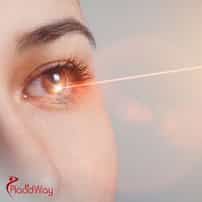
Where can I get affordable laser eye surgery in Tijuana?
Affordable laser eye surgery in Tijuana can be found at reputable clinics like CODET Vision Institute, Hospital Angeles Tijuana, and Oasis Hospital, known for their skilled surgeons and competitive pricing compared to the US. Tijuana is a leading destination for individuals seeking high-quality, yet affordable laser eye surgery. Many top-tier facilities offer cutting-edge procedures and experienced specialists, making vision correction accessible. If you're considering laser eye surgery and looking for a cost-effective solution without compromising on quality, Tijuana, Mexico, often comes up as a top choice. It’s no secret that healthcare costs in many countries, especially the United States, can be incredibly high. This reality leads many to explore options like medical tourism, and for vision correction, Tijuana stands out. Just a short drive across the border for many in the US, this vibrant city has become a hub for various medical procedures, including advanced eye care. People are consistently searching for places where they can get procedures like LASIK or PRK at a fraction of the cost they would pay at home, and Tijuana laser eye surgery clinics are ready to meet that demand. This detailed guide will walk you through everything you need to know about finding affordable laser eye surgery in Tijuana, addressing common questions and concerns that arise when considering this significant step towards better vision. We'll explore the costs, the clinics, the safety aspects, and what you should consider before making your decision. Getting vision correction is a life-changing decision, and understanding all your options, especially those that offer excellent value, is crucial. Let's delve into why Tijuana has gained such a strong reputation for offering both quality and affordability in eye surgery. What is the average cost of laser eye surgery in Tijuana? The average cost for laser eye surgery in Tijuana typically ranges from $1,500 to $2,500 for both eyes, making it significantly more affordable than in the US, where it can easily exceed $4,000 to $6,000. The cost of laser eye surgery is often the primary motivator for individuals considering treatment in Tijuana. While prices can vary, the savings are substantial when compared to clinics in the United States. In Tijuana, you can expect to pay anywhere from $1,500 to $2,500 for both eyes, which usually includes the pre-operative consultation, the procedure itself, and several post-operative check-ups. This makes affordable vision correction a reality for many who might otherwise find it out of reach. Several factors influence the exact price you'll pay. These include the specific clinic you choose, the experience and reputation of the surgeon, and the type of laser eye surgery procedure performed. For instance, advanced bladeless LASIK (Femto-LASIK) might be at the higher end of the spectrum compared to traditional LASIK or PRK. Additionally, some clinics may offer package deals that include transportation or accommodation, which can affect the overall perceived cost. It's always wise to get a detailed quote that outlines all inclusions and potential additional fees. When comparing costs, it's important to look beyond just the sticker price. Consider what's included in the package and ensure there are no hidden fees. While the cost is lower, many clinics in Tijuana use the same or even newer technology than their counterparts north of the border. This means you’re often getting comparable quality at a significantly reduced rate, making Tijuana laser eye surgery an excellent value proposition for those seeking to improve their vision. Which clinics offer reputable and affordable laser eye surgery in Tijuana? Several highly-regarded clinics in Tijuana offer reputable and affordable laser eye surgery, including CODET Vision Institute, Hospital Angeles Tijuana, and Oasis Hospital, all known for their experienced surgeons and modern technology. Tijuana boasts several world-class facilities that specialize in laser eye surgery. These clinics have invested heavily in state-of-the-art equipment and employ highly qualified, often internationally trained, ophthalmologists. When seeking affordable laser eye surgery in Tijuana, it's essential to look for clinics with a strong track record and positive patient reviews. One of the most prominent names is the CODET Vision Institute. Known for its advanced technology and team of experienced doctors, CODET has a reputation for high standards of care and patient safety. They offer various procedures, including LASIK and PRK, and often cater to international patients with bilingual staff. Another excellent option is Hospital Angeles Tijuana, part of Mexico's largest private hospital network. This hospital provides comprehensive medical services, including a dedicated ophthalmology department equipped with modern laser technology. Similarly, Oasis Hospital is another facility in Tijuana recognized for its medical tourism services, offering a range of eye care procedures with a focus on patient comfort and advanced techniques. When researching clinics, consider these factors: Surgeon Credentials: Look for board-certified ophthalmologists with extensive experience in refractive surgery. Technology: Ensure the clinic uses modern, FDA-approved laser technology. Accreditations: Check for international accreditations or affiliations that signify adherence to high medical standards. Patient Reviews: Read testimonials and reviews from previous patients to gauge satisfaction and outcomes. These clinics often provide free initial consultations or evaluations to determine your eligibility and discuss the best treatment plan for your specific needs, helping you achieve affordable vision correction safely. Is laser eye surgery in Tijuana safe and reliable? Yes, laser eye surgery in Tijuana can be very safe and reliable, provided you choose an accredited clinic with experienced surgeons and modern equipment, often meeting international medical standards and offering high-quality eye care. The safety and reliability of laser eye surgery in Tijuana are common concerns for many considering medical tourism. It's important to understand that Tijuana's reputable clinics operate under strict medical guidelines and often adhere to international standards of care. Many surgeons practicing in Tijuana have received training in the United States, Europe, or other highly developed nations, and they are often board-certified in ophthalmology. These leading clinics prioritize patient safety by using cutting-edge diagnostic equipment for thorough pre-operative evaluations. This ensures that only suitable candidates undergo the procedure, minimizing risks. The laser technology used is frequently the same or newer than that found in many US clinics, reflecting significant investment in modern medical advancements. The notion that medical care in Mexico is inherently inferior is a misconception, especially when it comes to specialized procedures like laser eye surgery at renowned facilities. To ensure a safe experience for your vision correction, due diligence is key. Research clinics thoroughly, verify surgeon credentials, and read patient reviews. Ask about the clinic's sterilization protocols, emergency procedures, and post-operative care plans. A reliable clinic will be transparent about their practices and will gladly answer all your questions, putting your mind at ease about getting LASIK in Mexico. What types of laser eye surgery are available in Tijuana? Tijuana clinics offer various types of laser eye surgery, including LASIK, PRK (Photorefractive Keratectomy), and often newer procedures like Femto-LASIK, catering to different patient needs and eye conditions. Tijuana's top eye clinics provide a comprehensive range of laser eye surgery options, ensuring that patients can find the most suitable treatment for their specific vision needs. The most popular and well-known procedure is LASIK (Laser-Assisted In Situ Keratomileusis), which is ideal for correcting myopia (nearsightedness), hyperopia (farsightedness), and astigmatism. LASIK involves creating a thin flap in the cornea, reshaping the underlying corneal tissue with a laser, and then repositioning the flap. Beyond traditional LASIK, many clinics offer Femto-LASIK (also known as bladeless LASIK). This advanced procedure uses a femtosecond laser to create the corneal flap, offering even greater precision and reducing potential complications associated with a mechanical blade. For individuals who may not be candidates for LASIK, such as those with thinner corneas or active lifestyles, PRK (Photorefractive Keratectomy) is another widely available option. PRK involves removing the outer layer of the cornea before reshaping the underlying tissue with an excimer laser, and while recovery is slightly longer, it offers excellent long-term visual outcomes. During your initial consultation, an ophthalmologist will perform a detailed eye examination and discuss your lifestyle and vision goals to recommend the most appropriate vision correction procedure. They will explain the pros and cons of each option, helping you make an informed decision about the best path to achieving clear vision through Tijuana laser eye surgery. How do I choose the best clinic for LASIK in Tijuana? To choose the best clinic for LASIK in Tijuana, prioritize factors like surgeon experience, facility accreditation, modern technology, comprehensive patient reviews, and transparent communication regarding costs and aftercare. Selecting the right clinic for your LASIK in Tijuana is arguably the most critical step in ensuring a successful and safe outcome. With many options available, a methodical approach is essential. Your choice should be based on a combination of factors that collectively demonstrate a commitment to patient safety and quality results. Do not solely base your decision on price; while affordable laser eye surgery is the goal, quality should always be paramount. Here’s a checklist to guide your decision-making process: Surgeon Qualifications and Experience: Look for ophthalmologists with extensive experience specifically in refractive surgery, ideally with international certifications or affiliations. How many procedures have they performed? Clinic Accreditations: Is the clinic accredited by recognized international or national medical bodies? This indicates adherence to high standards. Technology: Does the clinic utilize modern, FDA-approved laser technology? Outdated equipment can compromise results. Comprehensive Pre-operative Evaluation: A thorough eye examination is crucial to determine if you are a suitable candidate and to customize the treatment plan. Transparent Pricing: Ensure the clinic provides a detailed breakdown of costs with no hidden fees, covering everything from consultations to post-operative care. Post-operative Care Plan: A good clinic will outline a clear follow-up schedule and provide instructions for recovery. Patient Testimonials and Reviews: Seek out genuine reviews and success stories from previous patients, paying attention to consistency in positive feedback. Bilingual Staff: For international patients, access to bilingual staff can significantly improve communication and comfort. By carefully evaluating these points, you can confidently choose a clinic for Tijuana laser eye surgery that provides excellent care and results for your vision correction needs. What are the benefits of getting laser eye surgery in Tijuana? The main benefits of getting laser eye surgery in Tijuana include significant cost savings compared to the US, access to highly skilled surgeons, state-of-the-art facilities, and convenience for those living near the border. Choosing Tijuana for your laser eye surgery offers a compelling array of advantages that extend beyond just the lower price tag. For many, it represents an opportunity to access high-quality vision correction that might otherwise be financially out of reach in their home country. The primary draw is, of course, the substantial cost savings, often 50% or more compared to procedures in the United States, without compromising on the quality of care or technology. Beyond affordability, clinics in Tijuana are frequently equipped with some of the most advanced laser systems and diagnostic tools available globally. Many of these facilities rival or even surpass those found in other developed nations. Surgeons are often board-certified, with extensive training and experience from renowned institutions worldwide. This means patients benefit from the expertise of highly qualified professionals who perform a high volume of these procedures, contributing to excellent outcomes. For those residing in the Southwestern United States, Tijuana offers unparalleled convenience. The proximity means less travel time and expense compared to flying to other international medical tourism destinations. Additionally, shorter wait times for consultations and procedures are common, allowing patients to schedule their Tijuana laser eye surgery more quickly. This combination of affordability, quality care, advanced technology, and convenience makes it an attractive option for achieving clearer vision and freedom from glasses or contact lenses. What should I know before traveling to Tijuana for eye surgery? Before traveling for eye surgery in Tijuana, ensure you have a valid passport, understand border crossing procedures, arrange reliable transportation to the clinic, and confirm your accommodation and post-op care plans. Preparing for laser eye surgery in Tijuana involves more than just selecting a clinic; it also requires careful planning for your travel and stay. Being well-prepared can significantly enhance your experience and minimize any stress. First and foremost, a valid passport is essential for crossing the US-Mexico border and returning. Familiarize yourself with the border crossing procedures, including wait times, especially for the return journey, which can sometimes be lengthy. Transportation within Tijuana is another key consideration. Many reputable clinics that offer affordable laser eye surgery understand the needs of international patients and provide shuttle services from the border crossing or nearby hotels directly to their facility. Alternatively, you can use ride-sharing services or taxis. It's advisable to arrange this in advance to ensure a smooth arrival. Accommodation near the clinic is also important, as you’ll want to be comfortable during your recovery period. Many clinics can recommend nearby hotels or even have partnerships that offer discounted rates for their patients. Crucially, confirm all aspects of your pre-operative instructions, such as discontinuing contact lens wear for a specified period before your appointment. Discuss your post-operative care plan in detail, including follow-up appointments and medication, and ensure you have a clear understanding of what to expect during recovery. Having these details sorted out beforehand will allow you to focus on your vision correction journey with peace of mind. Are there any risks associated with laser eye surgery in Mexico? Like any surgical procedure, laser eye surgery in Mexico carries potential risks such as dry eyes, glare, halos, or under/over-correction, though these are generally rare, especially with experienced surgeons and proper screening. It's important to approach laser eye surgery with a realistic understanding that, like any medical procedure, it carries some inherent risks, regardless of where it's performed. These risks are not unique to Mexico but are universal to refractive surgery. The good news is that with advancements in technology and surgical techniques, serious complications are rare, especially when performed by experienced surgeons at reputable clinics in Tijuana. Common, usually temporary, side effects include dry eyes, which can be managed with lubricating eye drops, and visual disturbances like glare or halos around lights, particularly at night. These typically subside as the eyes heal over a few weeks or months. Less common risks include: Infection: Rare but possible, emphasizes the need for sterile environments and following post-op care instructions. Under-correction or Over-correction: This might result in needing glasses for some activities or, in some cases, a retreatment (enhancement) to refine the vision. Flap Complications (for LASIK): Issues with the corneal flap, though modern femtosecond laser techniques have significantly reduced these risks. Ectasia: A very rare condition where the cornea weakens and bulges, usually preventable with thorough pre-operative screening for corneal thickness. Reputable clinics offering Tijuana laser eye surgery will conduct extensive pre-operative evaluations to identify and mitigate these risks, ensuring you are a suitable candidate for vision correction. They will also fully inform you of all potential complications and provide clear instructions for post-operative care, which is crucial for a successful recovery and minimizing risks. Choosing an experienced surgeon and a facility with a strong safety record is your best defense against potential complications. Ready to explore your options for affordable and high-quality medical treatments? Explore PlacidWay for comprehensive solutions related to medical tourism and healthcare services worldwide....
Read more details.png)
How Can Oculoplastic Surgeons in Mexico Offer Affordable, High-Quality Eye Treatments?
Oculoplastic surgeons in Mexico offer affordable, high-quality eye treatments by combining lower national operational costs, highly specialized training, state-of-the-art technology, and a competitive medical tourism market, providing exceptional value without sacrificing international standards of care. When seeking specialized medical care, particularly for something as delicate as the eyes, the words "affordable" and "high-quality" often seem mutually exclusive. However, Mexico has firmly established itself as a global leader in medical tourism by proving that this combination is not only possible but is the standard. For patients seeking the expertise of an oculoplastic surgeon, Mexico offers a compelling solution that balances world-class medical expertise with significant cost savings. This unique value proposition has drawn thousands of international patients for procedures ranging from cosmetic eyelid surgery to complex orbital reconstructions. But how exactly does Mexico manage to deliver this high-caliber care at a fraction of the price found in the United States, Canada, or Europe? The answer is a multifaceted blend of economic advantages, a robust healthcare infrastructure, and a deep pool of highly skilled specialists. It's not about cutting corners; it's about a fundamentally different economic structure. Lower overhead costs, from surgeon fees to facility maintenance, allow clinics to pass substantial savings onto patients. Furthermore, many of Mexico's top oculoplastic surgeons are US-trained or board-certified, bringing a level of expertise that meets and often exceeds international standards. They operate in modern, internationally accredited hospitals equipped with the same advanced technology you would find in the best facilities back home. This guide will delve into the specific factors that enable Mexico to be a premier destination for anyone seeking safe, effective, and affordable oculoplastic treatments. Why is Oculoplastic Surgery in Mexico More Affordable? Oculoplastic surgery in Mexico is more affordable primarily due to the country's lower cost of living, which translates to reduced overhead for clinics, lower staff salaries, and more economical medical supply costs. These savings are passed directly to the patient. The significant price difference is a result of national economics, not a compromise on quality. While a cosmetic blepharoplasty (eyelid surgery) might cost $6,000-$8,000 in the US, the same eyelid surgery in Mexico is very cost-effective from qualified oculoplastic surgeon in Mexico can range from $2,000 to $4,500. This is possible because every component of the medical service delivery chain is less expensive. Key economic factors include: Lower Real Estate and Operational Costs: The cost to build, equip, and maintain a state-of-the-art surgical facility is substantially lower in Mexico. Reduced Professional Fees: While highly skilled, surgeons and medical staff have lower salary expectations compared to their US counterparts, in line with the local economy. Affordable Medical Education and Insurance: Surgeons in Mexico do not graduate with the same level of student debt as those in the US, and medical malpractice insurance is significantly less costly, reducing the financial pressure to charge high fees. Favorable Currency Exchange: For patients from the US, Canada, and Europe, the strong exchange rate further increases the affordability of treatments. What is an Oculoplastic Surgeon? An oculoplastic surgeon is a highly specialized ophthalmologist (eye doctor) who has completed additional, intensive fellowship training in plastic and reconstructive surgery of the eyelids, eyebrows, orbit (eye socket), and lacrimal (tear duct) system. This dual specialization is what makes them unique. They are experts in both the function and the aesthetics of the eyes and surrounding facial structures. An oculoplastic surgeon possesses the microsurgical skills of an ophthalmologist combined with the aesthetic and reconstructive knowledge of a plastic surgeon. This makes them the most qualified specialists to perform any procedure around the eyes. Choosing an oculoplastic surgeon ensures that the health and safety of your eyes are the top priority during any cosmetic or reconstructive procedure. They have an unparalleled understanding of the delicate anatomy of the eye area, which is crucial for achieving beautiful results while preserving and protecting your vision. Are Oculoplastic Surgeons in Mexico Qualified and Board-Certified? Yes, the leading eyelid surgeons in Mexico are highly qualified, board-certified by the Mexican Council of Ophthalmology, and many have pursued fellowship training in the United States or Europe, often holding international certifications. The medical education system in Mexico is rigorous, and top specialists are dedicated to continuous learning and international collaboration. When researching a surgeon, you will often find that they are active members of prestigious organizations such as the Mexican Society of Ophthalmology, the Pan-American Association of Ophthalmology, and even the American Society of Ophthalmic Plastic and Reconstructive Surgery (ASOPRS). Many surgeons practicing in popular medical tourism destinations like Cancun, Tijuana, and Guadalajara make it a point to highlight their international training and credentials. This is a key indicator of their commitment to adhering to global best practices in patient care and surgical technique. Always verify a surgeon's credentials and certifications before making a decision. How is the Quality of Medical Facilities in Mexico? The quality of medical facilities in Mexico, particularly those catering to international patients, is excellent. Top hospitals and clinics are modern, equipped with the latest technology, and often hold international accreditations, such as from the Joint Commission International (JCI). Clinics in major medical tourism hubs are designed to compete on a global scale. This means they invest heavily in advanced diagnostic and surgical equipment, such as femtosecond lasers and high-resolution imaging systems, to ensure precision and safety. These facilities adhere to strict sterilization and hygiene protocols that meet or exceed international standards. The patient experience is also a priority. Hospitals are often designed with comfort and convenience in mind, featuring private recovery rooms, English-speaking staff, and dedicated international patient coordinators to ensure a seamless and stress-free experience from arrival to departure. What is the Cost of Eyelid Surgery (Blepharoplasty) in Mexico vs. the USA? The cost of eyelid surgery (blepharoplasty) in Mexico is typically 50-70% less than in the United States. A procedure costing $6,000+ in the US can often be performed for $2,000-$3,500 in Mexico by a top surgeon. This cost difference makes one of the most popular oculoplastic procedures highly accessible. The price in Mexico often includes not just the surgery but a comprehensive package, providing even greater value. Procedure Average Cost in USA (USD) Average Cost in Mexico (USD) Upper Blepharoplasty $4,000 - $6,000 $1,500 - $2,500 Lower Blepharoplasty $4,500 - $7,000 $1,800 - $3,000 Upper & Lower Blepharoplasty $7,000 - $10,000+ $2,500 - $4,500 Is it Safe to Get Oculoplastic Surgery in Mexico? Yes, it is very safe to get oculoplastic surgery in Mexico, provided you do thorough research and choose a reputable, board-certified surgeon and an accredited medical facility. The safety standards at top clinics are on par with those in the US and Europe. Safety is the primary concern for any medical tourist, and reputable Mexican clinics understand this. They prioritize patient safety by employing highly trained staff, using sterile techniques, and providing comprehensive pre-operative evaluations and post-operative care. The key to ensuring a safe experience lies in the patient's own hands: diligent research is non-negotiable. To ensure your safety, you should: Verify Surgeon Credentials: Confirm their board certification and look for international training or memberships. Choose an Accredited Clinic: Look for JCI or ISO certifications, or accreditation by Mexico's Federal Commission for the Protection against Sanitary Risk (COFEPRIS). Read Patient Reviews: Seek out detailed testimonials on independent platforms. Have a Clear Communication Plan: Ensure the clinic has English-speaking staff and that you can communicate effectively with your surgeon. How Do I Find the Best Oculoplastic Surgeon in Mexico? To find the best oculoplastic surgeon in Mexico, focus on their specific fellowship training in oculoplastics, review their before-and-after portfolio extensively, read verified patient reviews, and schedule a virtual consultation to assess their expertise and communication style. Finding the right specialist is the most critical step. Look beyond general plastic surgeons and seek out a true oculoplastic surgeon. A great surgeon will have a gallery of work that demonstrates natural-looking results on patients with similar concerns to yours. During a virtual consultation, a good surgeon will listen to your goals, provide a realistic assessment, and explain the proposed procedure in detail, making you feel comfortable and informed. Ready to rejuvenate your look with an expert oculoplastic surgeon in Mexico? PlacidWay connects you with the world's leading, accredited specialists for safe, affordable, and high-quality eye treatments. Explore our network of top-tier clinics and get your personalized, free quote today!...
Read more details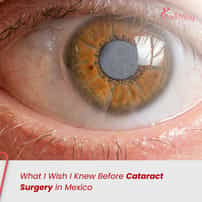
What I Wish I Knew Before Cataract Surgery in Mexico
Cataract surgery in Mexico is a safe, affordable, and high-quality option for vision restoration, but your success depends on choosing an accredited clinic with experienced ophthalmologists and understanding the full scope of the procedure and recovery. Is your vision getting cloudy, making it hard to read or drive at night? If so, you might be dealing with cataracts, a common condition that affects millions worldwide. The great news is that cataract surgery is one of the safest and most effective surgical procedures performed today. However, the cost in countries like the U.S., Canada, or the UK can be a significant barrier. This is why so many are turning their sights to cataract surgery in Mexico. Renowned for its world-class medical facilities, highly skilled surgeons, and prices that are often 50-70% lower than back home, Mexico has become a premier destination for medical tourism. But the thought of having surgery in another country can be daunting. You're likely wondering: Is it truly safe? How much will it actually cost? How do I find a trustworthy surgeon? This guide is here to clear up the fog. We’ll provide direct, honest answers to all the questions you've been searching for, covering everything from the types of lenses available to what your recovery will look like. Our goal is to give you the clarity you need to make a confident and informed decision about restoring your vision in Mexico. What is the Average Cost of Cataract Surgery in Mexico? The average cost of cataract surgery in Mexico is between $1,500 and $3,000 USD per eye. This price typically includes the surgeon's fees, the facility fee, and a standard monofocal intraocular lens (IOL). The most compelling reason for choosing cataract surgery in Mexico is the dramatic cost savings. In the United States, the same procedure can cost anywhere from $3,500 to $7,000 per eye. The lower cost in Mexico is a result of the country's lower cost of living and operational expenses for medical facilities, not a compromise on the quality of care or technology. The final price will depend on the type of intraocular lens (IOL) you choose. A standard monofocal lens, which corrects vision at one distance (usually far), is the most affordable option. Premium lenses, such as multifocal or toric IOLs (which correct astigmatism), will increase the cost. Always request a detailed quote that specifies the type of lens and what is covered, including pre-operative consultations, the surgery itself, and post-operative check-ups. Is Cataract Surgery in Mexico Safe? Yes, cataract surgery in Mexico is very safe when performed at an accredited, modern hospital or clinic by a board-certified ophthalmologist. Many facilities cater to international patients and adhere to the same high standards as U.S. and European hospitals. Mexico's private healthcare sector is highly advanced. Top ophthalmology centers in cities like Tijuana, Cancun, and Guadalajara are equipped with the latest surgical technology, such as femtosecond lasers for bladeless cataract surgery. Surgeons are often trained in the U.S. or Europe and have extensive experience. To ensure your safety, it is vital to research your chosen facility. Look for international accreditations, such as those from the Joint Commission International (JCI), and verify that the ophthalmologist is board-certified. Reputable clinics will be transparent about their safety protocols, sterilization techniques, and the qualifications of their medical staff. How Do I Find a Good Cataract Surgeon in Mexico? To find a good surgeon, research their credentials, including their medical school, residency, and board certifications. Look for extensive experience in cataract surgery, read patient reviews, and schedule a virtual consultation to discuss your case. Your choice of surgeon is the most critical factor in your surgical outcome. A qualified ophthalmologist in Mexico should be a member of the Mexican Society of Ophthalmology (Sociedad Mexicana de Oftalmología). Many top surgeons are also members of international organizations like the American Academy of Ophthalmology (AAO). Here are key steps to finding the right surgeon: Verify Credentials: Check their education, training, and certifications. Check Experience: Ask how many cataract procedures they perform annually. High volume often correlates with high proficiency. Read Patient Testimonials: Look for reviews on independent platforms to gauge patient satisfaction. Schedule a Consultation: A video call allows you to ask specific questions about the procedure and their approach, and to see if you feel comfortable with them. What Types of Intraocular Lenses (IOLs) Are Available in Mexico? Clinics in Mexico offer a full range of FDA- and CE-approved intraocular lenses, including standard monofocal IOLs, toric IOLs for astigmatism, and premium multifocal or extended depth of focus (EDOF) IOLs for a range of vision. The choice of IOL is a key part of the cataract surgery process. Mexican clinics provide the same high-quality lenses from leading manufacturers (like Alcon and Johnson & Johnson Vision) that are available in the U.S. and Europe. Lens Type What It Corrects Best For Monofocal Vision at a single distance (near, intermediate, or far). Patients who don't mind wearing glasses for some activities. Toric Cataracts and astigmatism. Patients with significant astigmatism seeking clear distance vision. Multifocal/EDOF Vision at multiple distances, reducing the need for glasses. Patients who want greater freedom from glasses for most daily tasks. Your surgeon will perform a comprehensive eye exam and discuss your lifestyle to help you choose the best IOL for your needs. What is the Cataract Surgery Procedure Like? The procedure is a quick, outpatient surgery that takes about 15-20 minutes. The surgeon uses numbing eye drops, makes a tiny incision, breaks up and removes the cloudy lens (phacoemulsification), and inserts the new artificial lens. Cataract surgery is remarkably efficient and painless. You will be awake during the procedure, but your eye will be completely numb, and you may be given a mild sedative to help you relax. The surgeon uses a high-frequency ultrasound device to gently dissolve the cataractous lens, which is then suctioned out. The new, folded IOL is inserted through the same tiny incision and unfolds into position. The incision is typically self-sealing and does not require stitches. After a short recovery period at the clinic (usually about an hour), you can return to your hotel to rest. How Long Do I Need to Stay in Mexico for the Surgery? It is recommended to plan a stay of 5 to 7 days in Mexico. This allows for a pre-operative consultation, the surgery itself, and at least one post-operative follow-up appointment to ensure your eye is healing properly before you fly home. A typical timeline would look like this: Day 1: Arrive and settle into your hotel. Day 2: Pre-operative consultation and final eye measurements. Day 3: Surgery day. Rest at the hotel afterward. Day 4: First post-operative check-up. The surgeon will remove your eye shield and check your vision and eye pressure. Day 5-6: Rest and enjoy light activities. Day 7: Final check-up and clearance to travel home. What is Recovery Like After Cataract Surgery? Recovery is quick, with most patients noticing improved vision within 24 hours. You will need to use prescribed eye drops for several weeks and avoid strenuous activity, bending over, and rubbing your eye for the first week. For the first few days, your vision may be a bit blurry or hazy, and your eye might feel slightly scratchy or sensitive to light. This is normal and improves quickly. You will be given a protective shield to wear while sleeping for the first week. The most important part of recovery is administering your anti-inflammatory and antibiotic eye drops as prescribed to prevent infection and control inflammation. Most people can resume normal activities like reading and watching TV the next day and can often return to work within a week, depending on their job. Ready to see the world clearly again? Explore your options for safe and affordable vision correction. Visit PlacidWay to connect with leading ophthalmologists and get personalized quotes for your cataract surgery in Mexico. ...
Read more detailsShare with AI
Share this page with AI assistants to get summaries and insights


Explore Eye Lasik Care: Stories, Testimonials, and Procedures
Watch in-depth videos covering everything from Eye Lasik Care success stories to detailed procedure explanations. Learn what to expect and hear from real patients.
Ocular Paralysis Treatment for Diabetic Patients in Tijuana, Mexico
Eye/Lasik Care
Tijuana Eye Center
Tijuana, Mexico

Specialized Anophthalmia and Microphthalmia Treatment in Tijuana, Mexico
Eye/Lasik Care
Tijuana Eye Center
Tijuana, Mexico
Definitive Overview of Chalazion Surgery and Stye Treatment in Tijuana, Mexico
Eye/Lasik Care
Tijuana Eye Center
Tijuana, Mexico
Are You a Fit for Laser Eye Surgery? – FemtoLasik Candidacy Explained
Eye/Lasik Care
Tijuana Eye Center
Tijuana, Mexico
Unlock the Best Eye Lasik Care Packages Just for You
Discover the ultimate Eye Lasik Care packages designed to meet your health and wellness goals. Choose the perfect fit for your journey.

Price starting from $1,950
State Of The Art ZLasik Surgery In Cancun
Perfect Vision Eye Lasik Surgery Center
- Eye/Lasik Care
Cancun, Mexico

Price starting from $3,000
Lasik Eye Surgery Package in Puebla, Mexico by CVL Correccion Visual Con Laser
CVL - Correccion Visual Con Laser in Puebla, Mexico
- Eye/Lasik Care
Puebla, Mexico

Price starting from $2,750
Cataract Surgery Package in Cancun, Mexico by ENFOCA Oftalmologia Avanzada
ENFOCA oftalmología Avanzada
- Eye/Lasik Care
Cancun, Mexico
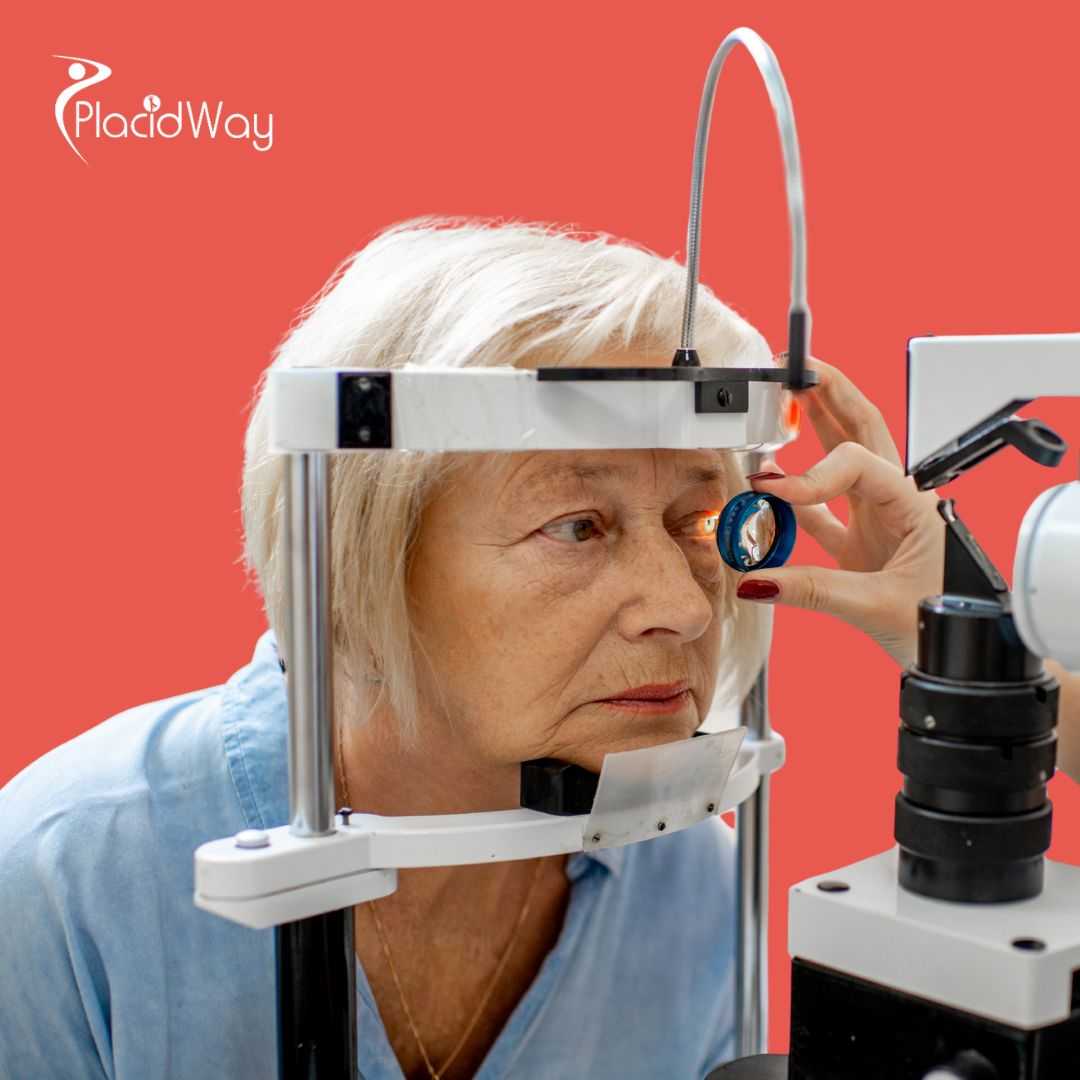
Price starting from $2,750
Glaucoma Surgery Package in Cancun, Mexico by ENFOCA Oftalmologia Avanzada
ENFOCA oftalmología Avanzada
- Eye/Lasik Care
Cancun, Mexico
Transformative Eye Lasik Care Experiences: Dive into Procedure Insights
Discover the power of Eye Lasik Care through compelling patient experiences. Uncover detailed insights into procedures, recovery journeys, and life-changing results.
.png)

Price starting from $1,950
Cataract Surgery in Cancun, Mexico
- Cataract Surgery, Eye/Lasik Care
Cancun, Mexico

Price starting from $1,940
Lasik Eye Surgery in Cancun, Mexico
- LASIK Surgery, Eye/Lasik Care
Cancun, Mexico