
Why Choose Tijuana for Laser Cataract Surgery

For patients looking to restore clear vision, finding reliable options for laser cataract surgery in Tijuana is a common priority. Located just across the border from San Diego, California, Tijuana has developed into a prominent hub for individuals seeking accessible healthcare options. Cataract surgery is one of the most frequently performed optical procedures worldwide, and the introduction of femtosecond laser technology has added an extra layer of precision for those who qualify.
Navigating cross-border healthcare requires careful planning, a solid understanding of the procedure, and realistic expectations regarding safety, pricing, and required aftercare. This guide provides comprehensive information on locating appropriate facilities, understanding what the procedure entails, and effectively preparing for your treatment journey.
Key Takeaways
- Laser cataract procedures are primarily found in specialized private eye clinics and hospitals in Tijuana's established medical districts.
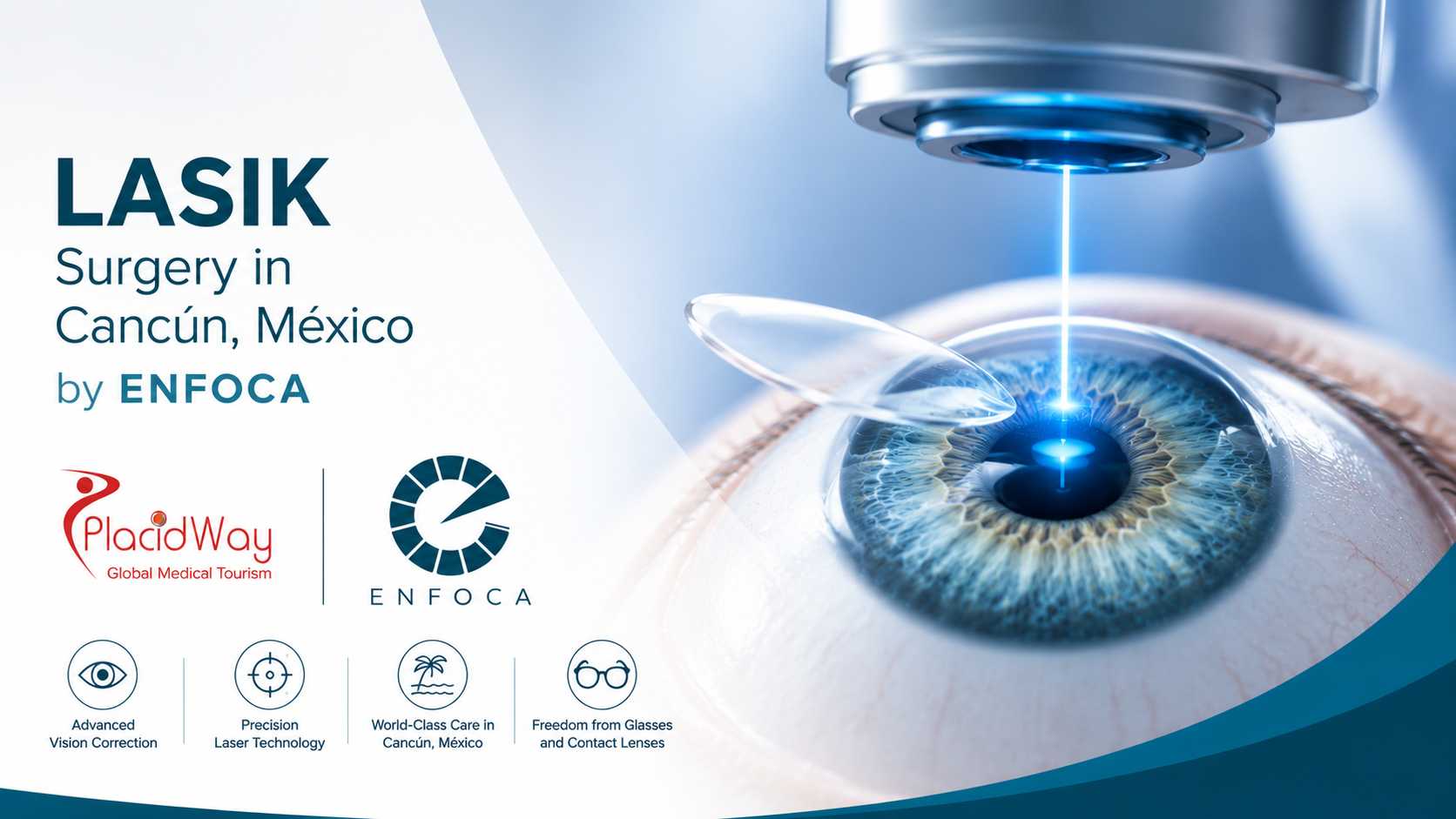
- The procedure utilizes femtosecond laser technology (FLACS) to assist in removing the clouded lens with high precision.
- Patients must undergo a thorough pre-operative eye evaluation to determine if they are suitable candidates for laser-assisted methods.
- Cost estimates are typically lower than in the US, but prices vary based on facility fees and the specific intraocular lens (IOL) chosen.
- Arranging post-operative follow-up care with a local eye doctor in your home city is a critical requirement for safety.
What is laser cataract surgery and how does it work?
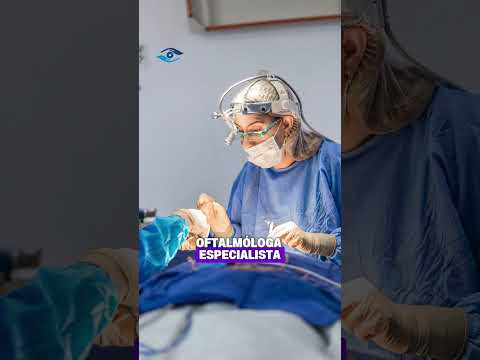
Traditional cataract surgery involves a surgeon using handheld blades to create incisions in the cornea and a small instrument to break up the clouded lens using ultrasound energy (phacoemulsification). In contrast, Femtosecond Laser-Assisted Cataract Surgery (FLACS) automates several of the most challenging steps of the procedure. Using advanced 3D imaging, the laser maps the eye to create highly precise, customized incisions.
Once the incisions are made, the laser is used to open the lens capsule and soften the cataract itself. Because the cataract is pre-softened by the laser, the surgeon often needs less ultrasound energy to break it apart and vacuum it out. This reduction in ultrasound energy may help reduce inflammation and swelling in the eye during the early stages of recovery.
After the natural clouded lens is removed, an artificial intraocular lens (IOL) is implanted into the empty capsule. The precision of the laser incisions can also be particularly beneficial when surgeons are placing premium multifocal or toric lenses, as exact centering is crucial for optimal visual outcomes.
Am I a good candidate for laser cataract surgery?
While laser-assisted surgery offers high precision, it is not medically appropriate for everyone. Determining your candidacy requires a comprehensive dilated eye examination by an ophthalmologist. The doctor will evaluate the density of your cataract, the health of your cornea, and the condition of your retina and optic nerve.
Patients who may not be ideal candidates for the laser-assisted approach include those with:
- Corneal scarring or severe corneal disease that prevents the laser from penetrating clearly.
- Pupils that do not dilate widely enough for the laser to operate safely.
- Advanced glaucoma or a history of certain types of prior eye surgeries.
- Extremely dense or "rock hard" cataracts, though the laser can sometimes still be used depending on the surgeon's assessment.
It is highly recommended to consult with your local optometrist or ophthalmologist for a baseline evaluation before traveling. They can help you understand whether you have any anatomical limitations that might dictate the type of surgery you need.
How much does laser cataract surgery cost in Tijuana?
Understanding the laser cataract surgery cost in Tijuana requires looking at the components of the procedure. Because FLACS requires expensive, specialized equipment, it often carries a higher price tag than traditional manual cataract surgery. However, patients traveling from the United States or Canada often find that the out-of-pocket expenses remain notably lower.
The total price you are quoted is typically influenced by several factors:
- The Intraocular Lens (IOL): Standard monofocal lenses are the most cost-effective. Premium lenses, such as multifocal (for near and distance vision) or toric (for astigmatism correction), increase the total price.
- Facility and Surgeon Fees: Highly experienced surgeons operating in modern, accredited facilities may charge more for their expertise and overhead.
- Pre-operative Testing: Advanced biometry and mapping scans are required to program the laser correctly.
When reviewing cost estimates, patients should ask facilities for an itemized breakdown to ensure there are no hidden fees. Keep in mind that travel, accommodation, and post-operative medications will add to your total financial output.
What types of intraocular lenses (IOLs) are available in Tijuana?
Choosing the right lens is a critical decision that will dictate how well you see at different distances without glasses after the surgery. During your consultation, your eye doctor will measure your eye's length and corneal curve to recommend the most suitable options.
| IOL Type | Primary Function | Glasses Requirement |
|---|---|---|
| Monofocal | Provides clear vision at one distance (usually far). | Reading glasses are typically required for close tasks. |
| Toric | Corrects significant pre-existing astigmatism. | May still need glasses for reading if a monofocal toric is used. |
| Multifocal / EDOF | Provides a continuous range of vision across distances. | Significantly reduces the need for glasses, though results vary. |
It is important to understand that no lens can guarantee perfect vision without glasses. Furthermore, patients with certain eye conditions, such as macular degeneration, may not be eligible for multifocal lenses, as these lenses split light and can reduce visual contrast.
How should I prepare for a cataract procedure across the border?
Preparing for eye surgery abroad requires more logistical planning than having the procedure done locally. First, you will need to arrange for a companion to travel with you. Because you will receive mild sedation and your vision will be temporarily blurry, you cannot drive yourself back across the border or to your hotel after the surgery.
Medical preparation is equally vital. You must provide the surgical team with a complete list of your medications. Certain drugs, particularly blood thinners or medications used for prostate conditions (like Flomax), can complicate cataract surgery and increase the risk of a condition known as Intraoperative Floppy Iris Syndrome (IFIS). Your doctor may instruct you to temporarily adjust your medication schedule, but you should never stop taking prescribed medicines without consulting your primary care physician.
Additionally, if you wear contact lenses, you will likely be instructed to stop wearing them for several days to a few weeks prior to your pre-operative measurements. Contact lenses can temporarily alter the shape of your cornea, which can lead to inaccurate measurements and incorrect IOL power selection.
What is the typical recovery process after laser cataract extraction?
Immediately after the procedure, your eye will be covered with a protective shield. You will likely spend a short time in a recovery room before being discharged. It is normal to experience mild itching, a feeling of grittiness, or slight fluid discharge during the first couple of days. However, you must strictly avoid rubbing or pressing on your eye.
Your surgeon will prescribe a regimen of eye drops, typically including antibiotics to prevent infection and anti-inflammatory drops to reduce internal swelling. It is imperative to use these drops exactly as directed, even if your eye feels perfectly fine.
During the first week of recovery, patients are usually advised to avoid heavy lifting, bending over, or participating in strenuous activities that could increase pressure inside the head and eye. You should also keep water, soap, and shampoo away from your eye while showering. While initial vision improvements can happen quickly, your brain and eye may need several weeks to fully adapt to the new intraocular lens.
Are there risks or complications associated with this eye surgery?
Cataract surgery is statistically one of the safest surgical procedures performed today, but no surgery is entirely free of risk. Minor, temporary side effects like dry eyes, glare, or halos around lights are relatively common as the eye heals and adapts to the new lens. These often resolve or diminish over time.
More serious complications, though rare, require immediate medical attention to prevent permanent vision loss. These include:
- Endophthalmitis: A severe internal eye infection.
- Retinal Detachment: When the retina pulls away from the back of the eye, presenting as sudden flashes of light or a curtain shadow over your vision.
- Cystoid Macular Edema: Swelling in the central retina that blurs vision.
- Posterior Capsule Opacification (PCO): Sometimes called a "secondary cataract," this is a common occurrence months or years later where the lens capsule becomes cloudy. It can be easily treated with a quick, non-invasive laser procedure in a doctor's office.
Traveling for surgery adds a layer of risk regarding continuity of care. If a severe complication arises after you have returned home, you must seek emergency care locally rather than attempting to travel back to the operating surgeon.
How do I choose a safe laser cataract surgery clinic in Tijuana?
When searching for a laser cataract surgery clinic in Tijuana, patient safety and clinical standards must be your top priorities. Start by verifying the credentials of the ophthalmologist. Look for surgeons who are board-certified by the Mexican Council of Ophthalmology (Consejo Mexicano de Oftalmología) and who may hold memberships in international bodies such as the American Academy of Ophthalmology (AAO) or the American Society of Cataract and Refractive Surgery (ASCRS).
Investigate the facility itself. A reputable clinic should be transparent about the specific laser technology and IOL brands they use. During your initial inquiries, ask about their infection control protocols, how they handle surgical emergencies, and whether they have English-speaking staff if you do not speak Spanish.
Take the time to read patient reviews and ask the clinic for a clear, written pre-operative and post-operative plan. Avoid any facility that rushes you into making a booking, downplays the risks of surgery, or fails to ask for your complete medical history prior to your arrival.
What follow-up care is required after returning home?
Appropriate aftercare is a critical component of medical tourism that is often overlooked. A typical follow-up schedule involves seeing an eye doctor one day, one week, and one month after the surgery. Because most patients do not stay in Tijuana for a full month, you will likely only complete the one-day (and perhaps one-week) checkup with your operating surgeon.
Before you commit to traveling for surgery, it is highly recommended to speak with an optometrist or ophthalmologist in your hometown. Ask if they are willing to take over your post-operative care and co-manage your healing. Some local doctors may hesitate to manage complications from a surgery they did not perform, so securing this agreement in advance is essential for your safety and peace of mind.
Ensure that you leave the Tijuana clinic with a copy of your surgical report, details of the exact IOL implanted (including the make, model, and power), and a clear list of the post-operative eye drops prescribed.
Why is medical tourism in Tijuana popular for vision correction?
The growth of medical tourism in Tijuana is largely fueled by geographical convenience and economic factors. For residents of Southern California and beyond, crossing the border can be a faster route to receiving specialized care compared to navigating long wait times or high deductibles within their home healthcare systems.
Many private eye clinics in Tijuana have actively adapted to the medical tourism market by building modern facilities, investing in advanced technology, and employing bilingual medical staff. This environment caters to patients looking for elective or out-of-pocket procedures, such as premium refractive cataract surgery, which standard health insurance plans often do not fully cover.
However, the convenience of proximity does not negate the need for rigorous research. Patients must approach medical travel with the same diligence they would apply to selecting a surgeon in their own country, balancing cost savings with the critical importance of safety, quality of care, and secure follow-up planning.
Why Choose PlacidWay for Medical Tourism Research?
Navigating healthcare options in a foreign country can be complex. PlacidWay serves as an informational resource to help patients research international medical providers. Here is how PlacidWay assists in your health journey:
- Broad Directory: Access profiles of international clinics and hospitals offering specialized ophthalmology services.
- Informative Resources: Read comprehensive guides on procedures, medical tourism destinations, and general healthcare preparation.
- Provider Comparisons: Compare facility capabilities, available technologies, and medical staff credentials in one place.
- Pricing Estimates: Review estimated cost structures to help you better understand the financial aspects of care abroad.
- Patient-Driven Choice: Utilize a platform designed to connect you directly with providers, allowing you to ask questions and gather information to make your own informed healthcare decisions.
Frequently Asked Questions
Is laser cataract surgery painful?
Laser cataract surgery is typically not painful. Patients receive local anesthesia (often in the form of eye drops) and sometimes a mild sedative to help them relax. You may feel slight pressure during the procedure, but significant discomfort is rare.
How long does the laser cataract procedure take?
The actual surgical procedure usually takes between 15 and 30 minutes per eye. However, patients should expect to spend a few hours at the clinic to account for pre-operative preparation, pupil dilation, and post-operative observation.
Can I have both eyes done on the same day in Tijuana?
While some facilities may offer bilateral (both eyes) surgery on the same day, many ophthalmologists prefer to wait a few days to a few weeks between eyes. This allows the first eye time to heal and helps the surgeon evaluate the visual outcome before operating on the second eye.
Will I still need glasses after laser cataract surgery?
Whether you need glasses depends heavily on the type of intraocular lens (IOL) implanted and your eye's healing process. While premium multifocal or toric IOLs can significantly reduce dependence on glasses, many patients still require them for fine reading or driving at night.
Is femtosecond laser surgery better than traditional cataract surgery?
Both methods are highly effective. Laser-assisted surgery offers high precision for corneal incisions and astigmatism correction, which can be beneficial when implanting premium lenses. However, traditional phacoemulsification remains a safe and reliable standard of care.
How soon can I drive after the surgery?
You cannot drive immediately after surgery and must have someone else drive you to your accommodation. Most patients can resume driving within a few days once their vision clears and their eye doctor confirms they meet the legal vision requirements for driving.
Can I fly back home immediately after my eye surgery?
It is generally not recommended to fly on the same day as your surgery. Eye doctors typically require a follow-up exam the day after the procedure to check eye pressure and look for signs of infection before clearing a patient for air travel.
Do Tijuana clinics use the same laser equipment as US facilities?
Many specialized eye centers in Tijuana invest in the same internationally recognized femtosecond laser platforms and diagnostic equipment used in the United States and Canada, though equipment models can vary by facility.
What happens if I develop an eye infection back home?
If you experience severe pain, sudden vision loss, or significant redness after returning home, you should immediately seek emergency care from a local ophthalmologist. Delaying treatment for post-surgical eye infections can lead to severe complications.
Will my insurance cover cataract surgery in Mexico?
Most standard US health insurance plans, including Medicare, do not cover elective medical care received outside the country. Patients typically pay out-of-pocket for cross-border care, though some specialized employer plans or medical tourism insurance policies may offer partial reimbursement.
Explore Your Eye Care Options
Gather information, compare international facilities, and request details to help you make an informed decision about your vision health.
Request Treatment InformationReferences
- Cataract Surgery Overview – American Academy of Ophthalmology (AAO)
- Cataract Surgery Risks and Recovery – Mayo Clinic
- Cataracts Information – National Eye Institute (NEI)
- Medical Tourism Safety Guidelines – Centers for Disease Control and Prevention (CDC)
- Devices for Cataract Surgery – U.S. Food and Drug Administration (FDA)
- Patient Guide to Cataract Surgery – American Society of Cataract and Refractive Surgery (ASCRS)






















Share this listing