
Is LASIK Surgery in Mexico Safe and Reliable?

Many individuals seeking freedom from glasses and contact lenses look across the border for more accessible healthcare options. Exploring LASIK surgery in Mexico has become increasingly common as patients look to balance quality medical care with their personal budgets. Because vision correction is a significant medical decision, understanding the landscape of treatment abroad is essential.
Choosing to undergo a medical procedure in another country involves careful research. You need to look beyond marketing materials and understand what makes a procedure reliable, who is a suitable candidate, and what steps you must take to protect your eye health. This guide explores the realistic aspects of pursuing laser vision correction across the border, focusing on patient safety, practical considerations, and what you should expect from the process.
Key Takeaways
- Reliability depends on choosing properly credentialed ophthalmologists and verified clinical environments.
- Not everyone is a candidate; strict pre-operative testing is required to determine your eligibility.
- While estimated costs are often lower, overall travel expenses and follow-up care must be factored into your budget.
- LASIK carries universal risks, including dry eyes and visual disturbances, regardless of where the procedure is performed.
- Arranging post-operative care with a local eye doctor back home is a critical step for long-term eye health.
What should I know about the safety of LASIK in Mexico?
Patient safety always relies on the qualifications of the medical team and the standards of the facility. Many ophthalmologists practicing in major Mexican cities and border towns have received training or fellowships internationally. They frequently belong to recognized medical societies, which require adherence to established clinical guidelines for refractive surgery.
The equipment used during your procedure also plays a significant role in the safety and predictability of the outcome. Established clinics generally use modern diagnostic tools to map the cornea and advanced laser systems for the actual reshaping. When researching options, it is highly beneficial to inquire about the specific technology a clinic uses and how frequently their equipment is calibrated and maintained.
However, safety is never absolute. Just as in your home country, medical environments vary in quality. Regulatory oversight exists through national health organizations in Mexico, but the burden of verifying a specific doctor's board certification and a clinic's sanitary track record ultimately falls on the patient. Thorough vetting is the best way to prioritize your well-being.
How much does LASIK surgery cost in Mexico?
Cost is frequently the primary driver for patients exploring refractive surgery abroad. Because healthcare administration, overhead, and local economic factors differ, clinics south of the border can often offer these elective procedures at a lower price point than what is typical in the United States or Canada. These estimates usually cover the initial consultation, the procedure itself, and immediate post-operative checks.
It is crucial to request a transparent breakdown of what is included in any quoted price. Some estimates may cover traditional LASIK, while more modern variations—like all-laser (bladeless) LASIK or wavefront-guided treatments—may carry a higher price tag. Understanding exactly what technology you are paying for helps you make an accurate comparison.
Remember that the procedural cost is only one part of the financial equation. When budgeting for your trip, you must include the cost of flights or gas, hotel accommodations, meals, and potential travel insurance. Furthermore, you should budget for the cost of long-term follow-up visits with a local optometrist or ophthalmologist once you return home.
Am I a suitable candidate for laser eye surgery?
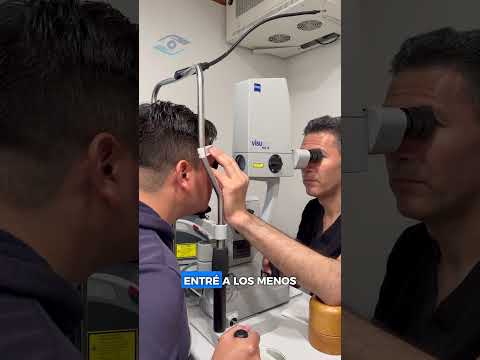
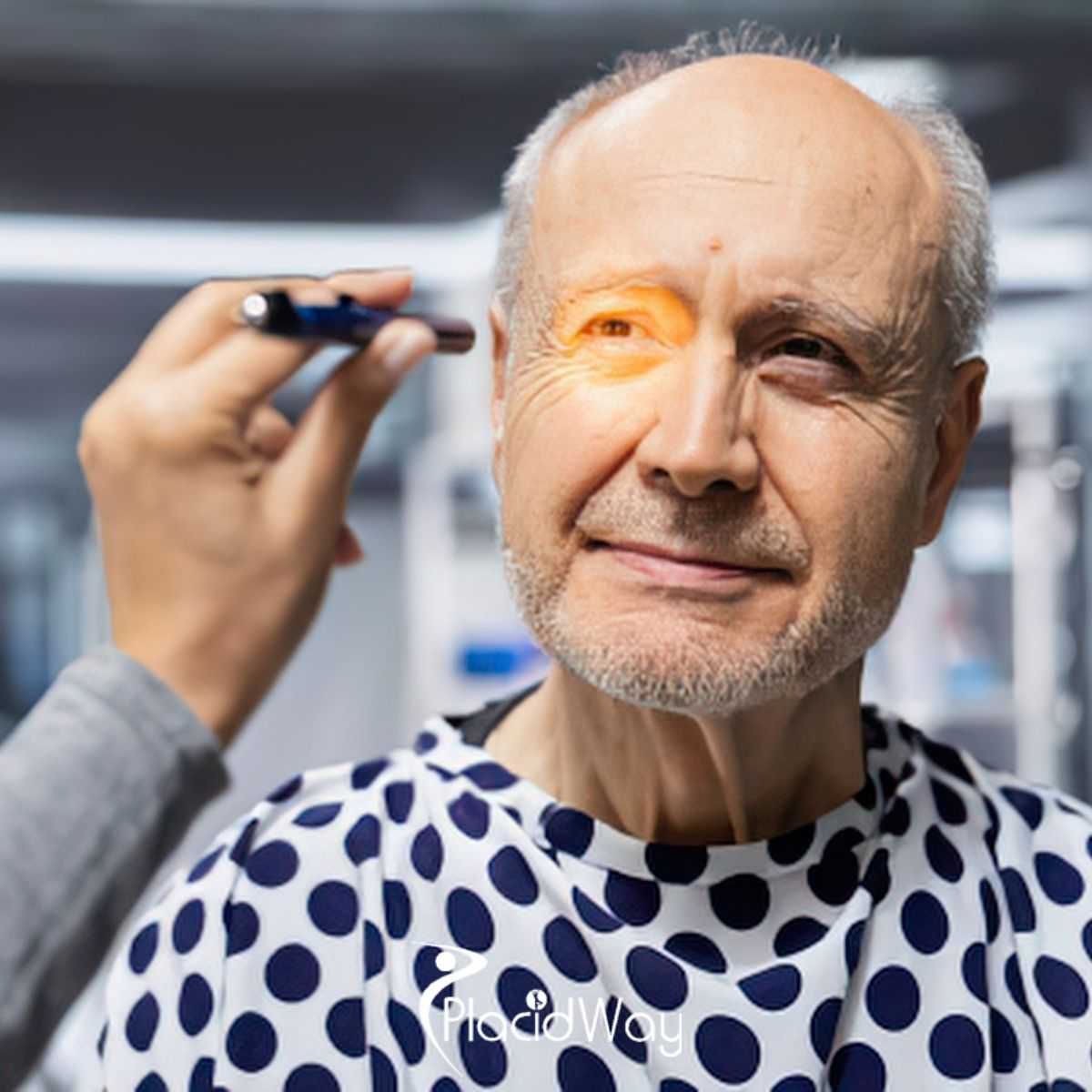
Determining your eligibility is the most important step before undergoing any refractive procedure. A reputable ophthalmologist will perform a comprehensive dilated eye exam to evaluate your overall eye health. They will measure your refractive error (nearsightedness, farsightedness, or astigmatism) and take precise topographical maps of your cornea to check for irregularities.
Corneal thickness is a vital metric. Because LASIK involves removing microscopic layers of tissue to change the eye's shape, there must be enough structural integrity left over to maintain the eye's health. If your corneas are too thin, or if you have a condition like keratoconus, LASIK is generally contraindicated, though alternative procedures like PRK might be suggested.
Other factors that may affect your eligibility include your age, pregnancy, autoimmune conditions that affect healing, and medications you currently take. A trustworthy doctor will honestly inform you if the procedure is not appropriate for your eyes, as performing surgery on a poor candidate significantly increases the risk of complications.
What happens during the LASIK procedure?
LASIK is typically an outpatient procedure that takes only about 10 to 15 minutes per eye, with the laser actively working for less than a minute. Before the surgery begins, the medical team will apply numbing eye drops so you do not feel pain, though you will likely feel some pressure during certain steps.
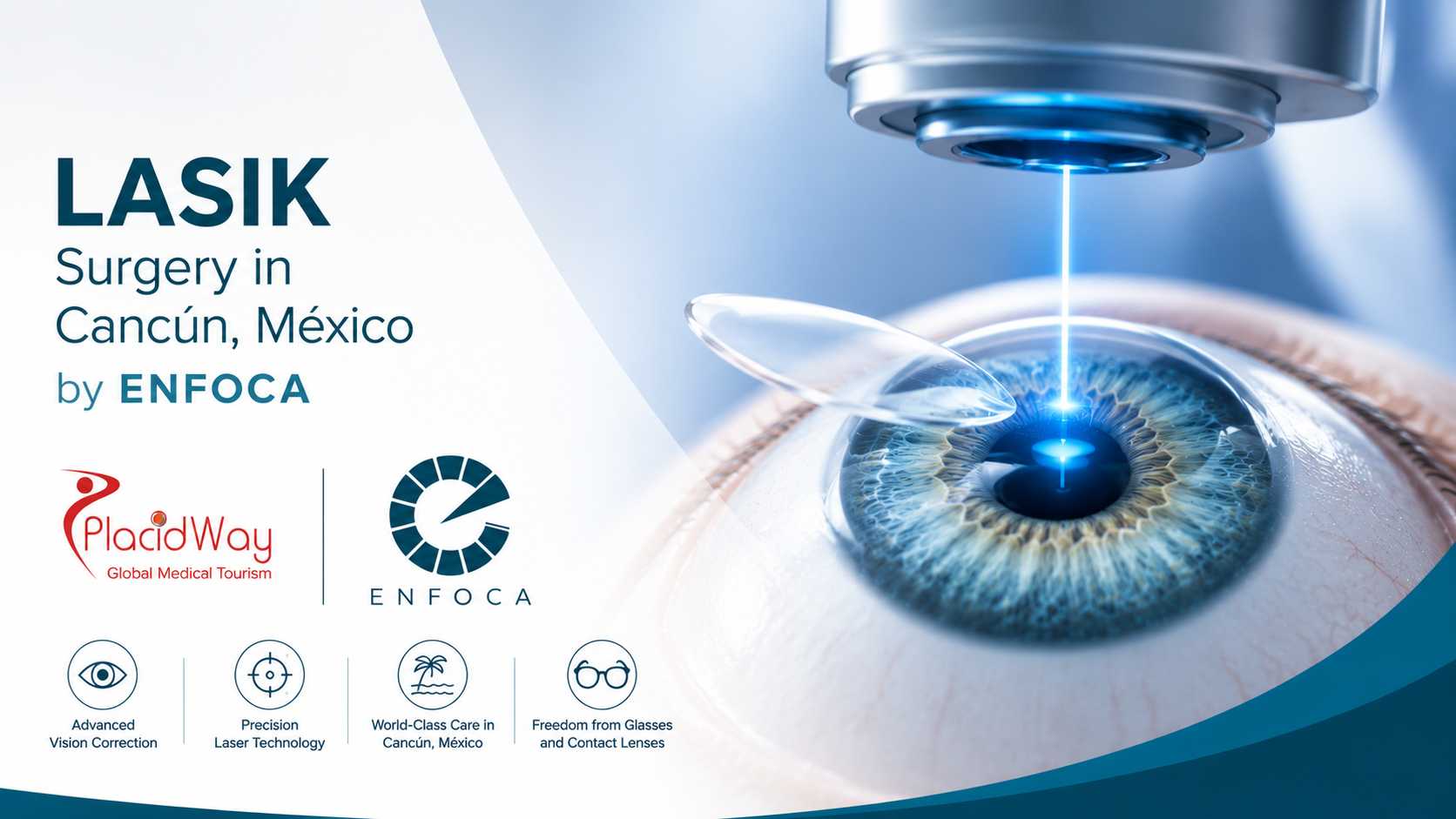
The first step involves creating a protective corneal flap. Depending on the clinic's technology, this is done using either a microkeratome (a precise mechanical instrument) or a femtosecond laser (bladeless). Once the flap is folded back, you will be asked to stare at a target light. The excimer laser is then used to remove microscopic amounts of tissue based on your highly customized pre-operative measurements.
After the tissue is reshaped, the surgeon carefully lays the flap back into its original position. The edges of the flap usually seal themselves within minutes, acting as a natural bandage. You will rest for a short period before the doctor does a final check and clears you to return to your hotel to begin your recovery.
How long is the typical recovery period?
Immediately after the procedure, your vision will likely be blurry or foggy, and your eyes may feel scratchy, watery, or sensitive to light. Doctors strongly advise keeping your eyes closed and resting as much as possible for the first several hours. By the time of your follow-up appointment the next day, a significant amount of visual clarity has usually returned.
During the first few weeks, it is common to experience fluctuations in your vision. You might notice your eyesight changes slightly throughout the day or that you experience halos around lights at night. These symptoms gradually diminish as the corneal tissue continues to heal and adjust to its new shape.
Strict adherence to your post-operative instructions is critical during this time. You will be prescribed a regimen of medicated eye drops to prevent infection and reduce inflammation, as well as lubricating drops to manage dryness. You must also avoid rubbing your eyes, as applying pressure can potentially dislodge the healing corneal flap.
What are the potential risks and complications of LASIK?
- Dry Eye Syndrome: Surgery temporarily disrupts corneal nerves, reducing tear production. Many patients experience dry eyes for weeks or months, which usually resolves but can occasionally become chronic.
- Visual Disturbances: Difficulty seeing at night, glare, halos around bright lights, and double vision can occur, particularly in the initial healing phase.
- Flap Complications: Issues with the corneal flap during surgery or healing can lead to infection, excess inflammation, or irregular healing that affects visual acuity.
- Refractive Surprises: The eye may under-respond or over-respond to the laser, leaving you with residual nearsightedness, farsightedness, or astigmatism that might require glasses or an enhancement surgery.
- Corneal Ectasia: This is a rare but serious condition where the cornea becomes too thin and bulges outward, leading to distorted vision that cannot be corrected with glasses.
Discussing these risks thoroughly with your ophthalmologist before deciding to proceed is vital. Every patient's risk profile is different based on their specific anatomy and medical history.
How do I choose a qualified eye clinic in Mexico?
Do not base your decision solely on website aesthetics or the lowest price. Look for transparent information about the medical director and the attending surgeons. Verify their education, years of experience specifically performing refractive procedures, and active memberships in recognized professional organizations, such as the American Academy of Ophthalmology or similar Mexican medical boards.
Contact the clinics directly to ask detailed questions. Inquire about their screening process for patients, the exact type of excimer lasers they use, and their protocol for handling potential complications. A reputable clinic will prioritize answering your medical questions over pushing a quick sale.
Additionally, request a video consultation before you commit to traveling. Speaking face-to-face with the doctor allows you to gauge their communication style, ensure they understand your visual goals, and confirm that you feel comfortable entrusting them with your eyesight.
What should I expect during my medical tourism trip to Mexico?
Patients typically travel to easily accessible locations, such as border cities (like Tijuana or Mexicali) which cater heavily to day-trippers from the US, or major hubs (like Cancun, Monterrey, or Mexico City) that offer robust medical infrastructure. Your itinerary will usually involve arriving at least a day before your surgery for in-person evaluations and measurements.
If your pre-operative testing confirms you are a good candidate, the surgery often takes place the following day. Because your vision will be blurry immediately afterward, and you may be given mild sedatives, you must have a plan for getting safely back to your accommodation. Many clinics provide or assist with local transfers for this purpose.
A post-operative check is mandatory the day after surgery. Even if you are visiting a beautiful coastal city, your doctor will strictely prohibit swimming in pools or the ocean, spending time in dusty environments, or exposing your eyes to intense sunlight. The priority of your trip must remain focused entirely on safe healing.
Can I travel back home immediately after my eye surgery?
The first post-operative visit is crucial. Your surgeon needs to examine the placement of the corneal flap, check for early signs of infection, and ensure the initial healing process has started correctly. Traveling before this check-up is complete is risky and strongly discouraged by medical professionals.
When you do travel home, environmental factors must be managed. The air inside commercial airplane cabins is notoriously dry, which can exacerbate post-LASIK dry eye symptoms. You will need to apply your prescribed lubricating drops frequently throughout the flight to keep your eyes comfortable and protected.
If you are driving across the border, be aware that you should not be the one driving immediately after surgery or even the next day if your vision is still fluctuating or sensitive to light. Ensure you travel with a companion who can handle the transportation safely.
How important is post-operative care and follow-up?
Surgery is only the beginning of your vision correction journey; the body's healing response dictates the final result. Most surgeons recommend follow-up appointments at one week, one month, three months, and six months post-surgery. Since you will be back home during these times, establishing a relationship with a local optometrist or ophthalmologist beforehand is a necessary step.
During these visits, your local doctor will monitor your visual acuity, check the stability of the corneal flap, and manage any ongoing symptoms of dry eye. They can also detect subtle signs of complications early, which is essential for prompt and effective treatment.
Be prepared to provide your local doctor with your surgical records from Mexico. Transparent communication between your surgical team abroad and your local eye care provider ensures continuity of care, giving you the best chance for a smooth recovery and lasting visual clarity.
Why Choose PlacidWay for Medical Tourism in Mexico?
PlacidWay is an established medical tourism platform that helps patients explore their international healthcare options. When researching treatments abroad, utilizing a structured directory can streamline your informational search.
- Comprehensive Directories: PlacidWay provides access to a large database of medical centers and specialized eye clinics throughout Mexico, allowing you to browse options by specific cities.
- Direct Connections: The platform facilitates direct communication between you and international healthcare providers, helping you ask specific medical and logistical questions.
- Provider Information: Clinic profiles often include details about facility accreditations, technology used, and the professional backgrounds of the medical staff.
- Educational Resources: PlacidWay offers articles, patient guides, and cost estimates to help you understand the broader landscape of traveling for healthcare.
- Comparative Tools: You can request and compare information from multiple facilities simultaneously, assisting you in making a decision that aligns with your budget and medical needs.
Frequently Asked Questions About LASIK in Mexico
Does LASIK surgery hurt?
Most patients report feeling pressure rather than pain during the procedure. Numbing eye drops are applied before the surgery begins to minimize discomfort, though you may experience some irritation or grittiness for a few days afterward.
Are both eyes typically treated on the same day?
Yes, treating both eyes on the same day is the standard practice for most patients undergoing LASIK, as it provides visual balance and a unified recovery timeline. However, your ophthalmologist will determine if this is appropriate for your specific case.
Can I get LASIK if I have astigmatism?
Modern LASIK technology can often treat mild to moderate astigmatism by reshaping the irregular cornea. A thorough pre-operative evaluation will determine if your specific degree of astigmatism falls within a treatable range.
What is the difference between LASIK and PRK?
Both procedures reshape the cornea using a laser. LASIK involves creating a thin flap to access the underlying tissue, while PRK removes the outer surface layer entirely. PRK may be recommended for patients with thinner corneas but generally has a longer initial recovery time.
How long do the visual results of LASIK typically last?
The corneal reshaping done during LASIK is permanent. However, natural age-related changes to the eye, such as presbyopia or cataracts, can still affect your vision later in life.
Will I still need reading glasses after my surgery?
LASIK typically corrects distance vision. If you are approaching or over the age of 40, you may still naturally develop presbyopia and require reading glasses, unless you opt for a specific technique like monovision.
What languages do eye doctors in Mexico speak?
Many ophthalmologists who treat international patients in popular medical tourism destinations speak fluent English. Clinics catering to travelers often have bilingual staff to assist with consultations and post-operative instructions.
Are eye clinics in Mexico properly regulated?
Yes, legitimate medical facilities in Mexico are regulated by the Federal Commission for the Protection against Sanitary Risk (COFEPRIS). Many clinics also seek voluntary accreditation from international medical organizations to demonstrate their quality standards.
Can I swim in a pool or the ocean during my trip after surgery?
No. You must avoid swimming pools, hot tubs, lakes, and the ocean for at least several weeks following surgery to reduce the risk of serious eye infections. Always follow your doctor's specific timeline for resuming water activities.
What happens if I need an enhancement procedure later?
A small percentage of patients may require a touch-up or enhancement if their vision regresses or the initial correction was insufficient. If you travel for treatment, you will need to discuss the logistical and financial policies for enhancements with your chosen clinic beforehand.
Explore Your Vision Correction Options
Gather information, compare reputable facilities, and connect directly with qualified healthcare providers to learn more about your choices.
Request Treatment InformationReferences
- What is LASIK? – U.S. Food and Drug Administration (FDA)
- LASIK Basics – American Academy of Ophthalmology (AAO)
- LASIK eye surgery – Mayo Clinic
- Refractive Errors – National Eye Institute (NEI)
- Medical Tourism – Centers for Disease Control and Prevention (CDC)
- Patient Information – American Society of Cataract and Refractive Surgery (ASCRS)





















Share this listing