


Dealing with chronic ocular surface diseases can be extremely frustrating for patients seeking lasting relief from discomfort, redness, and visual disturbances. The innovative Intense Pulsed Light (IPL) therapy for chalazion and blepharitis procedure in Tijuana, Mexico represents a major breakthrough in modern ophthalmological care. By targeting the root physiological causes of Meibomian gland dysfunction rather than just masking the symptoms, this advanced approach offers genuine hope for those suffering from persistent eyelid inflammation.
Medical tourism for specialized ophthalmology has seen massive growth, with patients traveling across the border to access world-class technologies at a fraction of the domestic cost. This comprehensive guide explores how targeted light therapy addresses stubborn eye conditions, breaks down the clinical science behind the treatment, and explains why consulting a skilled ophthalmic surgeon in Mexico might be the optimal path forward for your long-term vision health.
Video Chapters & Quick Navigation
The Complex Anatomy of Meibomian Glands and Tear Production
The human eye relies on a highly sophisticated tear film to maintain optimal surface health, rigorous lubrication, and absolute clarity of vision. This dynamic tear film consists of three distinct layers: the inner mucin layer, the middle aqueous layer, and the vital outer lipid layer. The lipid layer is entirely responsible for preventing the rapid evaporation of tears from the ocular surface, effectively keeping the eye moist between blinks.
As detailed by ophthalmic specialists [00:08], the glands located right at the edge of the upper and lower eyelids produce these highly essential components for the quality of our tears. These specialized sebaceous structures are known as Meibomian glands. A healthy individual possesses dozens of these tiny glands lining the margins of their eyelids, constantly secreting clear oil that blends seamlessly with the aqueous tears.
When environmental factors, aging, or prolonged digital screen usage reduce our natural blink rate, these meibomian glands become heavily strained. Over time, the clear oils can thicken into a toothpaste-like consistency, leading to severe blockages. Understanding this foundational anatomy is essential for recognizing why advanced light therapies are required to physically alter the state of these impacted oils.
Recognizing Meibomian Gland Dysfunction (MGD)
Meibomian Gland Dysfunction (MGD) is currently recognized as the leading cause of dry eye syndrome globally. Patients suffering from MGD typically experience a gritty sensation, excessive watering as the eye attempts to overcompensate for poor tear quality, and noticeable redness. Without timely intervention, MGD steadily progresses, causing the delicate glands to atrophy and die off completely.
Identifying Obstructions: The Pathology of Styes and Chalazions
When the meibomian glands become acutely infected or severely obstructed, localized pressure builds rapidly within the eyelid tissue. Medical experts point out that this specific condition directly paves the way for the development of styes (orzuelos) or chalazions [00:15]. Both conditions present as alarming lumps on the eyelid margin, but they possess distinctly different underlying pathologies that require careful diagnosis.
A stye is essentially an active bacterial infection, typically caused by staphylococcus bacteria invading an eyelash follicle or a gland. It is characterized by acute pain, significant redness, and localized swelling. Conversely, a chalazion is a non-infectious, inflammatory lesion that forms when the gland's opening is entirely blocked. The trapped lipid secretions trigger a strong immune response, forming a hard, painless granuloma over time.
While occasional minor blockages are common and sometimes disappear with simple home remedies, persistent chalazions pose a much larger threat. Chronic lumps can press directly against the cornea, physically altering its shape and inducing astigmatism. When simple warm compresses fail, these persistent chalazions must be addressed and potentially removed by a qualified healthcare professional to protect visual acuity.
Understanding Chronic Blepharitis and Management Challenges
Managing ongoing eyelid inflammation requires a comprehensive understanding of ocular microbiology and patient habits. Blepharitis is characterized by red, swollen, and constantly itchy eyelids, often accompanied by crusty, dandruff-like debris at the base of the eyelashes. This condition stems from an overgrowth of normal skin bacteria or the proliferation of microscopic Demodex mites living within the lash follicles.
For patients suffering from chronic blepharitis, finding an effective, long-lasting treatment is historically known to be a difficult, long-term process [00:44]. The clinical response to traditional management can be highly variable, leading many ophthalmologists to consider it a stubborn disease that requires constant vigilance. Standard therapies often rely heavily on daily eyelid scrubs and artificial tears, which demand strict patient compliance and offer only temporary relief.
Because the biological triggers for blepharitis are deeply embedded within the gland structures and lash beds, superficial cleaning rarely penetrates deep enough to eradicate the problem. This high failure rate with conventional medicine is exactly why advanced photomedicine techniques are now being prioritized in top-tier medical facilities across Mexico.
The Limitations of Traditional Prescription Drops
The prolonged use of topical antibiotics and steroid eye drops comes with well-documented risks. Antibiotic resistance is a growing concern, rendering frequent prescriptions less effective over time. Furthermore, extended steroid use can dangerously elevate intraocular pressure, potentially leading to glaucoma or the early formation of cataracts.
The Science Behind Ocular Intense Pulsed Light (IPL) Therapy
The introduction of Intense Pulsed Light (IPL) technology to ophthalmology has revolutionized the way doctors approach ocular surface diseases. Originally developed for dermatology to treat rosacea and vascular lesions, doctors soon discovered that patients receiving IPL treatments experienced massive improvements in their dry eye symptoms. This serendipitous discovery led to optimized IPL devices specifically calibrated for the delicate periocular region.
During the procedure, perfectly calibrated pulses of light actively change the temperature of the meibomian glands, effectively softening the hardened oil obstructions [00:32]. This precise thermal energy turns stagnant, buttery secretions back into a healthy, free-flowing liquid state. By improving the gland's internal functioning, IPL facilitates normal, healthy drainage of the essential lipid layer.
Beyond simple heat transfer, the specific wavelengths of light generated by the IPL device possess powerful antimicrobial properties. The technology successfully attacks bacteria and microorganisms that aggressively provoke inflammation and swelling within the eyelid margins [00:54]. Additionally, the light energy forces abnormal, leaky blood vessels (telangiectasias) to close, shutting off the steady supply of inflammatory mediators to the eyes.
- Thermal Melting: Liquefies impacted meibum for easier natural expression.
- Bacterial Eradication: Destroys overpopulated bacteria and Demodex mites residing on the lashes.
- Vascular Photocoagulation: Eliminates abnormal blood vessels feeding eyelid inflammation.
- Cellular Rejuvenation: Stimulates local fibroblasts to produce healthy collagen around the eyes.
The Patient Experience: What to Expect During Your 15-Minute Session
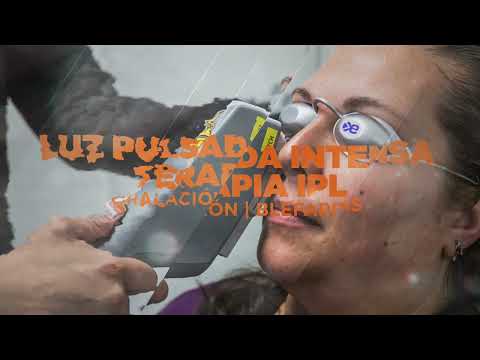
One of the most appealing aspects of pursuing IPL treatment is the absolute convenience and non-invasive nature of the protocol. Unlike traditional surgical interventions that require local anesthesia and scalpels, IPL therapy is clinically proven to be a simple, fast, and remarkably painless procedure for the vast majority of patients [01:05]. The entire treatment is efficiently completed in the doctor's office.
The patient is comfortably reclined while specialized ocular shields are placed securely over the eyes to protect the retinas from the bright flashes. A generous layer of cooling ultrasound gel is applied to the cheekbones and temporal areas to protect the epidermis and conduct the light efficiently. The physician then uses a handheld device to deliver a series of precise light pulses across the targeted zones.
Patients typically describe the sensation as a gentle warmth followed by a mild snapping feeling on the skin, similar to a small rubber band. Because the procedure lasts barely 15 minutes, there is zero downtime required. Patients can immediately return to their normal daily activities, completely bypassing the painful recovery periods associated with invasive chalazion excisions.
Treatment Schedules and Long-Term Maintenance for Blepharitis Patients
While a single session of IPL can provide noticeable symptomatic relief, meibomian gland restoration is fundamentally a cumulative process. Because chronic blepharitis and MGD have often been developing for years prior to diagnosis, reversing the structural damage requires a carefully scheduled series of interventions.
Leading ophthalmic surgeons highly recommend that patients undergo an initial series of three to four separate sessions to achieve the absolute best clinical results [01:10]. These foundational sessions are typically spaced out by three to four weeks. This specific timeline allows the localized inflammation to subside completely and gives the cellular structures ample time to regenerate healthy lipid-producing capabilities.
Once the initial therapy protocol is successfully completed, the focus shifts entirely to long-term ocular preservation. Because these conditions are chronic by nature, ongoing maintenance is crucial. For certain patients, scheduling just one quick maintenance session per year is entirely sufficient to keep blepharitis flare-ups at bay and prevent the painful recurrence of new chalazions.
Comparing Traditional Chalazion Removal Procedures to Advanced IPL Therapy
When conservative home treatments fail, patients face a choice between surgical intervention and advanced photomedicine. The traditional chalazion removal procedure involves injecting local anesthetic directly into the highly sensitive eyelid tissue. The surgeon then flips the eyelid inside out, clamps it, makes a vertical incision with a scalpel, and aggressively curettes (scrapes) out the trapped inflammatory material.
While surgical excision is effective for immediately removing a large, hardened mass, it completely ignores the underlying gland dysfunction. It does nothing to prevent the adjacent glands from becoming blocked the very next month. Furthermore, surgery carries risks of permanent gland damage, localized scarring, and a high rate of recurrence since the root inflammatory environment remains untouched.
Conversely, IPL therapy addresses the core physiological breakdown of the entire eyelid margin. By liquefying blockages globally across all meibomian glands simultaneously, IPL not only helps resolve existing smaller chalazions but actively prevents future ones from forming. It is a regenerative approach rather than a strictly destructive one.
| Feature | Traditional Excision Surgery | Advanced IPL Therapy |
|---|---|---|
| Procedure Type | Invasive (Scalpel and Curettage) | Non-invasive (Photomedicine) |
| Anesthesia | Lidocaine Injection to Eyelid | None Required |
| Underlying Cause | Ignores MGD entirely | Treats root MGD and Blepharitis |
| Downtime | Bruising and swelling for days | Zero downtime |
Why Choose Tijuana, Mexico for Your Advanced Ophthalmological Procedures?
Medical tourism has fundamentally transformed how patients in North America access cutting-edge healthcare. Opting for an Intense Pulsed Light therapy for blepharitis in Mexico provides access to premium medical technologies without the exorbitant out-of-pocket costs typically associated with private clinics in the United States or Canada. Tijuana, located directly on the border of San Diego, California, is a globally recognized hub for specialized medical care.
The ophthalmic surgeons operating in Tijuana's premier clinics are highly credentialed, often holding board certifications and international training from prestigious medical institutes. These facilities invest heavily in the exact same state-of-the-art FDA-approved IPL devices used by top-tier specialists stateside. Patients receive equivalent, if not superior, clinical attention and personalized care protocols.
Beyond the undeniable financial benefits, crossing the border for eye care is incredibly streamlined. Top clinics offer comprehensive concierge services, assisting international patients with border navigation, specialized medical passes, and luxury accommodations. This seamless infrastructure allows patients suffering from chronic dry eyes and painful eyelid lumps to focus entirely on their treatment and rapid recovery.
The Strategic Advantage of Cross-Border Eye Care
When dealing with a progressive condition like Meibomian gland dysfunction, delaying treatment due to high domestic deductibles can result in irreversible gland loss. Accessing affordable, high-quality photomedicine in Tijuana ensures that you can complete the necessary 3 to 4 session protocol without financial strain. Protecting your vision proactively is the most vital investment you can make.
Ready to Resolve Chronic Eyelid Inflammation?
Don't let blepharitis or recurrent chalazions damage your vision and quality of life. Connect with top-rated ophthalmologists in Tijuana, Mexico today and secure your specialized IPL treatment plan.
Get Free QuoteView Original Video Transcript
[00:00] [Visual: Tijuana Eye Center Logo]
[00:08] Las glándulas ubicadas en el borde del párpado superior producen componentes esenciales en la calidad de las lágrimas.
[00:15] Cuando estas glándulas se infectan o se obstruyen, pueden desarrollarse orzuelos o un chalazión. Es algo muy común y en ocasiones puede desaparecer con remedios simples.
[00:23] Sin embargo, existen casos en que persiste el chalazión y debe ser retirado por un profesional de la salud. Cuando una persona sufre de este problema de forma regular o recurrente, es posible corregirlo con terapia de luz pulsada intensa o IPL.
[00:32] Los pulsos de luz cambian la temperatura de las glándulas, suavizando la obstrucción, mejorando su funcionamiento y facilitando su drenaje normal.
[00:44] En pacientes que sufren de blefaritis, el tratamiento puede ser un proceso a largo plazo y la respuesta al mismo puede ser variable, por lo que se le considera una enfermedad difícil de manejar.
[00:54] Afortunadamente, la tecnología IPL permite minimizar la inflamación de los párpados y sus glándulas sebáceas al atacar bacterias y microorganismos que provocan inflamación e hinchazón.
[01:05] Es un tratamiento sencillo, rápido e indoloro y el tratamiento dura apenas 15 minutos.
[01:10] Es recomendable realizar de tres a cuatro sesiones para lograr los mejores resultados y en ciertos casos será necesario una sesión al año.
[01:17] [Visual: Medical Team and Copyright Information Tijuana Eye Center]

.jpg)
.png)
.png)
.png)








Share this listing