Summary
Finding the right eye hospital is essential for protecting your vision. The top 10 eye hospitals in the world are selected based on their advanced medical technology, surgeon experience, international accreditations, and high patient success rates. Whether you need standard cataract surgery, advanced laser vision correction (LASIK/SMILE), or intricate treatment for complex retinal diseases, choosing a world-class facility ensures you receive care that matches international standards of safety and excellence.
Introduction to Global Eye Care
Your eyes are your window to the world, making ocular health one of the most critical aspects of overall well-being. When facing vision deterioration, degenerative conditions, or structural defects, accessing top-tier medical assistance becomes an absolute priority. Today, the world of ophthalmology has expanded far beyond local boundaries. Patients routinely cross international borders to access highly specialized medical technology, globally renowned surgeons, and more affordable clinical options without making any compromises on safety or procedural quality.
In this comprehensive guide, we explore the top 10 Eye Hospitals Worldwide. These elite facilities are universally recognized for their unyielding commitment to innovation, patient-centered care systems, and state-of-the-art diagnostics. Modern ophthalmic solutions move rapidly, and these centers sit at the absolute vanguard of the industry. Educating yourself on global benchmarks is the vital first step on your personal journey to achieving clearer, healthier vision.
Quick Facts: Eye Care Excellence
| What makes a top hospital? |
Joint Commission International (JCI) accreditation, high-volume surgical data, and advanced diagnostic imaging pipelines. |
| Common procedures abroad |
LASIK, SMILE, Premium Intraocular Lens (IOL) Cataract removal, Vitrectomy, Retinal detachment repair, and Glaucoma implants. |
| Why patients travel |
Substantial cost reductions, direct access to elite corneal or retinal sub-specialists, and skipping extensive public wait times. |
| Safety indicator |
Board-certified medical leadership, strict sterile cleanroom designs, and transparently published clinical outcome audits. |
| Average recovery time |
Varies explicitly by procedure; standard LASIK requires 24–48 hours for baseline functional recovery, while deep retinal surgeries require several weeks. |
How We Chose the Best Eye Clinics in the World
Identifying true excellence in the field of ophthalmology requires analyzing complex data and structural indicators rather than relying on marketing claims. Ophthalmic medicine is heavily reliant on technological precision and ultra-specialized surgical skills. To build this global ranking, we evaluated hospitals against rigorous industry benchmarks across four primary areas:
-
Surgical Success Rates: Documented visual acuity improvement percentages, low infection counts, and exceptional post-operative long-term stability records across thousands of tracking indicators.
-
Medical Technology: Deployment of top-tier hardware, such as ultra-precise femtosecond lasers, modern optical coherence tomography (OCT) mapping, wavefront-guided analytical setups, and advanced micro-surgical platforms.
-
Surgeon Expertise: Peer recognition, extensive case volumes, international research contributions, and board certifications held by the clinical ophthalmology teams.
-
Patient Support Systems: Specialized networks built to accommodate international patients, incorporating fluent language translation, direct telemedicine consultations, and structured cross-border recovery plans.
Top 10 Best Eye Hospitals
1. Medical Park Hospital (Istanbul, Turkey)
Medical Park Hospital Group stands as an unchallenged titan in global medical tourism, known for housing one of the most sophisticated ophthalmology networks in the region. Their dedicated eye care departments feature cutting-edge femtosecond laser platforms for advanced vision correction alongside ultra-precise surgical setups for complex vitreoretinal operations. The hospital stands out for its meticulous international patient department, ensuring smooth communication and structured tracking for global travelers throughout their recovery journeys.
2. Visani Stem Cells (Puebla, Mexico)
Specializing in the rapidly evolving world of advanced regenerative therapies, Visani Stem Cells brings an innovative, forward-thinking dynamic to ocular health. By exploring and utilizing cutting-edge stem cell protocols, this medical center aims to address degenerative eye conditions, such as macular degeneration and optic nerve damage, that standard surgical methods often struggle to treat. Their modern medical center combines global scientific protocols with personalized patient itineraries.
3. Hospital Velmar (Ensenada, Mexico)
Hospital Velmar is a highly reputable institution recognized for its cohesive, multi-disciplinary approach to surgical care. Located in a prime medical tourism hub close to North America, Velmar offers a robust array of surgical ophthalmology options. From premium intraocular lens (IOL) placements to structural eye modifications, their surgical units function under strict international safety guidelines, making them an excellent, high-value alternative for patients seeking world-class treatment close to home.
4. Liv Bona Dea (Baku, Azerbaijan)
As a premier medical center in the Caspian region, Liv Bona Dea represents the pinnacle of modern hospital infrastructure. Their comprehensive eye department operates in an incredibly high-tech environment that meets and exceeds Western European hospital criteria. Attracting thousands of patients from across Central Asia and beyond, the clinic features advanced diagnostic capabilities that allow their elite surgical teams to treat complex conditions with absolute structural accuracy.
5. Dalimed Medical Center (Yerevan, Armenia)
Dalimed Medical Center has built its stellar international reputation on precision medicine and customized patient strategies. Recognizing that no two eyes are structurally identical, Dalimed’s ophthalmologists utilize advanced corneal mapping tools to customize standard vision correction surgeries. Their facility boasts highly efficient surgical suites designed for minimal infection rates, delivering optimal outcomes for routine refractive adjustments and advanced diagnostic evaluations alike.
6. Xin Hongqiao Henuo Branch (Shanghai, China)
Operating within one of the most technologically advanced and rapidly expanding medical landscapes in Asia, the Xin Hongqiao Henuo Branch represents a new era of healthcare. This clinic utilizes next-generation laser setups for refractive surgery and diagnostic evaluation. Catering to a discerning global clientele, their infrastructure offers ultra-efficient medical workflows, top-tier clinical machinery, and a deeply customized care paradigm tailored around demanding visual performance expectations.
7. Gangnam Grand Eye Clinic (Seoul, South Korea)
South Korea is recognized as a dominant global epicentre for high-volume, premium refractive surgery. Gangnam Grand Eye Clinic sits at the absolute forefront of this innovation, utilizing high-speed SMILE, custom wavefront LASIK, and detailed aesthetic eye procedures. The clinic operates with immense technical precision and structured data modeling, mapping out corneal thickness down to microscopic detail to ensure long-term stability and outstanding visual clarity for its global clientele.
8. Italian Eye Hospital (Pristina, Kosovo)
The Italian Eye Hospital serves as a critical medical hub in the Balkan region, applying rigorous Western European standards across its entire ophthalmic catalog. The hospital is known for its specialized surgical units focused on advanced cataract extractions and deep corneal modifications. By prioritizing modern, patient-centered setups and continuous clinical education, they offer access to top-tier European medical talent and advanced diagnostic approaches at a fraction of standard international costs.
9. Chongqing Xino Integrated Traditional Chinese and Western Medicine Hospital (China)
This innovative medical center offers a distinct, highly integrated approach by blending state-of-the-art Western micro-surgical ophthalmology with carefully regulated traditional practices. While acute physical defects are resolved via high-end laser systems or micro-incision surgery, long-term post-operative healing and macular health are supported through holistic methodologies. This makes it an ideal center for patients seeking a comprehensive, full-body approach to vision preservation.
10. Gleneagles Hospital (Mumbai, India)
Part of a widely respected, premium international healthcare brand, Gleneagles Mumbai offers world-class ophthalmic services supported by extensive institutional infrastructure. The eye division features advanced diagnostic imaging, strict cleanroom setups, and some of the most highly experienced surgical minds in India. Capable of executing high-volume cataract extractions and multi-stage glaucoma interventions, the facility provides exceptional clinical accuracy, ensuring maximum patient security and high success rates.
Symptoms That Mean You Should See a Specialist
Ocular conditions can develop subtly, and your eyes frequently provide subtle warning indicators before permanent damage or vision loss occurs. Ignoring warning signs can allow underlying diseases to progress unchecked. If you notice any of the following symptoms, scheduling an immediate evaluation with a qualified ophthalmology specialist is critical:
-
Sudden Vision Changes: Unexplained, acute onset of blurry vision, double vision, or a dimming of visual clarity that doesn't resolve.
-
Flashes and Floaters: The sudden appearance of flashing light sparks or a dramatic increase in dark "spots/bugs" floating across your field of view, which can indicate potential retinal pulling.
-
Persistent Eye Pain: Ongoing, deep structural discomfort, sharp sensations, or localized pressure accumulating directly behind the eyeball.
-
Visual Haloes: Spotting glowing circles, rainbows, or distracting distortions radiating around light sources at night.
-
Extreme Photophobia: Severe, painful sensitivity when exposing your eyes to ordinary or low light environments.
Risks of Eye Surgery (and How Top Hospitals Reduce Them)
Every surgical intervention, no matter how brief or technologically automated, carries inherent clinical risks. In ophthalmic surgery, potential complications can include post-operative infection, chronic dry eye syndrome, corneal flap displacement, or temporary visual fluctuations. However, top-tier international eye hospitals mitigate these concerns down to statistical margins through rigorous, standardized clinical frameworks:
-
Advanced Candidate Screening: Elite hospitals do not rush patients into operations. They use high-resolution corneal topography, ultrasonic pachymetry, and optical coherence tomography (OCT) to accurately assess eye health, identifying thin corneas or hidden weaknesses before a laser is ever activated.
-
Sterile Environment Protocols: High-end medical centers utilize positive-pressure, HEPA-filtered cleanrooms with strict temperature and humidity controls to prevent bacterial development, drastically reducing the risk of endophthalmitis or surface contamination.
-
Proactive Post-operative Monitoring: Immediate, scheduled post-surgical check-ups allow medical teams to monitor healing trajectories, evaluate intraocular pressure levels, and address early inflammation before it can impact final visual clarity.
Who Are the Best Candidates for Eye Surgery Abroad?
While global eye care offers incredible opportunities, international travel isn't perfectly suited for every medical scenario. Evaluating your candidacy helps ensure a safe experience and an optimal visual outcome. Generally, you are an ideal candidate for cross-border eye care if you meet these essential criteria:
-
Your corrective vision prescription has remained demonstrably stable for a minimum of 12 consecutive months.
-
You are in good systemic health, without severe, uncontrolled autoimmune disorders or brittle diabetes that could slow down cellular healing.
-
You have comprehensively reviewed the chosen hospital’s operational credentials, verifying their certifications and surgeon biographies.
-
Your personal schedule allows you to allocate the necessary travel time required for detailed pre-surgical examinations and a relaxed, unhurried local recovery phase.
Benefits of Choosing a World-Class Eye Hospital
The primary drivers for choosing a world-class eye hospital extend far beyond financial considerations. When you trust your vision to a premier global facility, you gain several key advantages:
-
Immediate Access to New Technology: Major global hospitals often implement next-generation laser configurations and diagnostic software variants much faster than local community practices due to direct relationships with medical manufacturers.
-
Sub-Specialized Care: Rather than working with general practitioners, patients are paired with specialists who dedicate their careers exclusively to specific sub-specialties, such as corneal adjustments or advanced vitreoretinal repairs.
-
All-Inclusive Coordination: Leading medical tourism facilities offer comprehensive packages that combine surgical costs, local hospitality arrangements, and private transit into a single transparent fee, taking the stress out of your medical travel logistics.
Common Eye Treatments at the World's Top Hospitals
The leading eye care facilities listed above are fully equipped to perform a wide variety of modern procedures, from quick refractive adjustments to intricate microsurgery:
-
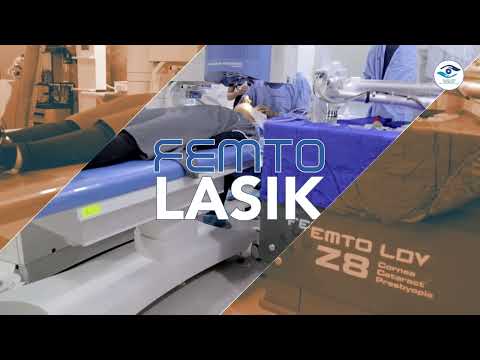
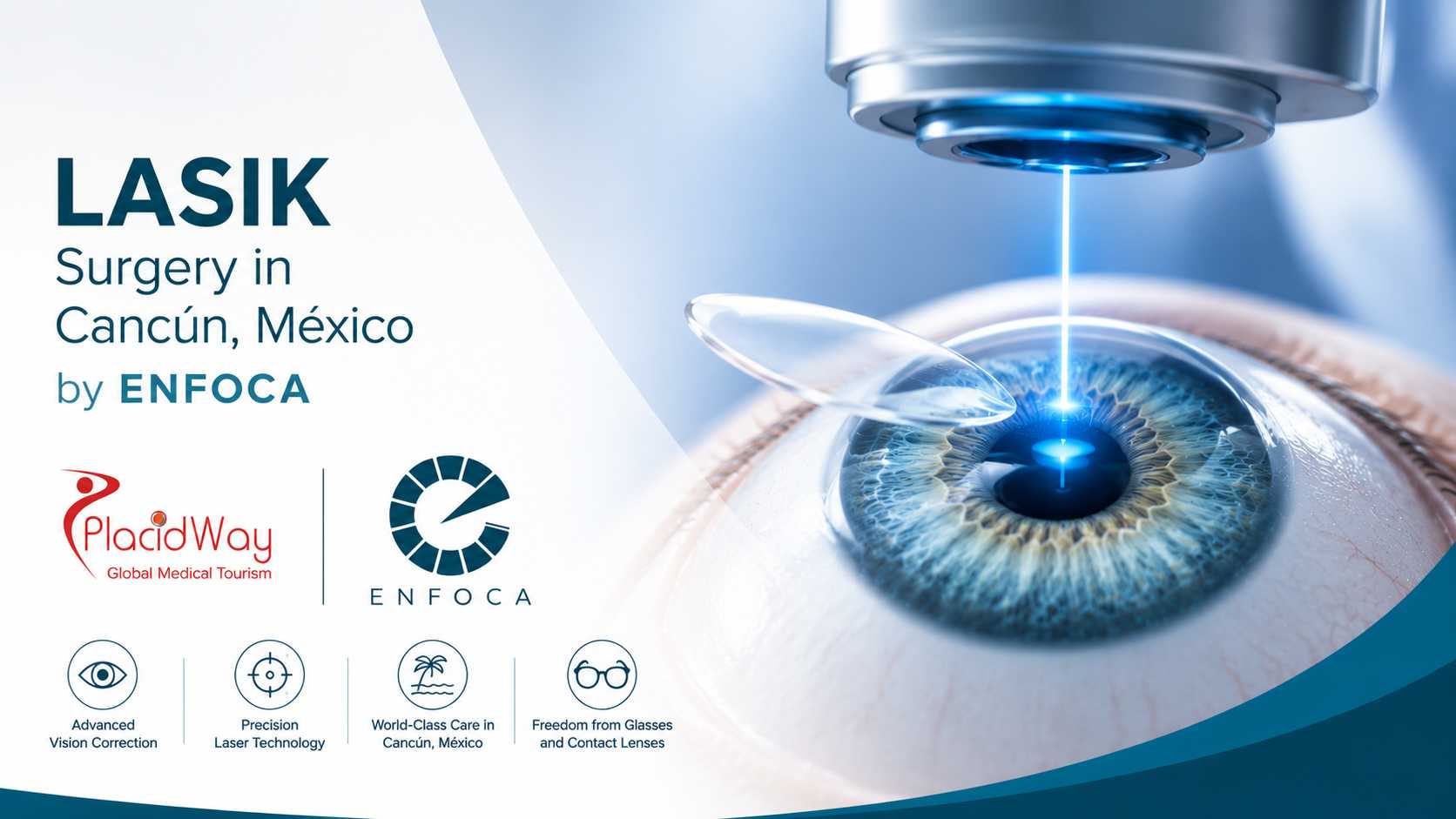
LASIK / Refractive Laser Surgery: Re-shapes corneal tissue via precise laser bursts to adjust how light hits the retina, resolving myopia, hyperopia, and astigmatism.
-
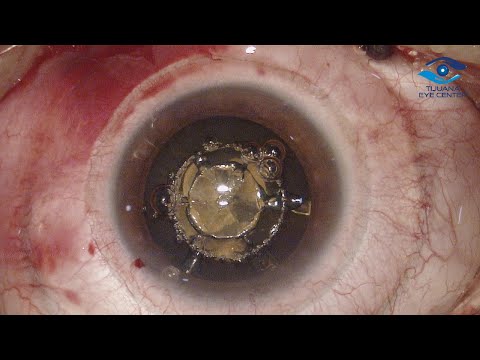
Advanced Cataract Surgery: Safely removes the eye's clouded natural lens through phacoemulsification and replaces it with a premium, clear Intraocular Lens (IOL) to restore crisp vision.
-
Vitreoretinal Interventions: Micro-surgical procedures aimed at stabilizing structural anomalies, such as fixing torn or detached retinas and managing macular health complications.
-
Glaucoma Management Frameworks: Deploying precise micro-shunts, laser selective trabeculoplasty, or localized therapeutic protocols to control and lower unsafe intraocular fluid pressure levels.
Compare the Price of Each Countries vs. USA
While the United States provides exceptional ophthalmic care, standard procedures often carry high prices due to significant administrative overhead, medical malpractice insurance, and complex commercial supply structures. Exploring global alternatives reveals remarkable value options for identical medical grade hardware tiers:
| Region / Country |
Estimated Cost (Cataract/Eye Surgery) |
Relative Value Rating |
| USA |
$4,000 - $7,000+ |
Baseline Premium Market |
| Turkey |
$1,500 - $3,000 |
Excellent Value |
| South Korea |
$2,000 - $3,500 |
High Technology Value |
| Mexico |
$1,200 - $2,500 |
Excellent Accessibility |
| India |
$800 - $2,000 |
Maximum Cost Savings |
*Note: Financial metrics represent baseline standard estimates. Final costs vary based on clinic choice, case complexity, and specific lens or hardware selection.
Frequently Asked Questions
1. Is it safe to get eye surgery in another country?
Yes, eye surgery abroad is highly safe provided you prioritize JCI-accredited clinics and board-certified specialists. Top-tier global eye care hospitals utilize the exact same or even stricter safety protocols and premium medical technology as premier clinics in the US or UK.
2. How long should I stay abroad for eye surgery?
For standard laser vision corrections like LASIK or SMILE, a stay of 3 to 7 days is generally recommended. This leaves ample time for detailed pre-operative baseline checks, the procedure itself, and initial post-op follow-ups before you travel home.
3. Does my insurance cover eye surgery abroad?
Standard health insurance plans rarely cover elective refractive procedures like LASIK abroad. While certain advanced corporate plans or specialized medical tourism policies might offer partial coverage, patients should generally prepare for out-of-pocket payment or look into medical financing options.
4. What should I bring to my consultation?
Please bring your detailed ophthalmic history, documentation of your previous eyeglass or contact lens prescriptions, a complete list of current medications, and any relevant diagnostic images or reports from your local doctor.
5. Can I fly immediately after eye surgery?
Most ophthalmologists recommend waiting 24 to 48 hours before boarding an airplane after standard laser procedures. For deeper intraocular surgeries, like retinal interventions involving gas bubbles, you must wait until your surgeon explicitly clears you to fly, as cabin pressure changes can pose risks.
6. How do I choose the right surgeon?
Look closely for official medical board certifications, verified sub-specialty fellowship training in fields like cornea or retina, and clear, documented proof of high case volumes for your specific procedure.
7. What if there are complications after I return home?
Choose international hospitals that provide structured digital follow-ups and telemedicine access. Leading institutions can coordinate directly with eye care clinics in your home community to manage your ongoing recovery smoothly.
8. Is laser eye surgery painful?
The vast majority of patients feel no pain during laser vision correction. Advanced numbing drops are applied directly to the eye surface before the procedure begins, meaning you will generally only feel a slight, temporary sensation of pressure.
9. Can children have eye surgery abroad?
Yes, certain childhood eye anomalies like strabismus or congenital cataracts can be treated abroad, but these procedures must be managed by highly specialized pediatric ophthalmologists within full-service medical infrastructure.
10. How soon will I see results?
For standard laser vision corrections like LASIK, many patients notice an improvement in clarity within 24 hours. For surgeries like cataract removal, your vision will continue to sharpen over a few weeks as the eye fully heals and adapts to the new intraocular lens.
Ready to Start Your Journey?
Find the best eye hospitals globally, compare comprehensive package pricing, and request personalized diagnostic information for your surgery.
References & Authoritative Sources
- American Academy of Ophthalmology. (n.d.). LASIK Eye Surgery - Overview & Patient Criteria. Retrieved from AAO.org
- Mayo Clinic. (n.d.). Eye Symptoms and Care: Structural Diagnosis and Mapping. Retrieved from MayoClinic.org
- National Eye Institute. (n.d.). Eye Health Resources: Research Frameworks and Emerging Tech. Retrieved from NEI.nih.gov
- NHS. (n.d.). Cataract Surgery: Assessment Frameworks and Patient Recovery Timelines. Retrieved from NHS.uk
- National Eye Institute (NEI). (n.d.). Understanding Ocular Pathologies and Chronic Eye Diseases.
- PlacidWay Medical Tourism. (n.d.). Global Access to Quality Ophthalmology Care. Retrieved from PlacidWay.com








.png)










Share this listing